In the highly sensitive and regulated world of baby formula production, packaging is far more than a final step—it is a critical guarantee of product safety, nutritional integrity, and consumer trust. A specialized Packaging Line for Baby Formula must address unique challenges, from maintaining powder flowability and preventing contamination to ensuring precise dosing and secure sealing. This article delves into the components and benefits of a complete, automatic powder filling and packing solution designed specifically for this vital industry.
The Critical Role of Specialized Packaging in Infant Nutrition
Baby formula is a lifeline for millions of infants worldwide. Its packaging must protect against moisture, oxygen, light, and microbial ingress to preserve the delicate nutritional profile. Any compromise can affect the product’s safety and efficacy. Therefore, investing in a dedicated, automated packaging line is not an operational luxury but a fundamental requirement for manufacturers committed to excellence and compliance with stringent global standards like FDA and EU regulations.
Core Advantages of Automation
Transitioning from semi-automatic or manual processes to a complete automatic line delivers transformative benefits:
- Unmatched Consistency & Accuracy: Automated servo-driven fillers dispense powder with precision measured in milligrams, ensuring every sachet or tin contains the exact specified weight. This eliminates giveaway and guarantees consistent nutritional value per serving.
- Enhanced Product Safety & Hygiene: Closed-system design minimizes human contact with the product. Integrated with CIP (Clean-in-Place) systems and HEPA-filtered air environments, these lines drastically reduce the risk of contamination.
- Superior Operational Efficiency: High-speed, continuous operation significantly boosts output. A single, integrated line can handle filling, sealing, coding, and cartoning, reducing labor costs and production bottlenecks.
- Data Traceability & Quality Control: Modern lines are equipped with sensors and SCADA systems that monitor every parameter—weight, seal integrity, metal detection—in real-time. This creates a complete digital batch record for full traceability.
Deconstructing a Complete Automatic Baby Formula Packaging Line
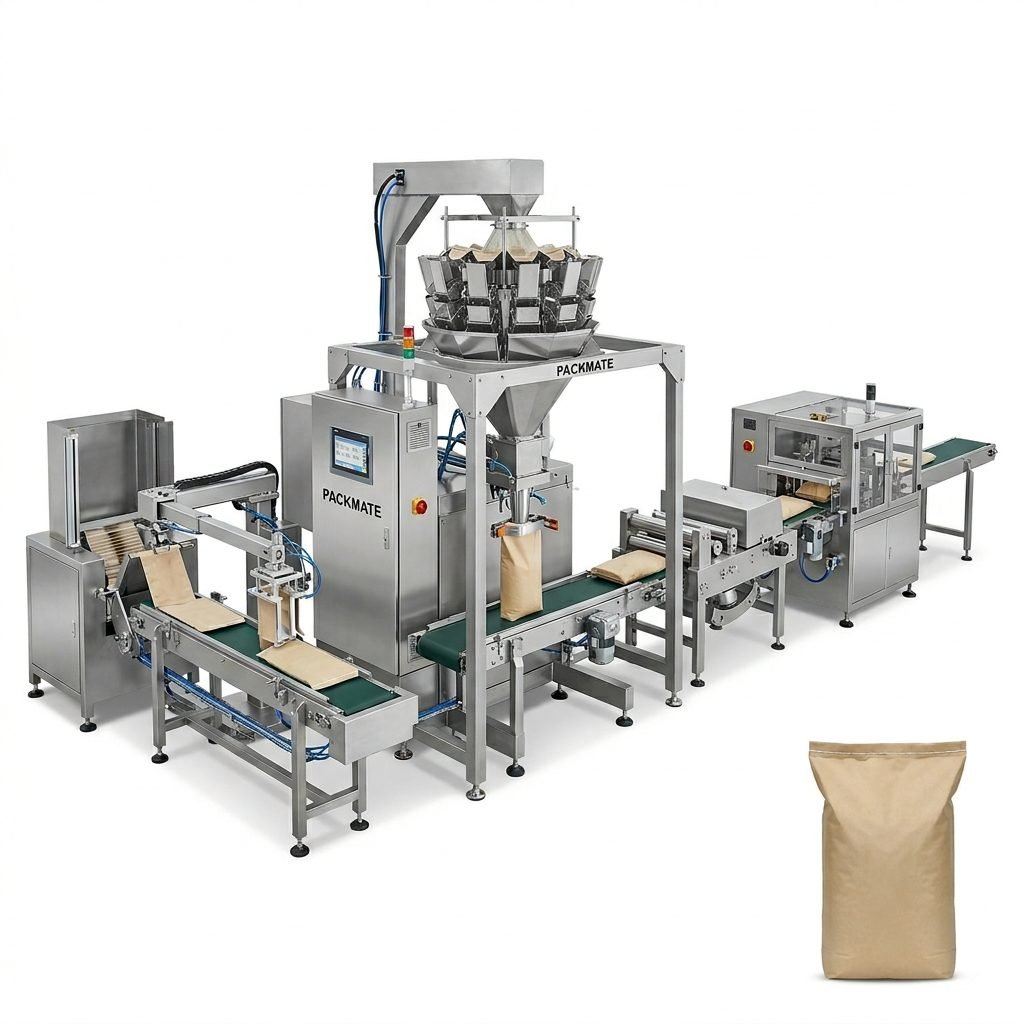
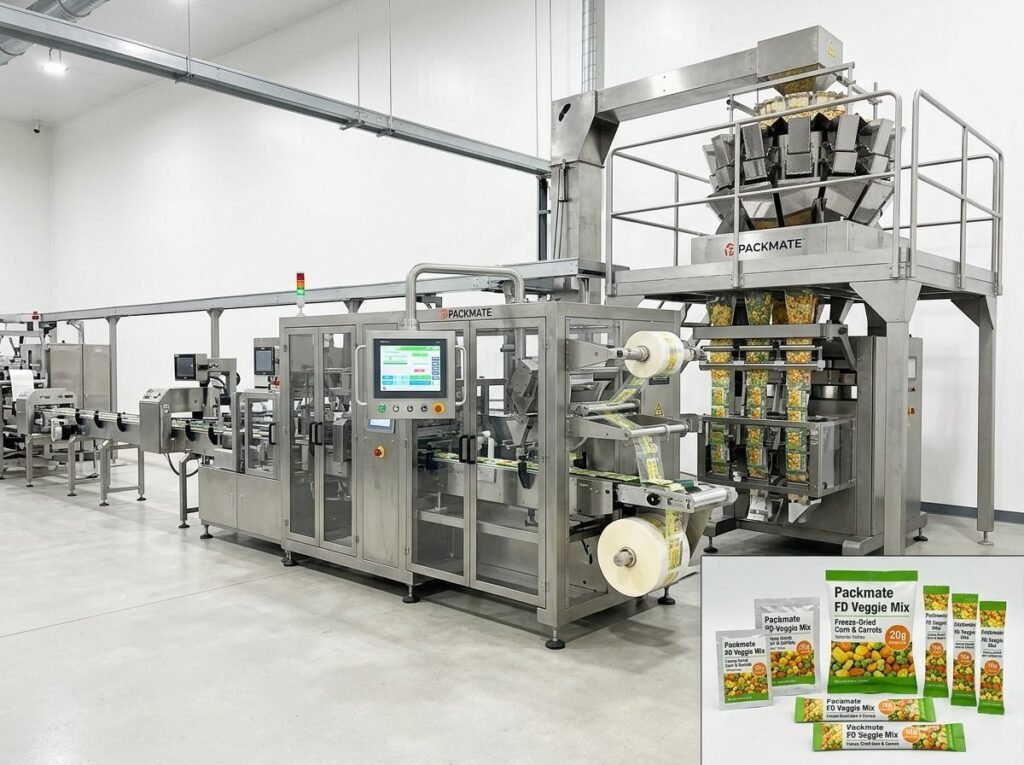
A turnkey solution is a symphony of synchronized machinery. Here’s a breakdown of its key components:
1. Powder Handling & Feeding System
This is the starting point. A vacuum conveyor or screw elevator gently transfers formula powder from a bulk container (like a bin) to the main filler hopper. Critical features include de-aeration mechanisms to maintain powder density and sifter/metal detector integration to remove any potential foreign objects before filling.
2. The Heart: Precision Powder Filling Machine
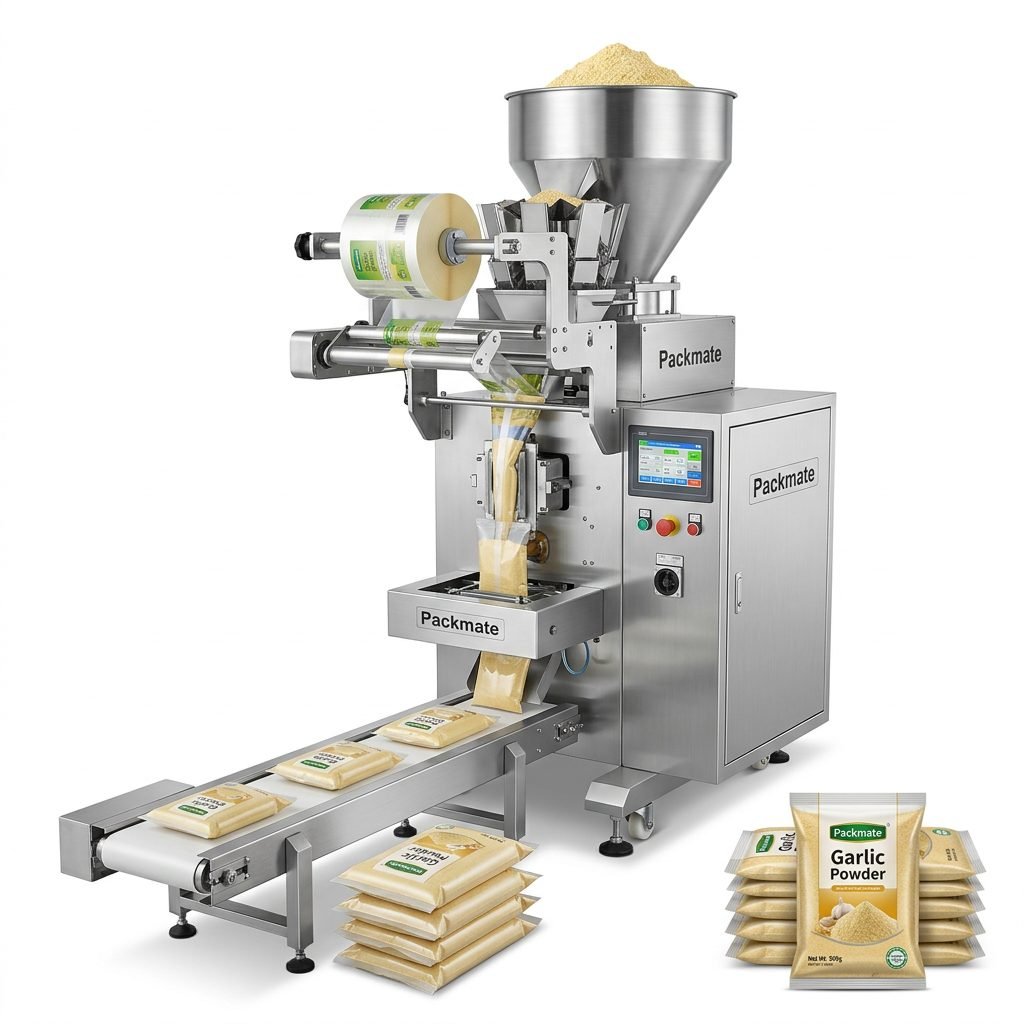
This is the core of accuracy. For baby formula, auger fillers are predominantly used due to their gentle handling and volumetric precision.
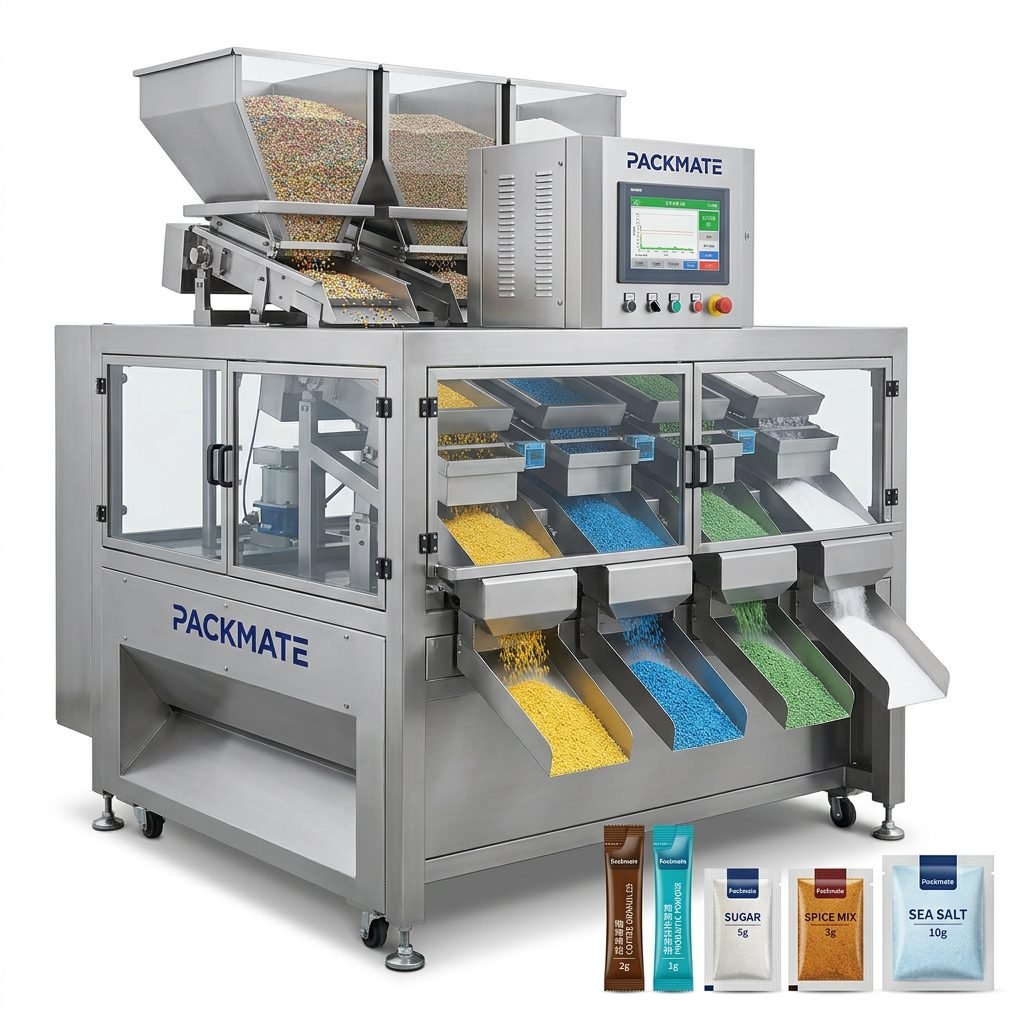
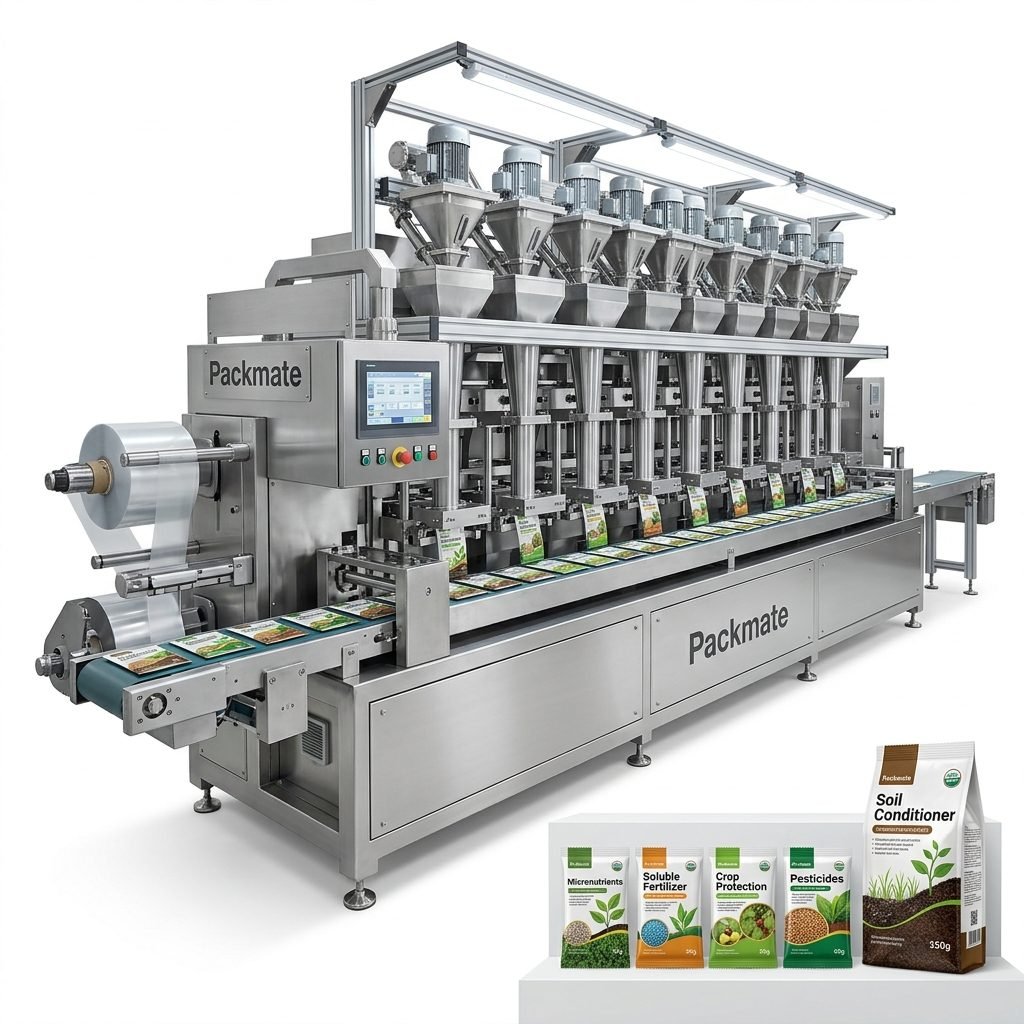
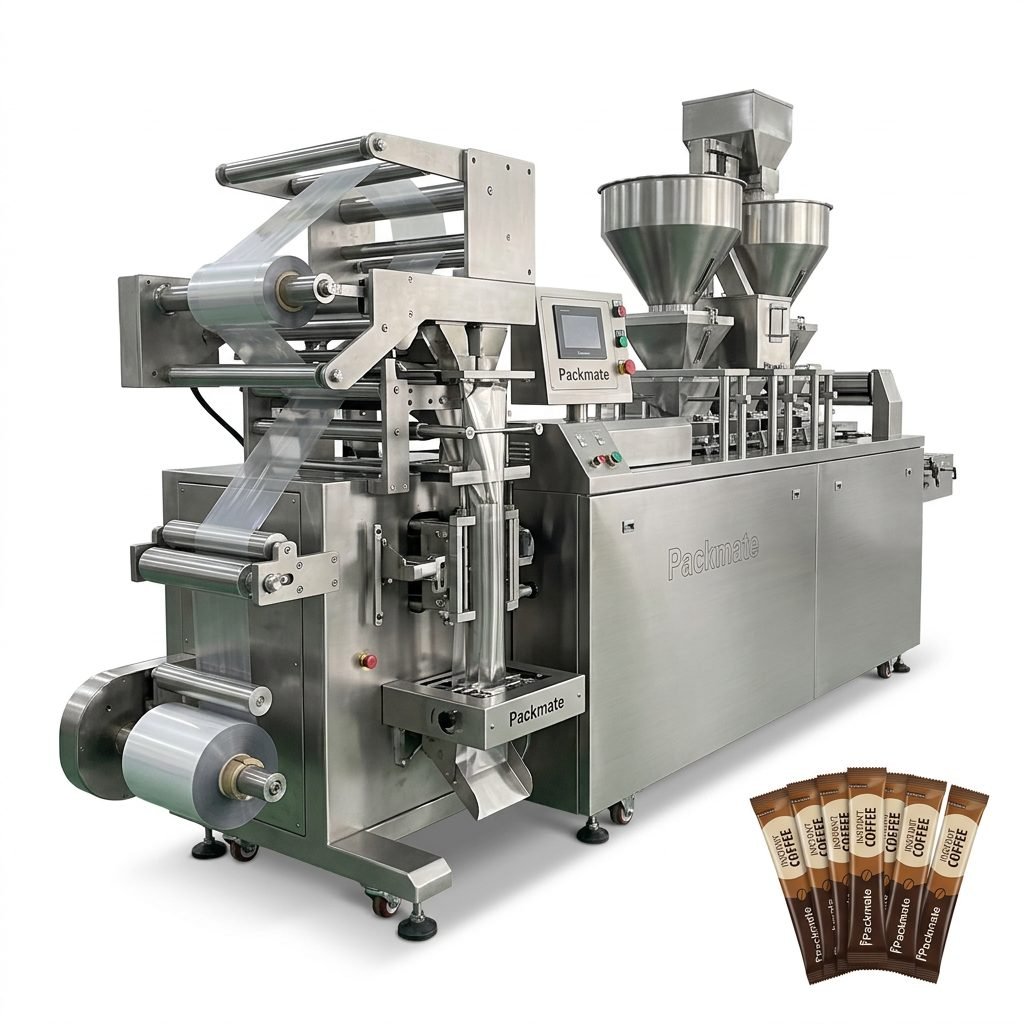
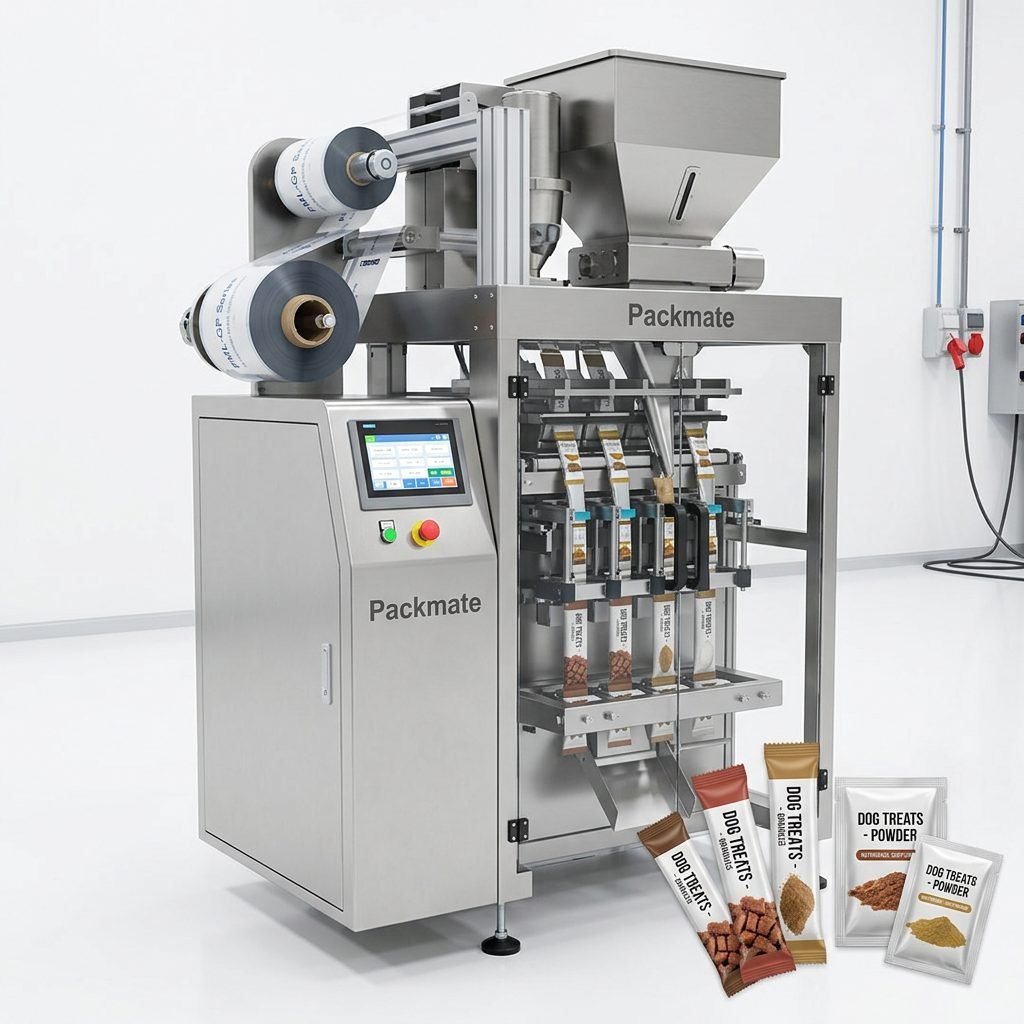
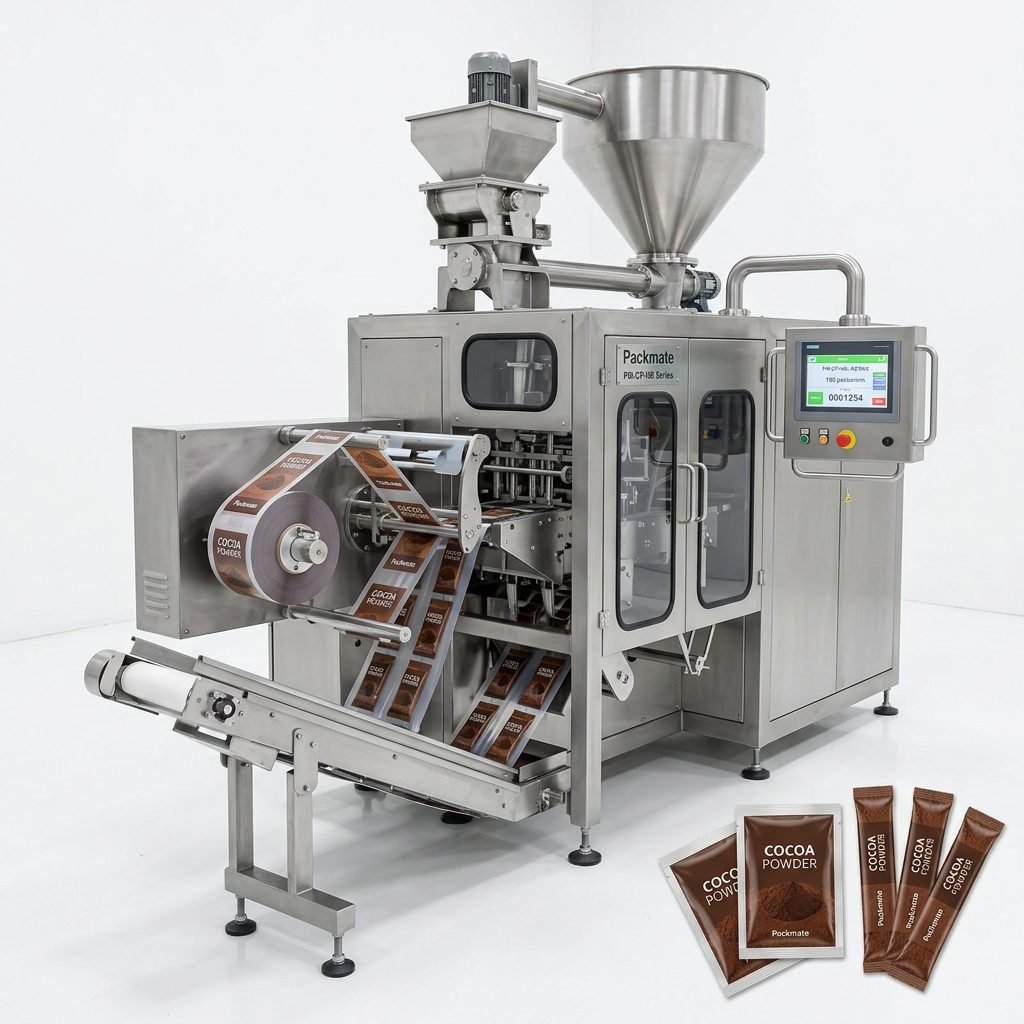
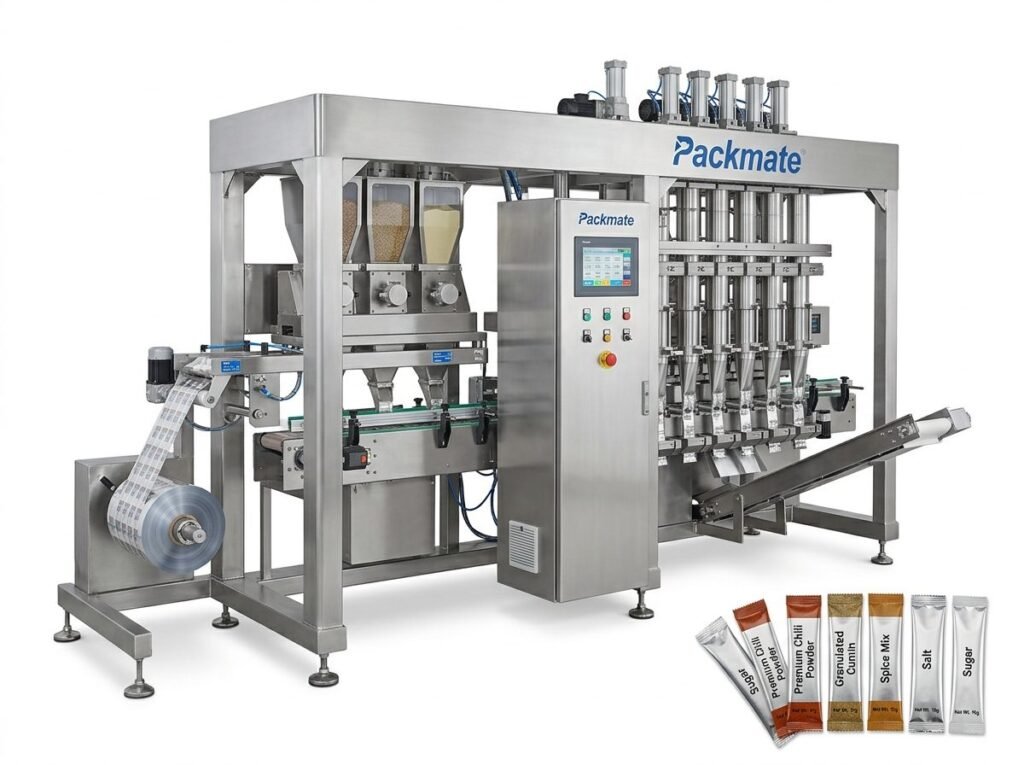
- Multi-Lane Auger Fillers: Designed for high-speed production of small pouches or sachets. Multiple filling heads operate simultaneously, each driven by a servo motor for independent weight adjustment and compensation.
- Net Weight Fillers: For larger containers like tins or cans, these systems weigh each container during the filling process to achieve the highest possible accuracy.
All contact parts are made of food-grade stainless steel (316L is ideal) and designed for easy, tool-free disassembly for cleaning.
3. Form-Fill-Seal (FFS) or Container Handling
This stage defines the final package format.
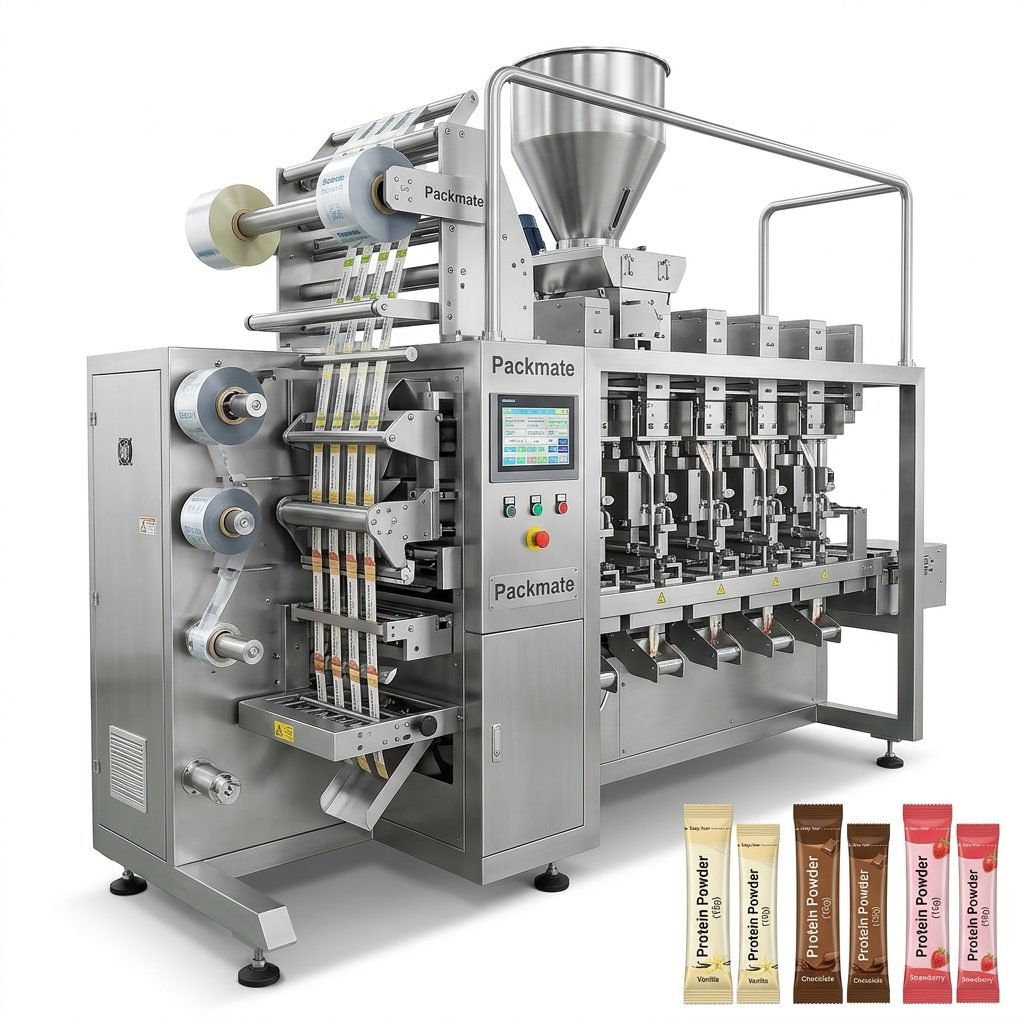
- Vertical Form-Fill-Seal (VFFS): Creates pouches or stick packs from a roll of laminated film. The film is formed into a tube, filled, and then sealed. Ideal for single-serve sachets. The sealing jaws must provide a hermetic seal to lock out moisture and oxygen.
- Pre-Made Container Systems: For tins, cans, or composite containers. An unscrambler orients containers, which are then conveyed to the filler, sealed with a lid, and induction-sealed for an extra layer of protection.
4. Secondary Packaging & Integration
After primary packaging, the line often integrates further automation:
- Checkweighers: Verify the weight of every single package, rejecting any under or over-weight units.
- Metal Detectors or X-ray Inspectors: Provide a final safety check for metallic or other physical contaminants.
- Cartoning Machines: Automatically collate individual sachets or tins into retail cartons, inserting leaflets and closing the boxes.
- Case Packing & Palletizing: For end-of-line logistics, forming shipping cases and stacking them onto pallets.
Why Partner with an Experienced Solution Provider?
Designing and implementing such a complex line requires deep expertise. A provider like Packmate (GuangDong) Co., Ltd. brings over 30 years of specialization in powder packaging. They don’t just sell machines; they deliver turnkey solutions. This includes:
- Feasibility analysis and line layout design.
- Machine manufacturing, FAT (Factory Acceptance Testing), and installation.
- Comprehensive operator and maintenance training.
- Ongoing technical support and spare parts service.
Exploring their portfolio of successful case studies can provide valuable insights into real-world applications.
Key Considerations for Selecting Your Line
Choosing the right system involves several critical factors:
- Production Speed & Output: Define your required packs per minute (PPM) for both current needs and future growth.
- Package Format & Flexibility: Will you produce only one type of package (e.g., 900g tin) or multiple SKUs (sachets, tins, etc.)? Modular designs allow for quicker changeovers.
- Regulatory Compliance: Ensure the line and its materials of construction meet the food safety standards of your target markets (e.g., cGMP, EHEDG guidelines).
- Hygienic Design: Look for smooth surfaces, easy-clean components, and validated cleaning protocols.
- Total Cost of Ownership (TCO): Evaluate not just the purchase price, but also energy consumption, maintenance needs, and potential downtime.
Future Trends: Smart Packaging Lines
The future of baby formula packaging is intelligent. Industry 4.0 integration allows for:
- Predictive Maintenance: Sensors predict component failure before it causes unplanned downtime.
- AI-Powered Vision Inspection: Cameras using artificial intelligence can detect seal defects, label misalignment, or even minor packaging flaws beyond human vision.
- Cloud-Based Monitoring: Production data is accessible remotely, enabling managers to oversee efficiency and OEE (Overall Equipment Effectiveness) from anywhere.
Adopting a line with this connectivity readiness future-proofs your investment. For a comprehensive look at available technologies, reviewing a detailed equipment catalog from a trusted supplier is an excellent first step.
Conclusion
A complete, automatic packaging line for baby formula is a sophisticated engineering solution that directly impacts product quality, brand reputation, and business profitability. By ensuring precision, safety, and efficiency, it empowers manufacturers to meet the highest expectations of caregivers and regulators alike. Investing in a well-designed, hygienic, and reliable system from an experienced partner like Packmate is a strategic decision that safeguards the most vulnerable consumers while optimizing your production operations for long-term success.
Frequently Asked Questions (FAQs)
1. What is the typical accuracy range of an auger filler for baby formula?
Modern servo-driven auger fillers can achieve remarkable accuracy, typically within ±0.5% to ±1% of the target fill weight for most powder types. For critical applications, net weight systems can achieve even tighter tolerances. The exact accuracy depends on powder characteristics (flowability, density) and the machine’s design.
2. How do you ensure the packaging line is hygienic enough for baby food?
Hygiene is ensured through multiple layers: using 316L stainless steel for contact parts, designing for easy disassembly without tools (CIP/SIP capabilities), integrating HEPA air filtration over filling zones, and adhering to sanitary design principles with no dead zones where powder can accumulate. The entire line should be validatable for cleaning protocols.
3. Can one packaging line handle different package sizes, like both sachets and tins?
While a single, integrated line is typically optimized for one primary format, many systems are designed with modularity and quick changeover in mind. With interchangeable parts (like auger screws, forming tubes, or container fixtures) and programmable recipes, changeover between similar formats (e.g., different sachet sizes) can be achieved in 30 minutes or less. Switching between vastly different formats (e.g., from sachets to tins) usually requires a separate, dedicated line or significant module swapping.
4. What kind of after-sales support should I expect?
Reputable suppliers offer comprehensive support, including detailed installation supervision, on-site training for your operators and maintenance staff, a warranty period, readily available spare parts, and remote technical assistance. Many, like Packmate, also provide periodic maintenance contracts. It’s crucial to clarify the support scope before purchase.
5. How long does it take to commission a complete new packaging line?
The timeline varies based on line complexity and customization. Generally, from order placement to full production, expect a period of 4 to 8 months. This includes detailed engineering, manufacturing, factory testing (FAT), shipment, installation at your site, site acceptance testing (SAT), and operator training. Clear communication and planning with your supplier are key to a smooth timeline. For more specific queries, it’s best to contact the provider directly with your project details.