In today’s competitive manufacturing landscape, the packaging line is far more than a final step—it’s a critical nexus of efficiency, cost, and sustainability. Optimizing this line is a strategic imperative for businesses aiming to enhance profitability, reduce environmental impact, and meet escalating consumer demand. A slow, wasteful, or unreliable packaging process can erode margins and damage brand reputation. Conversely, a streamlined operation directly contributes to a healthier bottom line and greater operational agility. This article delves into practical, actionable strategies to improve packaging line efficiency, focusing on optimizing speed, minimizing waste, and ultimately cutting costs.
Understanding the Core Metrics of Packaging Line Performance
Before implementing improvements, it’s essential to establish clear performance benchmarks. Key metrics include Overall Equipment Effectiveness (OEE), which combines availability, performance, and quality rates; line speed measured in units per minute; changeover time; and waste percentage (including material waste and product giveaway). Regularly monitoring these metrics provides a data-driven foundation for identifying bottlenecks and measuring the success of optimization efforts. For a deeper dive into how these metrics apply to complete production solutions, explore our dedicated packaging solutions.
Key Insight: True efficiency isn’t just about raw speed. It’s about achieving the highest sustainable output with the least amount of waste and downtime. A holistic view that balances speed, quality, and resource use is paramount.
Strategy 1: Optimizing Machine Speed and Throughput
Increasing line speed is often the most direct path to higher output. However, this must be done intelligently to avoid compromising quality or increasing mechanical stress.
- Preventive and Predictive Maintenance: A well-maintained machine is a fast and reliable machine. Implementing a rigorous preventive maintenance schedule for key components like drives, seals, and cutting mechanisms prevents unexpected breakdowns. Moving towards predictive maintenance—using sensors to monitor vibration, temperature, and wear—can anticipate failures before they cause downtime.
- Automation Integration: Automating manual tasks such as carton erection, case packing, and palletizing can dramatically increase line speed and consistency. Robotic pick-and-place systems, for instance, can operate at speeds far beyond human capability without fatigue.
- Smart Line Synchronization: Ensure all machines in the line are perfectly synchronized. A filler running faster than the downstream capper creates a bottleneck, while a slower labeler forces the upstream machines to pause. Modern programmable logic controllers (PLCs) and integrated line control systems can manage this synchronization dynamically.
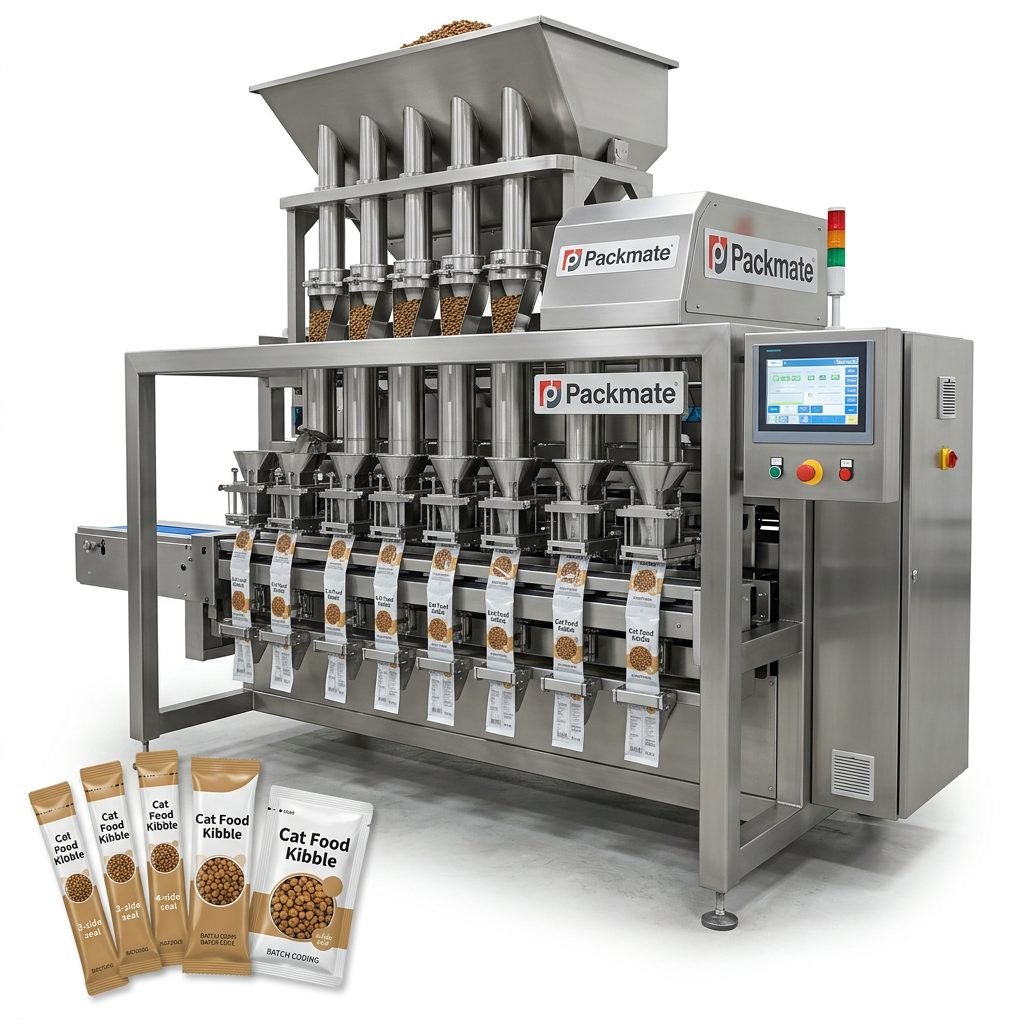
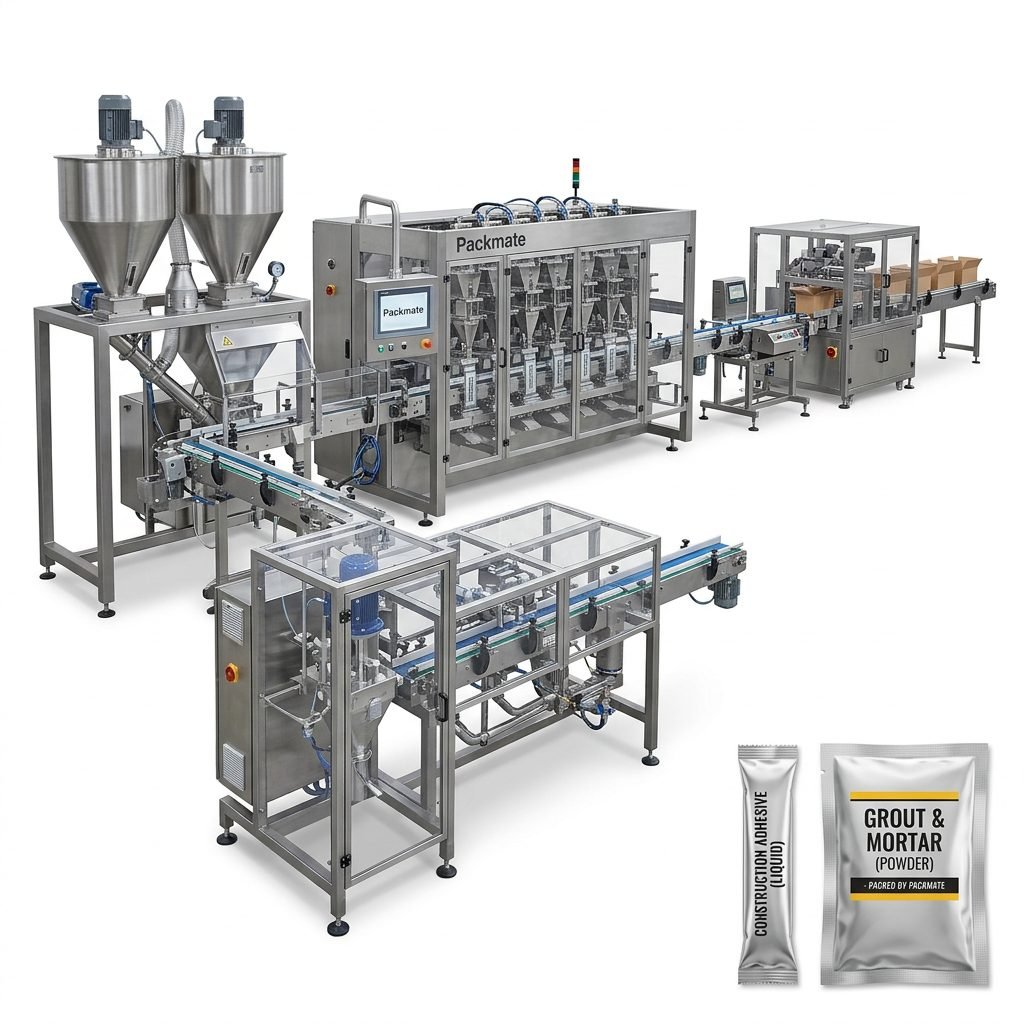
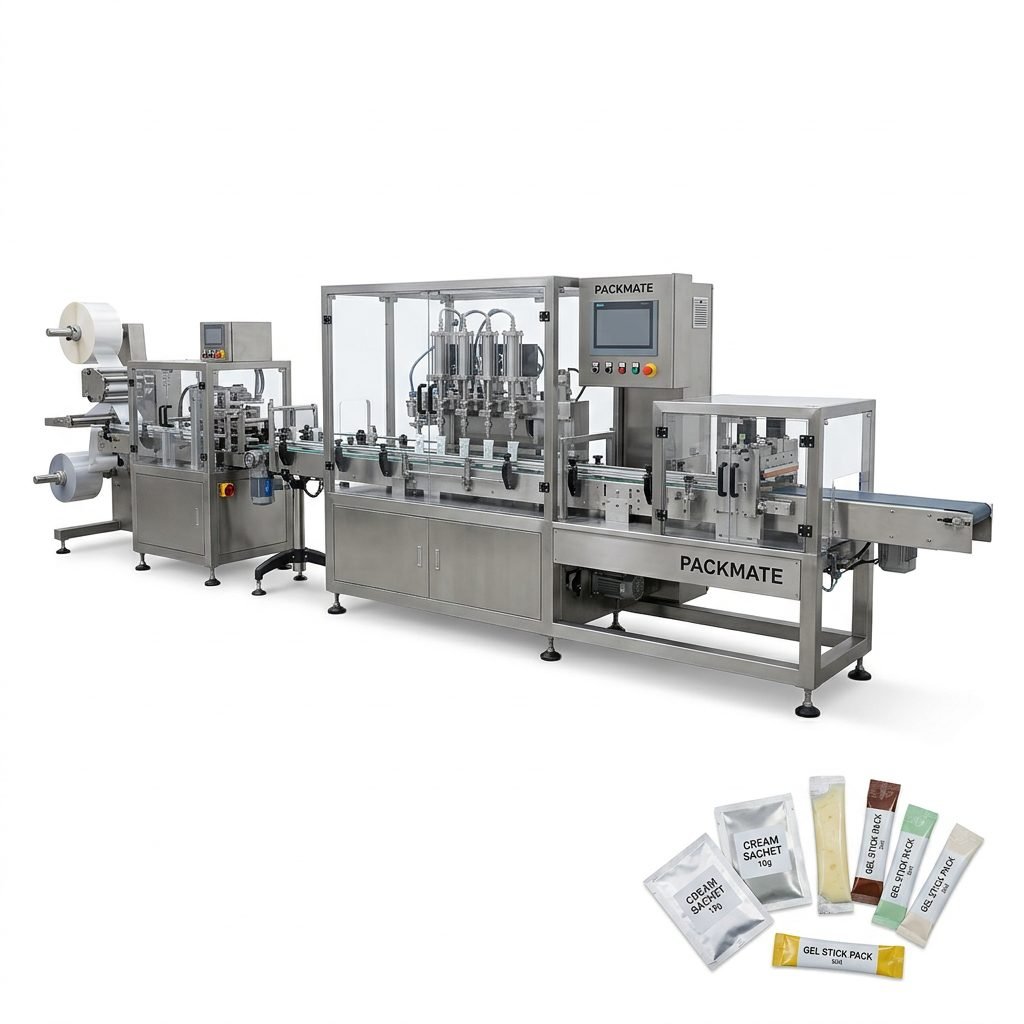
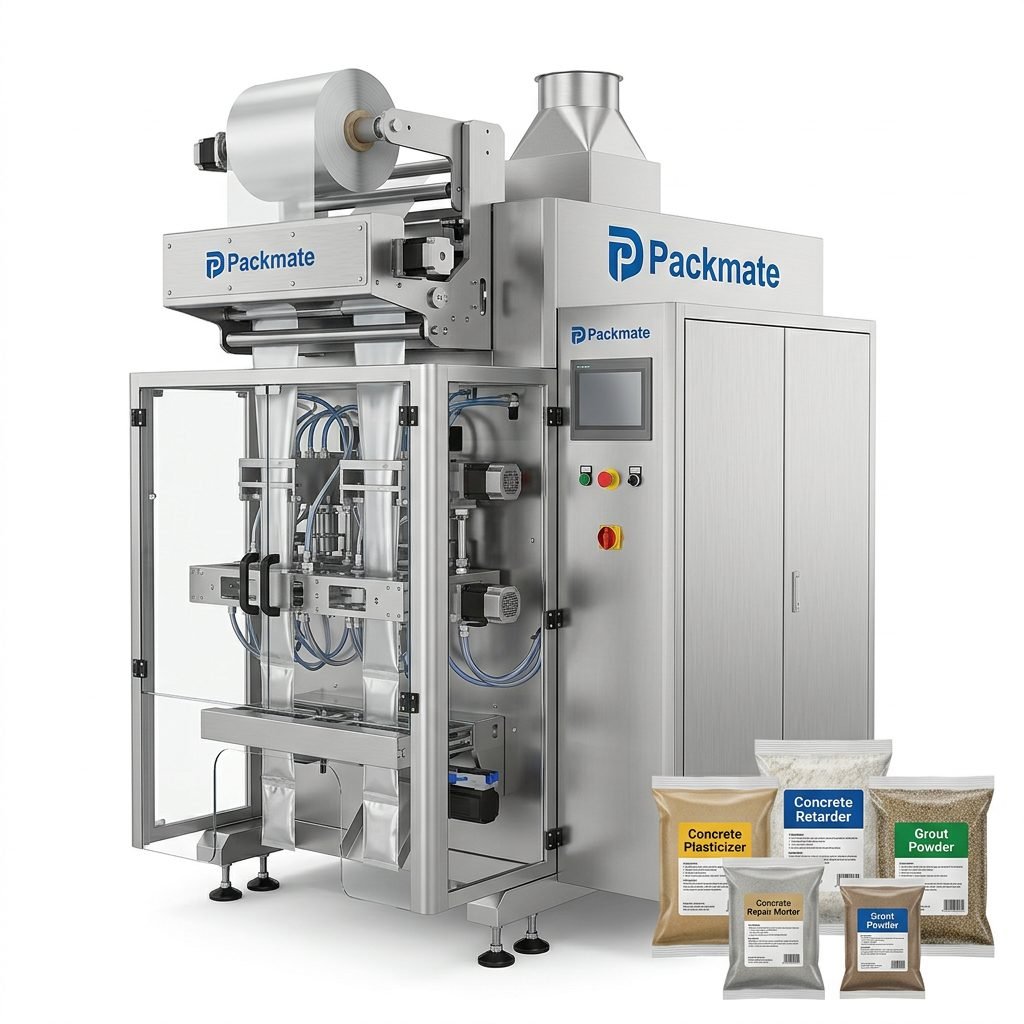
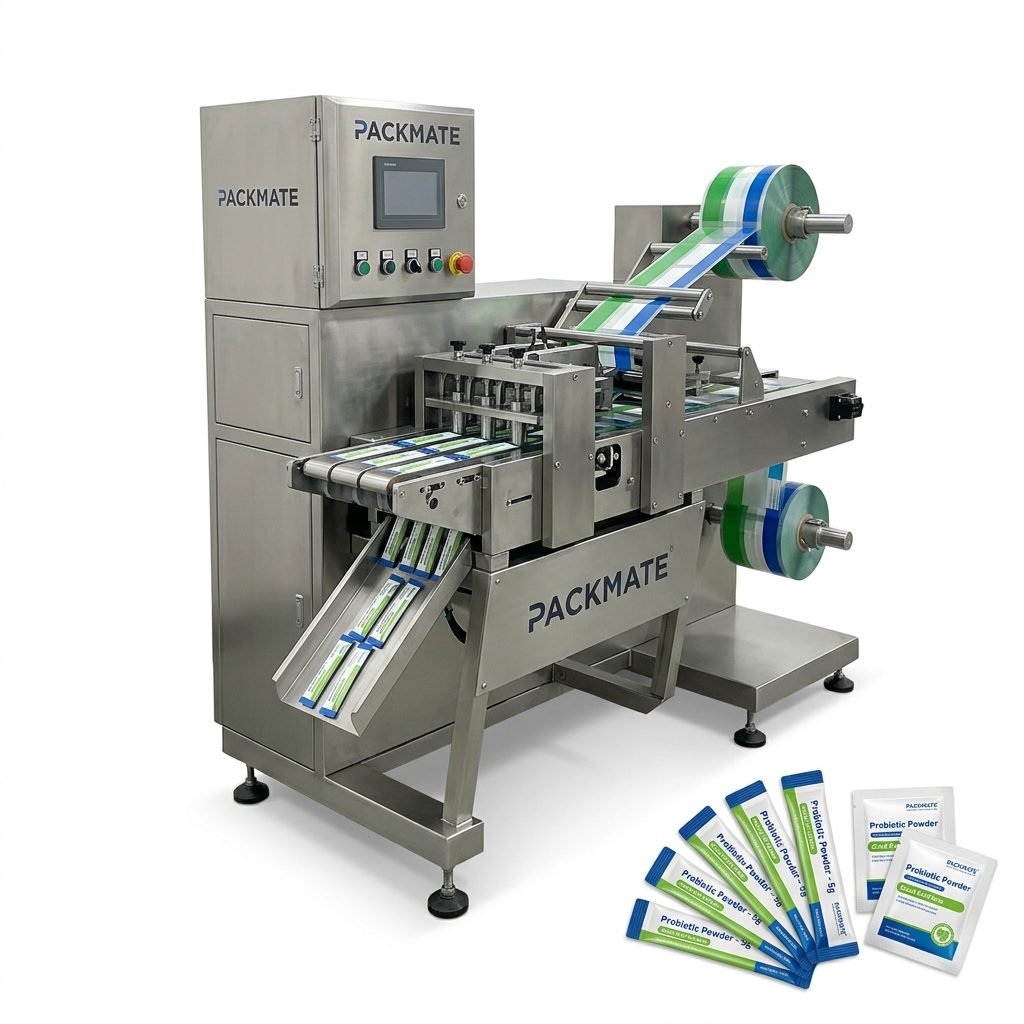
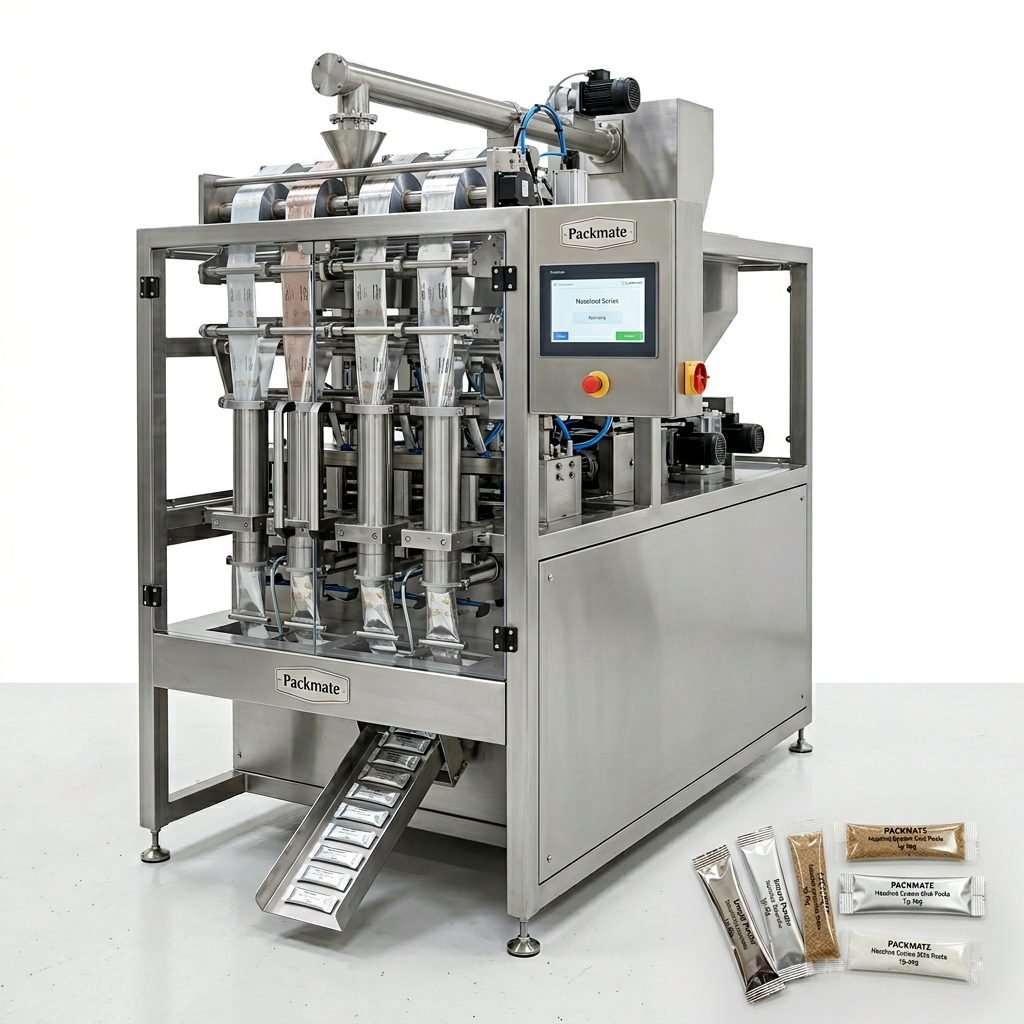
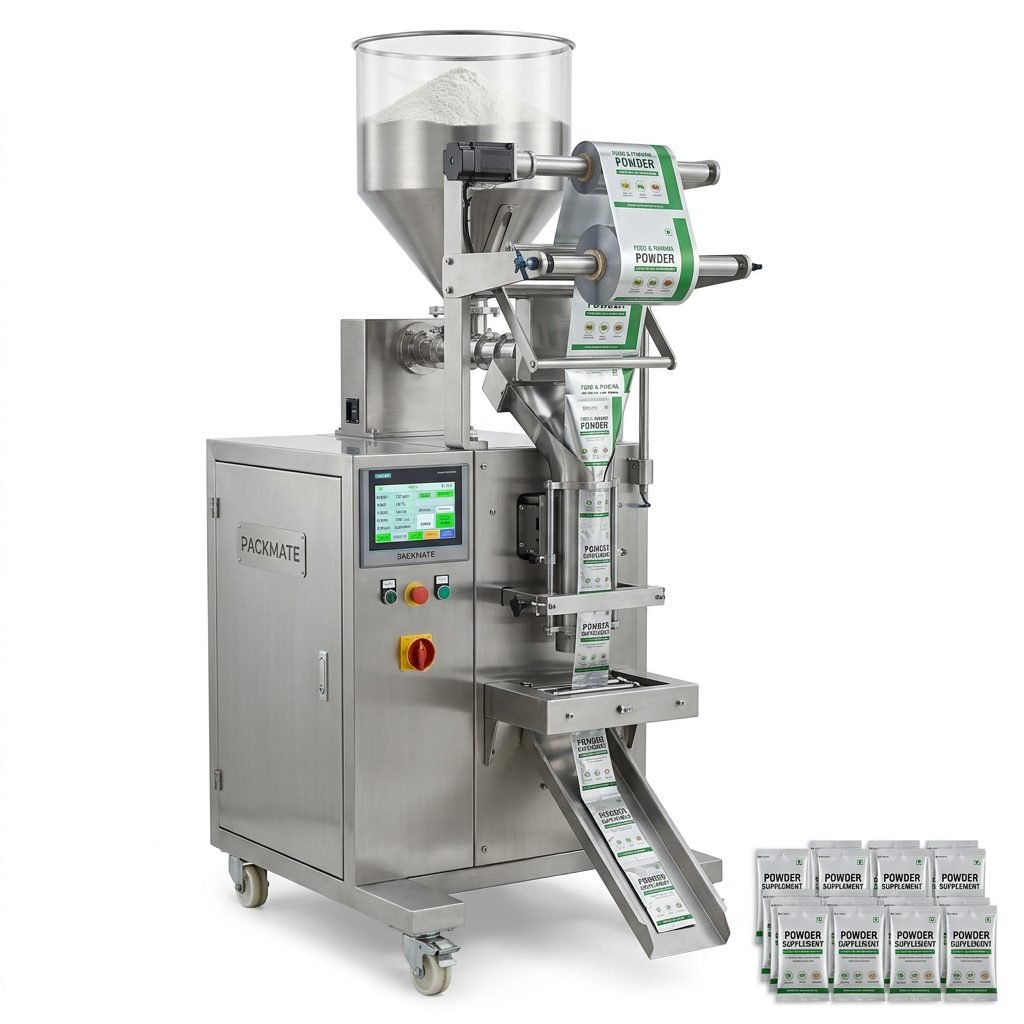
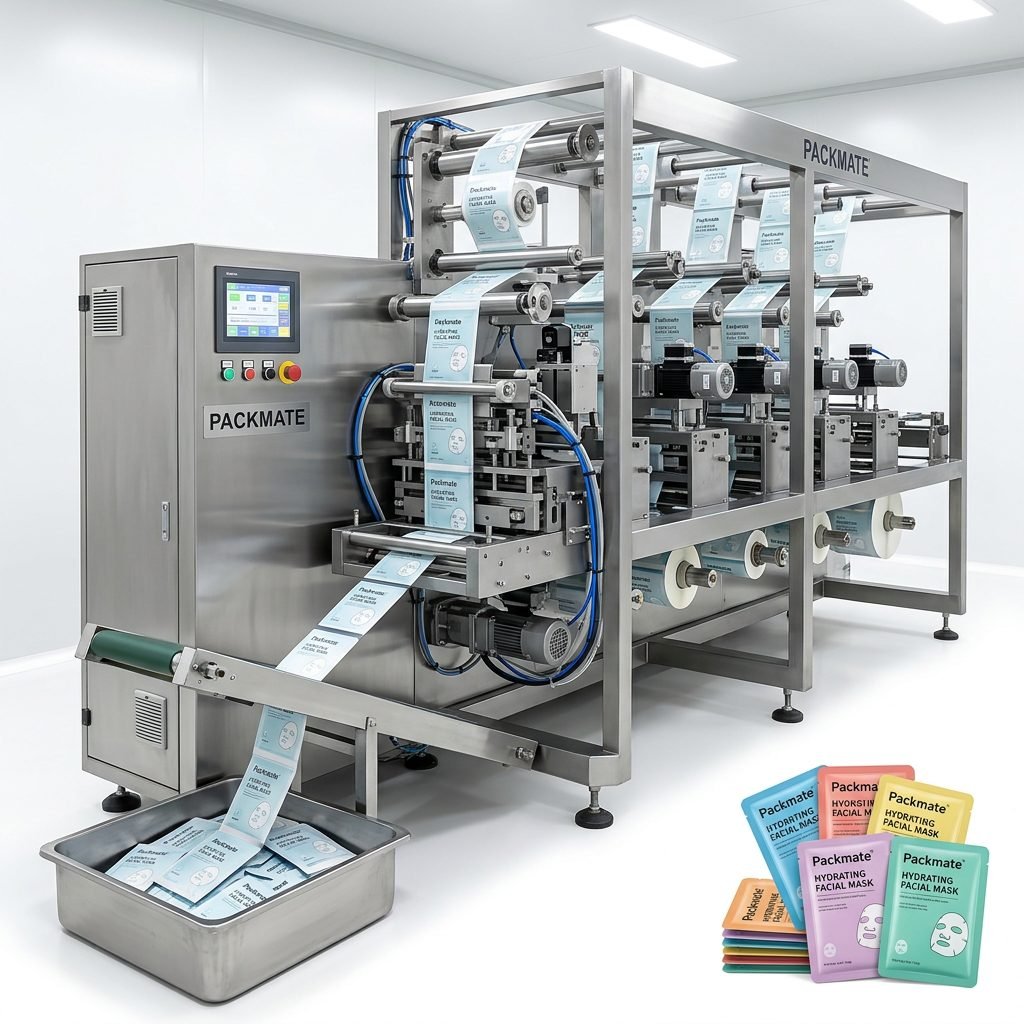
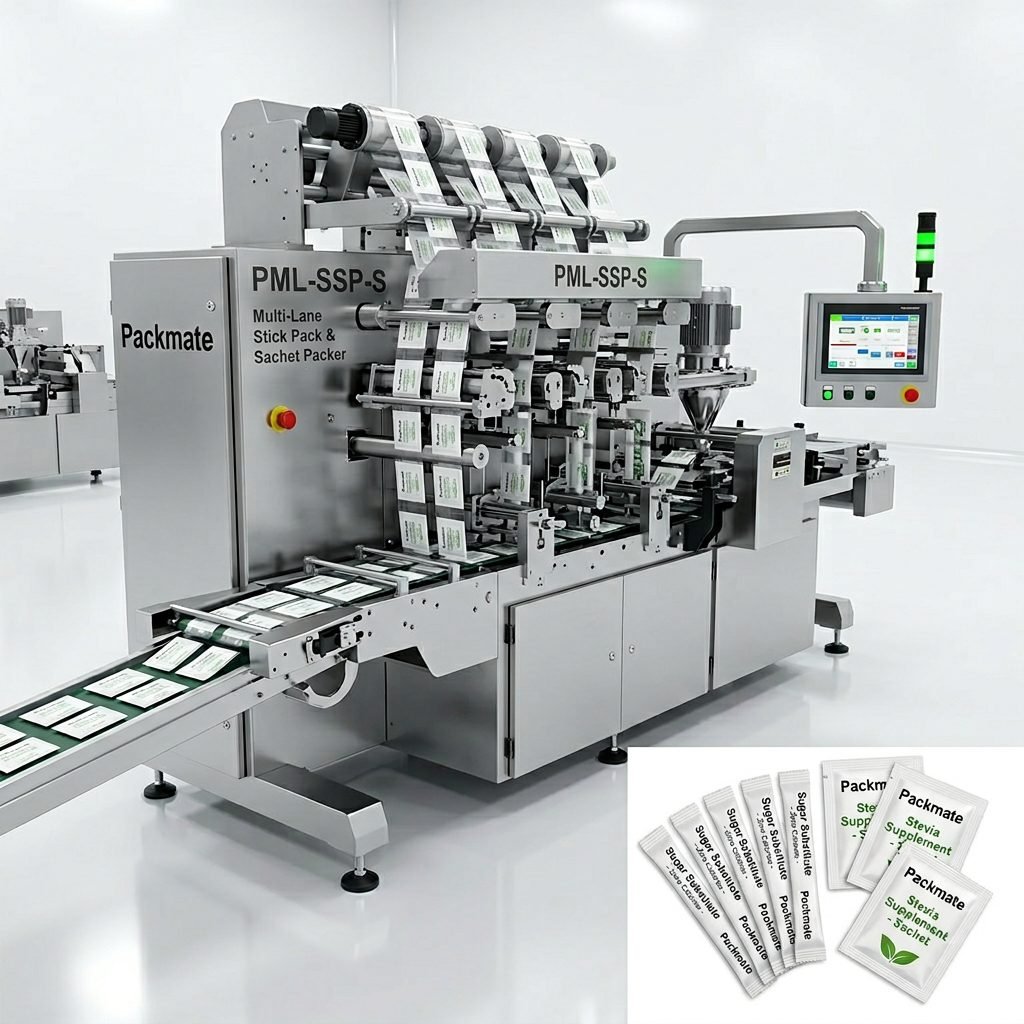
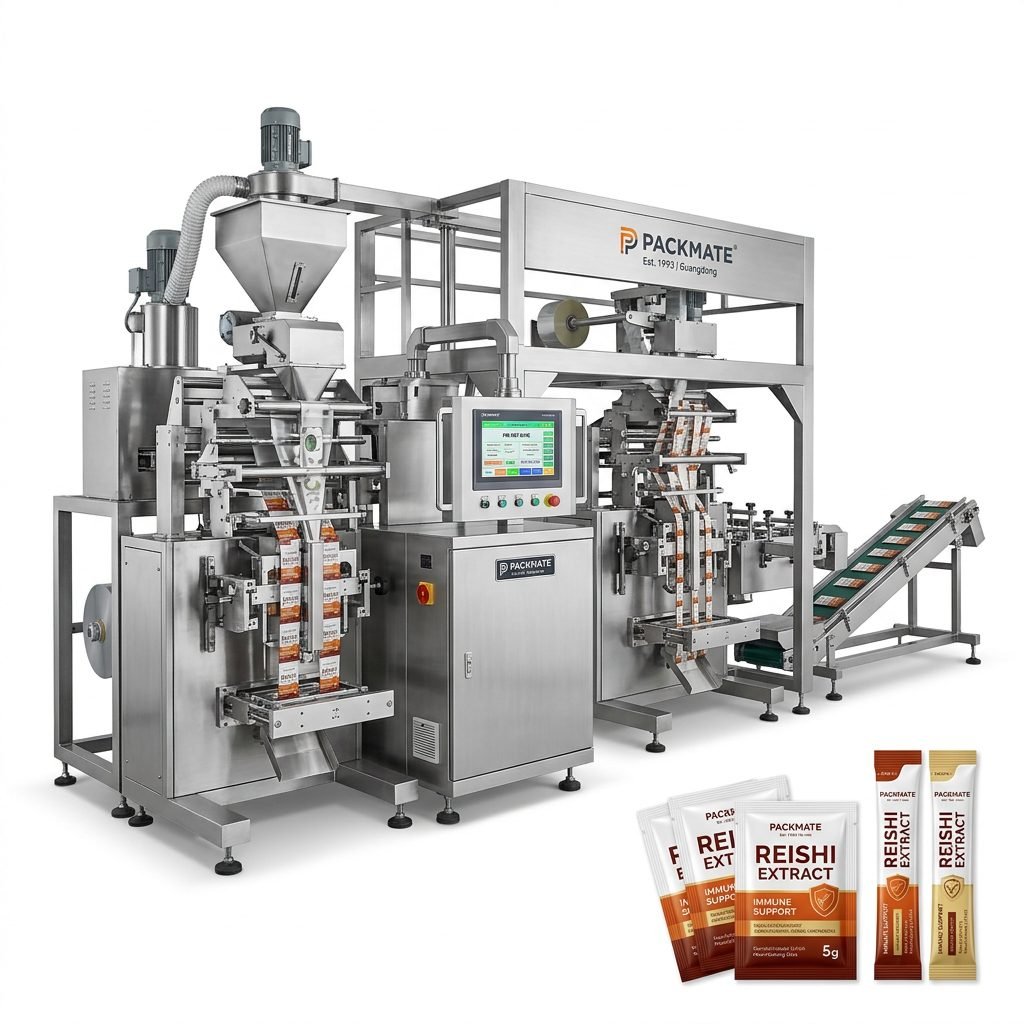
Companies like Packmate (GuangDong) Co., Ltd. specialize in designing such synchronized, intelligent packaging lines that are engineered for peak throughput from the outset.
Strategy 2: Implementing Waste-Reduction Initiatives
Waste is a direct drain on profitability, encompassing raw materials, energy, and time. Reducing it has both economic and environmental benefits.
- Material Optimization: Work with material suppliers and conduct trials to determine the minimum film thickness or board grade that still provides adequate product protection. Even a small reduction in material use per unit translates to massive savings at high volumes.
- Precision Filling and Dosing: Invest in high-accuracy fillers and dosers. “Giveaway”—providing more product than labeled—is a common and costly form of waste. Statistical process control (SPC) for filling weights ensures compliance and minimizes product loss.
- Reducing Changeover Waste: The period during a product changeover often generates significant waste as the line stabilizes. Employing Quick Changeover (QCO) or SMED (Single-Minute Exchange of Die) methodologies minimizes this non-productive time and the associated scrap material.
- Reject Handling Systems: Implement smart systems that can gently divert and recover rejected packages (e.g., due to incorrect labeling) for rework, rather than automatically sending them to scrap.
Practical Tip: Start a Waste Audit
For one week, categorize and weigh all waste from your packaging line: film trimmings, misformed packages, product spillage, and overfills. This tangible data will pinpoint the largest opportunities for improvement and help justify investment in new technology or processes.
Strategy 3: Cutting Costs Through Smart Operational Practices
Cost reduction extends beyond materials to energy, labor, and lifecycle expenses.
- Energy-Efficient Machinery: Newer packaging equipment often features servo-driven technology, which is more energy-efficient than traditional mechanical drives. While the upfront cost may be higher, the long-term savings on electricity can be substantial.
- Labor Optimization: Use automation to free skilled operators from repetitive tasks, allowing them to focus on line monitoring, quality checks, and problem-solving. This improves job satisfaction and leverages human skills more effectively. Cross-training staff increases flexibility and reduces dependency on specific individuals.
- Lifecycle Cost Analysis: When purchasing new equipment, look beyond the initial price tag. Consider the total cost of ownership, including expected maintenance costs, spare part availability, energy consumption, and potential for future upgrades. A reliable, service-friendly machine from a reputable provider like Packmate often proves more economical over a decade of operation than a cheaper, less reliable alternative.
- Digitalization and Data Analytics: Implementing an IIoT (Industrial Internet of Things) platform to collect real-time data from your packaging line enables proactive decision-making. Analytics can identify subtle inefficiencies, predict maintenance needs, and optimize production schedules, leading to significant cost savings.
Leveraging Technology for Continuous Improvement
The future of packaging line efficiency lies in connectivity and intelligence. Vision inspection systems ensure 100% quality control at high speeds, catching defects that human inspectors might miss. Digital twins—virtual models of the physical line—allow for simulation and optimization of processes without disrupting production. Exploring these technologies is key to staying ahead. Review real-world applications in our project case studies.
Ultimately, improving packaging line efficiency is not a one-time project but a culture of continuous improvement. It requires commitment from management, engagement from operators, and often, partnership with a knowledgeable equipment provider. By systematically addressing speed, waste, and cost through the strategies outlined, manufacturers can build a packaging operation that is not only efficient but also resilient and adaptable to future challenges. For more insights into our approach and capabilities, you can learn about our company’s mission and vision.
Frequently Asked Questions (FAQs)
1. What is the first step I should take to improve my packaging line’s efficiency?
The absolute first step is measurement and data collection. You cannot improve what you do not measure. Start by tracking key metrics like OEE, downtime reasons, changeover times, and material waste for a defined period. This baseline data will clearly show your biggest opportunities for improvement.
2. Is investing in new, faster machinery always the best solution?
Not always. While new technology can offer leaps in performance, significant gains can often be achieved by optimizing existing equipment. Before considering a capital investment, ensure your current line is perfectly maintained, synchronized, and that operational practices (like changeovers) are as lean as possible. Sometimes, a retrofit or upgrade is more cost-effective than a full replacement.
3. How can I reduce packaging material waste without risking product damage?
This requires a careful, tested approach. Work with your material suppliers to explore down-gauging options—using a thinner but higher-performance film or board. Conduct thorough transit and shelf-life testing to validate the protection level. Additionally, ensure your sealing jaws are perfectly calibrated to create strong seals with minimal excess material.
4. How important is operator training for line efficiency?
Extremely important. Even the most automated line requires skilled human oversight. Well-trained operators can identify issues early, perform efficient changeovers, and conduct basic troubleshooting, preventing small problems from becoming major downtime events. Continuous training is an investment with a very high return.
5. Where can I get professional advice for a complete packaging line overhaul?
Partnering with an experienced, turnkey solution provider is crucial for major projects. Look for a partner with a proven track record in your industry, like Packmate, which offers everything from initial design and simulation to manufacturing, installation, and after-sales support services. They can provide a holistic analysis and design a line optimized for your specific products, volumes, and efficiency goals.