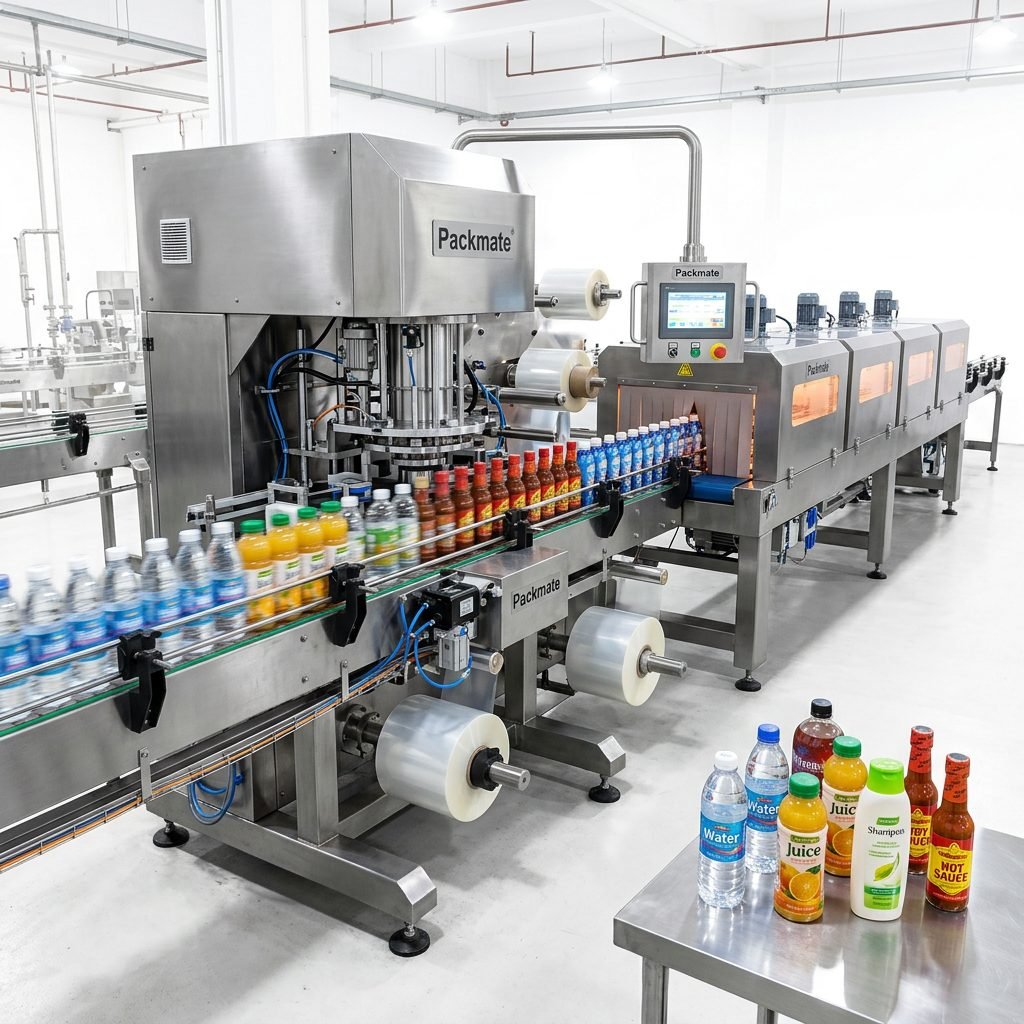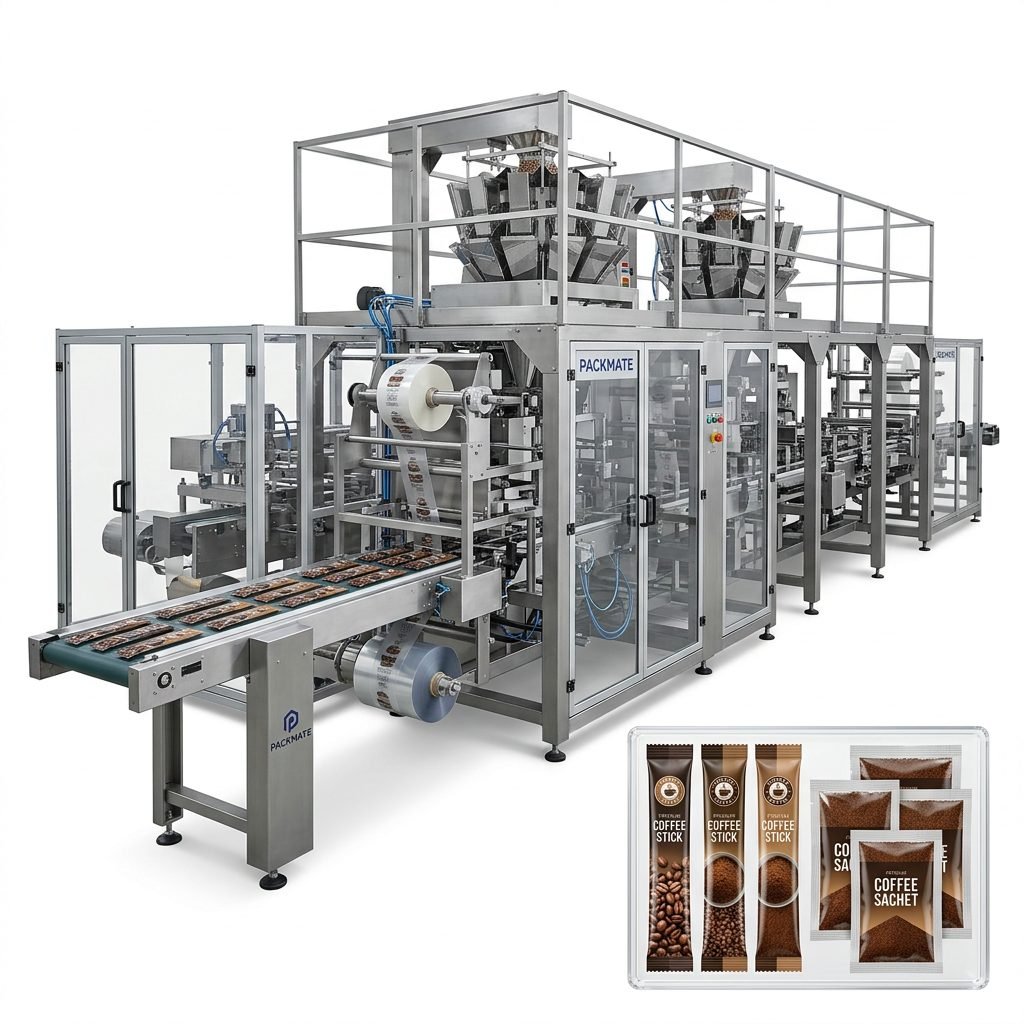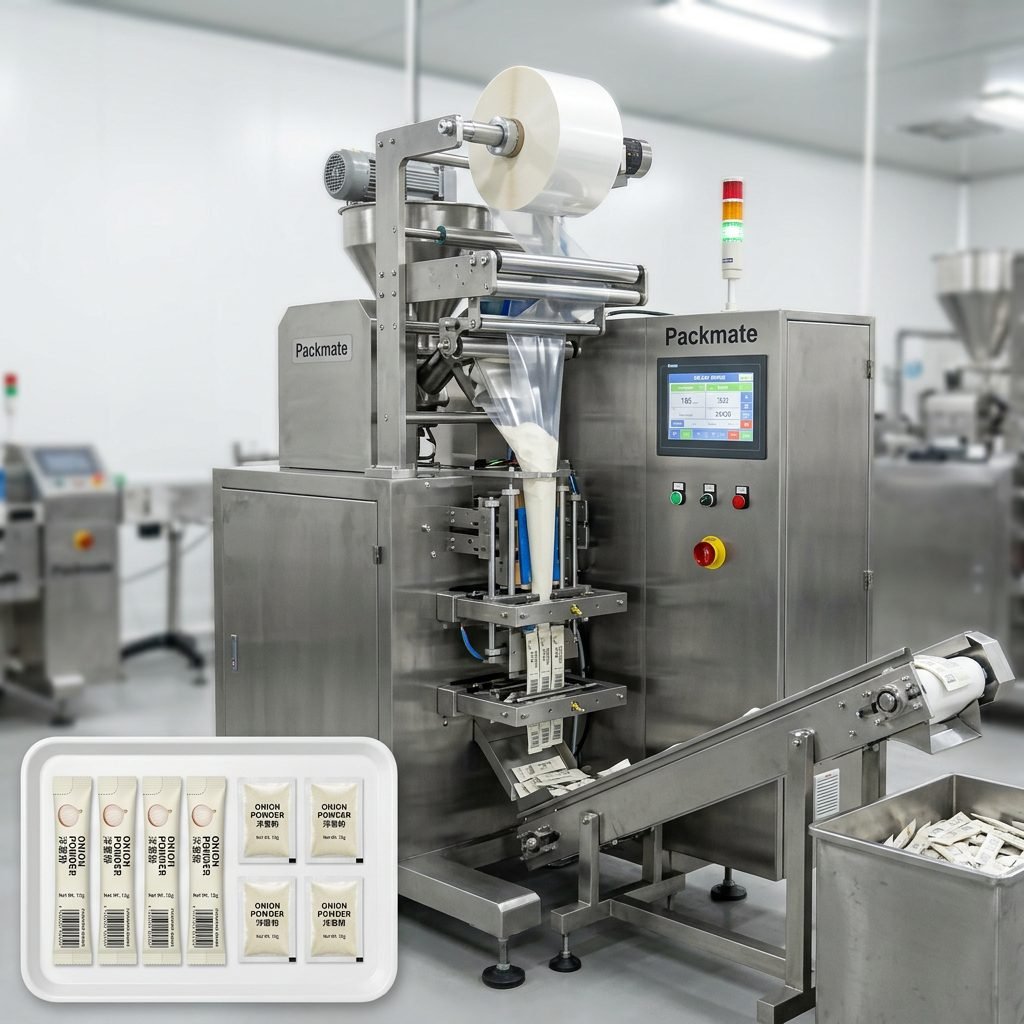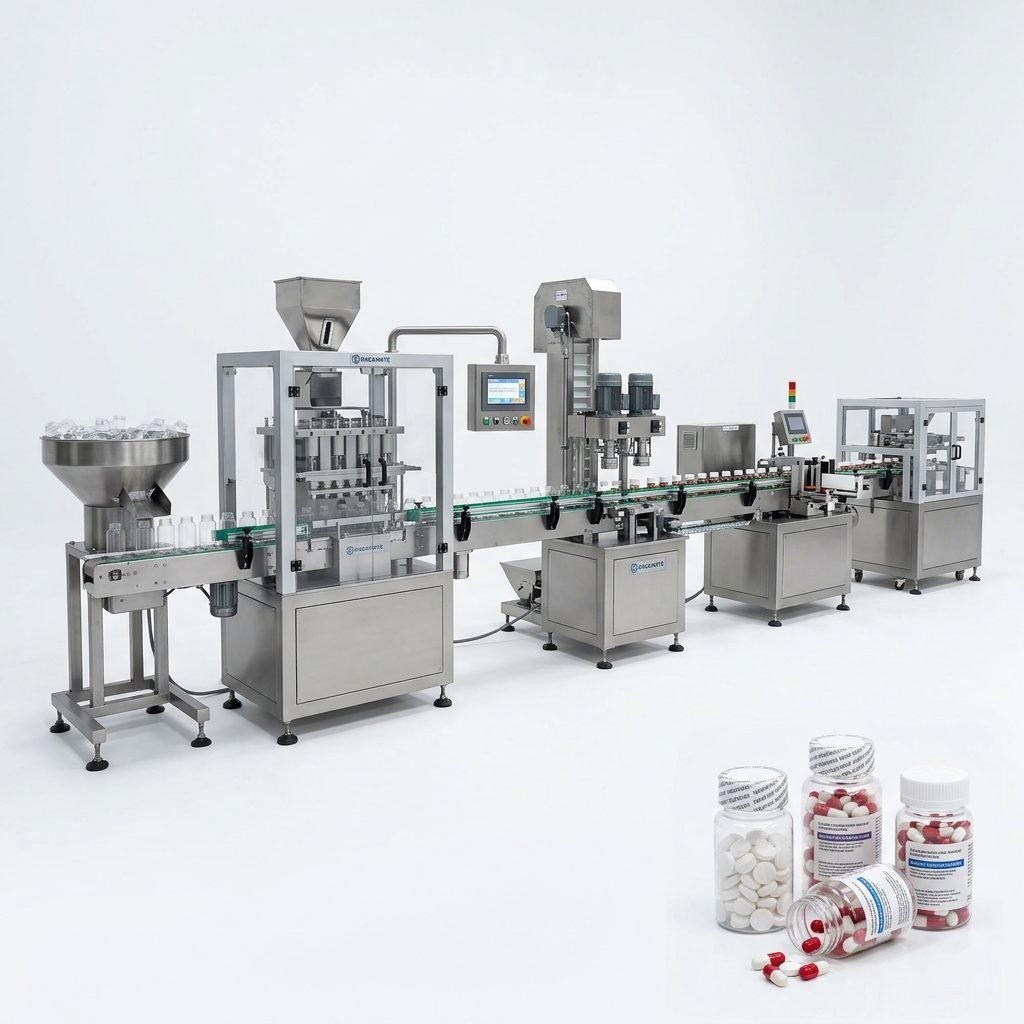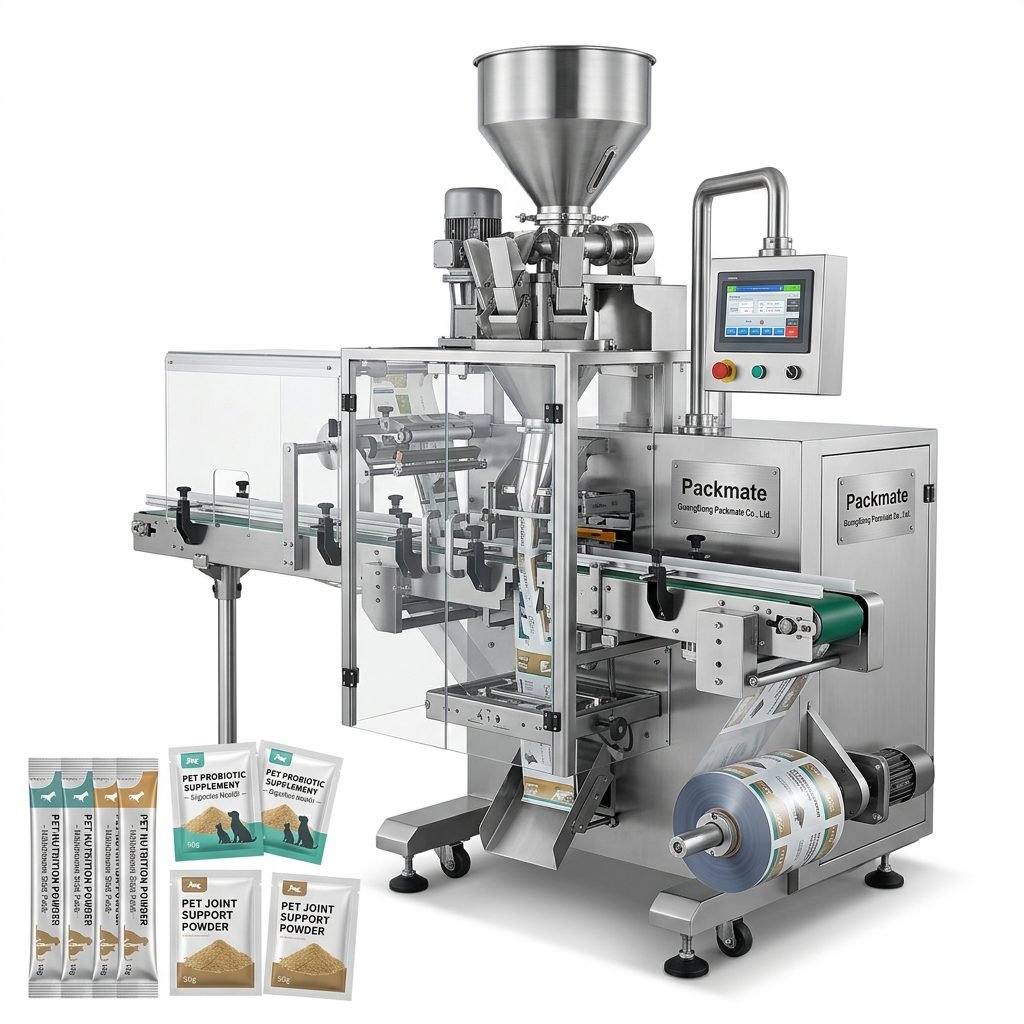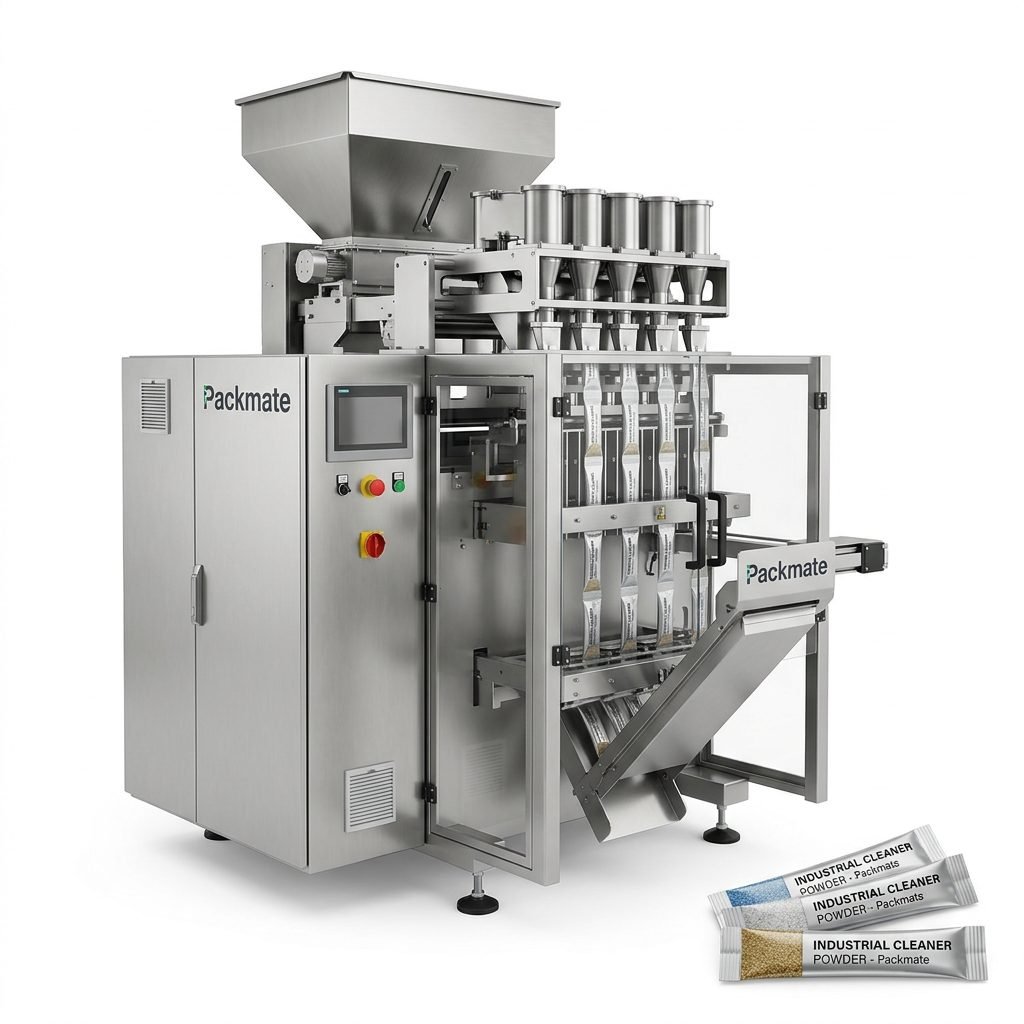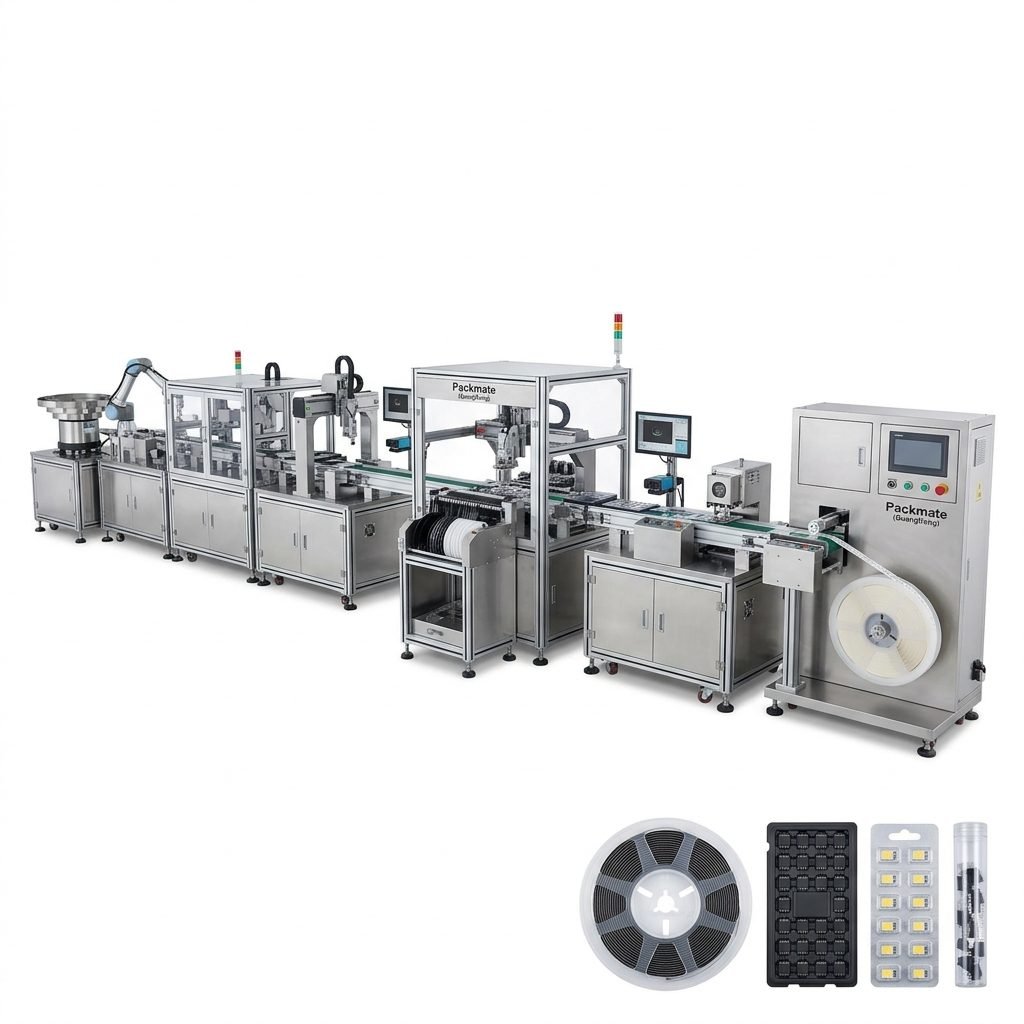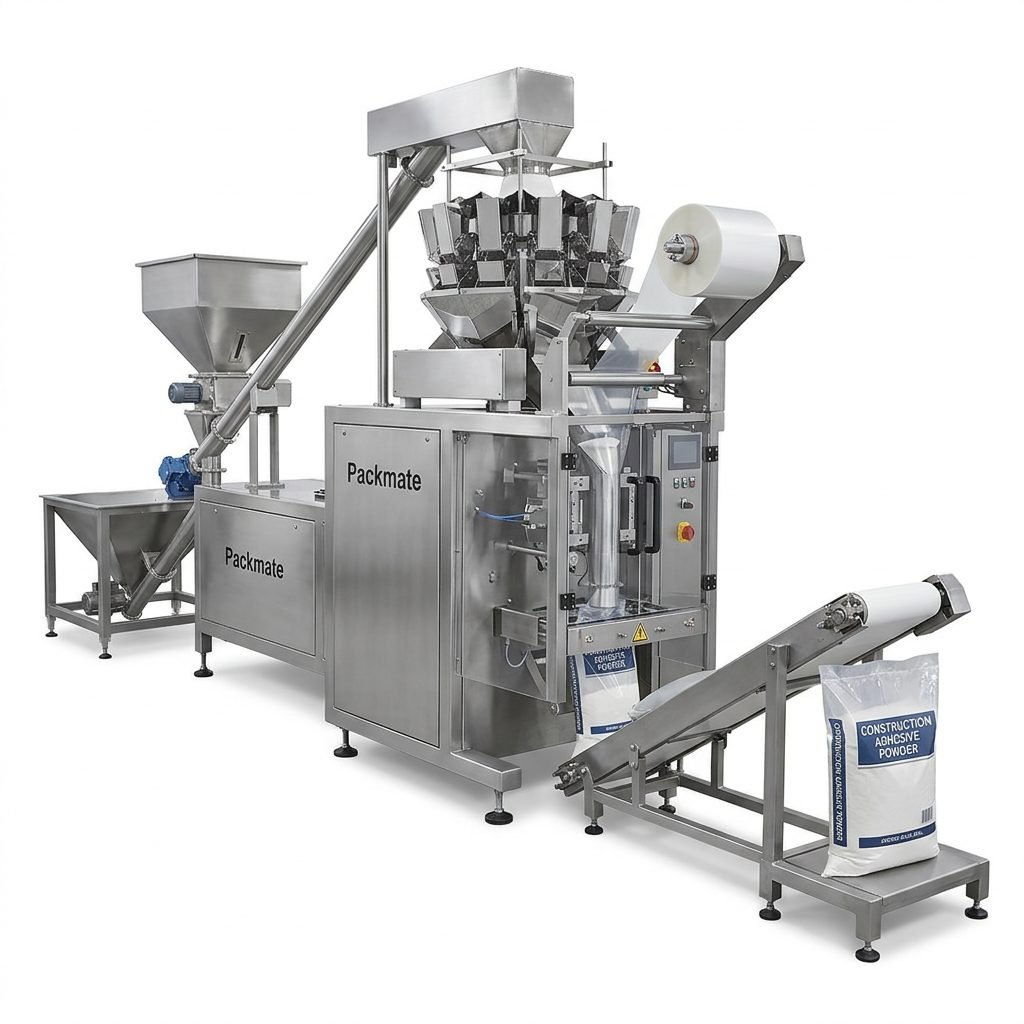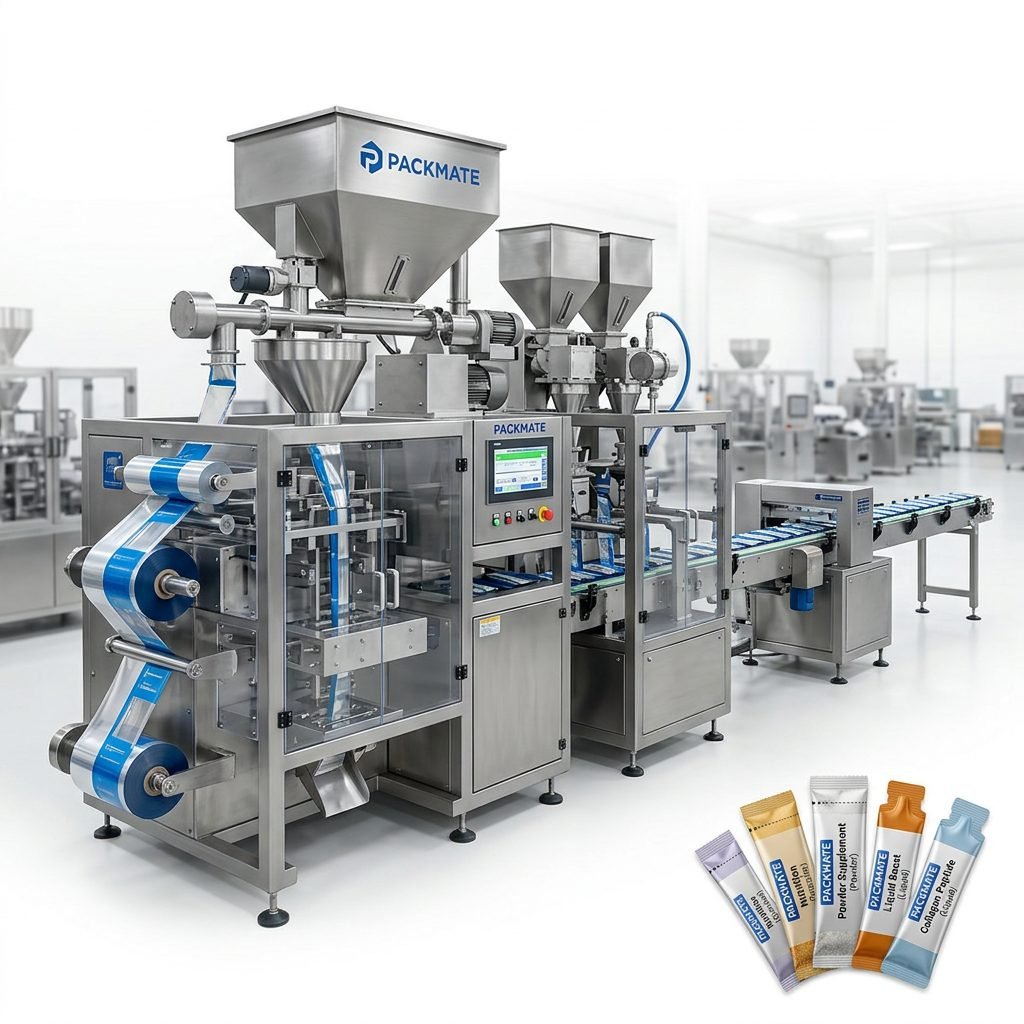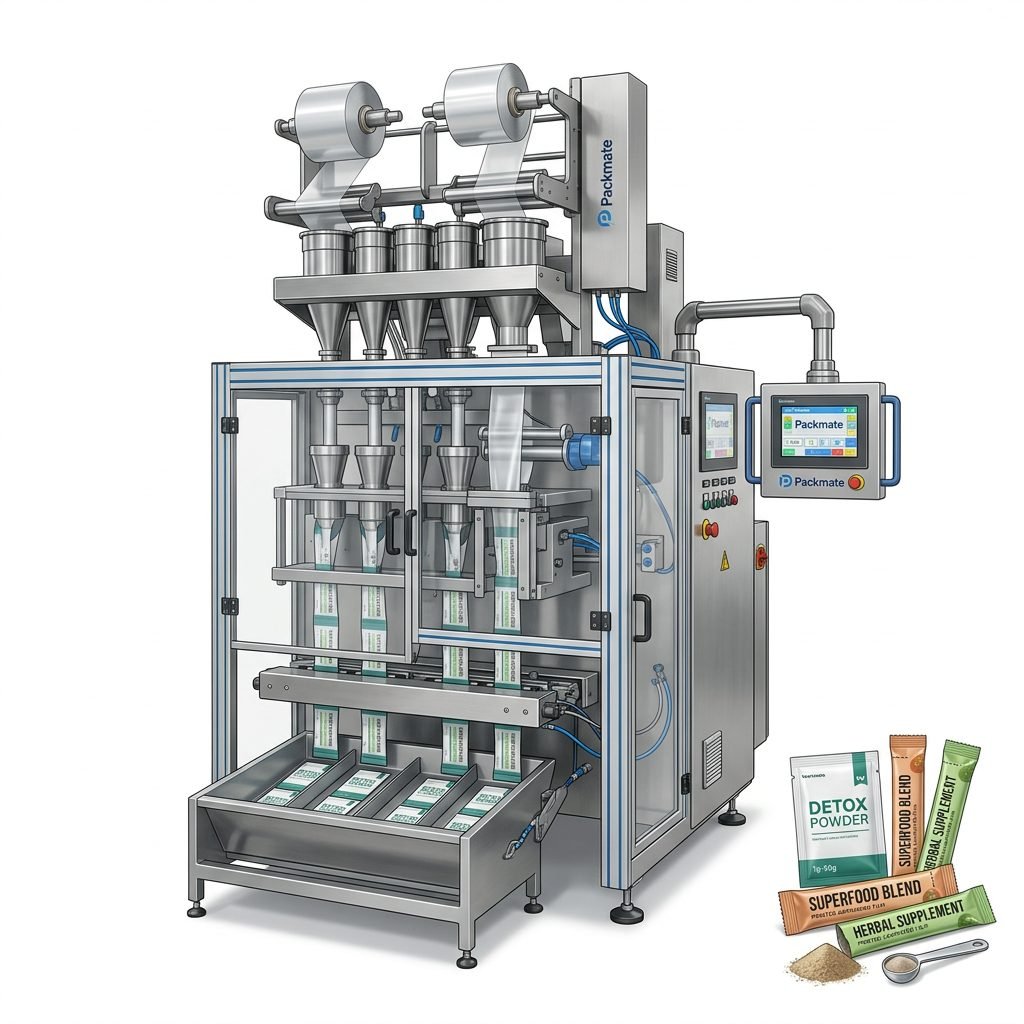
In today’s fast-paced manufacturing landscape, efficiency, hygiene, and precision are non-negotiable, especially for industries handling sensitive products like food, pharmaceuticals, and nutritional supplements. A powder packaging line is no longer just a series of machines; it’s a strategic, integrated system that defines product quality, operational cost, and market agility. For businesses looking to scale, the choice between standalone equipment and a fully automated, turnkey packaging line can be the difference between thriving and merely surviving.
The Core Components of a Modern Powder Packaging Line
An effective powder packaging solution is a symphony of coordinated processes. It begins with the precise handling of raw materials and concludes with sealed, coded, and palletized products ready for distribution.
1. Automated Filling Systems: The Heart of Precision
Accuracy in filling is paramount. Overfilling wastes expensive product and distorts package dimensions, while underfilling leads to regulatory non-compliance and consumer distrust. Modern automated filling systems utilize advanced technologies like auger fillers, weigh fillers (gross/net), and volumetric cup fillers. These systems are integrated with feedback loops and checkweighers to ensure every sachet, stick pack, or pouch meets the exact specified weight, often achieving accuracies within fractions of a gram. This level of control is critical for high-value pharmaceutical powders or precisely dosed nutritional products.
2. Sealing Technology: Ensuring Integrity and Shelf Life
Once filled, the package must be sealed to protect the contents from moisture, oxygen, and contamination. The sealing process varies by packaging format:
- Horizontal Form-Fill-Seal (HFFS): Ideal for sachets and pouches, this method forms the package from a roll of film, fills it, and seals it in a continuous motion.
- Vertical Form-Fill-Seal (VFFS): Perfect for stick packs and smaller pouches, where the bag is formed vertically around the filling tube.
- Cartoning and Tray Sealing: For secondary packaging, providing an additional layer of protection and branding space.
Robust sealing is non-negotiable for maintaining product efficacy and safety throughout the supply chain.
3. The Turnkey Advantage: From Concept to Production
Investing in individual machines poses integration challenges, potential compatibility issues, and significant project management overhead. A turnkey packaging system eliminates these hurdles. A single provider, like Packmate, designs, manufactures, installs, and commissions the entire line as one cohesive unit. This includes ancillary equipment like metal detectors, x-ray inspection systems, date coders, and case packers. The turnkey approach ensures seamless communication between all components, optimizes floor space, and guarantees a single point of accountability for service and support, dramatically reducing time-to-market.
Key Benefit of Turnkey Systems:
They provide a fully validated and documented solution, which is especially crucial for pharmaceutical and nutraceutical companies that must comply with stringent regulations like FDA 21 CFR Part 11 and GMP. Validation protocols (IQ/OQ/PQ) are managed by the supplier, simplifying the compliance journey.
Industry-Specific Applications and Requirements
The “one-size-fits-all” approach fails in powder packaging. Each industry has unique demands that dictate line design and material selection.
Food Industry: Speed, Flexibility, and Hygiene
Food powders—from spices and drink mixes to flour and protein powders—require lines that are easy to clean (often with CIP/SIP systems), quick to change over for different SKUs, and capable of high-speed output. Hygiene is ensured through the use of food-grade stainless steel, sanitary design, and integrated dust extraction systems to maintain a clean production environment and protect operator health.
Pharmaceutical Industry: Uncompromising Accuracy and Traceability
This sector demands the highest standards. Packaging lines for APIs (Active Pharmaceutical Ingredients), medicinal powders, or effervescent tablets must be housed in controlled environments. They require isolated containment to protect operators from potent compounds, and often feature wash-in-place (WIP) or clean-in-place (CIP) capabilities. Furthermore, full traceability via serialization and aggregation is becoming a global mandate, making integrated coding and tracking systems essential. You can explore specific pharmaceutical packaging solutions designed for these rigorous standards.
Nutritional & Supplement Industry: Bridging Food and Pharma
Nutraceutical and sports nutrition products operate at the intersection of food and pharma. While not always as strictly regulated as pharmaceuticals, consumers and brands expect pharmaceutical-grade quality. Lines must handle a diverse range of powder densities (from fluffy creatine to dense mineral blends) with consistent accuracy. Premium branding is also key, requiring high-quality printing and finishing options on the packaging material. The ability to run small, customized batches efficiently is a significant competitive advantage in this market.
Choosing the Right Partner for Your Packaging Line
The success of your investment hinges on the capabilities and reliability of your equipment supplier. Key factors to consider include:
- Proven Experience: Look for a supplier with a documented history in your specific industry. For instance, reviewing a provider’s project case studies can offer tangible proof of their expertise.
- Technical Support & Service: Ensure they offer comprehensive after-sales support, including spare parts, remote diagnostics, and on-site technician availability.
- Customization Ability: Can they adapt their standard machines to your unique product characteristics, packaging format, and factory layout?
- Quality & Certification: The supplier’s own manufacturing quality (e.g., ISO 9001 certification) and the CE/UL certification of their machines are fundamental indicators of reliability.
Companies like Packmate (GuangDong) Co., Ltd. exemplify this partner approach. With over two decades of development, they combine deep engineering expertise with a modern 20,000㎡ manufacturing facility to deliver intelligent, turnkey solutions. Their evolution from a specialized workshop to a provider of complete lines reflects a commitment to solving real-world packaging challenges.
Future-Proofing Your Investment
When evaluating a powder packaging line, consider its scalability and adaptability. The best systems are designed with modularity in mind, allowing you to add capabilities like robotic palletizing or advanced vision inspection in the future. Furthermore, integration with Industry 4.0 principles—such as IoT sensors for predictive maintenance and data collection for OEE (Overall Equipment Effectiveness) analysis—transforms your packaging line from a cost center into a strategic source of operational intelligence. Staying informed about industry trends through resources like a supplier’s technical catalog can guide these long-term decisions.
Implementing a sophisticated powder packaging line is a significant strategic decision that impacts nearly every aspect of your business, from R&D and production to quality control and logistics. By focusing on precision filling, robust sealing, and the holistic benefits of a turnkey system from a trusted partner, manufacturers in the food, pharma, and nutritional sectors can achieve unparalleled levels of efficiency, compliance, and product quality. This investment not only safeguards your product but also builds the resilient, agile production foundation necessary for growth in an increasingly competitive global market.
Frequently Asked Questions (FAQs)
1. What is the main difference between a standard packaging machine and a turnkey packaging line?
A standard packaging machine performs a single function (e.g., filling). A turnkey line is a complete, integrated system that includes all machines from product feeding to end-of-line palletizing, along with controls, safety systems, and validation documentation. It’s supplied, installed, and commissioned as one ready-to-run solution by a single vendor.
2. How do you ensure accuracy when packaging different types of powders (e.g., fluffy vs. dense)?
Advanced filling systems are equipped to handle varying powder characteristics. Key technologies include agitators to break up fluffy powders for consistent flow, de-aeration systems for compactable powders, and the choice between volumetric, auger, or precision weigh-scale filling based on the product’s properties. A reputable supplier will conduct product tests to determine the optimal method.
3. What are the critical hygiene considerations for a pharmaceutical powder packaging line?
Critical considerations include: the use of 316L or higher-grade stainless steel; fully sealed and smooth surfaces to prevent particle accumulation; containment solutions (e.g., split butterfly valves, isolators) for potent compounds; and integrated CIP/SIP (Clean-in-Place/Sterilize-in-Place) systems to allow for thorough cleaning without disassembly, ensuring compliance with cGMP.
4. Can an automated packaging line handle frequent product changeovers?
Yes, modern lines are designed for flexibility. Features like quick-change parts (e.g., forming tubes, filler heads), recipe management on the HMI (Human-Machine Interface) that stores settings for each product, and modular design significantly reduce changeover time from hours to minutes, making short runs economical.
5. What kind of after-sales support should I expect from a packaging line supplier?
Comprehensive support includes: detailed training for your operators and maintenance staff; availability of genuine spare parts; access to remote technical support (often via video call); scheduled preventive maintenance visits; and a clear warranty policy. This ongoing partnership is vital for maximizing uptime and ROI. For detailed support plans, you can review a supplier’s service commitments.