In the food manufacturing industry, the cleanliness of packaging lines is not merely a procedural step—it is the bedrock of product safety, brand integrity, and regulatory compliance. A single lapse in hygiene can lead to catastrophic consequences, including product recalls, consumer illness, and irreparable damage to a company’s reputation. Therefore, establishing and adhering to rigorous cleaning protocols is paramount for any facility aiming for safer production.
Core Principle: Effective cleaning is a systematic process that removes soil, eliminates microbial contaminants, and prevents cross-contamination, ensuring the packaging line is fit for its intended purpose.
The Critical Importance of Packaging Line Hygiene
Food packaging equipment presents unique challenges. Residues from products—be they oils, powders, sugars, or proteins—can accumulate on conveyor belts, filling nozzles, sealing jaws, and in hard-to-reach crevices. These residues become breeding grounds for bacteria, mold, and allergens. The risks are multifaceted:
- Microbiological Hazards: Pathogens like Listeria, Salmonella, and E. coli can survive and multiply, contaminating subsequent product batches.
- Allergen Cross-Contact: Inadequate cleaning between runs of products containing different allergens (e.g., nuts, dairy, soy) is a leading cause of undeclared allergen incidents.
- Product Quality Degradation: Old residues can oxidize or ferment, leading to off-flavors, odors, and visual defects in new products.
- Equipment Damage: Corrosive residues can degrade machine components over time, leading to increased downtime and repair costs.
Implementing a robust cleaning program mitigates these risks, protects consumers, and safeguards your business. For insights into how leading companies structure their production environments, explore our detailed packaging solutions.
Foundational Elements: Prerequisite Programs
Before delving into specific cleaning procedures, a facility must have strong prerequisite programs in place. These form the foundation of any food safety system and include:
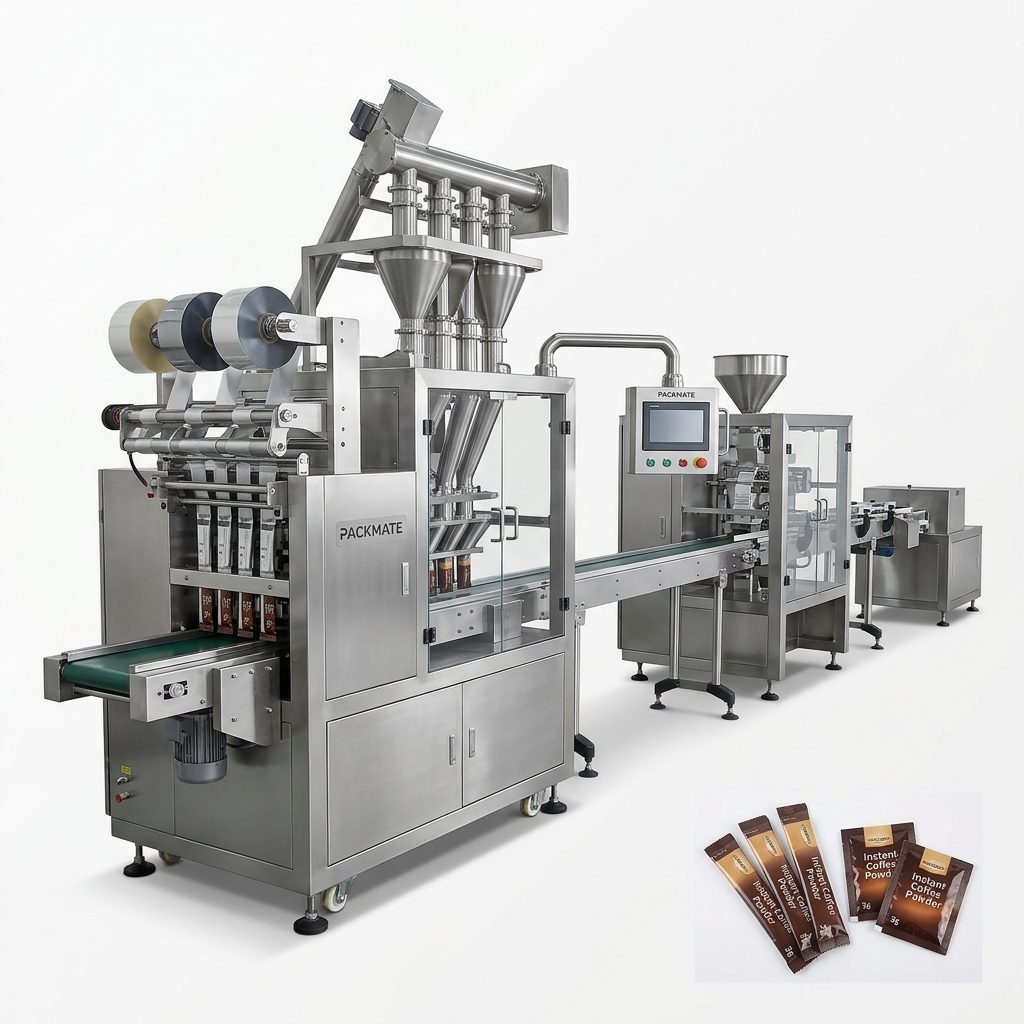
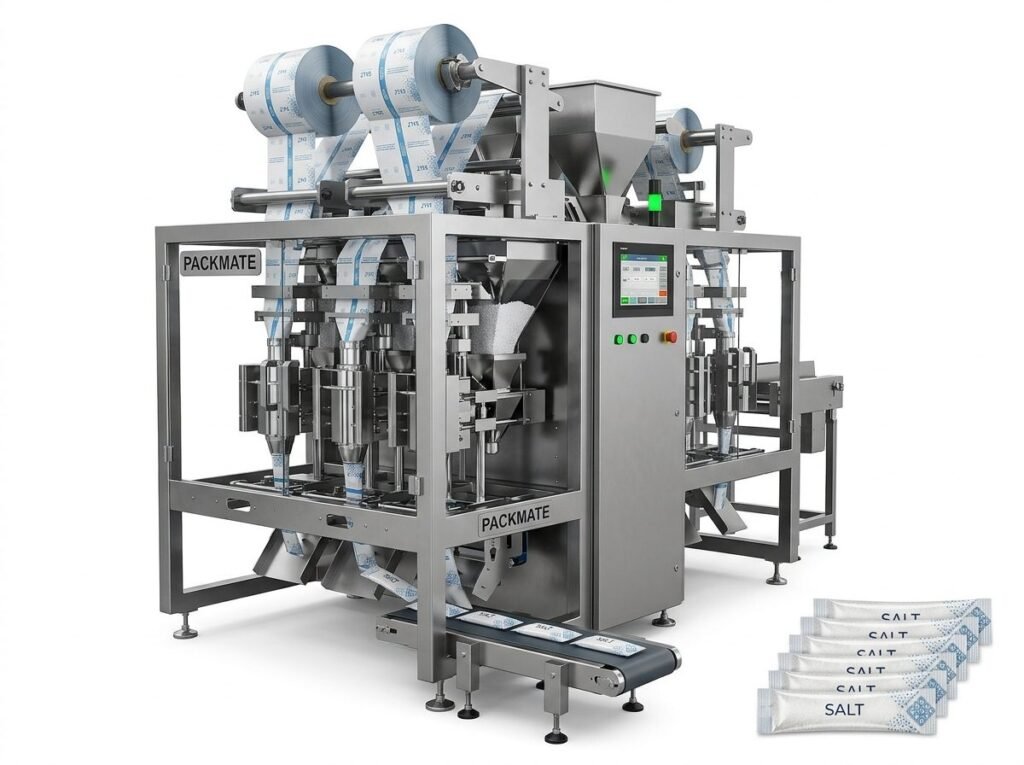
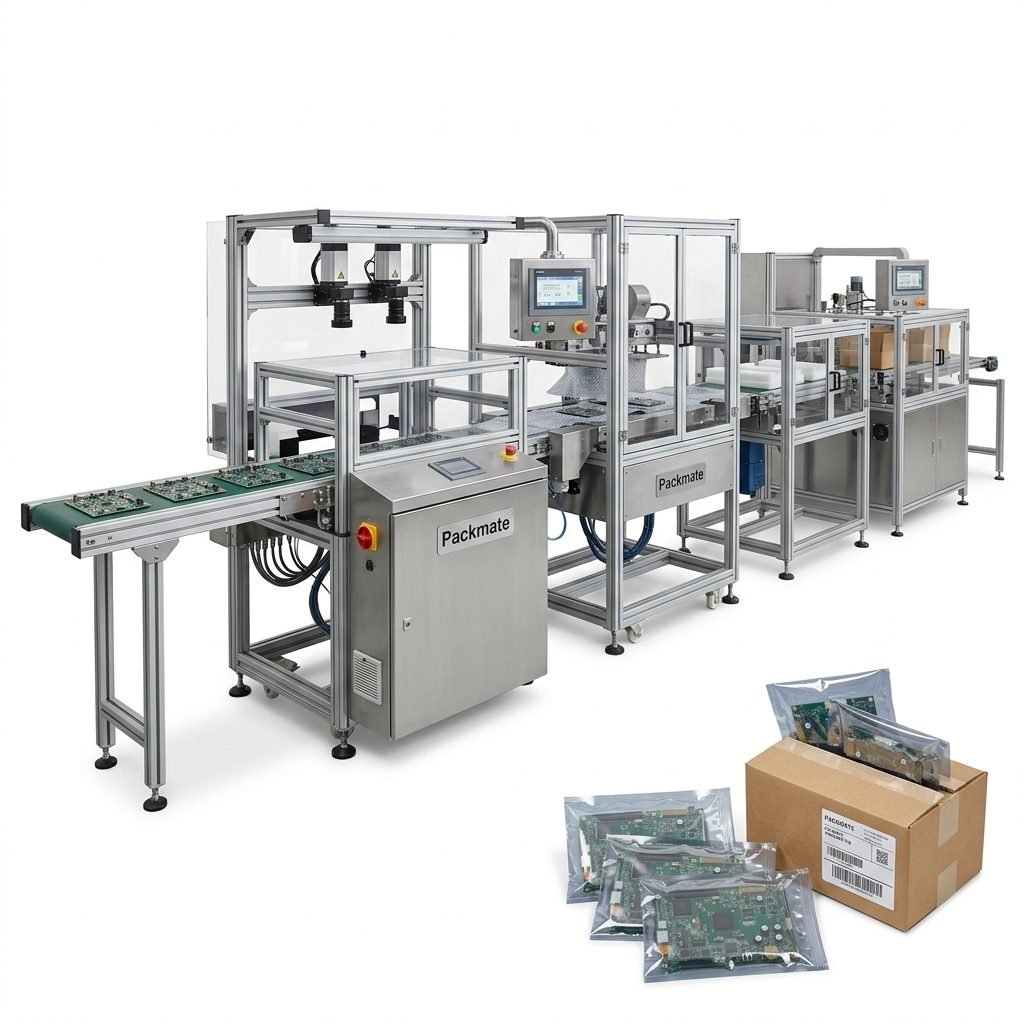
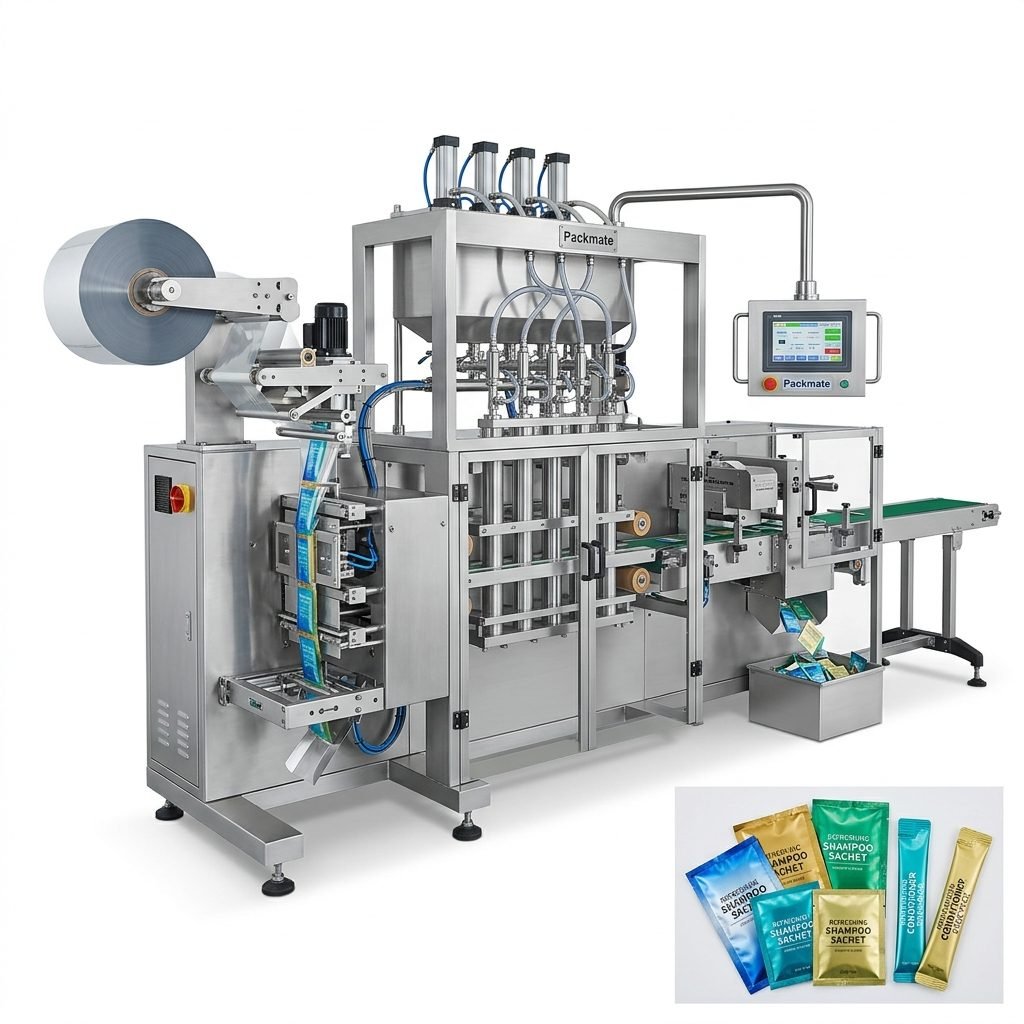
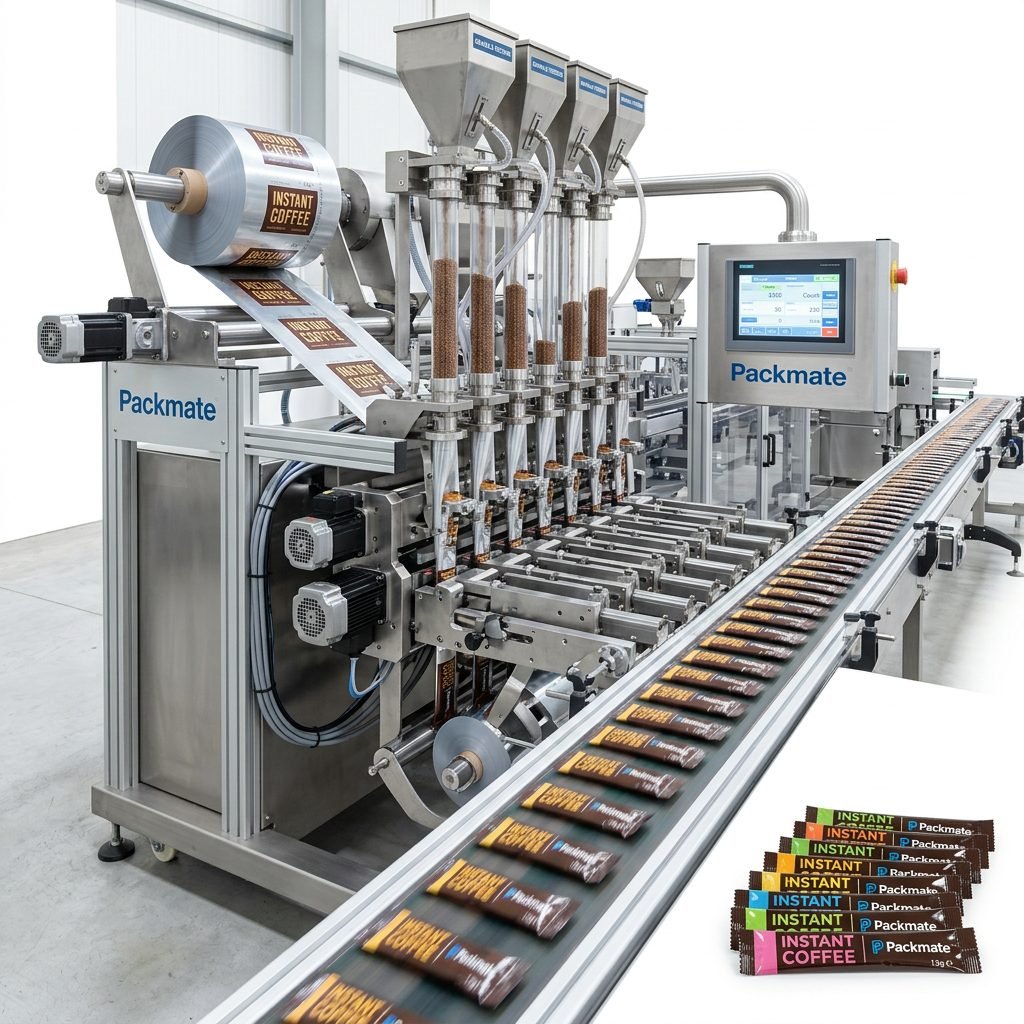
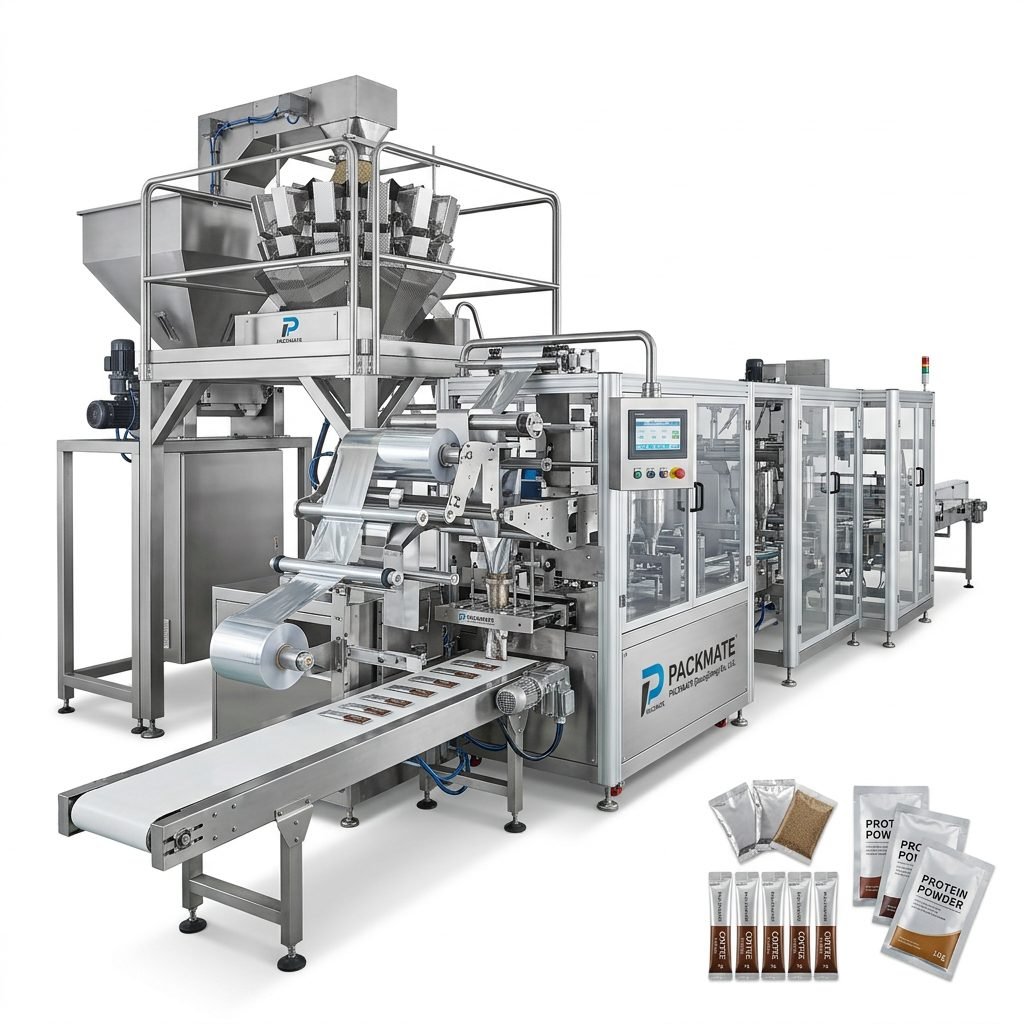
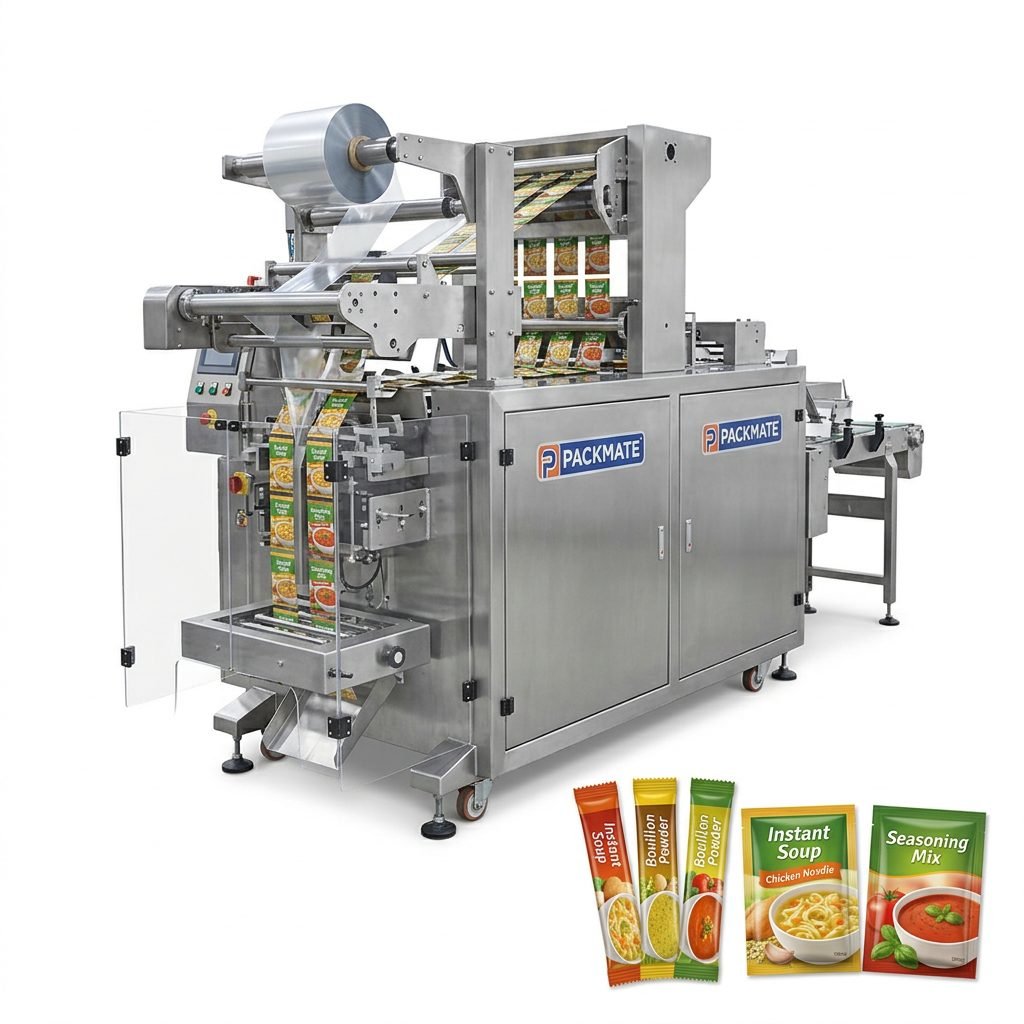
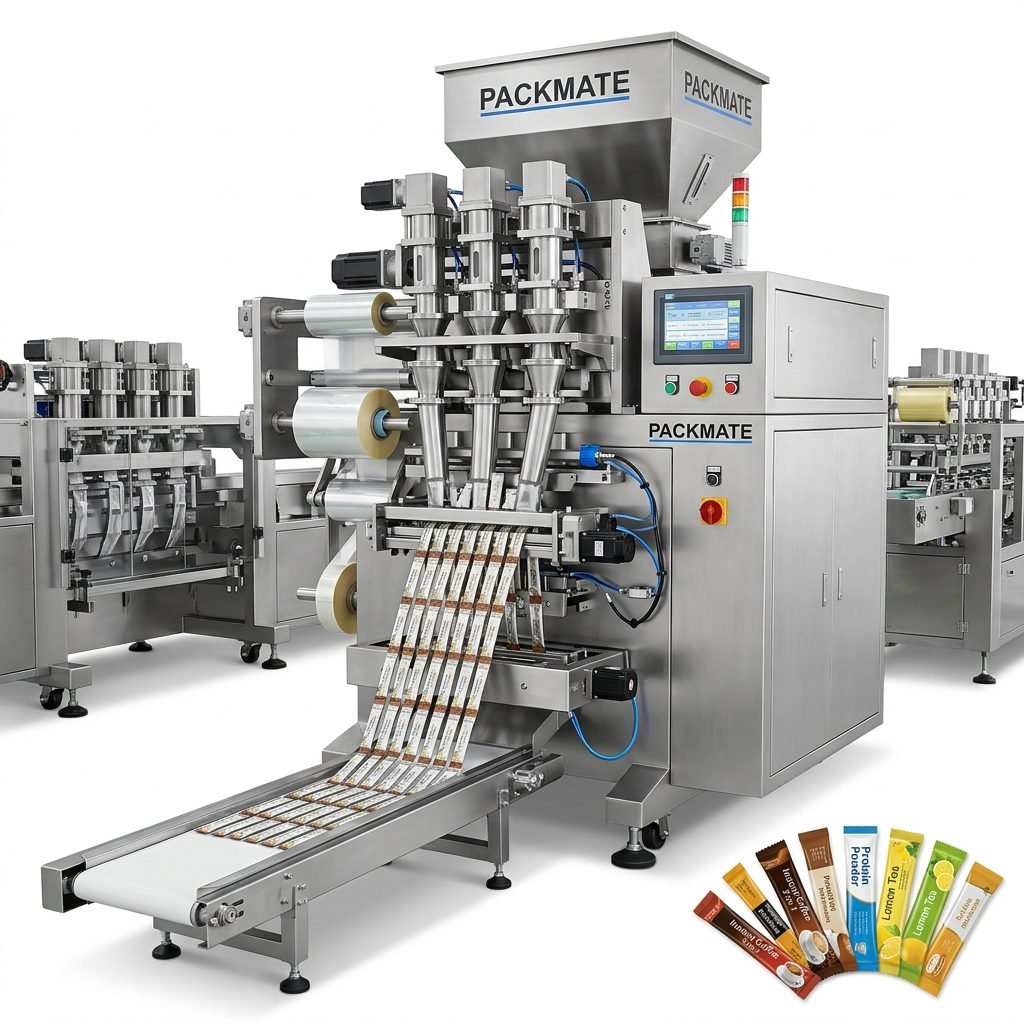
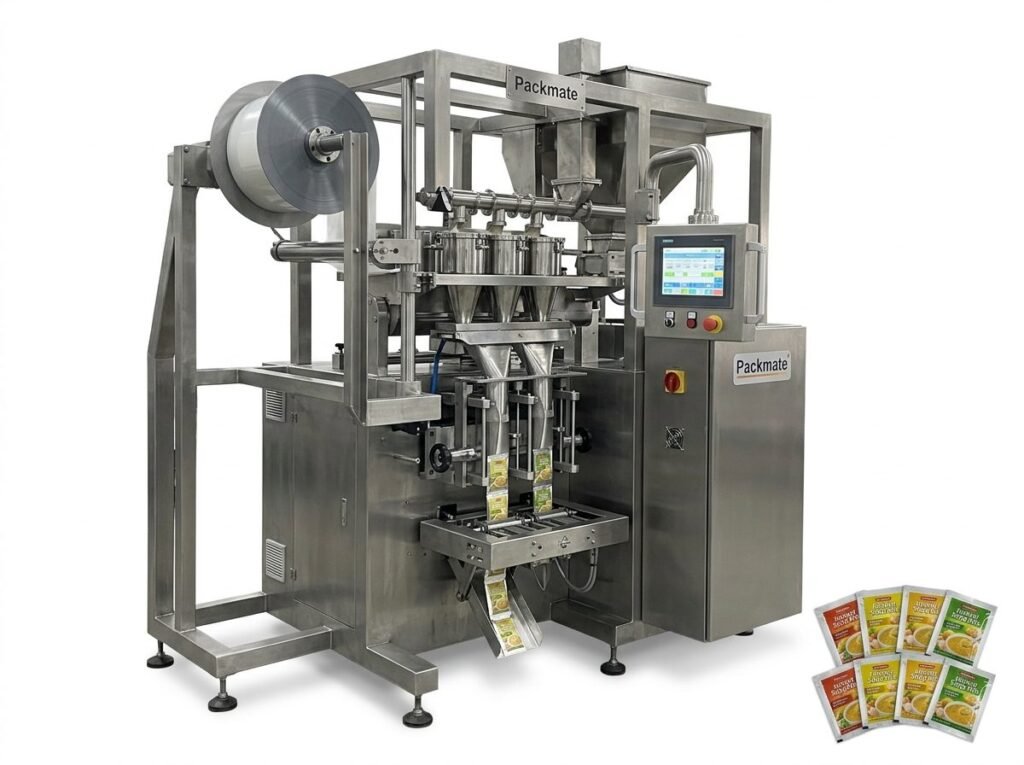
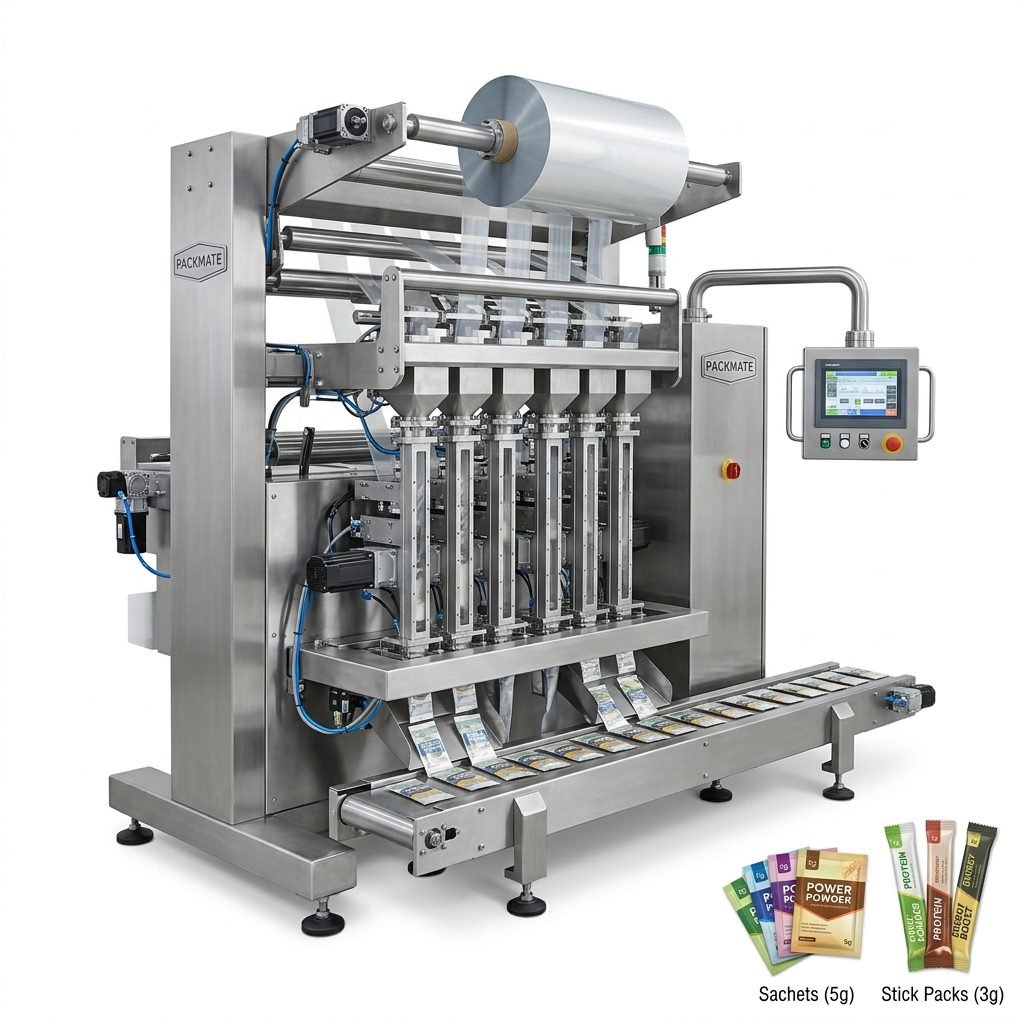
- Sanitary Design of Equipment: Equipment should be constructed with smooth, non-porous, and corrosion-resistant materials (e.g., 304 or 316 stainless steel). It should be easily accessible for cleaning and inspection, with minimal dead spaces where product can accumulate. Companies like Packmate (GuangDong) Co., Ltd. prioritize hygienic design in their intelligent packaging lines to facilitate easier and more effective cleaning.
- Employee Training and Hygiene: Personnel must be thoroughly trained on GMPs (Good Manufacturing Practices), including proper handwashing, wearing of clean uniforms, and understanding their role in preventing contamination.
- Control of the Production Environment: Managing air quality, pest control, and waste disposal to prevent external contaminants from entering the production area.
Best Practices for Food Packaging Line Cleaning
An effective cleaning regimen follows a logical, validated sequence. The following best practices are industry-standard for achieving optimal results.
1. Pre-Cleaning (Preparation)
Safety first! Ensure the line is locked out and tagged out (LOTO) to prevent accidental startup. Remove large debris and bulk product residues manually or using brushes and scrapers. Dismantle equipment as per the manufacturer’s instructions to expose all product contact surfaces. This step significantly improves the efficacy of subsequent cleaning stages.
2. Cleaning (Soil Removal)
This is the core physical and chemical process of removing adhered soil. The key variables are summarized in the TACT principle:
T – Time: The duration of the cleaning action. Insufficient contact time will not loosen tough soils.
A – Action: The mechanical force applied. This includes pressure from spray balls, scrubbing by personnel, or the turbulence in a Clean-in-Place (CIP) system.
C – Concentration: The correct dosage of cleaning chemical. Too little is ineffective; too much is wasteful and can leave harmful residues.
T – Temperature: Heat increases the chemical activity of detergents and the solubility of many soils. However, temperature must be optimized to avoid baking proteins onto surfaces.
Select a detergent appropriate for the soil type (alkaline for fats and proteins, acidic for mineral scales). Always follow the chemical supplier’s instructions.
3. Rinsing
A thorough rinse with potable water is critical to remove all detergent and suspended soil. Incomplete rinsing leaves chemical residues that can contaminate food and reduce the effectiveness of the sanitizer. The rinse water should be visually clear.
4. Sanitizing (Disinfection)
Sanitizing reduces the number of viable microorganisms on a clean surface to a safe level. This step must follow cleaning; sanitizers cannot penetrate biofilms or soil. Common sanitizers include chlorine-based compounds, quaternary ammonium, and peracetic acid. Contact time and concentration are critical and must be validated.
5. Drying and Inspection
Allow equipment to air dry completely in a protected manner. Moisture promotes microbial growth. Before reassembly and production, a pre-operational inspection must be conducted. This involves visual checks and, periodically, ATP (Adenosine Triphosphate) swab testing to verify cleaning effectiveness. Any failure must trigger a re-cleaning process.
Establishing Formal Cleaning Procedures and Schedules
Best practices must be codified into written Standard Operating Procedures (SOPs). Each packaging line should have its own tailored SOP, including:
- Scope and equipment covered.
- Required personal protective equipment (PPE).
- Step-by-step instructions for dismantling, cleaning, rinsing, sanitizing, and reassembly.
- Chemical names, concentrations, and contact times.
- Inspection and verification methods.
Schedules must be risk-based:
- Between Batches/Runs: Essential for allergen changeovers or switching between vastly different products.
- Daily: At the end of each production day.
- Weekly/Periodic: For a more thorough deep clean, including areas not in direct product contact but that could contribute to contamination (e.g., overhead structures, frames).
Documentation of every clean is non-negotiable for audit trails and continuous improvement. Reviewing real-world application cases can provide practical models for procedure development.
Adhering to Key Hygiene Standards and Regulations
Compliance is not optional. Food packaging operations must align with international and local standards:
- FSMA (USA): The Preventive Controls for Human Food rule requires a written food safety plan, which includes sanitation controls validated for effectiveness.
- BRCGS / SQF (Global): These GFSI-benchmarked standards have stringent requirements for cleaning procedure validation, chemical control, and environmental monitoring.
- ISO 22000: This food safety management system standard mandates establishing operational prerequisite programs (OPRPs), which often include cleaning and sanitation.
The core requirement across all standards is the ability to demonstrate control through documented procedures, training records, monitoring results, and corrective actions. Partnering with equipment providers who understand these compliance landscapes, as detailed in our company profile, is a significant advantage.
Leveraging Technology: CIP and Automation
For complex or closed systems, manual cleaning is often impractical. Clean-in-Place (CIP) systems automate the cleaning, rinsing, and sanitizing cycles within pipelines, tanks, and vessels without disassembly. They offer consistency, reduce labor costs, and enhance worker safety by limiting chemical exposure. When designing a new line, integrating CIP capability from the start is a wise investment in long-term hygiene and efficiency.
Proactive Hygiene Management Tips
- Color-Coded Tools: Use distinct colors for tools in raw vs. ready-to-eat areas or for different allergen zones to prevent cross-contamination.
- Centralized Chemical Dispensing: Automate chemical dosing to ensure accurate, consistent concentrations and improve safety.
- Regular Audits: Conduct internal and third-party audits of cleaning practices to identify gaps and areas for improvement.
- Culture of Accountability: Foster a culture where every team member feels responsible for hygiene and is empowered to report issues.
Ultimately, a world-class cleaning program is a dynamic system of people, processes, and technology. It requires commitment from top management, ongoing training for operators, and investment in well-designed equipment and effective chemicals. By viewing cleaning not as a cost but as a critical component of quality and safety, food producers can ensure safer production, protect their consumers, and build a resilient, reputable brand.
Frequently Asked Questions (FAQs)
1. How often should we validate our cleaning procedures?
Cleaning procedures should be validated initially when first implemented and re-validated whenever there is a significant change. This includes changes to the product formula, equipment, cleaning chemical, or process. Annual re-validation is also a common industry best practice to ensure ongoing effectiveness.
2. What is the difference between cleaning, sanitizing, and sterilizing?
Cleaning is the physical removal of soil and debris. Sanitizing is the application of a chemical or heat to reduce microorganisms on a cleaned surface to a level considered safe for public health. Sterilizing is the complete elimination of all microbial life, which is typically not required or practical for most food packaging equipment surfaces.
3. Are organic or “green” cleaning chemicals effective in food plants?
Yes, many effective, approved cleaning chemicals are derived from bio-based sources and are designed to be more environmentally friendly. Their efficacy must be validated against your specific soil types just like traditional chemicals. It is crucial to ensure they are approved for food contact surface use and are compatible with your equipment materials.
4. How can we improve cleaning efficiency without compromising safety?
Focus on equipment design (e.g., choosing easily cleanable machines), implementing CIP where possible, optimizing clean-in-place sequences to reduce water and chemical use, and using data from ATP monitoring to target cleaning efforts rather than relying on a fixed, possibly excessive, schedule.
5. Who is responsible for the cleaning program in a food facility?
While a dedicated sanitation crew often performs the tasks, overall responsibility lies with the facility’s Quality Assurance/Control and Production Management teams. The Food Safety Team, as required by standards like FSMA and BRCGS, is ultimately accountable for developing, validating, and overseeing the sanitation program.