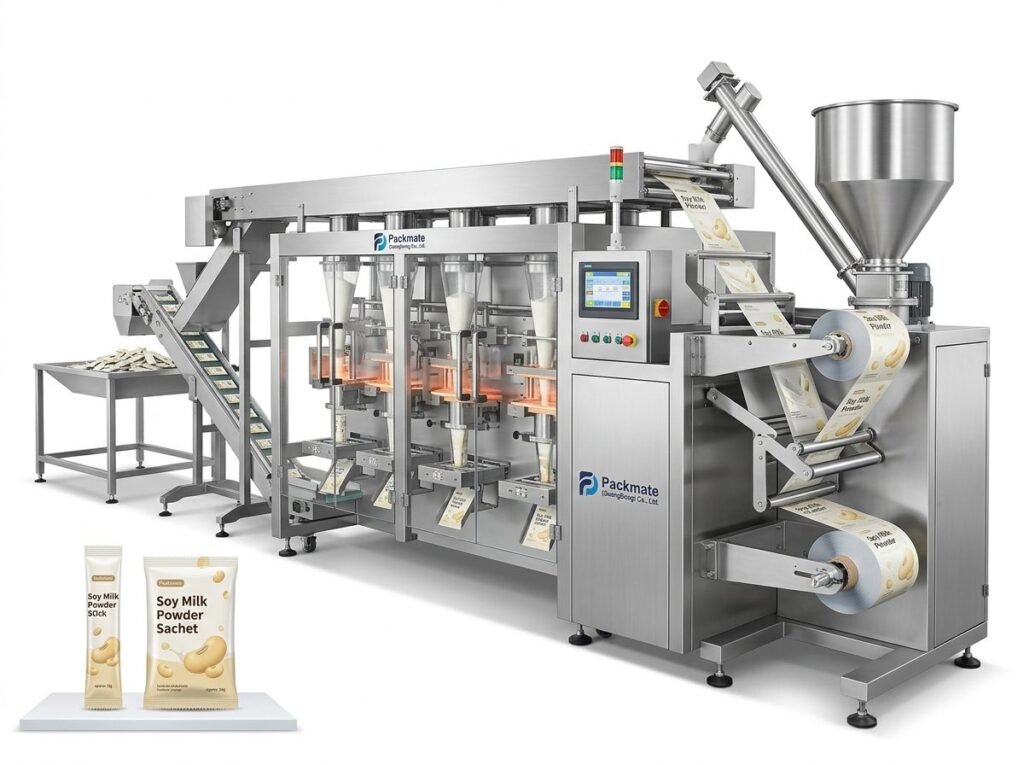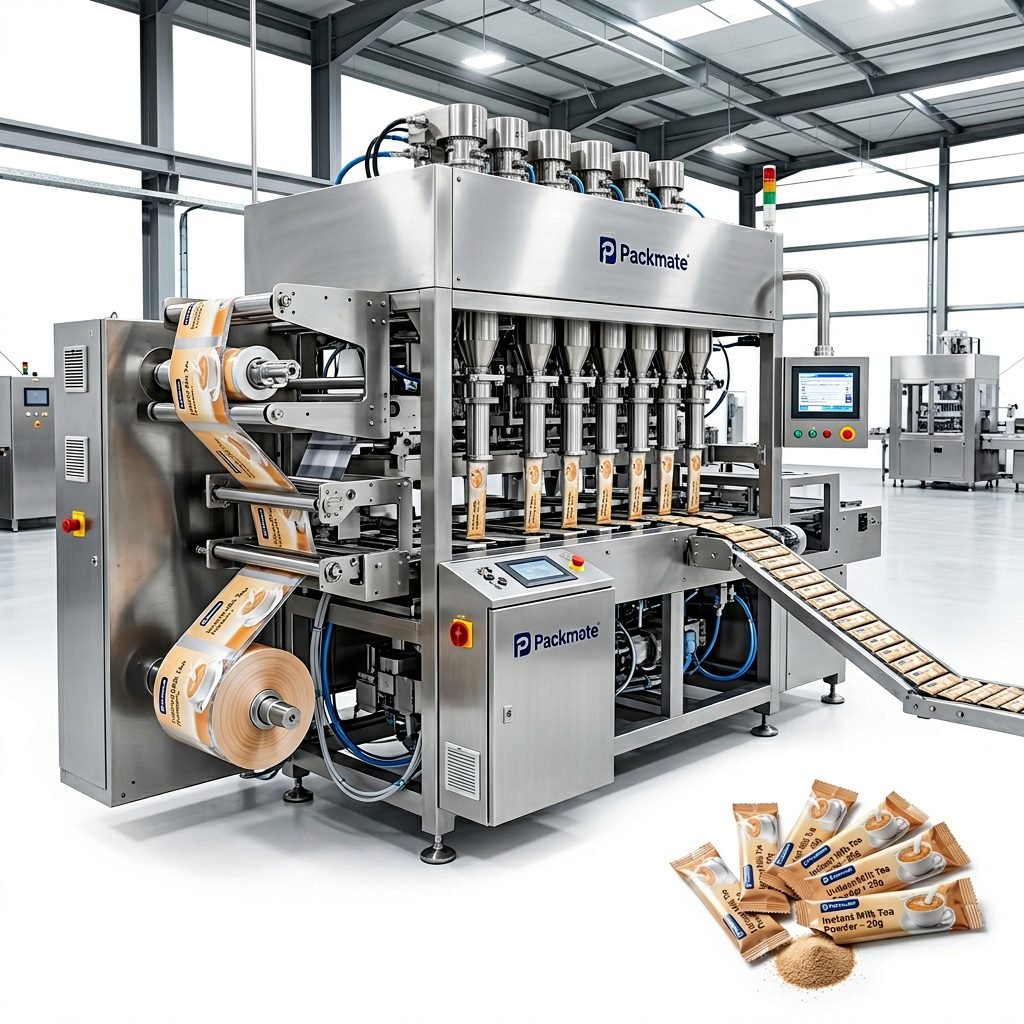
In today’s competitive manufacturing landscape, optimizing your packaging line is not just an option—it’s a necessity for survival and growth. The right tools can transform your production floor, boosting efficiency, reducing waste, and enhancing product quality. However, with a myriad of optimization tools and solutions available, choosing the best one for your specific production line can be a daunting task. This article provides a comprehensive comparison of packaging line optimization tools and a clear framework to guide your selection process, ensuring you invest in a solution that delivers tangible, long-term value.
Understanding the Core Components of Packaging Line Optimization
Before diving into comparisons, it’s crucial to understand what constitutes a packaging line optimization tool. These solutions typically encompass a blend of hardware and software designed to monitor, control, and improve the packaging process. Key components often include:
- Real-time Monitoring Systems: Sensors and IoT devices that track machine speed, downtime, output, and quality metrics.
- Data Analytics Platforms: Software that collects data from the line and transforms it into actionable insights, identifying bottlenecks and inefficiencies.
- Automation & Control Software: Programs that can automate adjustments, synchronize machines, and manage line workflows.
- Predictive Maintenance Tools: Systems that use data to predict equipment failures before they occur, minimizing unplanned downtime.
- Overall Equipment Effectiveness (OEE) Dashboards: Tools that calculate and visualize OEE, a key metric combining availability, performance, and quality.
Choosing the right mix of these components is the first step toward a significant operational upgrade. For a deeper look at how these components integrate into complete systems, explore our comprehensive packaging solutions.
Category 1: Standalone Monitoring & Data Acquisition Tools
These are often the entry point for optimization. They focus on data collection through basic sensors and counters, providing simple dashboards that show production counts and highlight major stoppages.
- Best For: Small to medium operations taking their first step into digital monitoring, or lines with limited automation.
- Pros: Lower initial cost, quick to implement, easy to understand.
- Cons: Limited analytical depth, often requires manual data interpretation, may not integrate with other systems.
- Key Question: Do you simply need to know “what” happened on the line, or do you need to understand “why” it happened?
Category 2: Integrated Line Management Software Platforms
This category represents a more holistic approach. These platforms not only collect data but also provide advanced analytics, historical trend analysis, and sometimes direct machine control. They act as the central nervous system for the packaging line.
- Best For: Medium to large production facilities with multiple lines or complex processes seeking end-to-end visibility.
- Pros: Deep insights into root causes of inefficiencies, trend forecasting, better integration potential with Enterprise Resource Planning (ERP) systems.
- Cons: Higher investment, requires more setup and potentially staff training.
- Key Question: Is your goal to move from reactive problem-solving to proactive line management and strategic planning?
Category 3: AI-Powered Predictive & Prescriptive Solutions
The cutting edge of optimization. These tools use artificial intelligence and machine learning to not only predict issues like machine failures or quality deviations but also to recommend or automatically implement corrective actions.
- Best For: High-volume, high-speed lines where minute improvements yield massive savings, or industries with stringent quality control like pharmaceuticals.
- Pros: Maximizes uptime, optimizes quality in real-time, drives continuous autonomous improvement.
- Cons: Significant cost, requires high-quality data streams, and often needs specialist support.
- Key Question: Are you ready to leverage data for autonomous optimization and achieve the highest possible level of operational excellence?
A Step-by-Step Framework for Choosing Your Best Solution
Navigating these categories requires a structured approach. Follow this framework to align the technology with your operational reality.
Step 1: Conduct a Thorough Line Audit
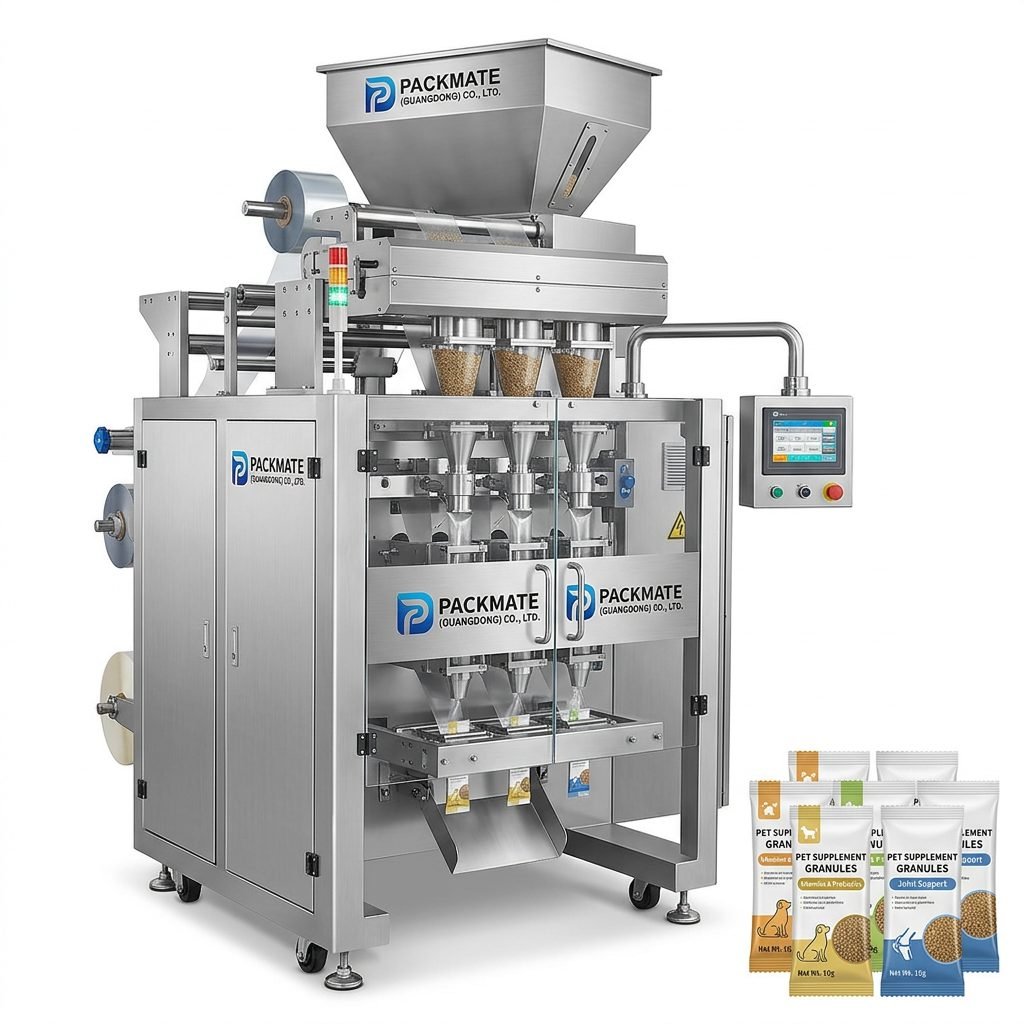
You cannot optimize what you do not measure. Begin by mapping your entire packaging process. Document every machine, manual step, common failure points, and current performance metrics like speed, changeover time, and waste rates. This audit will reveal your true starting point and highlight the most critical areas for improvement. Companies with extensive experience, such as Packmate (GuangDong) Co., Ltd., often begin client engagements with such a detailed assessment to ensure recommendations are perfectly tailored.
Step 2: Define Clear Objectives & KPIs
What does “optimization” mean for you? Be specific. Is your primary goal to increase OEE by 15%, reduce material waste by 10%, or decrease changeover time by 30%? Setting clear, quantifiable Key Performance Indicators (KPIs) will guide your tool selection and provide a benchmark for measuring Return on Investment (ROI).
Step 3: Evaluate Integration Capabilities
The best tool is useless if it cannot communicate with your existing machinery and software ecosystem. Assess the communication protocols of your current equipment (e.g., OPC UA, Modbus) and ensure any new solution is compatible. Seamless integration with your Manufacturing Execution System (MES) or ERP is a major advantage for data consistency. Reviewing real-world implementation cases can provide practical insights into integration challenges and successes.
Step 4: Consider Scalability and Vendor Support
Your chosen solution should grow with your business. Can it handle additional production lines or more complex data analysis in the future? Equally important is the vendor’s reputation for support. Reliable technical support, training, and software updates are critical for long-term success. A vendor with a strong track record, backed by a portfolio of certifications and a dedicated service team, is often a safer long-term partner than one offering only a standalone product.
Step 5: Calculate Total Cost of Ownership (TCO)
Look beyond the initial purchase price. The TCO includes installation, integration, training, ongoing subscription or maintenance fees, and potential costs for future upgrades. A slightly more expensive platform that is easy to maintain and scale may offer a far better ROI than a cheaper, limited tool that quickly becomes obsolete.
Conclusion: Building a Future-Proof Packaging Operation
Selecting the right packaging line optimization tool is a strategic decision that impacts your productivity, profitability, and competitive edge. By understanding the different categories of tools—from basic monitoring to AI-driven platforms—and applying a disciplined selection framework, you can make an informed choice. Remember, the goal is not just to buy software, but to invest in a partnership and a system that drives continuous improvement. The optimal solution is the one that seamlessly fits your current needs while providing a clear path to future advancements in your packaging operations.
Frequently Asked Questions (FAQs)
Q1: What is the most important metric to track when optimizing a packaging line?
While several metrics are valuable, Overall Equipment Effectiveness (OEE) is widely considered the gold standard. It combines availability, performance, and quality into a single percentage, providing a holistic view of how well your line is utilized versus its full potential.
Q2: Can I implement optimization tools on an older, semi-automated packaging line?
Absolutely. Many monitoring and data acquisition tools are designed to be retrofitted to existing machinery. Even basic sensors tracking run time and output can yield valuable insights into bottlenecks and downtime causes on older lines, often providing a strong business case for further automation investments.
Q3: How long does it typically take to see an ROI from these tools?
The ROI timeline varies based on the solution’s complexity and cost, and the inefficiencies being addressed. Simple monitoring tools can identify quick-win issues (like frequent minor stoppages) leading to ROI within months. More advanced predictive platforms may have a longer payback period (12-24 months) but deliver larger, sustained savings through major downtime prevention and yield optimization.
Q4: Is cloud-based or on-premise software better for packaging line data?
Cloud-based solutions offer easier access, lower upfront IT costs, and seamless updates, making them ideal for multi-site operations. On-premise solutions provide greater data control and may be preferred in environments with strict IT security policies or unreliable internet connectivity. The choice depends on your IT infrastructure and data governance requirements.
Q5: Do I need a dedicated staff member to manage these optimization systems?
While advanced AI systems may require data science expertise, most modern platforms are designed for use by production managers and engineers. Vendor training is key. The goal is to empower your existing team with data, not to create a new siloed department. For more detailed answers, visit our dedicated FAQs page.