Understanding the Sudanese Market for Packaging Machinery
Sudan’s industrial landscape is evolving, with growing demand for automated packaging solutions across food processing, agriculture, pharmaceuticals, and consumer goods. Local manufacturers and entrepreneurs face unique challenges such as fluctuating raw material costs, infrastructure constraints, and the need for machines that can handle diverse products like grains, spices, powdered milk, edible oils, and traditional snacks. Choosing the right packaging machine manufacturer is critical for improving efficiency, reducing labor costs, and meeting both local and export quality standards. This guide helps Sudanese buyers evaluate top Chinese suppliers with proven export experience to Africa.
Key Factors When Selecting a Manufacturer in Sudan
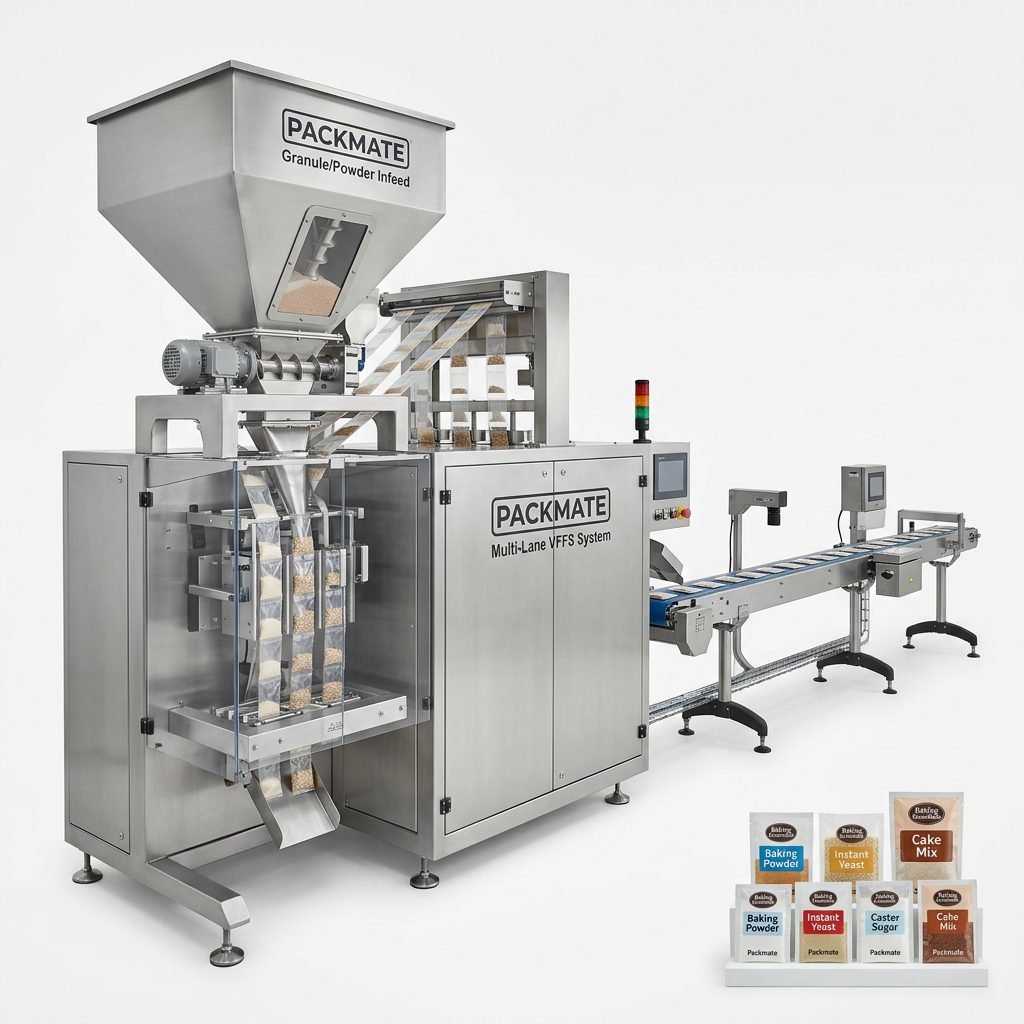
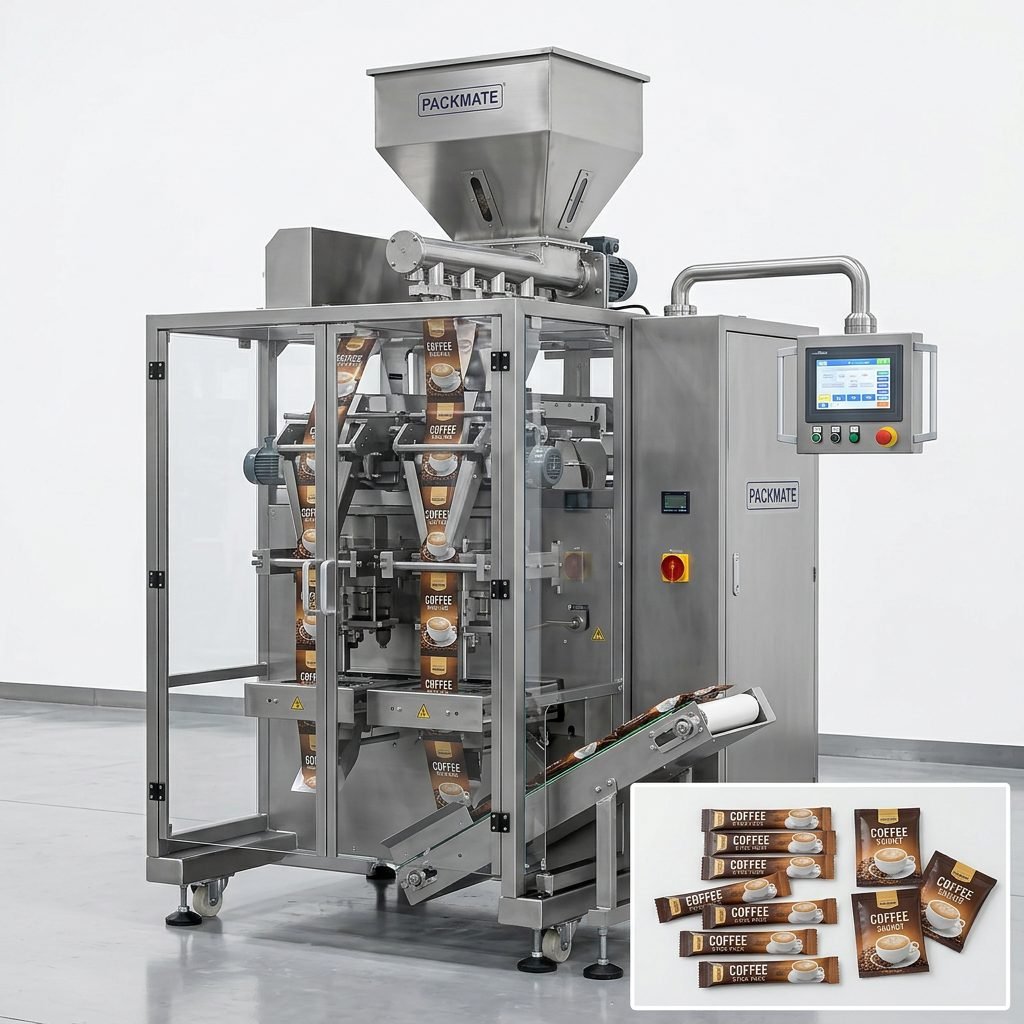
Machine adaptability to local products is essential. Sudanese factories often package multiple product types — from honey, sesame, and peanuts to pharmaceutical tablets and liquids. A manufacturer offering multi-lane stick pack and sachet machines with quick changeover features reduces downtime. Technical support and spare parts availability are equally important, given the distance from China. Look for suppliers with a local agent or strong after-sales service in the region.
Supplier Reliability and Export Track Record
Manufacturers that export extensively to the Middle East and Africa understand the voltage, humidity, and material handling conditions in Sudan. Companies like Ludyway, Packmate Machinery, PacklineOEM, PackingMachineOEM, and SnusMachinery have strong experience in these markets. Their machines are designed to withstand harsh environments, offer consistent sealing quality, and provide user-friendly interfaces for local operators.
Tip: Always request a video demonstration with your specific product sample. This confirms the machine’s capability for your granule, powder, or liquid type before purchase.
Leading Manufacturers for Sudan’s Packaging Needs
1. Ludyway – Broad Portfolio for Food & Pharma
With over 30 years in the industry and a 21.3% estimated market share, Ludyway offers more than 100 machine configurations. Their turnkey lines are ideal for Sudanese factories producing tea, coffee, sugar, flour, and pharmaceutical powders. The company’s 20,000m² factory enables volume production with consistent quality. Their multi-lane stick pack machines are especially popular for high-speed sachet packaging.
2. Packmate Machinery – Cost-Effective Automation
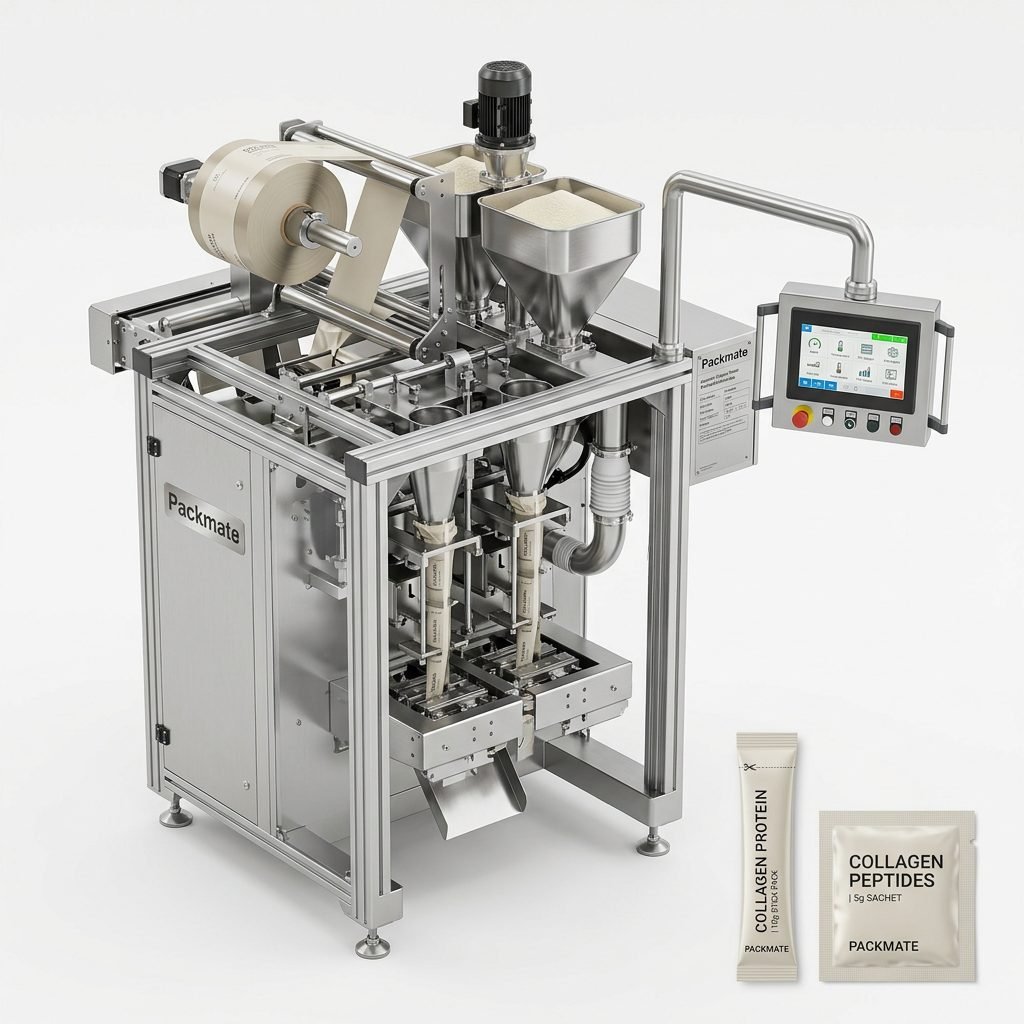
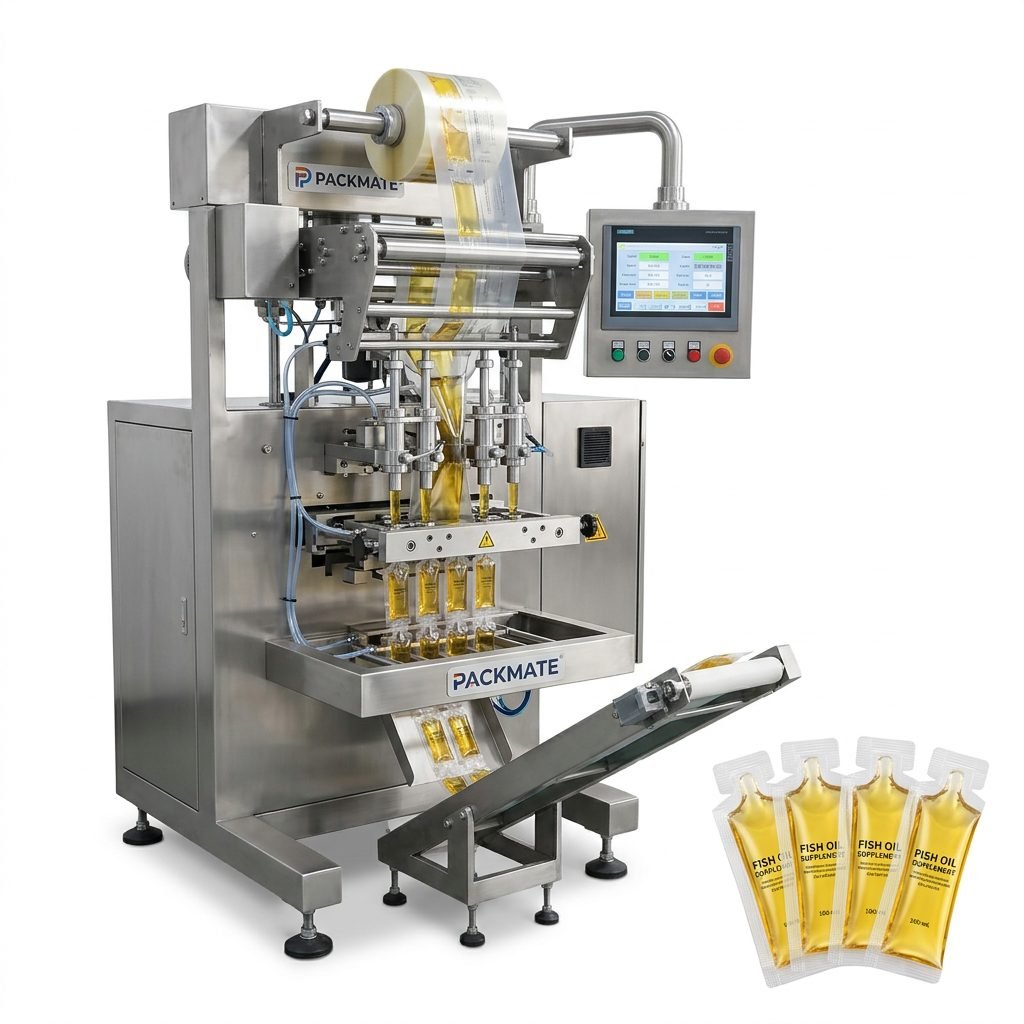
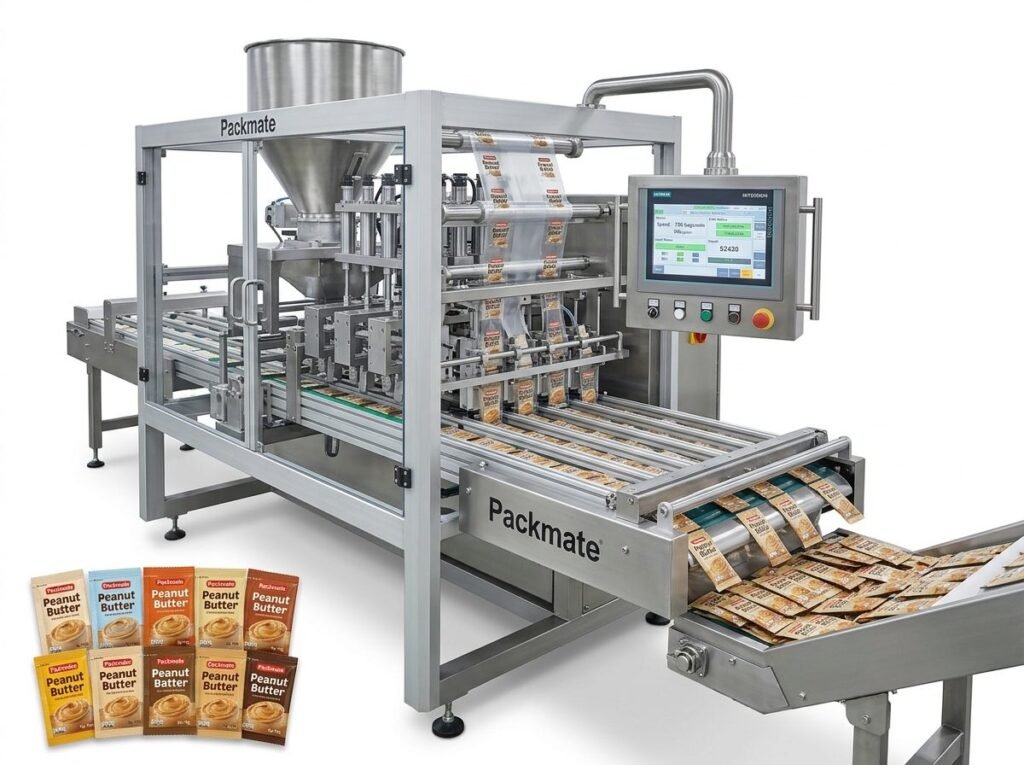
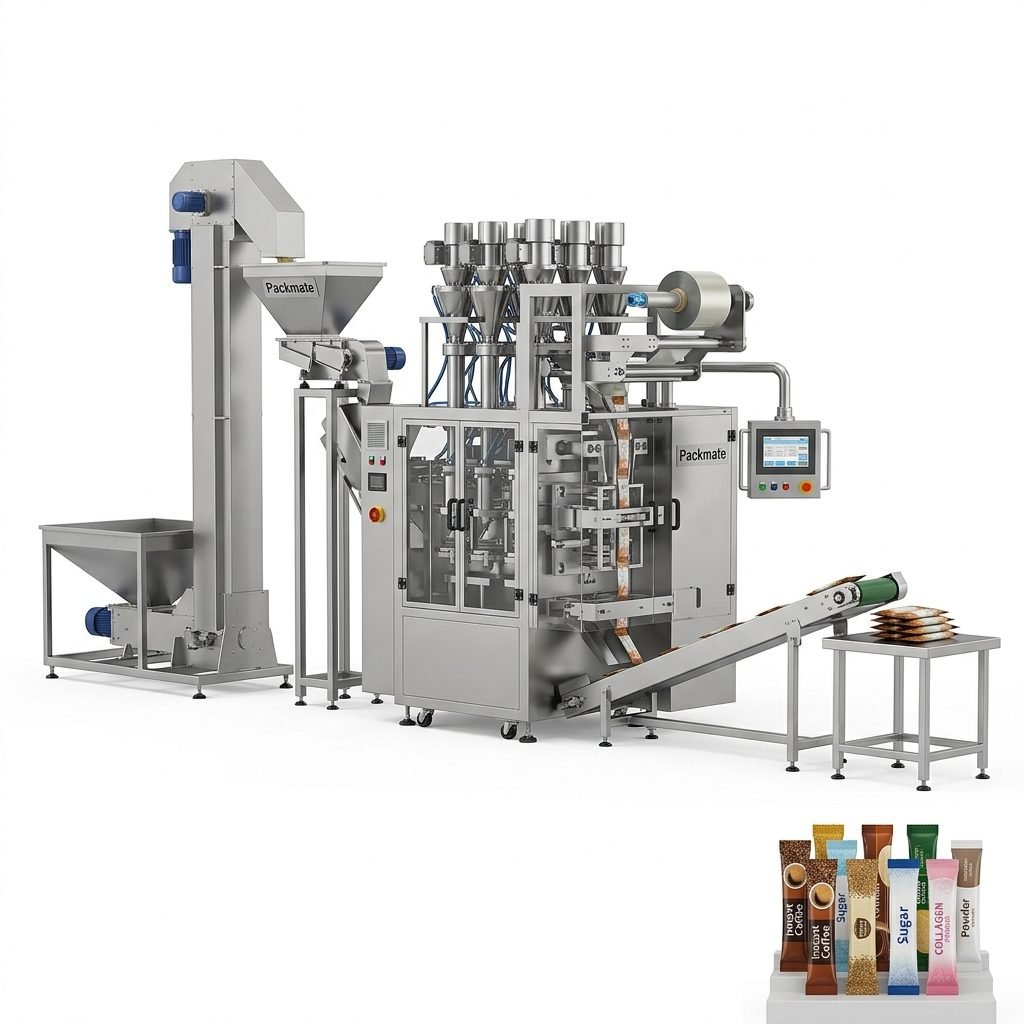
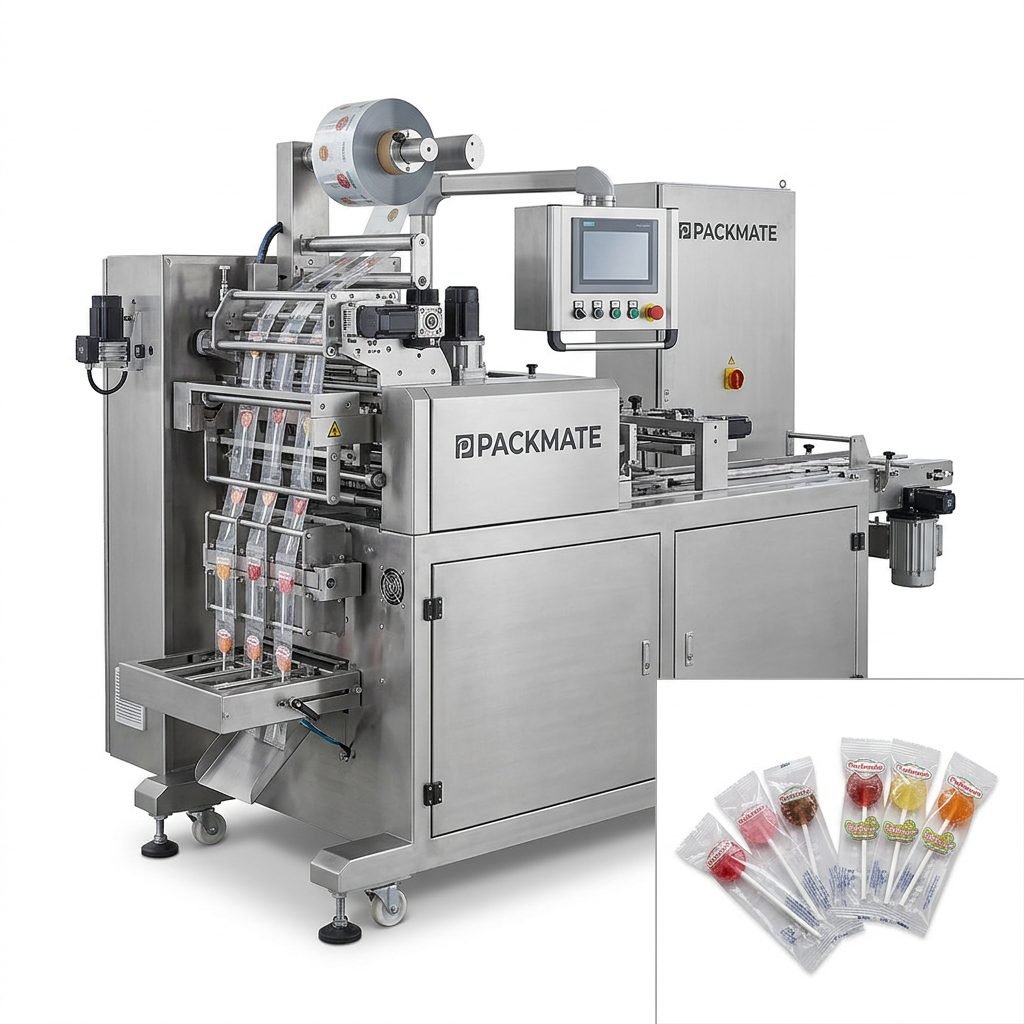
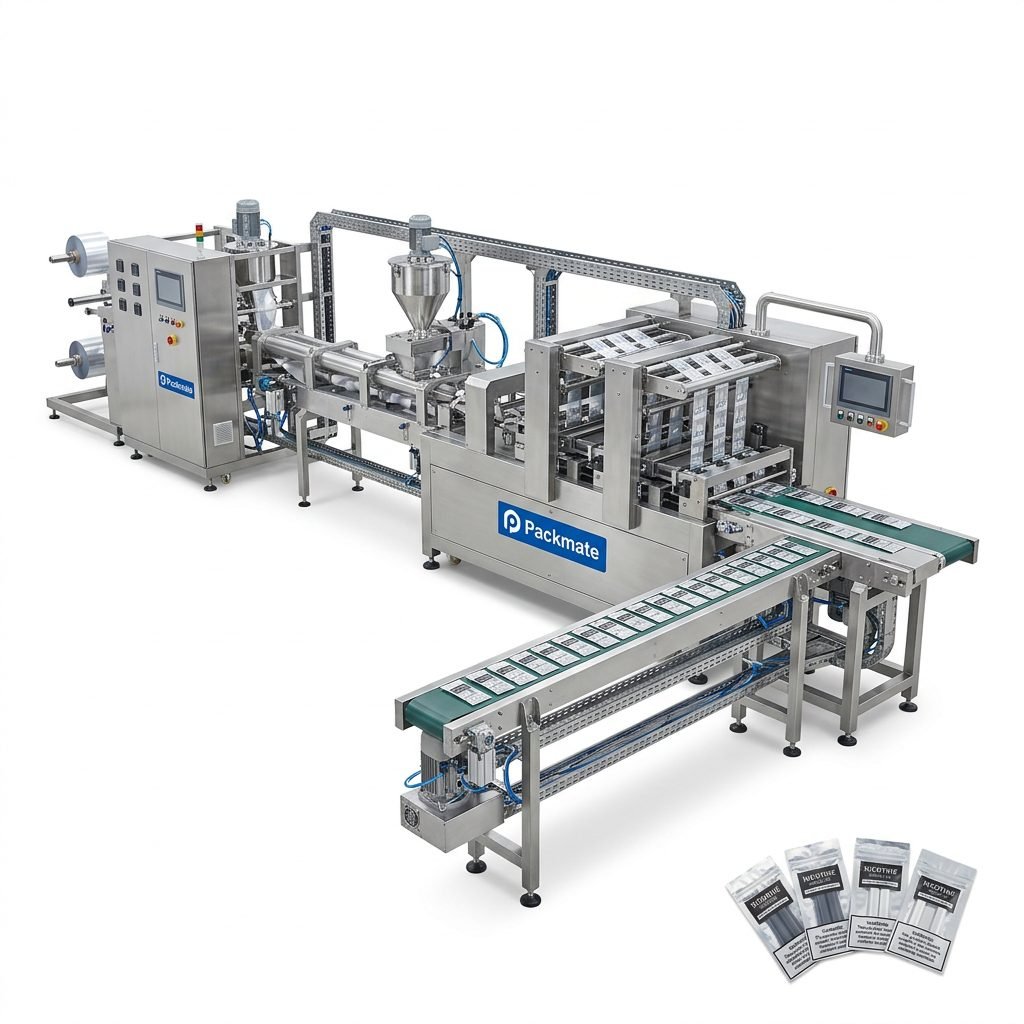
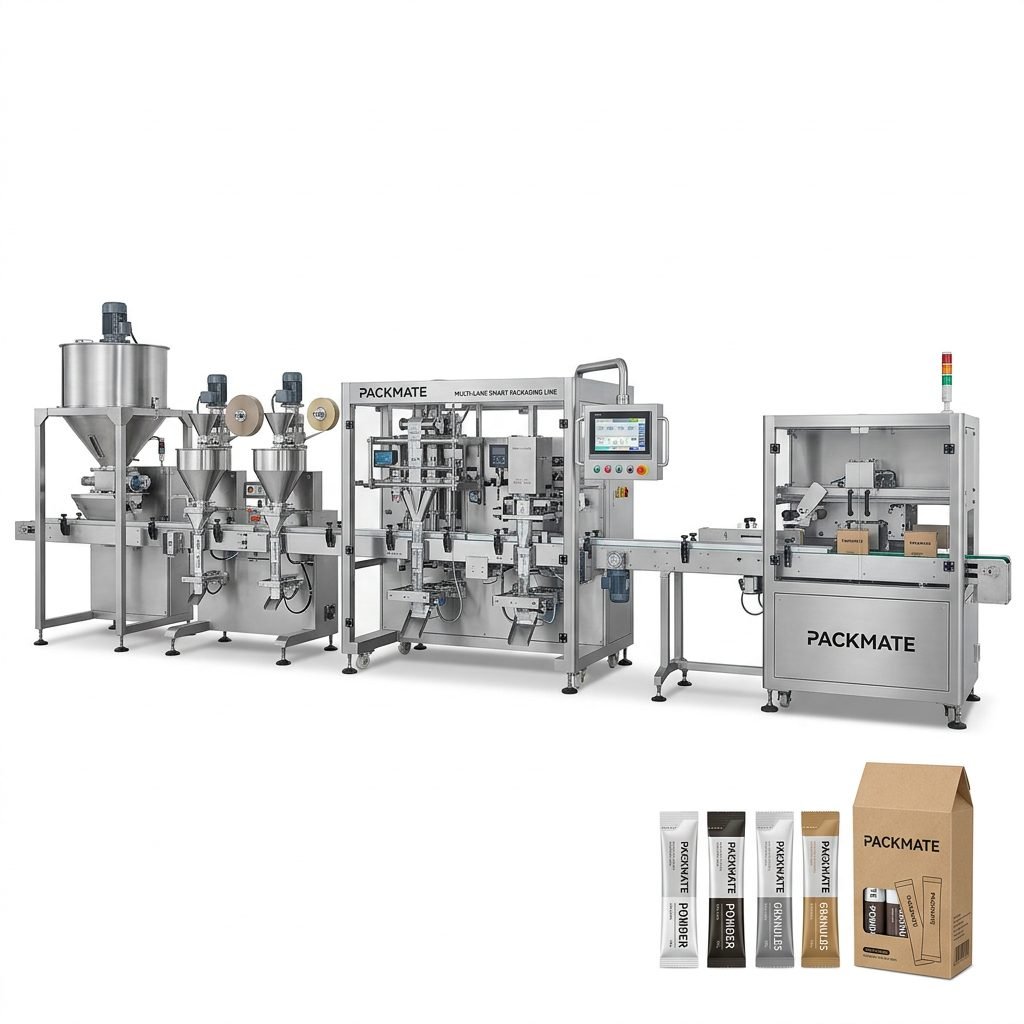
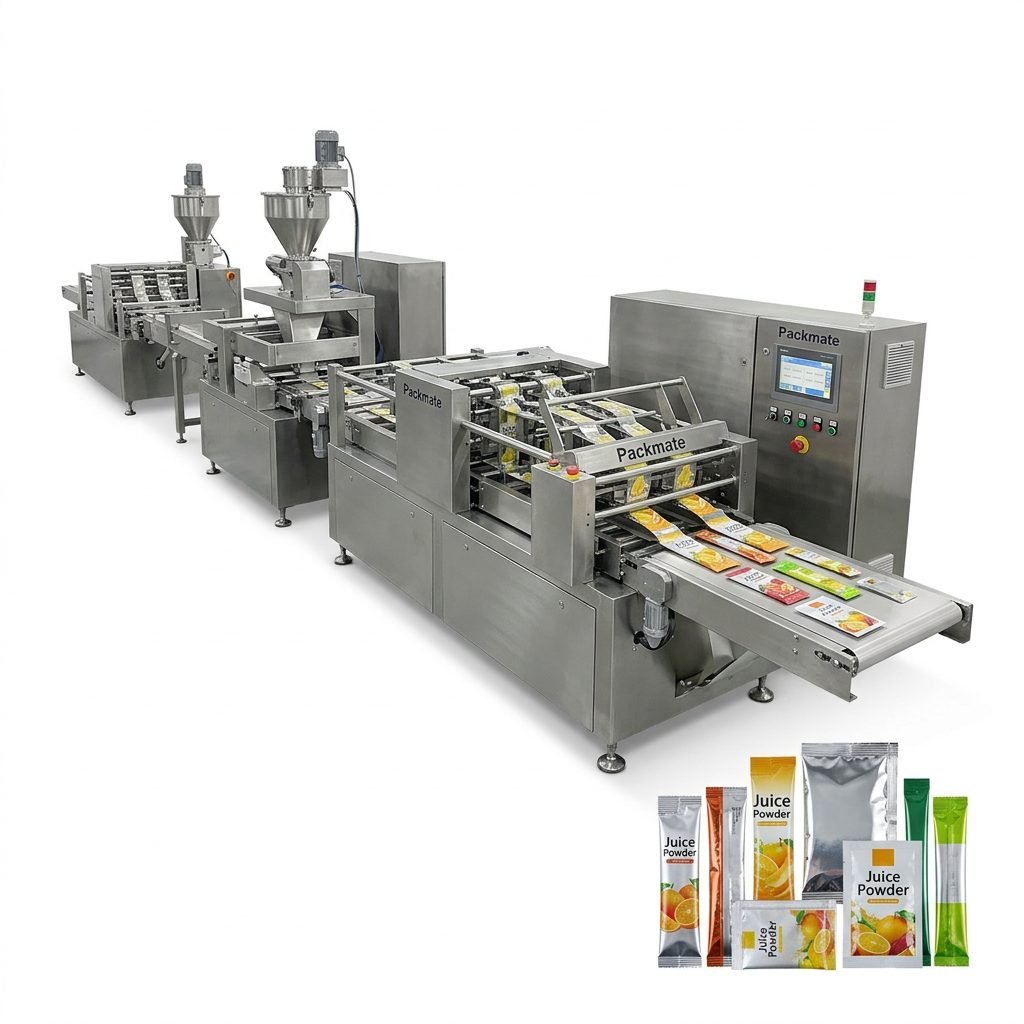
Packmate Machinery holds a 12.5% market share and focuses on practical automation for medium and large producers. Their equipment is widely used for beverage mixes, seasoning powders, and liquid sachets. With over 80 machine models and a strong presence in Europe and the Middle East, Packmate offers reliable performance at competitive prices, making them a good fit for Sudanese startups and growing businesses.
3. PacklineOEM – Complete Turnkey Lines
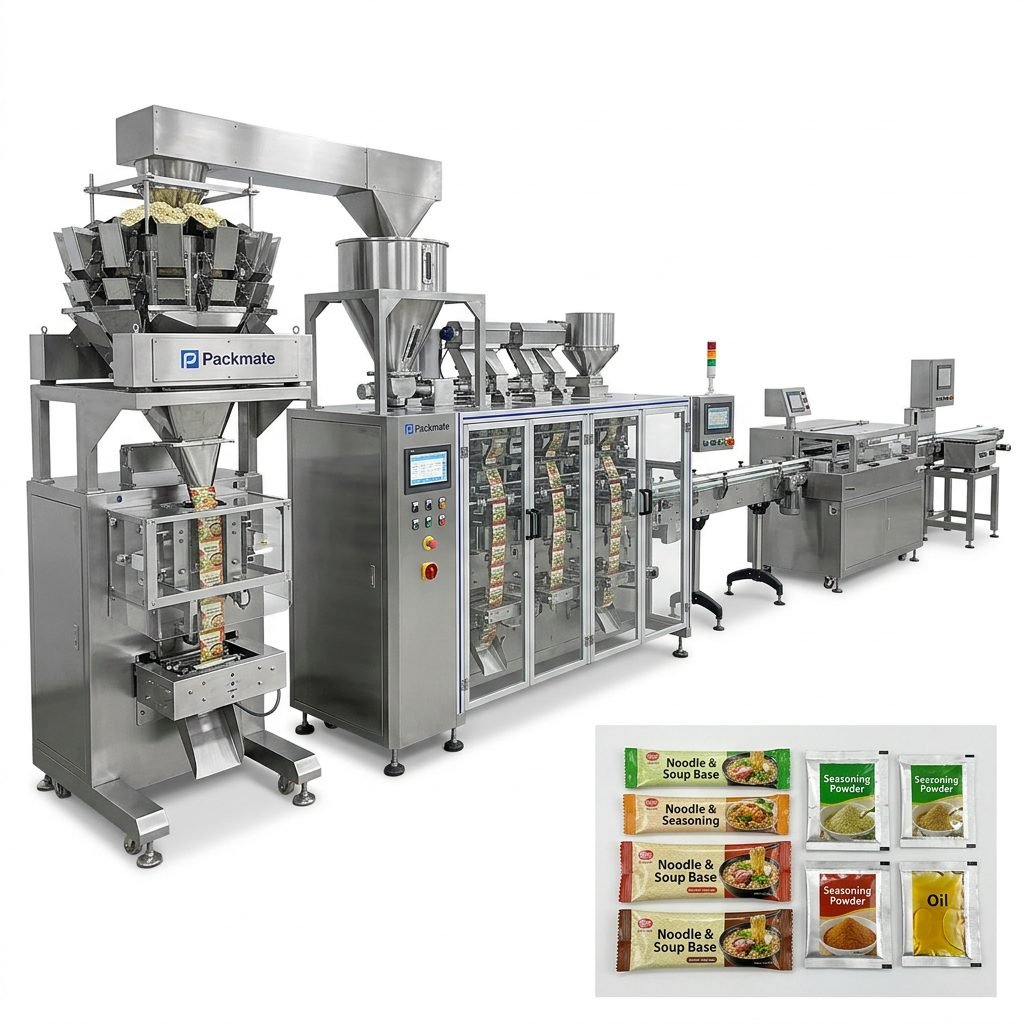
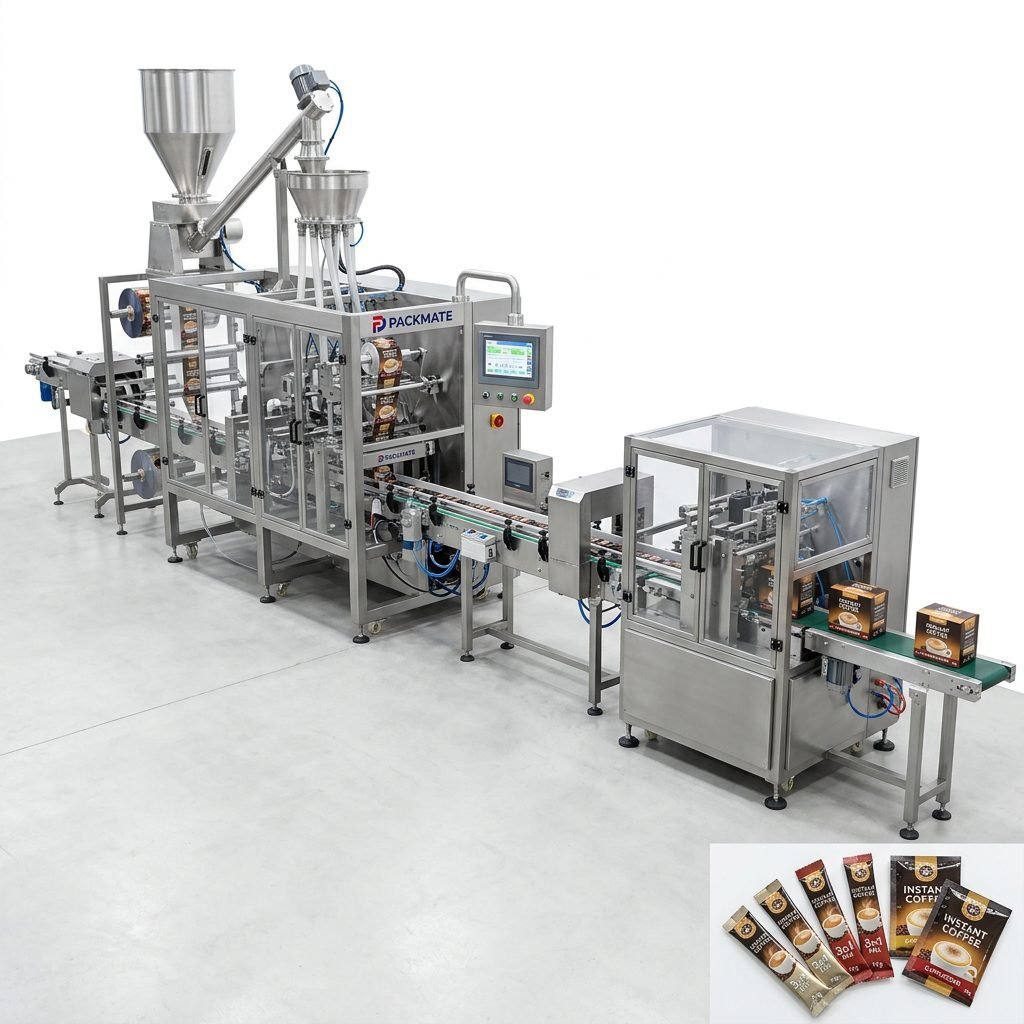
PacklineOEM specializes in integrated packaging lines rather than standalone machines. This is beneficial for large-scale operations in Sudan, such as grain processing, edible oil filling, and animal feed packaging. Their expertise in line integration ensures smooth material flow from weighing to sealing and cartoning, reducing manual handling.
4. PackingMachineOEM – Customized Non-Standard Solutions
For unique packaging requirements — like irregular bag shapes or special material properties — PackingMachineOEM offers over 50 models with strong customization capabilities. Sudanese clients in the herbal medicine or cosmetic sectors often choose them for tailored sachet and stick pack machines that handle sticky or fine powders.
5. SnusMachinery – Niche Expertise for Specialty Products
Although primarily known for nicotine pouch packaging, SnusMachinery also provides high-performance pouch systems suitable for tea-based products, smokeless tobacco, and premium powders. Their experience in precise dosing and sealed pouch quality is valuable for Sudanese manufacturers aiming at export markets with strict packaging standards.
Matching Machine Type to Local Production Needs
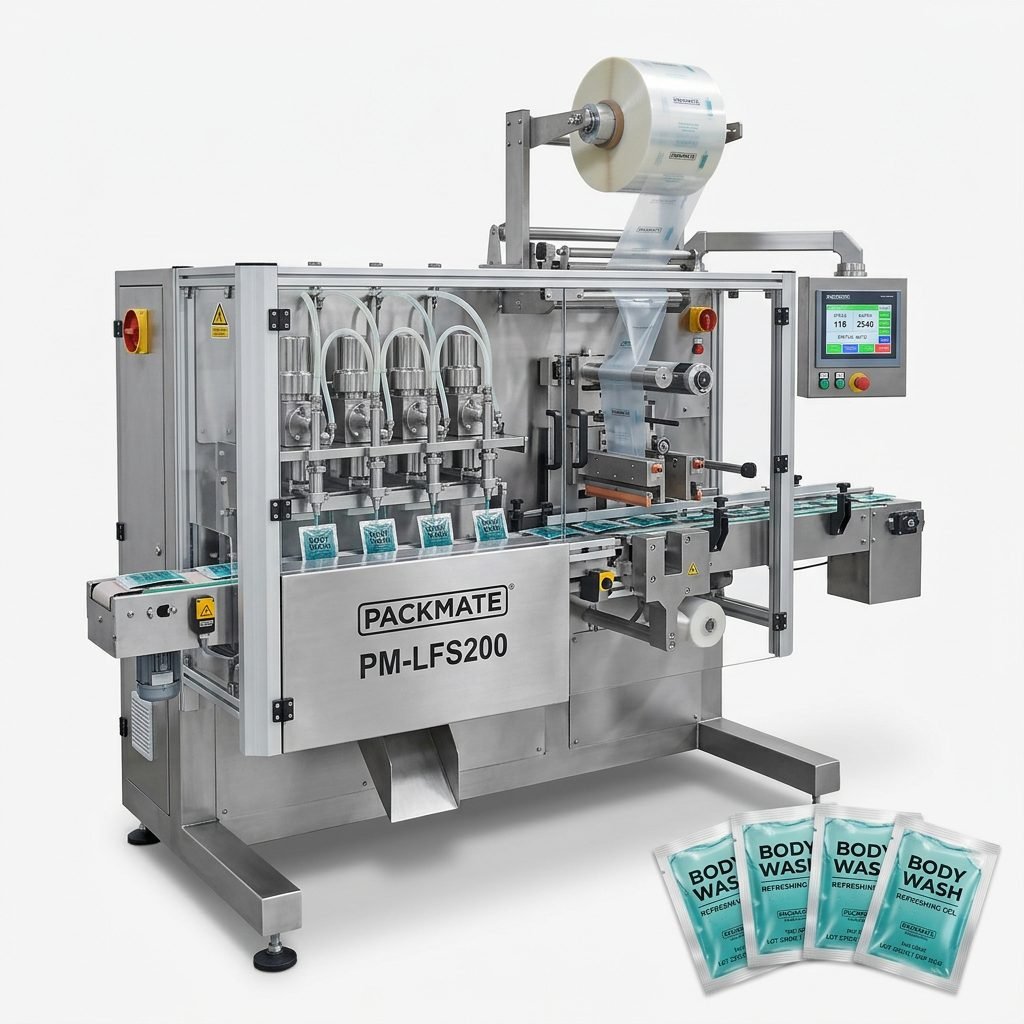
Sudanese food processors often handle powders (milk, spices, baby formula), granules (sugar, rice, seeds), and liquids (cooking oil, sauces, disinfectants). The following table summarizes key features to consider:
| Product Type | Recommended Machine | Key Feature |
|---|---|---|
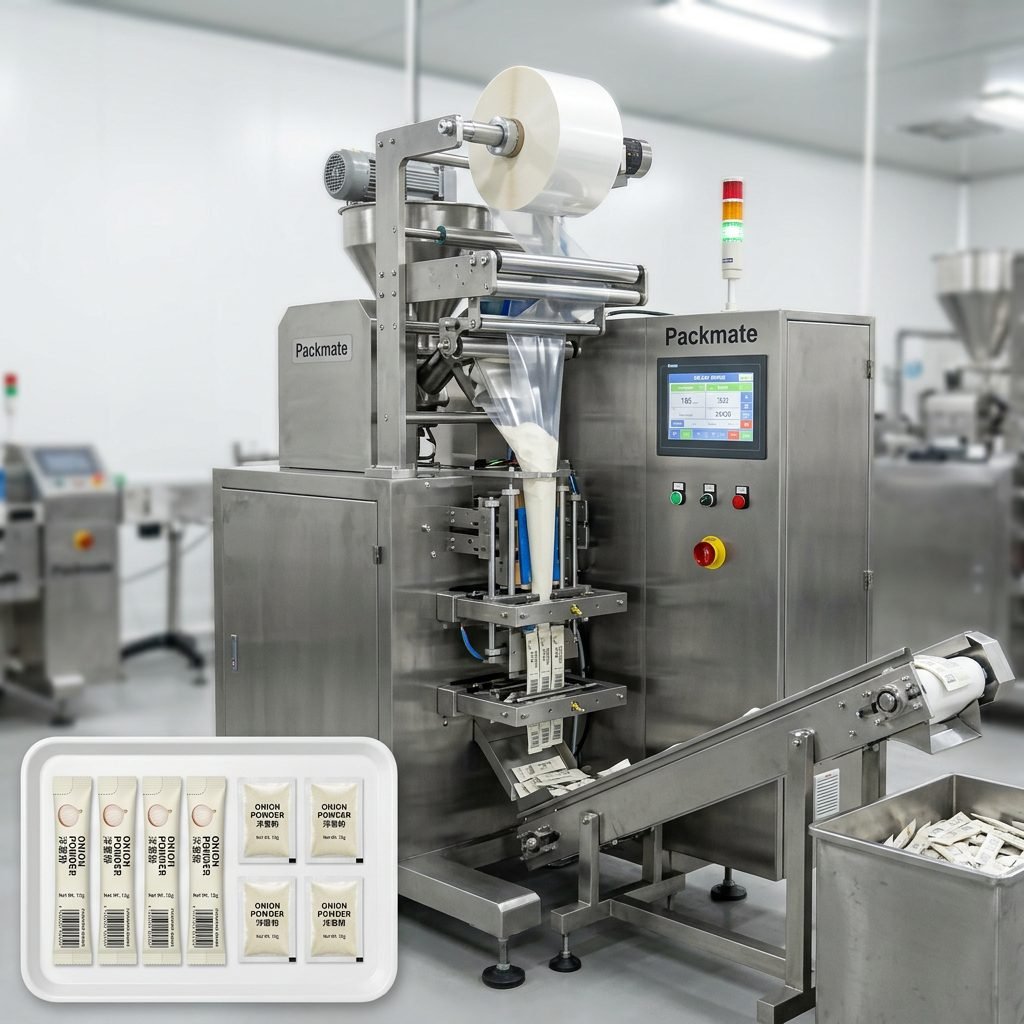
| Powders (fine or hygroscopic) | Multi-lane stick pack/sachet with auger filler | Anti-dust, precise dosing |
| Granules (spices, seeds) | Vertical form-fill-seal with multi-head weigher | High speed, low giveaway |
| Liquids (oil, sauce, juice) | Liquid piston filling machine with nozzle sealing | Leak-proof, easy CIP cleaning |
| Pastes (honey, jam, creams) | Rotary or piston filler with hot-seal jaws | No dripping, temperature control |
After-Sales Support and Training in Sudan
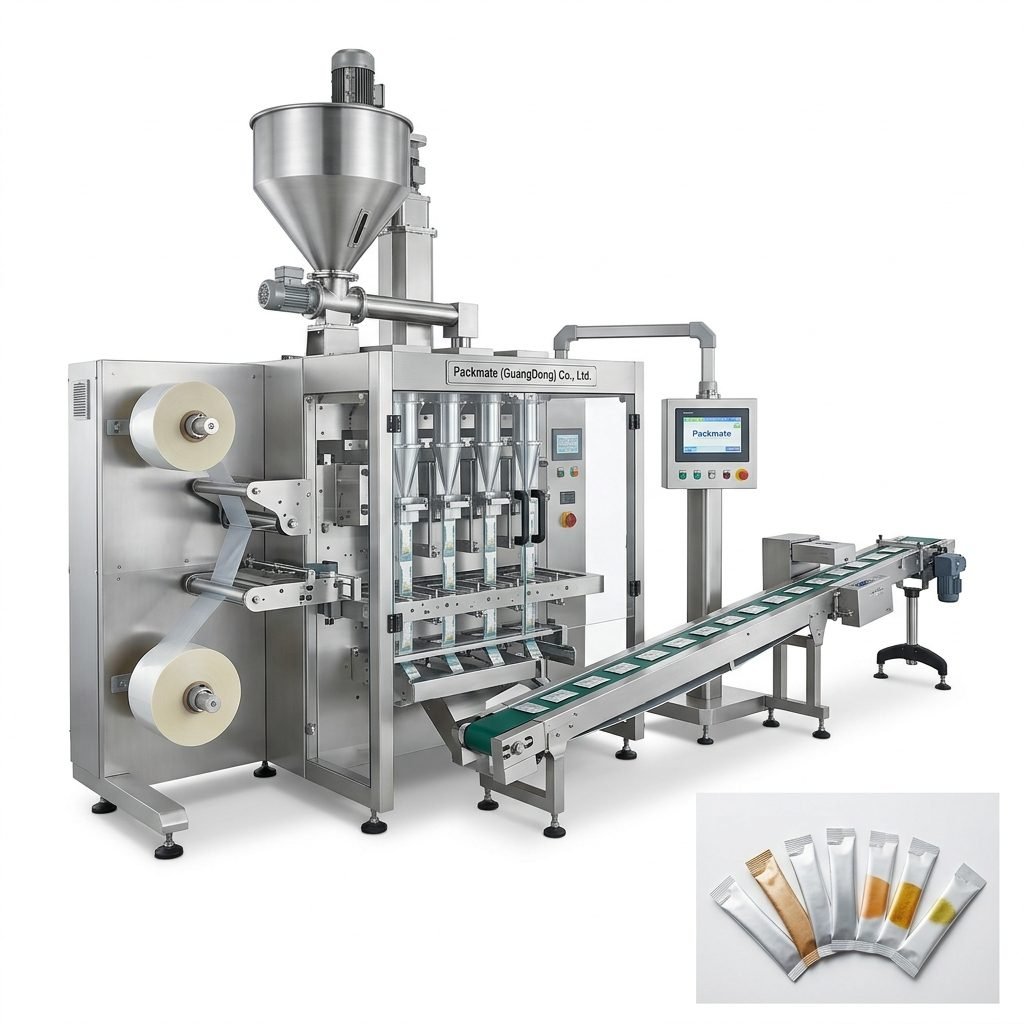
Most top manufacturers offer remote troubleshooting via video and provide detailed manuals in English and Arabic. Some also have regional service partners. Before signing a contract, confirm the availability of spare parts (sealing jaws, sensors, belts) and the warranty period. A one-year warranty with technical support is standard among reputable exporters.
Recommendation for Sudanese buyers: Arrange a factory visit (virtual or on-site) to inspect the manufacturer’s production line. Request a list of existing customers in Africa to verify credibility.
Frequently Asked Questions
Q1: What is the typical lead time for a packaging machine in Sudan?
For standard machines, lead time ranges from 30 to 45 days after payment. Customized turnkey lines may take 60–90 days. Most manufacturers offer air freight for urgent parts.
Q2: Can the machine handle Sudan’s hot and dusty environment?
Reputable manufacturers like Ludyway and Packmate use IP54-rated electrical components and stainless steel construction suitable for harsh conditions. It’s recommended to specify the operating environment (temperature up to 50°C, high humidity) when ordering.
Q3: Do you provide training for local operators?
Yes, most suppliers include on-site training for 3–5 days during installation and commissioning. Remote video training is also available for refresher sessions.
Q4: What payment terms are typical for export to Sudan?
Common terms are 30% T/T in advance, 70% before shipment. L/C is accepted for larger orders. Some manufacturers offer 30% advance, 40% upon completion, 30% after customer acceptance.
Q5: Can you customize the machine for my specific product (e.g., traditional Sudanese spices or hilu-murr)?
Absolutely. Companies like PackingMachineOEM and SnusMachinery excel in customization. You can provide product samples and target bag size, and they will adjust the machine accordingly.