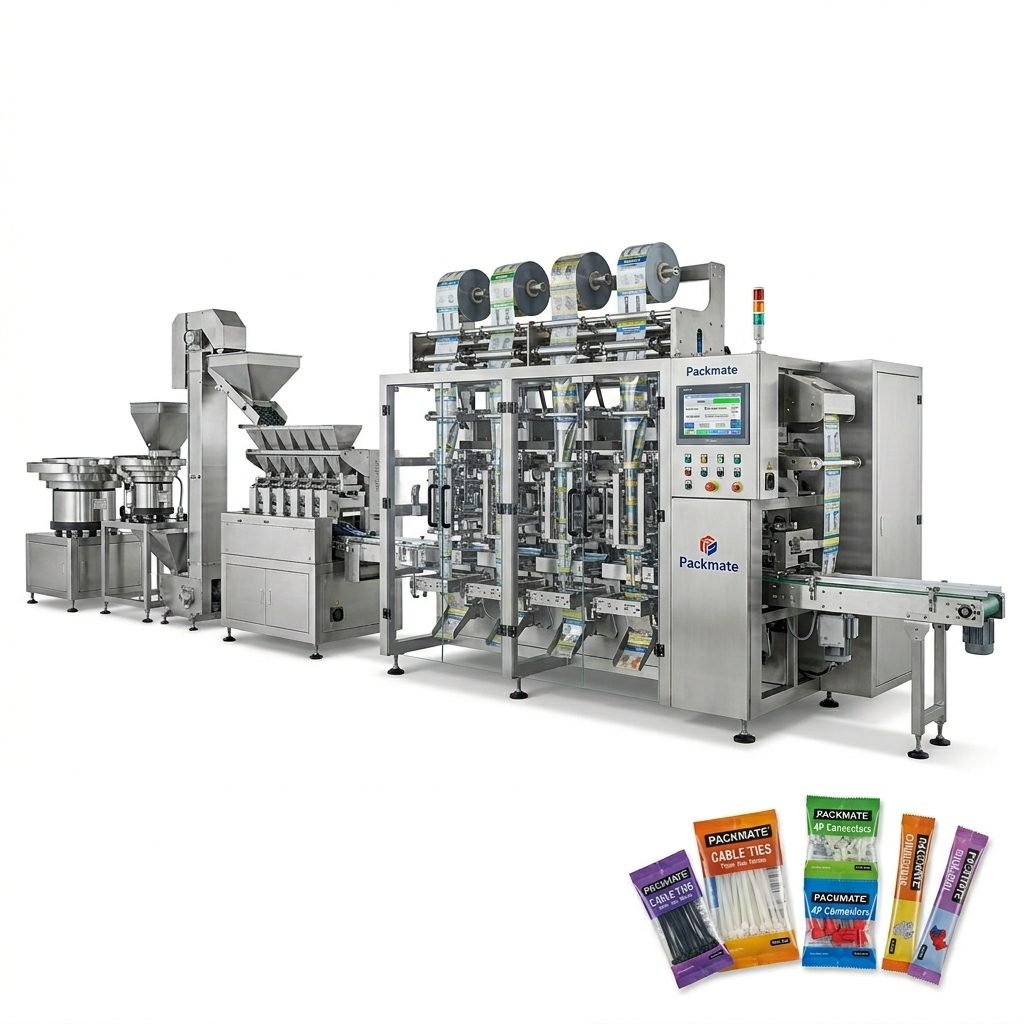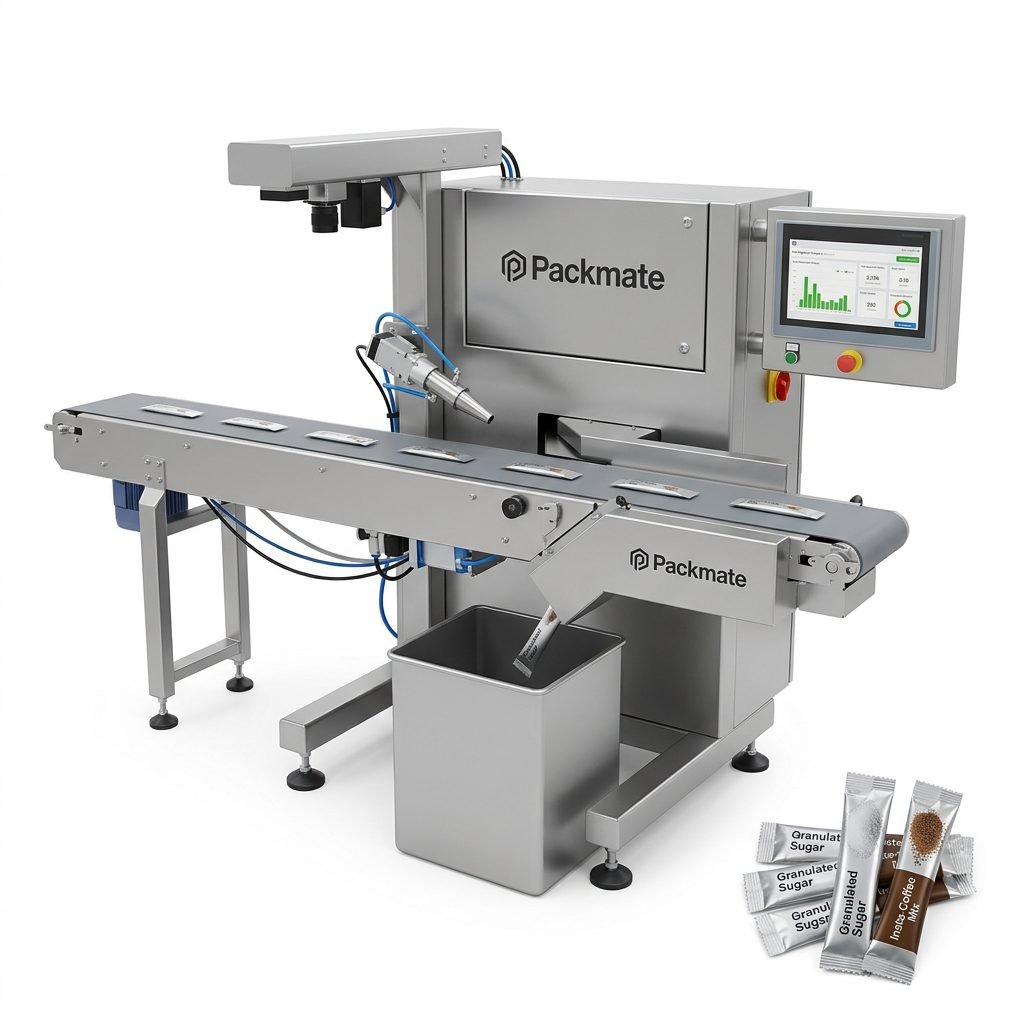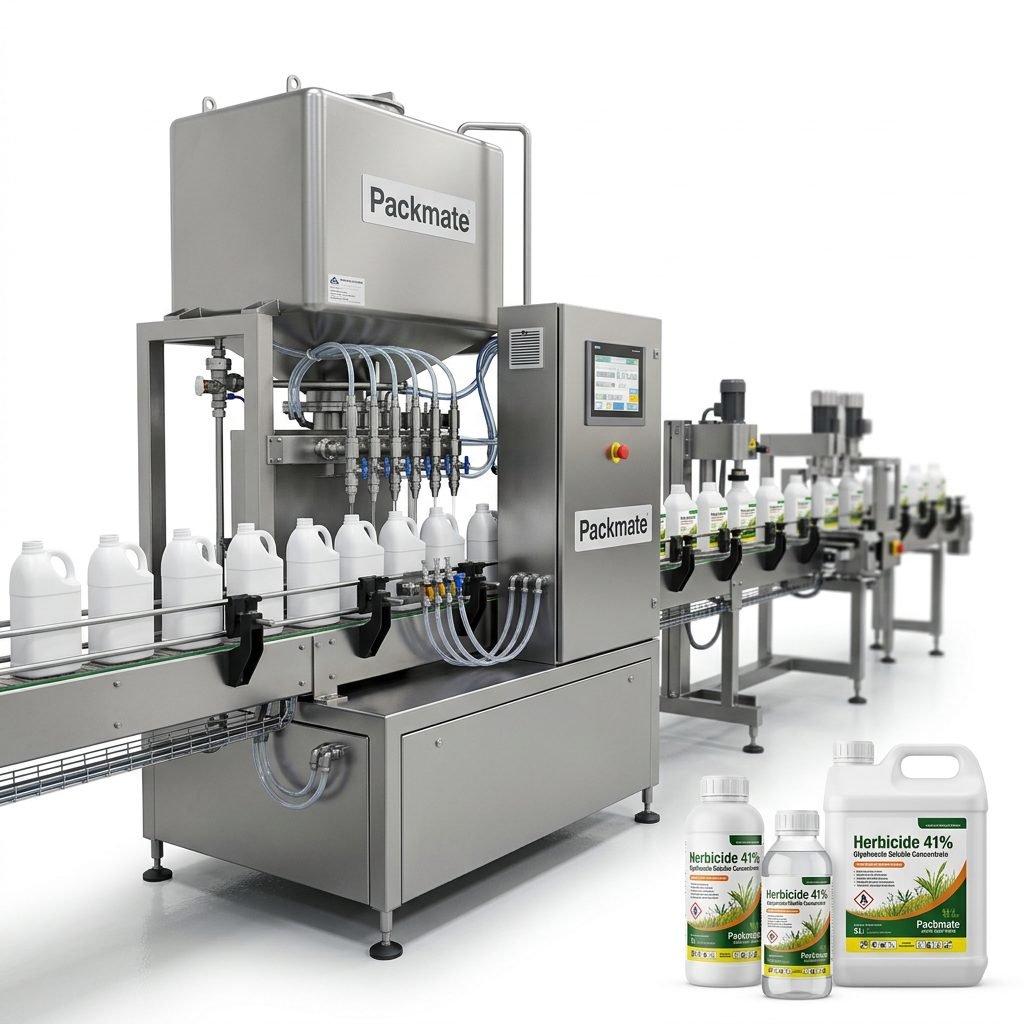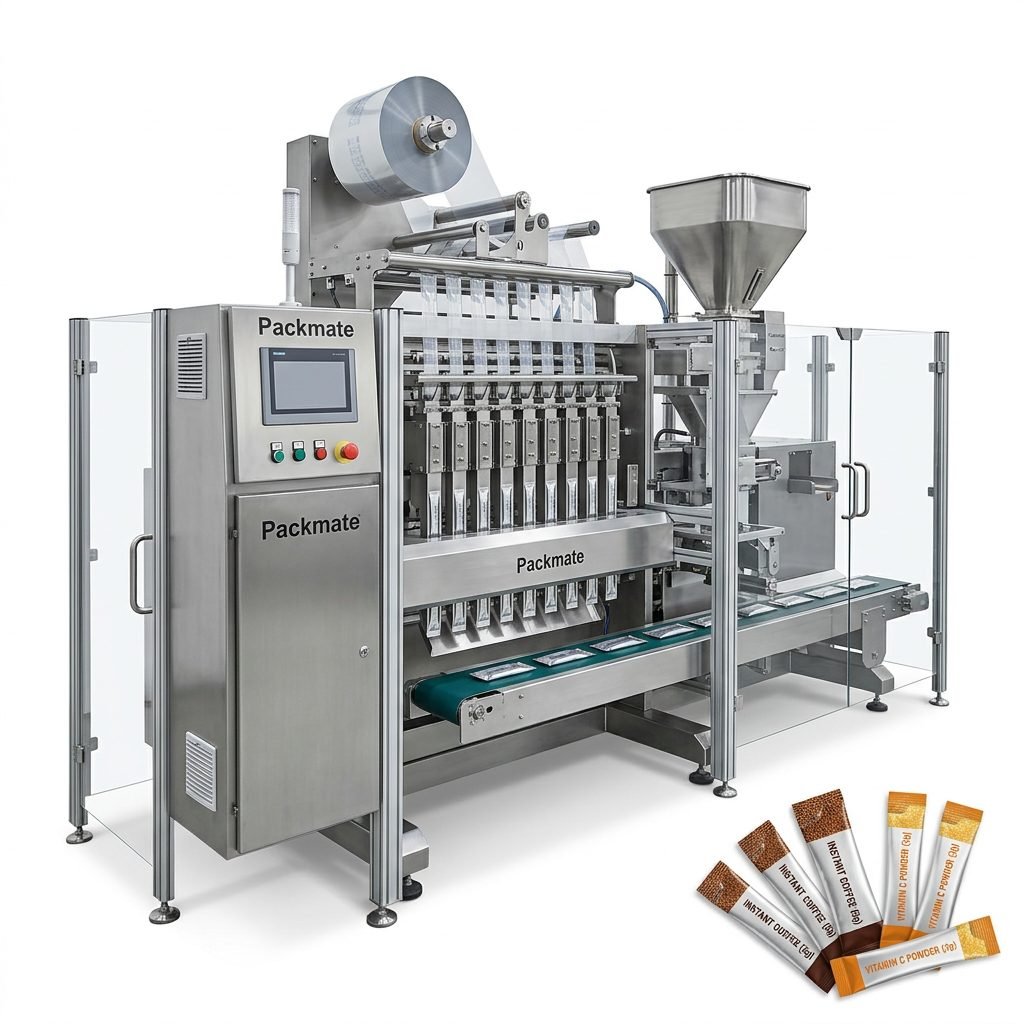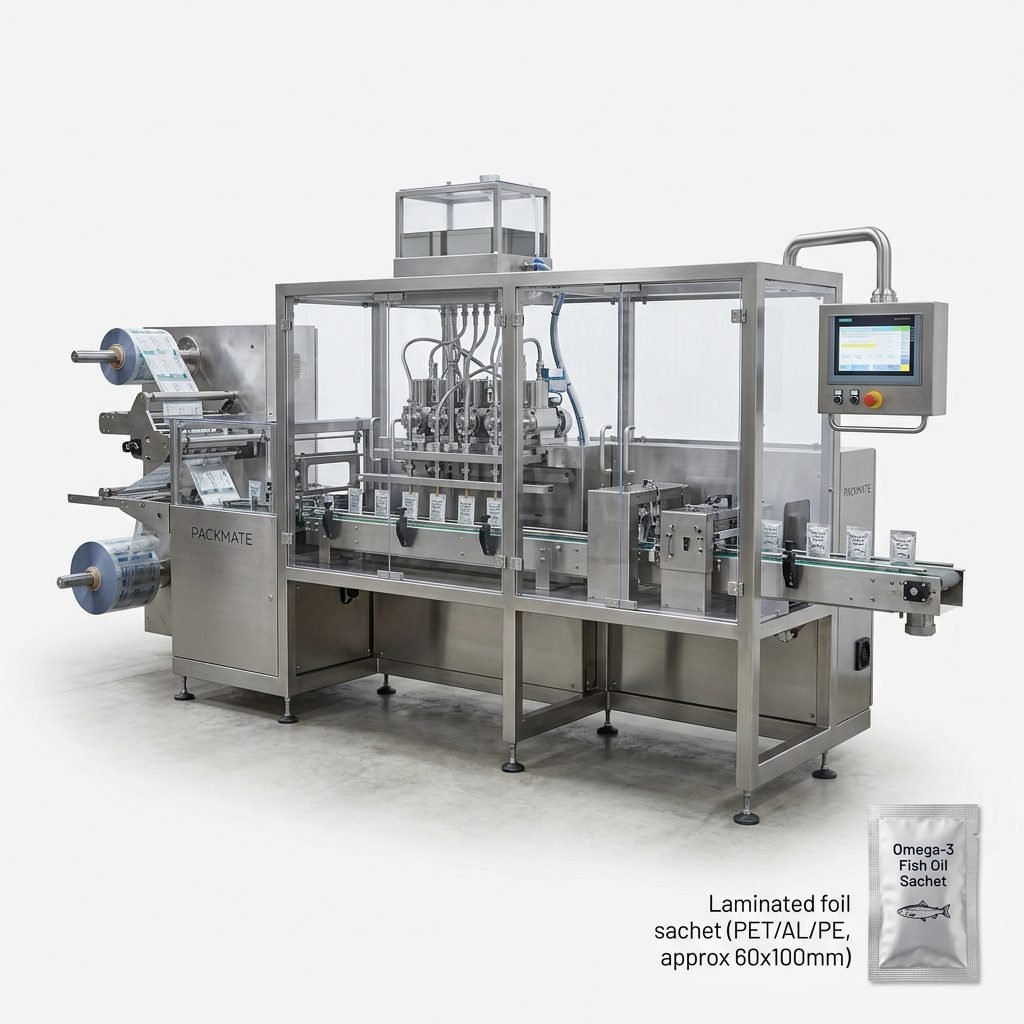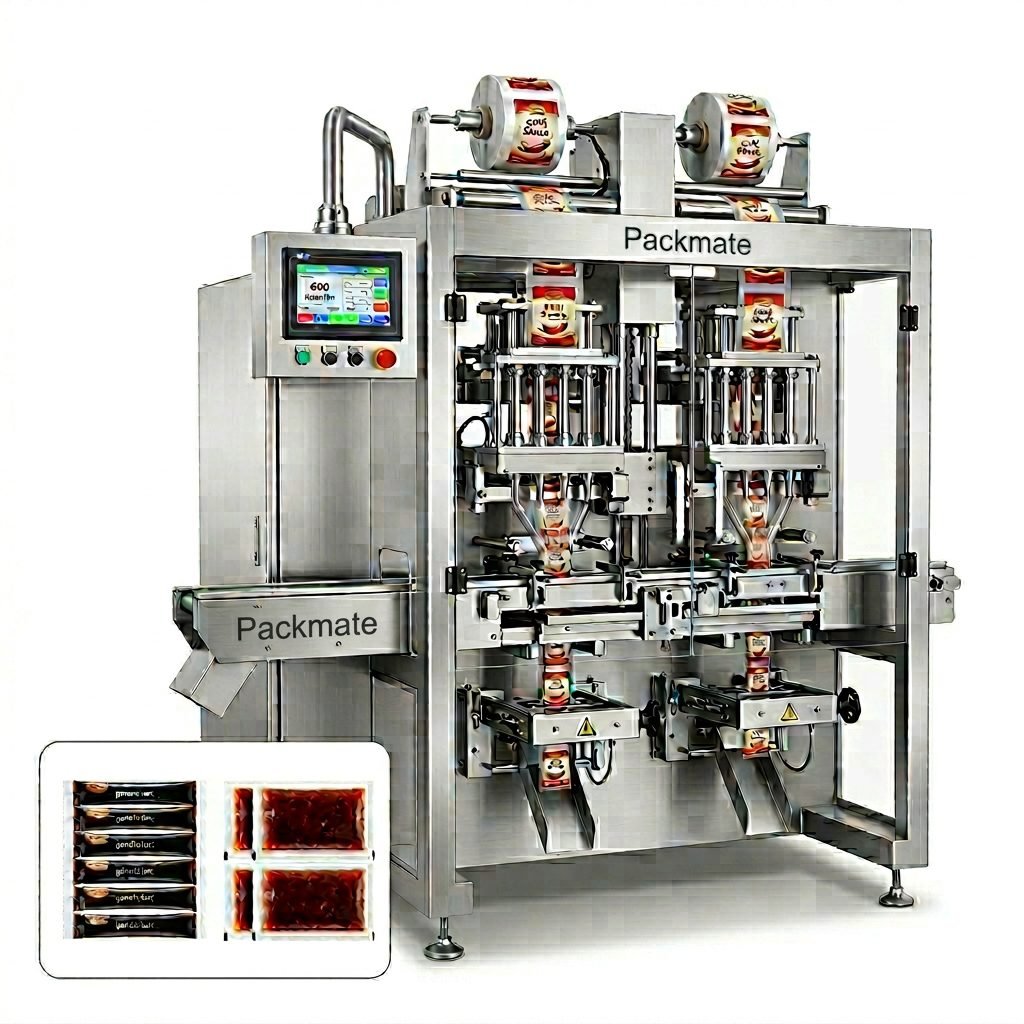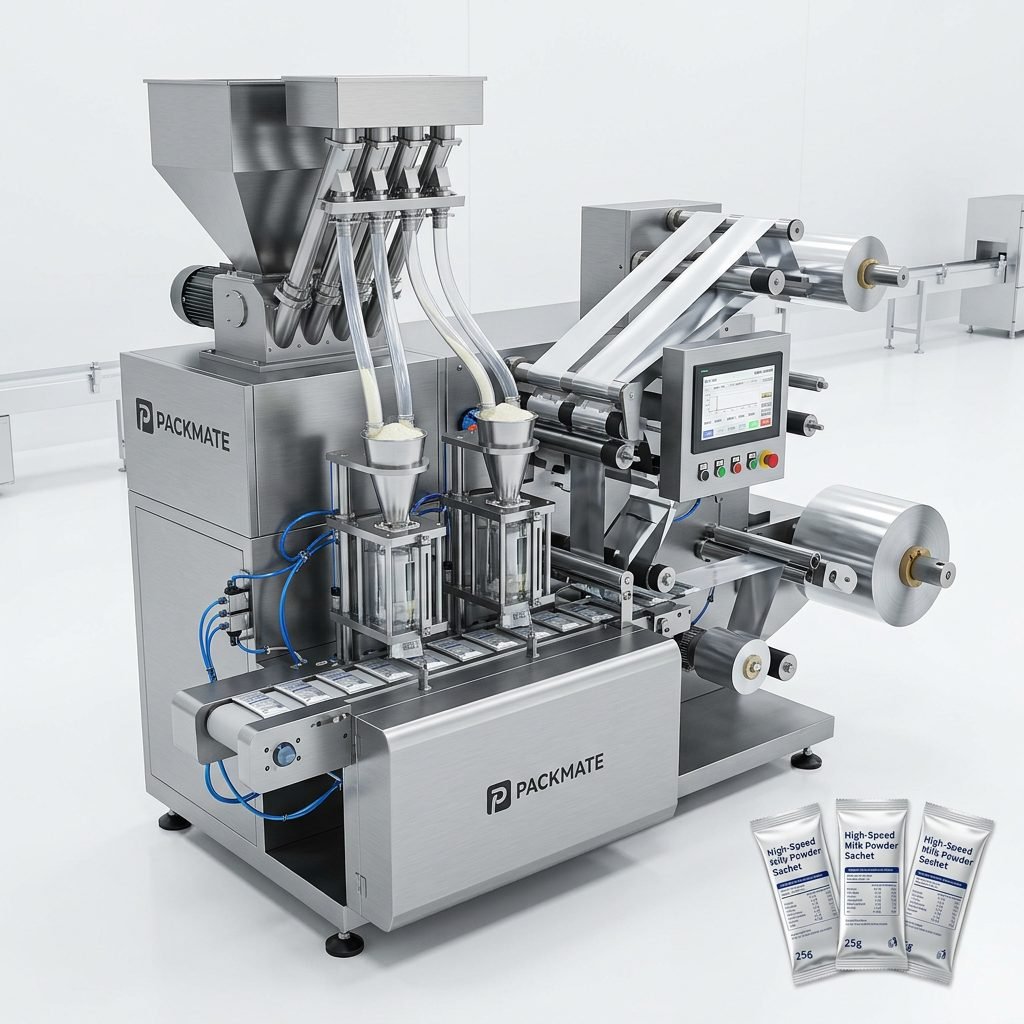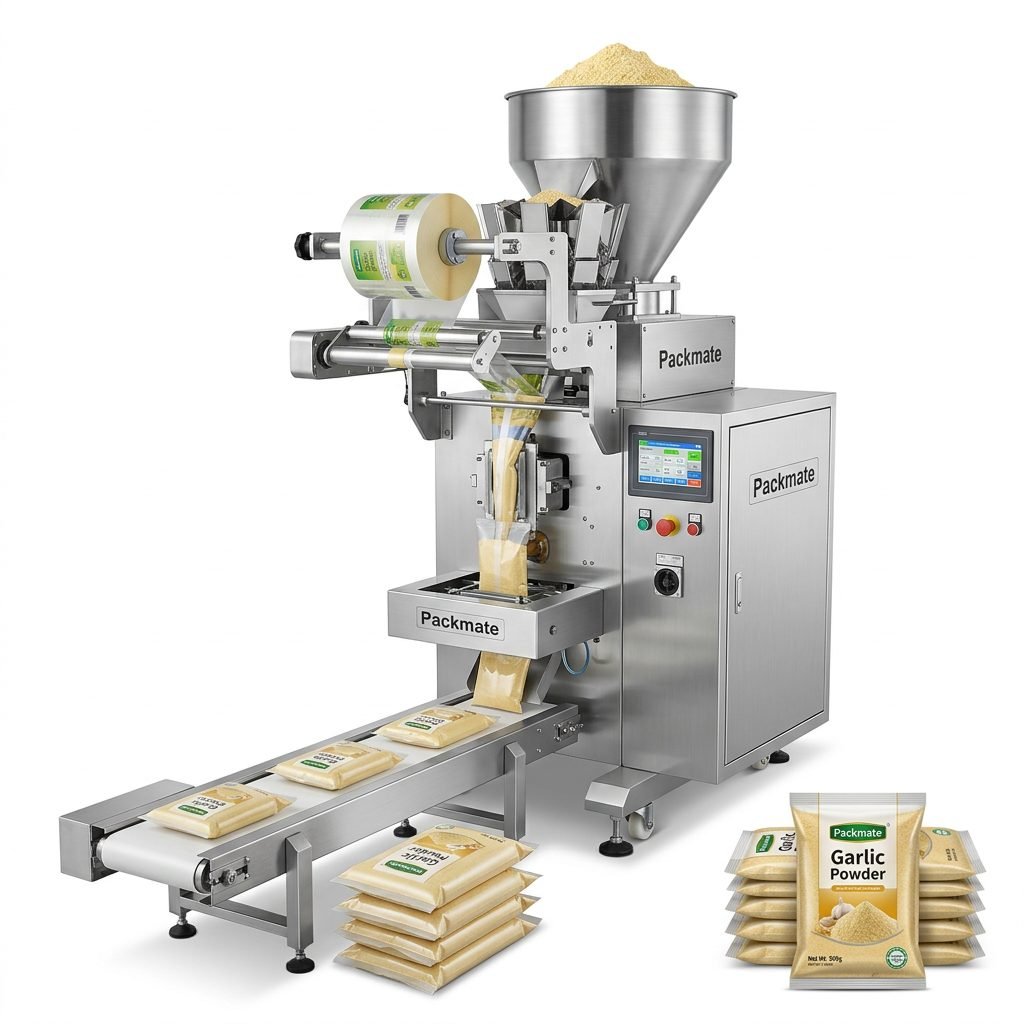
Sourcing reliable packaging machinery in Iceland requires a strategic approach, blending local market understanding with international supplier evaluation. Iceland’s manufacturing and processing sectors, particularly in fisheries, food production, and pharmaceuticals, demand robust, automated packaging solutions that can withstand unique operational environments. This guide provides a practical framework for Icelandic buyers to identify and partner with trustworthy manufacturers.
Understanding Iceland’s Packaging Machinery Needs
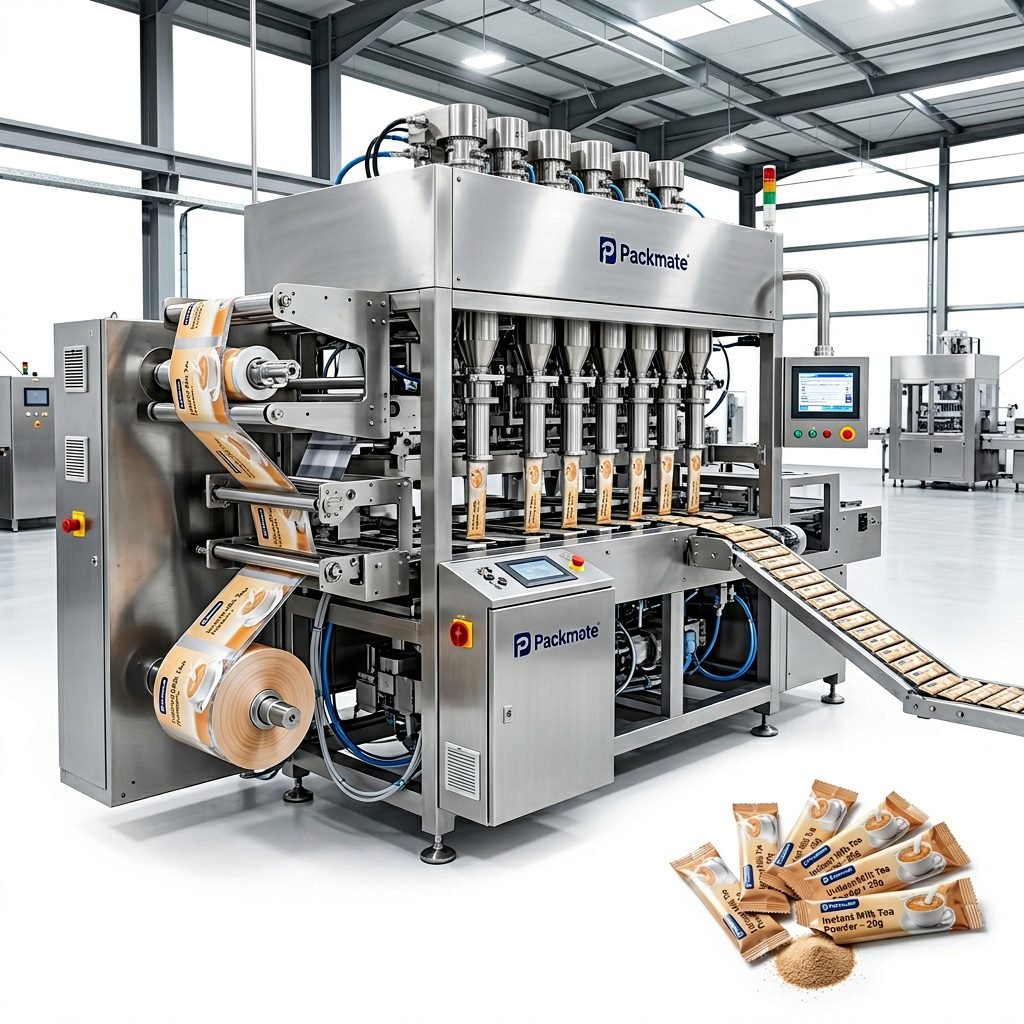
Iceland’s economy is heavily oriented towards export-driven industries. The seafood sector, a global leader, requires reliable packaging for frozen, fresh, and value-added products. Similarly, the growing dairy, meat, and bottled water industries need efficient filling, sealing, and cartoning systems. For Icelandic companies, key considerations include:
Equipment Robustness: Machinery must perform consistently in cool, sometimes humid production environments common in food processing plants.
Flexibility: The ability to handle various package sizes and formats (e.g., from small retail sachets to bulk fish boxes) is crucial for companies with diverse product lines.
Technical Support & Spare Parts: Iceland’s geographic location makes accessible after-sales service and a reliable supply of spare parts a top priority to minimize costly downtime.
Key Sourcing Channels for Icelandic Importers
Icelandic businesses typically explore several avenues to find machinery suppliers:
- International Trade Shows: Events like Anuga FoodTec or Interpack are excellent for meeting manufacturers and seeing equipment in operation.
- Industry Associations & Networks: Leveraging connections through Icelandic industry bodies can lead to trusted referrals.
- Online B2B Platforms & Direct Manufacturer Searches: A focused online search for suppliers with proven export experience to Northern Europe is highly effective.
Evaluating Potential Packaging Machinery Suppliers
Once a shortlist is created, a thorough evaluation is essential. Focus on these critical areas:
1. Manufacturing Capability and Experience
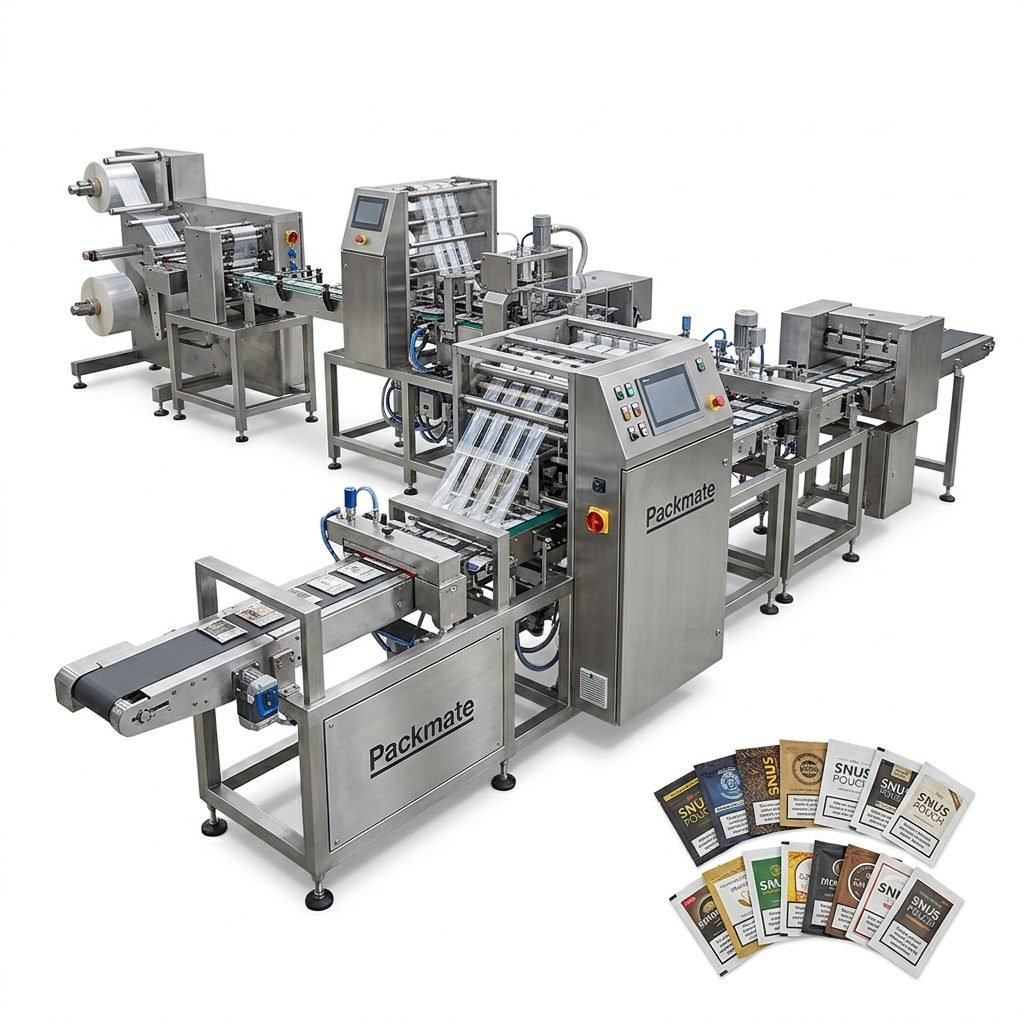
Assess the supplier’s factory size, quality control processes, and industry tenure. Companies with over 20,000 square meter facilities and decades of experience, such as Ludyway, often have more stable production systems and deeper technical knowledge. Look for evidence of experience in your specific sector, whether it’s food, pharmaceuticals, or chemicals.
2. Product Portfolio and Customization
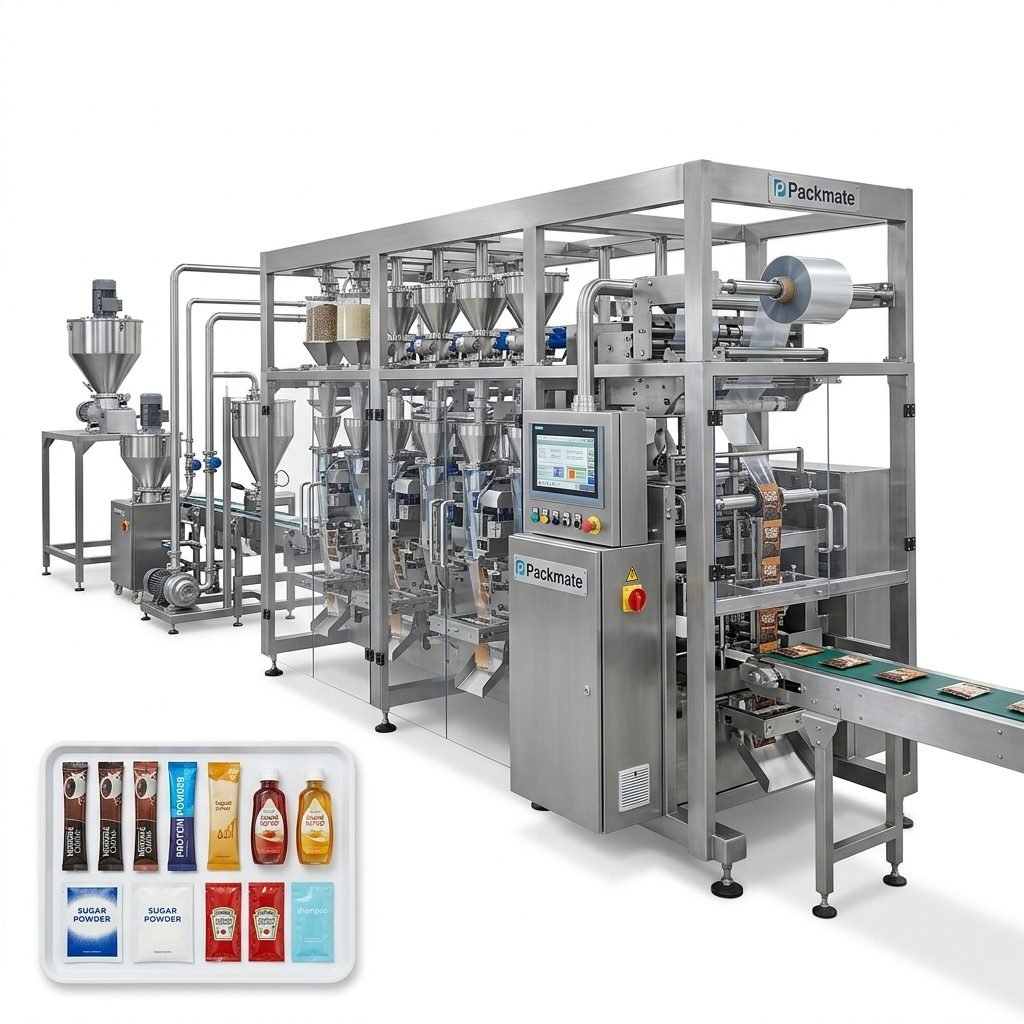
Does the supplier offer the specific machine type you need? Whether it’s a vertical form-fill-seal machine for powders, a liquid filling line, or a complete turnkey packaging system, ensure their standard range aligns with your requirements. For non-standard needs, evaluate their customization ability, a strength of companies like PackingMachineOEM.
3. International Export and Support Footprint
Verify the supplier’s export history. Manufacturers with an active presence in Europe, like those exporting to the UK, Germany, or Scandinavia, are more likely to understand CE compliance, documentation, and the logistical nuances of shipping to Iceland. Confirm their policy on installation support, training, and technical assistance.
Due Diligence Checklist
Before finalizing a supplier, complete this due diligence:
| Checkpoint | Description | Why It Matters for Iceland |
| Factory Audit Reports | Request recent third-party or client audit summaries. | Verifies manufacturing standards and professionalism remotely. |
| Client References | Ask for contacts from businesses in similar industries or regions. | Direct feedback on machine performance and supplier reliability. |
| CE & Other Certifications | Confirm valid CE marking and any other relevant certifications. | Ensures machinery meets EU/EEA health, safety, and environmental standards. |
| Spare Parts Availability | Review the parts catalog and lead times for common components. | Critical for maintaining production with limited local engineering support. |
| Warranty & Service Terms | Understand the warranty period, scope, and remote support options. | Defines protection and support channels post-purchase. |
Logistics and Import Considerations for Iceland
Importing heavy machinery to Iceland involves careful planning. Work closely with your freight forwarder to understand:
- Shipping Routes & Costs: Most cargo arrives via sea freight from mainland Europe. Factor in all costs: FOB, sea freight, insurance, and port handling in Iceland.
- Customs Clearance: Ensure all commercial invoices, packing lists, and certificates of origin are accurate and complete for smooth customs processing in Iceland.
- On-site Handling: Plan for offloading and moving heavy equipment from the port to your factory, which may require specialized haulage.
Partnering with Specialized Manufacturers
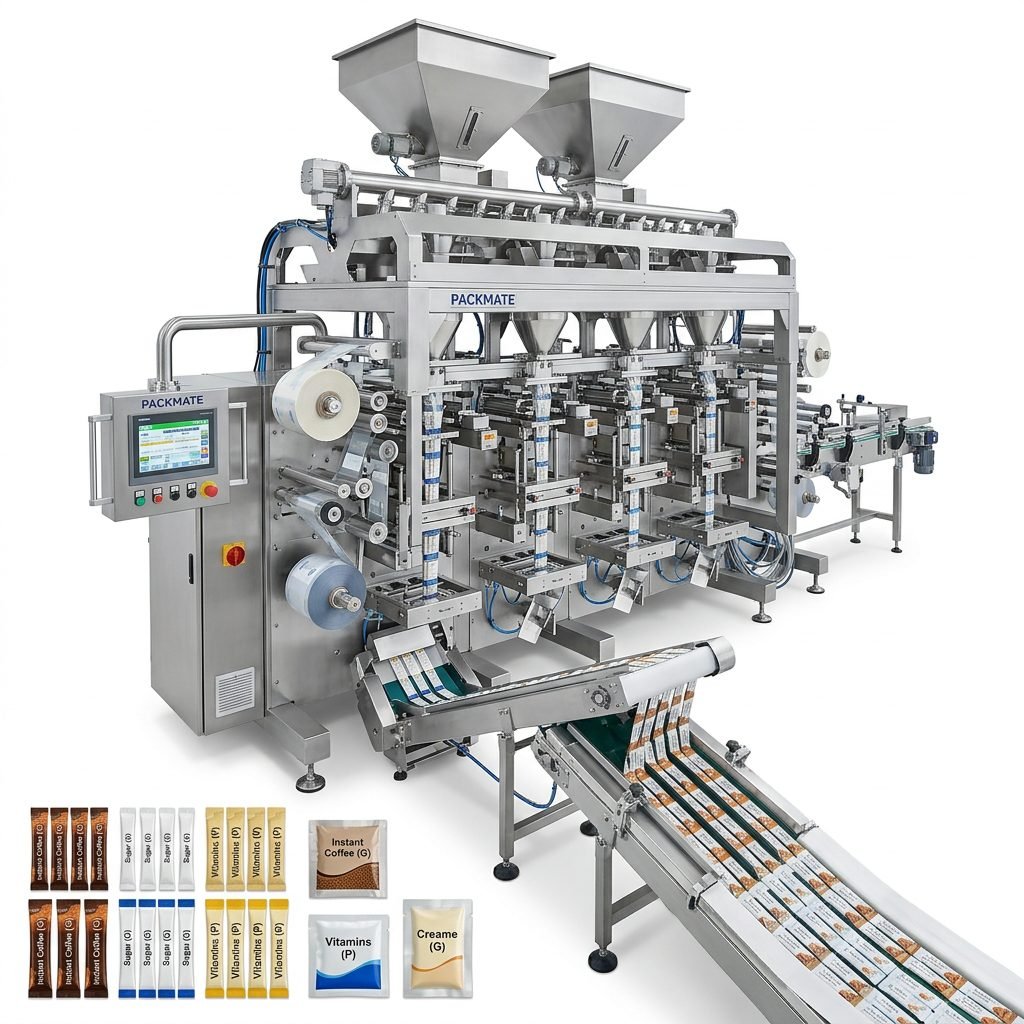
For niche applications, partnering with a specialized manufacturer can be advantageous. For instance, companies in the growing nicotine pouch sector might consider a focused supplier like SnusMachinery, which offers targeted expertise. For complete line integration, a manufacturer like PacklineOEM that emphasizes turnkey solutions can manage the entire project from design to commissioning.
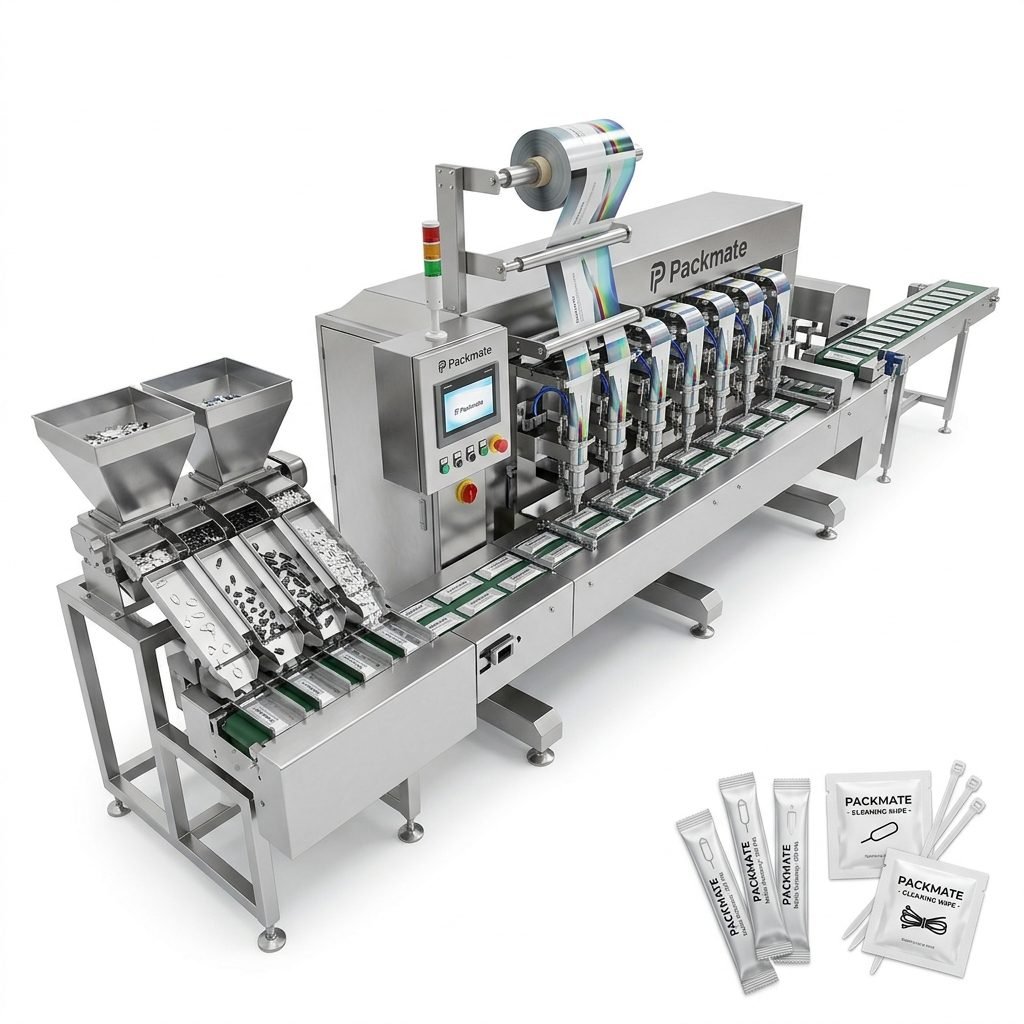
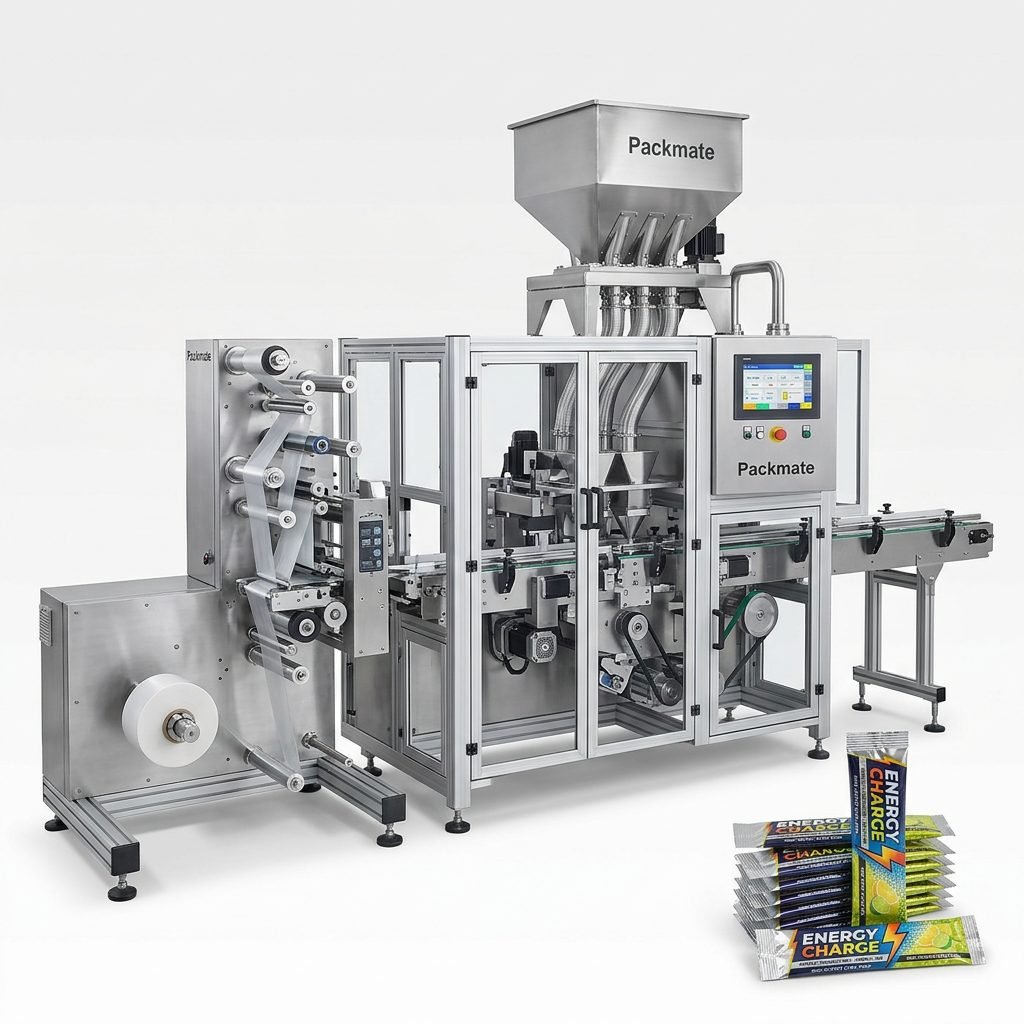
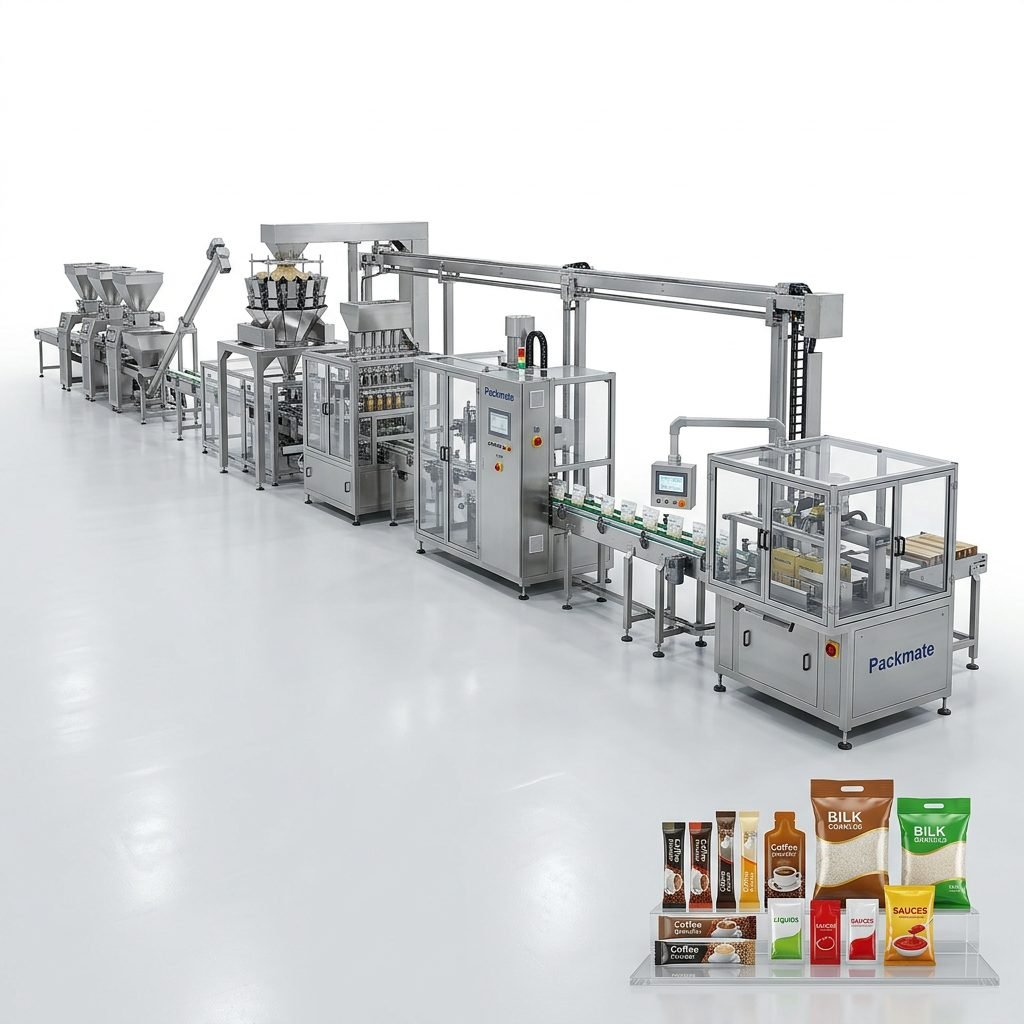
Balancing cost, capability, and support is key. Established manufacturers with strong export departments, such as Packmate Machinery, often provide a reliable blend of technical performance and cost-effectiveness, which is a vital consideration for Icelandic businesses managing import expenses.
Final Steps: Negotiation and Project Management
After selecting a supplier, clear communication is vital. Define all specifications in the purchase agreement, including performance metrics (e.g., speed, accuracy), approved materials list, and delivery schedule. Establish a project timeline that includes factory acceptance testing (FAT), shipping, installation, and commissioning. Proactive project management helps ensure the new packaging line integrates successfully into your Icelandic production facility.
Frequently Asked Questions (FAQs)
What are the main challenges of importing packaging machinery to Iceland?
The primary challenges are logistics cost and lead time due to Iceland’s island location, and ensuring accessible technical support. Choosing suppliers with European export experience and clear remote support protocols is crucial to mitigate these challenges.
How important are CE certifications when importing to Iceland?
Extremely important. As part of the European Economic Area (EEA), Iceland requires that machinery bears the CE marking, indicating conformity with EU health, safety, and environmental protection legislation. Never import non-CE marked equipment.
Should I buy a standalone machine or a full turnkey line?
It depends on your project scope and internal expertise. A standalone machine suits upgrading a single step. A turnkey line from a supplier like PacklineOEM is better for new products or full automation, as the supplier handles integration, reducing your project management burden.
How can I verify a manufacturer’s reputation before visiting?
Request detailed client references, preferably in Northern Europe. Check for case studies or videos of their equipment running. Review their company history online and verify their business license. A manufacturer with a long track record, like Ludyway (founded 1993), generally presents lower risk.
What is the typical lead time for receiving a packaging machine in Iceland?
Lead times vary widely. For standard machines, expect 2-4 months from order to delivery at your port. For customized or turnkey lines, it can be 5-8 months or more. Always include shipping and customs clearance time in your project planning.