In the dynamic and highly competitive food industry, efficiency, hygiene, and product integrity are non-negotiable. Whether you’re packaging instant coffee granules, protein powder, or premium cooking oil, the right production line is the backbone of your operation. A complete, turnkey packaging system integrates every component—from filling and sealing to coding and cartoning—into a seamless, automated workflow. This holistic approach eliminates bottlenecks, ensures consistent quality, and maximizes output, providing a significant return on investment. For businesses handling diverse product forms like granules, powders, and liquids, investing in a tailored solution is not just an upgrade; it’s a strategic necessity for scaling and staying ahead.
Understanding the Core Challenges in Food Packaging
Packaging different physical forms of food presents unique technical hurdles. Each category demands specific handling to protect the product and appeal to the consumer.
Granules: Precision and Flow Control
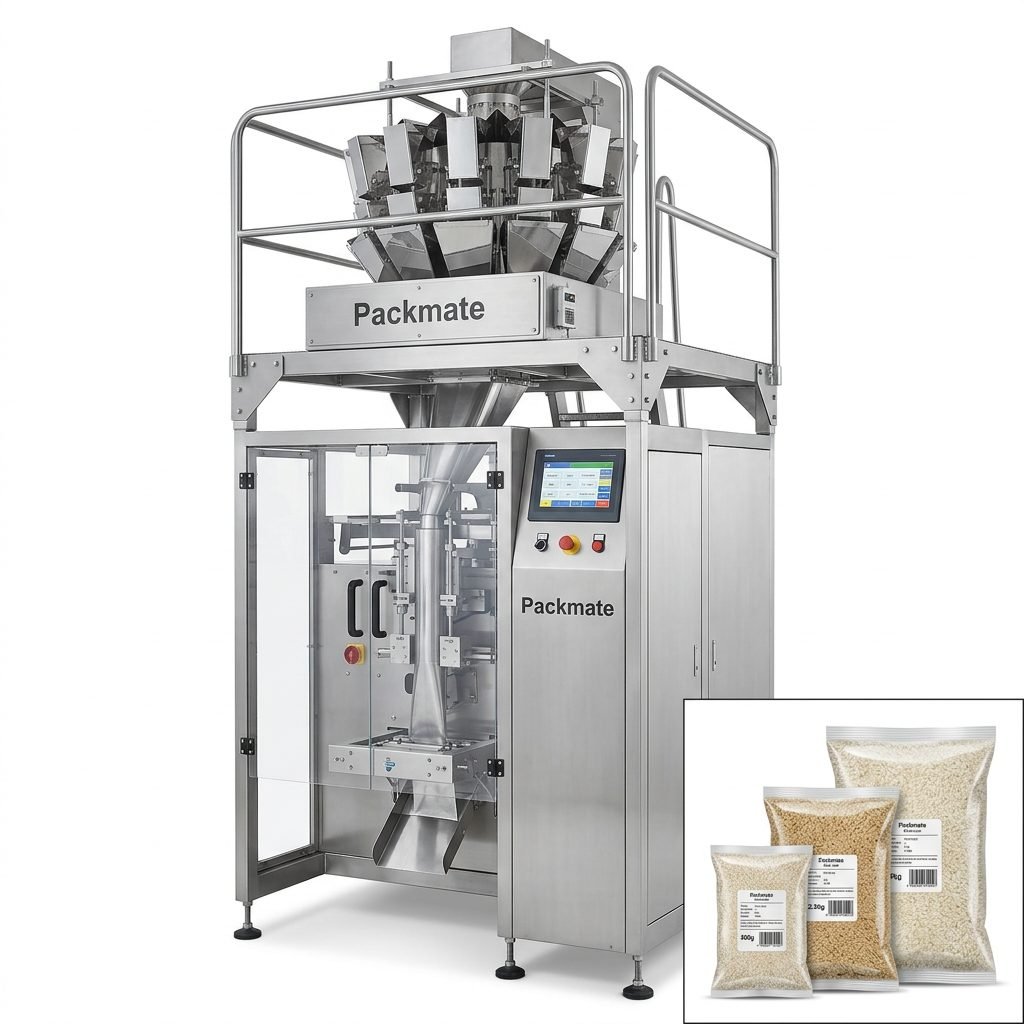
Products like sugar, instant drink mixes, or rice require systems that can handle free-flowing materials without causing breakage or dust. The primary challenge is achieving high-speed, accurate filling weights. Volumetric or auger fillers are typically used, but they must be precisely calibrated to prevent giveaway (costing you money) or underfilling (regulatory issues). Furthermore, the packaging material must have excellent barrier properties to prevent moisture absorption, which can cause caking.
Powders: Combating Dust and Segregation
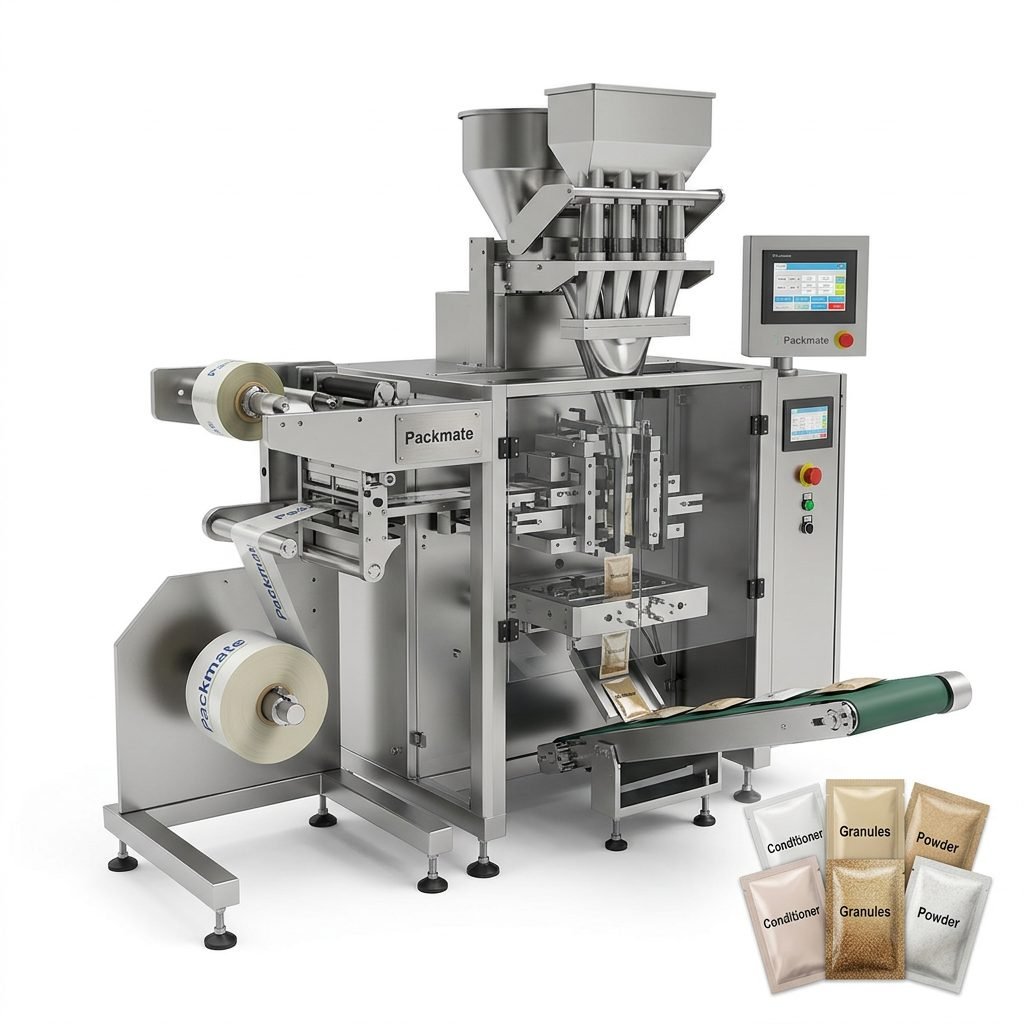
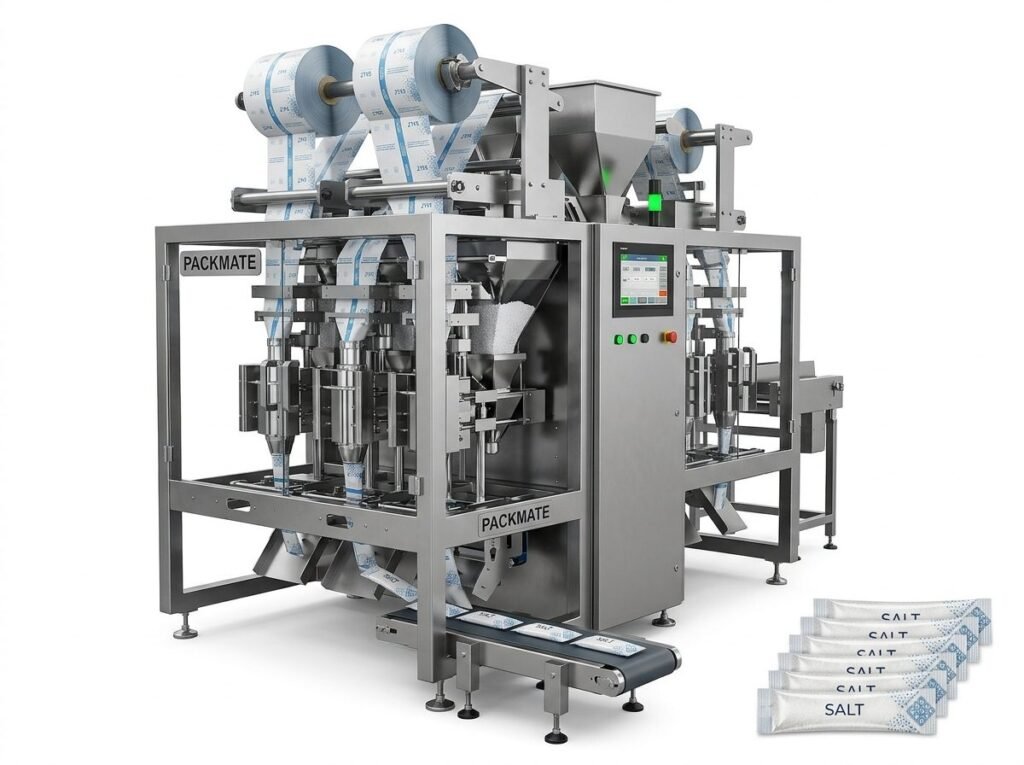
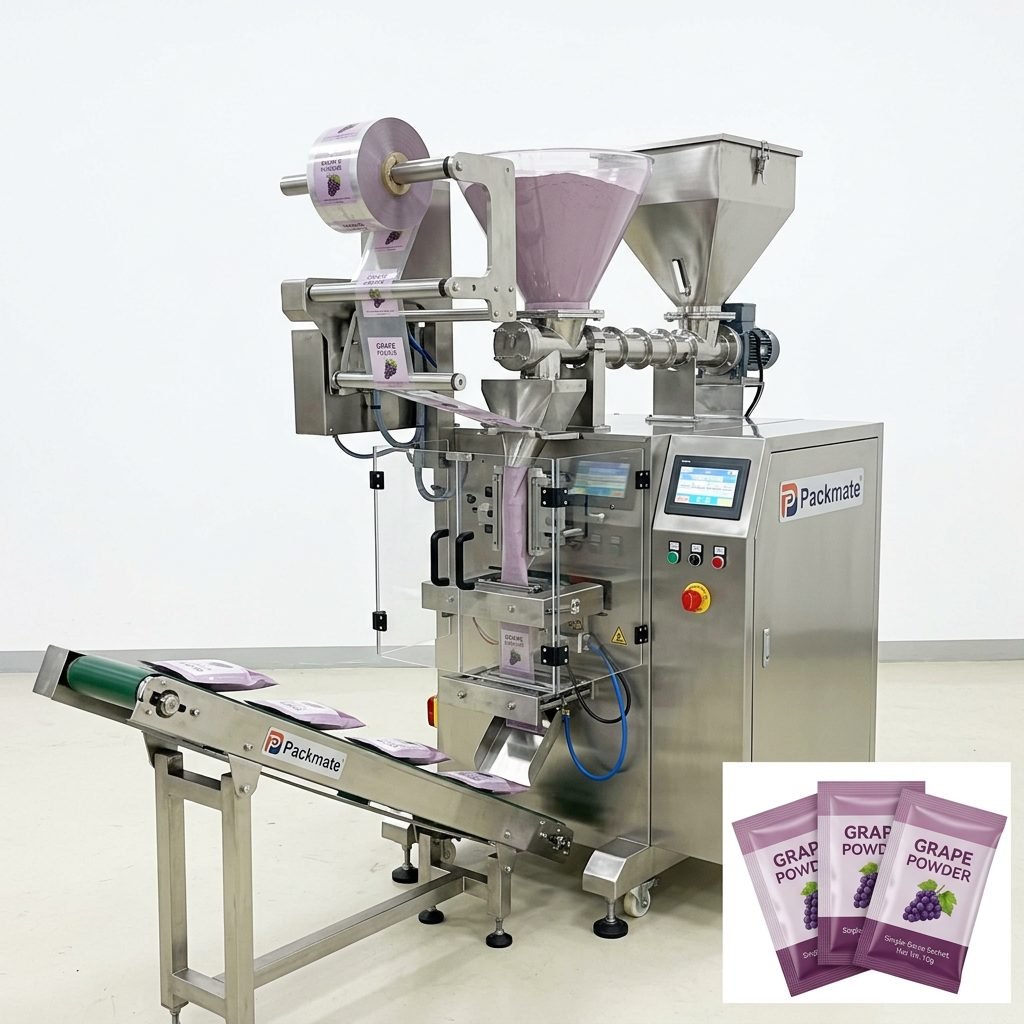
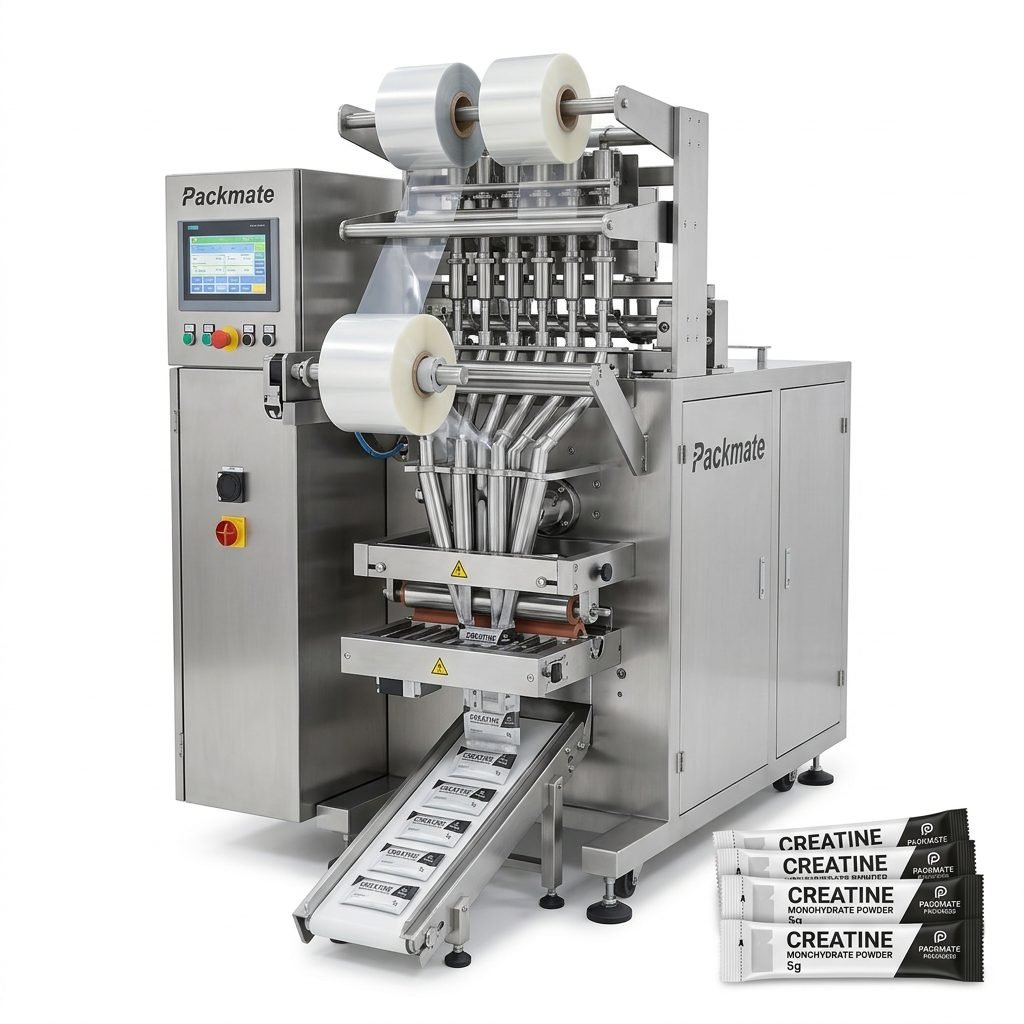
Fine powders such as flour, spices, or nutritional supplements are notoriously difficult. They generate dust, which can contaminate sealing jaws and lead to poor package integrity. They are also prone to segregation or aeration, where particles separate, leading to inconsistent fill density. Solutions require dedicated dust extraction systems, specialized auger designs with de-aeration features, and vibration-free transport to ensure every sachet or stick pack contains the exact same product composition and weight.
Liquids: Hygiene, Leak-Proofing, and Foam Management
From viscous sauces to watery juices, liquid packaging prioritizes absolute hygiene and leak prevention. Any residual product can foster bacterial growth. Challenges include managing different viscosities, preventing dripping after fill, and for some products, controlling foam formation during high-speed filling. Systems need to incorporate sanitary, easy-clean designs, often with CIP (Clean-in-Place) capabilities, along with precision piston or gravity fillers. The choice of film must also account for potential chemical interactions and provide an absolute barrier against leakage and oxygen ingress.
The Anatomy of a Complete Turnkey Packaging Line
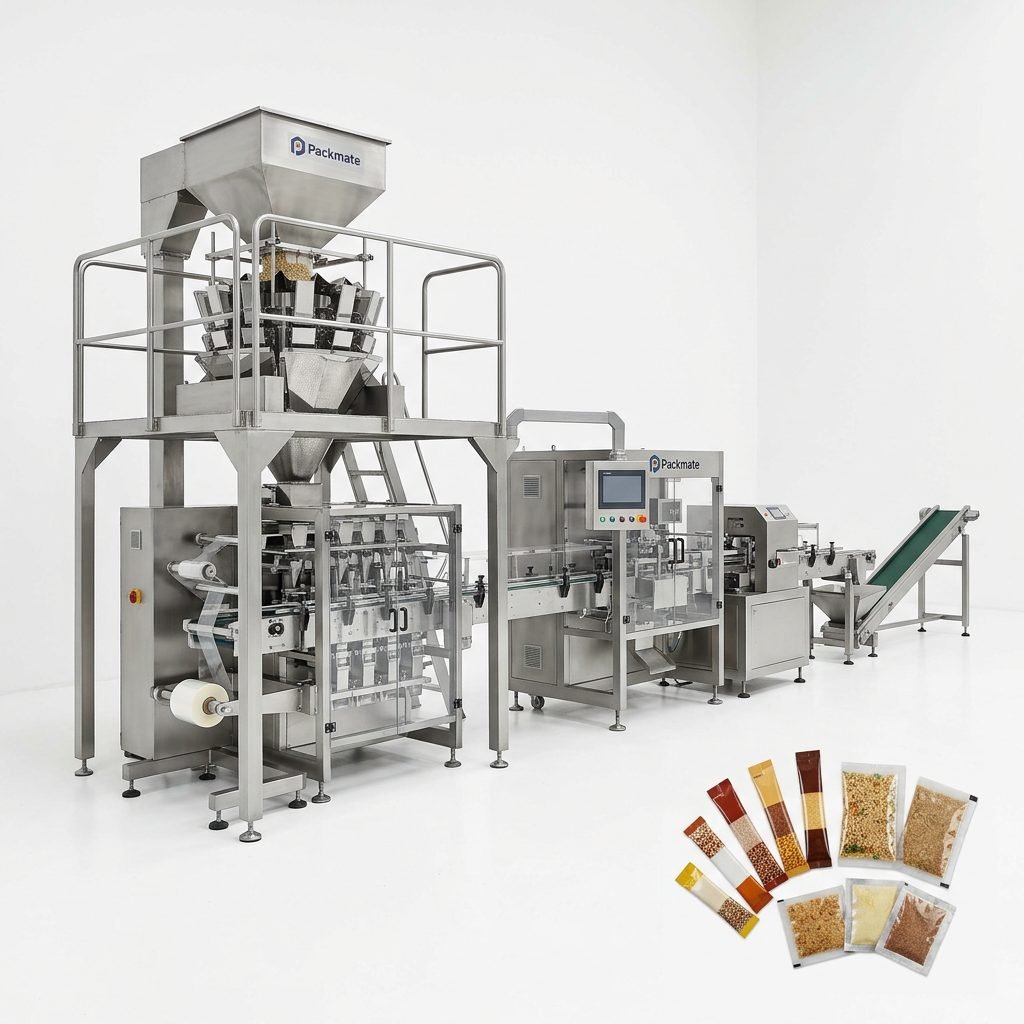
A turnkey system is more than a collection of machines; it’s a fully integrated solution designed, installed, and commissioned to work as one unit. Here’s what it typically encompasses:
1. Product Handling & Feeding
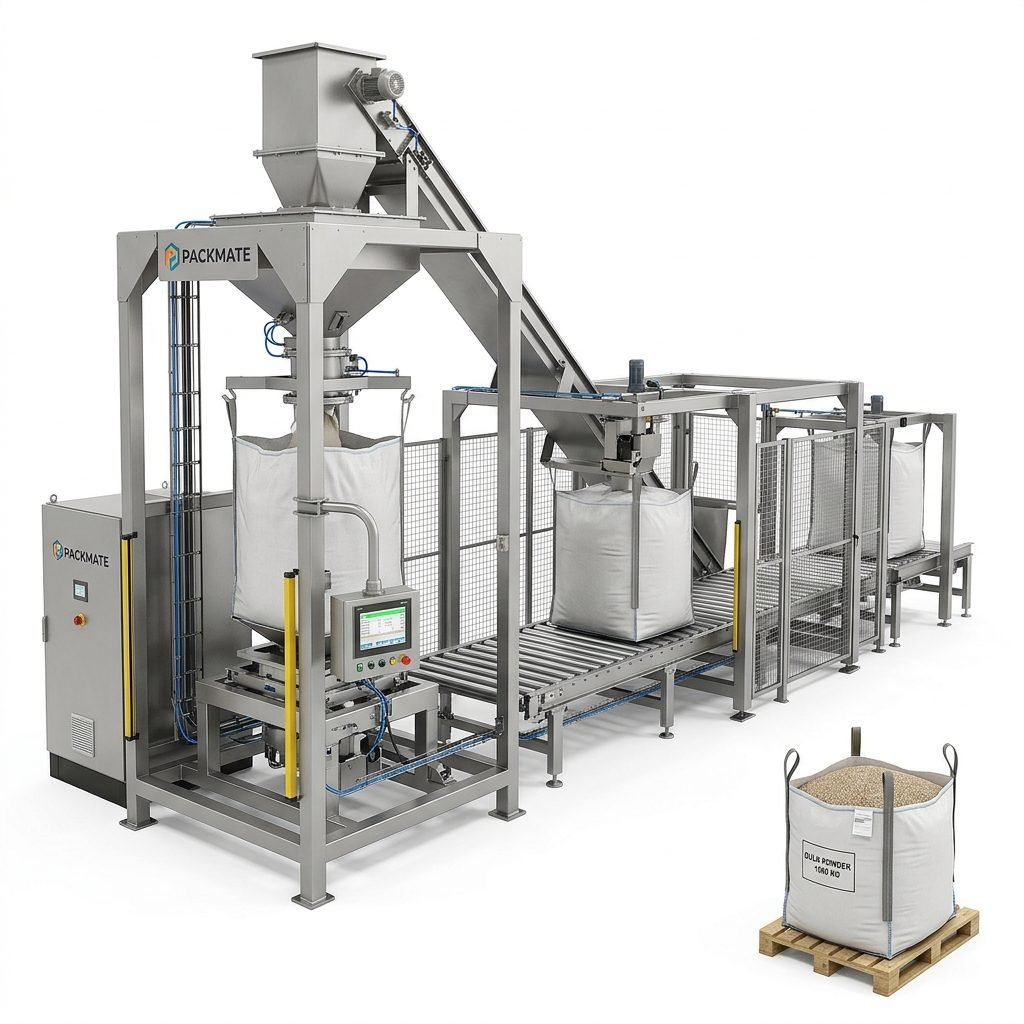
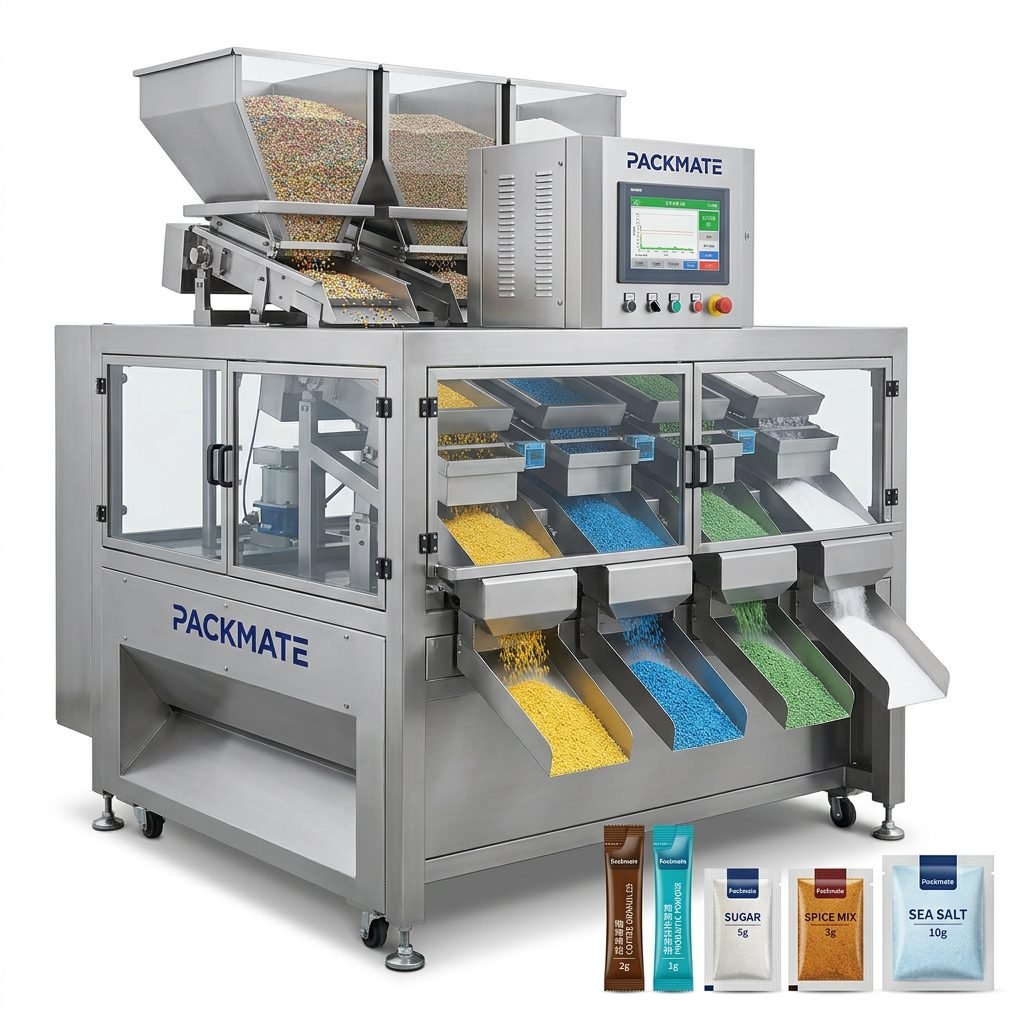
This is the starting point. Hoppers, conveyors, and elevators are designed specifically for your product’s characteristics (e.g., gentle handling for fragile granules, screw conveyors for powders) to ensure a consistent and controlled supply to the filling station.
2. The Heart: The Form-Fill-Seal (FFS) Machine
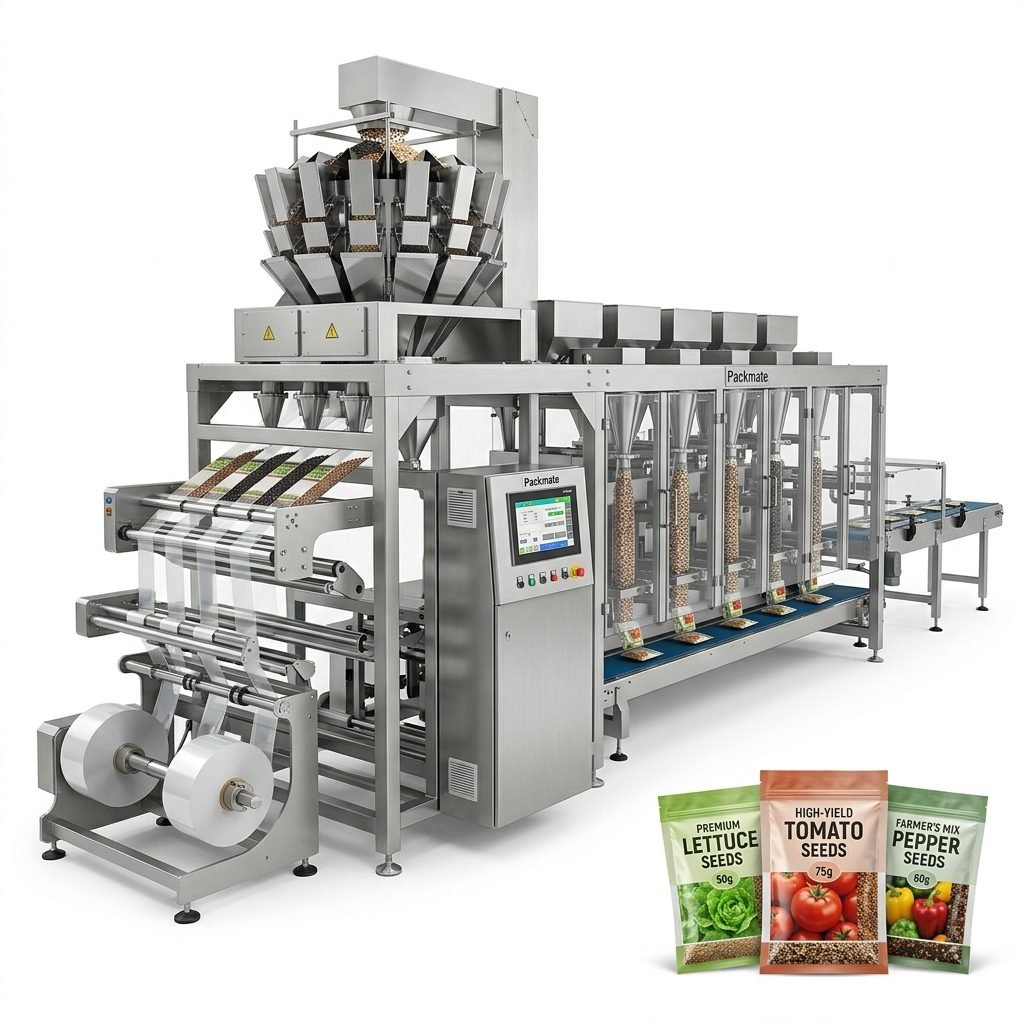
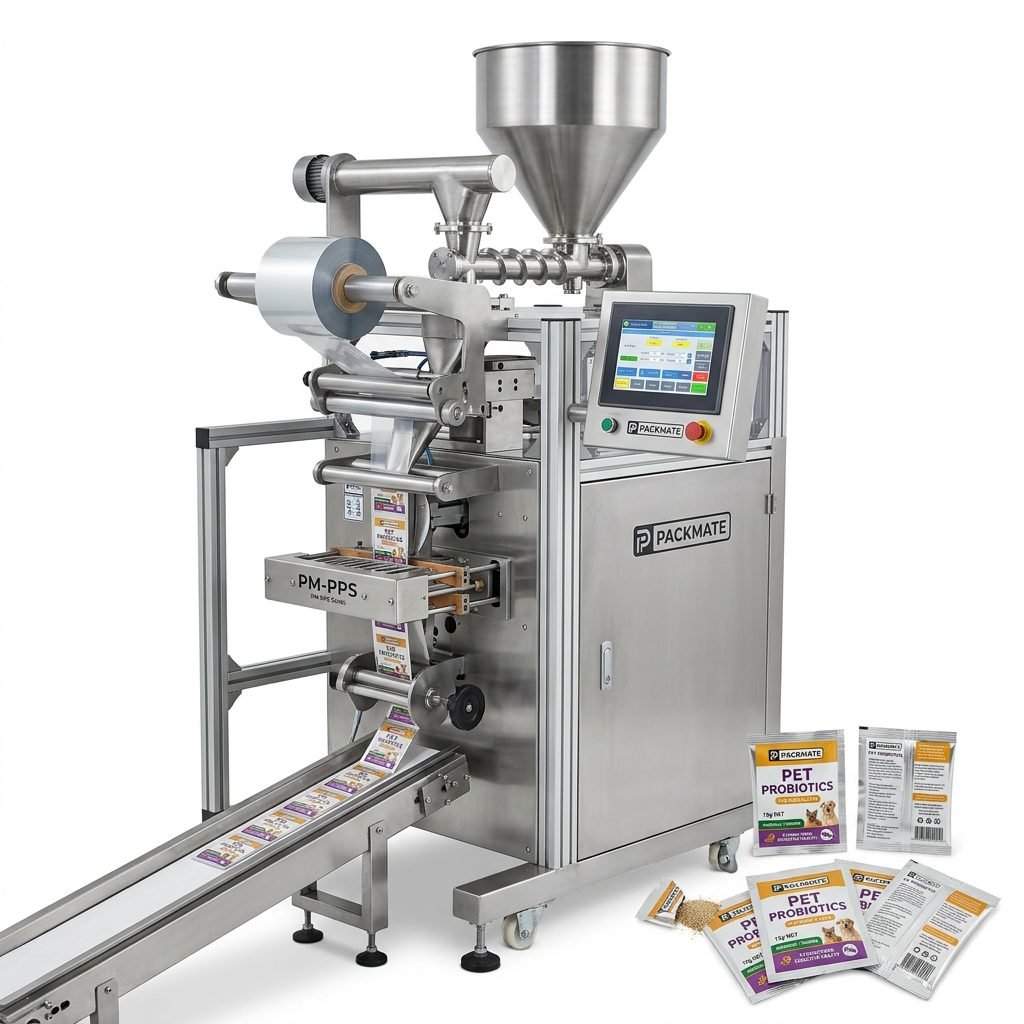
The core of most modern lines. It forms packaging from a roll of film, fills it with the exact product dose, and seals it—all in one continuous motion. For granules and powders, vertical form-fill-seal (VFFS) machines with auger fillers are common. For liquids, horizontal form-fill-seal (HFFS) machines for pouches or dedicated liquid filling machines for bottles are used. Multi-lane configurations dramatically increase output for small sachets and stick packs.
3. Secondary Packaging & Integration
After primary packaging, the pouches or sticks often need to be collated, counted, and packed into cartons or boxes. This stage includes carton formers, loaders, and sealers. A true turnkey solution seamlessly integrates this stage, often using robotic pick-and-place systems for delicate packages.
4. Quality Control & Traceability
Integrated checkweighers ensure every package meets weight regulations. Metal detectors or X-ray systems provide critical food safety assurance. Vision systems inspect for seal integrity and print quality. Every package is coded with batch numbers and expiry dates for full traceability, a crucial aspect of modern food safety protocols.
5. Control & Connectivity
The entire line is managed by a centralized PLC (Programmable Logic Controller) with an intuitive HMI (Human-Machine Interface). This allows for easy recipe changes, real-time monitoring of OEE (Overall Equipment Effectiveness), and data collection for analysis and reporting, paving the way for Industry 4.0 smart factory integration.
Why Partner with an Experienced Turnkey Provider?
Choosing a partner like Packmate (GuangDong) Co., Ltd. for your packaging line brings immense value beyond just purchasing equipment.
Single Point of Accountability: You have one vendor responsible for the entire system’s design, performance, and after-sales service, eliminating finger-pointing between different machine suppliers.
Customized Engineering: Off-the-shelf machines rarely fit perfectly. An expert provider will engineer solutions around your specific product, packaging format, factory layout, and output goals. You can explore their approach to custom packaging solutions to understand the depth of customization possible.
Faster Time-to-Market: With project management covering everything from factory layout drawings to installation and operator training, your line gets up and running productively much faster than a piecemeal approach.
Ongoing Support & Optimization: The relationship doesn’t end at commissioning. A reliable partner provides spare parts, preventive maintenance, and can help you optimize or upgrade the line as your business grows. Their commitment is often reflected in their comprehensive service programs.
Conclusion: Investing in Your Production Future
Selecting the right food packaging line for granules, powders, and liquids is a critical decision that impacts your product quality, operational cost, and brand reputation. A complete turnkey system offers a streamlined, efficient, and future-proof path. By partnering with a seasoned provider with a proven track record—such as one with over 22 years of development and a 20,000㎡ modern facility—you gain more than machinery. You gain a collaborative partner dedicated to transforming your packaging operations into a reliable, high-performance asset. For a deeper look at real-world applications, reviewing a provider’s project case studies can offer valuable insights.
Frequently Asked Questions (FAQs)
Q1: What is the main advantage of a turnkey system over buying individual machines?
A: The primary advantage is seamless integration and single-source responsibility. A turnkey provider ensures all components work harmoniously together, optimizes the entire workflow, and is solely accountable for the line’s performance, simplifying maintenance and support.
Q2: How do you handle the switch between packaging different product types (e.g., from powder to granules) on the same line?
A: Modern lines are designed for flexibility. Changeover involves switching the filling head (e.g., auger type), adjusting the film material if needed, and loading a new recipe in the PLC. A well-designed line minimizes changeover time through quick-release parts and preset parameters, but significant format changes may require some mechanical adjustment.
Q3: What hygiene standards do your packaging lines comply with for food production?
A: Reputable providers design lines in compliance with international food safety standards. This includes using food-grade stainless steel (e.g., SS304/SS316) on contact parts, designs that prevent product trapping, easy-access for cleaning, and options for CIP systems. They can also design lines to meet specific standards like FDA, EU, or local food safety regulations.
Q4: Can your systems handle sustainable or biodegradable packaging films?
A: Yes, leading manufacturers are increasingly adapting their machines to run monomaterials and compostable films. However, these materials often have different sealing and tensile properties. It’s crucial to test the specific film on the machine with your product to ensure runnability and seal integrity before full-scale implementation.
Q5: What kind of after-sales support and training can we expect?
A: Comprehensive support typically includes detailed installation supervision, thorough operator and maintenance technician training, a warranty period, readily available spare parts, and access to remote diagnostic support. Many providers, like Packmate, offer ongoing service contracts to ensure maximum uptime and longevity of your investment. For more details, you can always contact their team directly with your specific questions.