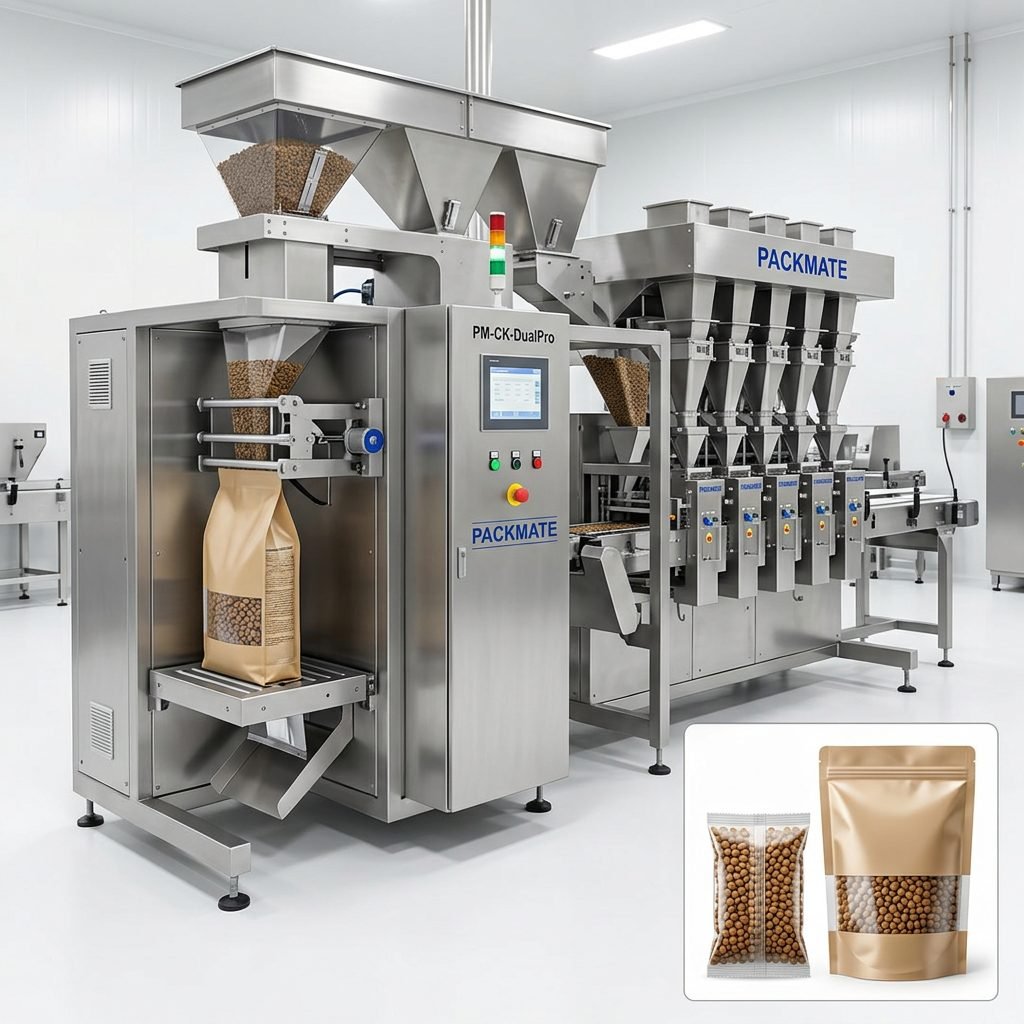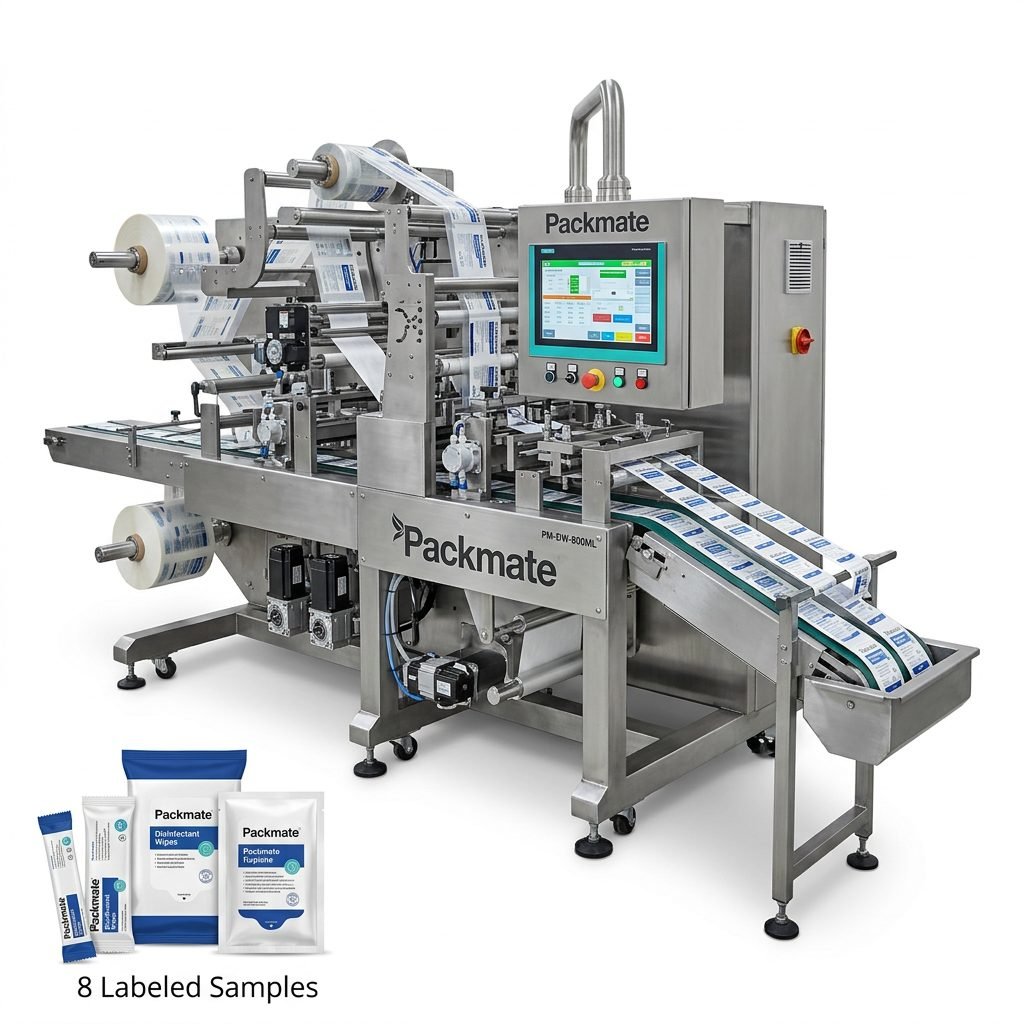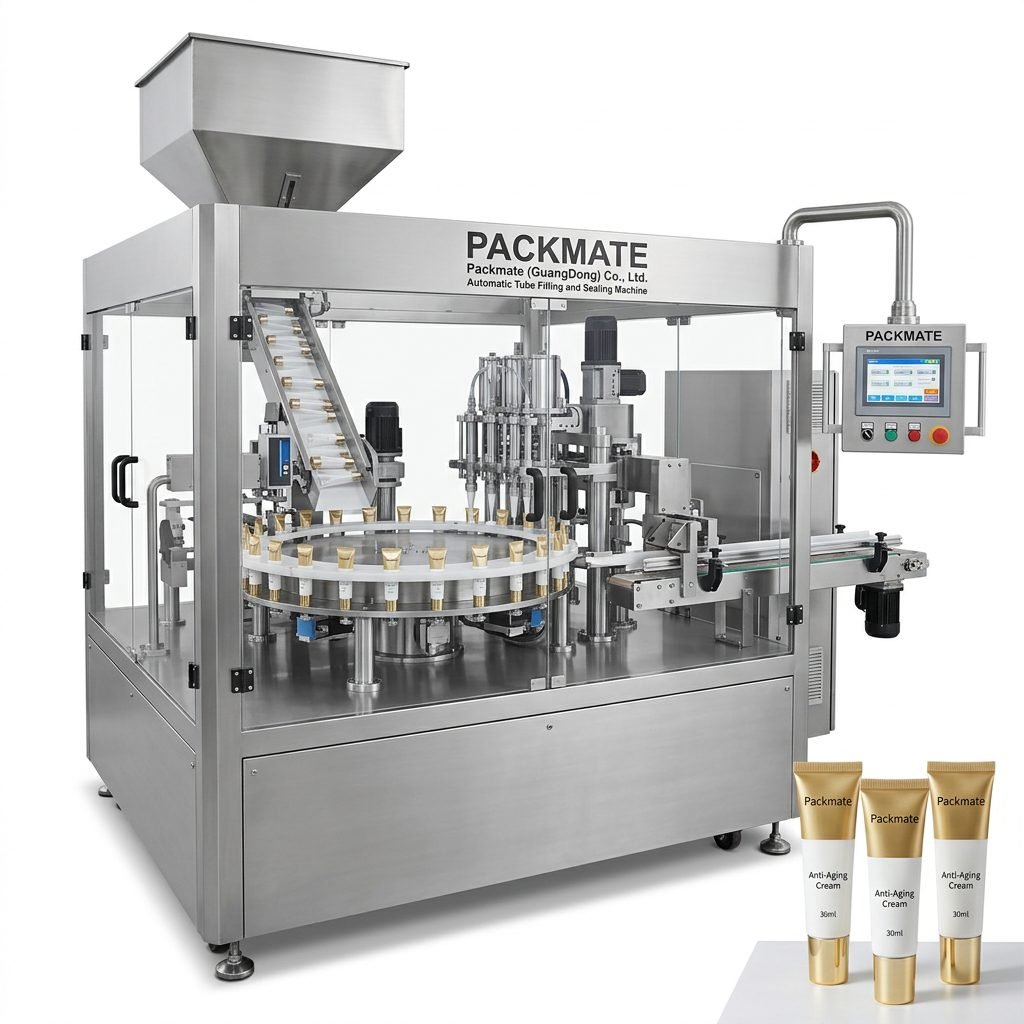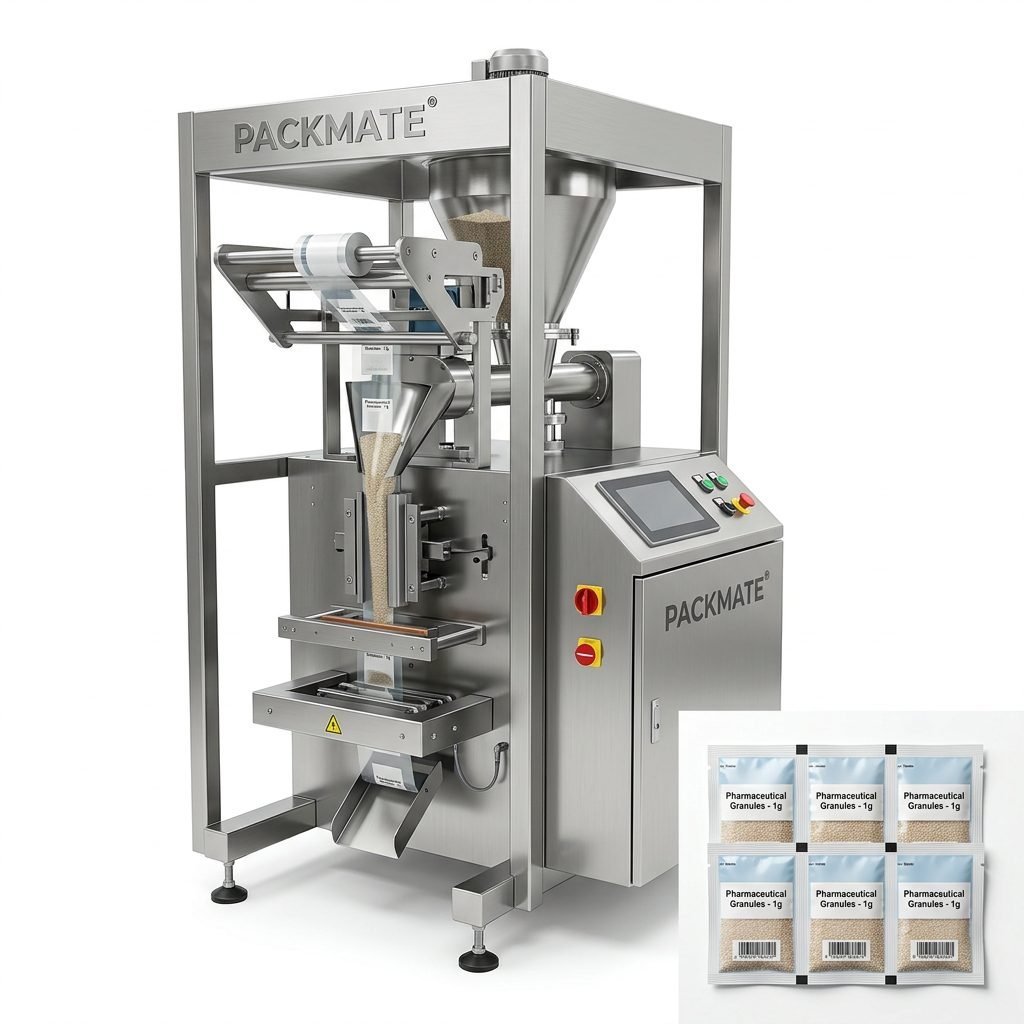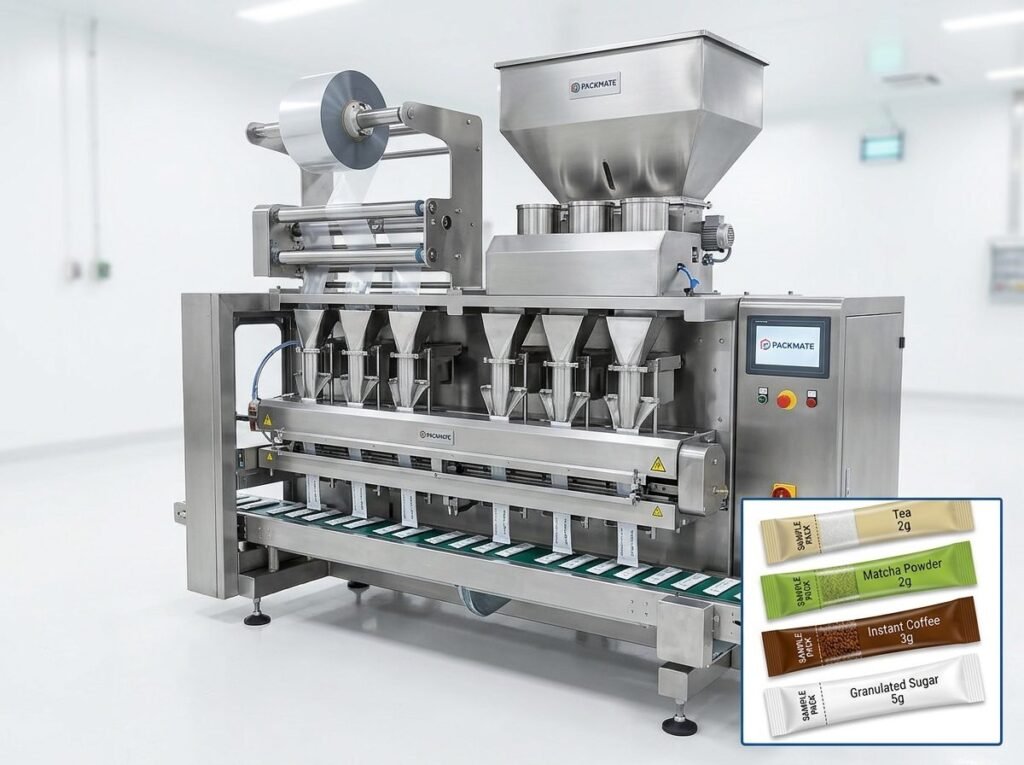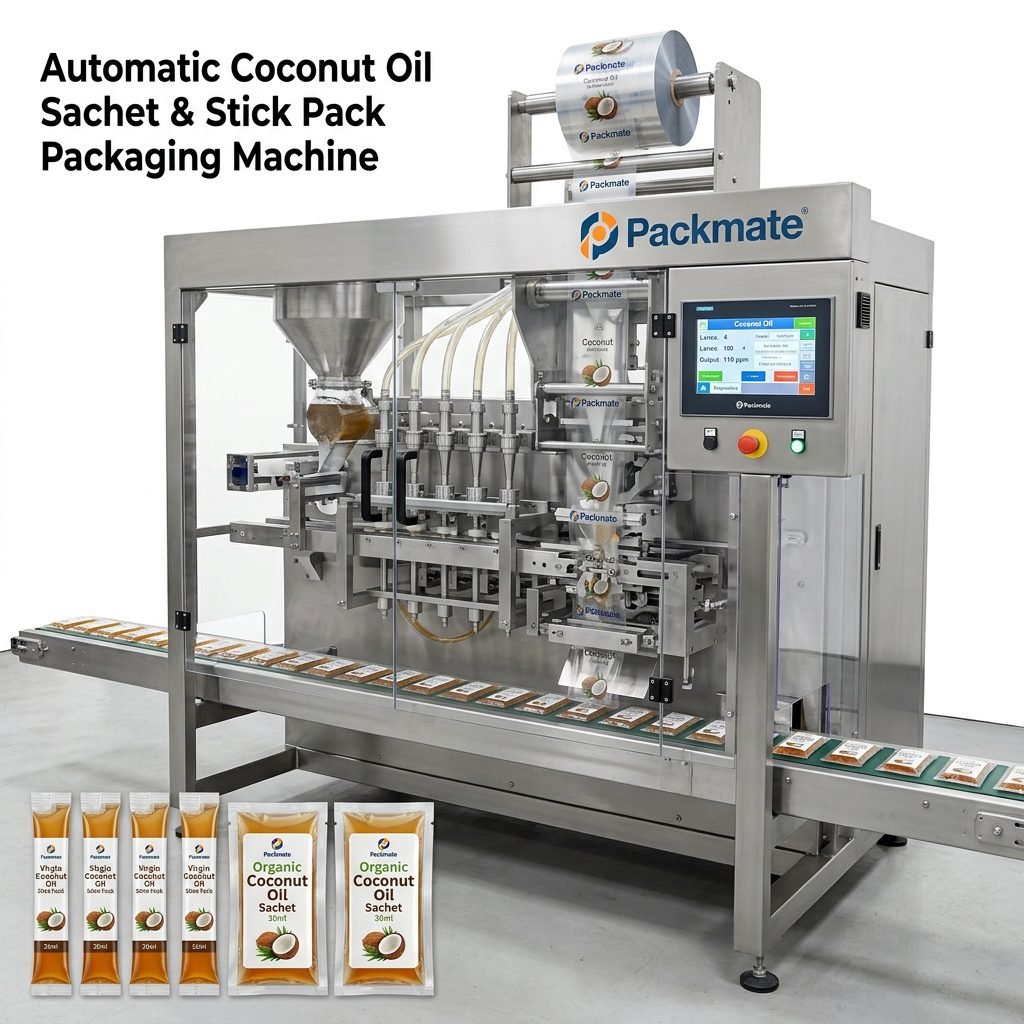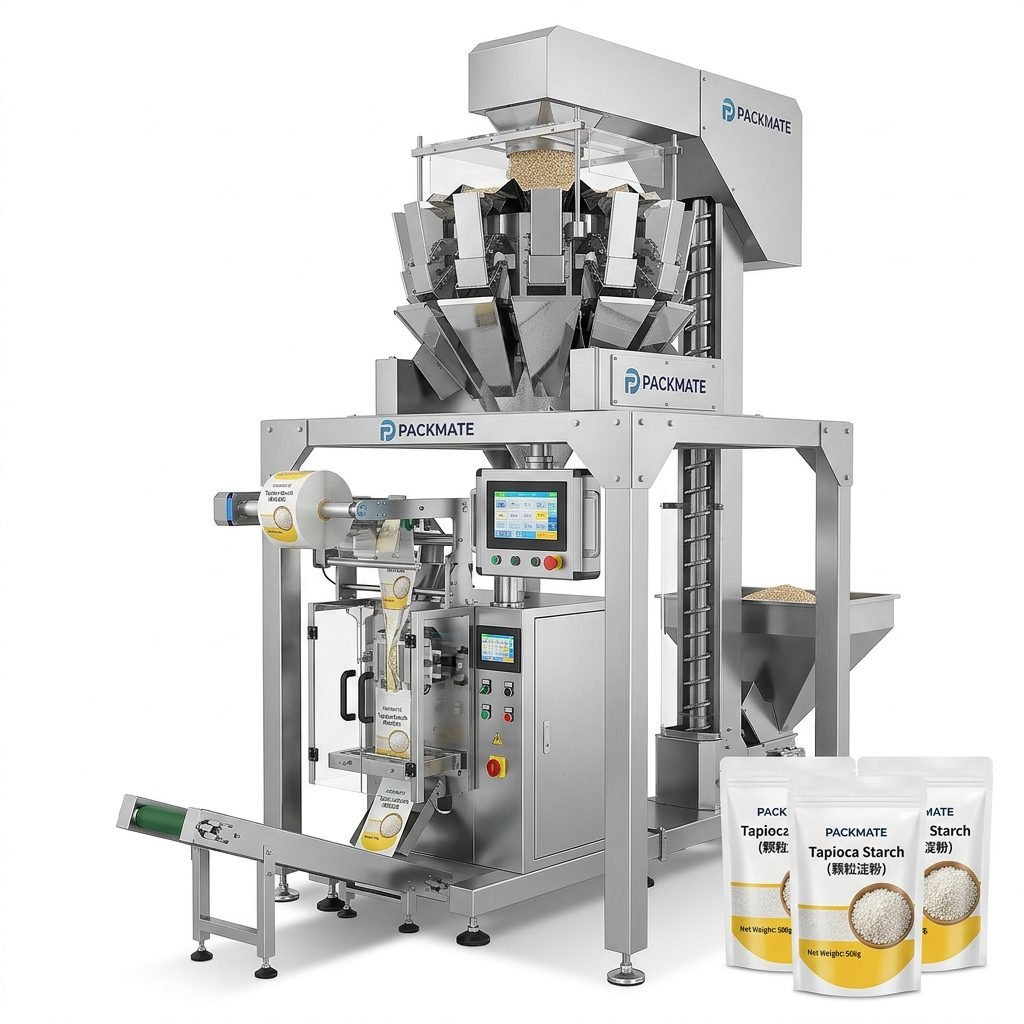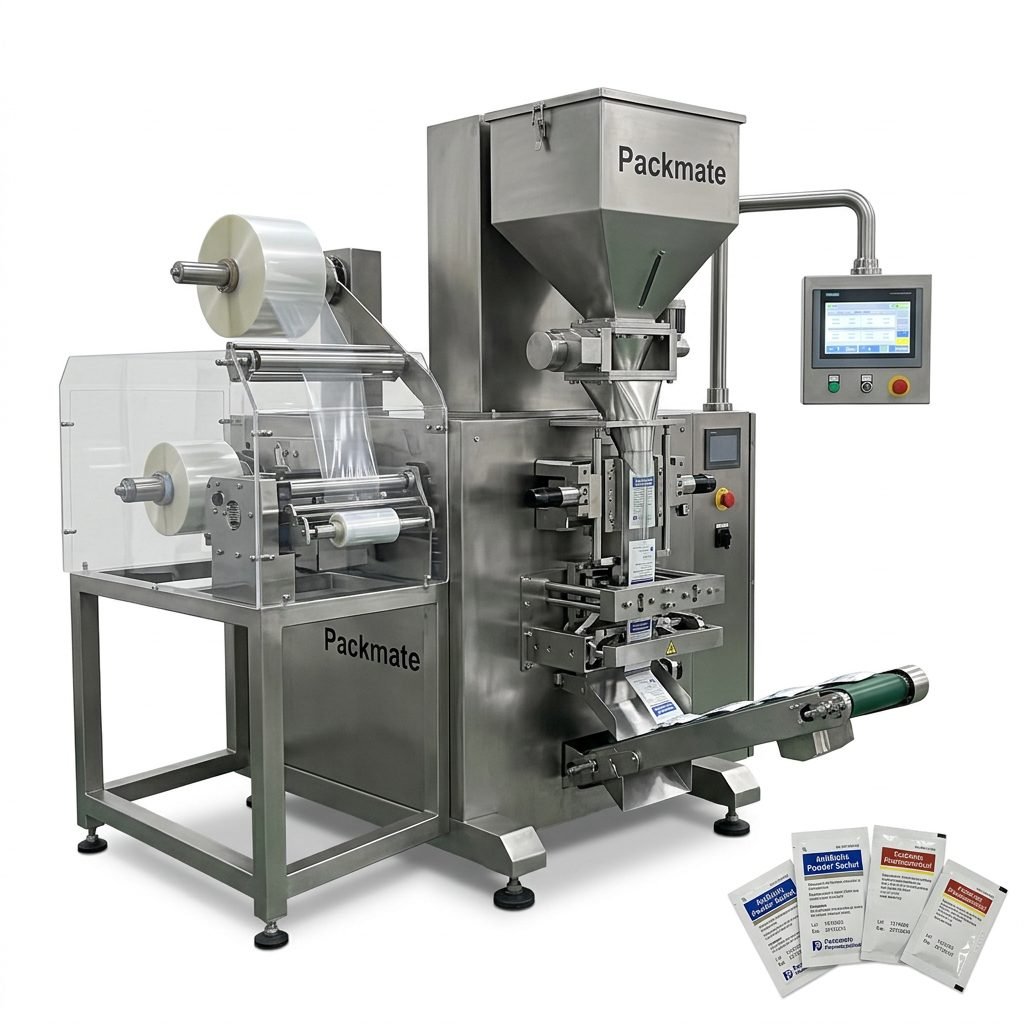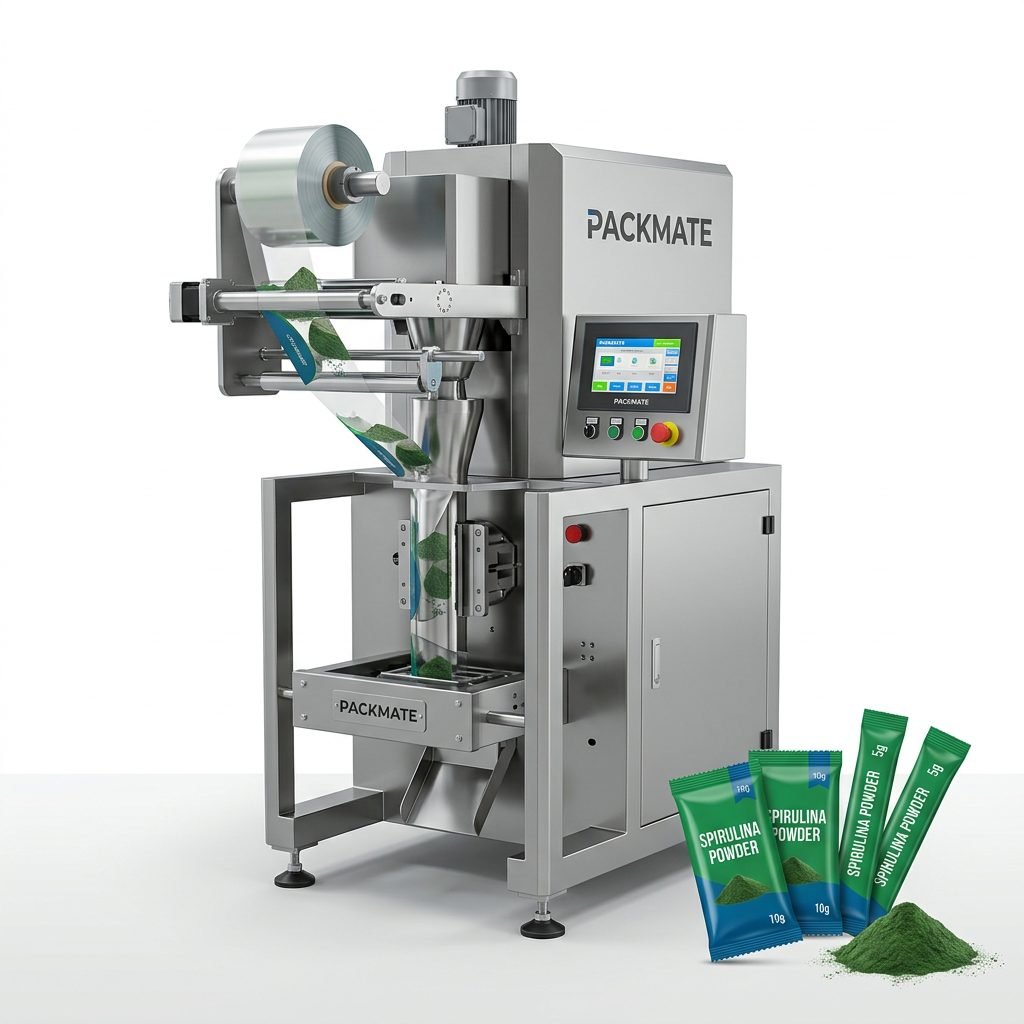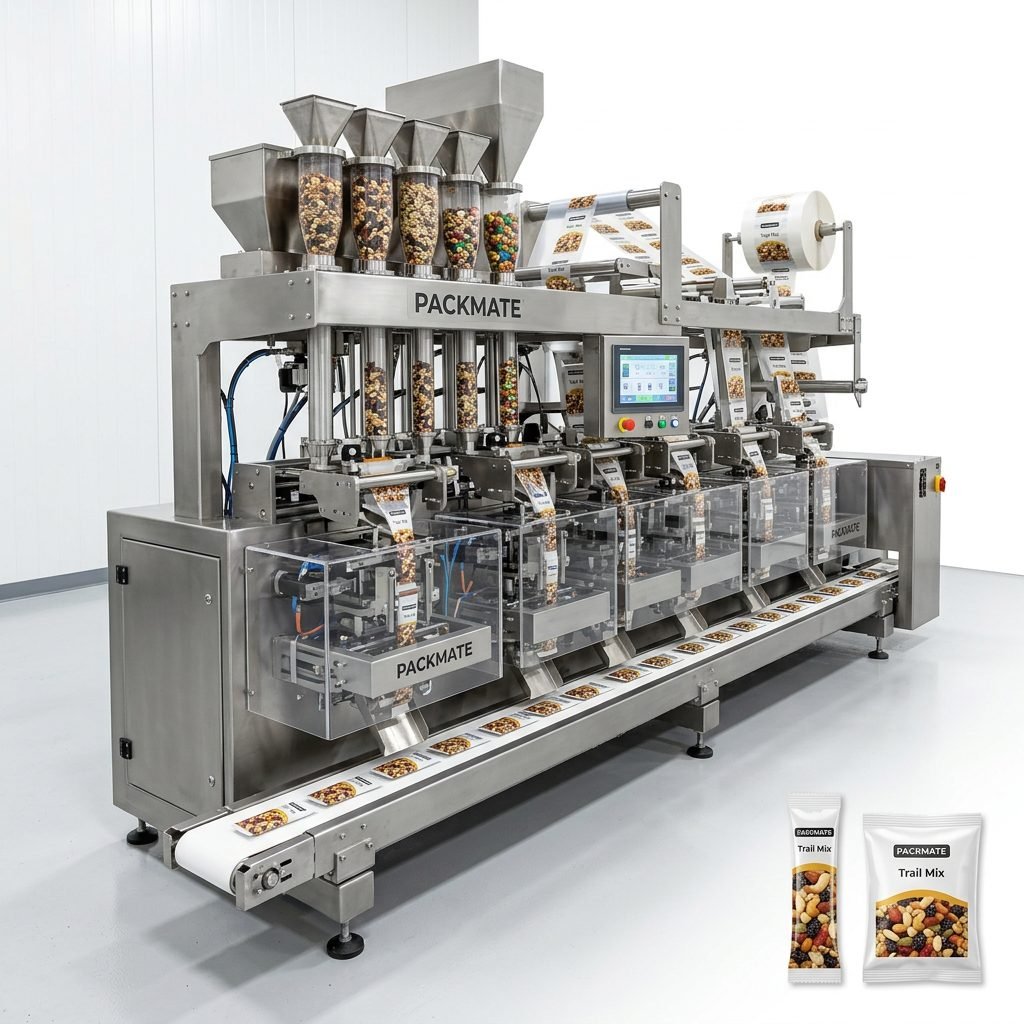
The demand for precision, hygiene, and efficiency in packaging has never been higher, especially for sensitive products like food, pharmaceuticals, and health supplements. An automatic granule packing line represents the pinnacle of modern industrial automation, integrating multiple processes into a seamless, high-speed, and reliable system. These solutions are designed to handle a wide range of granular materials—from spices and instant coffee to powdered medications and herbal supplements—ensuring each pouch, sachet, or stick pack meets stringent quality and safety standards.
The Core Components of a Modern Granule Packing Line
At its heart, a complete automatic granule packing line is a symphony of specialized machinery working in concert. The process typically begins with a granule feeding system that ensures a consistent and controlled supply of product. This is followed by the multi-head weigher or auger filler, the critical component responsible for unparalleled dosing accuracy. Even minor deviations in weight can lead to significant compliance issues in pharmaceuticals or customer dissatisfaction in food products, making this precision non-negotiable.
The packaging film is then formed, filled, and sealed within a high-speed vertical form-fill-seal (VFFS) machine. Advanced models feature touch-screen PLC controls, allowing operators to adjust parameters like seal temperature, film tension, and production speed with ease. Finally, the finished packs are conveyed to downstream equipment for collating, cartoning, and case packing, creating a true end-to-end solution. For a deeper look at how these components integrate, explore our detailed packaging solutions.
Key Advantages for the Food Industry
In the competitive food sector, speed, freshness, and appeal are paramount. Automatic granule lines excel at packaging products like sugar, salt, drink mixes, and powdered soups. They provide a hermetic seal that locks in flavor and protects against moisture and contaminants, significantly extending shelf life. Furthermore, the flexibility of these lines allows for quick changeovers between different pack sizes and materials, enabling brands to respond swiftly to market trends. The efficiency gains directly translate to lower operational costs and higher output, a crucial factor for any food manufacturer. You can see real-world applications in our project case studies.
Critical Requirements for Pharmaceutical & Health Products
The stakes are even higher for pharmaceuticals and nutraceuticals. Here, packaging is a critical part of the product’s integrity and safety. Automatic lines for this sector are often designed with GMP (Good Manufacturing Practice) standards in mind. This includes the use of stainless-steel contact parts, easy-clean designs to prevent cross-contamination, and sophisticated checkweighers to ensure 100% dosage accuracy. Traceability is also enhanced, with systems capable of printing batch numbers and expiry dates directly onto each sachet. This level of control is essential for regulatory compliance and building consumer trust in sensitive health products.
Choosing the Right Partner for Your Packaging Line
Investing in an automatic granule packing line is a significant decision. The right supplier does more than just sell machines; they provide a turnkey solution. This includes in-depth consultation, custom engineering to match your specific product and output goals, comprehensive installation, and thorough operator training. A partner with extensive experience across food, pharma, and health products will understand the unique challenges of each industry. Companies like Packmate (GuangDong) Co., Ltd., with decades of specialization, bring invaluable expertise to the table, ensuring your line is not just equipment, but a strategic asset.
Innovation and Future Trends
The future of granule packaging is intelligent and connected. The integration of Industry 4.0 principles is leading to smarter packing lines equipped with IoT sensors for predictive maintenance, real-time production data analytics, and remote monitoring capabilities. Sustainability is another powerful driver, with increasing demand for lines that can handle recyclable or compostable mono-material films without sacrificing machine performance or seal integrity. Staying ahead of these trends requires a supplier committed to continuous innovation and R&D.
Ultimately, implementing an automatic granule packing line is a transformative step for producers in the food, pharmaceutical, and health product spaces. It elevates quality control, boosts production efficiency, ensures regulatory compliance, and enhances brand reputation through consistent, professional packaging. By automating a critical but repetitive process, companies free up human resources for more value-added tasks, driving overall business growth and resilience in a dynamic global market.
Frequently Asked Questions (FAQs)
What is the typical output speed of an automatic granule packing line?
Speed varies greatly depending on the pack style (stick pack, sachet, pouch), product characteristics, and level of automation. Standard single-line systems can range from 60 to 120 bags per minute, while advanced multi-lane systems from providers like Packmate can achieve speeds exceeding 400 bags per minute. The exact specification is determined during the project consultation phase.
Can one line handle different types of granular products?
Yes, modern lines are designed for flexibility. With quick-change parts (like augers or funnels) and programmable recipes stored in the PLC, a well-designed line can switch between different granule sizes and types—such as from fine powder to small pellets—with minimal downtime. This is a key feature for contract packagers or brands with diverse product portfolios.
How do you ensure packaging accuracy for pharmaceutical doses?
Pharmaceutical-grade lines employ high-precision servo-driven auger fillers or weight-cell fillers, often coupled with in-line checkweighers. Every single dose is verified, and any under or over-weight pack is automatically rejected. The system provides detailed production reports for quality assurance and audit trails, meeting strict pharmacopeia standards.
What kind of after-sales support should I expect?
A reputable supplier offers comprehensive support, including installation supervision, on-site training, a warranty period, and readily available spare parts. Many, including Packmate, provide remote technical assistance and have service engineers available for on-site visits. This ensures maximum uptime and a long operational life for your equipment.
Are these lines suitable for small to medium-sized businesses (SMEs)?
Absolutely. The market offers scalable solutions. While large, fully integrated lines exist, many suppliers provide modular and semi-automatic options that offer a significant upgrade from manual packing at a lower initial investment. This allows SMEs to automate core processes, improve quality, and scale up production capacity as their business grows. For more answers, visit our dedicated FAQs page.