In the fast-paced world of modern manufacturing, efficiency is the ultimate currency. For packaging lines handling a diverse range of products—from food granules and pharmaceutical powders to health supplements—the manual handling of bags represents a significant bottleneck. It’s a process prone to inconsistency, fatigue, and error, directly impacting throughput and the bottom line. This is where the transformative power of an automated bag sorting system comes into play. By integrating intelligent bag handling into your packaging workflow, you unlock a new level of operational fluidity, accuracy, and productivity that manual methods simply cannot match.
The Core Challenge: Manual Bag Handling Inefficiencies
Before delving into the automated solution, it’s crucial to understand the limitations of traditional methods. Manual bag sorting, feeding, and placement are labor-intensive tasks. Operators face repetitive strain, leading to fatigue and potential injuries. The human element also introduces variability in bag placement, orientation, and sealing consistency, which can result in product waste, machine jams, and compromised package integrity. Furthermore, scaling production often means scaling the workforce linearly, increasing costs and management complexity. These inefficiencies create a clear need for a smarter, more reliable approach to manage the flow of bags within a packaging line.
Key Pain Points Addressed by Automation:
- Inconsistent Throughput: Human speed fluctuates, creating unpredictable production cycles.
- High Error Rates: Misaligned or misfed bags cause frequent line stoppages.
- Labor Dependency & Cost: Scaling up requires more personnel, increasing operational expenses.
- Product Contamination Risk: Excessive manual handling can compromise hygiene, especially critical in food and pharmaceutical packaging.
- Limited Data & Traceability: Manual processes offer little insight into real-time line performance or bottlenecks.
How an Automated Bag Sorting System Works
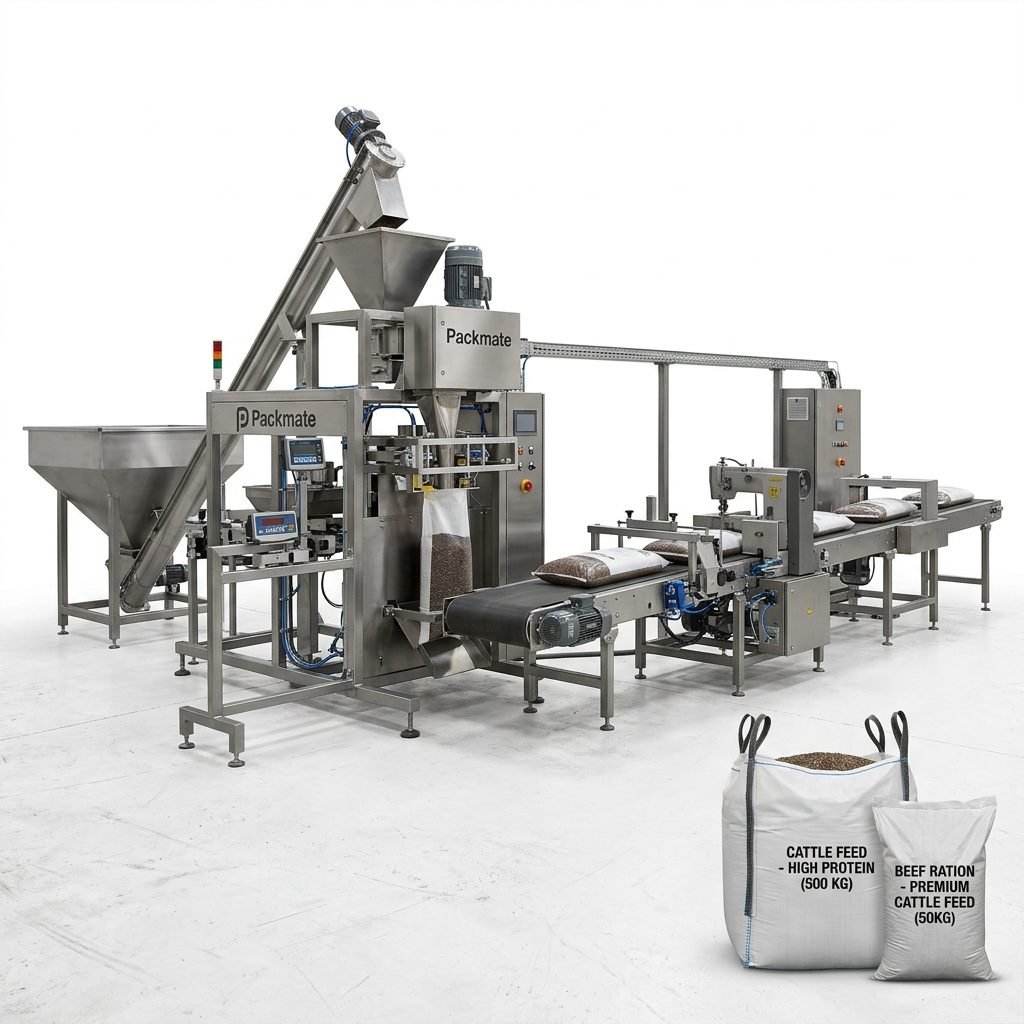
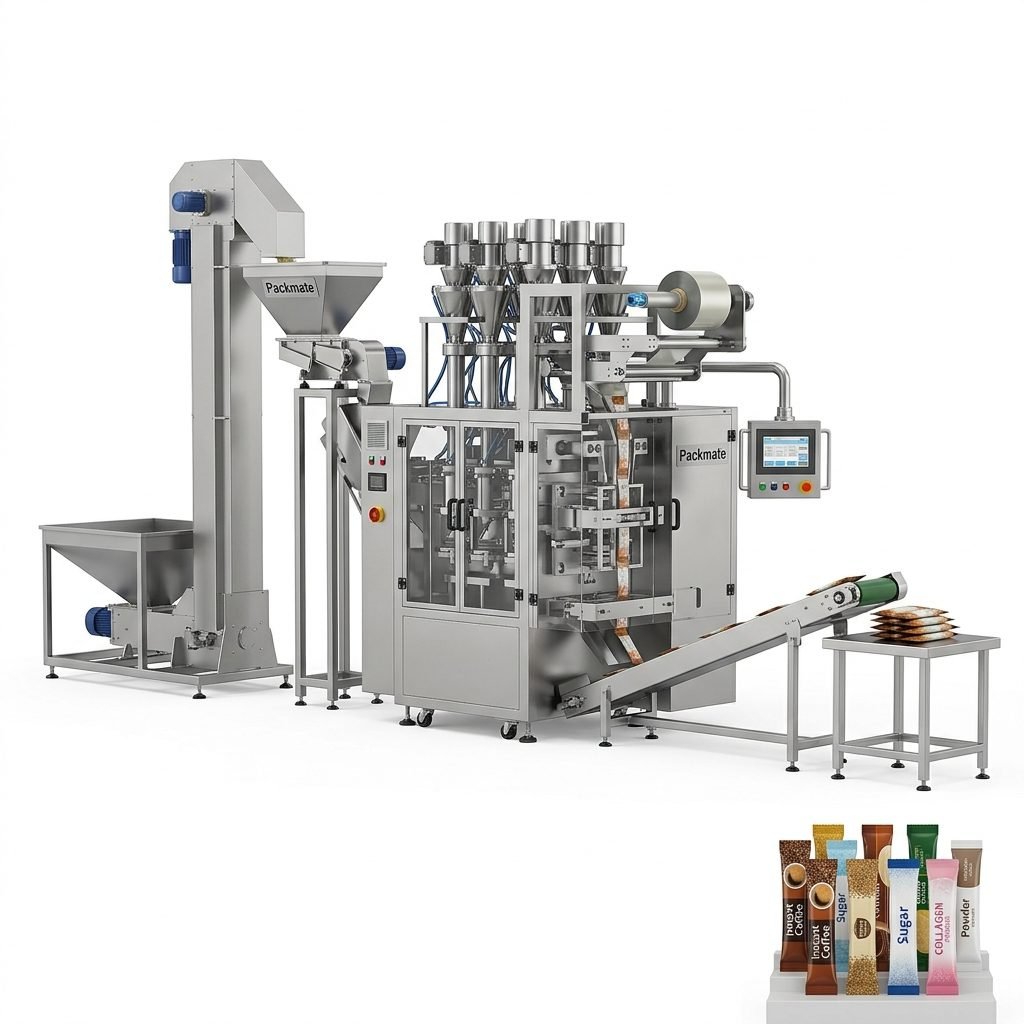
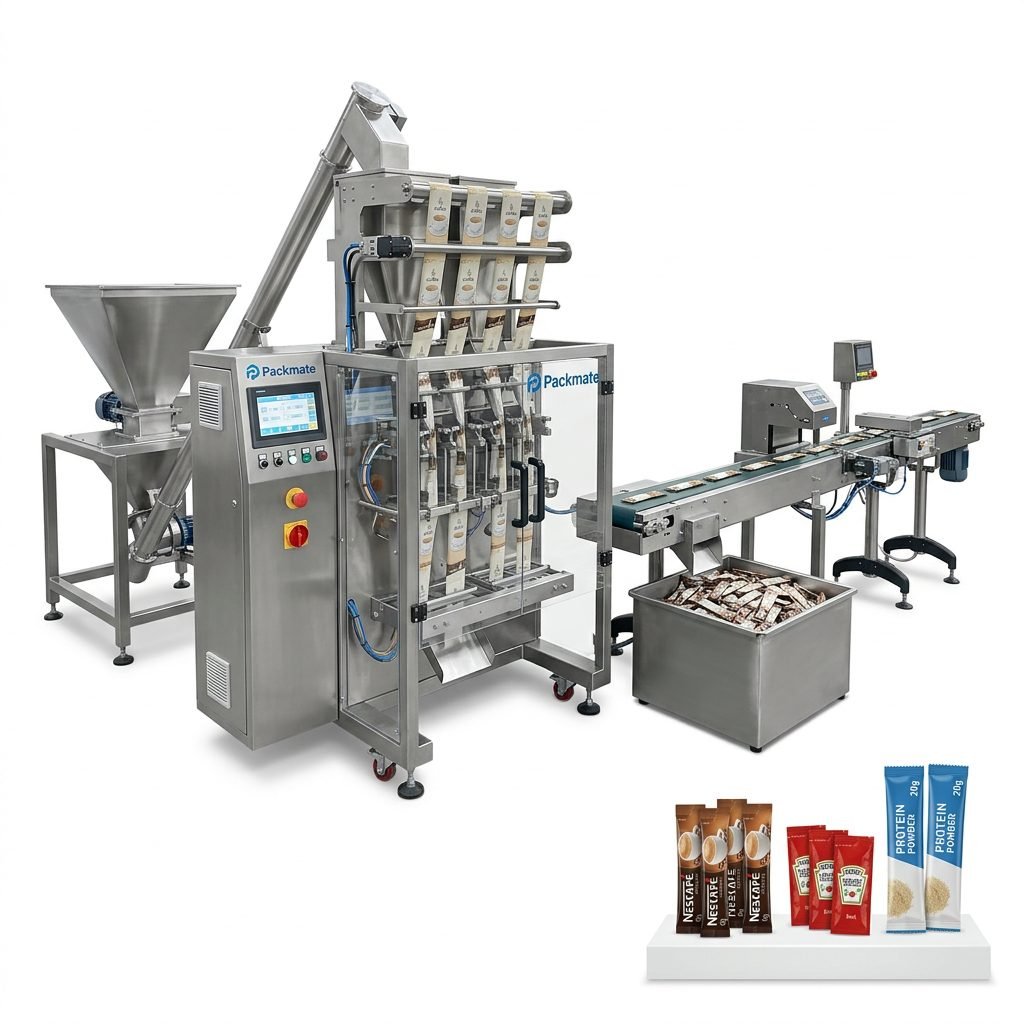
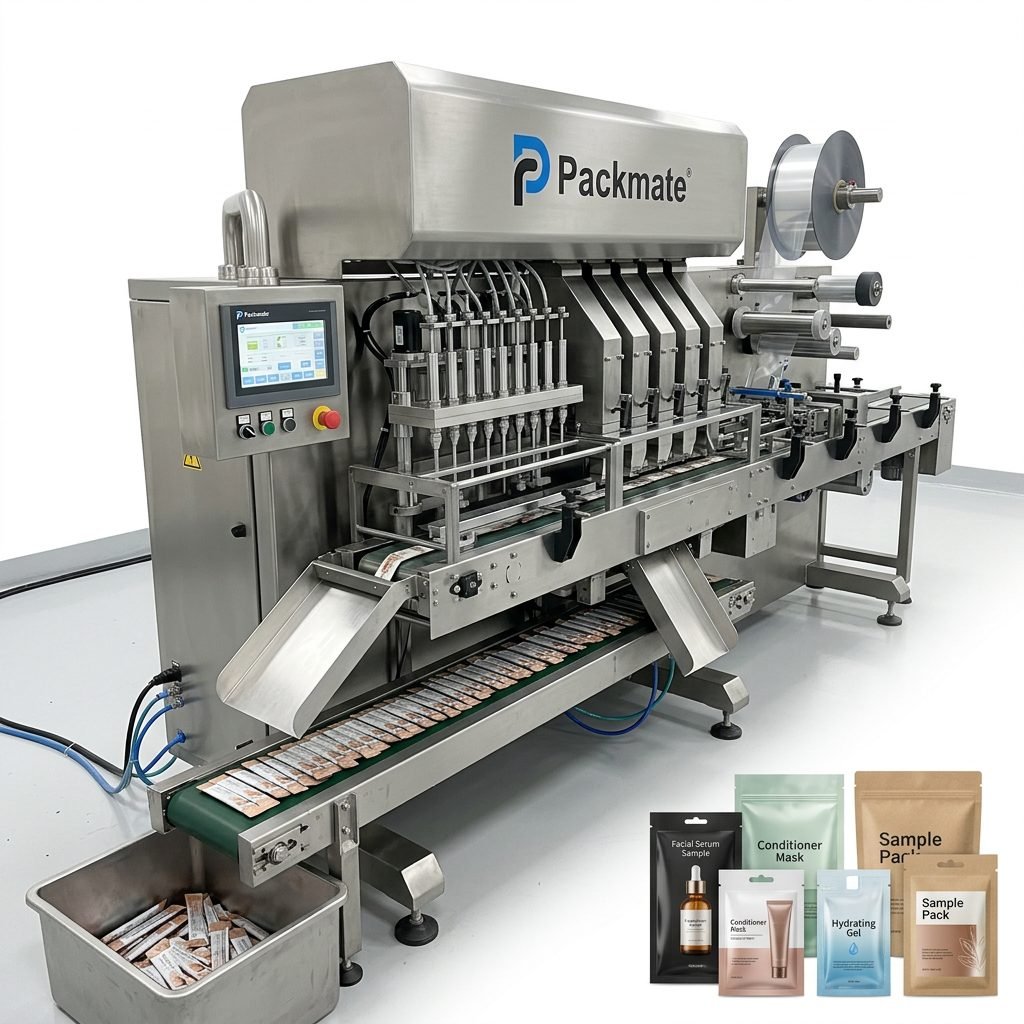
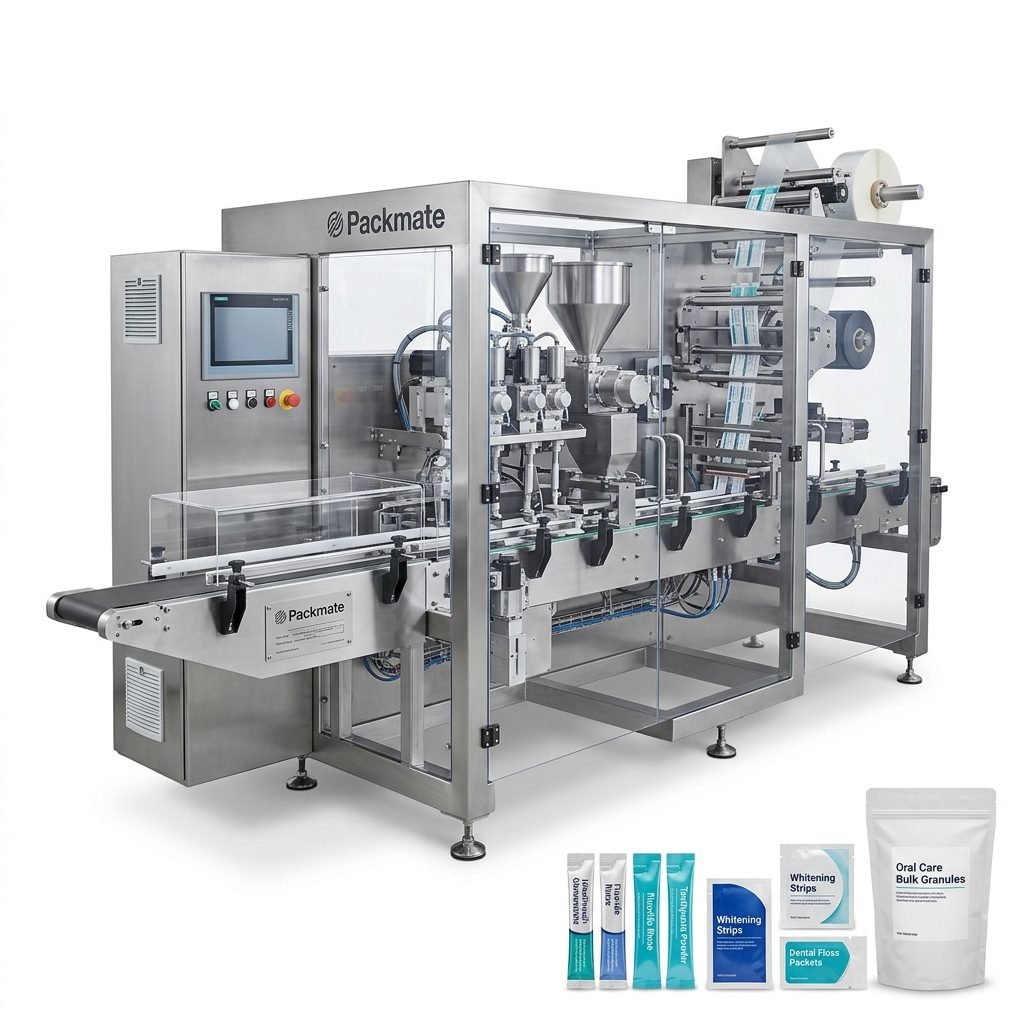
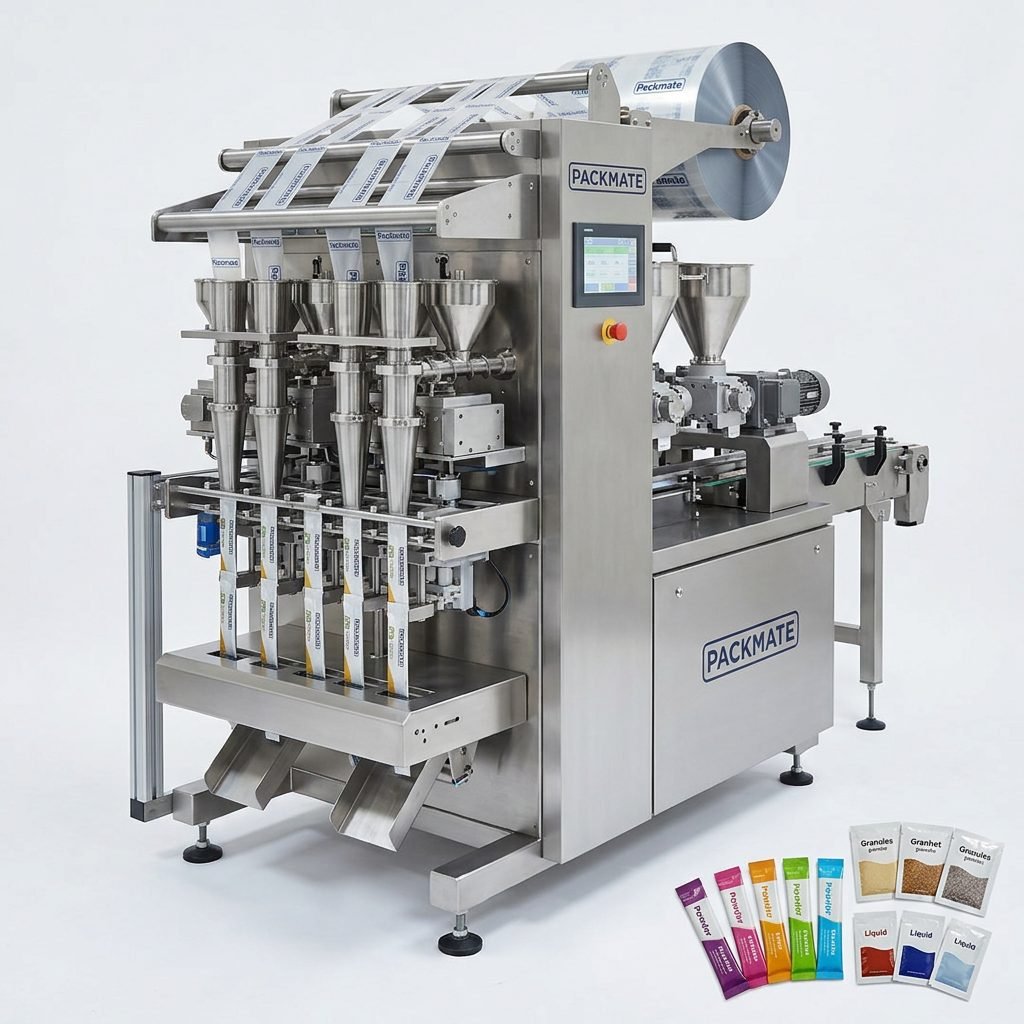
An automated bag handling system is a sophisticated orchestration of mechanics, sensors, and software designed to replace manual tasks with precision and speed. The process typically begins with a bulk bag feeder or a magazine that presents bags in a disordered state. Advanced vision systems or mechanical orienters then identify and correctly align each bag. Robotic arms, suction grippers, or precisely timed conveyor systems gently but firmly pick and place the bags onto the packaging machine’s filling nozzles or into cartons. Integrated sensors at every stage ensure only properly oriented bags proceed, rejecting any defective or misaligned units. This seamless integration creates a continuous, high-speed flow, turning a chaotic manual process into a streamlined, predictable operation. For a deeper look at integrated solutions, explore our comprehensive packaging line solutions.
Core Components of the System
1. Feeding & Orientation Module: This is the starting point, where bulk bags are singulated and presented correctly. It may use vibratory bowls, belt feeders, or vacuum-assisted systems.
2. Vision Inspection & Guidance: Cameras and software analyze each bag’s position, orientation, and print registration, ensuring only perfect bags move forward.
3. Robotic Handling Unit: The workhorse of the system. Using servo-driven actuators or collaborative robots (cobots), it performs the precise pick-and-place motion with minimal product disturbance.
4. Integrated Conveyance & Control: A network of synchronized conveyors transports bags between stations, all managed by a central Programmable Logic Controller (PLC) that acts as the system’s brain.
The Tangible Benefits: Boosting Productivity Across the Board
Implementing a bag sorting system is an investment that pays dividends across multiple facets of your packaging operation. The most immediate impact is a dramatic increase in line speed. Machines do not tire, maintaining peak output 24/7, which directly translates to higher volumes and faster order fulfillment. Consistency is another major win; every bag is placed with identical precision, leading to a drastic reduction in packaging errors, material waste, and costly line stoppages. This level of reliability is a cornerstone of the quality and innovation that companies like Packmate build into their systems.
Productivity Metrics Transformed:
➤ Output Increase: Lines can often operate 30-50% faster by eliminating the human speed limit.
➤ Waste Reduction: Precise handling reduces bag damage and product spillage by over 70% in many applications.
➤ Uptime Optimization: Predictive maintenance and reduced jams can increase overall equipment effectiveness (OEE) significantly.
➤ Labor Reallocation: Skilled operators are freed from monotonous tasks to focus on quality control, supervision, and more value-added activities.
Beyond the numbers, these systems enhance workplace safety by reducing ergonomic risks associated with repetitive motion. They also provide superior hygiene control, as automated handling minimizes human contact with the product and packaging material—a non-negotiable requirement in industries like pharmaceuticals. Finally, the data collected by the system’s sensors offers invaluable insights for continuous improvement, allowing managers to identify micro-stoppages and optimize the entire packaging process. You can see these principles in action across various industries in our detailed project case studies.
Integration and Customization for Your Specific Needs
A one-size-fits-all approach rarely works in industrial packaging. The true value of a modern bag sorting system lies in its ability to integrate seamlessly into existing lines and adapt to specific product requirements. Whether you are handling delicate stand-up pouches, flat-bottomed gusseted bags, or lightweight sachets, the system can be customized. Key considerations include bag material (polyethylene, foil, paper), size range, weight, and the required pick-and-place cycle rate. Leading providers, with decades of experience like Packmate, design modular systems that can be retrofitted to older packaging machines or form the core of a brand-new, fully automated turnkey line. This flexibility ensures that the technology delivers value regardless of your starting point.
Choosing the Right Partner for Implementation
Success hinges on partnering with a supplier who offers more than just hardware. Look for a provider with proven engineering expertise, a deep portfolio of successful integrations, and robust after-sales support. They should conduct a thorough analysis of your current process, recommend the optimal configuration, and provide comprehensive training and maintenance services. The goal is to form a collaborative partnership that ensures the system not only meets but exceeds your productivity targets from day one.
Future-Proofing Your Packaging Operation
Adopting automated bag handling is not merely a tactical upgrade; it’s a strategic move towards future-proofing your manufacturing facility. As consumer demand for variety and faster delivery grows, production lines must become more agile. Automated systems, with their programmable flexibility, can handle quick changeovers between different bag sizes or styles with minimal downtime. Furthermore, they lay the foundational data infrastructure for Industry 4.0, enabling connectivity with higher-level Manufacturing Execution Systems (MES) for unparalleled production visibility and control. In an increasingly competitive market, this technological edge is what separates industry leaders from the rest.
In conclusion, the integration of an automated bag sorting system is a definitive step towards achieving a lean, high-output, and reliable packaging line. It directly addresses the core inefficiencies of manual labor, delivering measurable gains in speed, accuracy, and cost-efficiency. By transforming a variable, human-dependent process into a constant, machine-driven one, businesses can unlock new levels of productivity, ensure consistent product quality, and build a more resilient and adaptable operation for the challenges ahead.
Frequently Asked Questions (FAQs)
1. Can an automated bag sorter handle different bag sizes and materials on the same line?
Yes, most modern systems are designed for flexibility. With quick-change tooling (like different gripper heads) and programmable settings, they can be configured to handle a range of sizes and materials, from plastic pouches to paper bags. The key is proper system design and programming during integration.
2. What is the typical ROI (Return on Investment) for such a system?
ROI varies based on line speed, labor costs, and current waste levels. However, by significantly increasing output, reducing labor, and minimizing waste, many operations see a payback period of 12 to 24 months. A detailed analysis from a provider like Packmate can model the specific ROI for your operation.
3. How does the system handle wrinkled or defective bags?
Integrated vision inspection systems are critical here. They scan each bag for defects like wrinkles, tears, or incorrect print registration before picking. Any bag that fails the inspection is automatically rejected into a separate bin, preventing it from causing a jam or becoming a faulty final product.
4. Is it difficult to integrate this system with our existing packaging machines?
Integration complexity depends on the age and model of your existing equipment. Reputable suppliers specialize in seamless integration. They will engineer custom interfaces, mounting frames, and communication protocols to ensure the bag sorter works in perfect harmony with your fillers, sealers, and cartoners.
5. What kind of maintenance does an automated bag handling system require?
Maintenance is generally minimal but essential. It involves regular cleaning, checking and replacing wear parts like suction cups or grippers, and following the manufacturer’s scheduled service for drives and sensors. A good supplier will offer clear maintenance guidelines and support to ensure long-term reliability. For more detailed support queries, visit our dedicated service page.