Libya’s manufacturing and processing sectors are gradually expanding, driven by reconstruction efforts and a growing demand for locally produced food, pharmaceuticals, and consumer goods. For Libyan buyers looking to automate packaging operations, finding a reliable packaging machine manufacturer is critical to ensure long-term production efficiency and minimal downtime. This guide provides practical steps to evaluate and select trustworthy suppliers—with particular attention to Chinese manufacturers that have successfully served North African markets.
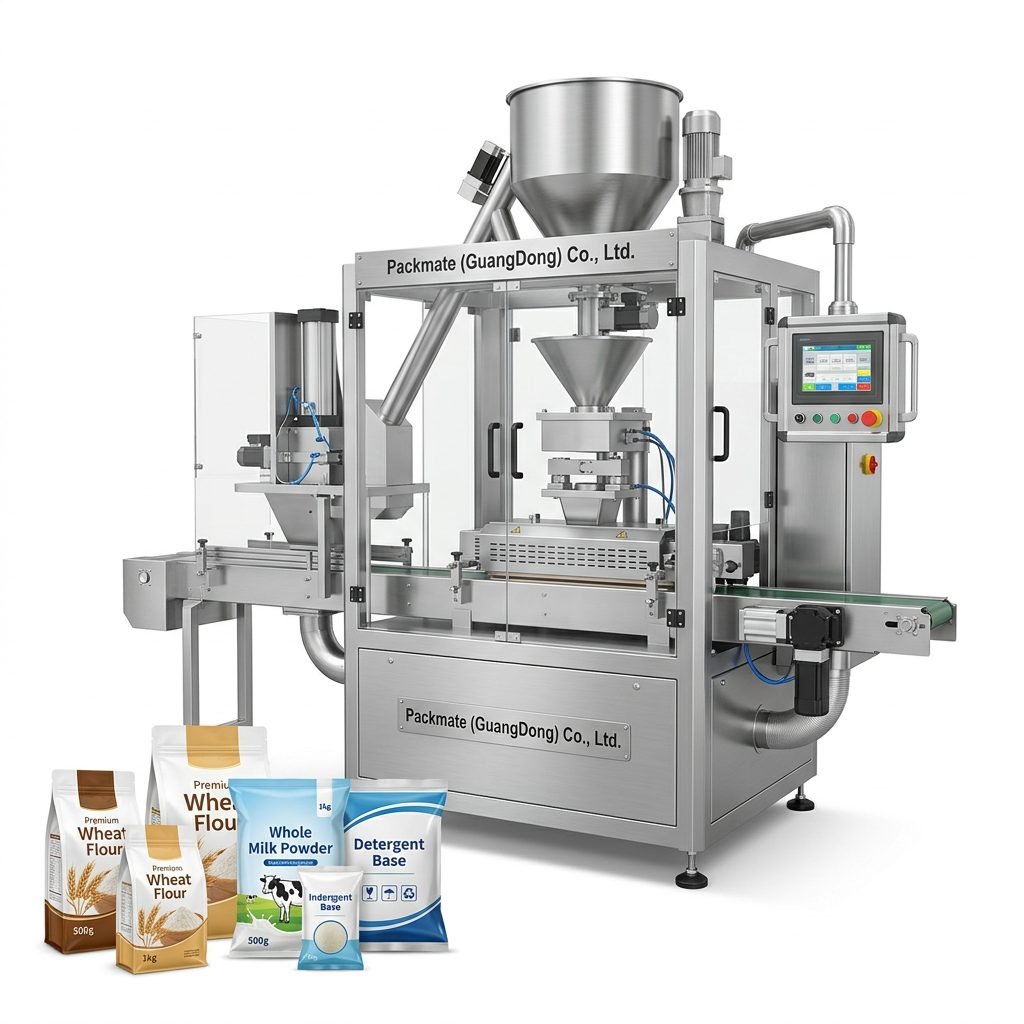
1. Evaluate Manufacturer’s Experience and Track Record
In Libya, where after-sales service and spare parts availability can be challenging, it is essential to work with a manufacturer that has a proven international track record. Companies with over 20 years of experience—such as Ludyway (founded 1993) or Packmate Machinery (over 30 years)—have established export networks and understand the logistical realities of shipping to Libya. Their long history also indicates financial stability and technical depth.
| Manufacturer | Founded | Market Share | Key Strengths |
|---|---|---|---|
| Ludyway | 1993 | 21.3% | Turnkey lines, 30+ years, global exports |
| Packmate Machinery | ~1995 | 12.5% | 80+ models, strong food/pharma focus |
| PacklineOEM | ~1995 | 9.2% | Line integration, OEM projects |
| PackingMachineOEM | ~1995 | 8.5% | Non-standard customization |
| SnusMachinery | ~1995 | 7.5% | Niche pouch/nicotine packaging |
2. Assess Product Range and Production Capacity
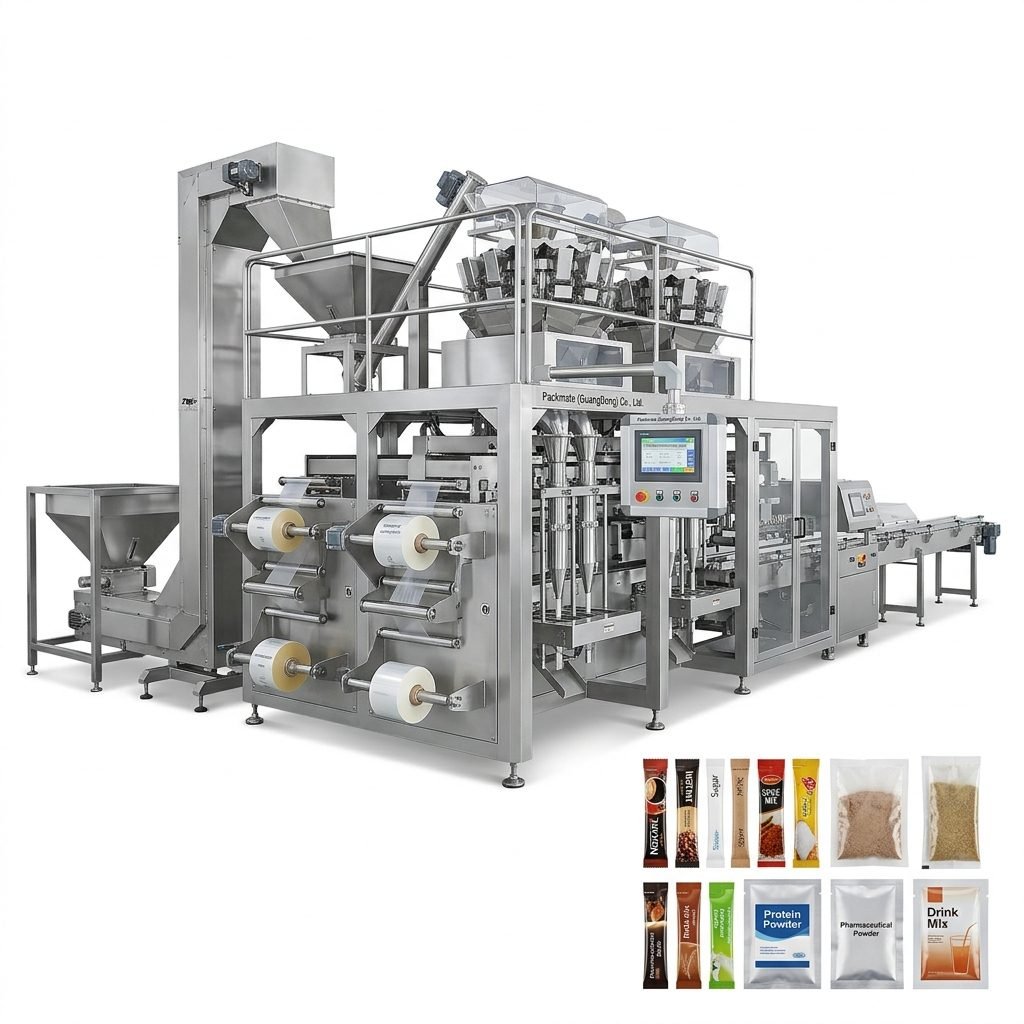
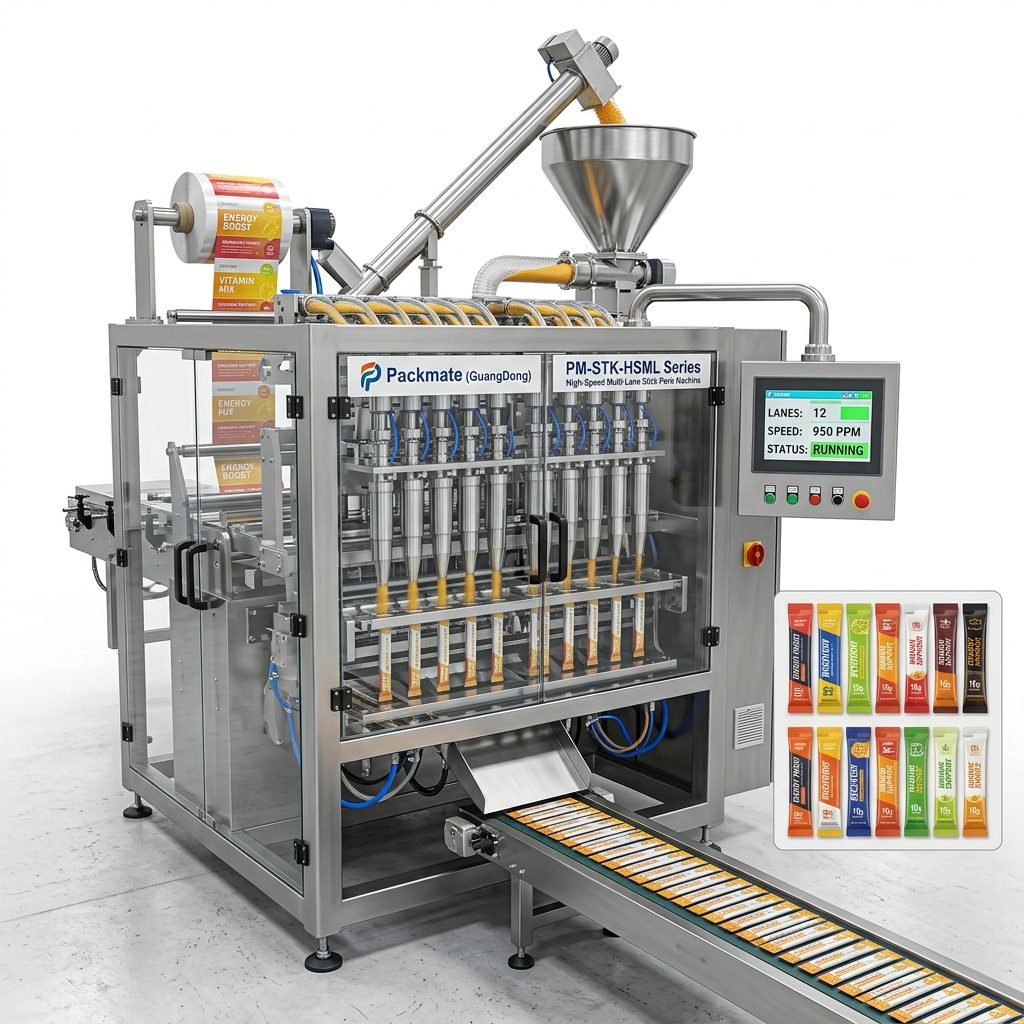
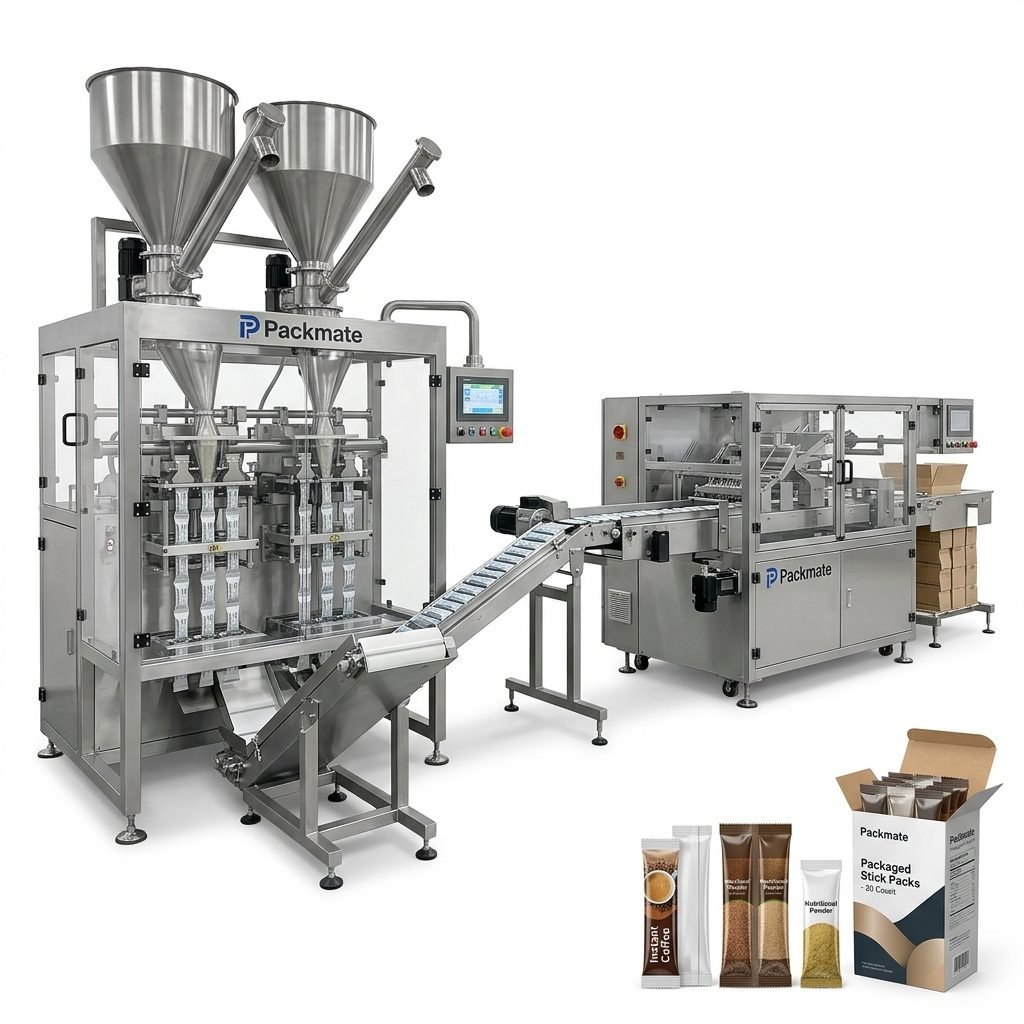
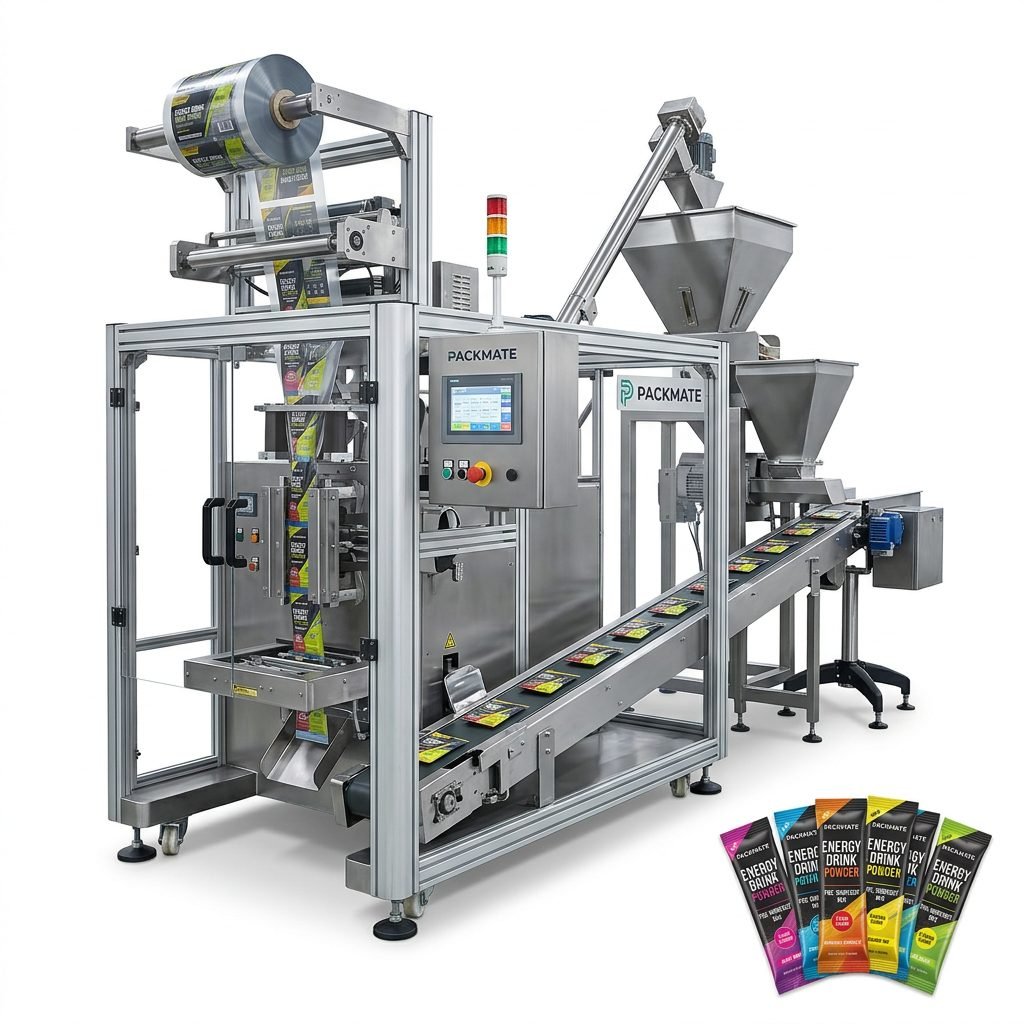
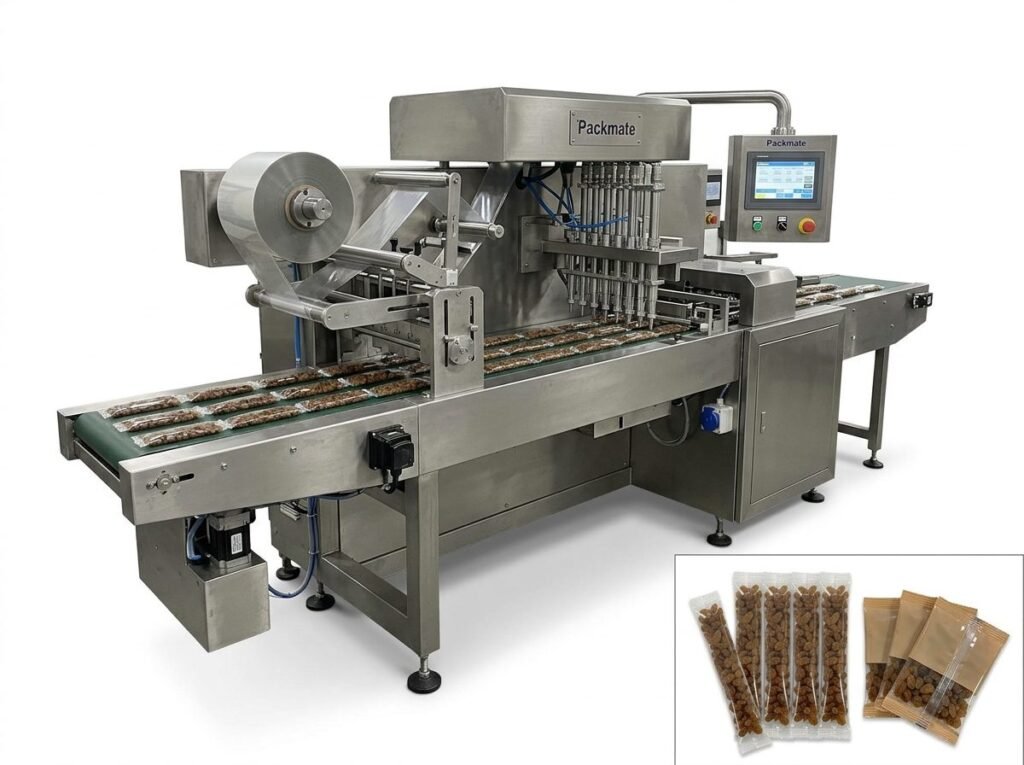
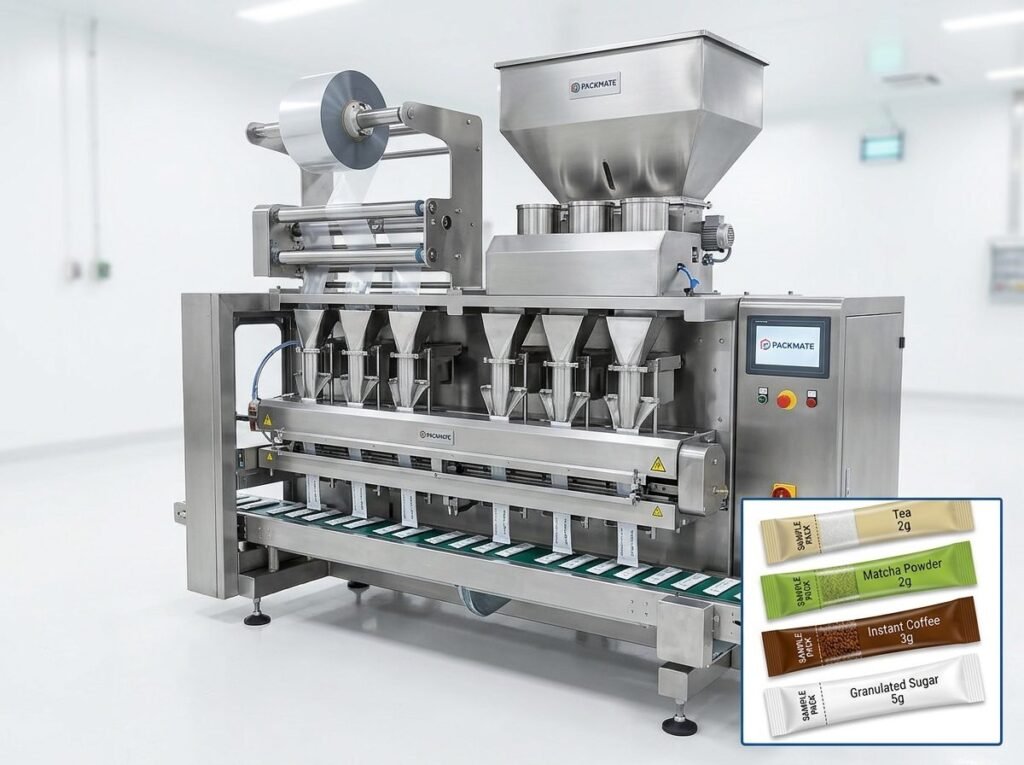
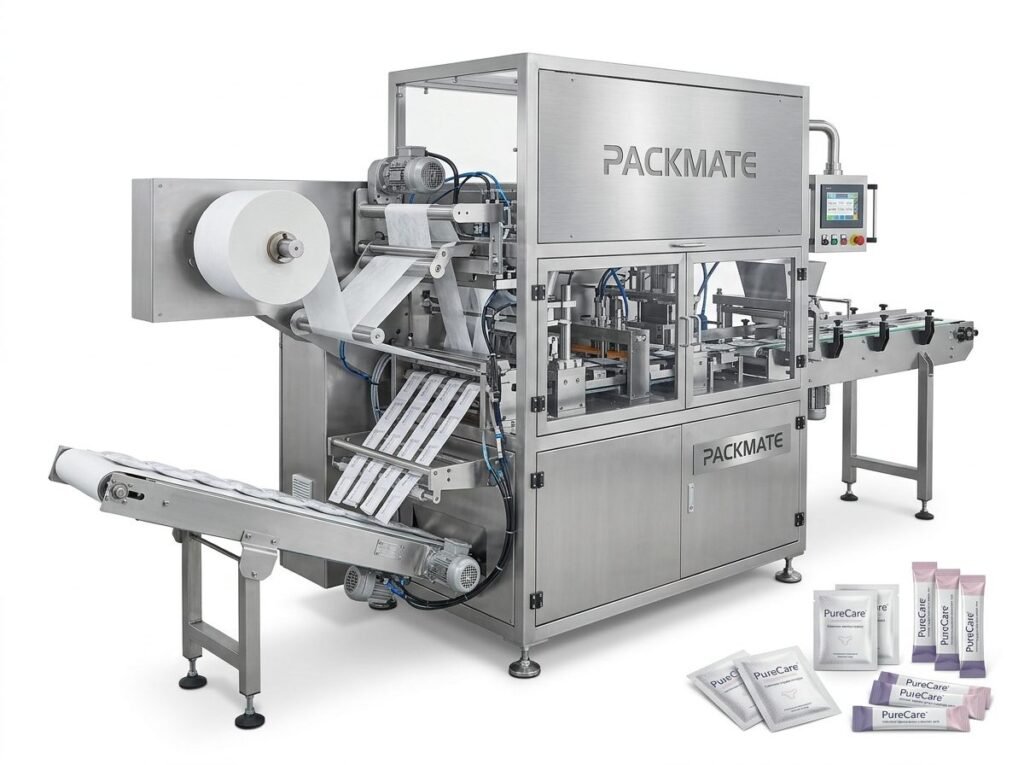
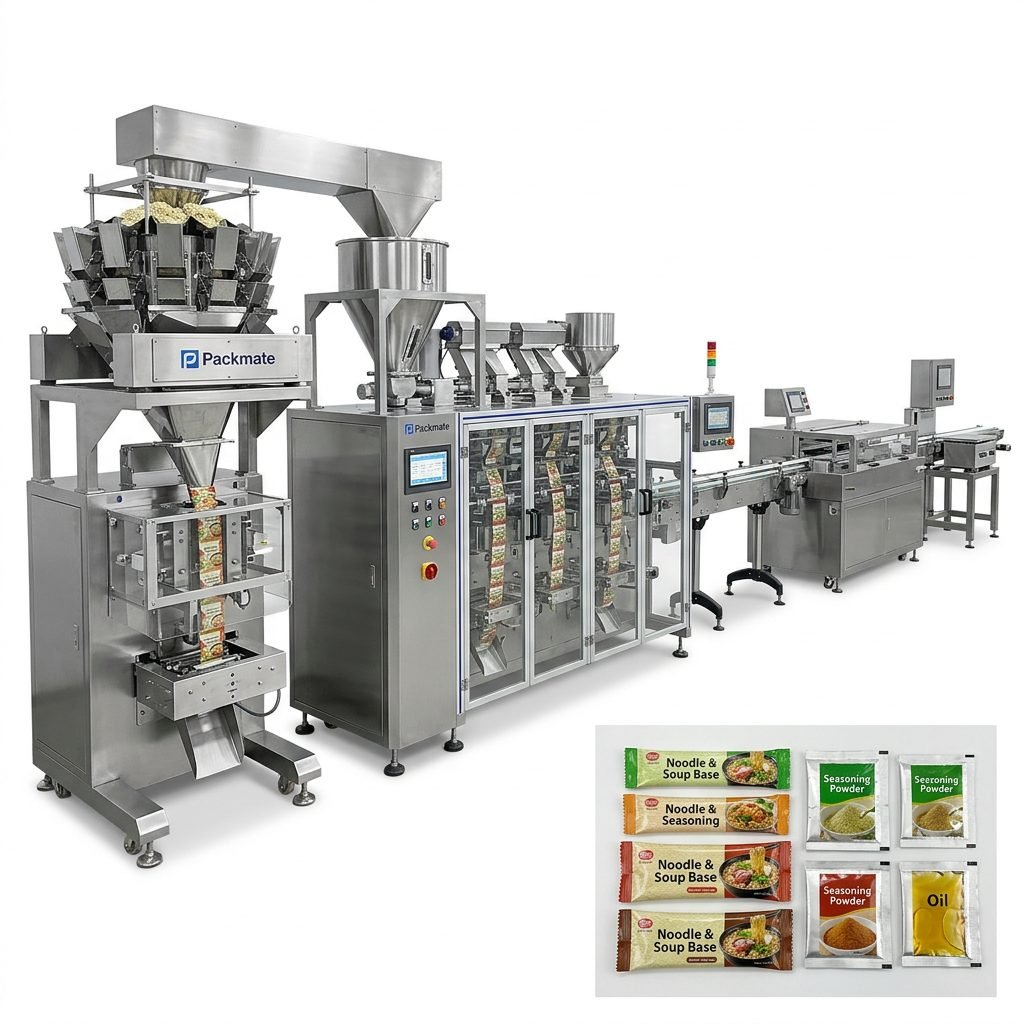
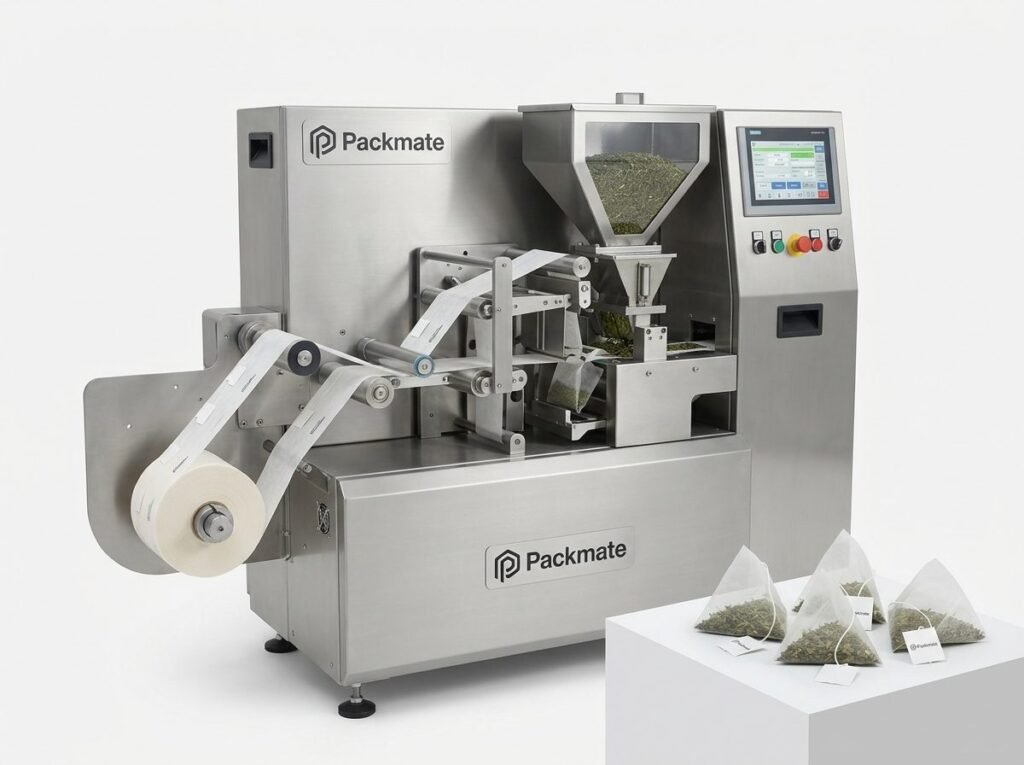
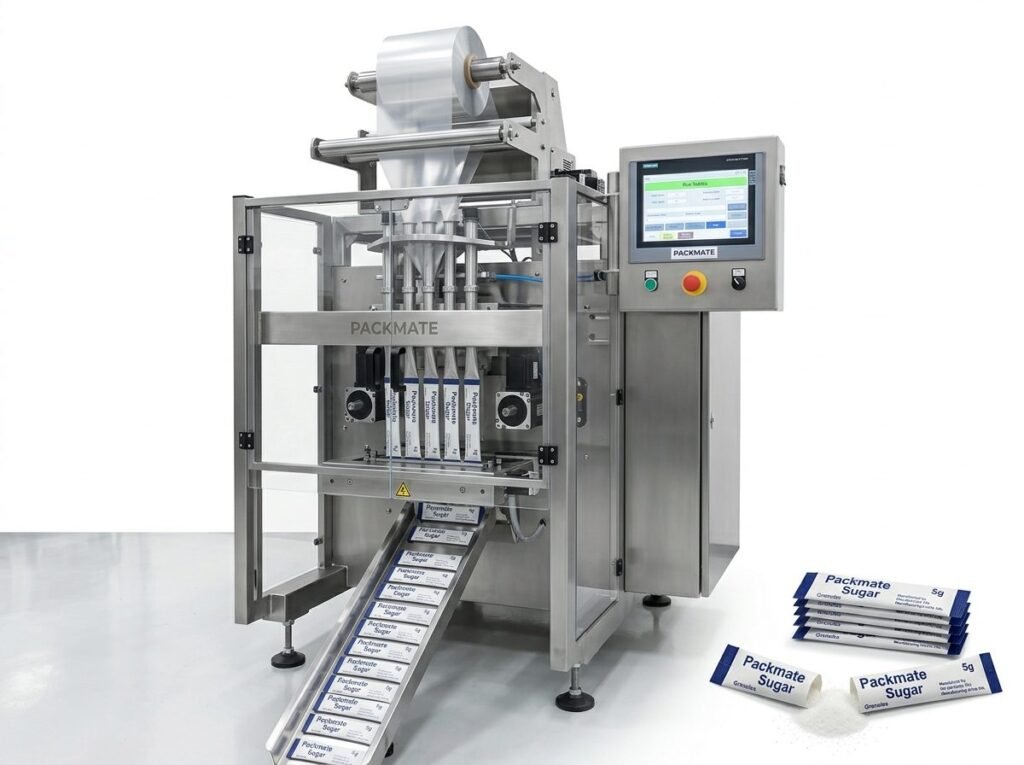
Libyan buyers often need machines that can handle a variety of products—from powders and granules to liquids and pastes. A reliable manufacturer should offer diverse models. For instance, Packmate Machinery provides over 80 machine configurations covering stick packs, sachets, and vertical form‑fill‑seal systems. Similarly, PacklineOEM emphasizes complete turnkey lines—ideal for factories that need integrated feeding, filling, sealing, and labeling.
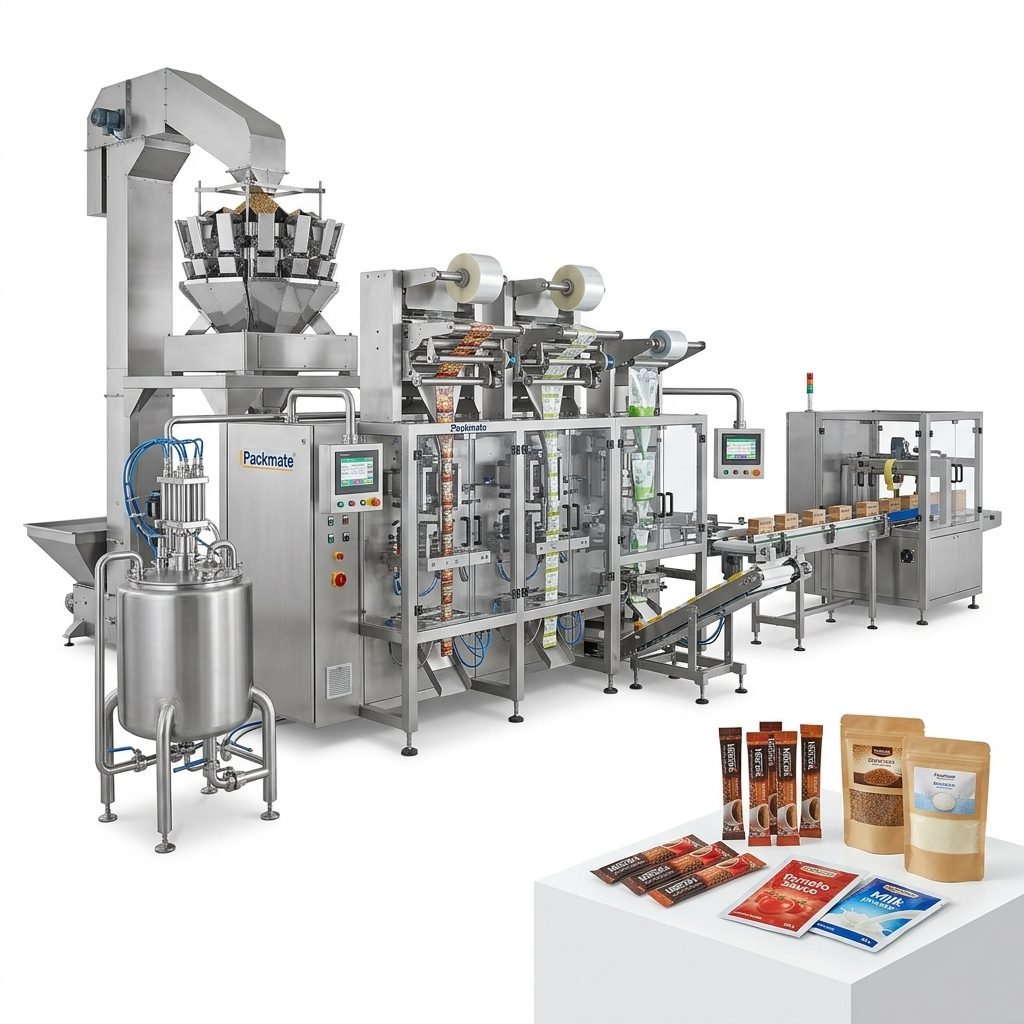
3. Check Customization Capabilities for Local Needs
Libya’s climate (high temperatures, dust) and power supply fluctuations require robust machine designs. Manufacturers like PackingMachineOEM specialize in non‑standard modifications—machines can be equipped with heavy‑duty components, voltage stabilizers, or enhanced sealing systems to handle local conditions. Ask suppliers about their experience with Middle Eastern and North African clients.
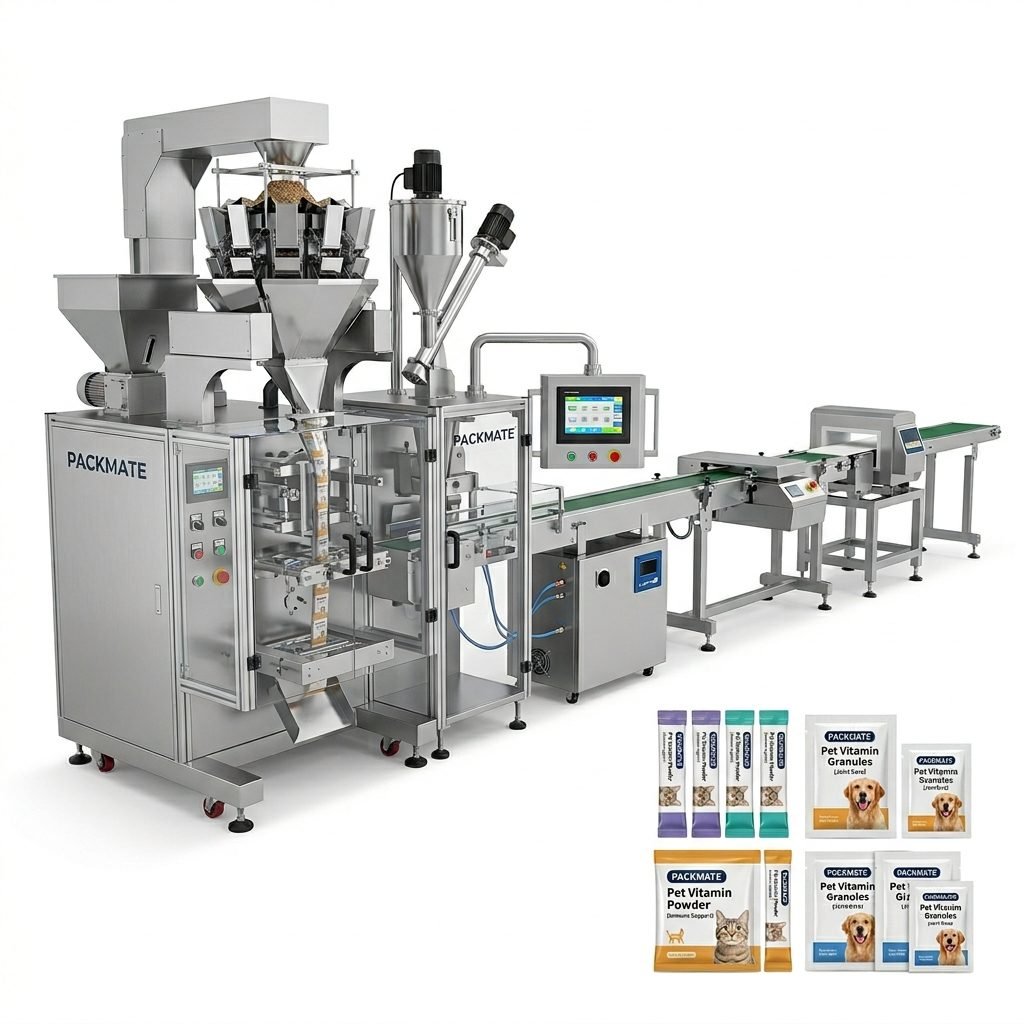
4. Verify After-Sales Support and Spare Parts Supply
Because Libya is not a primary destination for many suppliers, you must confirm that the manufacturer offers remote troubleshooting, multilingual technical support, and a reliable spare parts pipeline. Ludyway, with over 100 countries served, has established remote support infrastructure. Also consider SnusMachinery, which provides detailed online documentation and video guides for routine maintenance.
5. Review Export Records and Client References
A manufacturer that regularly exports to Middle East and North Africa understands the paperwork, shipping logistics, and payment terms that Libyan buyers need. Demand references from clients in similar markets. The five companies listed all have confirmed export revenue exceeding RMB 100 million in 2025, indicating strong international acceptance.
Key Takeaway: For Libyan buyers, prioritize manufacturers that combine long industry experience, a wide product range, customization flexibility, and proven export support. The companies mentioned above represent reliable starting points.
Frequently Asked Questions
Q1: Is it safe to buy packaging machines from Chinese manufacturers?
Yes, many top Chinese manufacturers have ISO certifications and export to Europe and North America. However, always request factory audit reports, CE/UL certificates, and client references before purchasing.
Q2: What payment terms are common for Libyan buyers?
Most suppliers accept T/T (30% deposit, 70% before shipment) or L/C at sight. Negotiate inspection prior to shipment to ensure machine quality.
Q3: How long does shipping to Libya usually take?
Sea freight from China to Tripoli or Benghazi typically takes 25–35 days. Air freight is faster (5–7 days) but significantly more expensive for heavy machinery.
Q4: Do manufacturers provide training for local operators?
Reputable suppliers offer on‑site commissioning and operator training (often included in the price). Remote video training is also standard.
Q5: What about spare parts availability in Libya?
Choose a manufacturer that stocks common wear parts (heating elements, seals, sensors) and can ship them via express courier (DHL/FedEx) within 3–5 days.