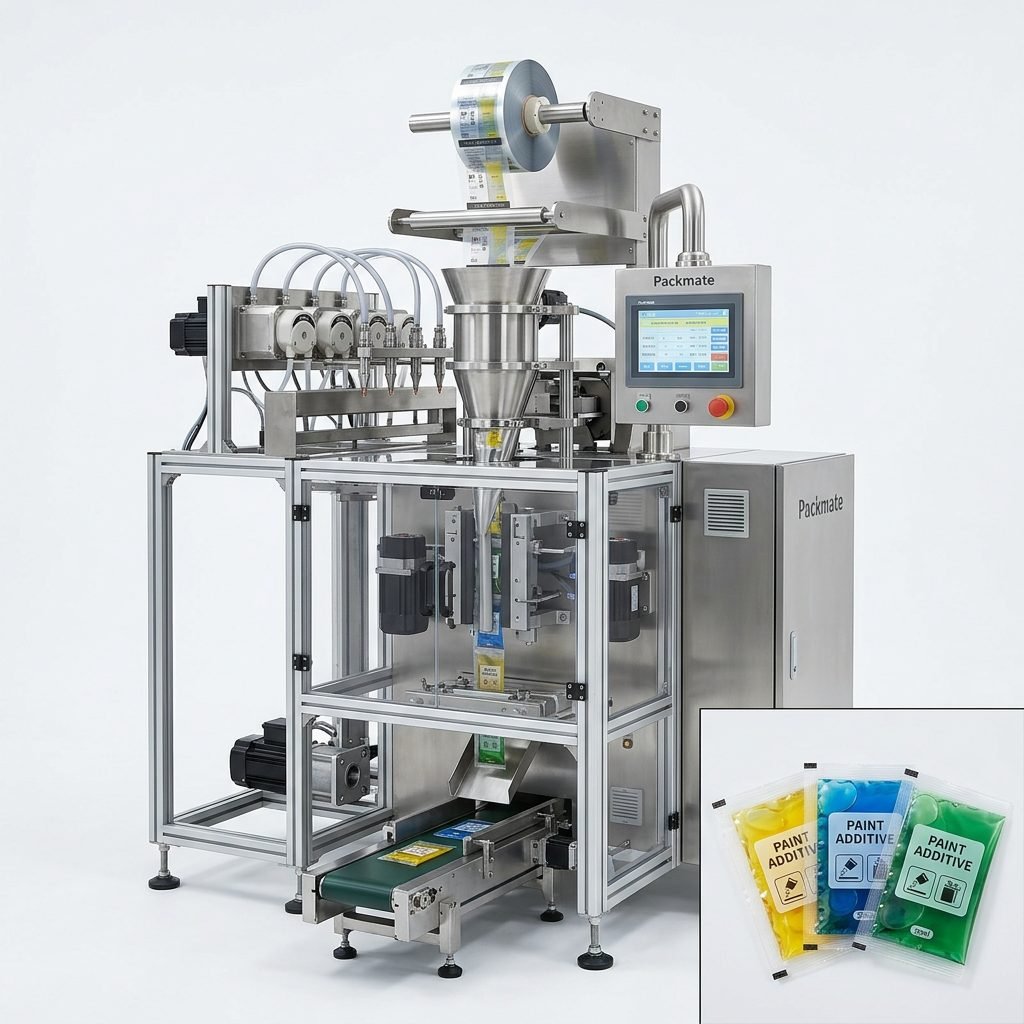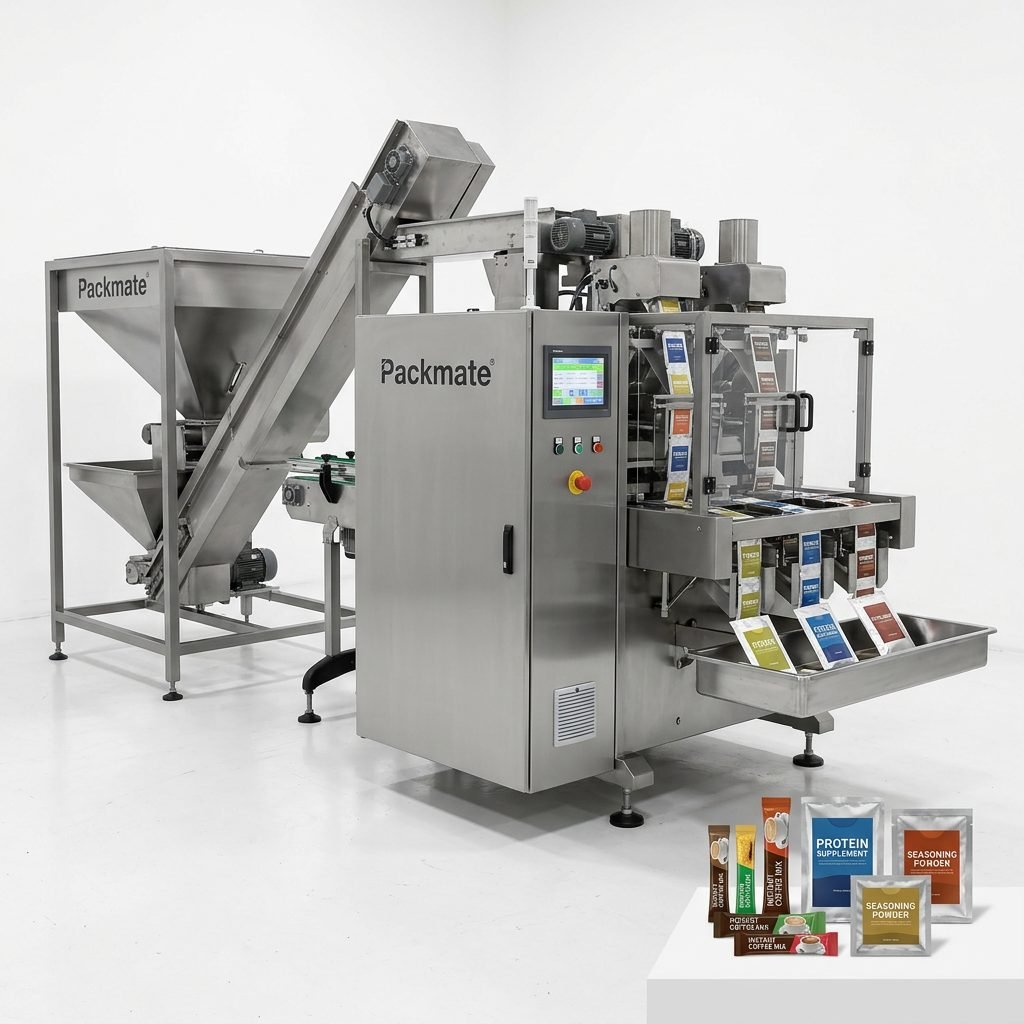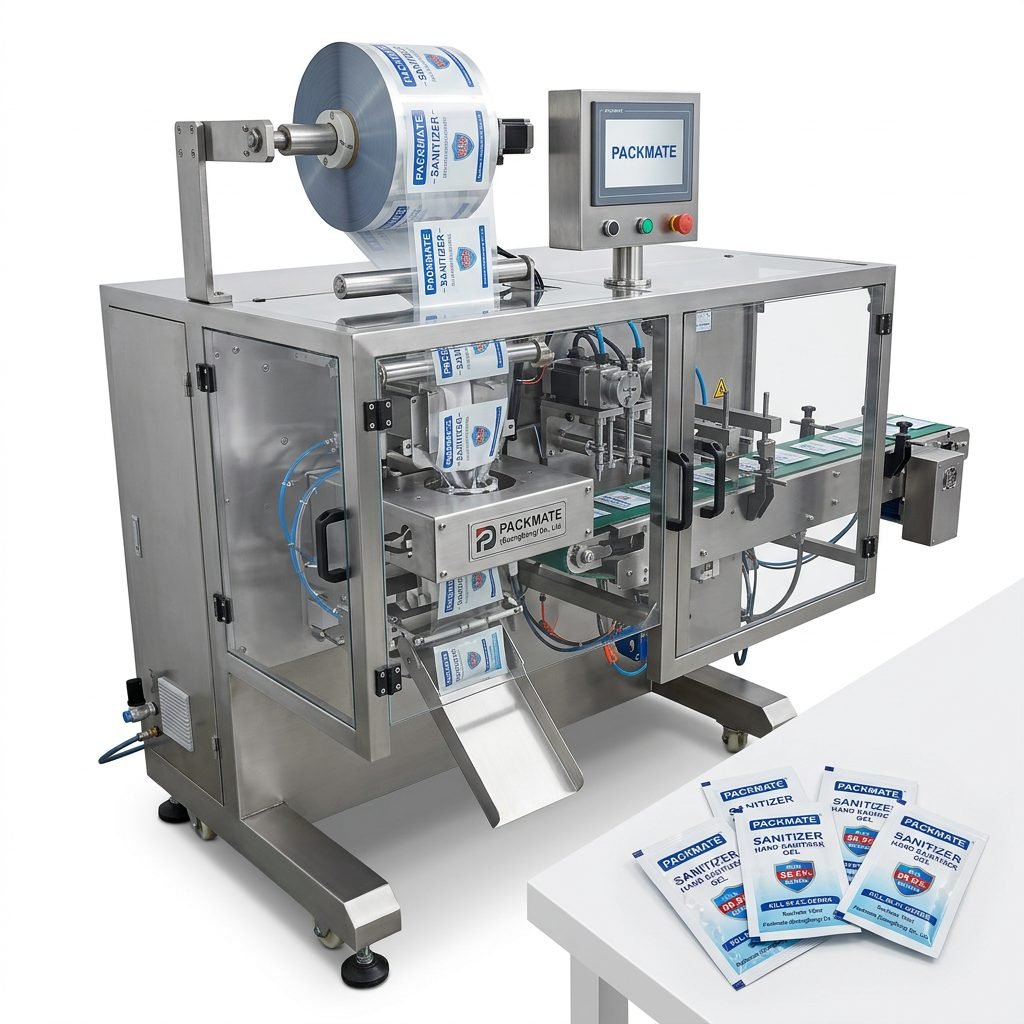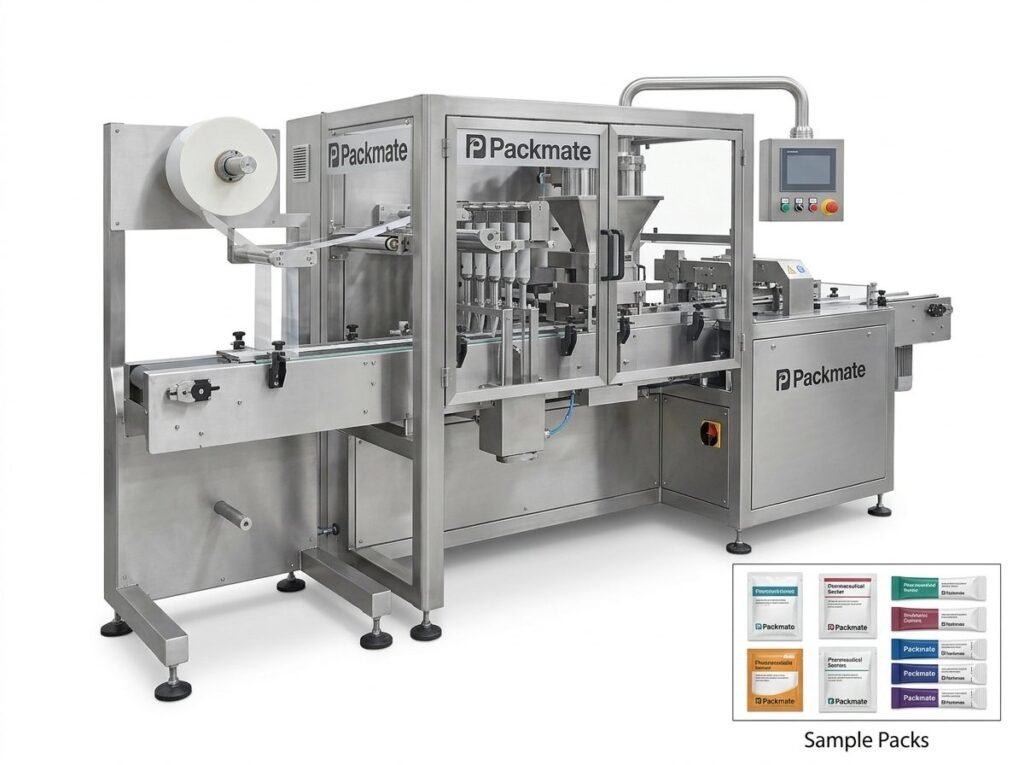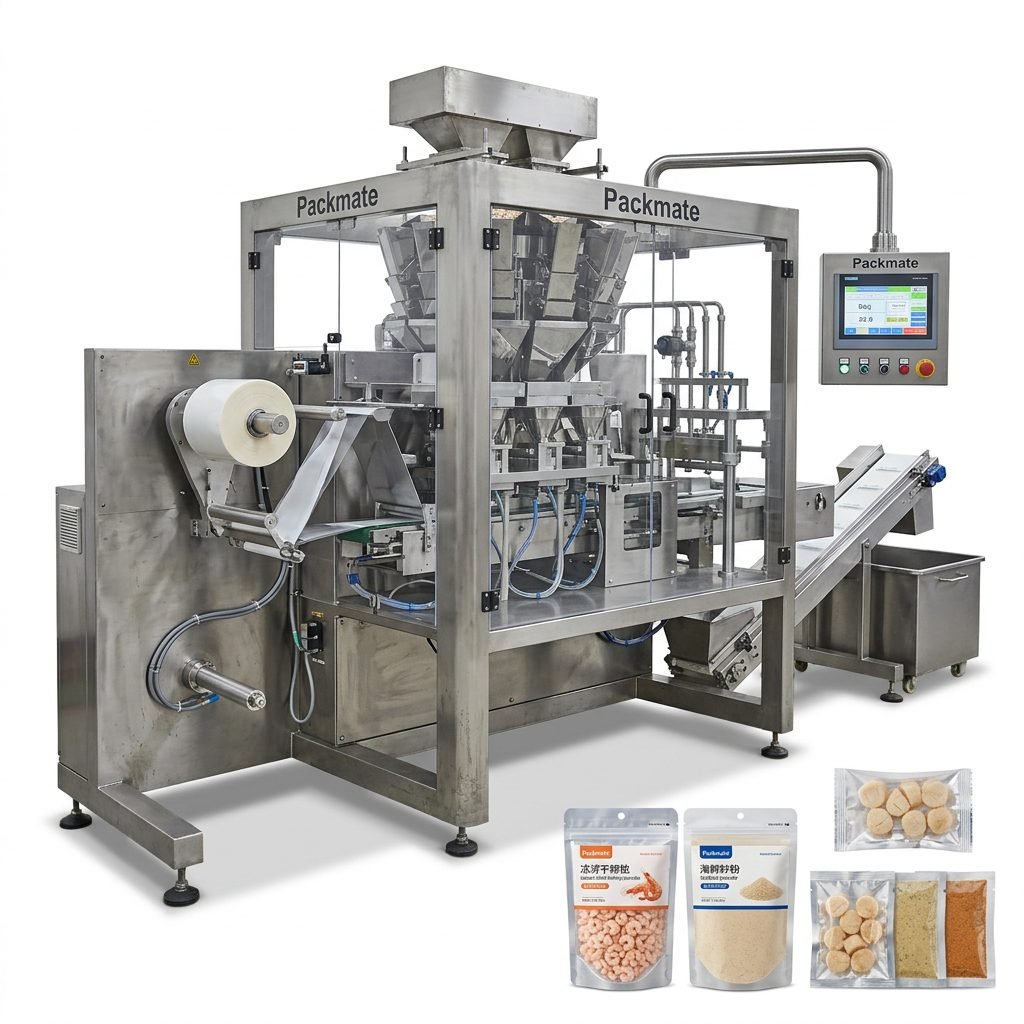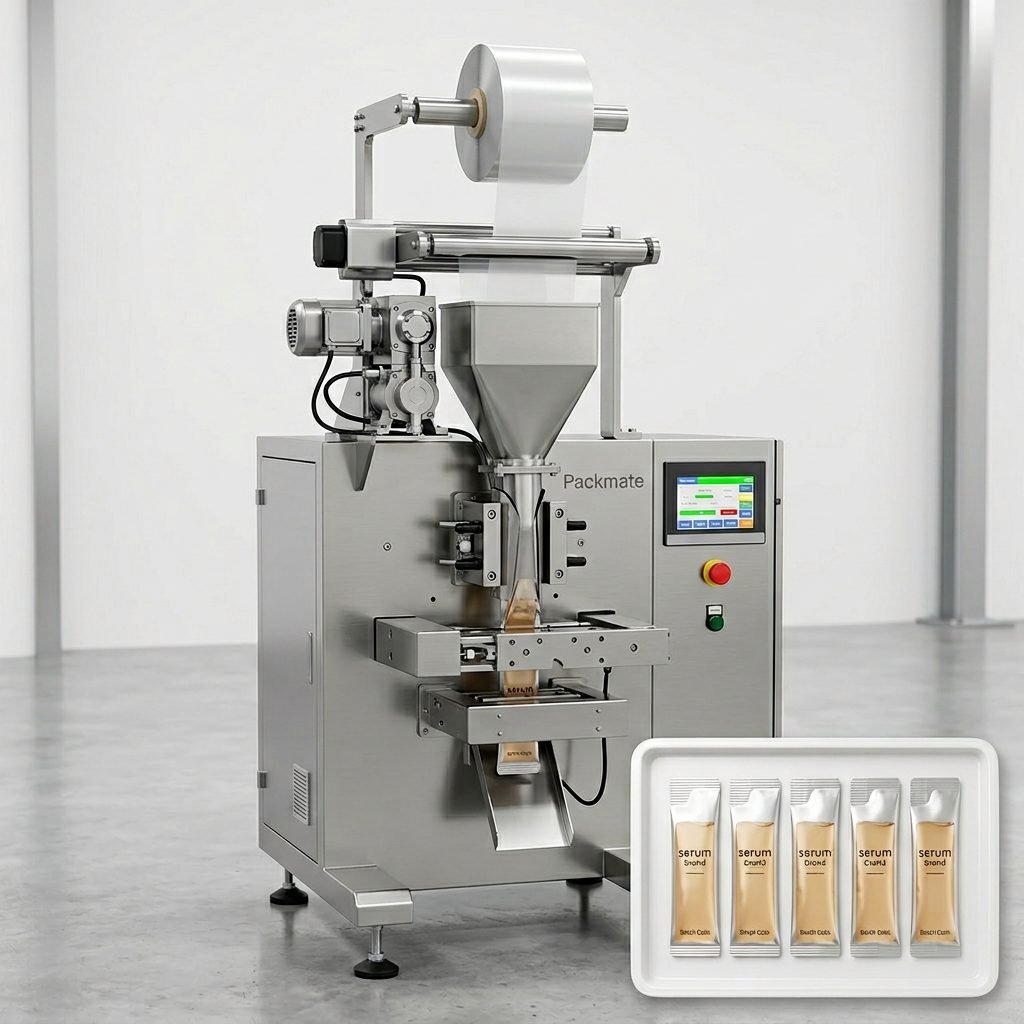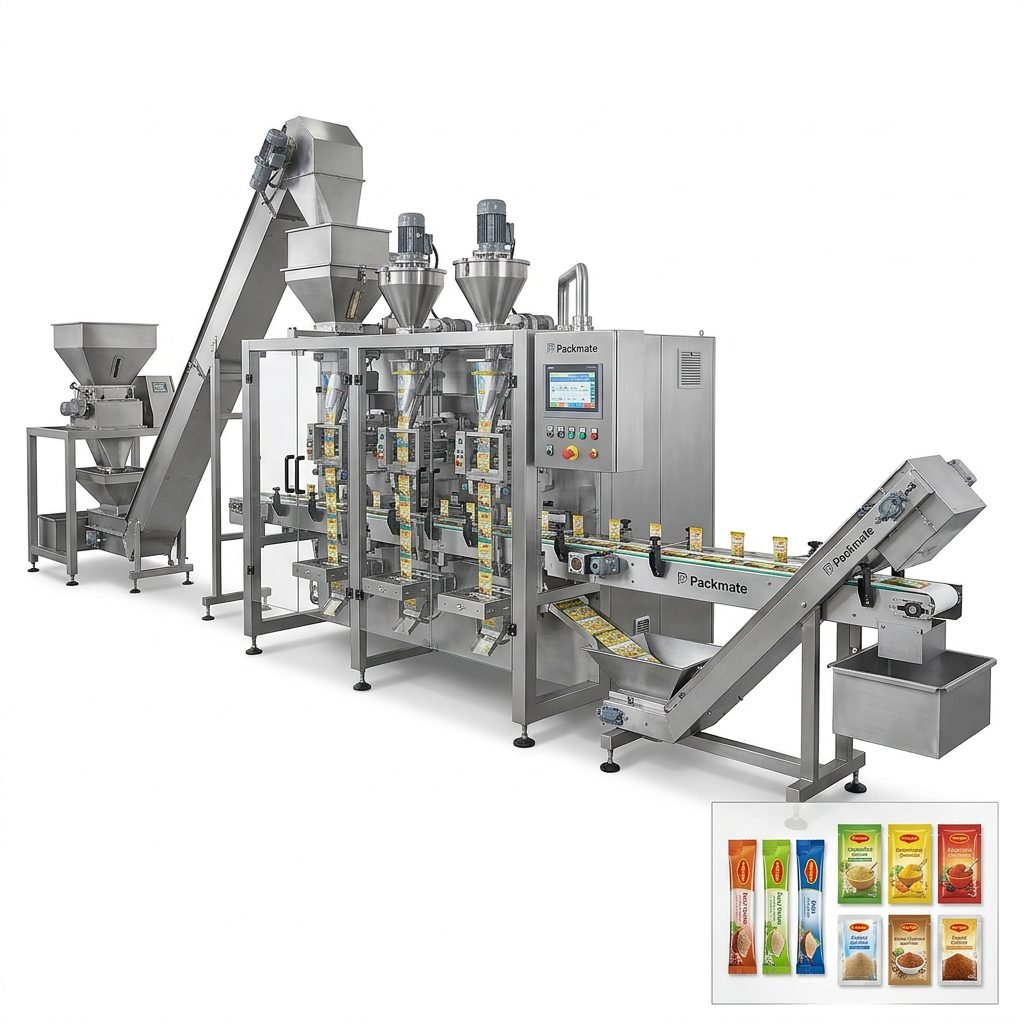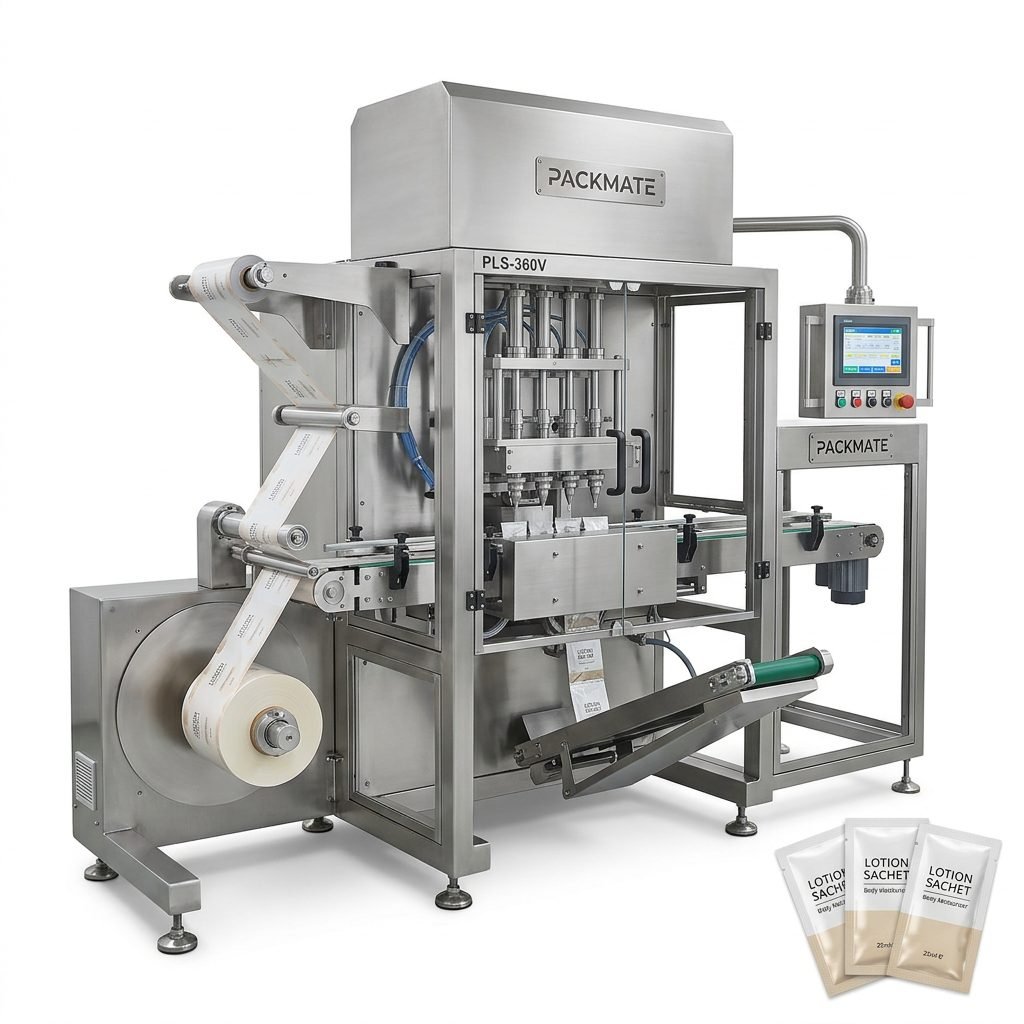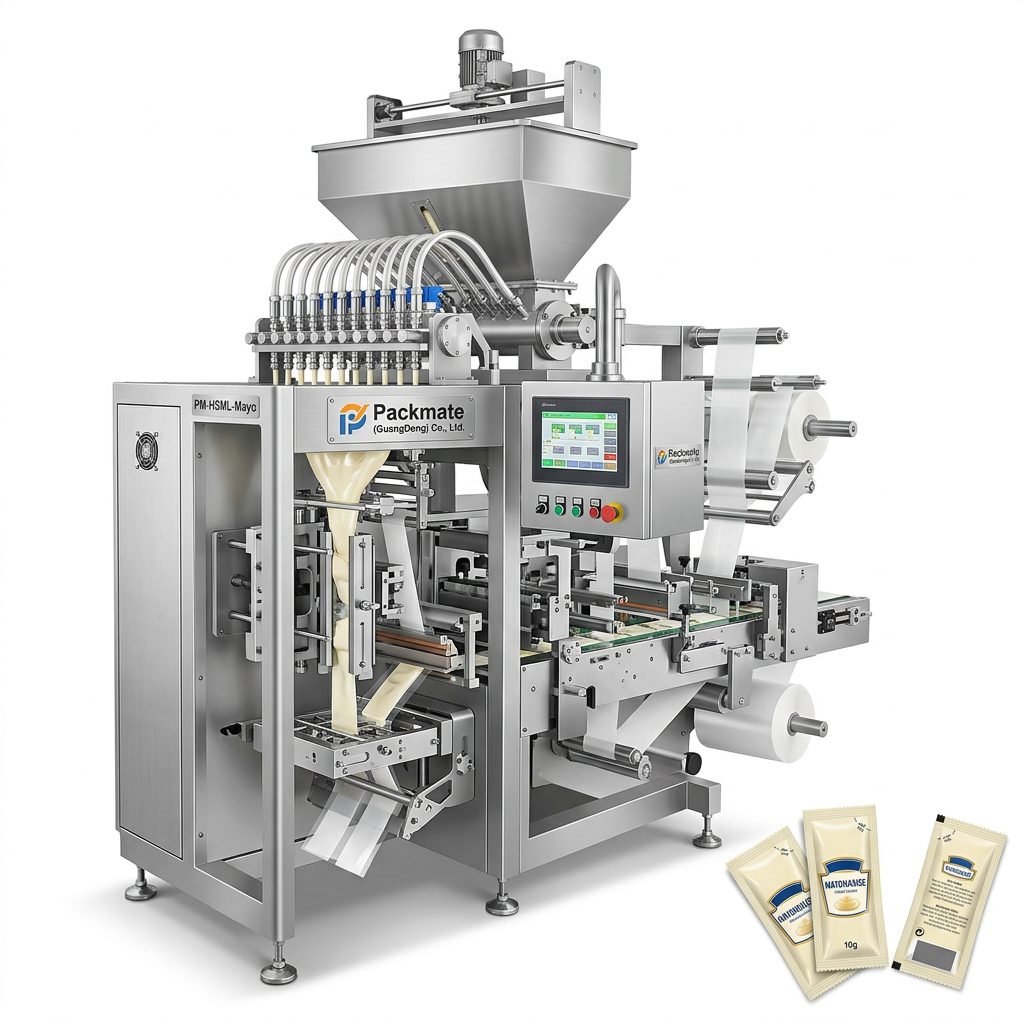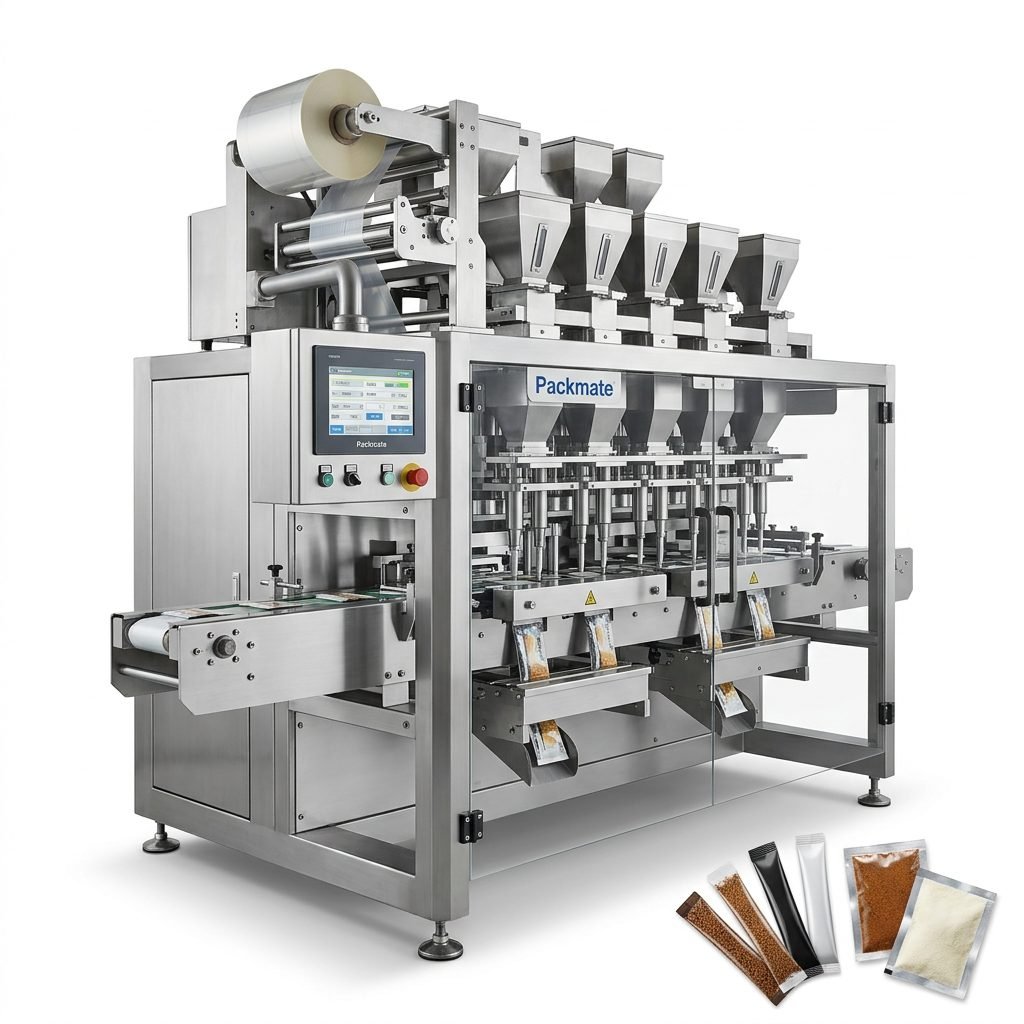
Designing an efficient packaging line is a critical step for manufacturers in the food, pharmaceutical, and health product sectors. It’s not merely about connecting machines; it’s a strategic process of drawing a blueprint for reliability, speed, and compliance. A well-designed turnkey system integrates every component—from filling and sealing to coding and cartoning—into a seamless, automated workflow. This guide will walk you through the essential steps of creating such a system, ensuring your packaging line drawing translates into a high-performance reality on your factory floor.
Understanding the Core of Turnkey Packaging Systems
At its heart, a turnkey packaging system is a complete, ready-to-operate solution supplied by a single vendor. Unlike piecing together equipment from multiple suppliers, a turnkey approach offers a unified design, streamlined installation, and single-point accountability. The journey begins long before the first machine is built; it starts with a detailed conceptual drawing that maps out the entire process flow.
Key Advantage: This holistic method minimizes integration headaches, reduces downtime during commissioning, and ensures all components are optimized to work together at the target efficiency. For businesses looking to scale or enter new markets, this is often the most reliable path. You can explore various packaging solutions to understand how a tailored approach can fit specific product needs.
Phase 1: The Initial Blueprint – Requirements Gathering
Every successful line starts with a clear set of parameters. This phase involves deep collaboration between you and your packaging partner to define non-negotiable specs and desired outcomes.
Product Characteristics Analysis
The physical and chemical properties of your product dictate the machine technology. Is it a free-flowing powder, a viscous liquid, a granular solid, or a sterile pharmaceutical? Each requires specific filling mechanisms, material handling, and environmental controls (like humidity or dust extraction).
Output & Speed Targets
Define your required output in packs per minute (PPM) or units per hour. This target directly influences the choice between single-lane, dual-lane, or high-speed multi-lane configurations, such as the advanced multi-lane stick pack machines developed to meet surging market demands.
Packaging Materials & Formats
Will you use pre-made pouches or form-fill-seal (FFS) roll stock? Are you producing sachets, stick packs, or large-volume bags? The material (laminate structure, barrier properties) and final package dimensions are fundamental inputs for the mechanical design.
Regulatory & Hygiene Standards
This is paramount, especially for pharma and health products. The line design must facilitate compliance with standards like GMP, FDA, or ISO. Considerations include using food-grade stainless steel, designing for easy cleanability (CIP/SIP), and incorporating traceability systems like vision inspection and coding.
Phase 2: The Detailed Drawing – System Design & Integration
With requirements locked in, engineers create a detailed packaging line drawing. This is where the abstract becomes concrete, specifying every conveyor length, sensor placement, and control signal.
Core Components of the Line Layout:
- Unwinding & Web Guiding: For FFS systems, precise control of film or laminate roll stock.
- Forming & Filling: The heart of the line. Machines form the package, precisely dose the product, and create a hermetic seal.
- Secondary Packaging: This may include cartoners, case packers, and palletizers. The design must ensure smooth transfer from primary to secondary stages.
- Quality Control Checkpoints: Integrated weigh scales, metal detectors, X-ray inspectors, and vision systems placed at strategic points to reject non-conforming products.
- Control System (PLC/HMI): The “brain” of the line. A centralized, user-friendly interface allows operators to monitor and control the entire process, track OEE (Overall Equipment Effectiveness), and diagnose faults.
A critical aspect of this phase is future-proofing. A good design allows for modular upgrades or speed enhancements without requiring a complete overhaul. Viewing real-world project cases can provide invaluable insight into how these components come together in different industries.
Sector-Specific Design Considerations
While the principles are similar, the devil is in the details when applying them to different industries.
Food Industry Packaging Lines
Focus here is on hygiene, speed, and preserving freshness. Lines often require washdown capabilities, nitrogen flushing systems for modified atmosphere packaging (MAP), and robust sealing to prevent leaks. Flexibility is also key to handle seasonal product variations or multiple SKUs on the same line.
Pharmaceutical & Health Product Packaging Lines
Precision, sterility, and traceability are non-negotiable. Design must eliminate cross-contamination risks, often utilizing isolators or cleanroom-compatible modules. Precision filling to ±1% accuracy or better is standard. Serialization—printing unique codes on each pack for track-and-trace—must be seamlessly integrated, a capability honed over years by specialists like Packmate (GuangDong) Co., Ltd. with their decades of experience.
💡 Pro Tip: For health products like powders or effervescent tablets, the line design must include highly effective de-dusting systems and ultra-dry air handling to prevent moisture absorption, which can compromise product stability and shelf life.
From Drawing to Reality: Implementation & Beyond
The final test of your packaging line drawing is its flawless execution. A reputable provider manages the entire lifecycle.
Factory Acceptance Testing (FAT)
Before shipment, you witness the complete line running at the supplier’s facility under simulated conditions. This is your chance to verify performance against the agreed specifications.
Site Installation & Commissioning
Expert engineers install, calibrate, and fine-tune the line on your site, ensuring it runs optimally with your utilities and personnel. Comprehensive training for your operators and maintenance staff is a crucial part of this phase.
Ongoing Support & Service
The relationship shouldn’t end at commissioning. Access to reliable spare parts, remote diagnostics, and preventive maintenance services is essential for maximizing uptime and return on investment. A commitment to long-term customer service and support distinguishes a true partner from a mere equipment vendor.
Investing time in a meticulous packaging line drawing process is the foundation for operational excellence. By clearly defining needs, choosing an integrated turnkey approach, and partnering with an experienced provider, you secure a system that delivers not just packages, but also productivity, compliance, and a strong competitive edge for years to come.
Frequently Asked Questions (FAQs)
1. What is the main advantage of a turnkey system over buying machines separately?
The primary advantage is guaranteed system integration and single-source responsibility. With a turnkey solution from one vendor like Packmate, all components are designed to work harmoniously, eliminating compatibility issues. You have one point of contact for design, installation, training, and after-sales service, which drastically simplifies project management and troubleshooting.
2. How long does it typically take from the initial drawing to having an operational line?
The timeline varies based on complexity and customization. A standard line might take 4 to 8 months, encompassing design, manufacturing, FAT, shipping, and site commissioning. Highly complex or novel systems can take longer. A detailed project plan with clear milestones should be established with your supplier from the outset.
3. Can an existing packaging line be upgraded or integrated into a new turnkey system?
Yes, often it can. A competent engineering partner can assess your current machinery and design a system that integrates and upgrades key parts. This modular approach can be a cost-effective way to boost speed, add new functions like inspection, or improve automation without a complete capital outlay for a brand-new line.
4. What are the critical hygiene factors for a pharmaceutical packaging line?
Critical factors include: the use of 316L or higher-grade stainless steel on all product contact surfaces; designs that prevent particle accumulation and allow for easy cleaning (CIP); integration into controlled environments (cleanrooms); and systems that ensure absolute accuracy in filling to maintain dosage integrity. Compliance with cGMP guidelines is essential.
5. How do we ensure the line design is flexible for future products or package sizes?
Discuss modularity and changeover requirements during the design phase. Look for systems with quick-change parts for forming tubes, filling nozzles, and sealing jaws. A well-designed PLC program should have pre-set recipes for different products, allowing size changes with minimal manual adjustment and downtime. Planning for future flexibility upfront prevents costly retrofits later.
For more detailed answers, you can always refer to the comprehensive FAQs page.