In the high-stakes worlds of food and pharmaceutical manufacturing, efficiency, hygiene, and reliability aren’t just goals—they are non-negotiable mandates. For wholesalers and bulk buyers sourcing industrial packaging machinery, the choice of a road gate packaging line is a critical investment that impacts the entire production chain. This comprehensive guide explores the essential considerations for selecting bulk packaging solutions, highlighting how leading providers like Packmate (GuangDong) Co., Ltd. deliver turnkey systems designed to meet the rigorous demands of global markets.
Understanding the Road Gate Packaging Line for Bulk Operations
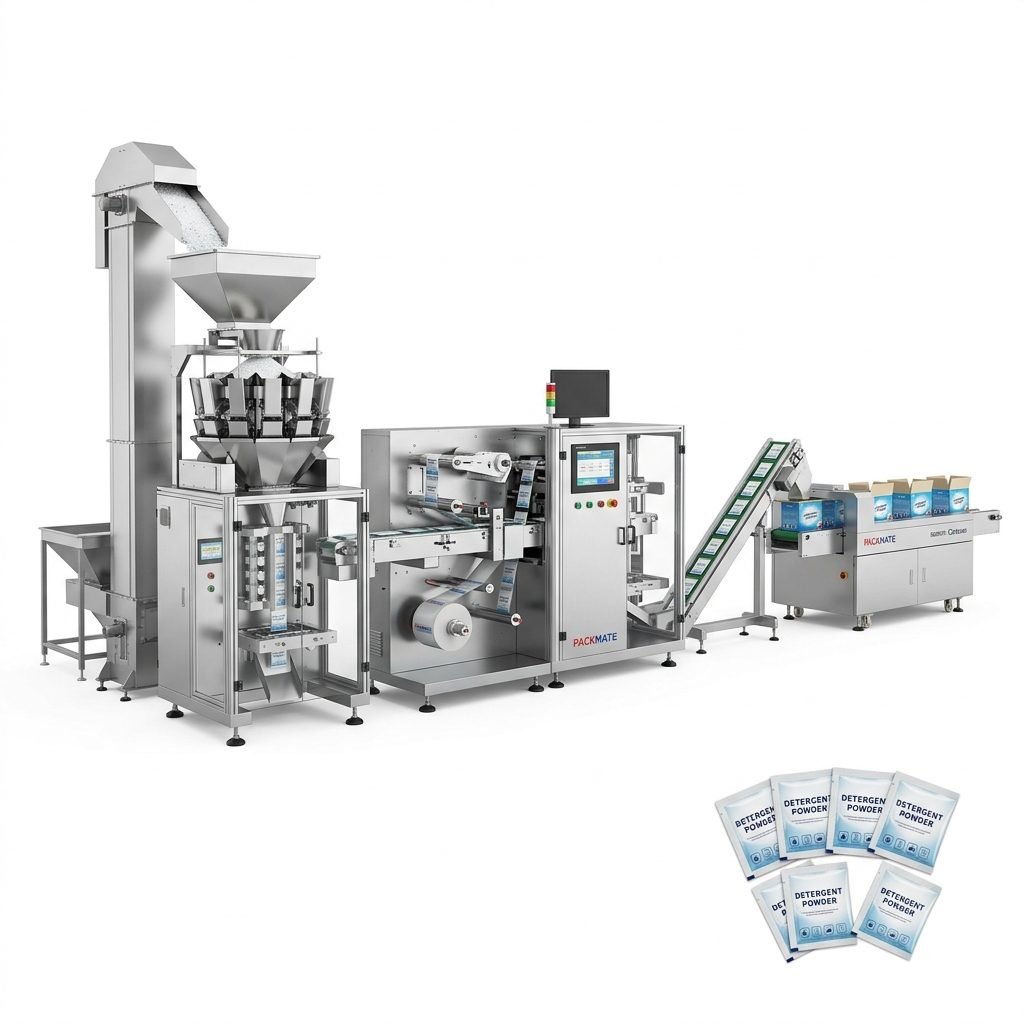
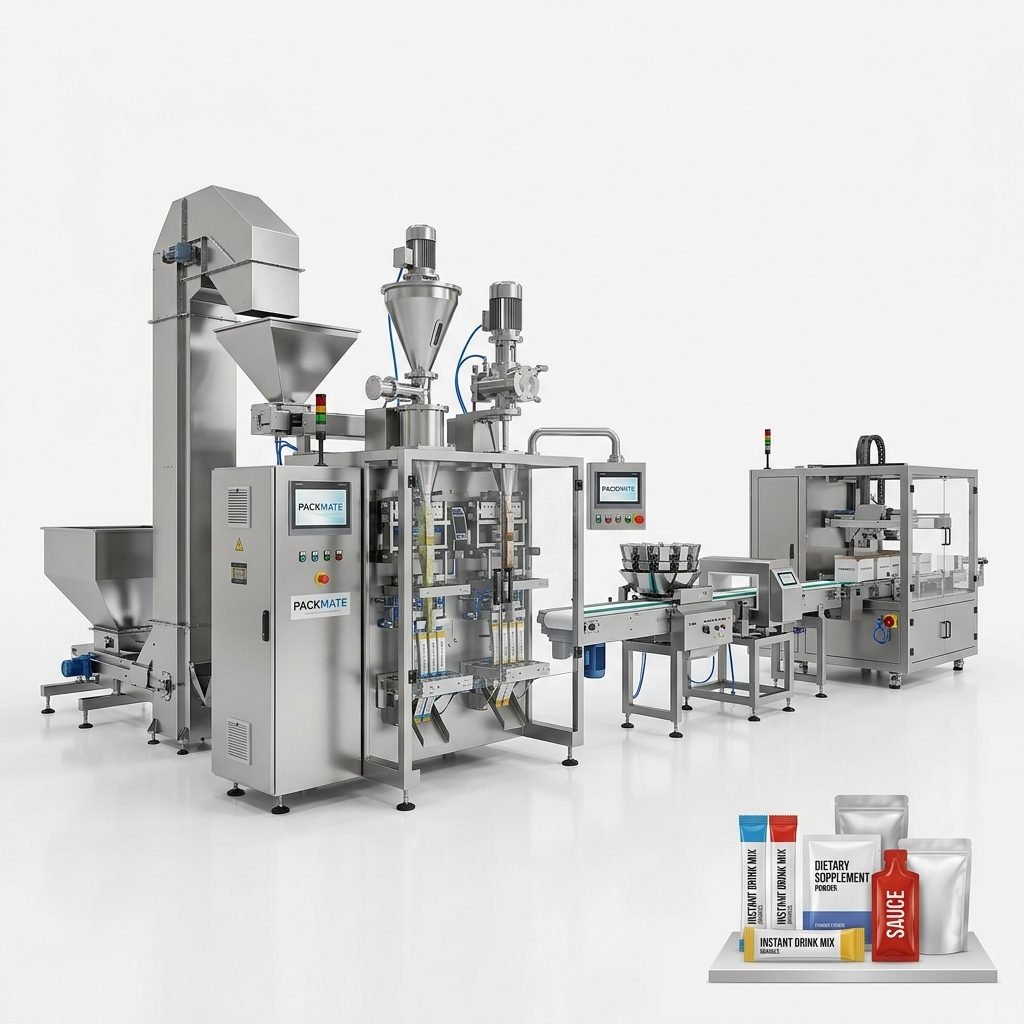
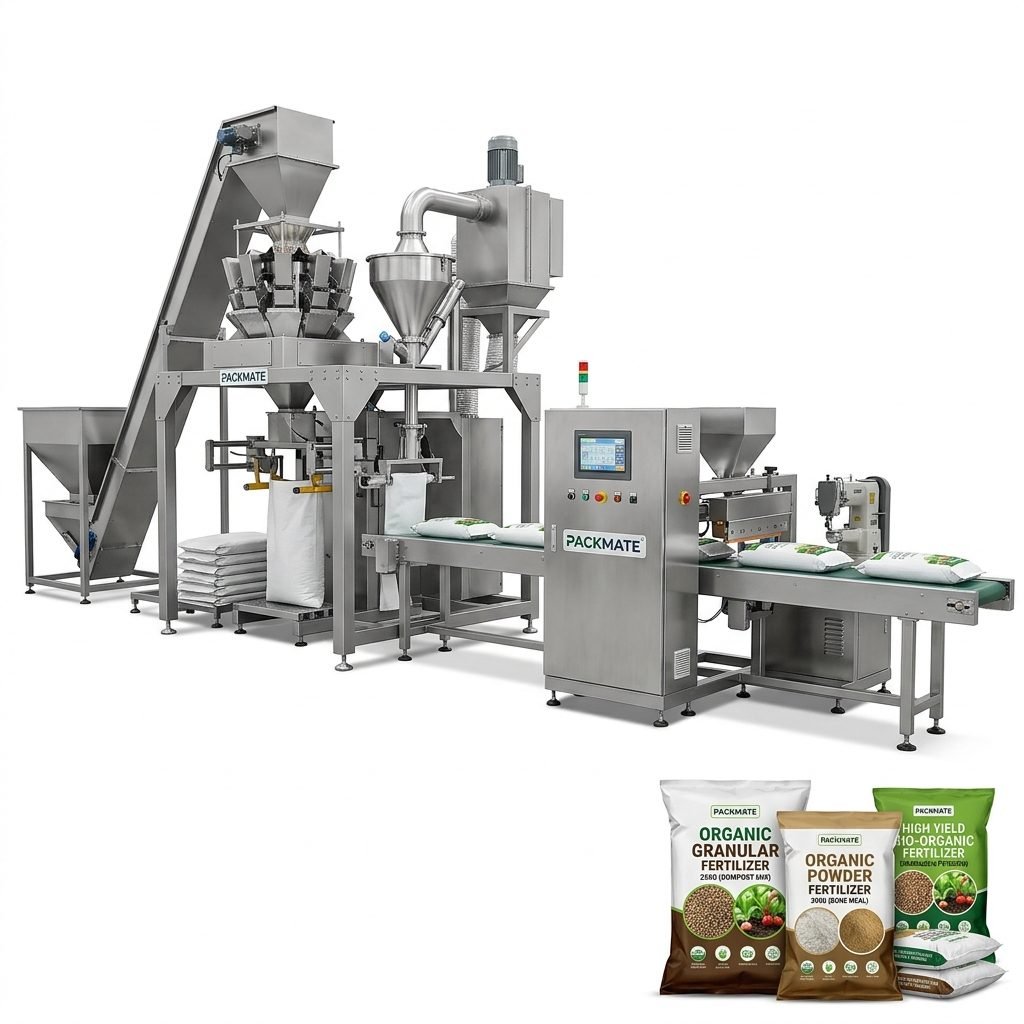
The term “road gate packaging line” refers to a complete, integrated system of machinery stationed at a key logistical point—often where bulk materials enter a facility—to automate the filling, sealing, and packaging process. For wholesalers, this means acquiring not just a single machine, but a synchronized production line capable of handling high volumes with precision.
Key Components of a Wholesale-Grade Line Typically Include:
- Automated Filling Systems: For accurate dosing of powders, granules, or liquids.
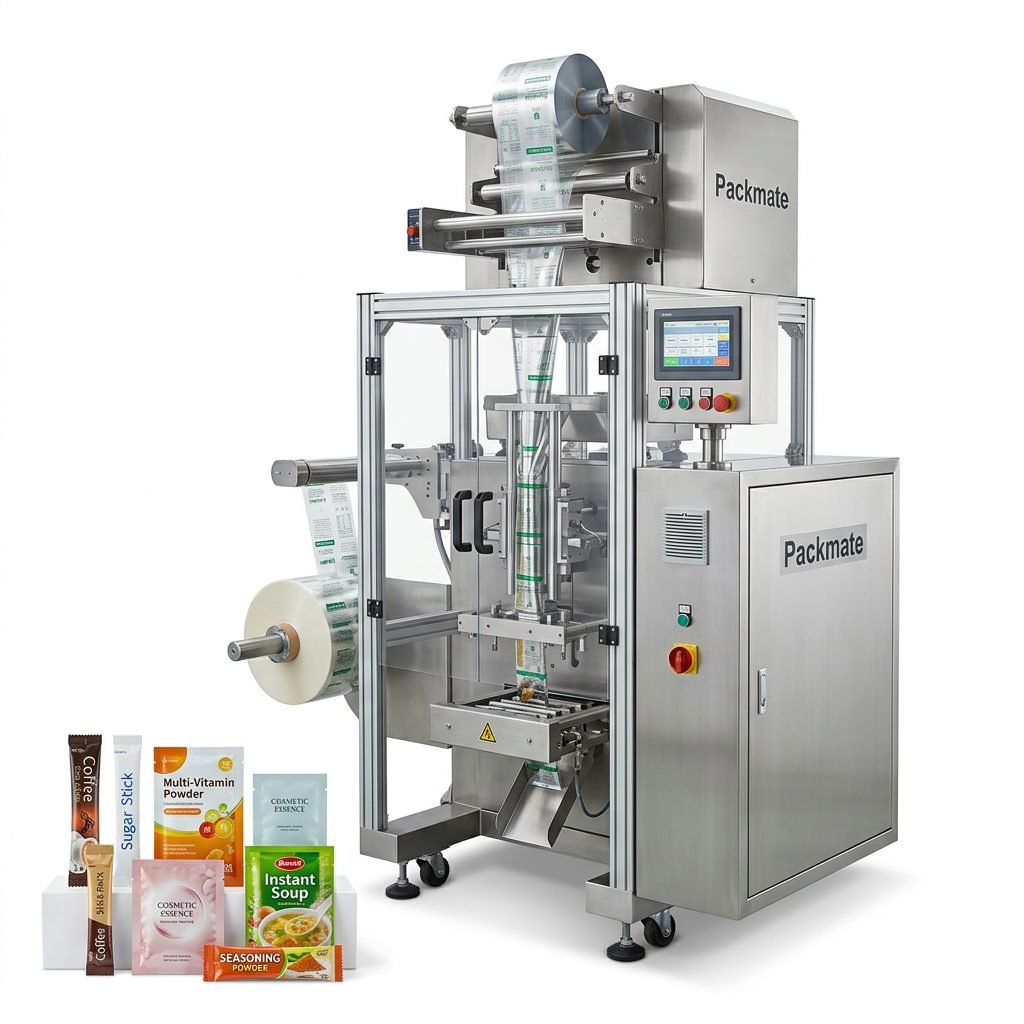
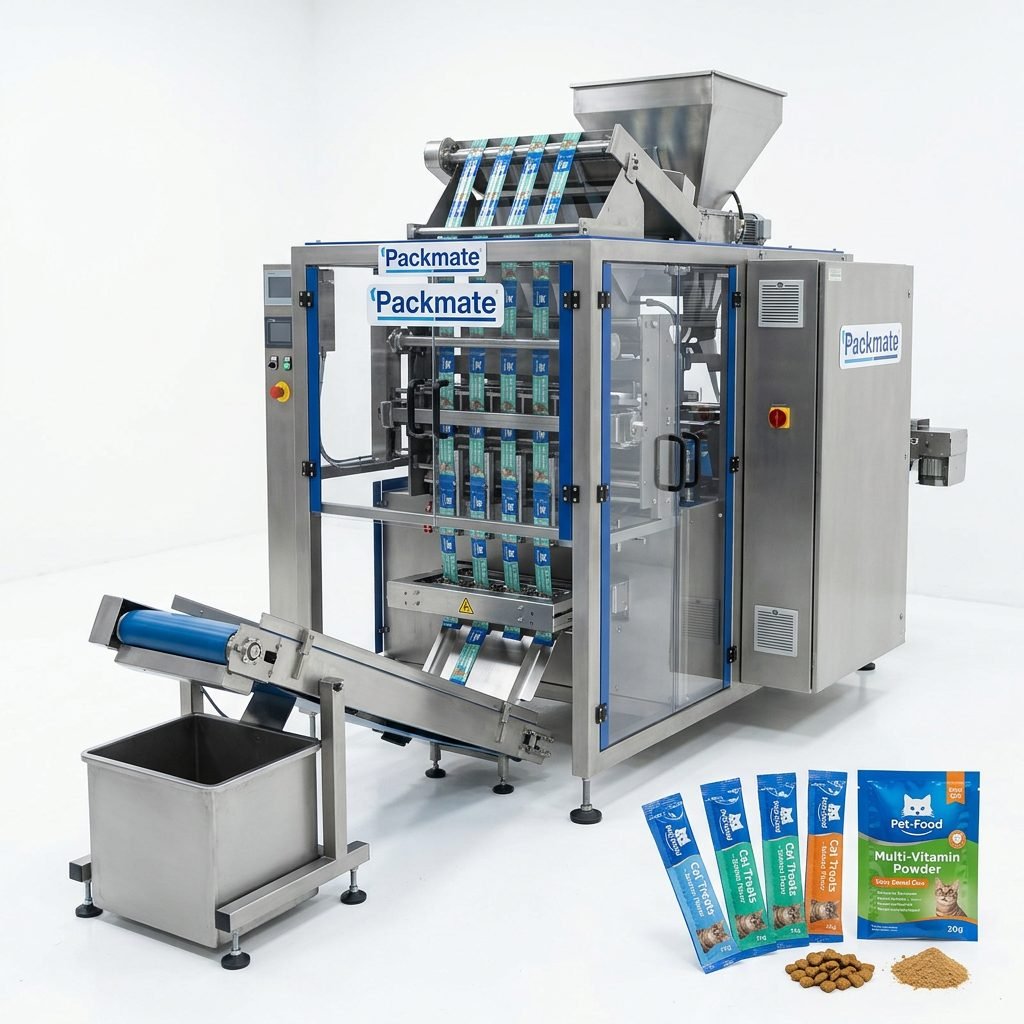
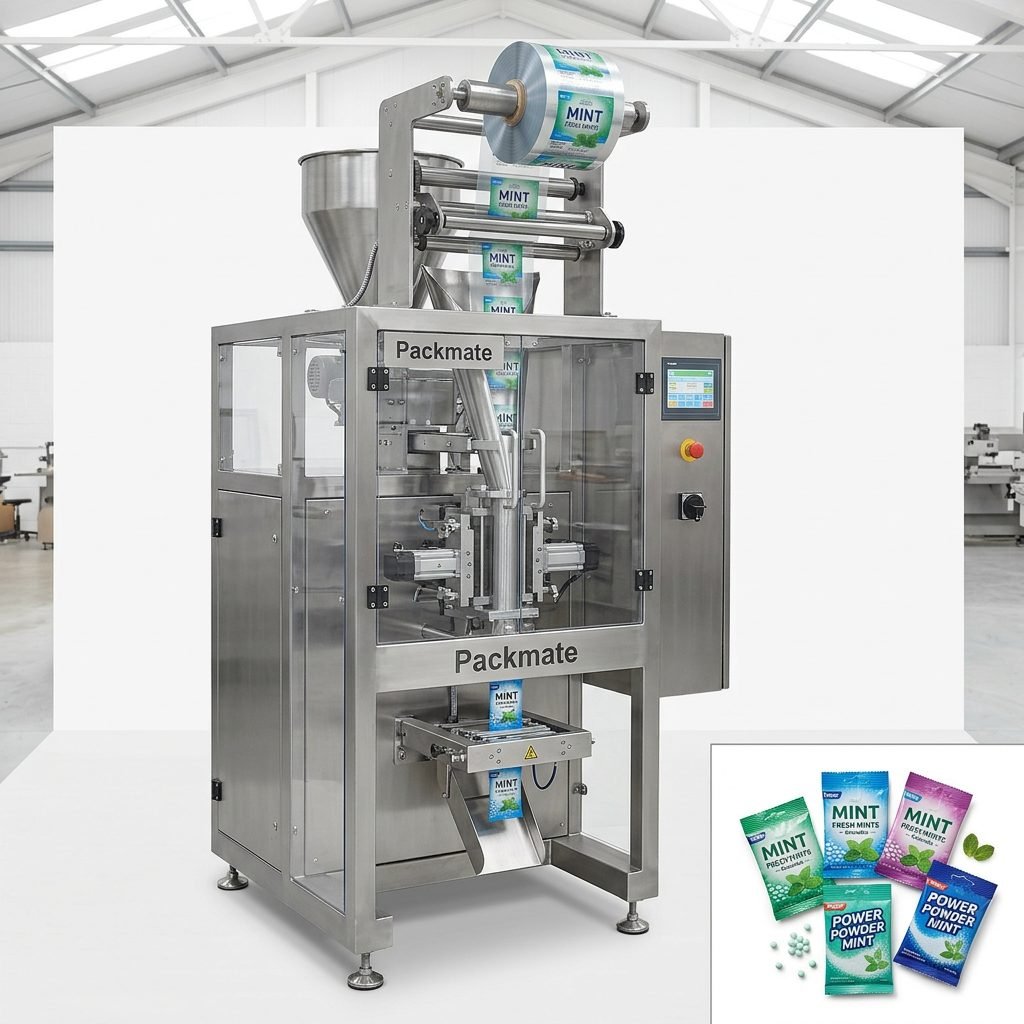
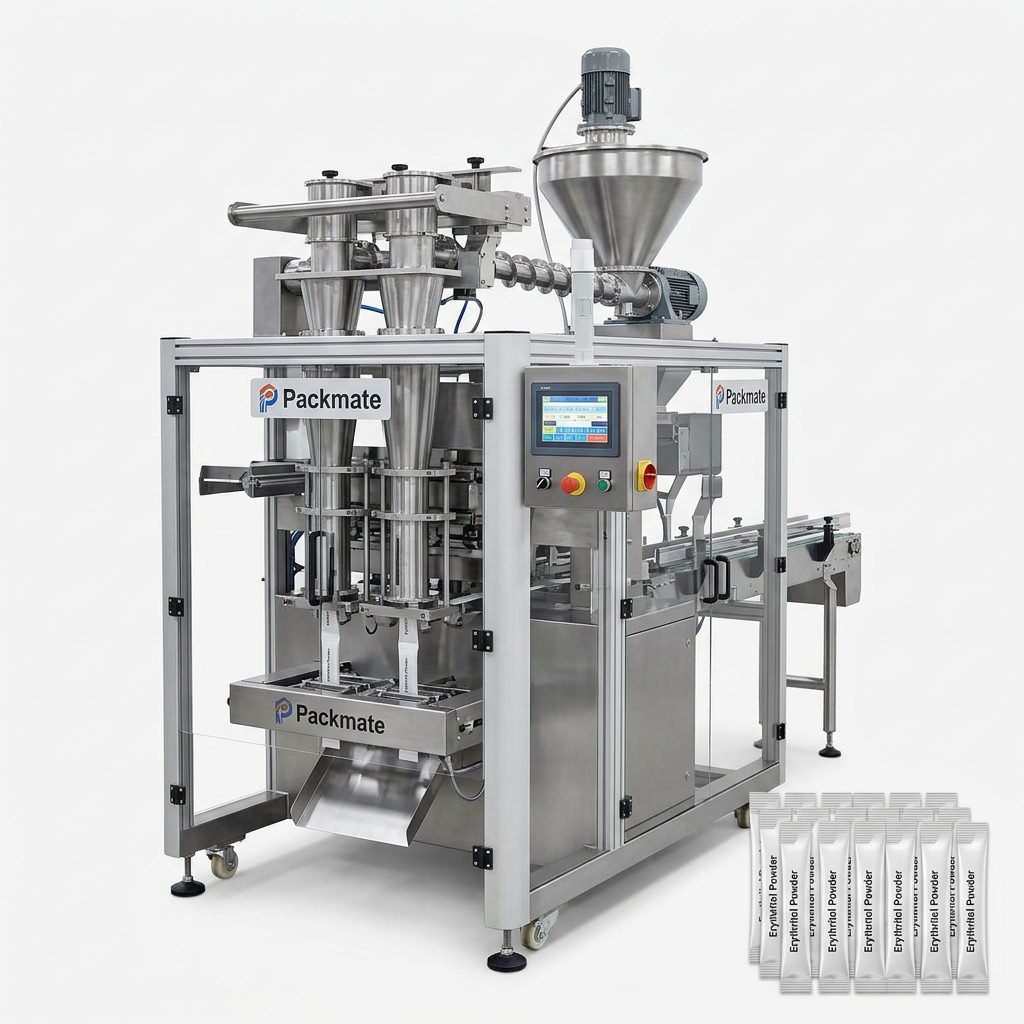
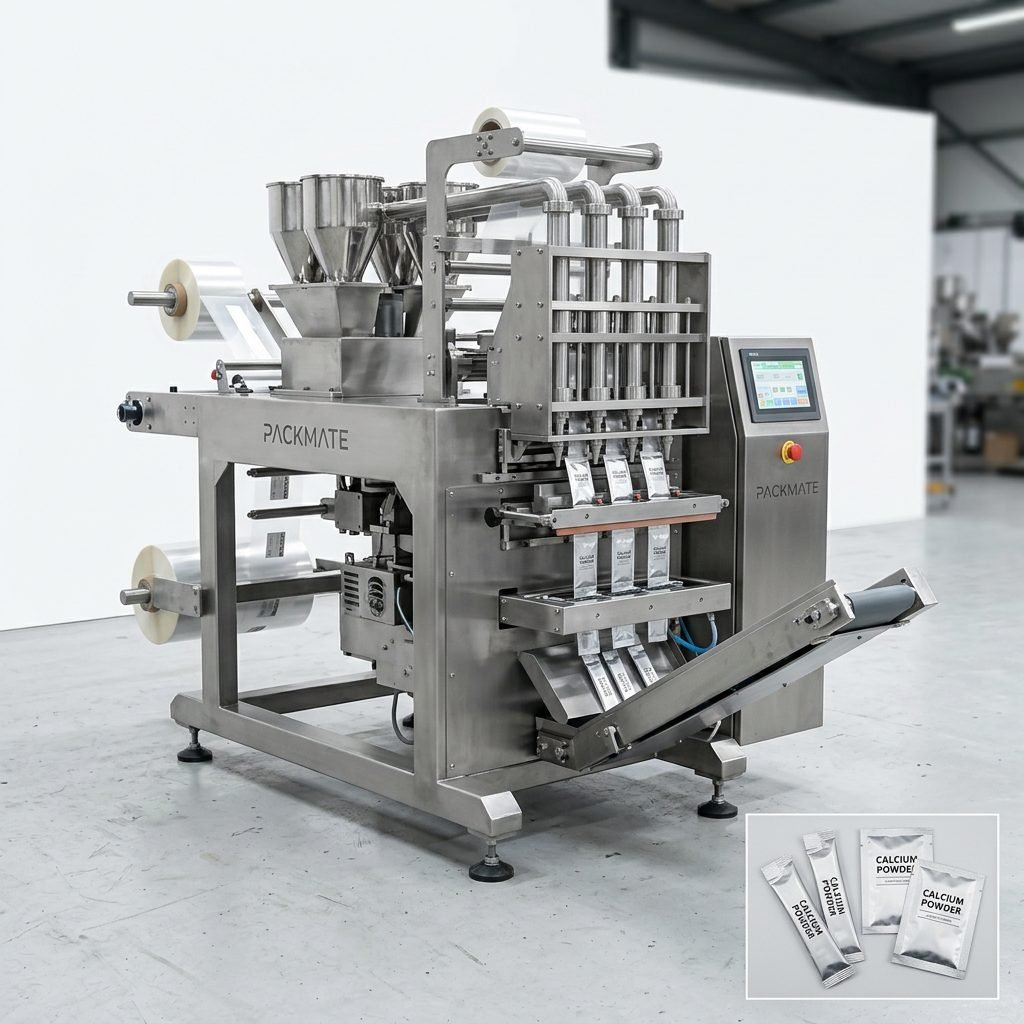
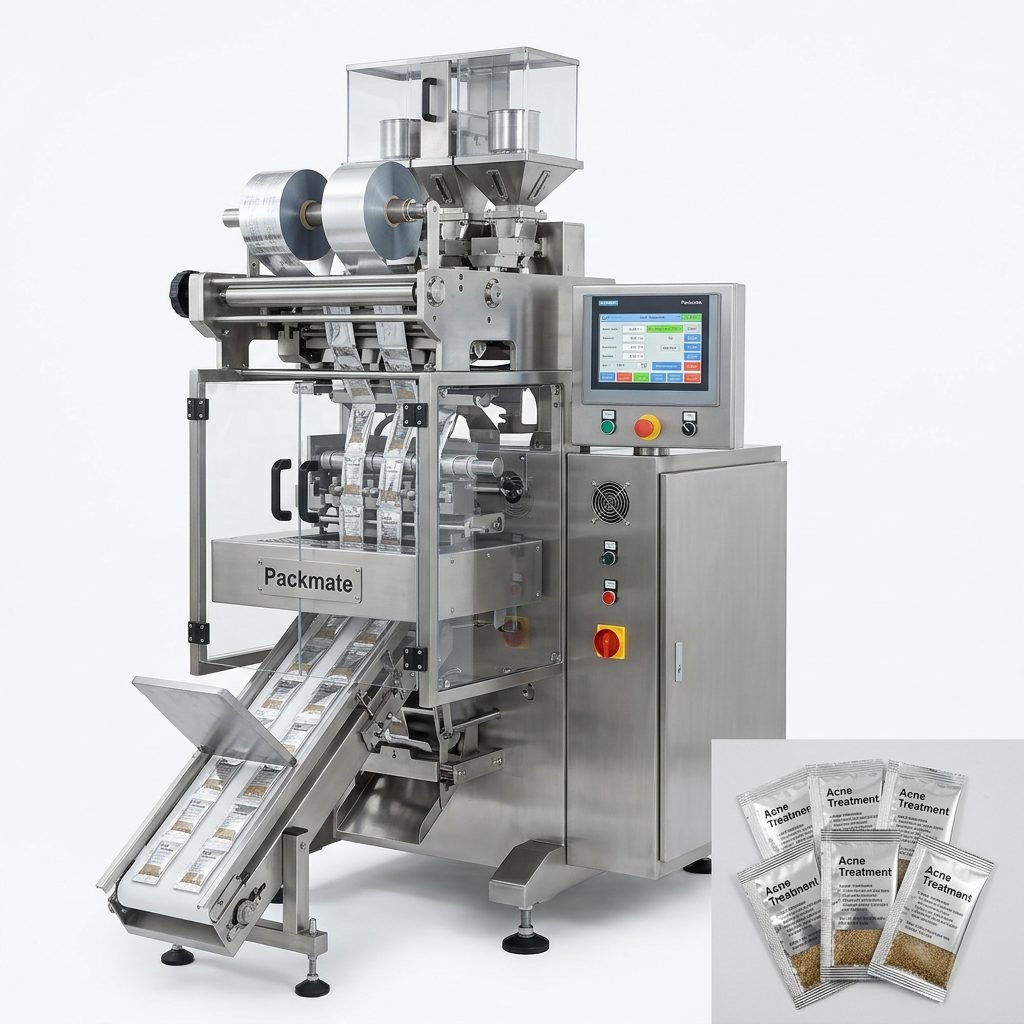
- High-Speed Form-Fill-Seal (FFS) Machines: To create sachets, stick packs, or pouches from roll film.
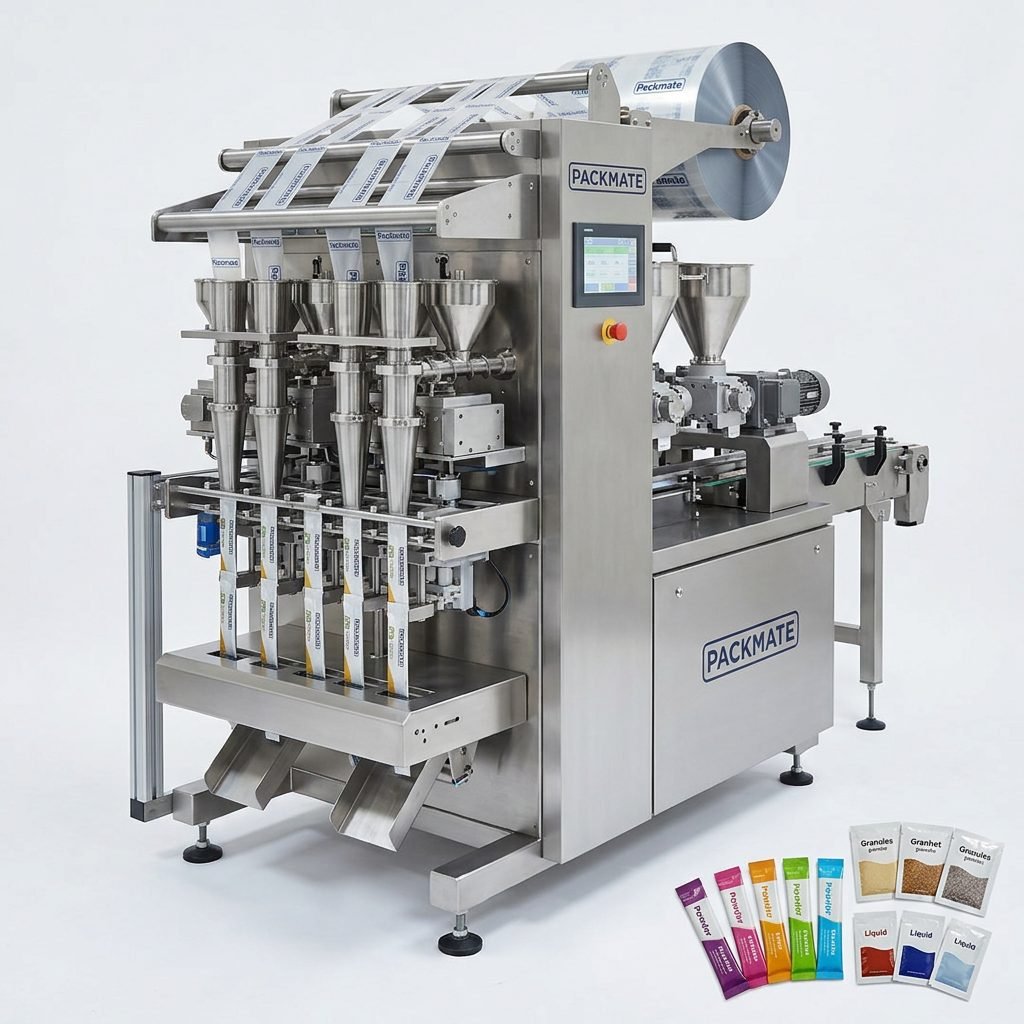
- Multi-Lane Distributors: To exponentially increase output by running multiple packaging streams in parallel.
- Integrated Checkweighers & Metal Detectors: For critical quality control and safety compliance.
- Automated Cartoning & Case Packing: To complete the secondary packaging for bulk shipment.
Why Bulk Solutions are Paramount for Food & Pharma
The food and pharmaceutical sectors share a uncompromising need for contamination-free, tamper-evident, and consistently accurate packaging. Bulk industrial solutions must be engineered to uphold these standards at scale.
For the Food Industry: Speed and adaptability are crucial. Lines must handle diverse products—from instant drink powders and spices to soup mixes—while complying with food-grade material standards (e.g., FDA, EU regulations). Hygienic design with easy-clean surfaces is non-negotiable to prevent bacterial growth and cross-contamination.
For the Pharmaceutical Industry: Precision and traceability take center stage. Packaging lines for pharmaceuticals, nutraceuticals, and health products must ensure exact dosages, maintain product integrity against moisture and light, and often integrate serialization capabilities for track-and-trace regulations. The machinery itself must be validated for GMP (Good Manufacturing Practice) compliance.
Selecting a Wholesale Partner: Beyond the Machine
Choosing a supplier for a bulk packaging line is a strategic partnership. It involves evaluating technical capability, industry experience, and post-sales support. A partner like Packmate Packaging Line brings over three decades of focused expertise, offering a compelling case study in what wholesalers should look for.
1. Proven Expertise in Turnkey Solutions
Assembling individual machines is not the same as delivering a fully optimized, working line. Look for a provider with a documented history of designing, manufacturing, installing, and commissioning complete systems. Their portfolio should include detailed case studies showcasing solutions for products similar to yours.
2. Manufacturing Scale and Technological Investment
A partner’s own manufacturing capability is a direct indicator of their reliability and capacity to handle large orders. A 20,000㎡ modern facility, like Packmate’s, equipped with advanced CNC and testing equipment, ensures consistent quality control and the ability to customize lines for specific bulk needs.
3. Comprehensive After-Sales Service and Training
The relationship begins at installation. Ensure your partner offers thorough operator training, readily available spare parts, and responsive technical support. A global service network is essential for international wholesalers to minimize downtime. Explore a provider’s commitment through their dedicated service page.
The Packmate Advantage: A Model for Wholesalers
With its foundation dating back to 1993 and formal incorporation in 2003, Packmate’s evolution mirrors the growth of China’s precision manufacturing sector. The company’s journey from a specialized workshop to a 20,000㎡ facility in the Greater Bay Area demonstrates a commitment to scaling alongside client needs. For global wholesalers, this translates to:
- Diverse Machine Range: Over 50 models, including high-speed multi-lane stick pack and sachet machines, designed for bulk output.
- End-to-End Responsibility: From initial concept and design to factory acceptance testing and on-site commissioning.
- Quality Assurance: Adherence to international standards, backed by relevant certifications that facilitate market entry for your packaged goods.
Future-Proofing Your Bulk Packaging Investment
Technology in packaging is rapidly advancing. When investing in a bulk line, consider scalability and smart features.
IoT & Industry 4.0 Readiness: Modern lines can feature connectivity for remote monitoring, predictive maintenance alerts, and data collection on Overall Equipment Effectiveness (OEE), helping wholesalers manage multiple client production lines efficiently.
Flexibility for Product Changeovers: Quick-change parts and recipe storage in the PLC allow a single line to handle multiple products, maximizing ROI for wholesalers serving diverse clients.
Sustainable Packaging Compatibility: As demand for recyclable and compostable films grows, ensure your chosen machinery can run these newer, sometimes more challenging, materials effectively.
Ultimately, partnering with an experienced manufacturer like Packmate provides access to tailored solutions that bridge the gap between high-volume throughput and the meticulous quality demands of food and pharma. It’s an investment in a system that becomes the reliable “road gate” for your product’s journey to market.
Frequently Asked Questions for Wholesalers
1. What is the typical lead time for a complete, customized road gate packaging line?
Lead times vary significantly based on complexity, customization, and current order backlog. For a standard multi-lane stick pack line, it can range from 90 to 150 days after final design approval. This includes manufacturing, in-house assembly, and factory acceptance testing. Always discuss and confirm a detailed project timeline with your supplier during the quotation phase.
2. Can one packaging line handle both food and pharmaceutical products?
While mechanically similar, strict hygiene and validation requirements often necessitate dedicated lines for pharmaceutical applications. A line can be designed to GMP standards from the outset, but switching between food and pharma products on the same line is generally not recommended due to cross-contamination risks and regulatory complexities. Specific client requirements should be discussed in detail.
3. What kind of after-sales support and warranty should I expect?
A reputable supplier should offer a comprehensive warranty (commonly 12-18 months for core parts), detailed documentation, on-site installation supervision, and operator training. Crucially, ensure they have a responsive technical support team, ideally with multi-language capability, and a reliable supply chain for genuine spare parts. Review their service commitments beforehand.
4. How do we ensure the packaging line meets our local safety and regulatory standards?
Provide your target market’s regulatory requirements (e.g., CE, FDA, UL) to the manufacturer early in the design process. An experienced provider will design the line to comply with relevant international standards and can assist with necessary documentation and risk assessments. Always request a certificate of compliance for the machinery.
5. What is the difference between a “multi-lane” and a “single-lane” system for bulk operations?
Multi-lane systems use a single infeed to distribute product to multiple, parallel form-fill-seal machines, dramatically increasing output (e.g., from 100 to 400+ packs per minute). They are essential for true bulk, high-volume production. Single-lane systems are simpler and more suitable for lower volumes or pilot projects. The choice depends entirely on your required output capacity and budget.