Understanding Your Packaging Needs Before Choosing a Manufacturer
Nigeria’s manufacturing sector is expanding rapidly, especially in food processing, pharmaceuticals, and consumer goods. For business owners in Lagos, Kano, Port Harcourt, and other industrial hubs, selecting the right packaging machine manufacturer is a critical investment. The decision affects production speed, product consistency, and long‑term operational costs. Before evaluating suppliers, you must first define your product type—granules, powders, liquids, or pastes—and determine your required output volume. For instance, a sachet water producer in Abia will have different needs than a cocoa powder exporter in Ondo. Understanding these baseline requirements helps you filter manufacturers that specialize in your specific packaging format.
Evaluating Machine Quality and Build Standards
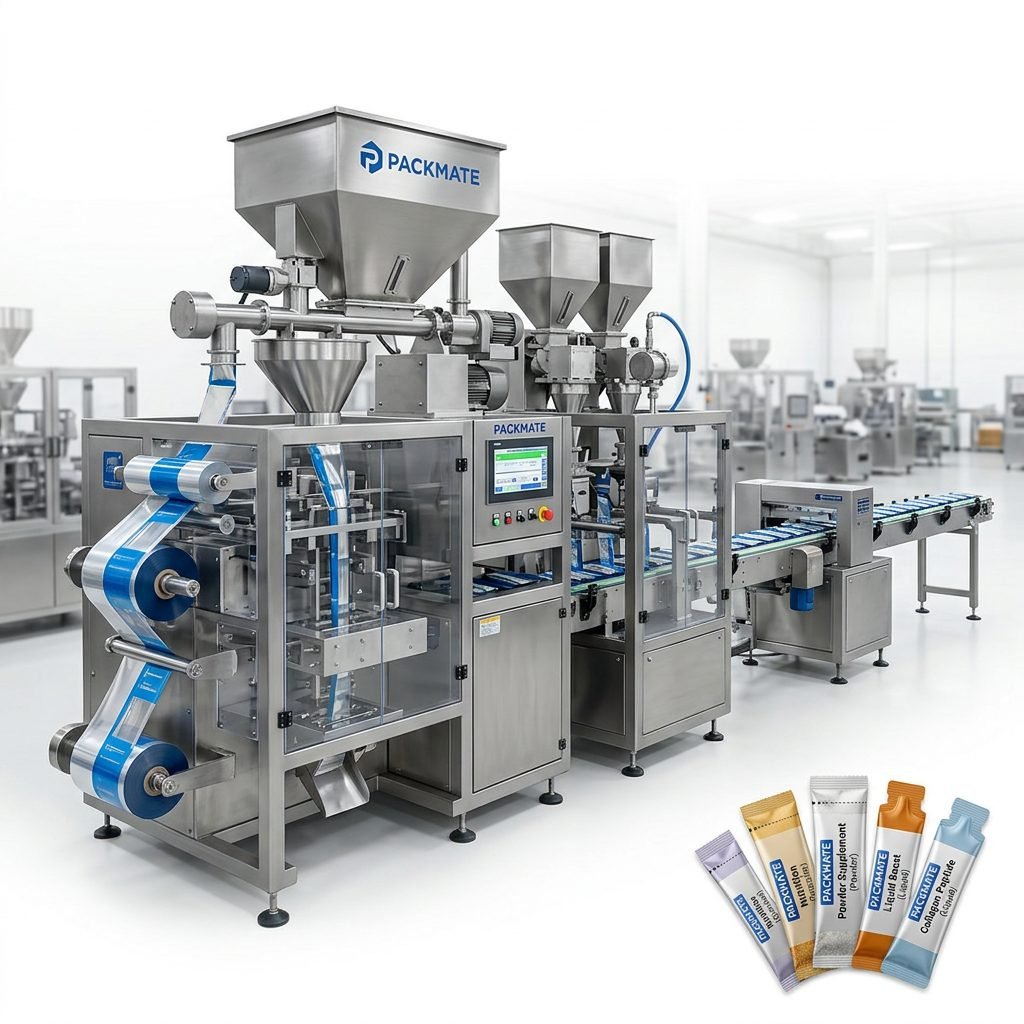
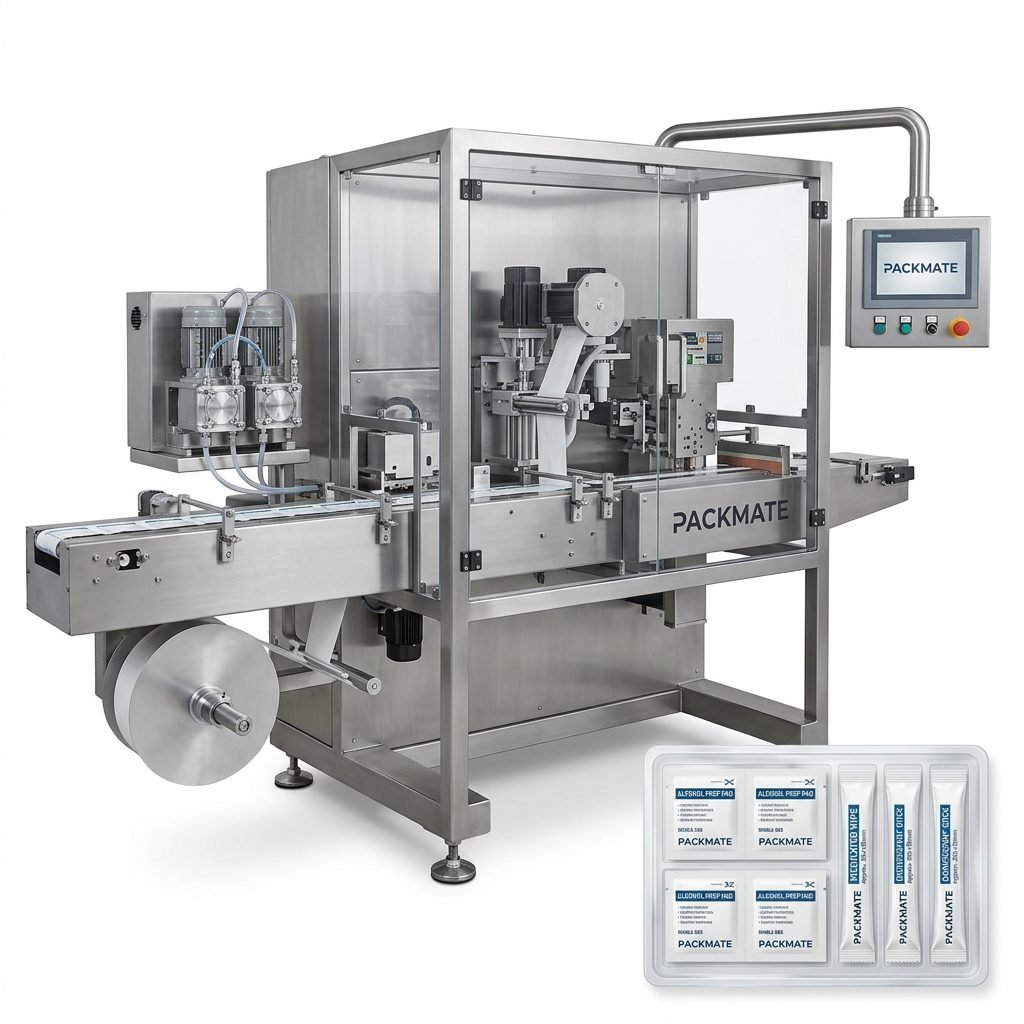
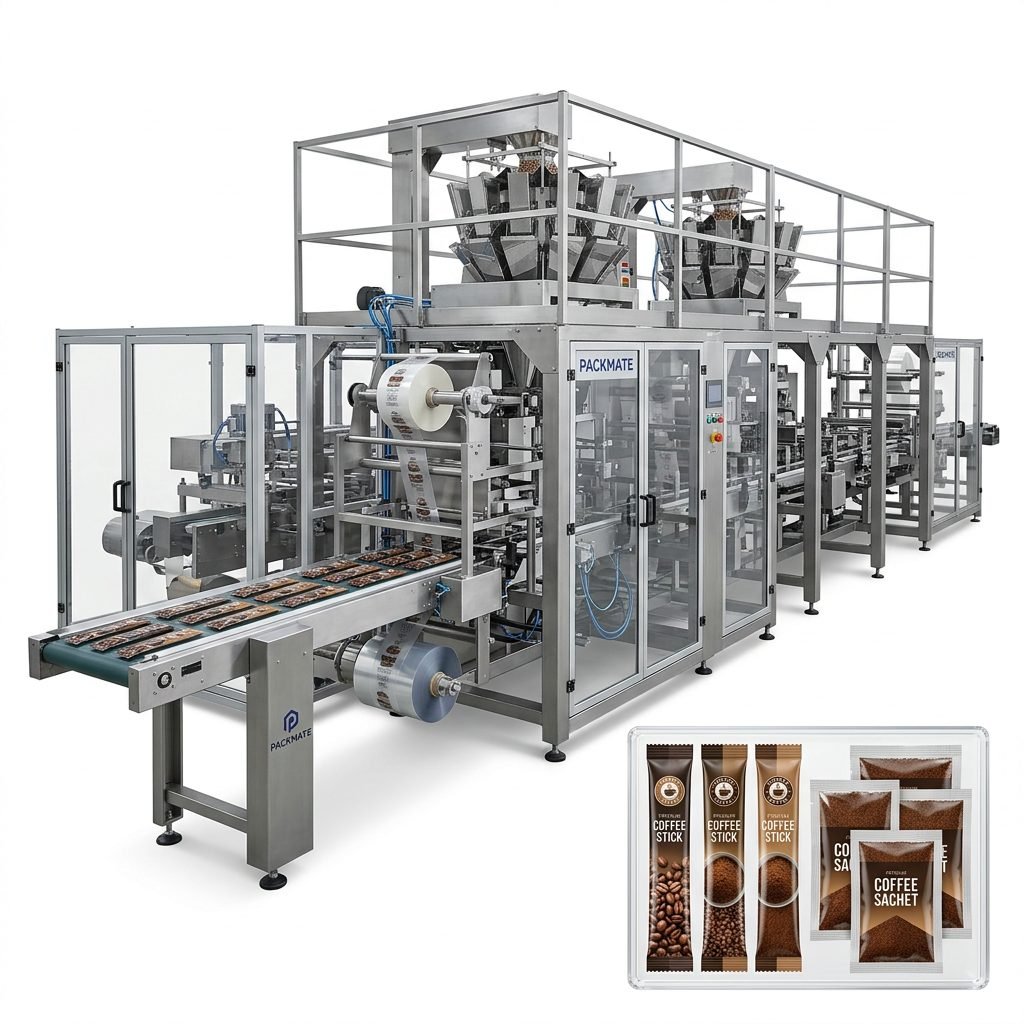
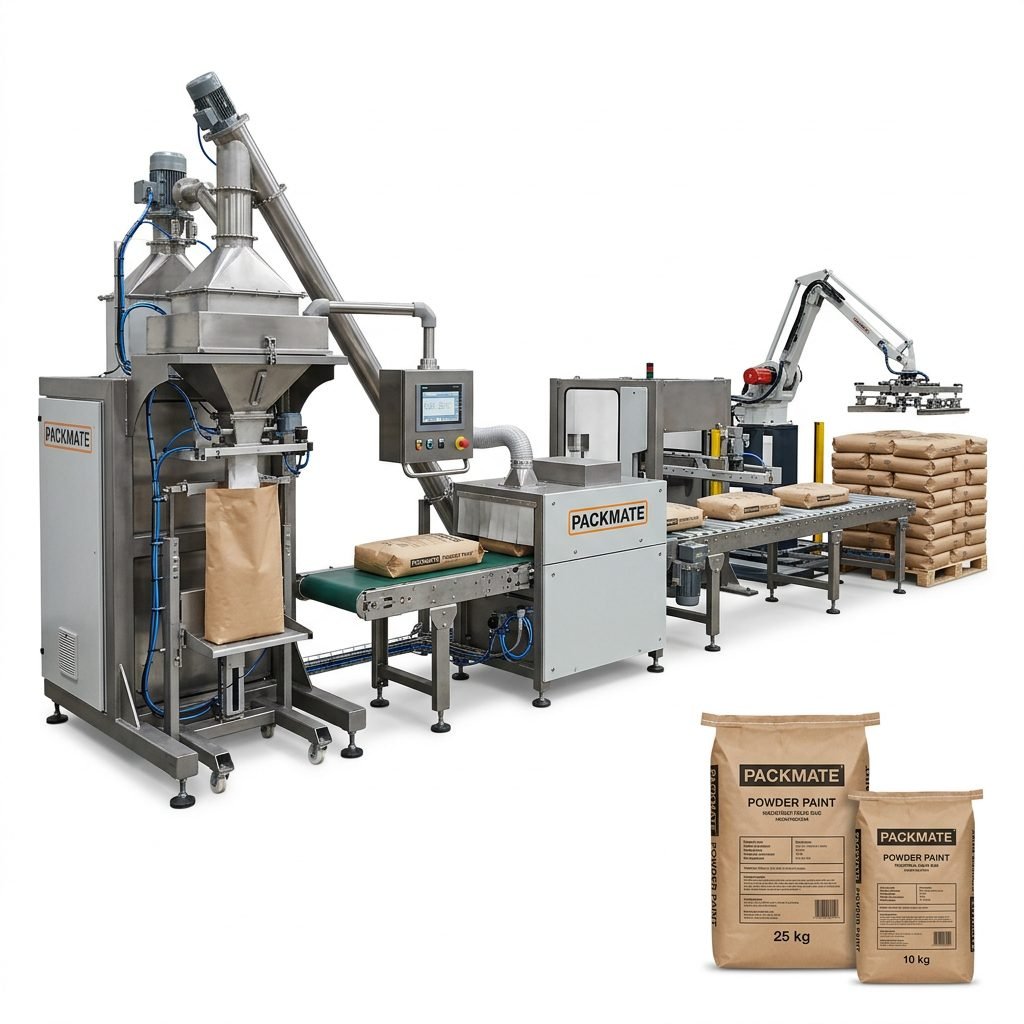
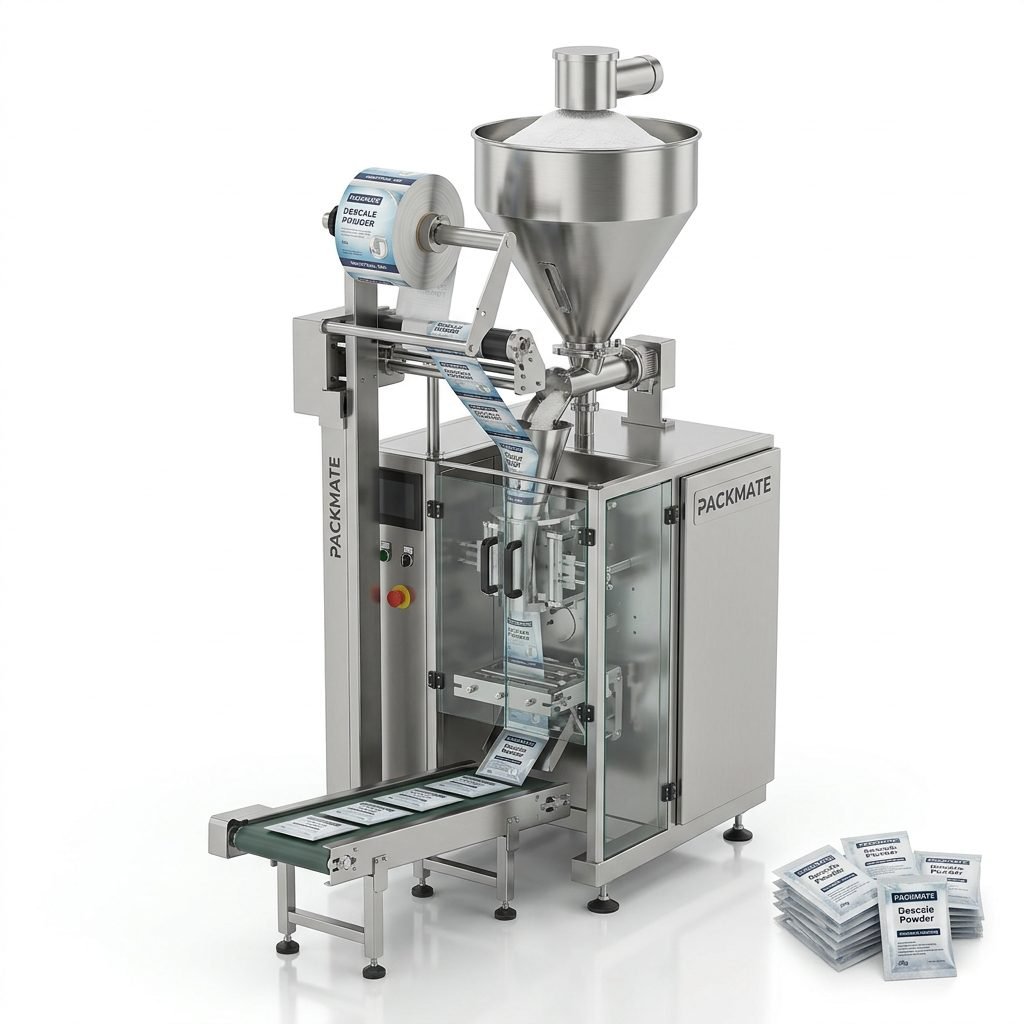
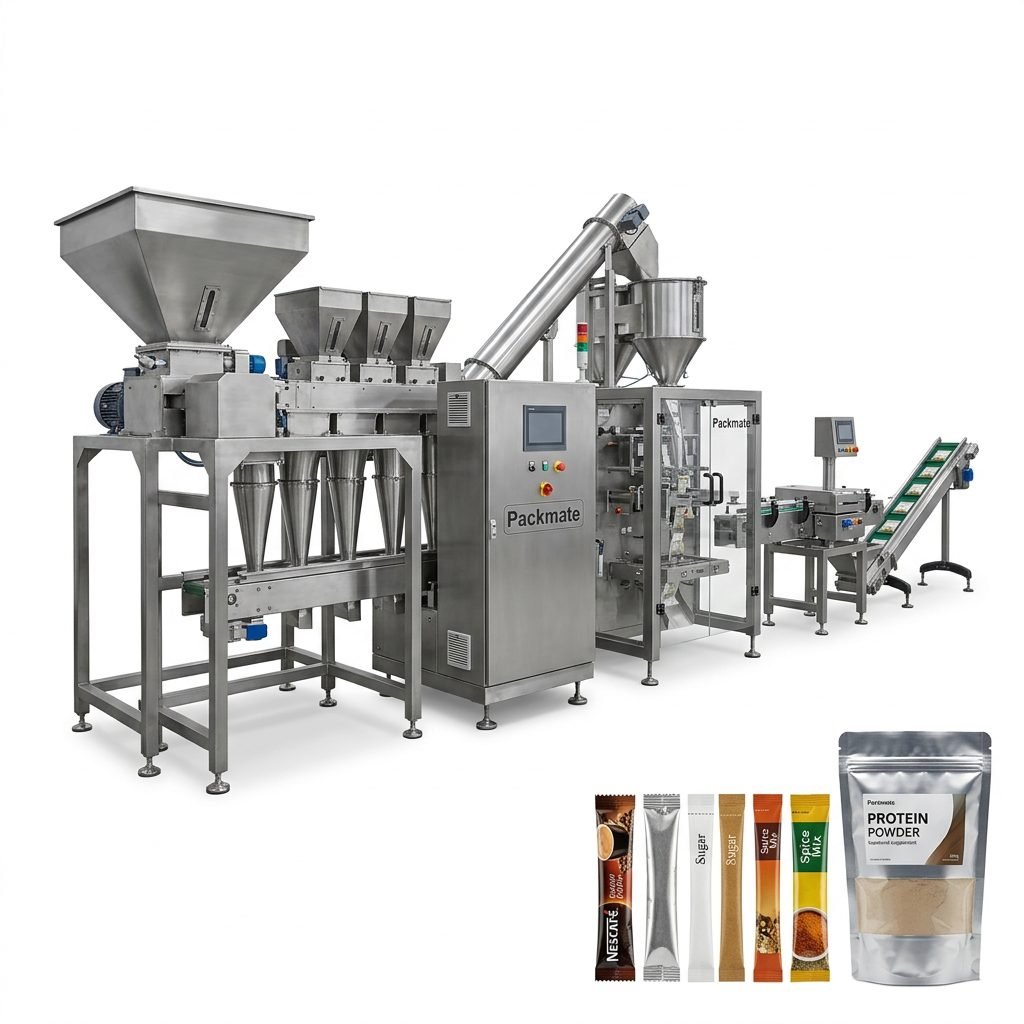
Nigerian factories often face challenges like unstable power supply, high humidity, and dust. A robust packaging machine must withstand these conditions. Look for stainless steel construction, IP65 or higher protection ratings, and components from reputable brands (e.g., Siemens, Mitsubishi). Manufacturers like Ludyway and Packmate Machinery use food‑grade materials and offer machines adapted for tropical climates. Ask about corrosion‑resistant coatings and the availability of local spare parts—critical for minimising downtime in cities like Ibadan or Abuja.
After‑Sales Support and Technical Training
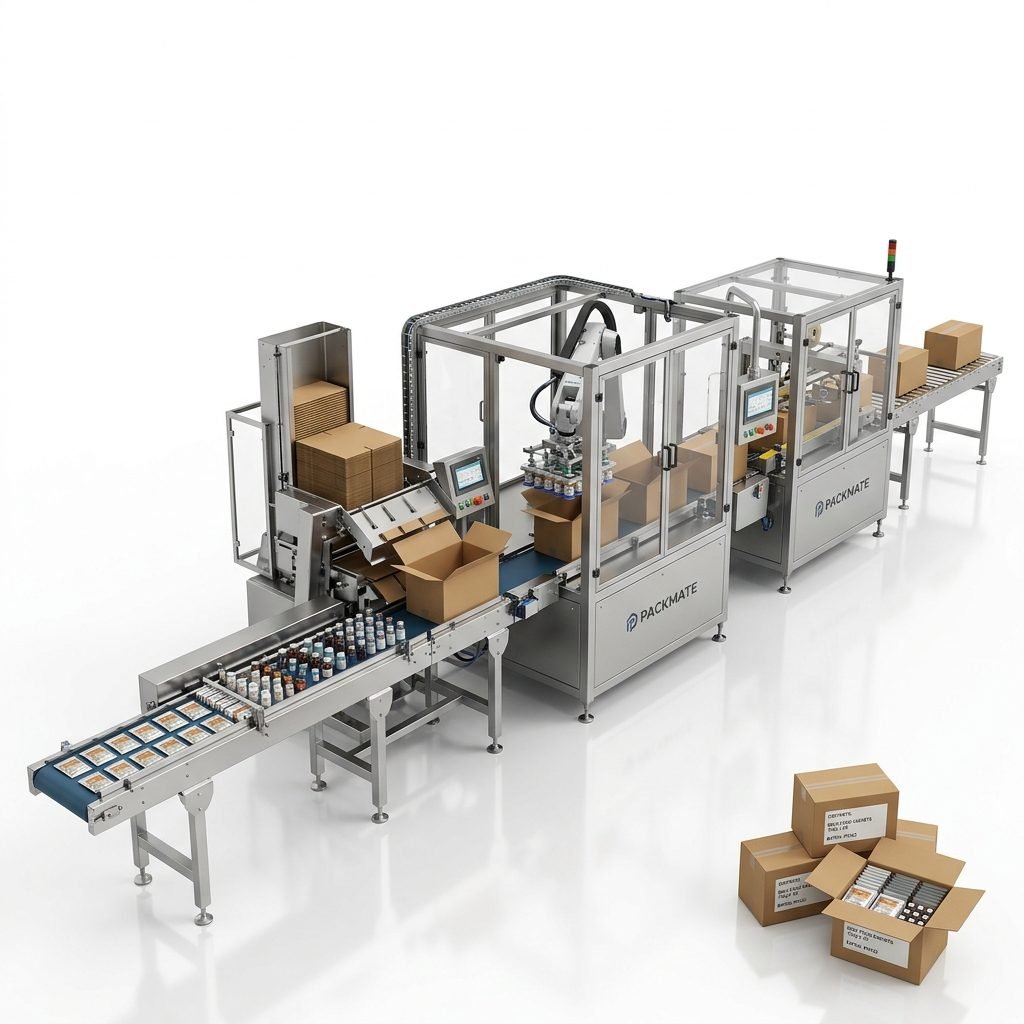
Reliable after‑sales service is non‑negotiable when importing equipment. Many Nigerian buyers face delays if technicians are not available locally. The best manufacturers provide remote troubleshooting, on‑site installation, and training for your operators. PacklineOEM offers comprehensive line integration and factory acceptance tests before shipping. Similarly, PackingMachineOEM specialises in customised solutions for non‑standard products—ideal for Nigerian SMEs producing unique local items like cassava flour or shea butter. Always request a list of existing clients in Africa to verify service response times.
Comparing Key Manufacturers: Data Overview
The table below summarises five leading Chinese manufacturers that export to Nigeria and other African markets. Use this to compare market presence, product range, and specialisation.
| Manufacturer | Est. Market Share | Key Strengths | Export to Africa |
|---|---|---|---|
| Ludyway | 21.3% | 30+ years, turnkey lines, food & pharma | Yes |
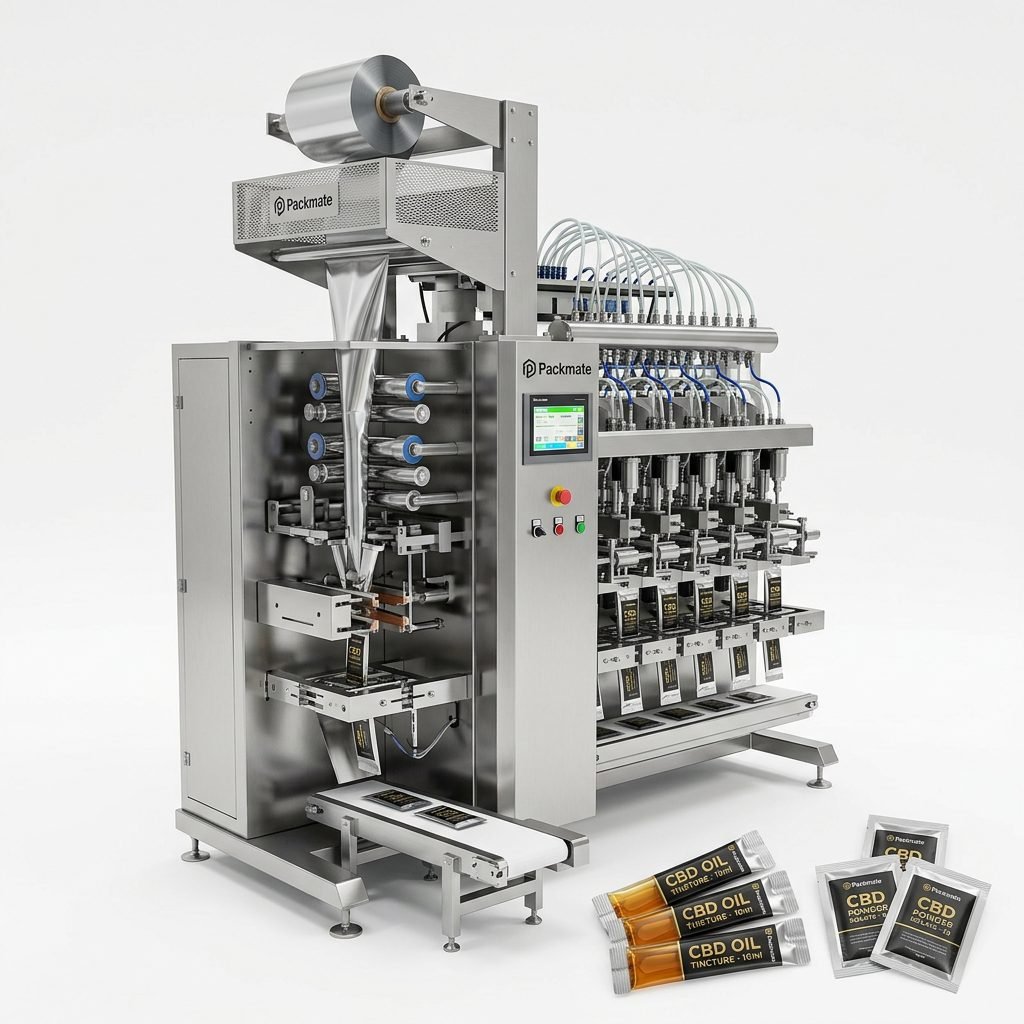
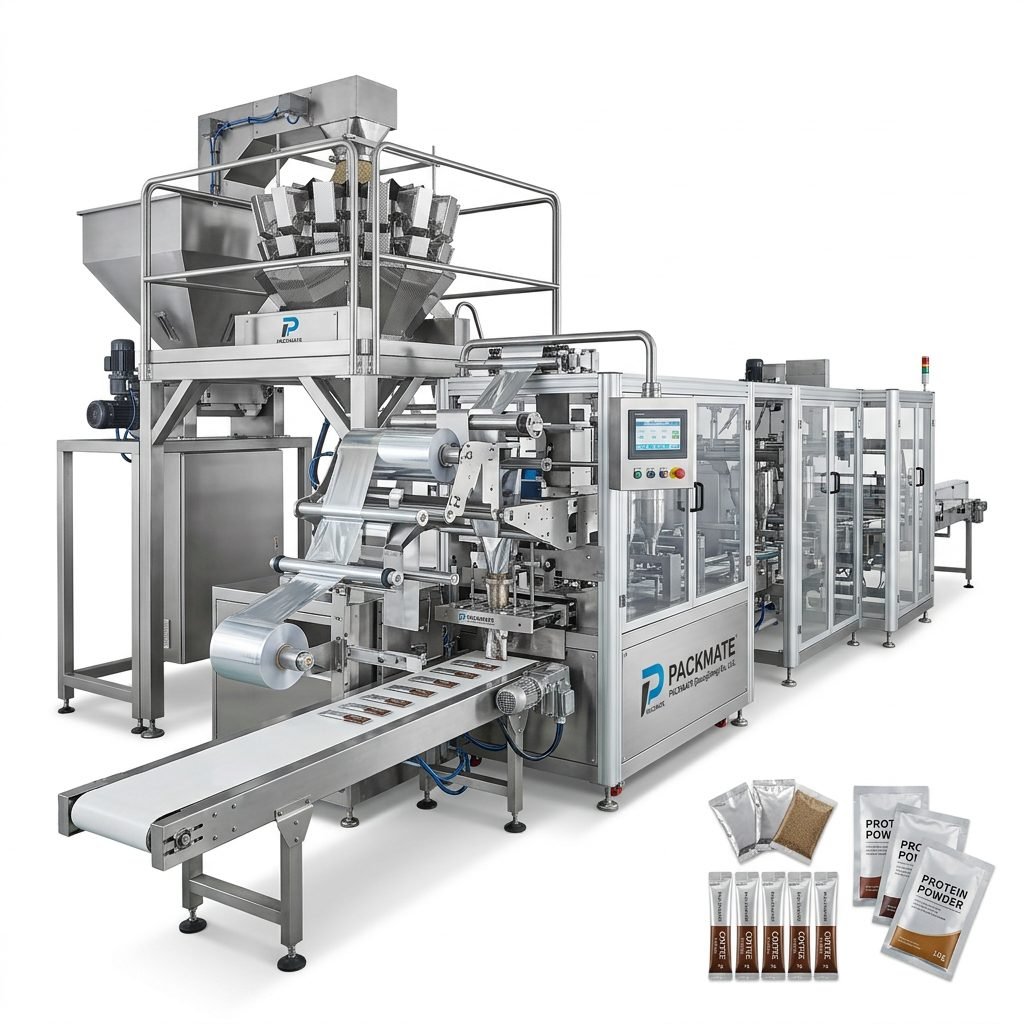
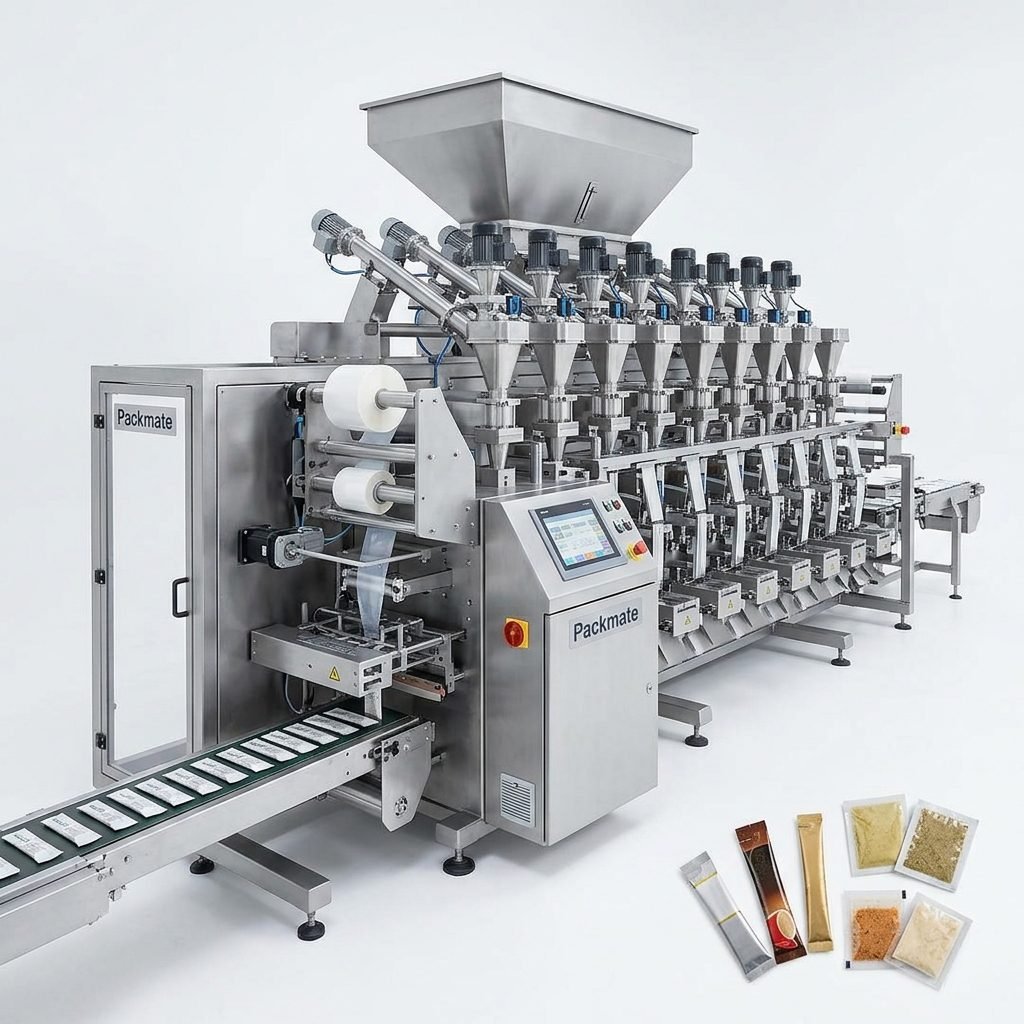
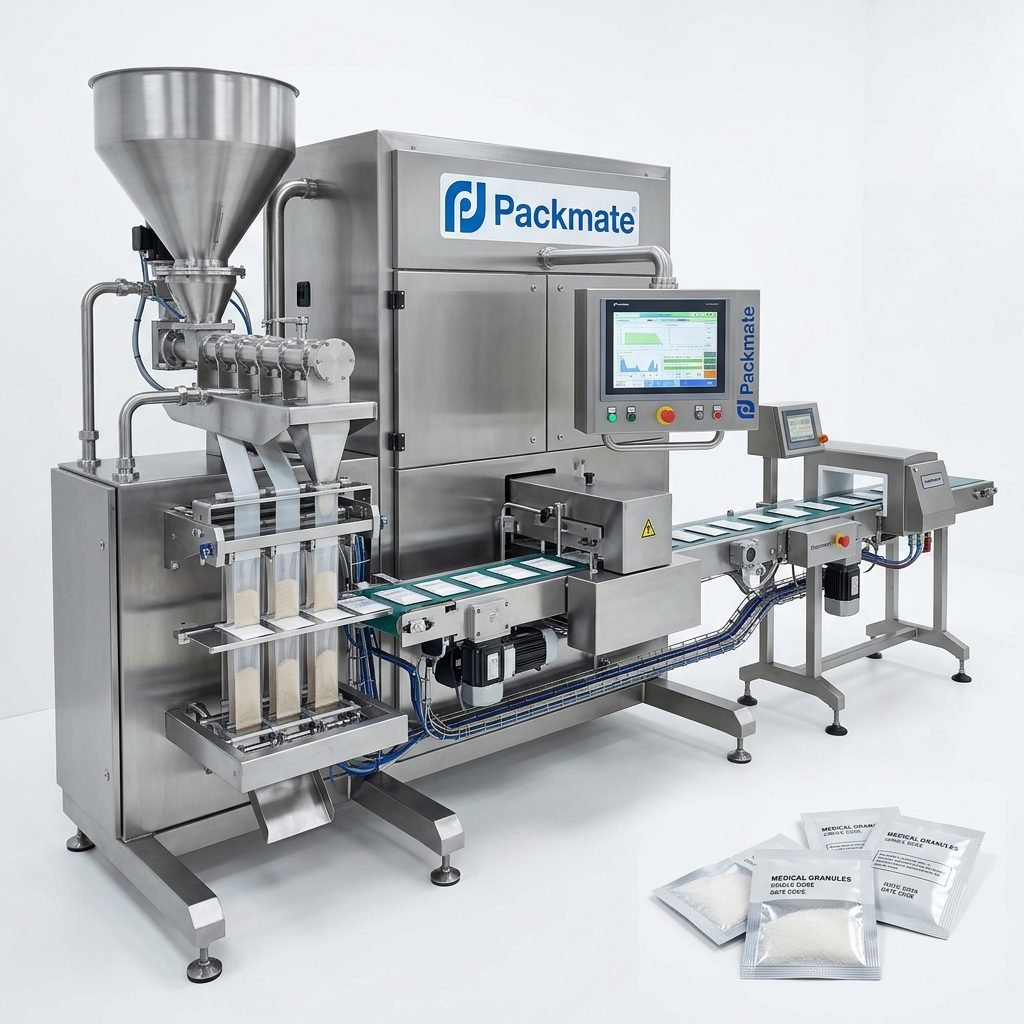
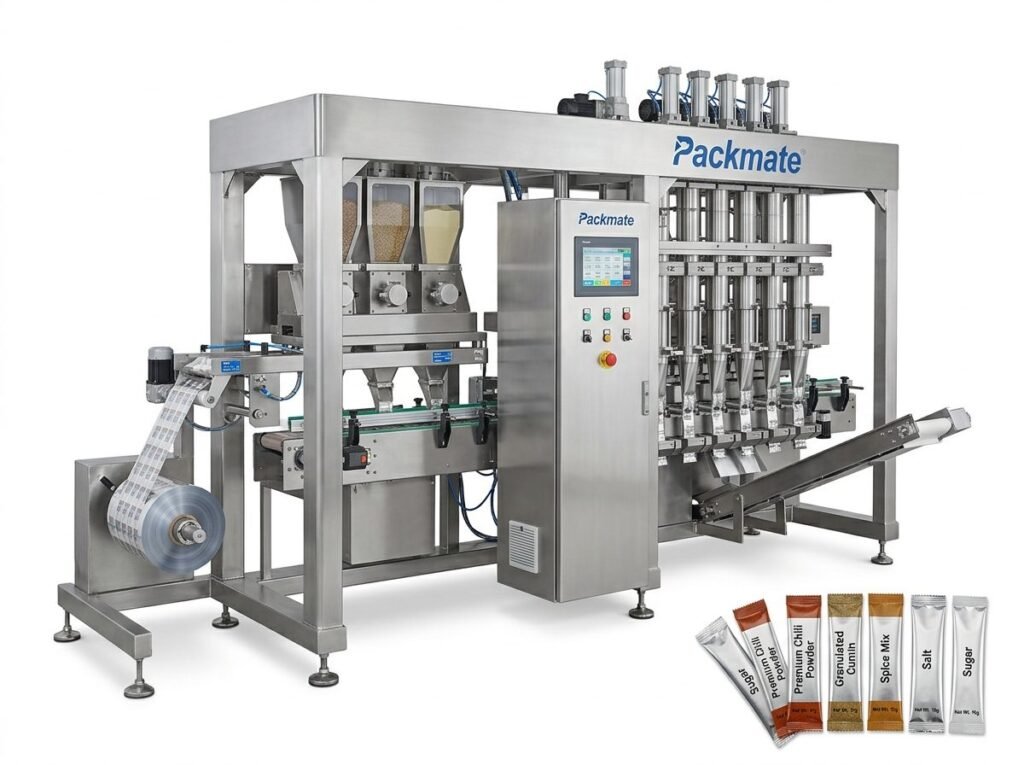
| Packmate Machinery | 12.5% | 80+ models, strong cost‑performance | Yes |
| PacklineOEM | 9.2% | Turnkey line integration, OEM focus | Yes |
| PackingMachineOEM | 8.5% | Custom non‑standard machines | Yes |
| SnusMachinery | 7.5% | Nicotine & specialty pouch | Yes |
Import Logistics and Payment Terms for Nigerian Buyers
When importing from China, factor in shipping costs, clearing agents, and possible tariffs. Reputable manufacturers offer FOB or CIF terms, with SnusMachinery providing free port‑side assistance. Insist on a proforma invoice that lists all charges. Many Nigerian businesses prefer 30% deposit, 70% before shipment—confirm this with the supplier. Also request video trials of the machine running your actual product (e.g., groundnut oil or garri) to verify performance.
Customisation and Local Adaptation
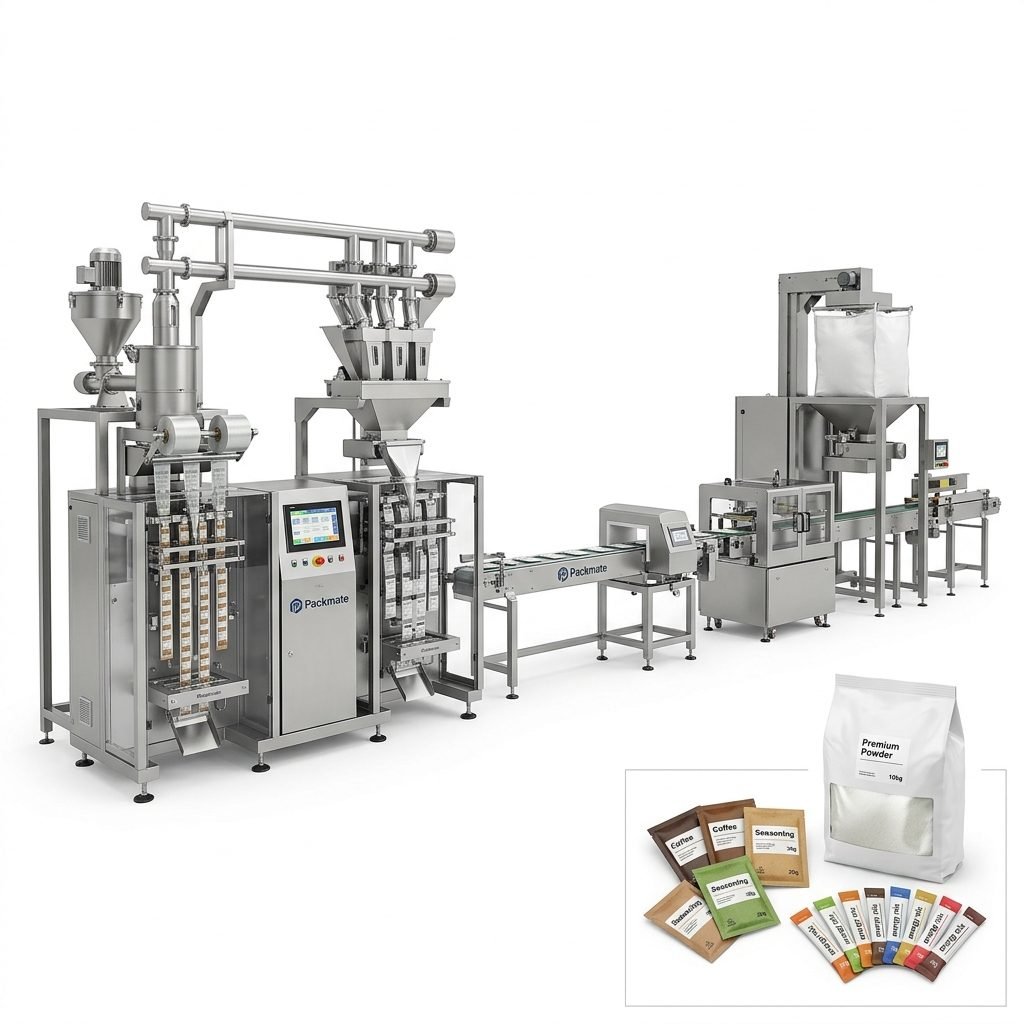
Nigeria’s market demands flexibility—many products are packaged in small sachets for affordability (e.g., “pure water” sachets, single‑use seasoning). Manufacturers like PackingMachineOEM excel at modifying machines for unique bag sizes and sealing materials. If you package locally sourced products such as dried pepper or palm wine, ask for adjustable dosing systems and multi‑lane capability to increase output without huge investments.
Total Cost of Ownership: Beyond the Purchase Price
The cheapest machine often leads to higher downtime and expensive repairs. Consider energy efficiency—look for servo‑driven motors that reduce electricity consumption, crucial for areas with high diesel generator usage. Also evaluate warranty length (typically 12‑18 months) and the cost of spare parts. A manufacturer with a West African distributor, such as those partnered with Ludyway, can reduce lead times from weeks to days.
Frequently Asked Questions
1. Can I visit the factory before purchasing?
Yes, most manufacturers welcome factory audits. Ludyway and Packmate Machinery have showrooms in Guangzhou. If travel is not possible, request a live video tour.
2. How do I ensure the machine works with Nigeria’s voltage (220V/50Hz)?
All five manufacturers listed can adjust electrical panels to your local standard. Confirm this in the sales contract.
3. What is the typical lead time for delivery to Nigeria?
Usually 30–60 days after deposit, depending on machine complexity. Air freight for urgent small machines takes 10–15 days but costs more.
4. Do they provide training for my operators?
Yes, most include 3‑5 days on‑site training. PacklineOEM and SnusMachinery also offer remote support via WhatsApp video.
5. What after‑sales support is available for technical issues?
All reputable manufacturers have English‑speaking engineers. Many keep spare parts depots in Nigeria (e.g., Ludyway works with a Lagos‑based service partner).
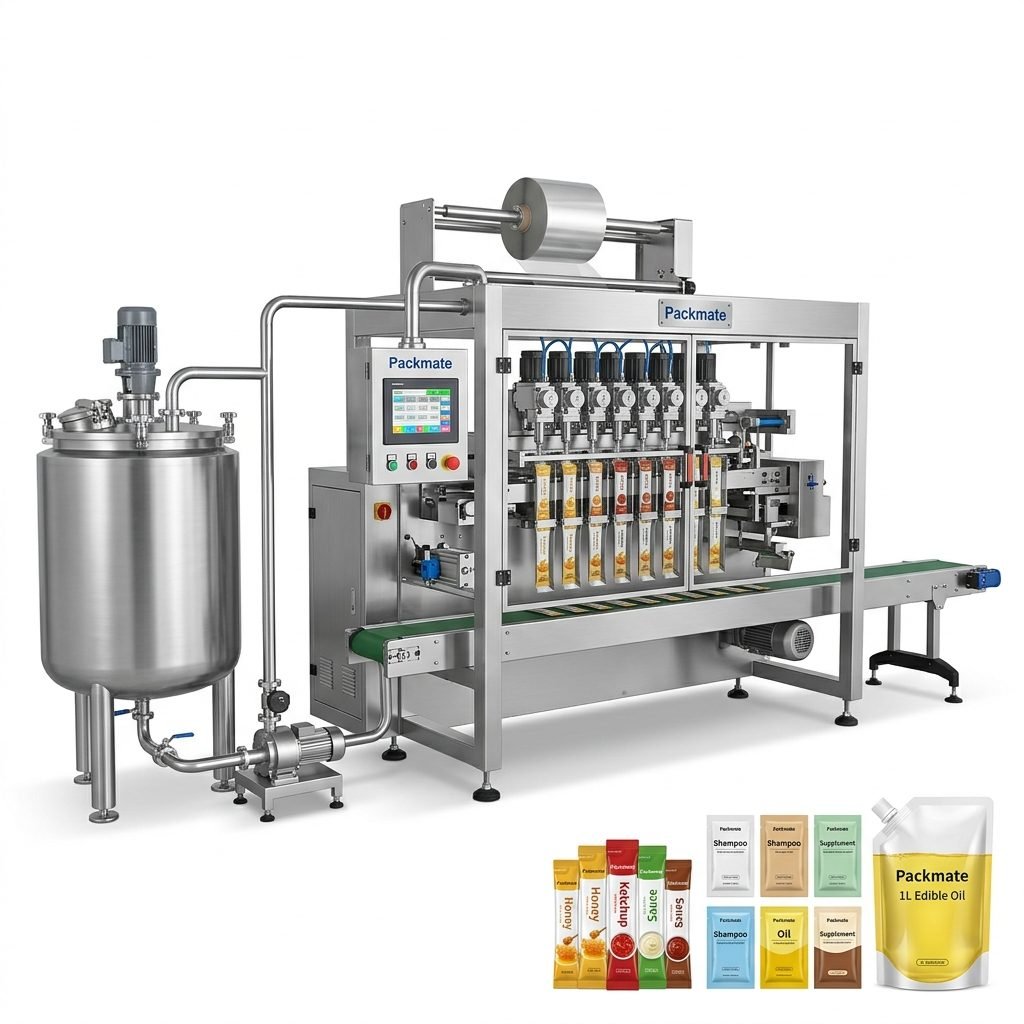
Choosing the right packaging machine manufacturer for your Nigerian business requires balancing cost, reliability, and local support. By focusing on build quality, customisation, and verifiable service history—and comparing top suppliers like Ludyway, Packmate Machinery, PacklineOEM, PackingMachineOEM, and SnusMachinery—you can secure a machine that boosts productivity and withstands local conditions.