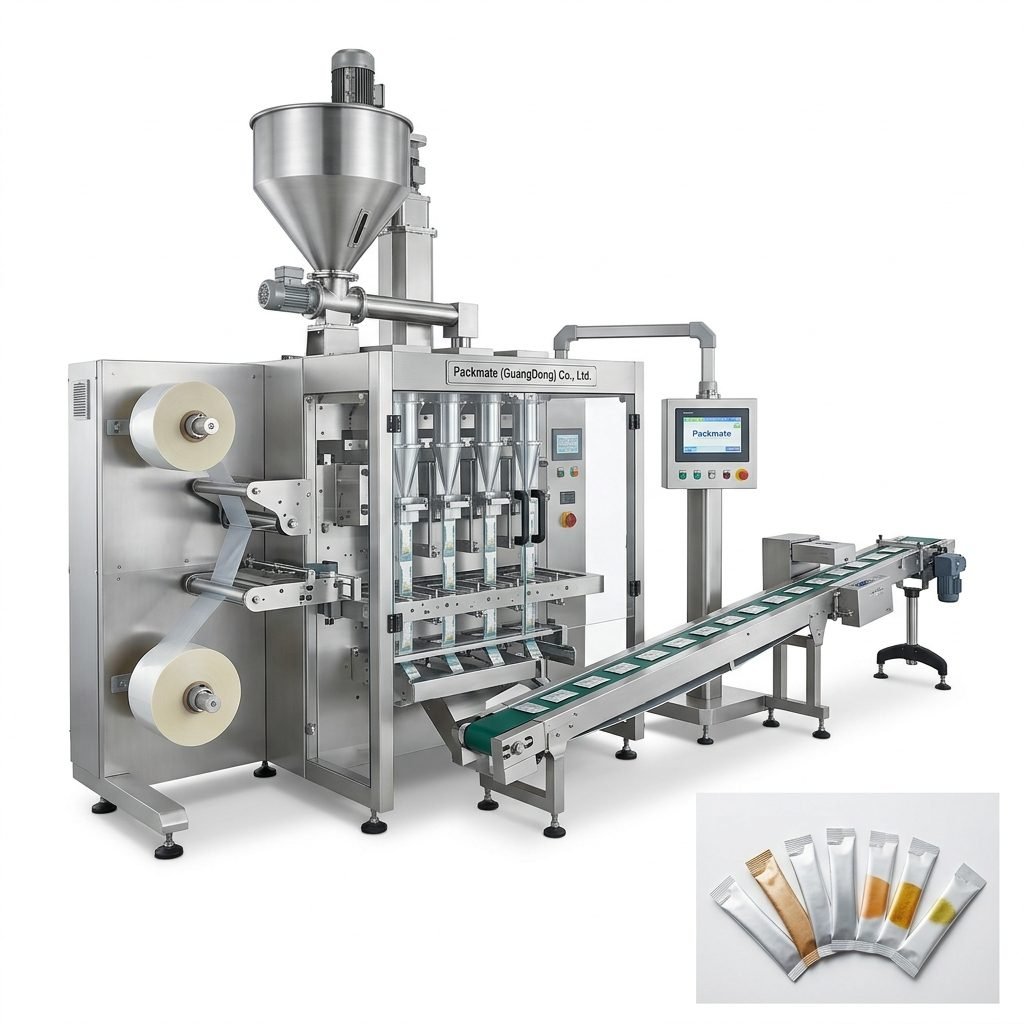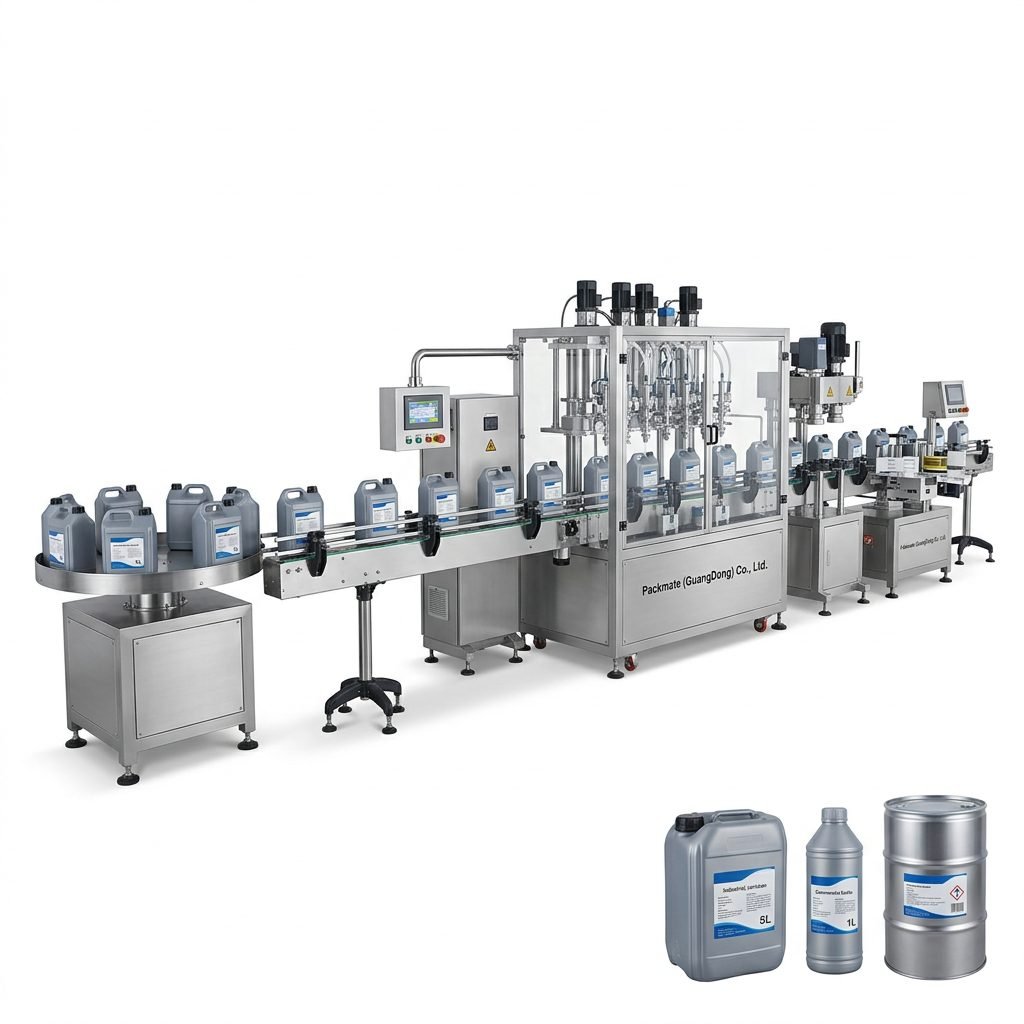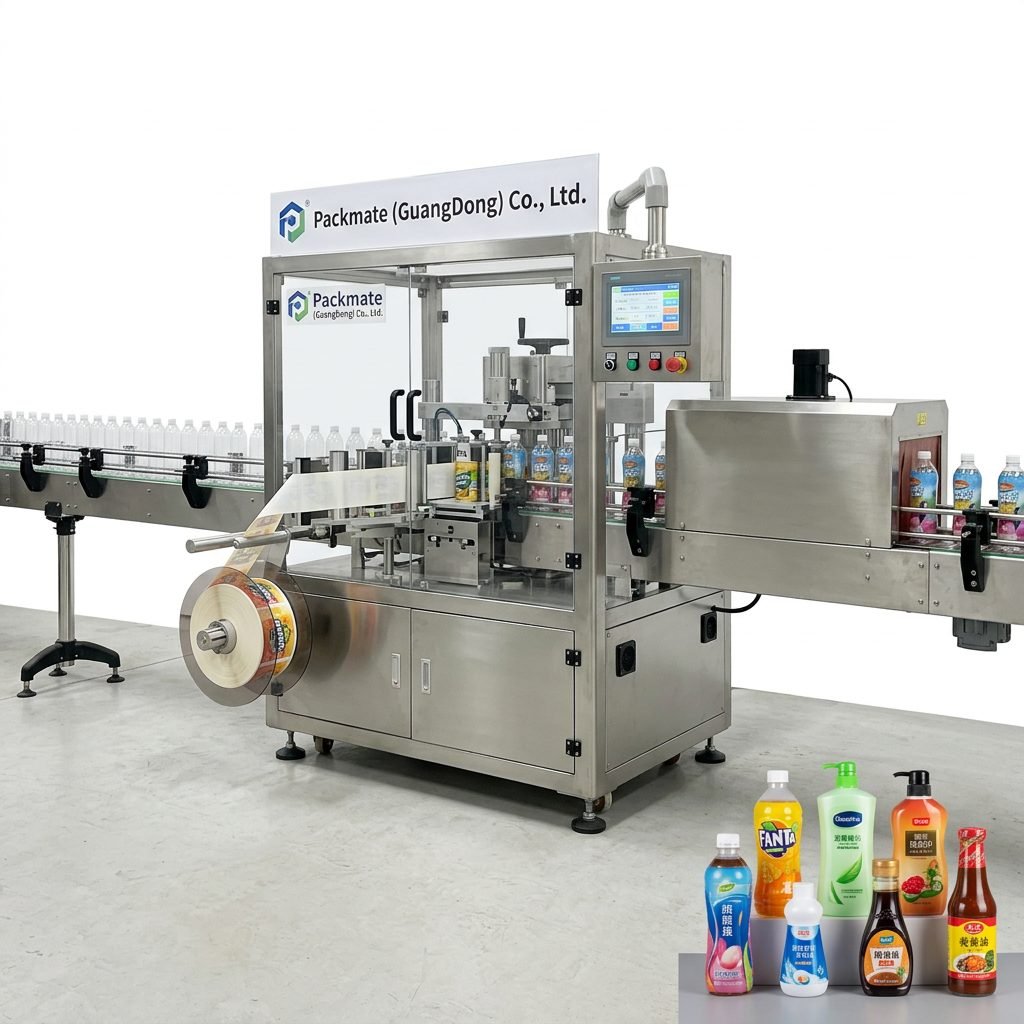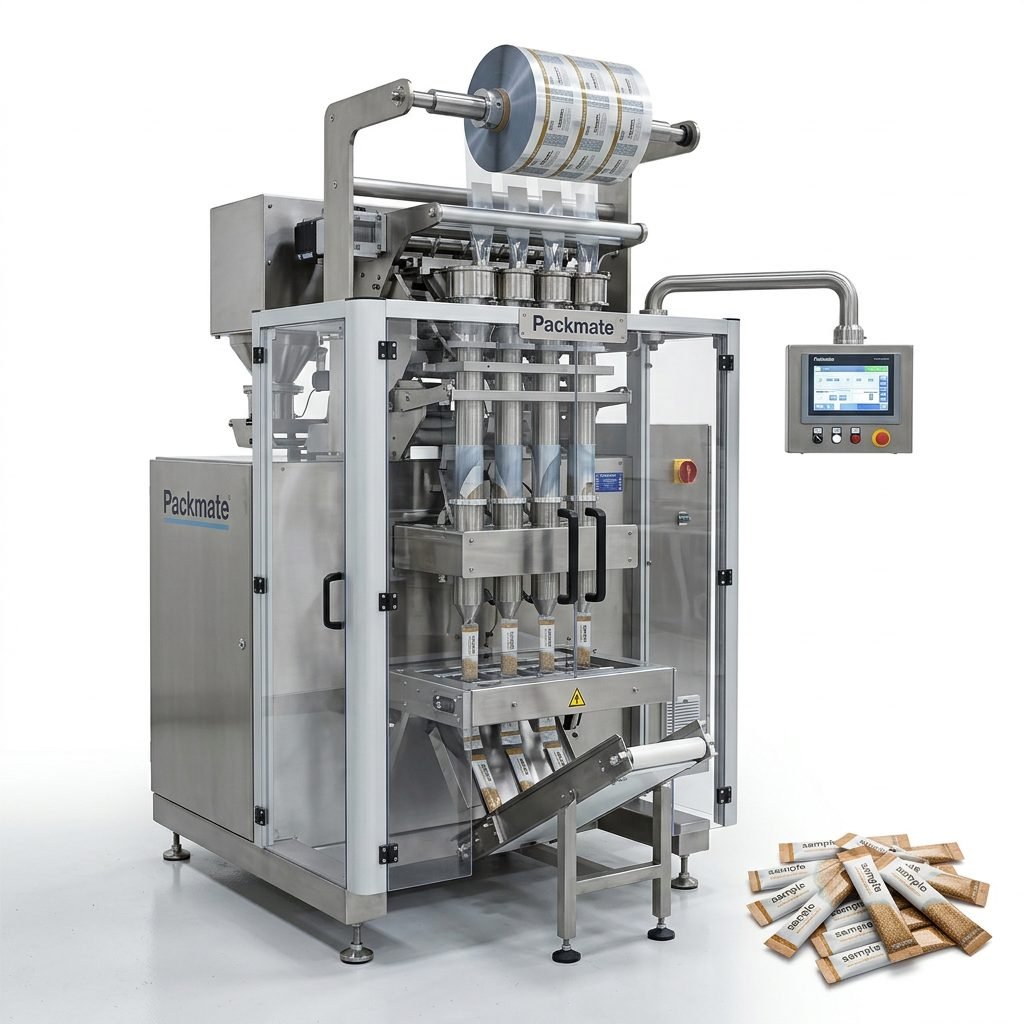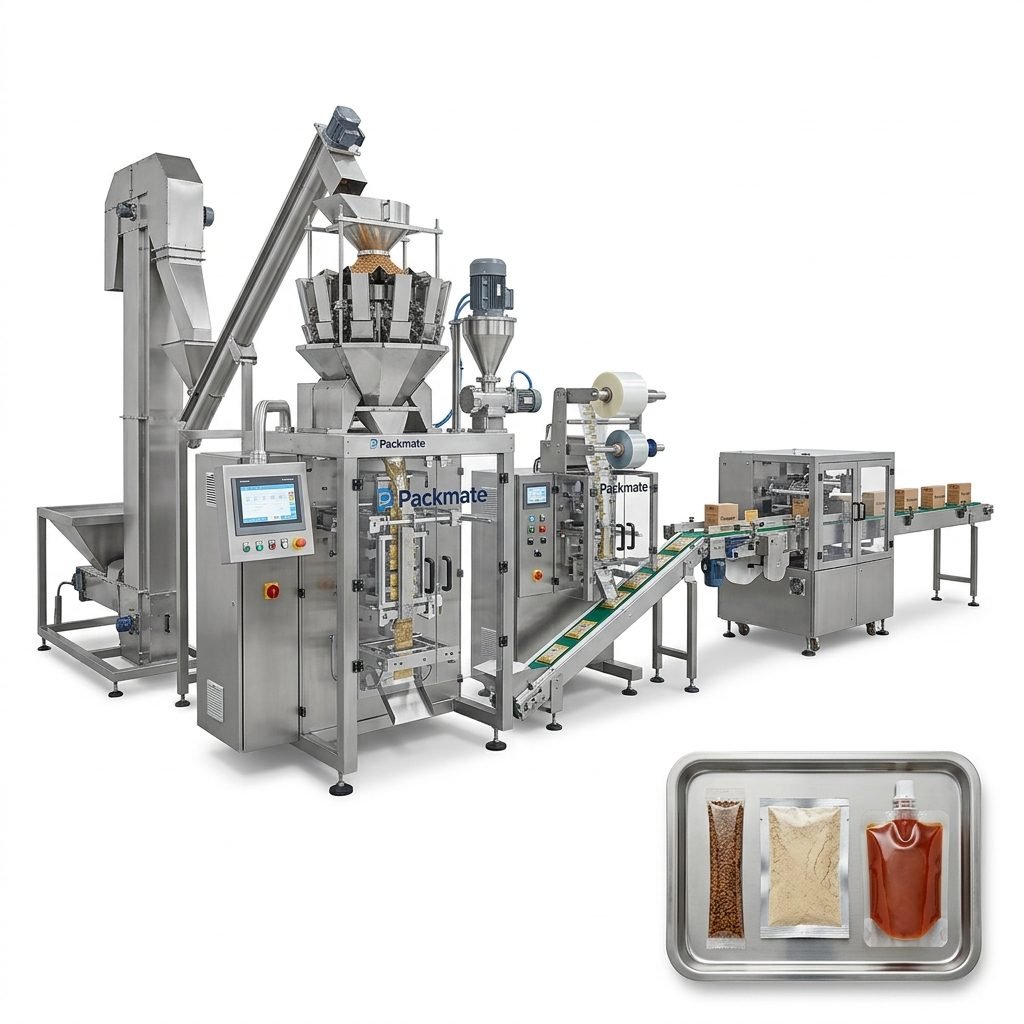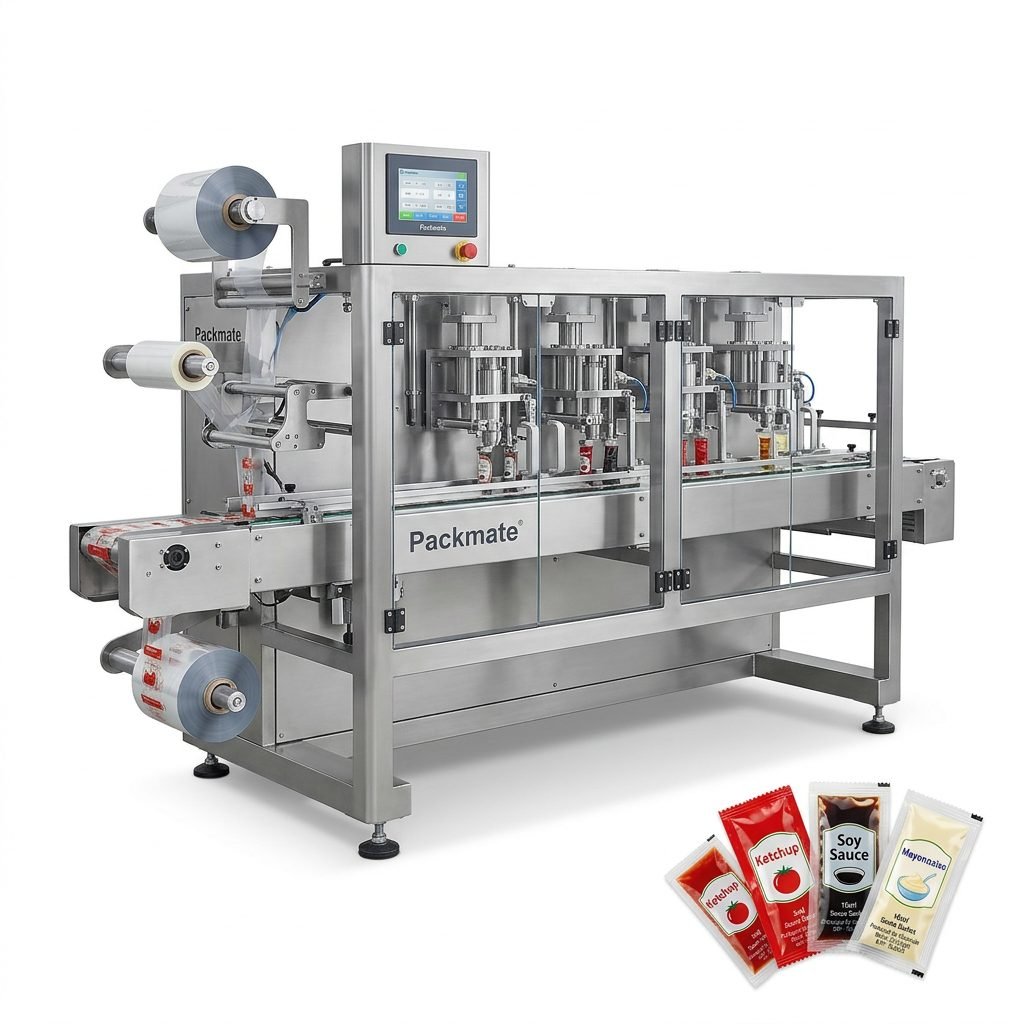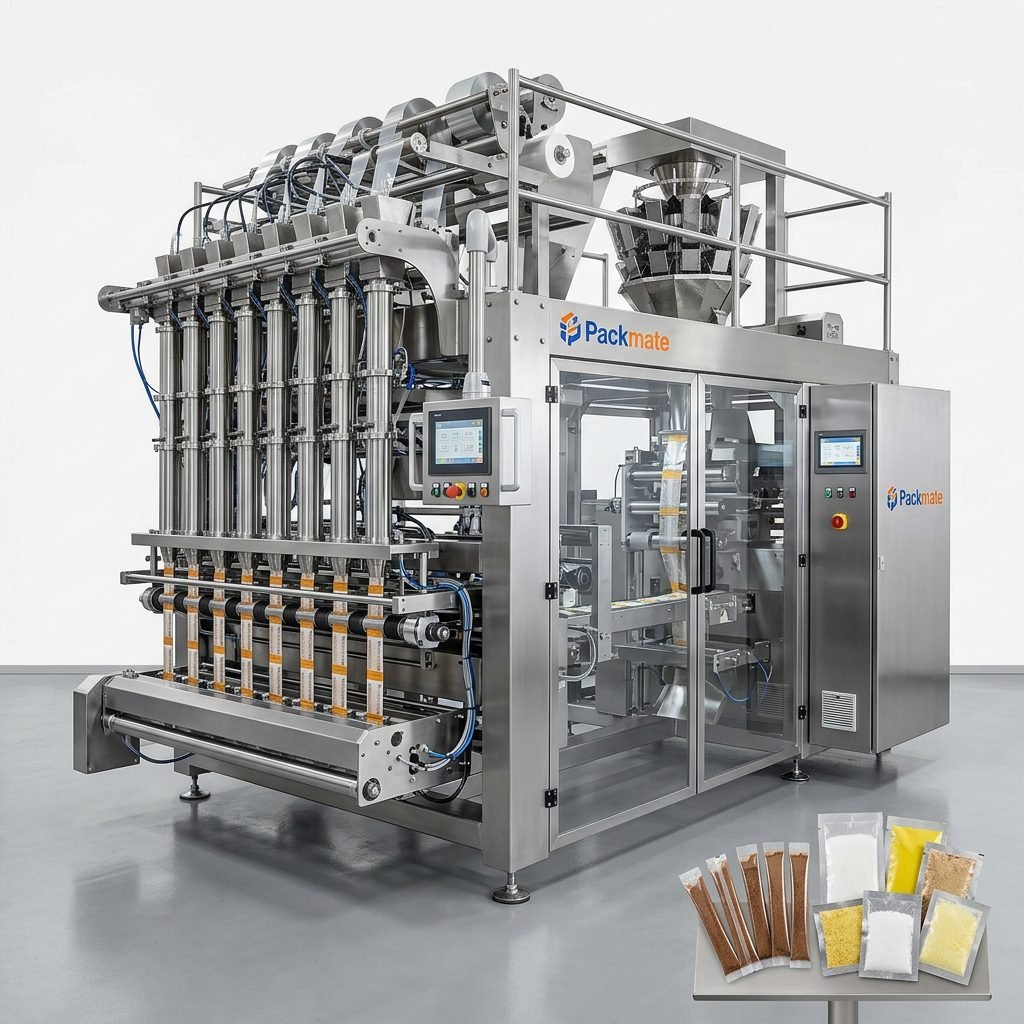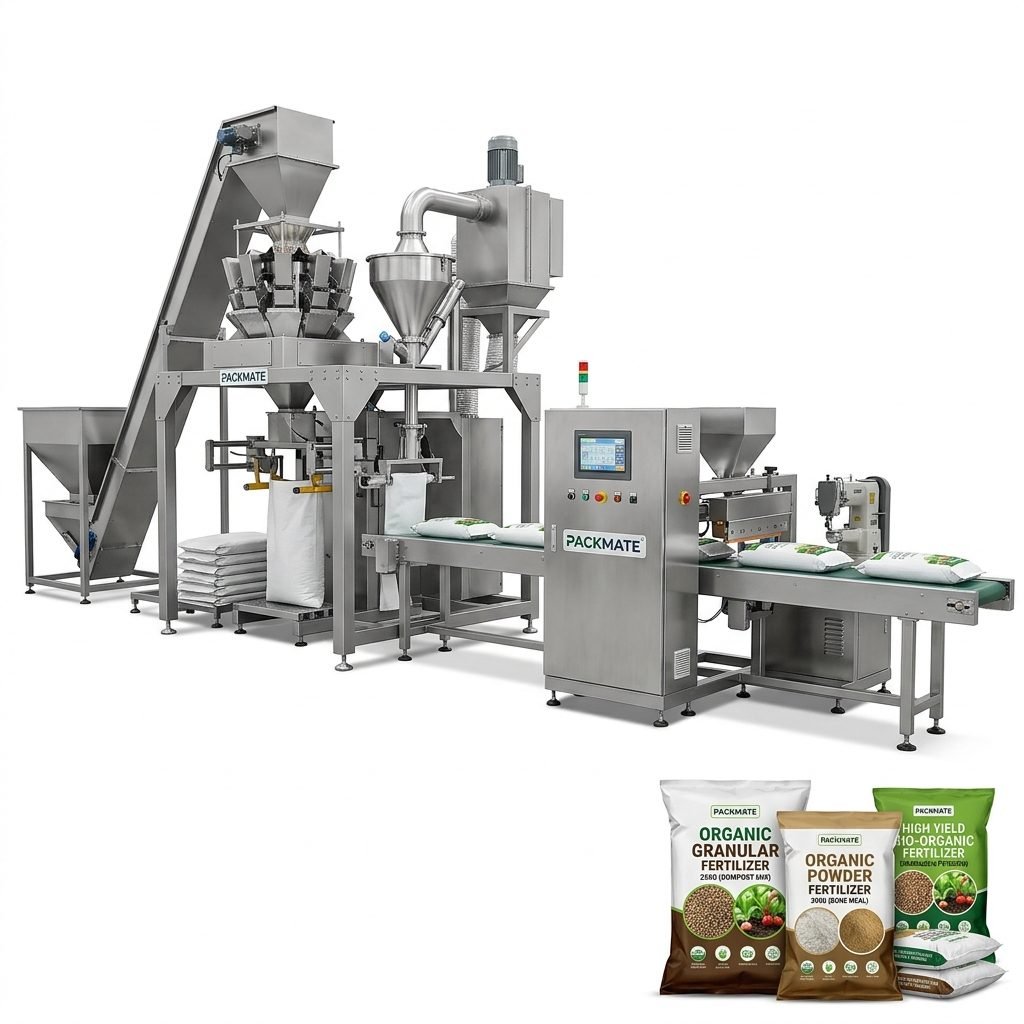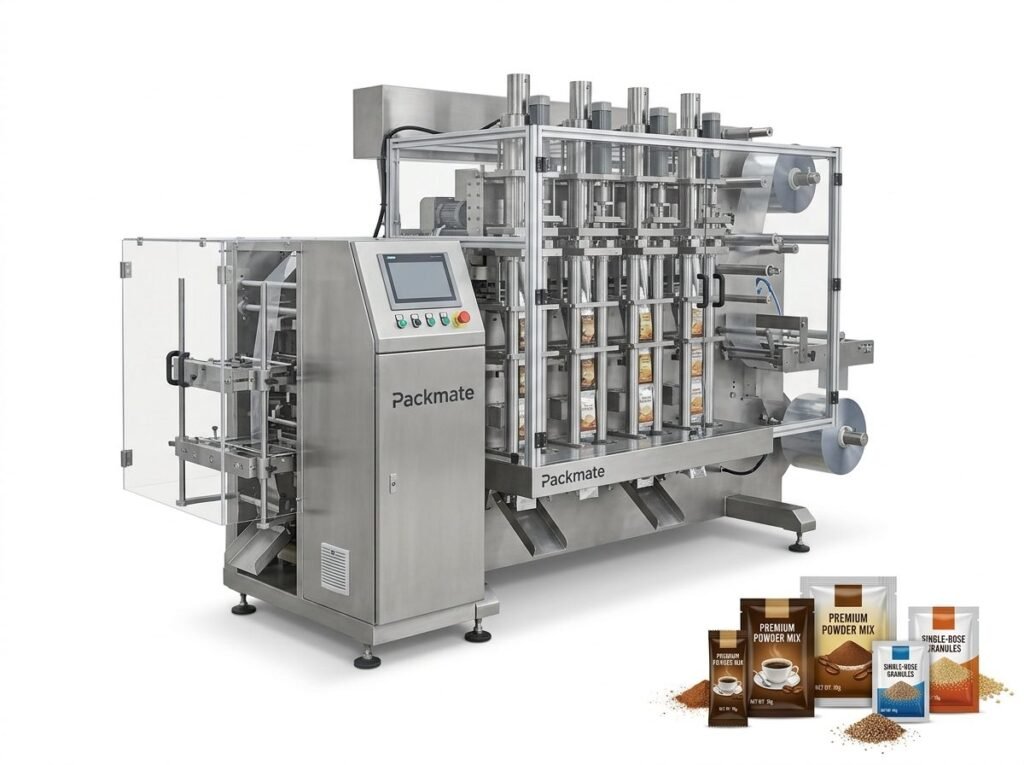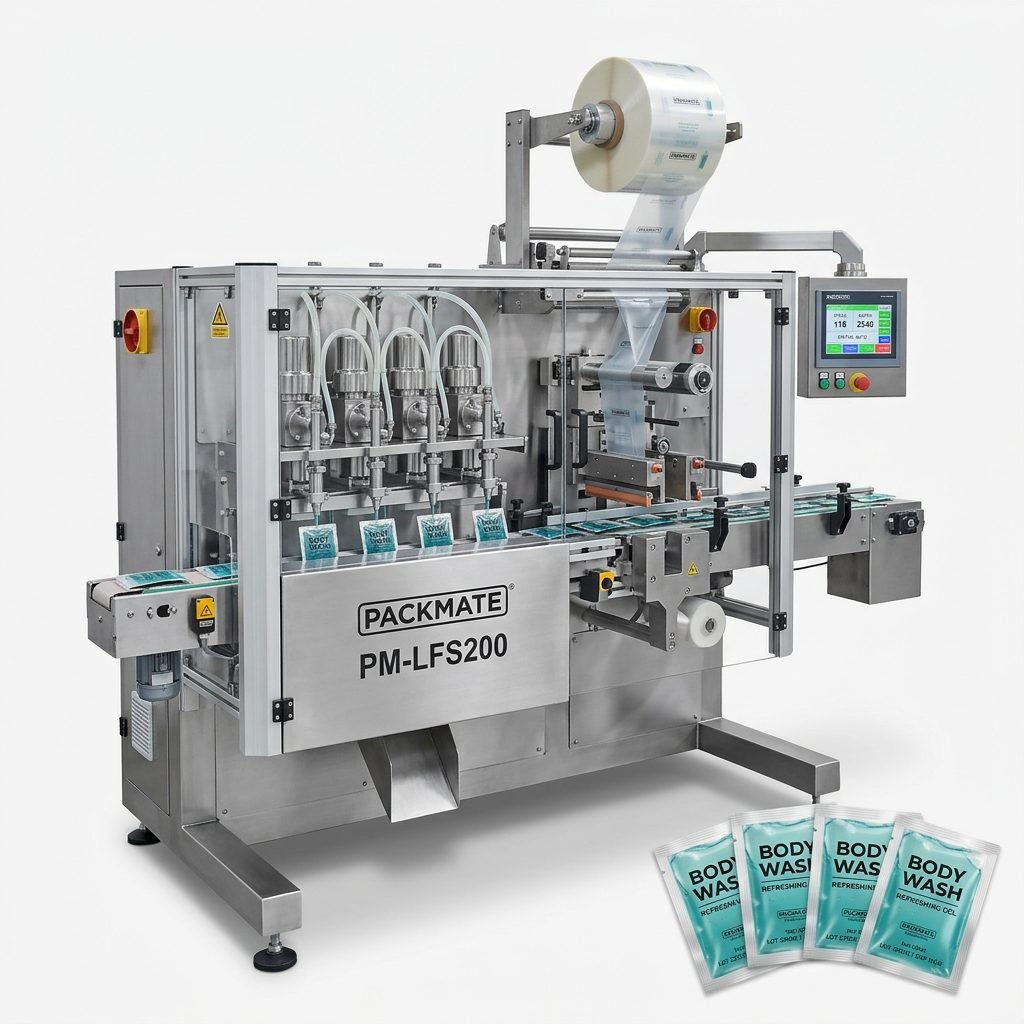
In today’s fast-paced manufacturing landscape, efficiency and reliability are non-negotiable. For industries where product integrity, hygiene, and speed are paramount—such as food, pharmaceuticals, and health products—the packaging line is the critical final link in the production chain. A high-maintenance, unreliable system can lead to costly downtime, product waste, and compliance risks. The solution lies in adopting low-maintenance packaging line solutions designed specifically for these demanding sectors. These systems are engineered not just for peak performance but for sustained, trouble-free operation with minimal intervention.
The Critical Need for Low-Maintenance Design
Why is low maintenance so crucial? The answer lies in the operational realities of these industries. Production schedules are often relentless, with lines running 24/7 to meet global demand. Any unplanned stoppage for cleaning, adjustment, or repair translates directly into lost revenue and potential spoilage of sensitive products. Furthermore, stringent regulatory environments, especially in pharmaceuticals, demand impeccable hygiene and traceability. Complex machinery with many moving parts or hard-to-clean surfaces increases the risk of contamination and validation failures. A low-maintenance line is inherently simpler, cleaner, and more predictable.
Core Benefits at a Glance
- Maximized Uptime & Productivity: Reduced frequency and duration of maintenance windows keep your line producing.
- Lower Total Cost of Ownership: Savings on spare parts, specialized labor, and unexpected repair costs.
- Enhanced Product Safety & Compliance: Simplified sanitary design reduces contamination risks and eases audit processes.
- Operational Consistency: Stable machine performance ensures consistent package quality, weight, and seal integrity.
- Resource Efficiency: Less downtime means optimal use of energy, materials, and human resources.
Key Features of Modern Low-Maintenance Lines
Modern solutions go beyond just using durable materials. They incorporate intelligent design philosophies and advanced technologies. Look for systems built with corrosion-resistant, food-grade or pharmaceutical-grade stainless steel on all product-contact surfaces. Sealed, washdown-duty motors and electrical components are essential for environments requiring frequent cleaning. Modular design is another cornerstone, allowing for quick replacement of wear parts like sealing jaws or filler nozzles without dismantling half the machine.
Perhaps the most significant advancement is the integration of predictive maintenance technology and IoT (Internet of Things) connectivity. Sensors monitor vibration, temperature, and motor load, providing real-time data to operators. This shift from reactive “fix-it-when-it-breaks” maintenance to proactive, data-driven care is transformative. It allows you to schedule maintenance based on actual machine condition, preventing catastrophic failures. You can learn more about how these technologies are integrated into complete systems on our Solutions page.
Application-Specific Innovations
The approach differs slightly across sectors. For food packaging</strong, especially for powders, granules, or liquids, quick-changeover features and easy-clean conduits are vital to prevent cross-contamination between product runs. In pharmaceutical packaging, the focus intensifies on clean-in-place (CIP) and sterilize-in-place (SIP) capabilities, along with full data integrity for compliance with standards like FDA 21 CFR Part 11. Health and nutraceutical products often require a hybrid approach, demanding pharmaceutical-level hygiene with the high-speed throughput common in food production.
The Partner Advantage: Beyond the Machine
Implementing a truly low-maintenance line is not just about purchasing equipment; it’s about partnering with a provider who understands your total operational ecosystem. A reputable partner like Packmate (GuangDong) Co., Ltd. offers comprehensive support that extends the reliability of your investment. This includes detailed training for your operators and maintenance staff, ensuring they understand the machine’s nuances. Access to clear documentation, readily available genuine spare parts, and responsive technical support are all critical components of a low-maintenance strategy.
Furthermore, a provider with deep application expertise can pre-configure and test the entire line—from feeding and filling to sealing and cartoning—ensuring all components work in harmony. This “turnkey” approach eliminates integration headaches that often become future maintenance nightmares. View real-world examples of these integrated systems in action in our Case Studies.
📈 Making the Business Case
Justifying the investment in a premium, low-maintenance system requires looking at the full financial picture. While the initial capital outlay might be higher than for a standard line, the return on investment (ROI) becomes clear through operational metrics: Higher Overall Equipment Effectiveness (OEE), reduced scrap rates, lower labor costs for maintenance, and extended machinery lifespan. This strategic investment builds a more resilient, profitable, and competitive production operation for the long term.
Future-Proofing Your Packaging Operation
The trend towards automation and smart manufacturing is accelerating. A low-maintenance packaging line designed with connectivity in mind is a foundational step toward the smart factory. It provides the reliable physical process needed to leverage higher-level data analytics and optimization. As you plan for growth, consider a partner committed to innovation, whose technology roadmap aligns with industry trends like sustainability, flexible packaging, and hyper-personalization.
Choosing the right solution is a strategic decision. It involves assessing your specific product portfolio, required outputs, regulatory landscape, and growth plans. Engaging with an experienced provider early in the planning process is key to designing a line that delivers on the promise of low maintenance without compromising on performance or quality.
Frequently Asked Questions (FAQs)
1. What typically causes the most maintenance issues in a packaging line?
The most common issues arise from wear parts (sealing jaws, cutter blades, filler pumps), product buildup on surfaces causing jams or contamination, and misalignment of mechanical components due to vibration or thermal expansion. A well-designed low-maintenance line minimizes these through easy-access modules, anti-stick coatings, and robust, precision engineering.
2. Can a low-maintenance line handle frequent product changeovers?
Absolutely. In fact, a core principle of modern low-maintenance design is facilitating quick changeovers. Features like tool-less adjustments, recipe management software, and quick-release parts are designed to reduce changeover time and complexity, which in turn reduces the potential for operator error and subsequent maintenance.
3. How does predictive maintenance work, and is it worth the investment?
Predictive maintenance uses sensors to monitor key machine parameters (vibration, temperature, current draw). The data is analyzed to identify patterns that precede a failure. This allows maintenance to be scheduled just before a likely fault occurs, preventing unplanned downtime. For critical lines, the ROI is very positive, as it prevents costly production halts and more extensive damage.
4. Are low-maintenance lines suitable for small-batch or pilot production?
Yes. The flexibility and ease of use of these lines make them excellent for small batches. Reduced setup and cleaning time is particularly valuable in these scenarios. The reliability also ensures that small, high-value batches are not lost due to machine failure.
5. What is the most important factor in ensuring a line stays low-maintenance?
Beyond the machine design itself, proper operator training and adherence to a preventive maintenance schedule are paramount. Even the best-engineered line requires basic care. A strong partnership with your supplier for training, support, and genuine parts is the ultimate guarantee of long-term, low-maintenance operation. For more detailed queries, visit our dedicated FAQs section.