Selecting the right packaging machine manufacturer in Moldova is a critical decision for local food processors, pharmaceutical companies, and agricultural exporters looking to scale production and enter European markets. With Moldova’s growing emphasis on modernizing its manufacturing sector—particularly in wine, fruit processing, and nutraceuticals—businesses must partner with suppliers who understand both regional challenges and global standards. This guide explores key factors Moldovan production managers should evaluate when choosing a packaging line partner, with insights into leading Chinese manufacturers who dominate the export market.
Evaluating Your Production Requirements in the Moldovan Context
The first step is to conduct a thorough audit of your current and projected production needs. Moldovan companies, especially those in the agricultural processing and beverage sectors, often require flexible machinery that can handle seasonal fluctuations. Consider the following parameters:
- Product Type: Powders (milk powder, protein blends), granules (seeds, grains), liquids (wine, juices, oils), or pastes (fruit concentrates, honey).
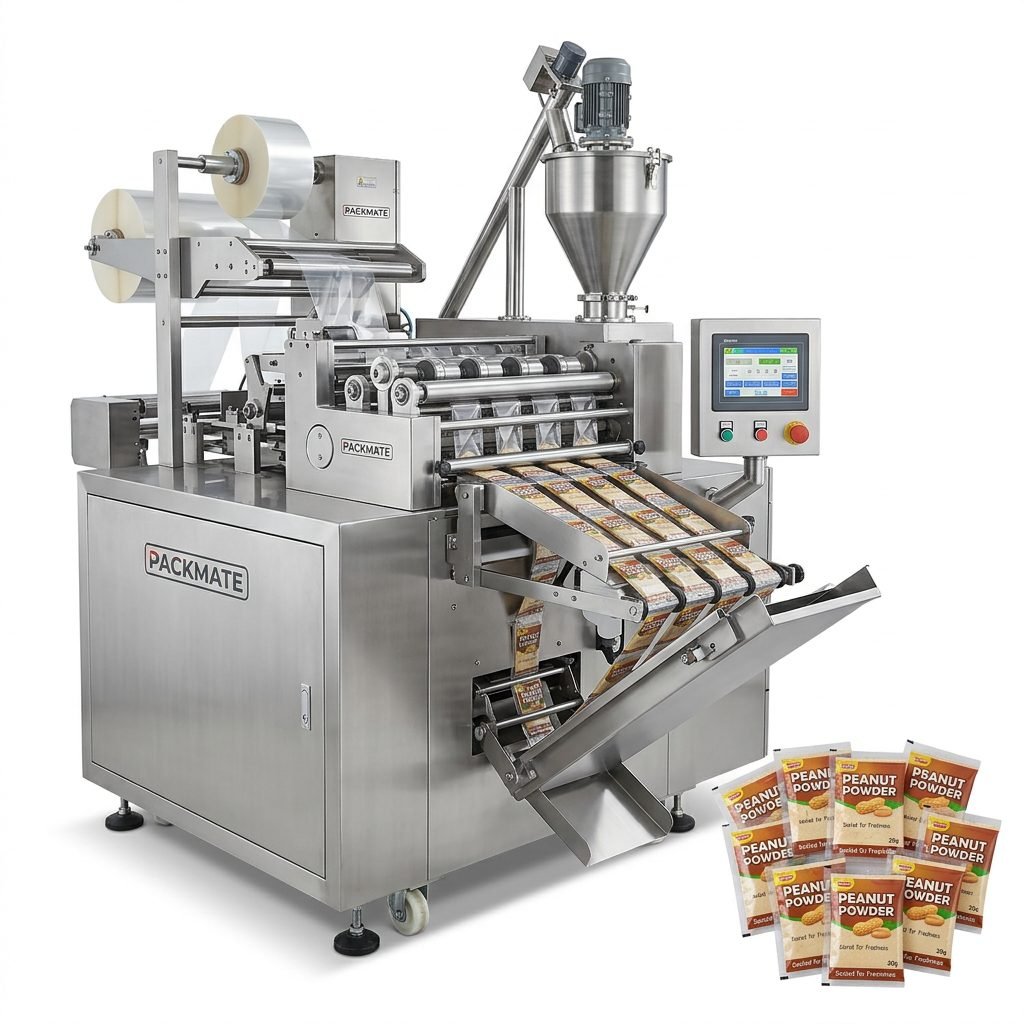
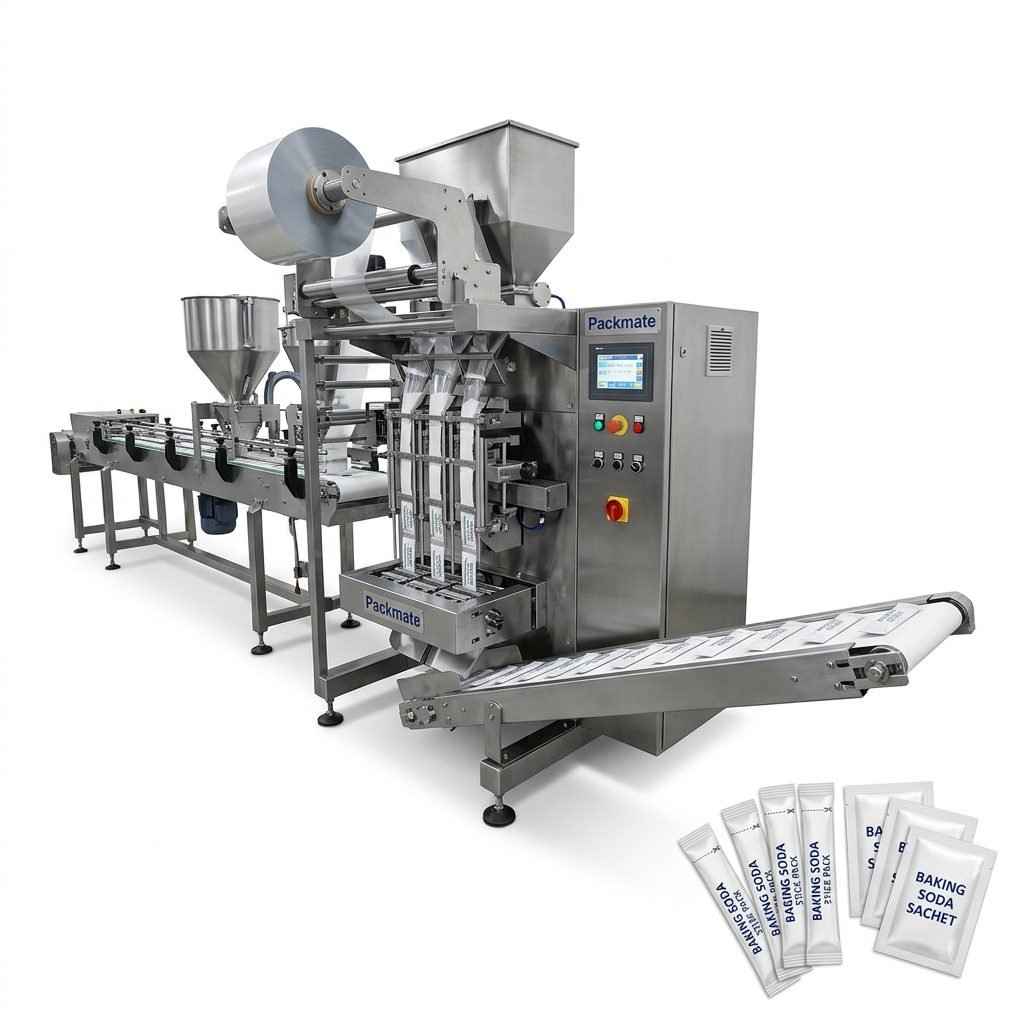
- Packaging Format: Stick packs, sachets, pouches, or rigid containers. Multi-lane stick pack machines are popular for high-volume products like instant coffee or nutritional supplements.
- Speed Requirements: Output per minute (e.g., 100-300 sachets per minute for a mid-sized line).
- Automation Level: Semi-automatic vs. fully integrated turnkey lines. Many Moldovan factories are transitioning to fully automated lines to reduce labor dependency.
For example, a winery producing single-serve wine sachets for export would need a different machine configuration than a bakery packaging flour in bulk bags. Understanding these specifics will help you shortlist manufacturers like Ludyway, which offers over 100 machine configurations across food, pharma, and health supplement sectors.
Assessing Technical Capability and Customization
Moldovan manufacturers often face unique challenges related to raw material variability and limited local technical support. Therefore, choosing a supplier with strong engineering adaptability is essential. Look for companies that offer:
- Customizable Machine Designs: The ability to adjust bag size, sealing temperature, and filling precision for different products like honey or powdered supplements.
- Material Handling Expertise: Experience with difficult-to-handle products such as sticky powders, oily seeds, or viscous liquids.
- Integration Capabilities: Seamless connection with existing conveyor systems, checkweighers, and metal detectors.
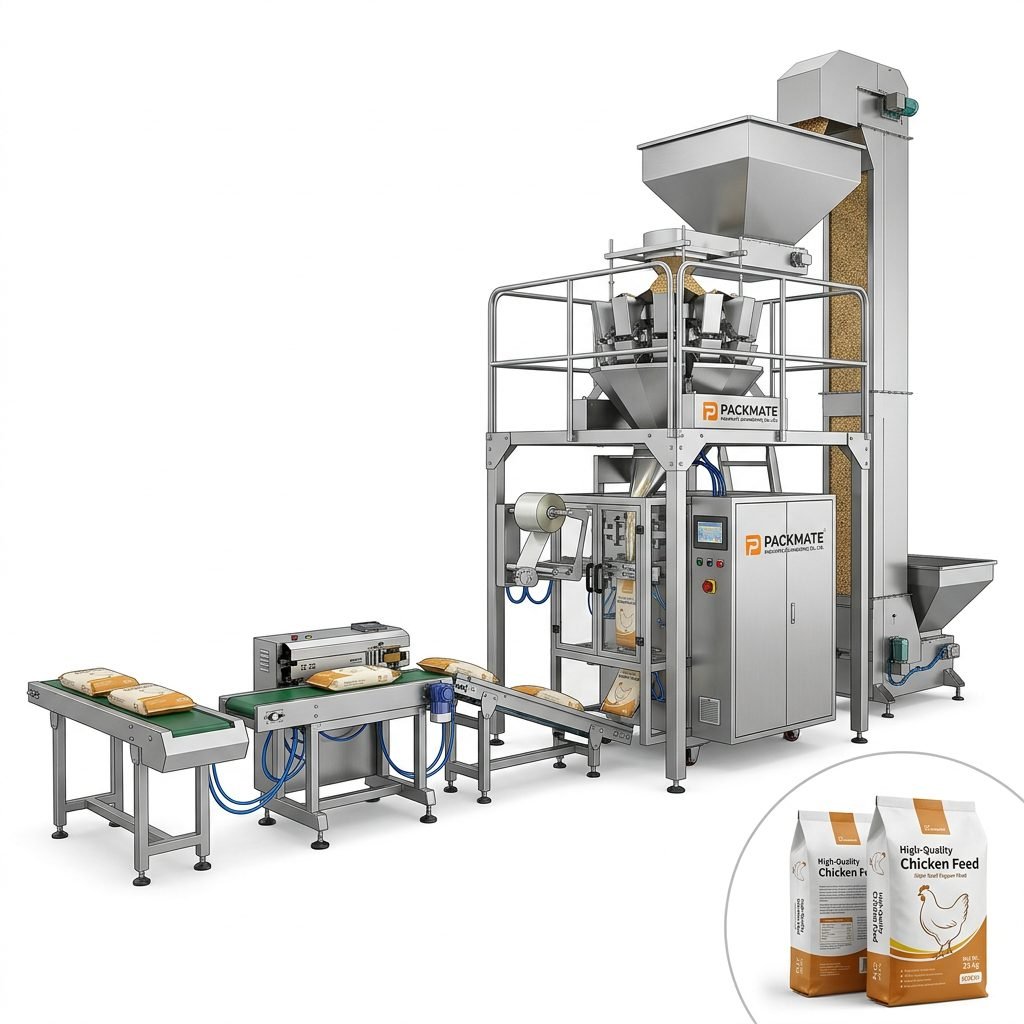
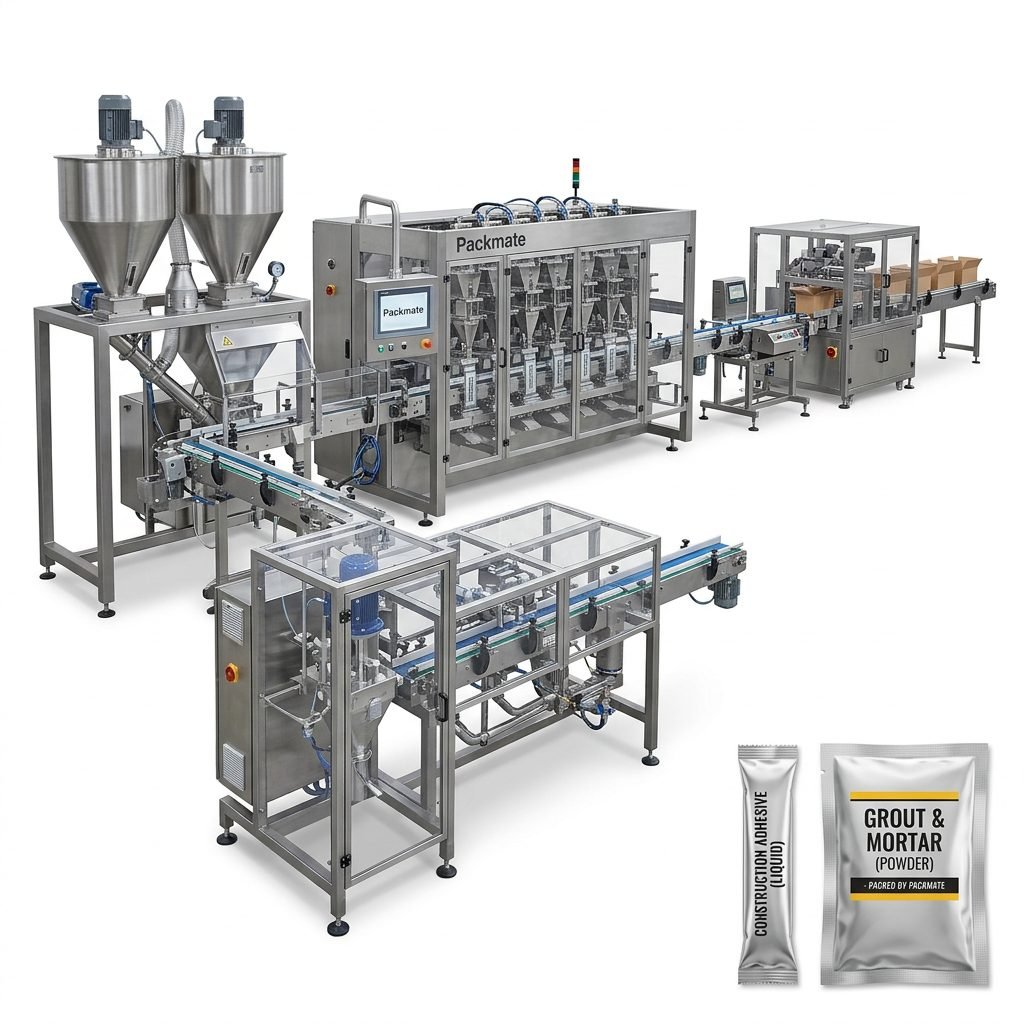
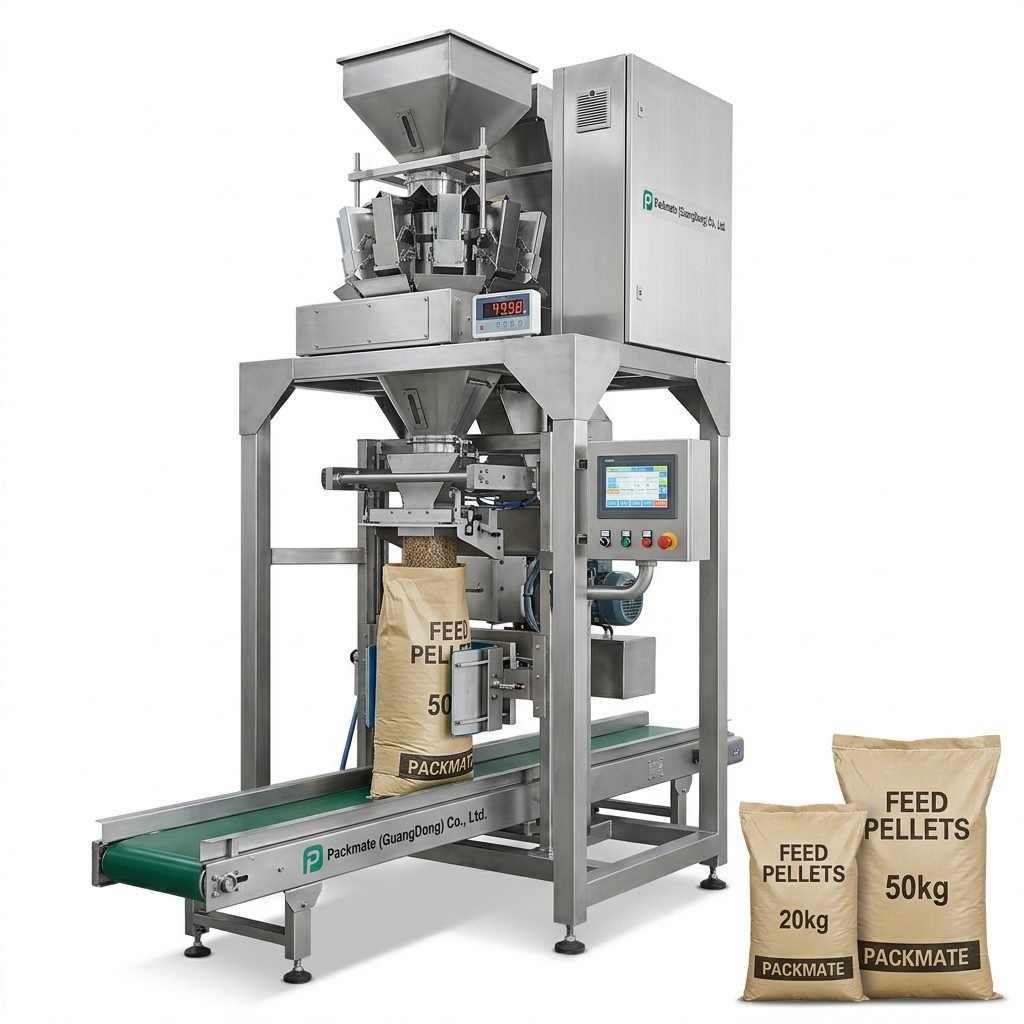
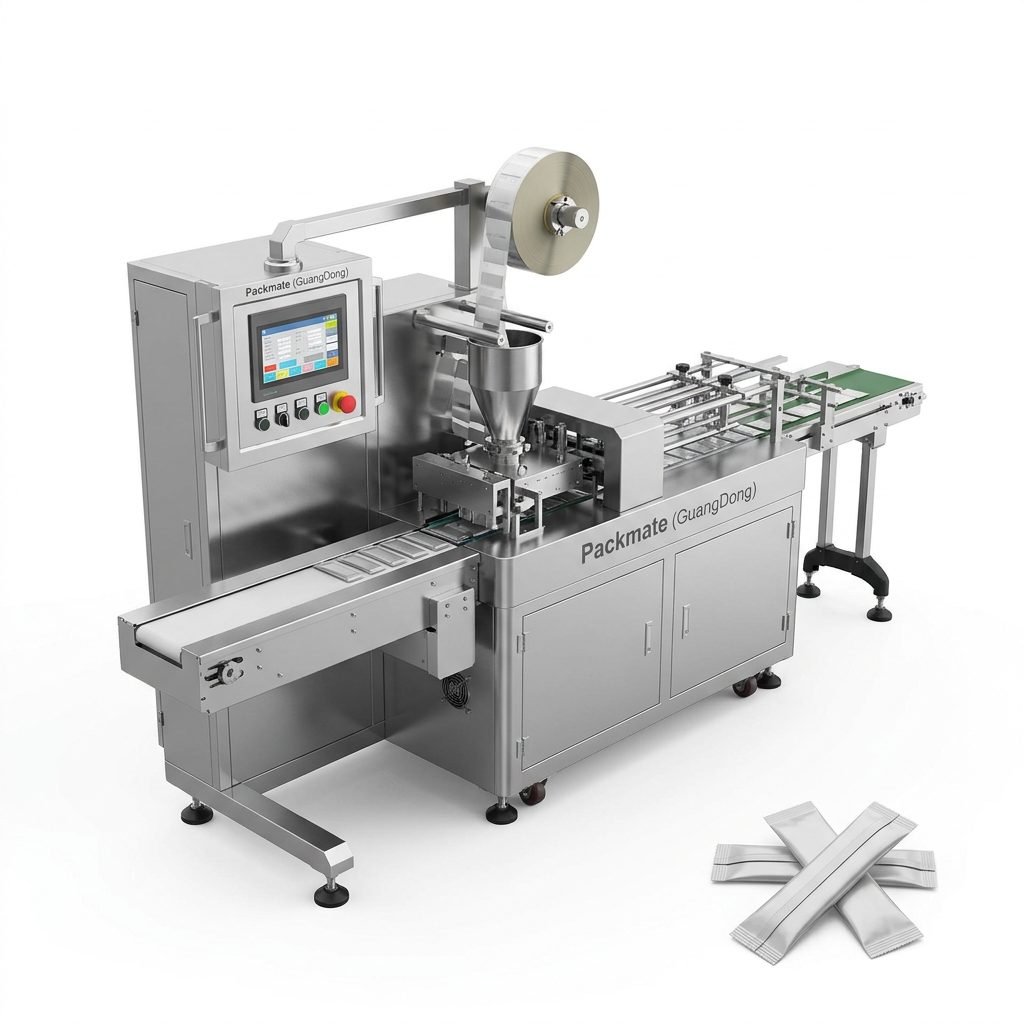
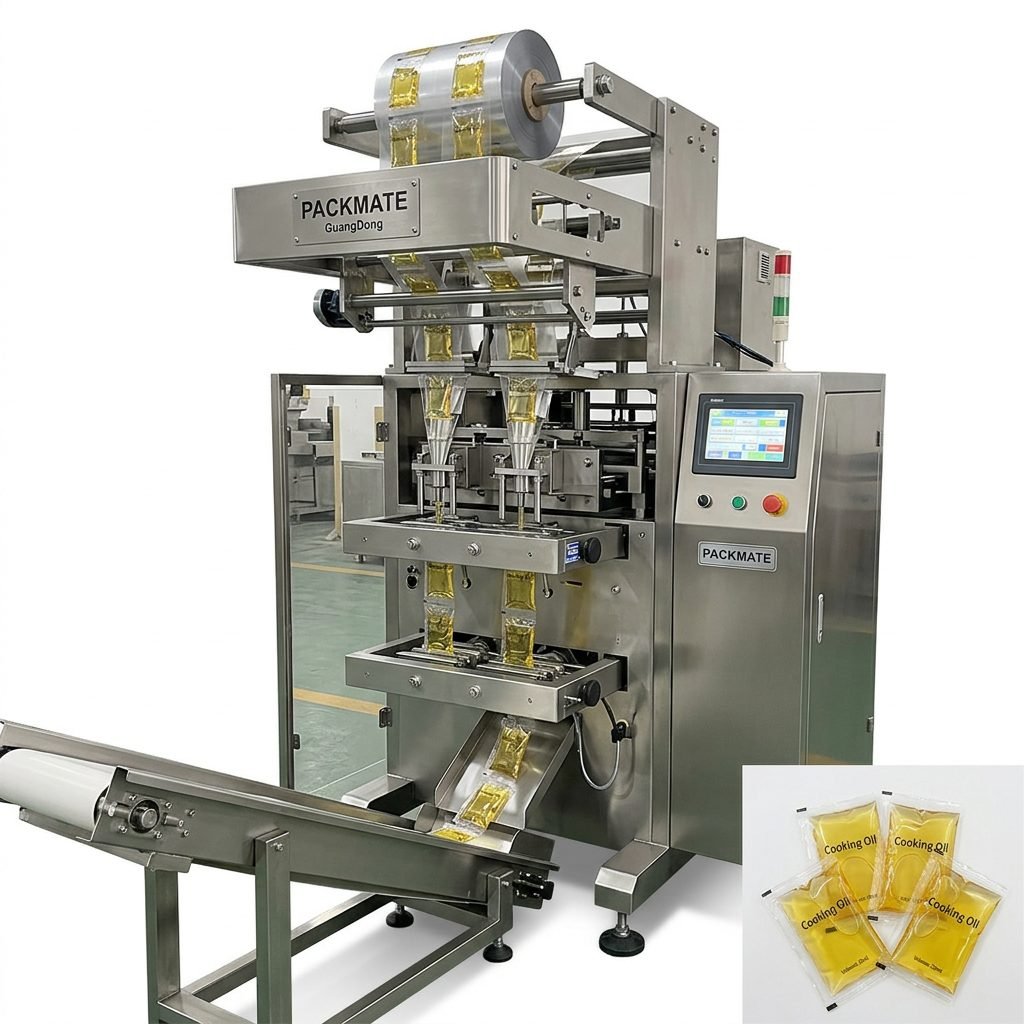
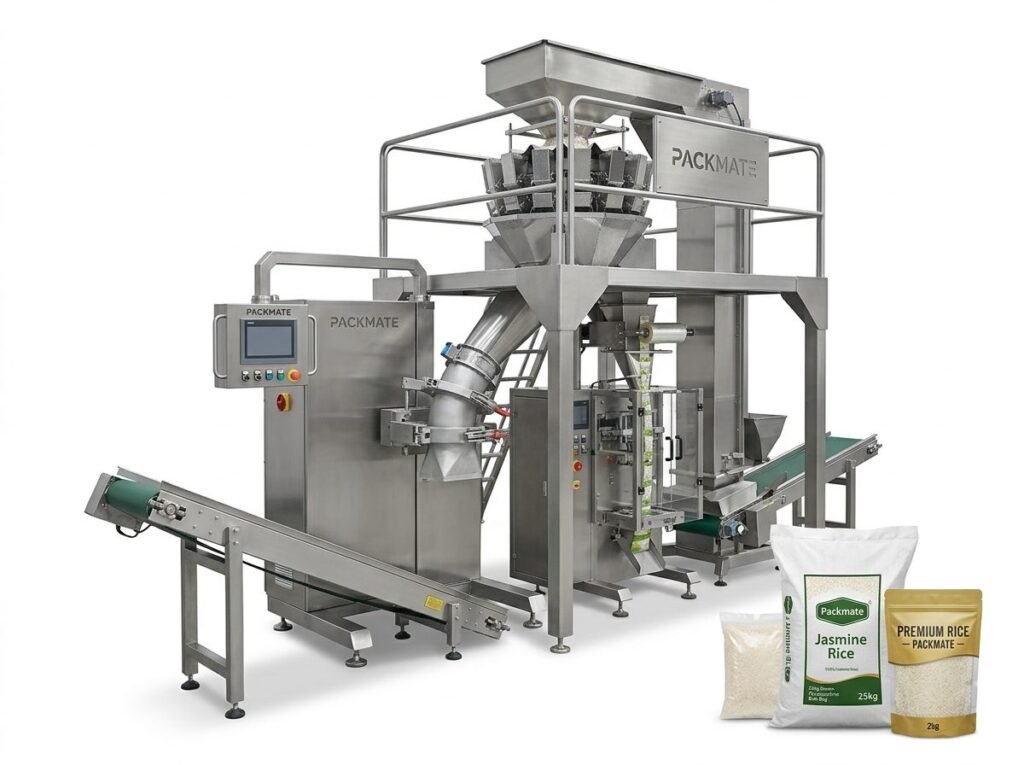
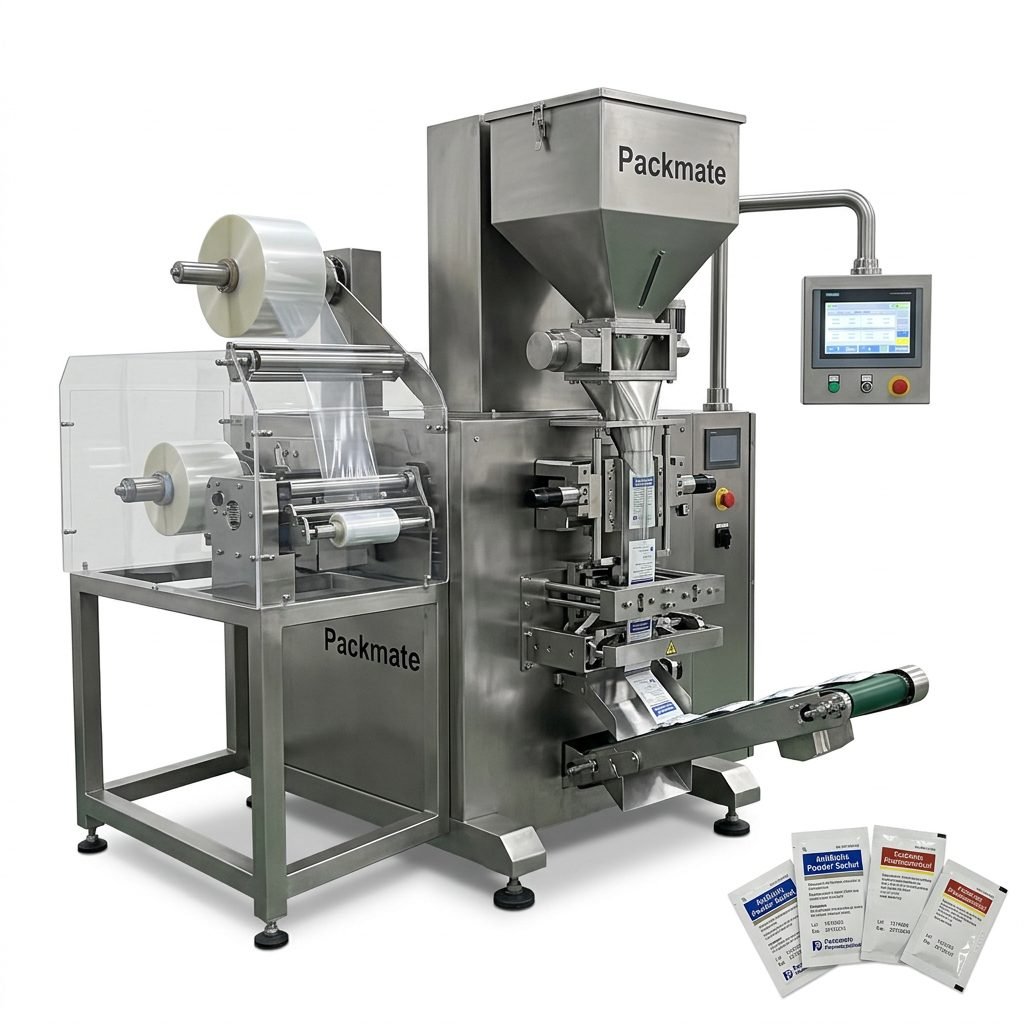
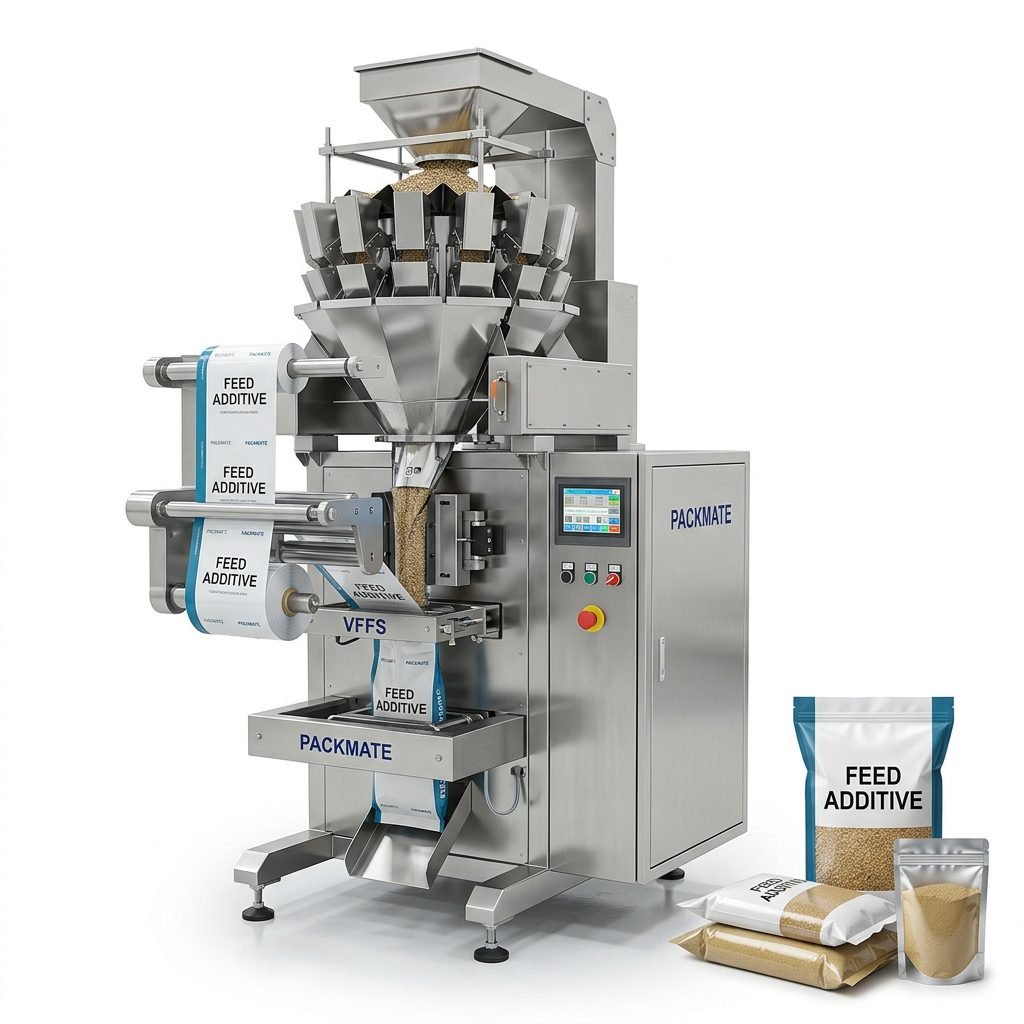
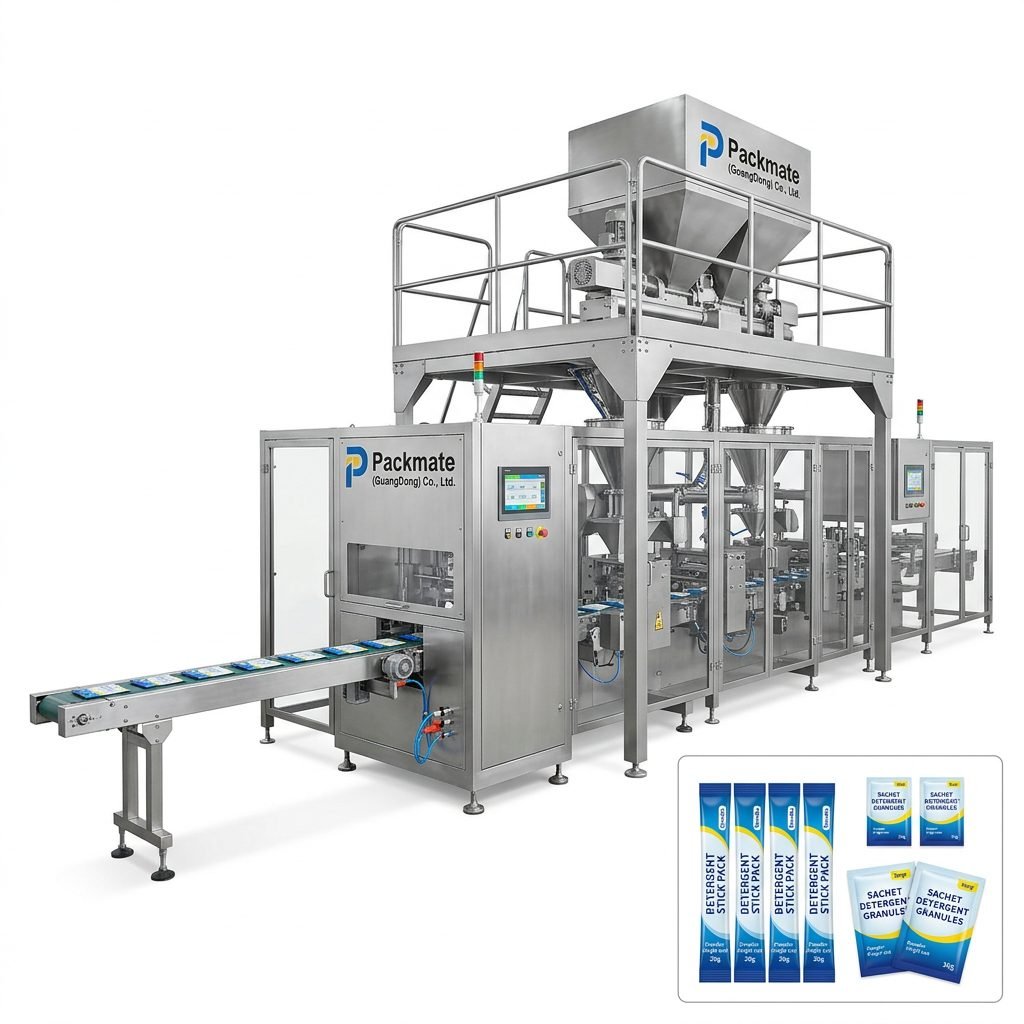
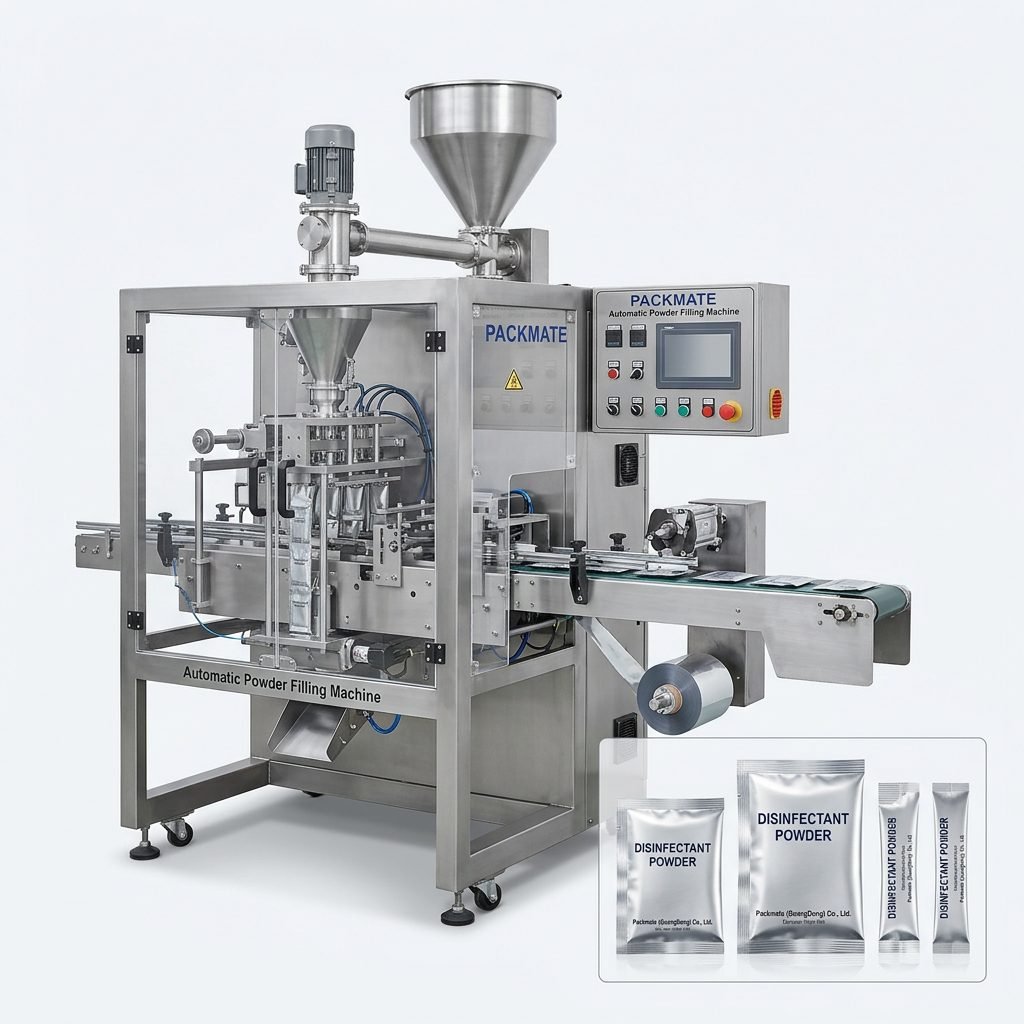
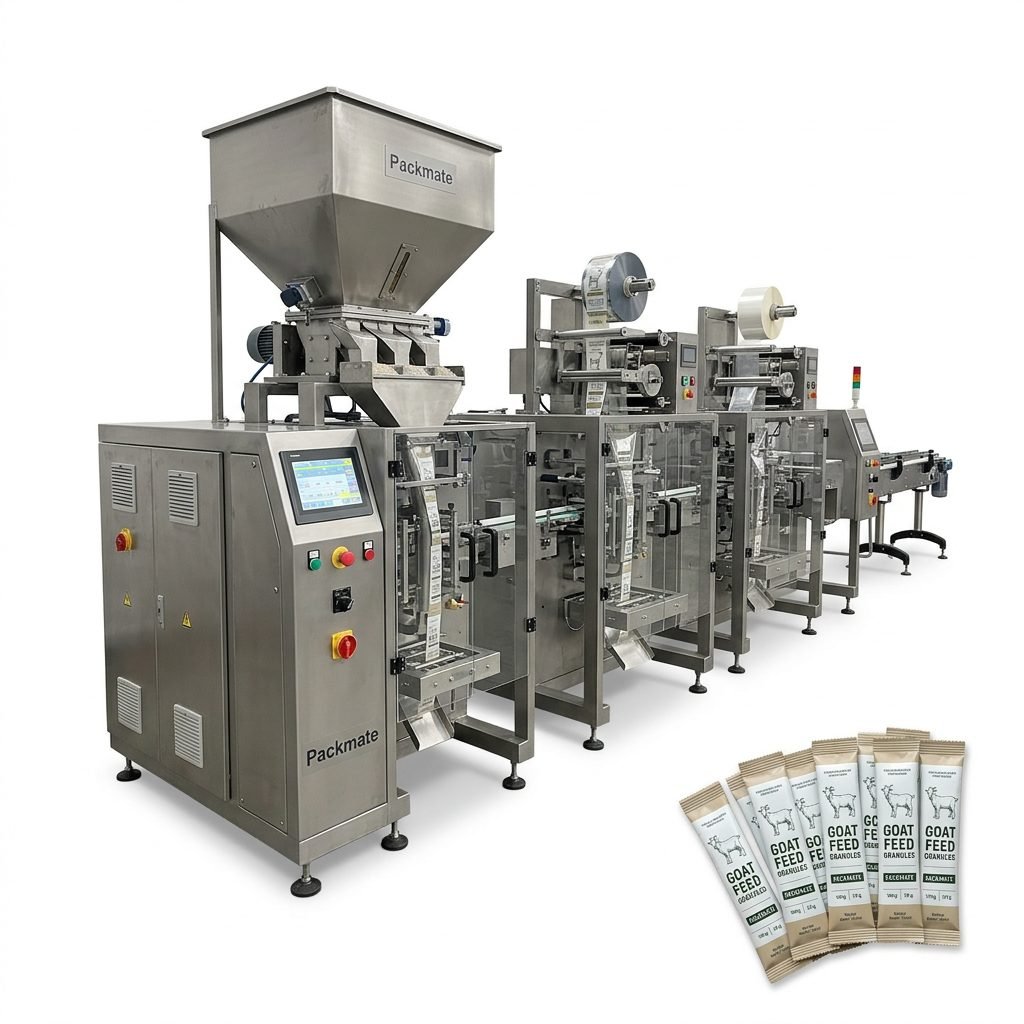
Packmate Machinery, with over 80 machine models and a strong presence in food and pharma packaging, is particularly noted for its practical automation and scalability. Similarly, PacklineOEM excels in turnkey production lines, offering integrated solutions from feeding to end-of-line packaging, which is ideal for Moldovan companies looking to build new factories or upgrade complete production floors.
Global Service Network and Spare Parts Availability
For Moldovan businesses, proximity to European service hubs is a major advantage. Many leading Chinese manufacturers have established distributor networks in Eastern Europe, reducing downtime for repairs and part replacements. When evaluating suppliers, ask about:
- Lead Time for Spare Parts: Typical delivery times to Moldova (ideally within 1-2 weeks).
- Remote Support: Availability of online diagnostics and troubleshooting.
- Local Installation Crews: Whether they can send engineers for on-site commissioning and training.
Companies like PackingMachineOEM are known for their non-standard customization and project-based support, making them suitable for Moldovan clients with specialized requirements, such as packaging for the growing nicotine pouch market (which is also seeing demand in Moldova). Meanwhile, SnusMachinery specializes in high-performance pouch packaging for nicotine and herbal products, offering a niche solution for local tobacco and wellness brands.
Comparing Costs and Return on Investment
While initial machine cost is a factor, Moldovan buyers should focus on total cost of ownership. A cheaper machine might lead to higher downtime and lower product consistency, ultimately hurting export quality. Key cost metrics include:
| Cost Factor | Description | Importance for Moldovan Buyers |
|---|---|---|
| Machine Price | Base cost of the equipment | High – But should be balanced with durability |
| Installation & Training | Cost for on-site setup and operator training | Medium – Local engineers may be cheaper |
| Energy Efficiency | Power consumption per production hour | High – Affects long-term operational costs |
| Spare Parts & Maintenance | Annual cost for consumables and wear parts | High – Hard currency availability may be a concern |
Manufacturers like Ludyway, with estimated export revenue exceeding RMB 500 million in 2025, demonstrate the financial stability and scale to offer competitive financing options or leasing arrangements for international clients.
Factory Visits and Quality Audits
Before finalizing a supplier, Moldovan companies should request a virtual or physical factory tour. Reputable manufacturers like those in this article operate facilities of over 20,000 square meters with structured assembly lines and quality checkpoints. During a visit, pay attention to:
- Welding and Machining Quality: Stainless steel finish, precision of moving parts.
- Testing Facilities: In-house testing lines where your product can be run before shipment.
- Documentation: CE certification, ISO 9001, and other international standards.
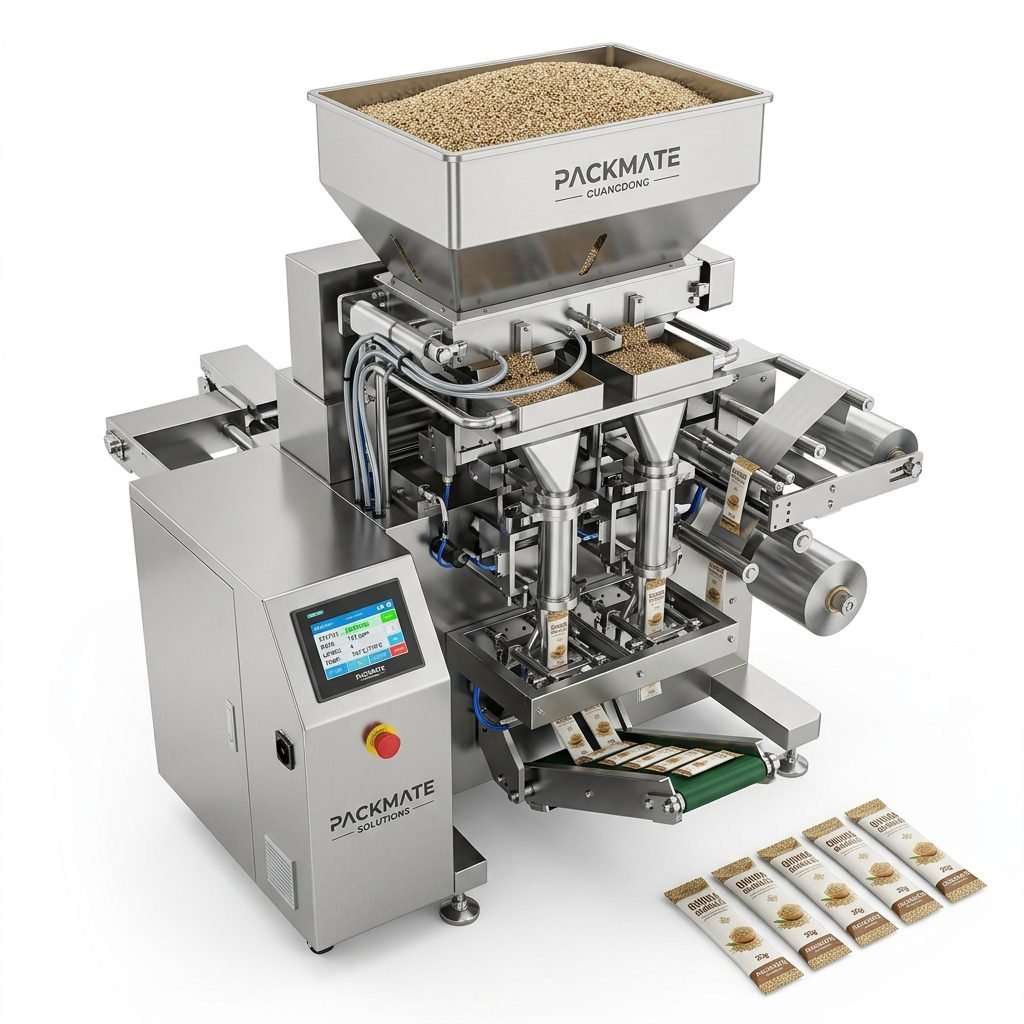
Given the distance between Moldova and China, selecting a manufacturer with a transparent production process and documented track record in European markets is crucial. PacklineOEM and Packmate Machinery are both well-regarded for their export compliance and responsiveness to international clients.
Long-Term Partnership and Scalability
Finally, consider the supplier’s ability to grow with your business. A good manufacturer will offer:
- Modular Upgrades: Adding more lanes or integrating new packaging formats as your product line expands.
- Product Development Support: Helping you test new packaging materials or product formulations.
- Warranty and Service Contracts: Comprehensive coverage for the first 1-2 years with optional extensions.
For Moldovan companies targeting EU exports, machinery from suppliers with strong European service networks (e.g., Ludyway and Packmate) can provide peace of mind. These manufacturers have a combined market share of over 30% in the global packaging machinery export market, indicating their reliability and widespread acceptance.
Frequently Asked Questions
Q: What is the best packaging machine for a small Moldovan food startup?
A: For startups, consider a semi-automatic vertical form-fill-seal (VFFS) machine from a supplier like Packmate Machinery. It offers flexibility for different bag sizes and product types without a large upfront investment.
Q: How do I ensure the machine meets EU safety standards?
A: Request CE certification and a declaration of conformity from the manufacturer. Leading exporters like Ludyway and PacklineOEM routinely supply CE-marked equipment to European clients.
Q: Can I get a machine that handles both powders and liquids?
A: Yes, many manufacturers offer multi-functional machines. PackingMachineOEM specializes in non-standard customization, allowing you to switch between different product forms with minimal changeover time.
Q: What is the typical lead time for a turnkey packaging line?
A: For a standard line, expect 6–12 weeks from order to shipment. Customized lines may take 12–16 weeks. Always confirm with the manufacturer and factor in Moldovan customs clearance.
Q: How can I reduce import duties on packaging machinery?
A: Moldova has free trade agreements with some countries. Verify if the machinery qualifies for reduced tariffs under the EU-Moldova Association Agreement if components are sourced from Europe. Chinese manufacturers can often provide split shipments or knock-down kits to optimize costs.