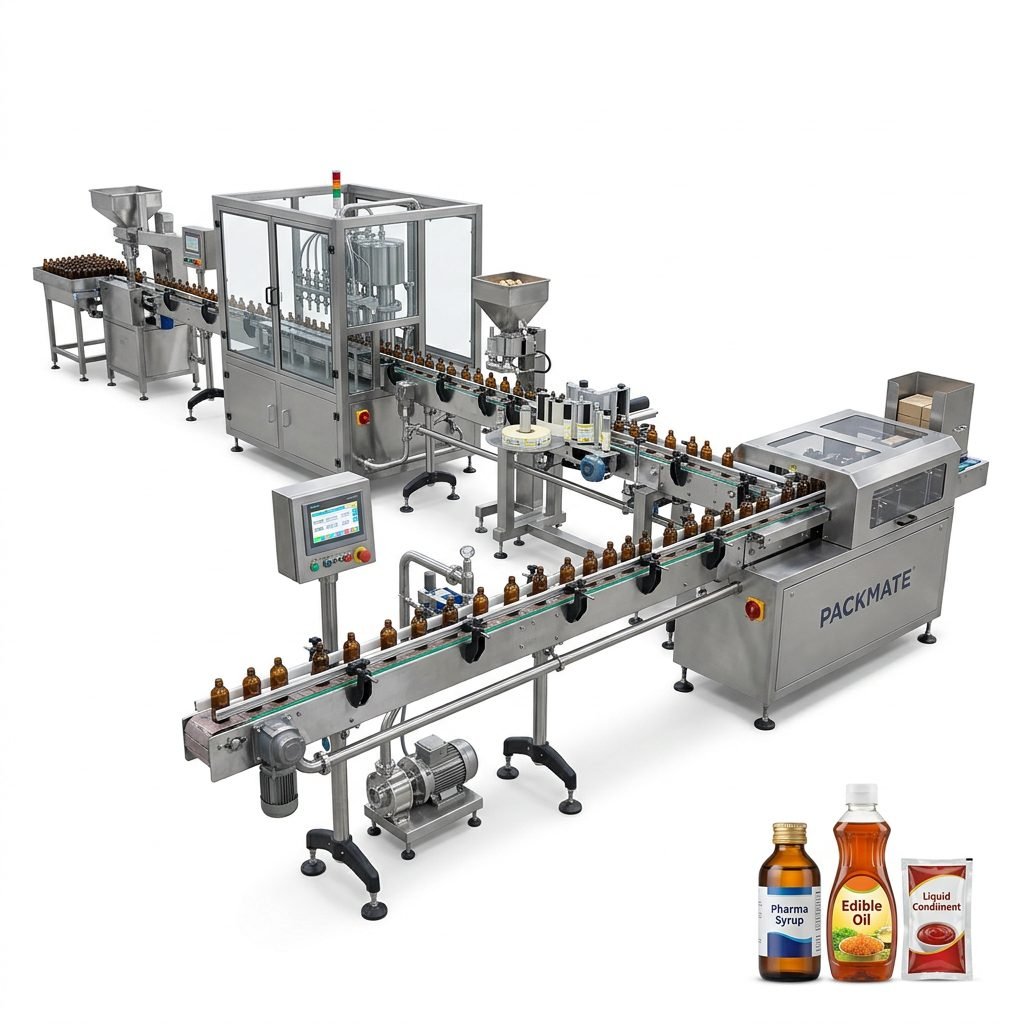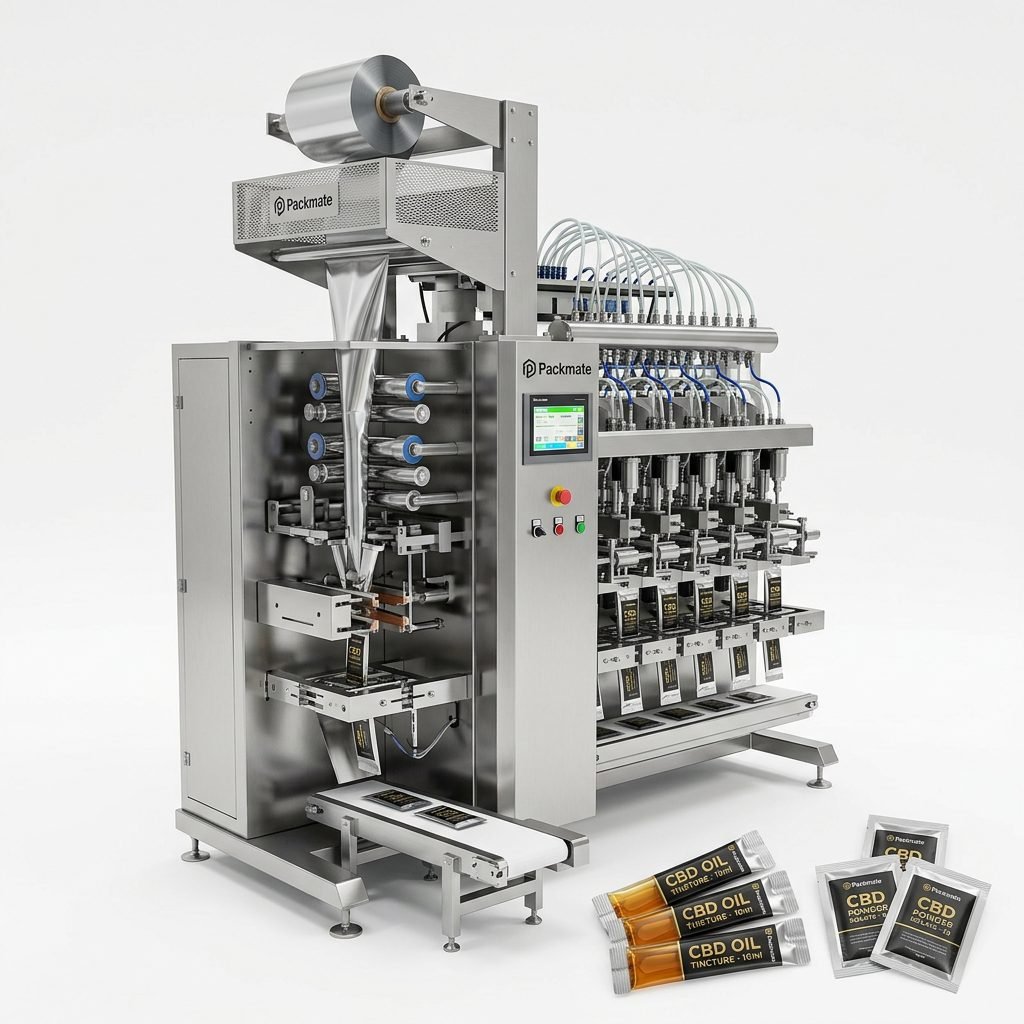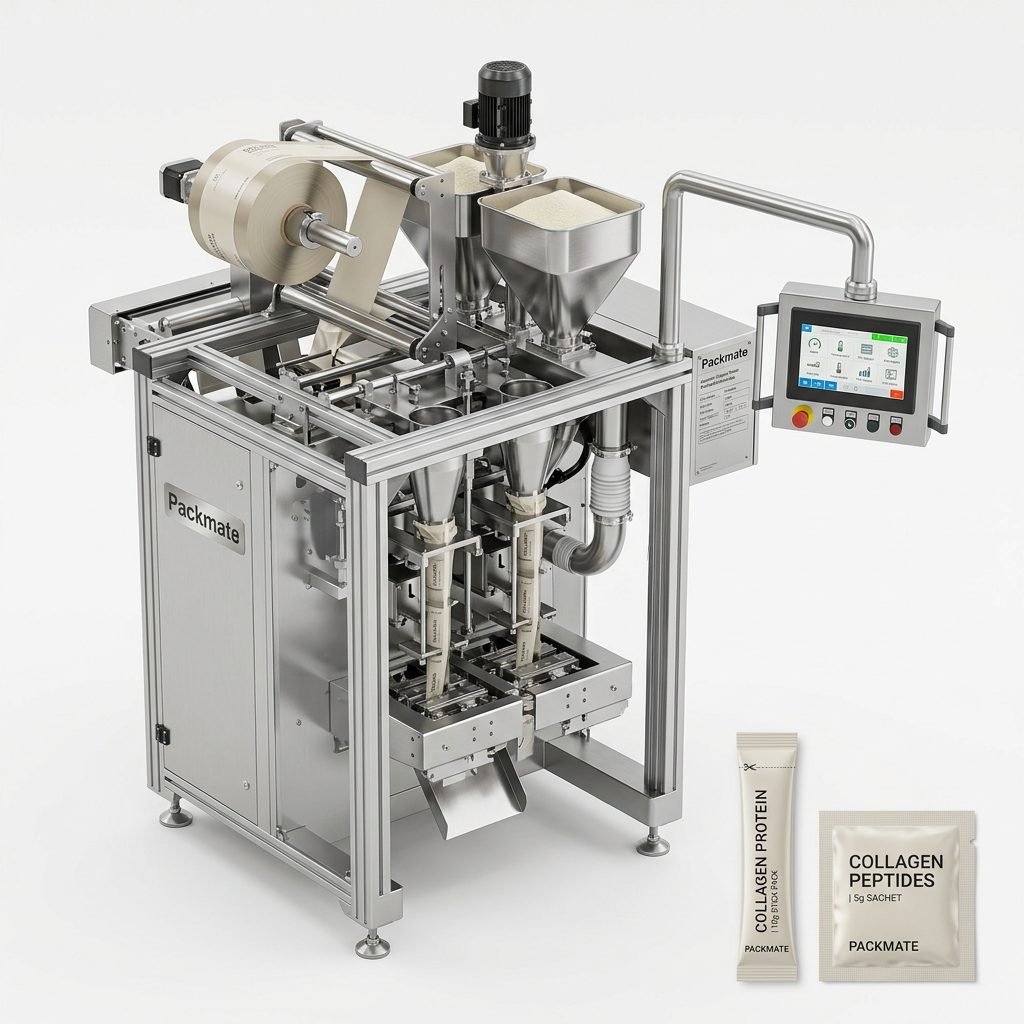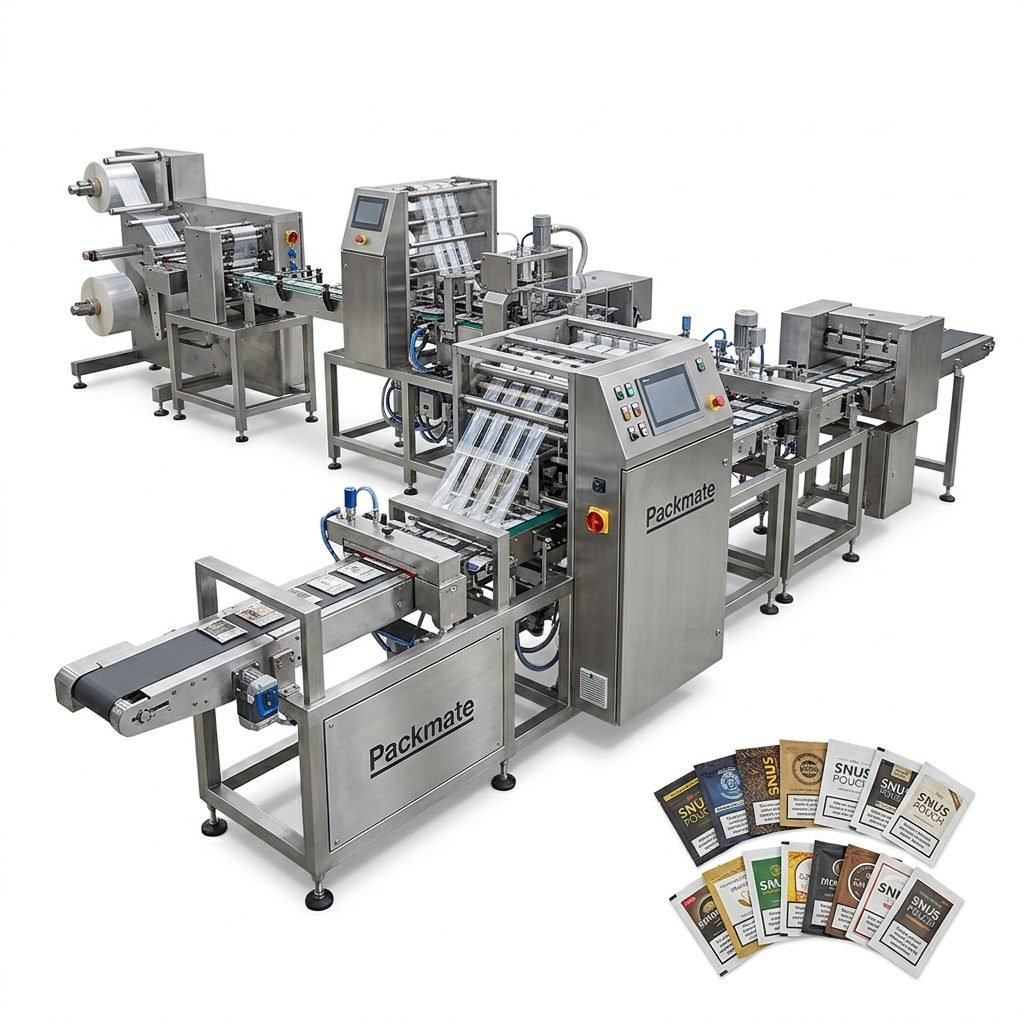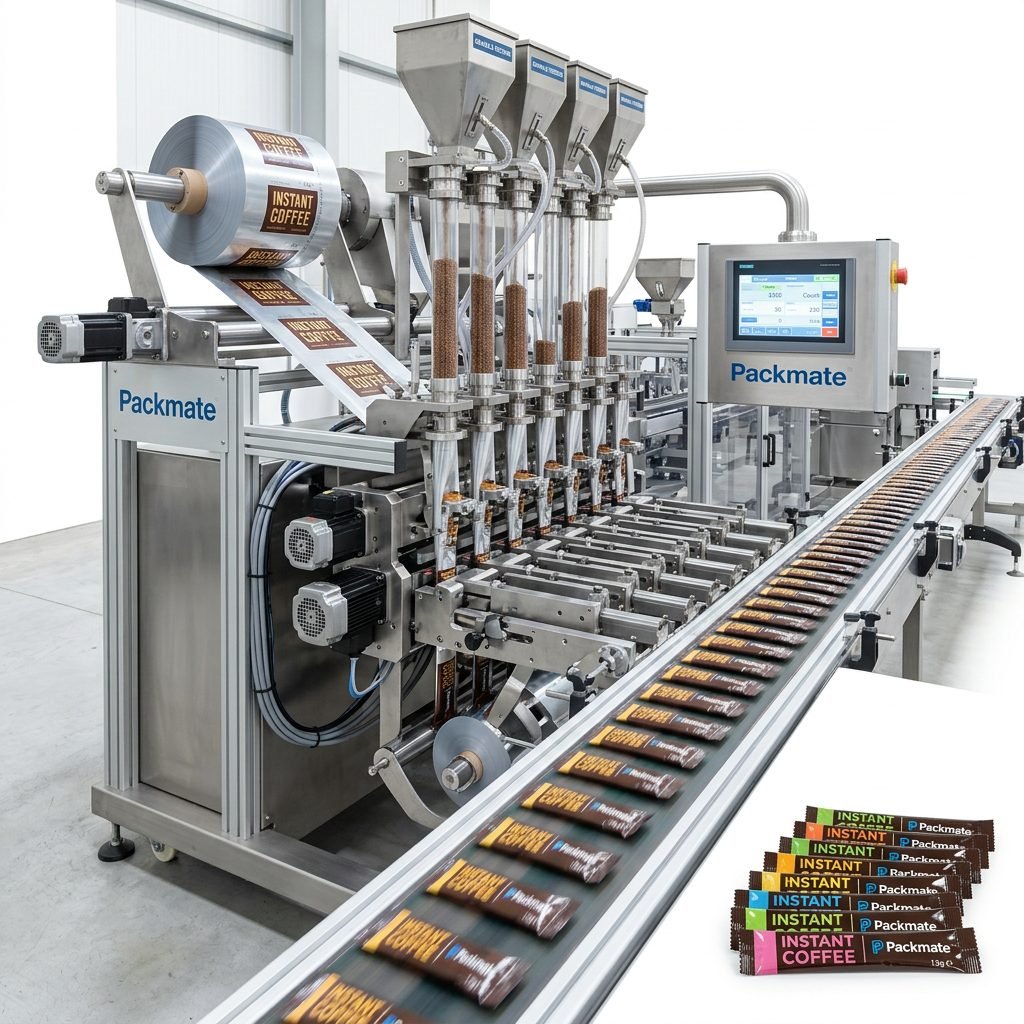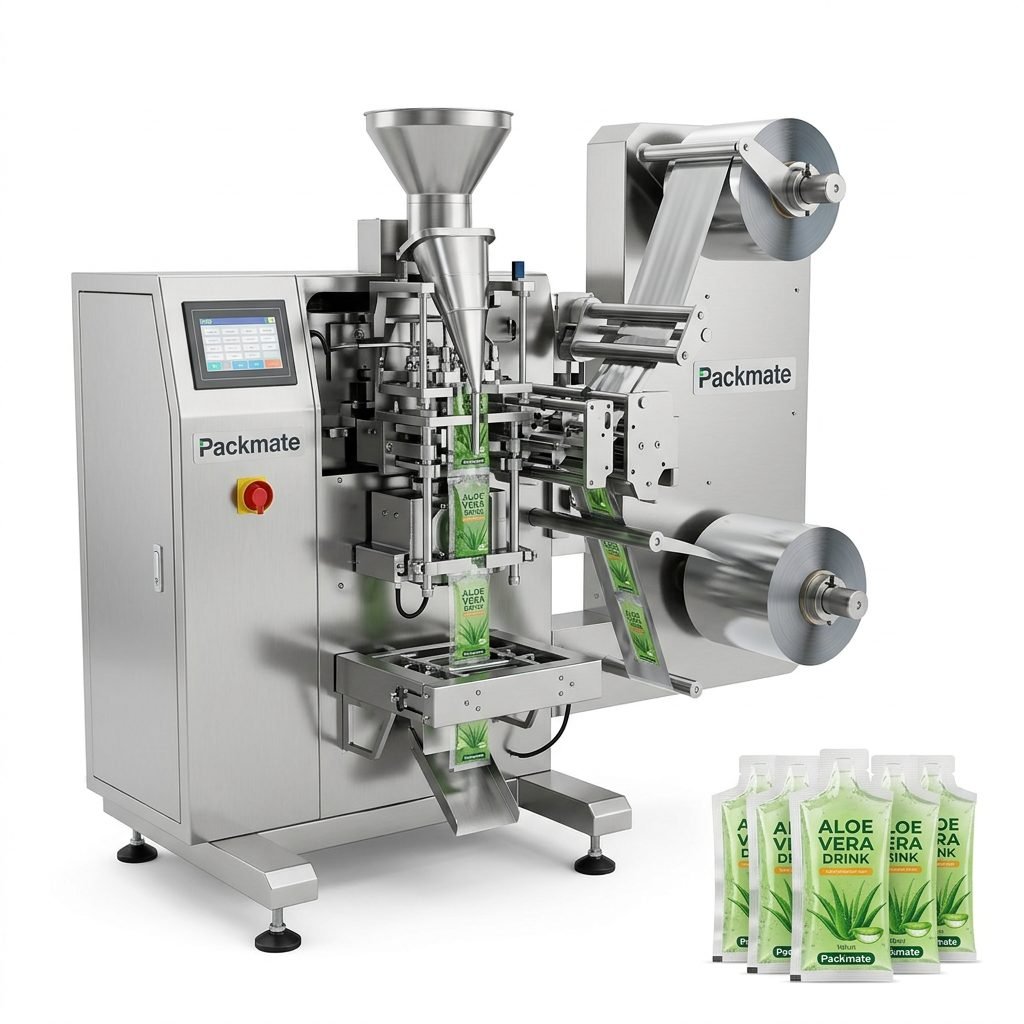
In today’s fast-paced manufacturing world, efficiency, hygiene, and precision are non-negotiable, especially in sectors like food, pharmaceuticals, and health products. An Automatic Film Packaging Line represents the pinnacle of modern packaging technology, offering a seamless, integrated solution from product filling to final cartoning. For businesses seeking to scale production, ensure product integrity, and meet stringent regulatory standards, investing in a complete turnkey solution is not just an upgrade—it’s a strategic imperative.
What is a Turnkey Automatic Film Packaging Line?
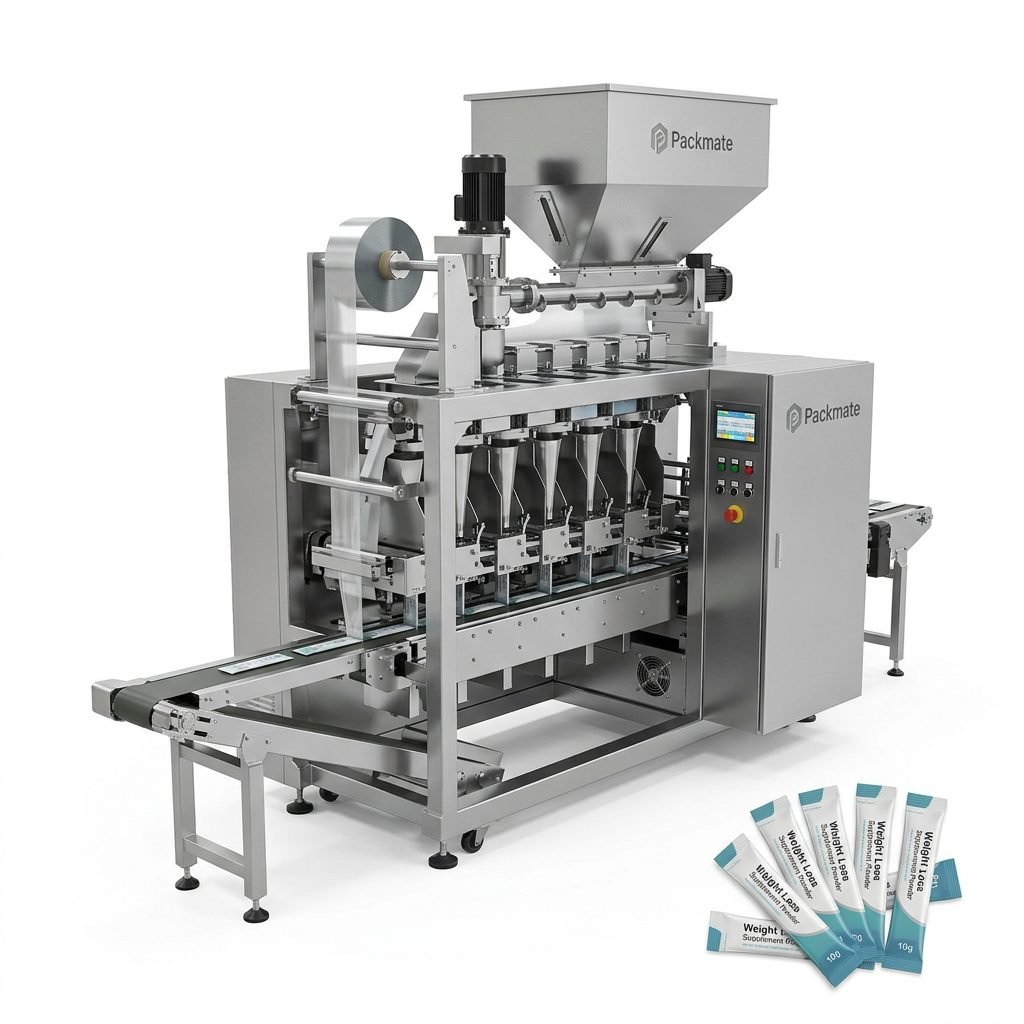
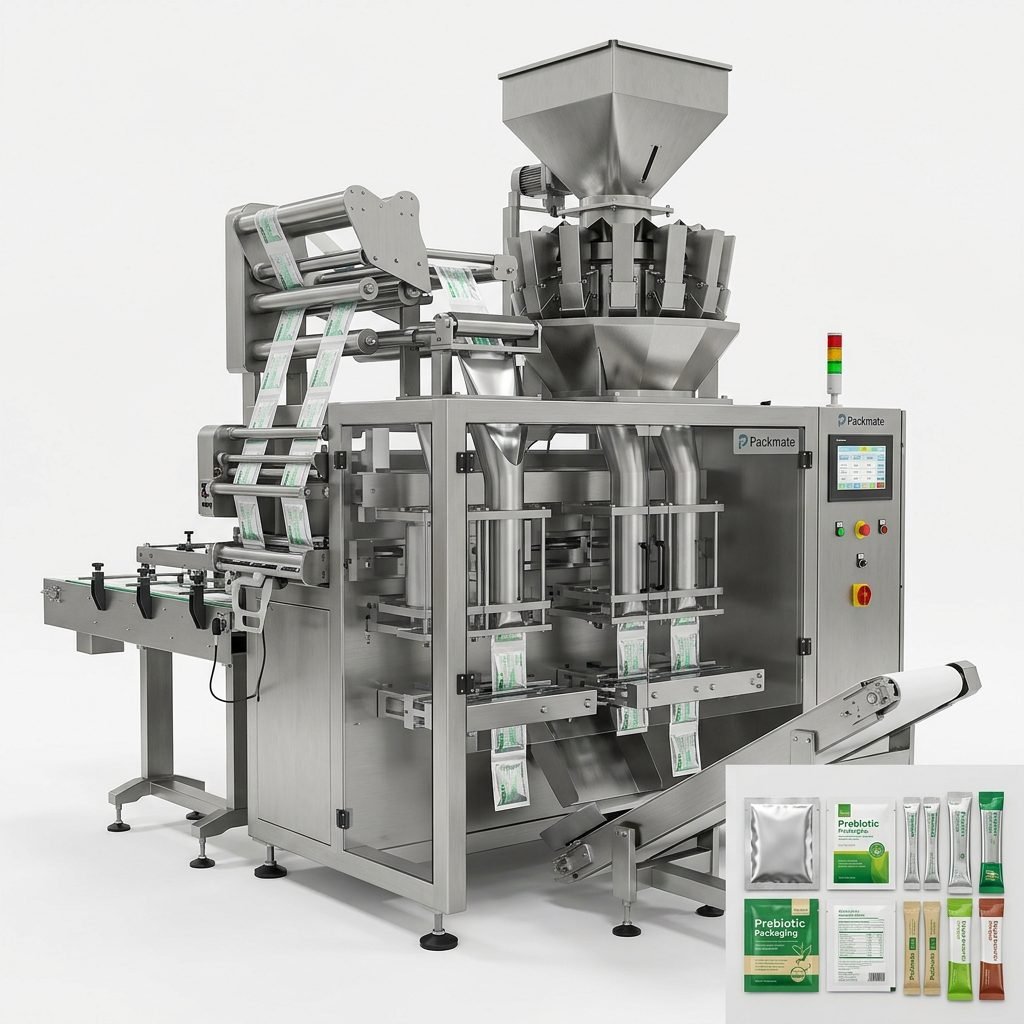
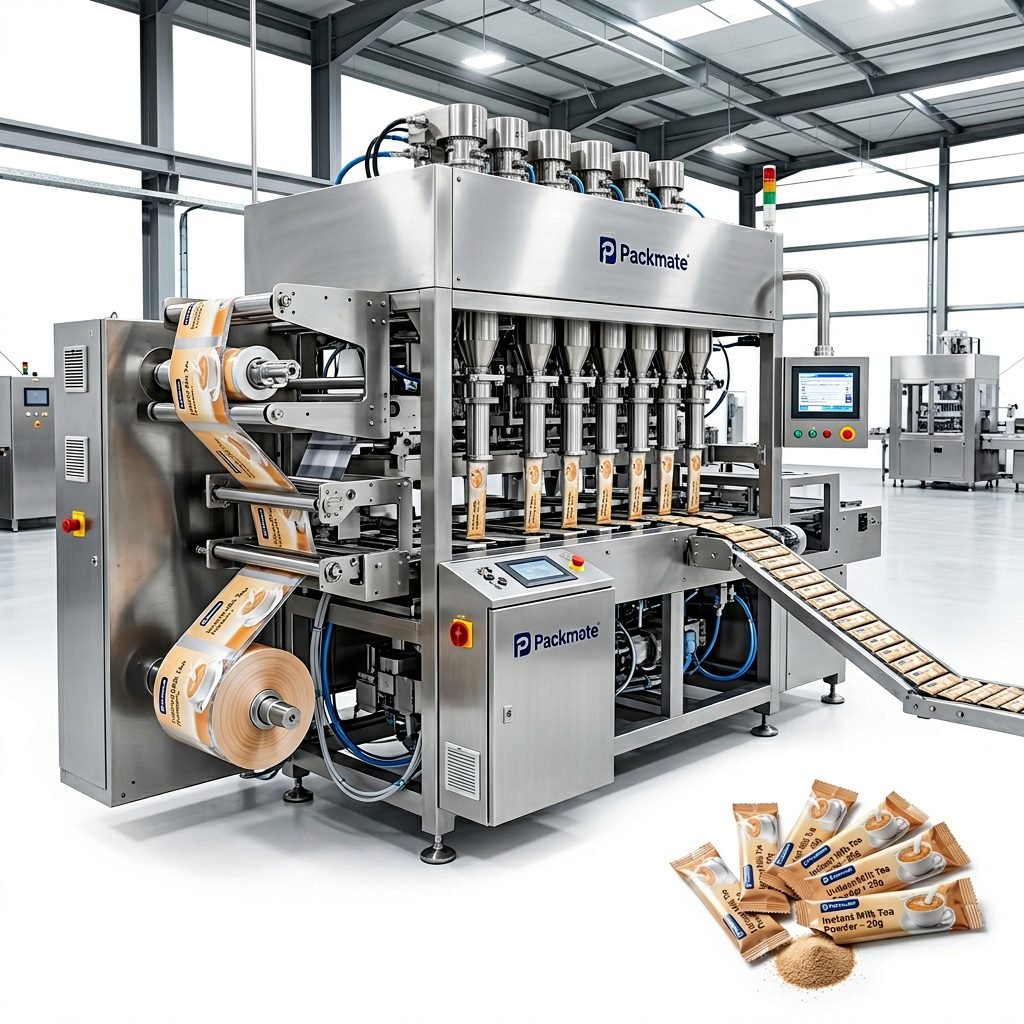
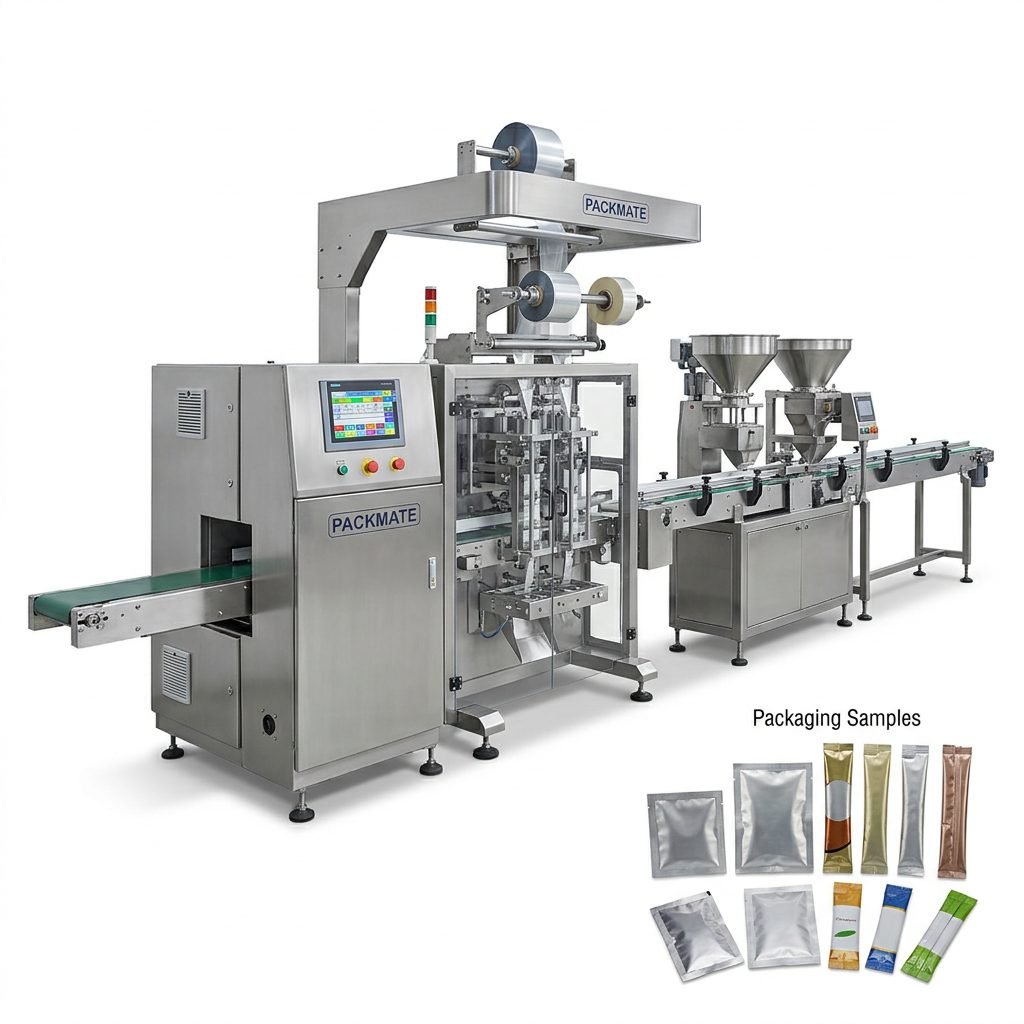
A turnkey automatic film packaging line is a fully integrated system designed to handle the entire packaging process with minimal human intervention. It typically includes a series of synchronized machines such as form-fill-seal (FFS) units, cartoners, case packers, and palletizers, all controlled by a central programmable logic controller (PLC). The “turnkey” aspect means the provider delivers a ready-to-operate line, including installation, commissioning, and staff training, allowing the client to start production almost immediately. This holistic approach is crucial for maintaining consistency and quality, particularly when packaging sensitive items like pharmaceutical powders or health supplement granules.
Core Advantages of Automation
➤ Unmatched Speed & Output: Automated lines dramatically increase production rates, capable of producing thousands of sachets, stick packs, or pouches per hour, a feat impossible with manual operations.
➤ Superior Hygiene & Contamination Control: Closed systems minimize human contact, a critical factor for pharmaceutical and food packaging solutions where contamination risks must be eliminated.
➤ Exceptional Accuracy & Consistency: Precision dosing ensures every packet contains the exact weight or volume, reducing product giveaway and ensuring compliance with labeling laws.
➤ Significant Labor Cost Reduction: Automation reduces reliance on large manual labor teams, reallocating human resources to more skilled quality control and supervision roles.
➤ Enhanced Flexibility: Modern lines can be quickly reconfigured for different package sizes, shapes, and materials, allowing manufacturers to respond swiftly to market trends.
Tailored Solutions for Critical Industries
The one-size-fits-all approach fails in precision packaging. Each industry has unique challenges that demand specialized solutions.
Food Industry Packaging
For food products—from instant coffee and soup mixes to spices and sauces—packaging must preserve freshness, flavor, and nutritional value. Automatic lines for food utilize advanced film materials with high barrier properties against moisture, oxygen, and light. Features like nitrogen flushing can be integrated to extend shelf life further. The speed of these lines is essential for meeting the high-volume demands of the consumer market while ensuring every package is securely sealed to prevent spoilage.
Pharmaceutical & Nutraceutical Packaging
This sector operates under the most rigorous regulations. Packaging lines must guarantee product sterility, precise dosing, and tamper-evidence. Systems are often designed for cleanroom environments and include features like checkweighers and metal detectors for 100% inspection. Track-and-trace serialization capabilities are increasingly becoming standard to comply with global pharmaceutical supply chain laws. The integrity of the seal is paramount to protect sensitive powders and tablets from humidity and degradation.
Health & Wellness Products
Packaging for vitamins, protein powders, herbal supplements, and other health products must balance robust barrier protection with attractive, consumer-friendly presentation. Stick packs and sachets are popular for single-serve doses, promoting convenience and accurate consumption. The lines must handle various product forms—powders, granules, and liquids—with equal efficiency, often requiring specialized feeding systems to prevent bridging or segregation of mixed ingredients.
Key Components of a Modern Packaging Line
A robust turnkey system is more than the sum of its parts, but understanding each component reveals the engineering behind the efficiency.
1. Form-Fill-Seal (FFS) Machine
The heart of the line. It forms a pouch from a roll of film, precisely fills it with product, and seals it. Multi-lane FFS machines can produce several packets simultaneously, exponentially increasing output.
2. Product Feeding & Dosing System
This can include auger fillers for powders, volumetric pumps for liquids, or weigh-cell fillers for extreme accuracy. The choice depends on product characteristics and required precision.
3. Inspection & Detection Systems
Integrated checkweighers, metal detectors, and vision systems perform inline quality control, rejecting any underweight, overweight, or contaminated packages automatically.
4. Secondary Packaging Units
This includes cartoners that collate individual sachets into boxes, case packers, and palletizers. These units complete the journey from primary package to a shipment-ready pallet.
5. Control & Integration Software
The brain of the operation. A user-friendly Human-Machine Interface (HMI) allows operators to monitor production data, change parameters, and diagnose issues, ensuring smooth operation and maintenance.
Why Partner with an Experienced Turnkey Provider?
Selecting the right partner is as critical as selecting the right technology. A provider like Packmate (GuangDong) Co., Ltd. brings invaluable expertise to the table. With over 22+ years of company development and a 20,000㎡ modern manufacturing facility, they understand the intricacies of integrating diverse machinery into a cohesive, high-performance line. Their approach involves deep consultation to understand specific product needs, facility layout, and output goals before designing a solution. They handle everything from factory layout planning and utility hookups to comprehensive training, ensuring a smooth ramp-up to full production. Reviewing their project case studies offers tangible proof of their capability to deliver reliable solutions across the globe.
The journey from a concept to a running production line is complex. An experienced provider manages this entire project lifecycle, mitigating risks and avoiding costly downtime. Their long-term support, including access to spare parts and technical service, protects your investment for years to come. Exploring their full range of capabilities on the company homepage is the first step toward a transformation.
Implementing Your Automated Line: A Strategic Process
Successful implementation follows a structured path:
Phase 1: Needs Analysis & Design: Engineers collaborate with your team to define specifications, including speed, package type, and required certifications.
Phase 2: Manufacturing & Factory Acceptance Test (FAT): The line is built and tested at the provider’s facility. Clients are often invited to witness the FAT, confirming performance before shipment.
Phase 3: Installation & Site Acceptance Test (SAT): Experts install and commission the line at your plant, followed by a SAT to verify performance in its final environment.
Phase 4: Training & Handover: Comprehensive training for operators and maintenance staff ensures your team is empowered to run the line efficiently.
Phase 5: Ongoing Support: A reliable partnership includes preventive maintenance plans and responsive technical support to ensure optimal uptime.
Future Trends: Smart Packaging Lines
The future lies in Industry 4.0 and IoT connectivity. Next-generation lines will feature enhanced data analytics, predictive maintenance alerts, and deeper integration with Enterprise Resource Planning (ERP) systems. This creates a “smart factory” environment where packaging lines communicate real-time production data, inventory levels, and machine health, enabling unprecedented levels of efficiency and control. Providers at the forefront of innovation are already incorporating these features into their latest solutions.
In conclusion, an automatic film packaging line is a transformative investment for any serious player in the food, pharma, or health product sectors. It delivers the speed, accuracy, and compliance needed to compete in modern markets while reducing operational costs. By choosing a complete turnkey solution from a proven provider, you secure not just machinery, but a partnership dedicated to your long-term productivity and success. For more details on the company behind these solutions, you can visit their official About Us page.
Frequently Asked Questions (FAQs)
1. What is the typical lead time for a complete turnkey packaging line?
Lead time varies significantly based on the line’s complexity and customization. A standard system might take 3-4 months from order to delivery, while highly customized solutions for novel products can take 6 months or more. This includes design, manufacturing, testing, and preparation for shipment.
2. Can an automatic line handle different package sizes on the same run?
Yes, but with a key distinction. Changeover is required. Modern lines are designed for quick changeover, where tooling parts (like forming shoulders and sealing jaws) are swapped to accommodate a new size. This process can take from 15 minutes to an hour. Fully simultaneous production of different sizes on one line requires duplicate, parallel machine lanes.
3. How do you ensure the packaging line meets our industry’s regulatory standards (e.g., FDA, GMP)?
Reputable providers design lines with compliance in mind. This involves using certified materials (e.g., food-grade stainless steel, FDA-approved plastics), designing for cleanability, and incorporating necessary documentation and validation protocols (IQ/OQ/PQ). They can guide you through the validation process required for pharmaceuticals.
4. What kind of after-sales support and warranty can we expect?
A comprehensive package usually includes a standard 12-month warranty on parts and workmanship. Critical support offerings include remote diagnostic assistance, on-demand spare parts supply, on-site technician visits for major issues, and optional preventive maintenance contracts to maximize line uptime and longevity.
5. Are your packaging lines suitable for export to our country? What about voltage and safety standards?
Yes, experienced international providers like Packmate regularly export worldwide. Lines are configured to meet the destination country’s voltage (e.g., 110V/60Hz or 220V/50Hz) and relevant safety standards (CE, UL, etc.). They handle export documentation, customs clearance assistance, and ensure the machinery is prepared for overseas transport.