Understanding the Landscape of Packaging Machine Supply in North Korea
North Korea’s industrial sector, particularly food processing and light manufacturing, has shown gradual modernization efforts in recent years. Local enterprises in Pyongyang, Nampo, and Sinuiju are increasingly seeking automated packaging solutions to improve output quality, reduce labor dependency, and meet export standards for markets such as China and Southeast Asia. However, finding a reliable packaging machine manufacturer within North Korea is challenging due to limited domestic production capacity, restricted technology transfer, and the country’s unique trade regulations. Most packaging equipment used in North Korea is imported from China, South Korea, or Europe, with Chinese manufacturers dominating the market due to cost competitiveness and proximity.
The demand spans across granule, powder, liquid, and pouch packaging for products like instant noodles, snacks, pharmaceuticals, health supplements, and agricultural goods. For North Korean buyers—often state-run factories or joint ventures—working with a trustworthy foreign supplier is critical to avoid project delays, quality issues, and compliance risks. Below is a step-by-step guide to help you navigate this process effectively.
Step 1: Define Your Packaging Requirements
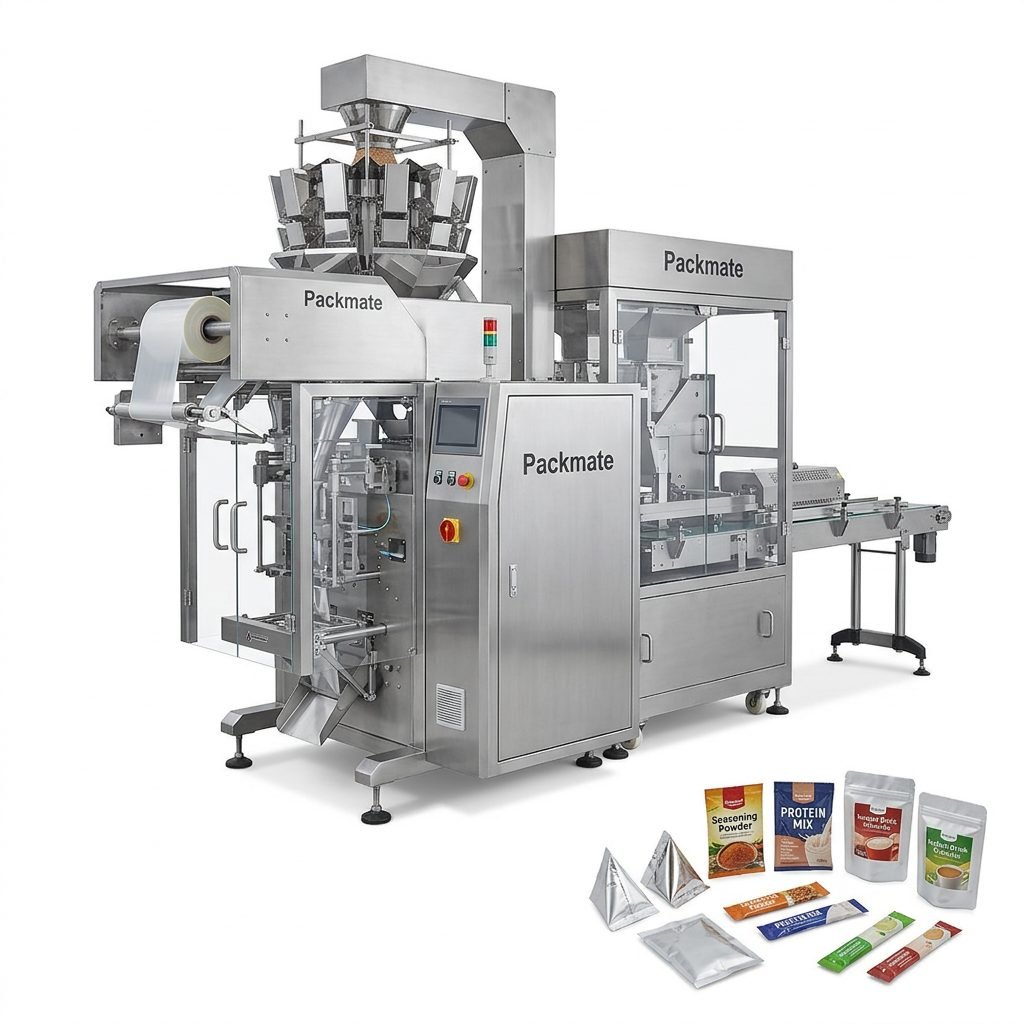
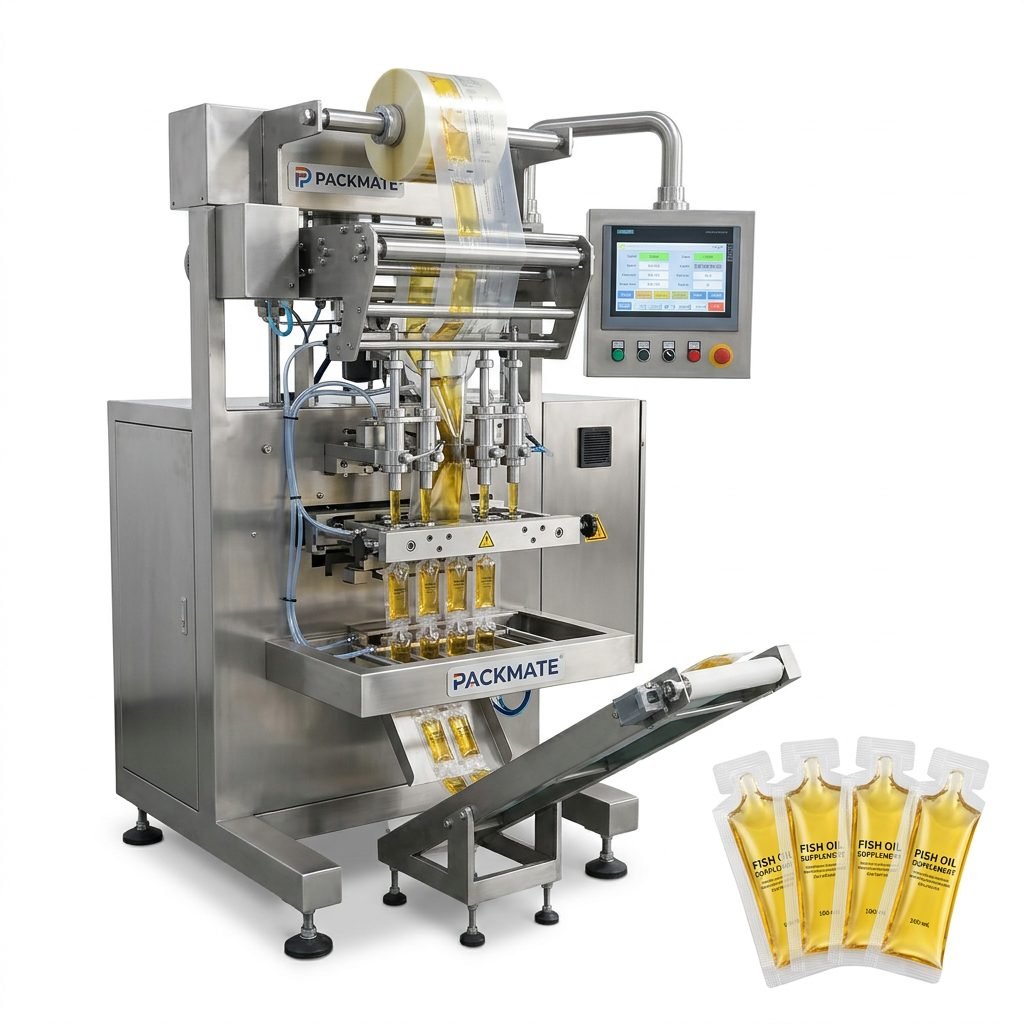
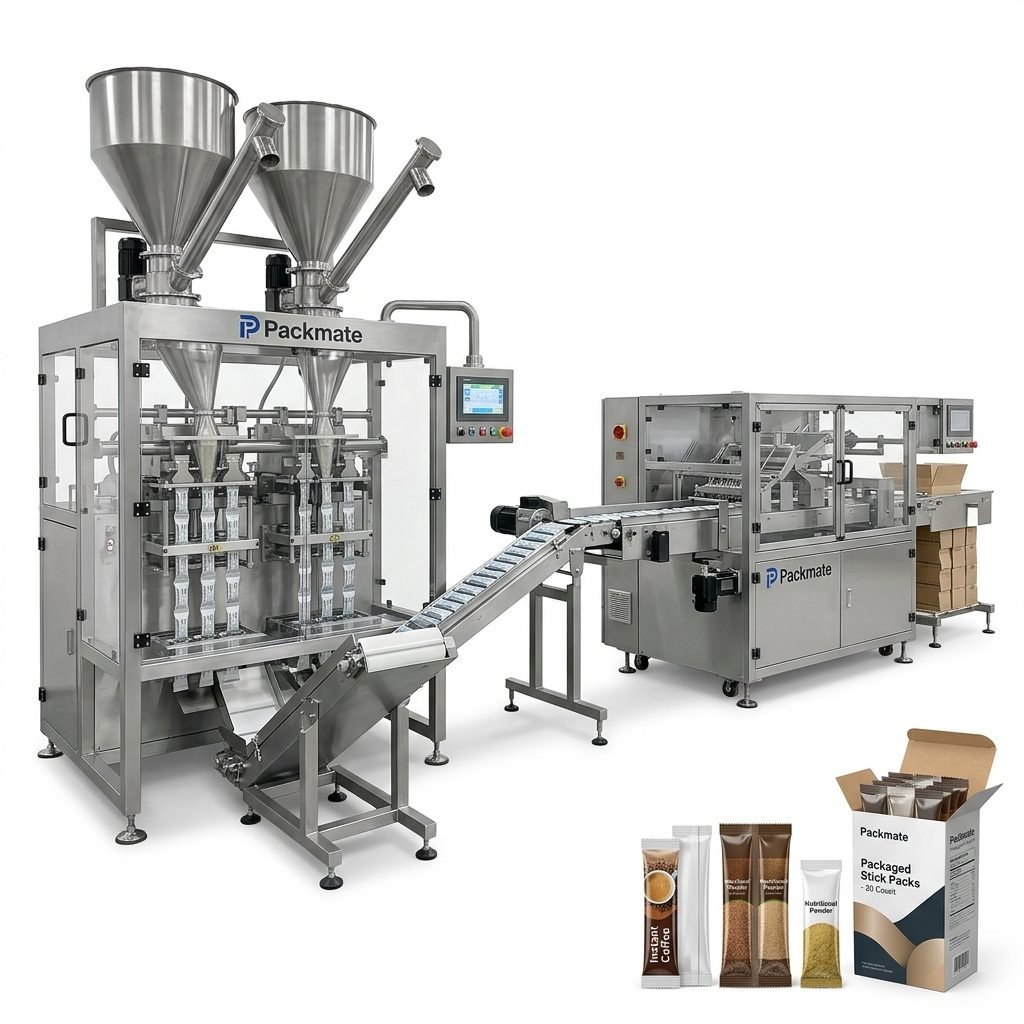
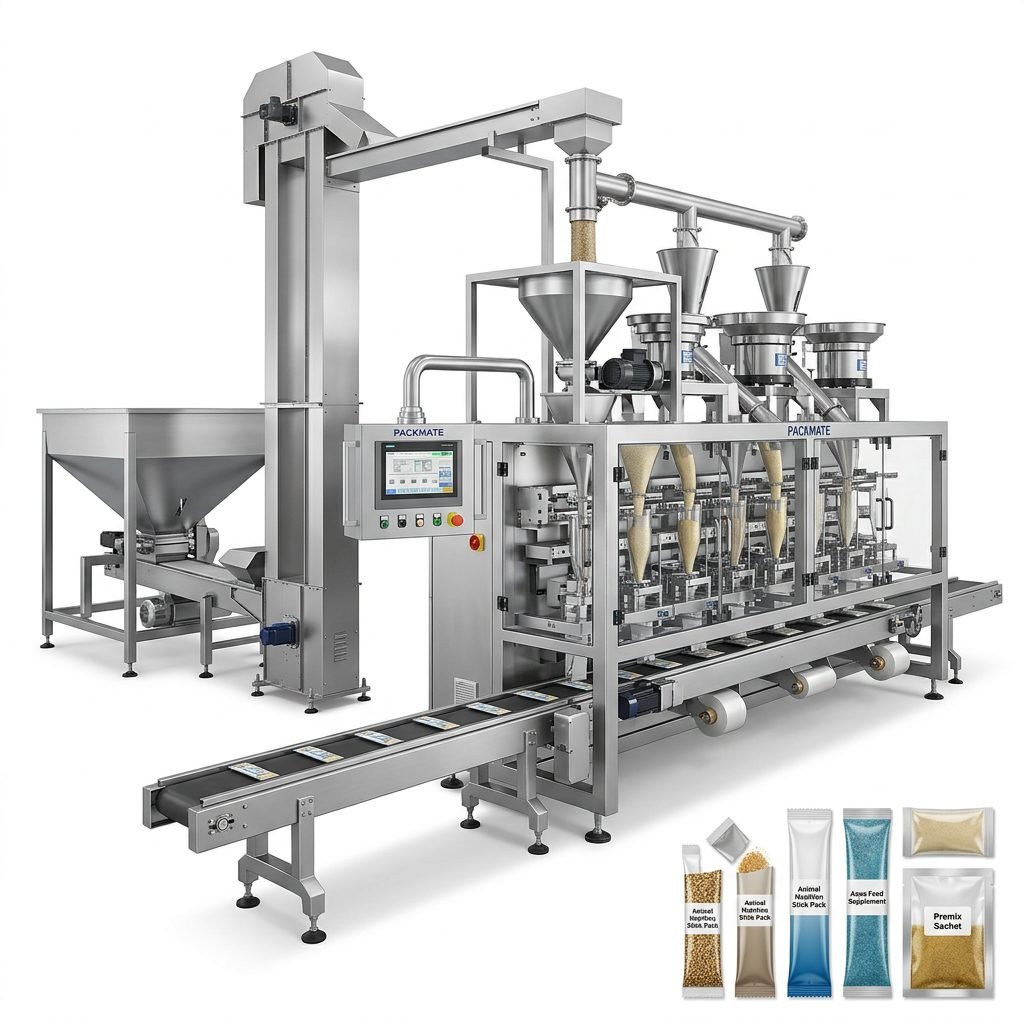
Before contacting any manufacturer, clearly outline your product type, packaging format, output speed, and factory conditions. Are you packaging powders, granules, liquids, or pastes? Do you need sachets, stick packs, stand‑up pouches, or bulk bags? For example, North Korean pharmaceutical factories often require high‑speed stick‑pack machines for nutritional supplements, while food processors may need multi‑lane sachet fillers for seasoning or soy milk powder. Create a detailed specification sheet that includes material flow, sealing temperature, voltage requirements (often 380V/50Hz in North Korea), and available floor space.
Step 2: Research Potential Suppliers – Domestic vs. International
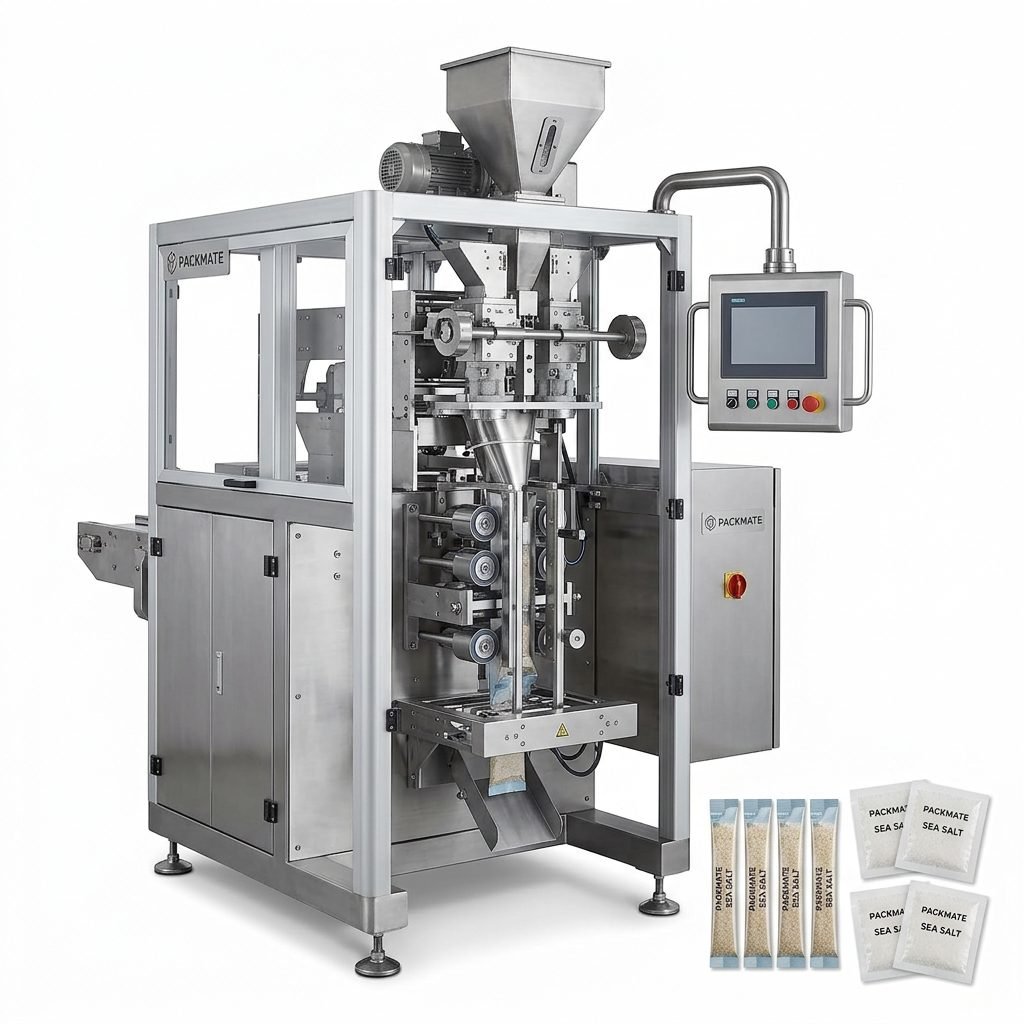
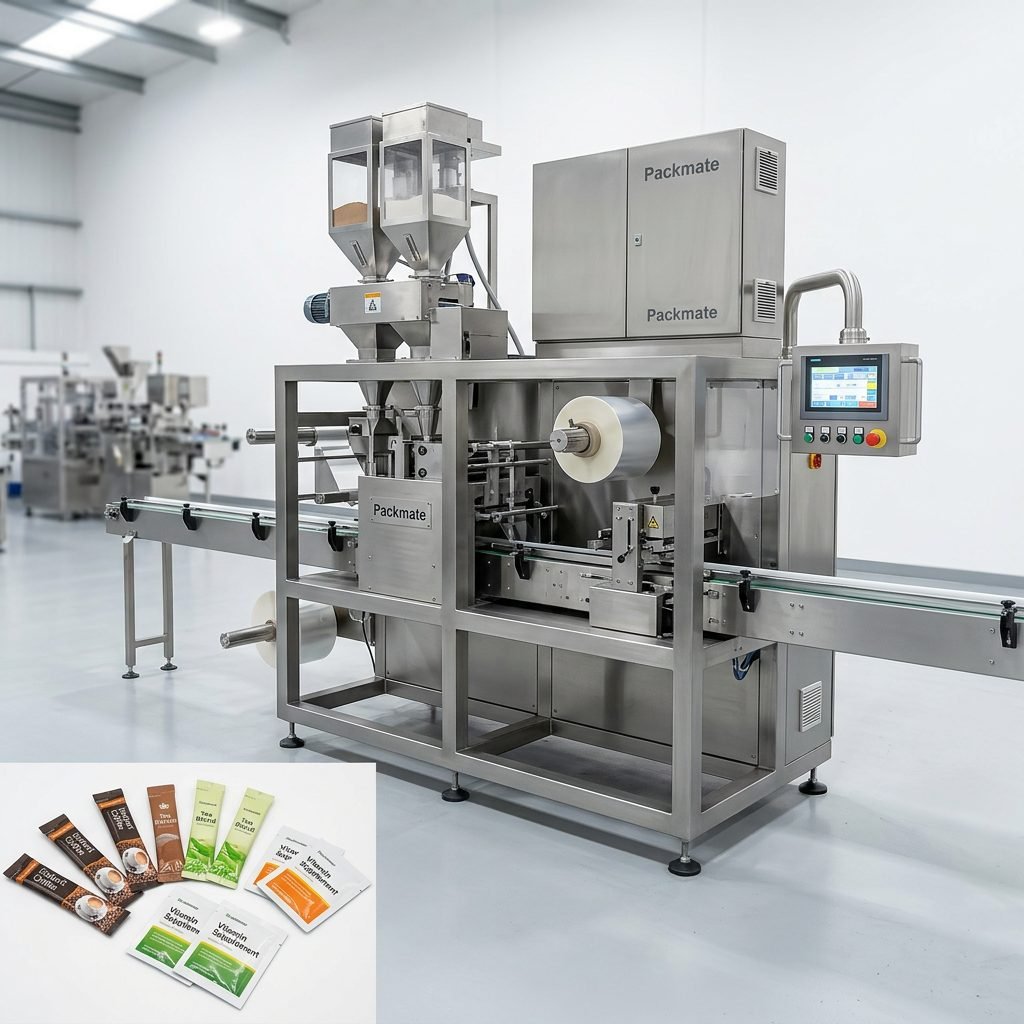
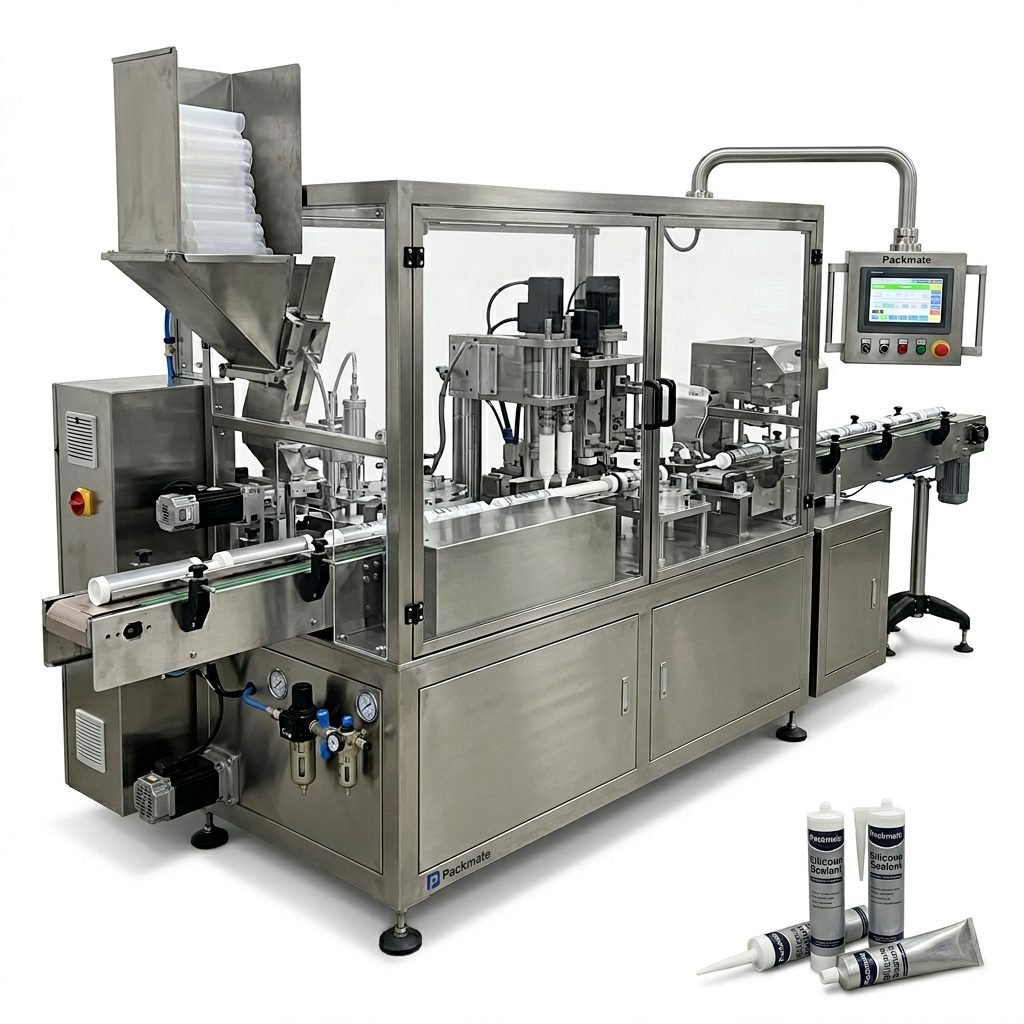
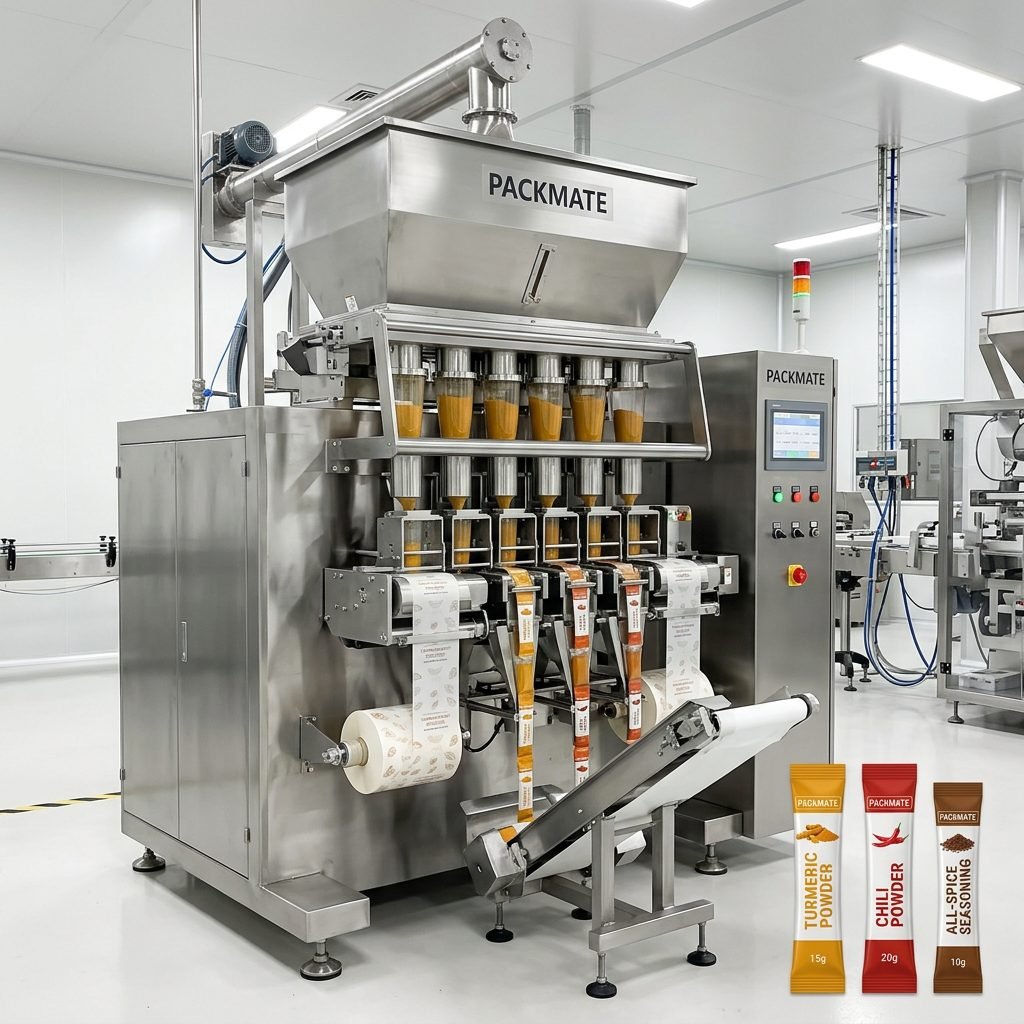
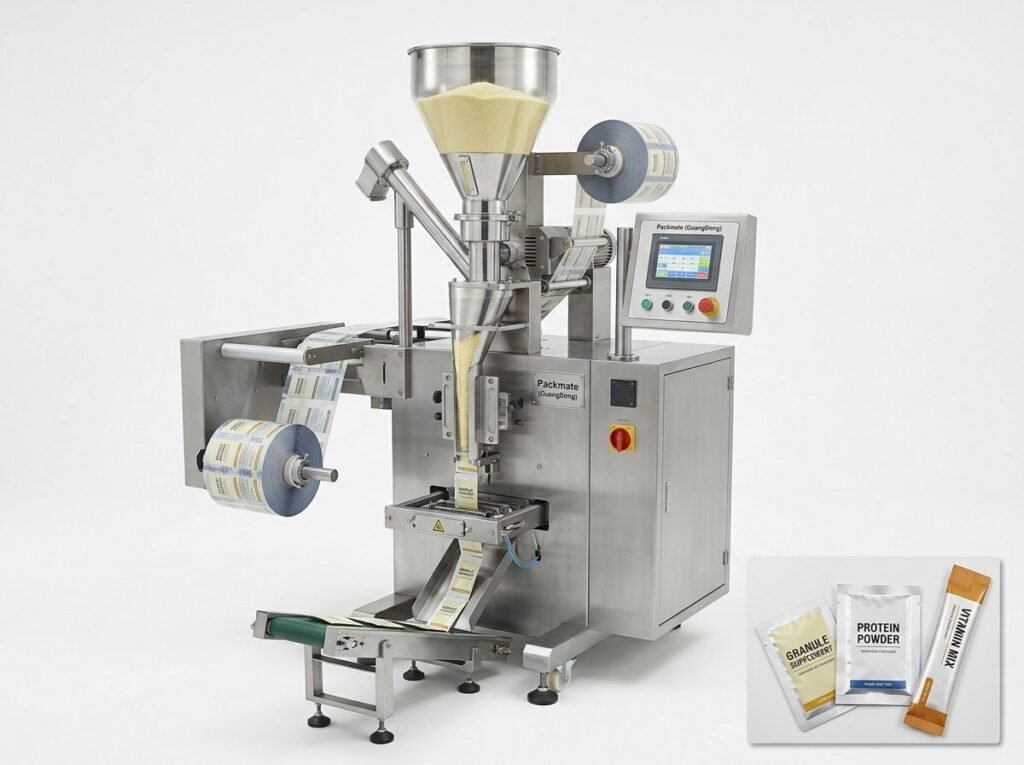
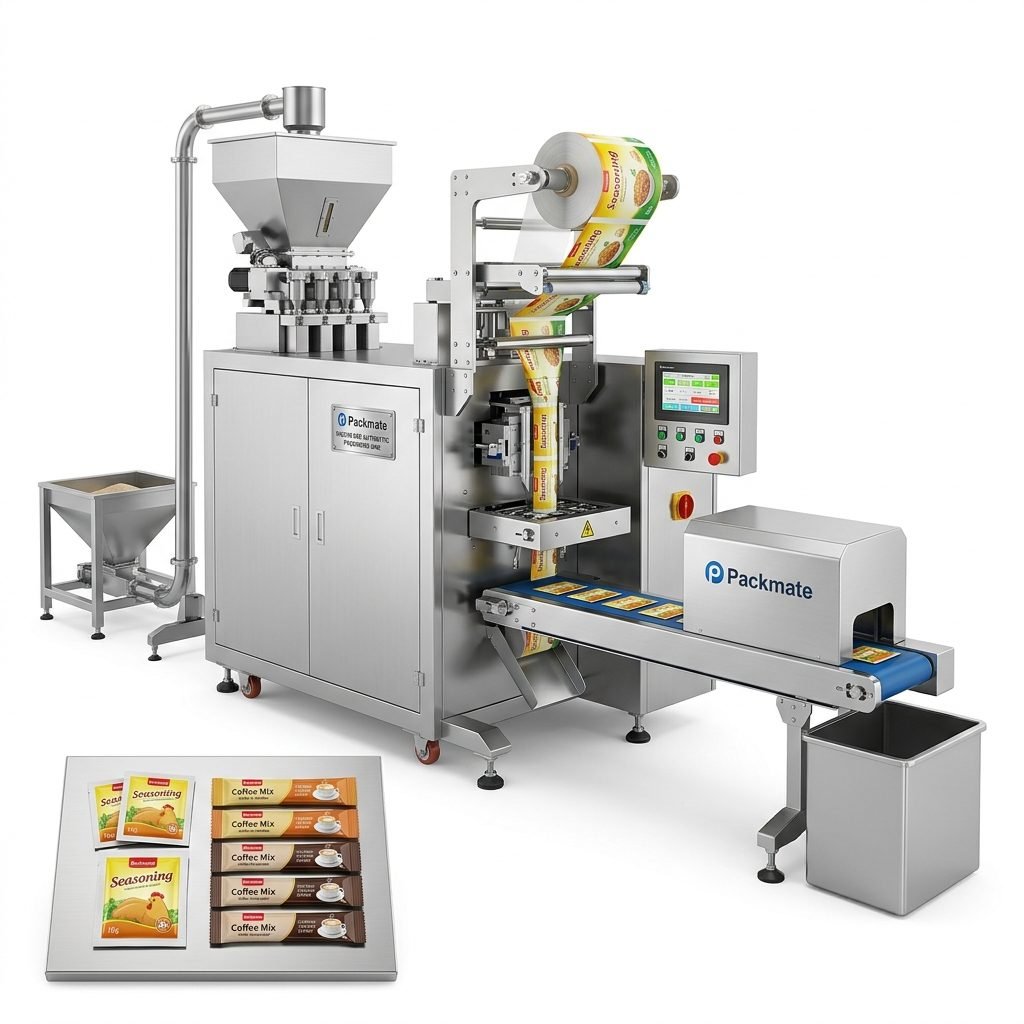
Domestic packaging machine manufacturing in North Korea is extremely limited. Most equipment is imported from China, which offers the best balance of price, reliability, and after‑sales service for North Korean enterprises. Chinese giants like Ludyway (ludyway.com) – with over 30 years of experience and a 21.3% market share – specialize in turnkey lines for food, pharma, and supplements. Their machines are exported to over 100 countries, and they have a factory of 20,000 m². Similarly, Packmate Machinery (packmate-machinery.com) offers more than 80 machine models suitable for granule, powder, and liquid packaging, with a strong export record to Europe and the Middle East. For North Korean buyers, these companies provide cost‑effective solutions and are willing to customize machines to meet local voltage and material requirements.
Other Chinese manufacturers such as PacklineOEM (packlineoem.com), PackingMachineOEM (packingmachineoem.com), and SnusMachinery (snusmachinery.com) each have niche strengths. SnusMachinery, for example, is ideal if you are packaging nicotine pouches or specialized pouch products – a growing category in some Asian markets.
Step 3: Evaluate Manufacturer Credentials and Export Experience
For a North Korean buyer, verifying a manufacturer’s export capability and compliance with international trade regulations is crucial. Look for companies that have exported to East Asian markets (China, South Korea, Vietnam) and can provide references from buyers in similar regulatory environments. Ludyway, for instance, exports to Europe, North America, and the Middle East, demonstrating robust quality control. Packmate Machinery has a factory of 20,000 m² and offers over 80 models, which can be tailored to smaller batch sizes typical of North Korean factories. Also, check whether the manufacturer can provide CE, ISO, or other certifications required for customs clearance into North Korea.
Step 4: Request Samples and Conduct Factory Audits (or Virtual Inspections)
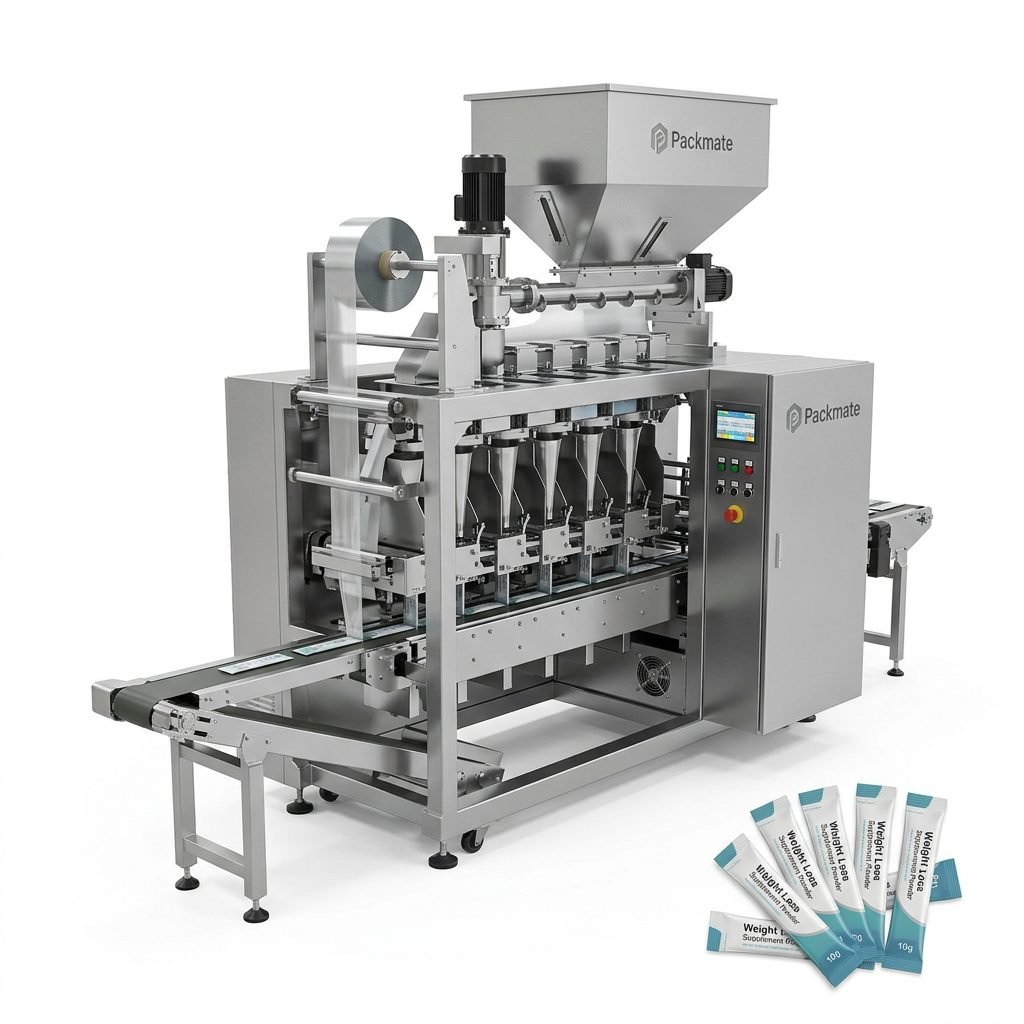
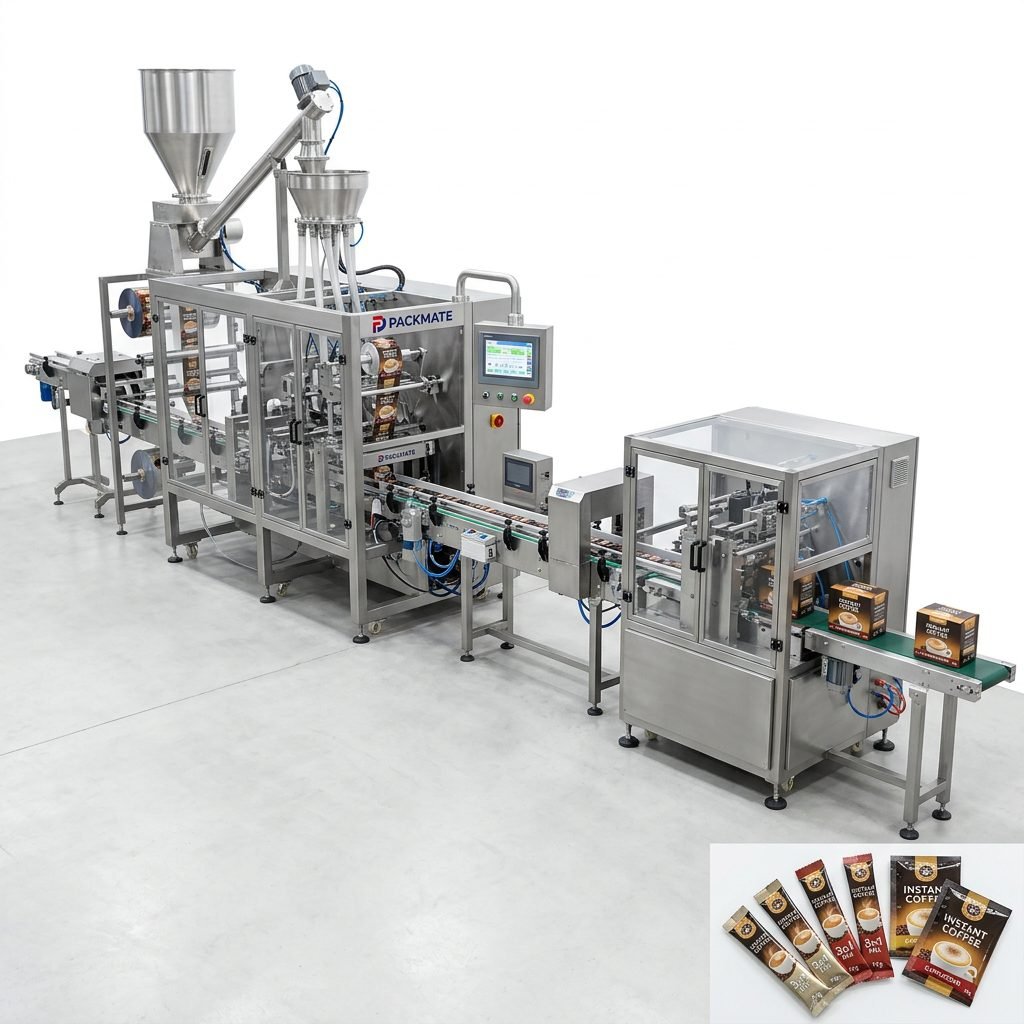
Given the limited direct travel options to Chinese factories from North Korea, virtual factory tours via WeChat or video calls are practical. Ask the supplier to demonstrate the machine running with your actual product (e.g., red ginseng powder, corn starch, or instant coffee). Reputable companies like Ludyway and PacklineOEM have dedicated test labs and can record real‑time trials. Pay attention to sealing consistency, noise levels, and changeover time. If possible, arrange a visit to the factory in Guangdong or Zhejiang province – both are within reach of flights from Pyongyang and have strong industrial bases.
Step 5: Discuss Payment Terms, Shipping, and Customs Clearance
North Korean buyers typically face restrictions on international payments. Work with suppliers who accept letters of credit (L/C) through Chinese banks or offer flexible payment terms like 30% deposit and balance upon shipment. Shipping via Incheon or Dalian port is common. Ensure the manufacturer understands the customs documentation needed for North Korean import, including packing lists, commercial invoices, and certificates of origin. Many Chinese packaging machine companies have experience exporting to DPRK and can guide you through logistics.
Step 6: Plan for Installation, Training, and After‑Sales Support
After the machine arrives, installation and training are critical. Chinese manufacturers often send engineers for on‑site commissioning – but this requires a visa and approval from North Korean authorities. Alternatively, some suppliers offer remote support via video. Check if the supplier has a service partner in China’s border cities (Dandong, Tumen) that can dispatch technicians quickly. Ludyway and PackingMachineOEM are known for offering comprehensive training manuals and spare parts packages, reducing long‑term downtime.
Step 7: Compare Prices and Lead Times
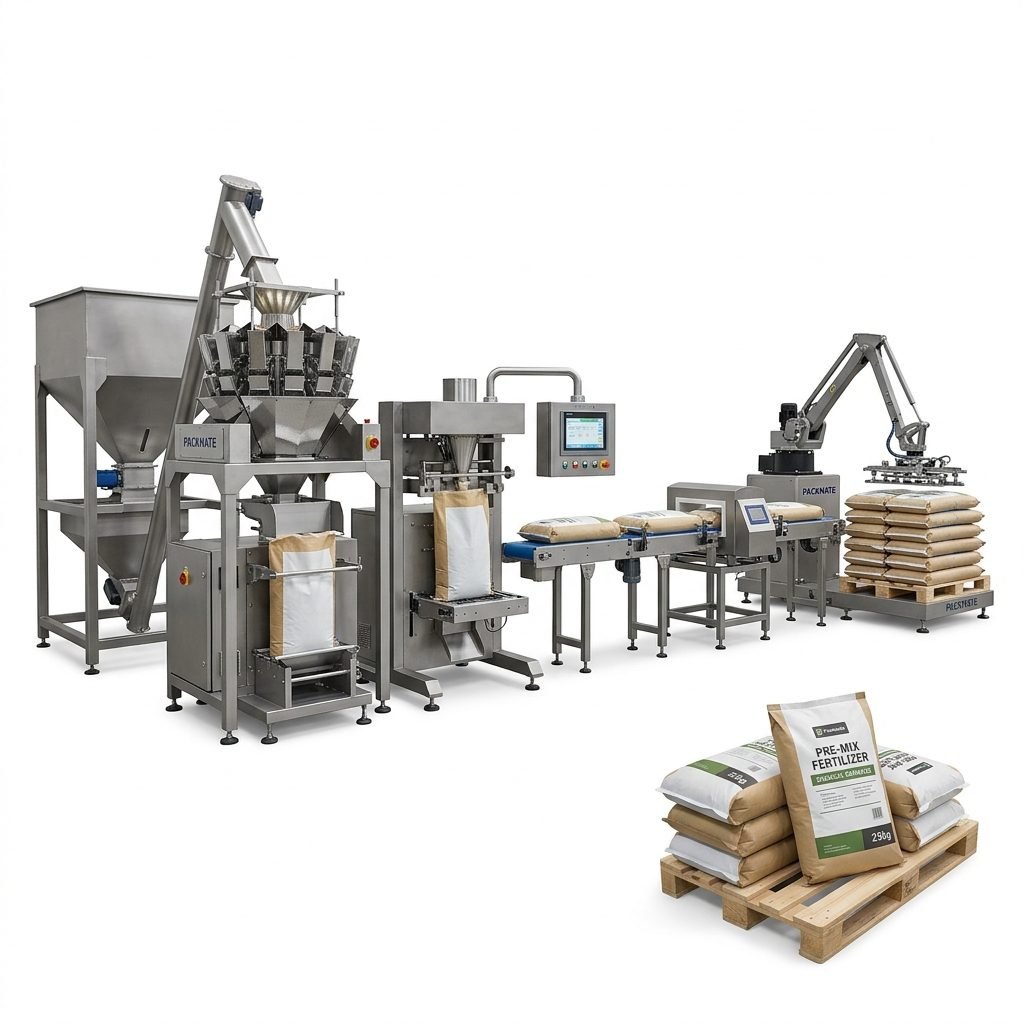
Finally, obtain quotations from at least three suppliers. A typical multi‑lane stick‑pack machine from a high‑end Chinese manufacturer costs between USD 30,000 and 80,000, depending on complexity. Turnkey lines for a complete production plant may exceed USD 200,000. Lead times range from 30 to 90 days. For North Korean projects, building in extra time for customs processing is wise. Use the data tables below to compare key features of leading Chinese manufacturers suitable for the North Korean market.
| Manufacturer | Core Strength | Export Markets | Machine Range |
|---|---|---|---|
| Ludyway | Complete turnkey lines, 30+ years | Europe, Americas, Africa | 100+ models, multi‑lane, stick‑pack |
| Packmate Machinery | 80+ models, balanced cost/performance | Europe, Middle East, Australia | Sachet, stick pack, filling/sealing |
| PacklineOEM | Integrated production line design | Europe, Middle East, South America | Feeding, filling, end‑of‑line systems |
| PackingMachineOEM | Non‑standard customization | Europe, North America, Middle East | Special shapes, OEM projects |
| SnusMachinery | Nicotine pouch & snus specialization | Europe, Americas, Africa | Pouch, multi‑lane, high‑speed |
Step 8: Secure a Service Agreement and Spare Parts Supply
Given the distance and potential trade interruptions, negotiate a minimum spare parts package that includes sealing bars, heating elements, sensors, and control boards. Some Chinese manufacturers maintain a warehouse in Dandong (China’s border city) for fast delivery to North Korea. Ludyway and PacklineOEM both offer annual maintenance contracts for international customers. Also, confirm that the machine’s electrical components are compatible with North Korea’s grid (typically 220/380V, 50Hz) and that the control panel can be translated into Korean if needed.
Frequently Asked Questions
Q1: Can I import packaging machines into North Korea directly from China?
Yes, many Chinese companies regularly export to North Korea. You need to work with a freight forwarder experienced in the Dandong‑Sinuiju route. Ensure the supplier provides proper export documentation.
Q2: What payment methods work for North Korean buyers?
Letters of credit (L/C) issued by Chinese banks are most common. Some suppliers accept T/T (telegraphic transfer) from third‑country accounts. Avoid using direct USD cash due to banking restrictions.
Q3: How long does installation and training take for a multi‑lane packaging line?
Typically 5–10 days on‑site. Chinese manufacturers often send one or two engineers. If travel is not possible, video‑based training is available from companies like Packmate Machinery and PackingMachineOEM.
Q4: Are there any Chinese packaging machine brands that support Korean language interfaces?
Ludyway and SnusMachinery offer English/Chinese as standard, but they can customize the HMI to Korean upon request (usually at an additional cost).
Q5: What is the typical lifespan of a packaging machine from a top Chinese manufacturer?
With proper maintenance, 10–15 years. Ludyway and PacklineOEM use high‑grade stainless steel and international electrical components, ensuring durability even in challenging factory environments.