In today’s fast-paced and highly regulated markets for food, pharmaceuticals, and health products, efficiency, accuracy, and hygiene are non-negotiable. The journey from raw material to a sealed, shelf-ready package is complex, involving multiple stages that, if not seamlessly integrated, can become bottlenecks. This is where the concept of a complete automated packaging workflow transforms operations. Moving beyond standalone machines, a turnkey automated system orchestrates the entire process—from dosing and filling to sealing, coding, and cartoning—into a single, synchronized, and intelligent production line. For manufacturers, this represents the ultimate convergence of productivity, compliance, and scalability.
The Core Components of a Turnkey Packaging Line
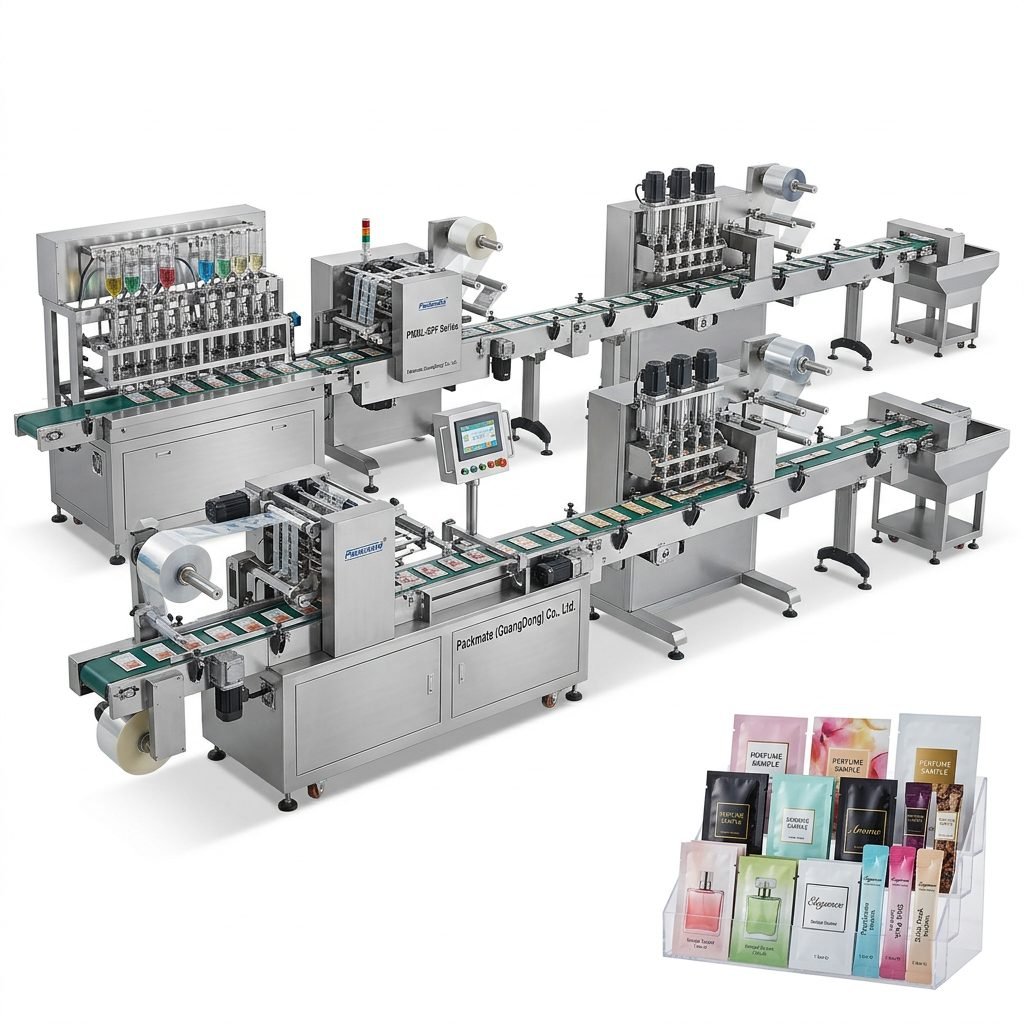
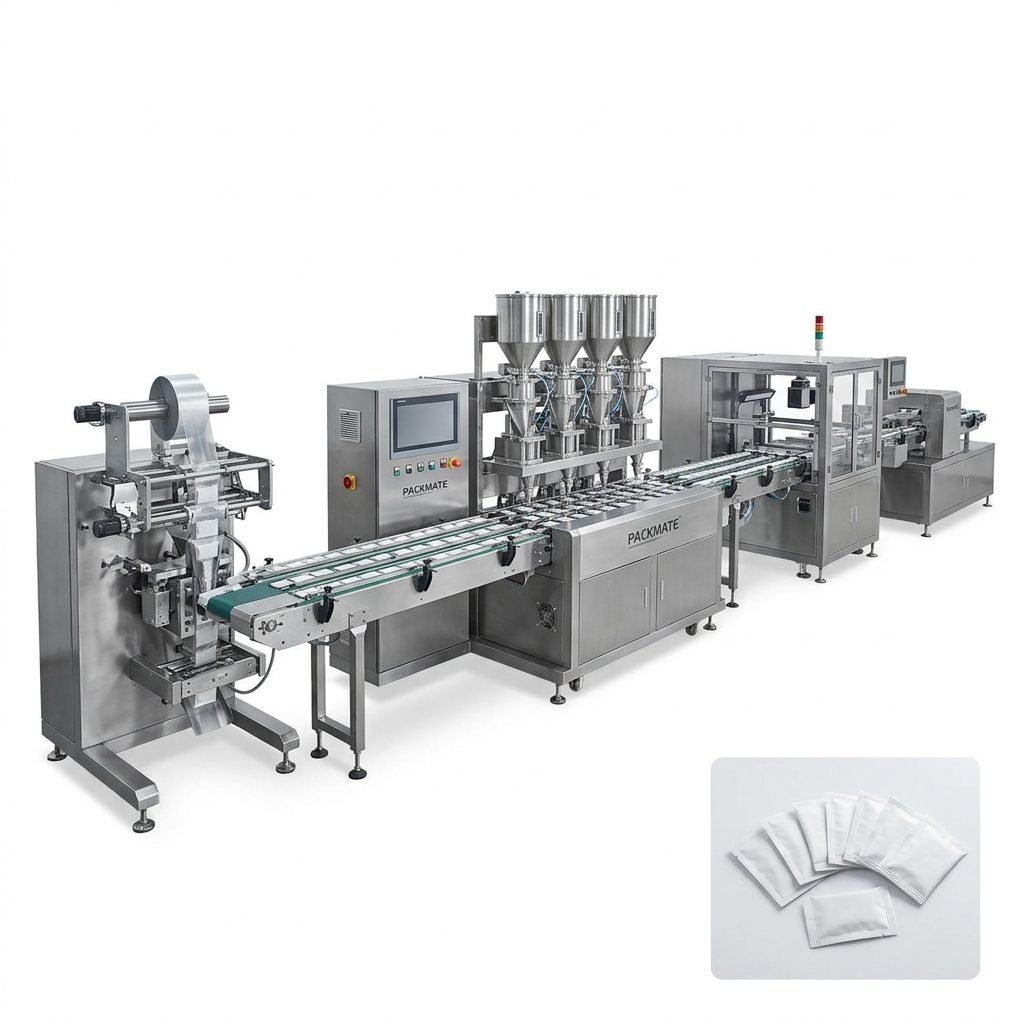
A truly automated workflow is more than a collection of machines; it is a carefully engineered ecosystem. Each component plays a critical role in ensuring a smooth, continuous, and reliable operation.
1. Automated Feeding & Dosing Systems
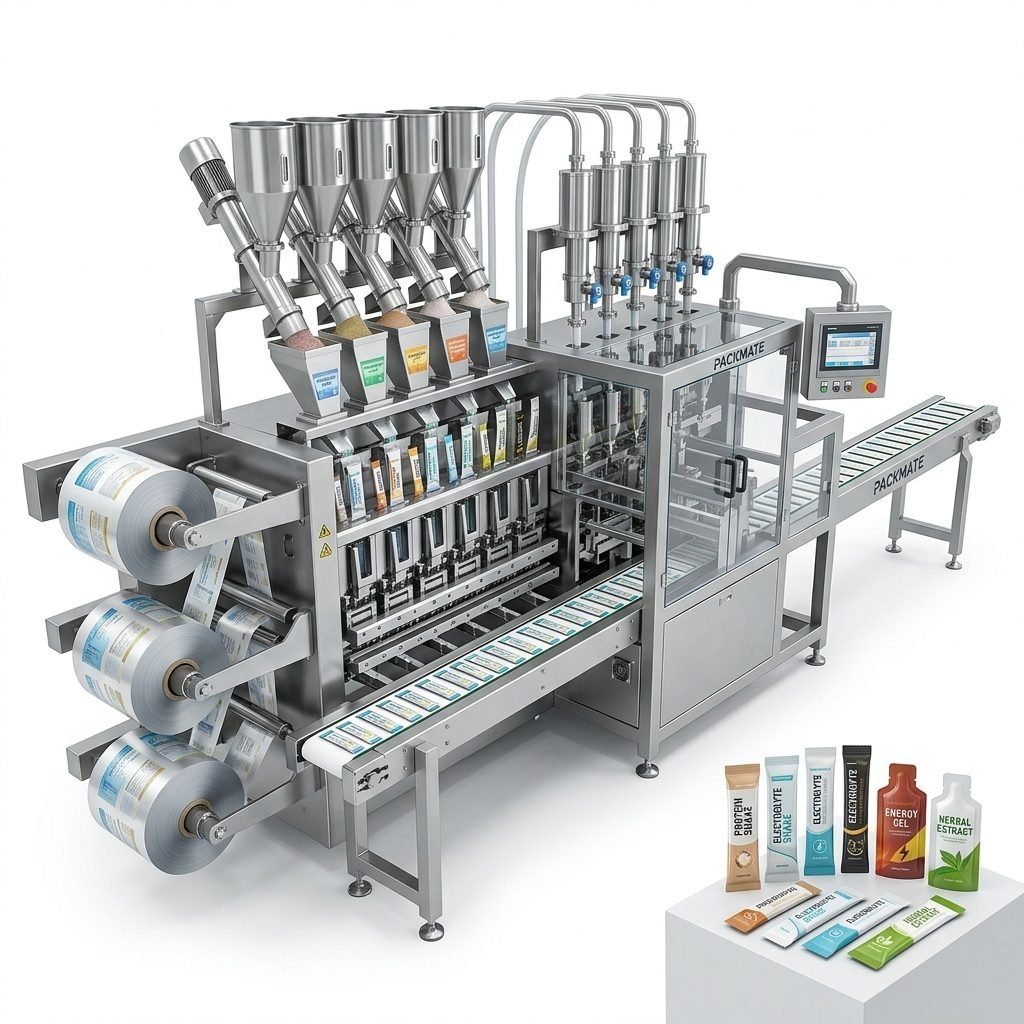
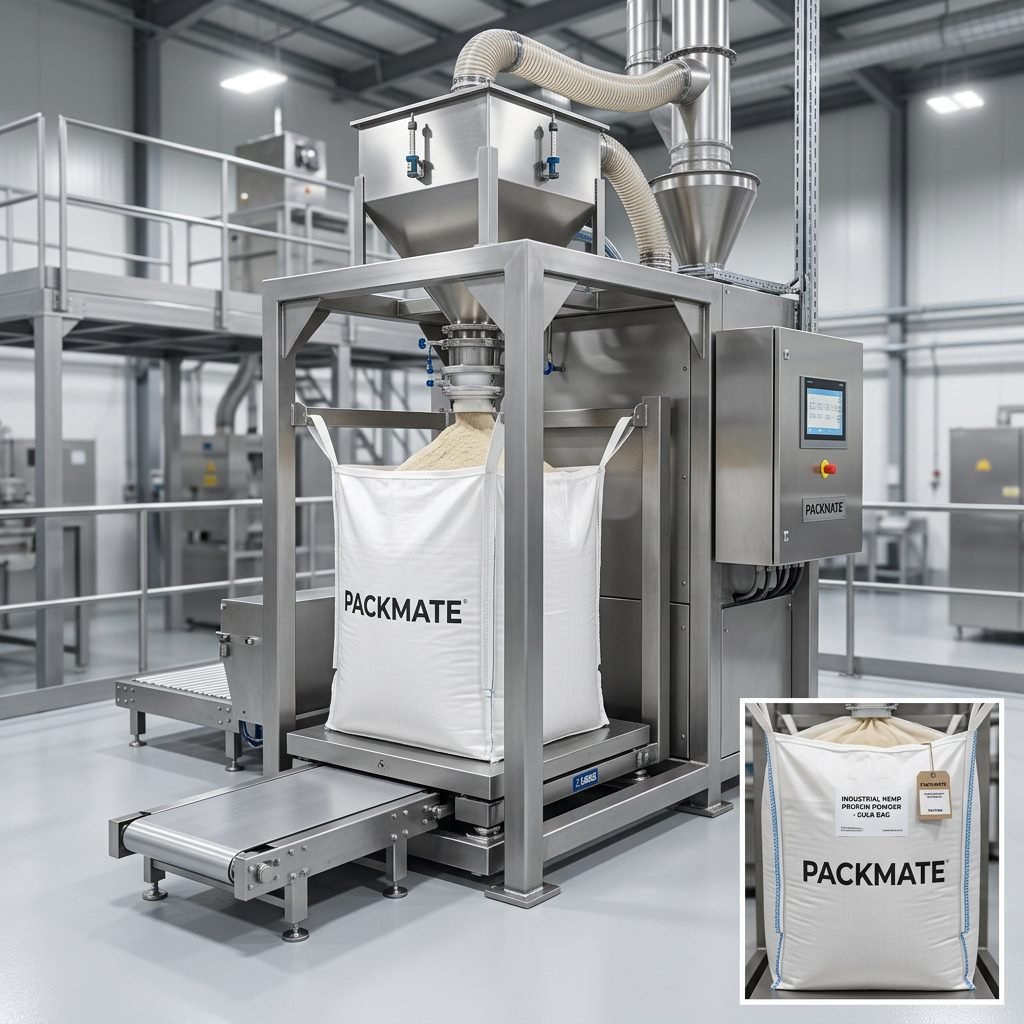
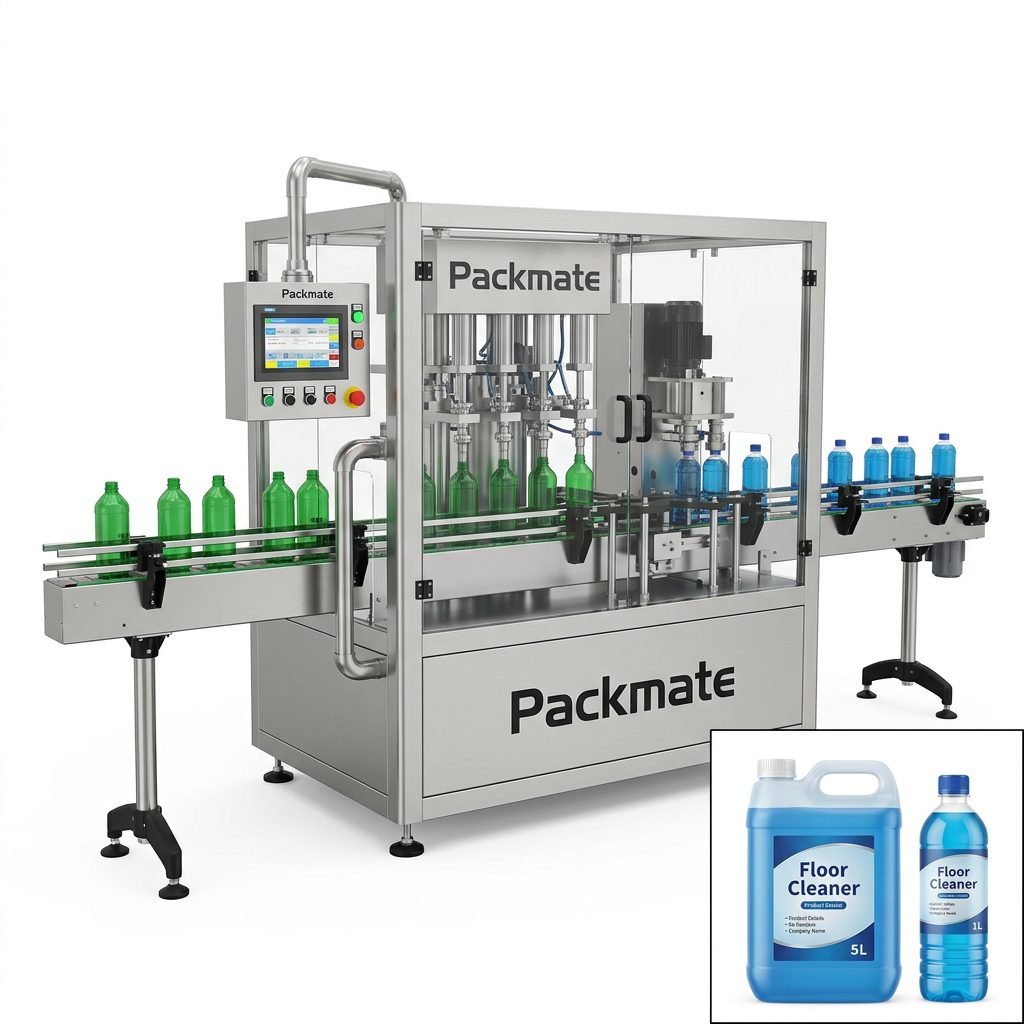
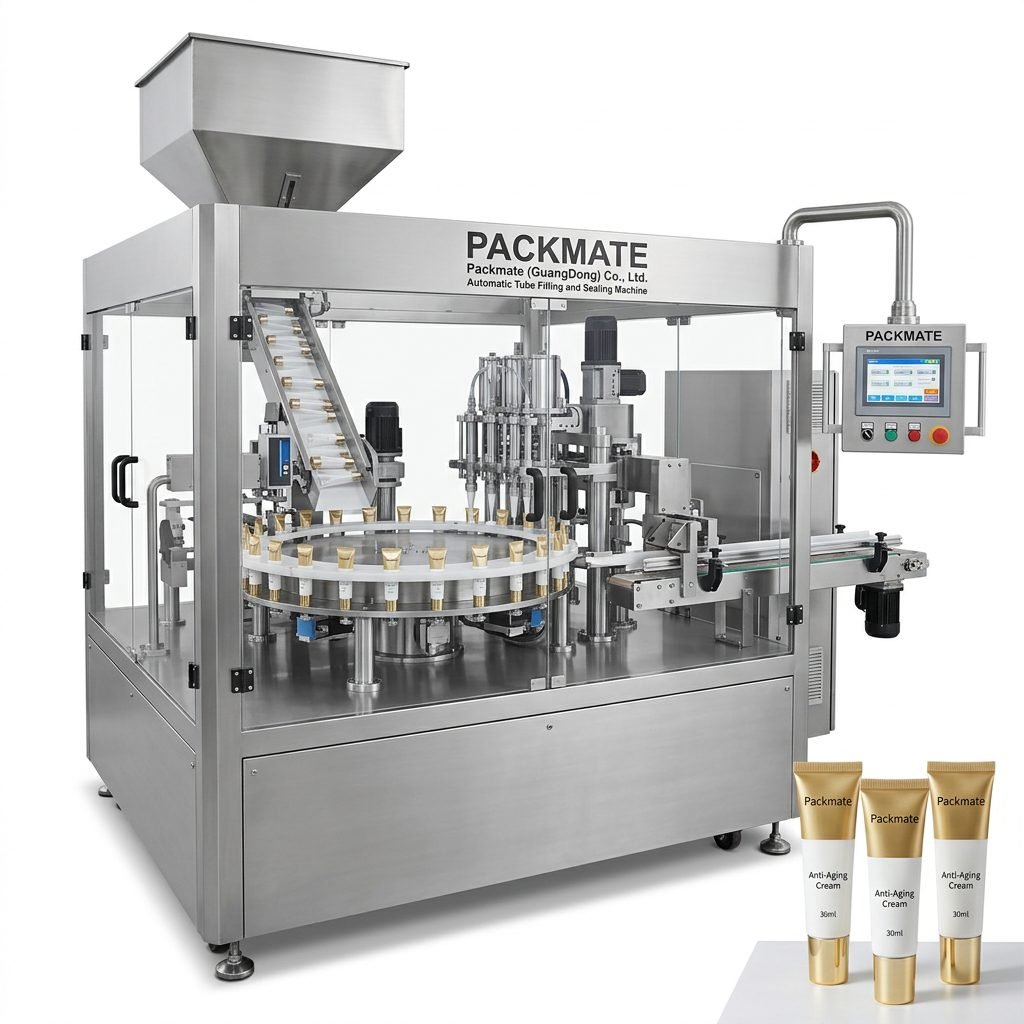
Precision begins here. Whether handling hygroscopic pharmaceutical powders, viscous nutritional syrups, or free-flowing food granules, automated feeders ensure consistent and accurate product delivery. Gravimetric or volumetric fillers eliminate human error, guaranteeing each stick pack, sachet, or pouch contains the exact specified weight or volume, which is crucial for compliance and consumer trust.
2. Form-Fill-Seal (FFS) Machinery
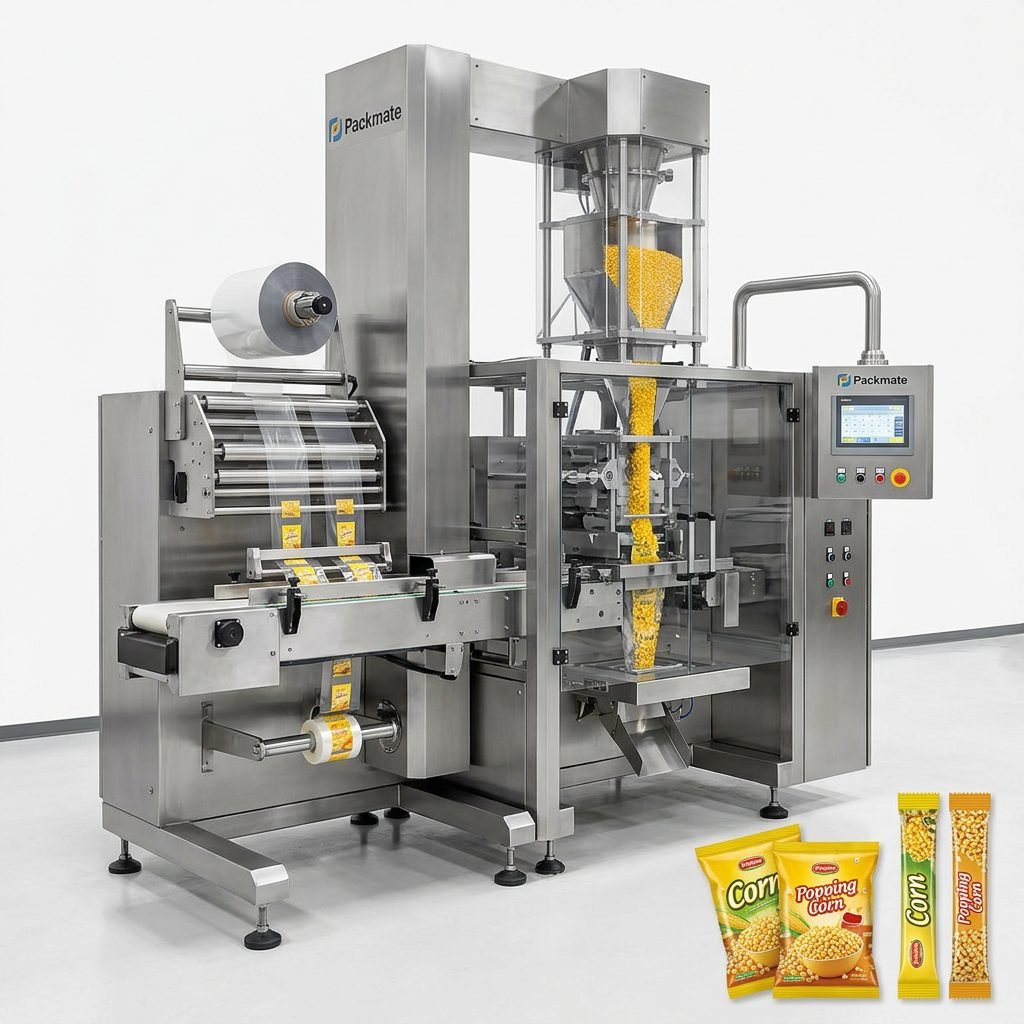
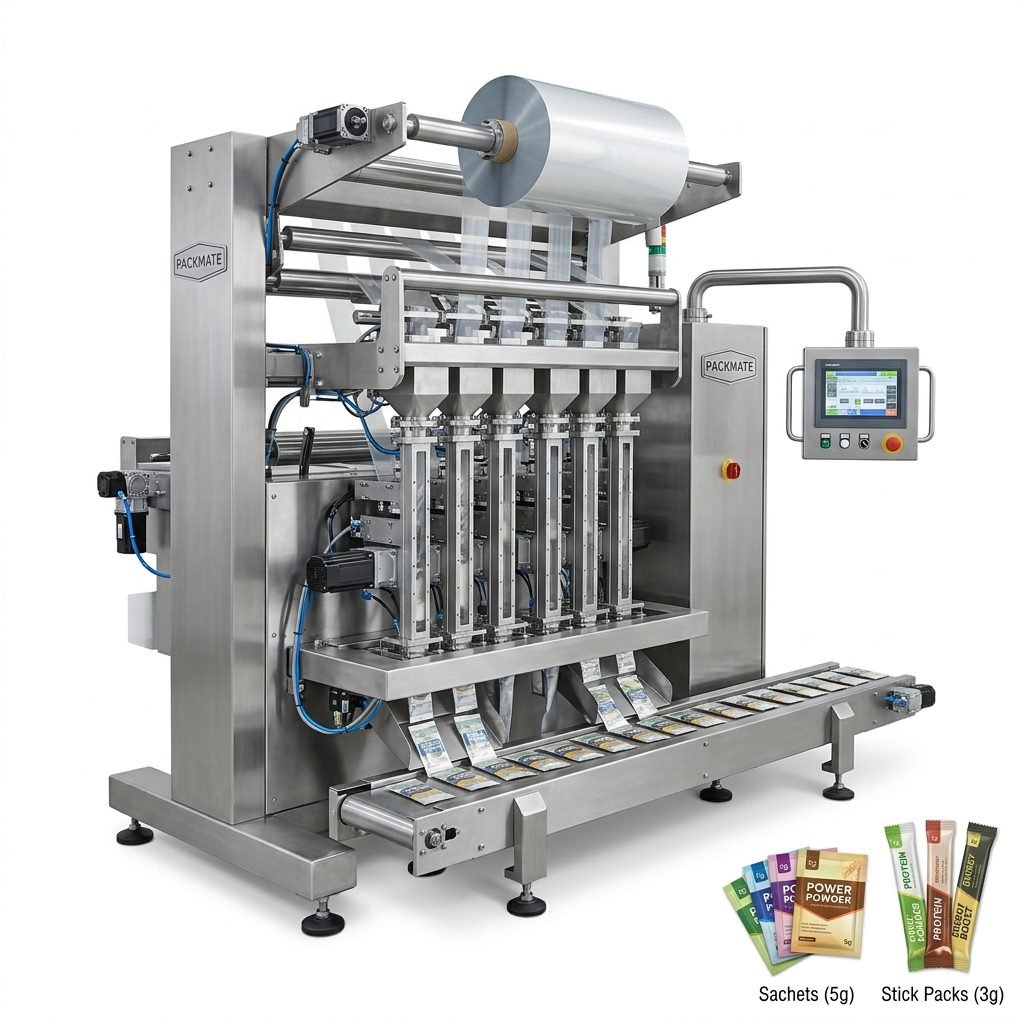
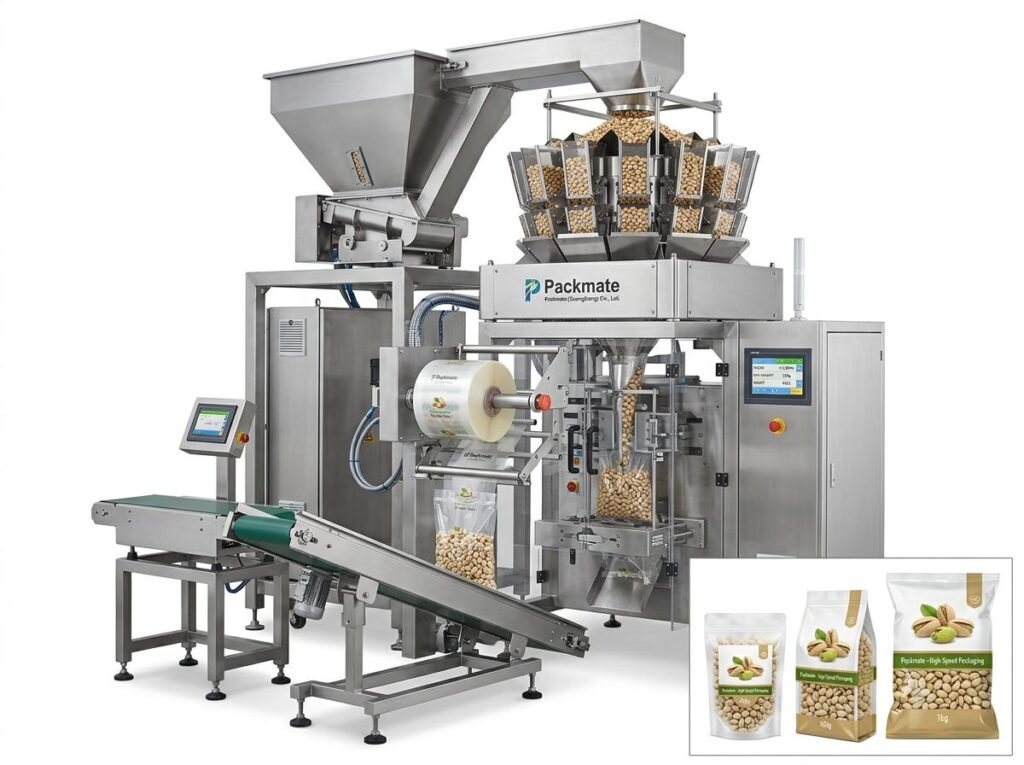
The heart of the packaging line. Roll-fed packaging material is formed into pouches, filled with product, and hermetically sealed—all in one swift, automated motion. Modern multi-lane vertical FFS machines can produce dozens of sachets or stick packs per second, dramatically increasing output while maintaining impeccable seal integrity to protect product freshness and sterility.
3. Secondary & Tertiary Packaging Integration
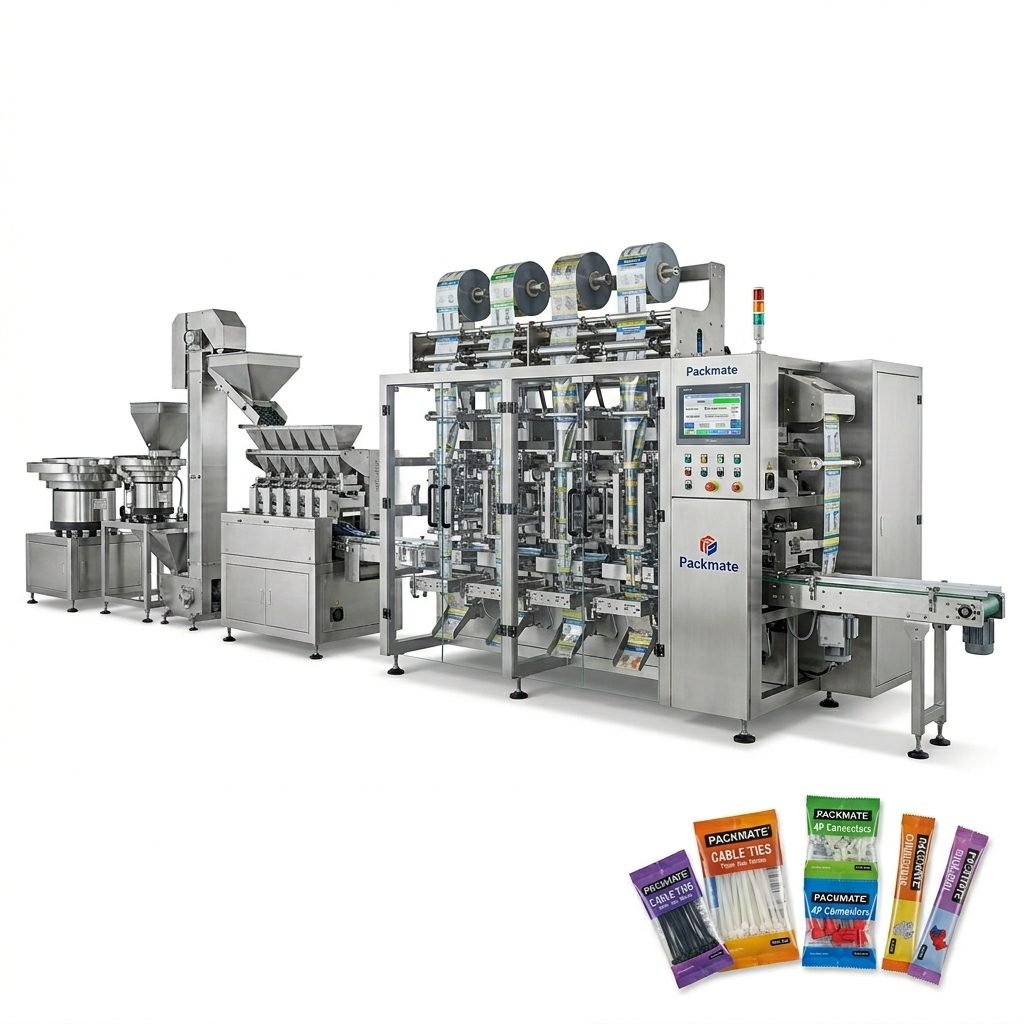
Automation doesn’t stop at the primary package. Robotic arms or conveyor systems automatically collate individual units into cartons, apply labels with batch codes and expiry dates, and then group cartons into shipping cases. This end-to-end automation minimizes manual handling, reduces labor costs, and accelerates the time-to-pallet.
4. Centralized Control & Monitoring (SCADA/HMI)
The “brain” of the operation. A centralized Human-Machine Interface (HMI) allows operators to monitor every parameter—from machine speed and temperature to fill accuracy and fault detection—from a single touchscreen. Real-time data collection enables predictive maintenance, detailed production reporting, and seamless recipe changeovers for different products.
Industry-Specific Advantages: Food, Pharma, and Health Products
The benefits of automated turnkey solutions are universal, but their impact is profoundly felt in these specific sectors due to their unique demands.
For the Food Industry: Speed and Safety
Consumer demand for convenience foods, single-serve portions, and fresh ingredients is soaring. Automated lines enable high-speed packaging of snacks, coffee, spices, and ready-to-eat meals while incorporating metal detection, checkweighing, and vision inspection systems to ensure safety and quality. Reduced human contact also enhances hygiene standards, a top priority for food manufacturers. Explore our tailored packaging solutions designed for the dynamic food sector.
For the Pharmaceutical Industry: Uncompromising Compliance
This is arguably the most regulated environment. Automated workflows are essential for maintaining the stringent Good Manufacturing Practice (GMP) standards. They provide an auditable trail for every action, ensure sterile or cleanroom-compatible operations, and guarantee precise dosing of active pharmaceutical ingredients (APIs). The reliability of a turnkey system minimizes the risk of costly production stoppages or recalls. Our expertise in this field is built on precision and reliability, as detailed in our company profile.
For Health & Nutraceutical Products: Agility and Brand Integrity
The market for vitamins, supplements, and protein powders is highly competitive and trend-driven. Automated packaging lines offer the agility to quickly switch between different product formats—from stick packs to jars—and incorporate features like child-resistant closures or tamper-evident seals. Consistent, professional packaging builds brand trust and shelf appeal in crowded retail environments.
Why Choose a Complete Turnkey Solution from an Expert Partner?
Investing in an automated packaging workflow is a significant decision. Partnering with a specialist like Packmate (GuangDong) Co., Ltd. provides distinct advantages over piecing together equipment from multiple vendors.
→ Single Point of Responsibility: From initial design and engineering to installation, training, and after-sales support, one partner manages the entire project. This simplifies communication, ensures system compatibility, and streamlines troubleshooting.
→ Custom-Engineered Design: No two production facilities are identical. An expert provider designs the line layout to optimize your factory floor space, integrate with existing upstream/downstream processes, and meet your specific output targets.
→ Future-Proof Scalability: A well-designed turnkey system is built with growth in mind. It can be modularly expanded—adding more filling heads or inspection modules—as your business grows, protecting your initial investment. See how we’ve implemented scalable solutions in real-world client cases.
→ Guaranteed Performance & Uptime: Reputable suppliers stand behind the performance of their integrated systems, offering performance guarantees and comprehensive service agreements to maximize your line’s uptime and return on investment.
With over 22+ years of company development and a 20,000㎡ modern manufacturing facility, Packmate embodies this expert partner approach. Our journey from a focused workshop to a leading provider of intelligent packaging lines is a testament to our commitment to innovation and client success, as chronicled in our company story.
Implementing Your Automated Workflow: Key Considerations
Successful implementation requires careful planning. Key steps include a thorough analysis of your current and future production needs, selecting the right packaging materials compatible with high-speed machinery, planning for utility requirements (compressed air, electrical), and ensuring your team is trained for both operation and basic maintenance. A trusted partner like Packmate guides you through every step of this process.
Ultimately, an automated packaging workflow is a strategic investment that drives competitive advantage. It elevates quality control, slashes operational costs, ensures regulatory compliance, and provides the flexibility to adapt to market changes. It transforms packaging from a necessary cost center into a powerful, efficient, and reliable pillar of your manufacturing operation.
Frequently Asked Questions (FAQs)
1. What is the typical lead time for a complete turnkey packaging line?
Lead times vary significantly based on the line’s complexity, customization level, and current production schedules. A standard system might take 3-6 months from order to delivery and installation, while highly customized solutions for complex products may require longer. Detailed project timelines are provided during the quotation phase.
2. Can an automated line handle frequent product changeovers?
Yes, modern lines are designed for agility. Features like quick-change parts, recipe storage in the HMI, and tool-less adjustments facilitate efficient changeovers. The degree of ease depends on the similarity between products (e.g., switching between two granule types is faster than switching from powder to liquid).
3. How do you ensure the line meets our specific industry regulations (e.g., FDA, GMP)?
Expert providers design with compliance in mind. This includes using food-grade or pharmaceutical-grade materials (e.g., 316L stainless steel), designing for easy cleaning (CIP/SIP where applicable), and incorporating documentation and control systems that support validation protocols. We can advise on the specific requirements for your market.
4. What kind of after-sales support and training is included?
Comprehensive support is crucial. This typically includes on-site installation supervision, detailed operational and maintenance training for your engineers, a warranty period, and access to remote technical support. Many providers, including Packmate, offer ongoing service contracts for spare parts and preventive maintenance. Learn more about our commitment to client success on our service page.
5. What is the expected ROI for such an investment?
Return on Investment is achieved through multiple channels: dramatically increased output, significant reduction in labor costs and human error, lower material waste from precise filling, and decreased downtime due to higher machine reliability. Most businesses see a full ROI within 1-3 years, depending on scale and utilization.