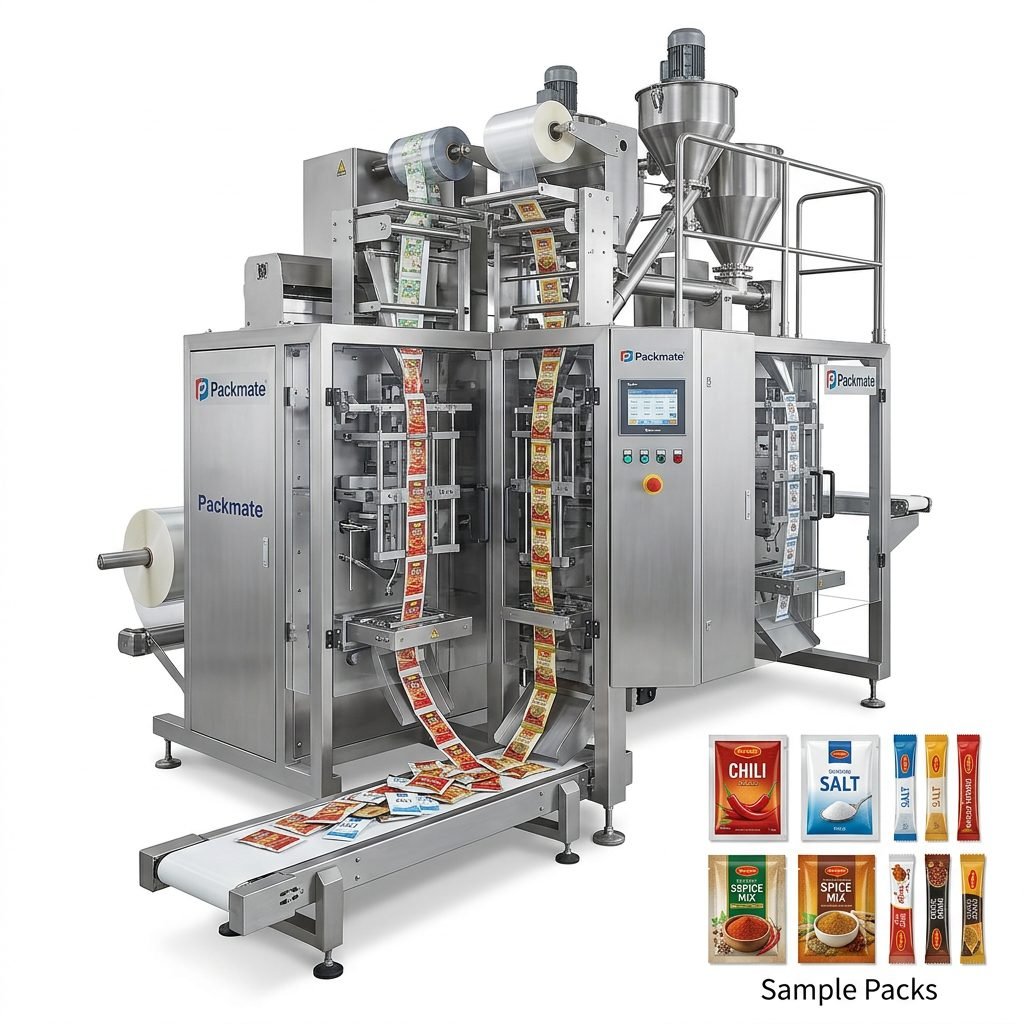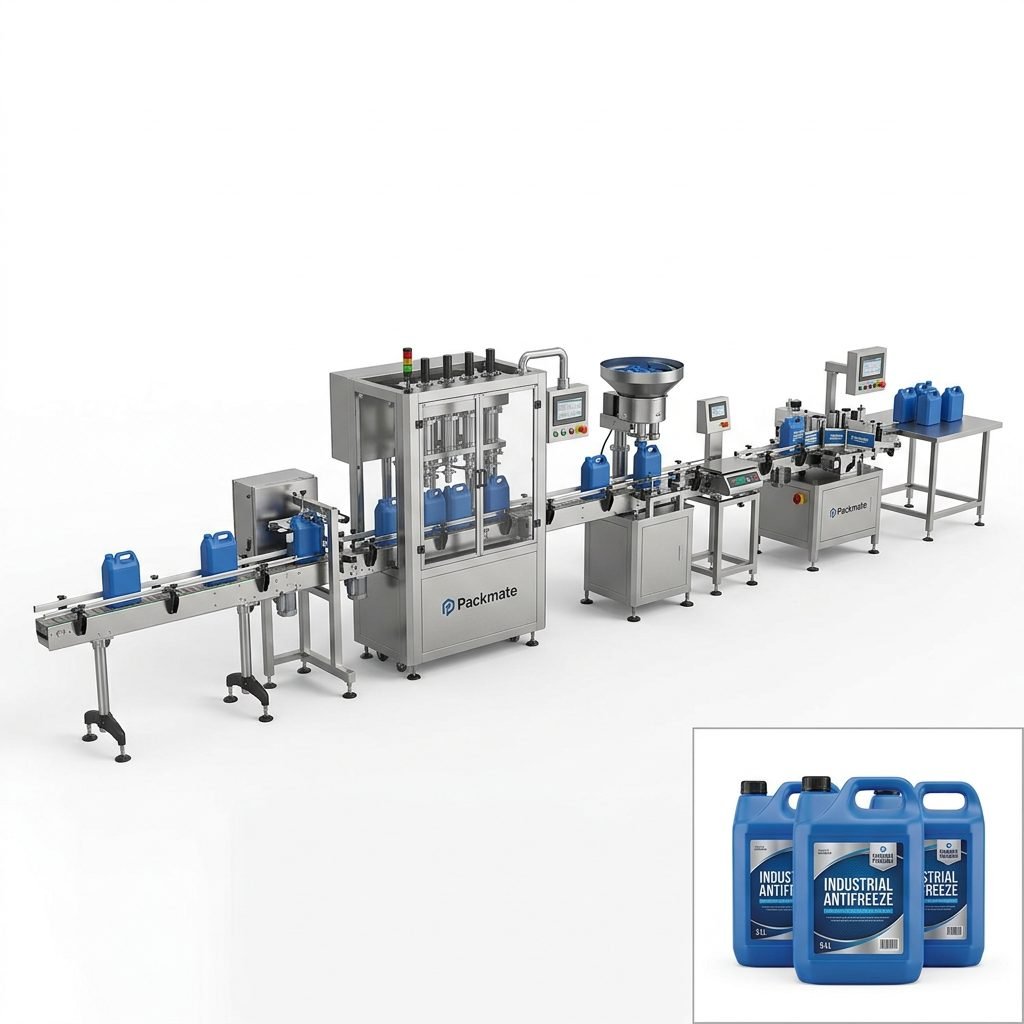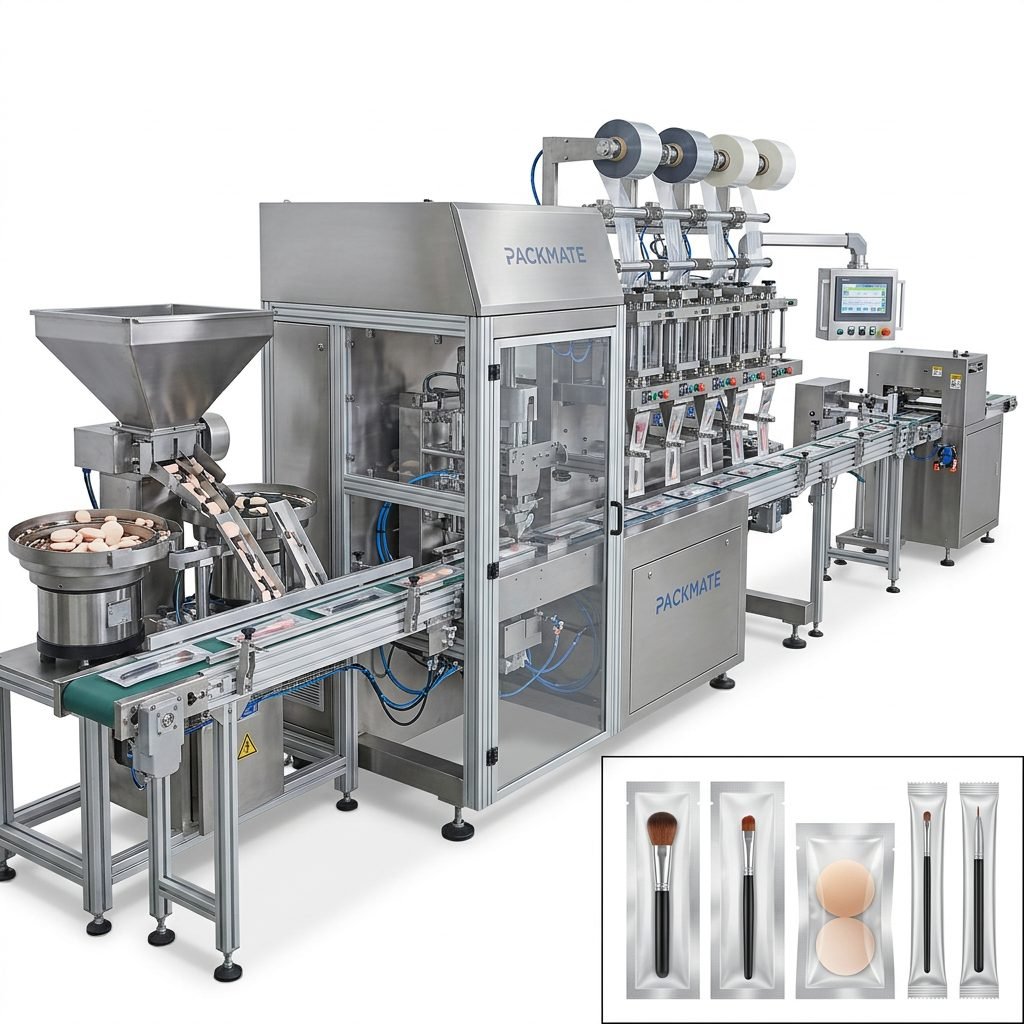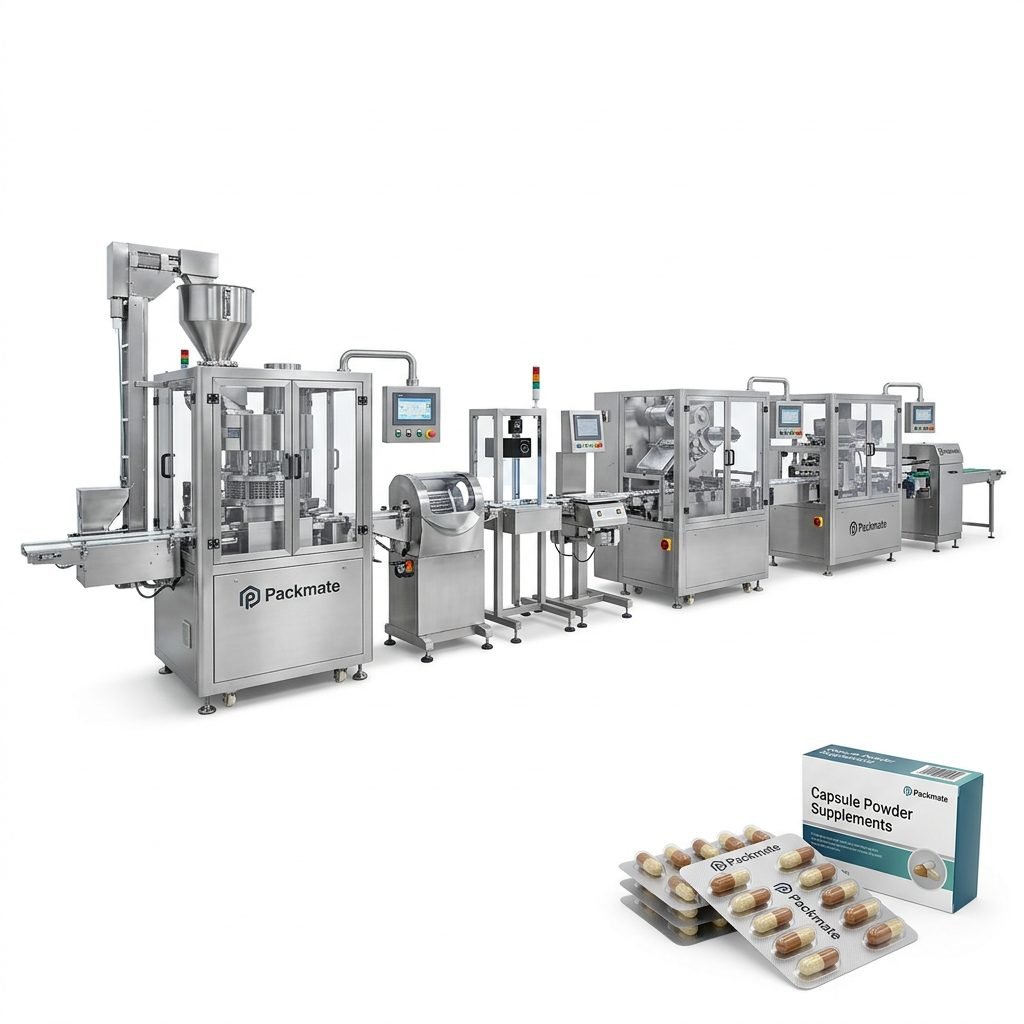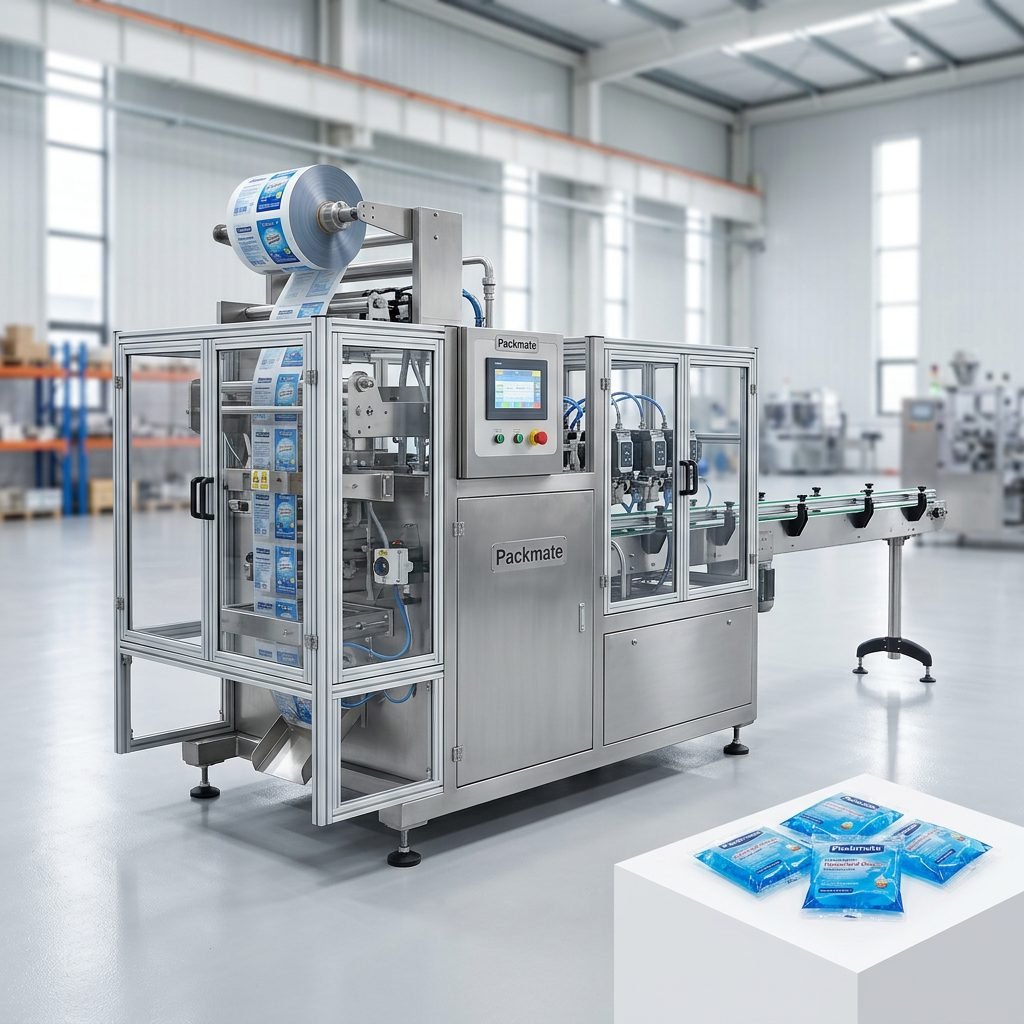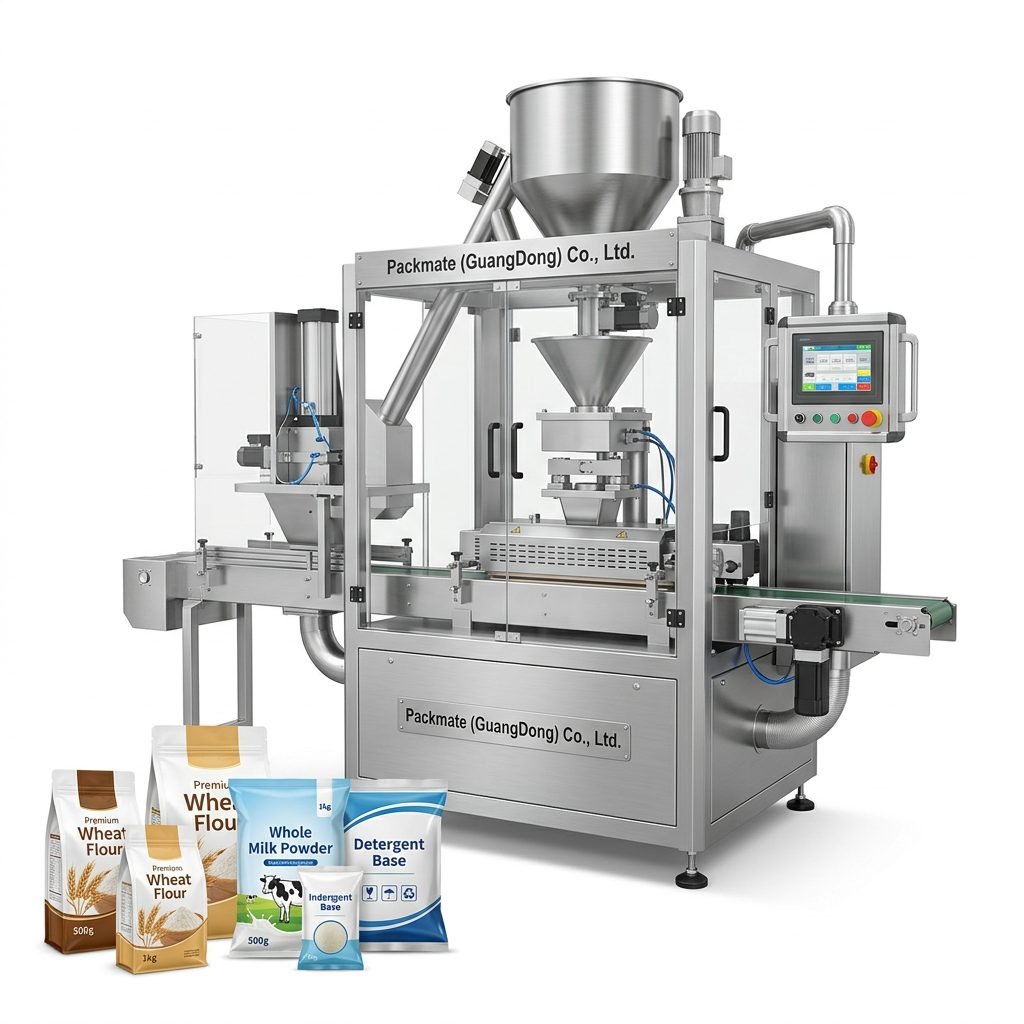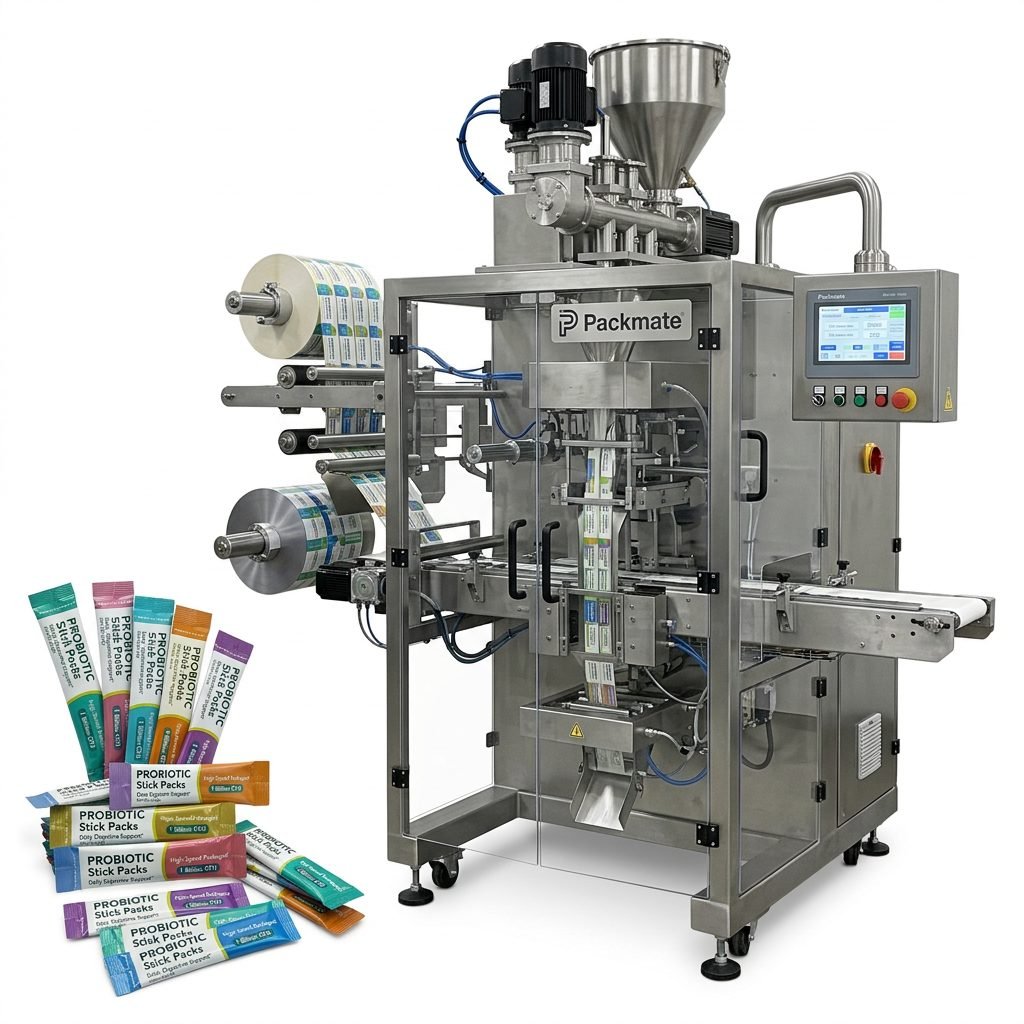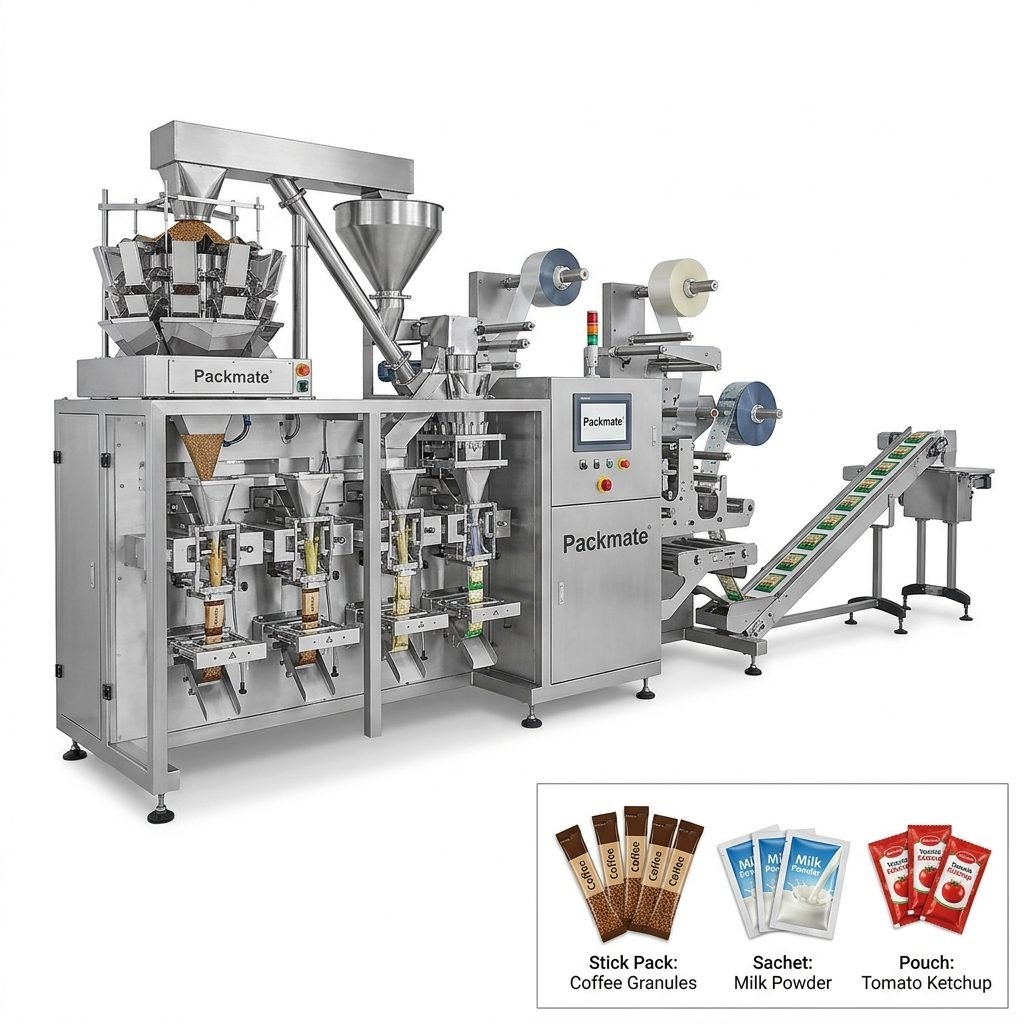
In the competitive landscape of food, pharmaceutical, and health product manufacturing, efficiency, precision, and compliance are not just goals—they are imperatives. The seamless integration of packaging systems into production lines has emerged as a critical factor in achieving these objectives. A well-orchestrated packaging line integration solution goes beyond merely connecting machines; it creates a cohesive, intelligent, and adaptable ecosystem that enhances throughput, ensures product integrity, and safeguards brand reputation.
The Critical Need for Integrated Packaging Solutions
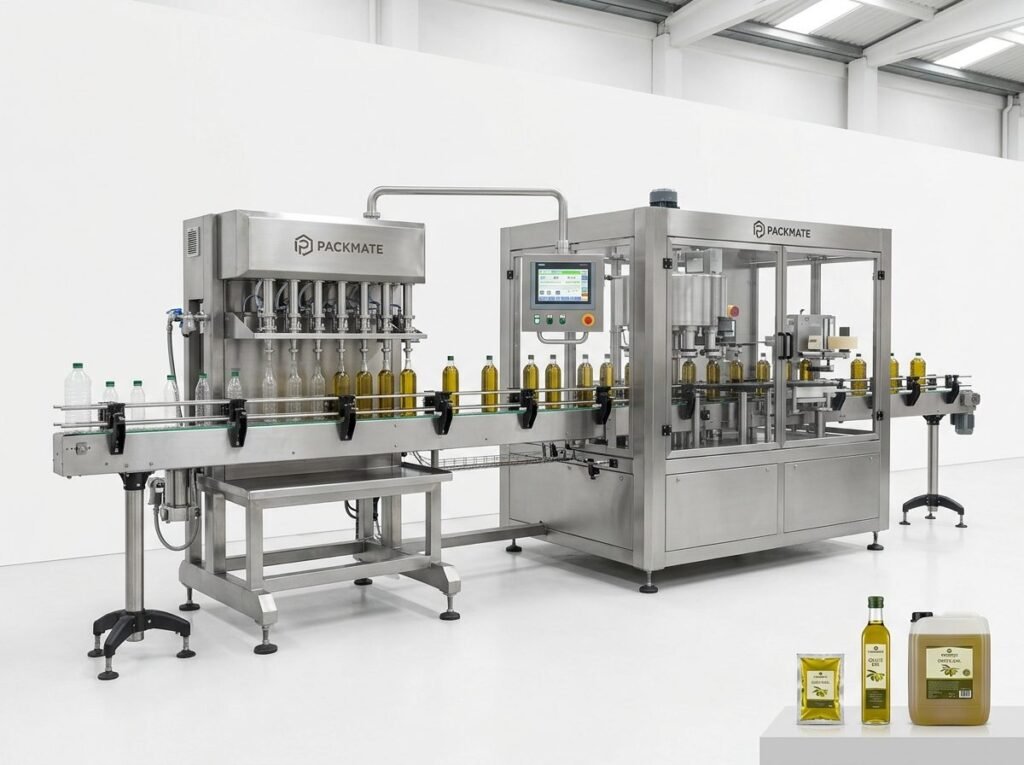
The production lines for food, pharmaceuticals, and health products operate under stringent regulations and high consumer expectations. Disparate, standalone packaging equipment often leads to bottlenecks, inconsistent product handling, and increased risk of contamination or error. An integrated packaging system synchronizes every stage—from primary filling and sealing to secondary cartoning, labeling, and palletizing—into a single, streamlined workflow. This holistic approach is engineered to minimize human intervention, reduce waste, and maintain a controlled environment, which is especially vital in aseptic pharmaceutical packaging or for preserving the freshness of health supplements.
Core Benefits of System Integration
Enhanced Operational Efficiency: Integrated systems communicate in real-time, allowing for automatic adjustments in speed and feed rates. This synchronization eliminates downtime between processes, significantly boosting overall equipment effectiveness (OEE).
Superior Quality Control: With integrated sensors and vision inspection systems, every unit can be monitored for weight, fill level, seal integrity, and label accuracy. Non-conforming products are automatically rejected, ensuring only perfect items proceed.
Data-Driven Decision Making: Modern integration solutions collect vast amounts of production data. This intelligence provides actionable insights for predictive maintenance, batch tracing, and optimizing production schedules.
Scalability and Flexibility: A modular integration design allows manufacturers to easily adapt lines for new product formats, package sizes, or increased capacity, protecting their investment against future market changes.
Tailored Integration for Each Industry
While the principles of integration are universal, their application must be meticulously tailored to meet the specific demands of each sector.
Food Production Line Integration
Food packaging demands speed, hygiene, and robust preservation. Integration solutions here focus on high-speed filling for granules and powders, inert gas flushing for snack foods, and precise liquid filling for sauces or beverages. The system must handle a variety of materials—from stick packs for instant coffee to large pouches for rice—while ensuring traceability for supply chain transparency. Hygienic design with easy-clean surfaces is paramount to meet food safety standards like HACCP and FDA regulations.
Pharmaceutical Production Line Integration
This is the most regulated environment, where integration is synonymous with compliance. Solutions must guarantee absolute accuracy in dosing (critical for potent APIs), maintain sterile or cleanroom conditions, and provide unbroken audit trails. Integrated systems often include vial filling, stoppering, capping, and serialization modules that comply with track-and-trace regulations (e.g., DSCSA, EU FMD). The entire line must be validated to meet cGMP (current Good Manufacturing Practice) standards, making reliability and documentation key.
Health Product Production Line Integration
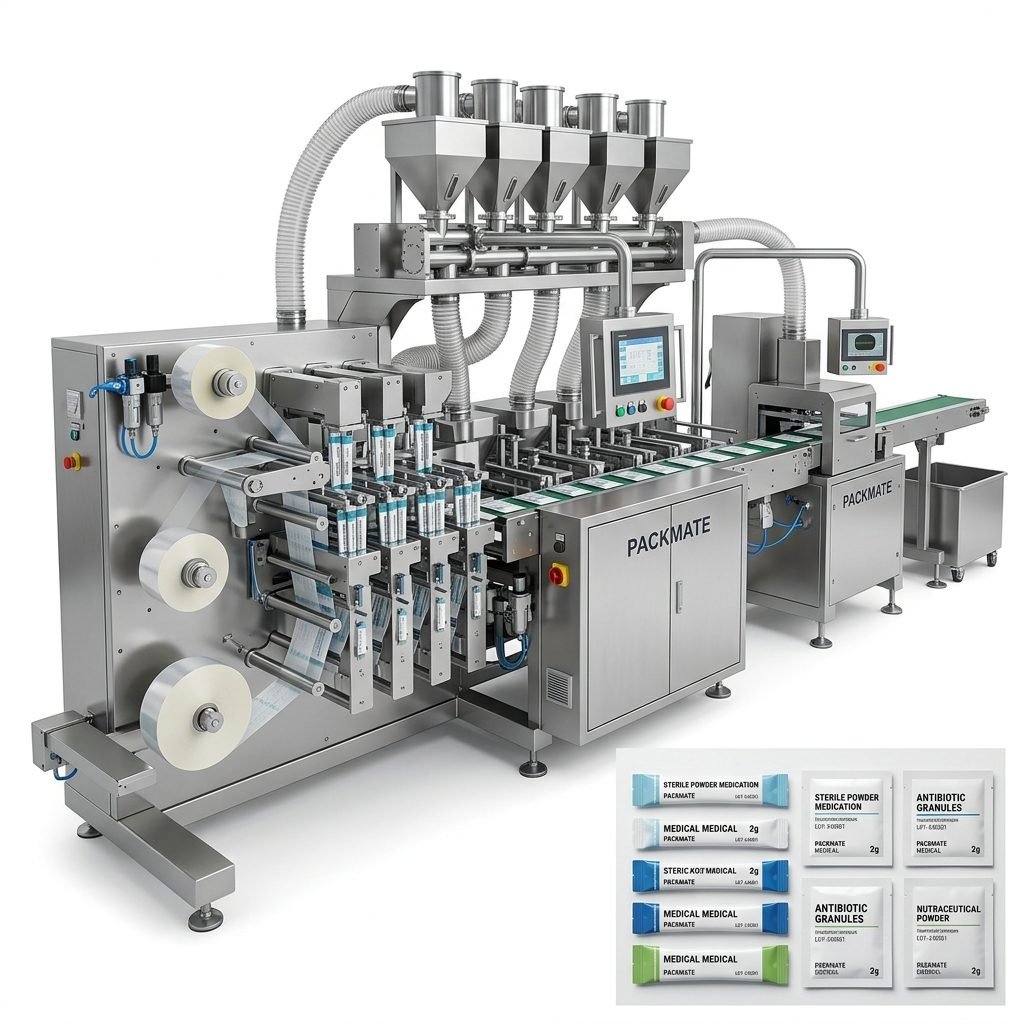
Encompassing vitamins, supplements, and nutraceuticals, this sector blends the speed of food with the precision of pharma. Integration often involves handling diverse product forms—tablets, capsules, powders, and liquids—on a single, flexible line. Key focuses include protecting sensitive ingredients from moisture and oxygen, ensuring precise fill weights for cost control, and applying tamper-evident seals for consumer safety. The ability to quickly changeover between different SKUs is a major advantage provided by a well-integrated system.
The Integration Process: From Vision to Reality
Implementing a successful packaging system integration is a phased, collaborative journey. Leading providers like Packmate (GuangDong) Co., Ltd. follow a structured approach:
1. Comprehensive Needs Analysis
Engineers work closely with the client to understand product specifics, target output, factory layout, and regulatory requirements. This stage defines the project’s scope and performance metrics.
2. Customized System Design
Using advanced simulation tools, a virtual line is designed. This blueprint selects and positions each machine—conveyors, fillers, sealers, coders, robots—optimizing material flow and accessibility.
3. Manufacturing & Factory Acceptance Testing (FAT)
Components are manufactured and assembled at the supplier’s facility. The complete line is rigorously tested under simulated production conditions to verify performance before disassembly for shipment. Clients are often invited to witness the FAT.
4. Installation & Site Acceptance Testing (SAT)
Expert technicians install and commission the line on-site, integrating it with existing utilities and control networks. SAT confirms the system performs to specification in its final operating environment.
5. Training & Ongoing Support
Comprehensive training for operators and maintenance staff is crucial. A robust support agreement ensures access to spare parts, remote diagnostics, and technical assistance for sustained peak performance. Explore our commitment to this in our dedicated Service section.
Key Technological Enablers in Modern Integration
The sophistication of today’s solutions is driven by key technologies:
Industrial Internet of Things (IIoT): Sensors on every machine collect data on temperature, pressure, motor speed, and cycle counts, feeding a central SCADA or MES system for real-time monitoring.
Robotics & Automated Guided Vehicles (AGVs): Robots provide unmatched flexibility for pick-and-place, palletizing, and loading tasks, while AGVs manage material supply without fixed conveyor pathways.
Advanced Motion Control & PLCs: High-precision servo drives and centralized programmable logic controllers ensure all machines operate in perfect harmony at high speeds.
Machine Vision & AI: Camera systems perform 100% inspection for defects. AI algorithms can predict machine failures before they occur, shifting from reactive to predictive maintenance.
Real-World Impact: Seeing Integration in Action
The true value of integration is best understood through application. For instance, a multinational health brand might use an integrated line to produce single-serving stick packs of protein powder. The system automatically doses powder, seals the stick pack, laser-codes it with a batch number, groups it into a carton, and seals the box—all without manual touchpoints, ensuring consistency and hygiene. You can see similar transformative results in our portfolio of project cases.
Future Trends: The Smart, Sustainable Packaging Line
The future of packaging integration is intelligent and eco-conscious. Lines will become increasingly self-optimizing, using AI to adjust parameters in real-time for peak efficiency. Sustainability will be deeply integrated, with systems designed to handle mono-materials or recyclable polymers efficiently and incorporate precise dosing to minimize product giveaway. Furthermore, the rise of personalized nutrition and pharmacotherapy will demand hyper-flexible “batch-size-one” integration capable of producing uniquely dosed packages on demand.
Choosing the right partner for this complex journey is vital. A partner with deep industry expertise, a proven track record, and a commitment to innovation can transform a packaging line from a cost center into a strategic asset. For a deeper look at how we approach these challenges with over two decades of experience, visit our Home page and explore our complete Solution offerings.
Frequently Asked Questions (FAQs)
1. What is the typical timeline for a full packaging line integration project?
The timeline varies significantly based on complexity, ranging from 6 months for a standard line to over 18 months for a highly customized, validated pharmaceutical system. It encompasses design, manufacturing, factory testing, installation, and site commissioning. A detailed project plan is established during the initial feasibility study.
2. How does integration improve return on investment (ROI)?
Integration boosts ROI by increasing line efficiency (higher output), reducing labor costs (through automation), minimizing product waste and giveaway, decreasing downtime, and improving overall product quality (leading to fewer returns). While the initial investment is higher, the long-term operational savings and productivity gains typically deliver a compelling ROI within 1-3 years.
3. Can new integrated equipment be connected to our older, existing machines?
Yes, in many cases. This is known as a “brownfield” integration. Experienced integrators can design intermediary controls, conveyors, and interfaces to bridge communication gaps between new and legacy equipment. The feasibility depends on the age, compatibility, and condition of the existing machines, and is a key part of the initial assessment.
4. What are the most critical factors for maintaining an integrated packaging line?
Proactive maintenance is crucial. Key factors include: following a scheduled preventive maintenance plan, using genuine spare parts, keeping software/firmware updated, comprehensive training for in-house technicians, and having a reliable service agreement with the integrator for expert support and emergency response.
5. How do integrated systems handle product changeovers?
Modern integrated systems are designed for rapid changeover. Features include: recipe management in the central PLC (storing settings for each product), quick-release mechanisms on tooling, adjustable guides and conveyors, and automated format change on servo-driven machines. This minimizes downtime when switching between different products or package sizes, enhancing line flexibility.