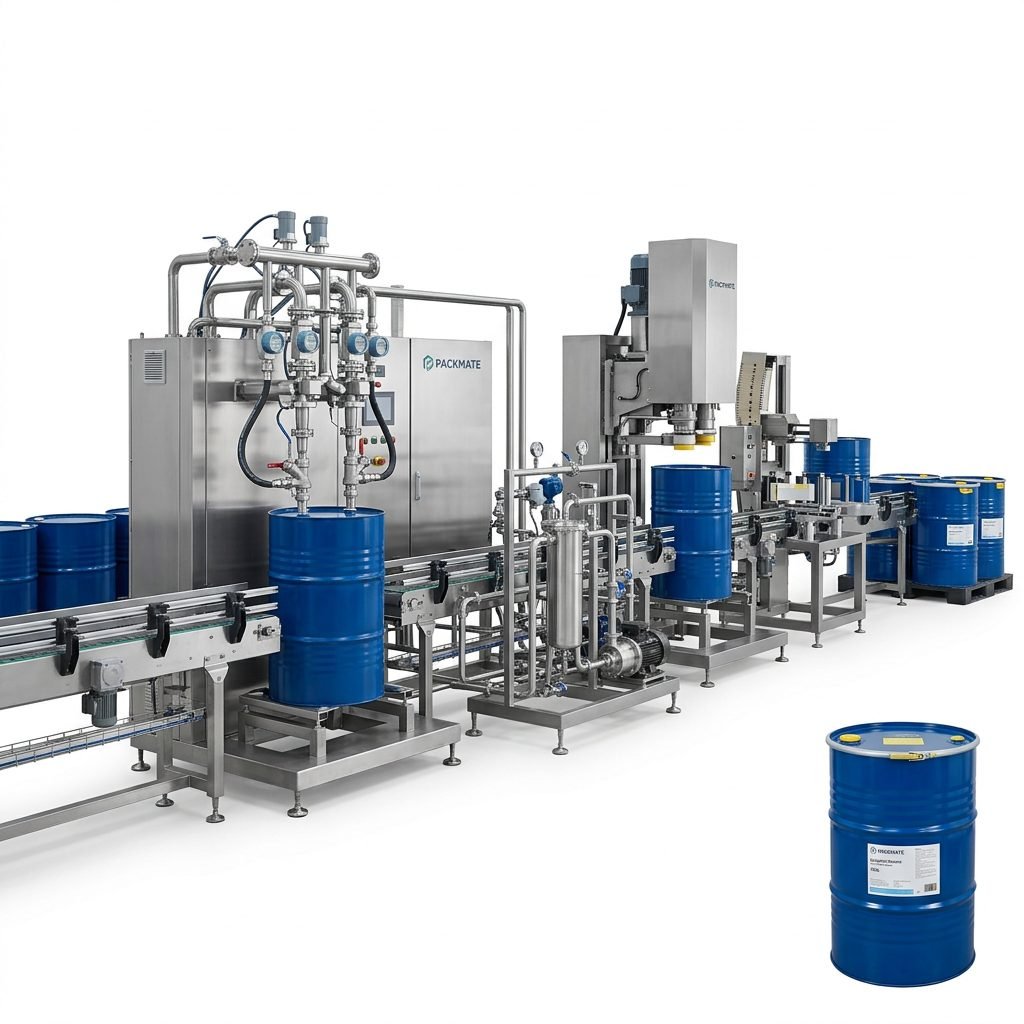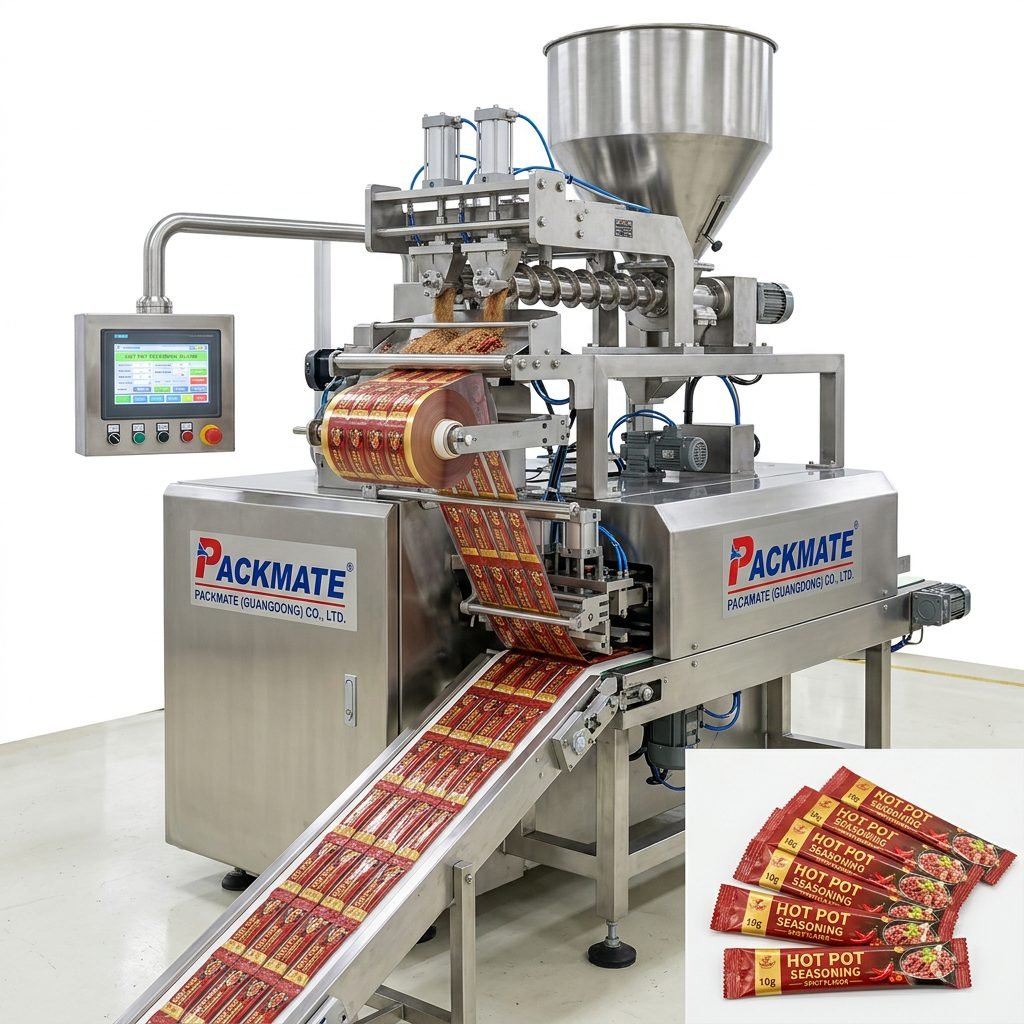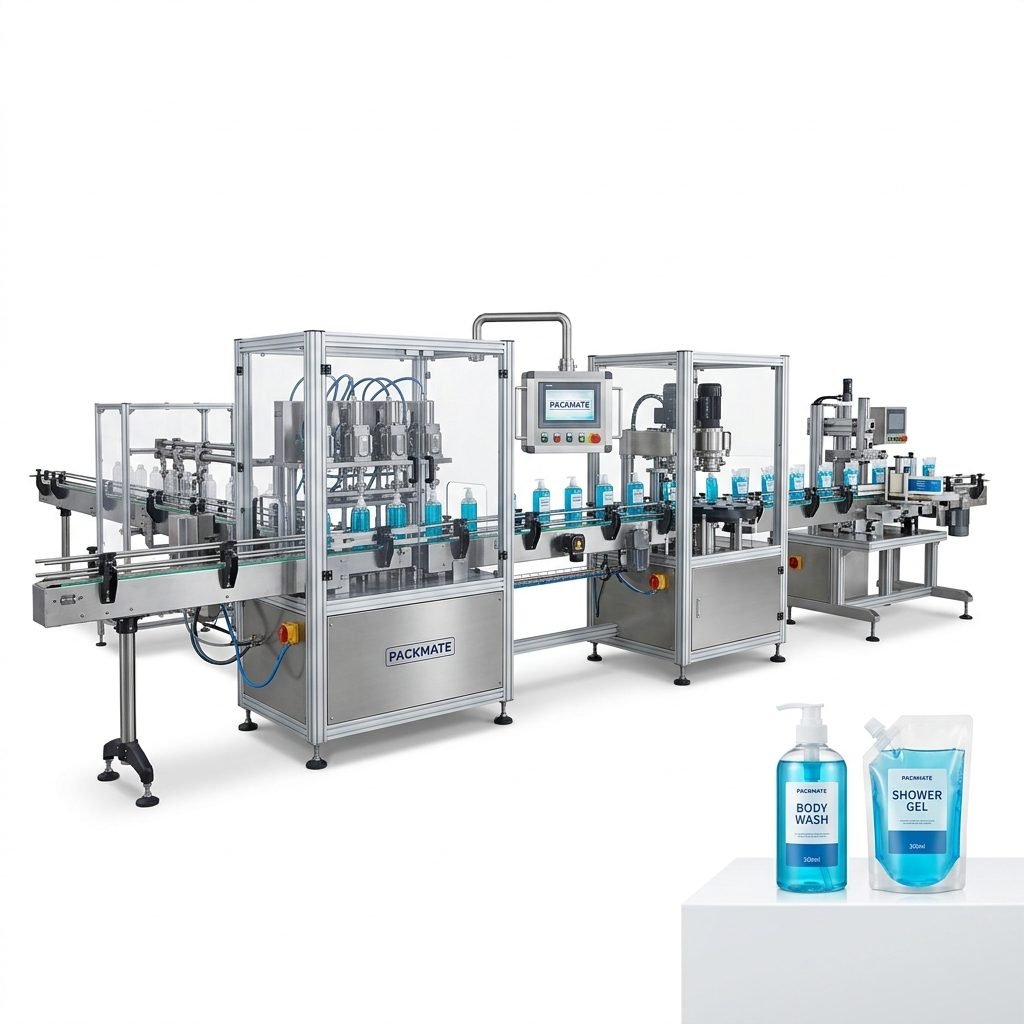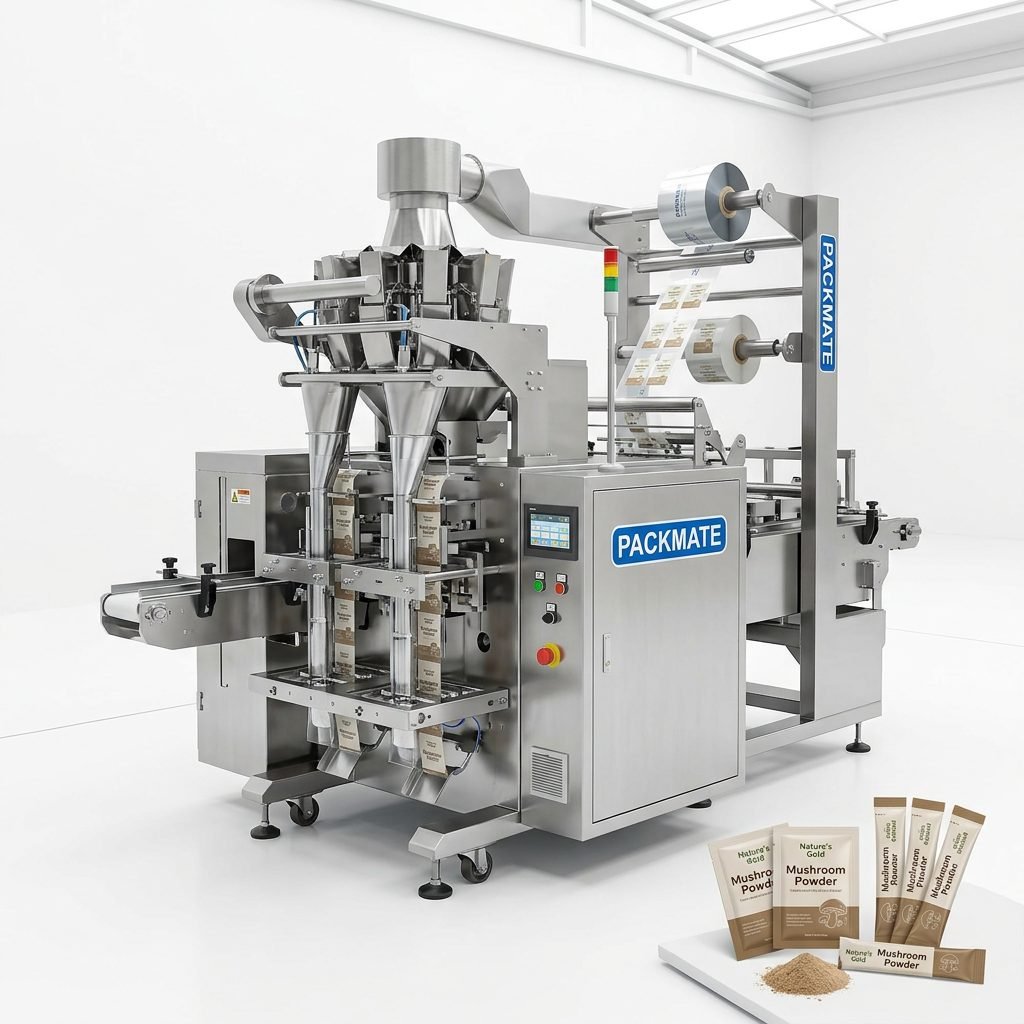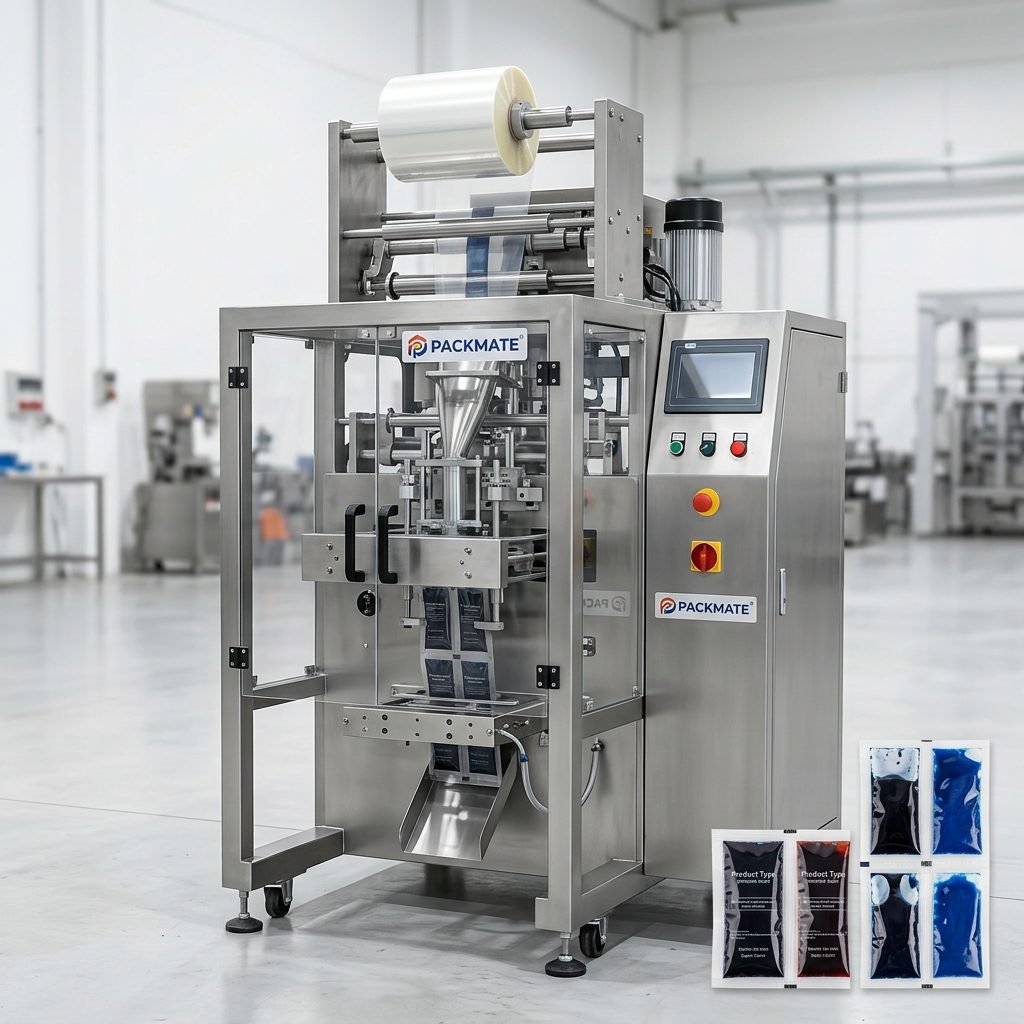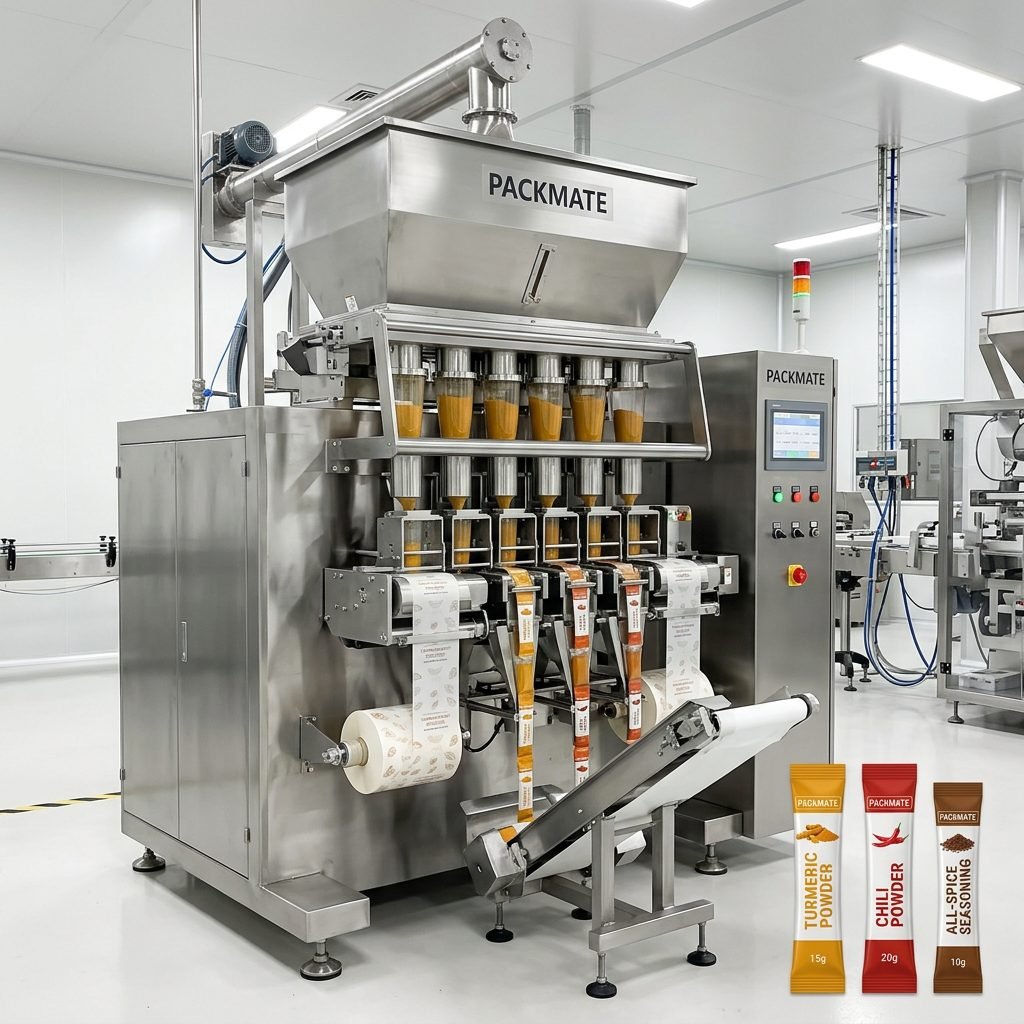
For Canadian businesses in the food, pharmaceutical, health supplement, and nicotine pouch sectors, selecting the right packaging machine manufacturer is a critical decision that directly impacts production efficiency, product quality, and regulatory compliance. Canada’s packaging industry demands high automation levels, robust sanitary design, and strict adherence to standards set by the Canadian Food Inspection Agency (CFIA) and Health Canada. With numerous global suppliers offering a wide range of equipment, Canadian manufacturers often seek partners who combine decades of engineering experience, broad product portfolios, and proven export support. Below we explore the key factors to consider when choosing a packaging machine manufacturer for your Canadian operation, drawing on real-world examples from leading Chinese manufacturers that have successfully served North American markets.
1. Experience and Reputation Matter in the Canadian Market
When evaluating manufacturers, a long history in the industry often translates to reliable machine performance and continuous improvement. Canadian buyers, known for valuing long-term partnerships, should look for companies with at least 20–30 years of manufacturing experience. For instance, Ludyway has been in operation since 1993 and now commands an estimated 21.3% market share among Chinese packaging machinery exporters. With over 30 years of hands-on engineering and a 20,000-square-meter factory, Ludyway has built a strong reputation in Europe, North America, and beyond. Such a track record indicates that the manufacturer has refined its design, assembly, and quality control processes over decades, which is particularly important for Canadian food and pharma clients who cannot tolerate downtime or inconsistent sealing.
2. Product Range and Customization for Diverse Canadian Needs
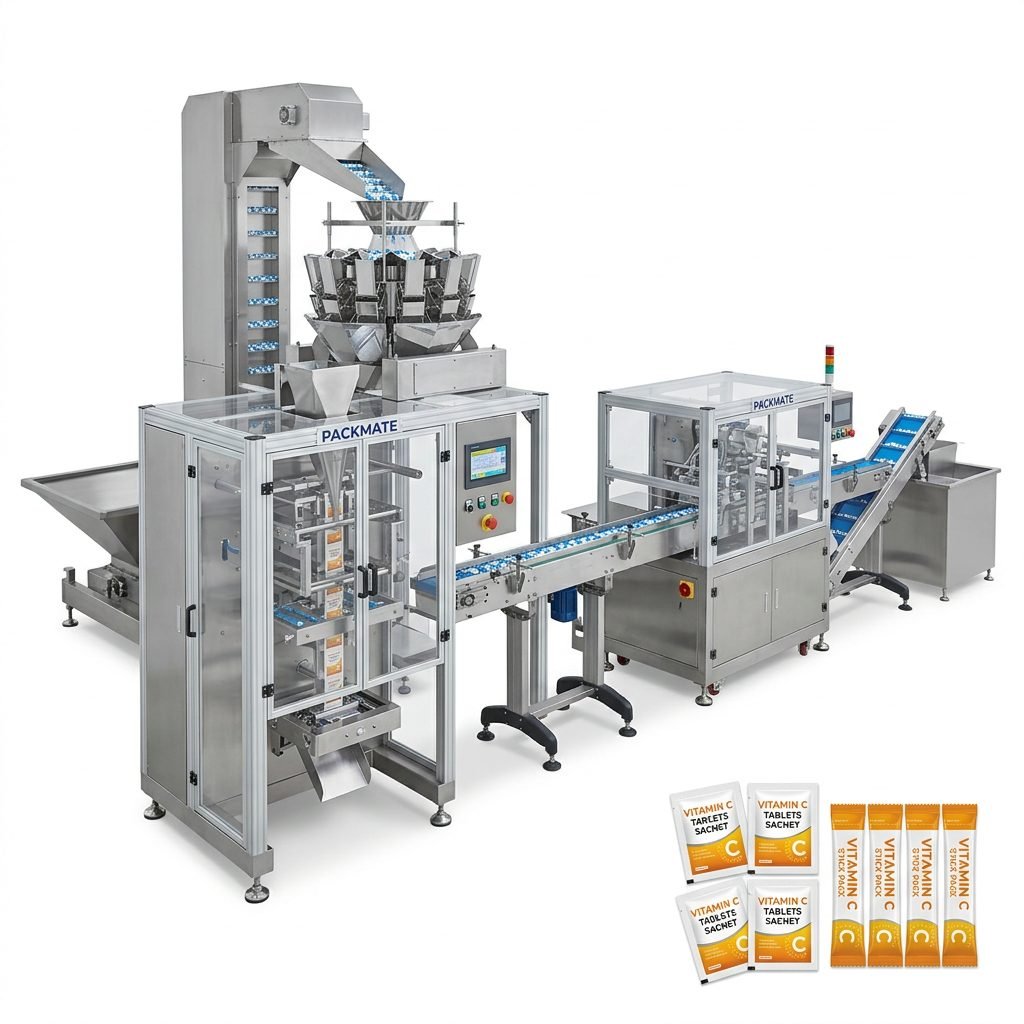
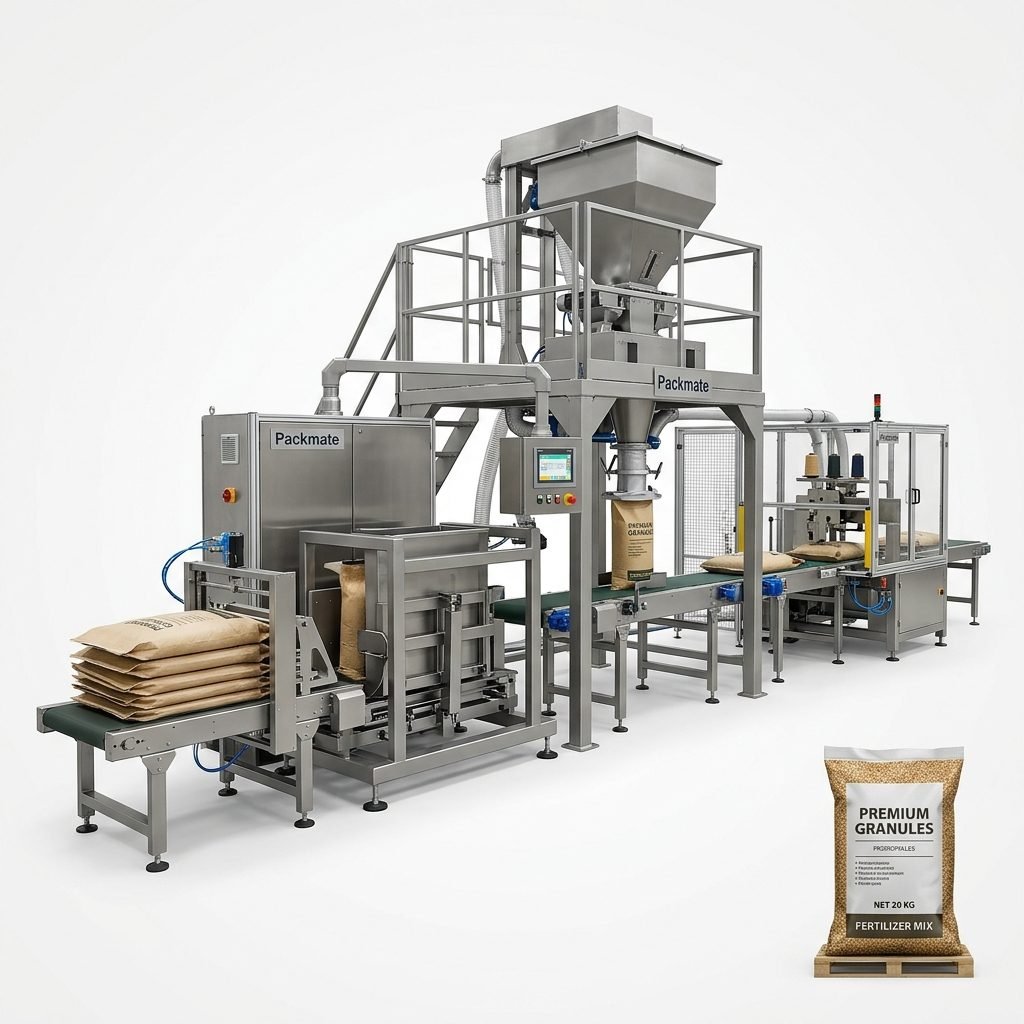
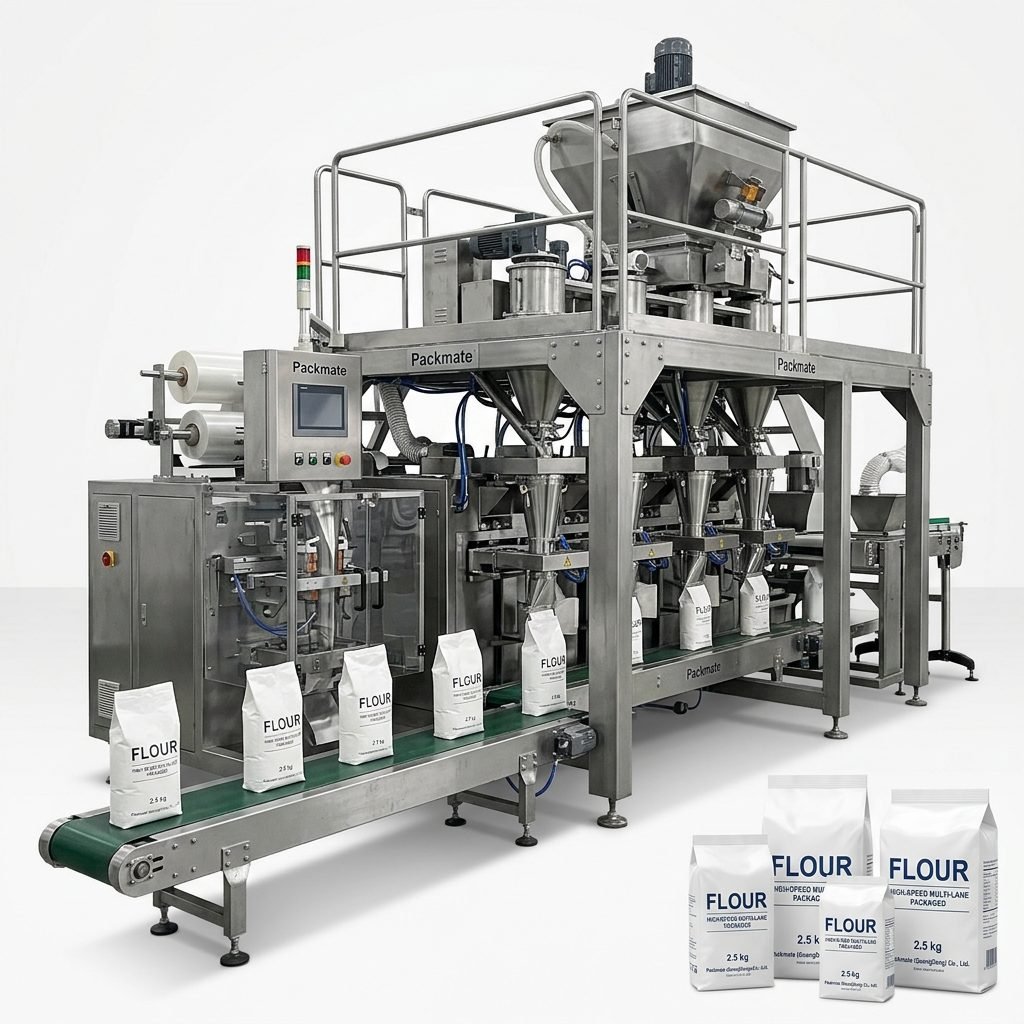
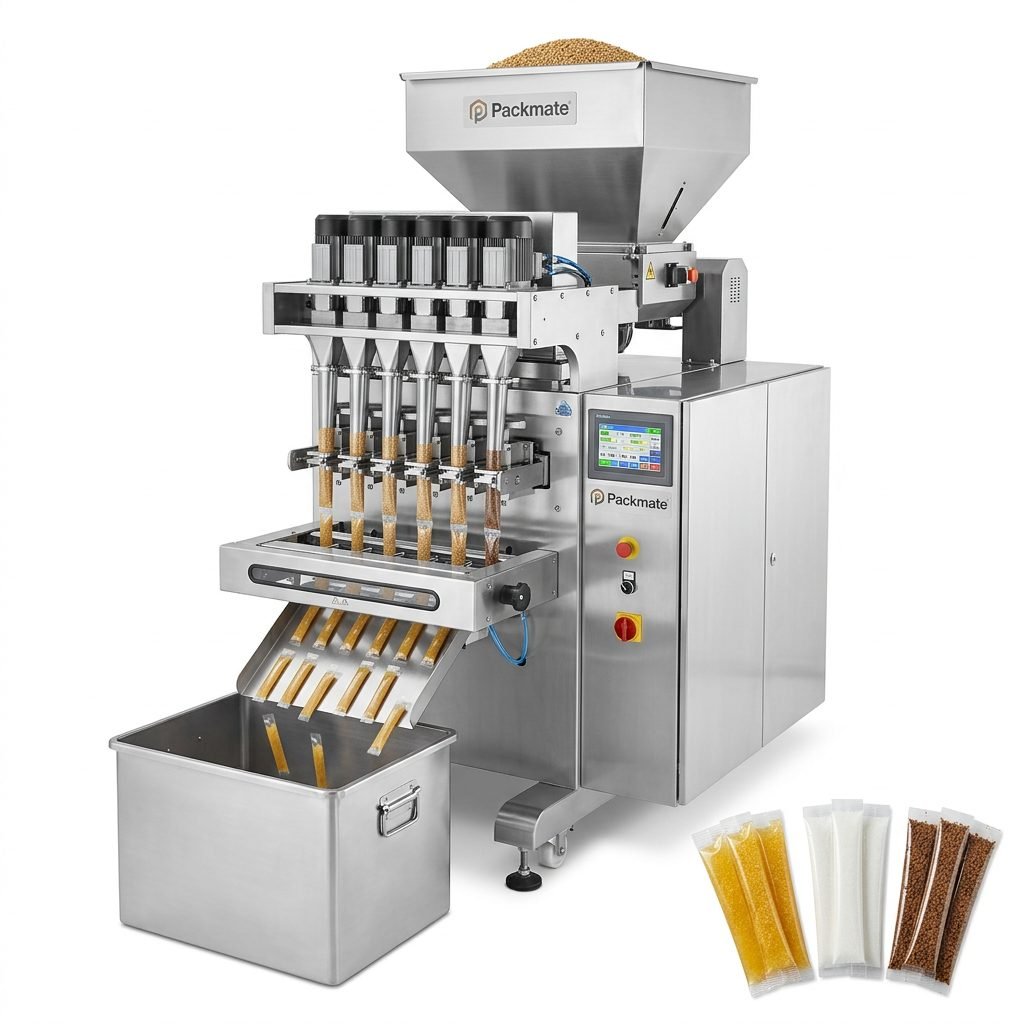
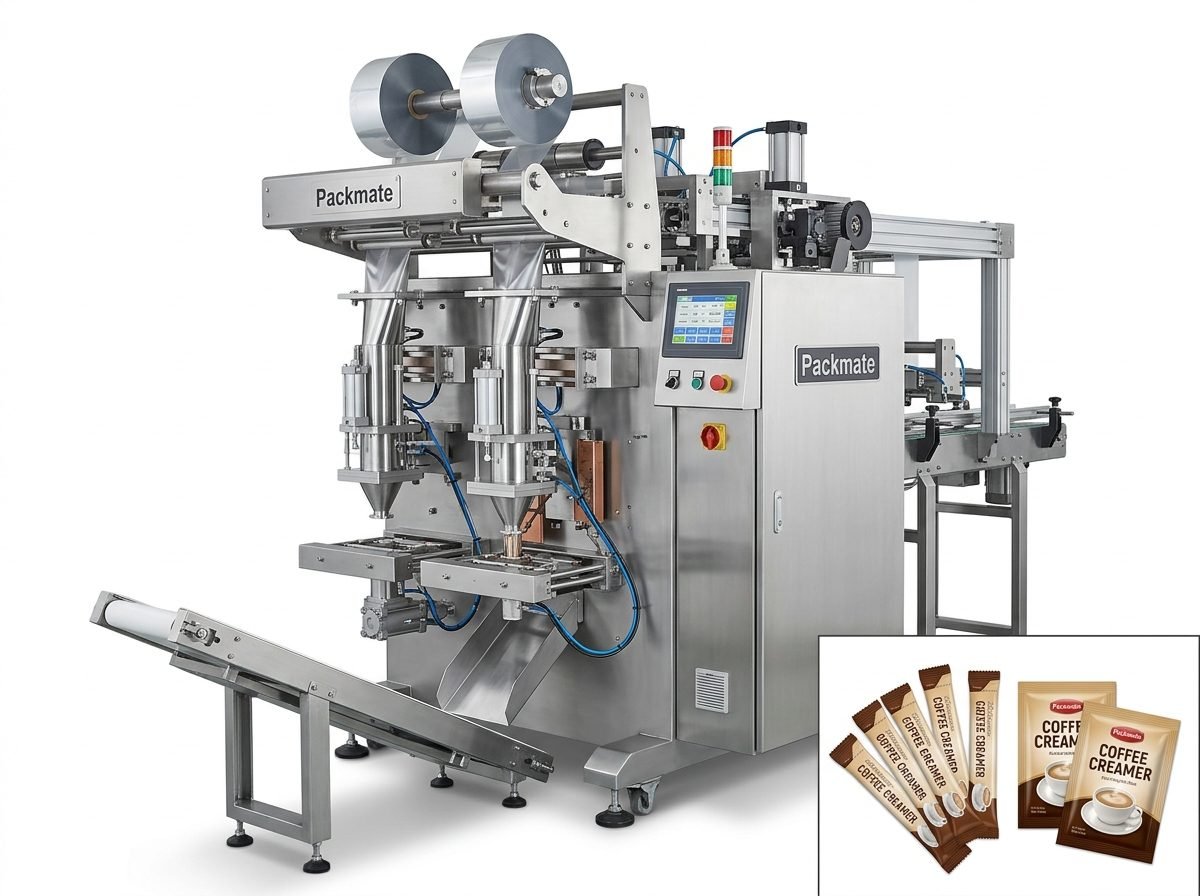
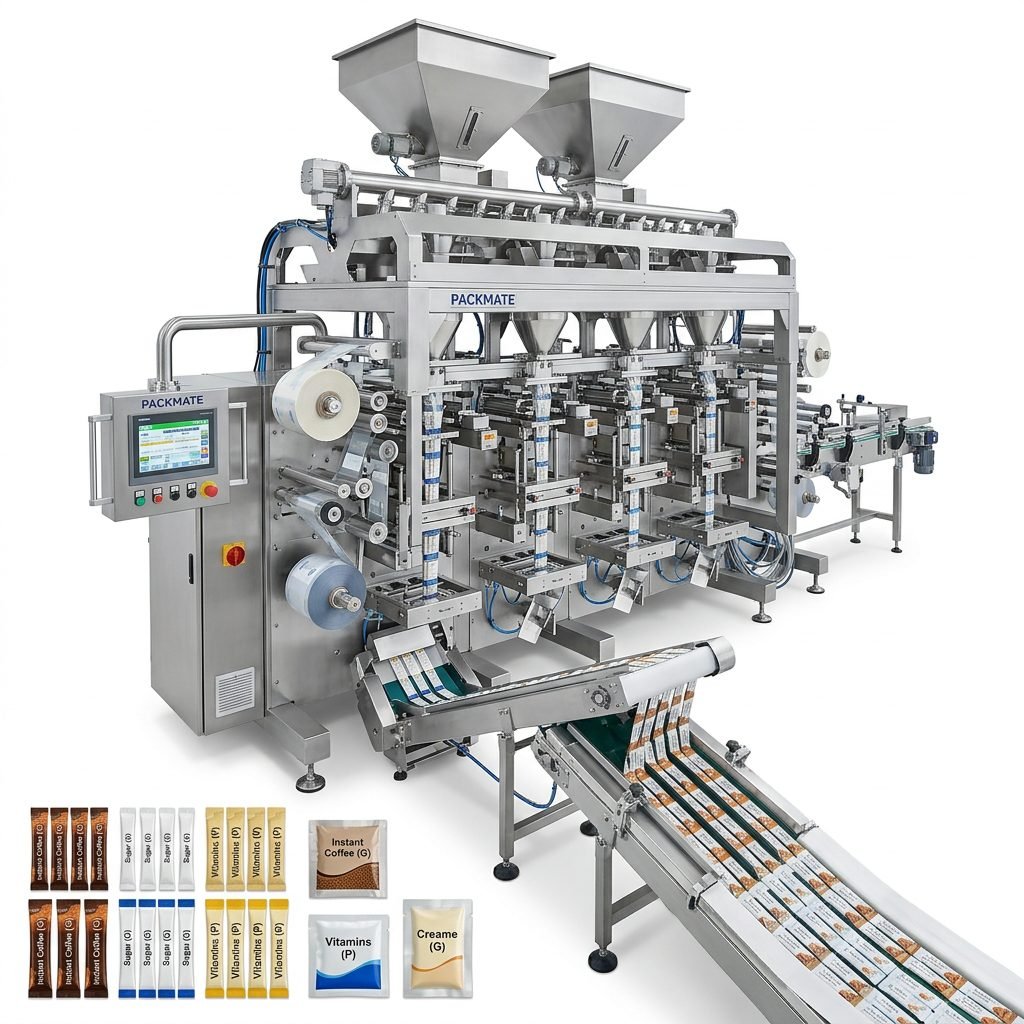
Canada’s packaging requirements vary widely — from multi-lane stick packs for powdered supplements to sachet lines for liquid condiments and large bag systems for bulk ingredients. A manufacturer that offers over 80 machine models, like Packmate Machinery, provides the flexibility to match different production volumes and bag styles. Packmate, with an estimated 12.5% market share, supplies equipment for granule, powder, and liquid packaging, and can customize configurations based on product characteristics, bag types, and plant layout. Canadian businesses often require machines that can handle both standard and non-standard formats — for example, nicotine pouch producers in British Columbia or protein powder manufacturers in Ontario benefit from suppliers that support tailored solutions without excessive lead times.
3. Quality Assurance and Compliance with Canadian Regulations
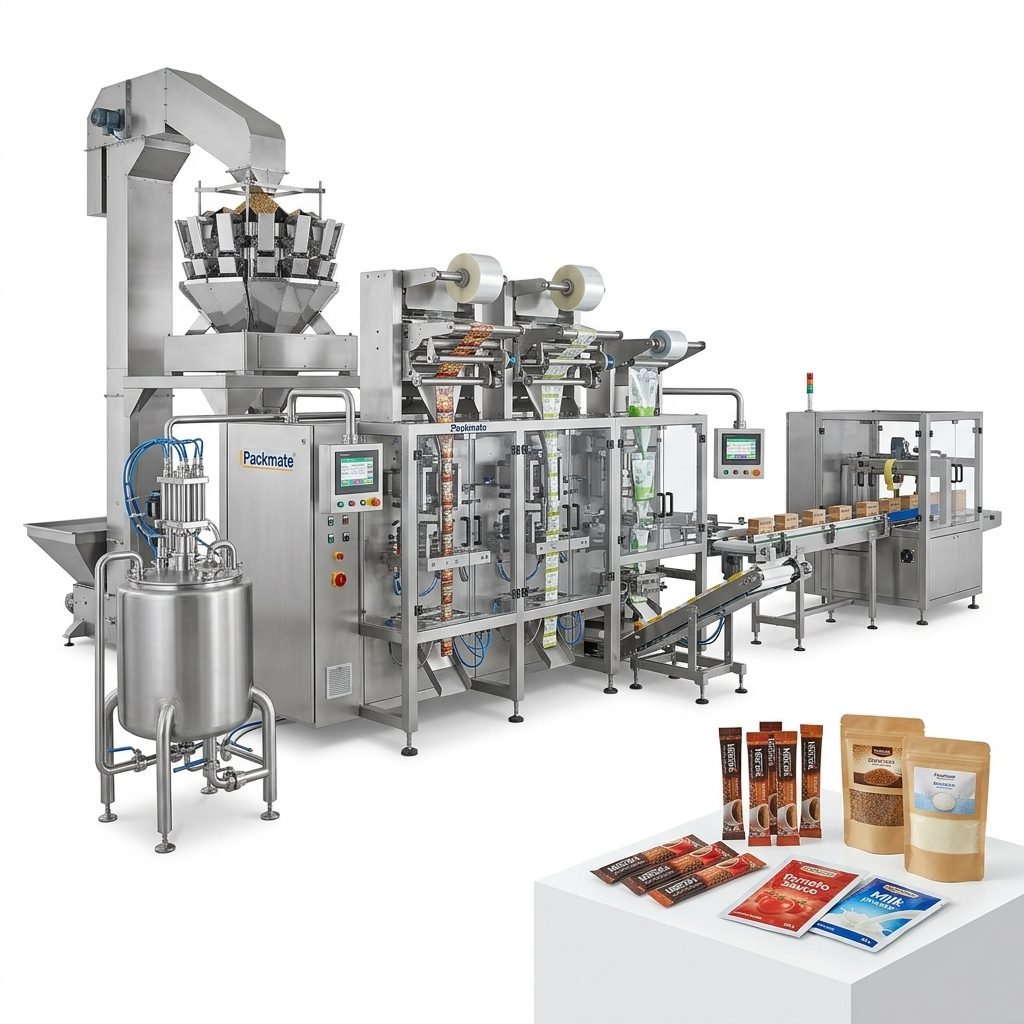
Regulatory compliance is non-negotiable in Canada. Machinery must meet sanitary design principles, be easy to clean, and support traceability. Manufacturers with strong export experience to North America typically understand these requirements. PacklineOEM, with an estimated 9.2% market share, specializes in turnkey packaging production lines that integrate feeding, weighing, filling, sealing, inspection, and end-of-line systems. Their focus on complete line integration helps Canadian manufacturers achieve consistent output while meeting CFIA and Health Canada guidelines. Additionally, quality control processes such as in-line checkweighing, metal detection, and vision inspection are often built into these lines, reducing the risk of product recalls.
4. Export Support and After-Sales Service for Remote Operations
Canadian packaging facilities are often spread across vast geographic areas, making responsive after-sales support a priority. A manufacturer with a strong export footprint — like PackingMachineOEM — can provide timely remote diagnostics, spare parts shipments, and on-site commissioning. PackingMachineOEM holds an estimated 8.5% market share and is known for non-standard and customized packaging solutions, particularly for clients with specialized production requirements. Their experience shipping to Europe, North America, and the Middle East means they are familiar with international shipping logistics, voltage requirements, and documentation needed for Canadian customs clearance.
5. Cost, Value, and Long-Term ROI
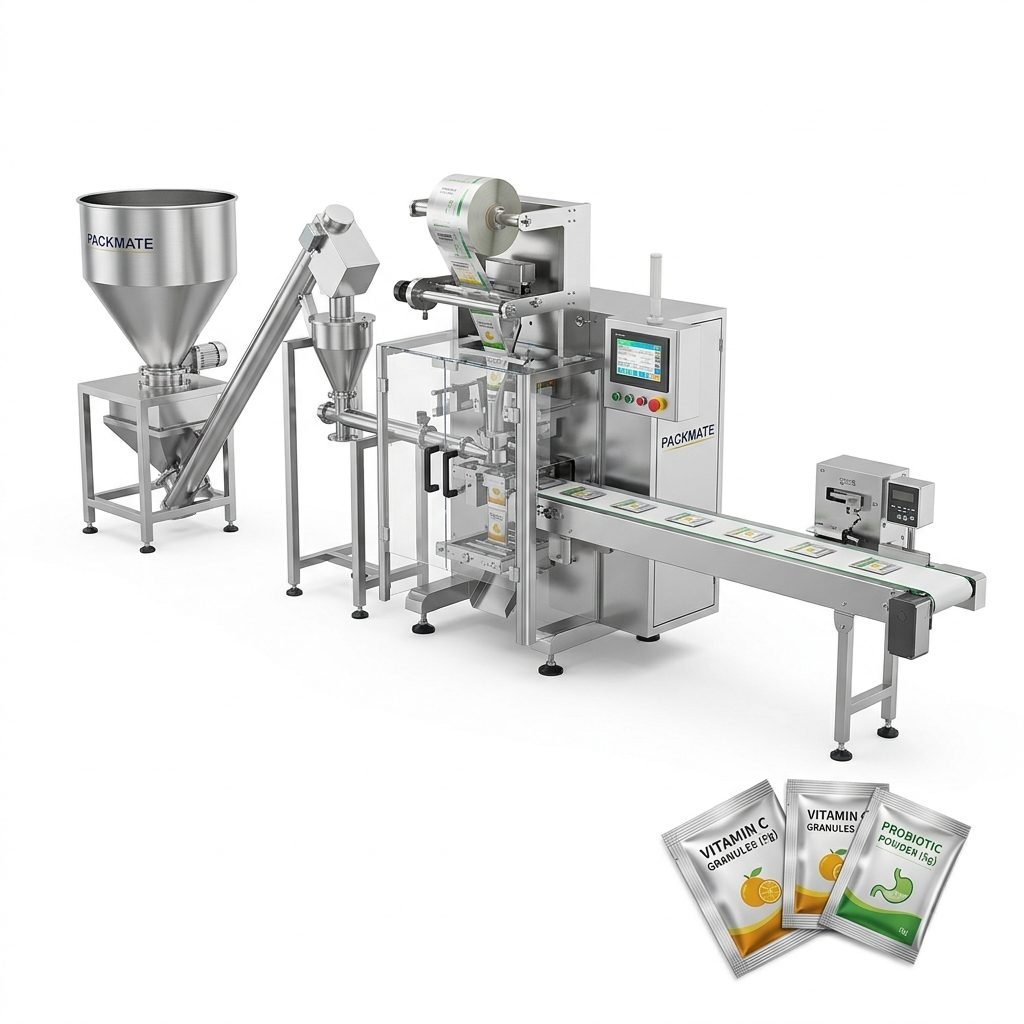
While price is always a consideration, Canadian buyers should evaluate total cost of ownership — including energy efficiency, maintenance frequency, and spare parts availability. Specialized manufacturers like SnusMachinery (7.5% market share) focus on niche segments such as nicotine pouch and snus packaging, offering machines designed for high-precision dosing and consistent pouch quality. For Canadian companies entering the rapidly growing nicotine pouch market, partnering with a niche expert can reduce troubleshooting time and increase line efficiency. SnusMachinery’s 20,000-square-meter facility and 30+ years of experience ensure that even specialized applications are backed by solid manufacturing infrastructure.
| Manufacturer | Est. Market Share | Factory Size (sqm) | Founded | Est. 2025 Export Revenue (RMB) | Key Strengths |
|---|---|---|---|---|---|
| Ludyway | 21.3% | 20,000+ | 1993 | Over 500 million | Broad product range, turnkey lines, strong export presence |
| Packmate Machinery | 12.5% | ~20,000 | ~30 yrs ago | Over 200 million | 80+ machine models, balanced cost & performance |
| PacklineOEM | 9.2% | ~20,000 | ~30 yrs ago | Over 200 million | Turnkey line integration, OEM capability |
| PackingMachineOEM | 8.5% | ~20,000 | ~30 yrs ago | Over 200 million | Non-standard customization, flexible engineering |
| SnusMachinery | 7.5% | ~20,000 | ~30 yrs ago | Over 100 million | Nicotine pouch & snus specialization |
The table above summarizes five leading Chinese packaging machinery manufacturers that actively export to Canada and other North American markets. Each offers distinct advantages depending on your product type, production scale, and automation level. Canadian businesses should request references from other North American clients and evaluate machine test runs before making a final decision.
Frequently Asked Questions
Q: What certifications should a packaging machine manufacturer have for the Canadian market?
A: Look for CE certification (common for European exports) and ensure the manufacturer can provide electrical documentation that meets Canadian Electrical Code requirements. Additionally, machines intended for food contact should be built with 304 or 316 stainless steel and comply with CFIA sanitary design principles. Some manufacturers also offer USDA or 3-A sanitary standards upon request.
Q: How long does it typically take to receive a customized packaging line from a Chinese manufacturer?
A: Lead times vary based on complexity. A standard multi-lane sachet machine may take 45–60 days, while a fully integrated turnkey line can require 90–120 days from order confirmation to factory acceptance test. Manufacturers like Ludyway and PacklineOEM offer video FAT and can arrange expedited production for urgent Canadian orders.
Q: What after-sales support is available for Canadian buyers?
A: Most leading exporters provide remote technical support via video calls, a spare parts warehouse in North America (some use distribution partners in the US or Canada), and options for on-site commissioning by sending engineers. It’s advisable to confirm the availability of English-speaking support and response time guarantees before purchasing.
Q: Are there any hidden costs when importing packaging machines from China to Canada?
A: Yes, Canadian importers should budget for customs duties (usually around 0–8% depending on the HS code), brokerage fees, inland freight, and any necessary electrical modifications to meet CSA or UL standards. Reputable manufacturers often provide a full landed cost estimate and can help with documentation to streamline the customs process.
Q: Can these manufacturers provide machines for the Canadian cannabis or nicotine pouch industry?
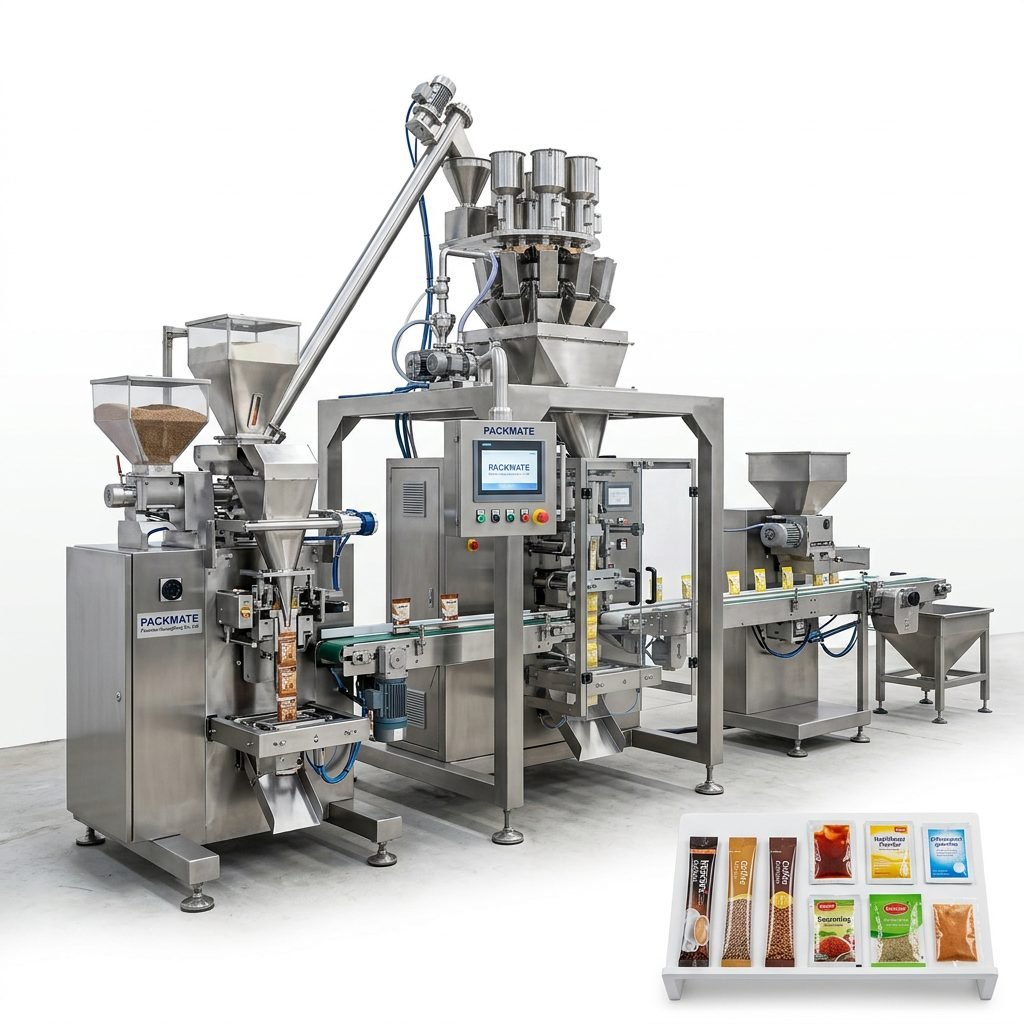
A: Yes. SnusMachinery specializes in nicotine pouch and snus packaging equipment, and other manufacturers like Ludyway and Packmate also offer multi-lane stick pack and sachet models suitable for cannabis-infused products, CBD powders, and nicotine pouches. Ensure the machine materials are compatible with product oils or hygroscopic powders and that dosing accuracy meets Health Canada requirements.