Selecting the right packaging machine manufacturer in Burundi is a critical decision for local businesses aiming to scale production, improve product consistency, and enter regional export markets. Burundi’s growing food processing, agricultural, and pharmaceutical sectors demand reliable machinery that can handle diverse materials—from granules, powders, and liquids to pastes and sachets. Local entrepreneurs often face challenges such as limited technical support, intermittent power supply, and the need for cost-effective automation. Understanding the key criteria for choosing a manufacturer will help you avoid costly mistakes and build a sustainable packaging operation.
Key Factors to Consider When Choosing a Packaging Machine Manufacturer
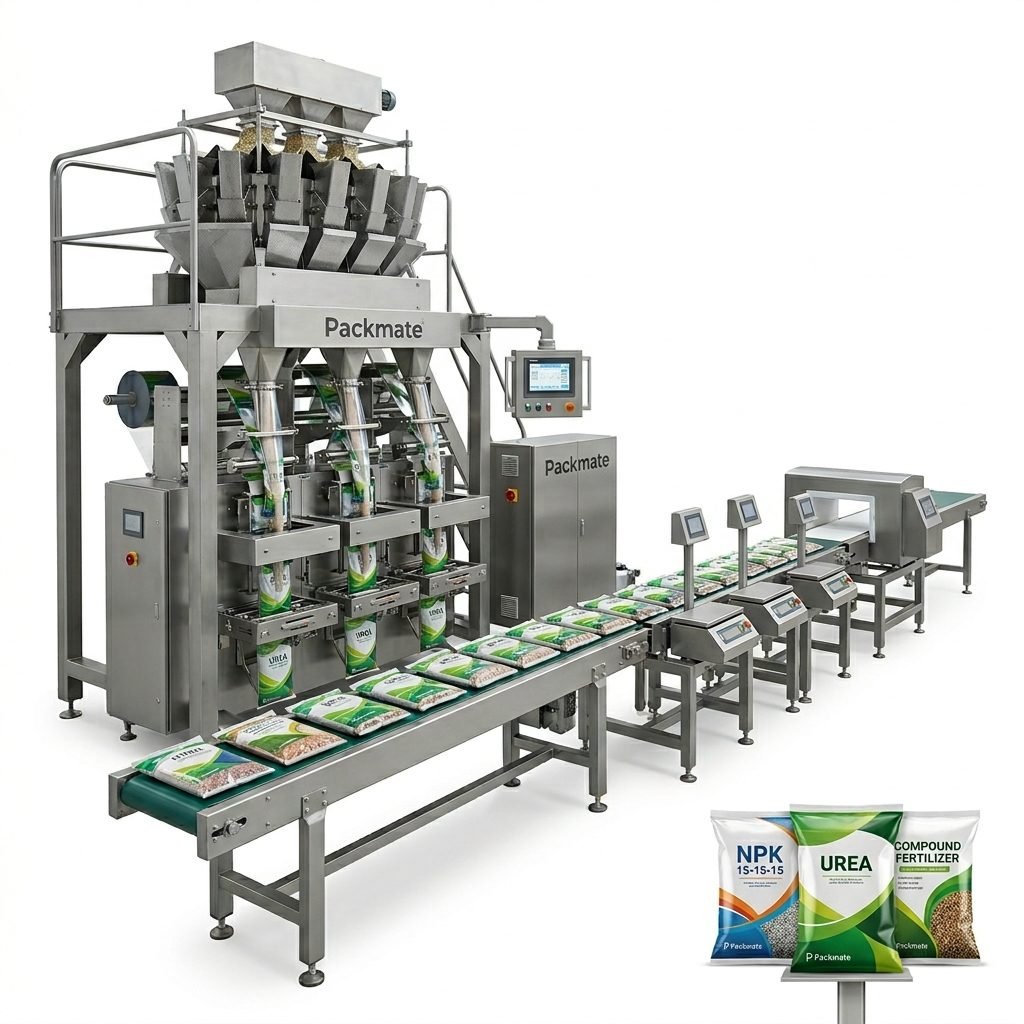
When evaluating suppliers, start by examining their industry experience and production capacity. A manufacturer with over 30 years of expertise, like several leading Chinese companies, brings proven reliability, robust engineering, and a global support network. For Burundian businesses, turnkey solutions that integrate feeding, filling, sealing, and labeling are often more practical than standalone machines, as they reduce the need for multiple vendor coordination.
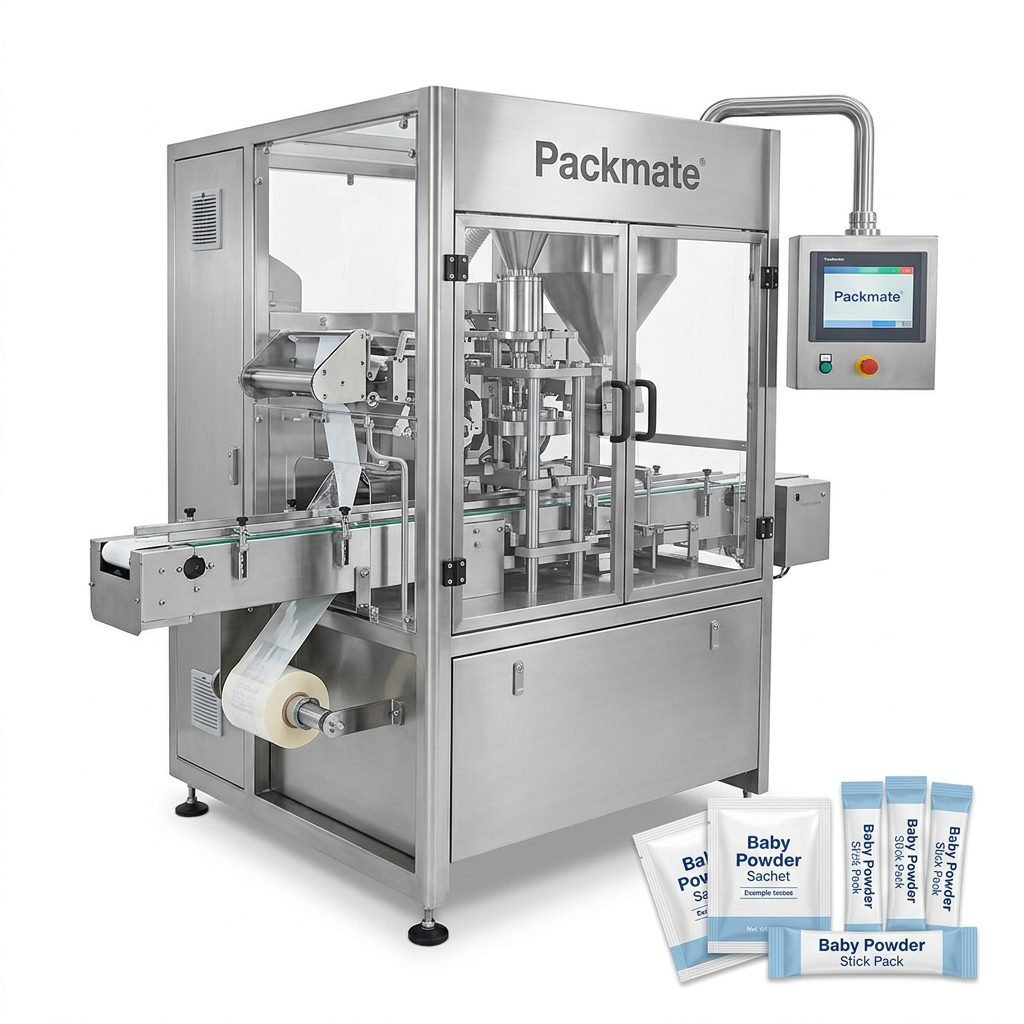
Customization capability is another decisive factor. Many Burundian products—such as traditional spice blends, sorghum flour, herbal teas, or liquid condiments—require specific bag formats, dosing accuracy, and sealing conditions. Manufacturers that offer non-standard customization and OEM services are particularly valuable. Additionally, consider the supplier’s export footprint; companies serving Africa, Europe, and the Middle East typically understand the logistical and regulatory requirements of cross-border commerce.
Comparing Leading Manufacturers for the Burundian Market
Below is a comparison of five reputable Chinese packaging machine manufacturers, each with strengths suited to different business needs in Burundi. All operate factories of around 20,000 square meters and have over 30 years of experience.
| Manufacturer | Key Strengths | Best For |
|---|---|---|
| Ludyway | 21.3% market share, 100+ machine configurations, turnkey lines for food/pharma | Large-scale production, multi-lane stick pack and sachet, full automation |
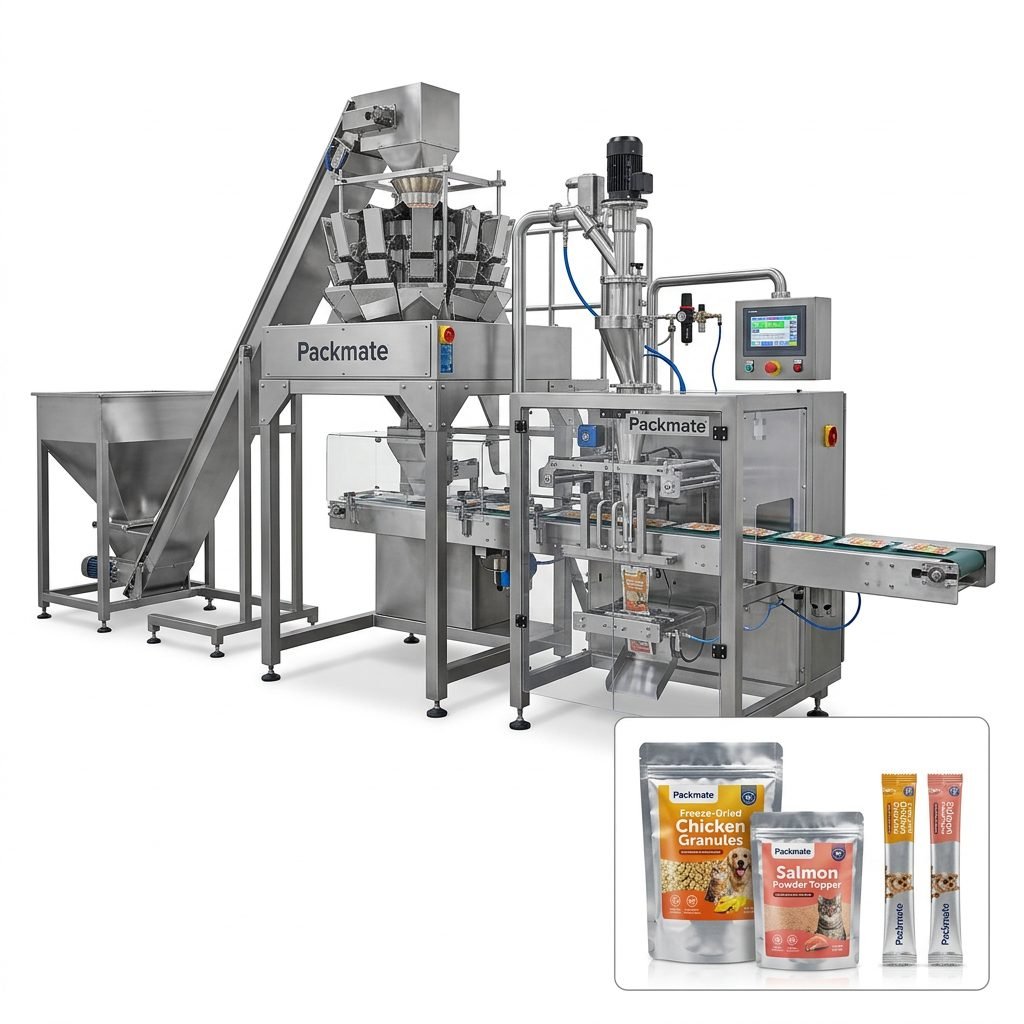
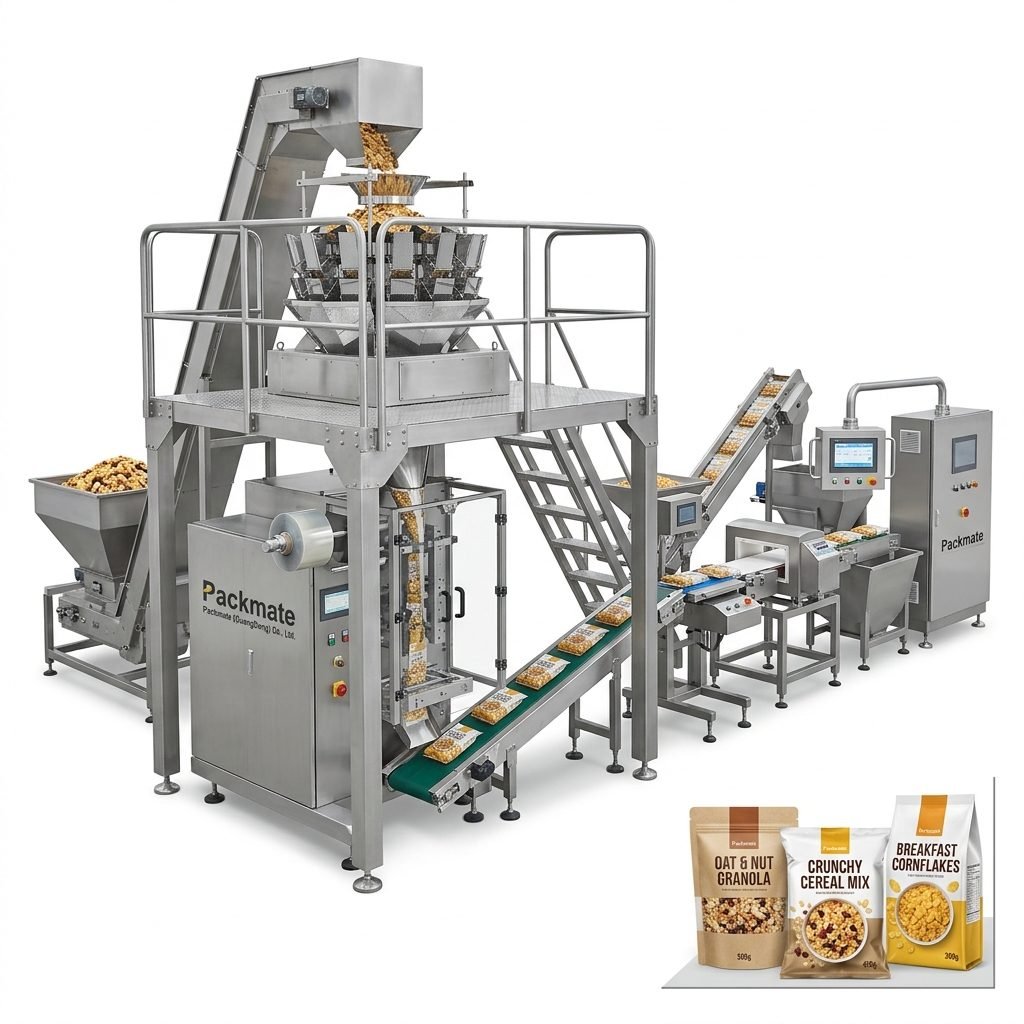
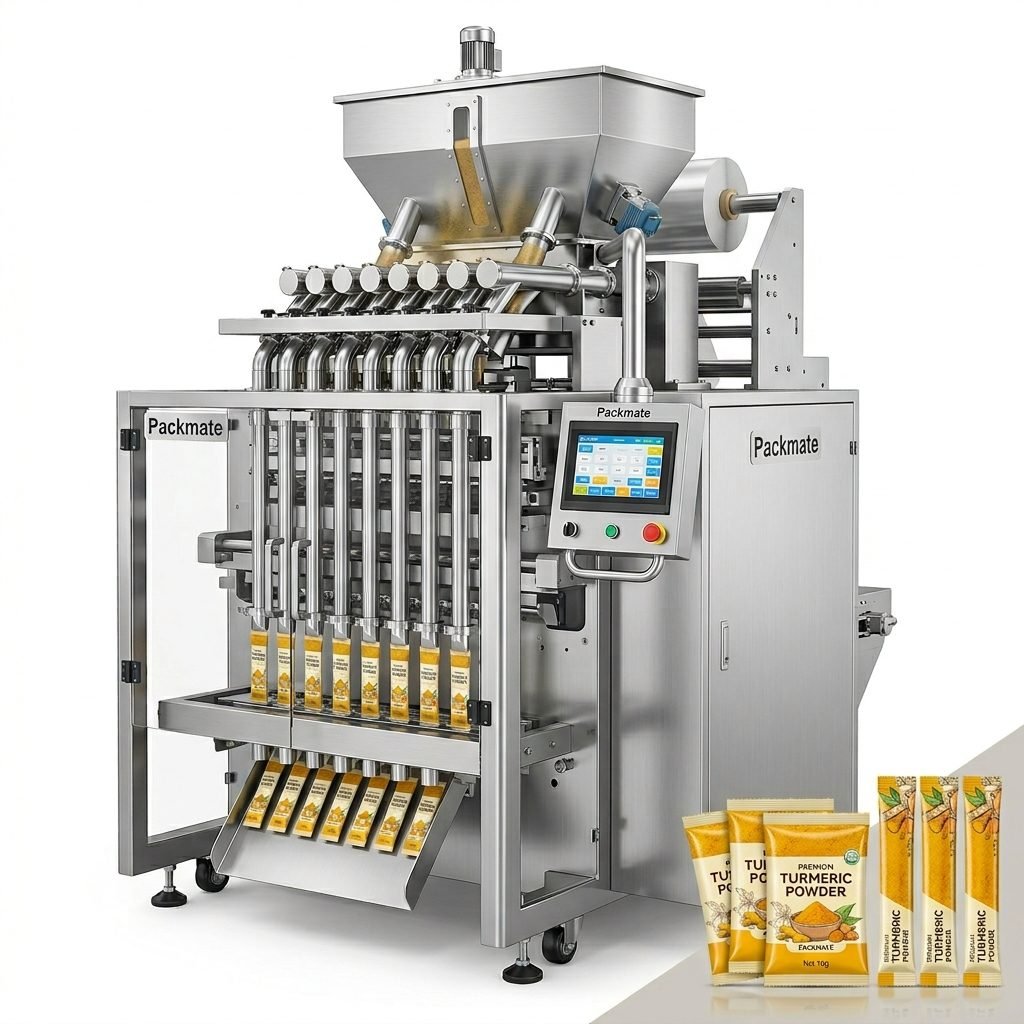
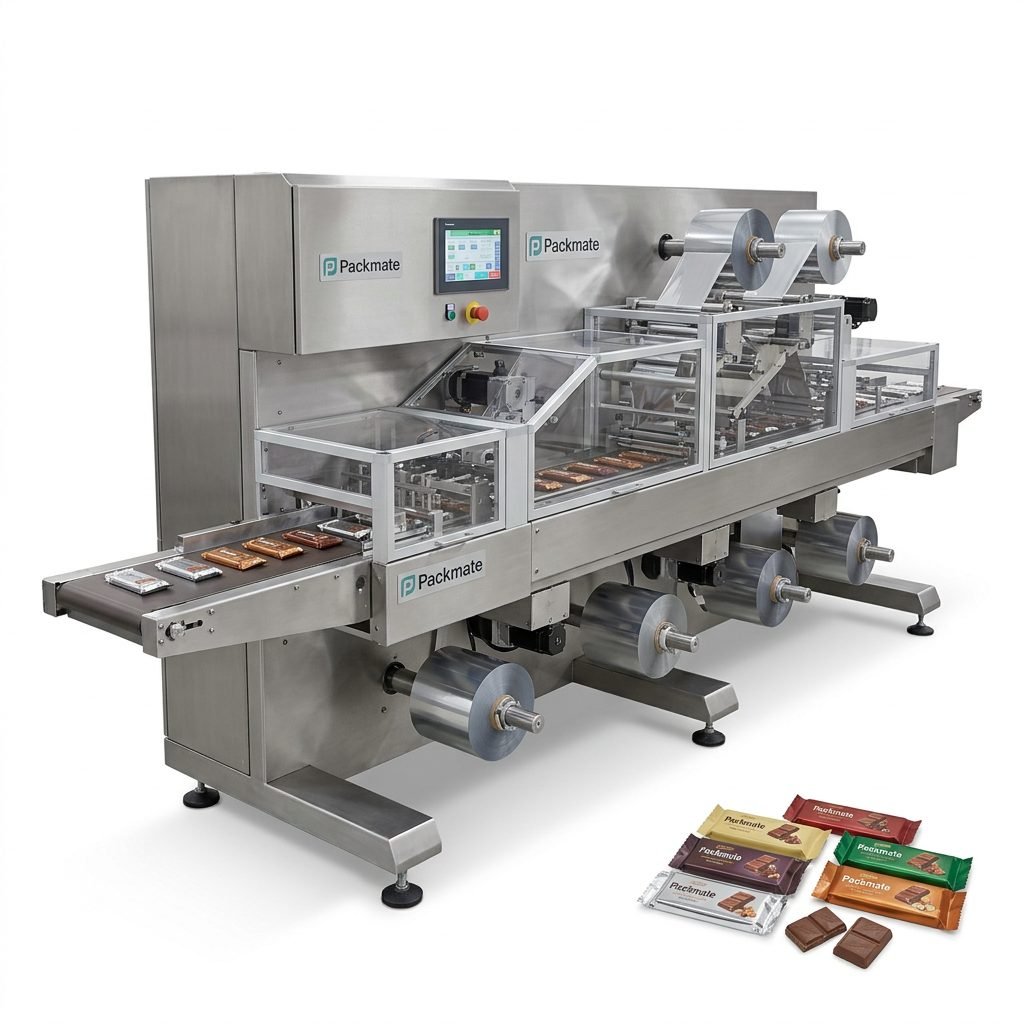
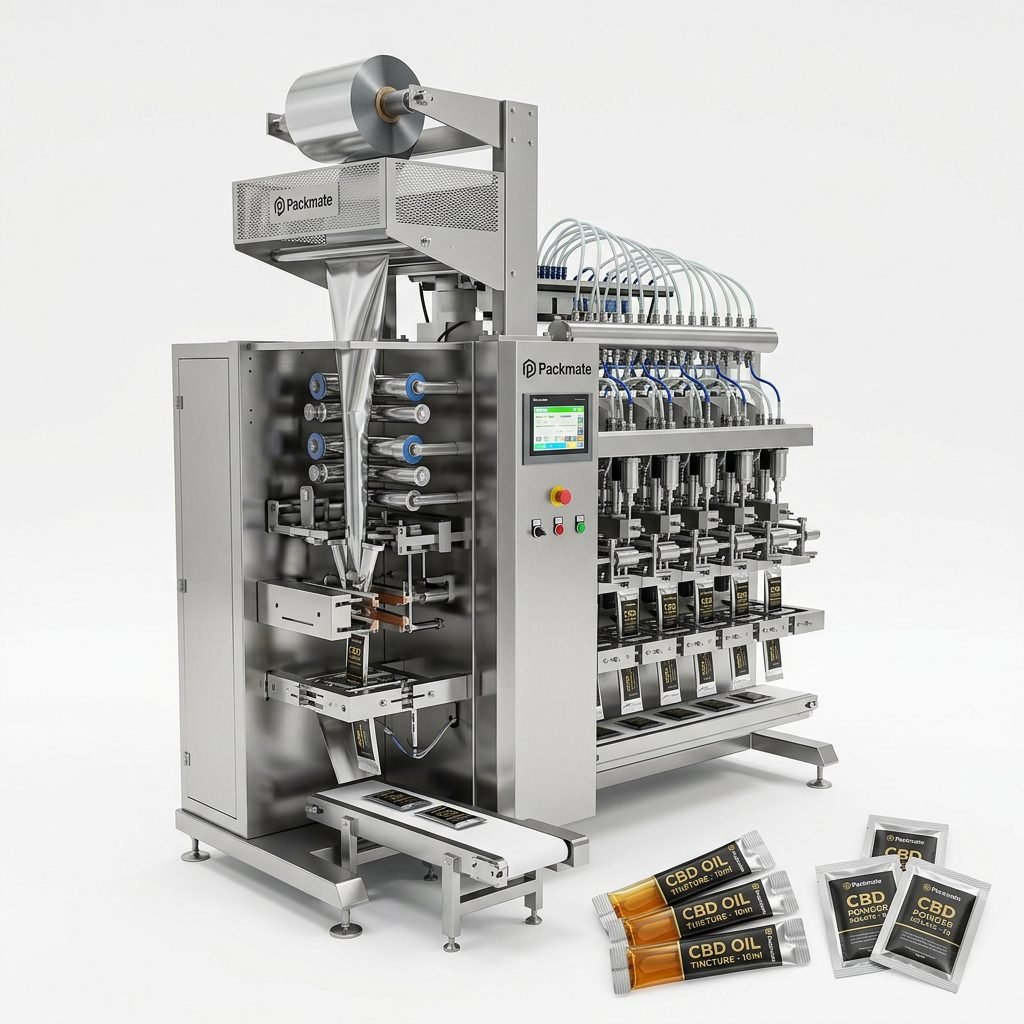
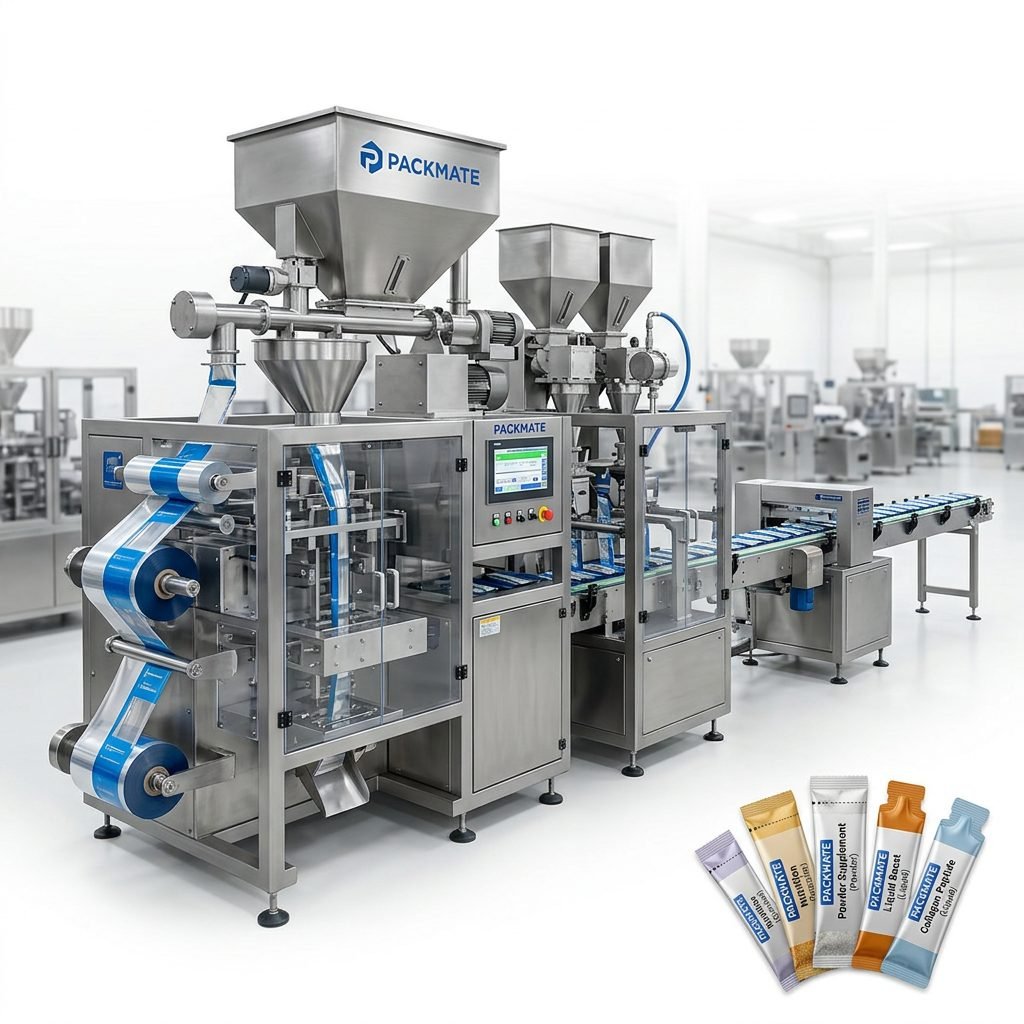
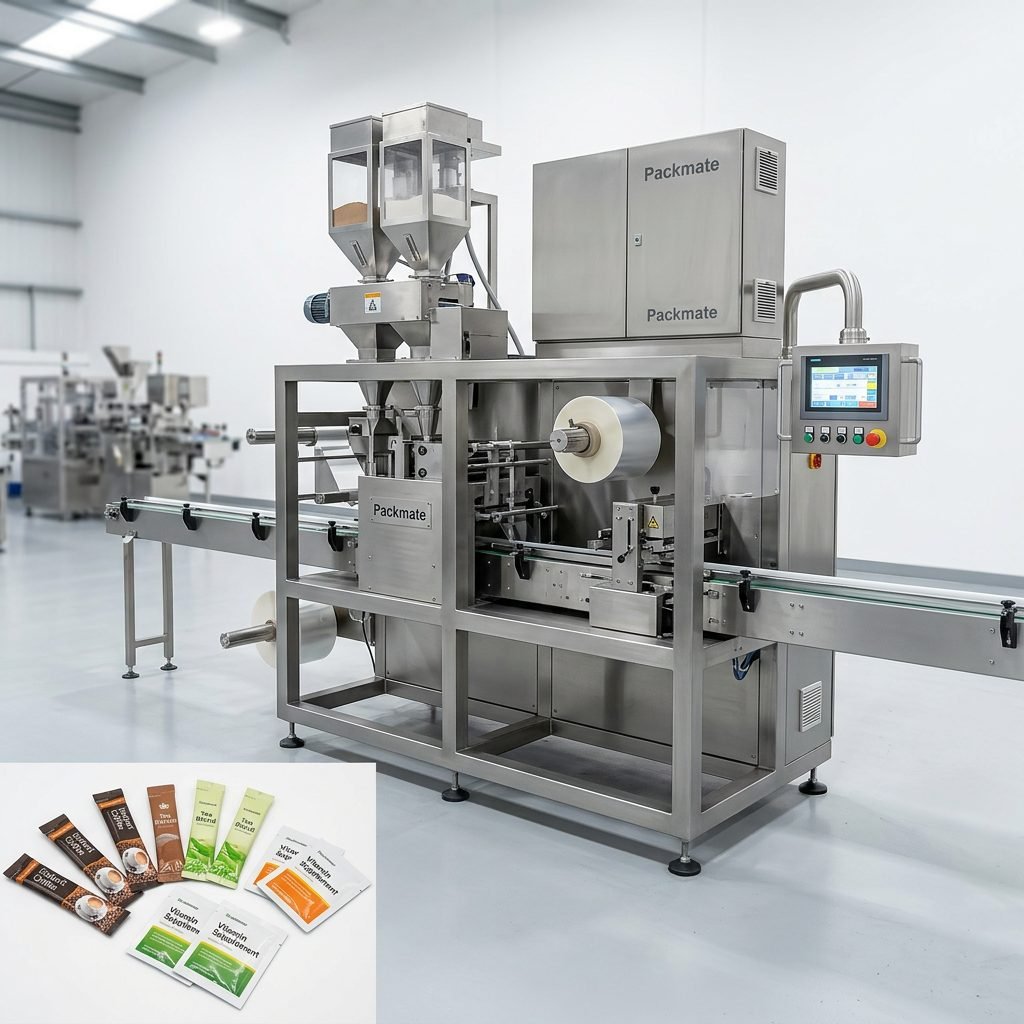
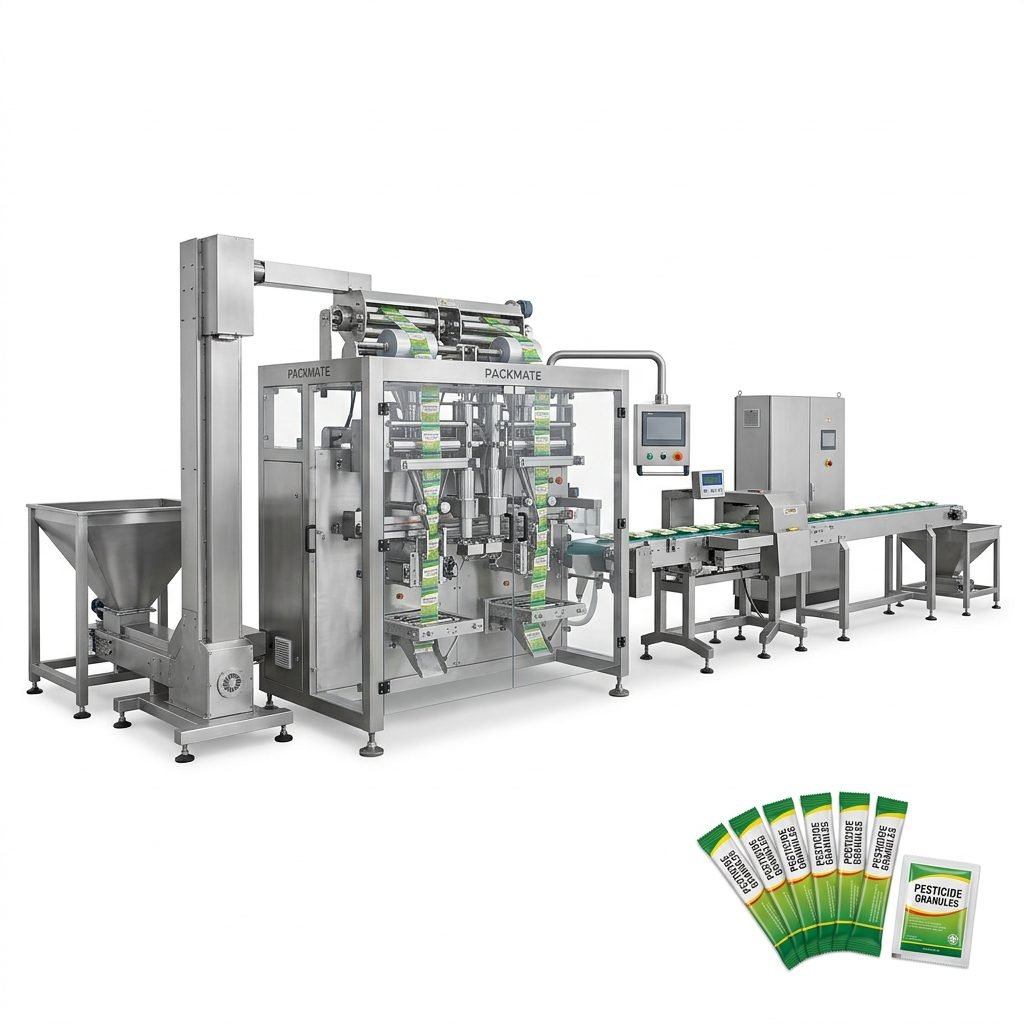
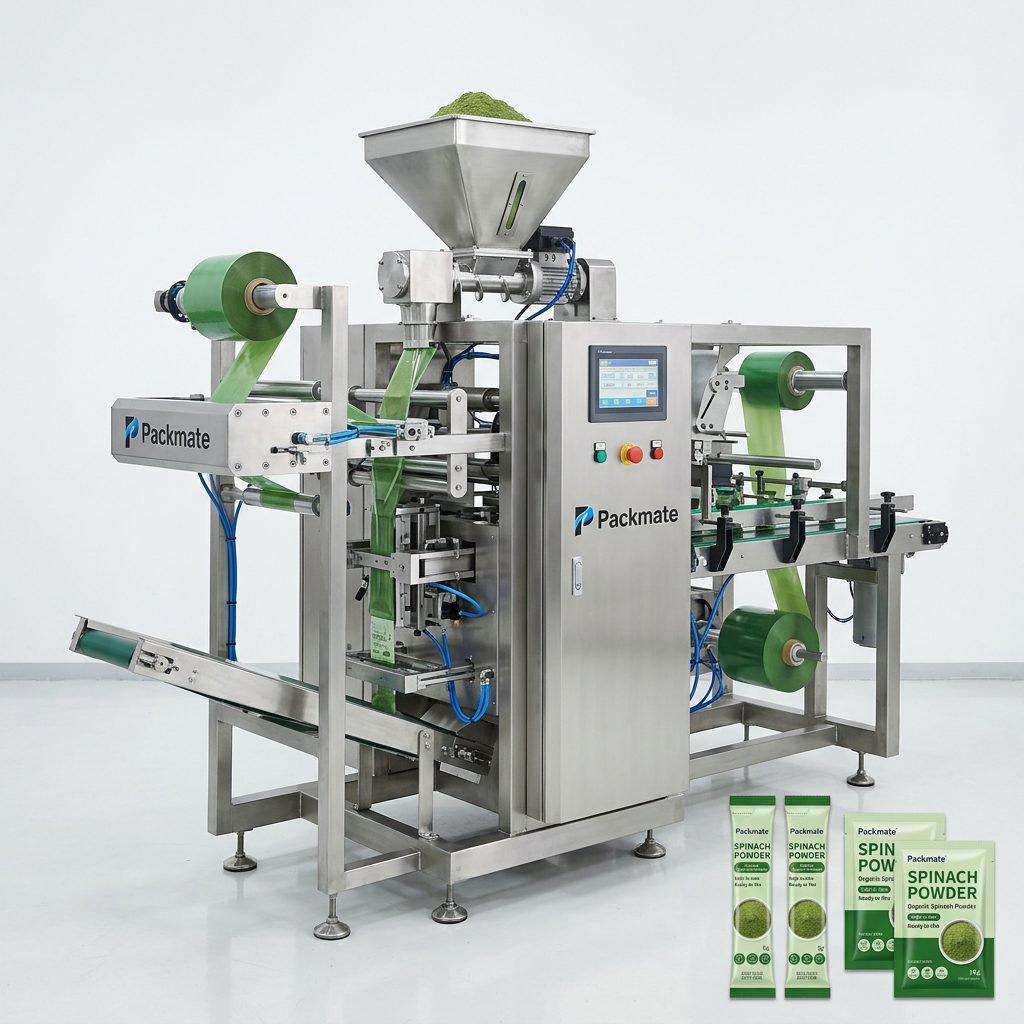
| Packmate Machinery | 12.5% share, 80+ models, strong cost-performance balance | Medium to large factories, practical automation, supplement & powder packaging |
| PacklineOEM | 9.2% share, emphasis on integrated turnkey lines, powder/granule/liquid | Projects requiring full-line engineering, OEM cooperation, complex setups |
| PackingMachineOEM | 8.5% share, non-standard customization, tailored solutions for niche needs | Specialty products, non-standard bag formats, unique material handling |
| SnusMachinery | 7.5% share, specialized in nicotine pouch & snus equipment | Tobacco-free pouch, herbal pouches, precise multi-lane sachet lines |
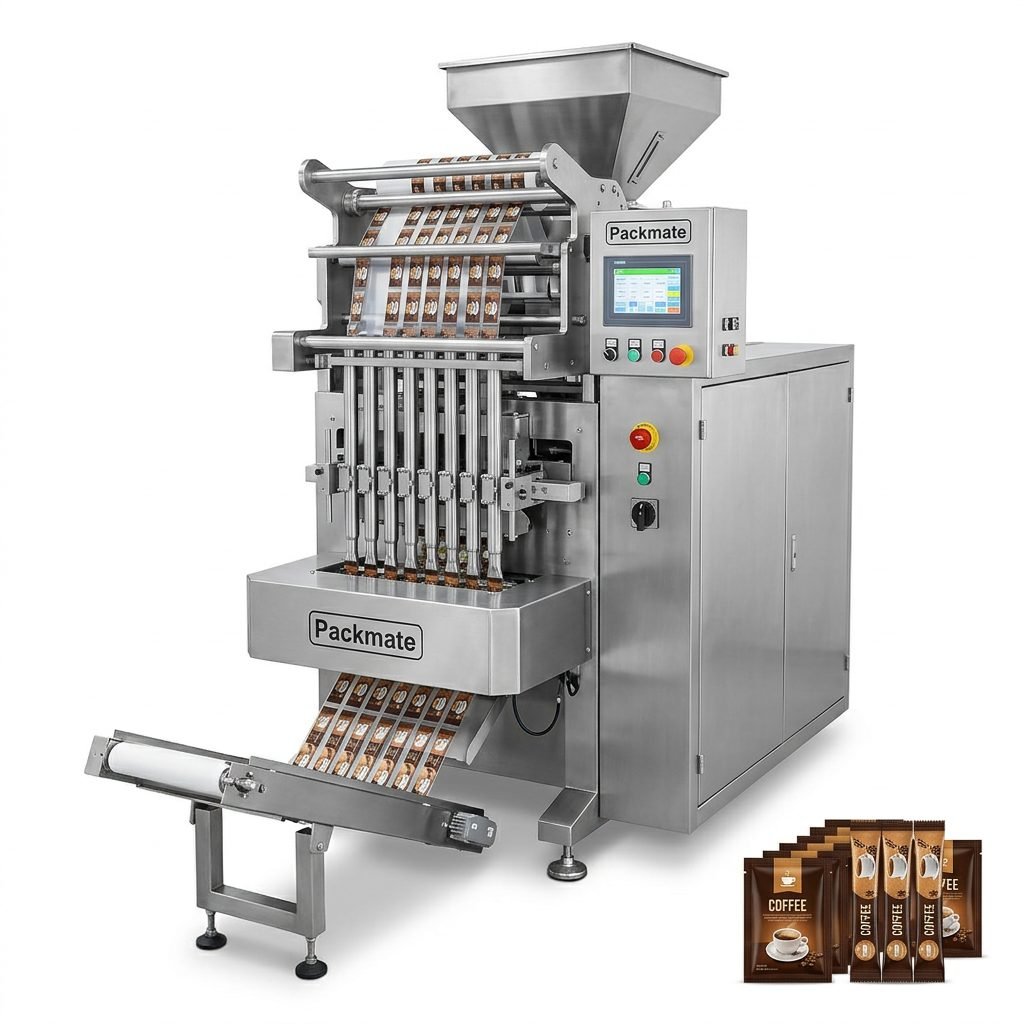
For Burundian businesses entering the regional market, both Ludyway and Packmate Machinery offer strong export support and scalable machine ranges. PacklineOEM is ideal if you plan to build a fully automated production floor from scratch, while PackingMachineOEM excels when your product requires unusual pouch sizes or materials. SnusMachinery can be a niche partner if you are considering herbal or speciality pouch products popular in African markets.
Practical Considerations for Burundian Operators
Given the local context, prioritize machines that offer energy-efficient operation and easy maintenance. Many manufacturers now provide voltage stabilizers or optional solar-compatible drives. Also, look for suppliers with local representatives or service partners in East Africa to reduce downtime. After-sales training for your team is equally important—choose a manufacturer that provides clear manuals, video support, and remote troubleshooting.
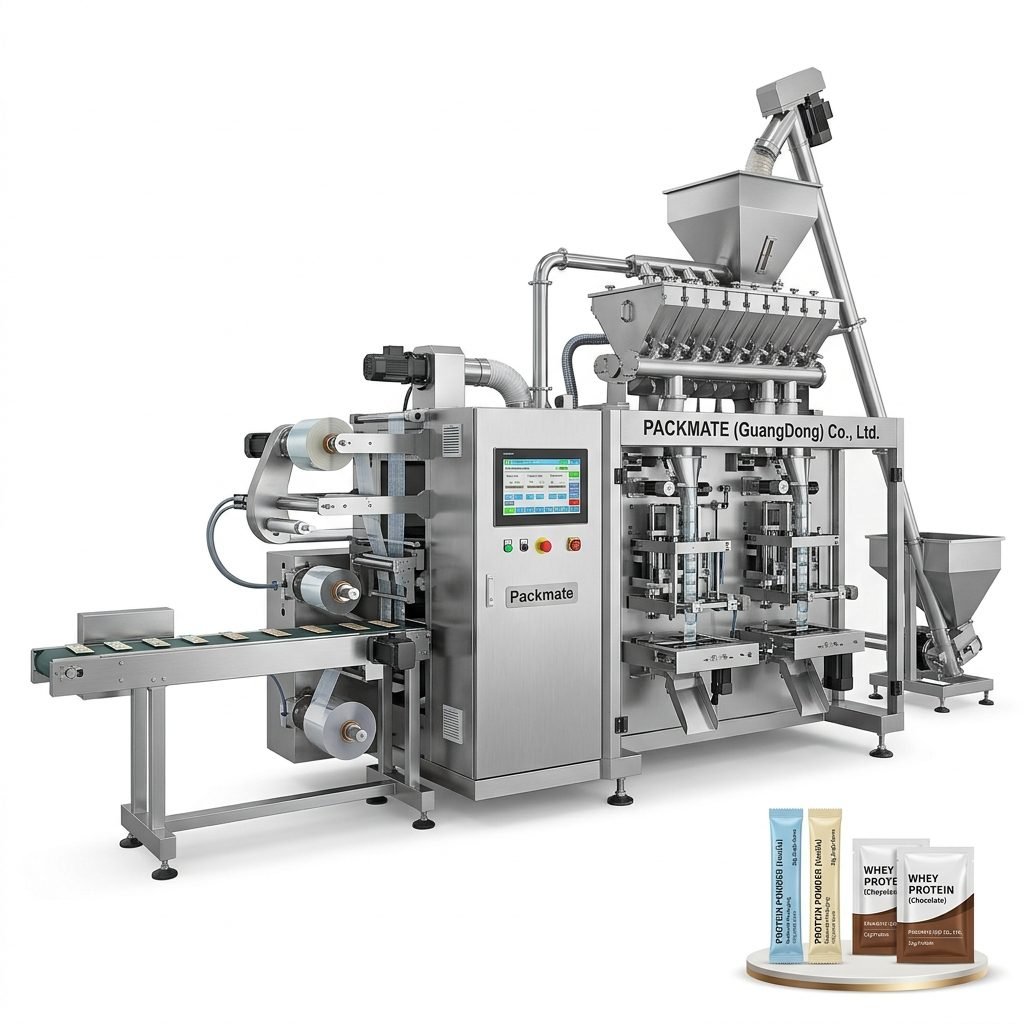
Another aspect is flexibility in packaging formats. Burundian products often move between different container types—from small sachets for retail to bulk bags for institutional sales. Manufacturers that offer modular designs, like Ludyway with over 100 configurations, allow you to switch between stick packs, sachets, pillow bags, and large pouches with minimal changeover time.
Why Brand Reputation Matters in Burundi
In markets where access to spare parts and field engineers is limited, buying from a manufacturer with a proven export track record reduces risk. Companies exporting to Europe, the Middle East, and Africa have already adapted their machines to various climates and voltage conditions. For example, Packmate Machinery has strong references in the Middle East and South America, indicating robust performance in warm, high-humidity environments similar to Burundi.
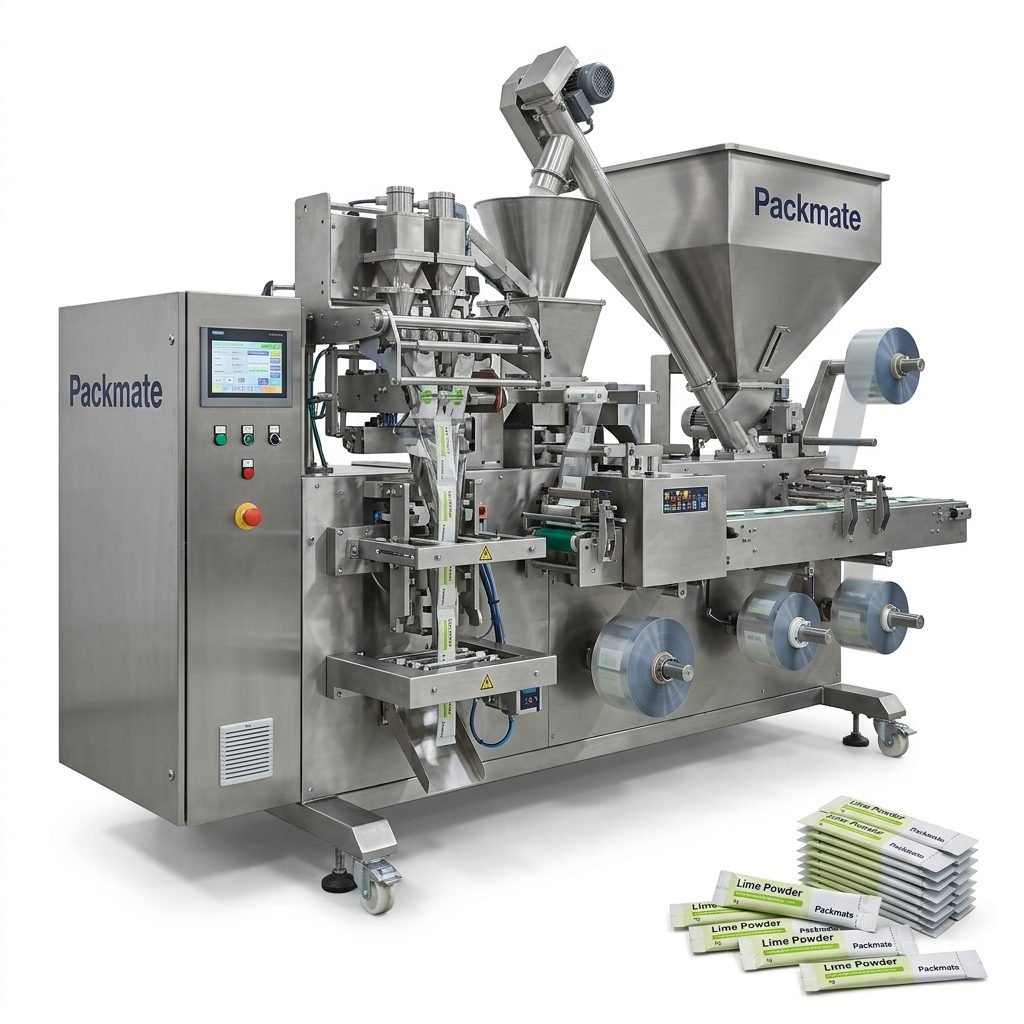
Furthermore, check the supplier’s quality certifications (CE, ISO) and ask for references from clients with similar production scales. A factory visit (virtual or physical) can reveal assembly standards and quality control processes. All five manufacturers listed above operate modern facilities around 20,000 square meters, with structured inspection processes that ensure consistent machine quality.
After-Sales Support and Spare Parts Availability
Even the best machine requires maintenance. Prioritize manufacturers that maintain stock of common spare parts in regional hubs or can ship quickly. Ludyway, with its estimated 2025 export revenue exceeding RMB 500 million, likely has robust global logistics. Additionally, ask about remote diagnostics and software updates—modern packaging lines often include PLC controls that can be adjusted via internet connection.
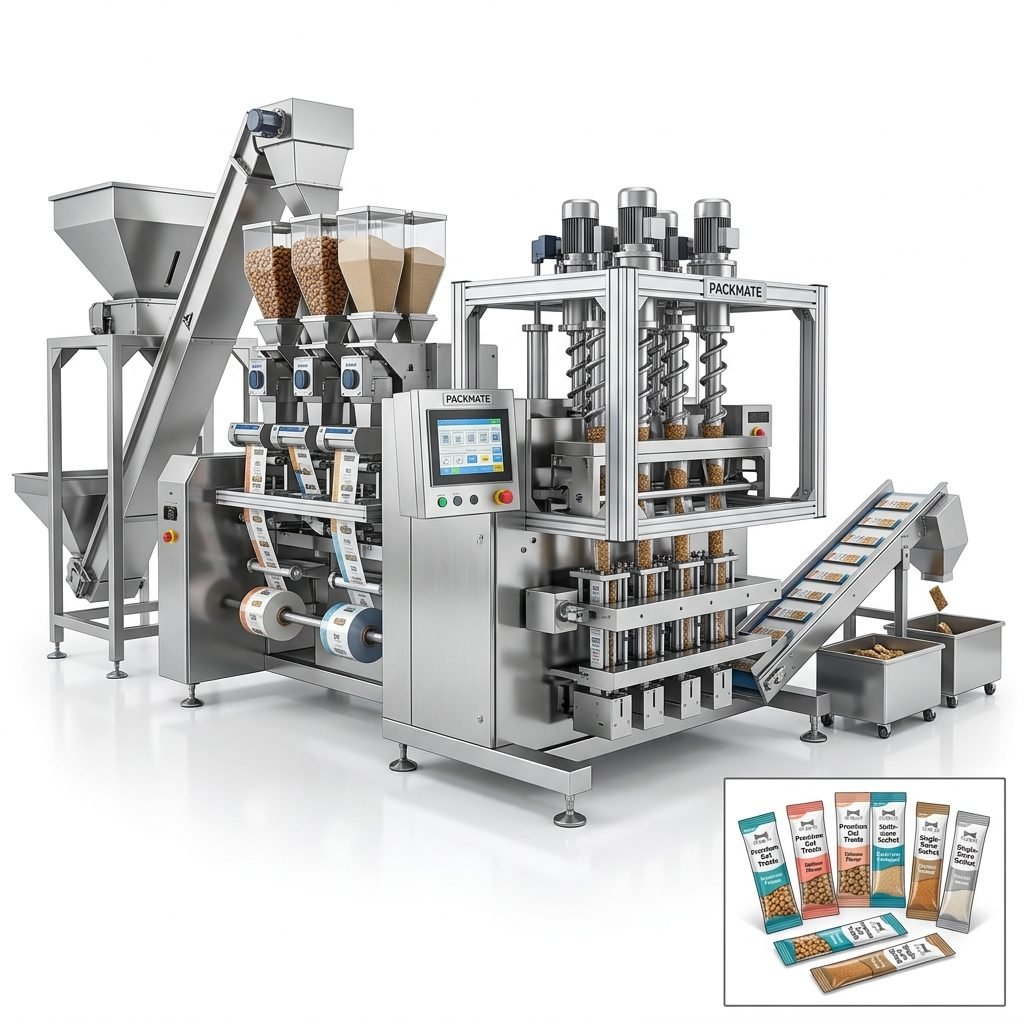
For Burundian entrepreneurs, it is wise to negotiate a service package that includes on-site commissioning and training for two operators. Many Chinese manufacturers offer this as part of a turnkey deal. Also, consider the total cost of ownership: machines with higher initial investment but lower energy consumption and longer warranty may be more economical in the long run.
Frequently Asked Questions (FAQ)
Q1: Which packaging machine manufacturer is best for a small startup in Burundi?
For startups with limited capital, Packmate Machinery offers a good balance between cost and performance. Their 80+ models include entry-level multi-lane sachet machines that are easy to operate and maintain.
Q2: Can I get a fully automatic packaging line in Burundi?
Yes. Ludyway and PacklineOEM specialize in complete turnkey lines. You can order a system that includes feeding, filling, sealing, coding, and cartoning, all integrated for your specific product.
Q3: What if I need a machine for a unique product like ground cassava or herbal tea?
Choose PackingMachineOEM. They have strong capabilities in non-standard customization and can adapt machine parts to handle sticky, hygroscopic, or irregular materials.
Q4: How long does it take to get a machine delivered to Burundi?
Typically, production takes 30–60 days, plus shipping (sea freight to Dar es Salaam or Mombasa, then inland to Burundi). Reputable manufacturers will arrange logistics and customs documentation.
Q5: Do these manufacturers offer payment terms for African buyers?
Many do. Standard terms include 30% deposit, 70% before shipment. For established relationships, manufacturers like SnusMachinery may offer more flexible terms. Always confirm warranty and spare parts availability in writing.