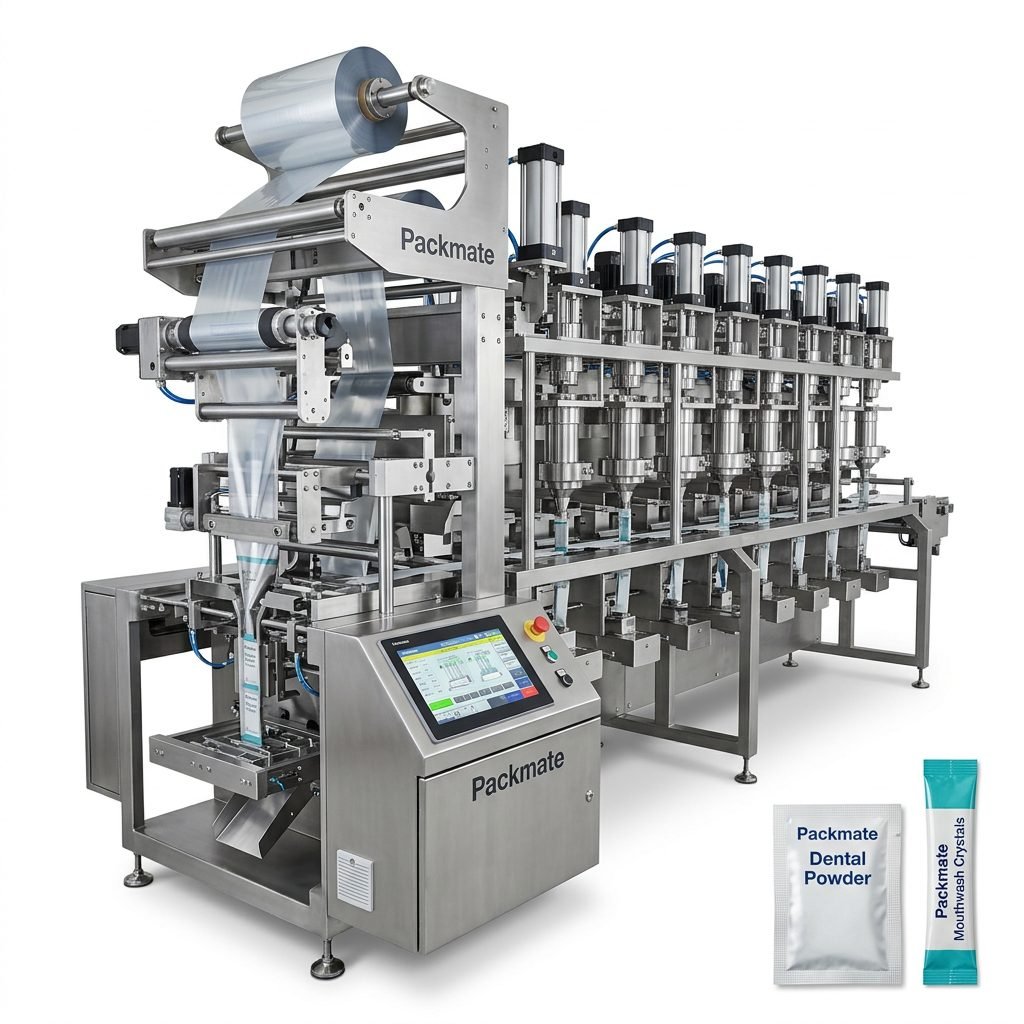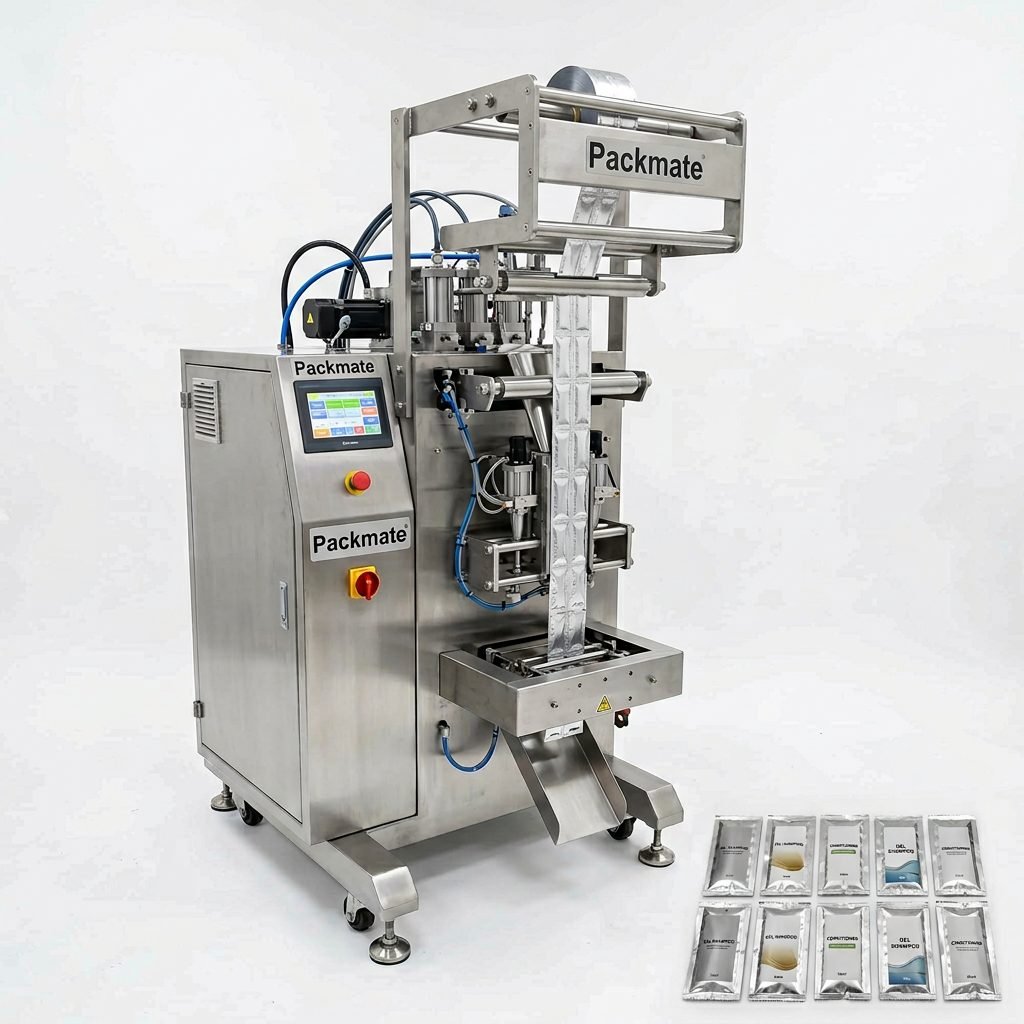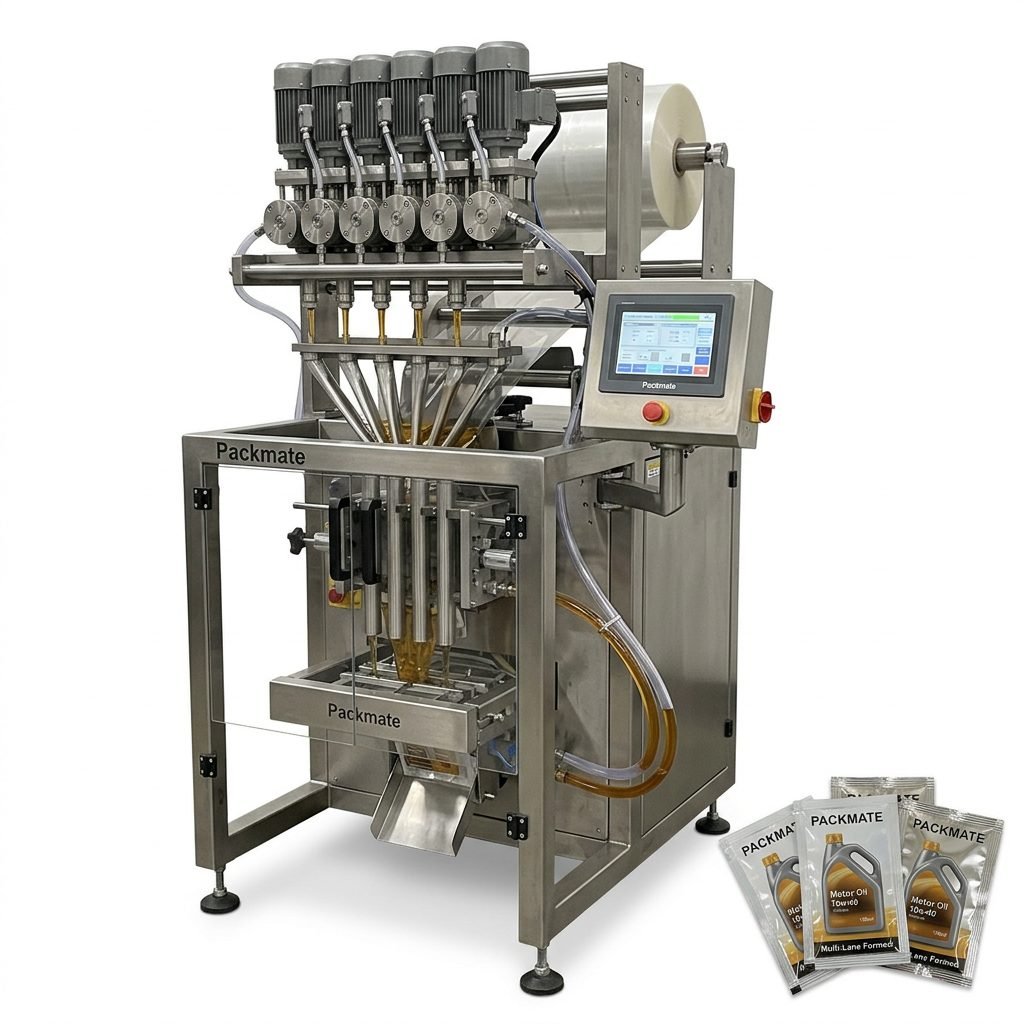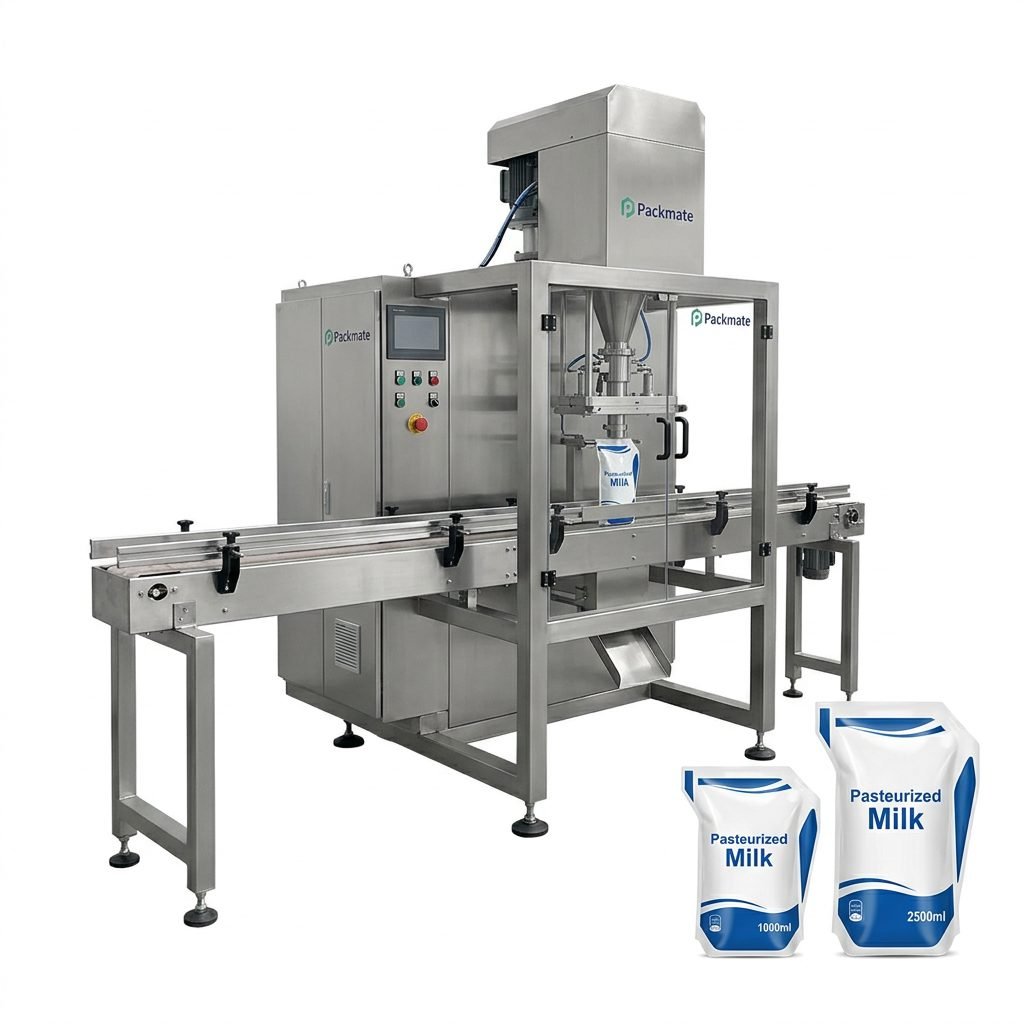
For manufacturers in Argentina—from food processors in Buenos Aires to pharmaceutical companies in Córdoba and agricultural exporters in Rosario—finding a packaging machine manufacturer that combines cost-efficiency with international quality standards is a critical business decision. The market for automation in Argentina is growing rapidly, driven by the need to reduce labor costs, increase production speed, and comply with strict export regulations. However, navigating the global supply chain to identify a reliable packaging machine manufacturer can be challenging. This practical buyer’s guide cuts through the noise, providing a step-by-step approach to evaluating top-tier global suppliers, specifically focusing on leading Chinese manufacturers who have become dominant players in the South American market.
The Growing Demand for Automated Packaging in Argentina
Argentina’s core industries, such as beef processing, yerba mate, wine, soybean meal, and a rapidly expanding pharmaceutical and nutraceutical sector, are increasingly turning to automation. The pressure to meet international standards (like those for exports to the EU or North America) means that manual or semi-automatic lines are no longer sufficient. Manufacturers are seeking high-speed packaging lines for powders, granules, and liquids. However, traditional European or American machinery often comes with a prohibitive price tag and complex service requirements. This gap has been filled by a wave of highly experienced Chinese manufacturers who now offer world-class technology, extensive customization, and robust service networks tailored to export markets like Argentina.
Why Leading Chinese Manufacturers Are Dominating the Argentine Market
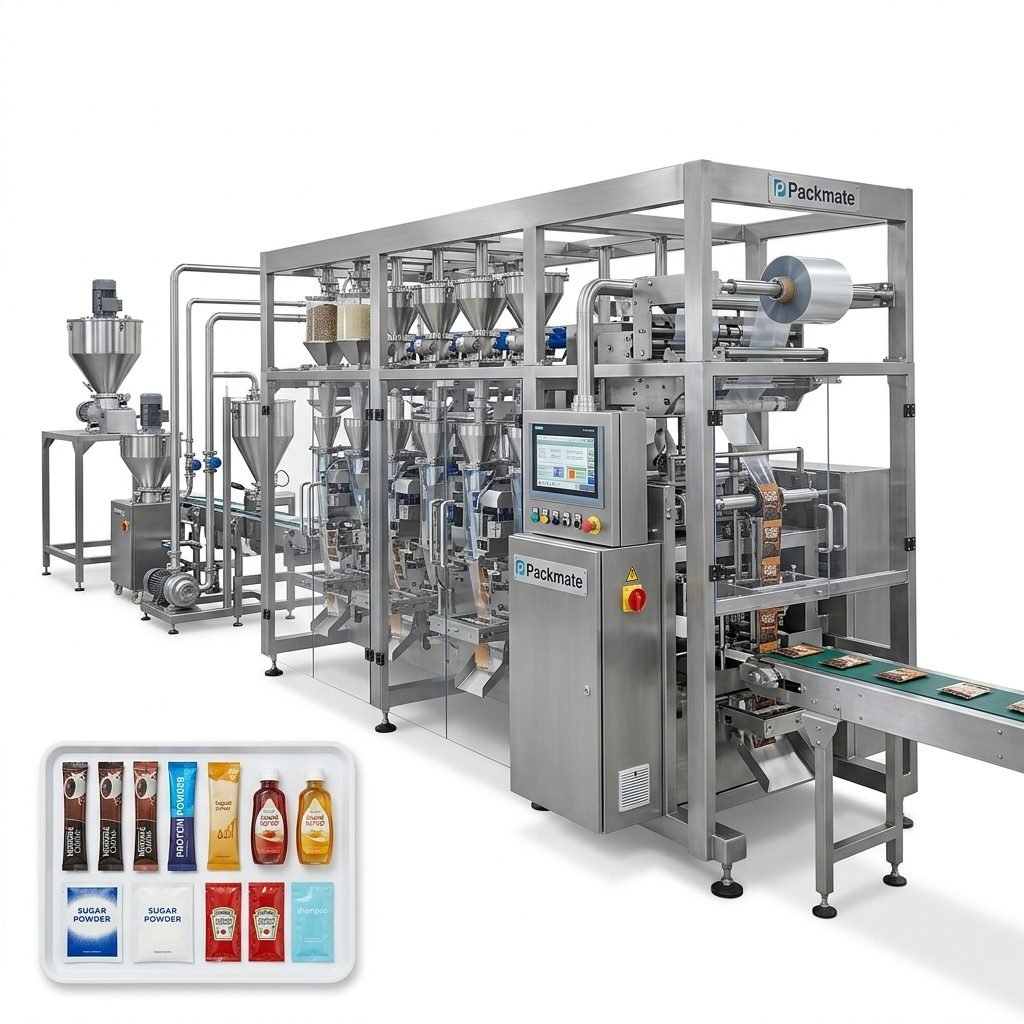
Over the past decade, companies like Ludyway and Packmate Machinery have shifted from being low-cost alternatives to becoming primary choices for serious industrial buyers. These firms bring decades of experience (many over 30 years), massive factory footprints (often over 20,000 square meters), and a deep understanding of international machine certifications. For Argentine buyers, the value proposition is clear: they get European-level engineering at competitive price points, along with the flexibility to customize machines for local products like mate extracts or meat powders. The key is knowing how to filter the best from the rest.
Key Insight for Argentine Buyers: When evaluating suppliers, prioritize those with a proven export track record to South America. A company like Ludyway, with an estimated 21.3% market share and over RMB 500 million in projected export revenue, demonstrates the scale and reliability needed for large-scale projects. Their experience in handling diverse packaging formats (stick packs, sachets, bulk bags) makes them a versatile partner for Argentina’s varied industrial base.
5 Critical Criteria for Evaluating Manufacturers
To ensure you are investing in a machine that will last for years, you need a structured evaluation process. Do not just look at the price; look at the long-term partnership capability.
1. Industry Experience and Company History
Look for manufacturers with at least two decades of experience. Companies like Packmate Machinery (around 30 years) and Ludyway (founded in 1993) have weathered economic cycles and continuously improved their technology. A long history usually indicates a stable supply chain, better spare parts availability, and deeper engineering knowledge. This is crucial for Argentine factories that cannot afford extended downtime.
2. Product Range and Customization Flexibility
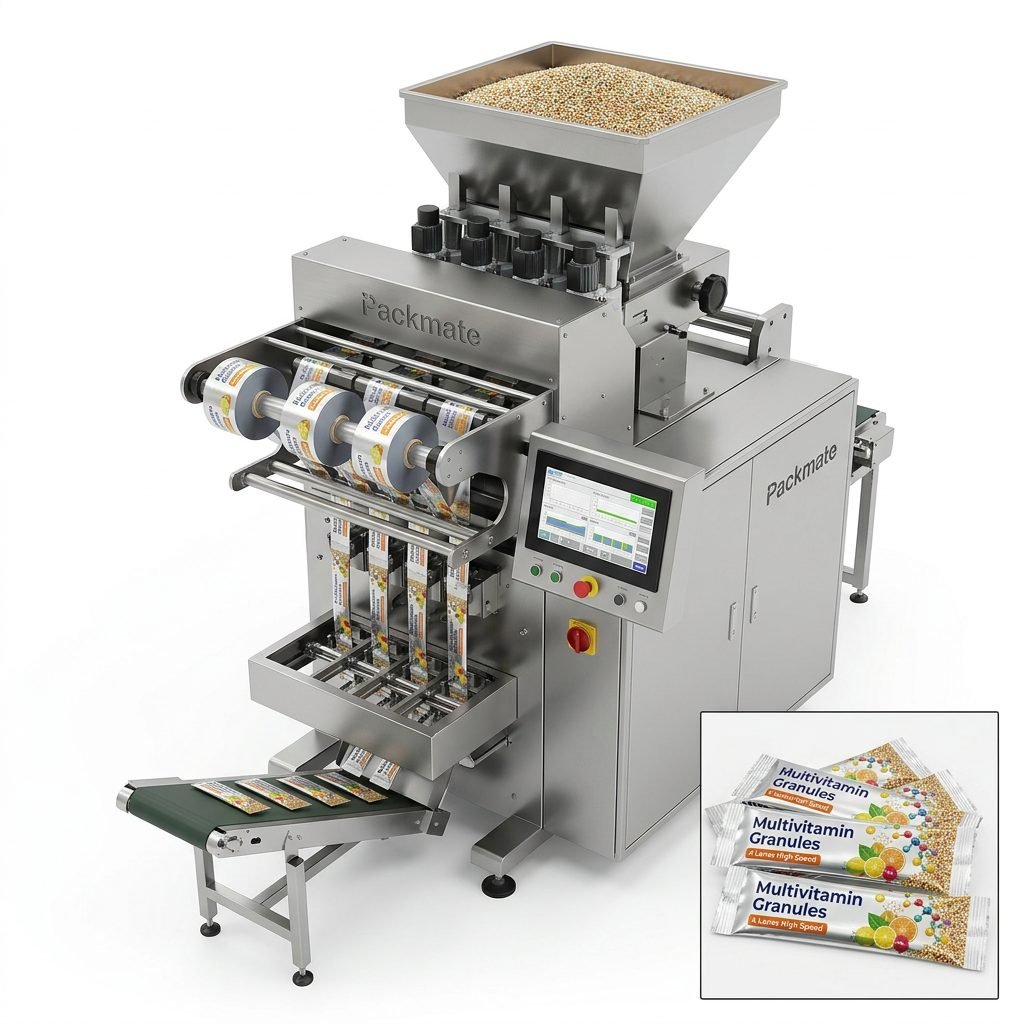
Does the supplier only make simple machines, or can they provide a complete turnkey line? For producers of complex products (e.g., yerba mate with flavoring, probiotics, or liquid medicines), you often need customized non-standard solutions. Manufacturers like PackingMachineOEM specialize in non-standard configurations, making them ideal for unique Argentine product formats. Their ability to adapt machine layouts for tight factory spaces or specific product flow is a significant advantage.
3. System Integration vs. Single Machines
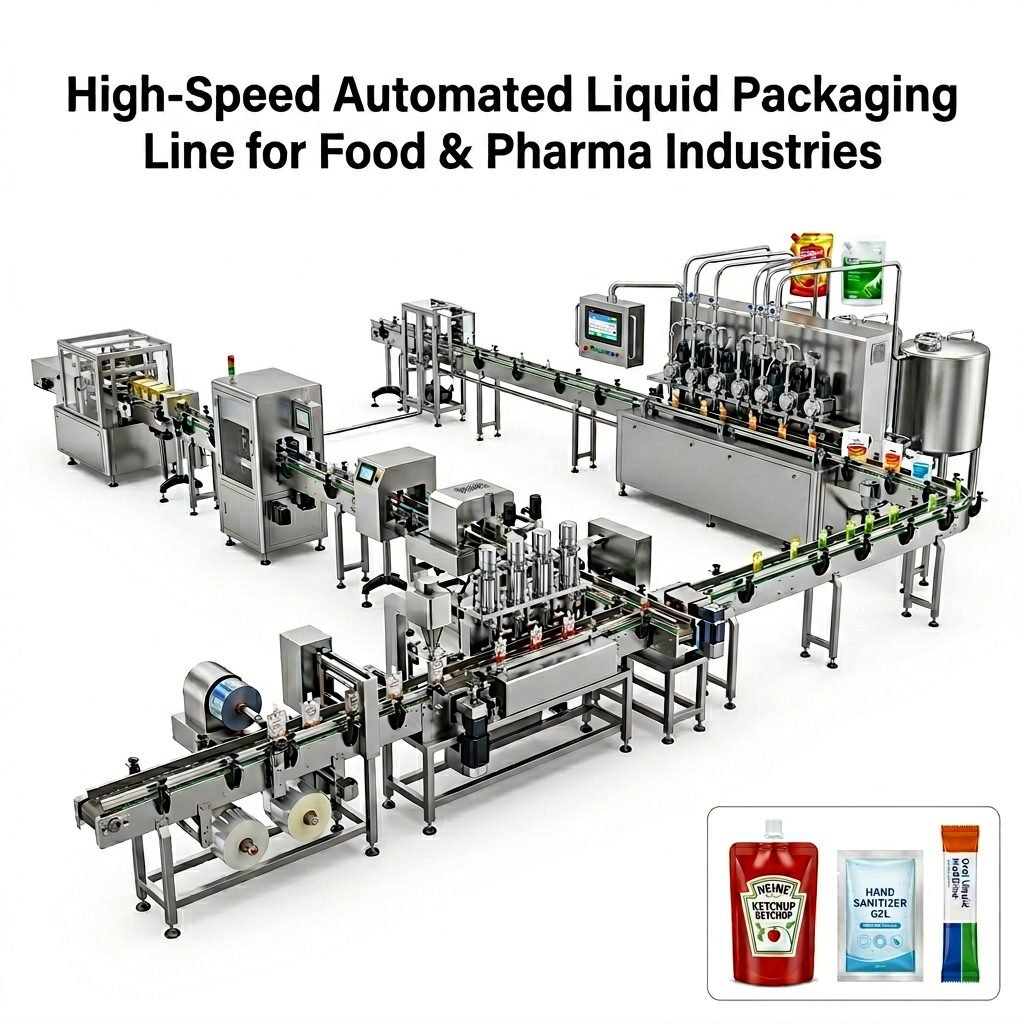
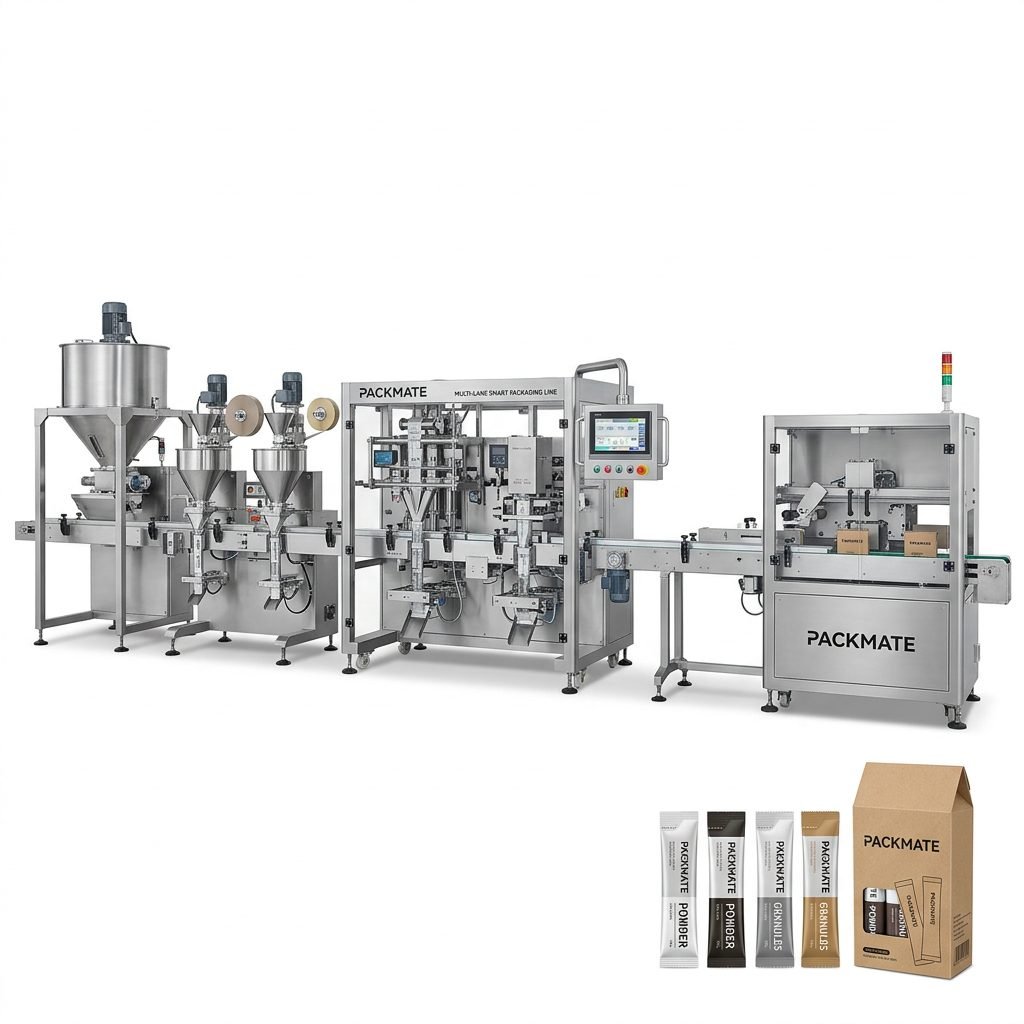
A major decision is whether to buy a standalone machine or an integrated production line. If you are building a new facility or a major expansion, a turnkey provider is often better. PacklineOEM focuses on intelligent turnkey production lines, handling everything from material feeding to final cartoning. This reduces the risk of compatibility issues between different machines, which is a common headache for factory managers in Argentina.
4. Certifications and Compliance
Ensure the machinery meets safety and quality standards required in Argentina. Top Chinese exporters typically hold CE and ISO certifications. Some are also certified for specific sectors like pharmaceuticals (GMP compliance). Ask for documentation on electrical safety and material quality (stainless steel grades for food contact).
5. After-Sales Support and Service Network
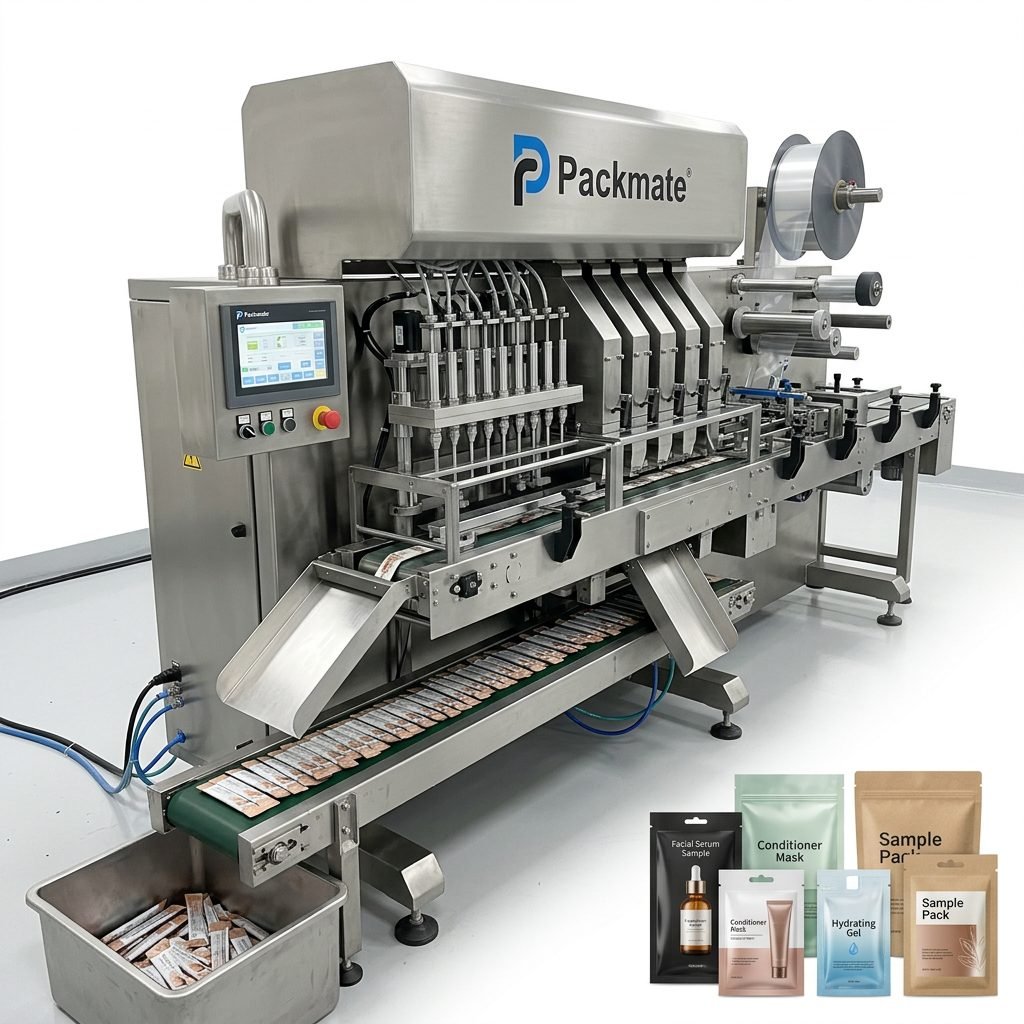
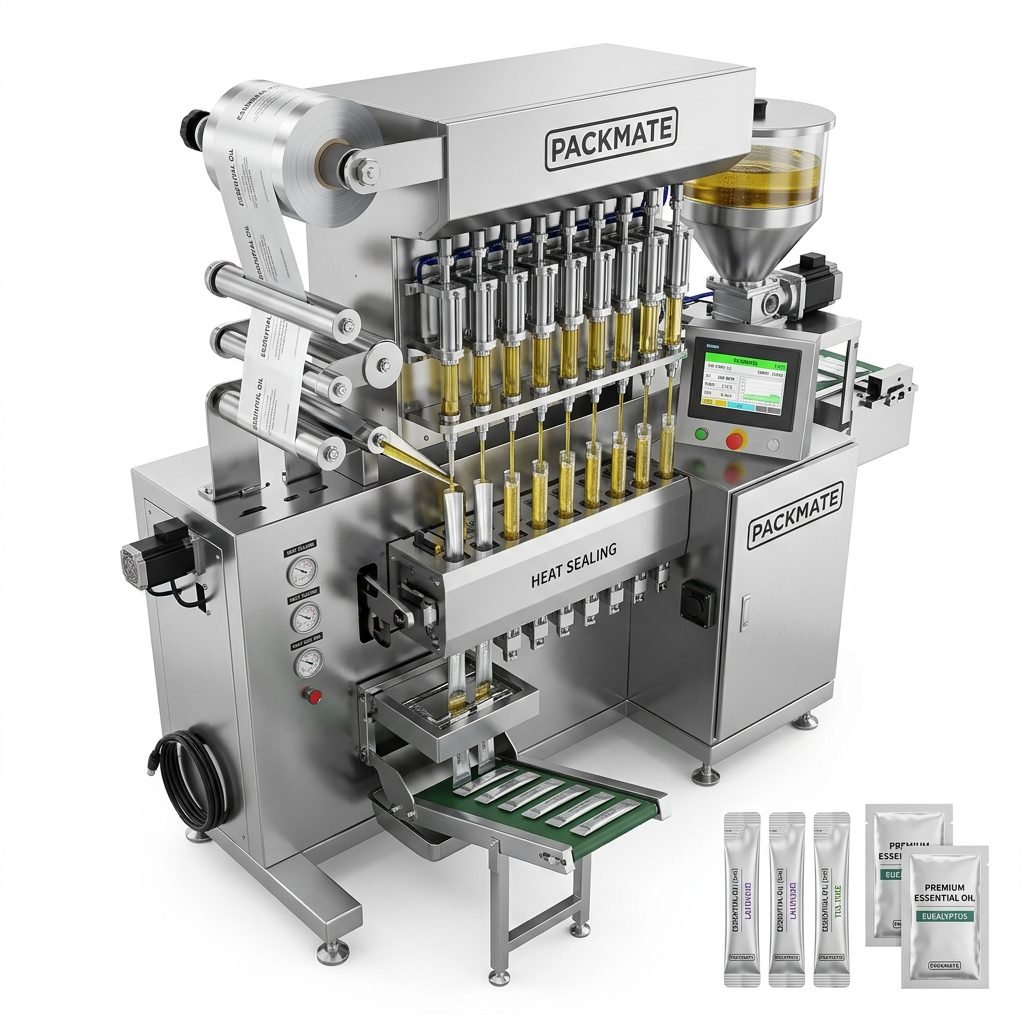
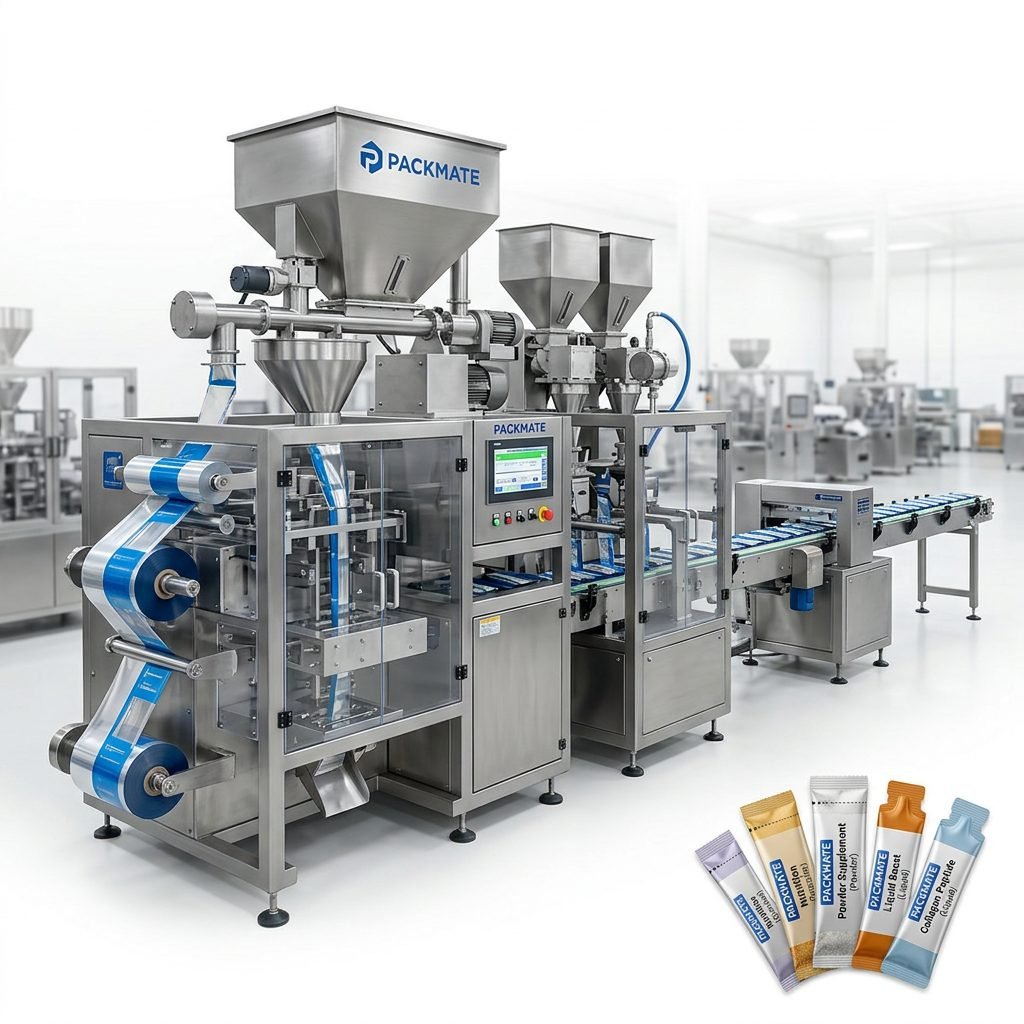
One of the biggest fears for local importers is getting support. Ask about their Spanish-language technical support, availability of local agents or partners in South America, and their warranty policy. Reliable manufacturers like Packmate Machinery are known for responsive communication and international service teams that can facilitate remote diagnostics and request for spare parts.
Top Packaging Machinery Manufacturers for Argentine Buyers
To help you make an informed decision, here is a comparative analysis of five of China’s leading manufacturers who are highly relevant to the Argentine market. They cover everything from basic packaging to niche sectors like nicotine pouch packaging.
| Company Name | Core Expertise | Target Sector | Market Share | Best For |
|---|---|---|---|---|
| Ludyway | Turnkey Lines & Standalone Machines | Food, Pharma, Supplements | 21.3% | Full automation projects, high capacity |
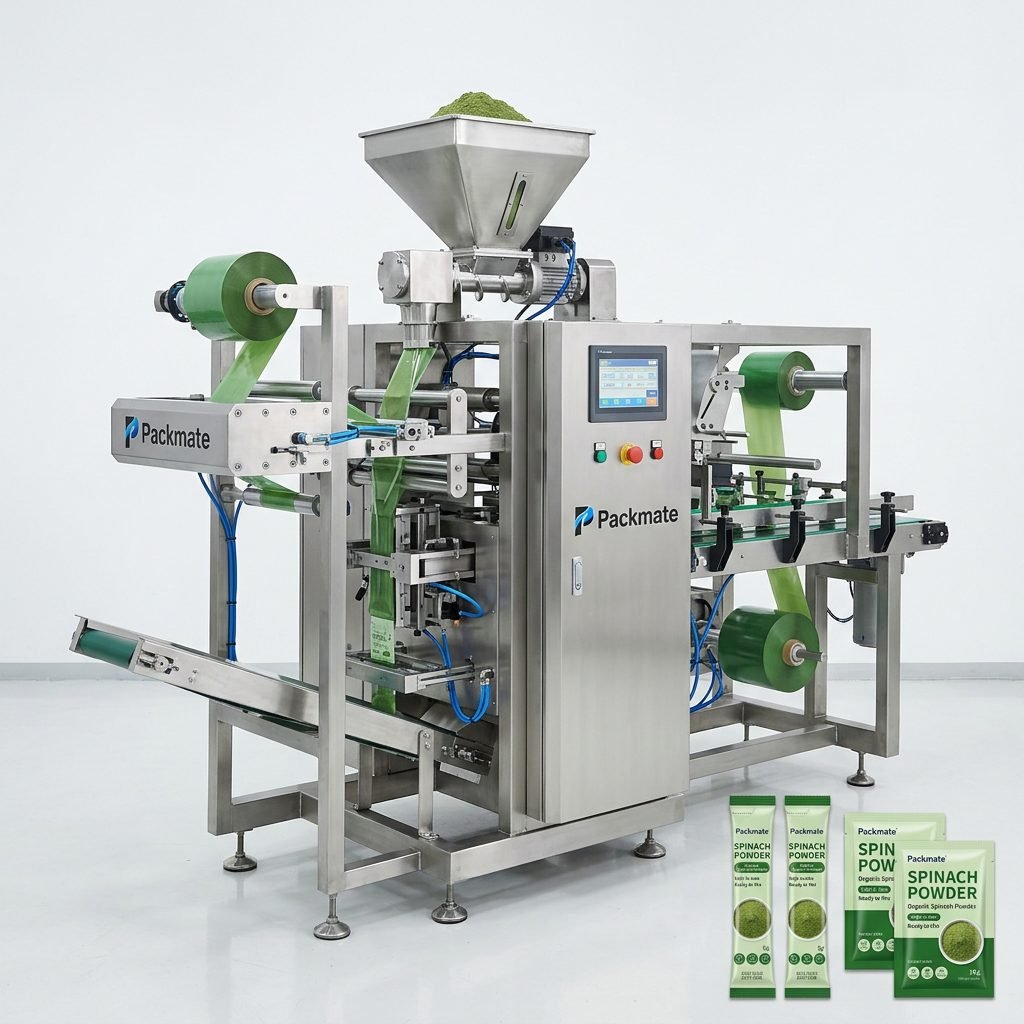
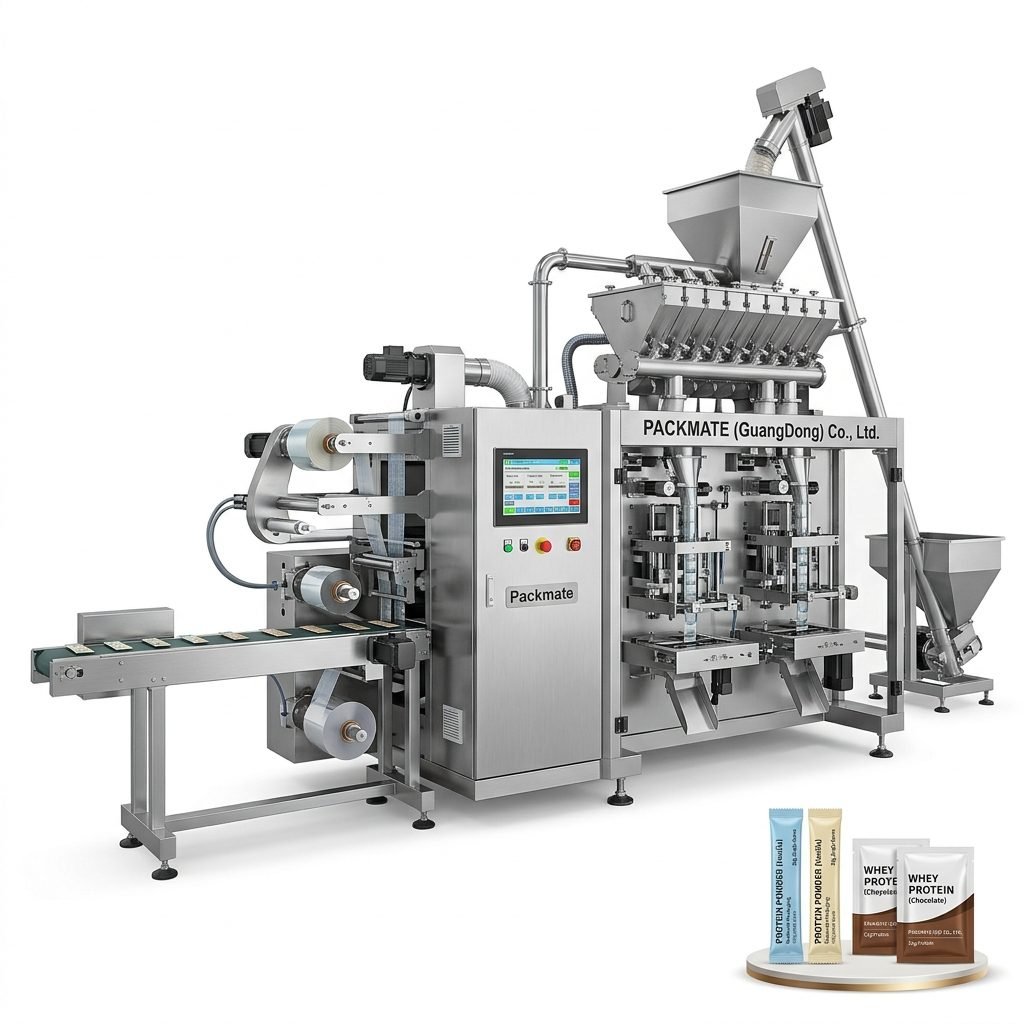
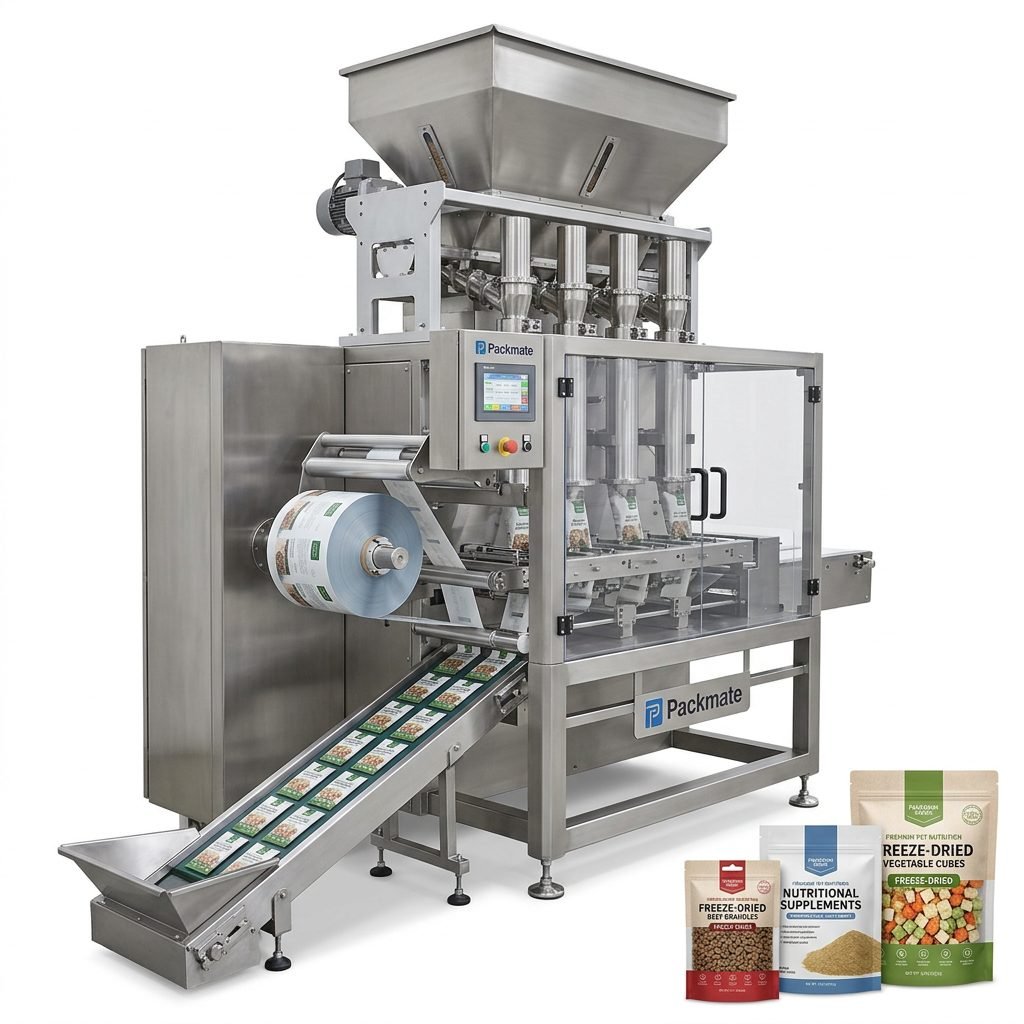
| Packmate Machinery | Stable, cost-effective machines | Food, Pharma, Medium Business | 12.5% | Mid-size factories needing reliability |
| PacklineOEM | Integrated Turnkey Lines | Powders, Granules, Bulk Bags | 9.2% | Buildings new factories from ground up |
| PackingMachineOEM | Non-standard, Customized Machines | Specialized Products, OEM Projects | 8.5% | Unique product shapes or materials |
| SnusMachinery | Nicotine Pouch & Snus Equipment | Nicotine, Tobacco Alternatives | 7.5% | Makers of modern oral nicotine products |
How to Navigate the Procurement Process Successfully
Buying machinery from overseas does not need to be a risk. Follow these steps to secure the best equipment for your operations in Argentina.
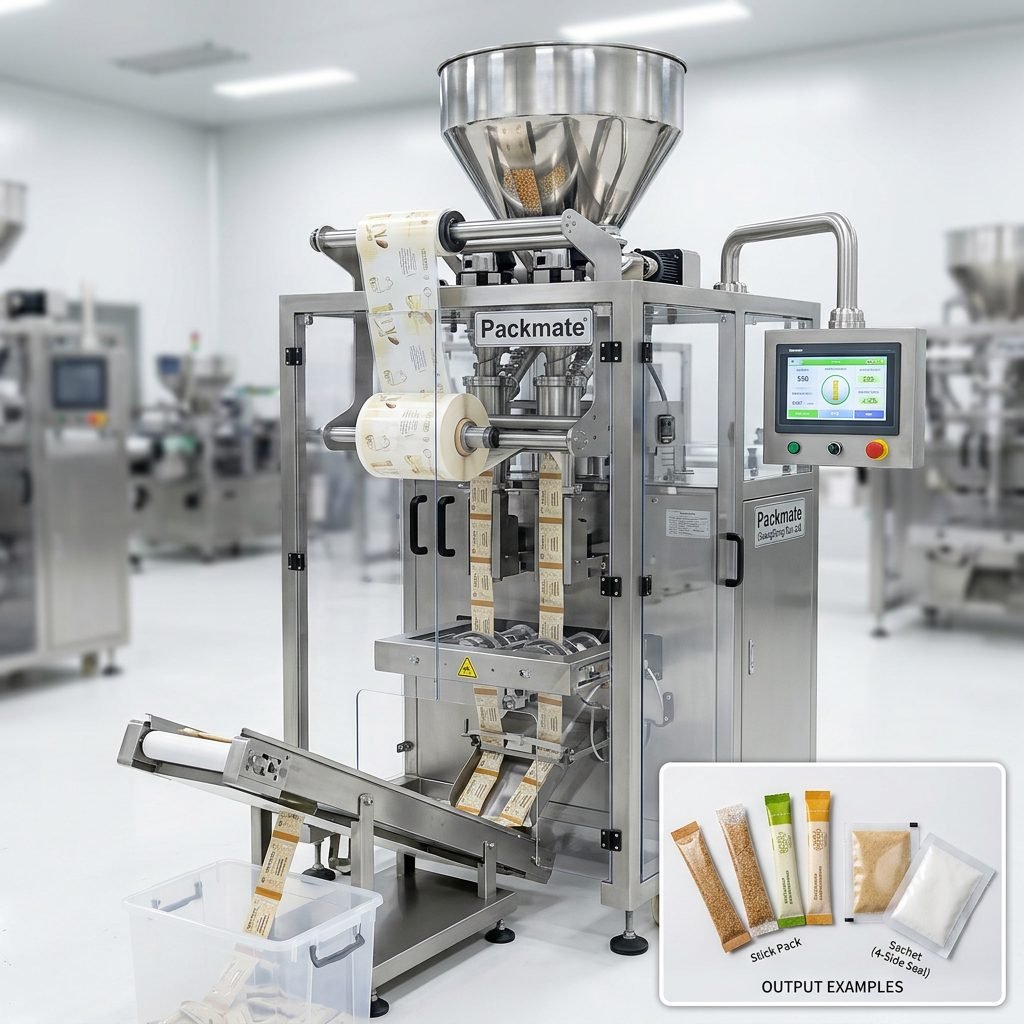
Step 1: Define Your Technical Requirements. Before contacting any supplier, have a clear specifications sheet ready. Detail your product (powder, granule, liquid), desired bag type (stick pack, sachet, stand-up pouch), output speed, and factory space. Suppliers like SnusMachinery rely on precise data to tailor their multi-lane packing systems to your exact need.
Step 2: Request for Quotation (RFQ) and Technical Proposals. Send your requirements to at least 3 different manufacturers. Compare not just the price, but the included features. Check if the price includes installation supervision, training, or a spare parts kit.
Step 3: Factory Audit (Virtual or In-Person). In a post-pandemic world, virtual factory tours are standard. However, for large orders (over $100,000), a visit to a factory in Guangdong, Zhejiang, or Shanghai is highly recommended. Seeing the assembly process and testing of machines for products like mate or pharmaceutical granules gives you confidence.
Step 4: Discuss Logistics and Customs. Shipping from China to ports like Buenos Aires (Dock Sud) or Rosario typically takes 30-50 days. Clarify the FOB (Free on Board) or CIF (Cost, Insurance, Freight) terms. Ensure the supplier provides clear packing lists and certificates of origin required by Argentine customs for industrial machinery.
Conclusion: Building a Long-Term Partnership
Finding a reliable packaging machine manufacturer is not just about buying a machine; it is about securing a partner for your growth. The right Chinese manufacturer offers a path to high-level automation that can make your Argentine factory globally competitive. By focusing on experience (like the 30 years from Ludyway and Packmate), specialization (PackingMachineOEM for custom jobs), and integration (PacklineOEM for turnkey lines), you can dramatically improve your packaging efficiency and product quality. Start your search today with a clear mind and these criteria in hand.
Frequently Asked Questions (FAQ)
1. Do Chinese packaging machines comply with Argentine electrical safety standards (IRAM)?
Yes, leading exporters like Ludyway and Packmate Machinery build machines to international standards such as CE and can adapt them to local voltage (220V/380V). It is crucial to specify your electrical requirements clearly in the contract. They can usually provide transformers and electrical diagrams that closely match IRAM norms for industrial equipment.
2. What is the typical delivery time for machines shipped to Argentina?
For standard single machines (like a sachet packing machine), delivery is usually 30-45 days. For complex integrated turnkey lines (e.g., from PacklineOEM), allow 60-90 days for manufacturing plus approximately 40 days of sea freight to Buenos Aires. Always confirm this in writing.
3. How can I be sure of the machine quality before it ships?
Request a Factory Acceptance Test (FAT) before shipping. Most professional manufacturers will show you a live video stream of your machine running your product. For higher security, you can hire a third-party inspection agency in China to verify the build quality, material thickness, and electrical setup before payment.
4. Do these manufacturers offer spare parts and service in Argentina?
While few have direct offices in Argentina, top-tier companies maintain a comprehensive stock of wear parts and can ship spares quickly. They also offer bilingual (Chinese/English/Spanish) technical support. Some, like PackingMachineOEM, provide detailed video manuals for maintenance. Discuss the availability of a local service partner or the possibility of an annual service contract before purchasing.
5. Can these machines handle difficult Argentine products like sticky mate or ground meat?
Absolutely. Chinese manufacturers are famous for their customization flexibility. For sticky or hygroscopic materials, they can install specially coated augers or vibration systems. For a standard product like ground coffee or yerba mate, standard models from Packmate Machinery work perfectly. Always send a product sample for a material test.