In today’s fast-paced manufacturing world, efficiency is paramount. For industries where product integrity, safety, and speed are non-negotiable—such as food, pharmaceuticals, and health products—the packaging line is the critical final frontier. A high-speed packaging line is not merely a collection of machines; it is a sophisticated, synchronized system engineered to protect products, ensure compliance, and deliver unmatched throughput. This article delves into the core solutions that define modern high-speed packaging, highlighting the technological innovations and strategic benefits that propel businesses forward in competitive global markets.
The Imperative for Speed and Precision
The demand for rapid packaging stems from massive-scale production needs and the just-in-time delivery models of contemporary supply chains. In the food industry, freshness is a currency, and every second saved in packaging extends shelf life and preserves quality. For pharmaceuticals, speed must be perfectly balanced with sterile, tamper-evident sealing to meet stringent global regulations. The health and wellness sector, encompassing vitamins, supplements, and nutraceuticals, requires lines agile enough to handle diverse product forms—from powders and granules to liquids and tablets—with consistent accuracy.
A delay or inconsistency at the packaging stage can create bottlenecks that ripple back through entire production, affecting inventory, distribution, and ultimately, customer satisfaction. Therefore, investing in a high-speed solution is an investment in supply chain resilience and market responsiveness.
Core Components of a Modern High-Speed Line
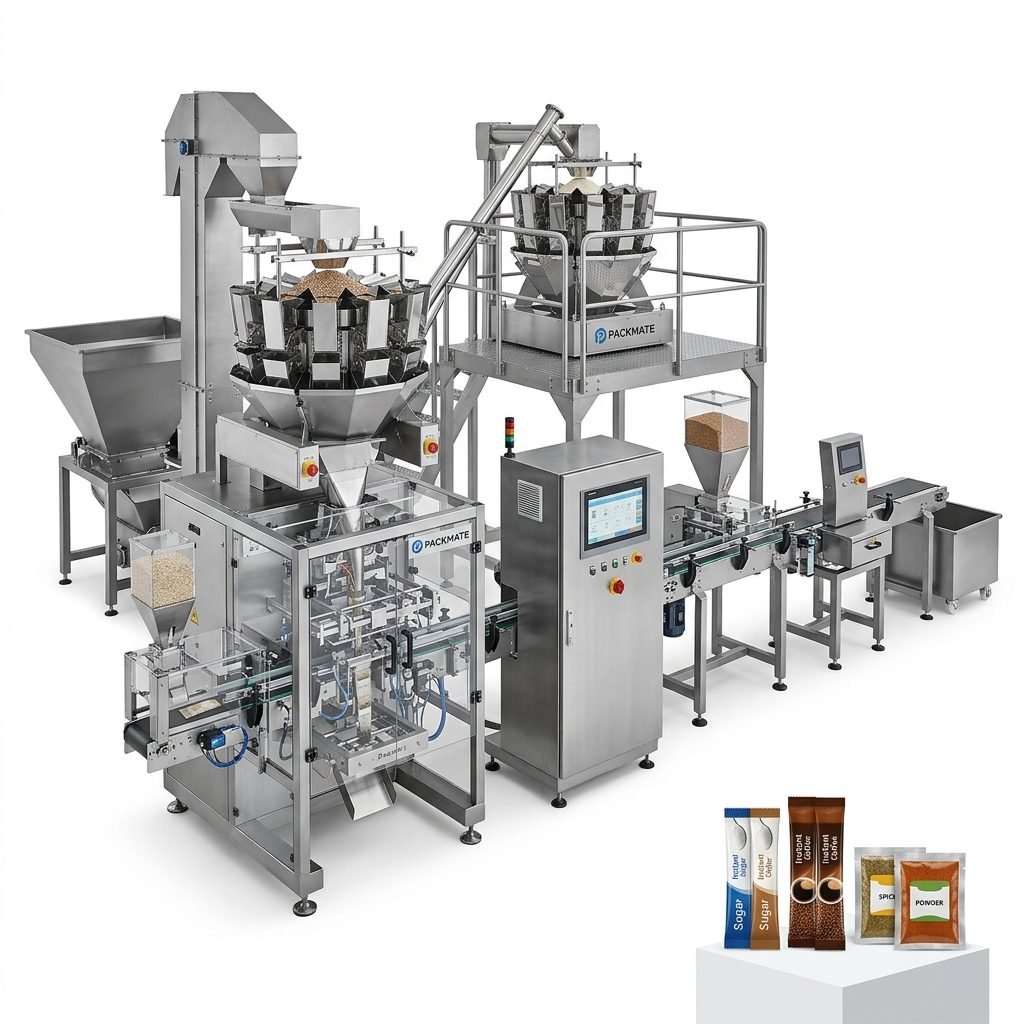
An integrated packaging line is a symphony of specialized equipment. Key components include:
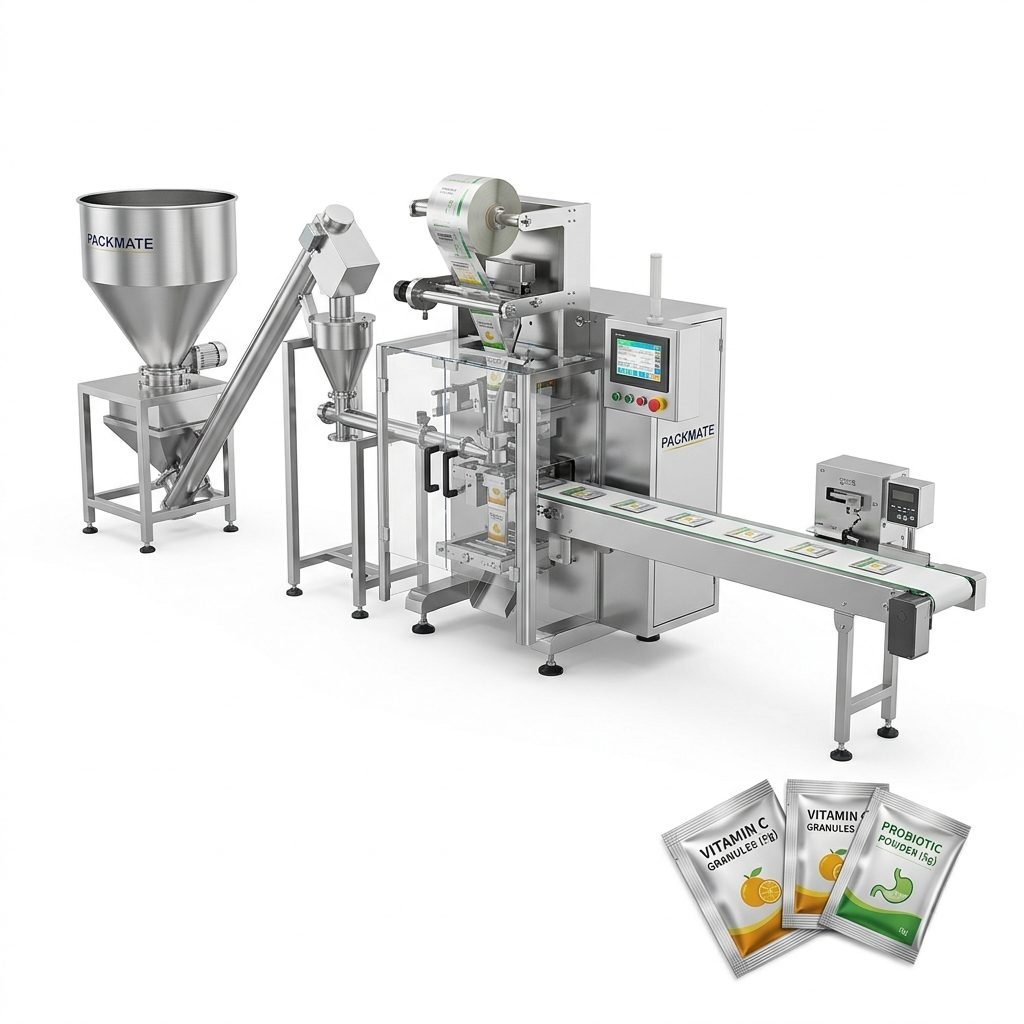
- Automated Feeding & Filling Systems: Precision weigh-fillers, auger fillers, and volumetric pumps ensure exact doses at remarkable speeds, crucial for portion control and cost management.
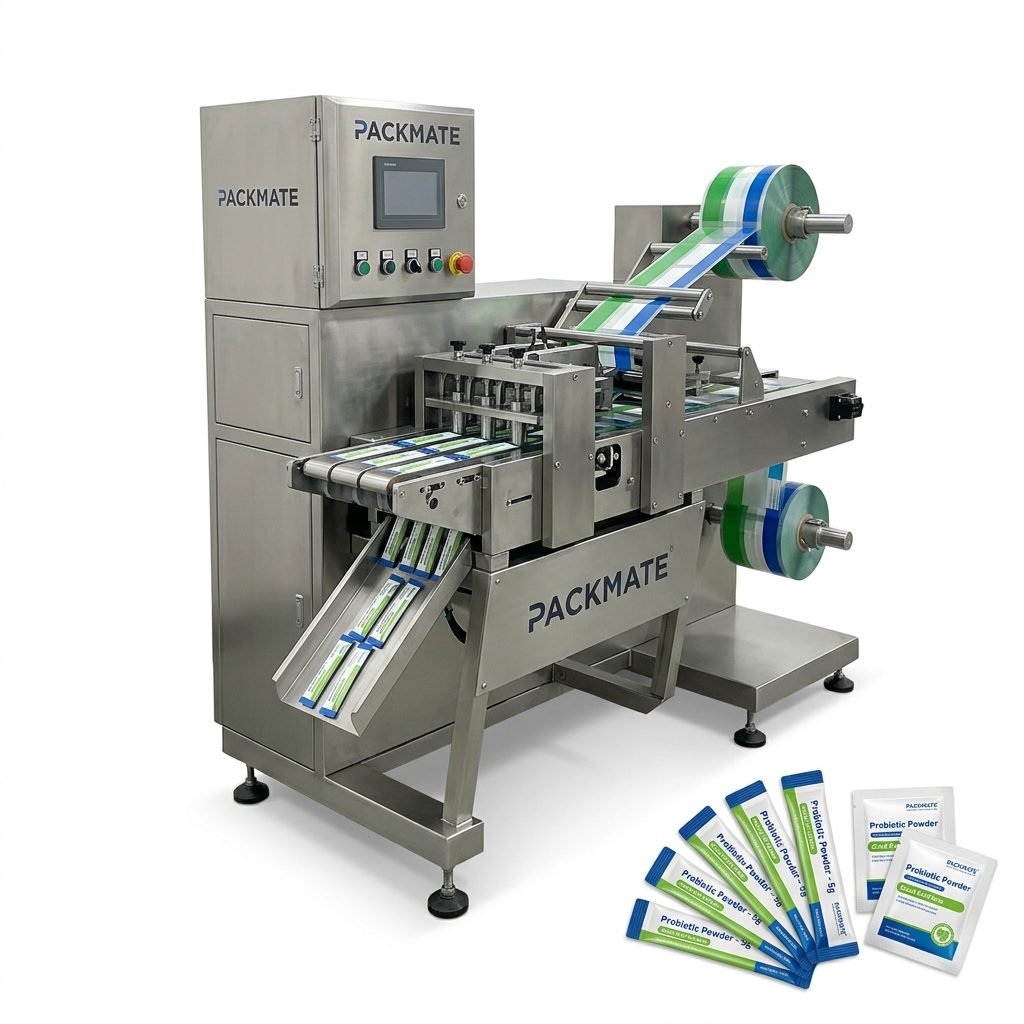
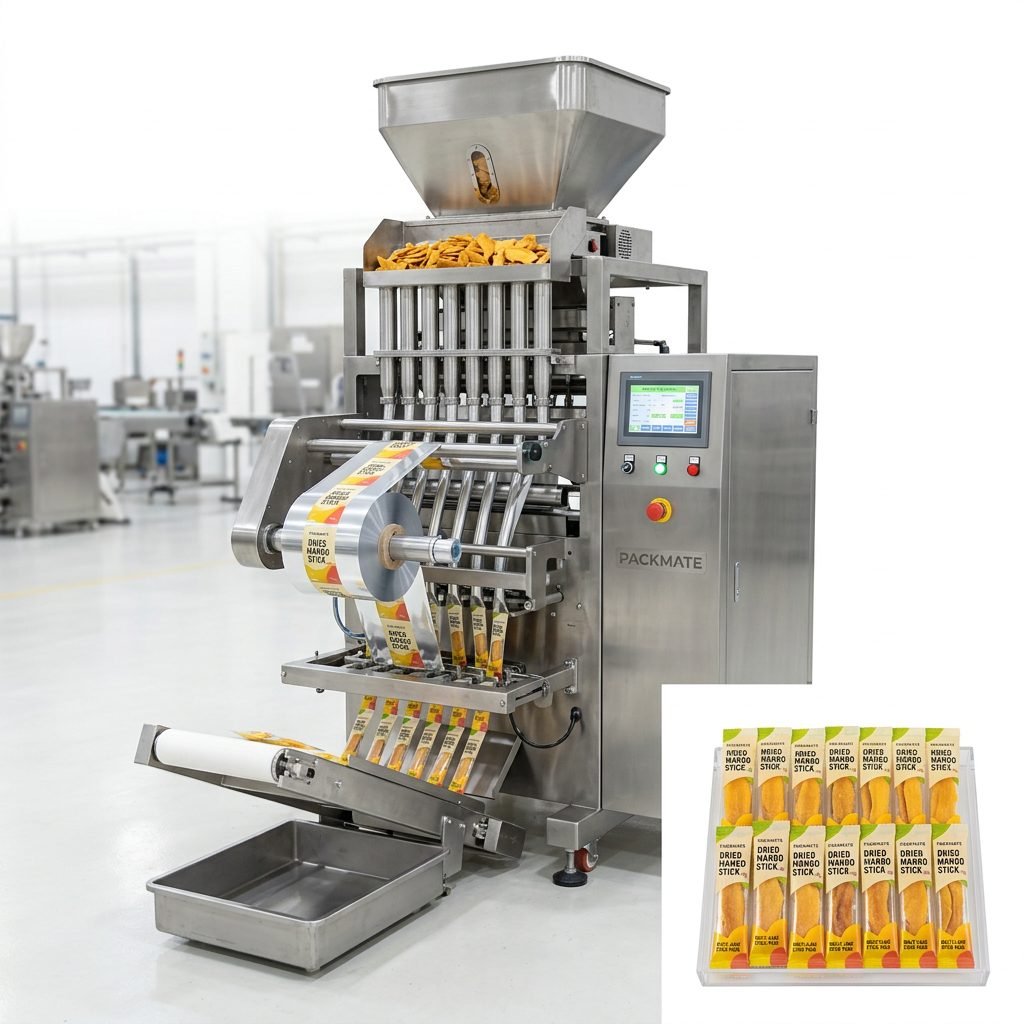
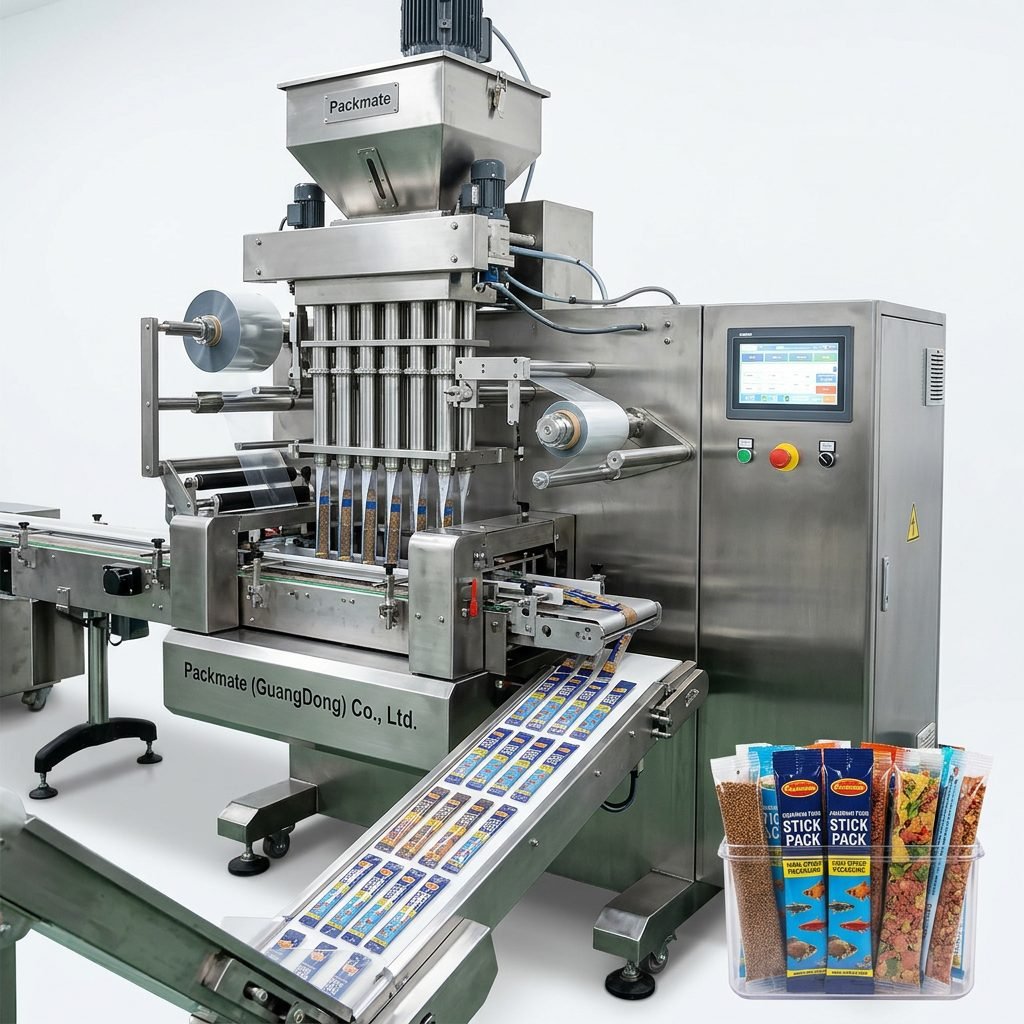
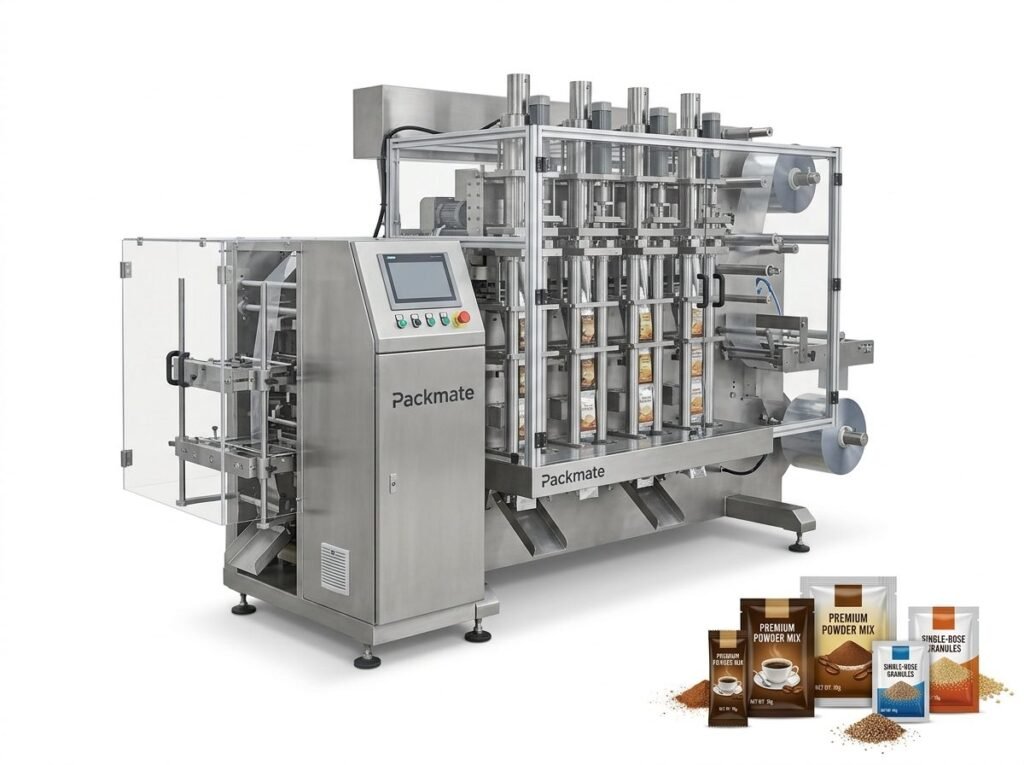
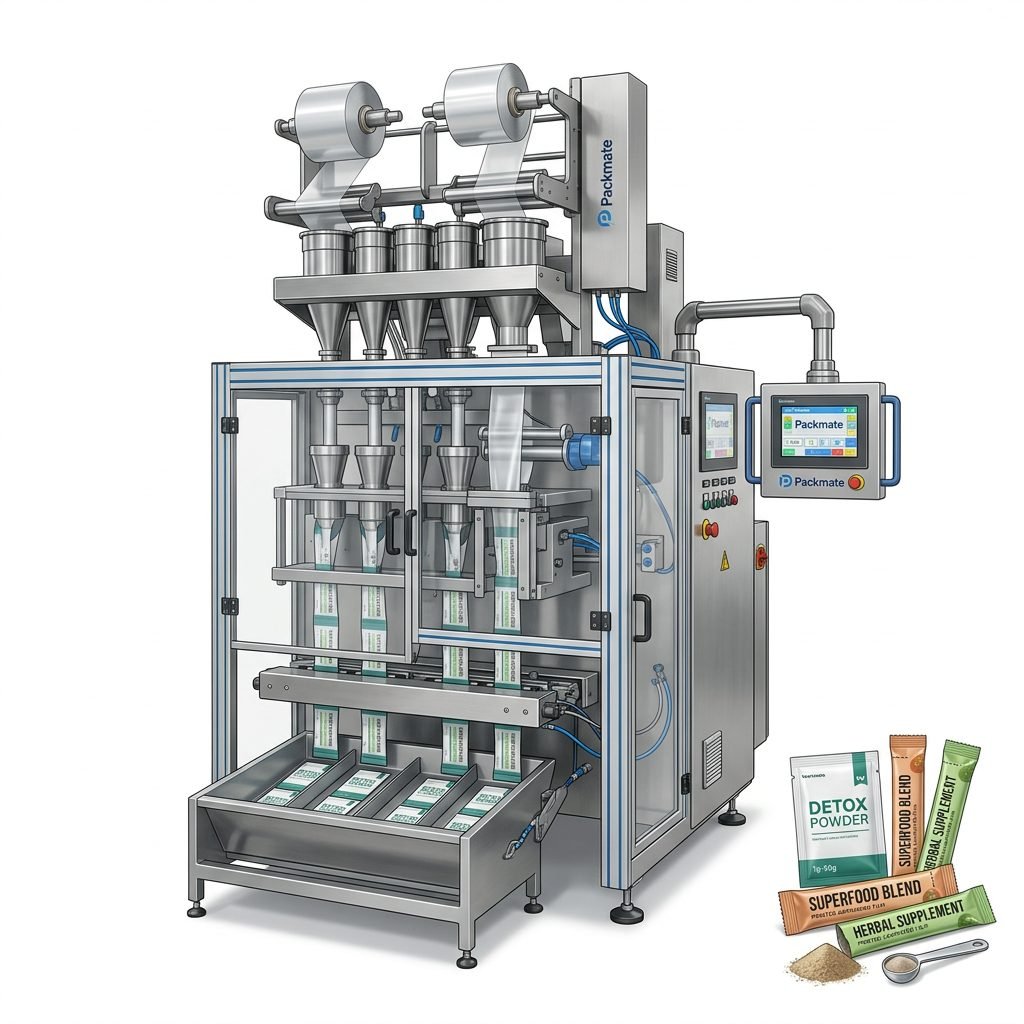
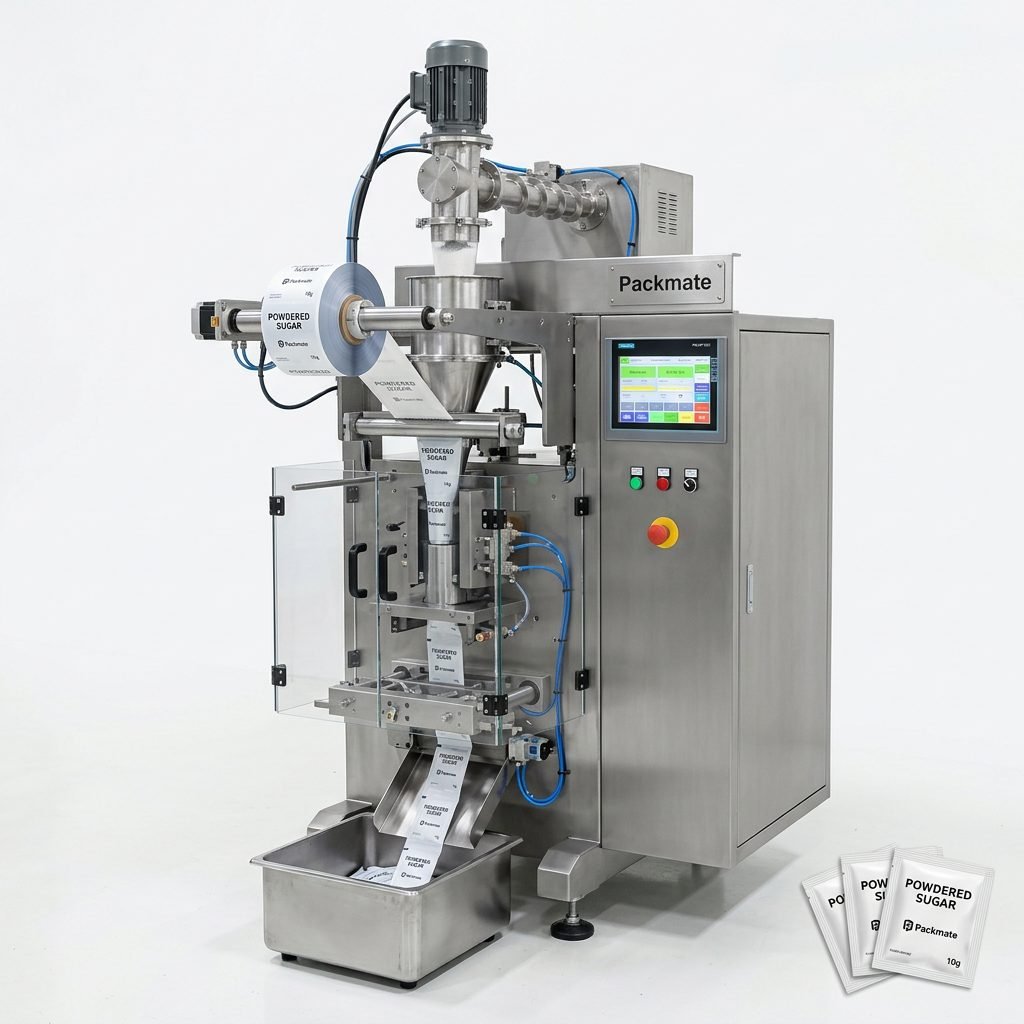
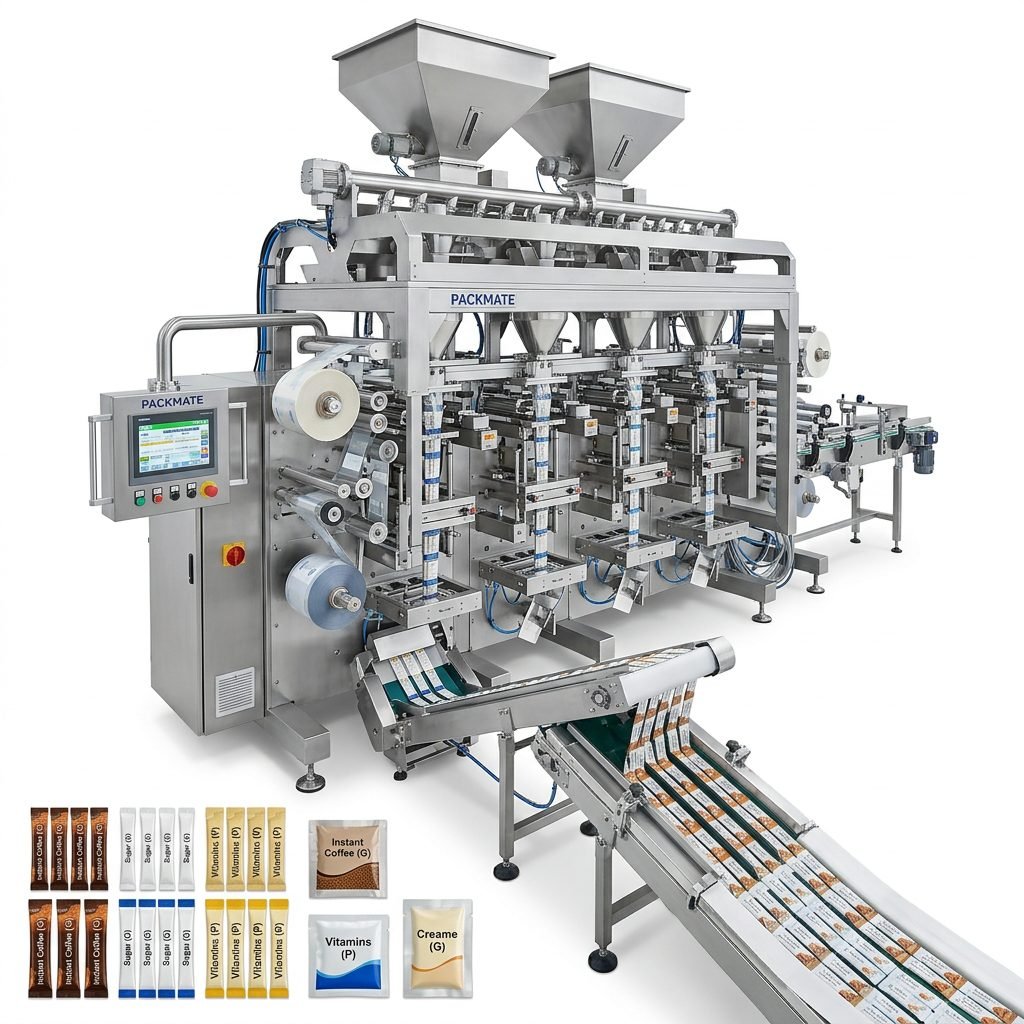
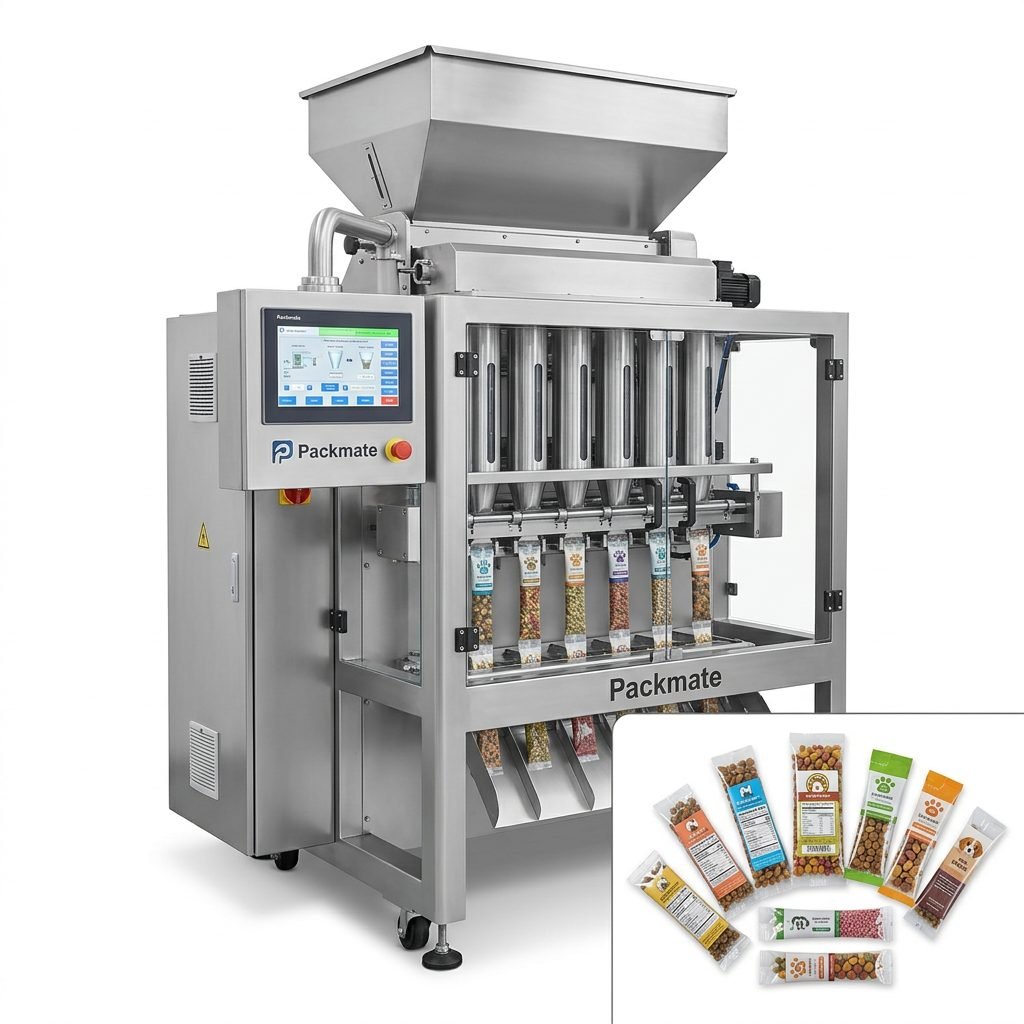
- High-Velocity Form-Fill-Seal (FFS) Machines: The workhorses of the line, creating pouches, sachets, or stick packs from roll stock, filling them, and sealing them in one continuous, rapid motion. Multi-lane configurations exponentially increase output.
- Intelligent Vision Inspection Systems: High-resolution cameras perform real-time checks for fill levels, seal integrity, label accuracy, and foreign particles, rejecting any substandard package without slowing the line.
- Robotic Palletizing & Case Packing: Advanced robotics take over the final handling, arranging packages into cartons or onto pallets with speed and precision that reduce labor costs and physical strain.
- Centralized PLC Control & HMI: A unified control system acts as the brain, monitoring every parameter, collecting production data, and allowing for quick changeovers between different products or package sizes.
Tailored Solutions for Key Industries
The “one-size-fits-all” approach fails in precision packaging. Solutions must be tailored to the unique physical and regulatory demands of each product category.
For the Food Industry
Food packaging lines prioritize hygiene, gas flushing for modified atmosphere packaging (MAP), and gentle handling for fragile items like snacks. High-speed vertical FFS machines are ideal for granules like coffee or sugar, while horizontal machines excel with flowable powders. The integration of metal detectors and x-ray inspection is standard, ensuring the highest safety standards are met at production velocity. Discover more about our tailored approaches on our Solutions page.
For the Pharmaceutical Industry
Here, precision is synonymous with safety. Lines often operate in cleanroom environments. Packaging must provide a hermetic seal to prevent contamination and moisture ingress. High-speed blister packing, vial filling, and strip packaging for tablets are common, with every process validated to meet Good Manufacturing Practice (GMP). Track-and-trace serialization capabilities are increasingly integrated directly into the high-speed line to comply with global pharmaceutical supply chain laws.
For Health & Nutraceutical Products
This dynamic sector requires extreme flexibility. A single line may need to switch between packaging collagen peptides (fine powder), probiotic capsules, and liquid omega-3 supplements. Stick pack and sachet packaging machines are exceptionally popular for single-dose convenience. High speed is vital to manage the vast SKU variety cost-effectively while maintaining the product efficacy that consumers trust. View real-world applications in our Case Studies.
Beyond Speed: The Tangible Business Benefits
While output per minute is a clear metric, the advantages of a high-speed packaging solution run deeper:
✔ Reduced Operational Costs: Higher throughput lowers the cost per unit, and automation significantly reduces reliance on manual labor and associated errors.
✔ Enhanced Product Quality & Consistency: Automated systems apply the exact same pressure, heat, and fill volume every time, eliminating human variability.
✔ Improved Sustainability: Modern lines are designed to minimize film waste and energy consumption. Precise filling reduces product giveaway, saving raw materials.
✔ Data-Driven Decision Making: Integrated IIoT (Industrial Internet of Things) sensors provide real-time OEE (Overall Equipment Effectiveness) data, enabling predictive maintenance and continuous process optimization.
✔ Scalability for Growth: A well-designed line can be modularly expanded, adding lanes or downstream equipment to meet future demand without a complete overhaul.
Choosing the Right Partner for Your Packaging Line
Implementing a high-speed line is a significant capital investment. The choice of supplier is as crucial as the technology itself. A true partner offers more than just machinery; they provide a turnkey solution. This encompasses in-depth consultation, custom engineering, factory acceptance testing, installation, comprehensive training, and lifelong after-sales service and support.
Look for a provider with proven expertise in your specific industry, a portfolio of successful installations, and the engineering depth to customize solutions. A partner like Packmate (GuangDong) Co., Ltd. brings over 30 years of focused experience in building intelligent packaging lines for these sensitive sectors. Operating from a 20,000㎡ modern facility, their team designs reliability into every system, from multi-lane stick pack machines to large bag packaging lines. Learn about their journey and commitment to innovation on their About Us page.
The Future: Smart, Connected, and Agile
The future of high-speed packaging lies in connectivity and artificial intelligence. Lines will become self-optimizing, using AI to adjust parameters in real-time for perfect seals with varying film properties. Greater integration with Enterprise Resource Planning (ERP) and Warehouse Management Systems (WMS) will create a seamless, transparent flow from production order to shipped pallet. The goal is the autonomous, lights-out factory, where packaging lines operate with minimal intervention, maximizing uptime and efficiency.
In conclusion, a high-speed packaging line is a strategic asset for any food, pharmaceutical, or health product manufacturer. It is the engine of efficiency, the guardian of quality, and a key driver of profitability. By understanding the core technologies, industry-specific requirements, and long-term benefits, businesses can make an informed decision that secures their competitive edge for years to come. For a comprehensive overview of capabilities, you can request a detailed product catalog.
Frequently Asked Questions (FAQs)
1. What is the typical lead time for a custom high-speed packaging line?
Lead times vary significantly based on complexity, customization, and current production schedules. A standard configured line may take 3-6 months from order to delivery, while a fully custom, turnkey solution can require 6-12 months for design, manufacturing, and testing. A detailed project timeline is always provided during the quotation process.
2. How do you ensure the line will meet our specific production speed (e.g., packs per minute) requirements?
Reputable suppliers base their design on your specific product characteristics (flowability, granule size, etc.) and packaging materials. They use simulation software and have extensive empirical data from similar applications. Crucially, they conduct Factory Acceptance Tests (FAT) with your actual product samples before shipment, guaranteeing the contracted speed and performance metrics are met.
3. Can one packaging line handle multiple, very different product types (e.g., powder and liquid)?
While some flexibility is built-in, extreme product changes (e.g., from fine powder to viscous liquid) often require different filling technology. The most efficient solution for highly diverse product portfolios can be a modular line with quick-changeover filling heads or separate, dedicated lines for different product formats. The optimal strategy is determined during the feasibility study phase.
4. What kind of training and technical support is provided after installation?
A comprehensive package includes on-site training for your operators, maintenance technicians, and line supervisors during commissioning. This covers operation, routine maintenance, troubleshooting, and safety. Ongoing support is provided via remote diagnostics, a 24/7 technical support hotline, a library of manuals and videos, and the availability of spare parts. Learn more about our support commitment on the Service page.
5. How energy-efficient are modern high-speed packaging lines?
Modern lines are designed with energy efficiency as a priority. Features include servo-driven motors (which use power only when performing work), intelligent heat sealing systems that minimize energy waste, and efficient pneumatic circuits. When evaluating a line, ask for specific power consumption data under load to accurately calculate your operational costs.