In today’s competitive global market, the packaging of food, pharmaceutical, and health products is far more than a final step in production. It is a critical component of product integrity, safety, brand identity, and consumer trust. For manufacturers, selecting the right factory packaging equipment solutions is a strategic decision that impacts efficiency, compliance, and ultimately, profitability. This article explores the essential considerations and advanced solutions for packaging lines tailored to these highly regulated and sensitive industries.
Understanding the Unique Demands of Each Sector
Each sector—food, pharma, and health products—presents distinct challenges that packaging machinery must expertly address. A one-size-fits-all approach is not viable when product safety and shelf life are paramount.
Food Industry Packaging
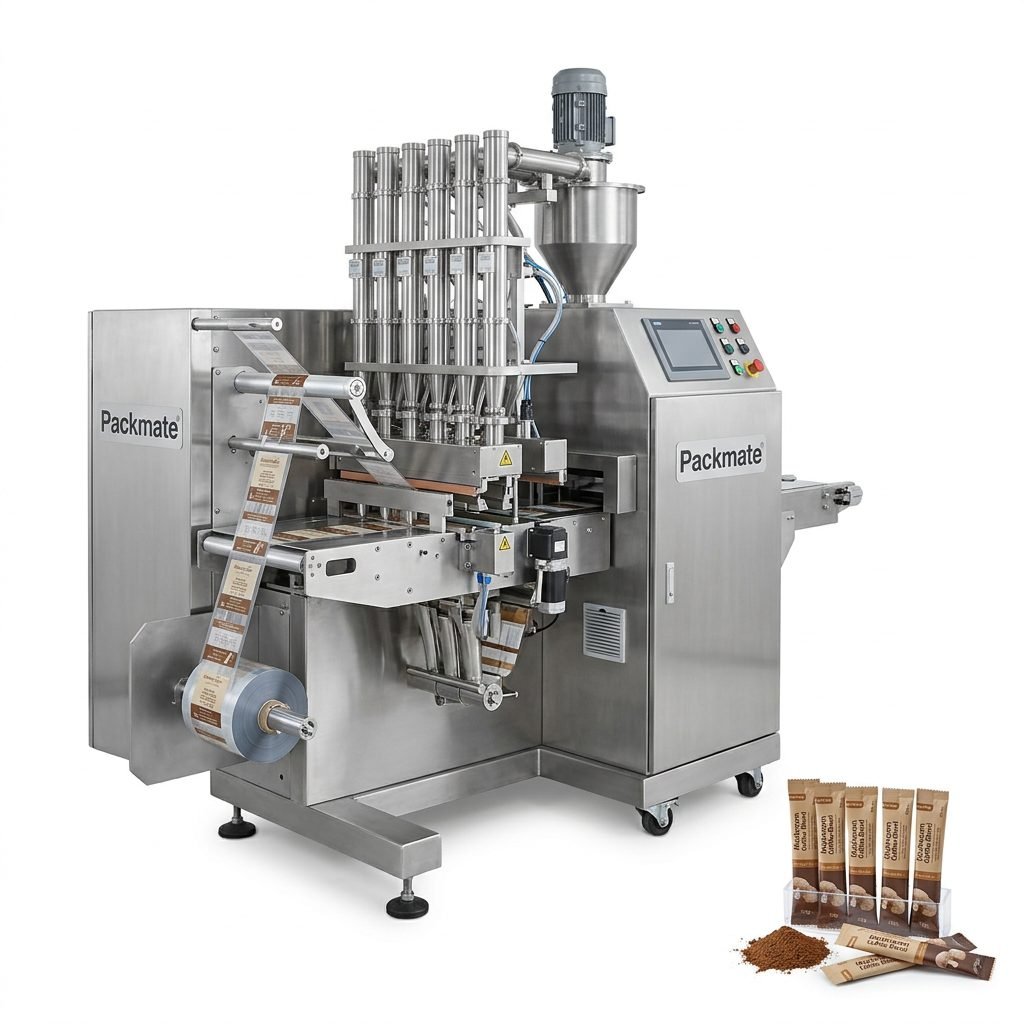
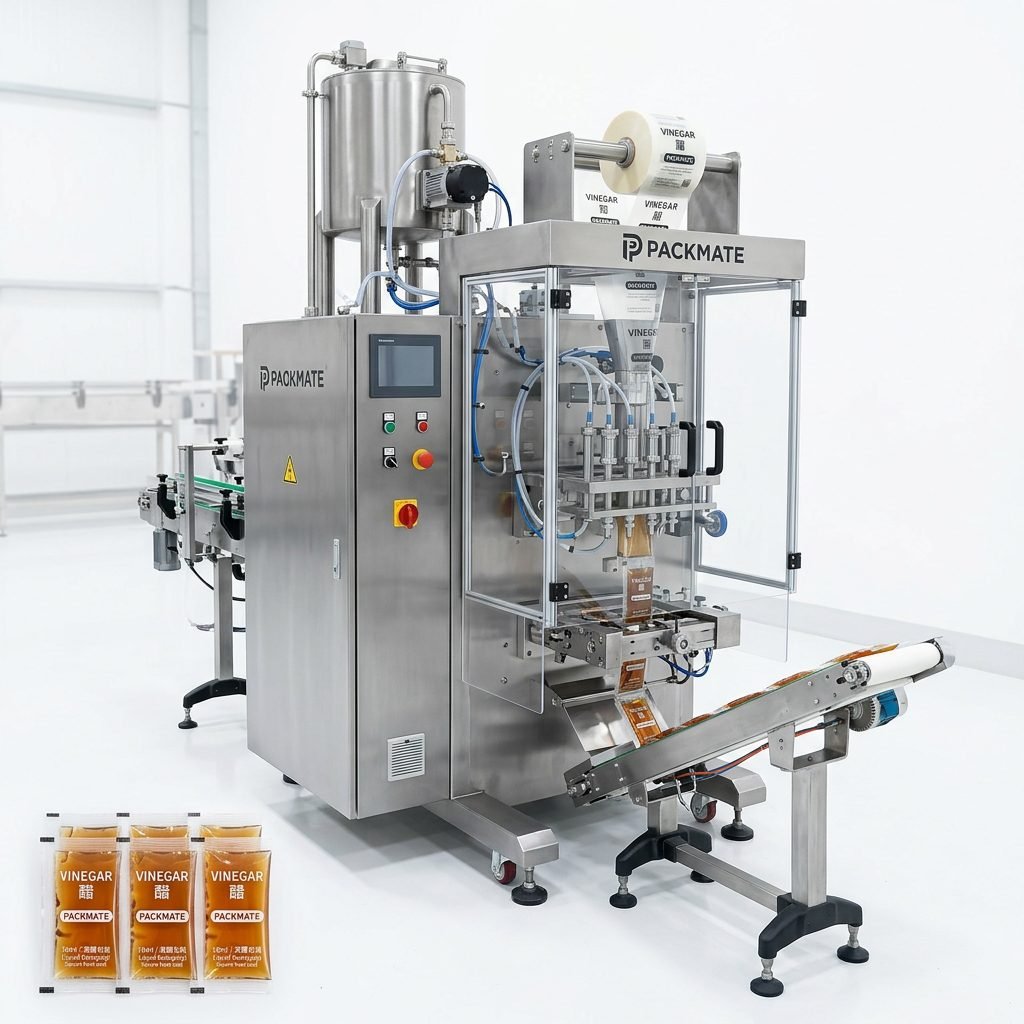
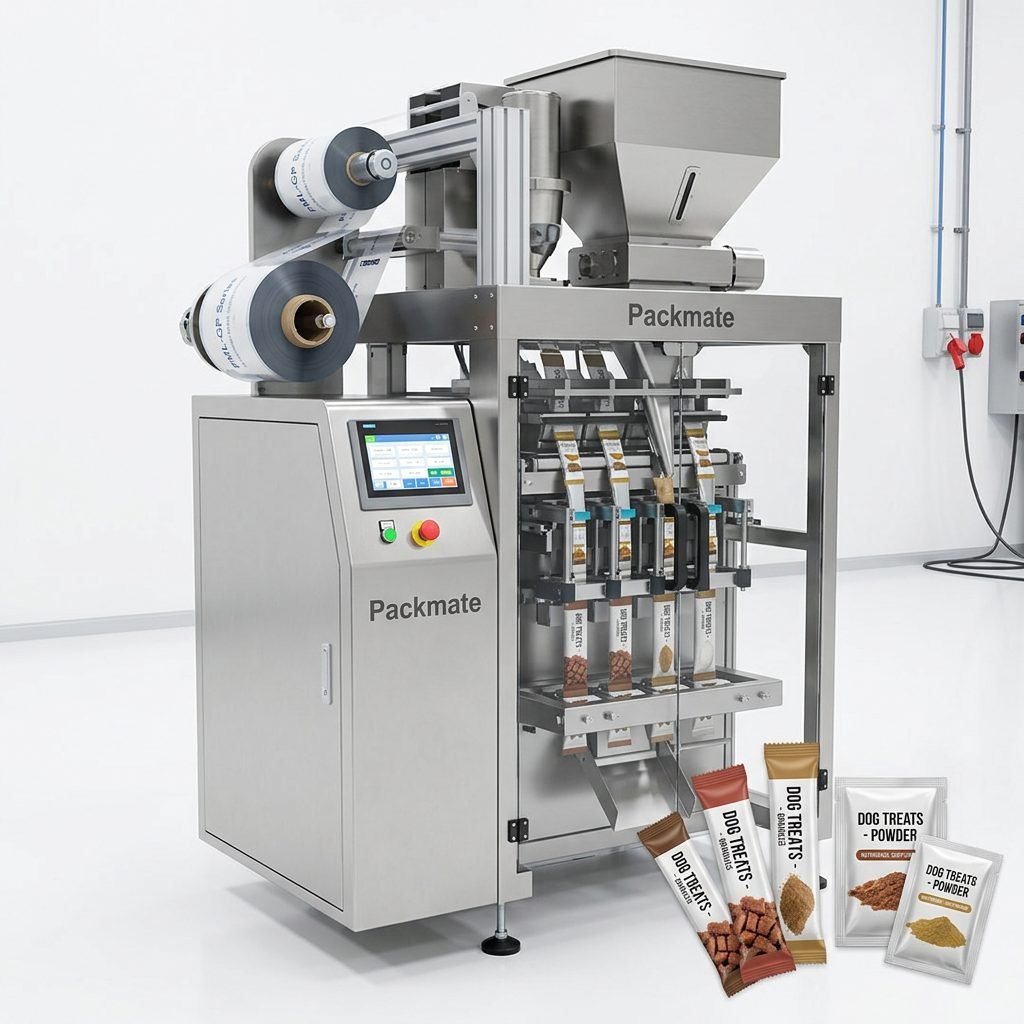
The primary goals here are preservation, freshness, and contamination prevention. Equipment must handle a variety of consistencies—from granules and powders to liquids and pastes—while ensuring airtight seals. Speed and efficiency are crucial for high-volume production, but machines must also be easy to clean to meet stringent hygiene standards like HACCP. Solutions often include multi-lane stick pack machines for portion-controlled items like coffee or sugar, and robust sachet packaging lines for sauces or seasonings.
Pharmaceutical Packaging
This is arguably the most regulated sector. Packaging equipment must guarantee absolute accuracy in dosing, tamper-evidence, and traceability. Compliance with Good Manufacturing Practice (GMP) and other regional regulations is non-negotiable. The machinery often requires features like nitrogen flushing to extend shelf life, precise weight check systems, and serialization capabilities for track-and-trace mandates. Blister packaging, vial filling, and precise powder dosing into sachets are common applications.
Health & Nutraceutical Products
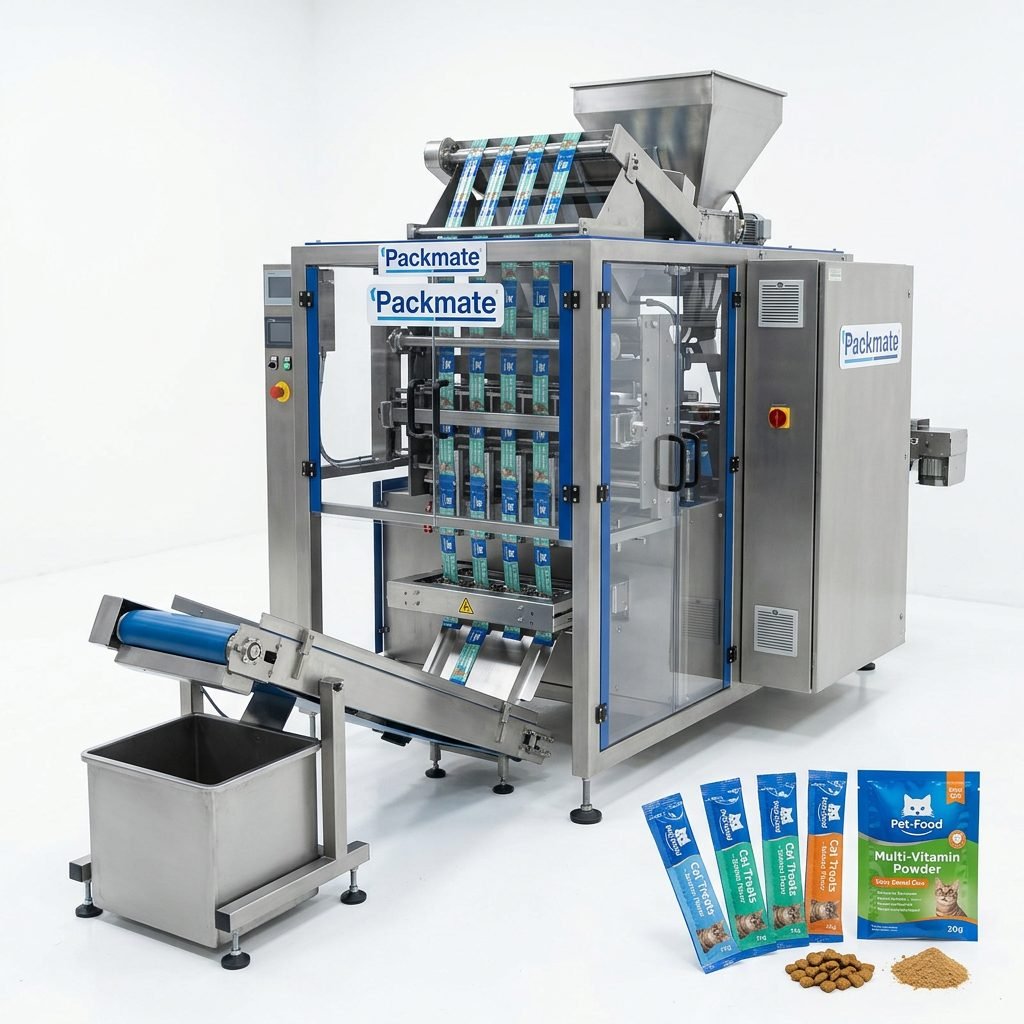
Bridging the food and pharma worlds, this sector includes vitamins, supplements, protein powders, and herbal products. Packaging must convey quality, purity, and efficacy. It needs to protect sensitive ingredients from moisture and oxygen while offering consumer convenience (e.g., single-serve stick packs). Equipment must be versatile enough to handle diverse product forms and provide high-integrity sealing to maintain product potency. You can explore specific packaging solutions for these products to understand the tailored approaches required.
Core Components of a Modern Packaging Line
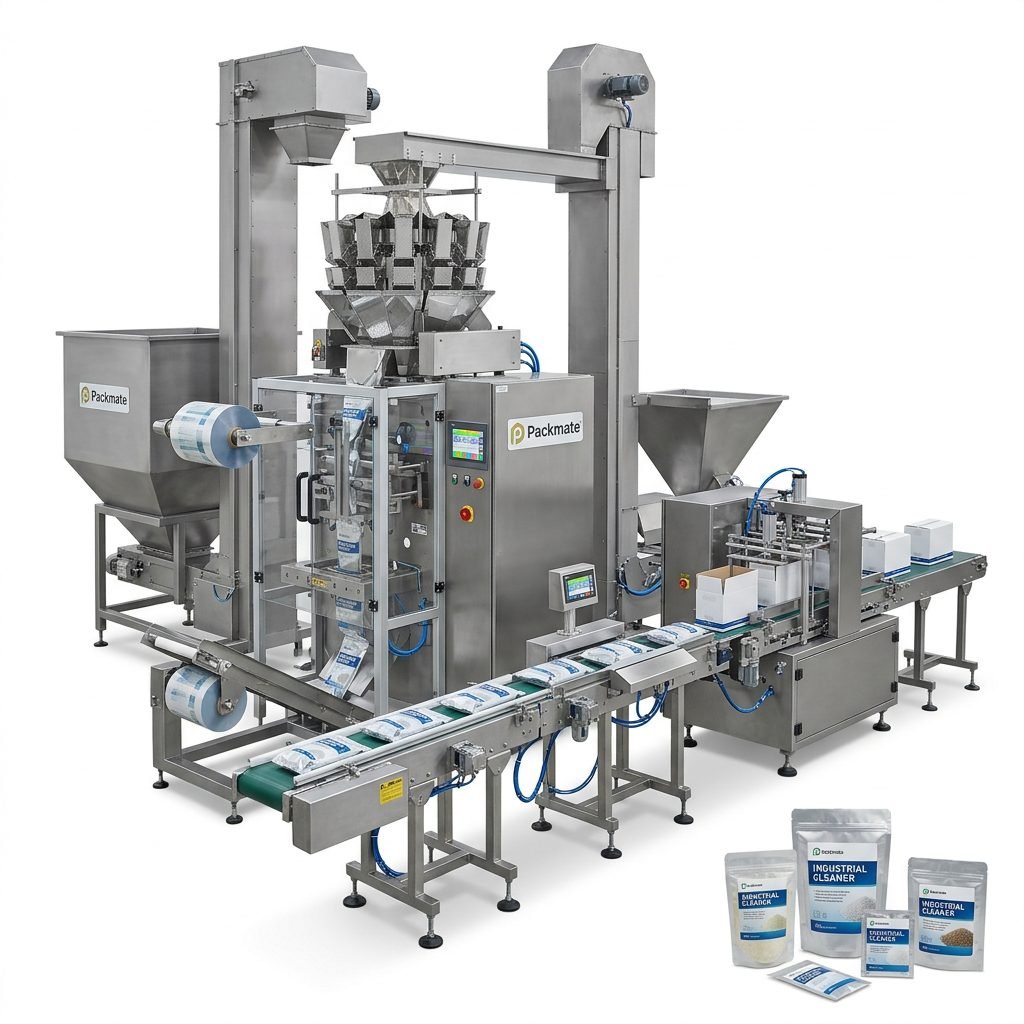
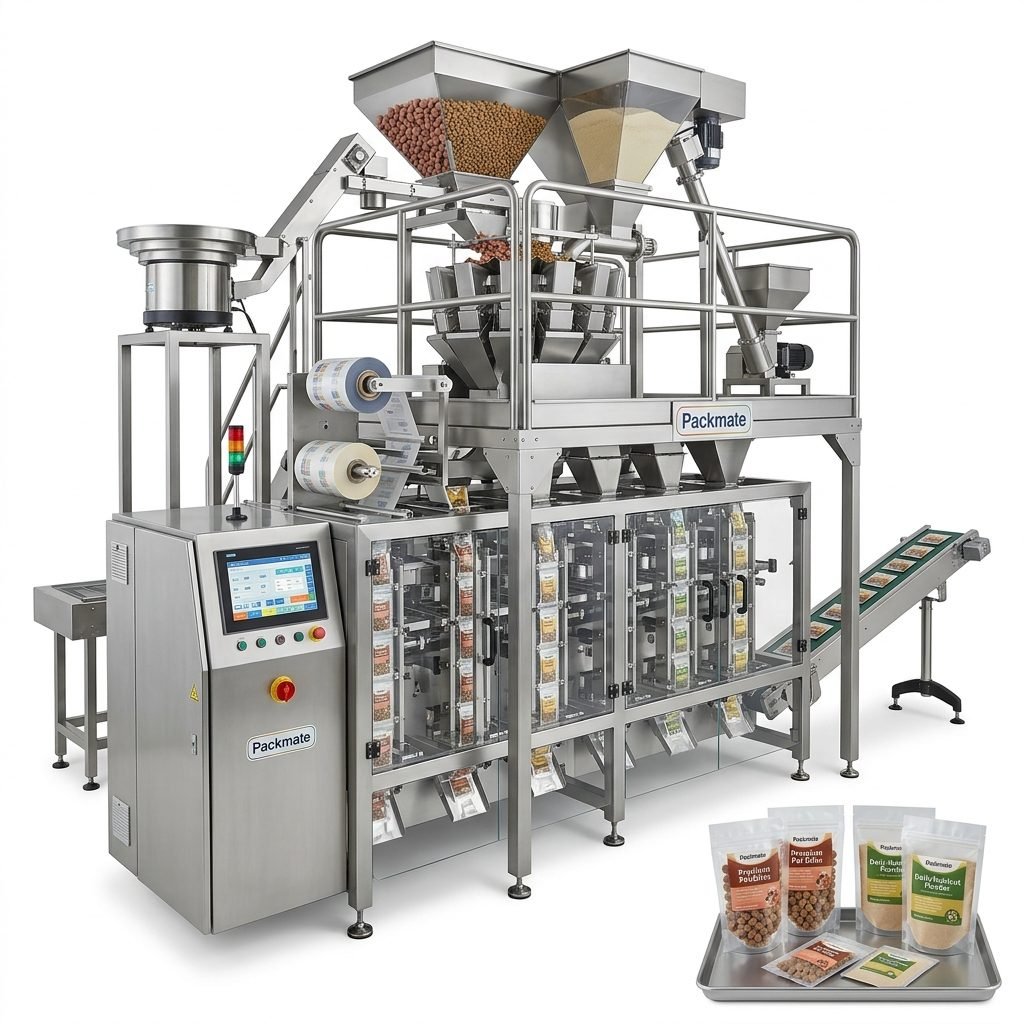
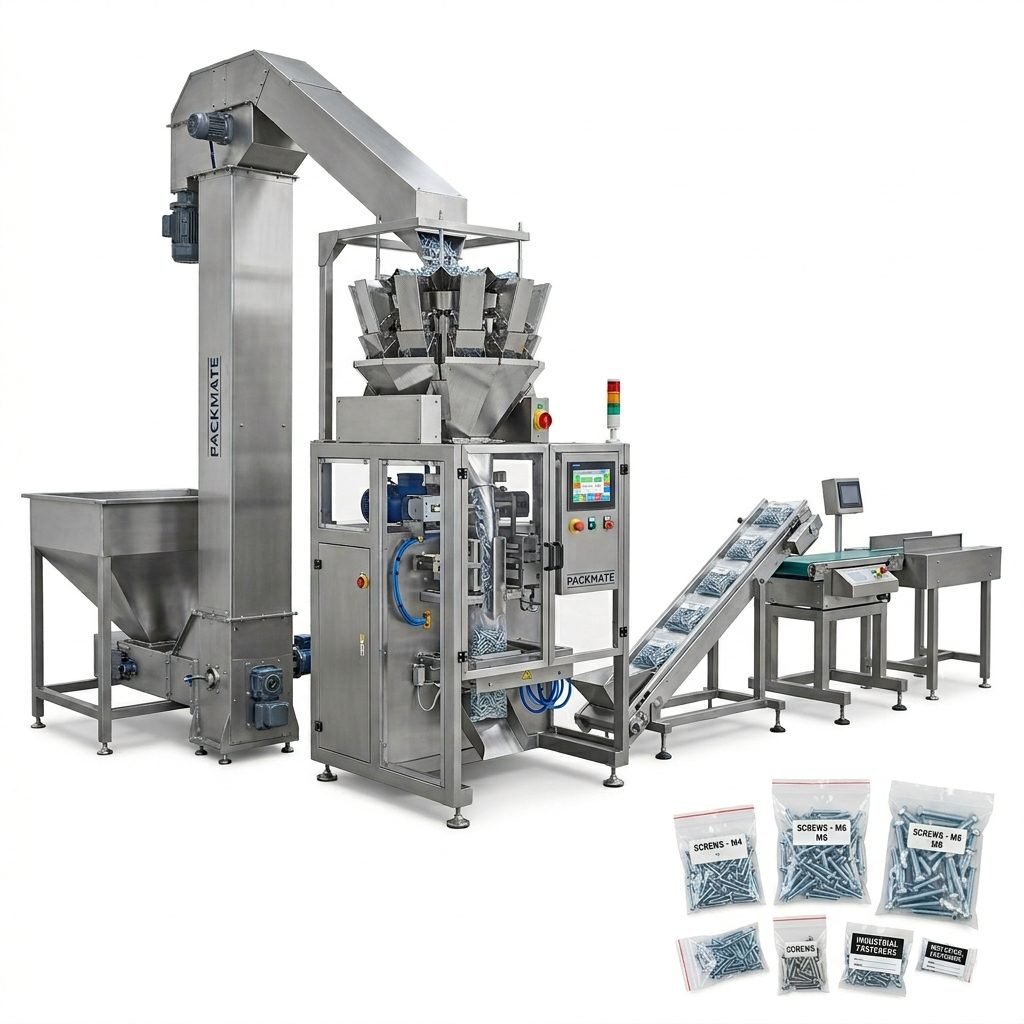
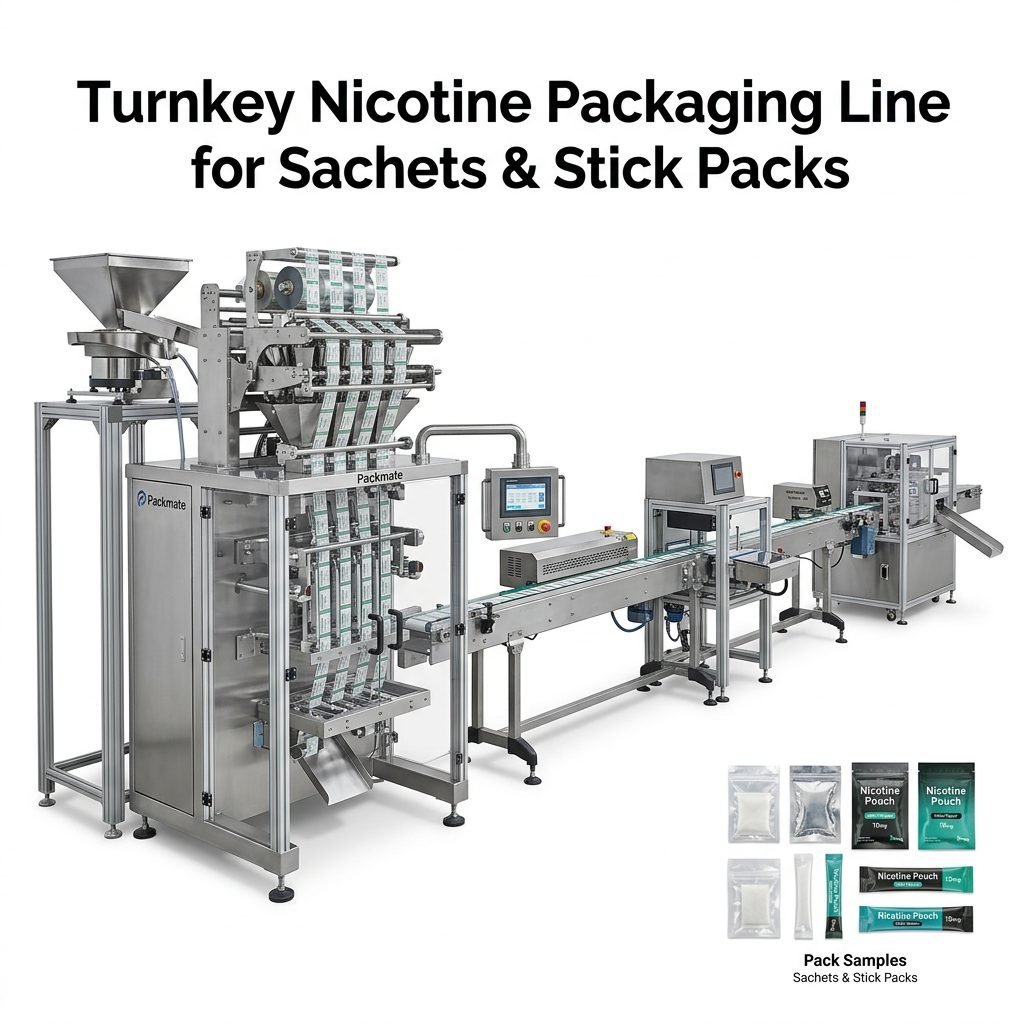
A turnkey packaging solution is an integrated system. Key components typically include:
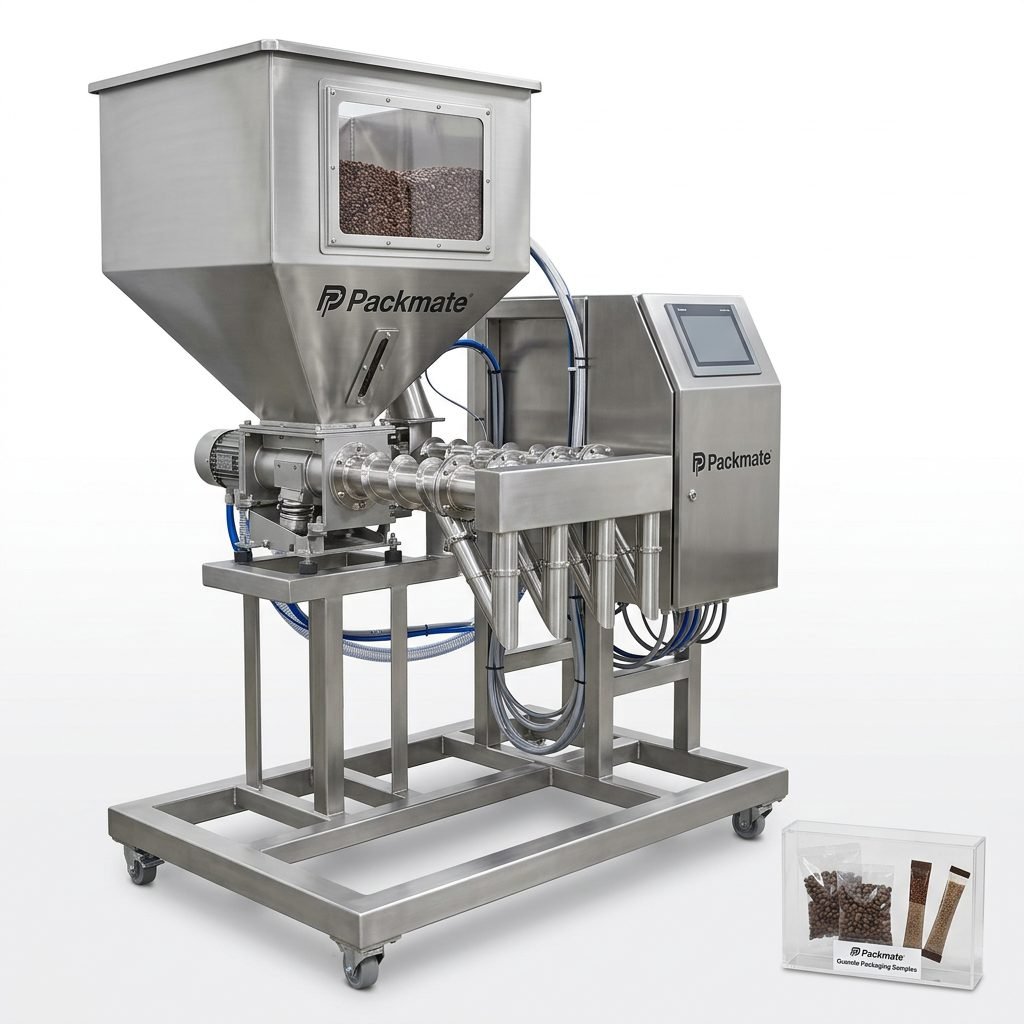
1. Feeding & Dosing Systems
Accuracy begins here. Volumetric cup fillers, auger fillers, and liquid pumps ensure each packet receives the exact predetermined amount of product, critical for both cost control and regulatory compliance.
2. Form-Fill-Seal (FFS) Machines
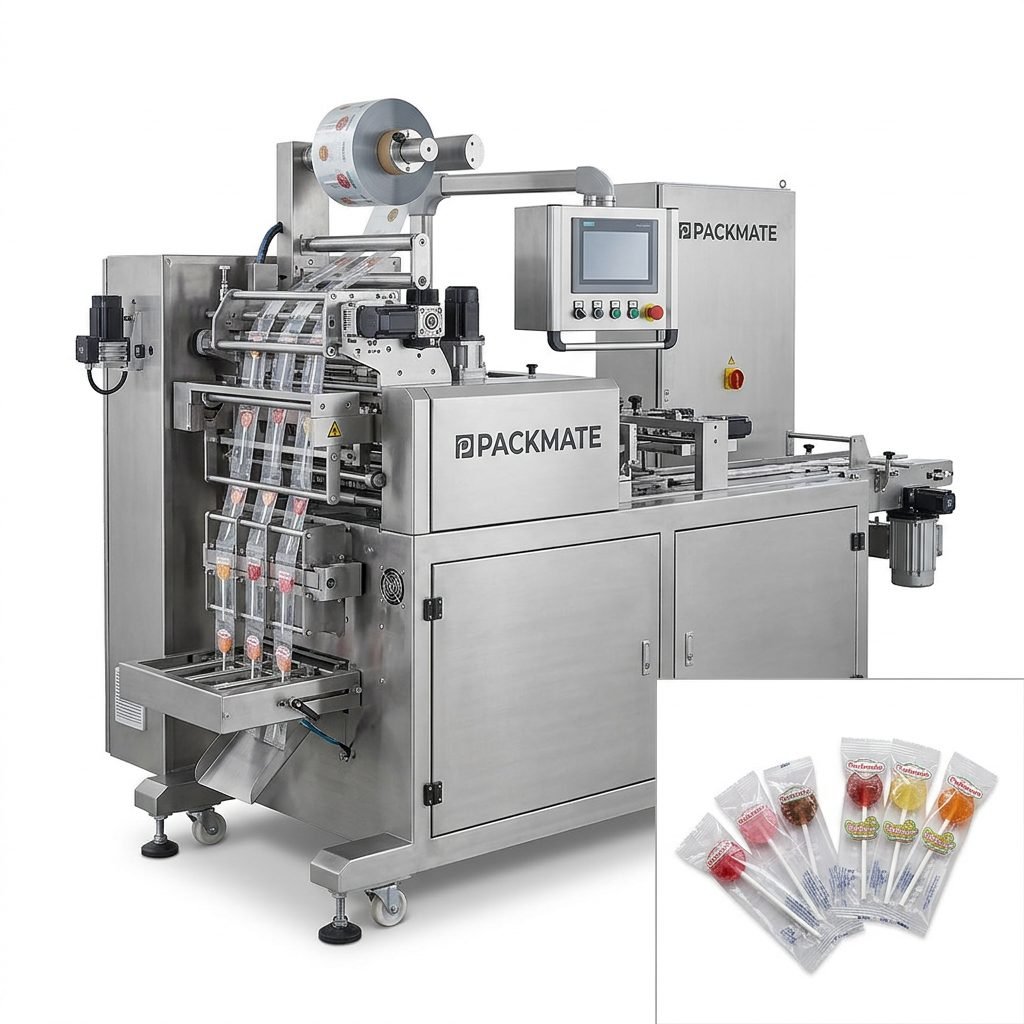
The heart of the operation. These machines form packaging from a roll of film, dose the product, and seal it—all in one continuous, high-speed process. Vertical (VFFS) and horizontal (HFFS) configurations are chosen based on product type and desired packet style (sachet, stick pack, pouch).
3. Secondary Packaging Equipment
This includes cartoners, case packers, and palletizers that group primary packages for shipping and retail display. Automation at this stage significantly boosts overall line efficiency.
4. Quality Control & Monitoring Systems
Integrated checkweighers, metal detectors, vision systems, and data logging software are no longer optional. They are essential for real-time quality assurance, reducing waste, and providing audit trails.
The Packmate Advantage: Engineering Reliability
With over 30 years of specialized experience, Packmate (GuangDong) Co., Ltd. has deep-rooted expertise in designing and manufacturing packaging lines for these demanding sectors. Operating from a modern 20,000㎡ facility in the Guangdong Greater Bay Area—a global manufacturing hub—Packmate combines engineering precision with an understanding of international market needs.
The company’s philosophy centers on providing intelligent, turnkey solutions. This means they don’t just sell machines; they deliver complete, working production lines. From initial concept and design to installation, training, and ongoing support service, they manage the entire project. This holistic approach ensures seamless integration of all components, minimizing downtime and maximizing output from day one.
Their portfolio of over 50 machine models, including advanced multi-lane stick pack and sachet packaging lines, is built with durability and ease of maintenance in mind. This reliability is crucial for factories running 24/7 production schedules. You can see real-world applications of their technology in our detailed project case studies.
Key Trends Shaping the Future of Packaging
Staying ahead requires adapting to evolving trends:
Sustainability & Material Flexibility
There is growing pressure to use recyclable, compostable, or reduced-plastic films. Modern equipment must be adaptable to handle these new, sometimes more challenging, materials without compromising seal strength or machine speed.
Smart Packaging & Industry 4.0
Connectivity is key. Packaging lines are increasingly equipped with IoT sensors and software that provide predictive maintenance alerts, overall equipment effectiveness (OEE) dashboards, and full production traceability, integrating seamlessly into smart factory ecosystems.
Flexibility and Quick Changeover
With shorter product lifecycles and demand for customization, the ability to quickly switch between packet sizes, shapes, and products on a single line is a major competitive advantage, reducing downtime and enabling smaller, economical batch runs.
Making the Right Investment
Choosing a packaging equipment partner is a long-term decision. Key factors to evaluate include:
- Proven Industry Experience: Does the supplier have a track record in your specific sector (food, pharma, health)?
- Compliance Support: Can they demonstrate knowledge and design for relevant regulatory standards?
- Technical Support & Spare Parts: What is the global availability of service engineers and critical components?
- Scalability: Can the line be easily upgraded or expanded as your business grows?
Partnering with an expert like Packmate ensures you are not just buying machinery, but investing in a productivity partnership grounded in quality, innovation, and collaboration.
Frequently Asked Questions (FAQs)
1. What is a “turnkey” packaging solution?
A turnkey solution is a complete, ready-to-operate system supplied by a single vendor. It includes all necessary machinery, integration, installation, commissioning, and operator training. The client essentially “turns the key” to start production, eliminating the complexity and risk of sourcing and integrating components from multiple suppliers.
2. How do I choose between a stick pack, sachet, or pouch machine?
The choice depends on your product (powder, liquid, granule), desired portion size, retail display needs, and consumer usage. Stick packs are ideal for single-serve, high-density powders. Sachets are versatile for liquids, pastes, or larger powder volumes. Pouches offer greater branding space and are used for larger quantities. A professional supplier like Packmate can analyze your needs and recommend the optimal format.
3. Can one packaging line handle different products?
Yes, with the right design. Many modern lines are built for flexibility, featuring quick-change parts for forming tubes, dosing heads, and sealing jaws. This allows for relatively fast changeovers between different products or packet sizes, making it cost-effective for manufacturers with diverse product portfolios.
4. What certifications should I look for in pharmaceutical packaging equipment?
Key certifications include compliance with Good Manufacturing Practice (GMP), CE marking for the European market, and possibly USDA for certain applications. The machinery design should facilitate easy cleaning and avoid product entrapment areas. Reputable manufacturers will design with these standards in mind and can provide relevant documentation.
5. What kind of after-sales support is critical?
Reliable after-sales support includes readily available spare parts, access to detailed machine documentation and wiring diagrams, remote diagnostic capabilities, and a responsive team of service engineers for on-site support when needed. This minimizes potential downtime and protects your production investment. For more detailed queries, visit our dedicated FAQs page.