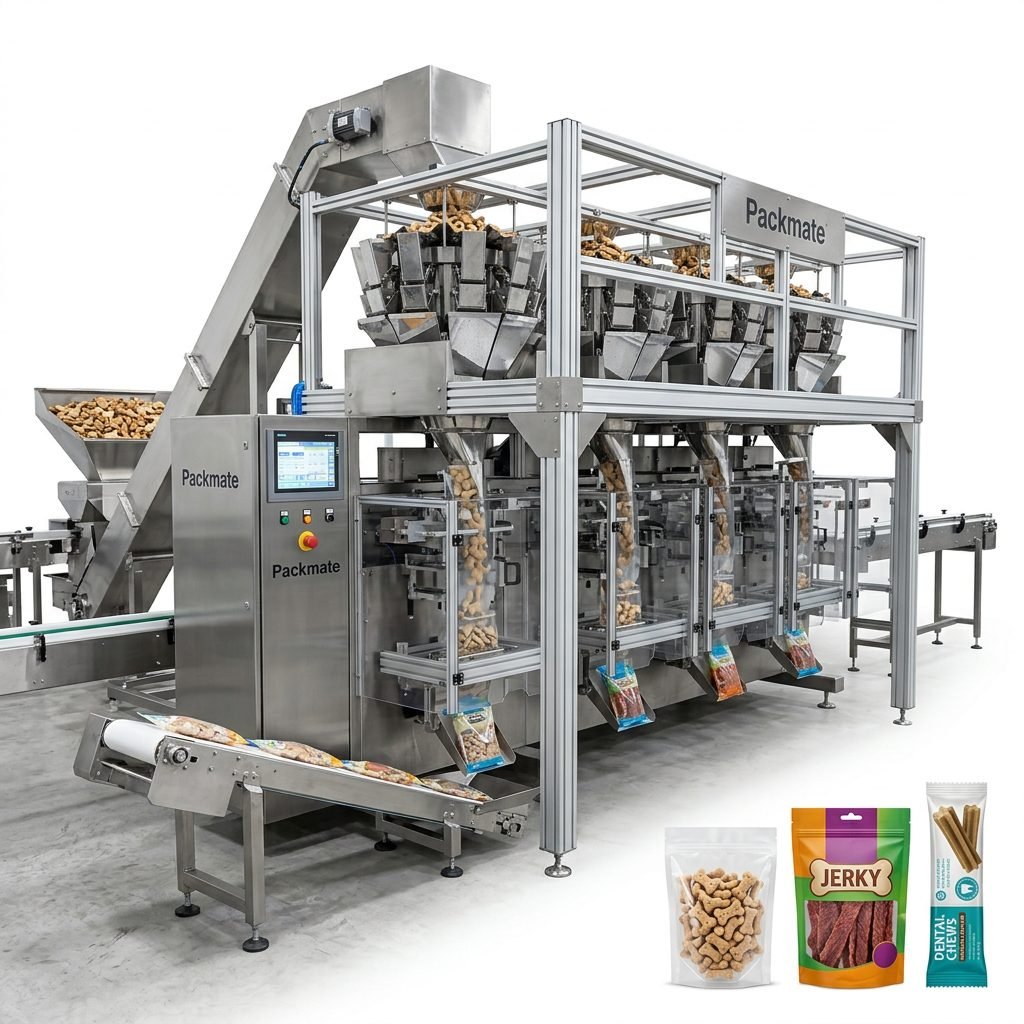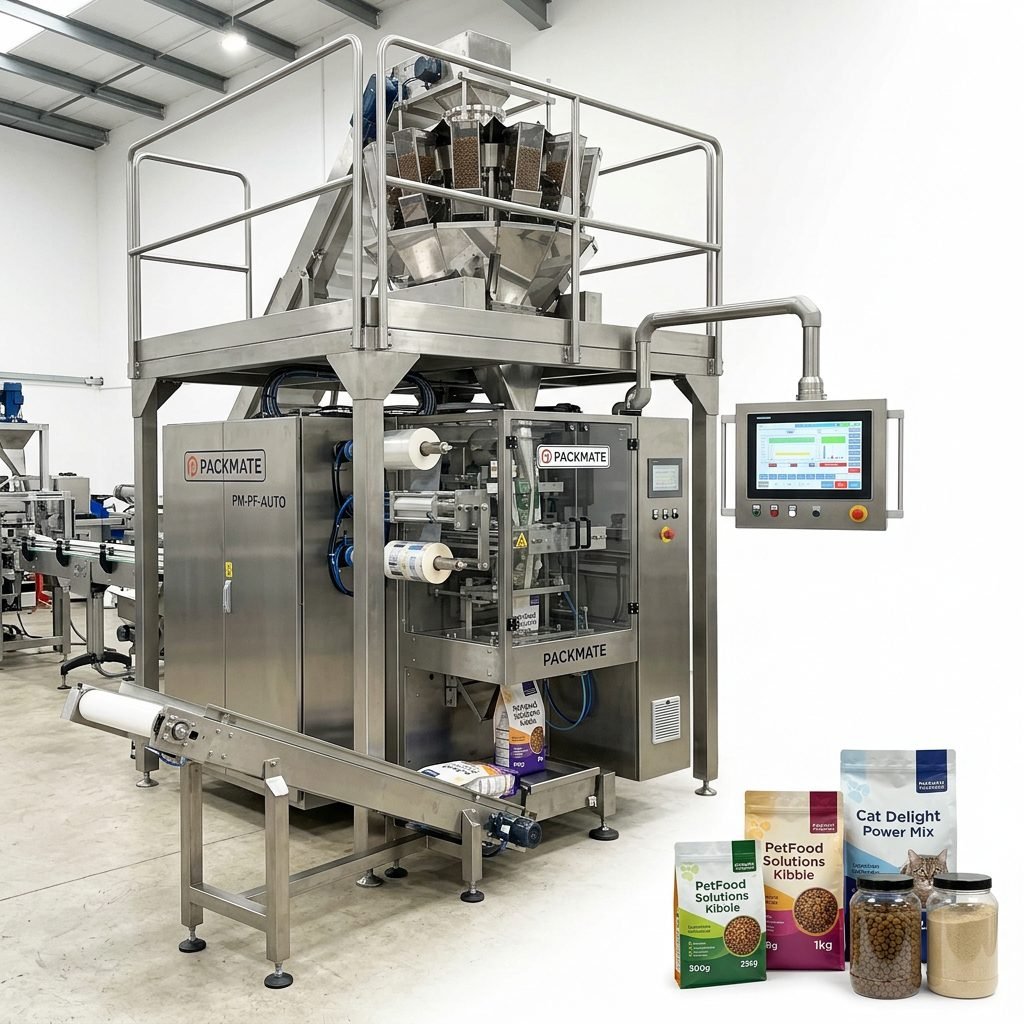
In today’s fast-paced manufacturing landscape, achieving peak efficiency, unwavering consistency, and absolute hygiene is non-negotiable, especially in the highly regulated food, pharmaceutical, and health sectors. The demand for precision, speed, and adaptability in packaging has never been higher. This is where complete automation solutions transform from a competitive advantage into an operational imperative. By integrating sophisticated machinery, intelligent control systems, and seamless line integration, businesses can unlock unprecedented levels of productivity and quality assurance.
The Imperative for Automation in Sensitive Industries
The journey towards a fully automated packaging line begins with understanding the unique and stringent demands of each sector. These industries share a common thread: the product is directly linked to consumer well-being.
Food Industry
Automation ensures consistent portion control, extends shelf life through superior sealing, and minimizes human contact to uphold the highest food safety standards (like HACCP and GMP). Speed is crucial to meet volatile market demands for snacks, beverages, powders, and condiments.
Pharmaceutical Industry
Here, precision is paramount. Automated lines guarantee exact dosing for tablets, capsules, and powders, provide tamper-evident and child-resistant features, and generate impeccable traceability documentation for compliance with FDA, EMA, and other global regulations. Contamination control is the top priority.
Health & Nutraceutical Industry
This dynamic sector, encompassing supplements, protein powders, and vitamins, requires flexibility. Automation allows for quick changeovers between different product formats (stick packs, sachets, bottles) and ingredients, while maintaining precise filling accuracy for potent formulations and ensuring attractive, shelf-ready packaging.
Core Components of a Complete Automation Line
A truly complete solution is more than a collection of machines; it’s a synchronized ecosystem. Key components include:
1. Intelligent Feeding & Conveying Systems
This is the starting point. Automated bulk bag unloaders, vibratory feeders, and precision screw conveyors ensure a consistent, controlled, and contamination-free supply of product—whether granules, fine powders, or viscous liquids—to the primary packaging stations.
2. Advanced Primary Packaging Machines
The heart of the line. This includes versatile machines like:
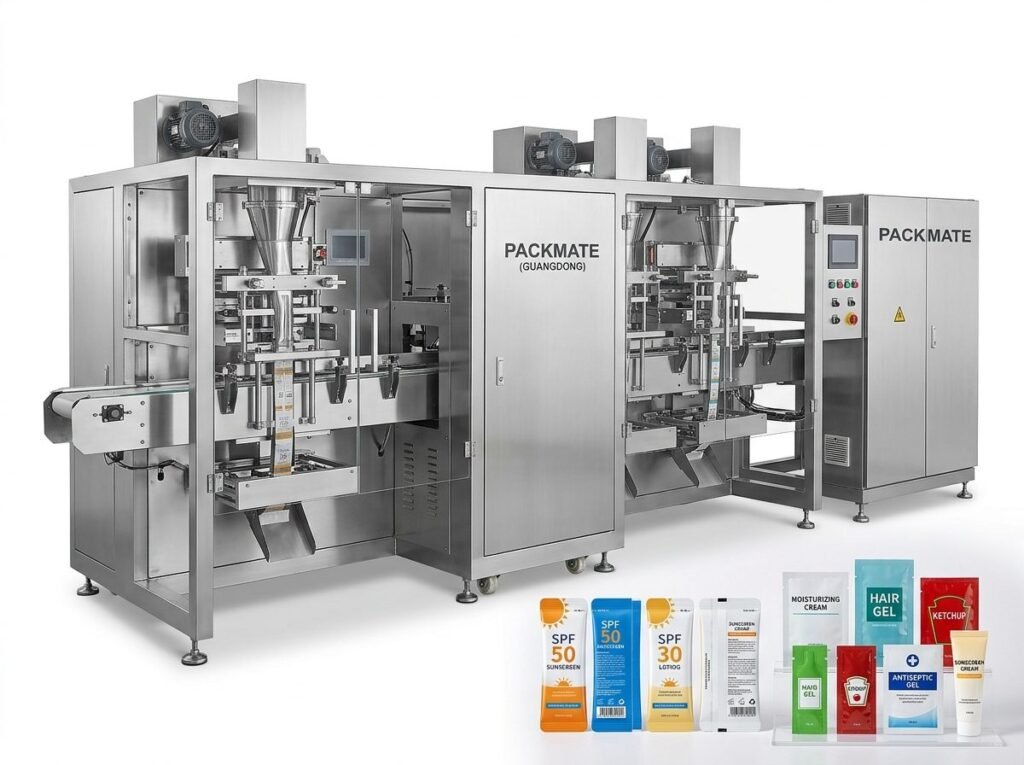
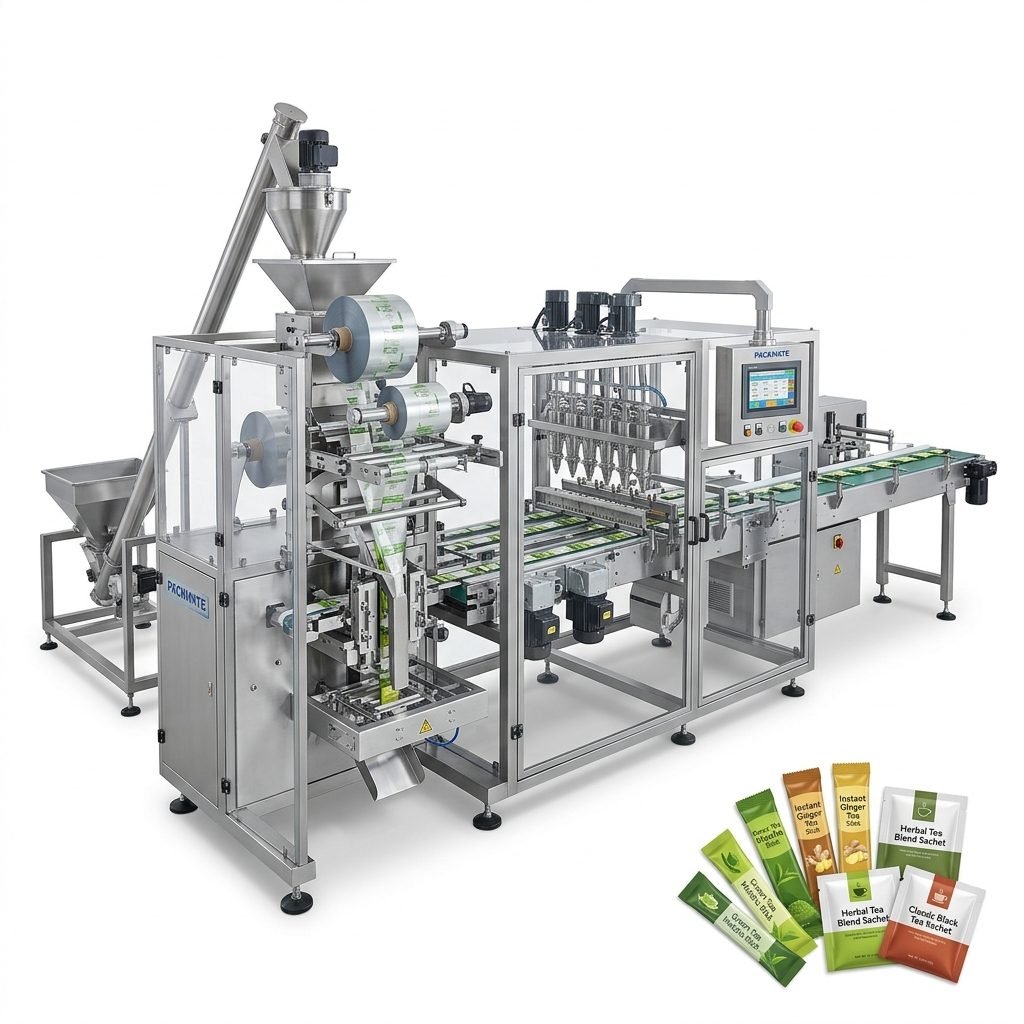
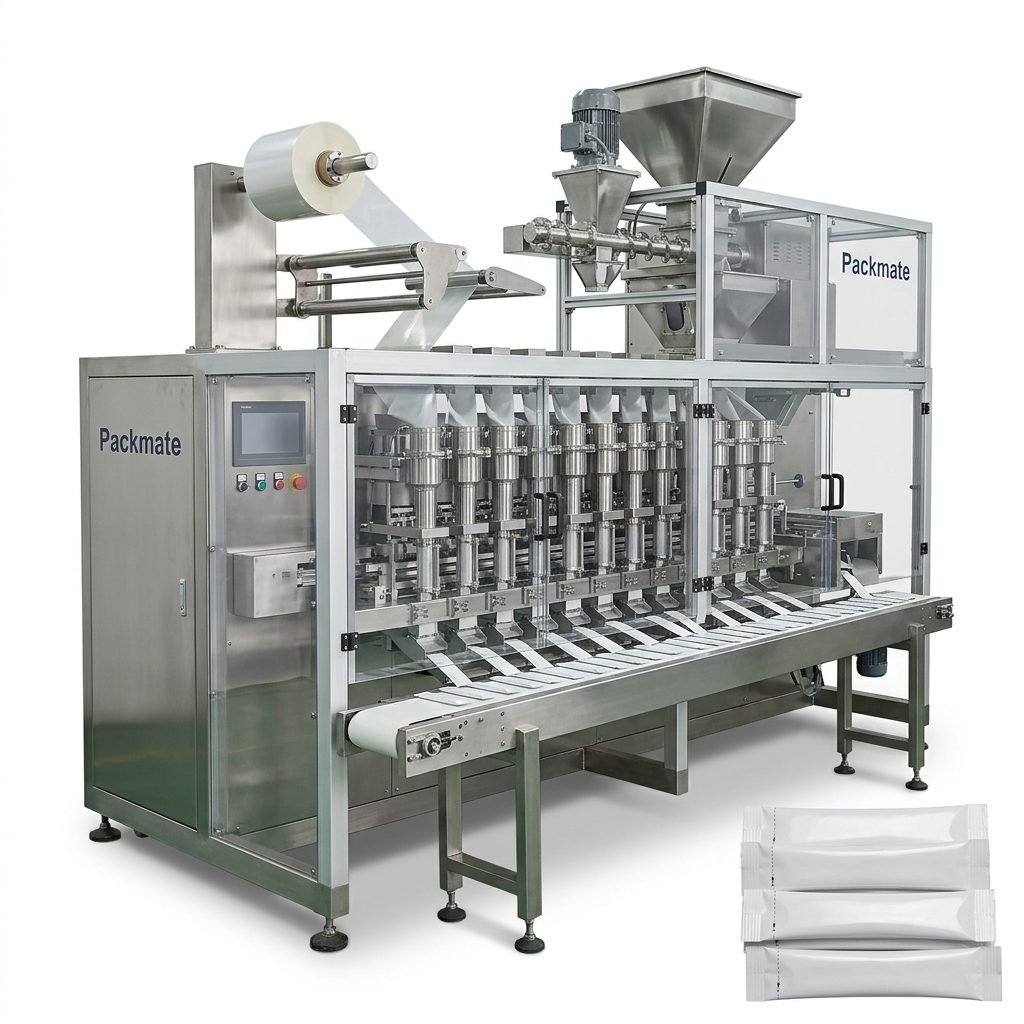
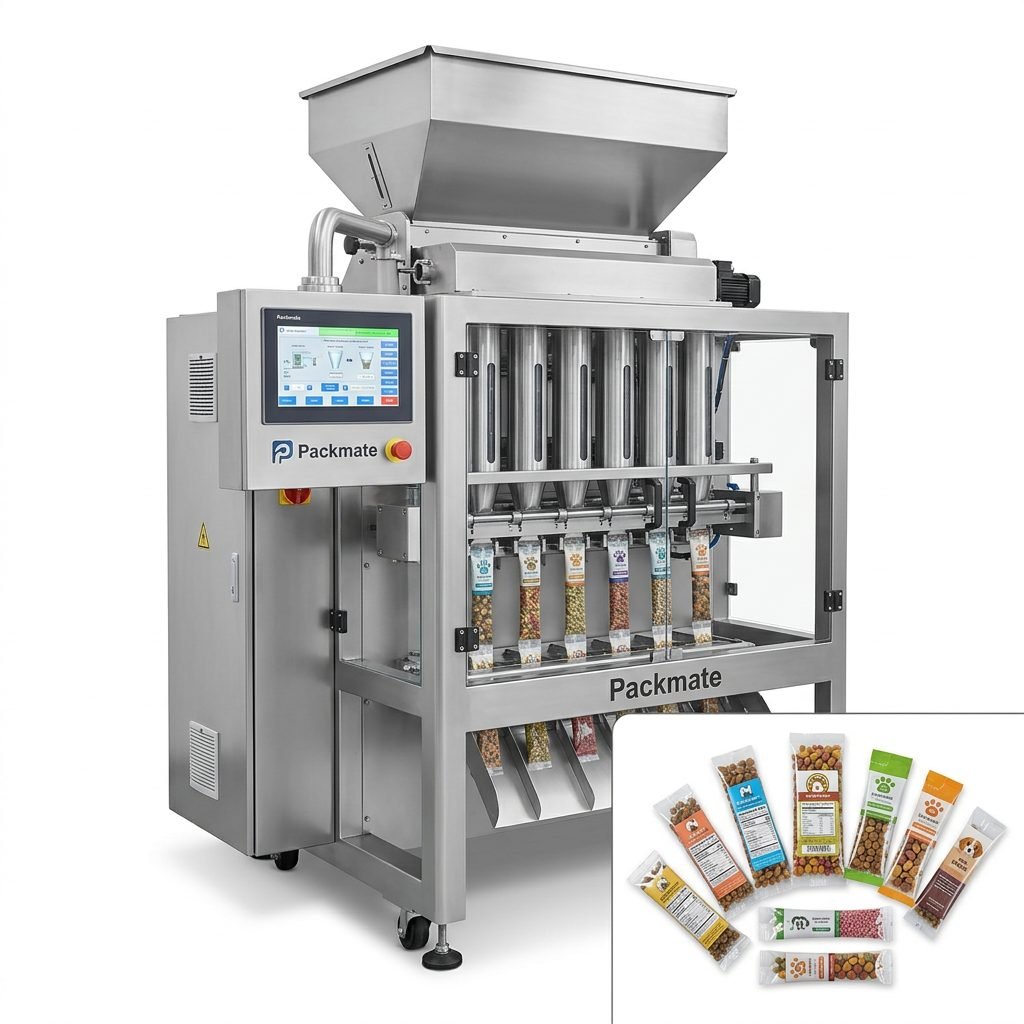
➤ Multi-lane Stick Pack Machines: Ideal for single-serve portions of coffee, sugar, or supplements, offering high speed and compact packaging.
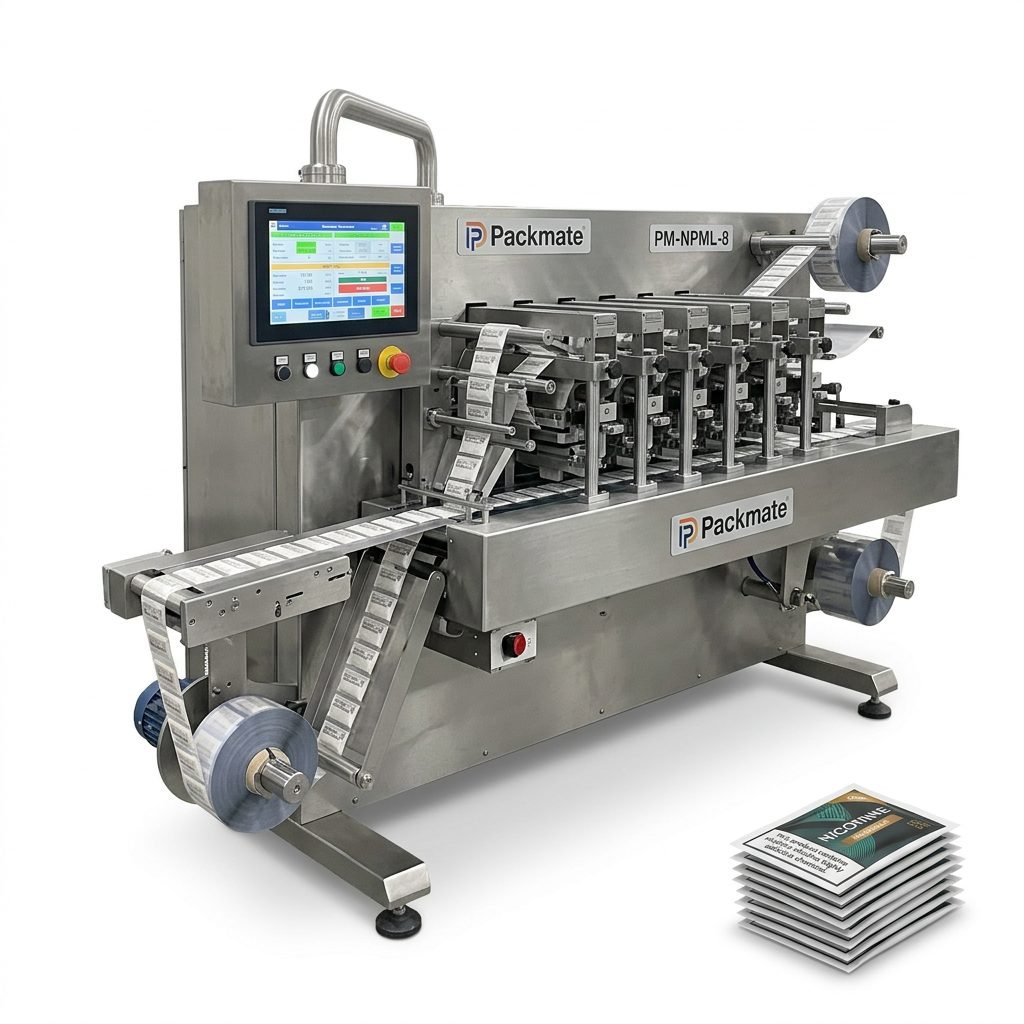
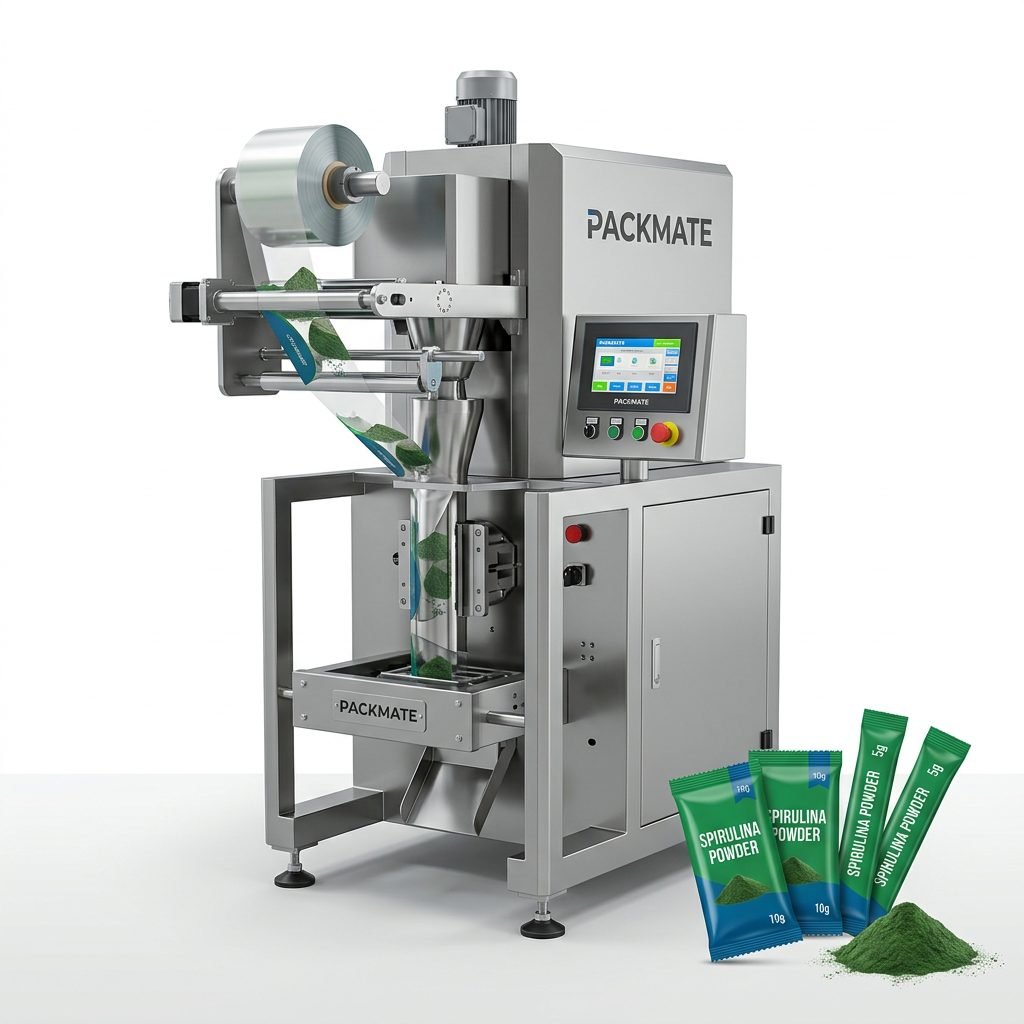
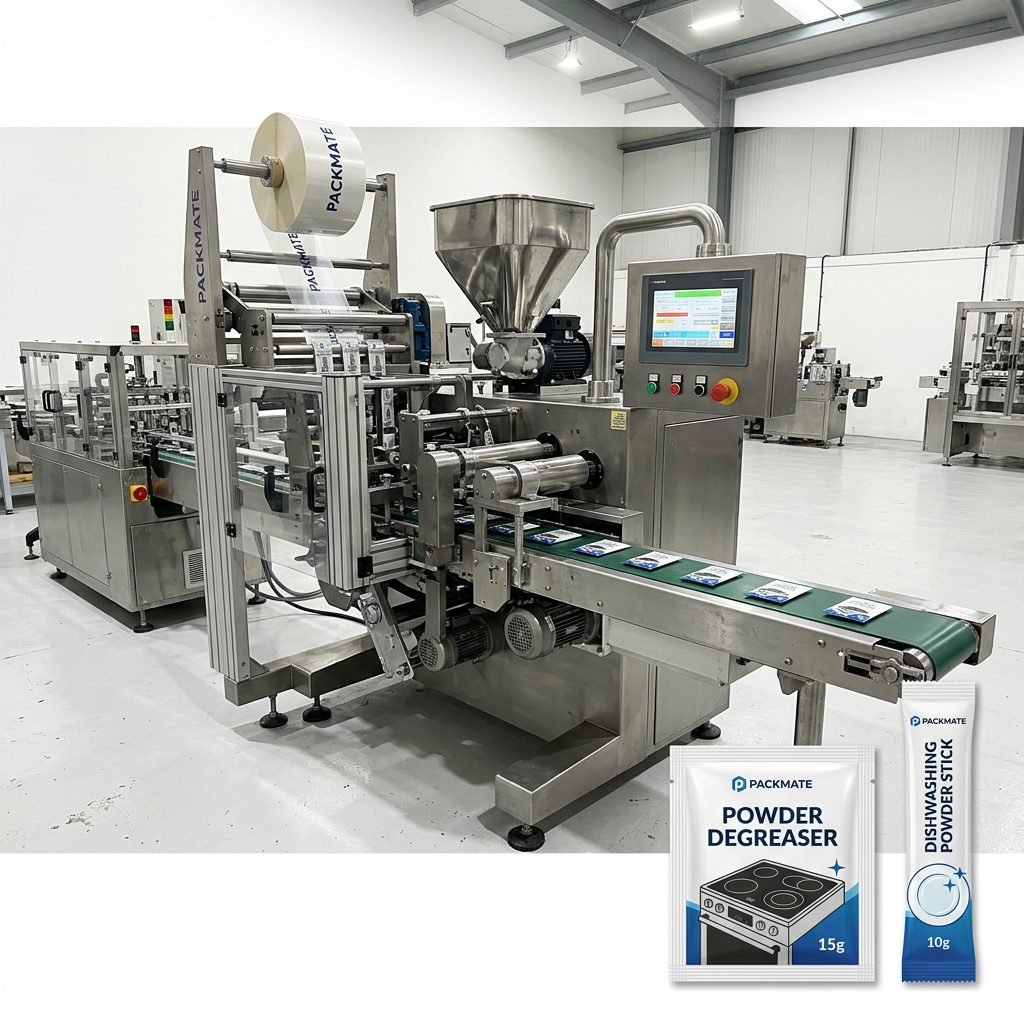
➤ Form-Fill-Seal (FFS) Sachet Machines: Highly flexible for packaging liquids, powders, or granules in various sachet sizes and materials.
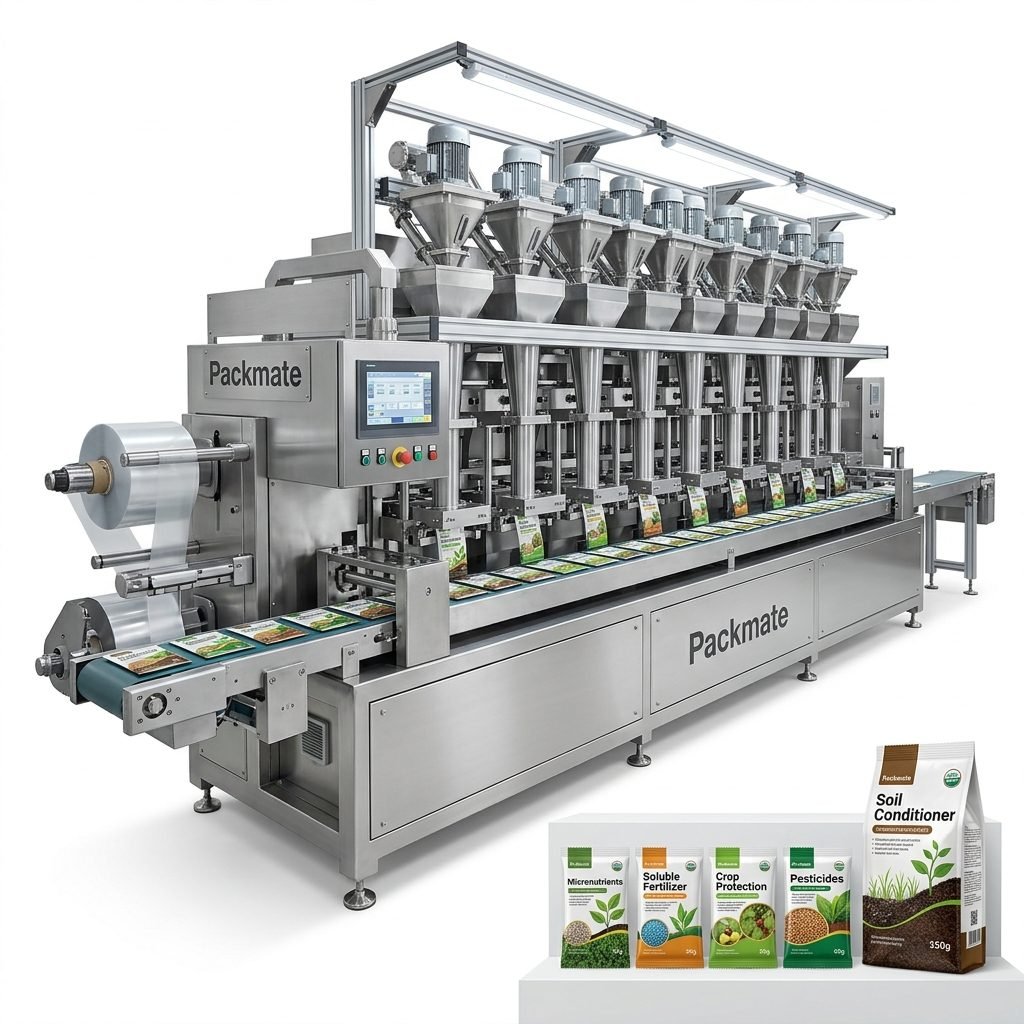
➤ Large-Volume Bagging Systems: Designed for bulk packaging of products like flour, rice, or chemical compounds into bags ranging from 1kg to 25kg+.
3. Integrated Secondary Packaging
Automation continues post-primary pack. Cartoners, case packers, and bundling systems automatically collate, box, and prepare finished goods for palletizing, streamlining the transition from production to warehouse.
4. The Brain: Control & Monitoring Systems
Modern lines are governed by centralized PLC (Programmable Logic Controller) and HMI (Human-Machine Interface) systems. These provide real-time monitoring of OEE (Overall Equipment Effectiveness), track production counts, manage recipes, and preemptively flag maintenance needs, enabling data-driven decision-making.
5. Quality Assurance & Vision Inspection
Integrated checkweighers, metal detectors, and X-ray systems ensure every pack meets weight specifications and is free from physical contaminants. High-resolution vision inspection systems verify label accuracy, seal integrity, and print quality, rejecting any non-conforming packages automatically.
Benefits Beyond Productivity: The Tangible ROI
Investing in a complete automation line delivers a multifaceted return on investment that impacts the entire business.
→ Dramatically Reduced Labor Costs & Human Error: Automation handles repetitive, precise tasks, allowing human operators to focus on supervision, quality control, and maintenance. This significantly lowers long-term operational costs and eliminates errors from manual filling or handling.
→ Unmatched Consistency & Quality Compliance: Every package is identical. This relentless consistency minimizes product giveaways, ensures regulatory compliance, and builds unwavering brand trust with consumers and regulators alike.
→ Enhanced Safety & Hygiene: By reducing direct human-product contact, automated lines inherently lower the risk of microbial and particulate contamination. This is critical for pharmaceutical and food safety solutions.
→ Scalability & Future-Proofing: A well-designed automated line is modular. It can start with core functions and be expanded with additional lanes, end-of-line robots, or smarter software integrations as business grows, protecting your initial investment.
Choosing the Right Partner for Your Automation Journey
Selecting a supplier is as crucial as selecting the technology. The ideal partner offers more than just hardware; they offer peace of mind. Look for a provider with:
- Deep Industry-Specific Experience: Proven success in your specific sector (food, pharma, or health) is invaluable. They understand the unspoken challenges.
- Turnkey Solution Capability: The ability to design, manufacture, install, and commission the entire line from a single source, like the comprehensive services offered by Packmate Packaging Line, eliminates interface headaches.
- Robust After-Sales Support: Comprehensive training, readily available spare parts, and responsive technical support are essential for maximizing uptime. Explore their commitment to this in their service offerings.
- Technological Innovation: A partner committed to R&D ensures your line incorporates the latest advancements in efficiency, connectivity (Industry 4.0), and sustainability.
Companies like Packmate (GuangDong) Co., Ltd. exemplify this approach. With over two decades of experience and a 20,000㎡ modern facility, they have evolved from a specialist in sachet machines to a provider of complete, intelligent packaging lines. Their journey, from a focused workshop to an international supplier, underscores the importance of partnership and long-term vision in automation projects. You can see their solutions in action through real-world application cases.
Implementation: A Strategic Process
Successful implementation is a phased collaboration. It begins with a detailed analysis of your current process, product characteristics, and output goals. The supplier then creates a customized layout and flow simulation. Factory Acceptance Testing (FAT) at the supplier’s site allows you to verify performance before installation. Finally, expert engineers oversee Site Installation and Qualification (SIQ), ensuring the line is fully operational and your team is proficient.
Ultimately, complete automation for food, pharma, and health packaging is not merely about replacing manual labor. It is a strategic investment in building a more resilient, compliant, and competitive enterprise. It empowers manufacturers to meet the challenges of today’s market while being perfectly poised to embrace the opportunities of tomorrow.
Frequently Asked Questions (FAQs)
1. How long does it typically take to see a return on investment (ROI) on a complete packaging automation line?
ROI timelines vary based on line complexity, labor costs saved, and production volume increases. Typically, businesses see a full ROI within 1 to 3 years through dramatic gains in output, reduced waste, and lower operational expenses. A detailed feasibility study with your supplier can provide a project-specific forecast.
2. Can automated lines handle frequent product changeovers, which are common in the health supplement industry?
Yes, modern automated lines are designed for flexibility. Features like quick-change tooling, recipe management in the PLC, and servo-driven adjustments allow for rapid changeovers between different product formats, weights, and packaging materials, minimizing downtime and maximizing line utilization.
3. What are the key regulatory standards for automated packaging lines in the pharmaceutical sector?
Pharmaceutical lines must comply with stringent standards. Key among them are cGMP (current Good Manufacturing Practice), FDA 21 CFR Part 11 for electronic records, and often specific pharmacopoeia standards. Reputable suppliers design machines with cleanability, validated processes, and full documentation traceability in mind to support your compliance.
4. How does automation improve packaging sustainability?
Automation enhances sustainability in several ways: Precise filling reduces product giveaway, advanced sealing technology allows for the use of thinner, recyclable materials without compromising integrity, and overall efficiency lowers energy consumption per unit produced. It enables more sustainable packaging choices to be implemented reliably at high speed.
5. What level of technical expertise is required from our staff to operate and maintain an automated line?
While the lines are sophisticated, a well-executed project includes comprehensive operator and maintenance training from the supplier. The intuitive HMI interfaces are designed for ease of use. The requirement shifts from manual operation skills to supervisory, basic troubleshooting, and preventive maintenance competencies. Reliable supplier support is key for more complex technical issues.