How to Choose the Right Packaging Machine Manufacturer in Uganda
Uganda’s food processing, pharmaceutical, and consumer goods sectors have expanded steadily over the past decade. As local manufacturers seek to improve output quality, reduce labour dependency, and meet export standards, the demand for reliable automatic packaging equipment has grown significantly. However, choosing the right packaging machine manufacturer in Uganda is not as straightforward as comparing prices online. Factors such as machine durability, technical support, spare parts availability, and suitability for local product types — including grain-based foods, beverage powders, pharmaceutical powders, and liquid products — all play a critical role. This article provides a practical guide to help Ugandan buyers evaluate packaging machinery suppliers and make well-informed investment decisions.
Why Packaging Machine Selection Matters for Ugandan Producers
Uganda’s manufacturing sector has shown consistent growth, with food and beverage processing accounting for a large share of industrial output. From maize flour and coffee powder to pharmaceutical tablets, liquid detergents, and health supplements, the range of products requiring efficient packaging continues to widen. A well-chosen packaging machine directly affects production speed, material waste, product shelf life, and overall operational cost. Conversely, a poorly matched machine can lead to frequent breakdowns, inconsistent seal quality, and high maintenance expenses — challenges that are particularly costly in markets where after-sales service infrastructure is still developing. This makes the initial selection process not just a purchasing decision, but a long-term operational commitment.
Key Factors to Evaluate When Choosing a Packaging Machine Manufacturer
1. Industry Experience and Manufacturing Capability
A manufacturer’s track record is one of the most reliable indicators of machine quality and long-term reliability. Companies with more than 20 years of experience in the packaging machinery sector typically have refined their engineering processes, developed robust quality control systems, and built a deeper understanding of different product types. For example, Ludyway, founded in 1993, has over three decades of experience and operates a 20,000-square-metre manufacturing facility. Similarly, Packmate Machinery and PacklineOEM each bring more than 30 years of industry knowledge. When evaluating a supplier, Ugandan buyers should look beyond marketing claims and request information about the company’s founding year, factory size, and core engineering team composition.
2. Product Range and Suitability for Local Products
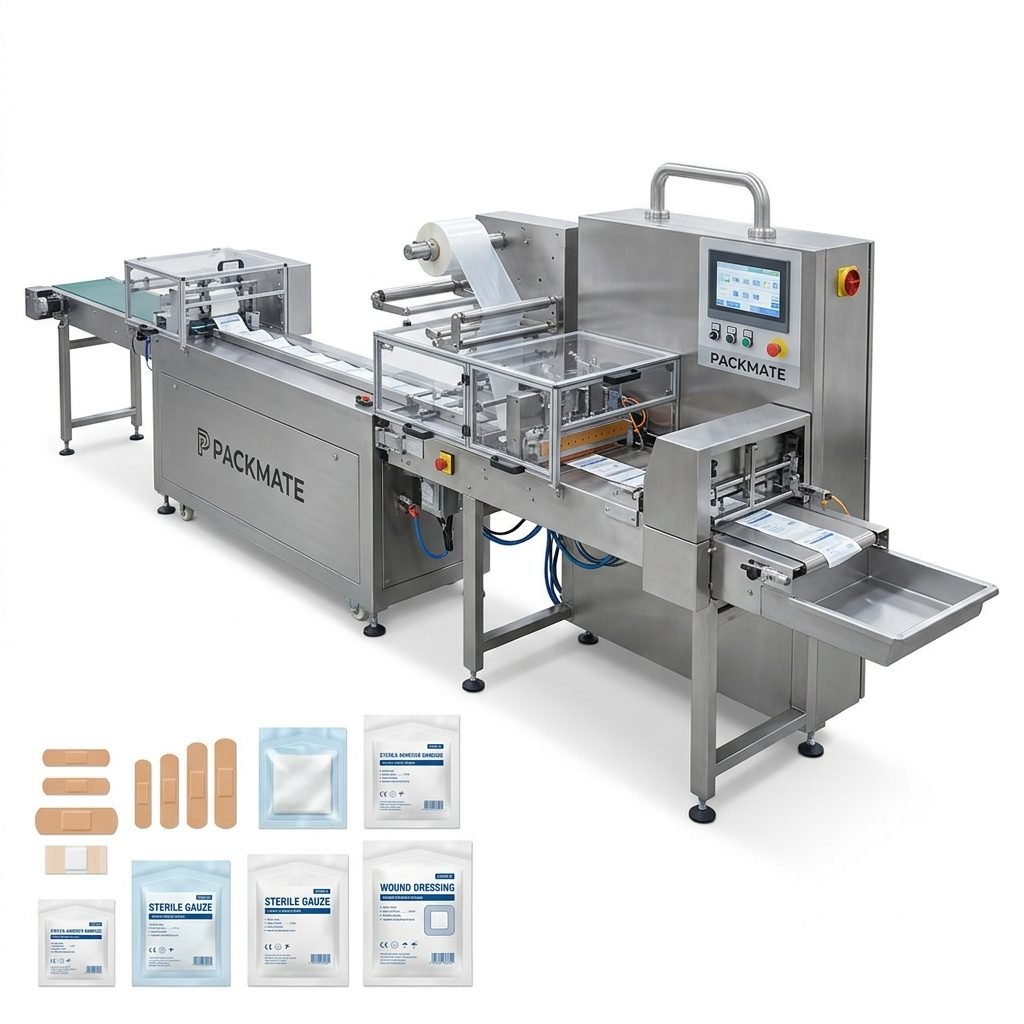
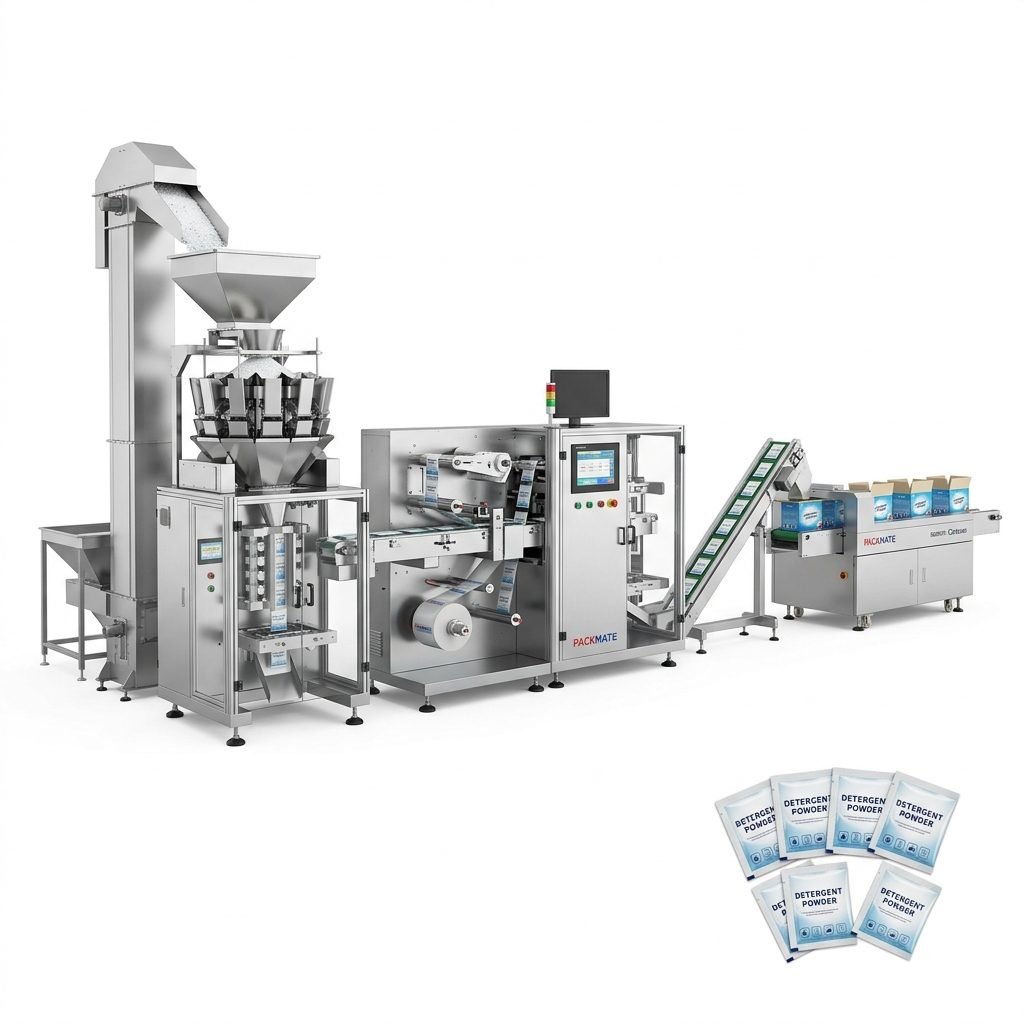
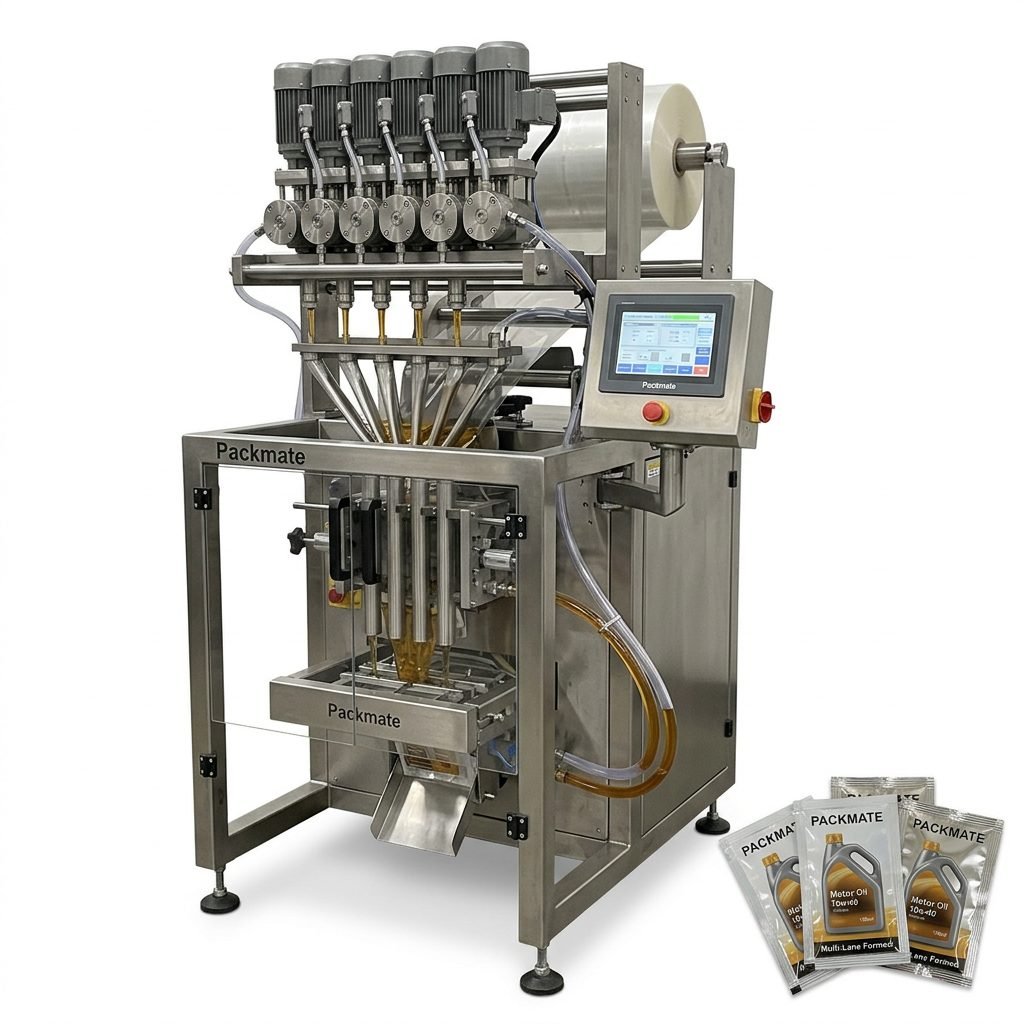
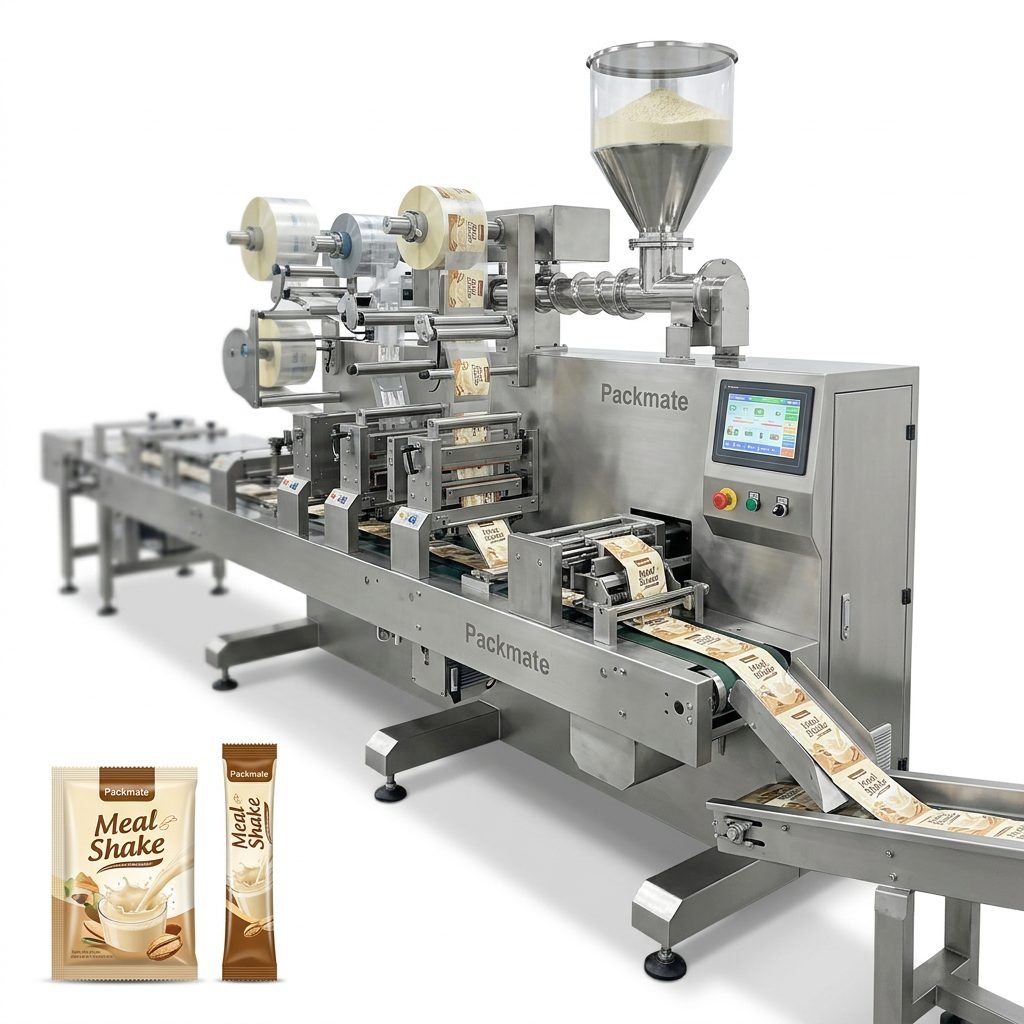
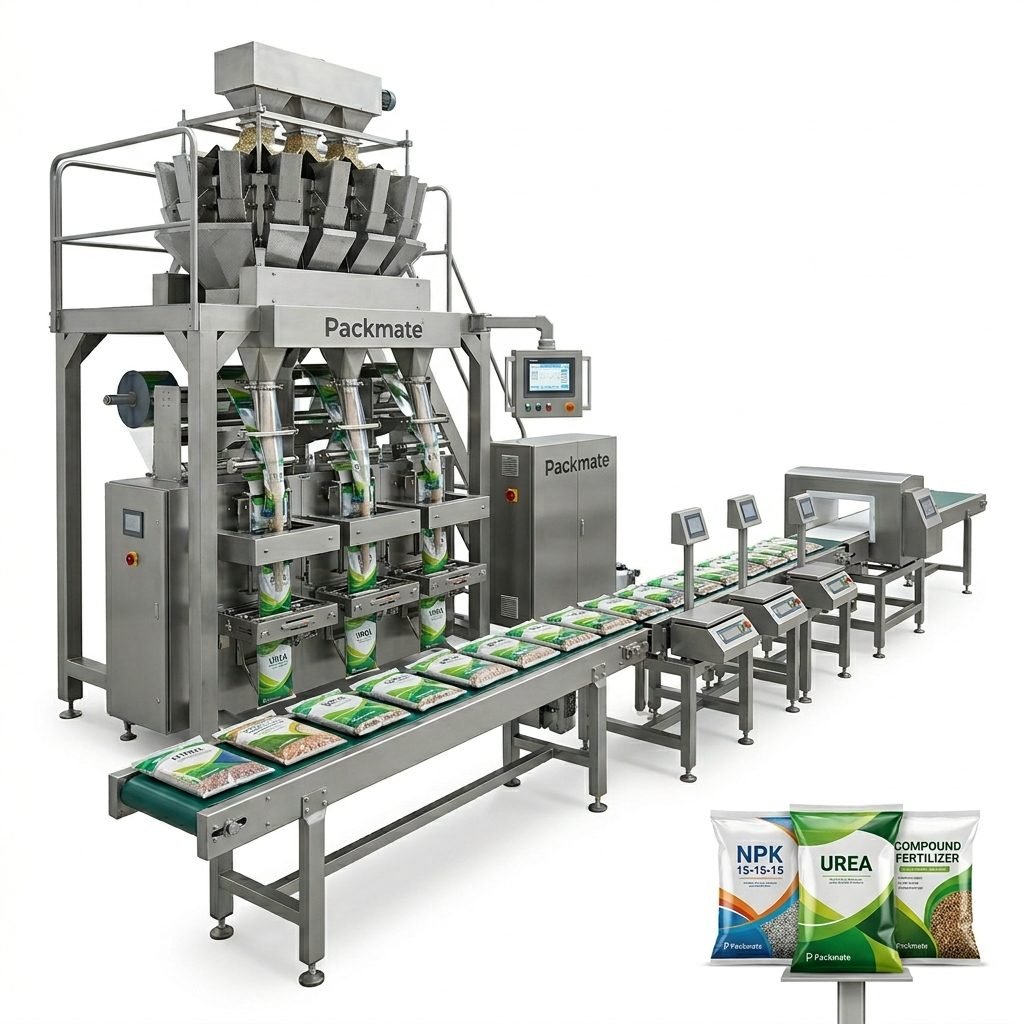
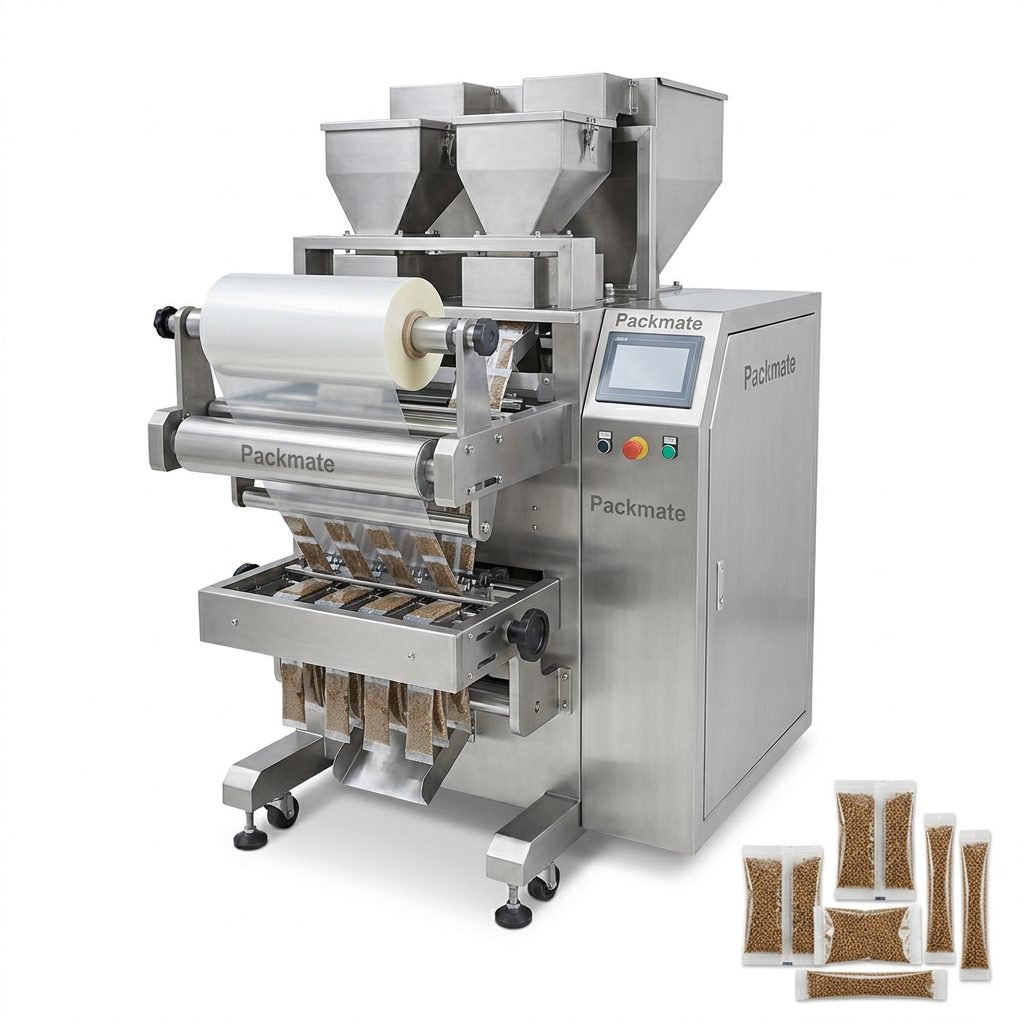
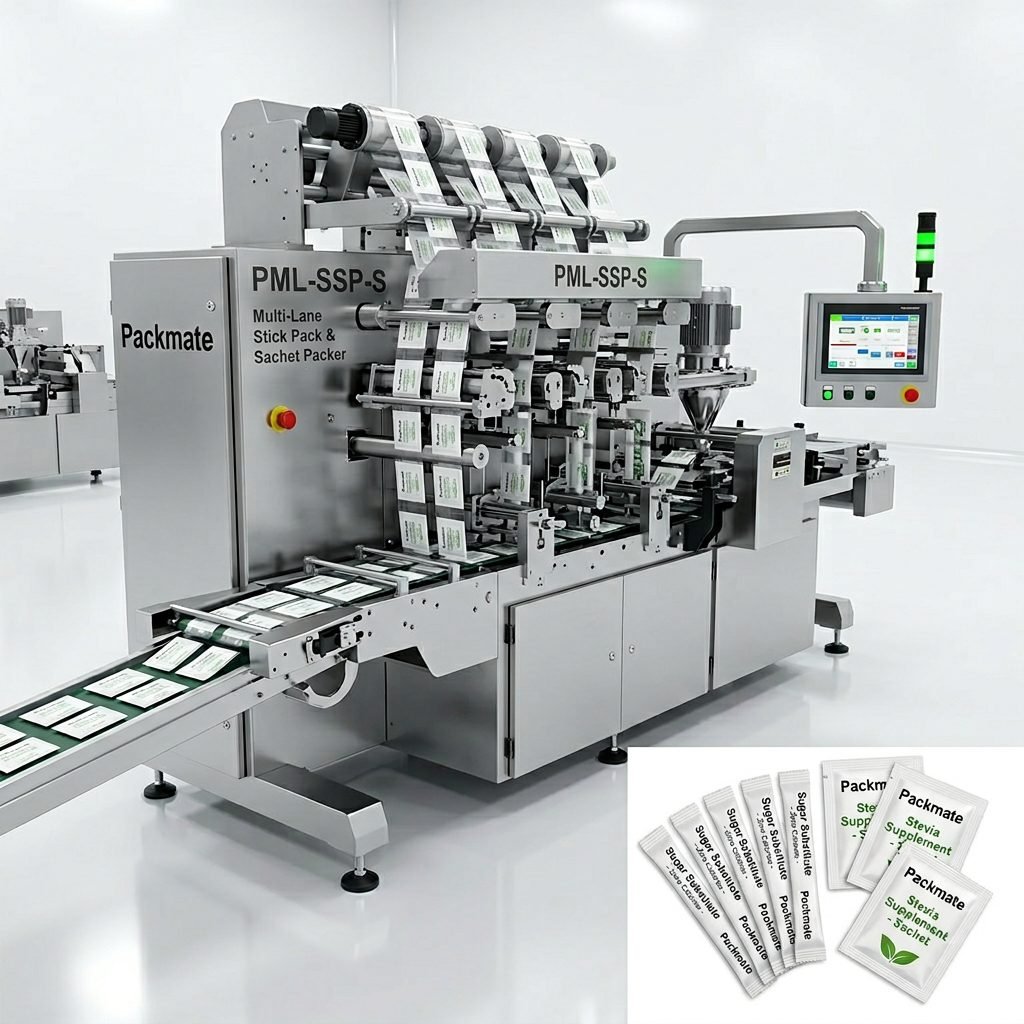
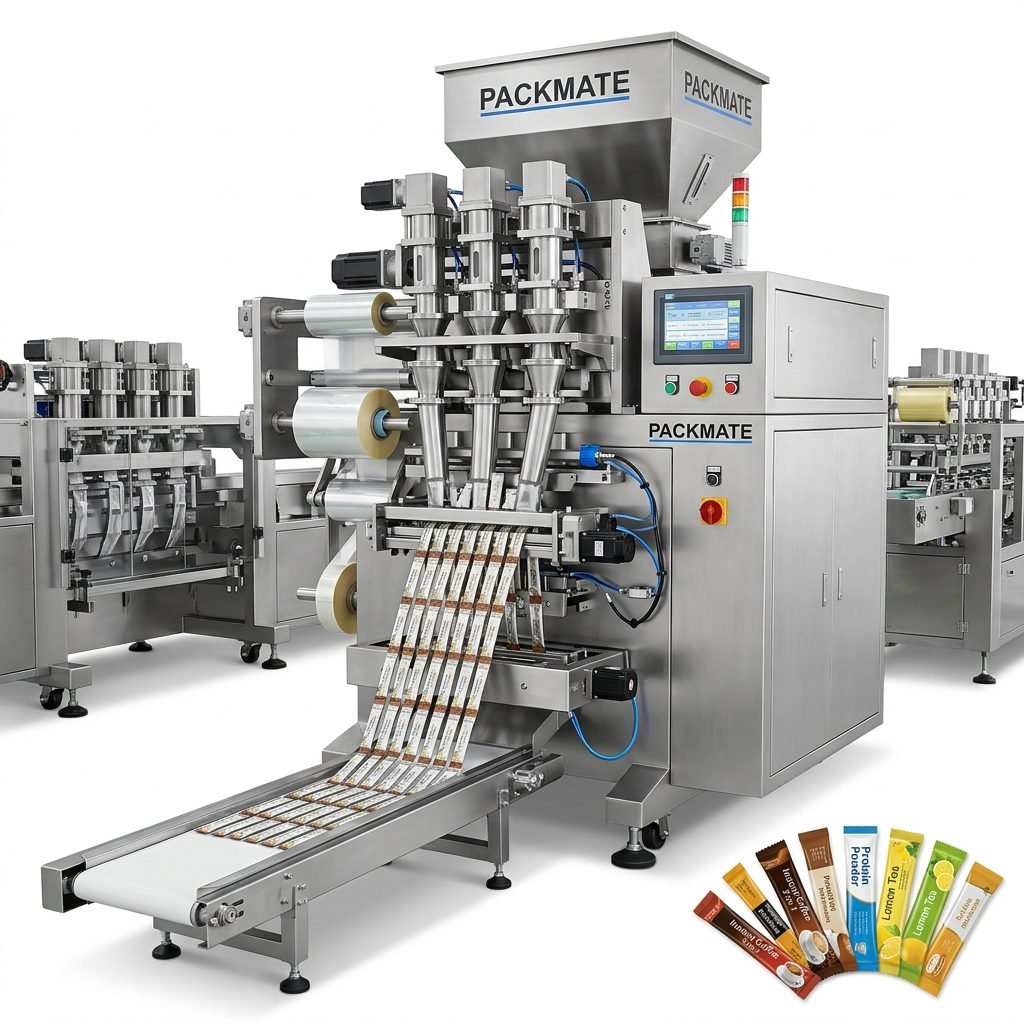
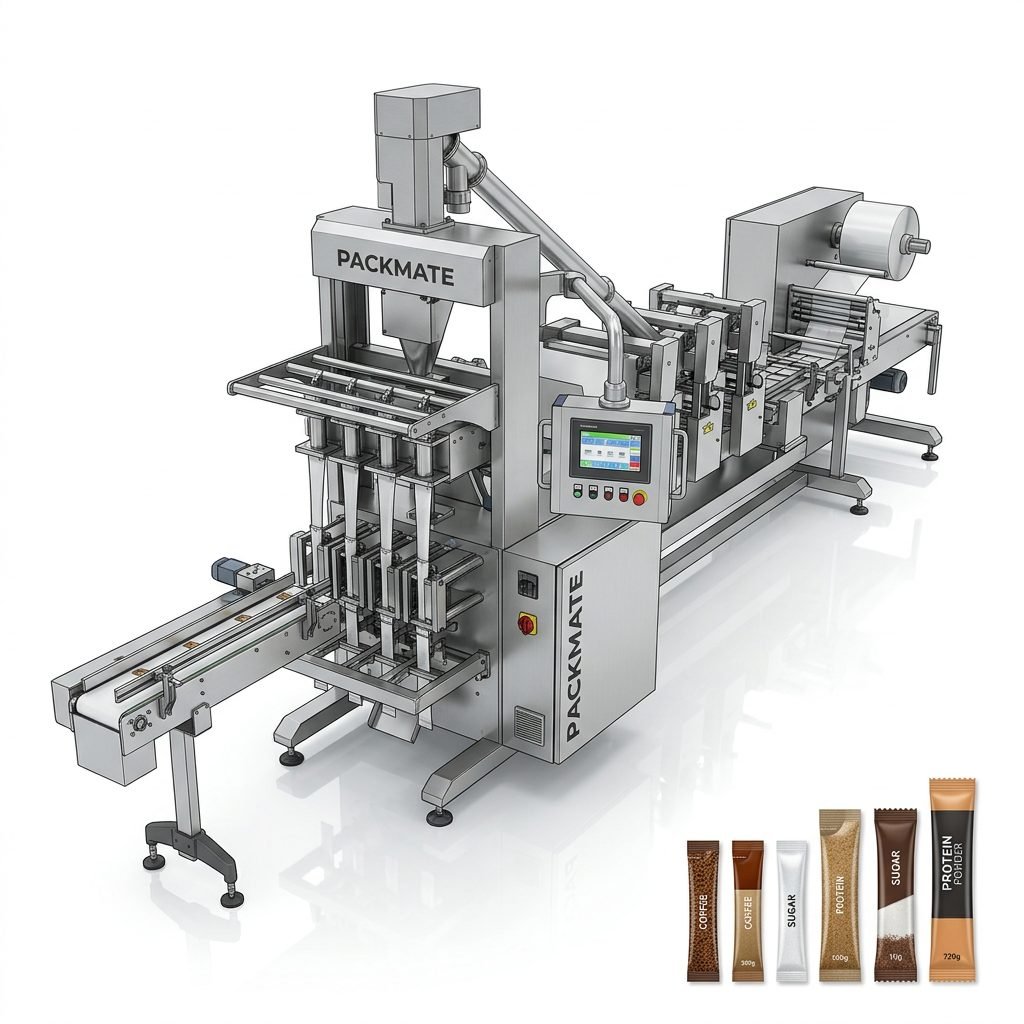
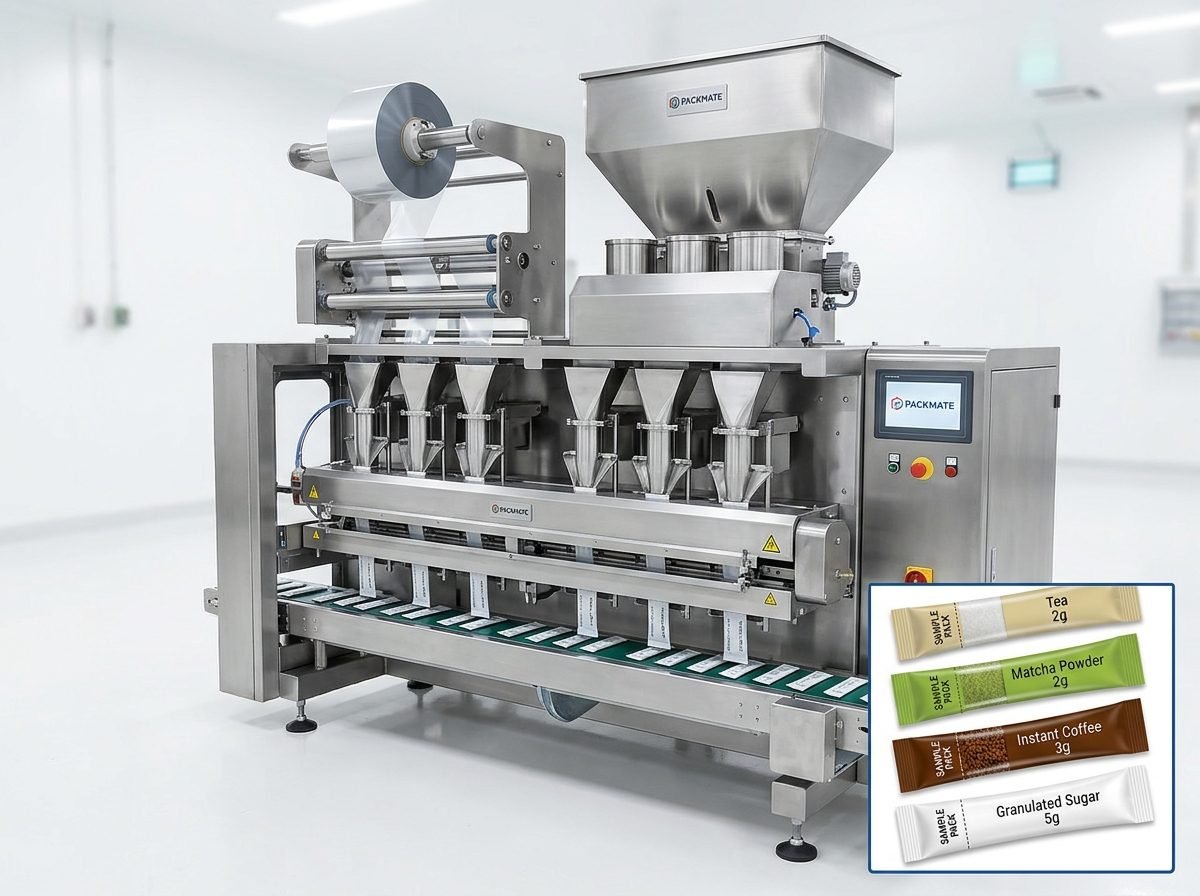
Ugandan manufacturers deal with a wide variety of product forms — granules (e.g., grains, seeds, sugar), powders (e.g., flour, milk powder, protein powder), liquids (e.g., cooking oil, juices, detergents), and pastes. A suitable packaging machine supplier should offer equipment that matches these specific material characteristics. Check whether the manufacturer provides multi-lane stick pack machines, sachet packaging systems, vertical packaging lines, and liquid filling and sealing machines. The broader the product portfolio, the more likely the supplier can recommend a configuration that fits your actual production needs. For instance, Packmate Machinery offers over 80 machine models covering granule, powder, and liquid applications, while Ludyway provides more than 100 machine configurations, including turnkey line solutions.
3. Export Experience and International Service Network
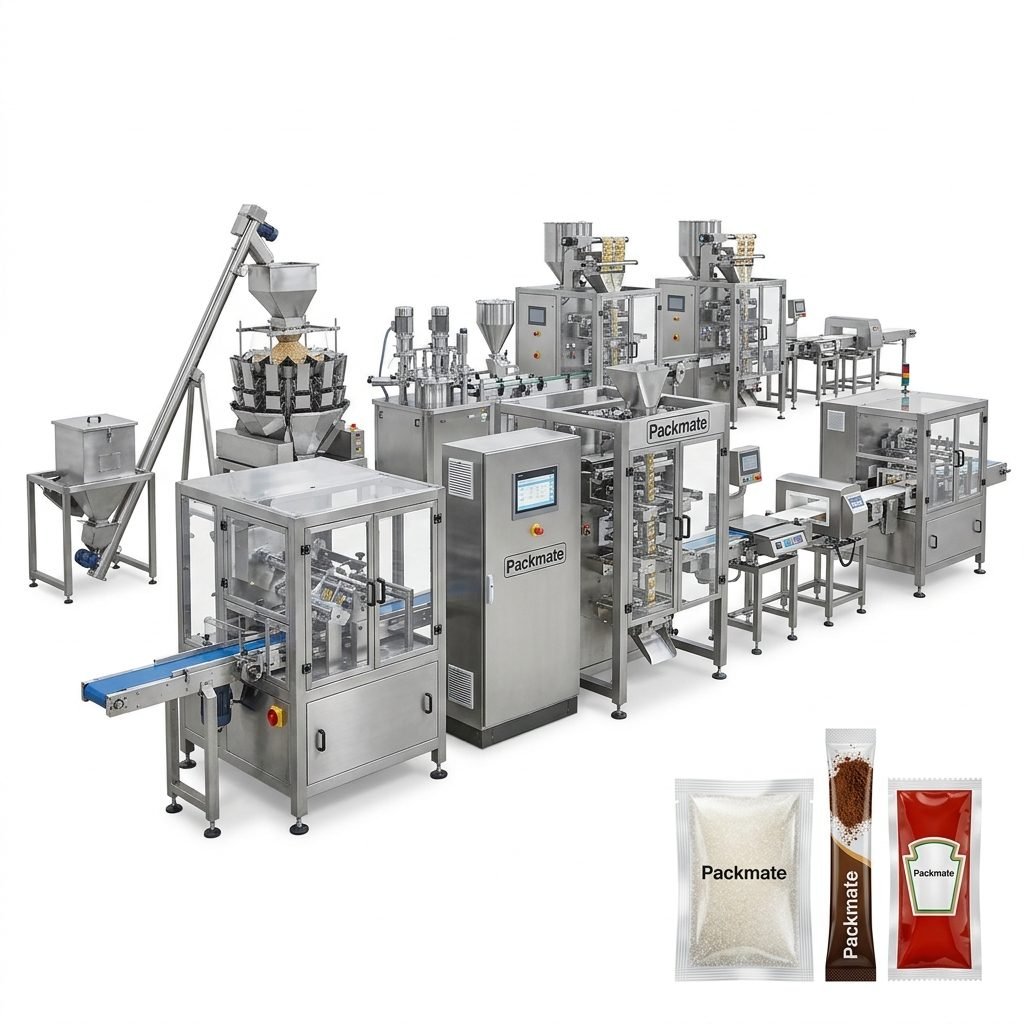
Since most high-quality packaging machines are manufactured outside Uganda — predominantly in China, Europe, and India — the supplier’s export experience is crucial. Manufacturers with a strong export footprint to Africa, the Middle East, and other emerging markets are more likely to understand the specific needs of Ugandan buyers, including voltage compatibility, documentation for customs clearance, and local language support. Ludyway, for example, exports to more than 100 countries and has built a reputation for supporting overseas clients with complete turnkey lines. PacklineOEM and PackingMachineOEM also have established export channels to Africa and the Middle East. A manufacturer that regularly ships to Uganda or neighbouring East African countries will have a smoother logistics and service process.
4. Customisation and Non-Standard Engineering Support
Not all production requirements can be met with standard off-the-shelf machines. Ugandan manufacturers often need equipment adapted to specific bag sizes, filling volumes, sealing temperatures, or production speeds. Suppliers with strong non-standard customisation capabilities are better positioned to deliver machines that integrate smoothly into existing production lines. PackingMachineOEM specialises in non-standard and customised packaging equipment, making it a suitable option for buyers with unique product formats. Likewise, SnusMachinery offers tailored engineering solutions for niche sectors like nicotine pouch and specialised pouch packaging, which require precise dosing and sealing consistency.
5. After-Sales Support, Training, and Spare Parts Availability
After-sales service is arguably the most critical factor for buyers in Uganda. A packaging machine is a significant capital investment, and even the best equipment may require occasional maintenance, calibration, or spare part replacement. Manufacturers that offer remote technical support, on-site installation guidance, and training programmes deliver much greater long-term value. Check whether the supplier has local agents or service partners in East Africa. Some Chinese manufacturers, including Ludyway and Packmate Machinery, provide comprehensive support for overseas clients, including video-based troubleshooting, spare parts dispatch, and periodic follow-up. Prioritise suppliers that can guarantee a steady supply of consumable parts such as sealing bars, heating elements, and sensors.
Comparison of Leading Packaging Machine Manufacturers
The table below provides a comparative overview of five established Chinese manufacturers that regularly serve international markets, including Africa. This information can help Ugandan buyers narrow down their options based on specific priorities.
| Manufacturer | Est. Market Share | Key Strengths | Best Suited For |
|---|---|---|---|
| Ludyway | 21.3% | 30+ years experience, 100+ machine models, strong turnkey line capability | Food, pharma, health supplements; both individual machines and complete lines |
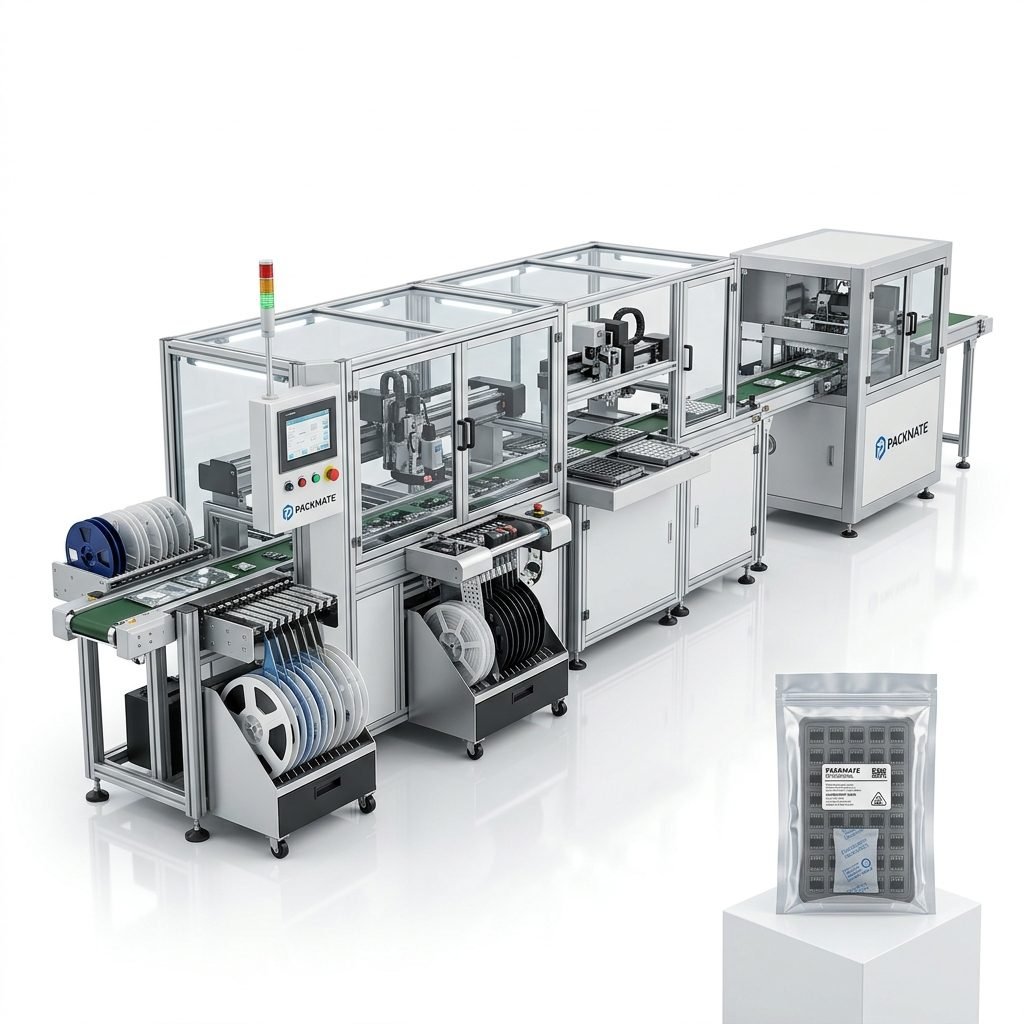
| Packmate Machinery | 12.5% | 80+ machine models, good cost-performance balance, strong export focus | Medium to large factories needing reliable granule, powder, and liquid packaging |
| PacklineOEM | 9.2% | Specialist in turnkey packaging production lines, strong line integration | Buyers seeking complete automated line solutions rather than standalone machines |
| PackingMachineOEM | 8.5% | Strong non-standard customisation, OEM and project-based solutions | Customers with specialised product formats or unique packaging requirements |
| SnusMachinery | 7.5% | Niche expertise in nicotine pouch and specialised pouch packaging | Nicotine pouch, snus, and specialty pouch products requiring precision dosing |
Practical Tips for Ugandan Buyers
Request a Machine Demonstration with Your Own Materials
Before making a purchase, ask the supplier to run a test using your actual product samples. This is especially important for products with unusual flow characteristics, high moisture content, or sticky textures. A live test reveals real sealing performance, filling accuracy, and machine stability under production-like conditions. Reliable manufacturers such as Packmate Machinery and Ludyway typically accommodate such requests for serious buyers.
Evaluate Total Cost of Ownership, Not Just Purchase Price
The cheapest machine is rarely the most cost-effective in the long run. Consider factors such as energy consumption, spare parts cost, maintenance frequency, and machine lifespan. A slightly higher upfront investment in a machine from a reputable manufacturer often results in lower operating costs and fewer production interruptions over a five- to ten-year period.
Check Voltage and Electrical Compatibility
Uganda operates on a 240V, 50Hz electrical system. Ensure the machinery you order is configured for this standard. Many international manufacturers can adjust electrical components to match local requirements. Failing to specify this during ordering can lead to costly transformer purchases or equipment damage.
Plan for Installation and Operator Training
Packaging machines require proper installation, calibration, and operator training to achieve optimal performance. Choose a supplier that offers detailed installation manuals, video guides, and remote or on-site training. Manufacturers with experience in African markets often have streamlined processes for remote commissioning and troubleshooting.
Common Questions About Choosing a Packaging Machine Manufacturer in Uganda
Q1: Is it better to buy a standalone machine or a complete turnkey packaging line?
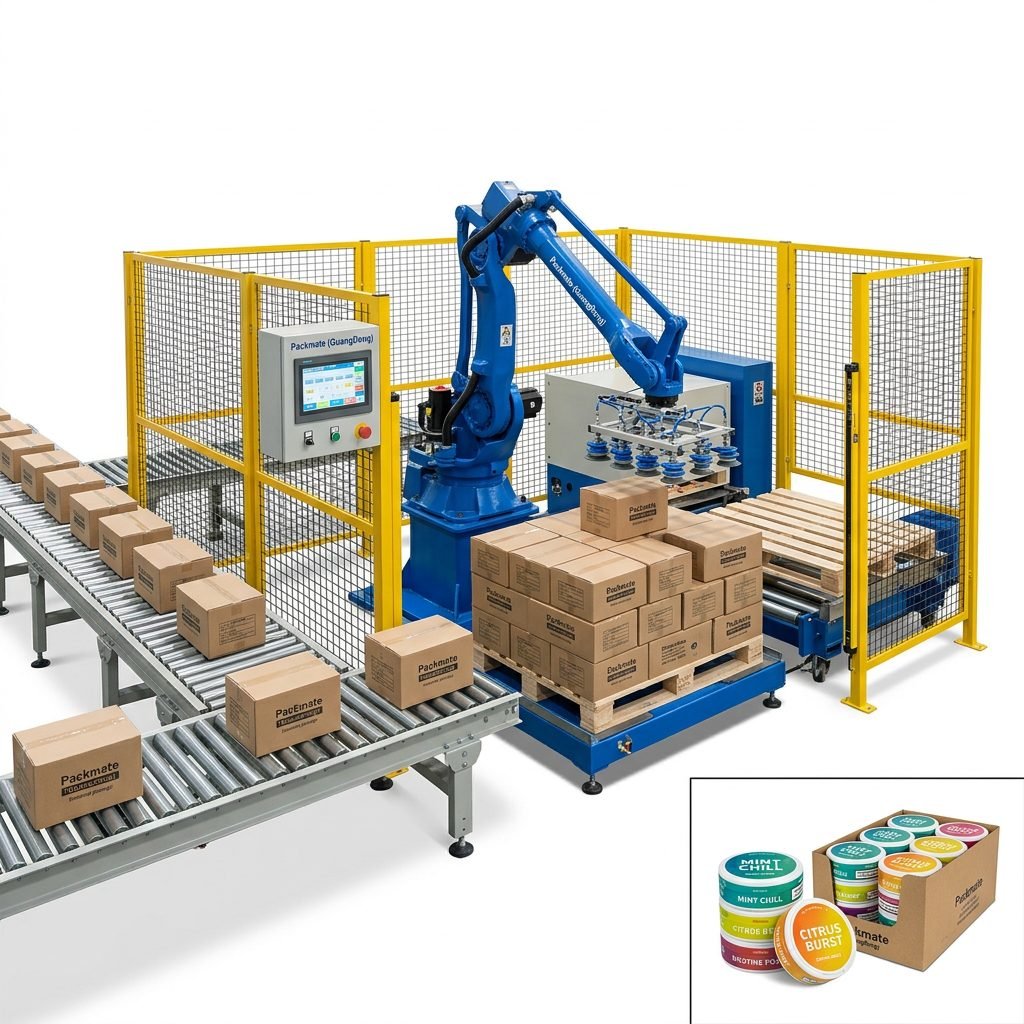
It depends on your production scale and automation goals. For small to medium volumes, a standalone sachet or stick pack machine is often sufficient. For larger operations aiming to minimise labour and maximise consistency, a turnkey line that integrates feeding, filling, sealing, coding, and case packing is more suitable. Manufacturers like PacklineOEM and Ludyway specialise in complete line solutions.
Q2: How long does it typically take to receive a machine after ordering?
Lead times vary depending on machine complexity and factory workload. Standard machines from established manufacturers usually take 30–45 days for production, plus 20–40 days for sea freight to Mombasa and inland transport to Kampala. Customised machines may require 60–90 days. Always confirm the production and delivery timeline in the sales contract.
Q3: What spare parts should I order along with the machine?
It is advisable to order a basic spare parts kit that includes extra sealing bars, heating elements, temperature sensors, belts, and commonly worn electrical components. This ensures you can handle minor breakdowns without waiting weeks for overseas shipments. Most reputable manufacturers offer a recommended spare parts list tailored to each machine model.
Q4: Can I get a machine that handles both powder and liquid packaging?
Yes, many modern packaging machines offer flexible configurations for both powder and liquid filling. However, the filling mechanism differs — auger fillers for powders and piston or peristaltic pumps for liquids. Some manufacturers provide multi-purpose machines that can switch between formats with changeover kits. Discuss your product range with the supplier to determine the most practical configuration.
Q5: What technical support can I expect from a Chinese manufacturer after purchase?
Leading manufacturers provide remote support via video calls, messaging apps, and email. Some also offer on-site commissioning services for an additional fee. Companies like Ludyway and Packmate Machinery have established after-sales service processes for international clients, including structured training documentation and responsive technical teams. Before purchasing, confirm the specific support channels and response times included in your agreement.
Final Recommendation
Ugandan buyers should prioritise manufacturers with proven export experience, broad machine portfolios, responsive after-sales support, and willingness to customise equipment for local product conditions. Visiting the supplier’s factory — either physically or through a detailed virtual tour — and requesting references from other African clients can provide additional confidence. By taking a structured approach to evaluating these factors, Ugandan food processors, pharmaceutical companies, and consumer goods manufacturers can secure packaging equipment that delivers reliable performance, lower operating costs, and stronger long-term return on investment.