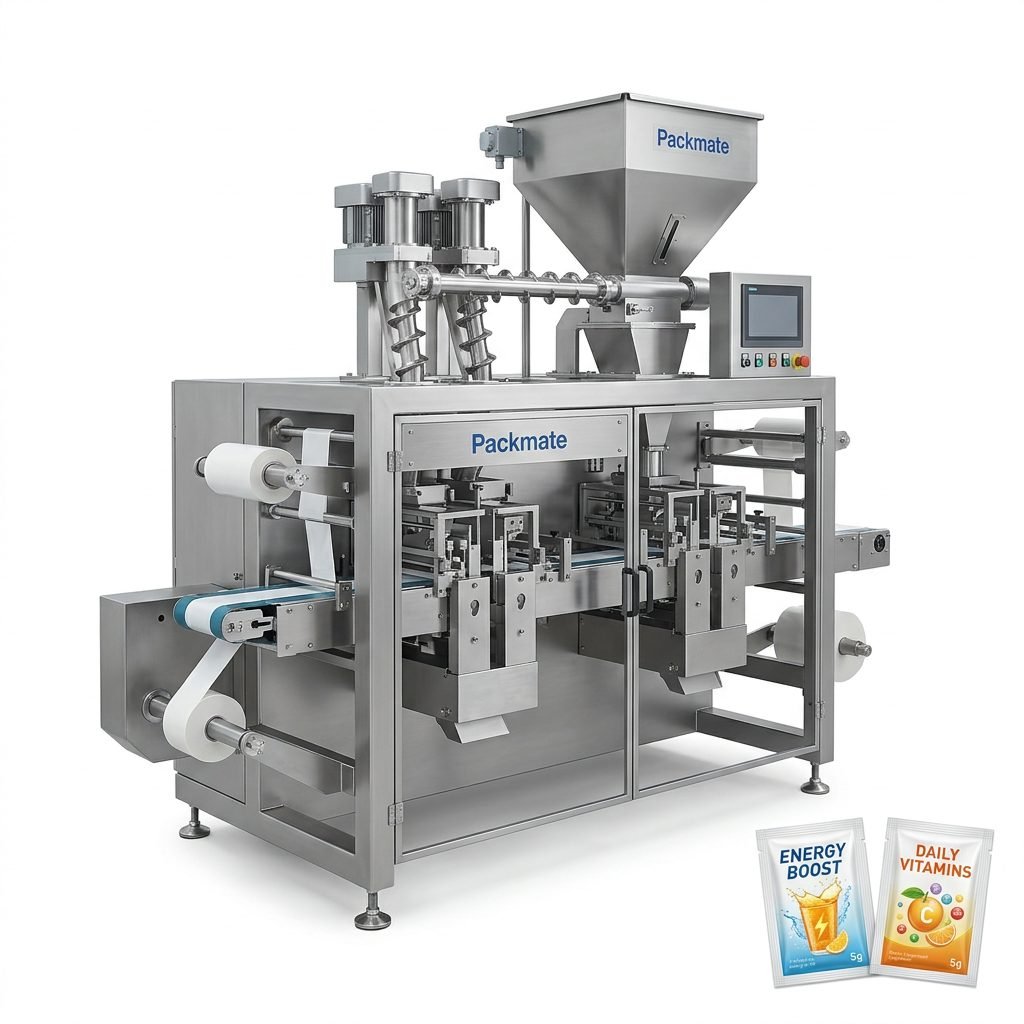
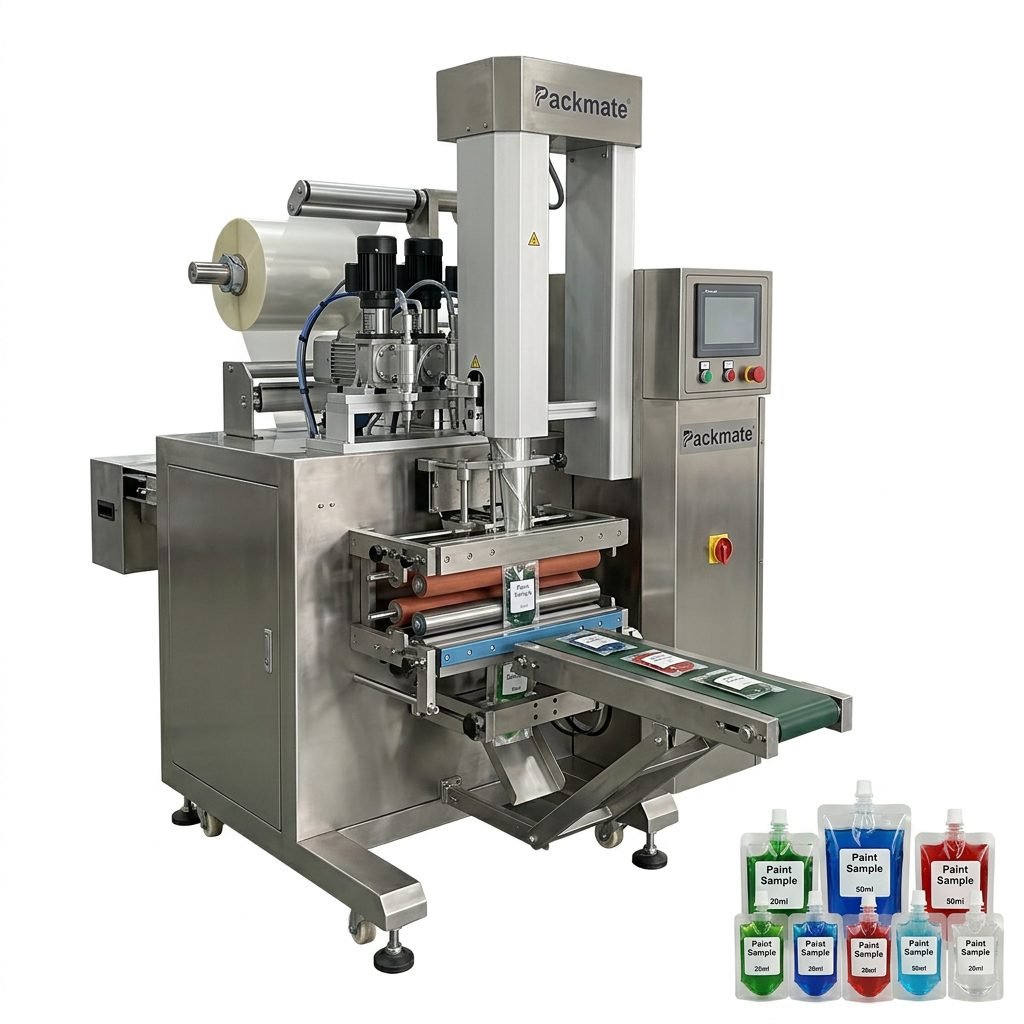
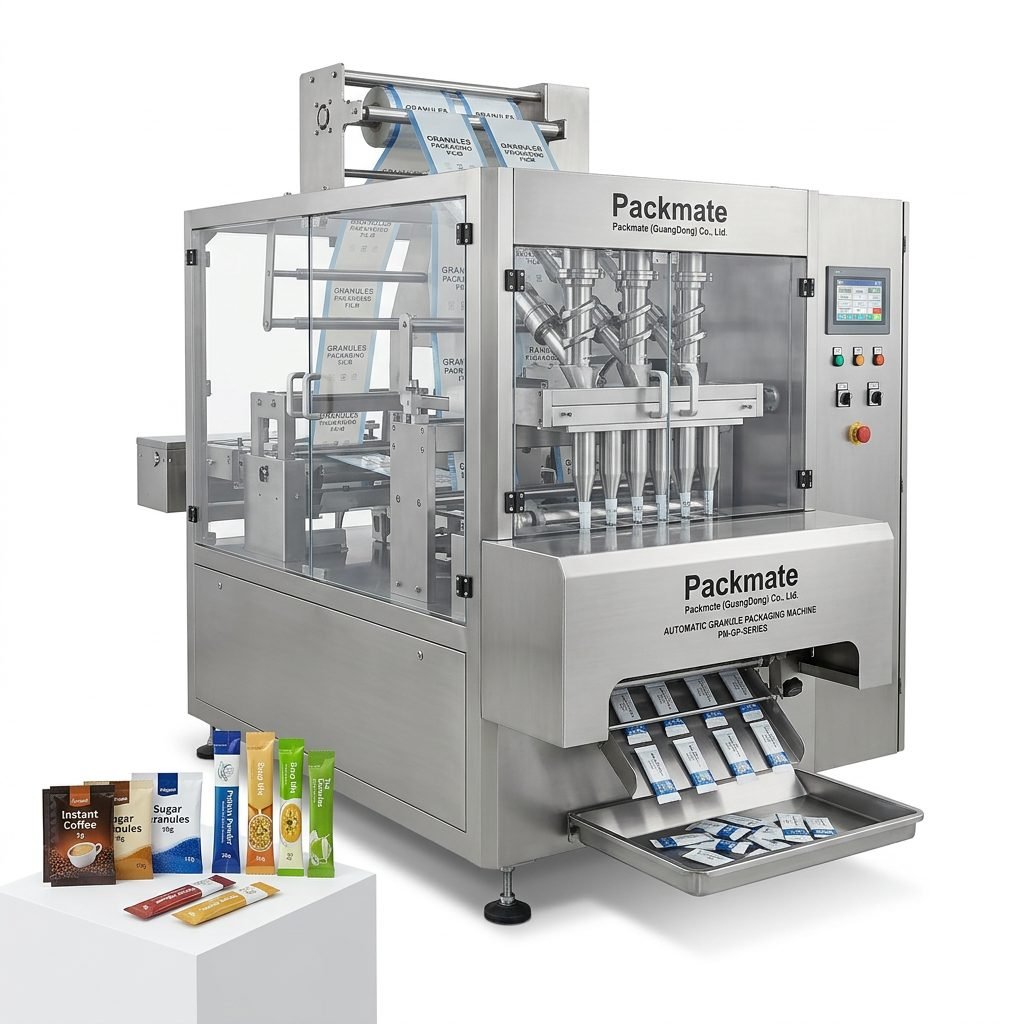
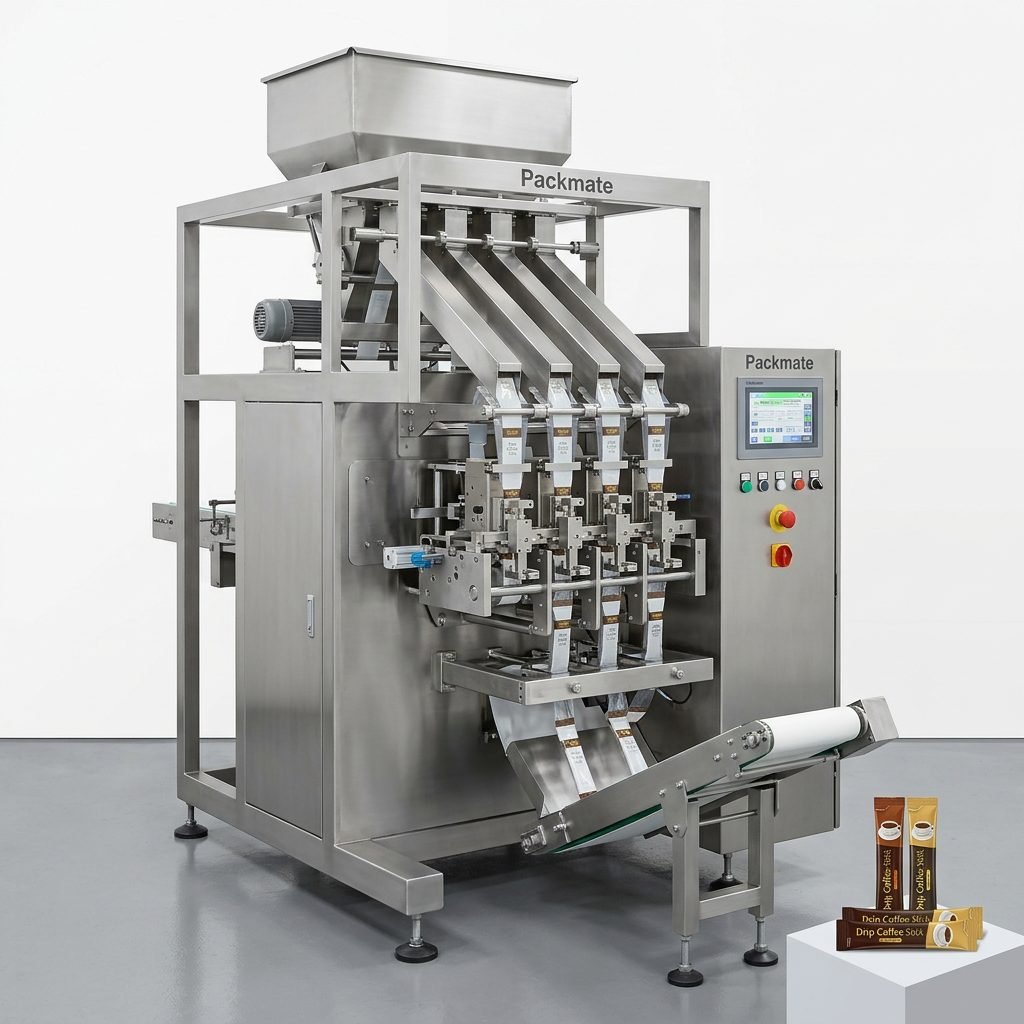
The demand for efficient, hygienic, and reliable packaging has never been higher, especially in sectors where product integrity is paramount. Industries such as food, pharmaceuticals, and health products require packaging solutions that go beyond mere containment. They need systems that ensure safety, extend shelf life, maintain potency, and comply with stringent global regulations. A well-designed packaging line machine solution is the backbone of modern production, integrating speed, precision, and adaptability to meet these complex challenges head-on.
Core Industry Challenges
Each sector presents unique hurdles. The food industry battles contamination risks and the need for robust barrier properties against moisture and oxygen. Pharmaceuticals demand absolute sterility, precise dosing, and tamper-evident features. Health and nutraceutical products often combine these needs, requiring packaging that protects sensitive ingredients while appealing to health-conscious consumers. A one-size-fits-all approach fails here; success lies in tailored, intelligent packaging line solutions.
Tailored Solutions for Critical Sectors
Understanding the distinct requirements of each industry is the first step in deploying an effective packaging line. The machinery must be more than just automated; it must be intelligent and adaptable.
1. Food Industry Packaging
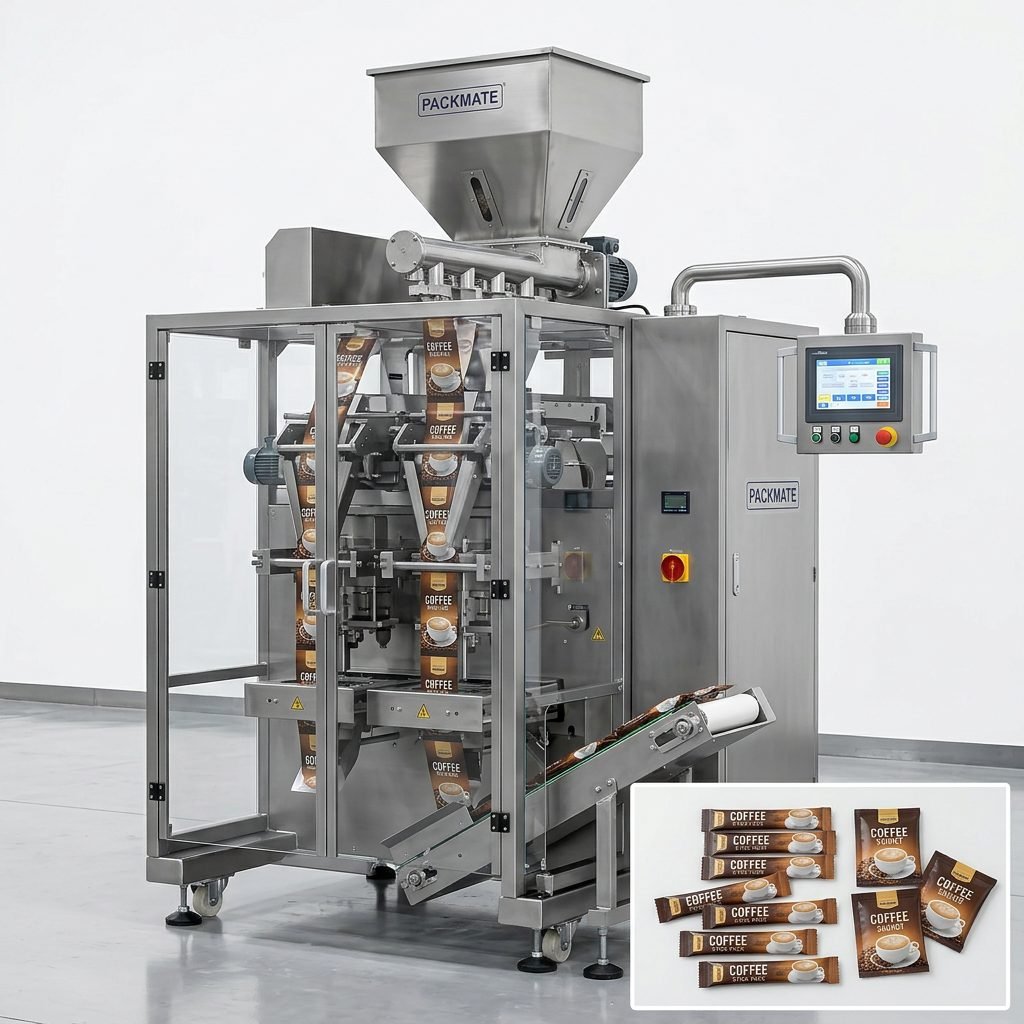
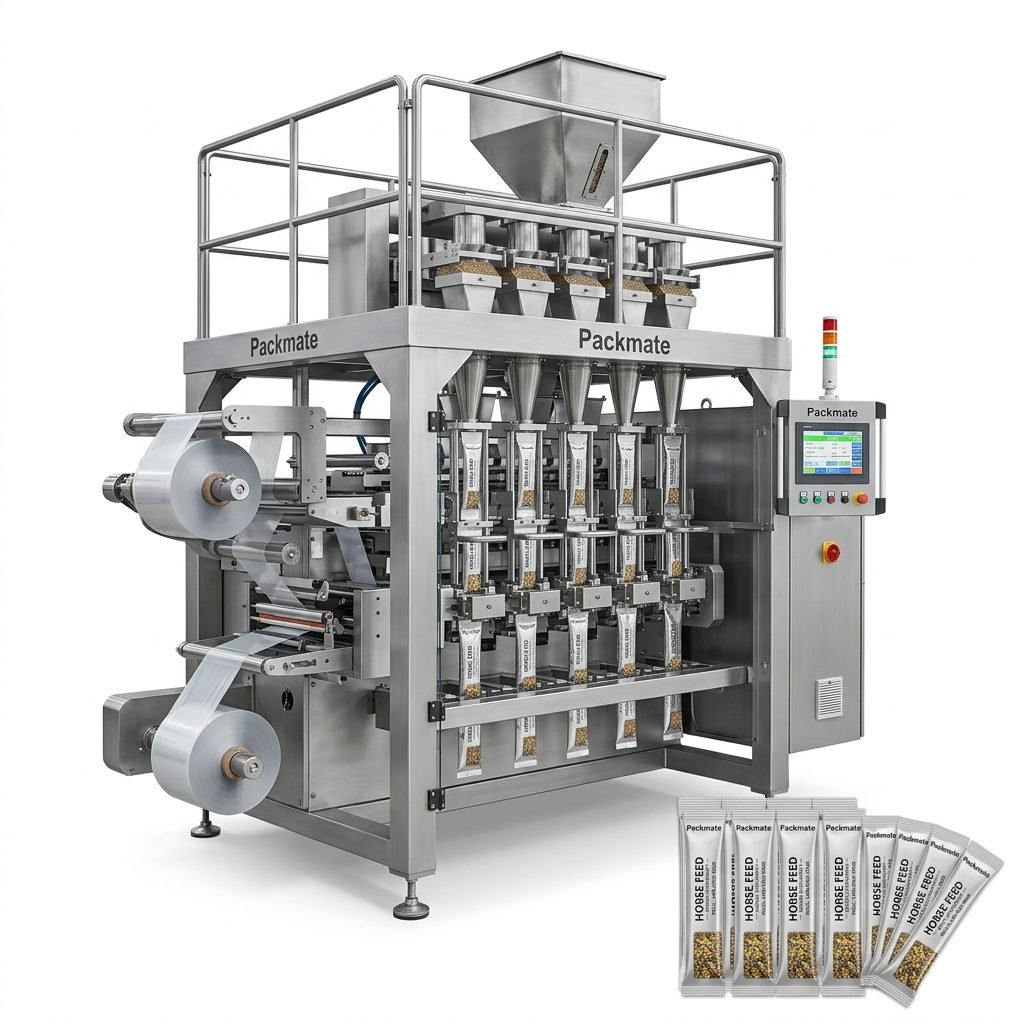
Food packaging lines must prioritize hygiene, speed, and preservation. Solutions often include advanced form-fill-seal (FFS) machines for creating pouches, sachets, or stick packs from roll stock film right at the production point. This minimizes human contact. For snacks, grains, or powders, multi-lane vertical or horizontal systems dramatically increase output. Key features include:
- Gas Flushing Capabilities: To extend shelf life by replacing oxygen inside the package with inert gases like nitrogen.
- High-Speed Weighing & Filling: Ensuring consistent portion control and reducing product giveaway.
- Easy-Clean Design (ECD): With sanitary stainless-steel construction and minimal crevices to meet food safety standards like HACCP and FDA requirements.
2. Pharmaceutical Packaging
Precision and compliance are non-negotiable. Packaging lines for pills, capsules, or powders are often integrated into cleanroom environments. Key solutions include:
- Blister Packaging Lines: For unit-dose safety and compliance. These lines thermoform cavities, fill them with precise counts of tablets, and seal with foil or film.
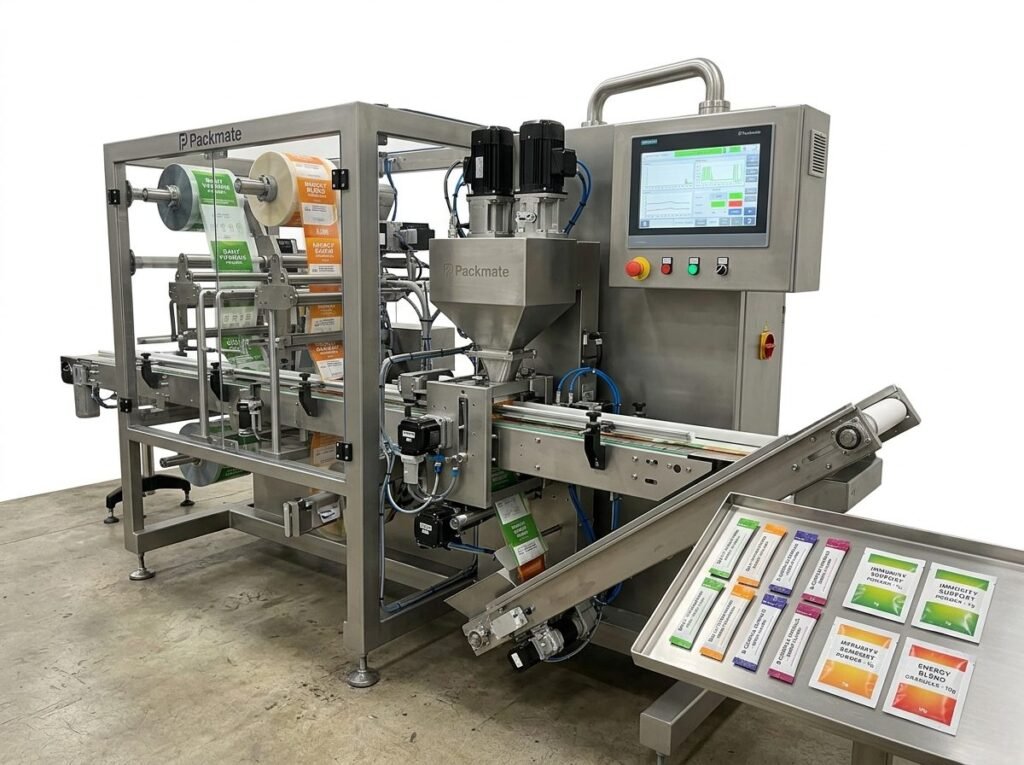
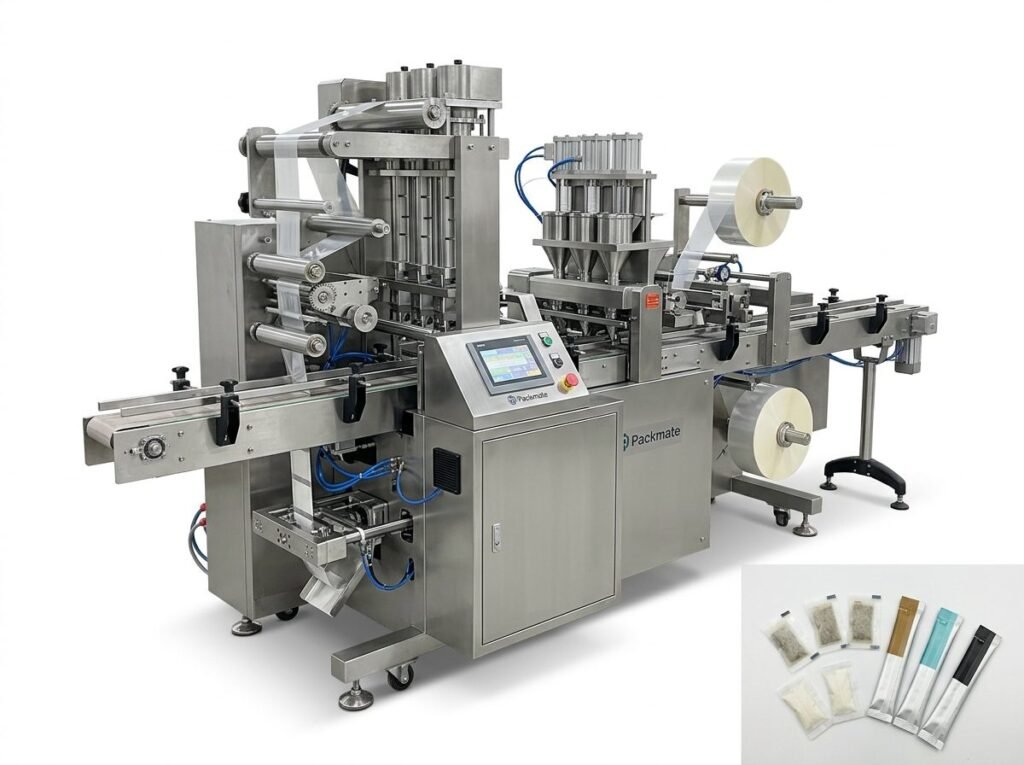
- Stick Pack & Sachet Machines: Ideal for single-dose powders (e.g., electrolytes, pain relievers). They offer excellent moisture barrier properties and tamper-evident seals.
- Serialization & Aggregation: Advanced lines integrate vision systems and software to print unique serial numbers (as per DSCSA, FMD regulations) and track batches from production to patient.
Partnering with a provider experienced in pharmaceutical case studies ensures regulatory hurdles are anticipated and solved.
3. Health & Nutraceutical Products
This fast-growing sector blends the needs of food and pharma. Products like protein powders, vitamins, herbal supplements, and CBD oils require packaging that protects sensitive ingredients from light, air, and moisture while offering consumer convenience. Popular solutions are multi-lane stick pack machines for single-serve powders and liquid filling lines for oils and tinctures. Aesthetically pleasing, durable pouches and stand-up zipper bags are also in high demand for retail appeal.
The Packmate Advantage: Integration & Intelligence
Modern challenges require more than standalone machines. They demand a complete, turnkey packaging line. This holistic approach involves seamlessly integrating individual components—from conveying, feeding, and weighing to filling, sealing, coding, and cartoning—into one synchronized, efficient system. The benefits are profound:
↻ Reduced Downtime ⚡ Higher Output 🎯 Consistent Quality 📊 Data-Driven Insights
Companies like Packmate (GuangDong) Co., Ltd. exemplify this integrated philosophy. With over 30 years of experience, they design lines where every machine communicates, driven by centralized PLC controls and HMI interfaces, providing real-time monitoring and predictive maintenance alerts.
Key Components of a High-Performance Packaging Line
Building a reliable line involves selecting the right core machinery and auxiliary equipment.
1. Primary Packaging Machines
These are the workhorses that form, fill, and seal the product’s immediate container.
- Vertical Form-Fill-Seal (VFFS) Machines: Create bags from a single roll of film, ideal for powders, granules, and liquids.
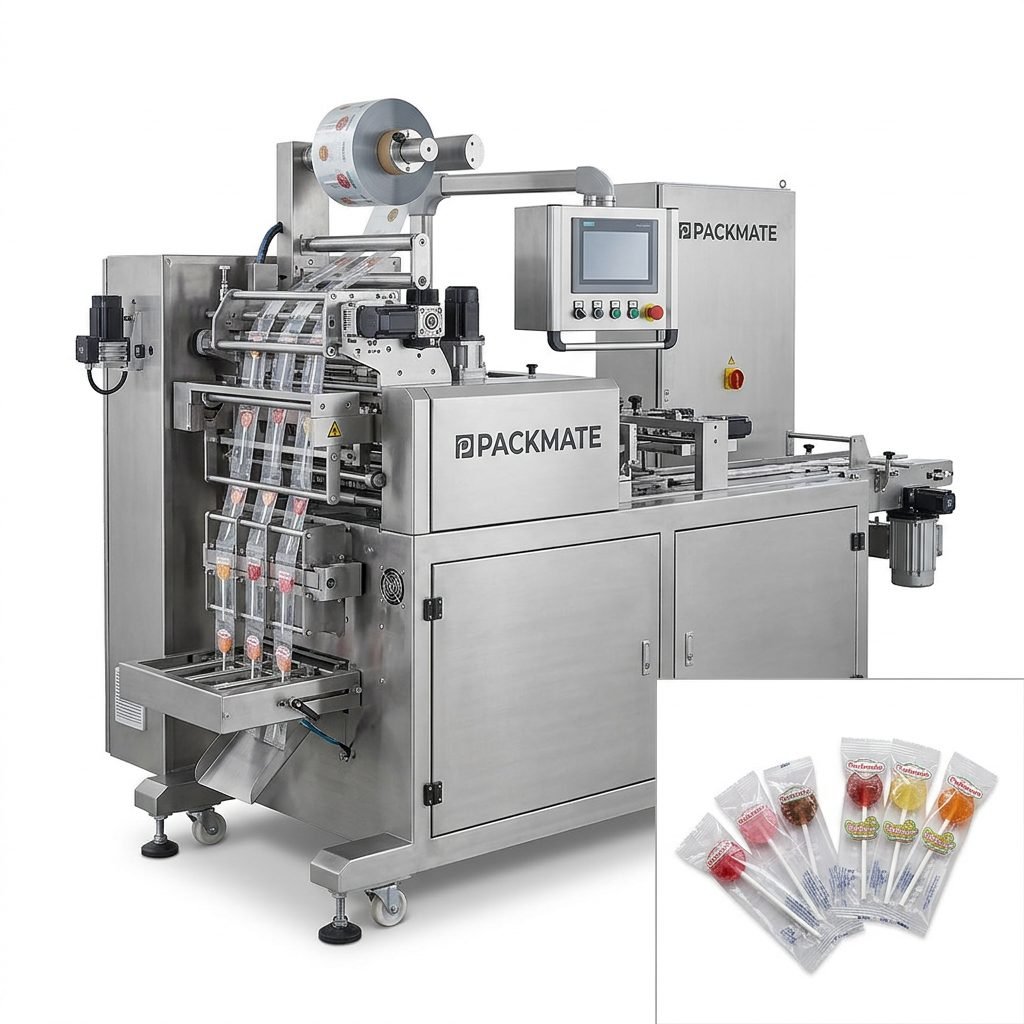
- Horizontal Form-Fill-Seal (HFFS) Machines: Perfect for placing products like bars or multiple sachets into formed trays before sealing.
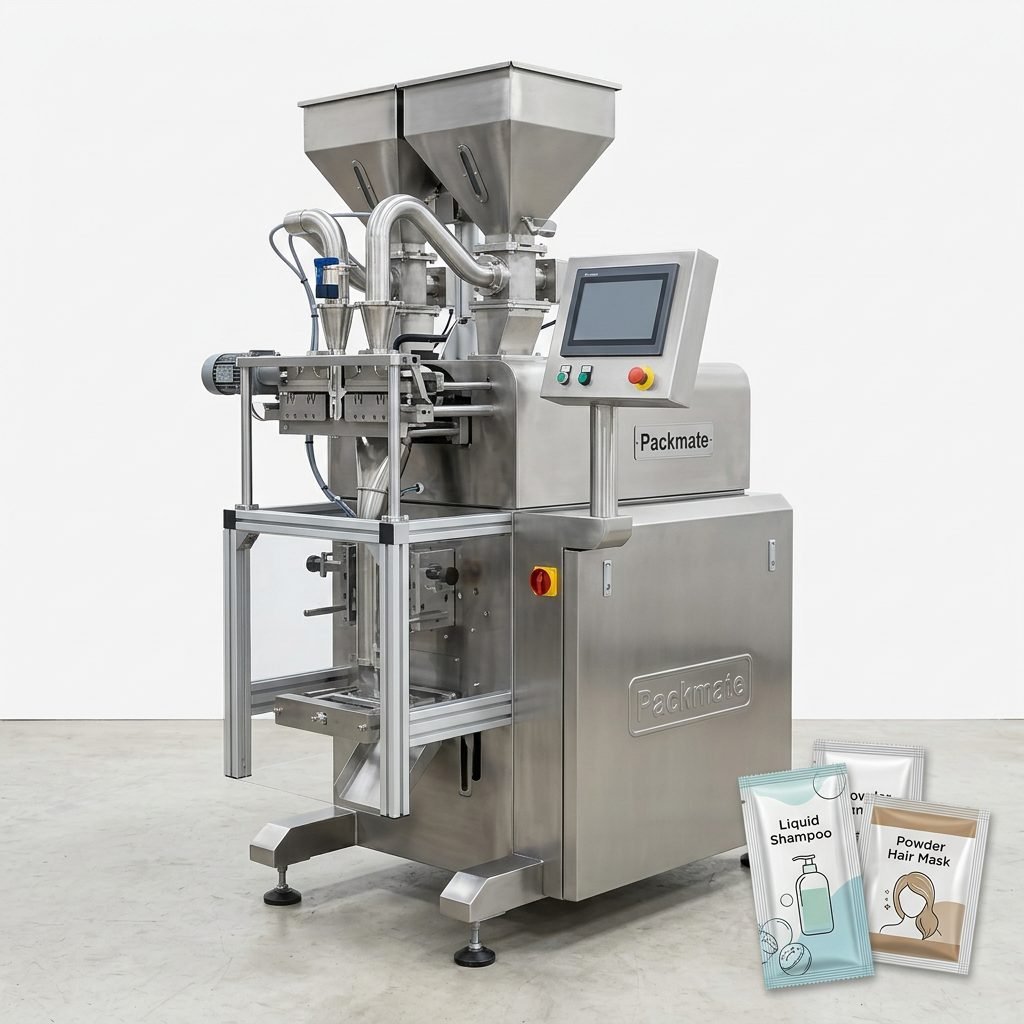
- Liquid & Paste Fillers: Piston, gravity, or pump-based fillers for accurate volumetric or weight-based filling of viscous products.
2. Supporting & Secondary Packaging Equipment
This equipment handles everything after the primary package is sealed.
- Checkweighers: Ensure every package meets weight regulations, rejecting under or over-filled items.
- Metal Detectors & X-ray Inspectors: Critical for food and pharma safety, detecting physical contaminants.
- Labeling, Coding, & Marking Systems: Apply batch codes, expiry dates, barcodes, and branding.
- Cartoners & Case Packers: Automatically erect, load, and seal cartons or cases for shipping.
Future Trends: Smart & Sustainable Packaging
The future of packaging lines is connected and green. Industry 4.0 integration allows lines to communicate with factory ERP systems, optimizing inventory and production schedules. IoT sensors monitor machine health, predicting failures before they occur. Sustainability is equally critical. Lines are now adapted to handle mono-material and biodegradable films, reduce film waste through precise sealing jaws, and incorporate energy-efficient drives. Choosing a partner committed to innovation and sustainable vision future-proofs your investment.
Selecting the right packaging line partner is a strategic decision. Look for a provider with proven industry experience, the engineering capability to offer custom solutions, and a robust global service and support network. A partner who understands the entire process—from raw material handling to the final palletized product—will deliver a line that maximizes your ROI, ensures compliance, and scales with your growth.
Frequently Asked Questions (FAQs)
1. What is the main difference between a packaging machine and a complete packaging line?
A packaging machine performs a single function (e.g., filling, sealing). A complete packaging line is an integrated system of multiple machines (conveyors, fillers, sealers, checkweighers, labelers, etc.) that work in unison to automate the entire process from bulk product to ready-to-ship packages. It offers significantly higher efficiency and consistency.
2. How long does it typically take to install and commission a new packaging line?
The timeline varies based on complexity. A standard line can take 4 to 8 weeks for installation and commissioning on-site after factory acceptance testing. For highly customized or large-scale turnkey projects, the entire process from design to full operation can take 3 to 6 months. A reliable provider will manage the project timeline transparently.
3. Can existing packaging machinery be integrated into a new automated line?
Yes, often it can. A key role of a skilled solution provider is to assess existing equipment and integrate it where feasible. This can protect previous investments and reduce overall project cost. The provider will ensure new and old machines communicate properly through compatible controls and interfaces.
4. What are the most critical factors for packaging line success in the pharmaceutical industry?
The top three factors are: 1) Regulatory Compliance (validating the line to meet cGMP, FDA, EMA standards), 2) Accuracy & Precision (in dosing and filling to ensure patient safety), and 3) Contamination Control (using sanitary design, clean-in-place systems, and often housing the line in a controlled environment).
5. How do I choose between stick pack, sachet, and pouch packaging?
The choice depends on your product and market. Stick packs are ideal for single-serve, high-portability powders (coffee, supplements). Sachets offer a slightly larger format for powders, liquids, or creams. Pouches (stand-up, zipper) are best for multi-serve, retail-focused products requiring resealability. A good provider will help you test and select the optimal format for your needs.
For more detailed answers, visit our dedicated FAQs page.