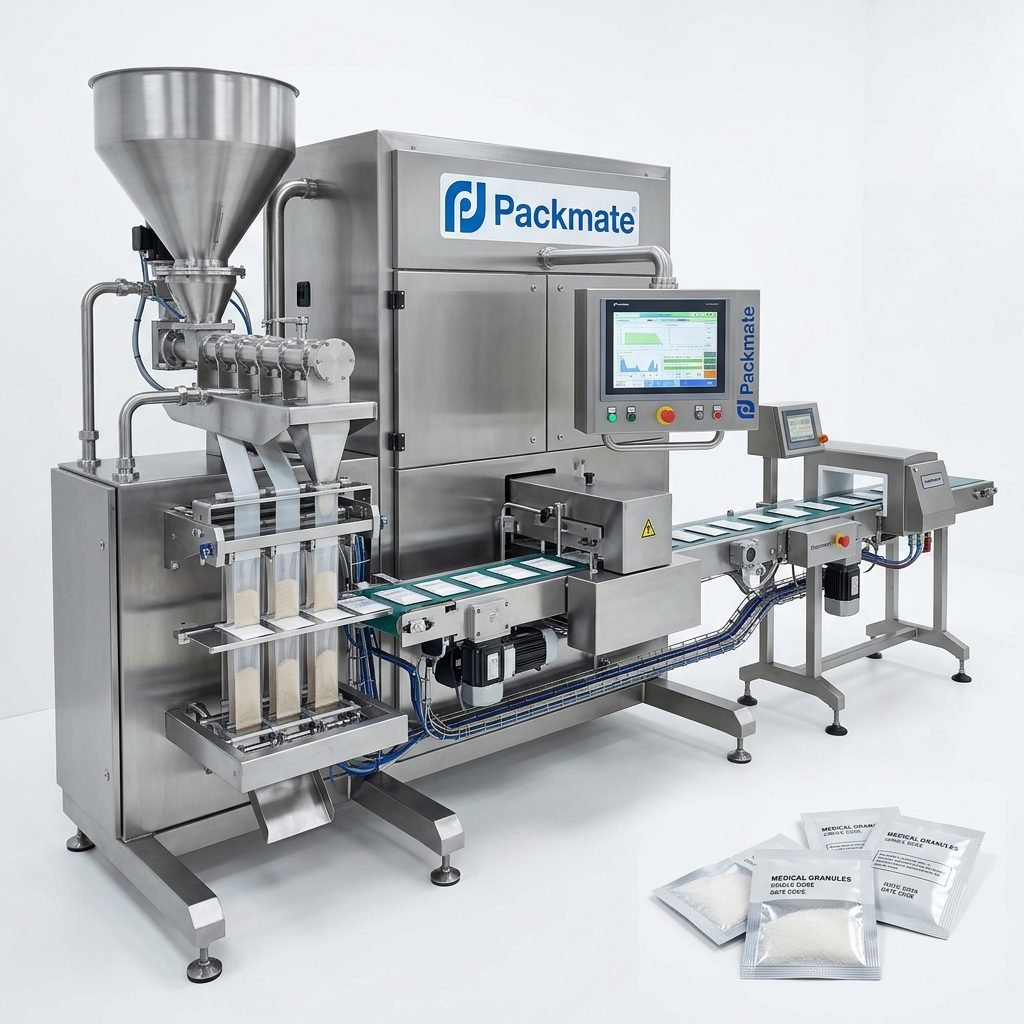
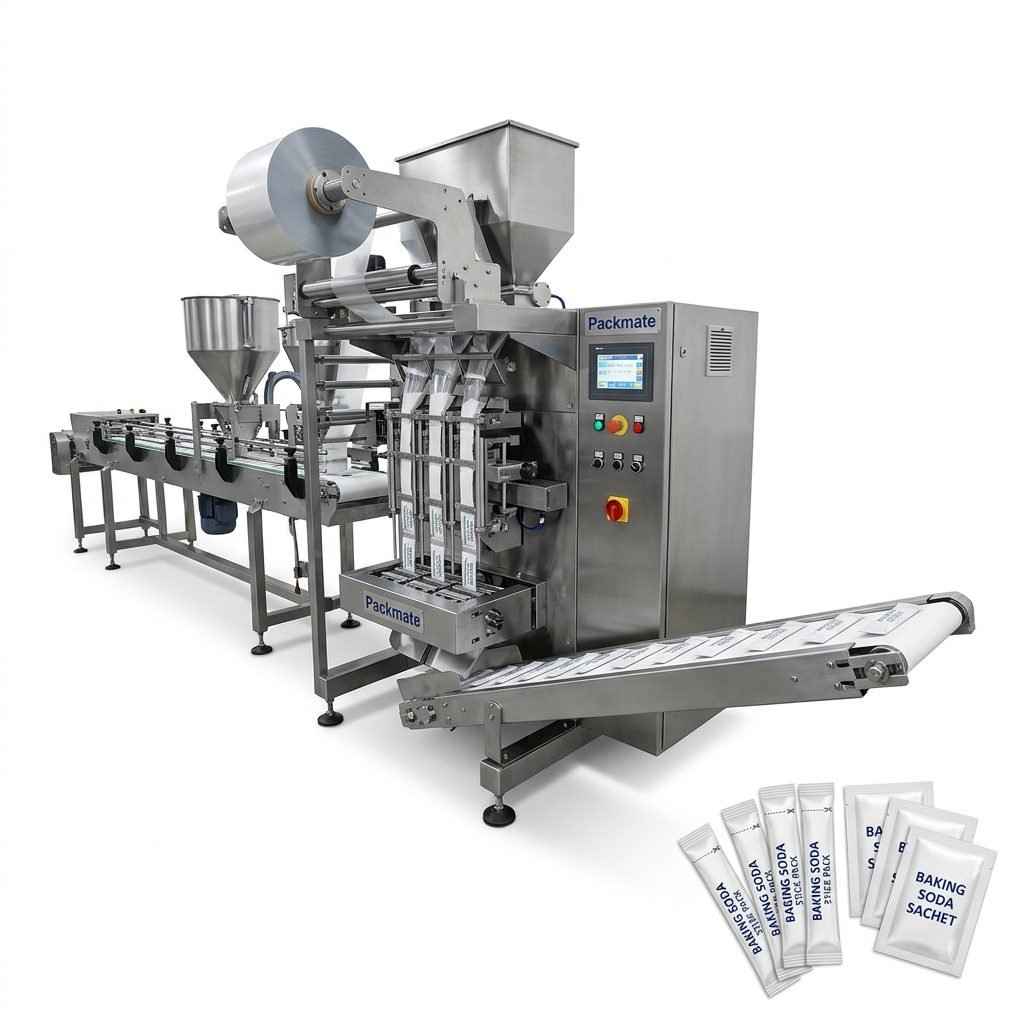
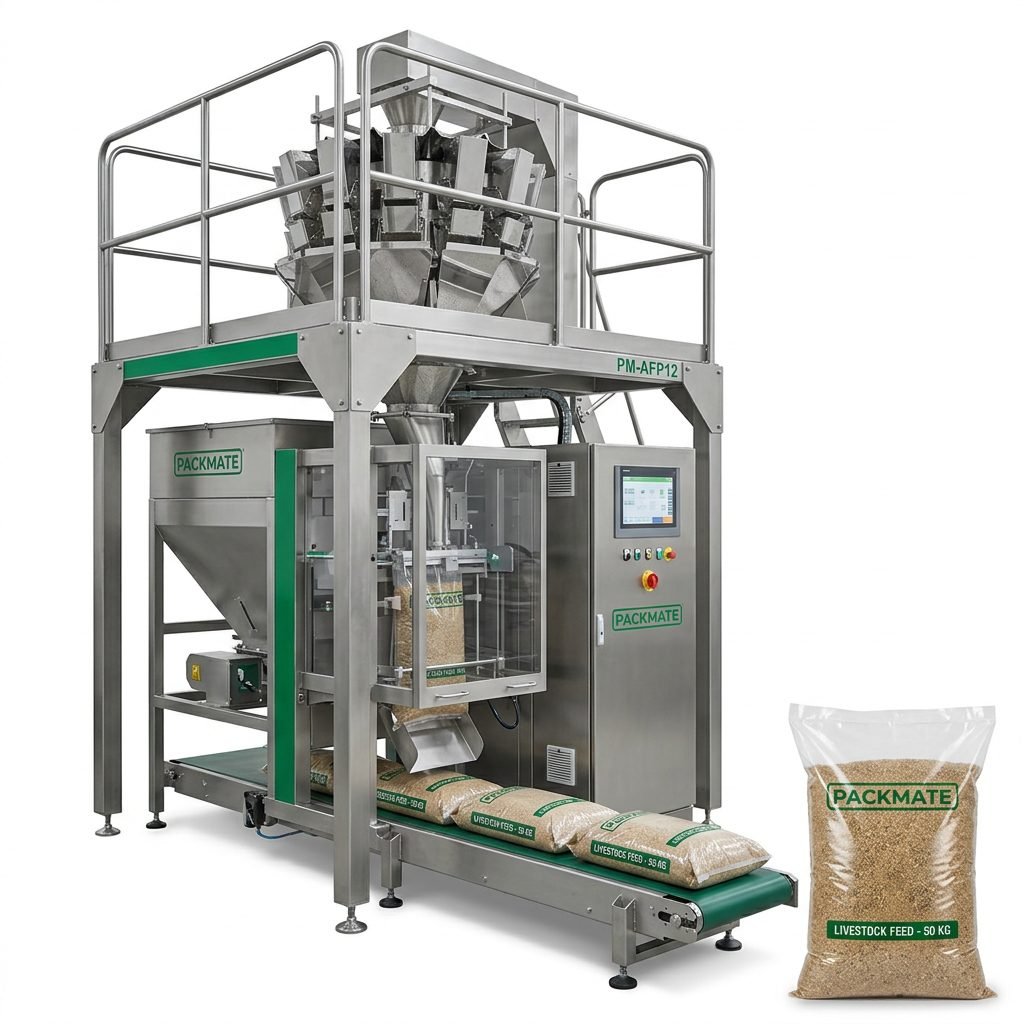
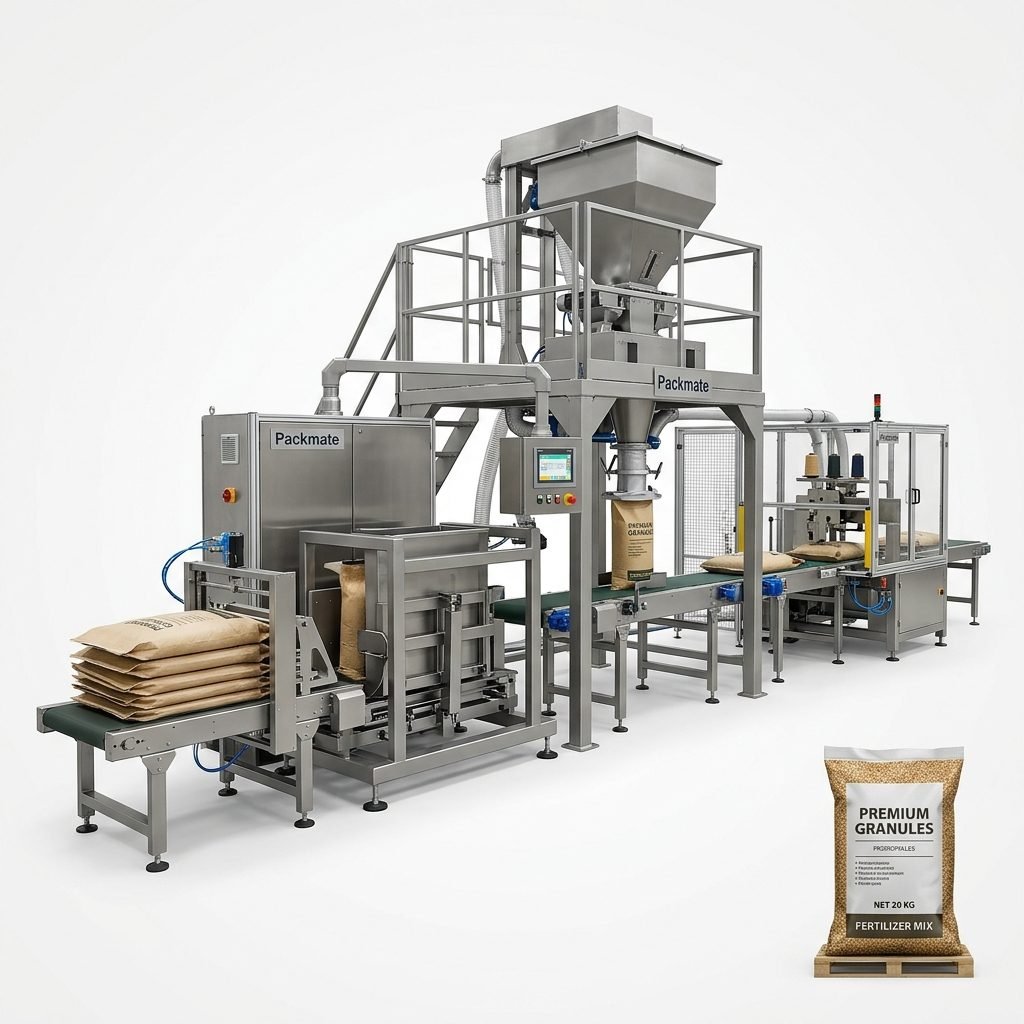
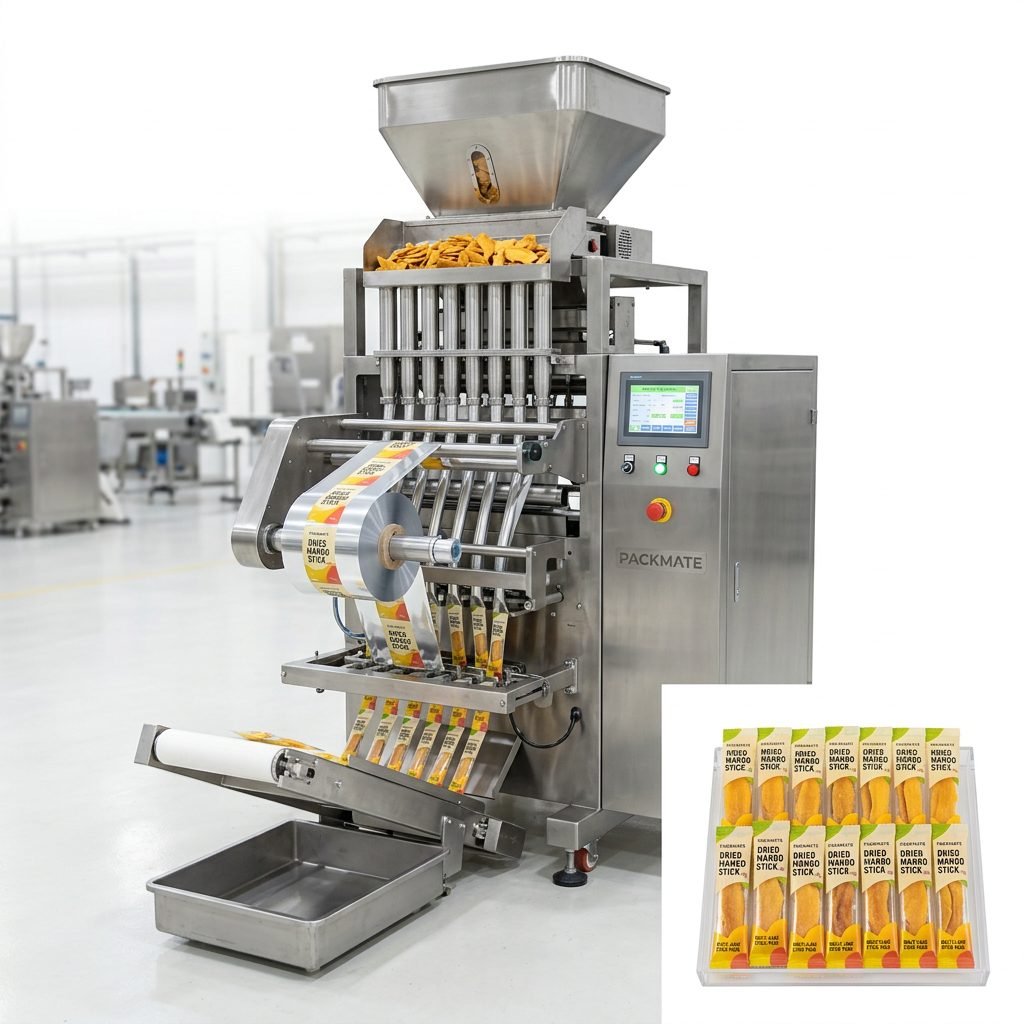
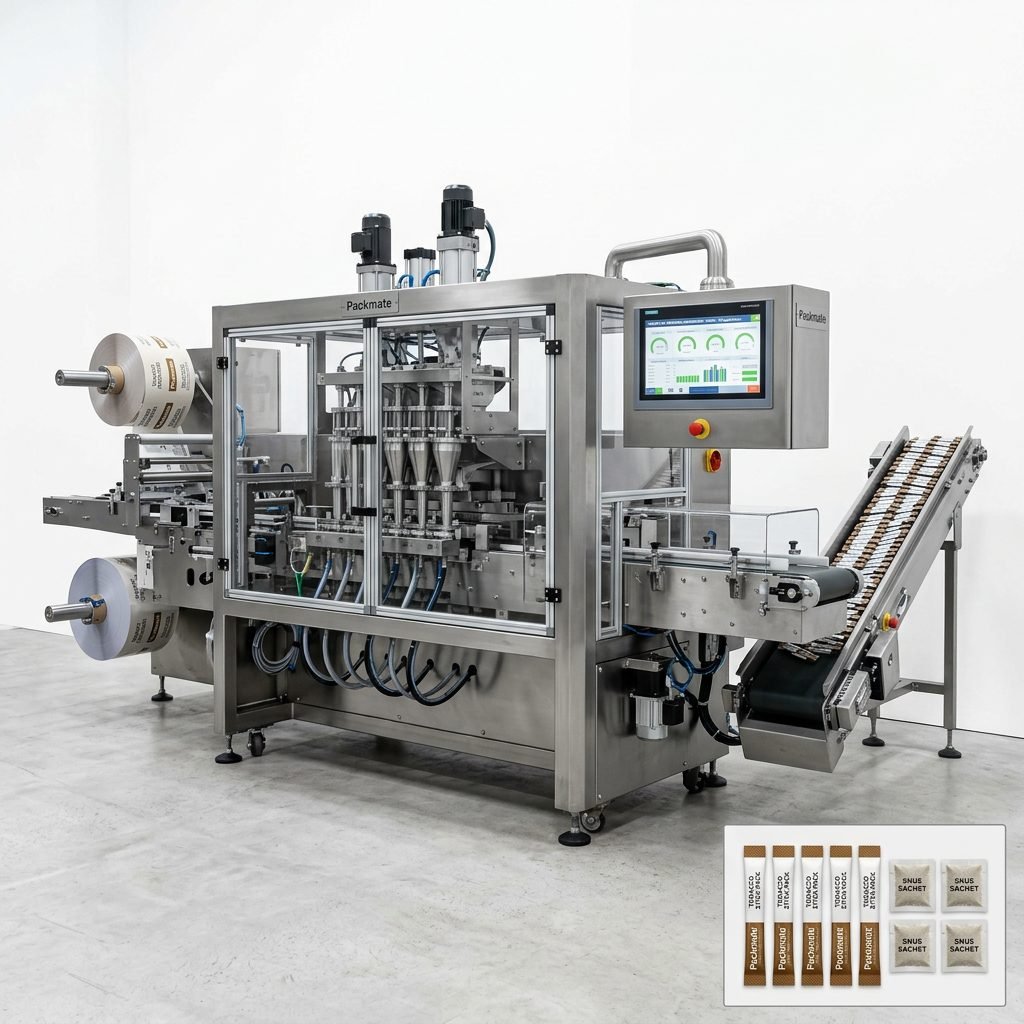
In the fast-paced world of manufacturing, the final presentation and protection of a product are as critical as its quality. For industries where purity, safety, and shelf life are non-negotiable—such as food, pharmaceuticals, and health products—choosing the right packaging system is a strategic business decision. A blister packaging line is far more than a collection of machines; it is a sophisticated, integrated solution designed to ensure product integrity, enhance consumer appeal, and streamline production from start to finish.
The Critical Role of Specialized Packaging Lines
Each industry presents unique challenges that demand tailored packaging solutions. A one-size-fits-all approach simply doesn’t work when dealing with sensitive vitamins, sterile medical devices, or perishable food items.
For the Pharmaceutical Industry
Compliance is paramount. Packaging lines must adhere to stringent Good Manufacturing Practices (GMP) and other regulatory standards. The machinery must operate in controlled environments, often with features for cleanroom compatibility. The primary goals are to ensure dose accuracy, prevent contamination, provide tamper evidence, and include clear patient information on the blister cards.
For the Food Industry
Here, the focus shifts to preservation and freshness. Blister packaging for items like cheeses, sliced meats, or confectionery must provide an excellent barrier against oxygen and moisture. The lines need to be versatile to handle different product consistencies and sizes, while also enabling high-speed production to meet large-volume demands. Visual appeal on the retail shelf is a major driver.
For Health & Nutraceutical Products
This sector often blends requirements from both pharma and food. Products like softgel vitamins, probiotics, or dietary supplements need packaging that protects potency from light and air. Consumer convenience features, such as easy-open tabs and calendar blister packs for daily doses, are highly valued. The packaging must also project an image of purity and wellness.
Core Components of a Modern Blister Packaging Line
A fully integrated blister line is a symphony of coordinated machinery. Understanding each component’s role is key to specifying the right packaging solution for your needs.
1. Forming Machine
This is where the process begins. A web of thermoplastic film (like PVC, Aclar, or PP) is heated and drawn into molds using a forming station, creating the cavities that will hold the products. Precision here is critical for consistent pocket depth and shape.
2. Product Feeding System
Whether it’s tablets, capsules, or food items, this system accurately places the product into each blister cavity. Modern systems use advanced vision inspection technology to reject empty or incorrectly filled pockets, ensuring 100% quality control.
3. Sealing Machine
A lidding material (typically foil or a paper/foil laminate) is placed over the filled blister web. Heat and pressure are applied to create a hermetic seal. The quality of this seal directly determines the product’s barrier properties and shelf life.
4. Perforation and Cutting Unit
The continuous blister web is then die-cut into individual blister cards or strips. Modern machines allow for quick changeover of cutting dies to accommodate different pack sizes and shapes, maximizing line flexibility.
5. Secondary Packaging & Integration
The finished blisters are often directed to cartoners, bundlers, or case packers. A truly turnkey solution integrates these stages seamlessly, creating a continuous flow from raw materials to shippable cases, which you can explore in our detailed project cases.
Key Considerations for Selecting Your Line
Investing in a blister packaging line is a significant commitment. Beyond the basic components, several factors will determine long-term success and ROI.
➤ Speed and Output: Match the line’s capacity (blisters per minute) to your current and forecasted production volumes. Over-specifying can be as costly as under-specifying.
➤ Flexibility and Changeover: If you run multiple products or pack sizes, look for lines with quick-change features for forming tools, feeding systems, and cutting dies to minimize downtime.
➤ Material Compatibility: Ensure the line is engineered to handle the specific films and foils you plan to use, especially if using high-barrier or sustainable materials.
➤ Regulatory Compliance: For pharmaceutical applications, the line must be designed for easy cleaning, validation, and documentation to meet FDA, EMA, or other regional standards.
➤ Supplier Expertise and Support: The manufacturer’s experience is invaluable. A partner like Packmate, with deep industry knowledge, can provide not just equipment but a complete production solution, including installation, training, and ongoing technical service.
The Future: Smart and Sustainable Packaging Lines
The industry is evolving towards greater intelligence and environmental responsibility. The next generation of blister lines incorporates Industrial Internet of Things (IIoT) sensors for predictive maintenance, real-time production monitoring, and comprehensive data analytics. Sustainability is also a major driver, with lines being adapted to handle recycled content polymers, bio-based films, and monomaterials that are easier to recycle, reducing the environmental footprint of the packaging process.
Selecting the ideal blister packaging line is a complex but crucial process that impacts product quality, brand reputation, and operational efficiency. By partnering with an experienced provider who understands the nuanced needs of the food, pharmaceutical, and health sectors, you can implement a solution that safeguards your products, delights your customers, and drives your business forward. For a deeper understanding of our capabilities and ethos, we invite you to review our company profile and history.
Frequently Asked Questions (FAQs)
What is the typical lead time for a complete turnkey blister packaging line?
Lead times vary significantly based on line complexity, customization, and current manufacturing schedules. A standard line might take 4-6 months from order to delivery, while highly customized systems can take longer. Detailed project planning with your supplier will establish a clear timeline.
Can a single blister line handle different product types, like tablets and capsules?
Yes, with the right configuration. Multi-purpose lines are designed with flexible feeding systems and quick-change tooling. However, extensive changeovers between vastly different products may require some downtime for adjustment and cleaning, especially in GMP environments.
How important is after-sales service and technical support?
It is absolutely critical. Even the most reliable machinery requires maintenance, occasional spare parts, and operator training. A supplier with a robust global service network ensures minimal disruption to your production, protecting your investment. Always inquire about the service package offered.
What are the main cost factors in a blister packaging line investment?
Key factors include: machine speed and automation level, the number and sophistication of integrated units (e.g., vision inspection, serialization), the quality of components and construction, the level of customization required, and the scope of installation and training services provided.
Are there sustainable or “green” options for blister packaging materials?
Yes, the market is rapidly evolving. Options include using recycled PET or PP, bio-based PLA films, and reducing material thickness (lightweighting). Furthermore, designing for recyclability by using mono-material structures (all-PP or all-PE) is a growing trend. Discuss your sustainability goals with your packaging machine supplier early in the process.