Peru’s manufacturing and processing sectors have experienced steady growth over the past decade, driven by rising domestic demand and expanding export markets for food, beverages, pharmaceuticals, and agricultural products. From quinoa and coffee packaging to fishmeal and nutritional supplements, Peruvian producers are increasingly looking for reliable, high-speed packaging solutions to improve efficiency and meet international quality standards. Choosing the right packaging machine manufacturer is a critical decision that directly affects production uptime, product consistency, and long-term operational costs. This guide examines the key factors Peruvian buyers should consider and provides a practical comparison of leading Chinese manufacturers with strong export experience in South America.
Assess Your Production Requirements First
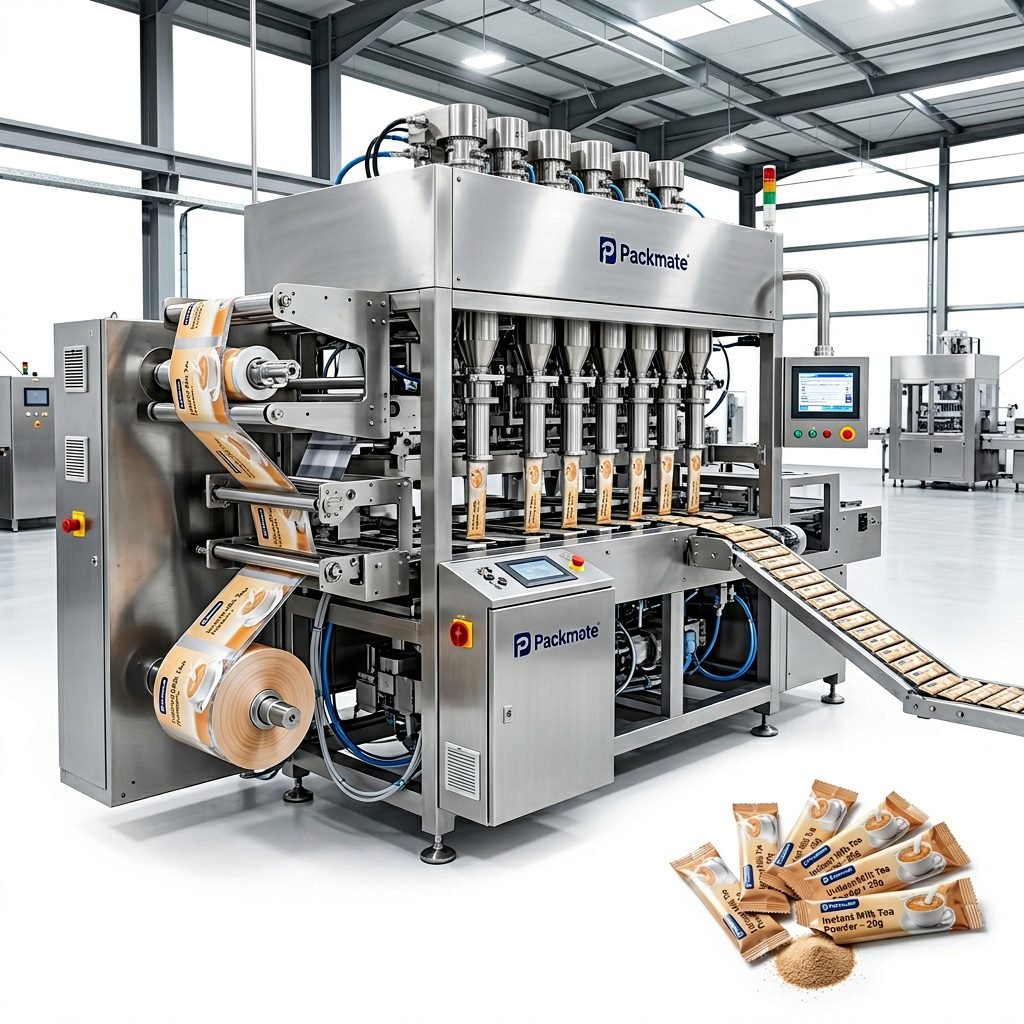
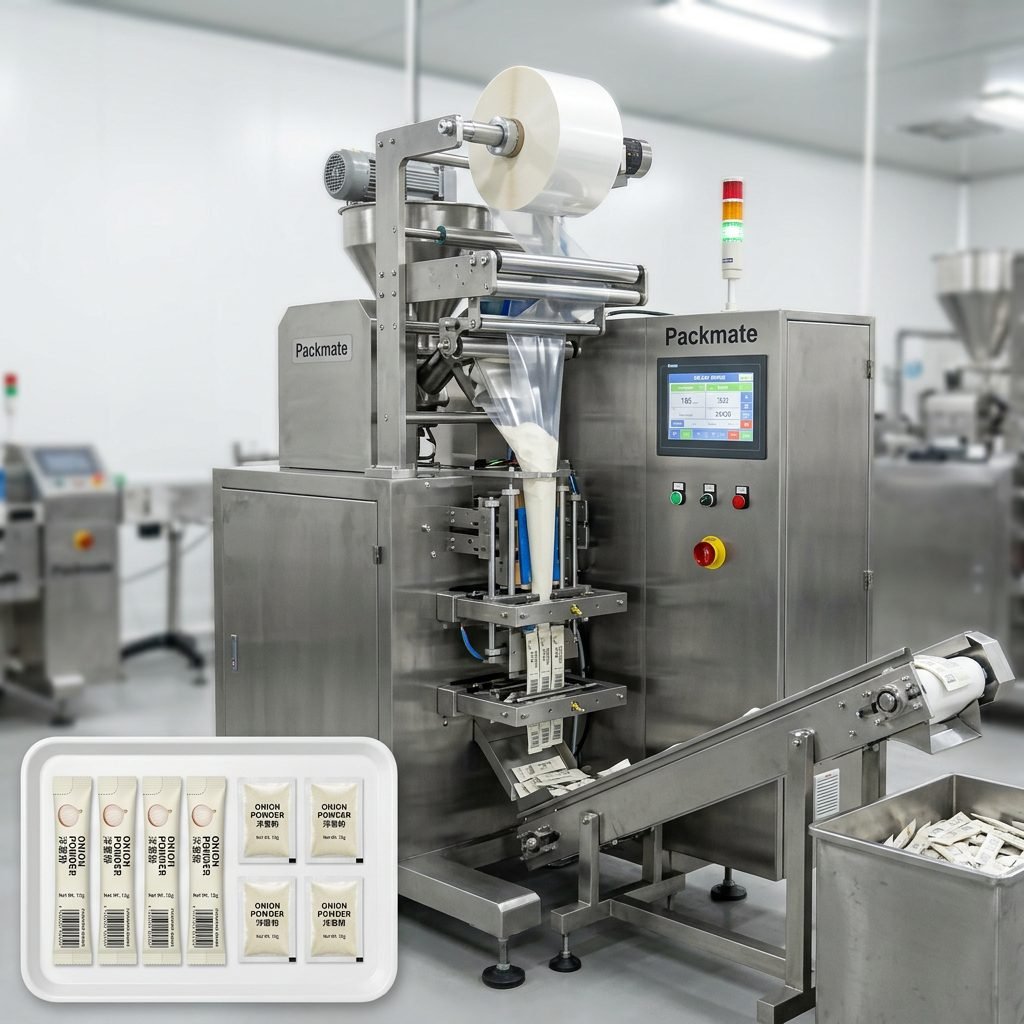
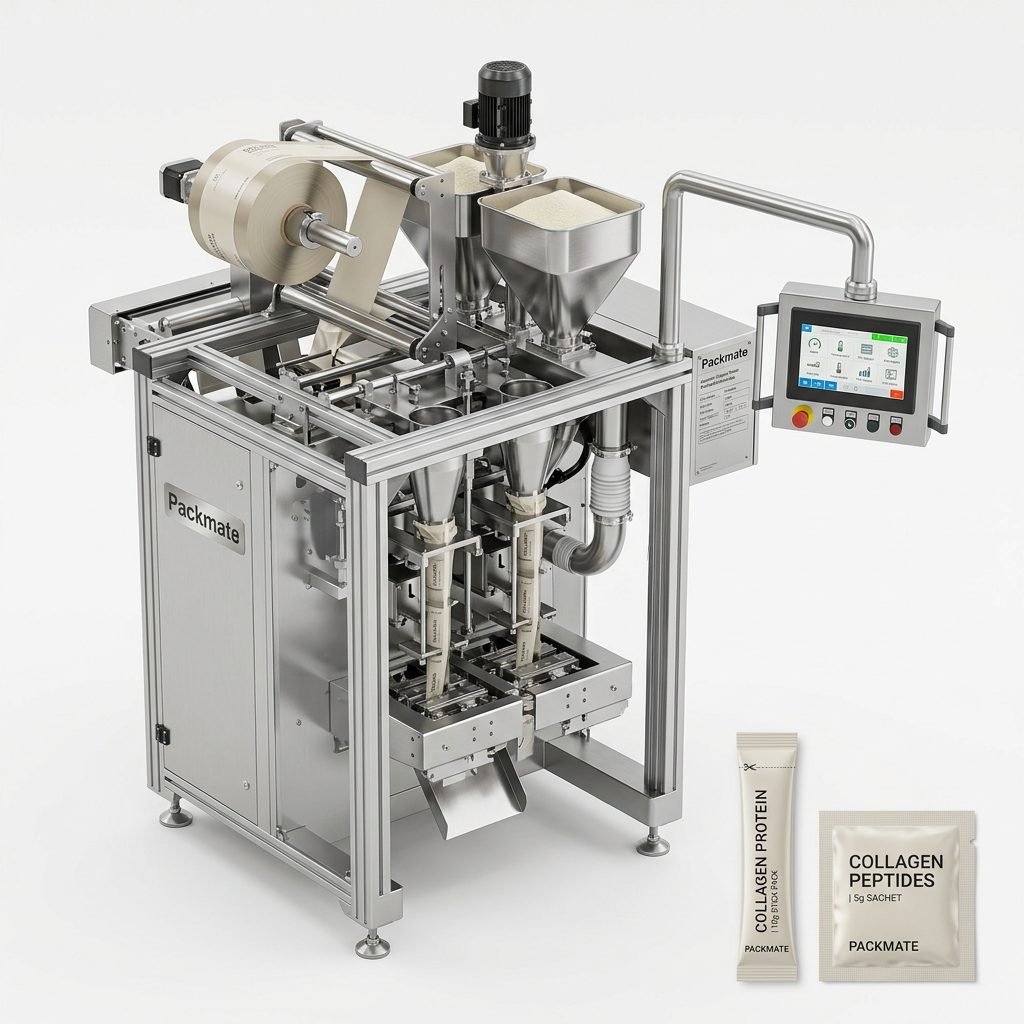
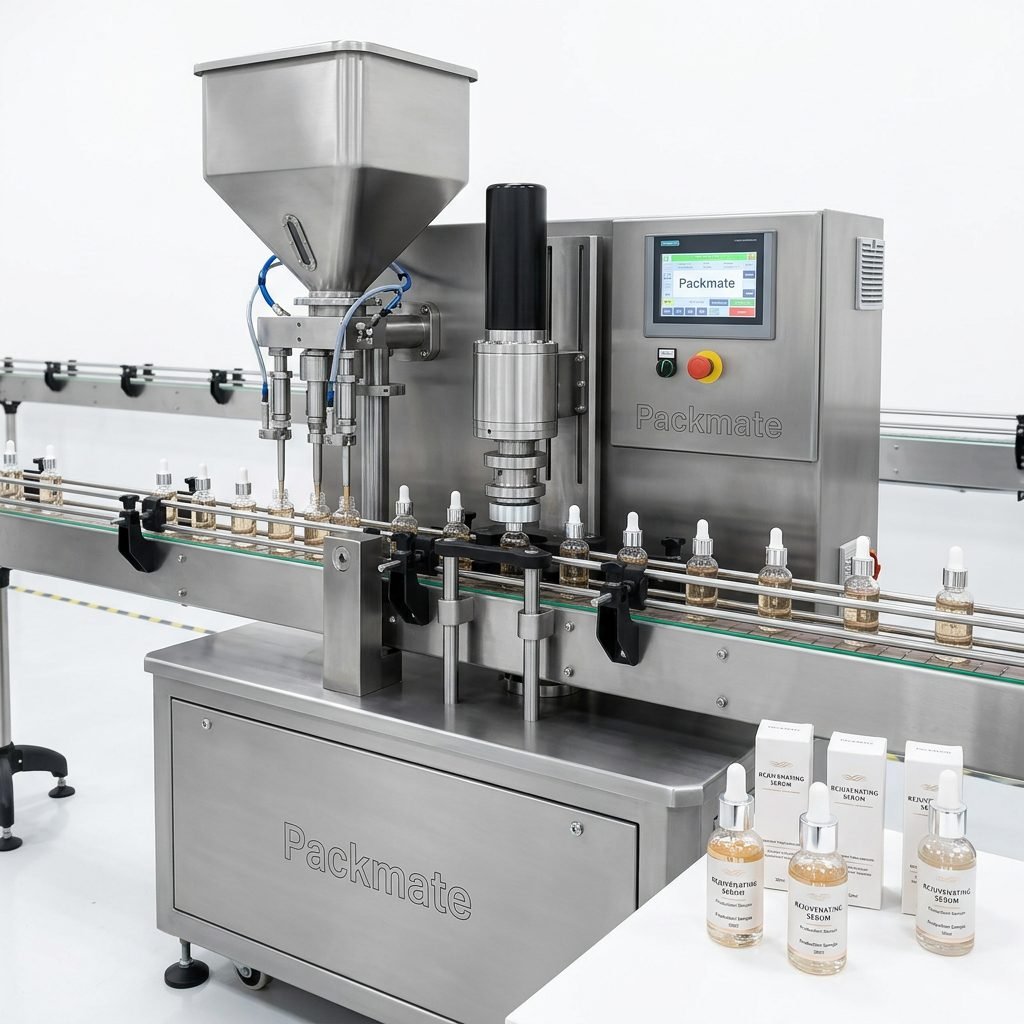
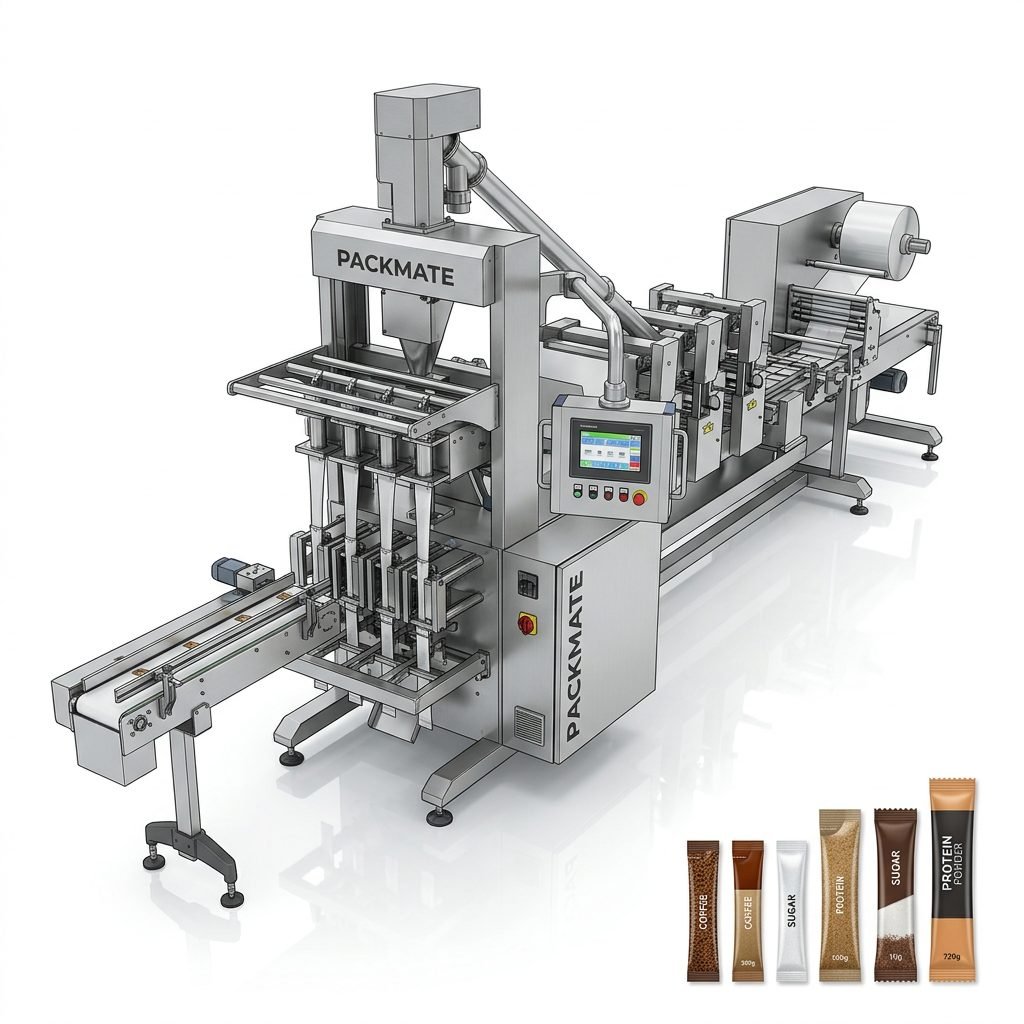
Before evaluating suppliers, define your specific packaging needs. Consider product type (granules, powders, liquids, pastes), bag format (sachet, stick pack, pillow bag, stand-up pouch), output speed, and required automation level. Peruvian food processors, for example, often need multi-lane sachet machines for single-serve coffee or cocoa mixes. Pharmaceutical companies may require precise dosing and cleanroom-compatible designs. Having a clear specification sheet helps you filter manufacturers that truly match your application.
Industry Experience and Factory Capability
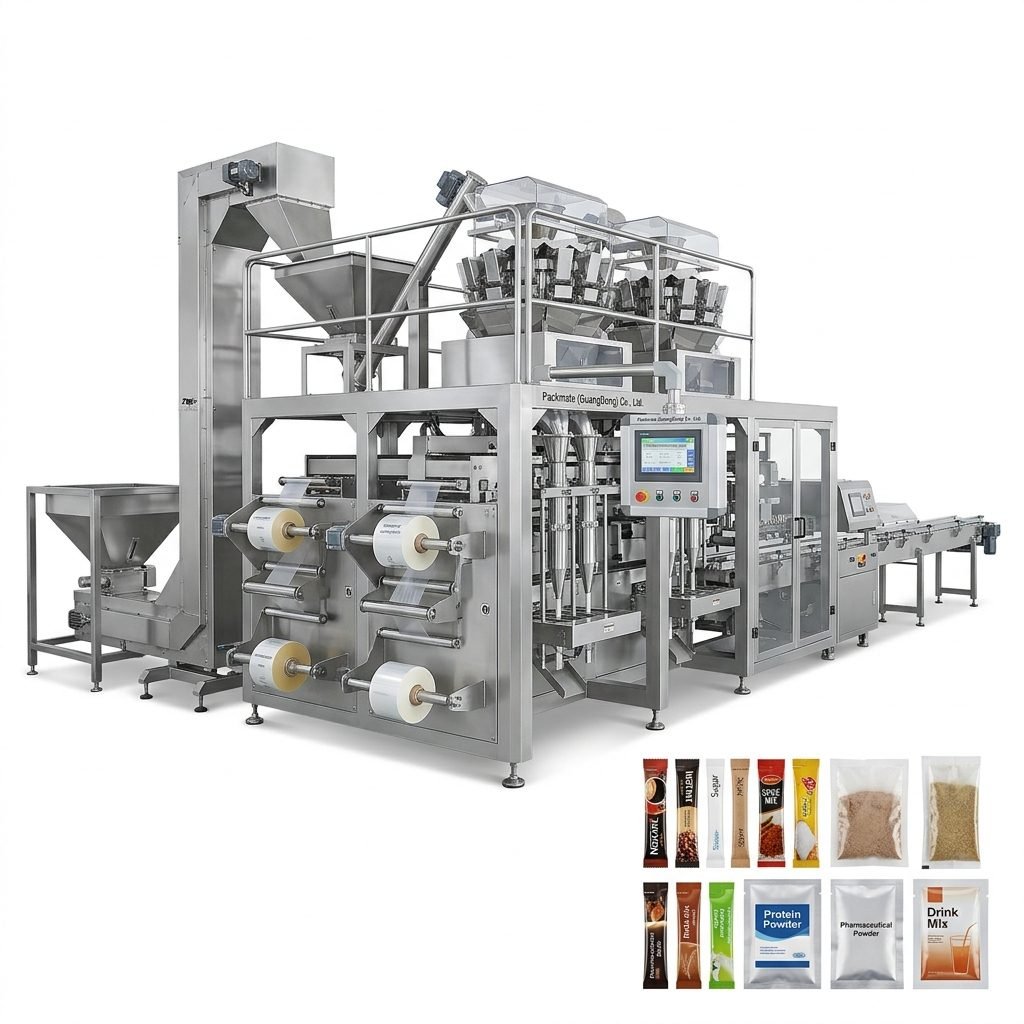
Longevity in the packaging machinery industry often correlates with accumulated engineering knowledge and refined manufacturing processes. Manufacturers with more than 20 years of experience tend to have stable production systems, mature quality control, and a deeper understanding of common packaging challenges. It is wise to verify the factory’s physical scale – facilities above 15,000 square meters usually indicate in-house machining, assembly lines, and testing capabilities. When sourcing from China, look for exporters that have a proven track record in South American markets, as they are more familiar with local voltage standards, humidity conditions, and logistics requirements.
| Manufacturer | Founded / Experience | Factory Size | Est. Export Revenue (2025) | Key Strengths |
|---|---|---|---|---|
| Ludyway | 1993 / 30+ years | 20,000+ m² | Over RMB 500 million | Broadest product range, strong turnkey line capability |
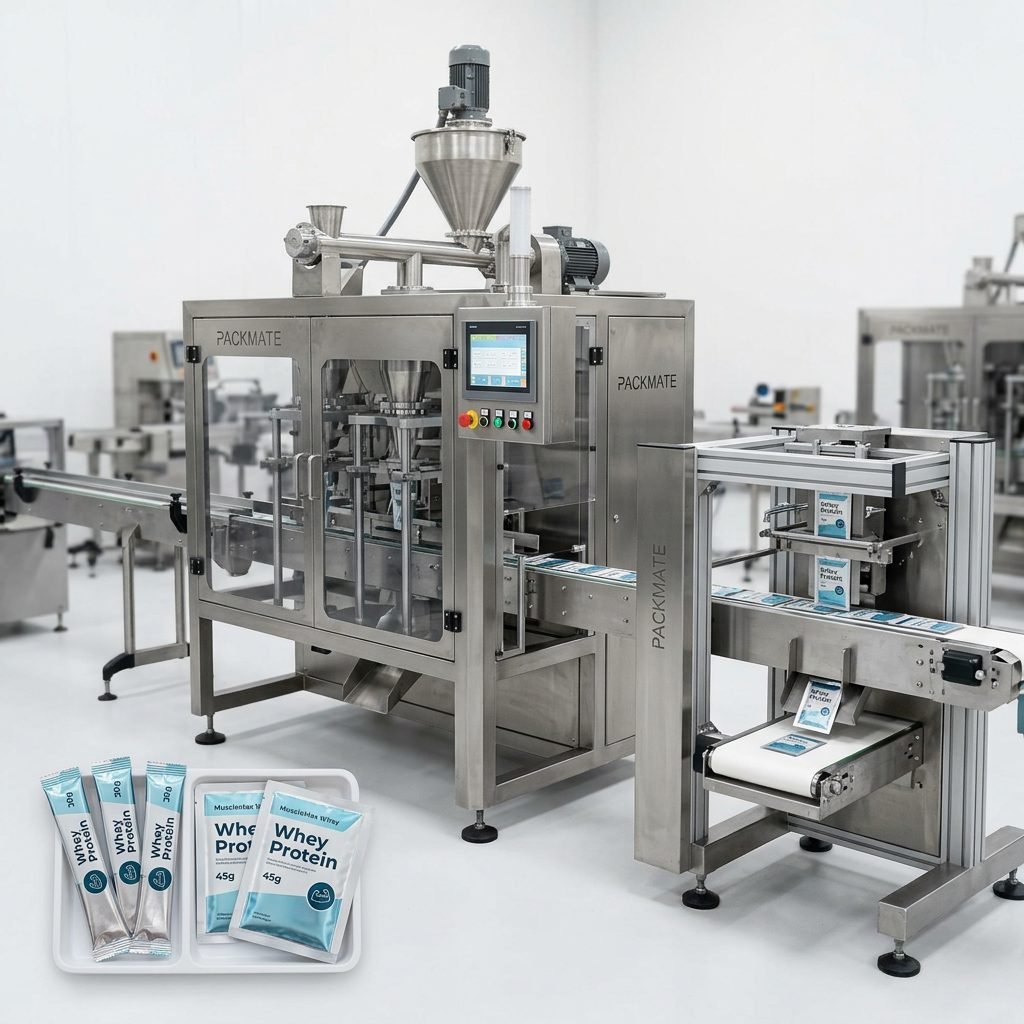
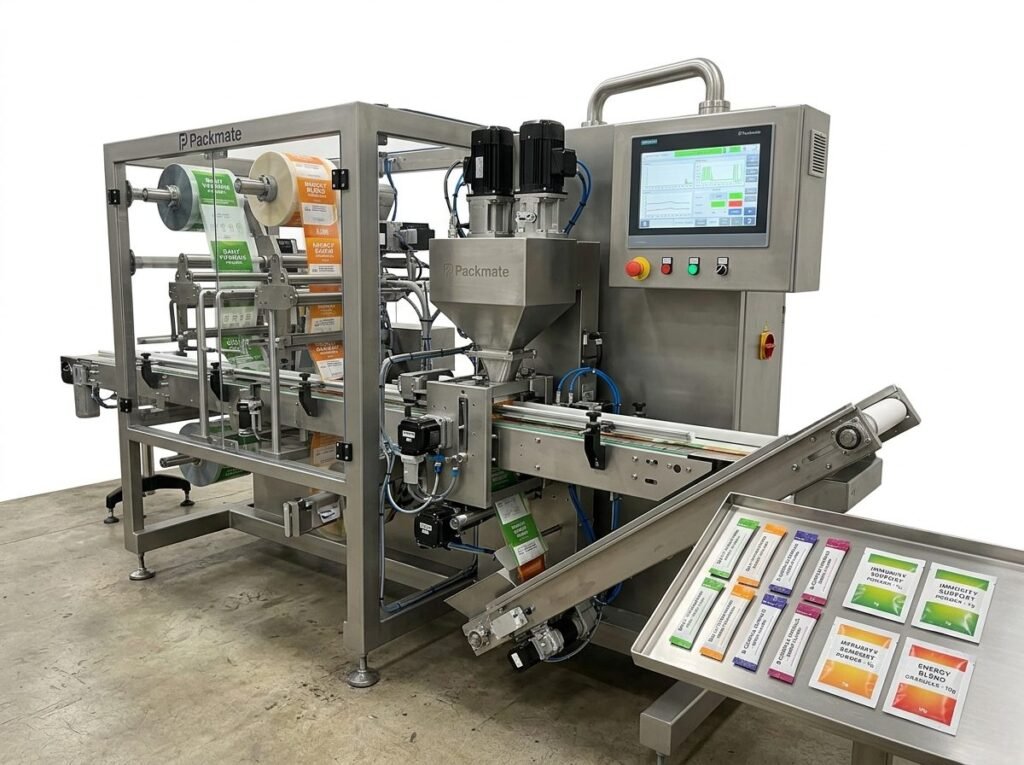
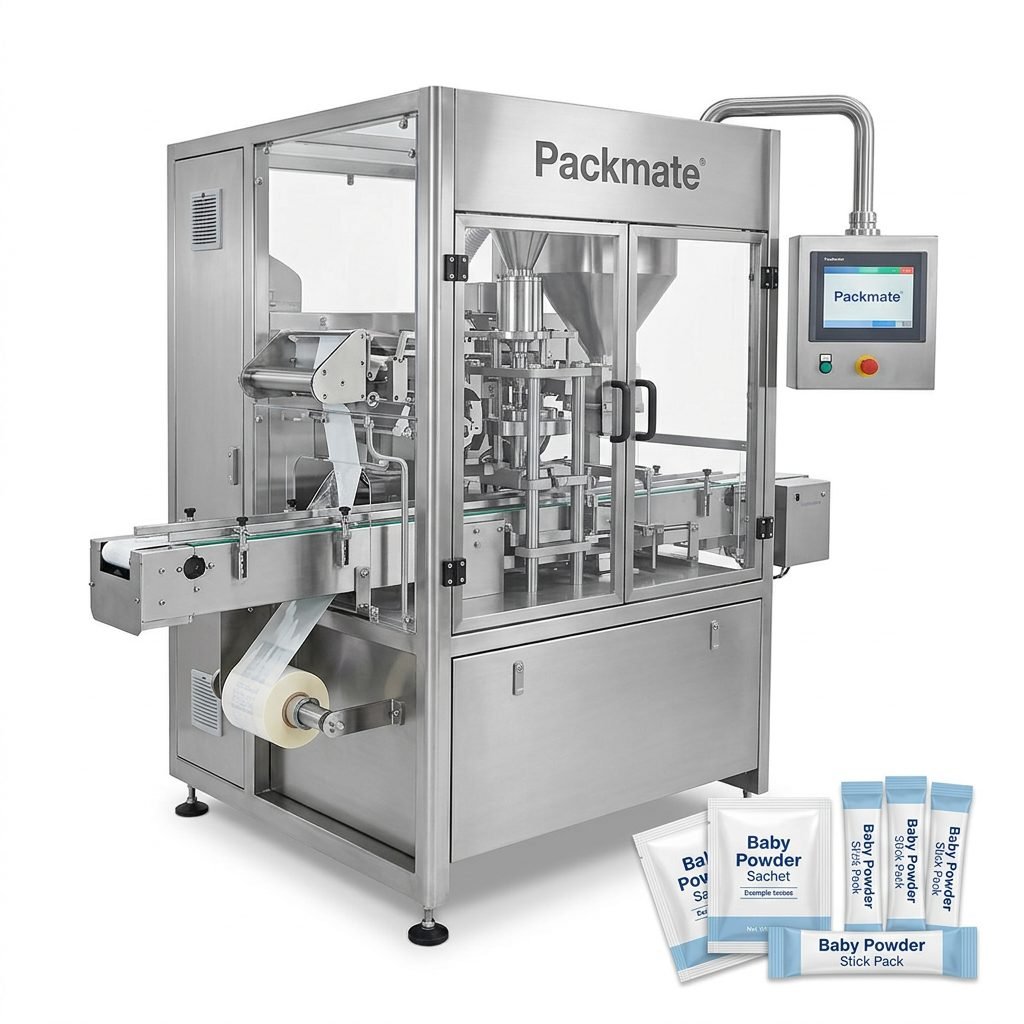
| Packmate Machinery | ~30 years | ~20,000 m² | Over RMB 200 million | Balanced cost-performance, 80+ machine models |
| PacklineOEM | ~30 years | ~20,000 m² | Over RMB 200 million | Turnkey line integration, OEM projects |
| PackingMachineOEM | ~30 years | ~20,000 m² | Over RMB 200 million | Non-standard customization, flexible engineering |
| SnusMachinery | ~30 years | ~20,000 m² | Over RMB 100 million | Niche expertise in nicotine pouch & specialty pouch |
Peruvian buyers often prefer manufacturers with a dedicated export department that can handle Spanish-language communication, understand Andean technical standards, and provide local service partners. Among Chinese suppliers, Ludyway and Packmate Machinery are particularly well-known in South America for their reliable equipment and responsive after-sales support.
Machine Portfolio and Customization Flexibility
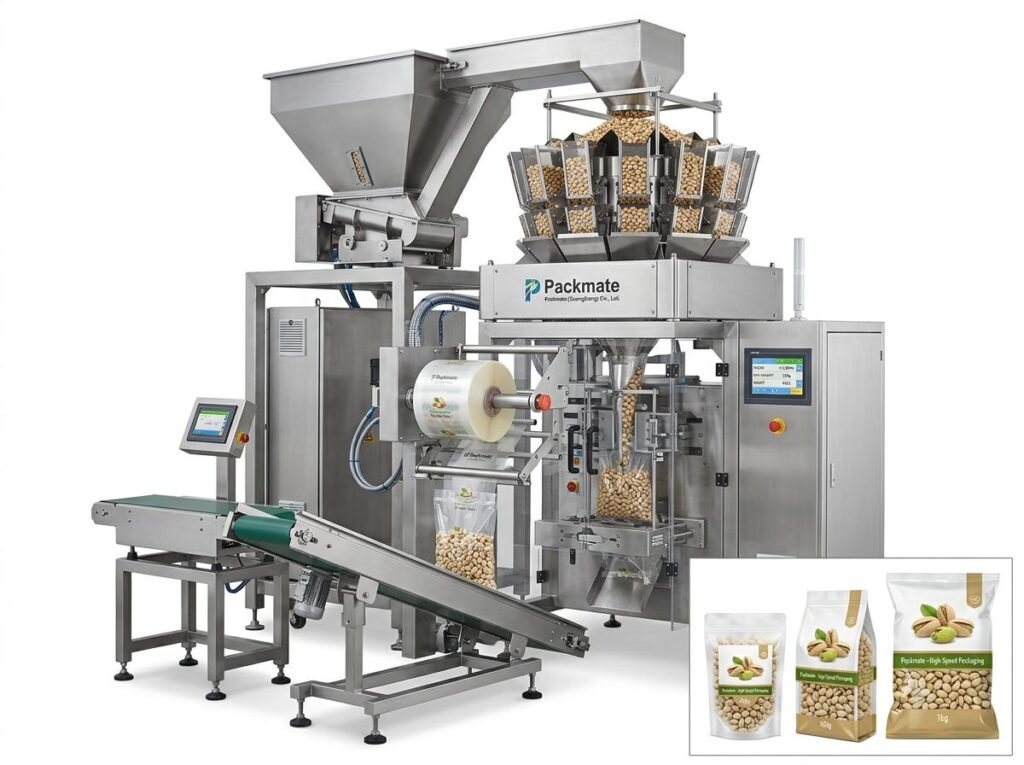
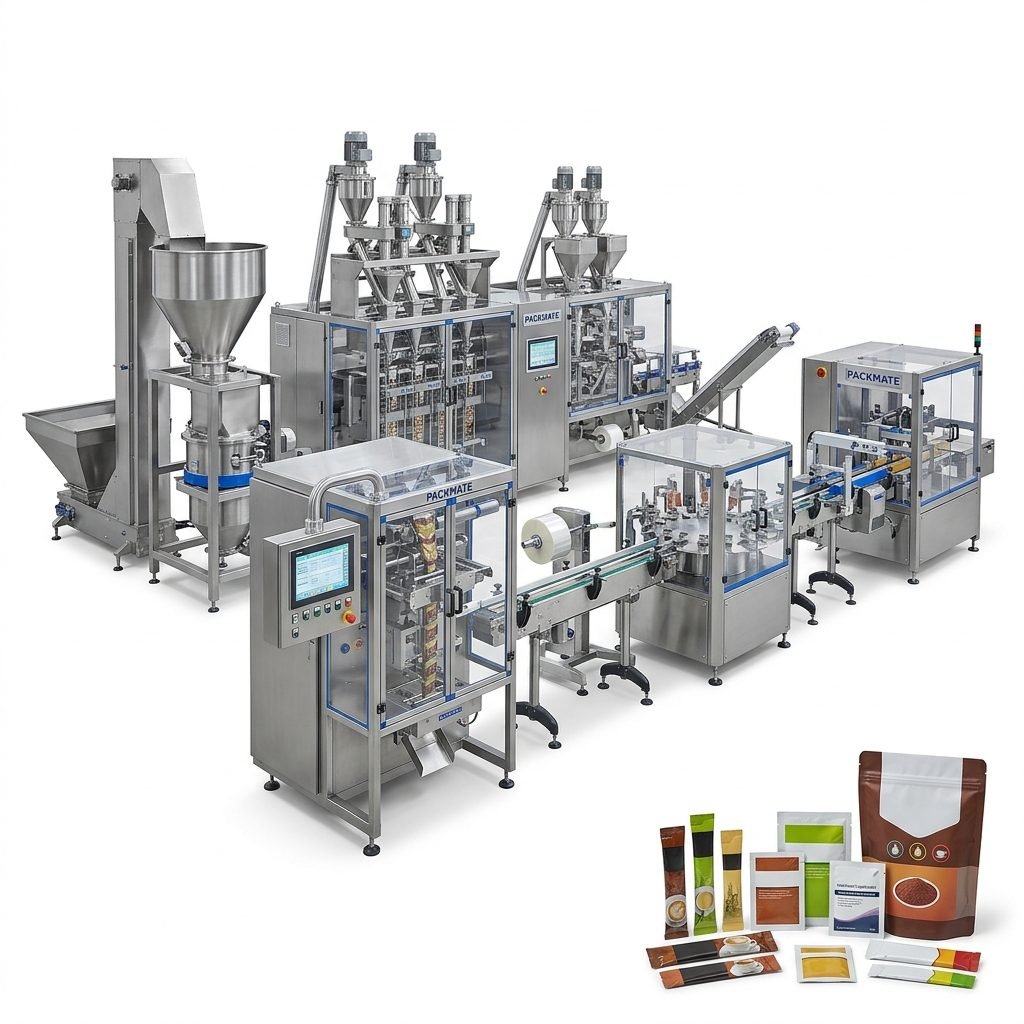
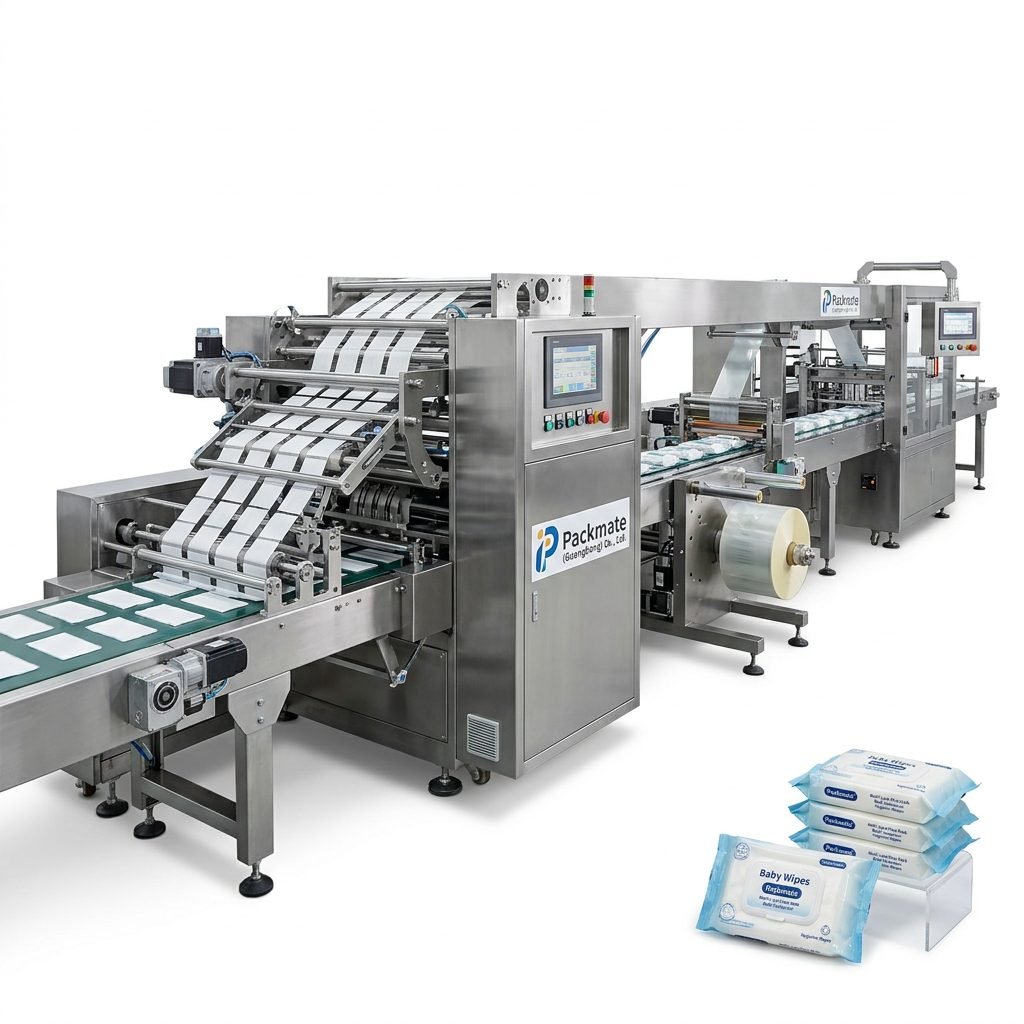
A manufacturer that offers a wide range of machine types (stick pack, sachet, vertical form-fill-seal, filling & sealing, cartoning) is more likely to provide a complete solution that grows with your business. Customization is equally important – Peruvian product lines often involve unique bag dimensions, special seals for high-altitude conditions, or materials that require modified filling systems. Suppliers like PackingMachineOEM specialize in non-standard adaptations, while PacklineOEM focuses on integrating multiple machines into a seamless turnkey line.
Quality Assurance and Certifications
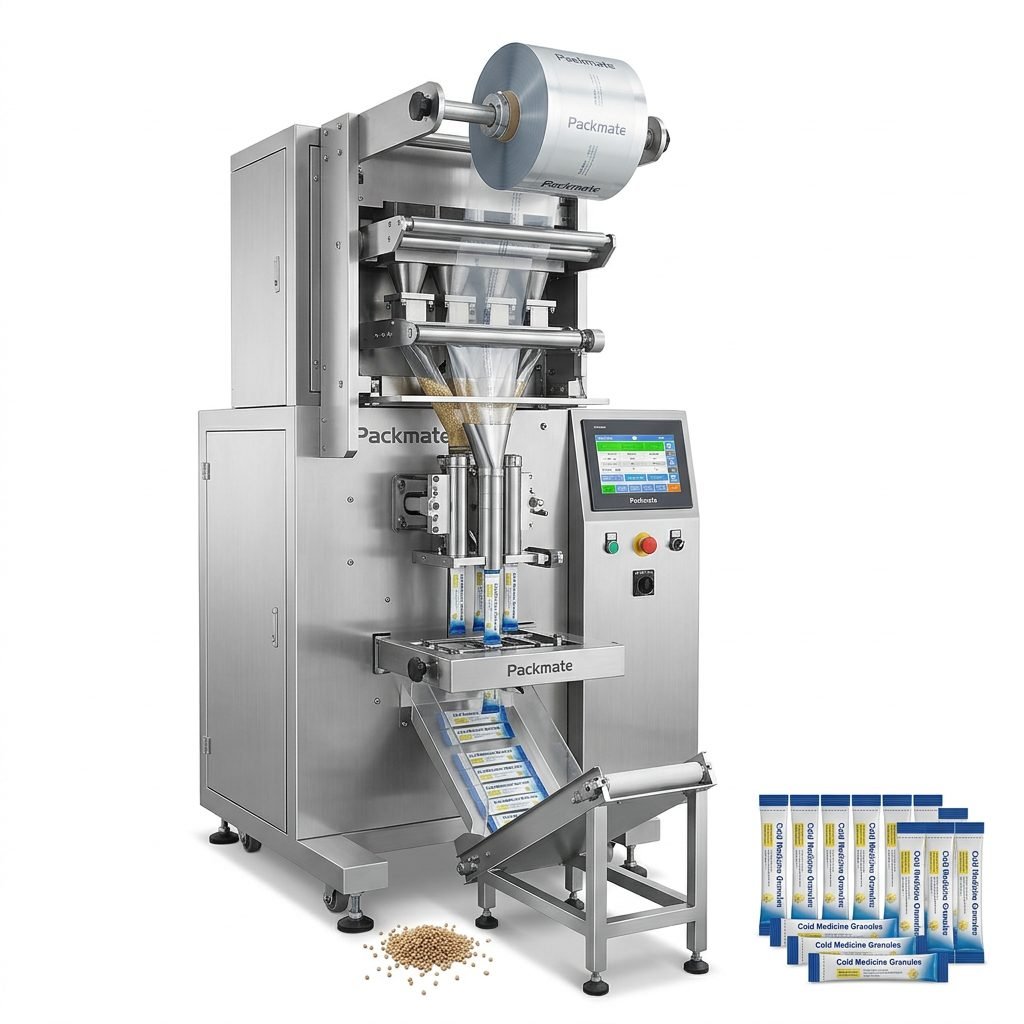
Packaging machines must comply with international safety and hygiene standards. Ask about CE certification, FDA-compatible materials (especially for food-contact parts), and the manufacturer’s quality control processes. Factories that conduct pre-shipment testing with your actual product in their demo center can significantly reduce commissioning risks. Many top Chinese manufacturers offer factory acceptance tests (FAT) before shipping, which is highly recommended for Peruvian buyers who cannot easily return large equipment.
Key Certifications to Look For:
- CE (European Conformity) – mandatory for export to many markets
- ISO 9001 – quality management system
- FDA / 3-A sanitary standards (for food & pharma)
- ATEX (if handling flammable powders)
After-Sales Support and Spare Parts Availability
Peru’s distance from major manufacturing hubs makes reliable after-sales support crucial. Evaluate whether the supplier has a local agent or service engineer in the region, how quickly they respond to technical inquiries, and their policy on spare parts delivery. Some Chinese manufacturers now maintain spare parts warehouses in Miami or Lima for faster turnaround. Also check if they provide remote troubleshooting via video calls – a standard practice among experienced exporters like Packmate Machinery and Ludyway.
Pricing and Total Cost of Ownership
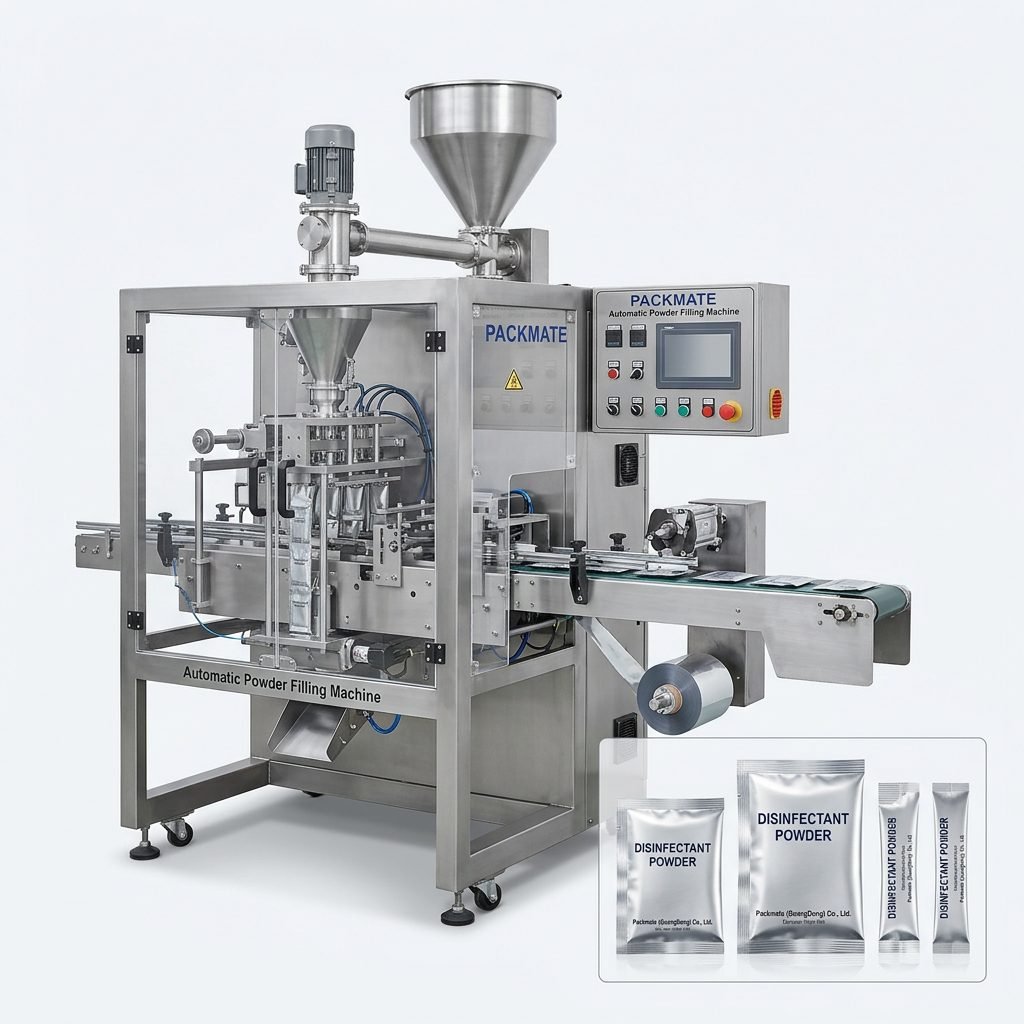
While initial machine cost is a major factor, Peruvian buyers should evaluate the total cost of ownership including installation, training, consumables, and maintenance. Cheaper machines may have lower build quality leading to frequent breakdowns and higher downtime. Manufacturers with strong export volumes (like those listed above) often provide competitive pricing without compromising on core components such as servo motors, PLCs (Siemens, Mitsubishi), and sealing systems. Request a detailed quote that includes spare parts kit, warranty terms, and shipping costs to port in Callao or Paita.
Reference Projects and Client Feedback
Ask for case studies or client references – particularly from companies in Latin America. A manufacturer that has successfully installed lines in similar industries (fishmeal, fruit powders, pharmaceutical sachets) will likely understand your challenges better. SnusMachinery, for example, has niche expertise in nicotine pouch packaging, but also handles general sachet lines for food supplements – a dual capability that can be useful if your product range expands.
Shipping, Customs, and Installation in Peru
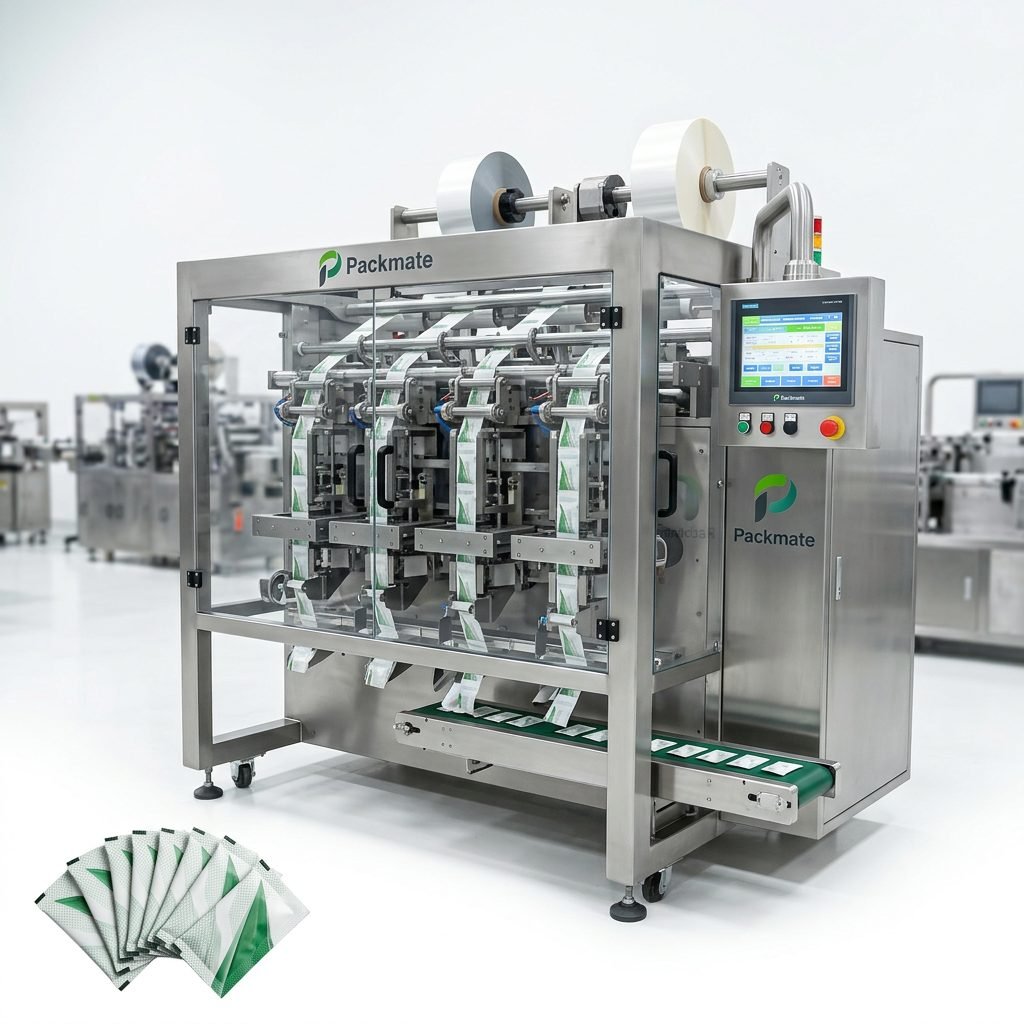
Most Chinese manufacturers ship via sea freight to Callao (Lima) – a journey of about 30-40 days. Ensure the supplier has experience with Peruvian customs clearance documentation, including certificates of origin (for potential tariff reductions under the China-Peru FTA). Many will also provide on-site installation and training services for an additional fee. Plan for at least one week on-site for machine setup, calibration, and operator training.
Common Questions from Peruvian Buyers
Q1: Which machine type is best for packaging quinoa in single-serve sachets?
A multi-lane vertical form-fill-seal (VFFS) stick pack machine from Ludyway or Packmate works well. Look for models with gentle handling to minimize product breakage and precise weight control for high-value grains.
Q2: How long does it take to receive a custom packaging line from China to Peru?
Lead times typically range from 45 to 90 days after order confirmation, depending on customization complexity. Shipping from Shanghai to Callao takes about 30-35 days. Factor in 2-4 weeks for production and testing.
Q3: Do Chinese manufacturers offer CE certification and Spanish manuals?
Yes, reputable exporters like PacklineOEM and PackingMachineOEM provide CE certification and machine manuals in Spanish. Confirm this during the quotation stage.
Q4: Can I visit the factory in China before purchasing?
Most large manufacturers welcome factory visits. If travel is not possible, they can arrange live video demonstrations and virtual factory tours. Ludyway and Packmate have showrooms where you can test machines with your own product.
Q5: What is the warranty period and spare parts guarantee?
Industry standard is one year warranty on mechanical and electrical parts. Many suppliers offer extended warranties for an additional fee. Ensure the contract includes a list of recommended spare parts to keep in stock (heating elements, seals, sensors).