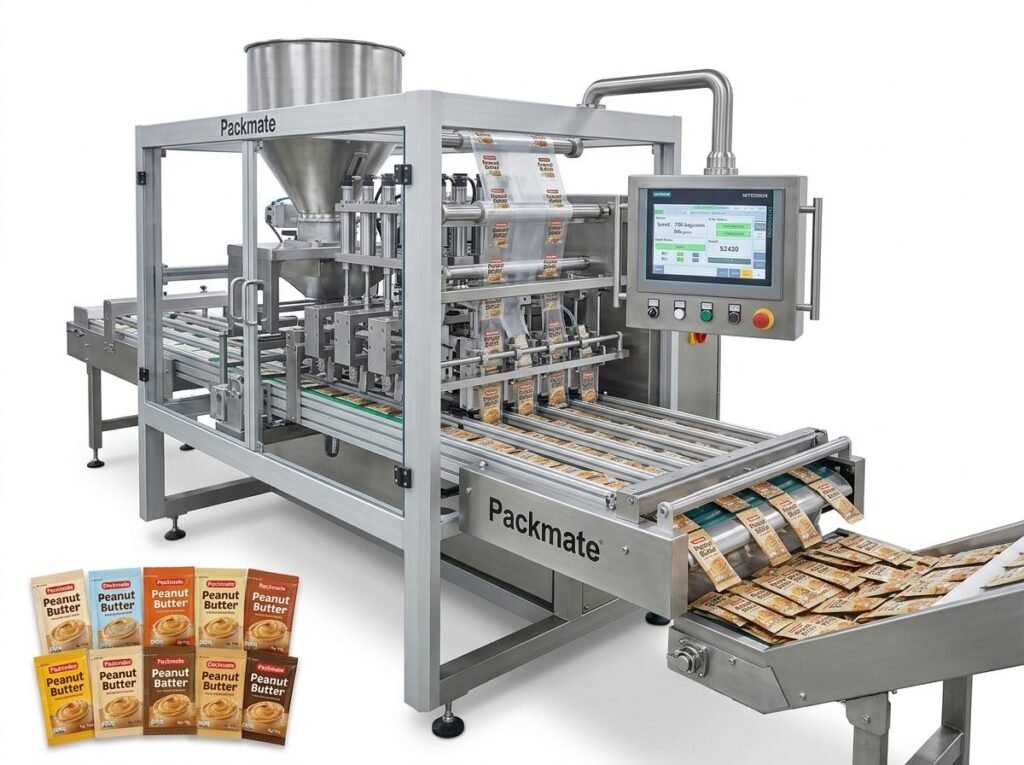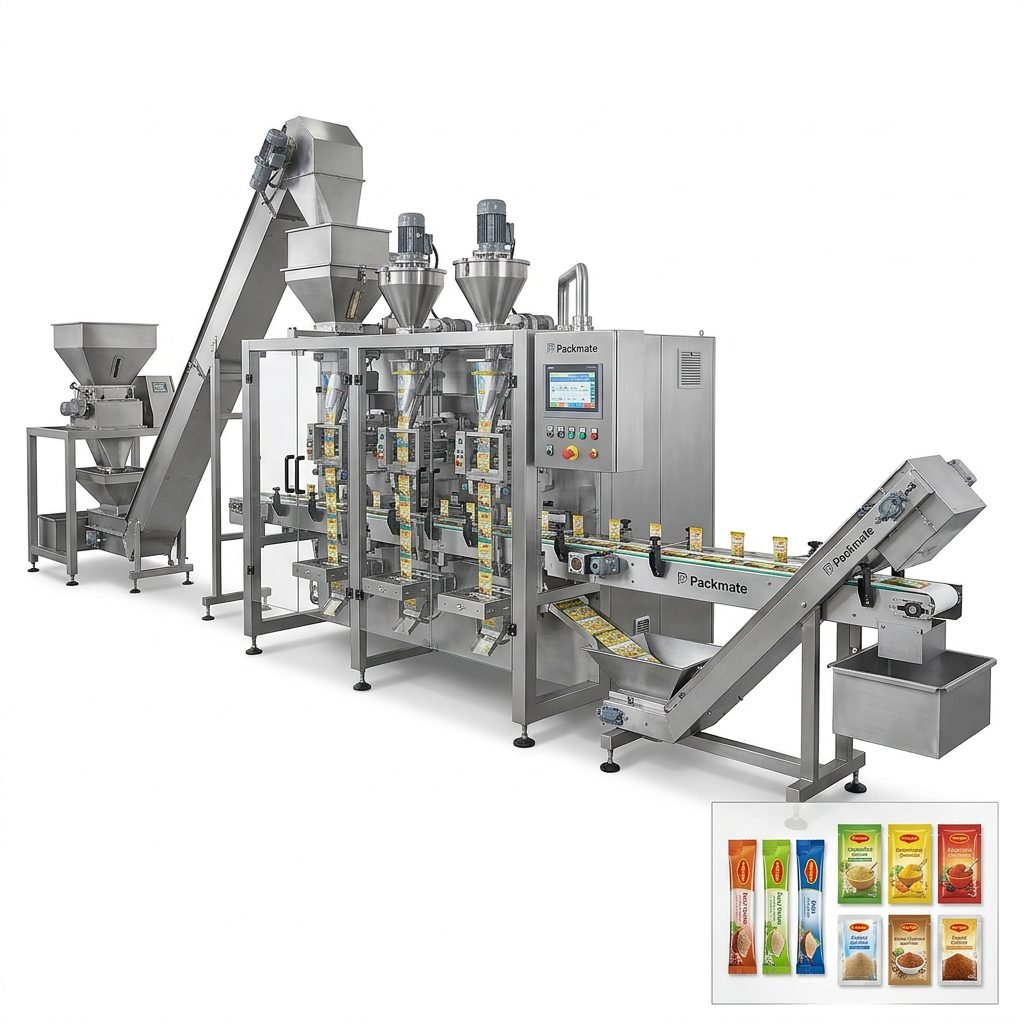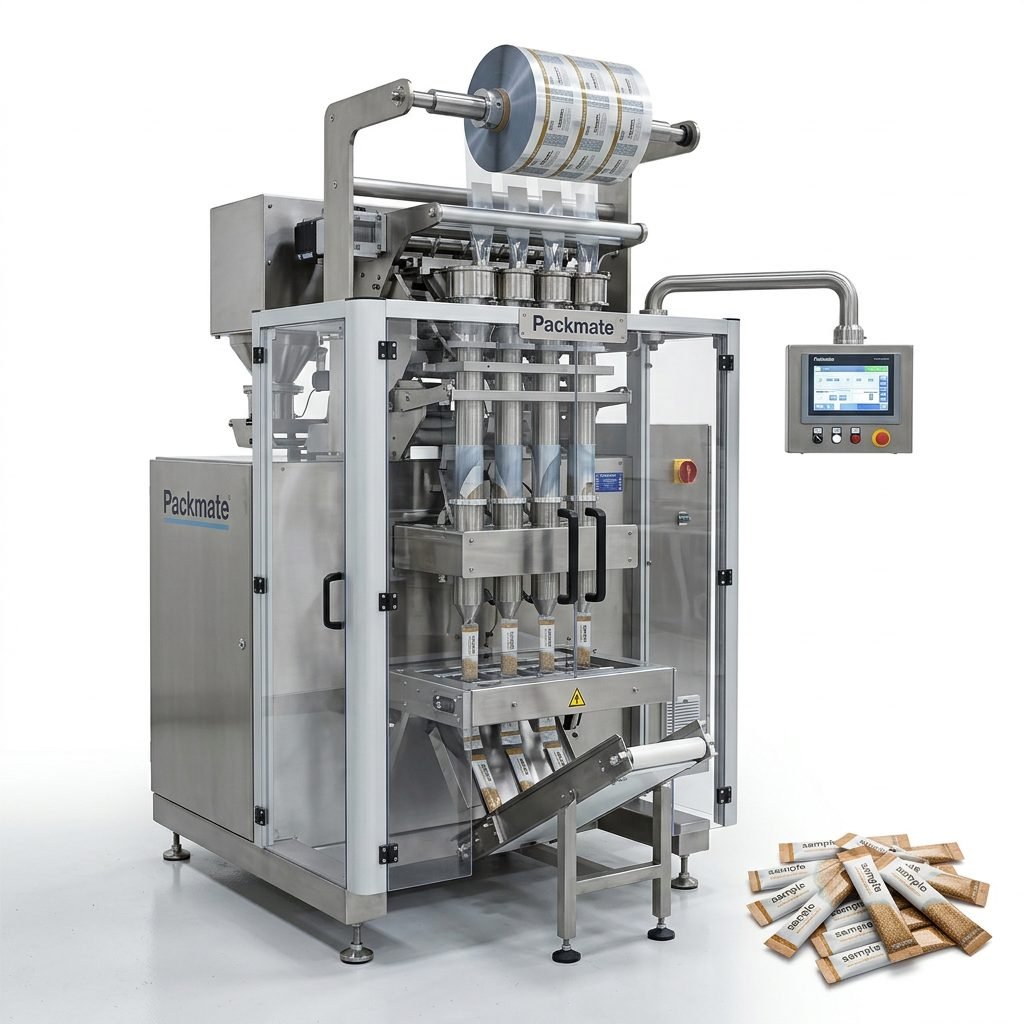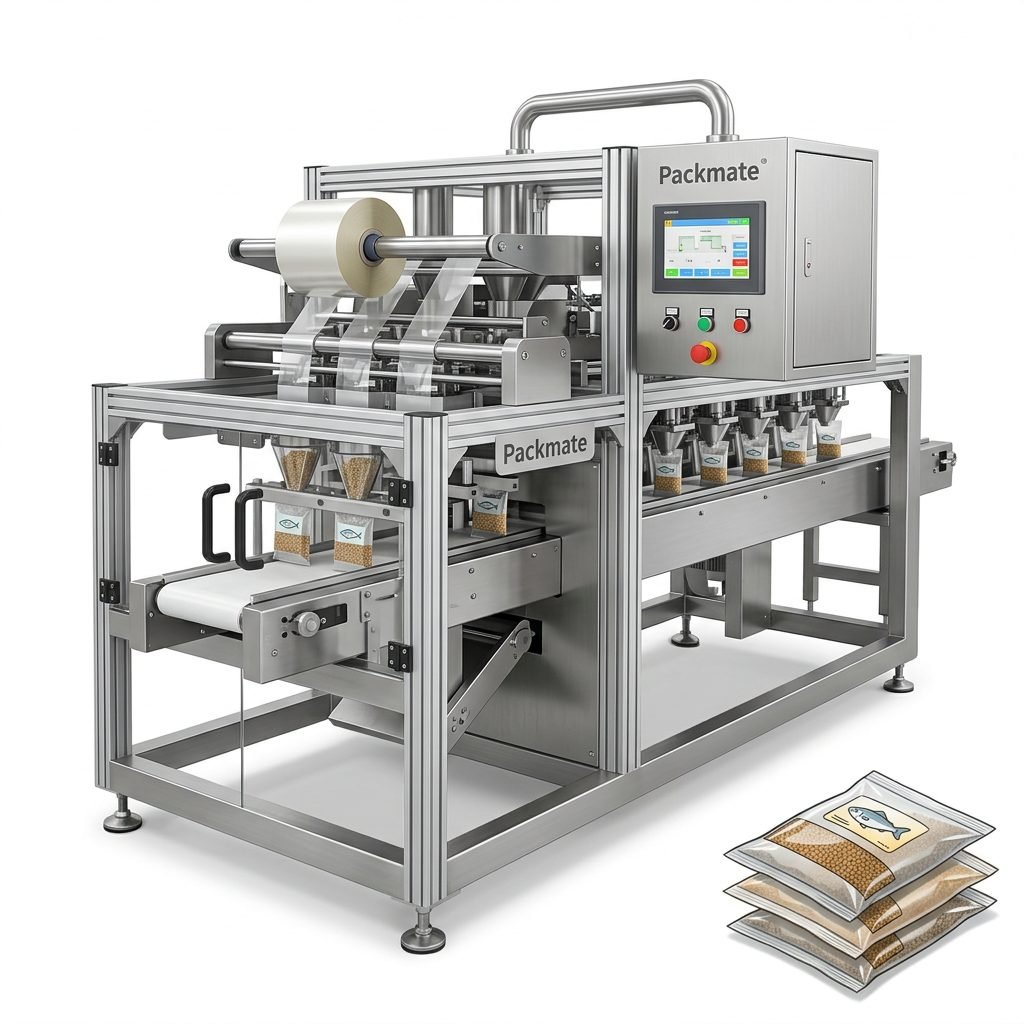
In the fast-paced world of manufacturing, efficiency, hygiene, and precision are not just goals—they are absolute necessities. This is especially true for the food, pharmaceutical, and health product industries, where packaging integrity directly impacts product safety, shelf life, and consumer trust. An automatic cartoning line represents the pinnacle of packaging automation, seamlessly integrating multiple processes to form a complete, high-speed, and reliable system. For businesses looking to scale production, ensure compliance, and reduce operational costs, investing in a tailored automatic cartoning solution is a strategic imperative.
Core Advantage: An automatic cartoning line is more than just a machine; it is a synchronized ecosystem. It typically involves feeding, loading, folding, sealing, and coding—all performed with minimal human intervention. This integration drastically reduces labor costs, minimizes human error, and ensures a consistent, high-quality output that manual or semi-automatic systems simply cannot match.
The Critical Role in Three Key Industries
The requirements for packaging vary significantly across different sectors. A one-size-fits-all approach does not work. Here’s how advanced cartoning lines address the unique challenges of each industry.
Food Industry Packaging
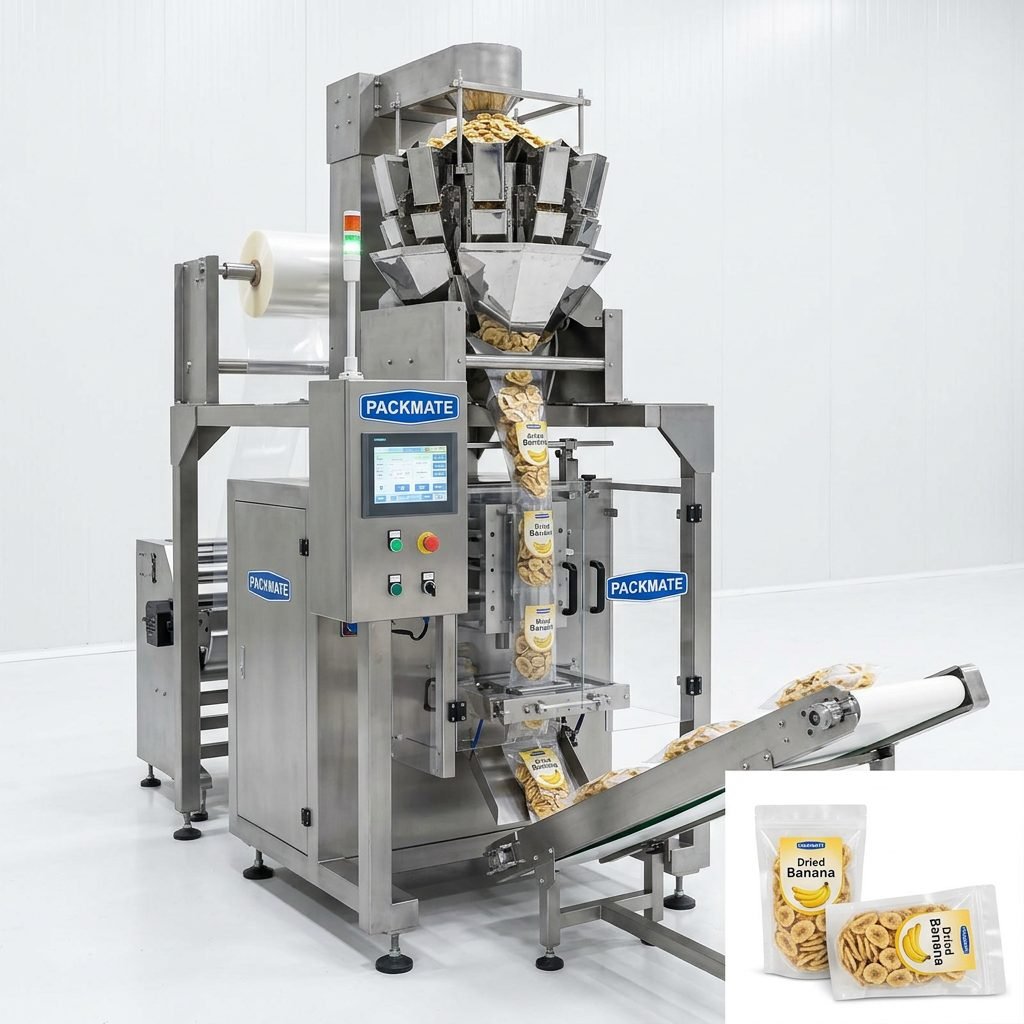
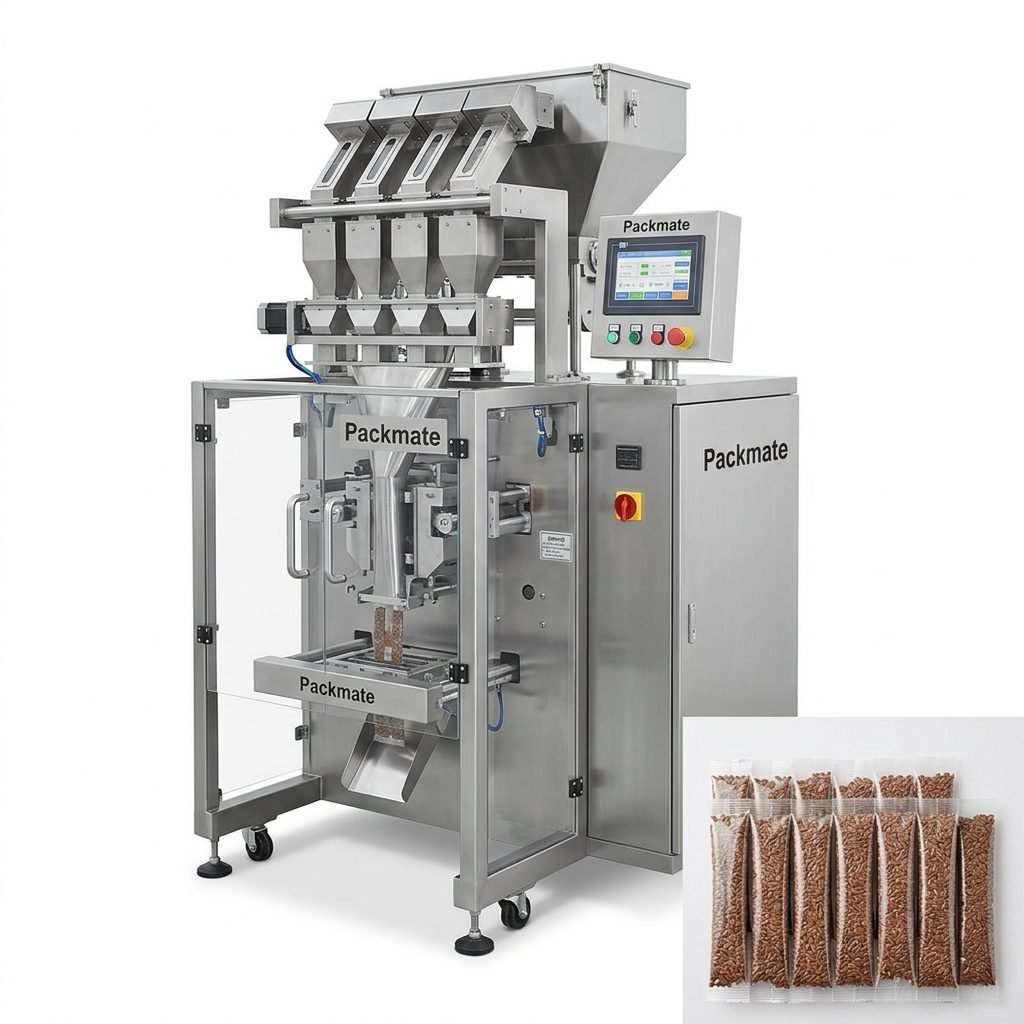
In the food sector, speed and hygiene are paramount. Automatic lines handle a vast array of products, from dry snacks and tea bags to pasta and powdered beverages. They are designed with food-grade materials and easy-clean surfaces to meet stringent hygiene standards like HACCP. The precision of these systems ensures accurate counting and loading, reducing product giveaway. Furthermore, modern lines can integrate with checkweighers and metal detectors, adding an essential layer of quality control to protect your brand reputation.
Pharmaceutical Industry Packaging
Pharmaceutical packaging is governed by the most rigorous global regulations, including cGMP and FDA guidelines. Automatic cartoning lines for pharma are engineered for absolute precision and traceability. They ensure 100% accuracy in inserting leaflets, blisters, or vials into cartons. A critical feature is serialization and aggregation, allowing each carton to be uniquely coded and tracked throughout the supply chain to combat counterfeiting. The enclosed, clean-design nature of these lines minimizes particulate contamination, making them ideal for sterile environments.
Health & Nutraceutical Product Packaging
This booming sector, encompassing vitamins, supplements, and probiotics, demands packaging that reflects product quality and ensures stability. Automatic lines offer gentle handling for delicate capsules and tablets, preventing damage. They provide excellent flexibility for frequent product changeovers, accommodating various carton sizes and styles—from standard tuck-end boxes to sophisticated window cartons that showcase the product. Efficient packaging directly supports marketing efforts and consumer confidence in the health product market.
Key Components of a Modern Automatic Cartoning Line
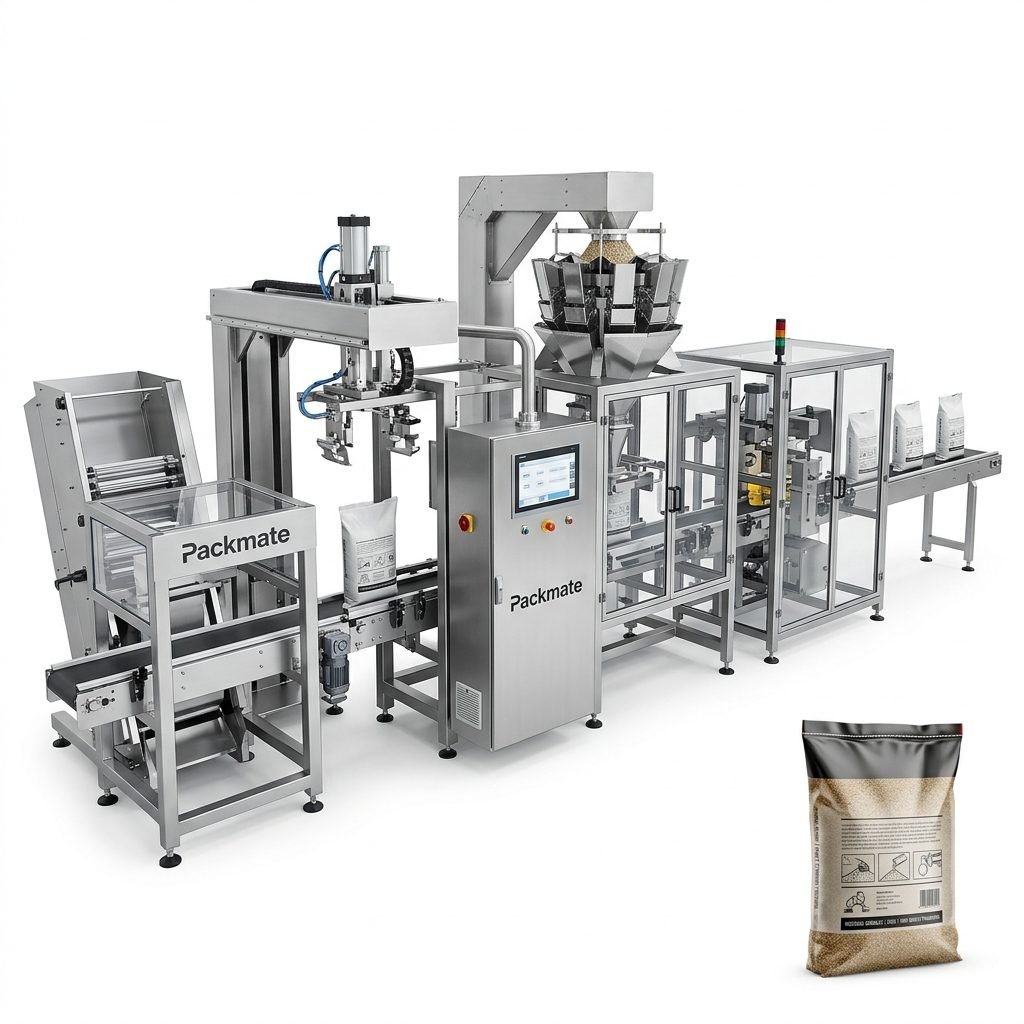
A robust cartoning solution is built by integrating specialized modules. Understanding these components helps in selecting the right system for your needs.
1. Carton Magazine & Feeder
This unit stores and automatically feeds flat carton blanks into the system. Advanced feeders can handle a wide range of carton stocks and sizes with quick adjustment mechanisms.
2. Product Loading System
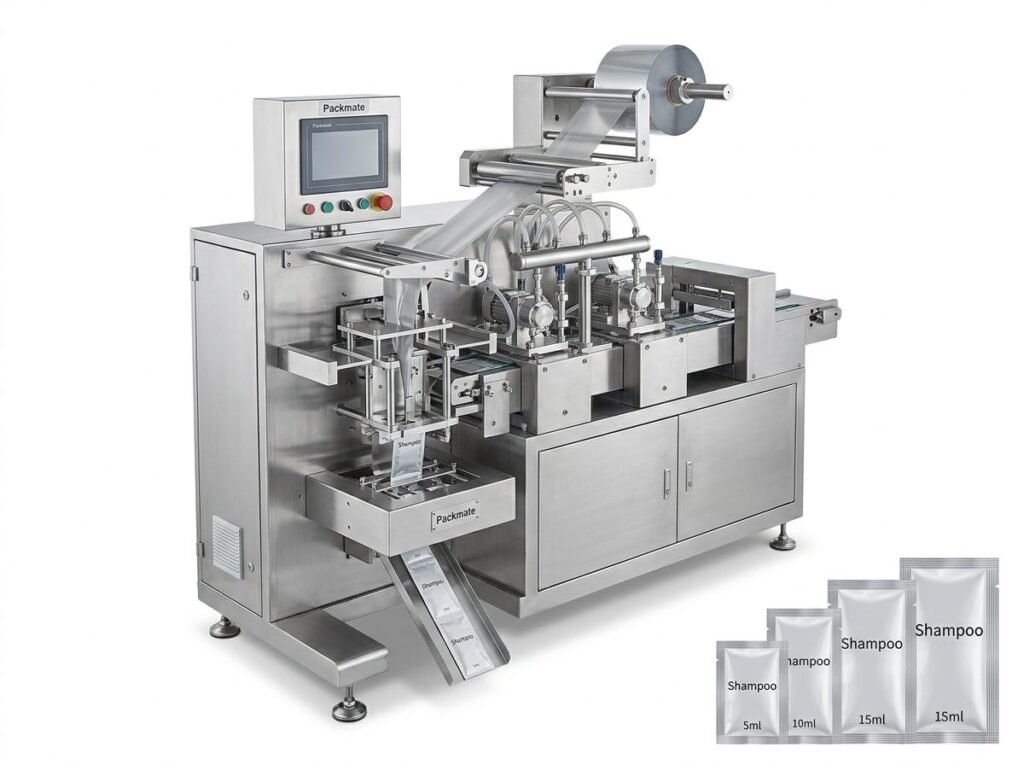
The heart of the line. This can be a robotic arm, a piston loader, or a bucket conveyor that precisely places the primary product (bottles, blisters, pouches) into the opened carton. Accuracy here is non-negotiable.
3. Leaflet/Insert Feeder
For industries requiring instructional leaflets, coupons, or spoons, this module automatically folds and inserts them into the carton alongside the product.
4. Carton Closing Mechanism
This section neatly folds and seals the carton flaps. Methods include hot melt glue for a permanent seal or tuck-in flaps for a reversible closure, chosen based on product and distribution needs.
5. Outfeed & Bundling
The finished, sealed cartons are collated and discharged for subsequent processes like case packing and palletizing, creating a continuous flow from primary packaging to shipping.
Why Choose a Turnkey Solution from an Expert?
Selecting individual machines from different vendors can lead to integration headaches, communication gaps, and downtime. Partnering with a specialist provider like Packmate (GuangDong) Co., Ltd. for a turnkey solution offers distinct advantages:
✅ Single-Point Responsibility: One partner manages the entire line—design, manufacturing, integration, installation, and training.
✅ Guaranteed Compatibility: All modules are designed to work in perfect harmony, maximizing efficiency and uptime.
✅ Customized Engineering: Solutions are tailored to your specific product, speed requirements, and factory layout.
✅ Comprehensive Support: Access to ongoing technical support, spare parts, and preventive maintenance services ensures long-term reliability.
Future Trends: Smart and Sustainable Cartoning
The future of automatic cartoning is intelligent and eco-conscious. The integration of Industry 4.0 principles allows for real-time monitoring of Overall Equipment Effectiveness (OEE), predictive maintenance alerts, and seamless data exchange with factory management systems. Sustainability is also a major driver, with lines being adapted to handle recycled cardboard, reduce glue consumption, and efficiently run lighter-weight, eco-friendly carton materials without compromising performance.
Frequently Asked Questions (FAQs)
1. What is the typical speed range of an automatic cartoning line?
Speeds vary based on carton size and product complexity. Standard machines range from 50 to over 400 cartons per minute. High-speed lines for simple products can exceed this, while complex setups with multiple insertions may run slower. A detailed analysis of your product is needed for an accurate specification.
2. How difficult is it to change over carton sizes on the line?
Modern lines are designed for flexibility. Many offer quick-changeover systems where adjustments for different carton sizes can be made in minutes using hand wheels or digital inputs, minimizing downtime during production shifts for different SKUs.
3. Can the line integrate with our existing blister packer or liquid filler?
Yes, a key benefit of a custom turnkey solution is seamless integration. Experienced providers like Packmate design the cartoning line’s infeed and control system to synchronize perfectly with your upstream and downstream equipment, creating a continuous production flow.
4. What kind of maintenance does an automatic cartoning line require?
Regular preventive maintenance is crucial. This includes daily cleaning, lubrication of moving parts, and inspection of wear components like seals and belts. Most reputable suppliers provide detailed maintenance schedules and training for your in-house team to ensure optimal uptime.
5. How do we ensure the line meets pharmaceutical compliance standards?
You must work with a supplier experienced in pharmaceutical validation. The line should be designed with cleanability, traceability (serialization), and documentation in mind. Providers should support you through the Factory Acceptance Test (FAT), Site Acceptance Test (SAT), and the generation of necessary validation documentation (IQ/OQ/PQ protocols).