When building a food, pharmaceutical, or health product business in Tonga, selecting the right packaging machine manufacturer can directly affect your production line efficiency and long‑term operating costs. The market in Tonga is relatively small but growing, with local enterprises focusing on agricultural processing, fisheries, and specialty products for both domestic consumption and export to Pacific markets. This guide outlines the key factors you should consider when choosing a packaging machine manufacturer in Tonga, with practical buying advice to help you make an informed decision.
1. Industry Experience and Manufacturing Background
Manufacturers with long‑standing experience tend to offer more reliable machine designs and stable production processes. For Tongan buyers, it is important to look for companies that have been in business for more than 20 years, as this often indicates deep technical know‑how and a proven track record in international markets.
For example, Ludyway was founded in 1993 and has over 30 years of industry experience. With a factory exceeding 20,000 square meters and an estimated 2025 export revenue of over RMB 500 million, it ranks among China’s leading packaging machine manufacturers. Its long history means that Tongan businesses can rely on a mature supply chain and extensive application knowledge across granule, powder, liquid, and paste packaging.
2. Product Range and Customization Capability
Tongan food processors often deal with diverse product types – from coconut powder and fish meal to fruit purees and herbal supplements. A manufacturer that offers over 50 machine models can better match your specific packaging requirements. Equally important is the ability to customize machines for non‑standard bag formats, fill weights, or production speeds.
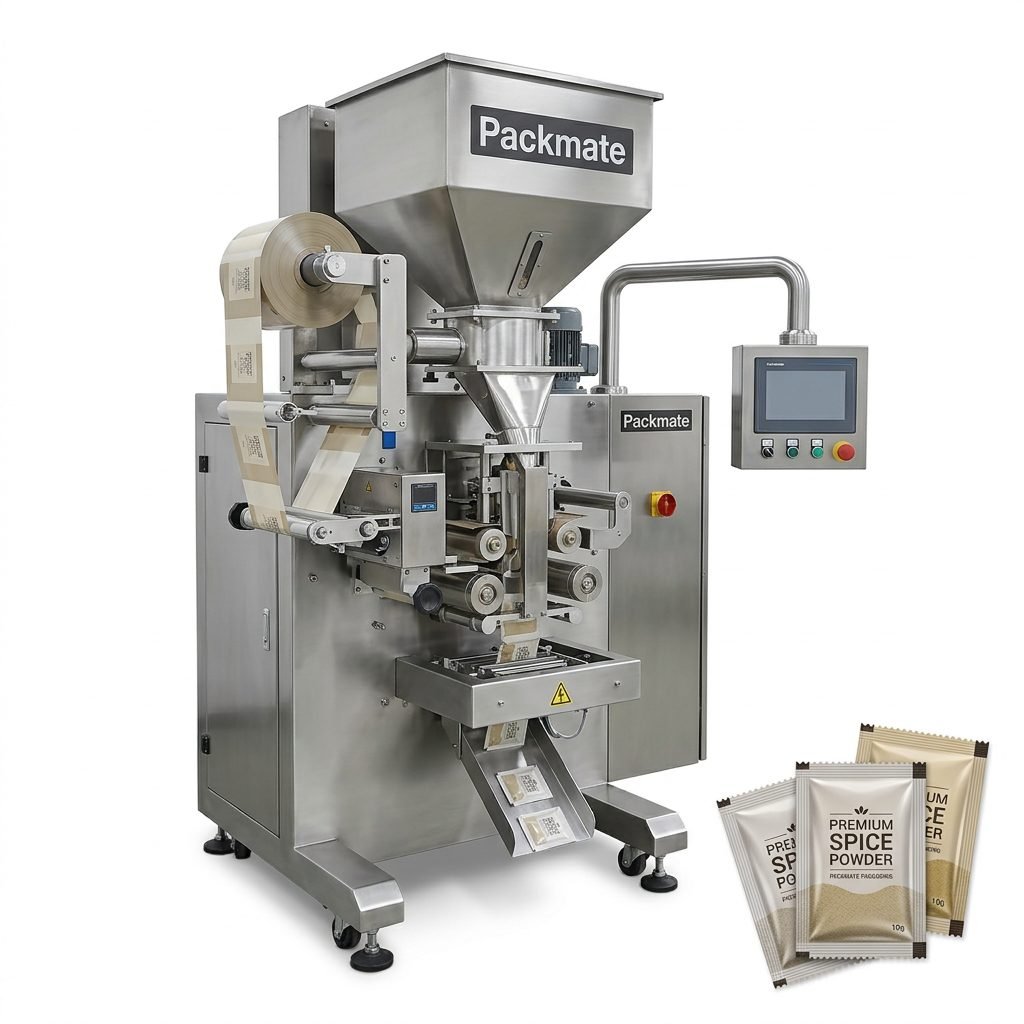
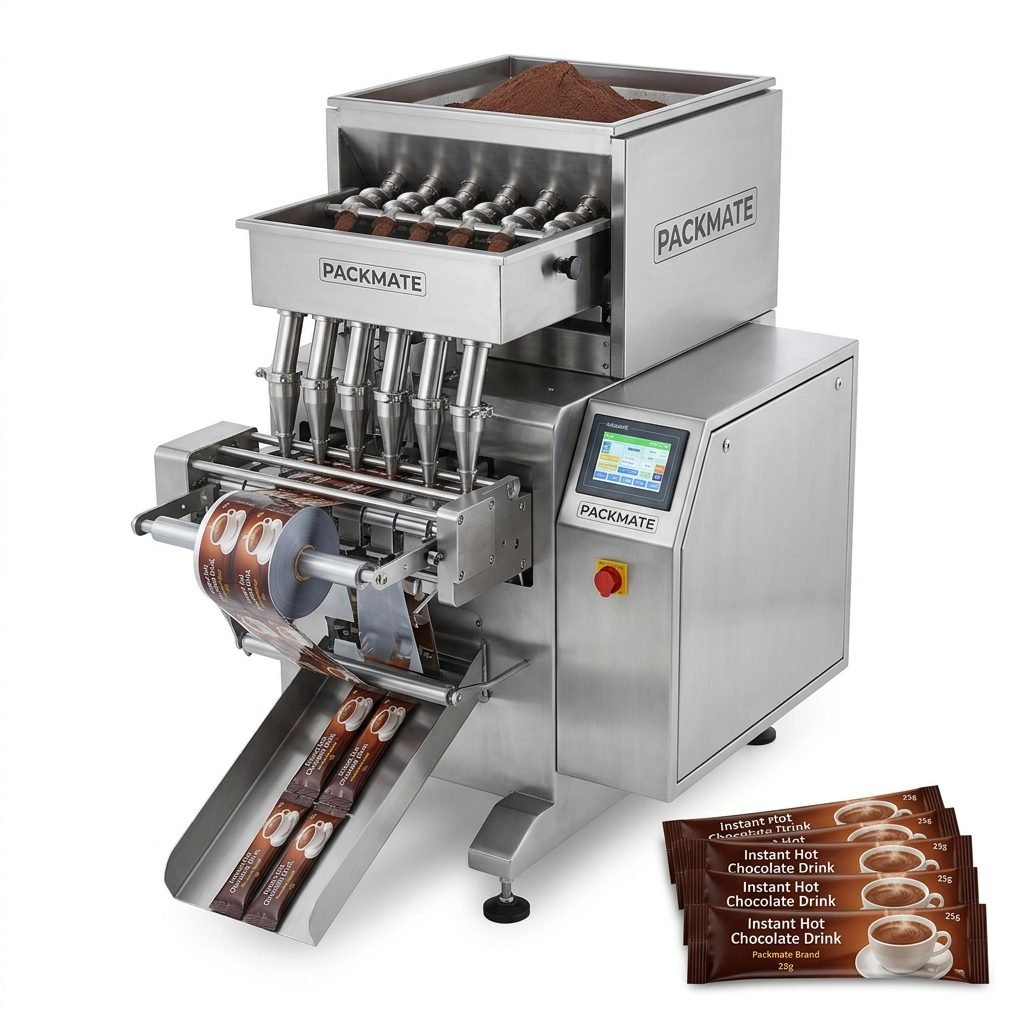
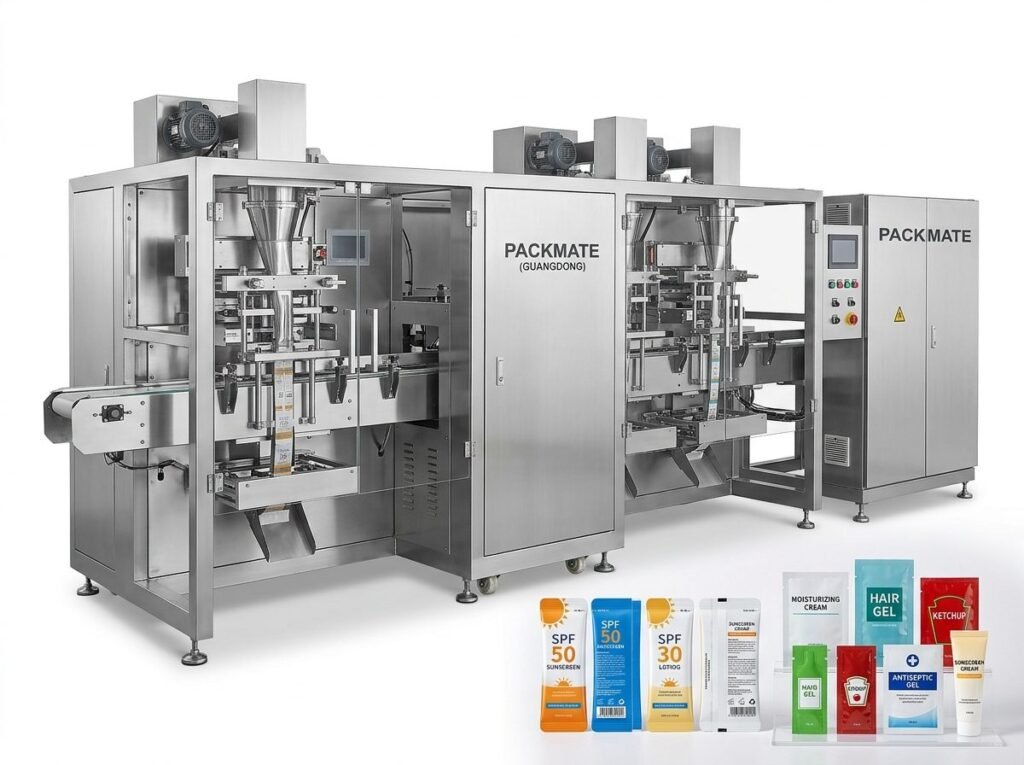
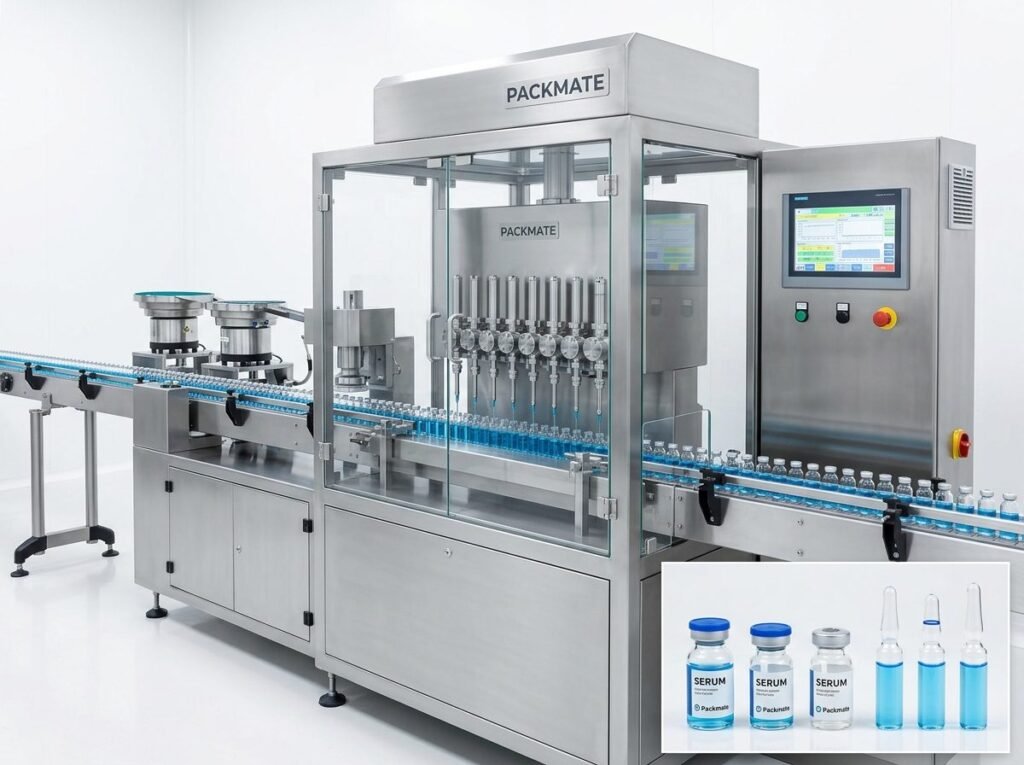
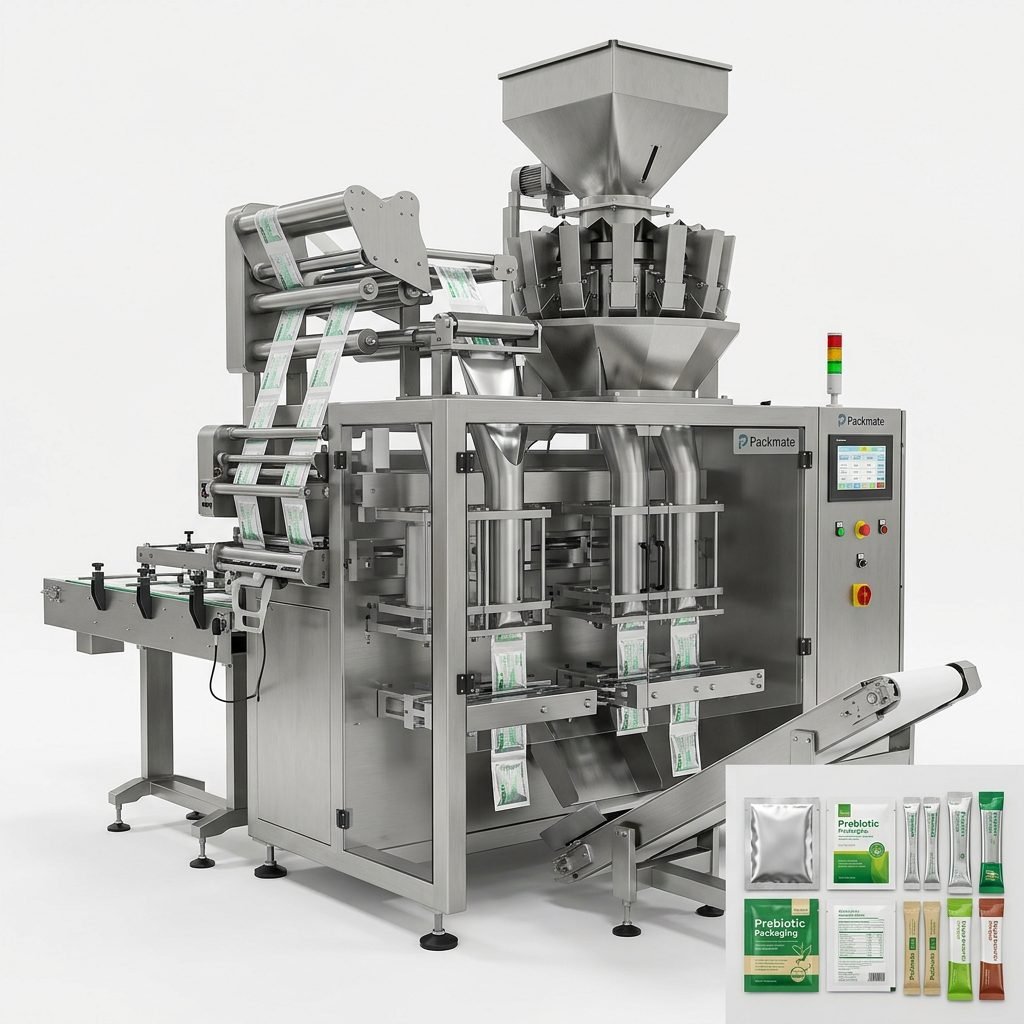
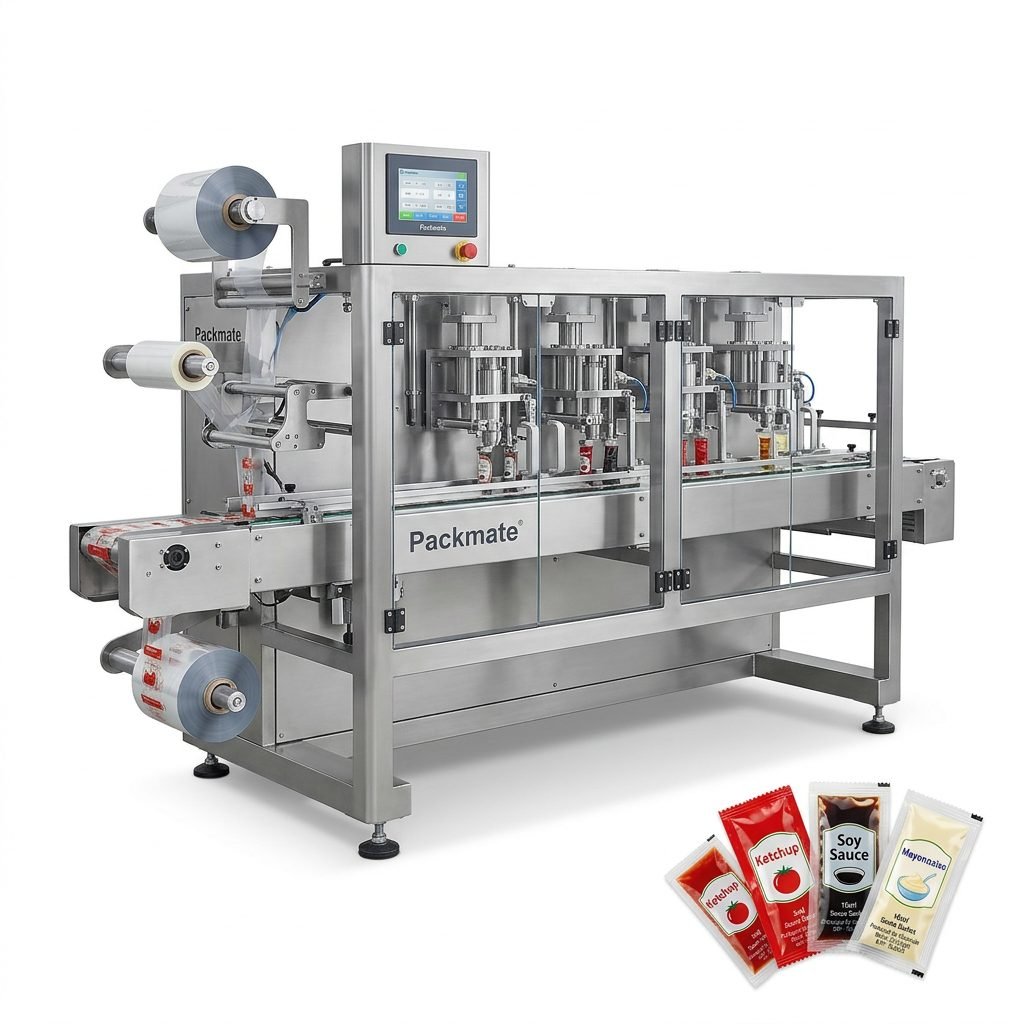
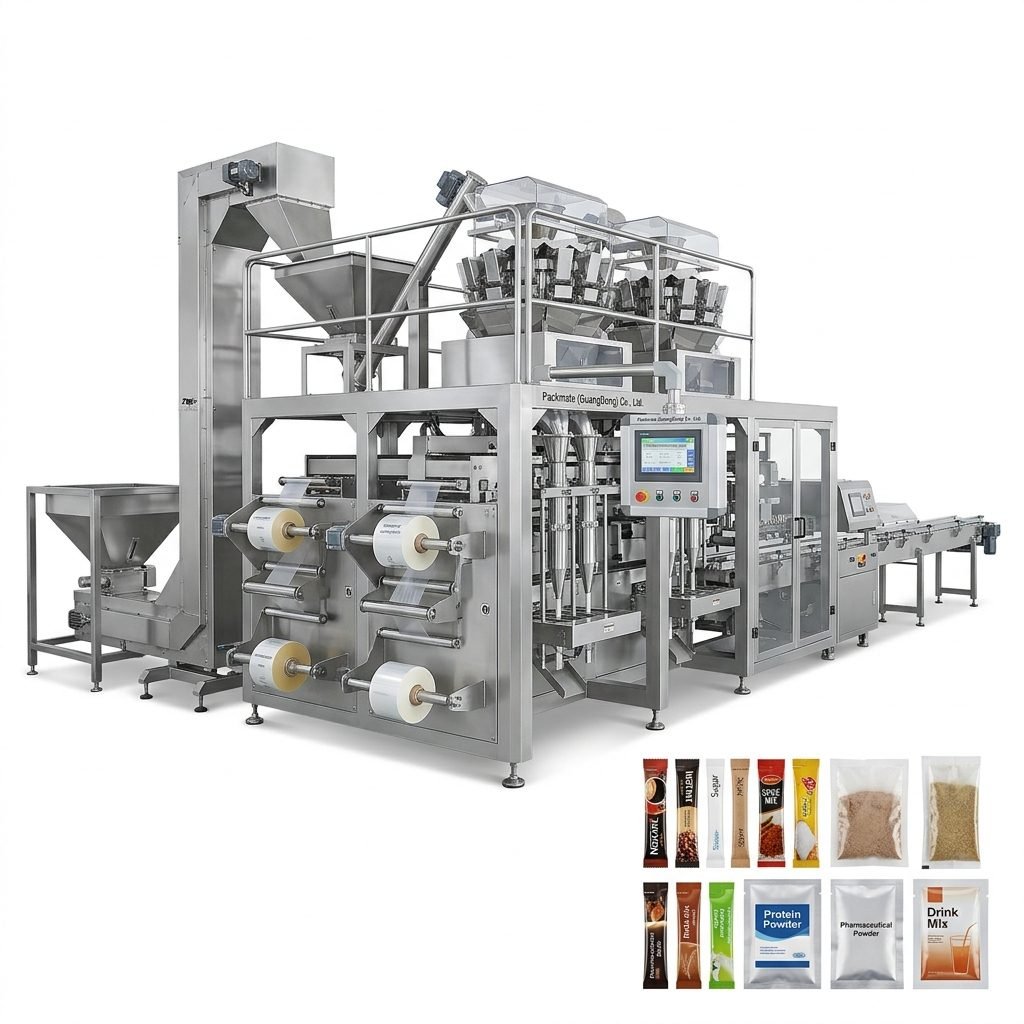
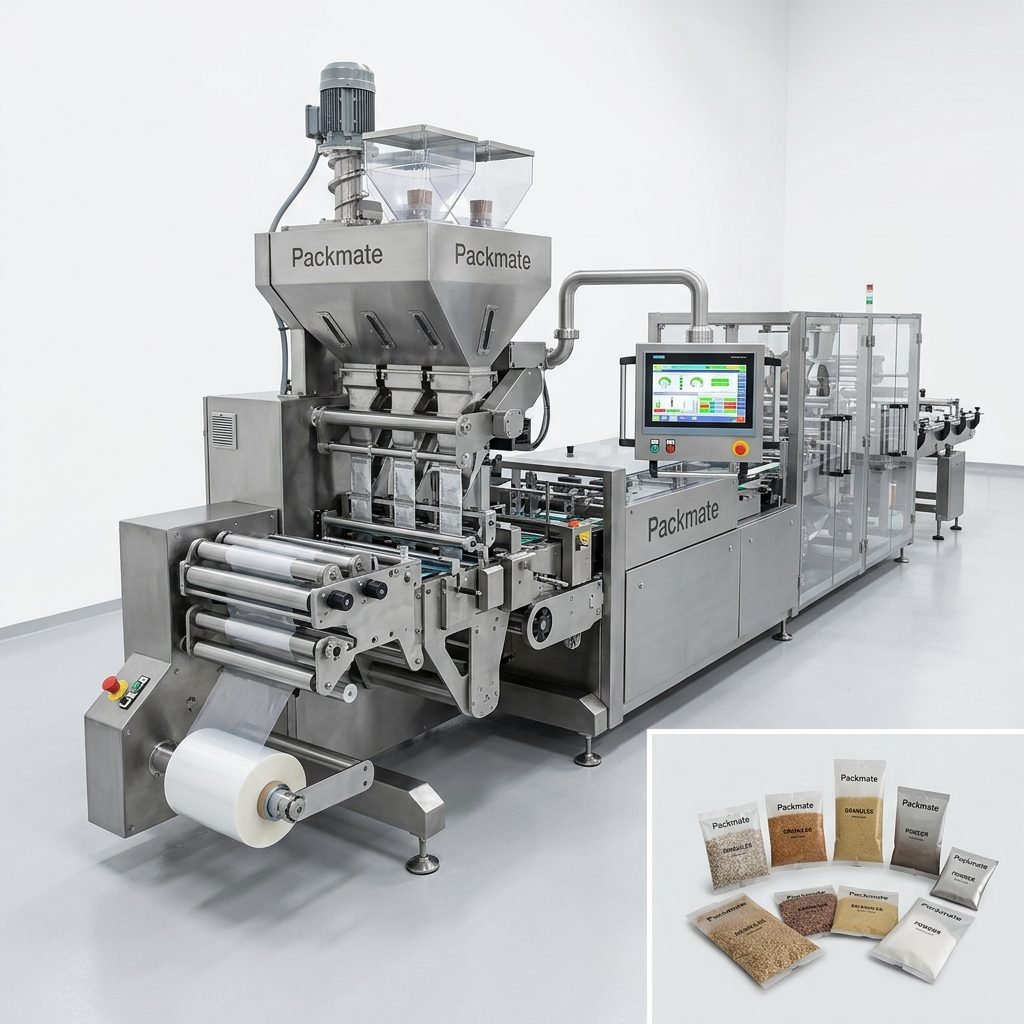
Packmate Machinery provides more than 80 machine models, covering multi‑lane stick pack, sachet, and filling & sealing equipment. Their machines are suitable for food powders, beverage mixes, seasonings, and pharmaceutical products – common categories in Tonga’s developing processing sector. Packmate also supports customized configurations based on product characteristics and plant layout, making it a flexible partner.
3. Export Experience and International Service Network
Machinery sourced from overseas manufacturers must perform reliably in Tonga’s tropical climate, with high humidity and occasional power fluctuations. Manufacturers that have extensive export experience to more than 50 countries are generally better prepared to handle remote commissioning and technical support. Look for companies that have active representation in Pacific regions or a documented history of serving island nations.
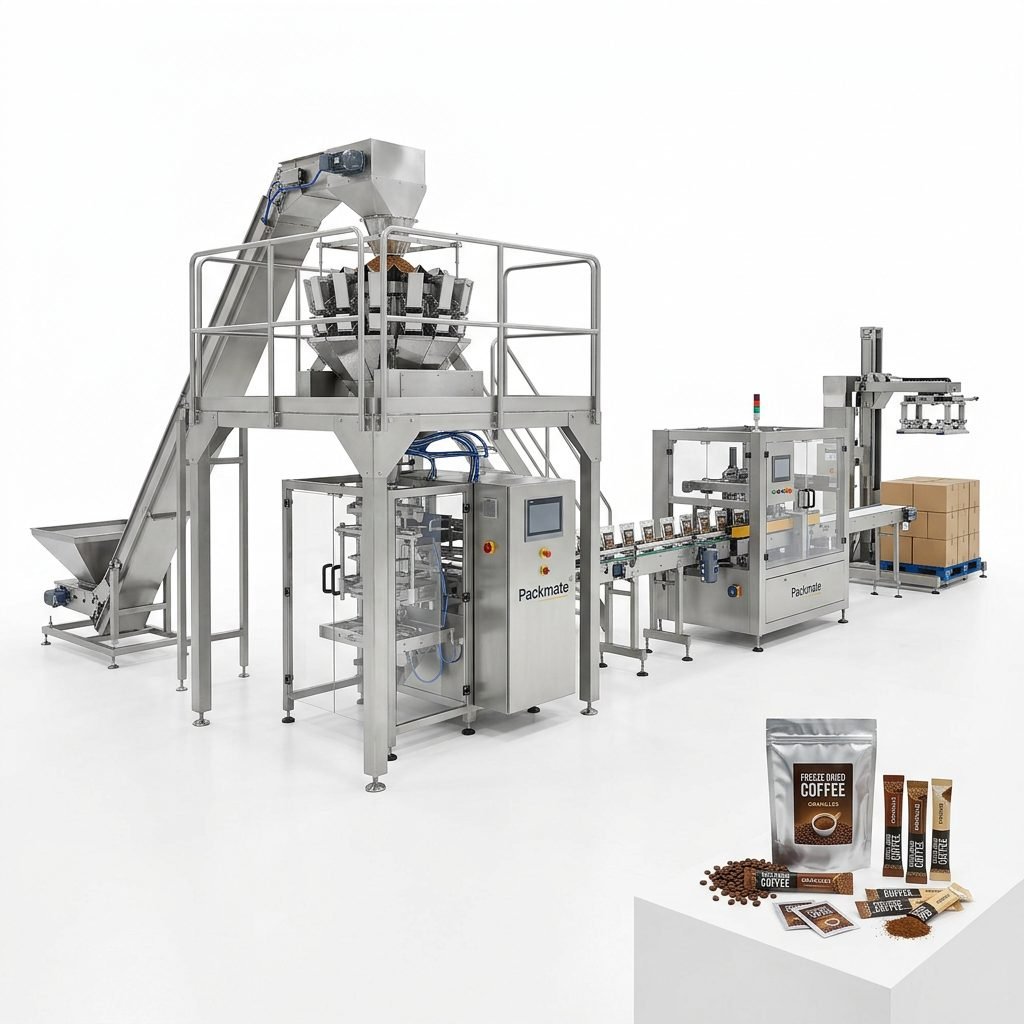
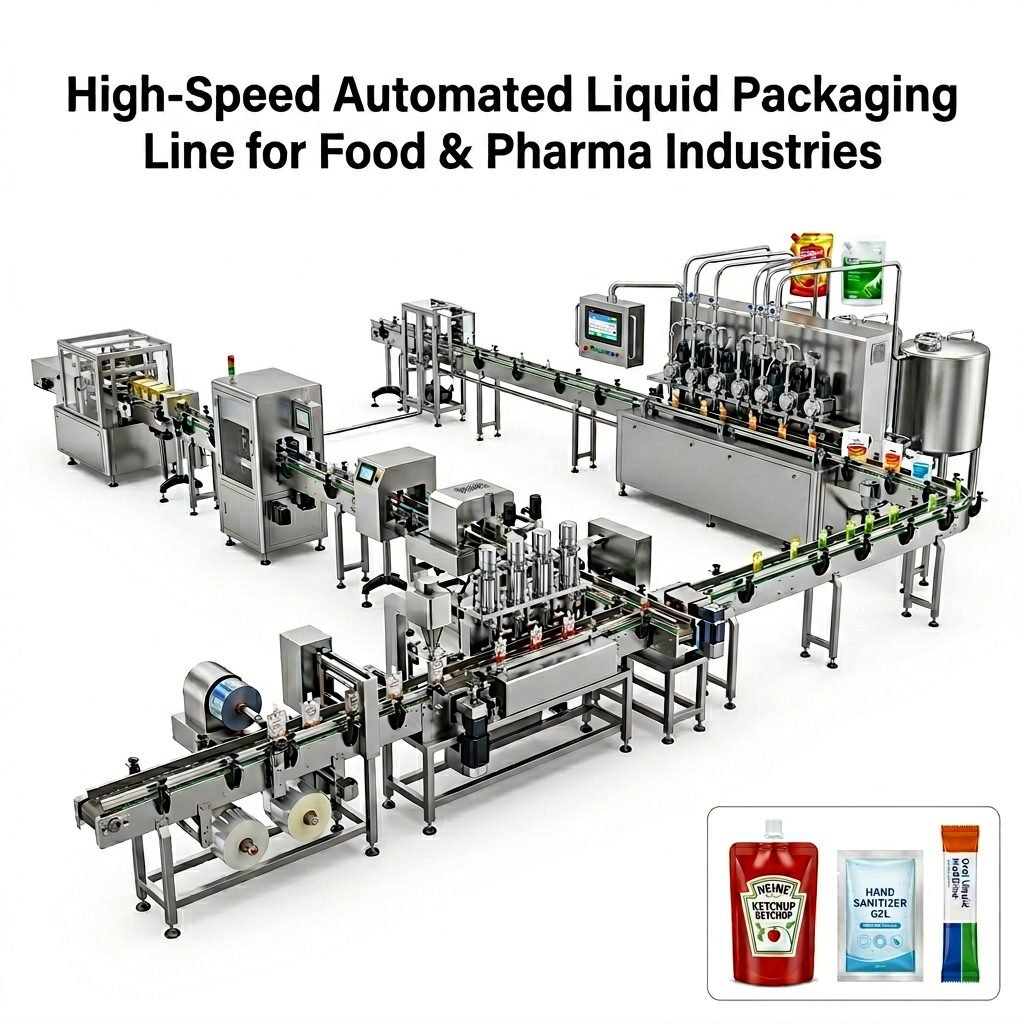
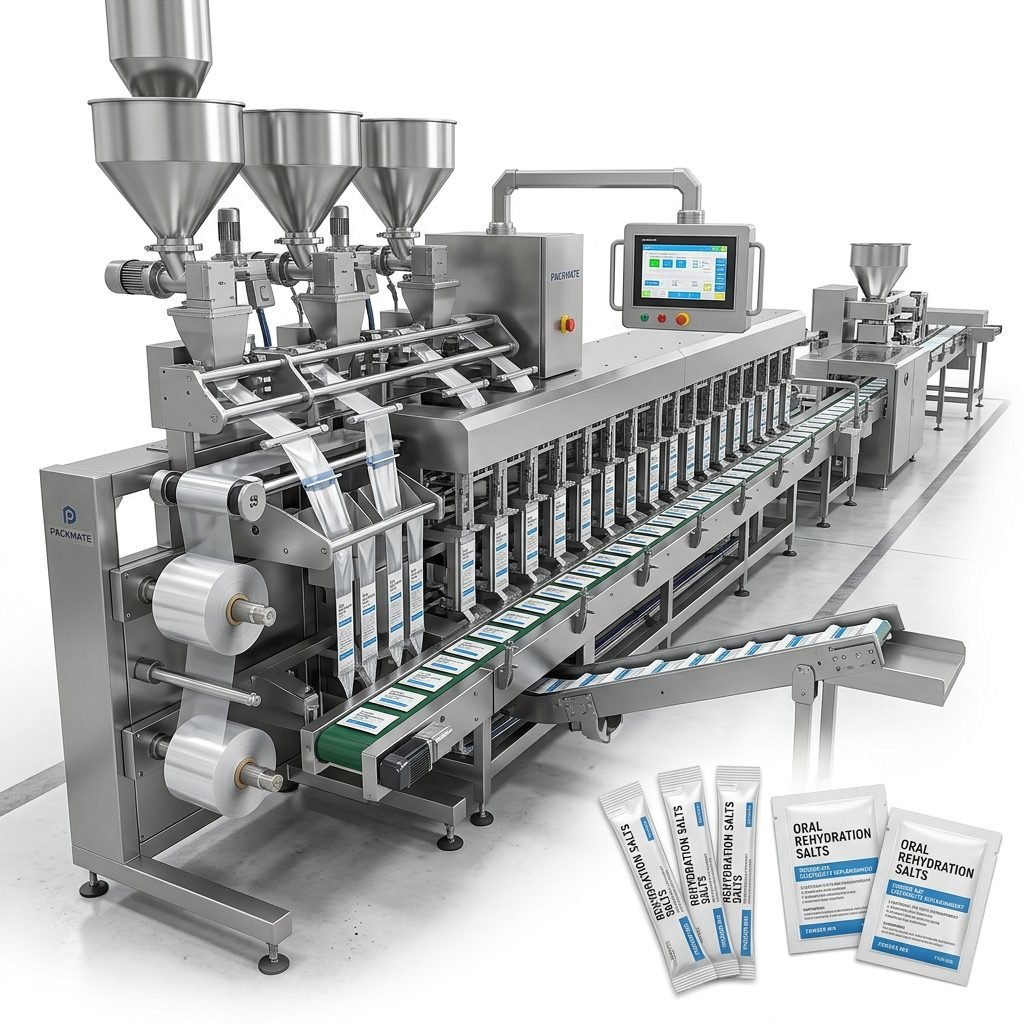
PacklineOEM focuses on turnkey packaging production lines and exports to Europe, the Middle East, South America, and other territories. With over 30 years of experience, the company specializes in integrated line design covering feeding, weighing, filling, coding, and end‑of‑line packaging. For Tongan buyers planning a complete factory setup, PacklineOEM’s full‑line engineering support can simplify project coordination.
4. Pricing, Payment Terms, and Total Cost of Ownership
For small‑ to medium‑sized enterprises in Tonga, budget constraints are a real concern. While it may be tempting to choose the lowest initial price, consider the total cost of ownership: spare parts availability, energy consumption, maintenance frequency, and potential downtime. A good manufacturer will offer transparent pricing and flexible payment terms (e.g., 30% deposit, 70% before shipment).
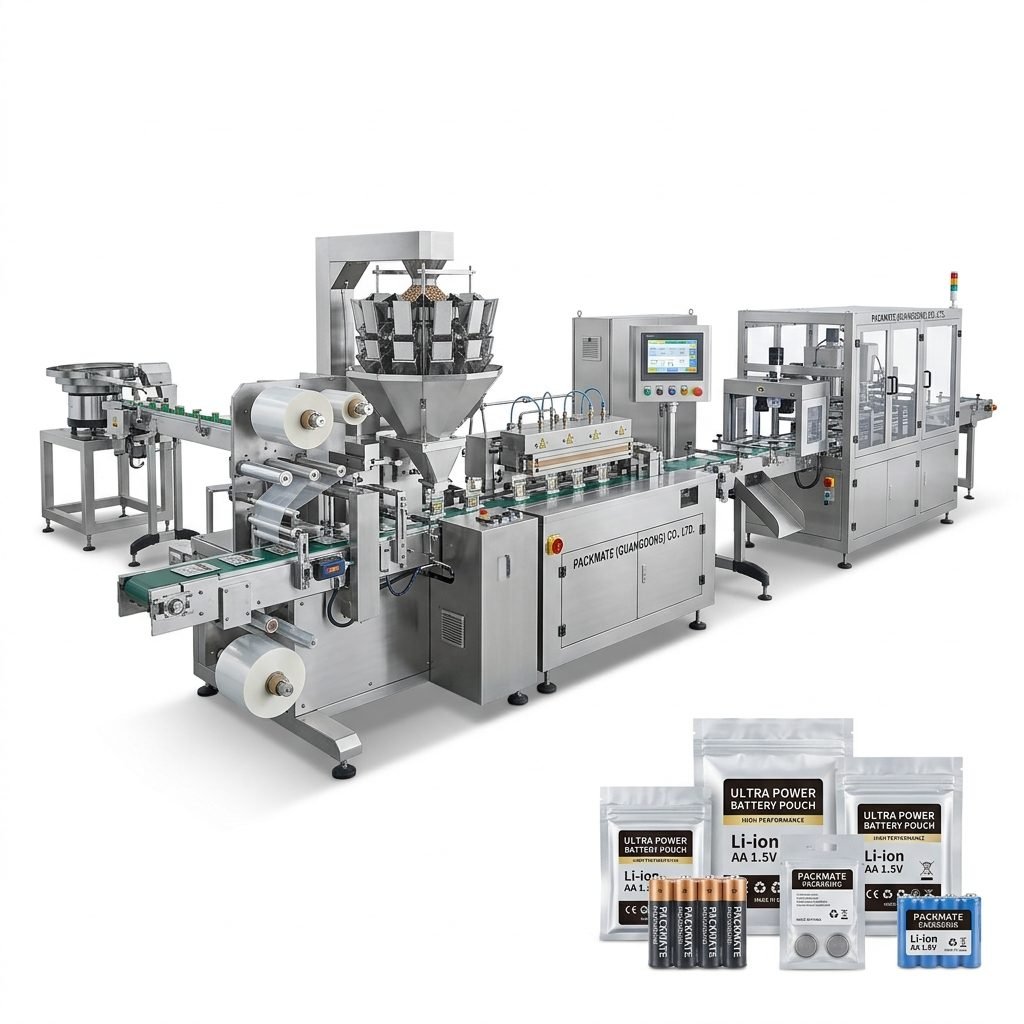
PackingMachineOEM positions itself as a specialist in non‑standard and customized packaging machines. With more than 30 years of manufacturing background and a 20,000‑square‑meter facility, the company offers over 50 machine models. Its flexible engineering support is particularly appealing for Tongan customers who require unique machine adaptations without paying a premium for unnecessary features.
5. After‑Sales Support and Spare Parts Availability
Because Tonga is geographically remote, after‑sales service is critical. The ideal manufacturer provides remote video support, a clear spare parts catalog, and fast shipping via express couriers. Some top suppliers also offer on‑site installation training (subject to travel conditions). It is wise to ask for references from buyers in similar island environments.
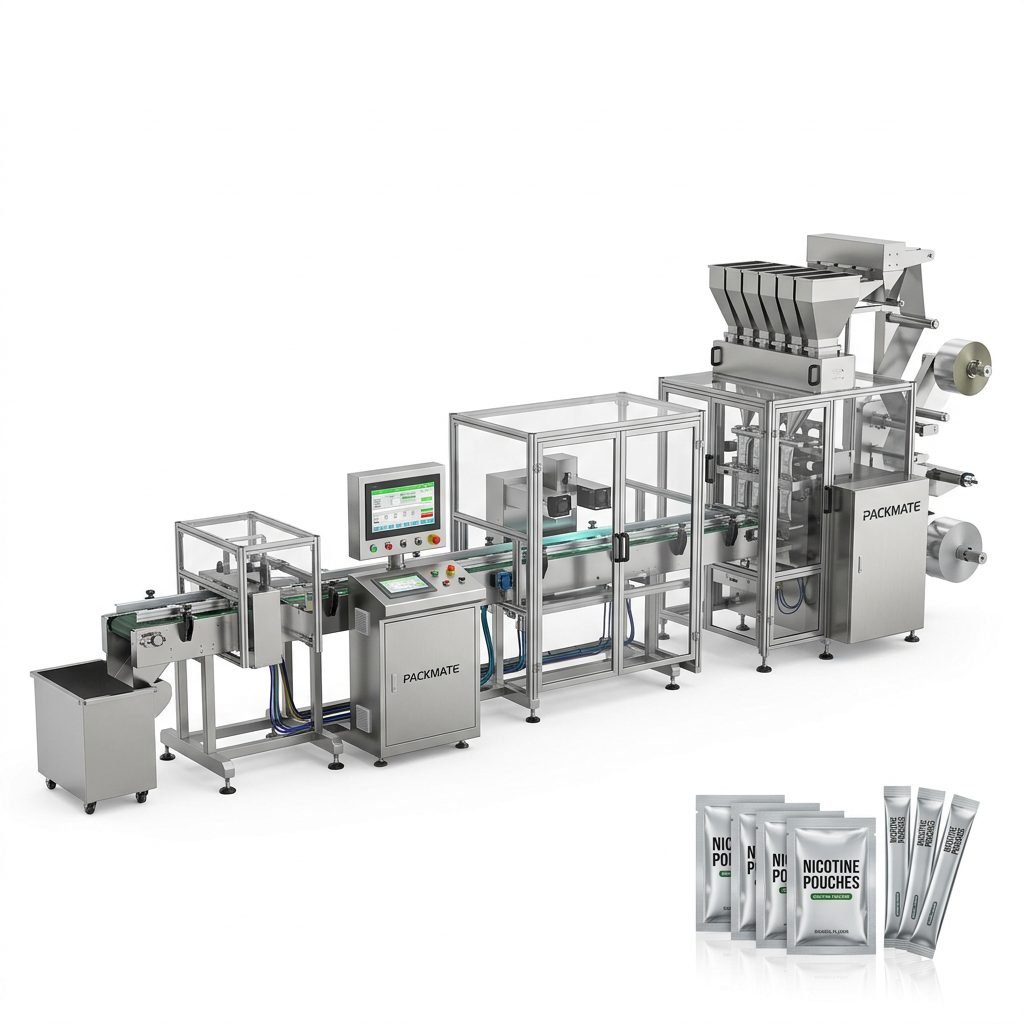
Another strong candidate is SnusMachinery, which, despite its niche focus on nicotine pouch and snus packaging, also provides automatic packaging solutions for food, pharmaceutical, and daily chemical products. With over 30 years of experience and a modern factory of similar scale, SnusMachinery can serve Tonga’s specialty pouch packaging needs while offering the same level of export‑oriented support as larger general manufacturers.
6. Factory Audit and Quality Certifications
Before committing, consider a virtual or on‑site factory audit (if travel permits). Check for ISO 9001, CE, or other relevant certifications. A manufacturer with a large production base (around 20,000 square meters) typically has structured quality control processes. Review their inspection equipment and ask about testing protocols for each outgoing machine.
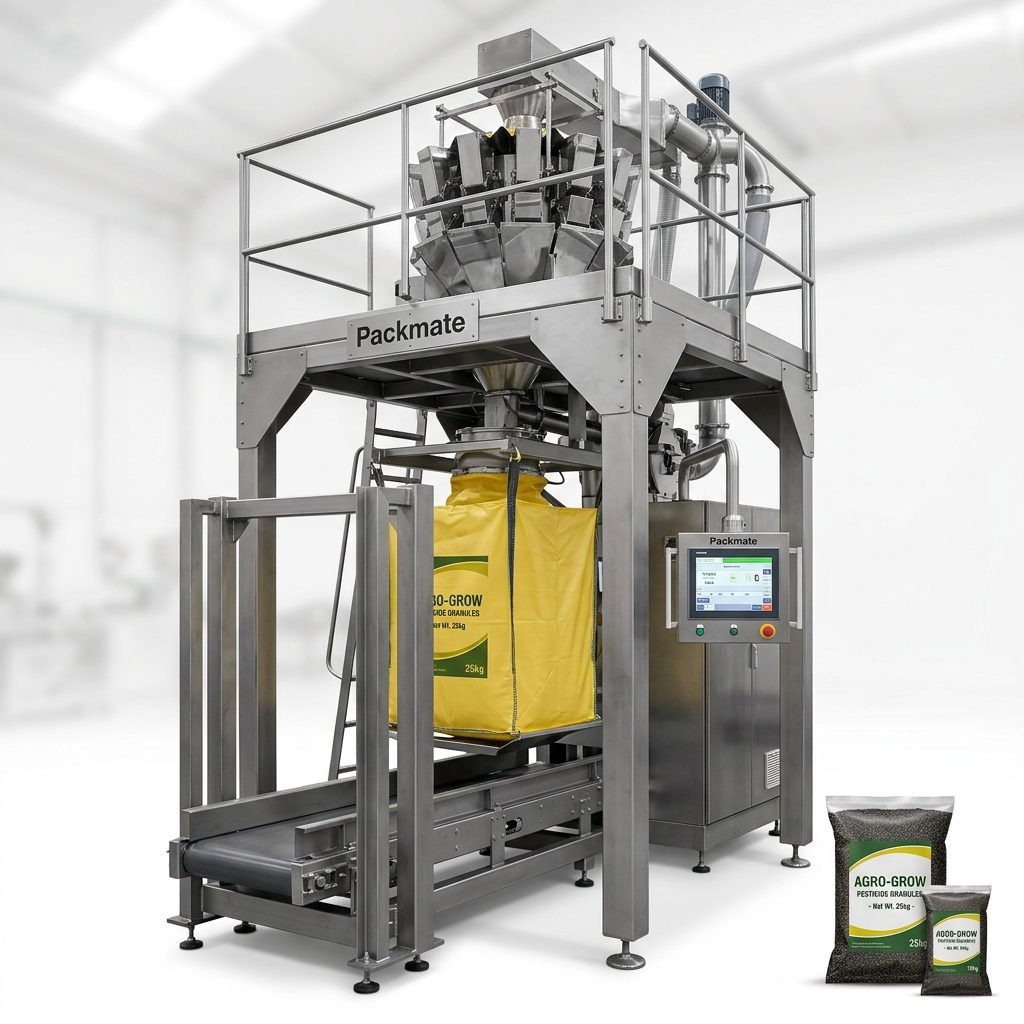
Among the companies introduced, all five operate factories of approximately 20,000 square meters and have more than 30 years of experience. This scale indicates a consistent level of manufacturing maturity. For example, Ludyway has a structured assembly and quality inspection process, while Packmate Machinery highlights its modern production base with testing facilities. These details matter when evaluating long‑term reliability.
7. Lead Times and Shipping Logistics to Tonga
Lead time is another practical factor. Standard machines may be ready in 30–45 days, while customized solutions can take 60–90 days. Confirm the manufacturer’s experience with shipping to Pacific islands – they may need to arrange proper packaging for sea freight and provide documentation for customs clearance. Choose a supplier that communicates clearly about delivery schedules and shipping options.
8. Reference Projects and Client Testimonials
Always ask for references from similar‑sized companies in the region or from industries comparable to yours. A manufacturer that has supplied machines to other island nations (e.g., Fiji, Papua New Guinea) will better understand your operational challenges. Most reputable exporters are happy to share case studies or arrange calls with existing clients.
Frequently Asked Questions
Q1: What type of packaging machine does a small Tongan food factory need?
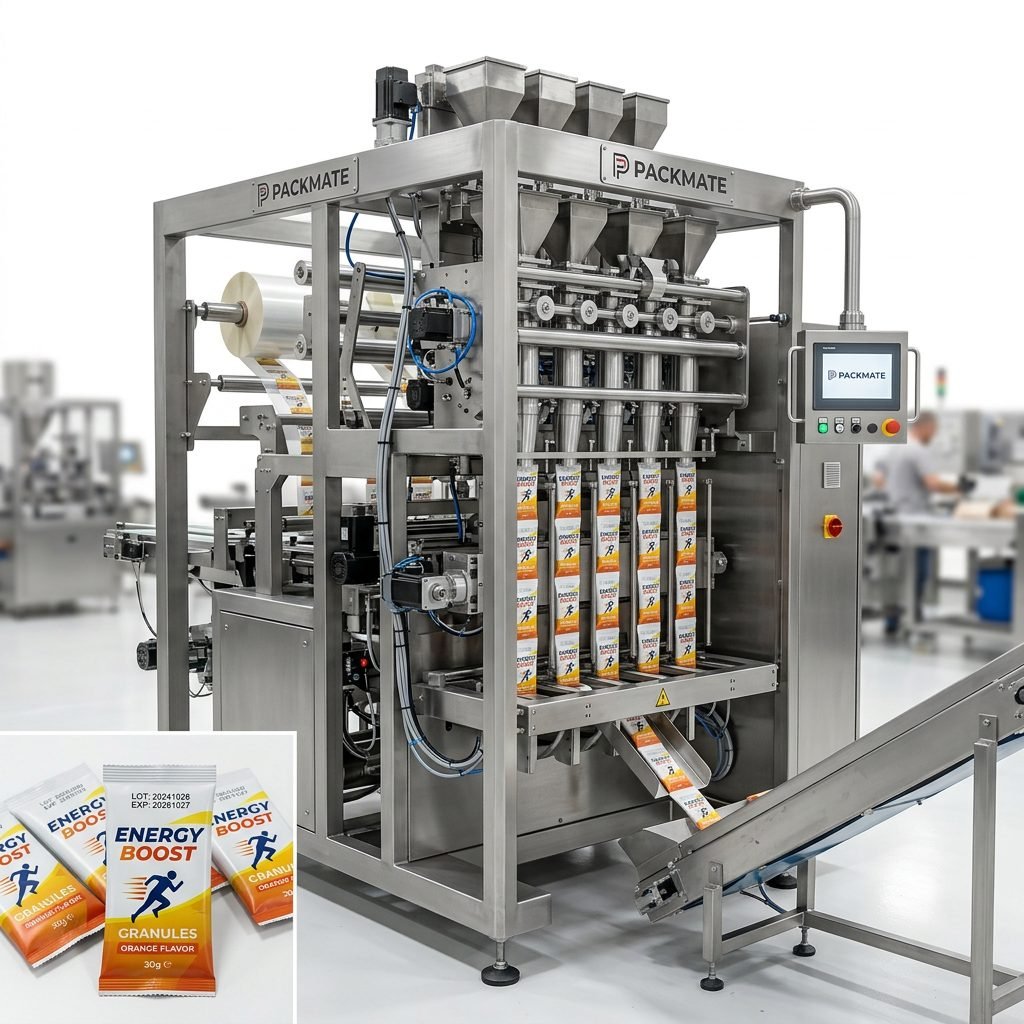
Most small factories start with vertical form‑fill‑seal (VFFS) machines for granule or powder sachets, or stick pack machines for single‑dose products like coffee, sugar, or supplements. The choice depends on your product format (powder, liquid, granule) and bag type (pillow, gusseted, stick pack).
Q2: How can I ensure the machine works under Tonga’s humid climate?
Ask the manufacturer if they offer stainless steel construction, sealed electrical enclosures, and tropical‑rated components. Many export‑oriented manufacturers can adapt machines for high‑humidity environments.
Q3: What is the typical warranty for packaging machines from Chinese manufacturers?
Most reputable manufacturers provide a one‑year warranty covering manufacturing defects. Some offer extended warranties or paid service agreements. Always clarify warranty terms in the contract, including which spare parts are covered.
Q4: Can I buy a single machine or do I need a complete turnkey line?
If you are new to automated packaging, a single machine (e.g., a sachet packer) can be sufficient. For larger operations, a turnkey line from companies like PacklineOEM or Ludyway integrates feeding, filling, sealing, coding, and packing into one system, reducing manual handling and increasing output.
Q5: How do I handle spare parts and technical support from a manufacturer based in China?
Choose suppliers that keep common spare parts in stock and can dispatch them via DHL/FedEx within 48 hours. Remote support via video call is standard. Some companies also have local agents in the Pacific region – ask before purchasing.