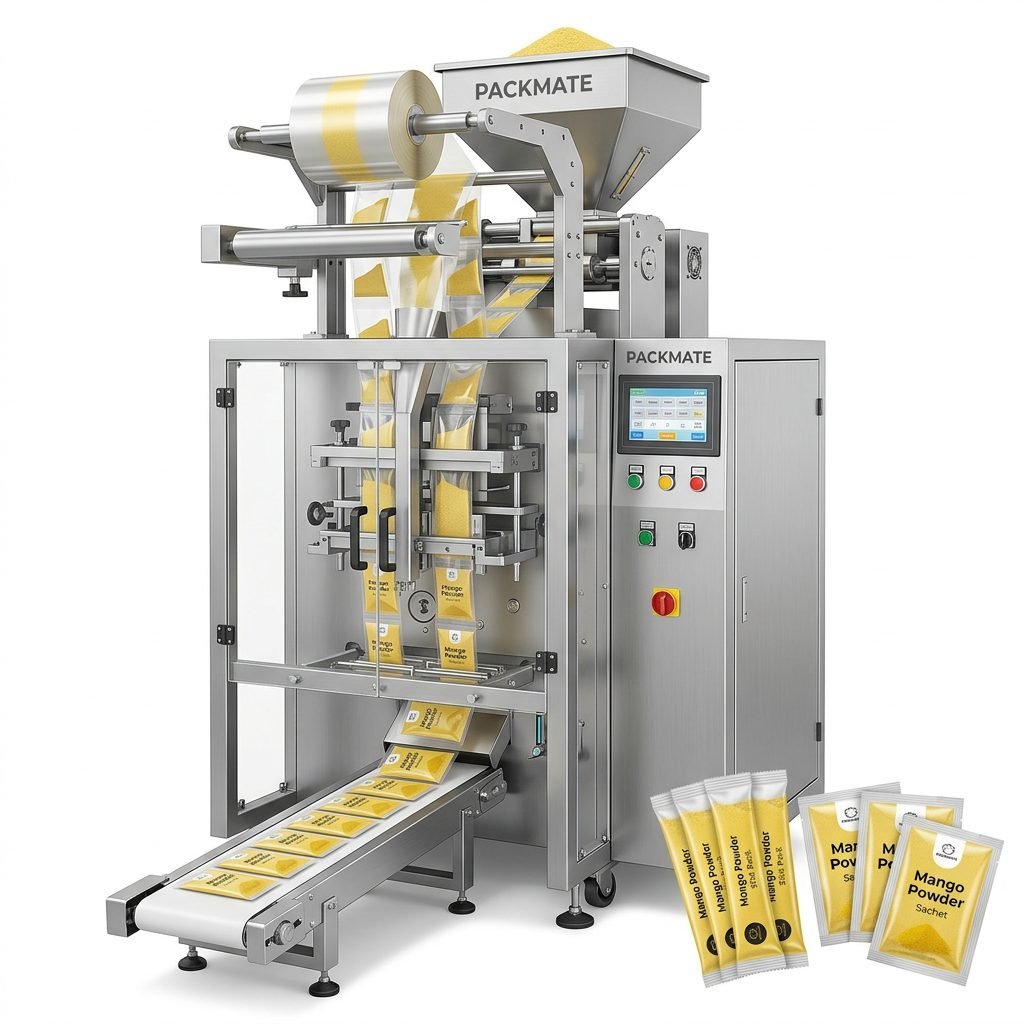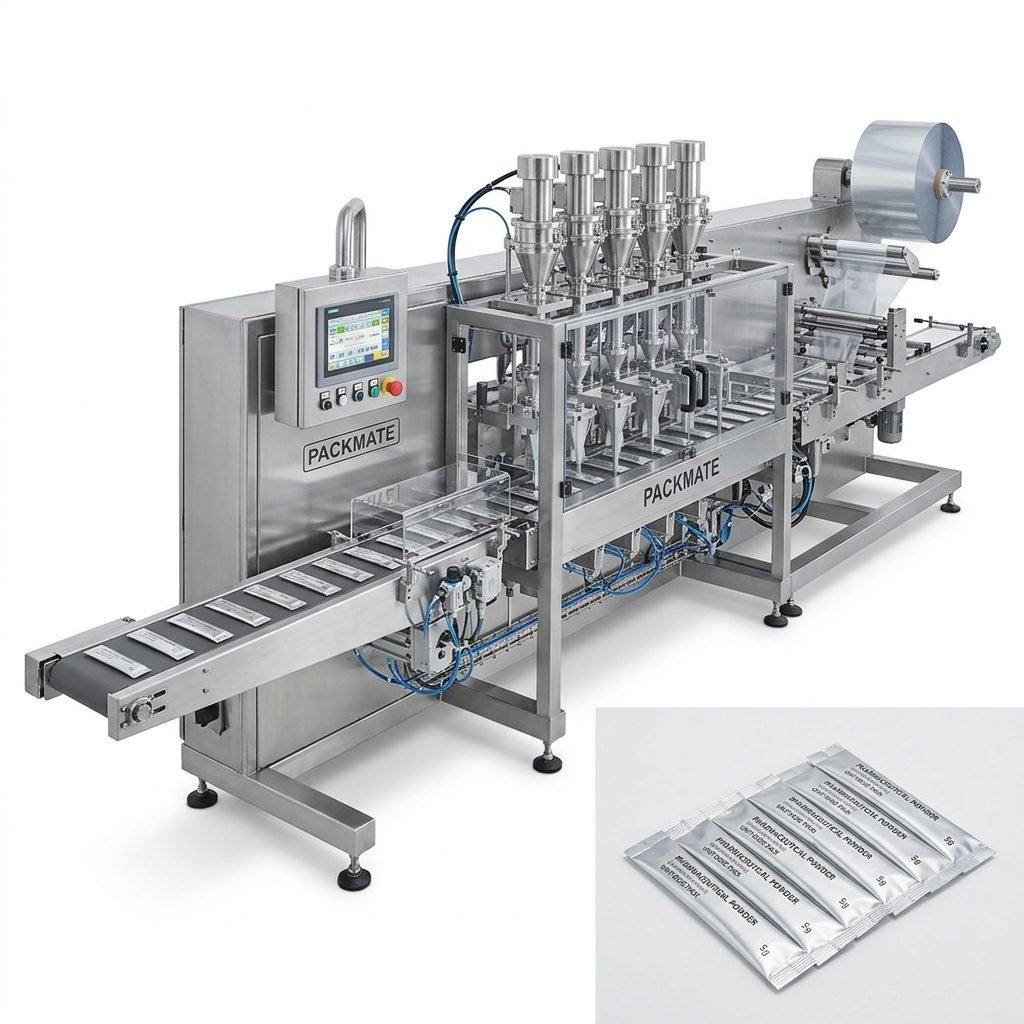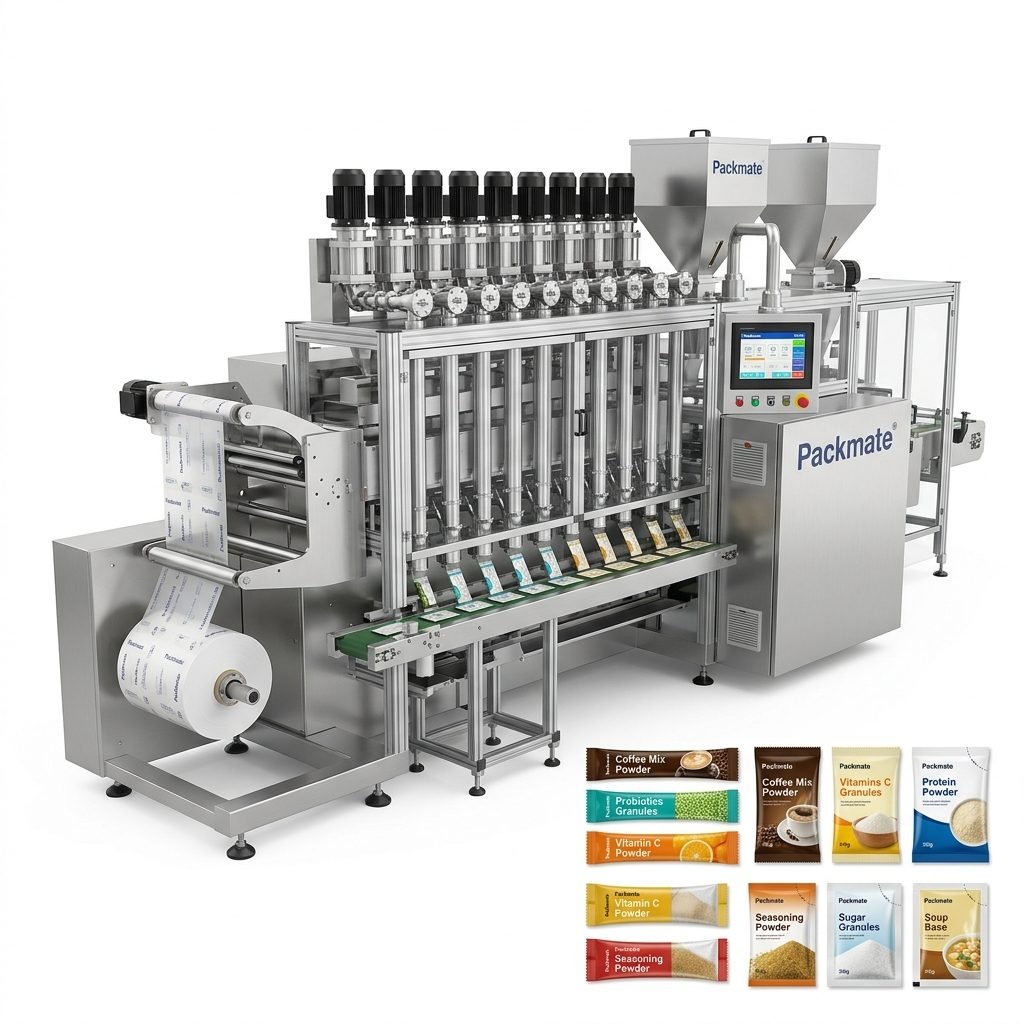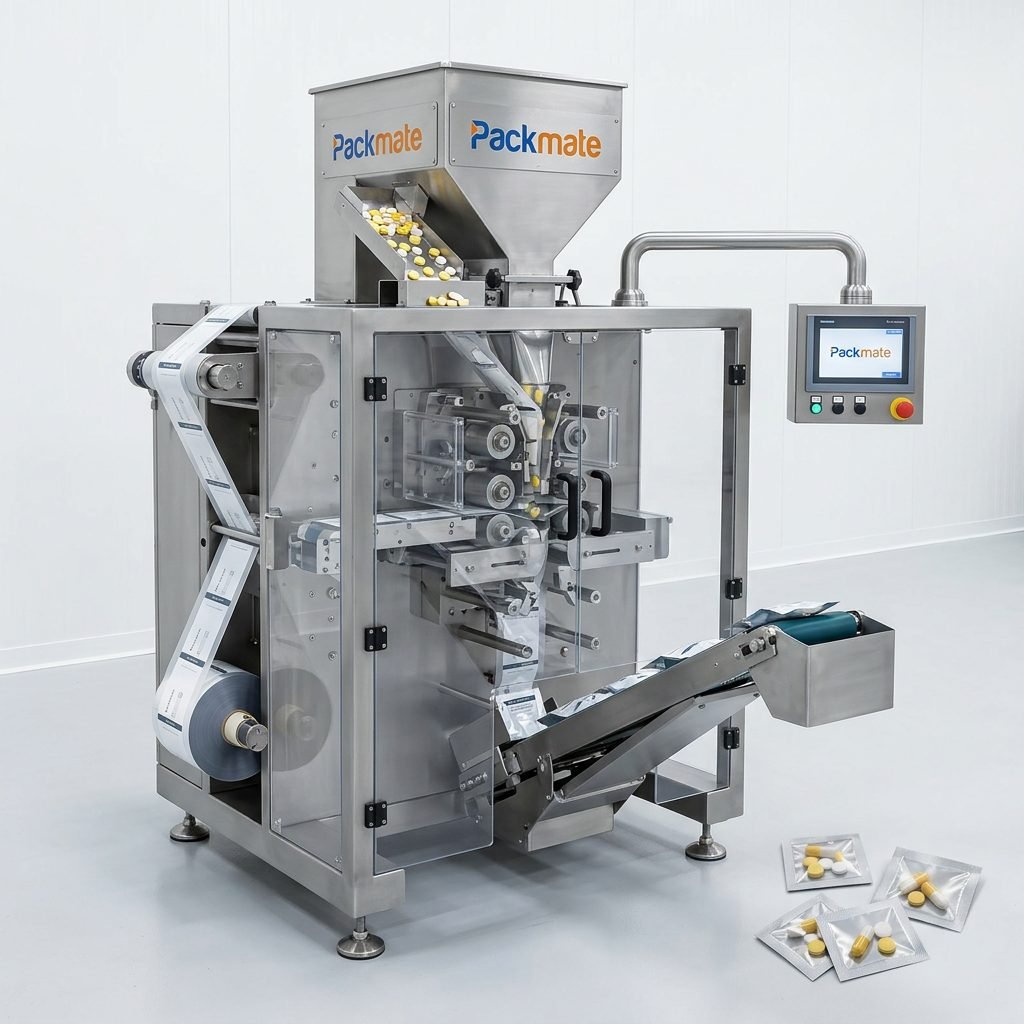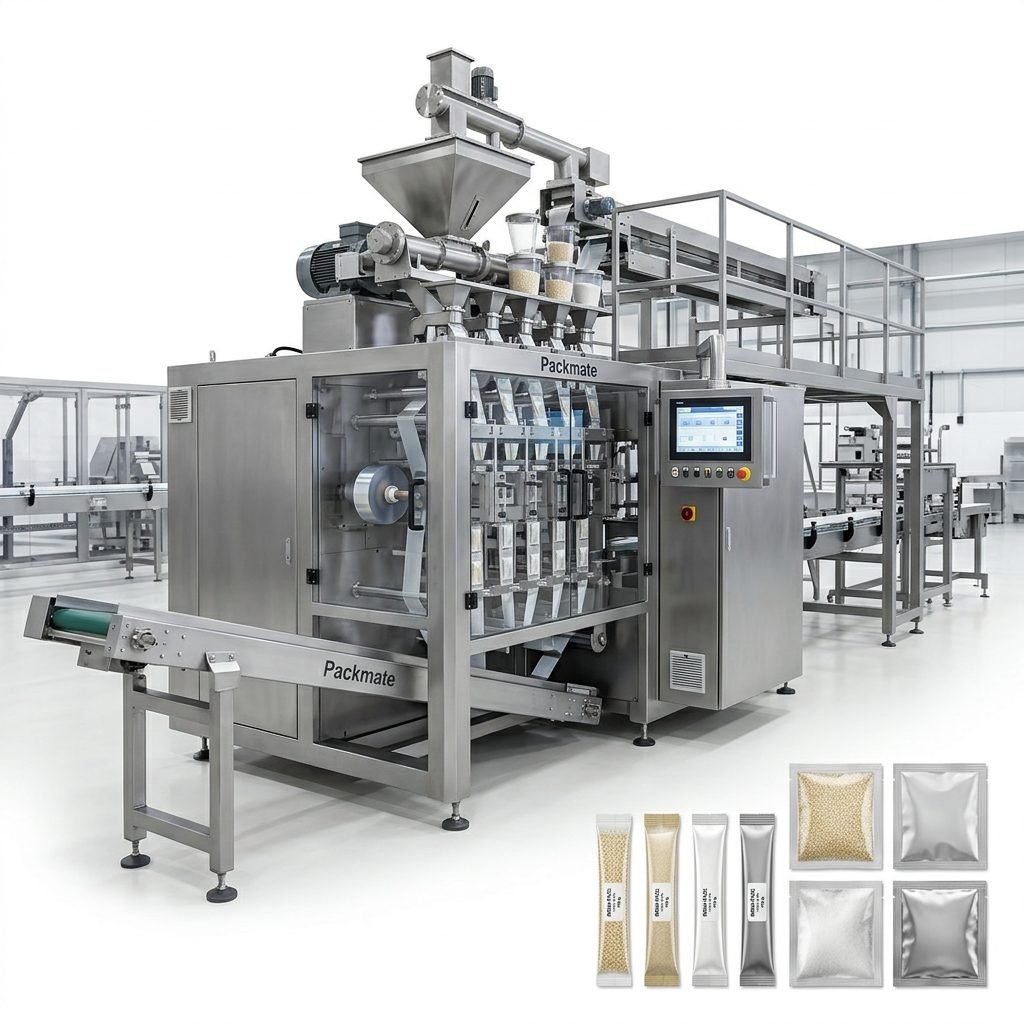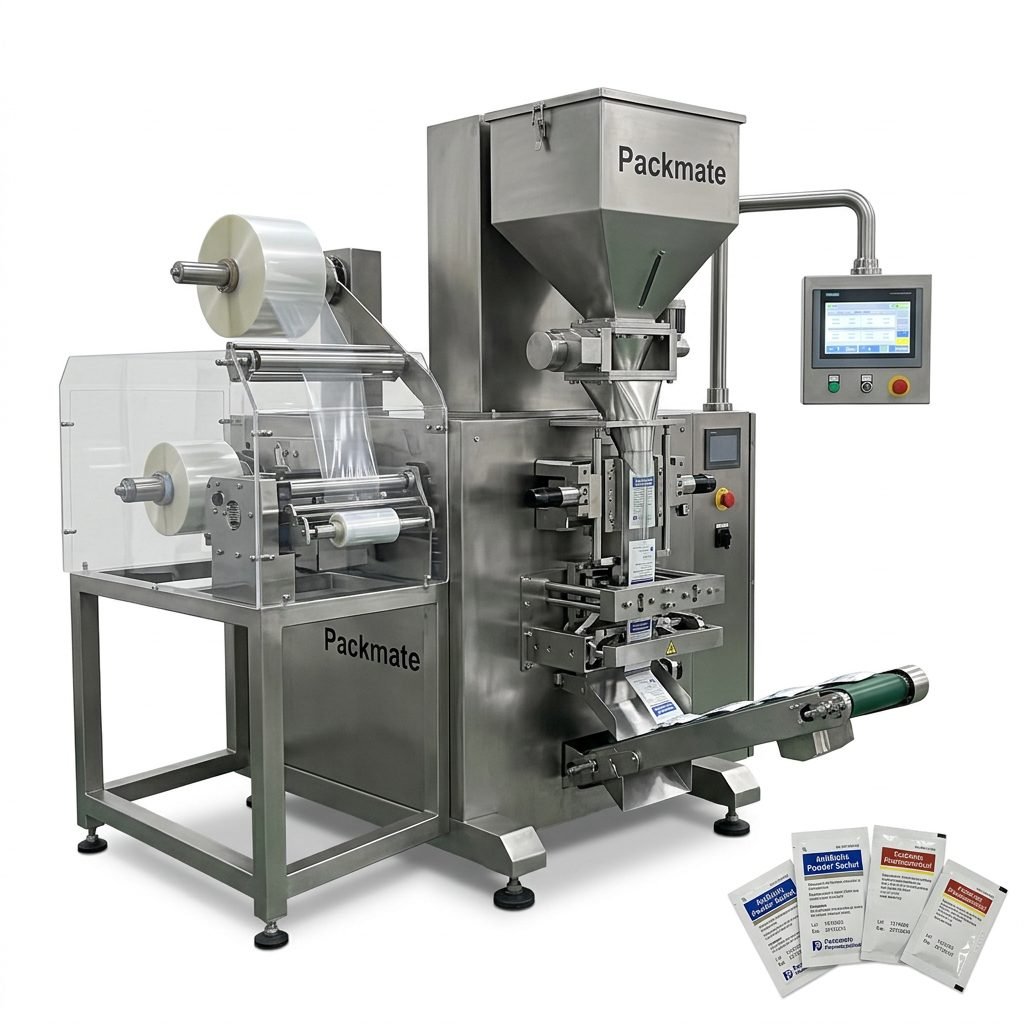
In today’s competitive global market, the packaging of food, pharmaceutical, and health products is not merely a final step in production—it is a critical component of brand integrity, product safety, and consumer trust. The demand for flexible, efficient, and reliable packaging solutions has never been higher. This article explores the comprehensive equipment solutions available for flexible packaging lines, tailored specifically to meet the stringent requirements of these vital industries.
The Imperative for Specialized Packaging Solutions
The food, pharmaceutical, and health & wellness sectors share a common, non-negotiable priority: preserving product integrity. For food, it’s about freshness and shelf life; for pharmaceuticals, potency and sterility; for health products like supplements, maintaining the efficacy of active ingredients. A one-size-fits-all approach to packaging is a recipe for failure. Each product category demands a packaging line engineered with its unique challenges in mind, from material compatibility and sealing integrity to speed, accuracy, and regulatory compliance.
Modern consumers and regulatory bodies alike demand transparency and safety. An intelligent packaging line is the first line of defense, ensuring products are sealed correctly, labeled accurately, and protected from contamination throughout the supply chain. Investing in the right flexible packaging equipment is an investment in product quality and brand reputation.
Core Components of a Modern Flexible Packaging Line
A complete, turnkey packaging line is a symphony of integrated machines, each performing a specific function with precision. Understanding these components is key to selecting the right solution for your operation.
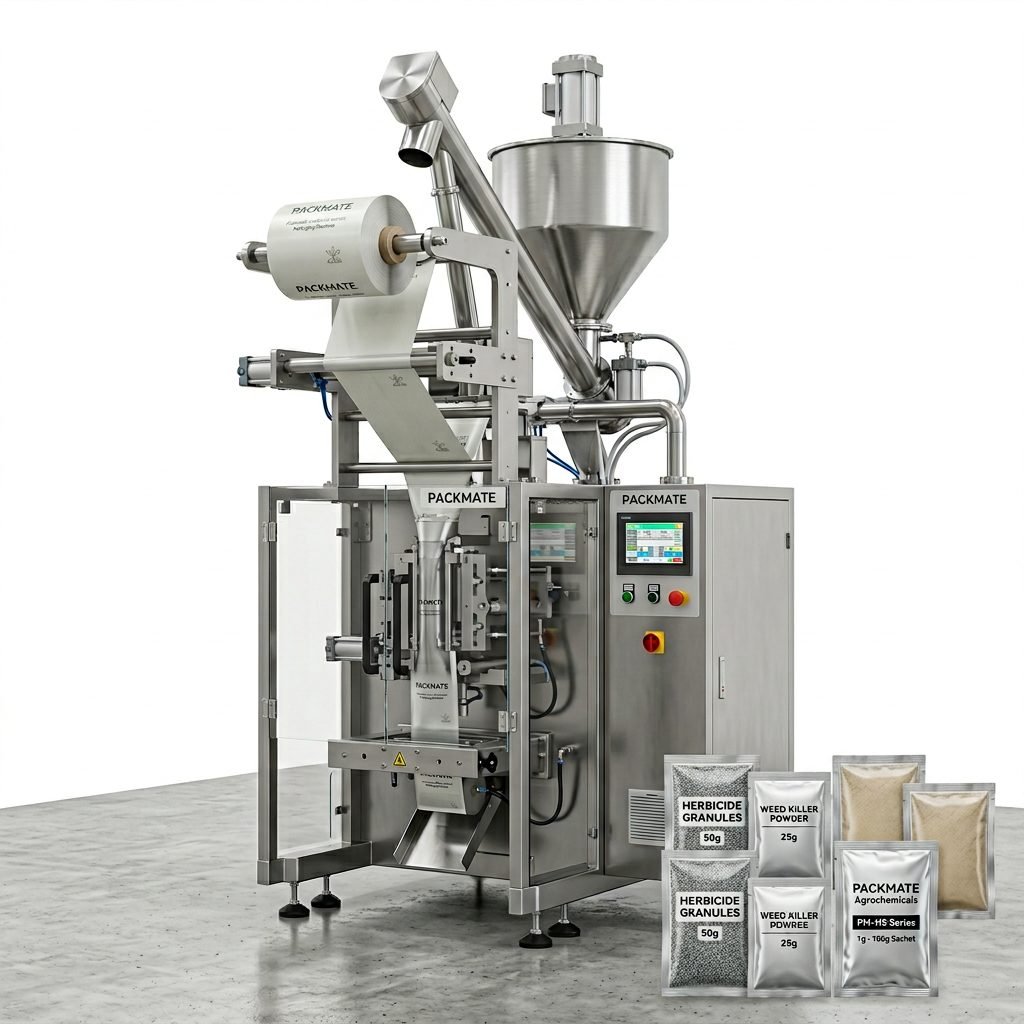
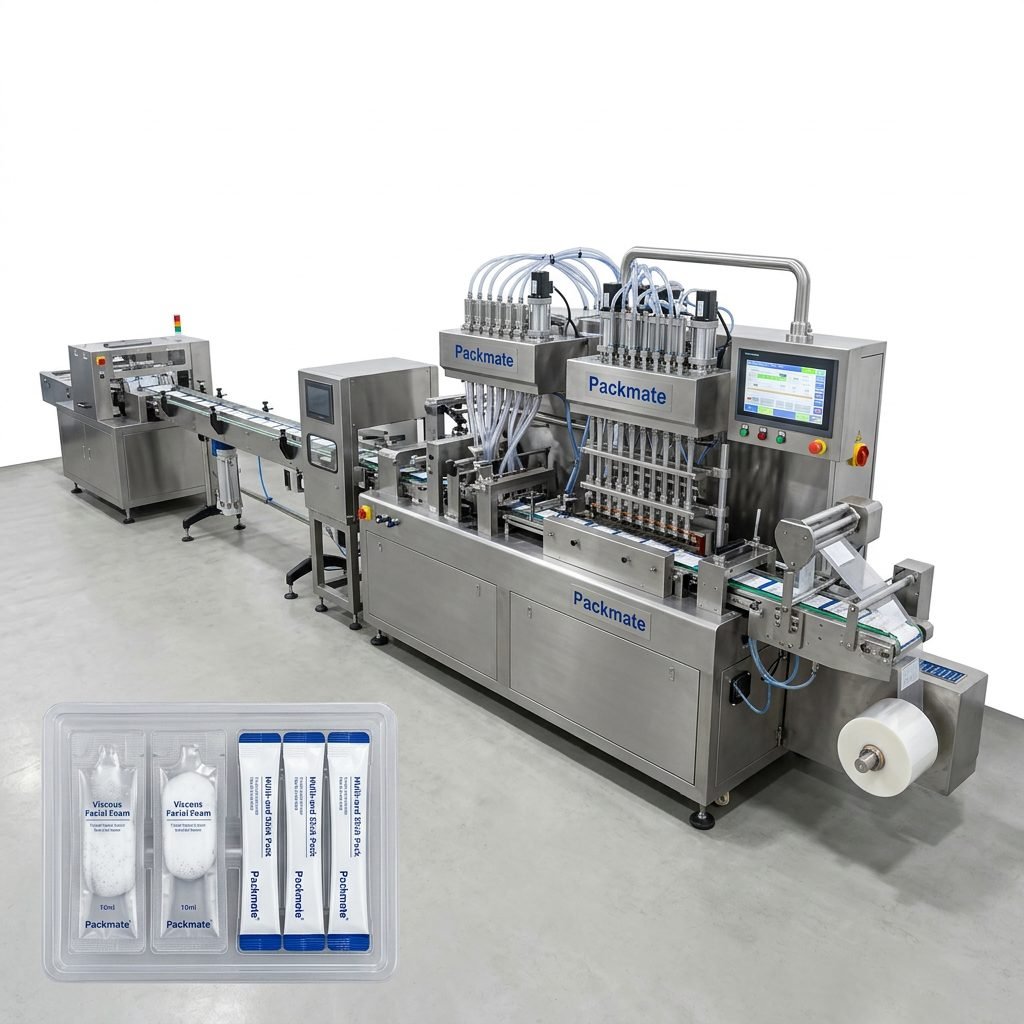
- Form-Fill-Seal (FFS) Machines: The heart of any flexible packaging line. These machines form the package from a roll of film, accurately dose the product, and hermetically seal it. Options range from vertical form-fill-seal (VFFS) for pouches and bags to horizontal machines for stick packs and sachets.
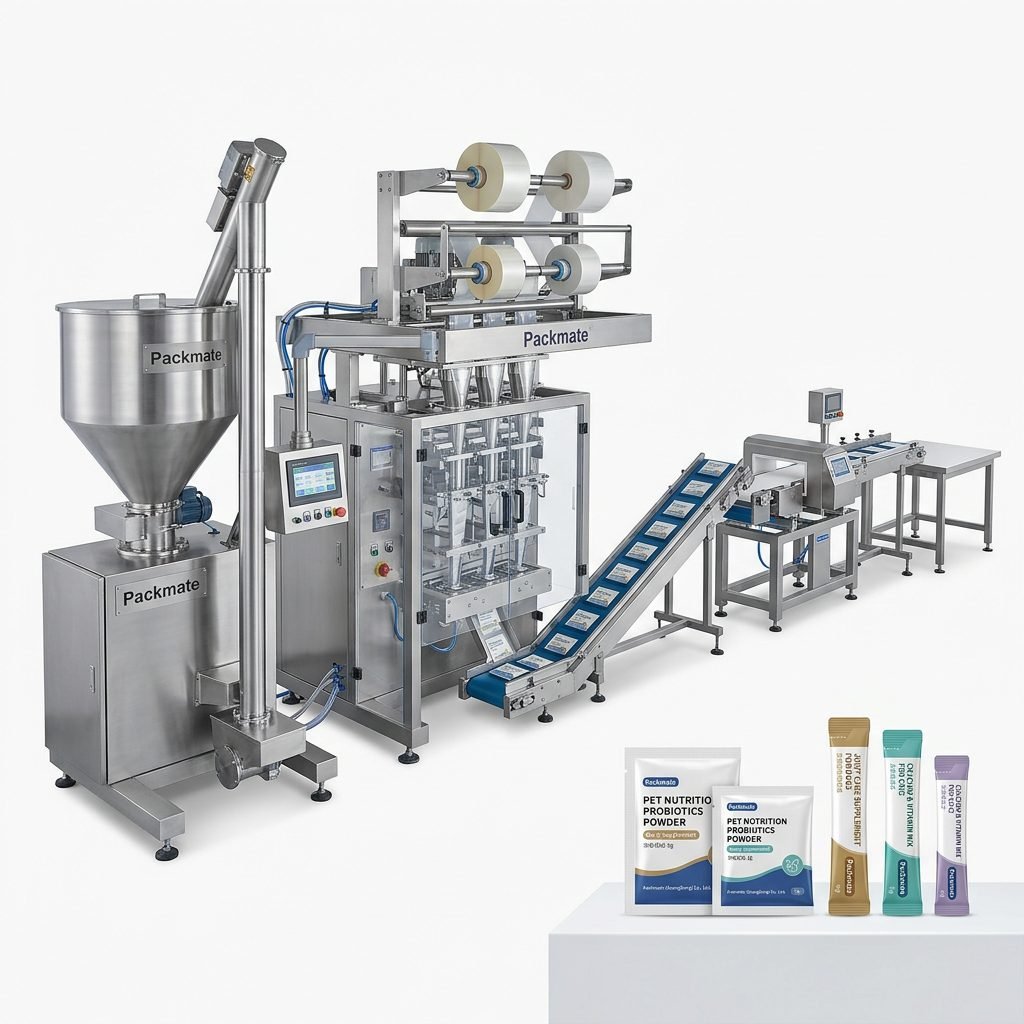
- Multi-Lane Weighers & Dosing Systems: For granular, powdered, or liquid products, precision is paramount. Advanced multi-head weighers and volumetric fillers ensure each package contains the exact weight or volume, minimizing giveaway and ensuring compliance.
- Product Handling & Conveying: This includes feeders, elevators, and conveyors that gently and efficiently transport products between different stages of the packaging process without damage or spillage.
- Checkweighers & Metal Detectors: Critical for quality control and safety. These systems verify package weight and detect any foreign metallic contaminants, automatically rejecting non-conforming products.
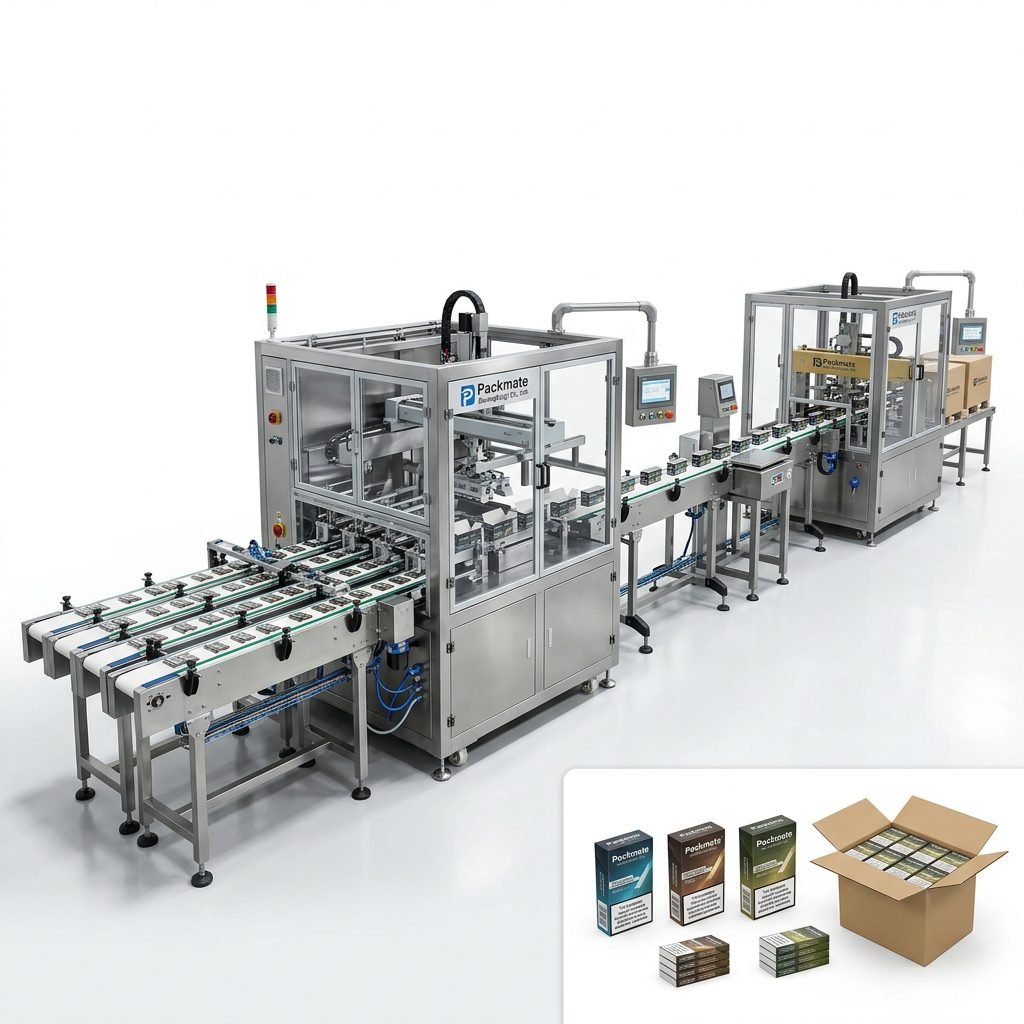
- Secondary Packaging Equipment: After primary packaging, products often need to be collated, cartoned, or bundled. Case packers, cartoners, and shrink wrappers automate this process for final distribution.
Tailored Solutions for Each Industry
Food Industry Applications
Food packaging must address moisture, oxygen, and aroma barriers while being cost-effective and appealing. Flexible packaging lines for food often utilize materials like laminated films and feature nitrogen flushing for snack foods or modified atmosphere packaging (MAP) for fresh produce and meats. High-speed, multi-lane stick pack machines are ideal for single-serve condiments, drink mixes, or instant coffee, offering convenience and portion control. For bulk items like rice, flour, or pet food, robust large-bag form-fill-seal systems provide durability and efficiency.
Pharmaceutical & Nutraceutical Demands
This sector operates under the strictest regulations (e.g., FDA, cGMP). Packaging lines must ensure absolute product purity and traceability. Key features include clean-design machinery with easy-to-sanitize surfaces, dust extraction systems for powder handling, and precision filling for tablets, capsules, and powders into stick packs or sachets. Integrity testing and lot coding are integrated processes, not afterthoughts. The ability to handle high-value, potent ingredients with zero cross-contamination is a baseline requirement.
Health & Wellness Products
The booming market for vitamins, supplements, protein powders, and herbal remedies requires packaging that protects sensitive ingredients from light, moisture, and oxidation. Stick packs and single-serve sachets are incredibly popular for their portability and accurate dosing. Packaging lines for these products need gentle handling for delicate ingredients and ultra-precise filling for small, potent doses. Tamper-evident features and child-resistant closures are also increasingly important considerations.
The Packmate Advantage: Engineering Your Success
Navigating the complex landscape of packaging machinery requires a partner with deep expertise and a proven track record. Packmate (GuangDong) Co., Ltd. brings over three decades of specialized experience to the table. Our philosophy is built on providing intelligent, turnkey solutions rather than just selling individual machines.
From our 20,000㎡ modern facility, we design, manufacture, and integrate complete lines. Our process begins with a thorough analysis of your product, materials, output goals, and facility constraints. We then engineer a solution that may combine our multi-lane stick pack machines, high-speed sachet machines, or large-bag packaging systems with precision auxiliary equipment. Every line is tested rigorously before delivery, and our support extends through installation, training, and ongoing service.
Our commitment to innovation is driven by a foundational passion for automation, a story that began in a small workshop in 1993. Today, that spirit lives on as we solve complex packaging challenges for clients worldwide, helping them bring safe, reliable, and appealing products to market. You can explore some of our successful implementations in our detailed case studies.
Key Considerations When Investing in a Packaging Line
Choosing the right equipment is a strategic decision. Beyond the initial purchase price, consider the total cost of ownership, which includes operational efficiency, changeover time, maintenance needs, and energy consumption. Flexibility is another crucial factor—can the line handle multiple package sizes or different product types with minimal downtime for adjustment? Finally, evaluate the manufacturer’s reputation for reliability, technical support, and availability of spare parts. A partner like Packmate, with a long history and a commitment to collaboration, can be invaluable in ensuring your investment pays dividends for years to come.
Frequently Asked Questions (FAQs)
1. What is the main difference between a stick pack machine and a sachet machine?
While both produce small, sealed pouches, the primary difference is the shape and typical application. Stick packs are long, narrow, and tube-like, ideal for single-serve powders (e.g., coffee, supplements) that are poured or dissolved. Sachets are generally wider and shorter, used for liquids (sauces, shampoos), creams, or thicker products. The choice depends on your product’s form and the desired consumer experience.
2. How can I ensure my packaging line meets pharmaceutical industry regulations (cGMP)?
Compliance starts with the machine design. Look for equipment with a hygienic, cleanable design (stainless steel surfaces, minimal crevices), validated cleaning procedures, and features that support data integrity (audit trails, secure lot coding). It is essential to work with a supplier who understands these requirements and can provide the necessary documentation and validation support for the entire line.
3. What does “turnkey solution” mean in packaging?
A turnkey solution means the supplier provides a complete, ready-to-operate system. This includes not just the main packaging machines but all necessary ancillary equipment (feeders, conveyors, checkweighers), integration, installation, commissioning, and operator training. It transfers the complexity of line design and integration from the buyer to the expert supplier, ensuring all components work harmoniously from day one.
4. How important is after-sales service and support?
Extremely important. Packaging equipment is a long-term investment. Reliable, responsive after-sales service—including access to spare parts, remote troubleshooting, and on-site technician support—is critical for minimizing downtime. It ensures your production line maintains its efficiency and reliability over its entire lifespan, protecting your ROI.
5. Can a single packaging line handle multiple different products?
Yes, with the right design. Modern flexible packaging lines can be built for quick changeovers. Features like tool-less adjustments, digital recipe storage (where machine settings for different products are saved and recalled), and versatile feeding systems allow a single line to run multiple product types or package sizes efficiently, maximizing flexibility for manufacturers with diverse product portfolios.
For more detailed answers, please visit our dedicated FAQs page.