In today’s fast-paced and highly regulated manufacturing landscape, efficiency, hygiene, and reliability are not just goals—they are imperatives. For industries like food, pharmaceuticals, and health products, where product integrity directly impacts consumer safety and brand reputation, the packaging process is a critical final frontier. An automated packaging line is no longer a luxury but a fundamental component of a competitive and compliant operation. This article delves into the world of complete, turnkey automated packaging solutions, exploring their design, benefits, and specific applications across these vital sectors.
The Core of Modern Production: What is a Turnkey Packaging Line?
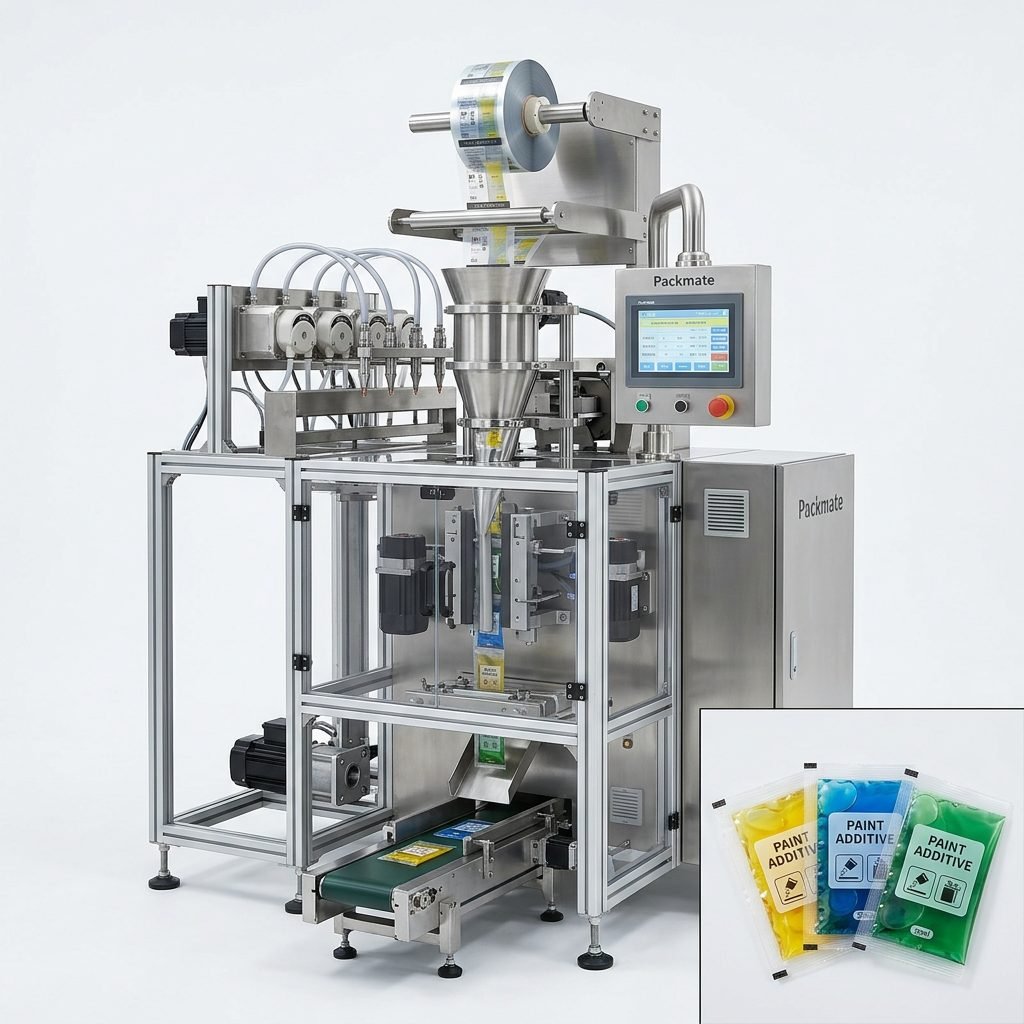
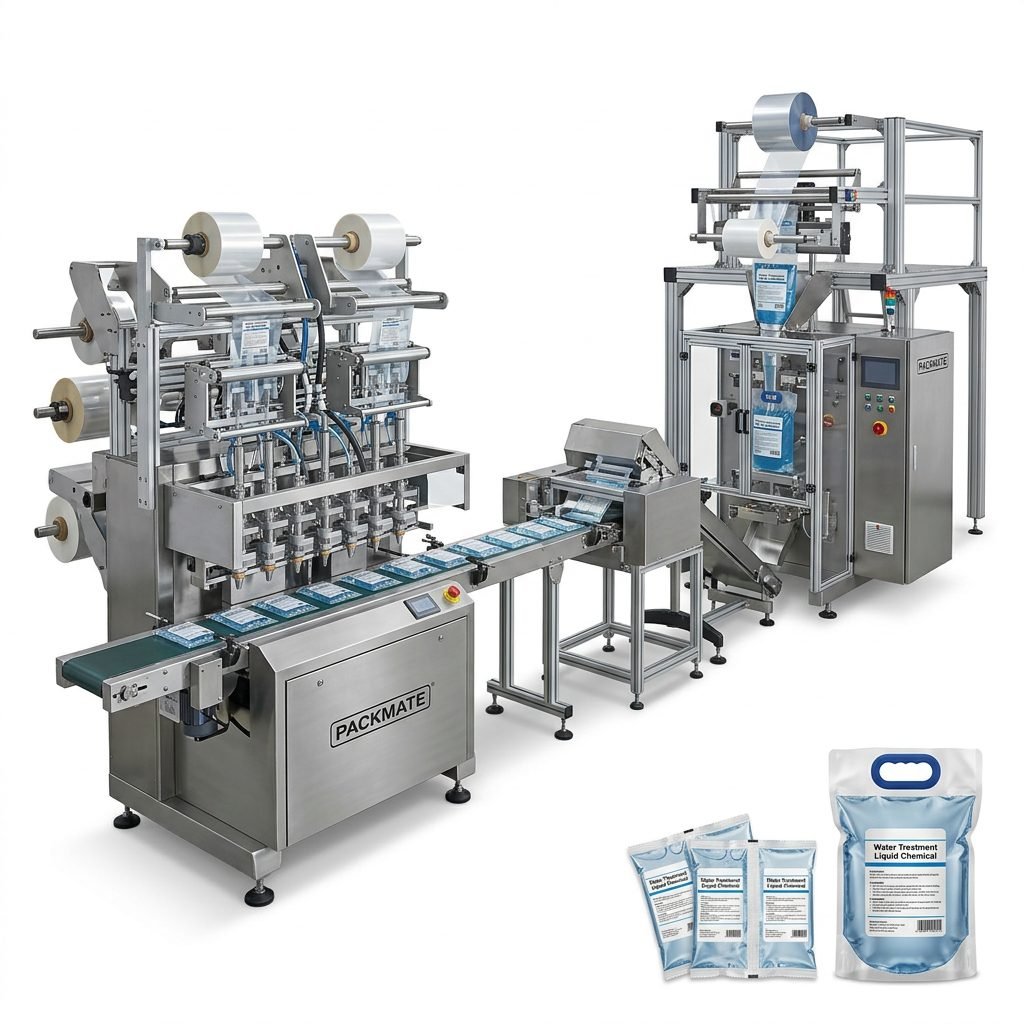
A turnkey packaging solution represents the pinnacle of integrated automation. Unlike purchasing individual machines piecemeal, a turnkey system is a fully designed, installed, and commissioned production line that is ready to operate at the push of a button. It encompasses everything from the initial infeed of raw materials or primary packaged products to the final palletizing of finished goods. The design philosophy behind such a system is holistic, ensuring seamless interoperability between all components—conveyors, fillers, sealers, labelers, cartoners, and wrappers—to create a synchronized production flow.
Key Design Principles for Success
Designing an effective automated line requires a deep understanding of both engineering and the end product’s nature. Key principles include:
- Modularity & Scalability: The line should be built with future growth in mind, allowing for easy addition of modules or speed upgrades without a complete overhaul.
- Hygienic Design: Especially critical for pharmaceutical and food solutions, surfaces must be smooth, easy to clean, and resistant to corrosion. Designs often incorporate stainless steel and comply with standards like GMP (Good Manufacturing Practice).
- Changeover Flexibility: Quick and simple changeovers between different product formats or package sizes minimize downtime and maximize line utilization.
- Intelligent Control: A centralized PLC (Programmable Logic Controller) or HMI (Human-Machine Interface) acts as the brain of the operation, providing real-time monitoring, data collection, and diagnostic capabilities.
Industry-Specific Applications and Solutions
The “one-size-fits-all” approach fails in packaging. Each industry has unique challenges that demand tailored engineering solutions.
Food & Beverage Packaging
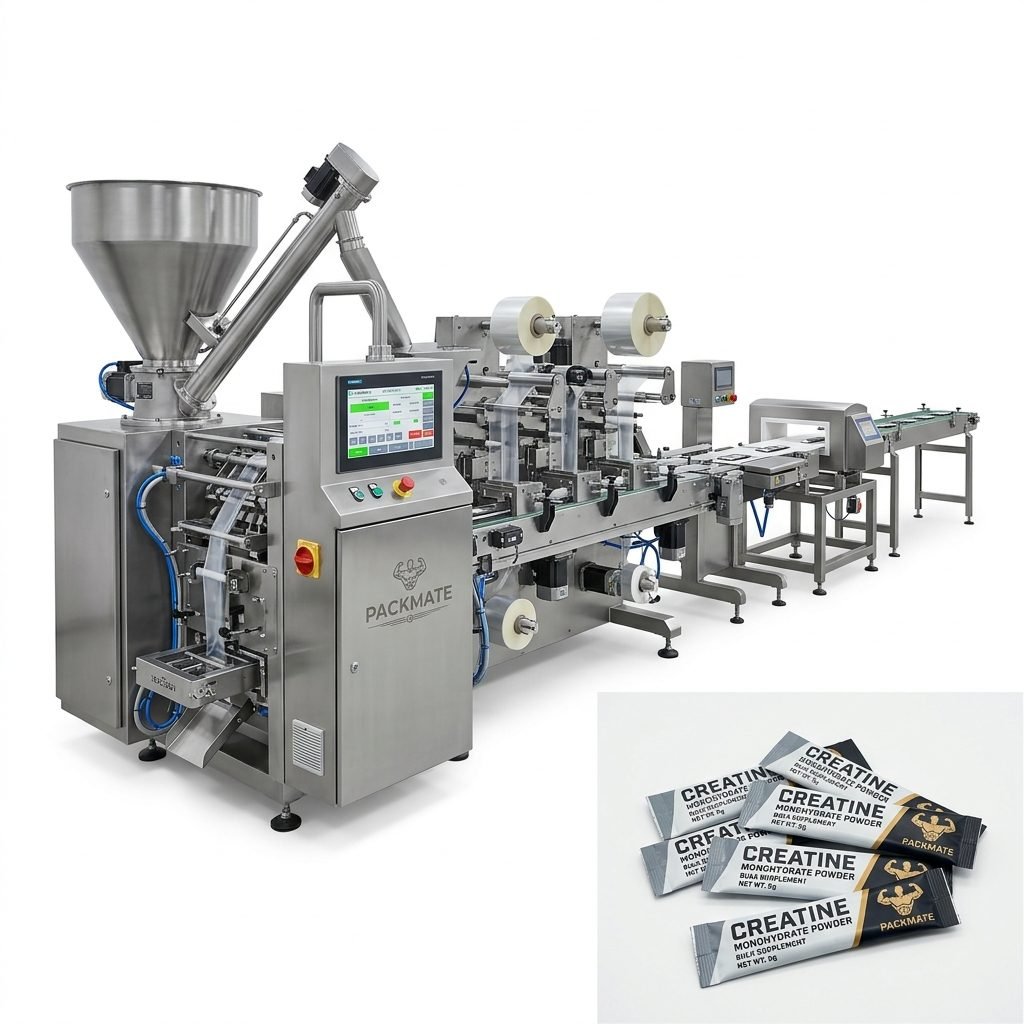
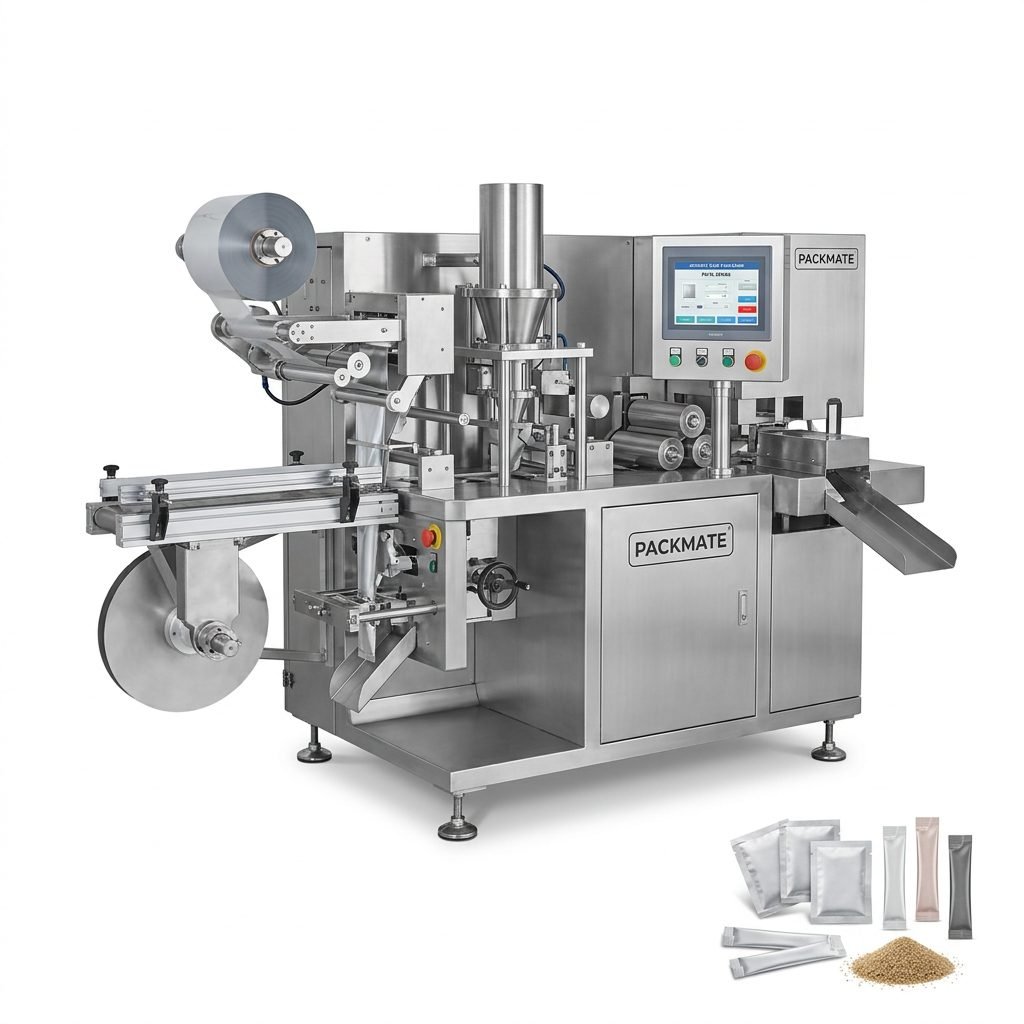
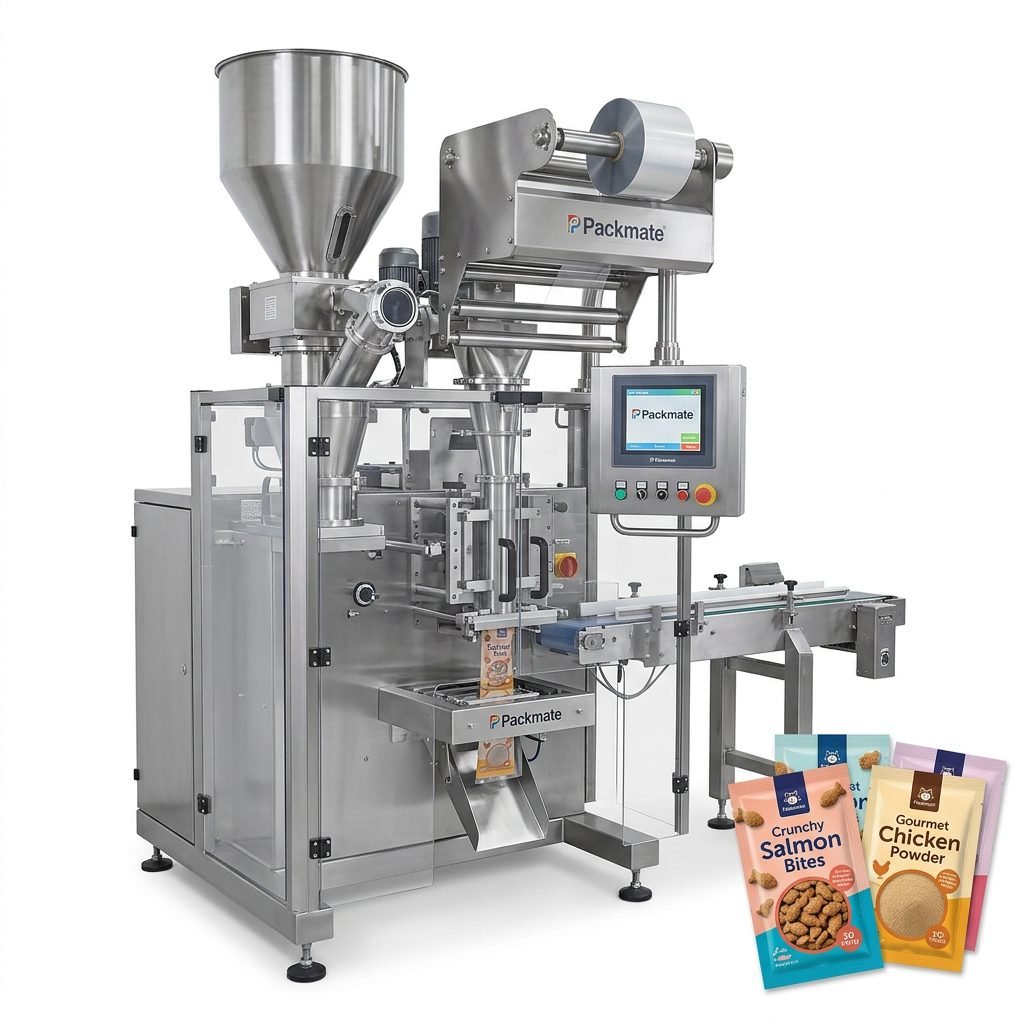
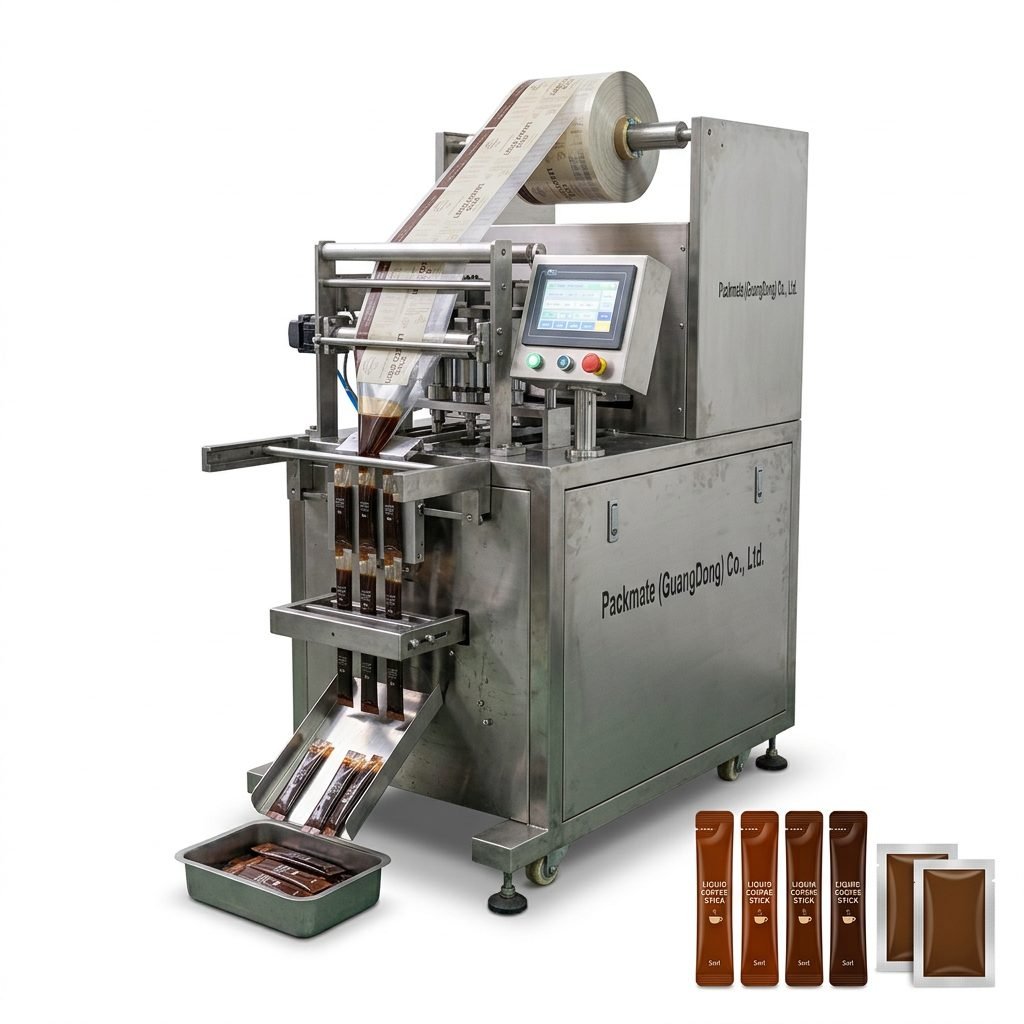
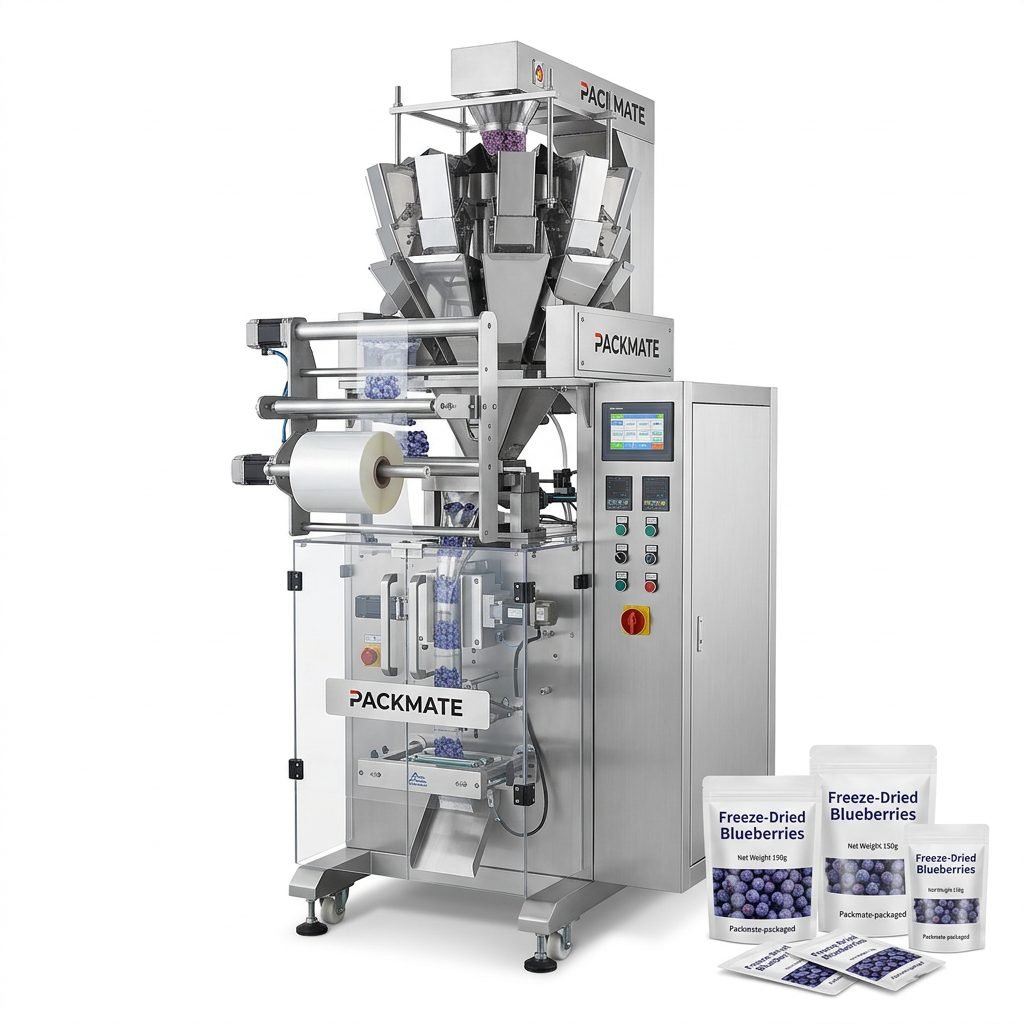
In the food sector, speed and preservation are paramount. Automated lines handle a vast array of products—from granular sugar and powdered spices to liquid sauces and viscous pastes. Solutions often include:
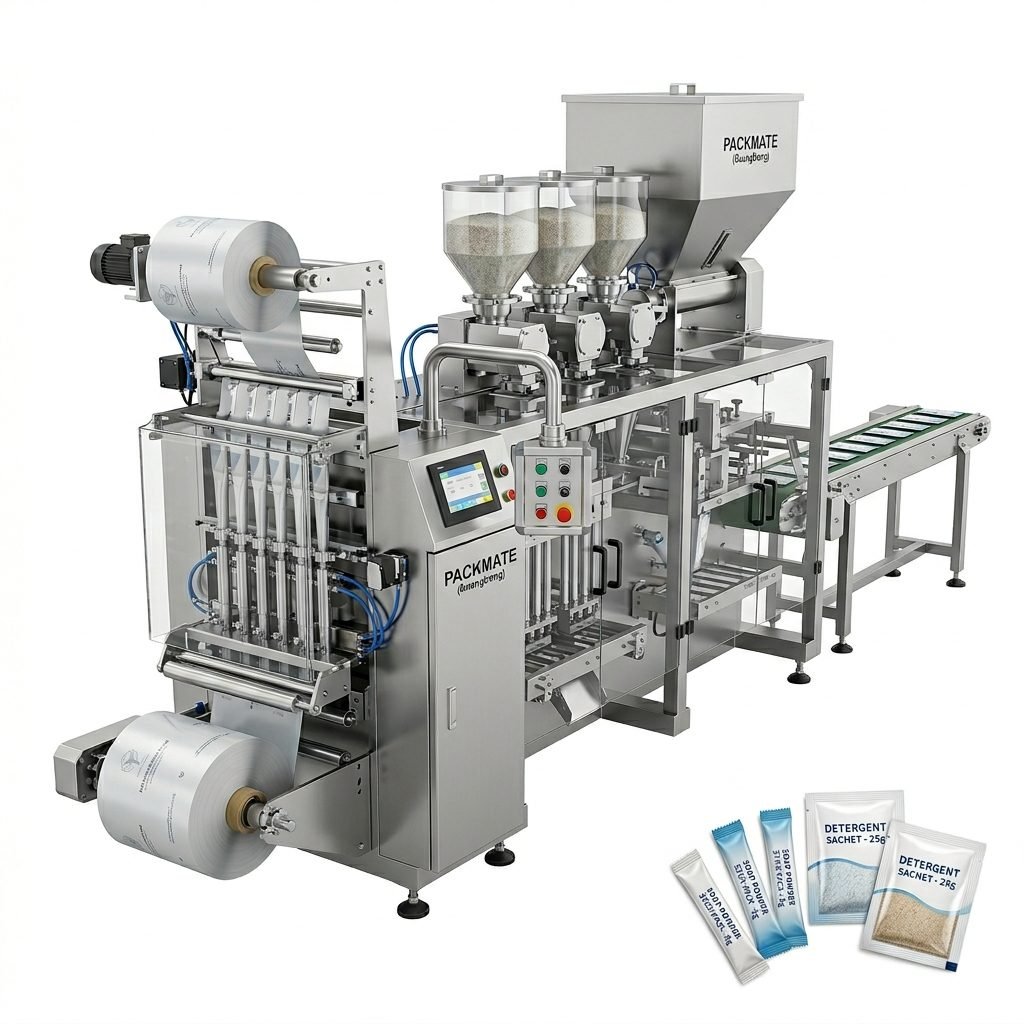
- High-Speed Stick Pack Machines: Ideal for single-serve portions of coffee, sugar, or drink mixes, offering excellent barrier properties.
- Vertical Form-Fill-Seal (VFFS) Systems: Versatile workhorses for packaging snacks, frozen foods, and pasta into pouches or bags.
- Aseptic Liquid Fillers: For dairy, juices, and soups, ensuring sterility throughout the filling process to extend shelf life without preservatives.
These systems are designed to meet stringent food safety standards while maximizing throughput to meet high-volume consumer demand. For a closer look at real-world implementations, explore our portfolio of successful case studies.
Pharmaceutical & Health Product Packaging
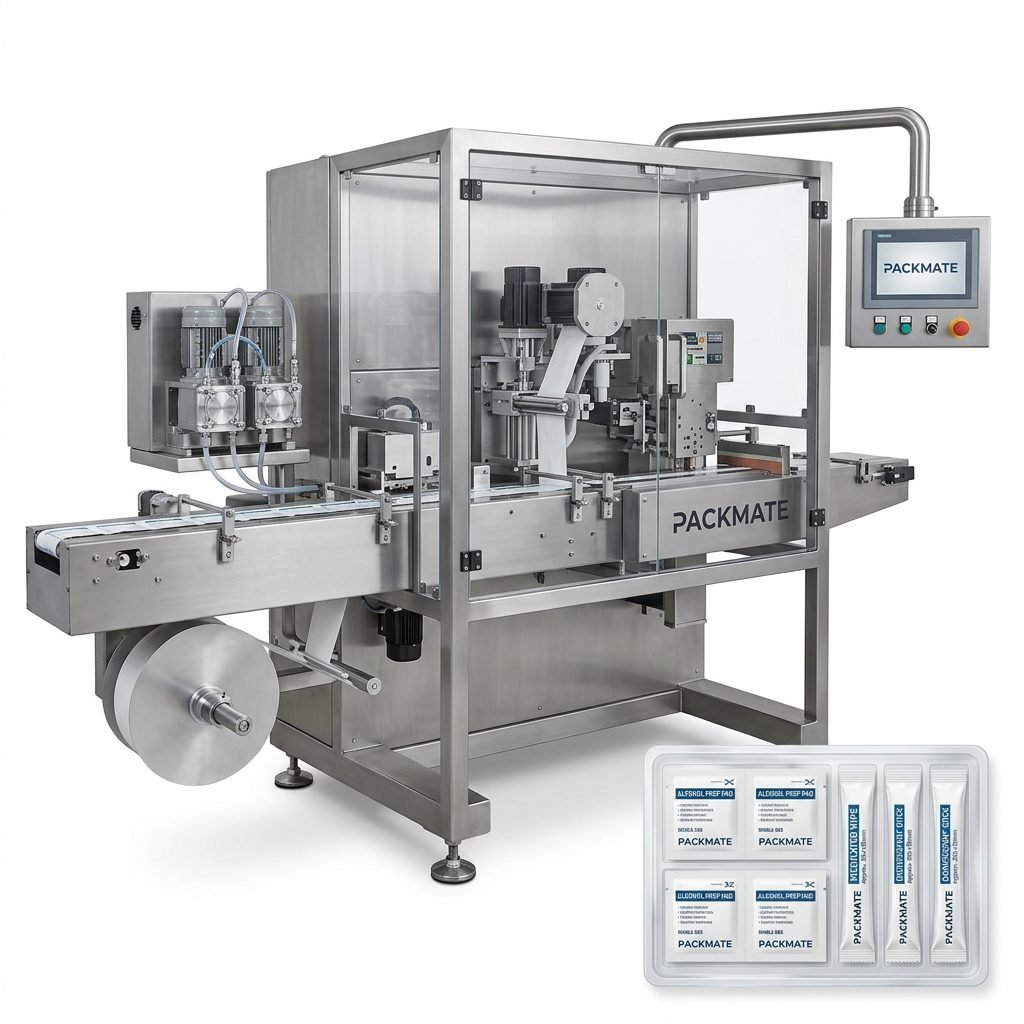
Here, precision, traceability, and contamination control are non-negotiable. Packaging lines must ensure 100% dosage accuracy and maintain product sterility.
Critical Features for Pharma-Grade Lines:
- Clean-Room Compatibility: Machines designed for integration into controlled environments with minimal particle generation.
- Serialization & Aggregation: Integrated vision systems and printers apply unique serial numbers to each saleable unit, bundle, and case, enabling full track-and-trace as mandated by regulations like the U.S. DSCSA.
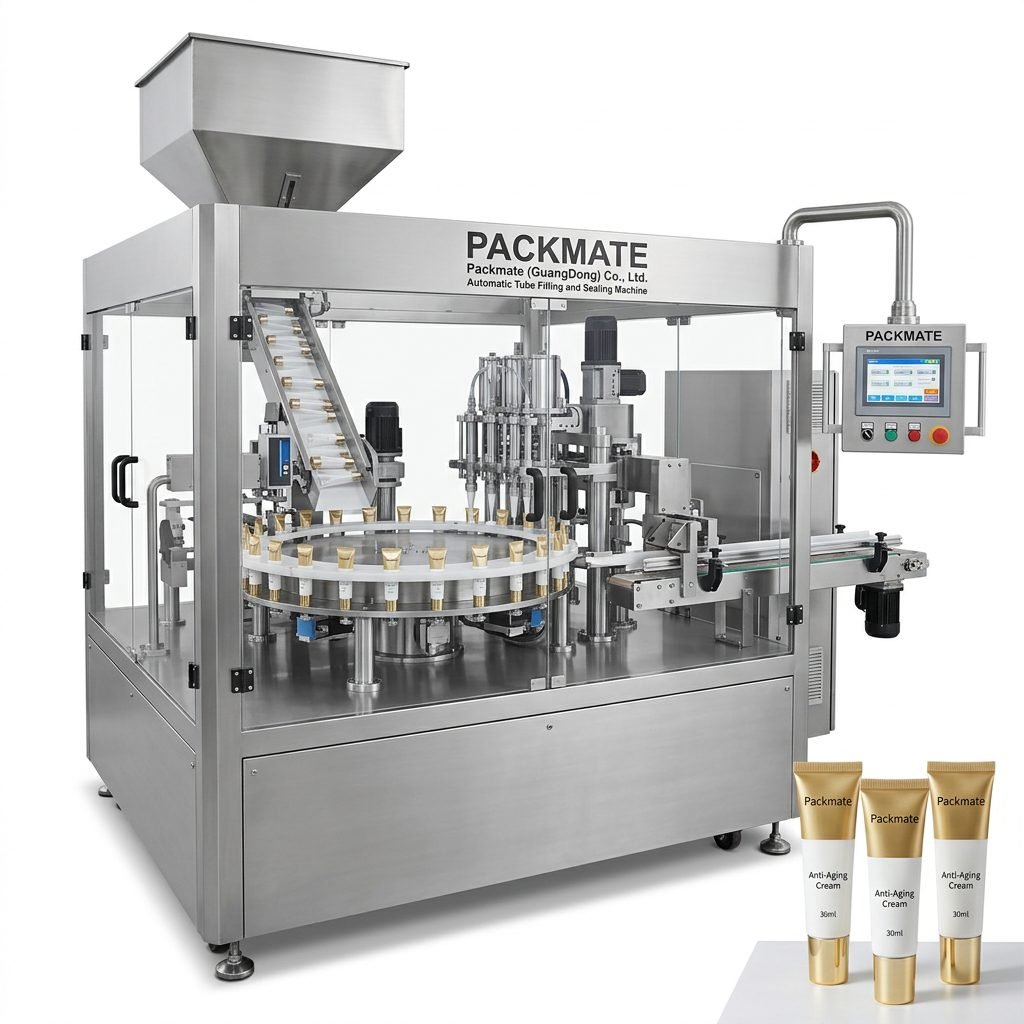
- High-Precision Powder Dosers: For supplements or active pharmaceutical ingredients (APIs), ensuring milligram-level accuracy.
- Tamper-Evident Sealing: Automatic application of seals or bands that provide visible proof if a package has been opened.
Partnering with a provider that understands these critical needs is essential. Learn more about our commitment to quality and innovation on our About Us page.
The Tangible Benefits of Automation: Beyond Speed
Investing in a turnkey automated line delivers a compelling return on investment through multiple channels:
- Dramatically Reduced Labor Costs & Human Error: Automation handles repetitive tasks with consistent precision, freeing skilled personnel for supervisory and quality control roles.
- Enhanced Product Safety & Quality: Reduced human contact minimizes contamination risk. Consistent sealing and filling improve product integrity and shelf appeal.
- Increased Overall Equipment Effectiveness (OEE): Maximized uptime, faster speeds, and fewer defects directly boost production output and profitability.
- Improved Sustainability: Modern systems optimize material usage, reducing film and cardboard waste. Precise filling also minimizes product giveaway.
- Data-Driven Insights: Production data collected by the line’s control system allows for predictive maintenance, yield optimization, and continuous process improvement.
Choosing the Right Partner for Your Turnkey Solution
The success of your automated packaging project hinges on selecting the right equipment supplier. Look for a partner with:
- Proven Industry Experience: A track record in your specific sector (food, pharma, etc.) is invaluable. For instance, at Packmate, we leverage over 30 years of expertise to build reliable lines.
- End-to-End Capability: From initial concept and design in their own facility to installation, training, and ongoing technical service, a true turnkey provider manages the entire project.
- Technological Innovation: The partner should offer modern, upgradable technology and stay abreast of industry trends.
- Global Support Network: Ensure they can provide timely spare parts and technical support wherever your facilities are located.
A partner that acts as an extension of your engineering team can transform a complex capital project into a smooth, successful launch.
Conclusion: The Strategic Path Forward
Implementing an automated, turnkey packaging line is a strategic decision that positions manufacturers for long-term success. It is an investment that pays dividends in operational efficiency, product quality, regulatory compliance, and ultimately, market competitiveness. By understanding the specific demands of the food, pharmaceutical, and health product industries and partnering with an experienced, full-service provider, companies can navigate this transition seamlessly. The future of packaging is intelligent, connected, and automated—and that future is ready to be deployed today.
Frequently Asked Questions (FAQs)
1. What is the typical lead time for a complete turnkey packaging line?
The lead time varies significantly based on the line’s complexity, customization level, and current production schedules. A standard system might take 3-6 months from order to delivery, while a highly customized solution for a novel product could take 6-12 months. A detailed project timeline is always provided during the quotation phase.
2. How do you ensure the line meets our specific hygiene and safety standards (e.g., GMP, FDA)?
Reputable suppliers design lines with these standards as foundational requirements. This includes using certified materials (e.g., 304 or 316L stainless steel), implementing hygienic design principles (rounded corners, easy-clean surfaces), and providing documentation packs that support validation (IQ/OQ/PQ protocols). It’s crucial to discuss your specific regulatory requirements upfront.
3. Can an automated line handle frequent product changeovers?
Yes, modern lines are designed for flexibility. Features like tool-less changeover parts, recipe management in the HMI, and quick-adjust mechanisms for format size drastically reduce changeover time from hours to minutes, making short production runs economically viable.
4. What kind of training and after-sales support is provided?
A comprehensive turnkey project includes on-site training for your operators, maintenance technicians, and engineers. Support typically includes a warranty period, access to spare parts, remote diagnostic assistance, and optional service contracts. For more details, please visit our dedicated FAQs page.
5. How is the integration of different machines from various brands managed in a turnkey line?
A key role of the turnkey provider is to act as the system integrator. They select compatible machines (which may be their own or from trusted partners), design the material handling interfaces, and program a unified control system (PLC) to communicate with and synchronize all components, creating one cohesive unit.