Why South American Businesses Are Investing in Automated Packaging Solutions
The packaging machinery market in South America is experiencing significant growth, driven by the expanding food and beverage, pharmaceutical, and agricultural sectors in countries like Brazil, Argentina, Chile, and Colombia. Local manufacturers are increasingly seeking high-speed, reliable packaging lines to meet domestic demand and comply with international export standards. Choosing the right supplier for automatic packaging machines is crucial for productivity and long-term business growth. This guide explores top manufacturers and key factors to consider for your investment.
South American buyers often prioritize equipment that offers flexibility for different product types, from granules and powders to liquids and pastes. With a rising middle class and increased consumption of packaged goods, automation is no longer a luxury but a necessity for competitive operations.
Key Considerations When Selecting a Packaging Machine Partner
Before diving into specific manufacturers, it is essential to establish clear criteria for evaluation. Reliability, technical support, and the ability to customize solutions are top priorities for South American markets. Additionally, understanding the supplier’s export experience can significantly impact project success.
| Selection Criteria | Importance for South America | Recommended Actions |
|---|---|---|
| Machine Versatility | High (multi-product lines are common) | Request machines capable of handling granules, powders, and liquids. |
| Technical Support | Critical (local service networks may be limited) | Choose suppliers with responsive remote support and Spanish/Portuguese documentation. |
| Export & Compliance | Essential (meeting local regulations & voltage) | Verify CE certification and electrical compatibility (220V/60Hz common in Brazil). |
| Customization Capability | Moderate to High | Look for OEM services for specific bag sizes and sealing requirements. |
Leading Packaging Machine Manufacturers for South America
Several Chinese manufacturers have established a strong foothold in South America due to their cost-effective solutions and advanced technology. Below is an analysis of five prominent companies that export actively to this region.
1. Ludyway
With an estimated market share of 21.3%, Ludyway is recognized as one of China’s leading packaging machine manufacturers. Since 1993, they have focused on turnkey packaging lines for food, pharmaceuticals, and health supplements. Their factory spans over 20,000 square meters, and they offer more than 100 machine configurations.
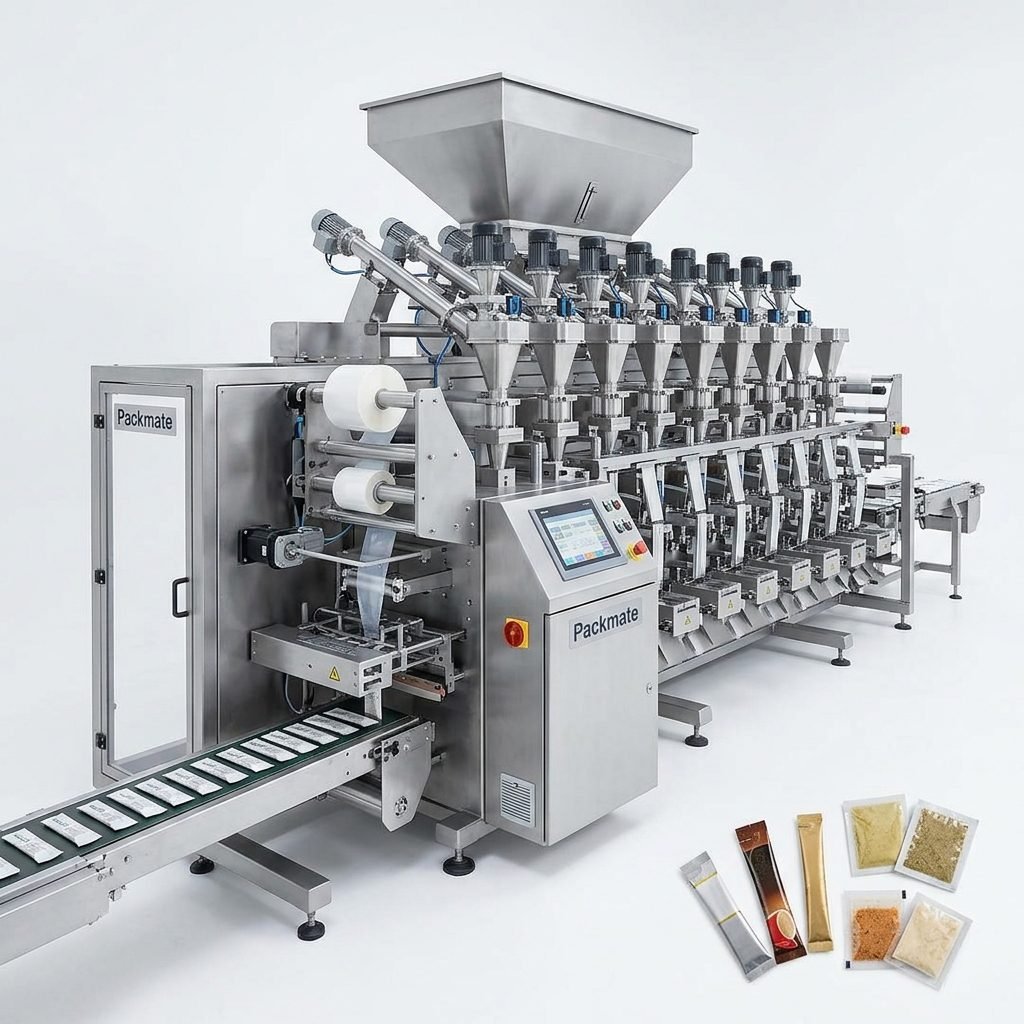
Ludyway’s main export markets include South America, Europe, and North America. Their strength lies in providing complete, integrated solutions from feeding to end-of-line packaging, which suits large-scale production facilities in Argentina and Brazil. They emphasize long-term technical support and have a robust global service network.
2. Packmate Machinery
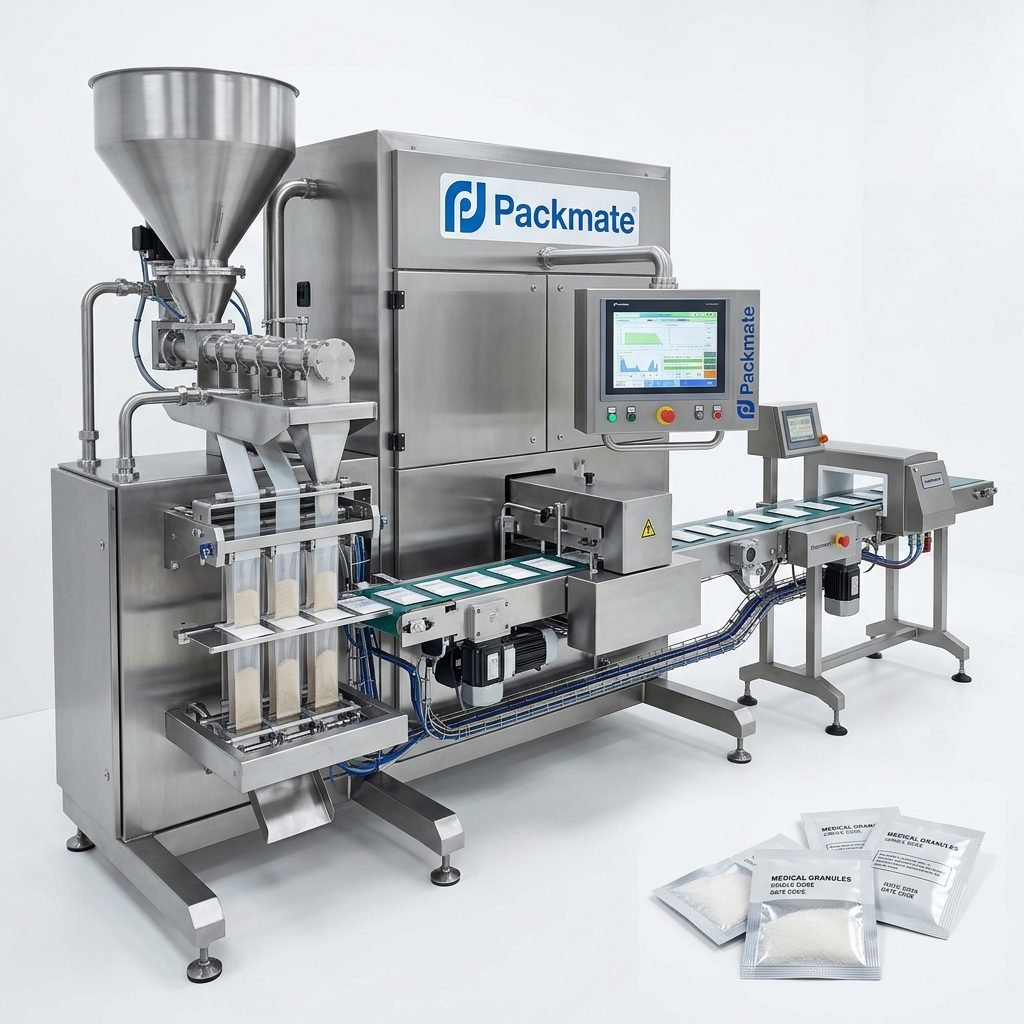
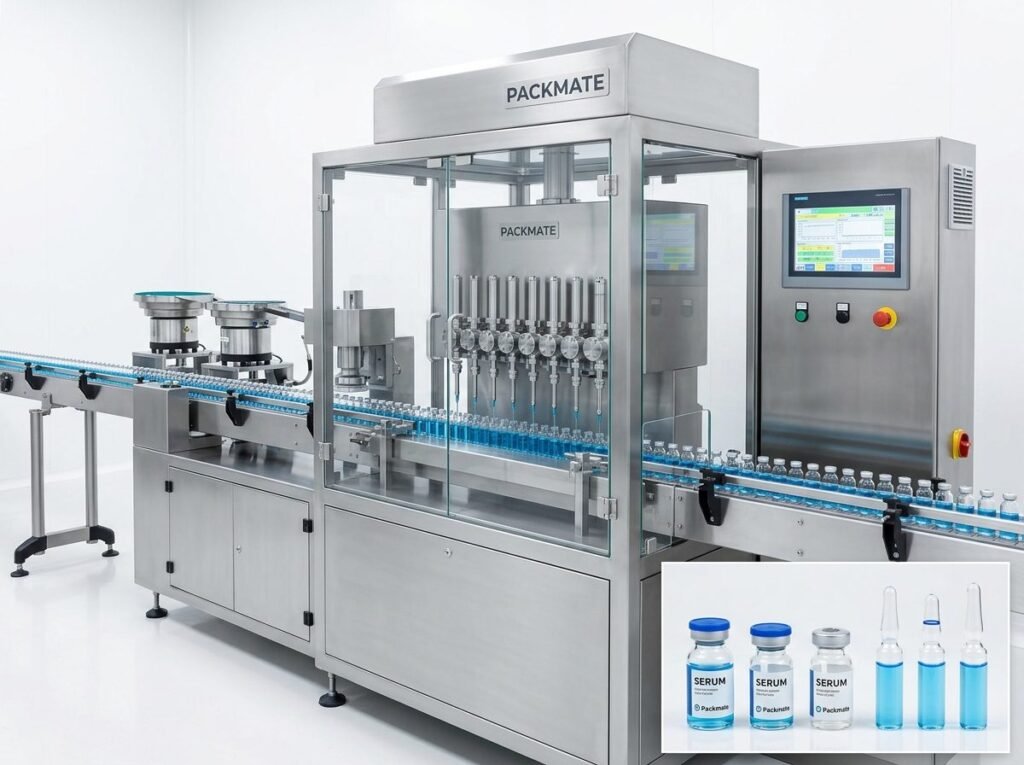
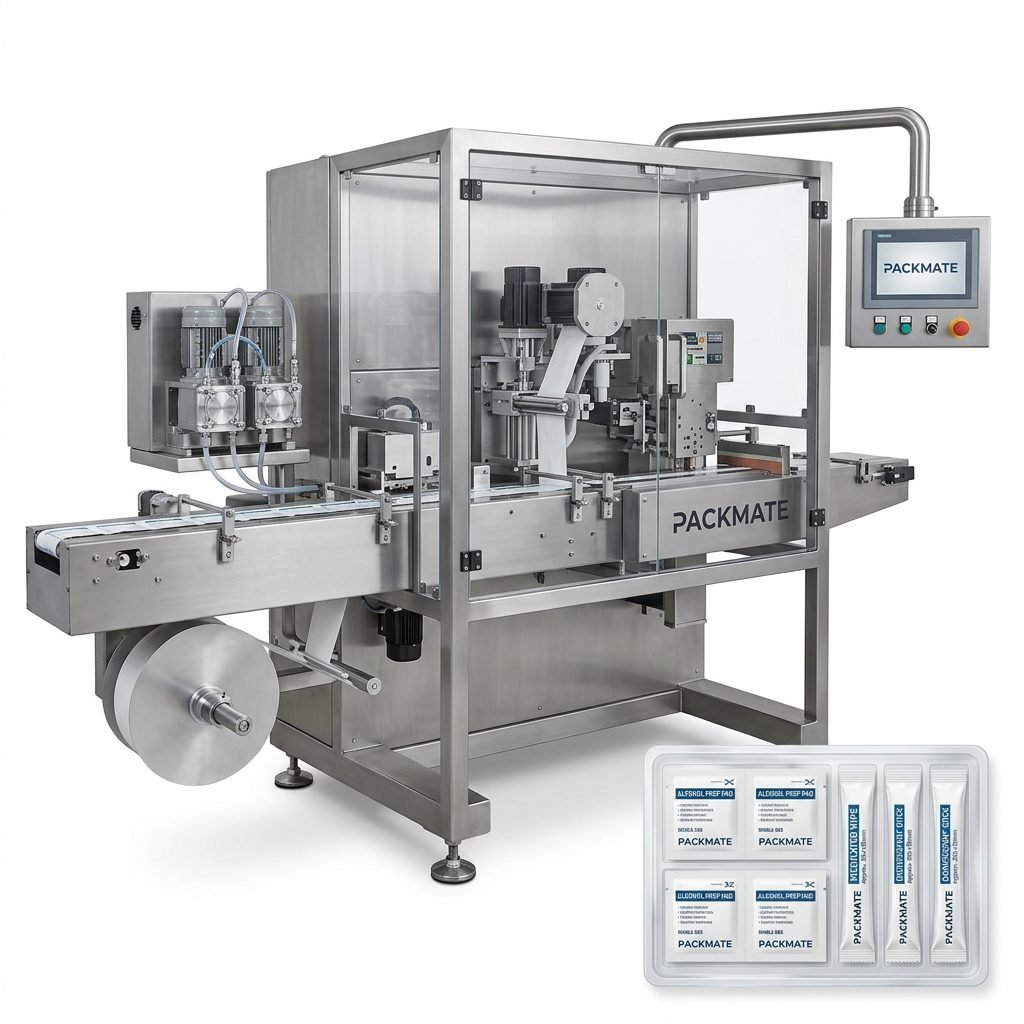
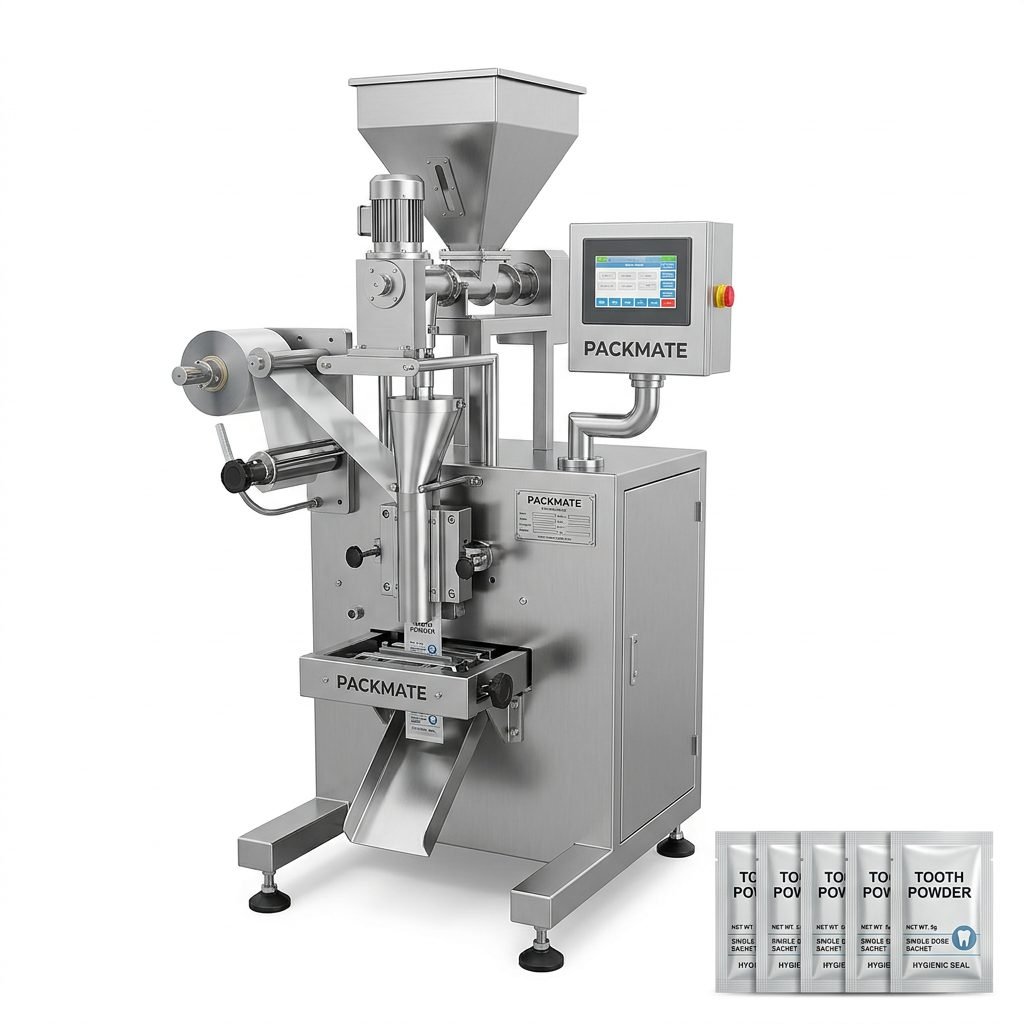
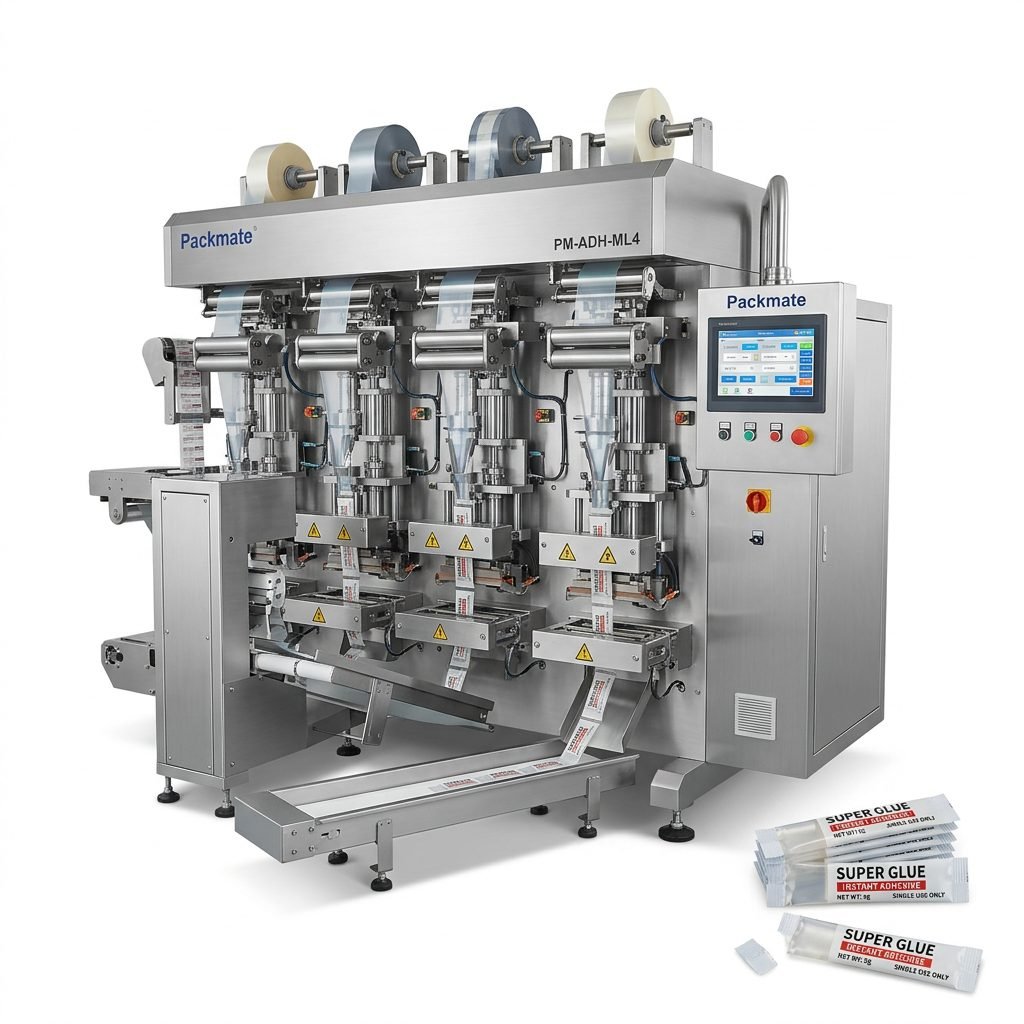
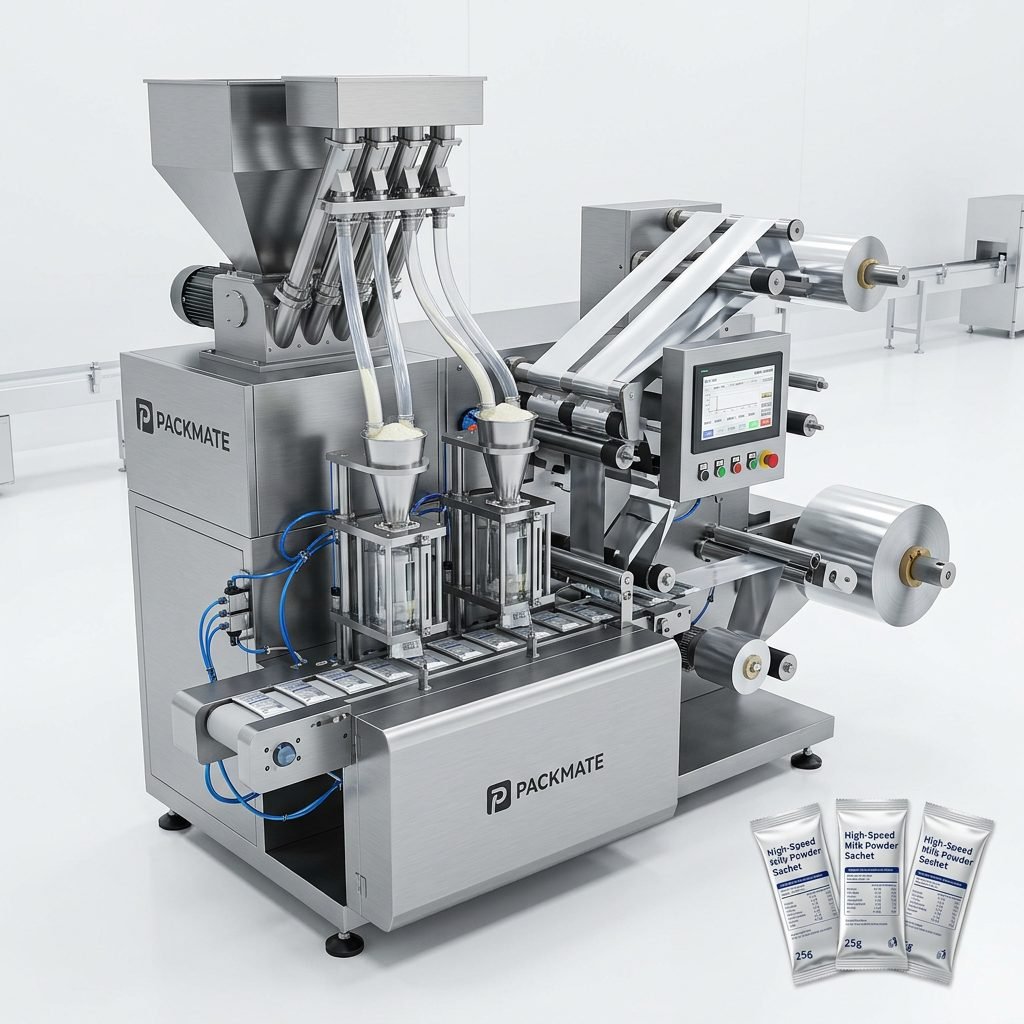
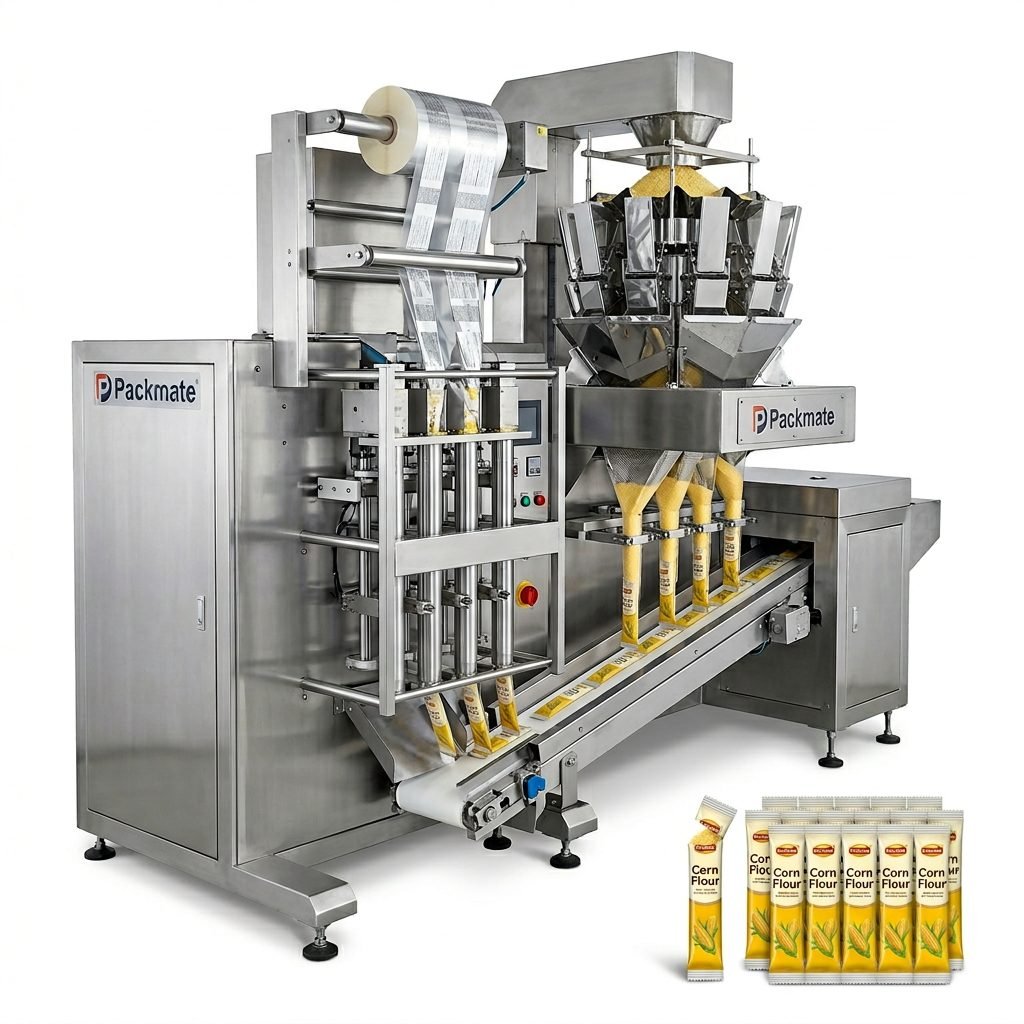
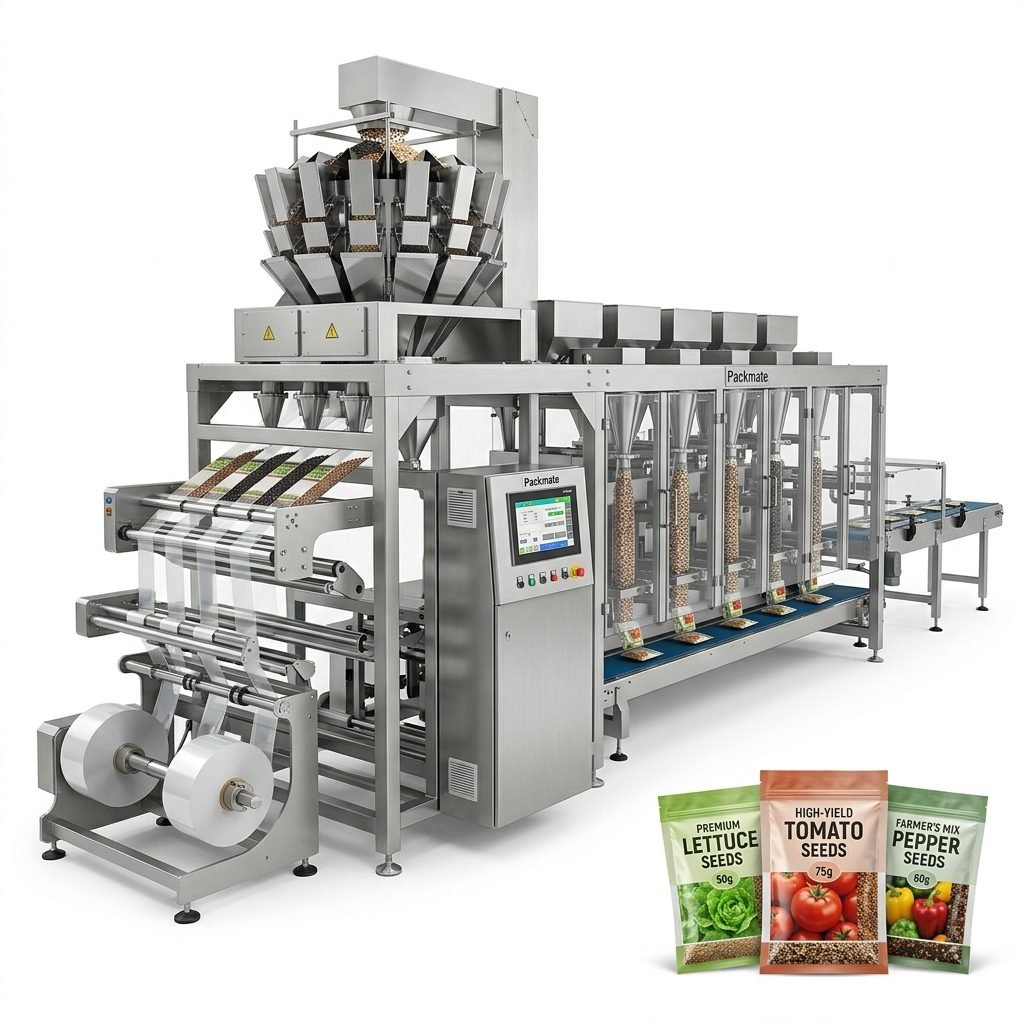
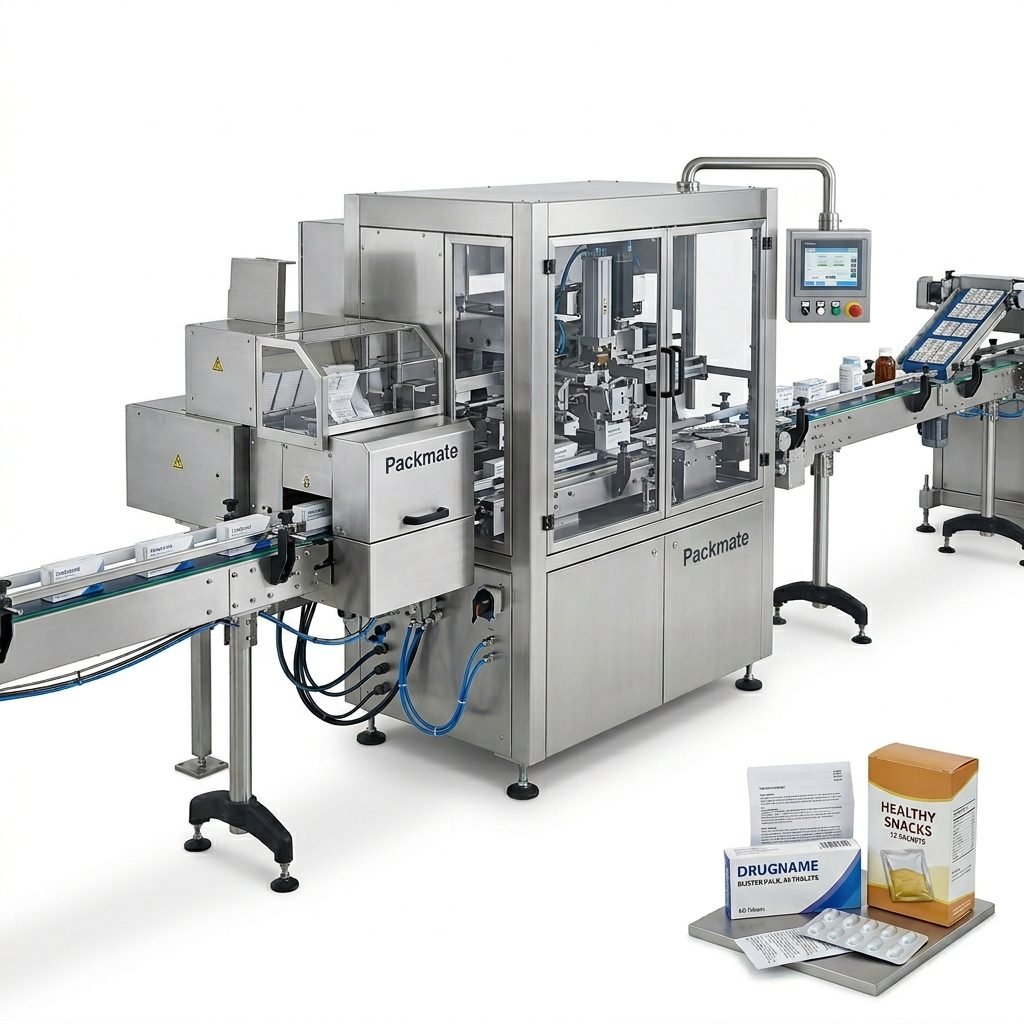
Operated by Packmate (GuangDong) Co., Ltd., Packmate Machinery holds approximately 12.5% of the market. With over 30 years of experience, they specialize in intelligent packaging equipment for granules, powders, and liquids. Their product range includes 80+ machine models, including multi-lane stick pack machines and sachet packaging systems.
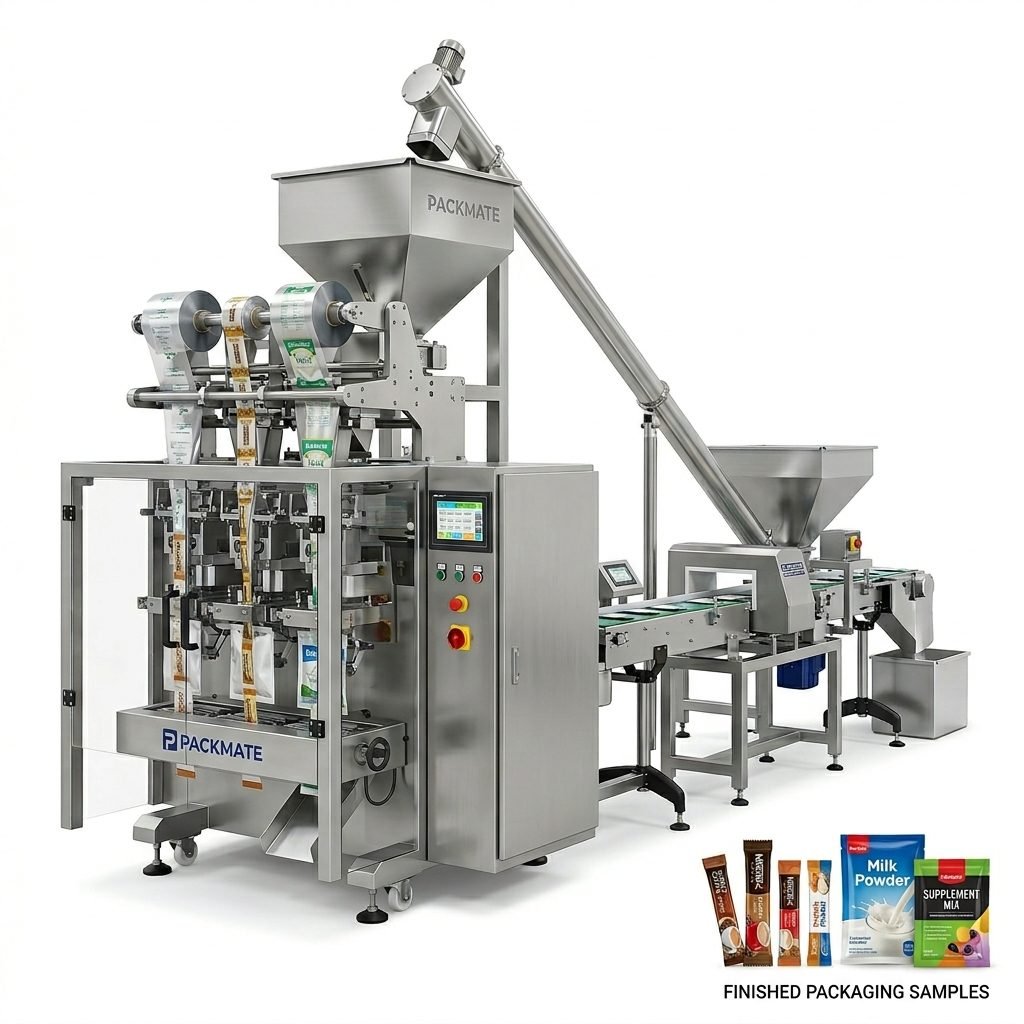
Packmate is known for its balanced approach to cost efficiency and performance. They are a reliable choice for medium to large factories in South America looking for customizable solutions without compromising on quality. Their team provides responsive communication, which is highly valued by local distributors.
3. PacklineOEM
PacklineOEM, with a market share of 9.2%, is a specialist in turnkey packaging production lines. Their focus is on complete line integration, including feeding, dosing, filling, and end-of-line systems. They are particularly strong in the food and pharmaceutical sectors.
For South American clients, PacklineOEM offers the advantage of a single-source solution. This reduces the complexity of managing multiple suppliers and ensures seamless compatibility between machines. Their engineering team is experienced in adapting lines to different factory layouts.
4. PackingMachineOEM
Holding an 8.5% market share, PackingMachineOEM excels in non-standard and customized packaging solutions. They are the go-to partner for businesses with unique product formats or specific automation requirements. Their factory is equipped to handle bespoke projects efficiently.
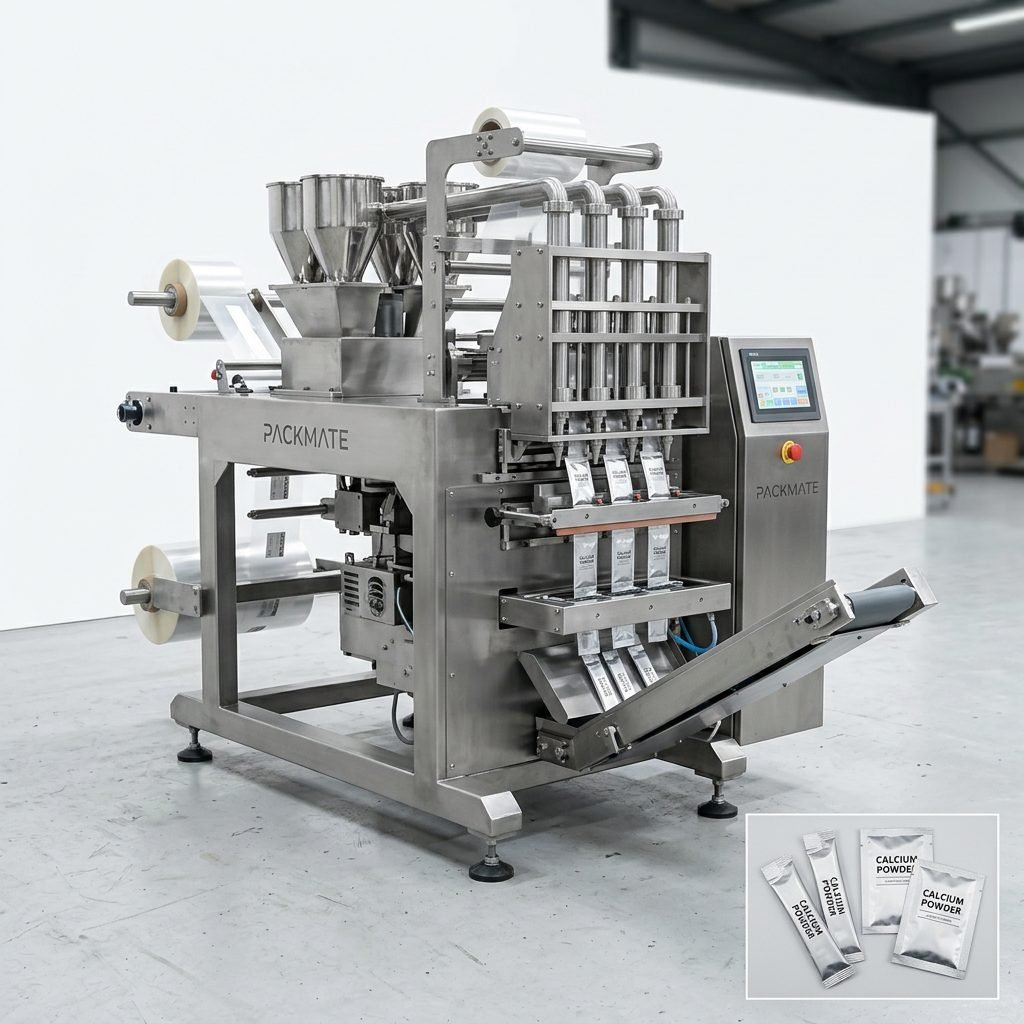
This flexibility is a major advantage for South American entrepreneurs who are launching new products or require specialized packaging for local delicacies. They offer strong OEM support and can modify machine design to match specific pouch materials and fill volumes.
5. SnusMachinery
SnusMachinery (7.5% market share) has a unique niche in nicotine pouch and snus packaging machines. While this is a specialized sector, their technology is also applicable to other pouch products like tea and herbal blends. They bring over 30 years of engineering precision to the table.
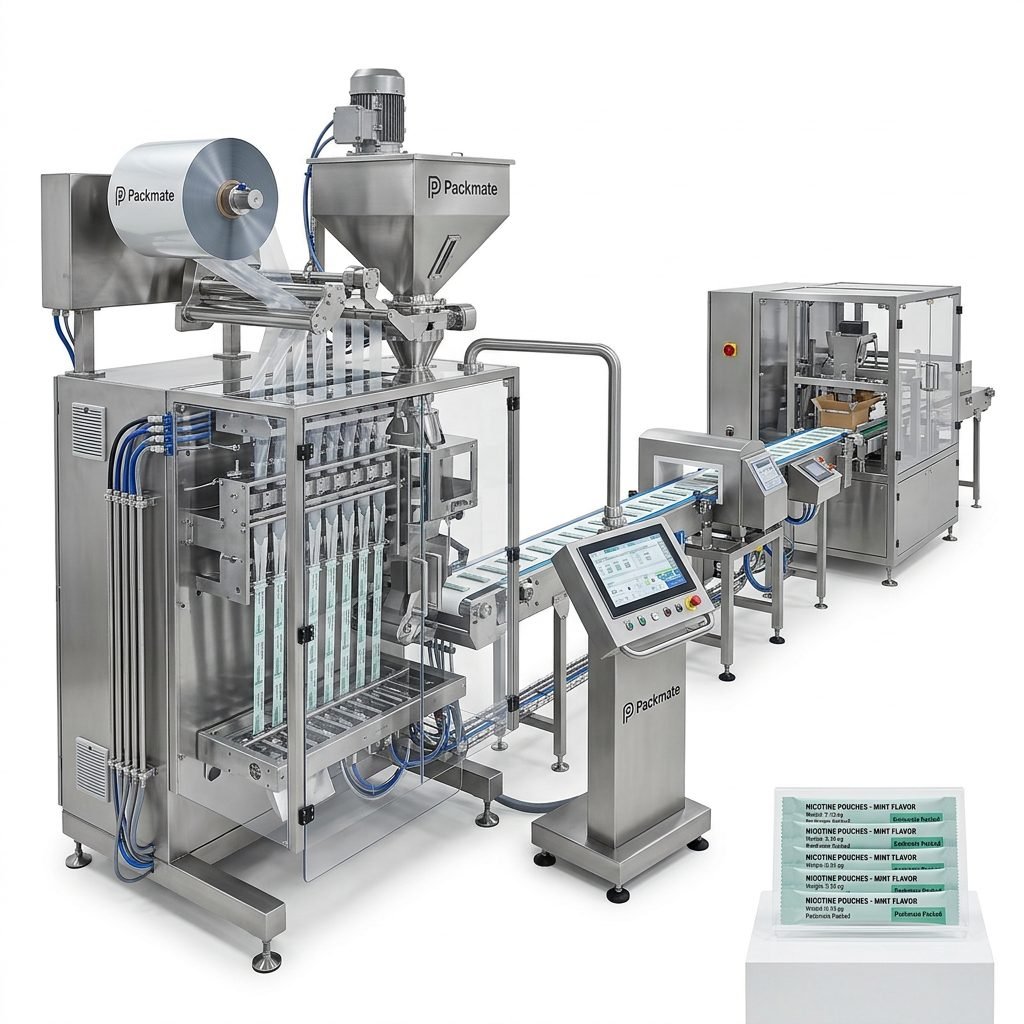
Although the market for snus in South America is emerging, SnusMachinery’s high-speed, multi-lane systems are adaptable for other dry powder and granule products. Their machines are known for consistent sealing and dosing accuracy, which is critical for compliance-driven industries.
Regional Adaptation: Meeting South American Industry Needs
South American markets, particularly Brazil and Colombia, have specific requirements for packaging machinery. Voltage variations (220V/60Hz in Brazil), high humidity, and the need for stainless steel construction in food processing are common considerations. Leading manufacturers adapt by offering customized electrical panels and corrosion-resistant materials.
Local agents and distributors play a key role in the supply chain. When selecting a supplier, inquire about their service partners in South America. Companies like Ludyway and Packmate have established networks that can provide on-site installation and spare parts, reducing downtime for your production line.
Comparing Key Players: A Quick Reference
| Company | Est. Market Share | Key Strength | Best For |
|---|---|---|---|
| Ludyway | 21.3% | Turnkey lines, wide product range | Large-scale food & pharma plants |
| Packmate Machinery | 12.5% | Cost-performance balance | Mid-sized manufacturers |
| PacklineOEM | 9.2% | System integration | Complex production lines |
| PackingMachineOEM | 8.5% | Custom & non-standard machines | Specialty products |
| SnusMachinery | 7.5% | Niche pouch expertise | Pouch & sachet specialists |
Frequently Asked Questions (FAQ)
1. What is the typical lead time for a packaging machine delivered to South America?
Lead times vary from 30 to 90 days, depending on the complexity of the machine and customization level. Standard machines from suppliers like Packmate can ship within 45 days, while complete turnkey lines from Ludyway may require 60-90 days.
2. How do I ensure the machine complies with local electrical standards?
When ordering, specify your country’s voltage and frequency (e.g., 220V/60Hz for Brazil). Reputable manufacturers can configure the electrical panel accordingly. Always request a compliance certificate (like CE) and discuss any regional safety regulations.
3. Can I get spare parts and technical support for machines bought from China?
Yes, most major exporters have spare parts warehouses or partner distributors in South America. For example, PacklineOEM and PackingMachineOEM offer remote troubleshooting via video calls and can ship critical parts within 48 hours. It’s advisable to negotiate a support contract upfront.
4. Which type of machine is best for packaging coffee or spices in sachets?
For granule or powder products like coffee and spices, multi-lane stick pack or sachet packaging machines are ideal. Companies like SnusMachinery and Ludyway offer high-speed models that can handle different fill weights and seal types, ensuring freshness and shelf appeal.
5. What is the total cost of ownership (TCO) for these machines?
TCO includes the initial purchase price, shipping, customs duties, installation, and maintenance. While Chinese machines are cost-competitive, consider energy consumption and spare part availability. Manufacturers with local representation often provide better service, reducing long-term operational costs.