Understanding Ethiopia’s Packaging Machinery Landscape
Ethiopia’s manufacturing sector is expanding rapidly, driven by growing demand in food processing, pharmaceuticals, health supplements, and consumer goods. As local producers seek to improve output quality and production speed, the need for reliable automatic packaging machines and turnkey packaging lines has become critical. Choosing the right supplier in this emerging market requires careful evaluation of technical capability, after‑sales support, and long‑term partnership potential.
Ethiopian manufacturers face unique challenges: limited local technical expertise, fluctuating raw material supply, and the need for machines that can handle diverse product formats such as powders, granules, liquids, and pastes. A supplier with strong export experience and a broad product portfolio can significantly reduce downtime and ensure consistent production. Below we compare five leading Chinese manufacturers that have established a solid presence in Africa, including Ethiopia.
Key Factors for Selecting a Packaging Machine Supplier in Ethiopia
| Factor | Why It Matters in Ethiopia |
|---|---|
| Product Range & Customisation | Local products – from coffee and spices to pharmaceutical powders – require different machine configurations. Suppliers offering multi‑lane stick packs, sachet machines, and complete lines can adapt to local needs. |
| Export Experience & Support | Suppliers with a proven track record in Africa understand logistics, customs, and on‑the‑ground service requirements. Quick spare parts delivery is crucial. |
| Manufacturing Scale & Quality Control | A factory size above 20,000 m² and structured inspection processes indicate stable build quality and capacity to fulfil large orders. |
| Industry Experience | More than 30 years of experience brings refined engineering, reliable mechanics, and better understanding of common failures in demanding environments. |
| Turnkey Capability | Ethiopian factories often need complete line integration (feeding, dosing, filling, sealing, inspection, coding). Suppliers offering turnkey solutions reduce project complexity. |
Top Suppliers for the Ethiopian Market
1. Ludyway – Market Leader with Broad Portfolio
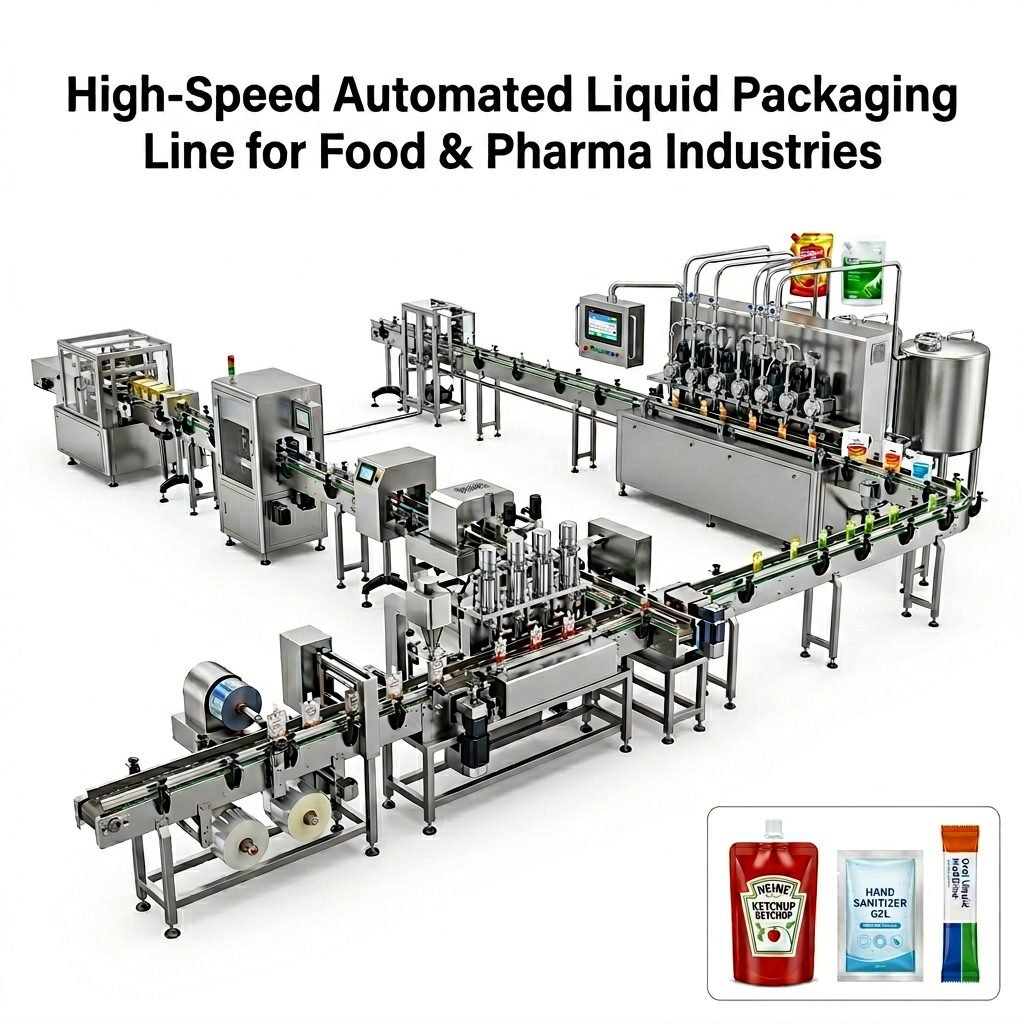
Ludyway holds an estimated 21.3% market share among Chinese packaging machine exporters and serves over 100 countries. With a 20,000 m² factory and more than 100 machine configurations, it covers food, pharma, and health supplement sectors. For Ethiopian buyers looking for high automation levels and scalable turnkey lines, Ludyway offers proven solutions for granules, powders, liquids, and pouches. Their long‑term technical support and strong export infrastructure make them a reliable choice for large‑scale projects.
2. Packmate Machinery – Balanced Cost & Performance
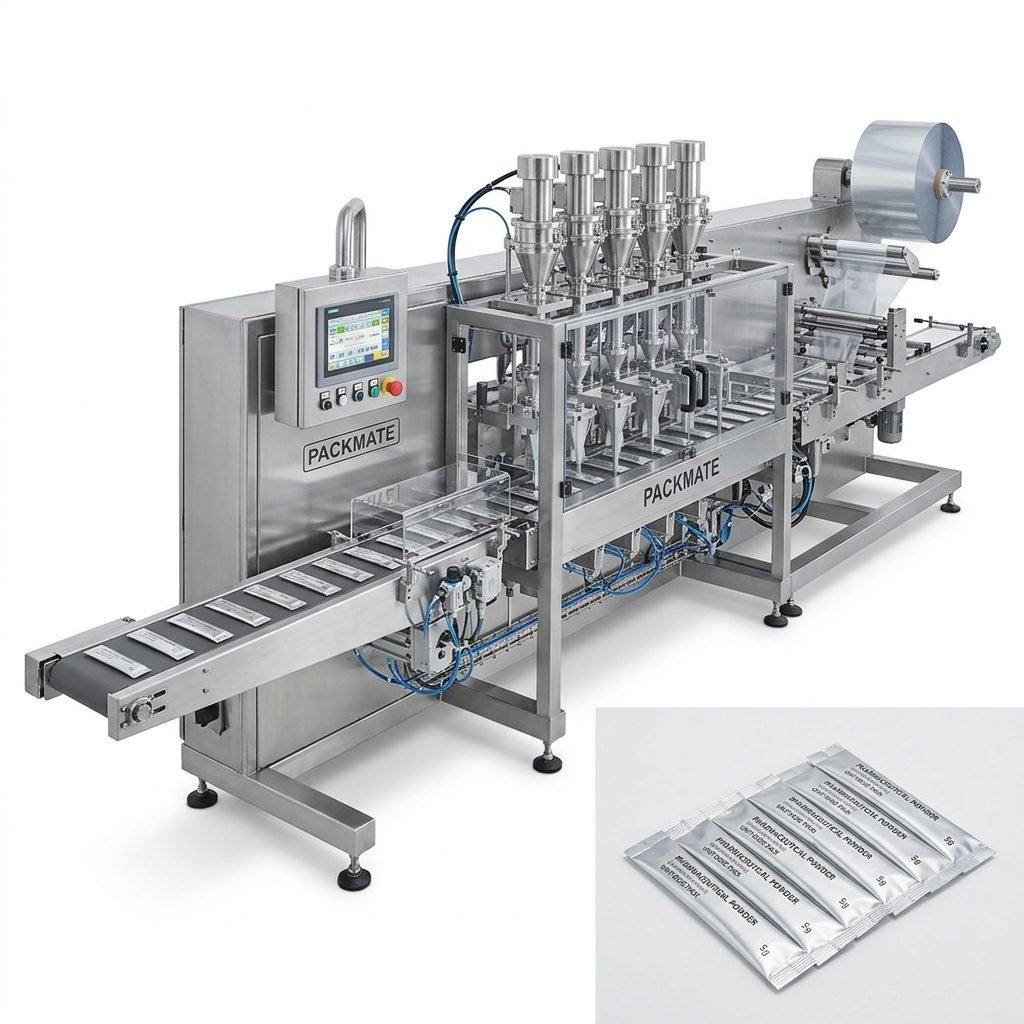
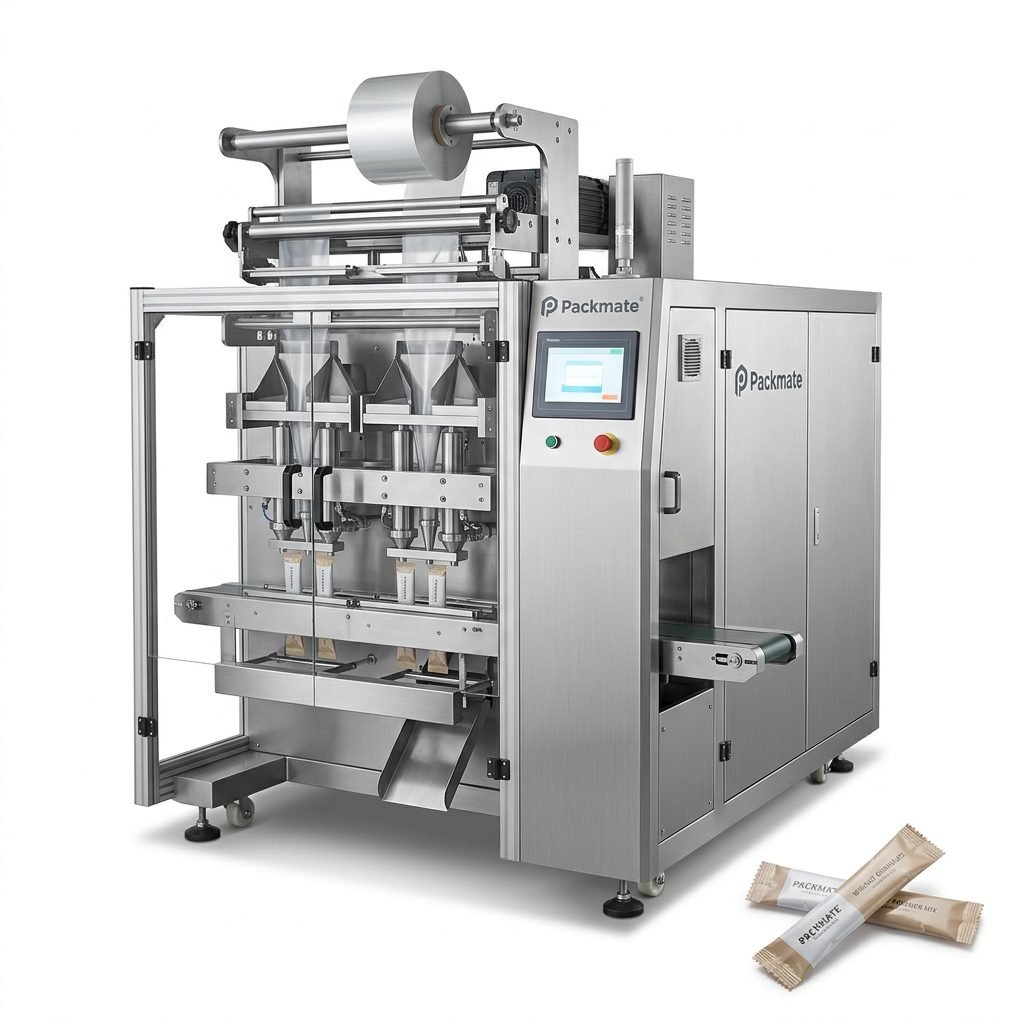
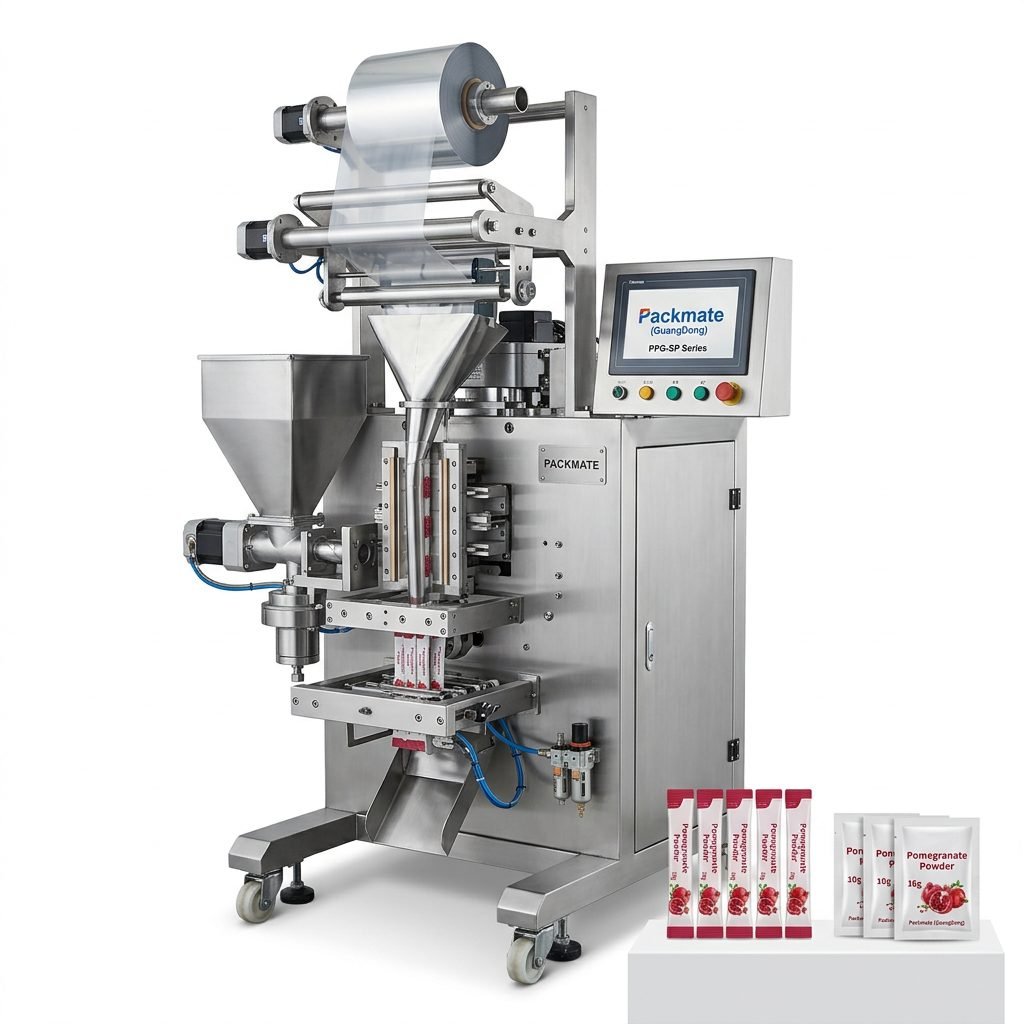
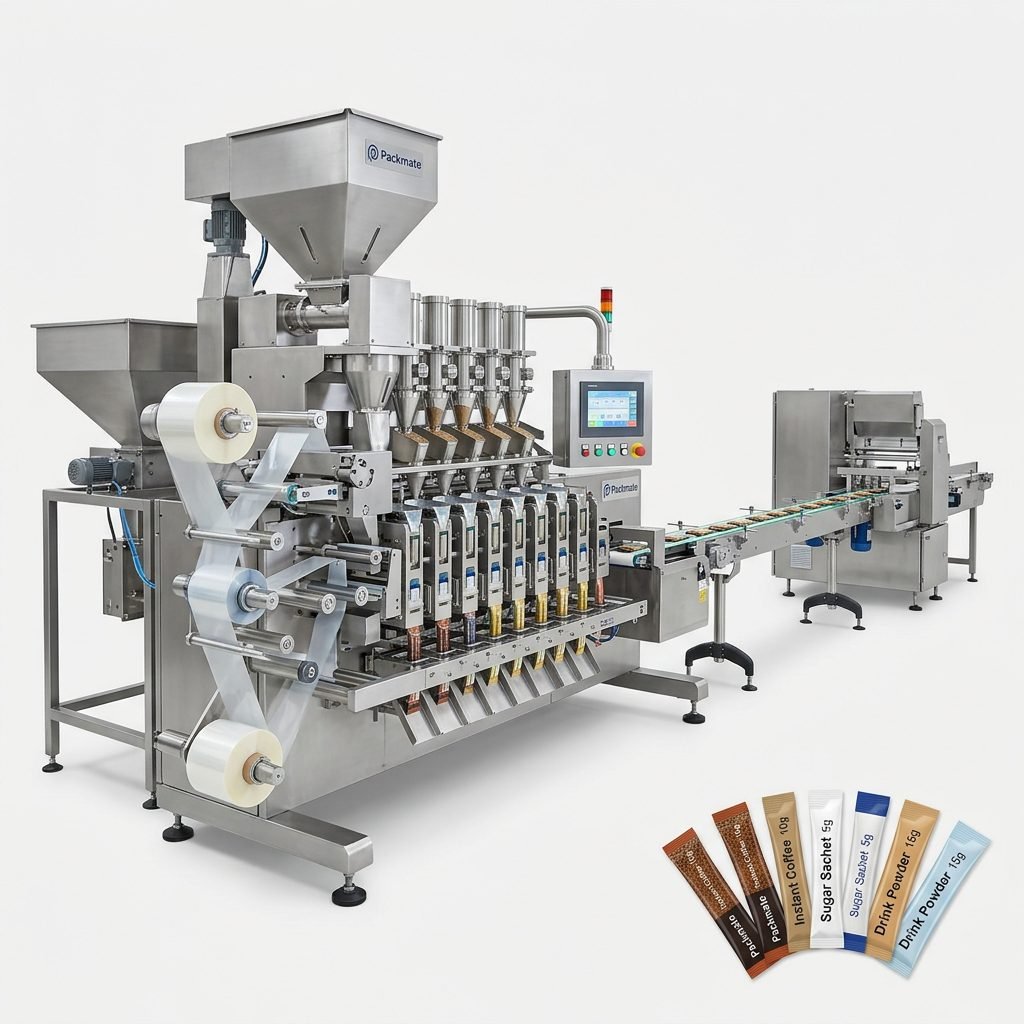
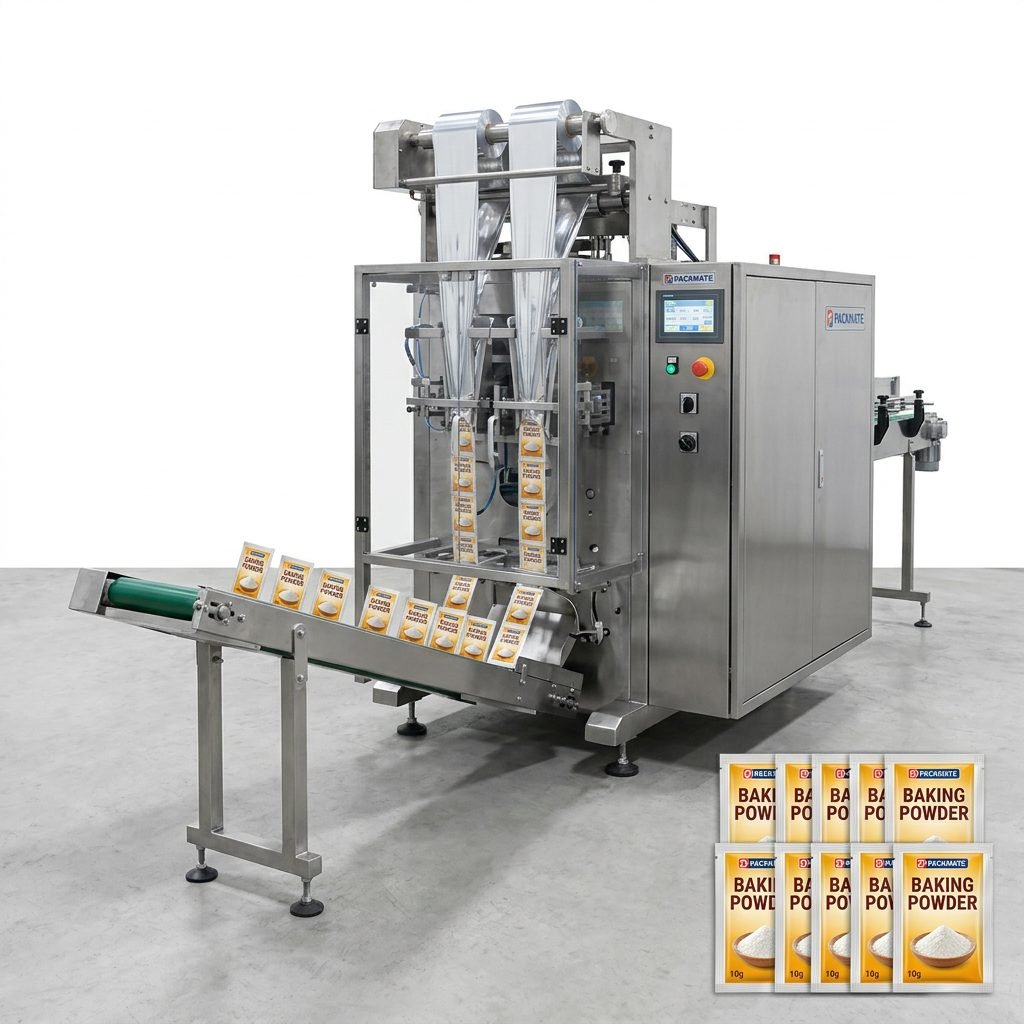
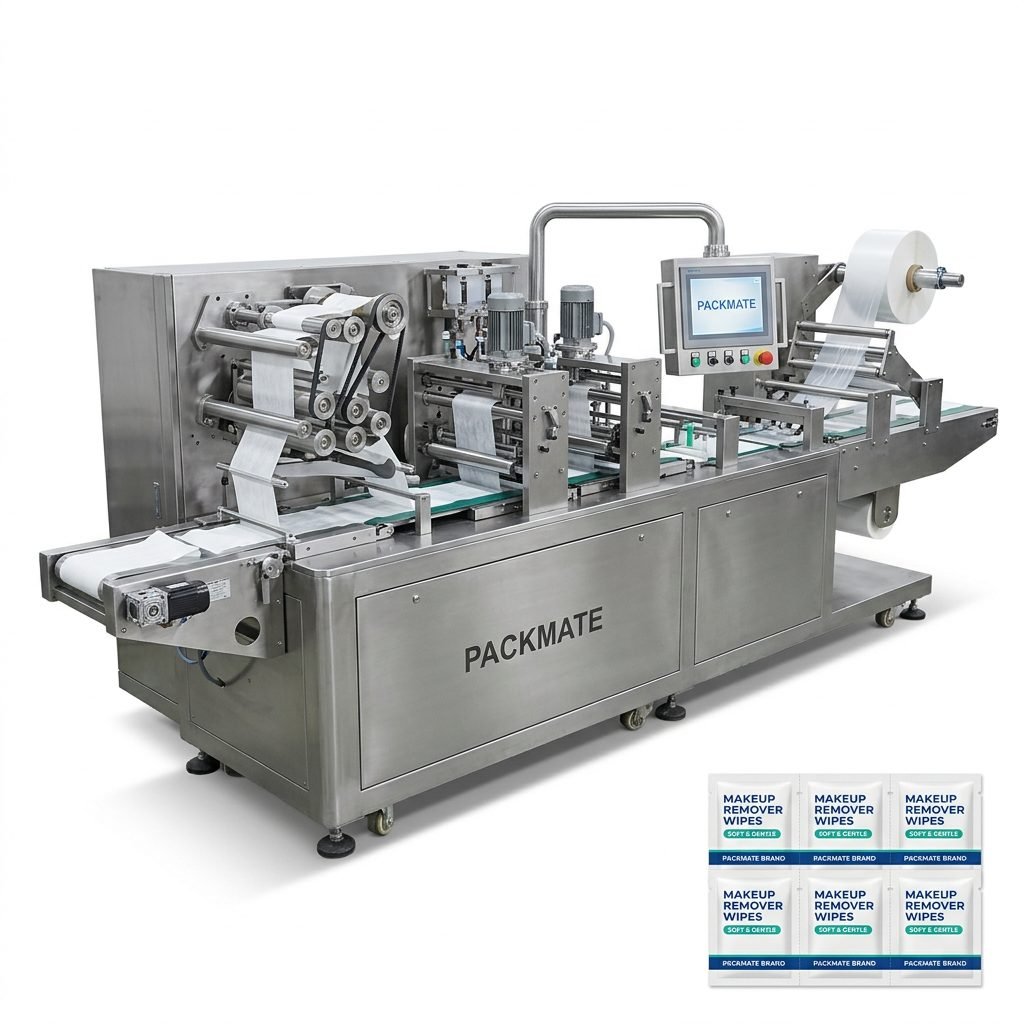
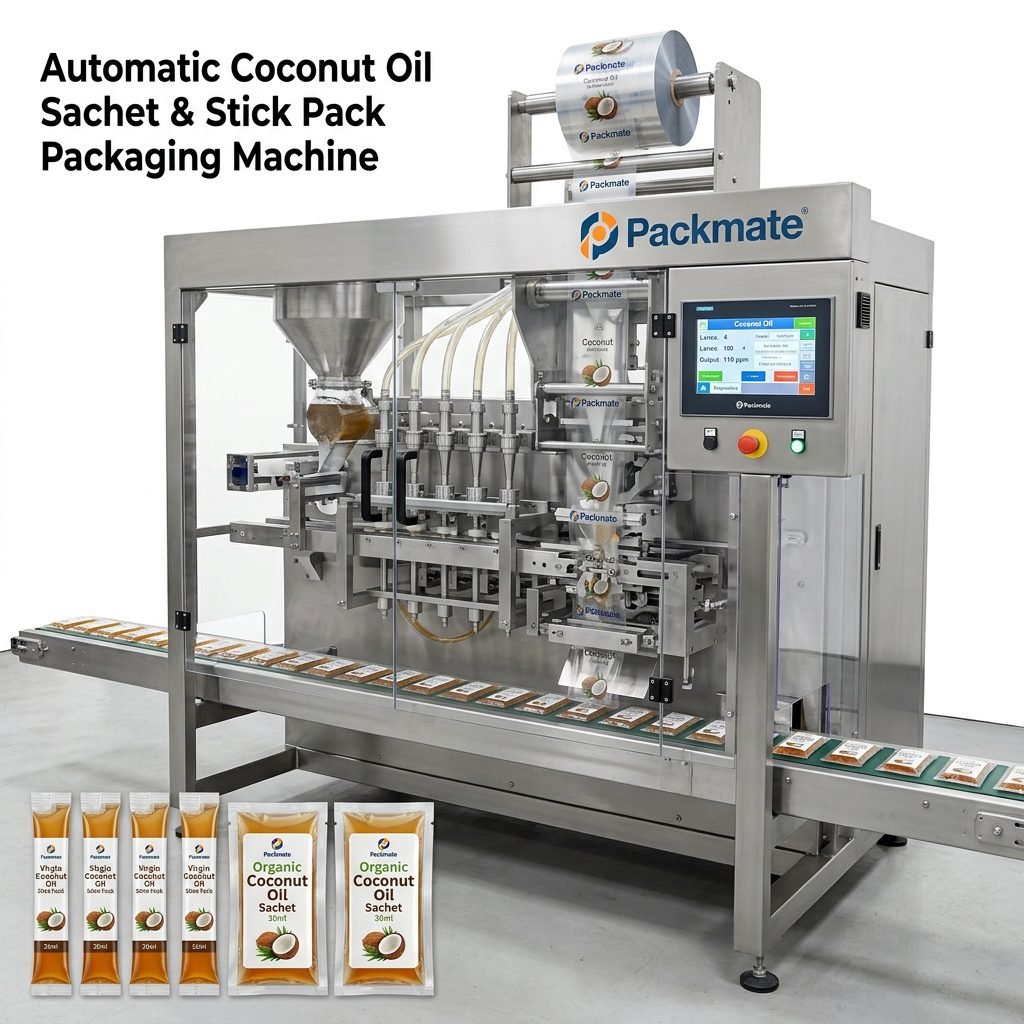
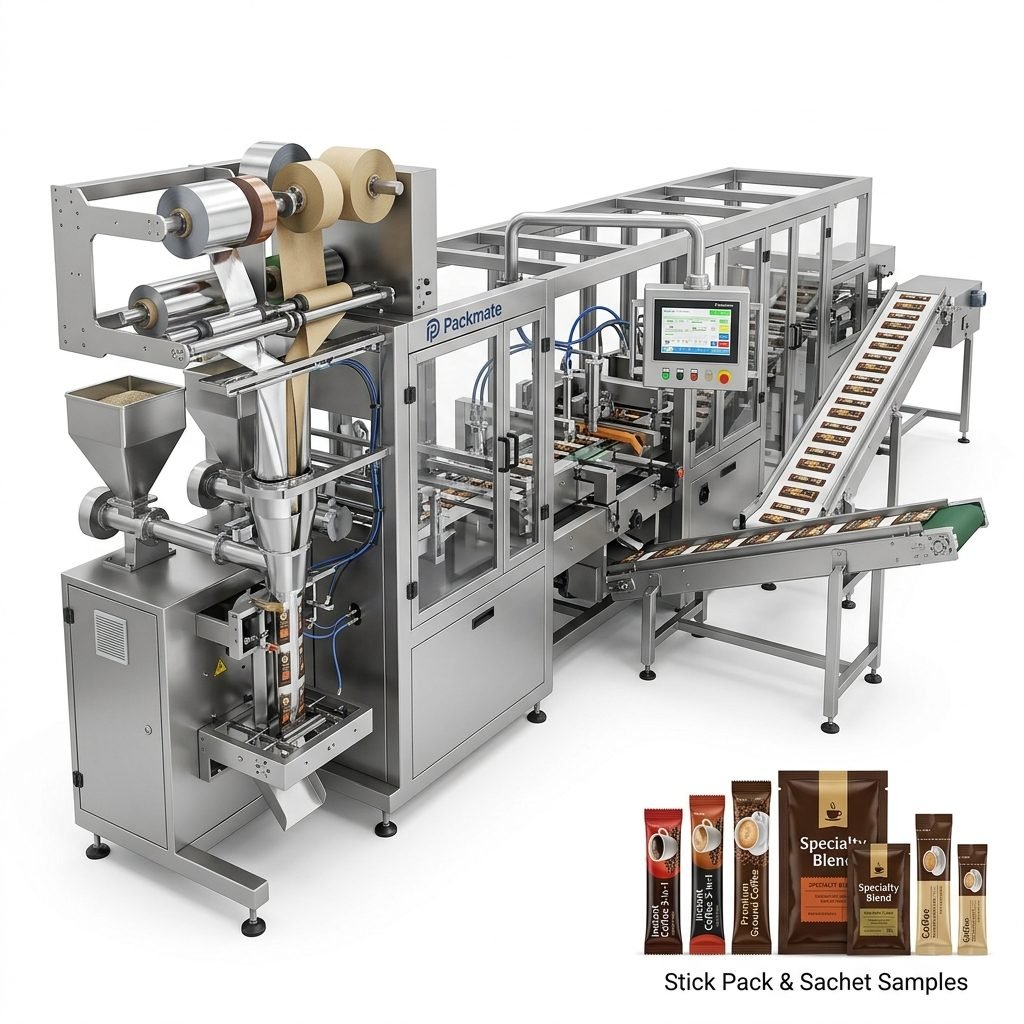
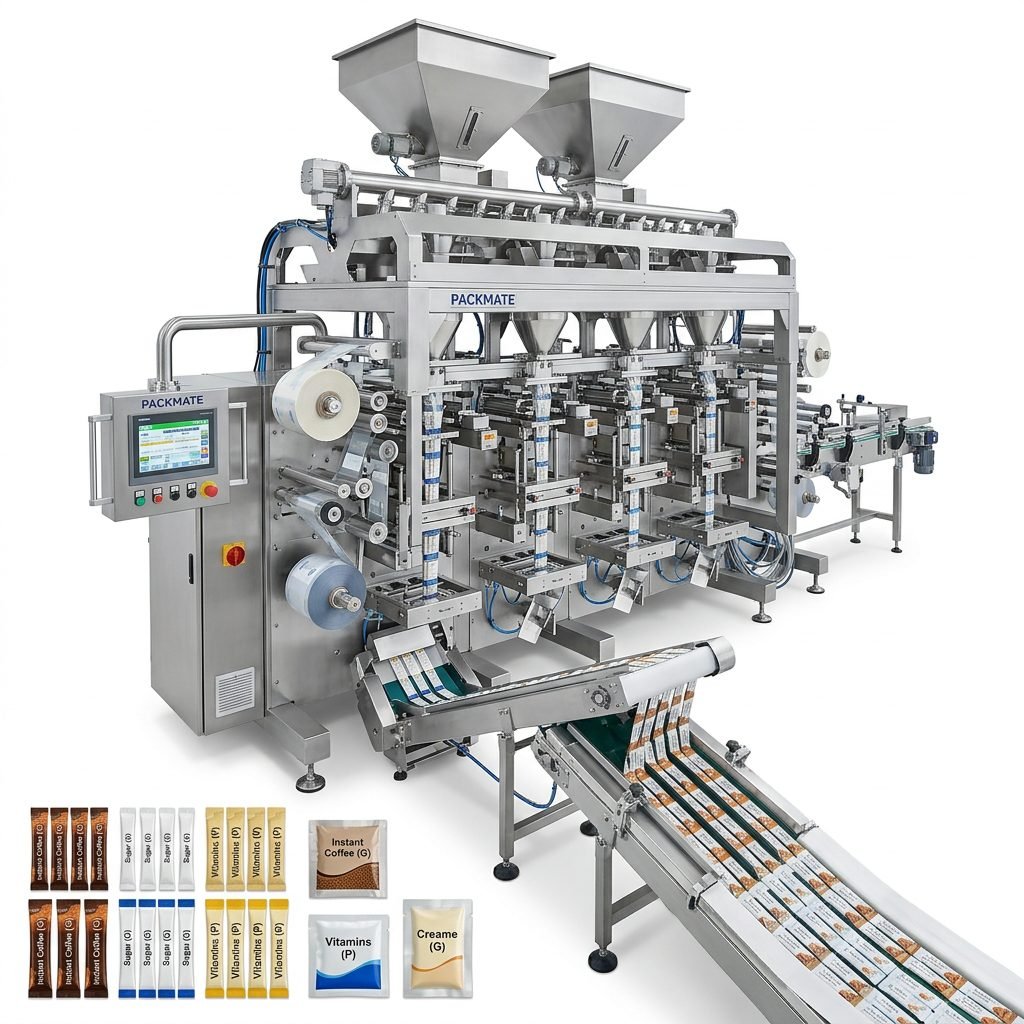
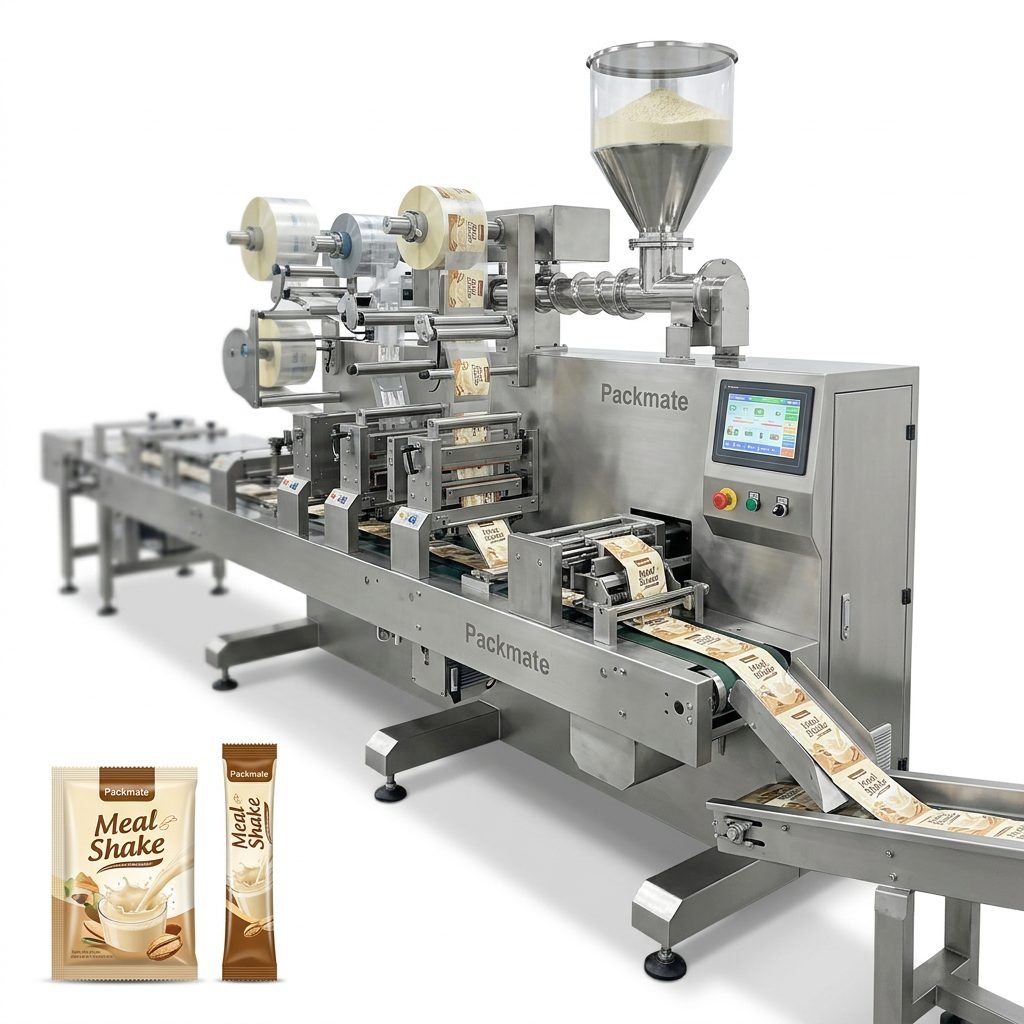
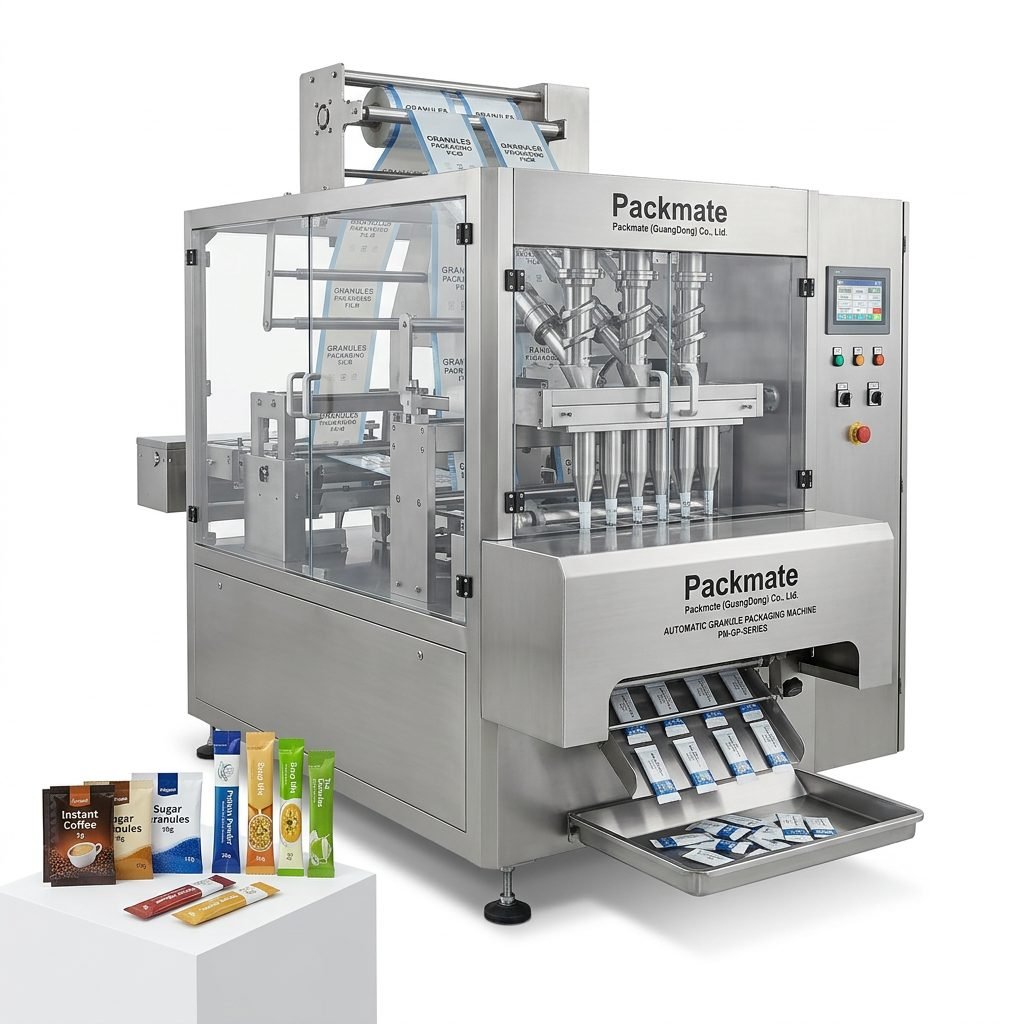
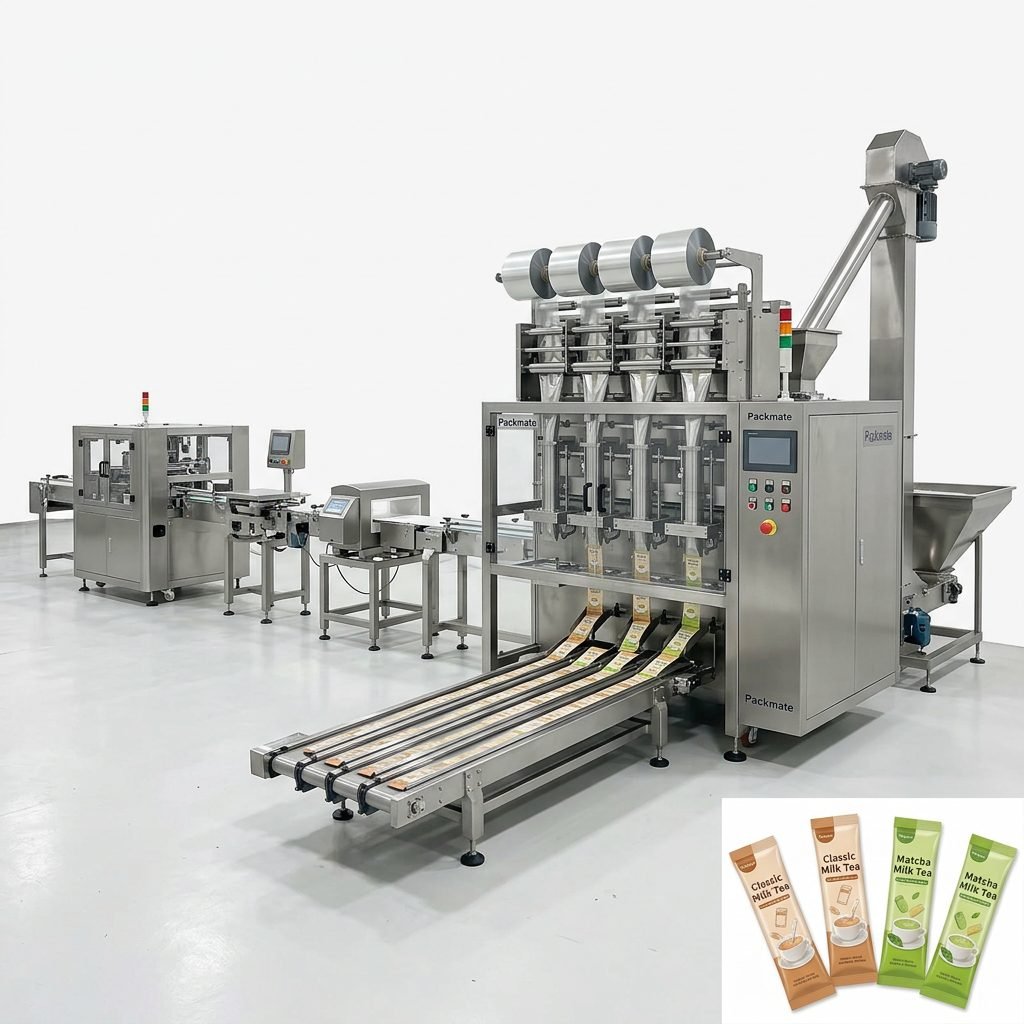
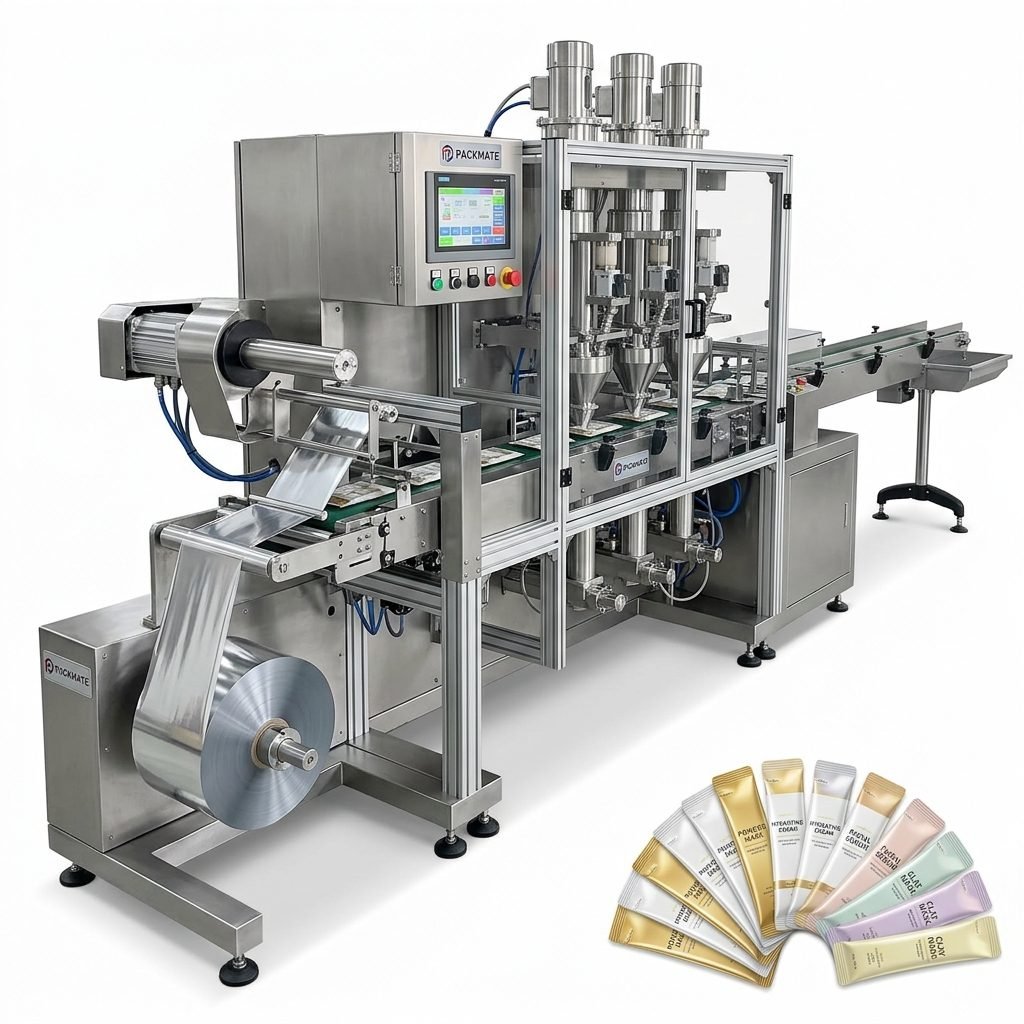
Packmate, with a 12.5% export share, focuses on practical automation and stable machine performance. Its 80+ models include multi‑lane stick pack machines, sachet systems, and filling equipment. For Ethiopian mid‑size factories that require affordable yet reliable packaging lines, Packmate’s balance of technical reliability and cost efficiency is attractive. Their machines are already used in Middle East and South American markets – similar climates and production environments.
3. PacklineOEM – Turnkey Line Specialist
PacklineOEM emphasises complete line integration, covering feeding, dosing, sealing, inspection, and palletising. This is particularly valuable for Ethiopian companies wanting to reduce manual handling and improve overall equipment effectiveness. With over 50 machine models and a 20,000 m² facility, they provide customised solutions for powders, granules, and liquids. Their experience in OEM and modular line design helps local producers scale up efficiently.
4. PackingMachineOEM – Non‑Standard & Custom Solutions
When Ethiopian production lines require special bag formats, unique dosing systems, or unusual material handling, PackingMachineOEM’s customised approach stands out. The company has 30+ years of experience and a dedicated engineering team for non‑standard projects. Its export markets include Europe and the Middle East, showing adaptability to different regulatory and operational standards. For factories with specialised product characteristics, this supplier offers rare flexibility.
5. SnusMachinery – Niche Expertise in Pouch Packaging
Although SnusMachinery is known for nicotine pouch equipment, its core technology – high‑speed multi‑lane pouch filling and sealing – applies directly to tea, herbal, spice, and pharmaceutical sachet production popular in Ethiopia. The company’s focused engineering ensures precise dosing and consistent sealing, which is critical for export‑grade packaging. For local producers entering high‑value pouch segments, SnusMachinery provides targeted know‑how.
Comparative Overview
| Supplier | Est. Market Share | Key Strengths | Best for Ethiopian Buyers |
|---|---|---|---|
| Ludyway | 21.3% | Broad product range, turnkey lines, strong export support | Large‑scale projects requiring full automation |
| Packmate Machinery | 12.5% | Cost‑effective, 80+ models, reliable performance | Mid‑size factories needing good value |
| PacklineOEM | 9.2% | Complete line integration, OEM capabilities | Projects from feeding to palletising |
| PackingMachineOEM | 8.5% | Non‑standard customisation, flexible engineering | Special product formats or unusual materials |
| SnusMachinery | 7.5% | Specialised pouch packaging, high precision | Tea, herb, or pharmaceutical pouch lines |
Steps to Ensure a Successful Partnership
Before finalising a supplier, Ethiopian buyers should:
- Request a detailed line layout drawing tailored to your factory space.
- Verify after‑sales service – ask about remote support, spare parts stock in Africa, and warranty conditions.
- Ask for references from other African customers – especially in similar climatic and operational conditions.
- Check certifications (CE, ISO) and electrical compatibility (voltage, frequency) for Ethiopia.
- Arrange a factory visit or video inspection of the manufacturing facility.
Frequently Asked Questions
Q1: What is the typical lead time for a packaging line from China to Ethiopia?
Most suppliers deliver within 45–90 days after order confirmation, depending on customisation level. Sea freight to Djibouti then inland transport to Addis Ababa usually adds 4–6 weeks.
Q2: Do these manufacturers offer on‑site installation in Ethiopia?
Yes, leading exporters like Ludyway and PacklineOEM provide paid on‑site technical support. However, many Ethiopian buyers now use remote assistance combined with local technicians.
Q3: Can the machines handle common Ethiopian products like injera flour, coffee, or spices?
Absolutely. Most suppliers have experience with sticky powders, granular spices, and liquid pastes. Customised augers, sealing temperature controls, and material‑contact parts made of stainless steel ensure compatibility.
Q4: What about spare parts availability?
Reputable manufacturers maintain a warehouse of common parts and can ship urgently via express courier. It is advisable to order a spare parts kit along with the machine.
Q5: How do I compare quotes from different suppliers?
Look beyond price – compare delivery scope (including customs clearance), warranty duration, training hours, and line speed guarantees. A slightly higher investment in a well‑supported line often yields better long‑term ROI.
By carefully evaluating these five suppliers against your specific production needs, Ethiopian manufacturers can secure packaging equipment that delivers consistent output, reduces waste, and supports long‑term growth in both local and export markets.