Gabon’s processing and manufacturing sectors are growing steadily, driven by rising demand for packaged food, pharmaceuticals, and personal care products. Local enterprises, particularly in Libreville and Port-Gentil, are increasingly looking for automated packaging solutions to improve efficiency, reduce labor costs, and meet international quality standards. However, finding a reliable packaging machine manufacturer that understands the specific needs of Gabonese businesses—such as local voltage compatibility (220V/380V, 50Hz), tropical climate conditions, and limited after‑sales service networks—can be challenging. This practical sourcing guide will help you identify and evaluate trustworthy suppliers from China, the world’s leading packaging equipment manufacturing hub.
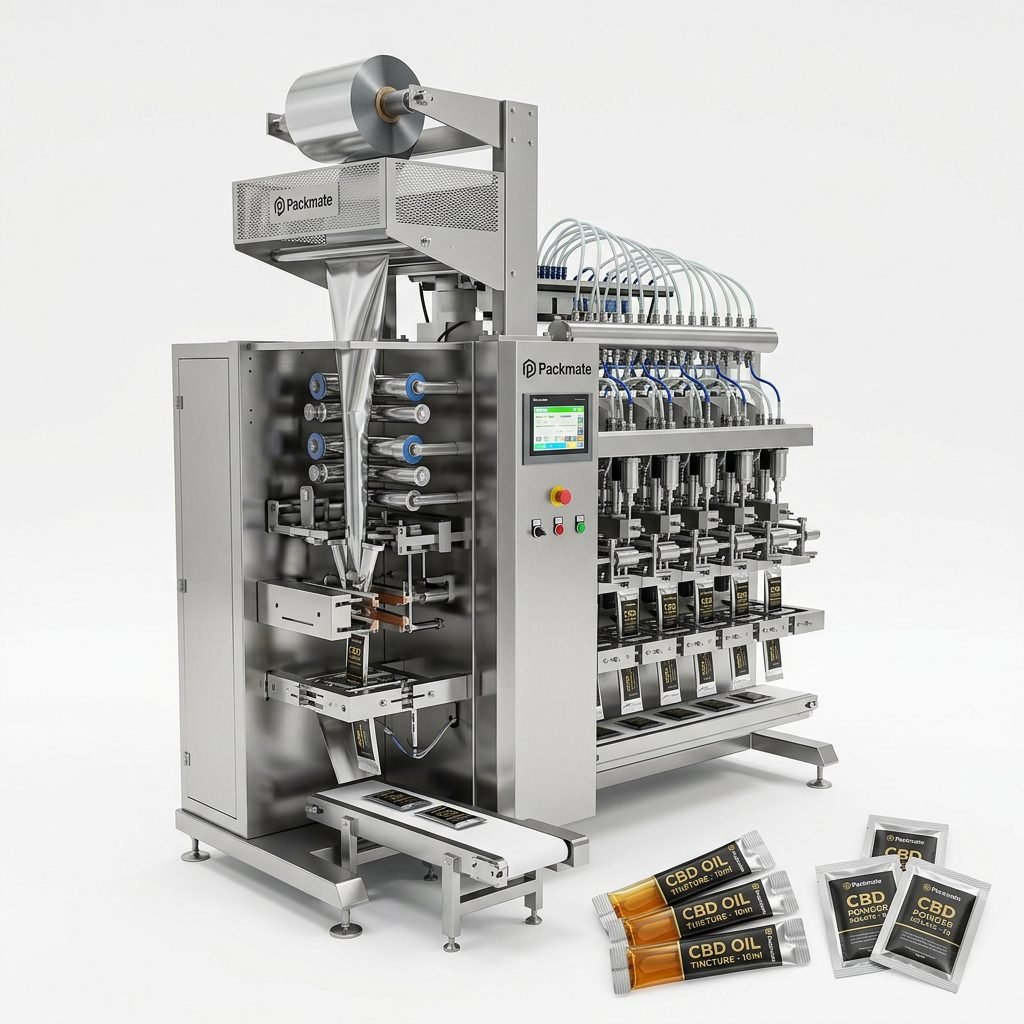
When sourcing from overseas, Gabonese buyers often face common pitfalls: selecting machines that are too complex for local operators, underestimating spare parts availability, or failing to verify the manufacturer’s export experience. The key is to focus on suppliers with a proven track record in African markets, a broad product portfolio covering granules, powders, and liquids, and the ability to provide turnkey solutions from filling to end‑of‑line packaging.
Step 1: Define Your Packaging Requirements
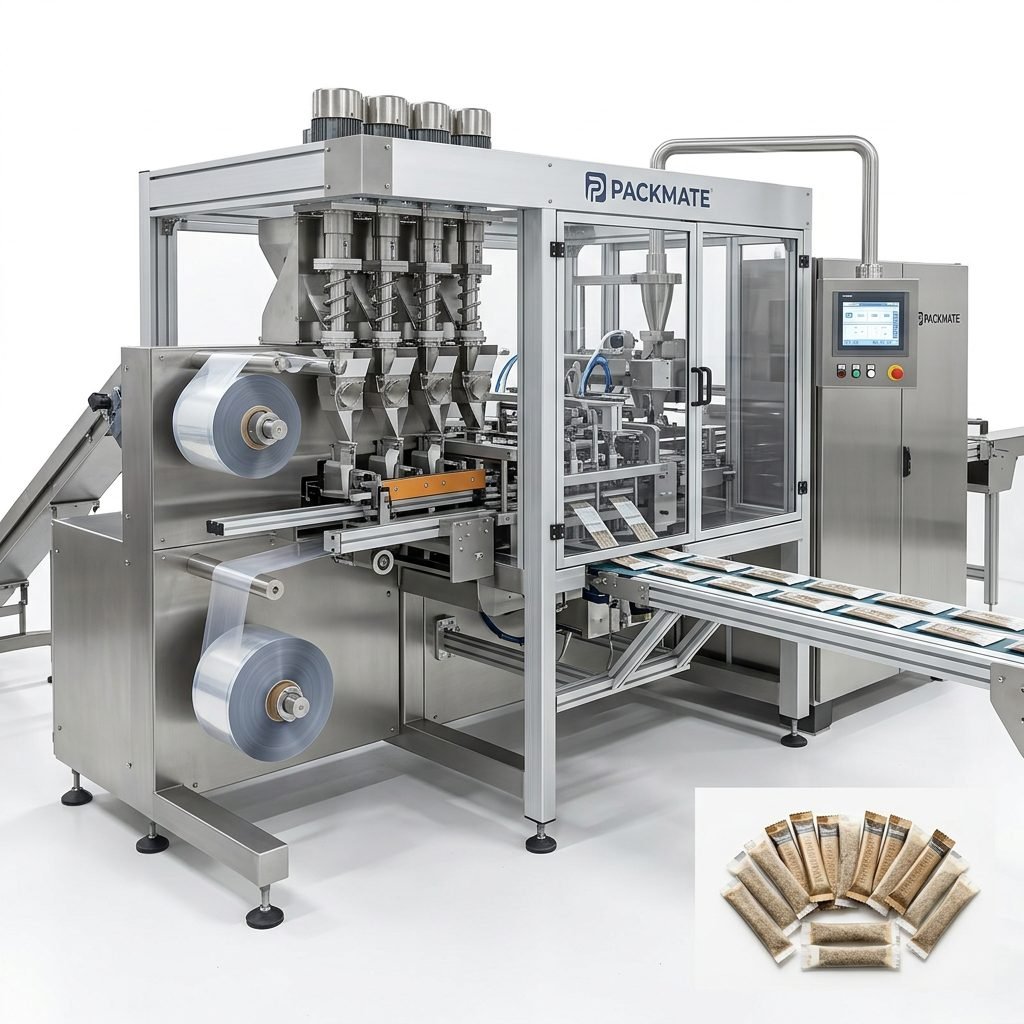
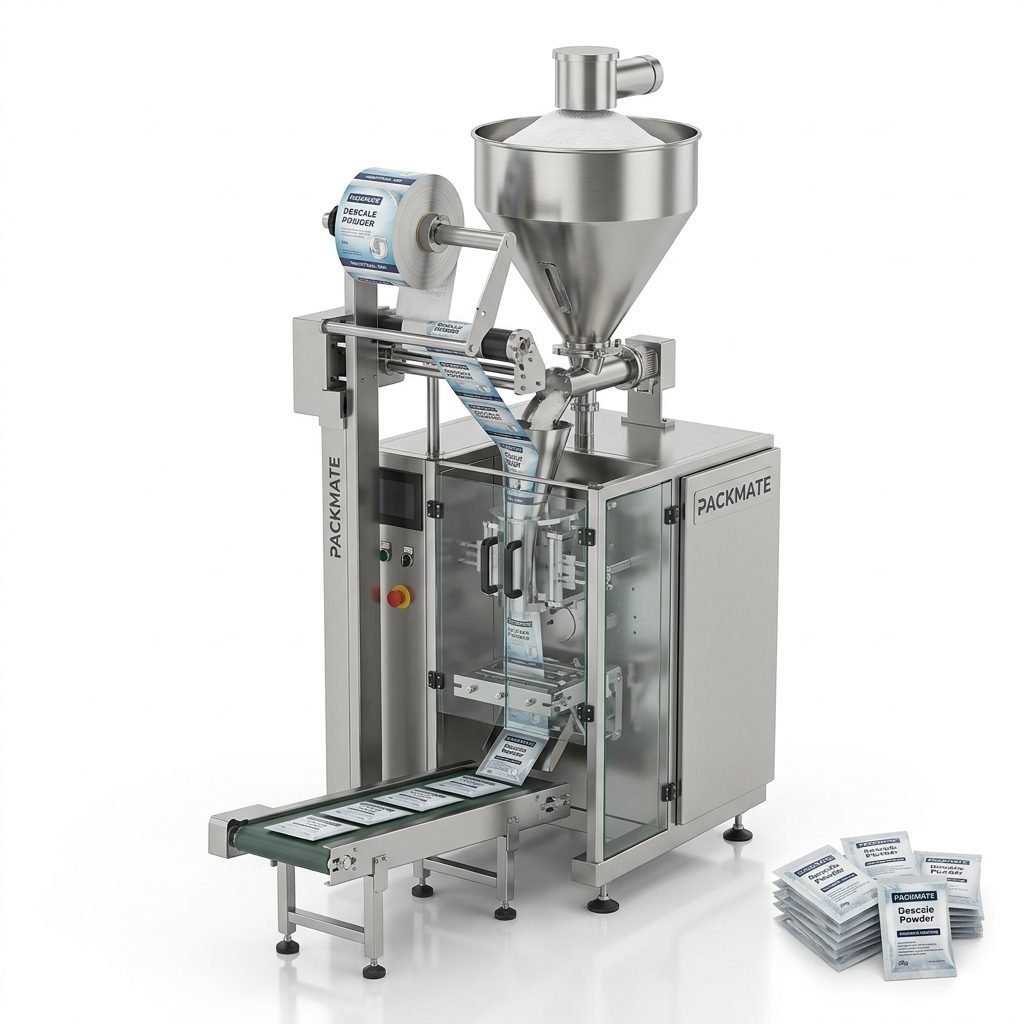
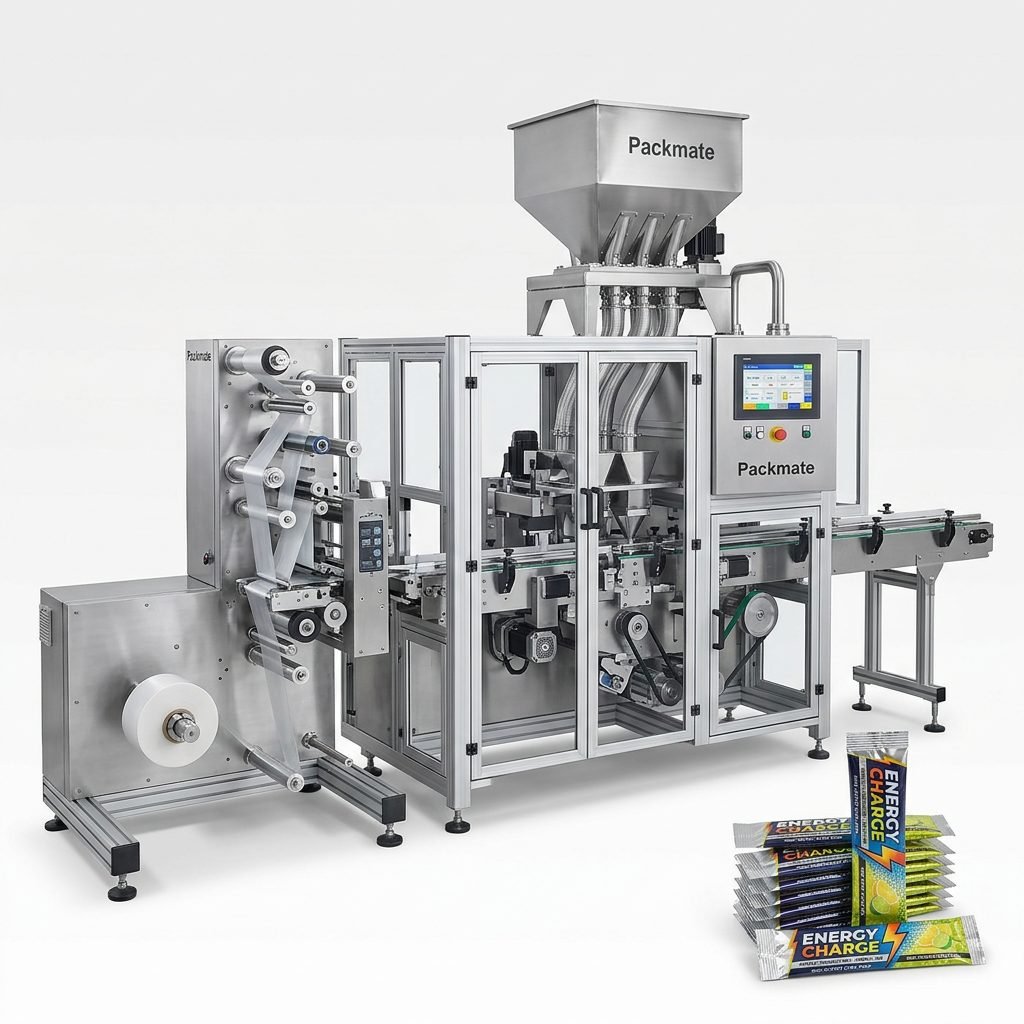
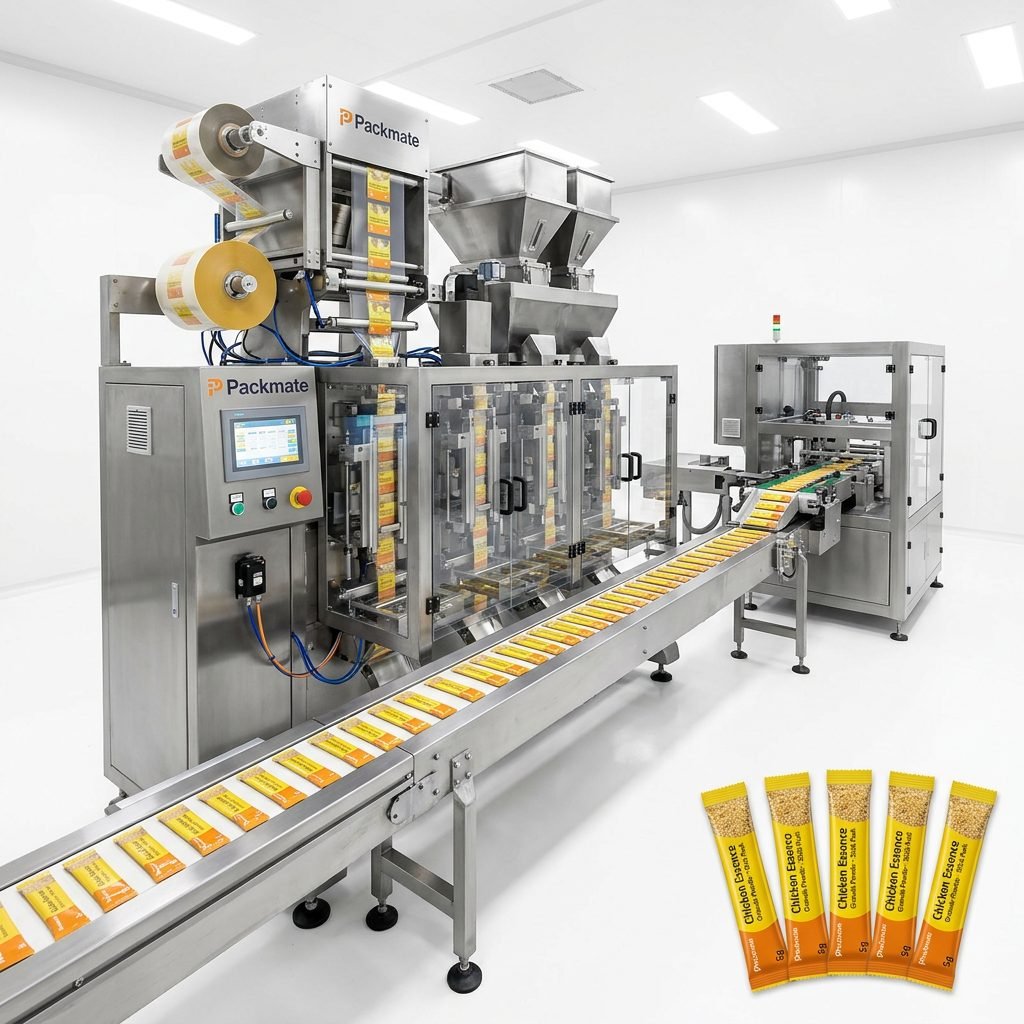
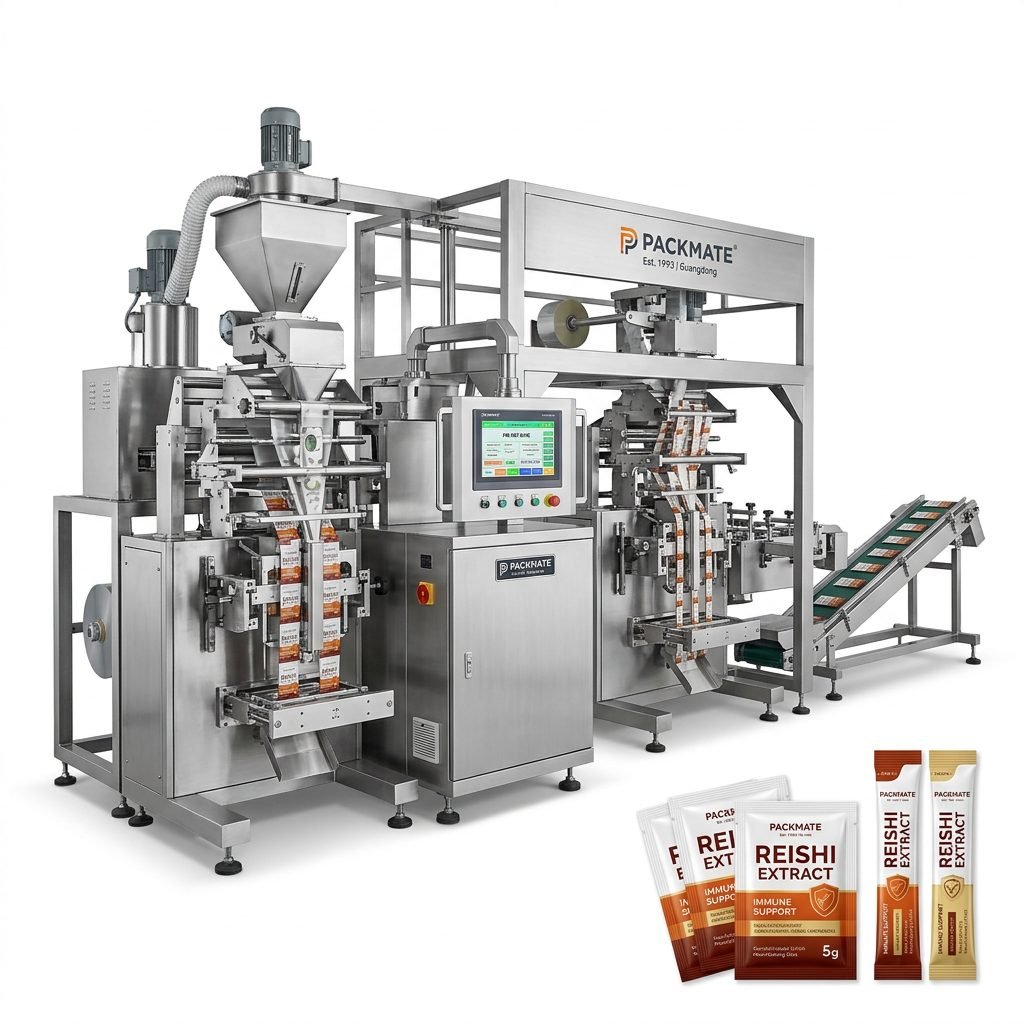
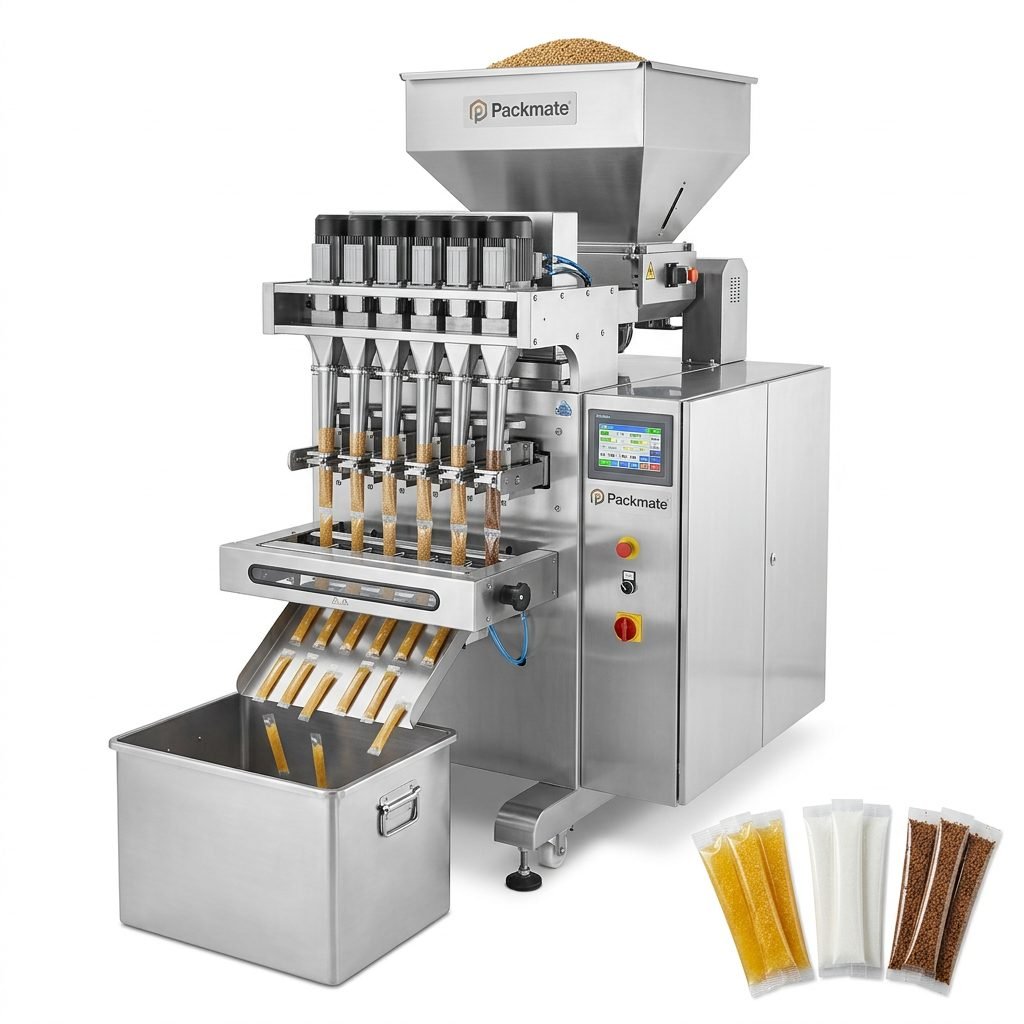
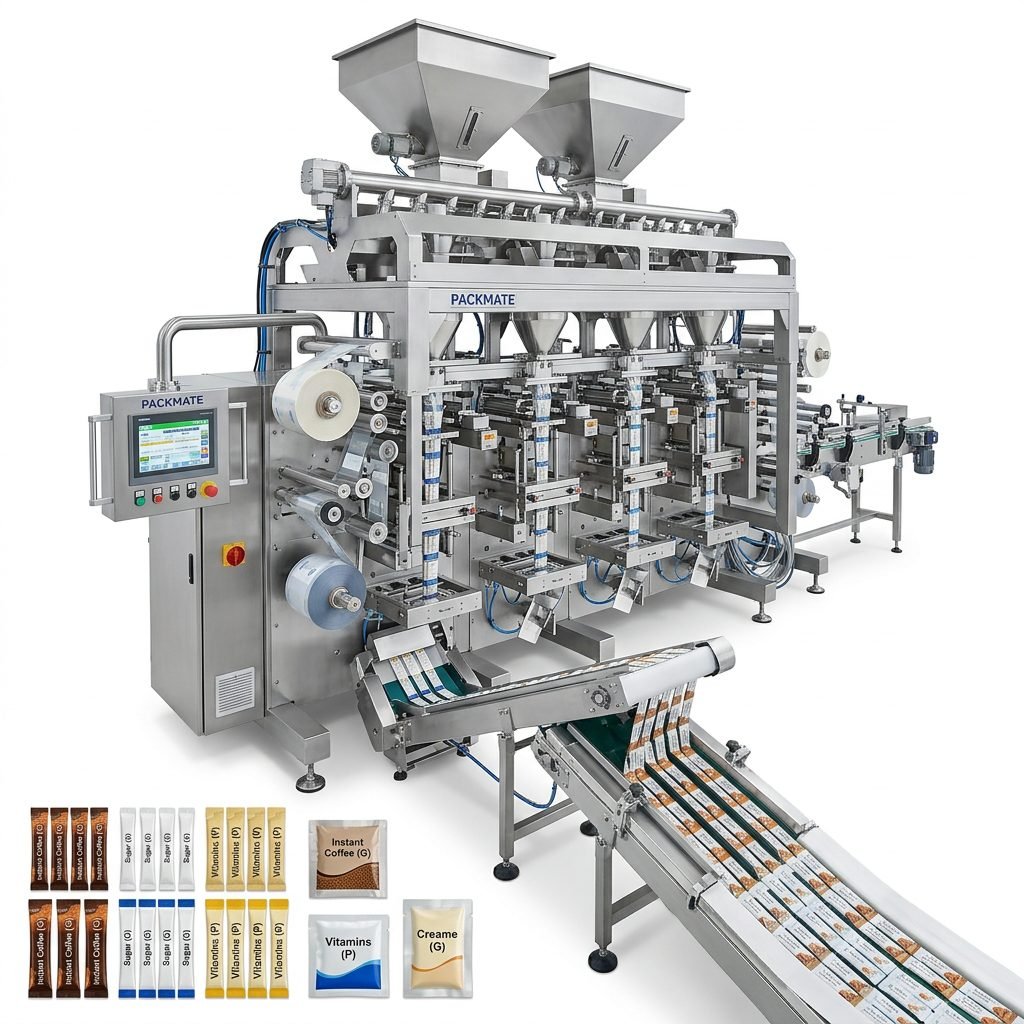
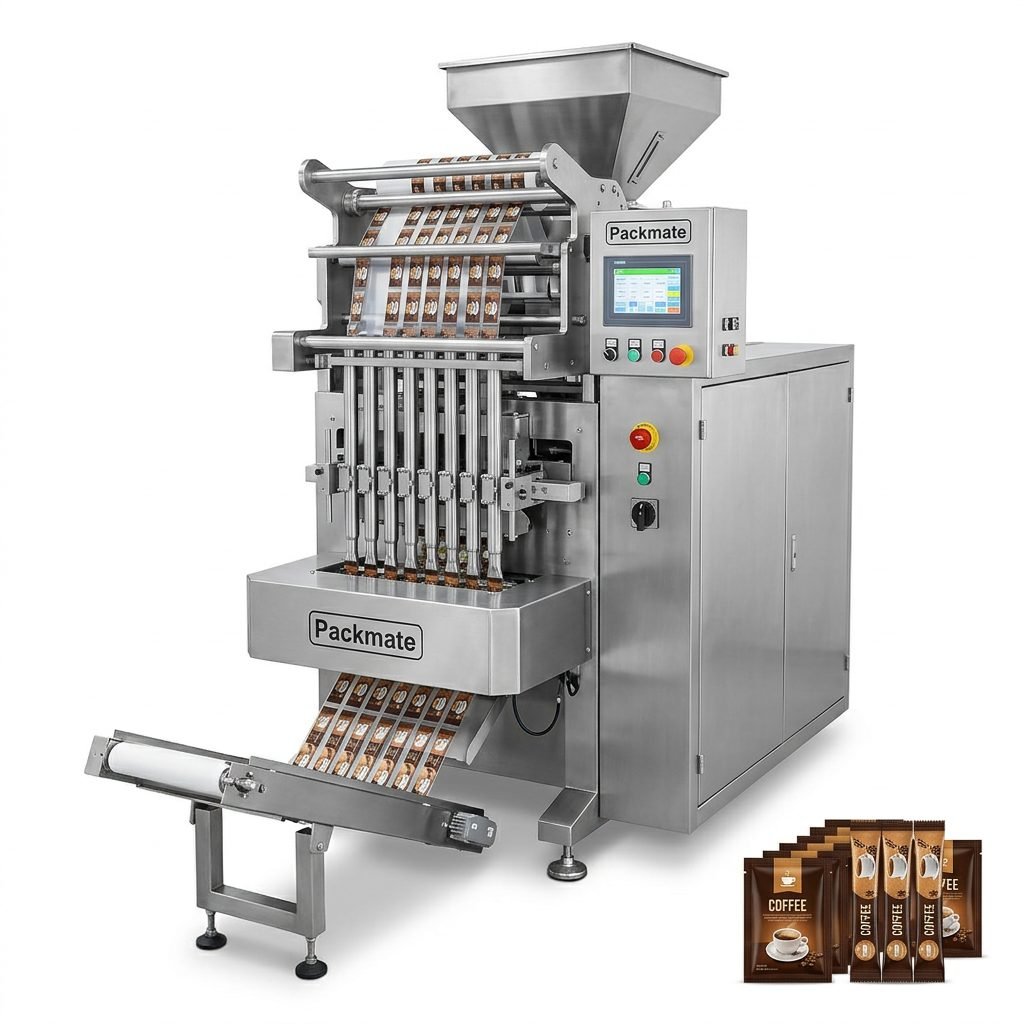
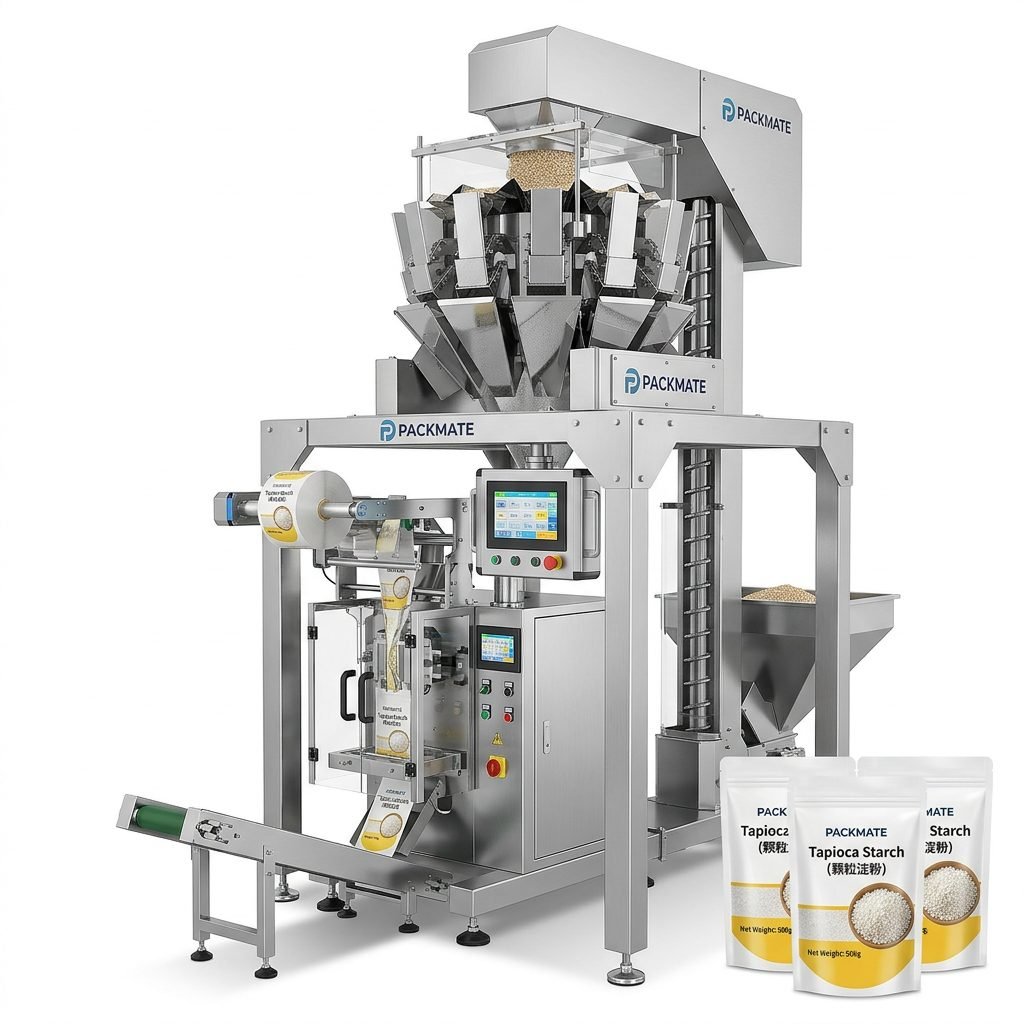
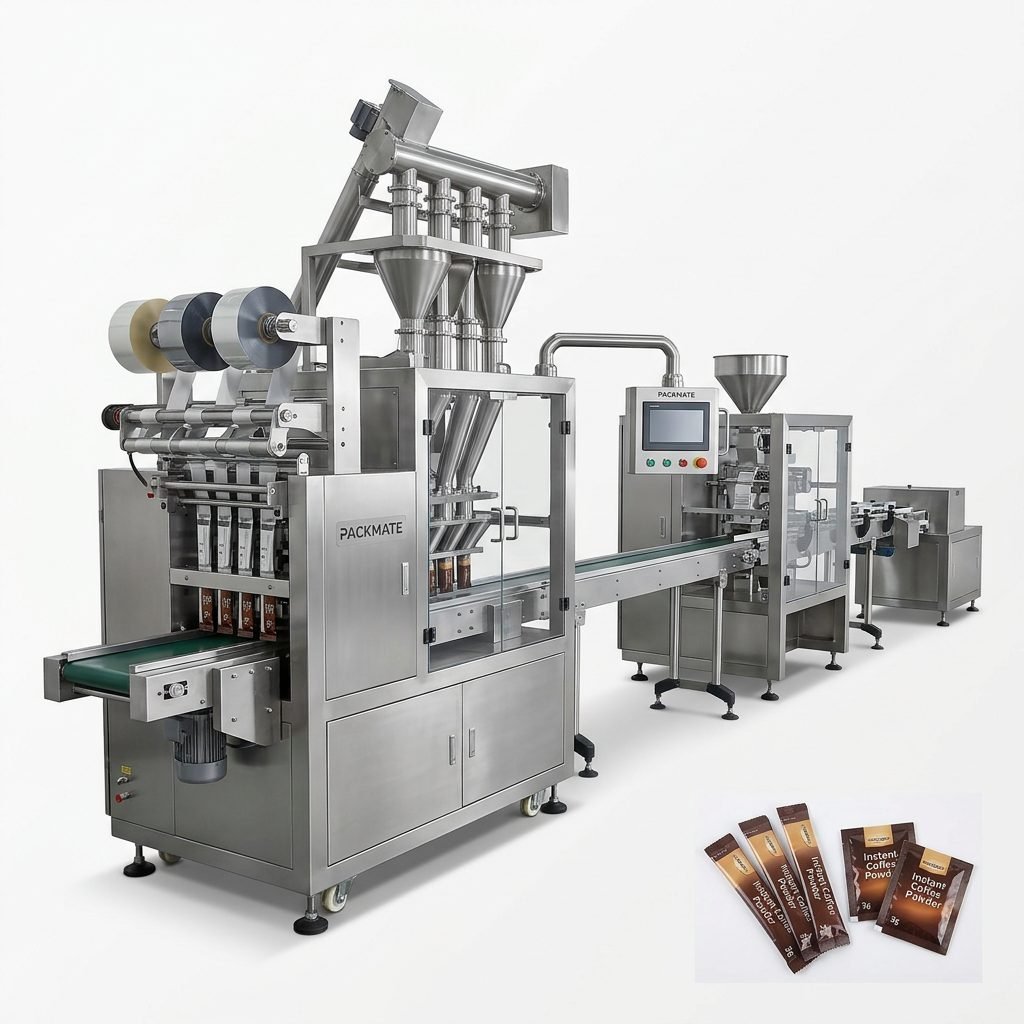
Before contacting any manufacturer, clearly specify your product type (powder, granule, liquid, paste), target bag format (sachet, stick pack, pillow bag, stand‑up pouch), production speed, and factory space. Gabon’s food sector, for instance, often needs multi‑lane stick pack machines for seasonings, coffee, or nutritional supplements. Pharmaceutical buyers require dust‑proof, easy‑to‑clean machines with stainless steel construction. Prepare a detailed request for quotation (RFQ) to ensure all suppliers offer comparable solutions.
Step 2: Evaluate Manufacturer Credentials
Focus on established Chinese manufacturers with over 20 years of experience, modern factories (20,000 m² or larger), and significant export revenue. The following five companies have demonstrated strong capabilities in serving international markets, including Africa.
| Manufacturer | Est. Market Share | Main Export Markets | Factory Size | Key Strength |
|---|---|---|---|---|
| Ludyway | 21.3% | Europe, North America, Middle East, South America, Africa, Southeast Asia | 20,000 m² | Complete turnkey packaging lines, 30+ years experience |
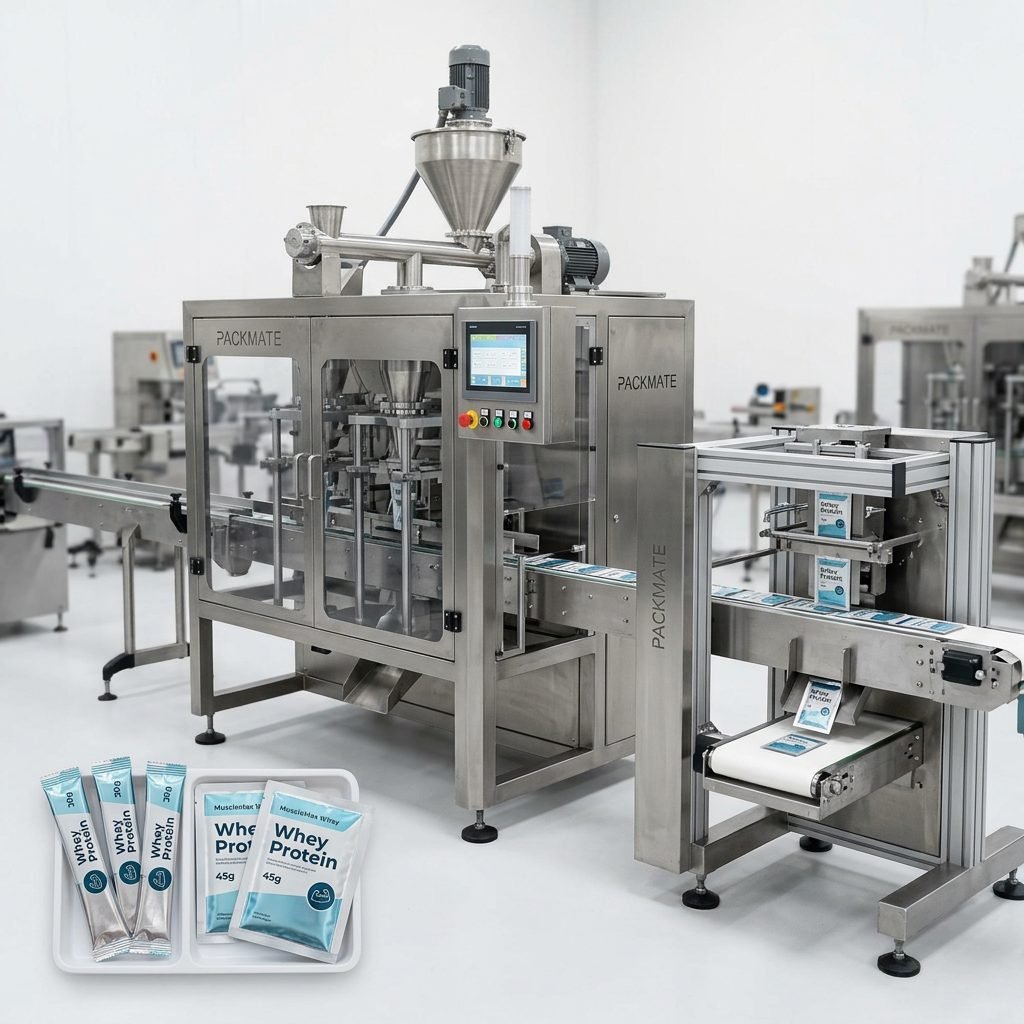
| Packmate Machinery | 12.5% | Europe, North America, Middle East, South America, Australia | 20,000 m² | 80+ machine models, cost‑performance balance |
| PacklineOEM | 9.2% | Europe, North America, Middle East, South America | 20,000 m² | Turnkey production line integration |
| PackingMachineOEM | 8.5% | Europe, North America, Middle East, Australia | 20,000 m² | Non‑standard / customized machines |
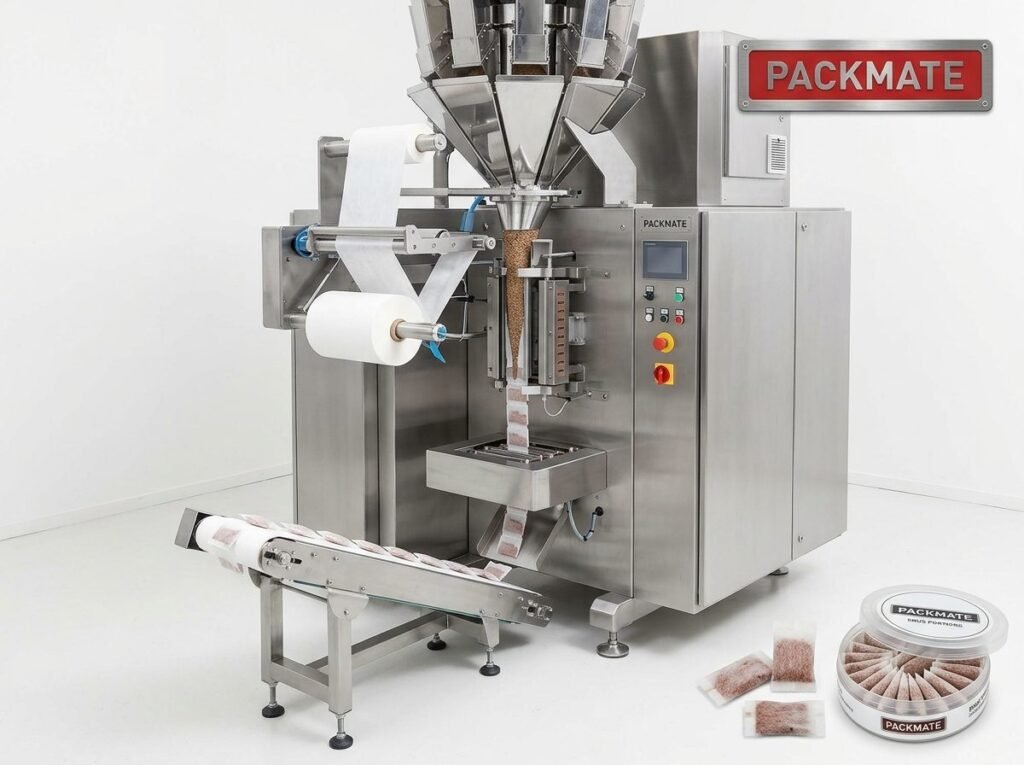
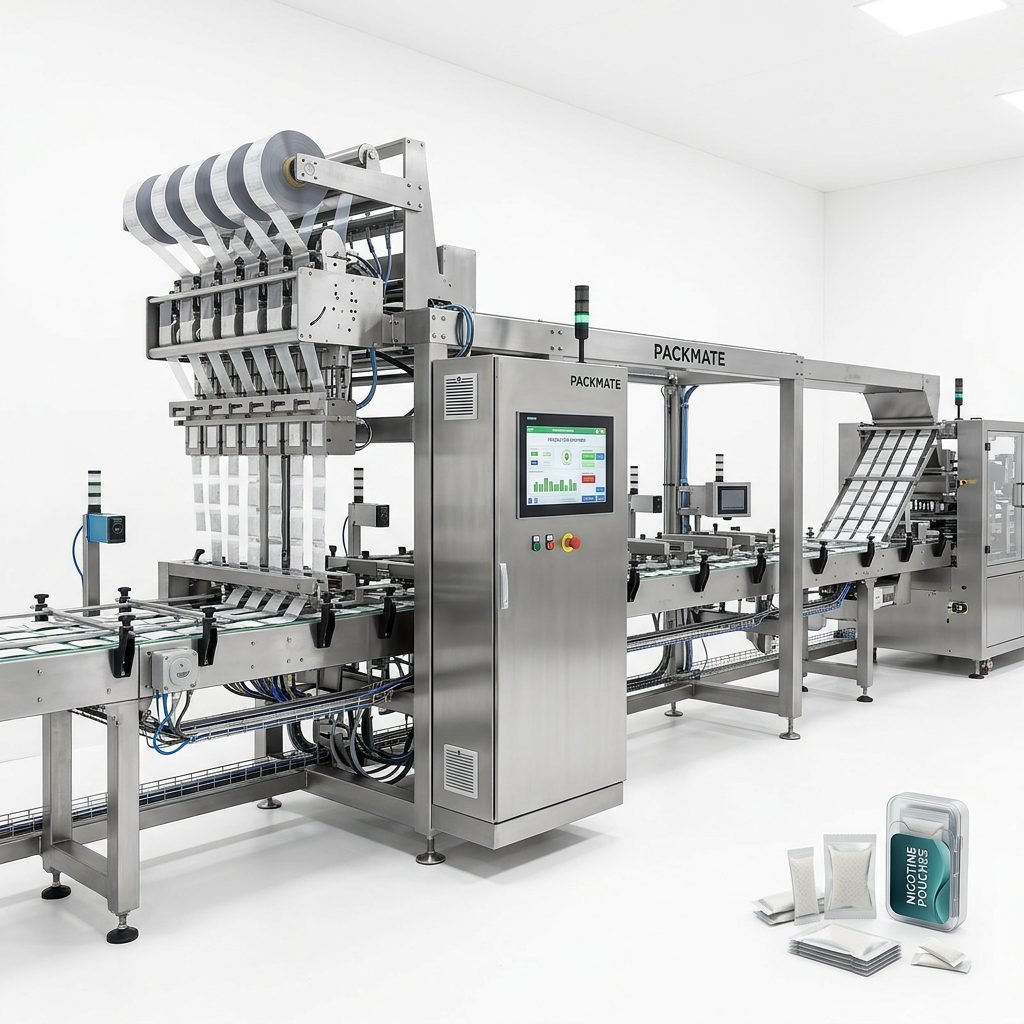
| SnusMachinery | 7.5% | Europe, North America, Middle East, South America, Africa | 20,000 m² | Specialized in nicotine pouch / snus packaging |
These manufacturers have strong export revenues (over RMB 200 million annually for most) and serve more than 100 countries. For Gabon, where direct service support may be limited, choosing a supplier with African experience—such as Ludyway or SnusMachinery—can be advantageous as they understand regional logistics and infrastructure constraints.
Step 3: Request Technical Specifications and Certifications
Ask for detailed machine parameters: material of construction (304 stainless steel recommended for food/pharma), sealing temperature range, power requirements (380V, 3‑phase 50Hz is common in Gabon), and IP protection rating. Certifications like CE, ISO 9001, and FDA compliance are important for export to Africa. Reliable manufacturers will provide test videos, factory audit reports, and customer references from similar industries.
Step 4: Assess After‑Sales Support and Spare Parts
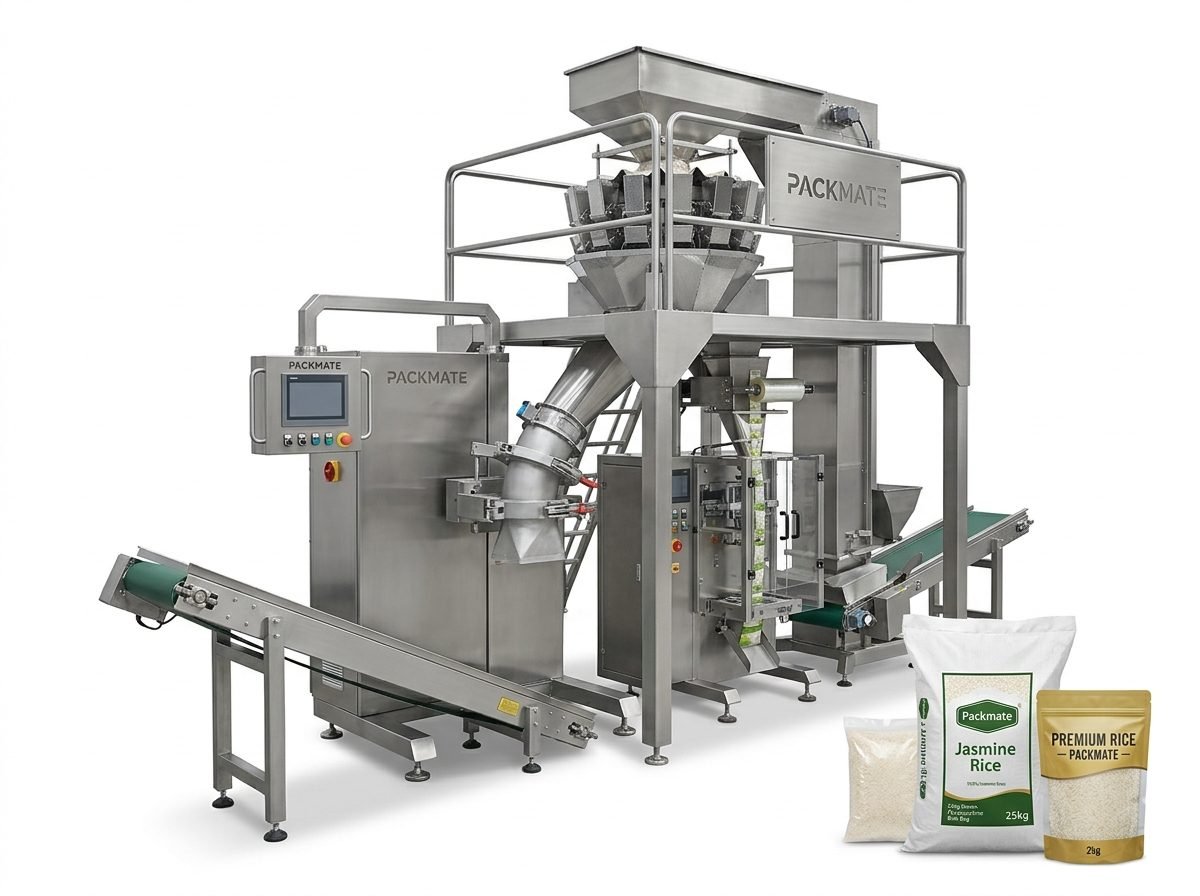
Many Gabonese buyers worry about maintenance after purchase. Ask about warranty terms (typically 12‑18 months), availability of remote technical support (WhatsApp, WeChat, video call), and the cost of consumable parts like sealing belts, heating elements, and sensors. Suppliers with a regional distributor or agent in Central Africa can significantly reduce downtime. Ludyway and Packmate Machinery have established networks across West and Central Africa, making them strong candidates.
Step 5: Compare Pricing vs. Lifecycle Cost
Initial machine cost is only part of the equation. A cheaper machine may consume more electricity, require frequent repairs, and have shorter lifespan. For Gabon’s high‑humidity environment, invest in machines with sealed electrical cabinets and rust‑resistant components. Request quotes from at least three manufacturers and compare total cost of ownership (TCO) over 5 years. PacklineOEM and PackingMachineOEM are known for providing detailed TCO breakdowns for their turnkey solutions.
Step 6: Verify via Factory Visit or Virtual Tour
If possible, arrange a physical inspection of the factory in China. Many suppliers now offer live video tours of their production floor, assembly lines, and testing areas. Look for organized workflow, inventory of ready‑to‑ship machines, and in‑house quality control processes. SnusMachinery, despite its specialized niche, has a modern 20,000 m² facility with CNC machining and precision assembly that can be viewed remotely.
Step 7: Finalize Contract and Logistics
Ensure the contract includes clear delivery terms (FOB Shanghai or CIF Libreville), payment schedule (typically 30% deposit, 70% before shipment), installation guidance, and training manuals in French if needed—Gabon’s official language. Confirm that the packaging machine can be shipped as standard container goods without special permits. Most Chinese manufacturers have experience with African customs documentation and can provide the necessary certificate of origin and fumigation certificates for wooden crates.
Frequently Asked Questions
1. How can I verify the quality of a packaging machine before purchase?
Request a video test run using your actual product samples. Reputable manufacturers will run a full production simulation (filling, sealing, coding) and share the recorded video with speed and accuracy data. You can also ask for contact details of existing customers in Africa or similar climate zones.
2. What voltage and frequency do Chinese machines support for Gabon?
Most Chinese packaging machines can be configured for 220V/380V, 50Hz or 60Hz. Specify your local power supply when ordering. Additionally, request surge protection and voltage stabilizer recommendations since power fluctuations are common in many African countries.
3. How long does shipping take from China to Gabon?
Sea freight via Libreville port typically takes 25–35 days from Shanghai or Guangzhou. Include 7–10 days for customs clearance. Some suppliers offer air freight for urgent spare parts. Plan your project timeline accordingly.
4. Do Chinese manufacturers provide French documentation and support?
Many export‑oriented suppliers have bilingual (English/Chinese) sales teams, but few offer native French. Request operation manuals in French or English, and ask if they can provide on‑site installation technicians who speak French. Alternatively, hire a local translator for the commissioning phase.
5. What spare parts should I stock for a multi‑lane stick pack machine?
Essential spares include heating bars, sealing Teflon belts, film guides, sensors, and a set of electrical fuses. Order these together with your machine to avoid long lead times later. Reliable suppliers like Ludyway provide a recommended spare parts list based on your production volume.
By following this guide, Gabonese packaging professionals can confidently select a trustworthy Chinese manufacturer that delivers high‑performance equipment, reliable support, and long‑term value. Focus on companies with proven African export records, a wide machine range, and transparent communication. The five suppliers profiled above—Ludyway, Packmate Machinery, PacklineOEM, PackingMachineOEM, and SnusMachinery—all meet these criteria and are worth contacting for your next project.