Navigating the Austrian Packaging Machinery Landscape
Austria’s robust industrial sector, known for its precision in food processing, pharmaceuticals, and high-end chemicals, relies heavily on efficient and reliable packaging solutions. For production managers and business owners from Vienna to Graz, selecting the right packaging machine manufacturer is a decision that impacts operational efficiency, product integrity, and long-term profitability. The global market offers a wide array of choices, but understanding how to evaluate suppliers against your specific production needs is crucial. This guide provides a structured approach to choosing a partner who can deliver the automation, quality, and support required for the demanding Austrian market.
Key Considerations for Austrian Buyers
Before diving into specific manufacturers, it is essential to establish clear evaluation criteria. Austrian companies, bound by strict EU regulations and high local quality standards, must prioritize several key factors:
1. Compliance and Certification (CE & EU Standards)
Any machinery operating in Austria must comply with the EU Machinery Directive and carry CE marking. This covers everything from electrical safety to hygiene standards for food contact surfaces. Ensure your potential manufacturer has a proven track record of exporting to Europe and can provide the necessary technical documentation and risk assessments.
2. Automation, Flexibility, and Integration
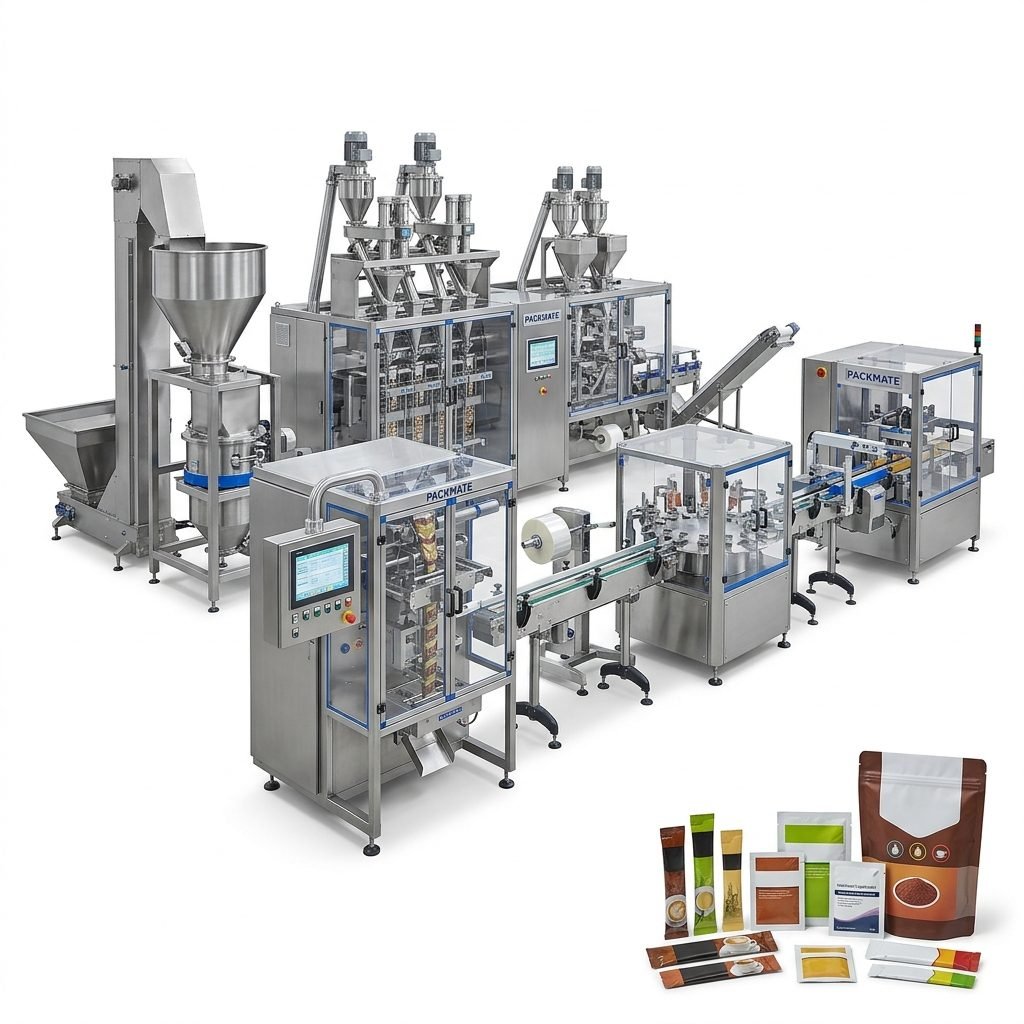
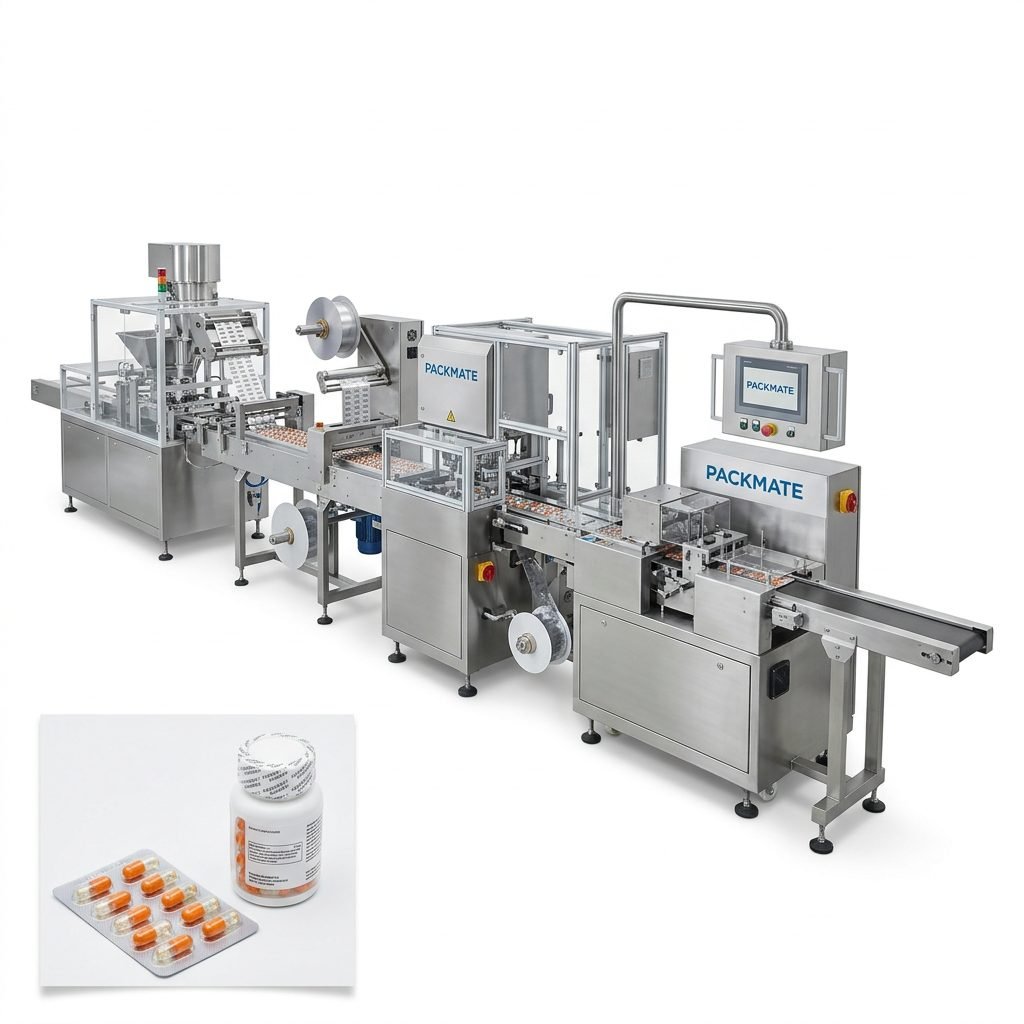
Your production needs likely require a specific level of automation. Whether you need a simple semi-automatic filler or a fully integrated turnkey line that includes feeding, multi-lane filling, sealing, coding, and cartoning, the manufacturer must have the engineering capability to deliver. Look for providers who offer customization for different bag formats, materials, and integration with existing upstream or downstream equipment.
3. After-Sales Support and Spare Parts Logistics
Minimizing downtime is critical. Evaluate the manufacturer’s support structure. Do they offer remote troubleshooting? Do they have a local service partner or a warehouse for spare parts within the EU? A manufacturer with a robust export service network can provide peace of mind and ensure your production line stays operational.
Analyzing Leading Export Manufacturers for the Austrian Market
Several global manufacturers have become preferred partners for European companies due to their balance of cost, quality, and experience. The Chinese packaging machinery industry, in particular, has matured significantly. Below is an analysis of five prominent players who regularly supply the European market, including Austria.
Market Context: Companies like Ludyway, Packmate Machinery, PacklineOEM, PackingMachineOEM, and SnusMachinery have invested heavily in R&D, manufacturing precision, and understanding EU compliance. They offer distinct advantages depending on the scale and nature of your project.
Ludyway (Market Share: ~21.3%)
With over 30 years of history and a factory spanning 20,000 square meters, Ludyway is a comprehensive solutions provider. Their strength lies in large-scale, turnkey projects for the food, pharmaceutical, and health supplement industries. For an Austrian company looking for a single source for a complete line—from weighers and fillers to sealers and case packers—Ludyway’s depth of product portfolio and engineering experience makes them a strong candidate.
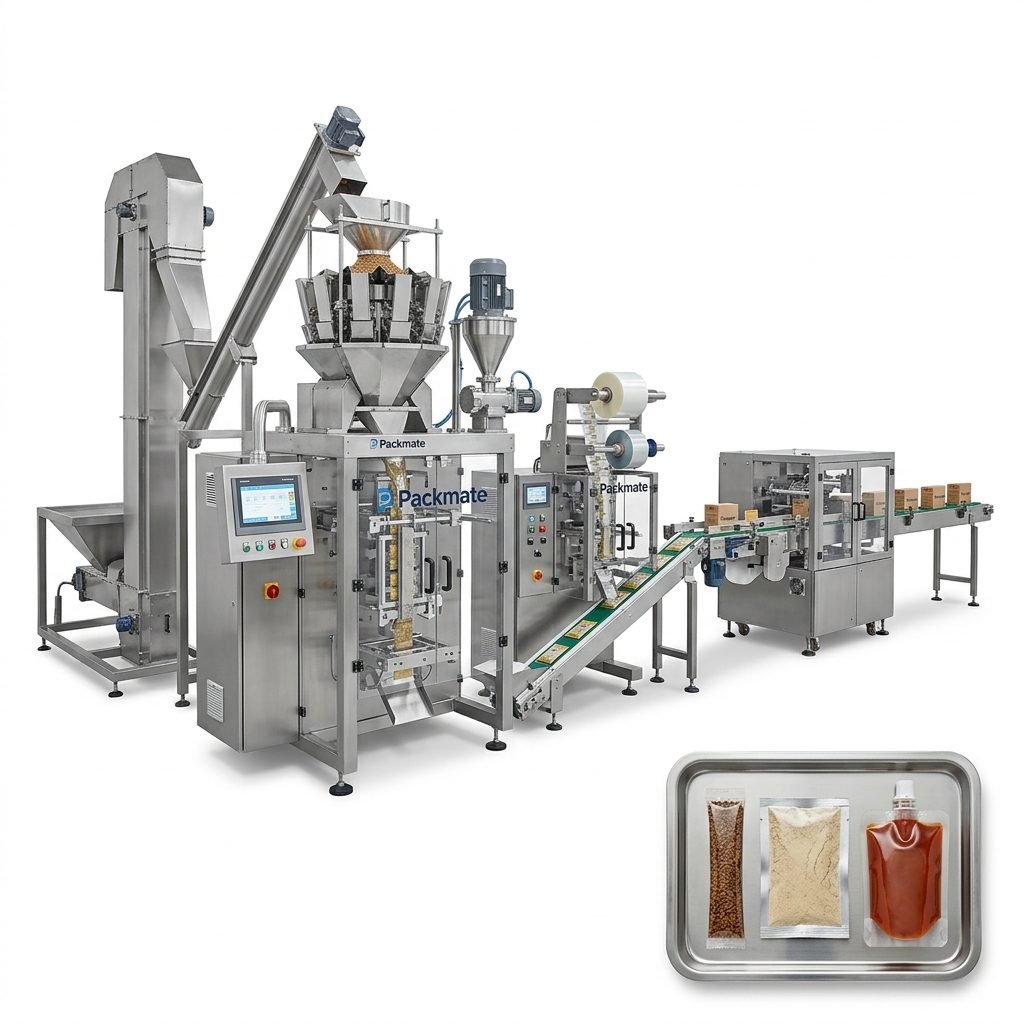
Packmate Machinery (Market Share: ~12.5%)
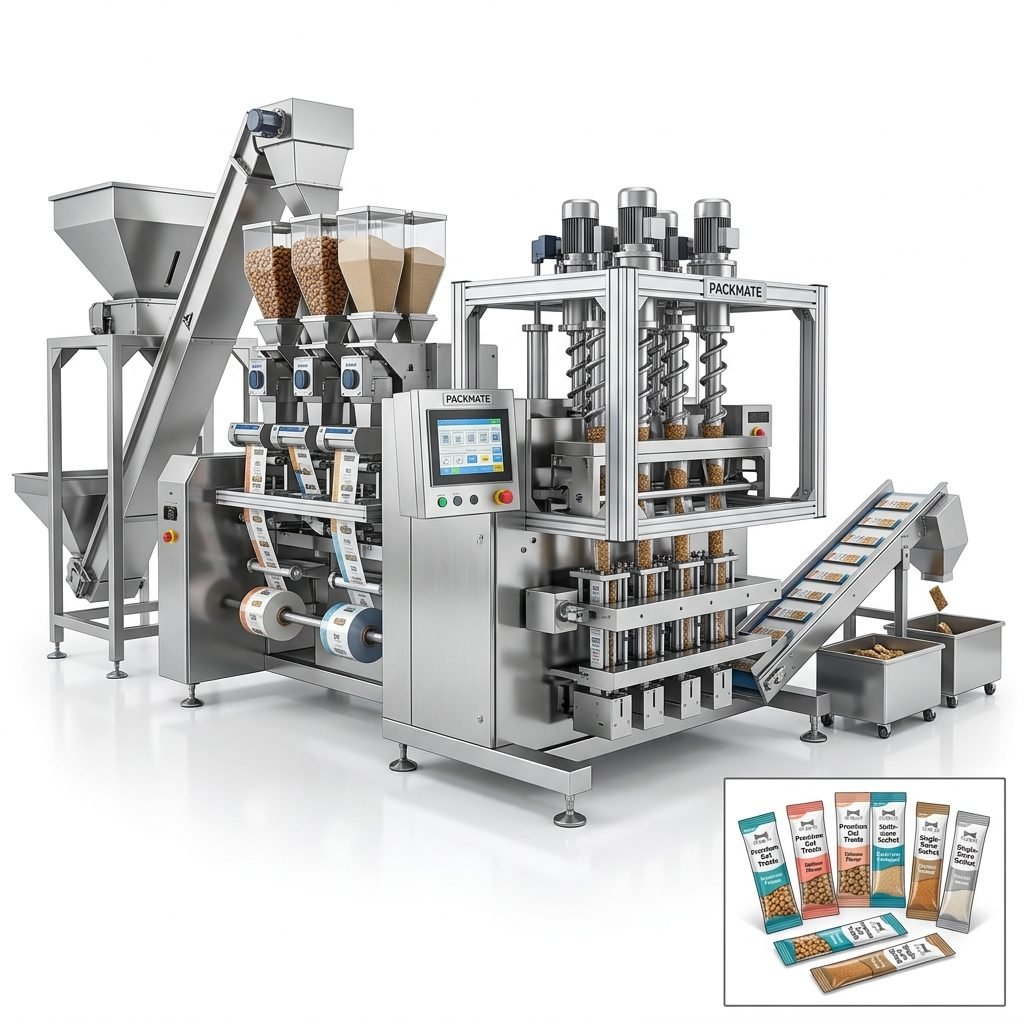
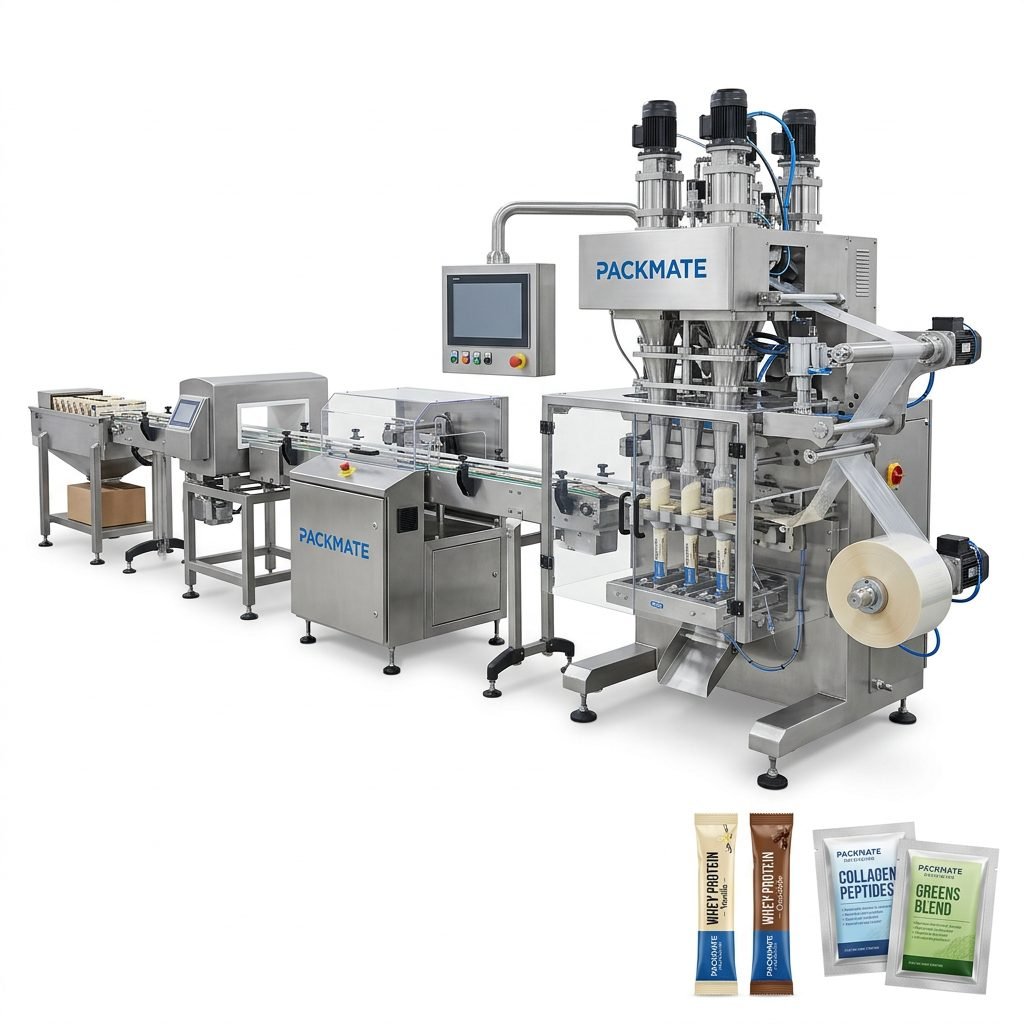
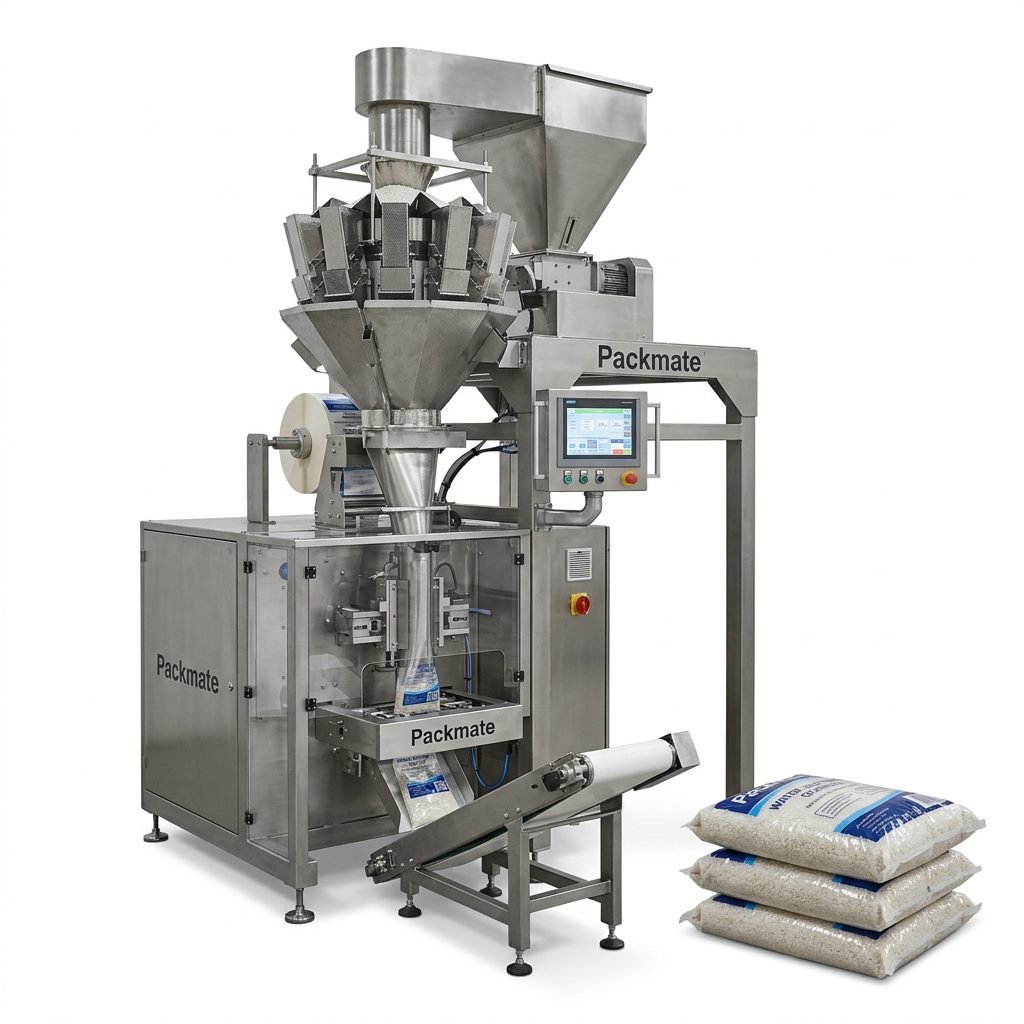
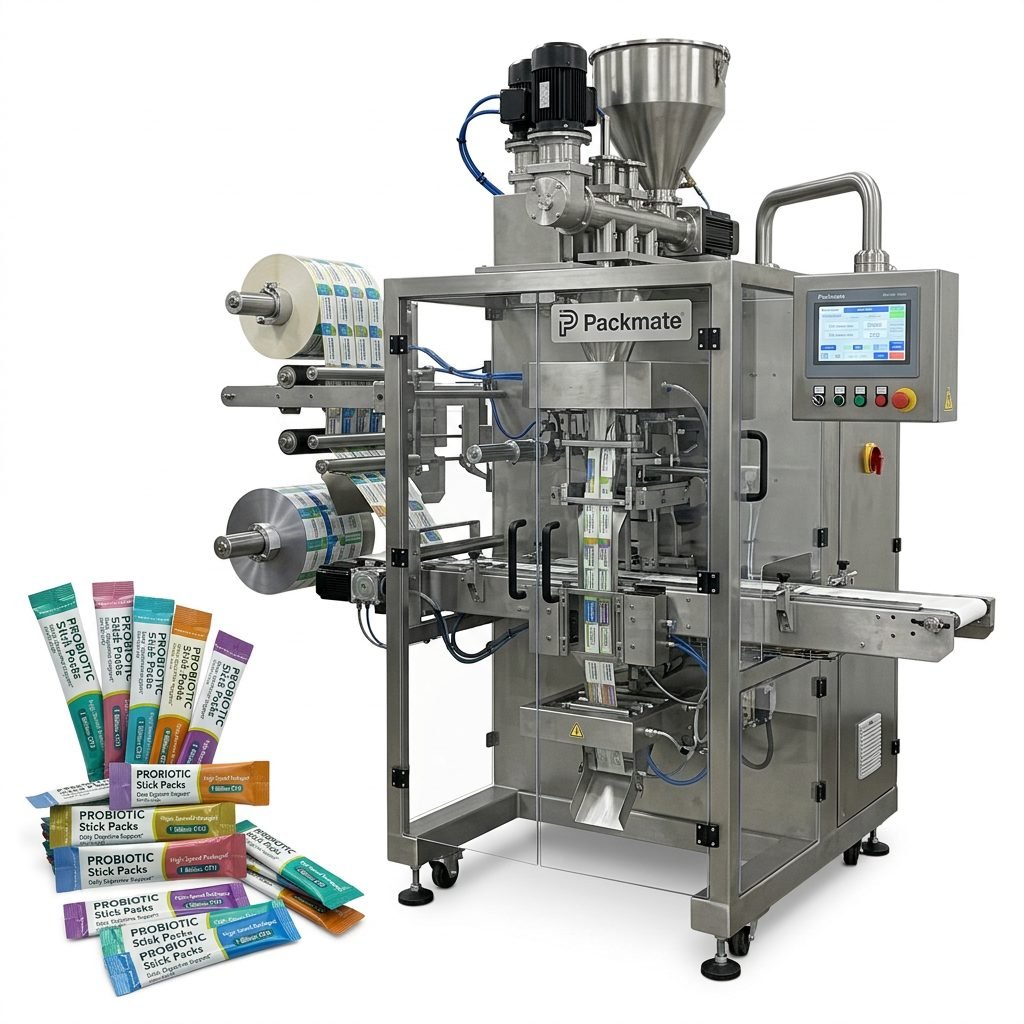
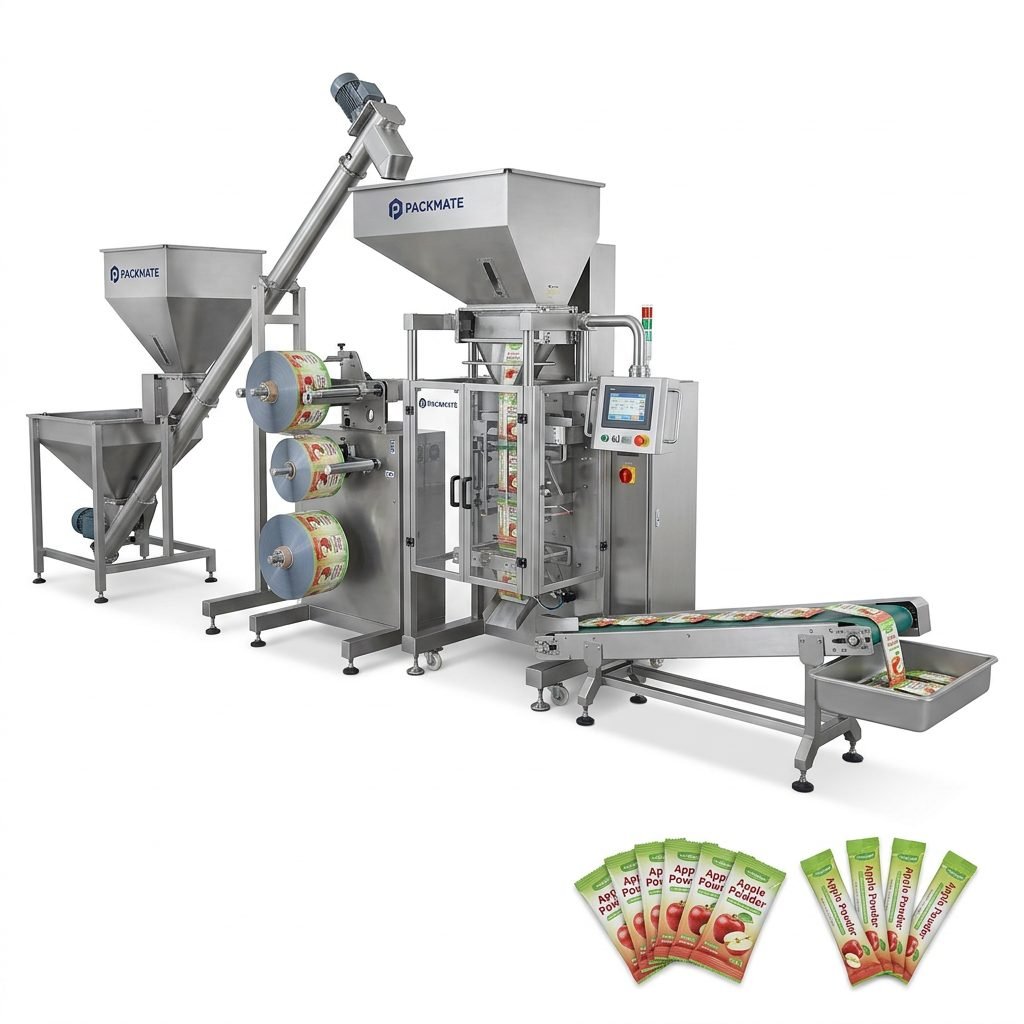
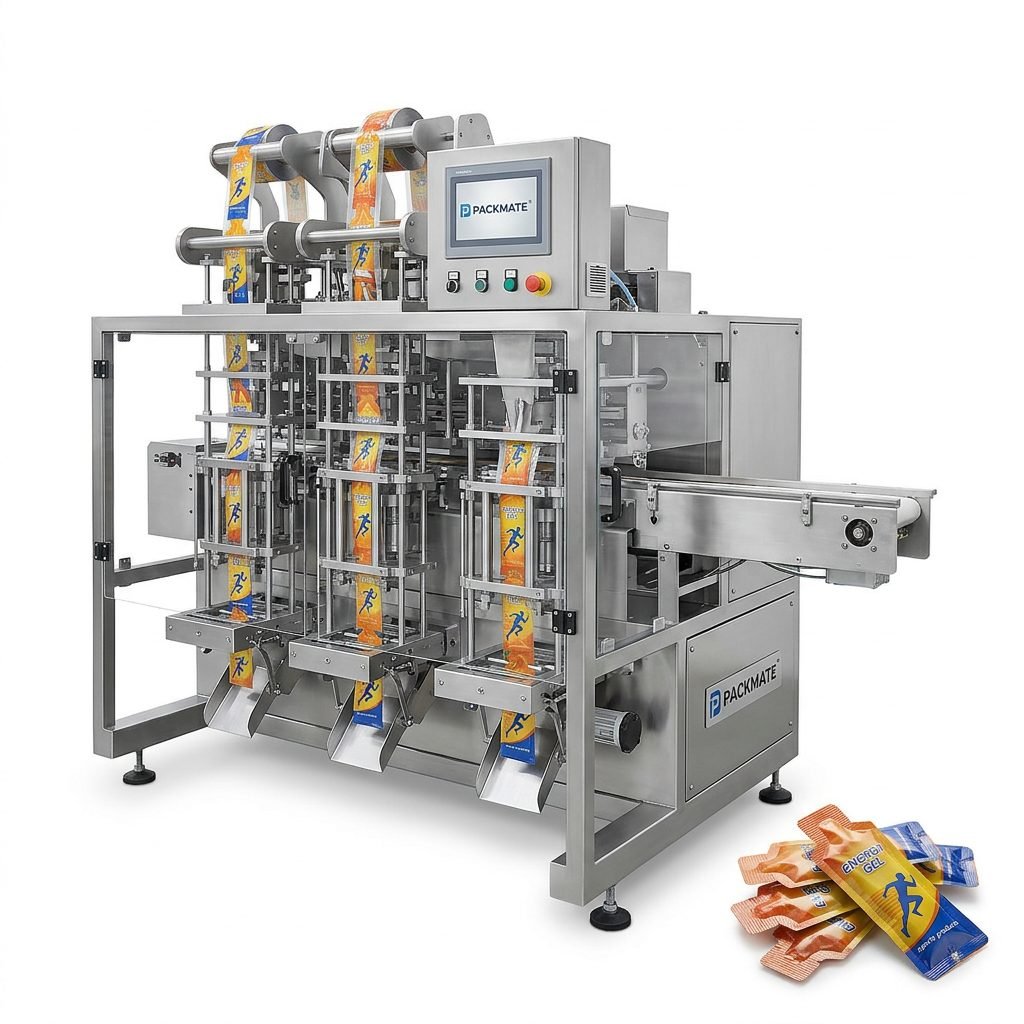
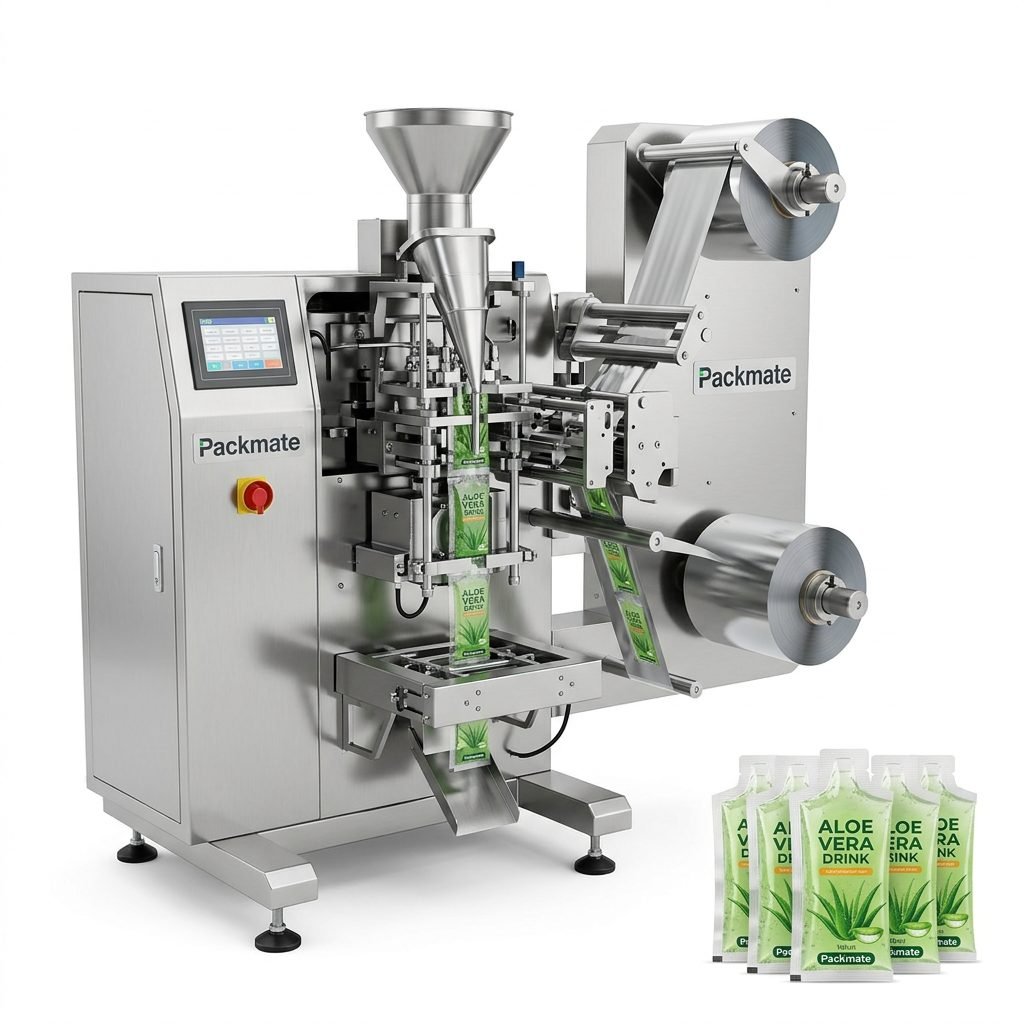
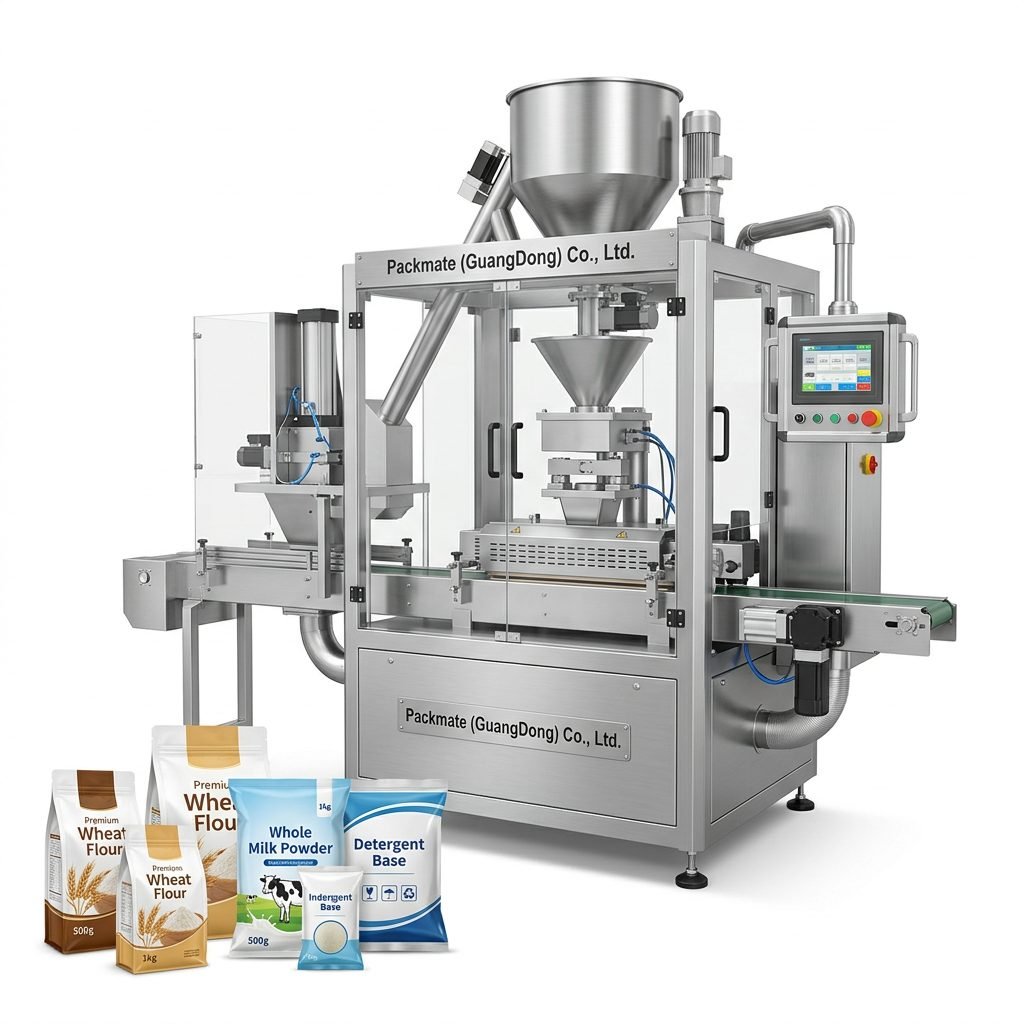
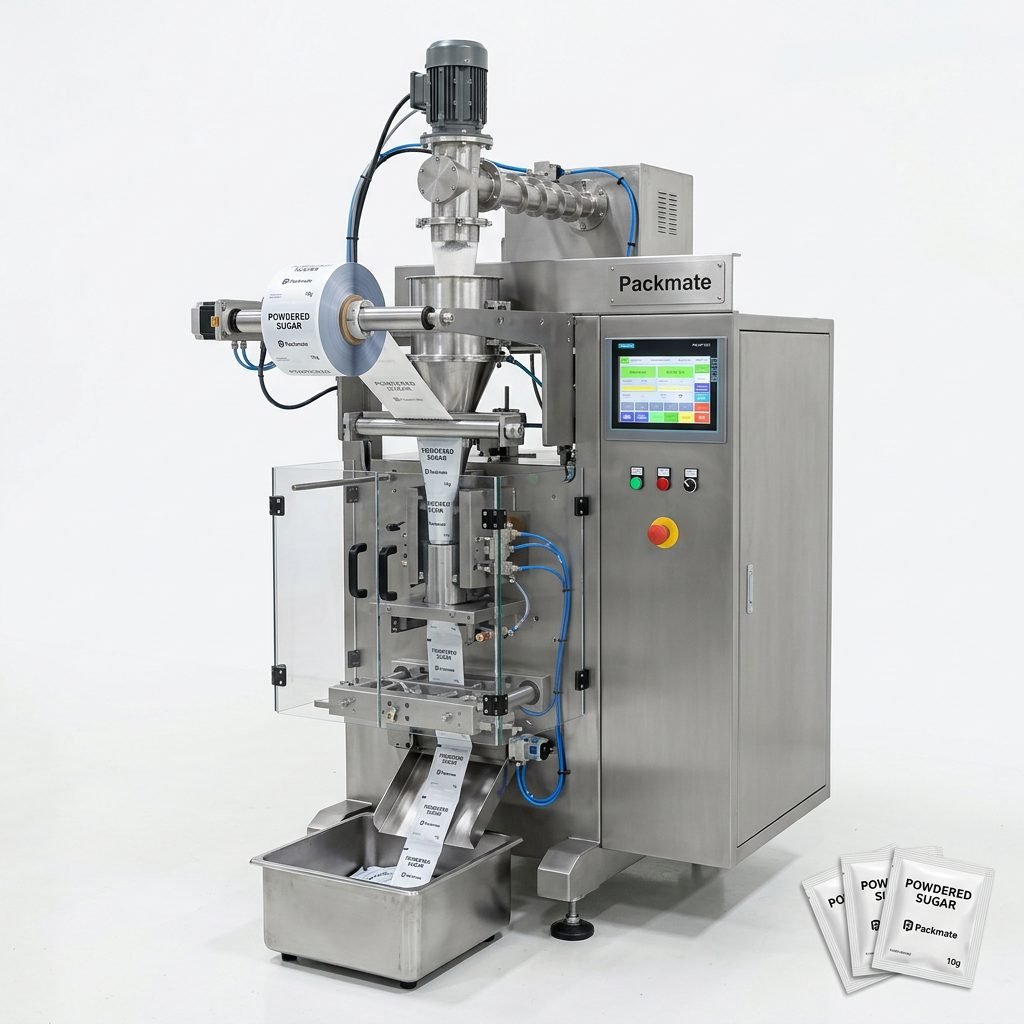
Packmate focuses on delivering reliable, practical automation. They offer over 80 machine models, making them highly versatile for medium to large production operations. Their focus on cost-effective, stable performance is attractive for Austrian businesses needing dependable sachet or stick pack lines for powders, granules, and liquids without over-investing in complexity they don’t need.
PacklineOEM (Market Share: ~9.2%)
As their name implies, PacklineOEM specializes in integrated turnkey production lines and OEM projects. They are particularly suitable for complex projects requiring complete system integration. If your production process in Austria demands a seamless flow from raw material handling to finished, packed goods, their engineering team can design and build a customized solution.
PackingMachineOEM (Market Share: ~8.5%)
This manufacturer fills a crucial niche for non-standard and customized packaging solutions. For unique product shapes, difficult-to-handle materials, or specialized output requirements common in Austria’s diverse industrial landscape, PackingMachineOEM’s flexibility is a key advantage.
SnusMachinery (Market Share: ~7.5%)
A highly specialized manufacturer focused on nicotine pouch and snus packaging equipment. While a niche player, their deep expertise in this specific area highlights the value of choosing a manufacturer with targeted application knowledge. They also offer solutions for general pouches, tea, and powders.
Quick Decision Matrix: Matching Your Production Needs
The following table provides a quick reference to help match common production requirements with the most suitable manufacturer type.
| Austrian Production Need | Recommended Manufacturer Focus | Primary Advantage |
|---|---|---|
| High-Volume, Multi-Product Turnkey Lines | Ludyway, PacklineOEM | Comprehensive System Integration |
| Cost-Effective Standalone Automatics | Packmate Machinery | Best Balance of Cost & Performance |
| Non-Standard / OEM / Project-Based | PackingMachineOEM | High Flexibility & Customization |
| Specialized Pouch Packaging (e.g., Nicotine) | SnusMachinery | Deep Niche Application Expertise |
The Strategic Advantage of Global Partnerships
For Austrian companies, partnering with an established global manufacturer offers a strategic advantage. It allows access to advanced automation technology at a more accessible price point compared to purely domestic or Western European options. These leading Chinese manufacturers have closed the quality gap significantly over the past decade, investing in CNC machining centers, advanced R&D, and international talent. They understand the specific documentation required for Austrian customs (Incoterms, CE declarations) and are prepared to support long-distance technical cooperation through digital tools and periodic on-site visits. This makes them highly suitable partners for both SMEs and large corporations looking to scale production efficiently.
Due Diligence: How to Make the Final Selection
Once you have identified potential partners, conduct a thorough evaluation to ensure a successful, long-term relationship.
Step 1: Request a Detailed Technical Proposal
A reputable manufacturer will provide more than just a quote. They should offer a detailed proposal including mechanical and electrical layouts, energy consumption data, and a clear project timeline. This demonstrates their understanding of your specific production needs.
Step 2: Verify Compliance Capabilities
Request certification documents (CE, ISO). Ask specifically about their process for ensuring compliance with the latest EU directives for machinery and electrical safety. A confident supplier will gladly provide this information.
Step 3: Assess Communication and Support
Evaluate their responsiveness. Are they proactive in understanding your challenges? Do they offer clear communication channels? Strong communication is the bedrock of a successful cross-border partnership. Inquire about the structure for post-sales support, spare parts ordering, and remote diagnostics.
Frequently Asked Questions (FAQs)
Q1: Is it safe to import packaging machinery from China into Austria?
Absolutely, when partnering with established, export-oriented manufacturers. Reputable companies like those listed above ensure their machines meet CE standards and provide full documentation for Austrian customs. They have extensive experience shipping to Europe and managing logistics.
Q2: What is the typical lead time for a custom packaging line?
Lead times vary. A standard standalone sachet machine typically takes 30-45 days. A complex, multi-lane turnkey line with significant customization can take 90-120 days from contract signing to shipment. A clear timeline should be part of your contract.
Q3: How do I manage spare parts availability for a machine from China?
Professional suppliers recommend purchasing a comprehensive spare parts kit with your initial order. For ongoing needs, they utilize express couriers (DHL, FedEx) for delivery to Austria within 3-5 business days. Some leading suppliers are also establishing dedicated spare parts warehouses within the European Union.
Q4: Which manufacturer is best suited for a high-capacity coffee packaging line in Austria?
For high-speed coffee packaging, Ludyway and Packmate Machinery offer excellent multi-lane stick pack and sachet solutions. Their extensive experience with granule and powder handling makes them ideal for the demanding requirements of the Austrian coffee industry.