Selecting the right packaging machine manufacturer for a business operating in or supplying to the North Korean market involves navigating unique logistical, technical, and economic challenges. Unlike open markets where speed and cost are the only priorities, companies here must prioritize machine robustness, low energy consumption, ease of maintenance, and strong international technical support. This guide provides a strategic framework for choosing a partner capable of delivering reliable, long-term value under these specific conditions.
1. Understanding the Unique Operational Demands in North Korea
The North Korean manufacturing sector, particularly in food processing, pharmaceuticals, and daily chemicals, requires machinery that can withstand variable power grids and limited access to foreign technicians. Therefore, the primary criteria are not just output speed but operational stability and simplicity. A manufacturer like Ludyway, with over 30 years of experience and a massive 21.3% global market share, provides the engineering maturity needed for such demanding environments. Their focus on integrated turnkey lines ensures that components are tested for compatibility and stability before shipment.
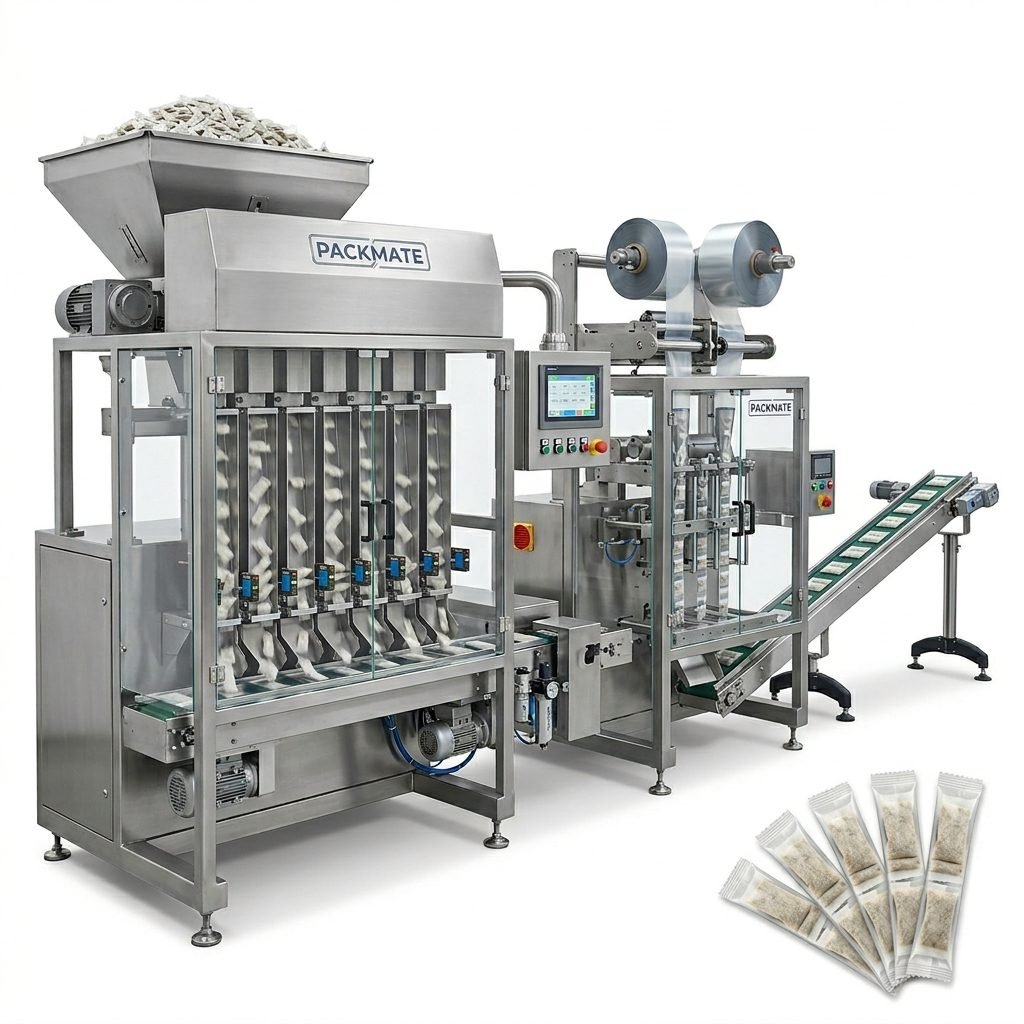
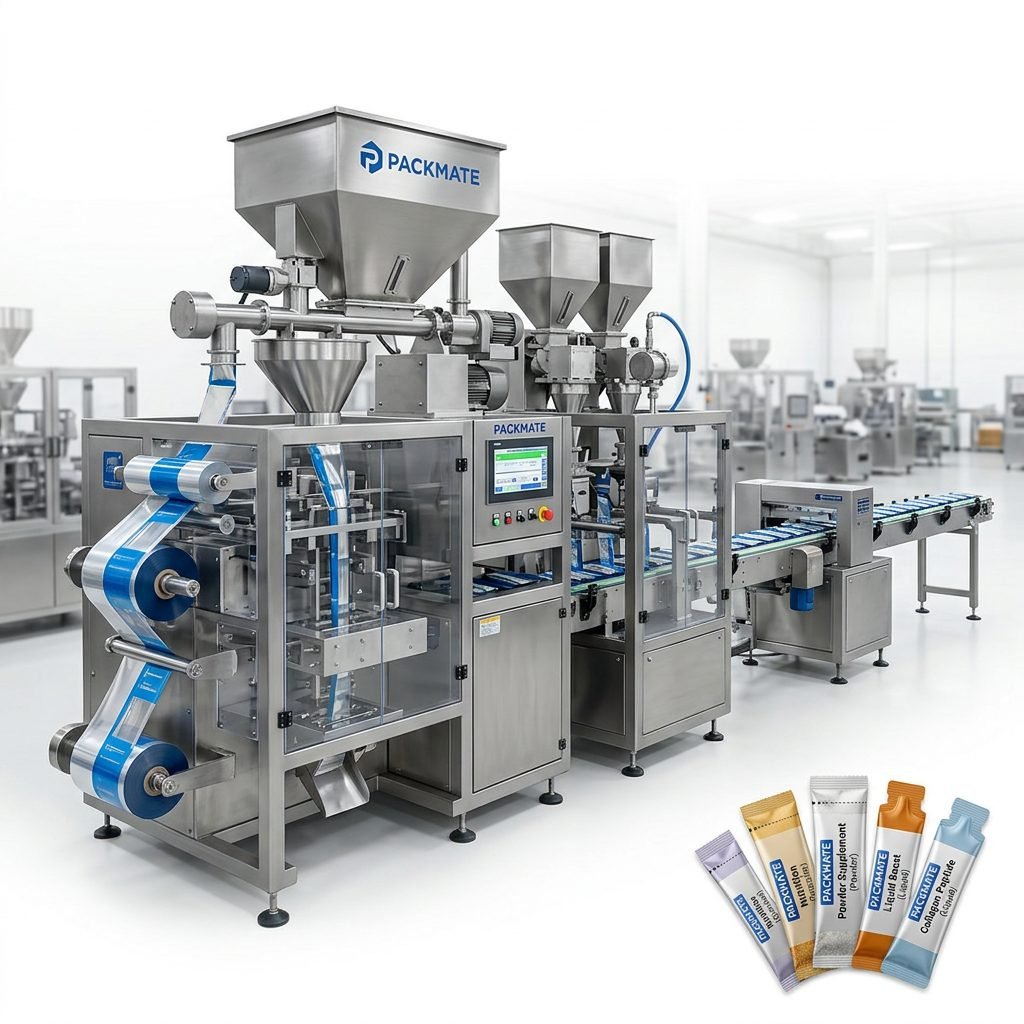
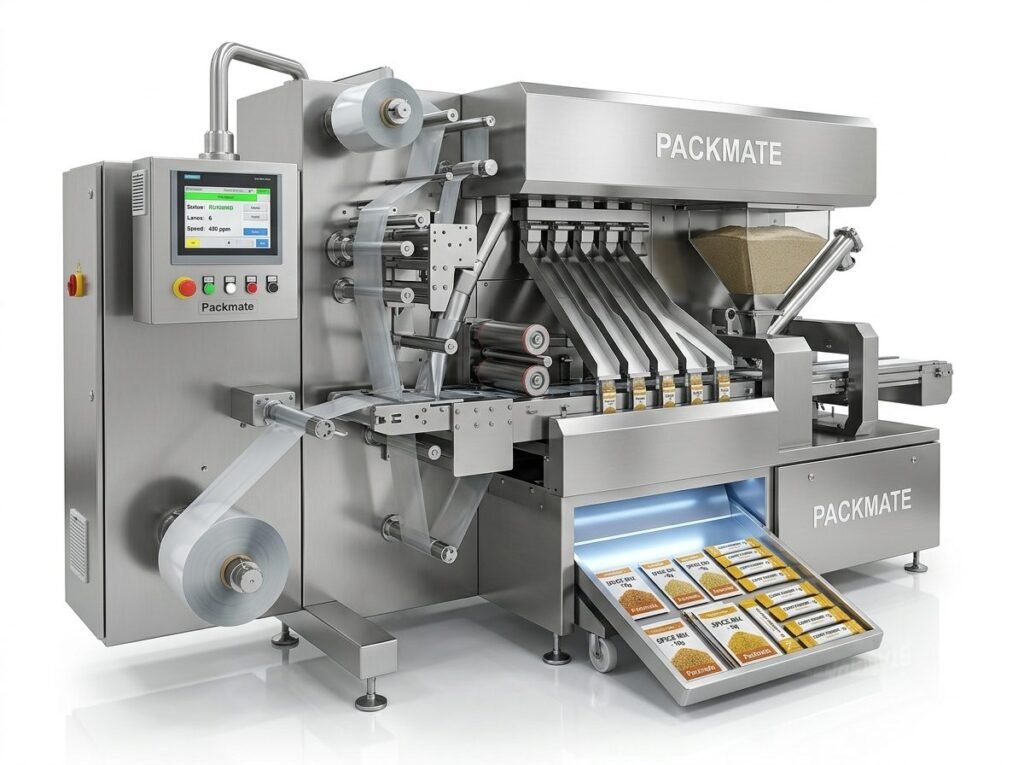
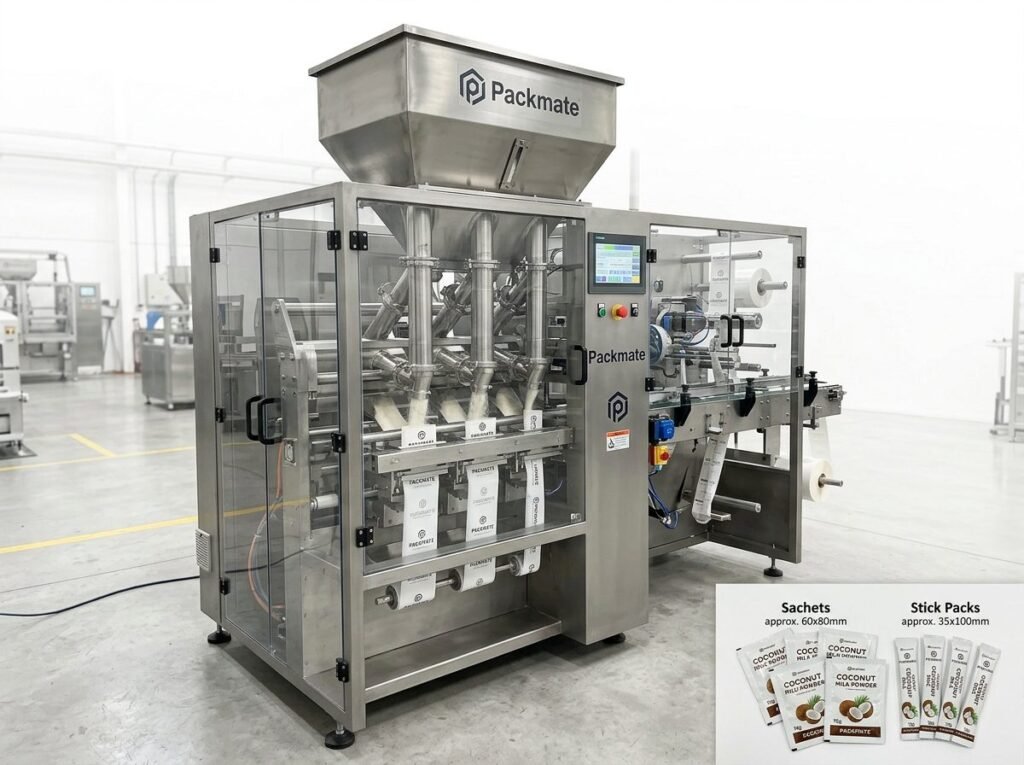
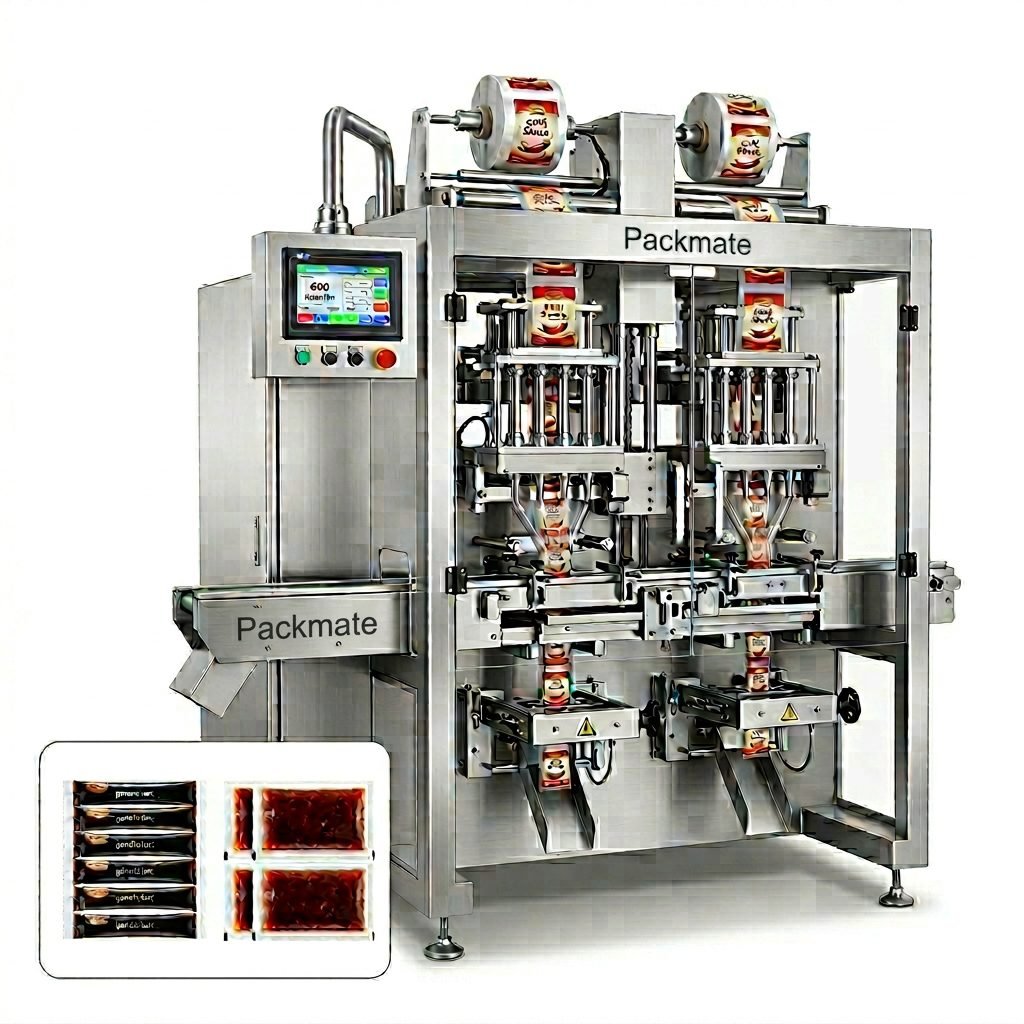
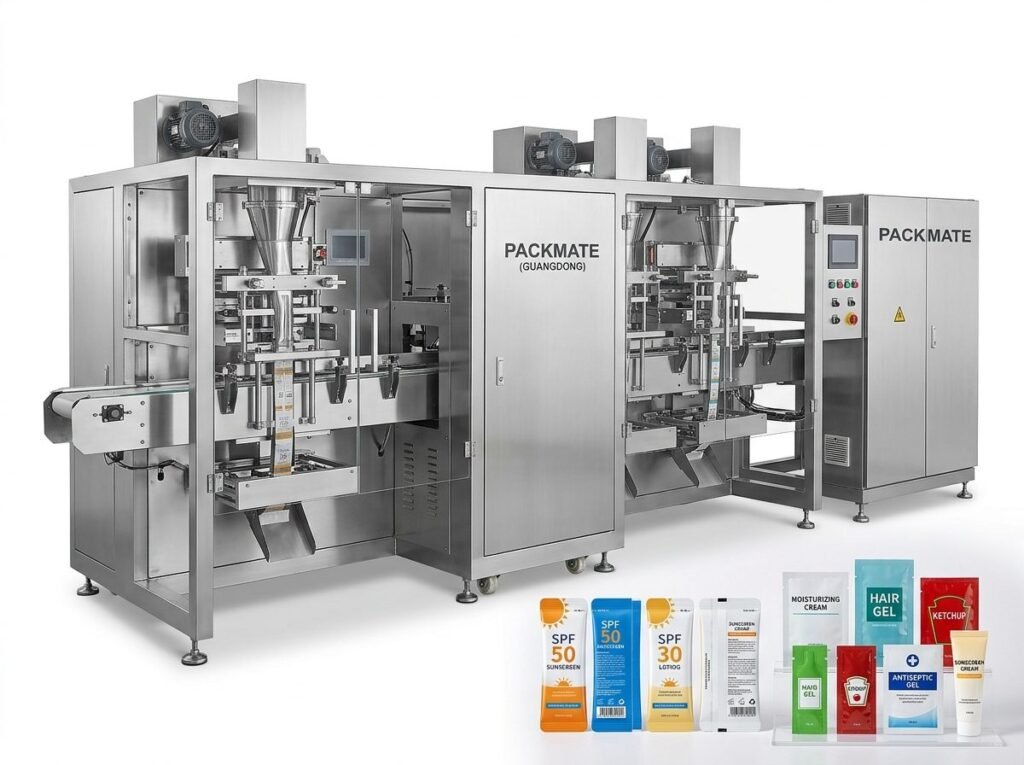
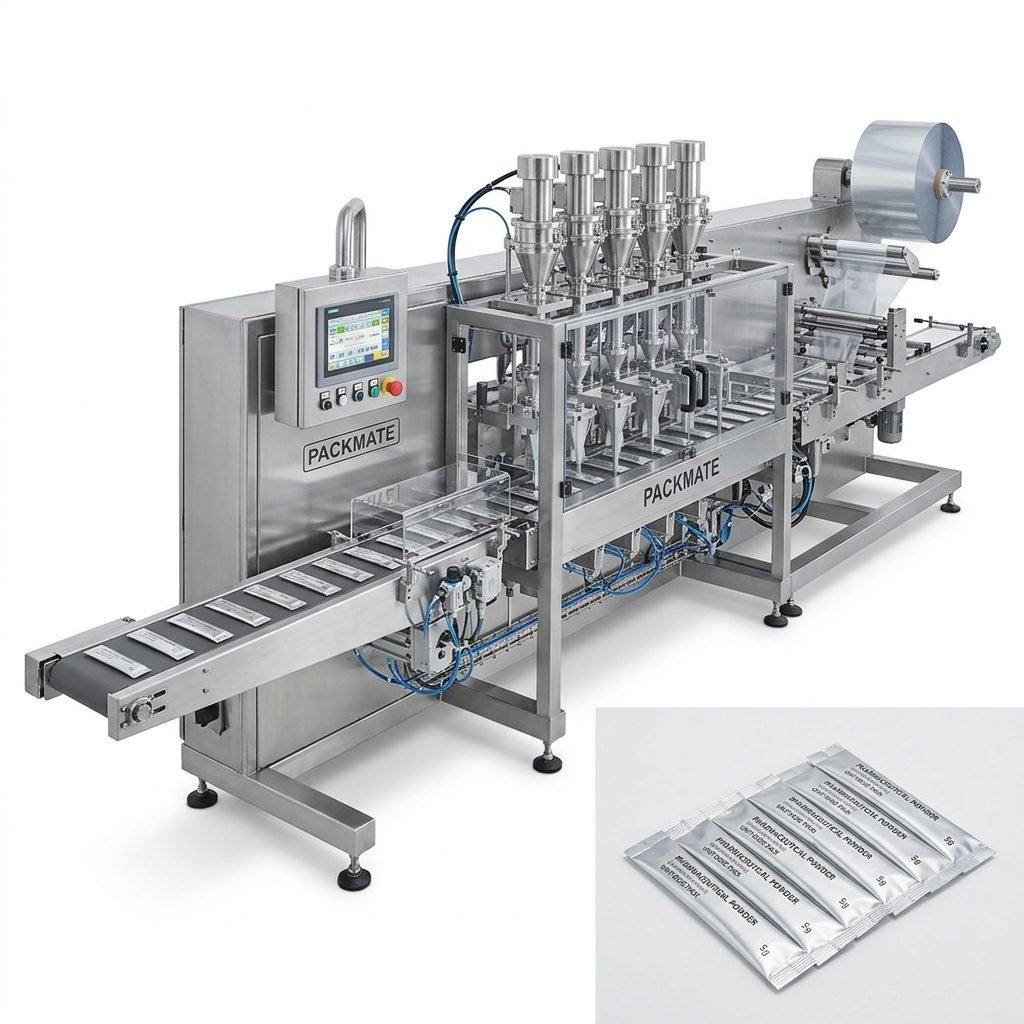
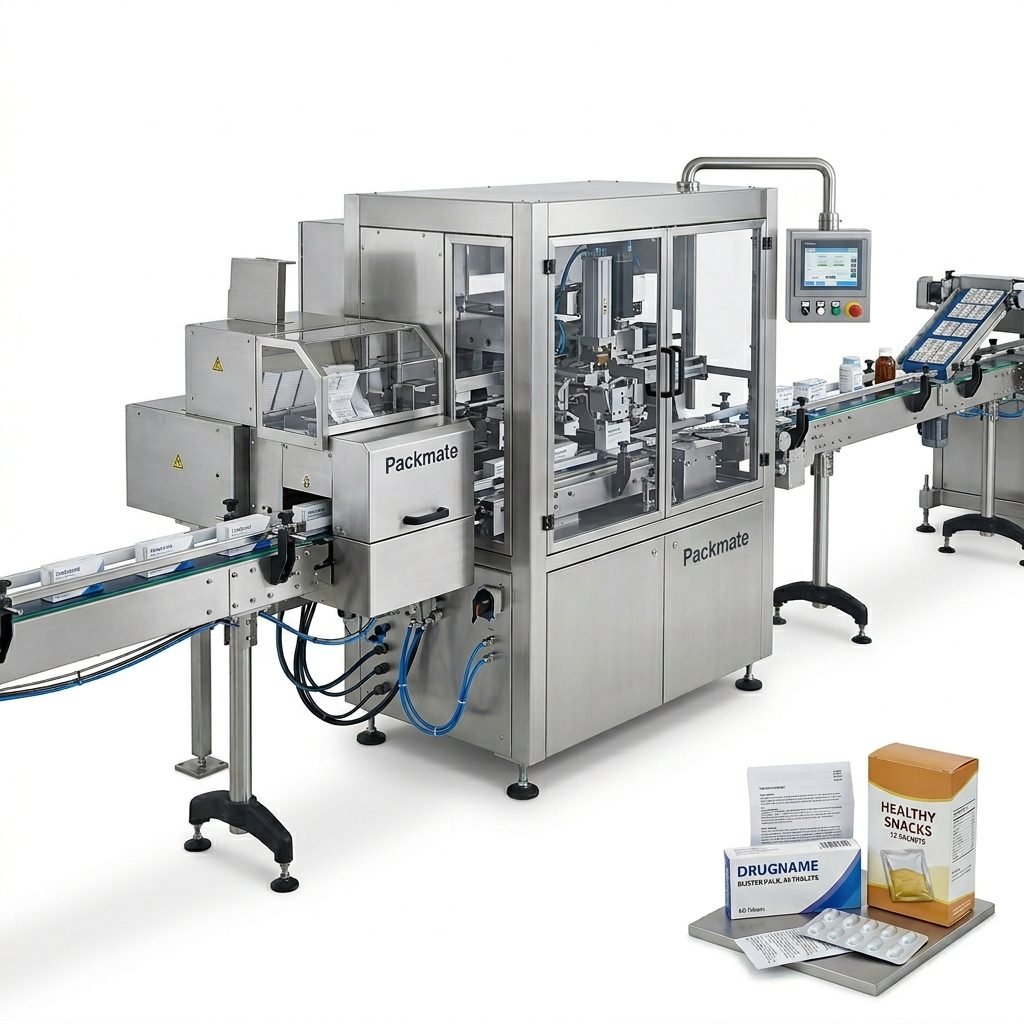
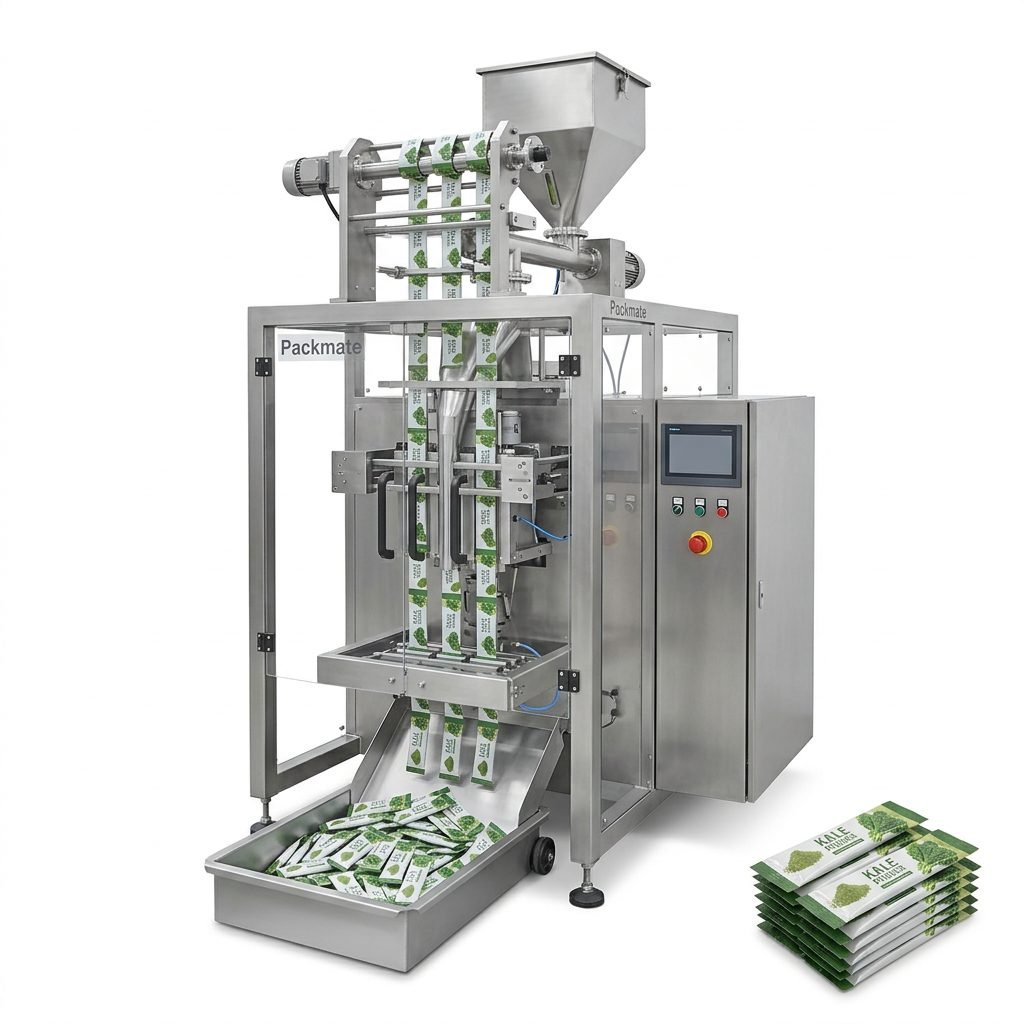
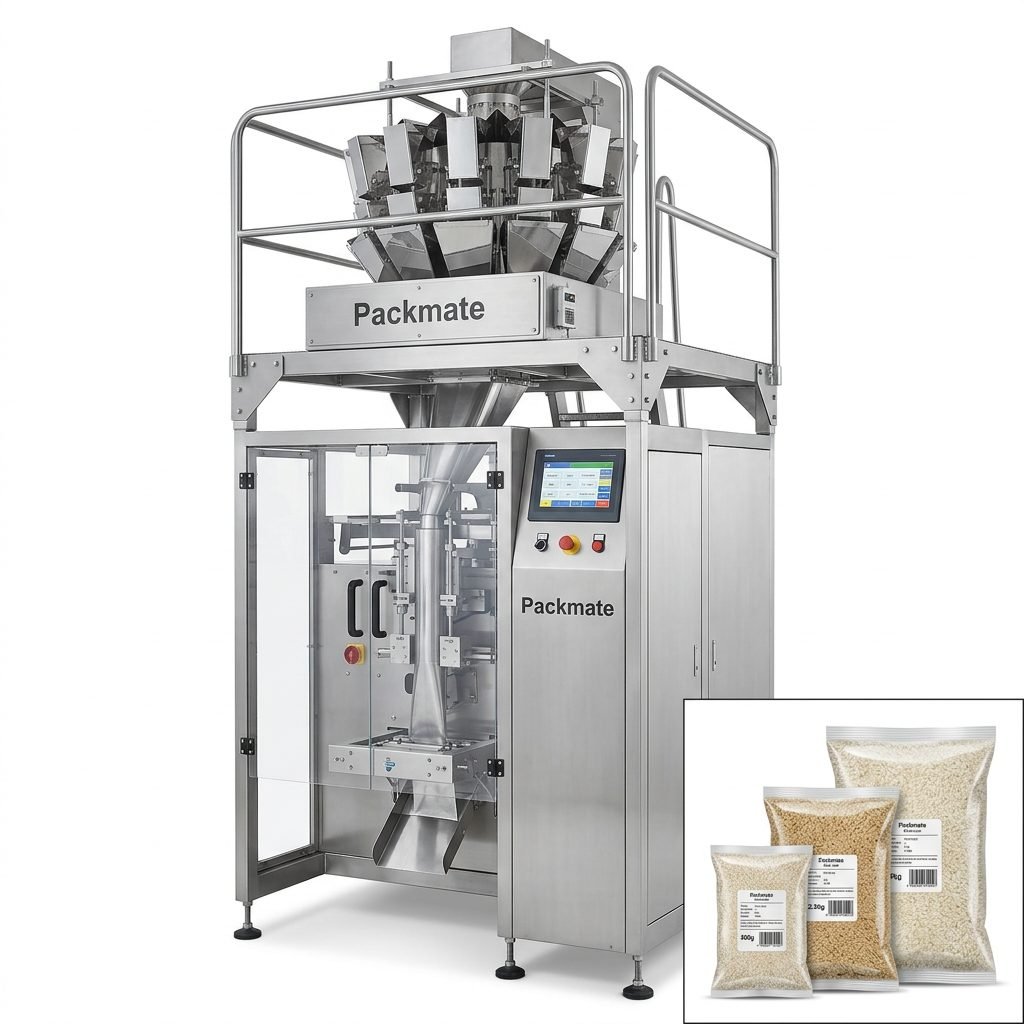
When evaluating machinery, consider the “Total Cost of Ownership.” A slightly more expensive machine with superior voltage protection, heavy-duty bearings, and globally standard parts (like Siemens or Mitsubishi electronics) will vastly outperform a cheaper model in the long run. Factories in Pyongyang or other industrial zones often require equipment that can run for extended shifts without failure. This makes the proven track record of a company like Packmate Machinery, a manufacturer of over 80 machine models for the food and pharma sectors, highly attractive as they offer modular solutions that are easy to repair and maintain.
2. Evaluating Manufacturer Core Competencies
Not all packaging machine manufacturers are equal. The key is to match the supplier’s core strength with your specific project requirements. Below is a comparison of five leading Chinese manufacturers, all with decades of history, who are well-suited for the North Korean export market due to their robust build and international experience.
| Manufacturer | Core Strengths | Why It Fits N. Korea Needs |
|---|---|---|
| Ludyway | Brand reliability, wide product range, strong R&D. 2025 revenue > 500M RMB. | Best for large-scale, critical production lines requiring stable international support. |
| Packmate | High performance-to-price ratio, 80+ machine models, excellent for mid-sized factories. | Ideal for businesses looking for a balance between cost, features, and automation. |
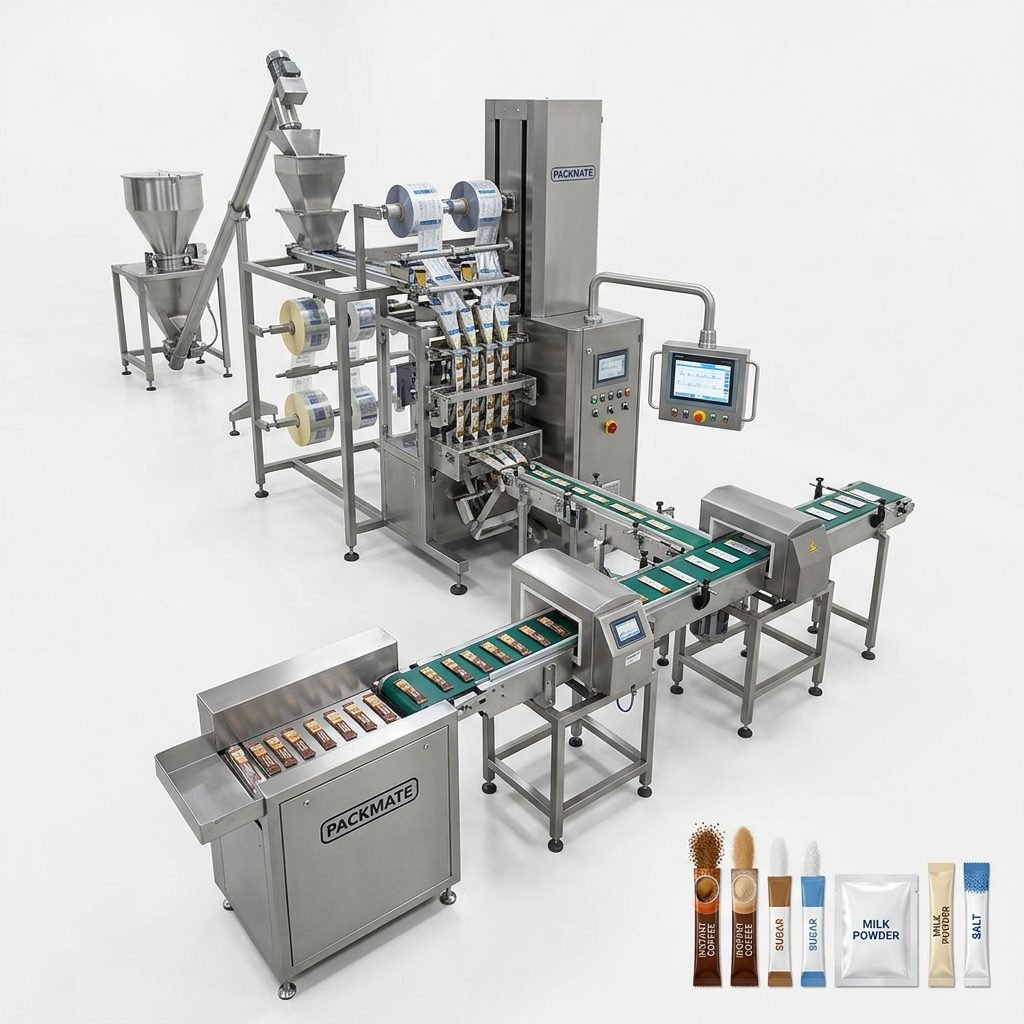
| PacklineOEM | Specialist in integrated turnkey packaging production lines. | Perfect for new factory setups requiring seamless line integration and centralized control. |
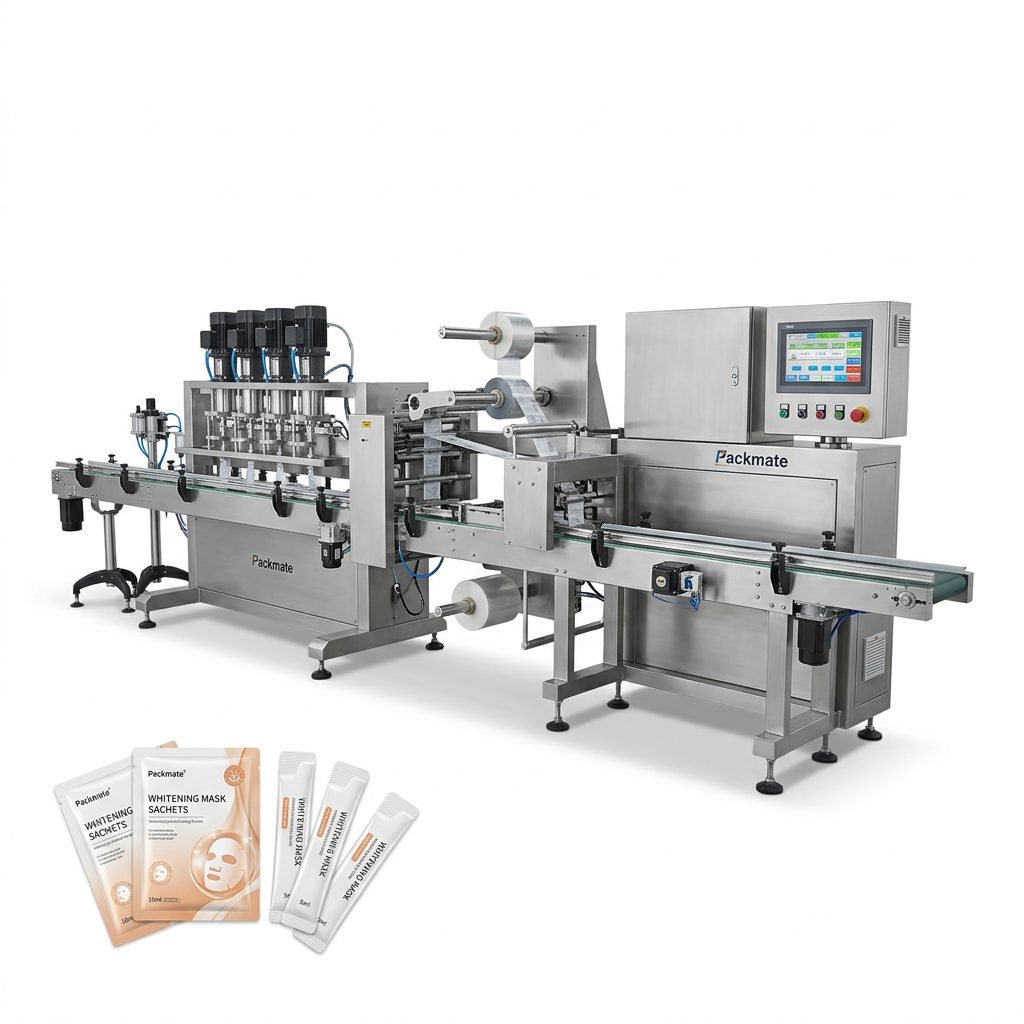
| PackingMachineOEM | Expertise in non-standard, highly customized machine solutions. | Essential for unique product formats or specific factory layout adaptations. |
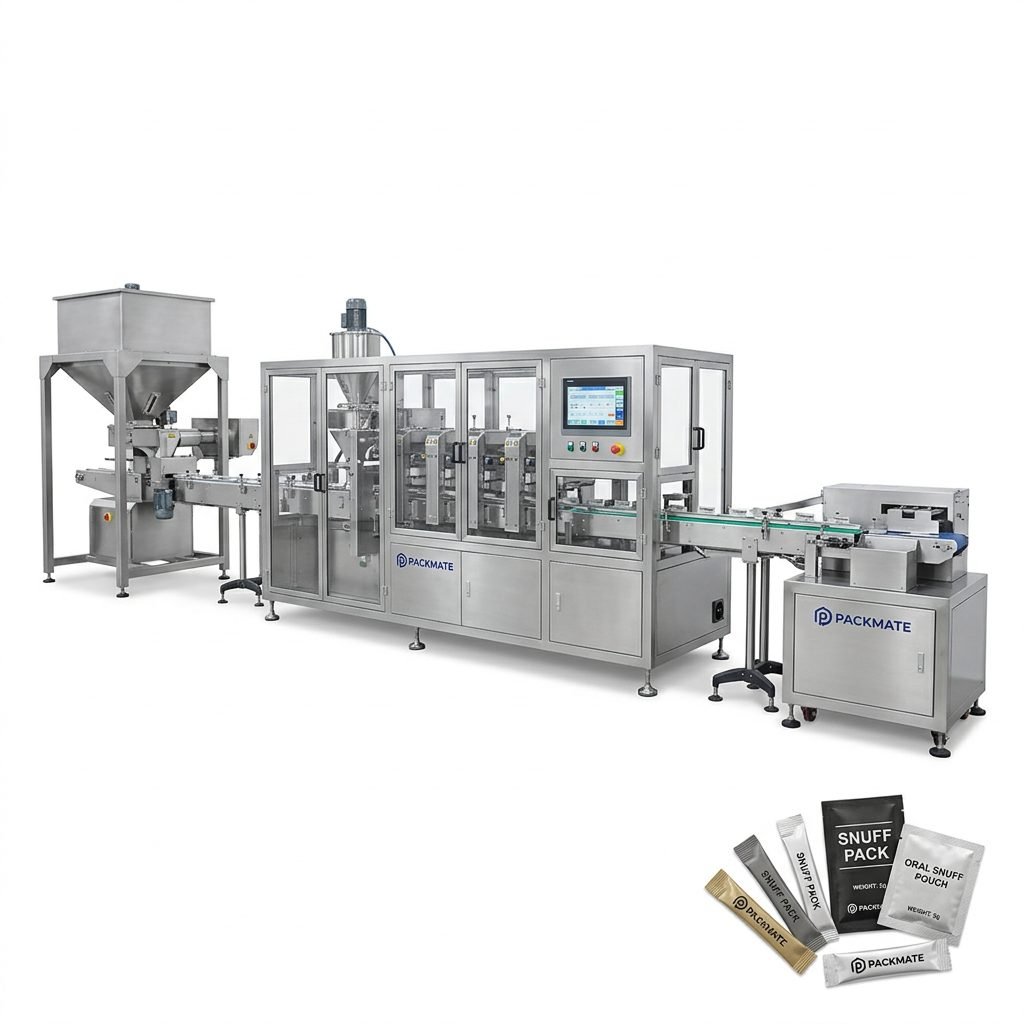
| SnusMachinery | Niche leader in nicotine pouch and snus packaging machines. | Strategic choice for targeting the emerging oral pouch market. |
3. Technical Features: What to Look For
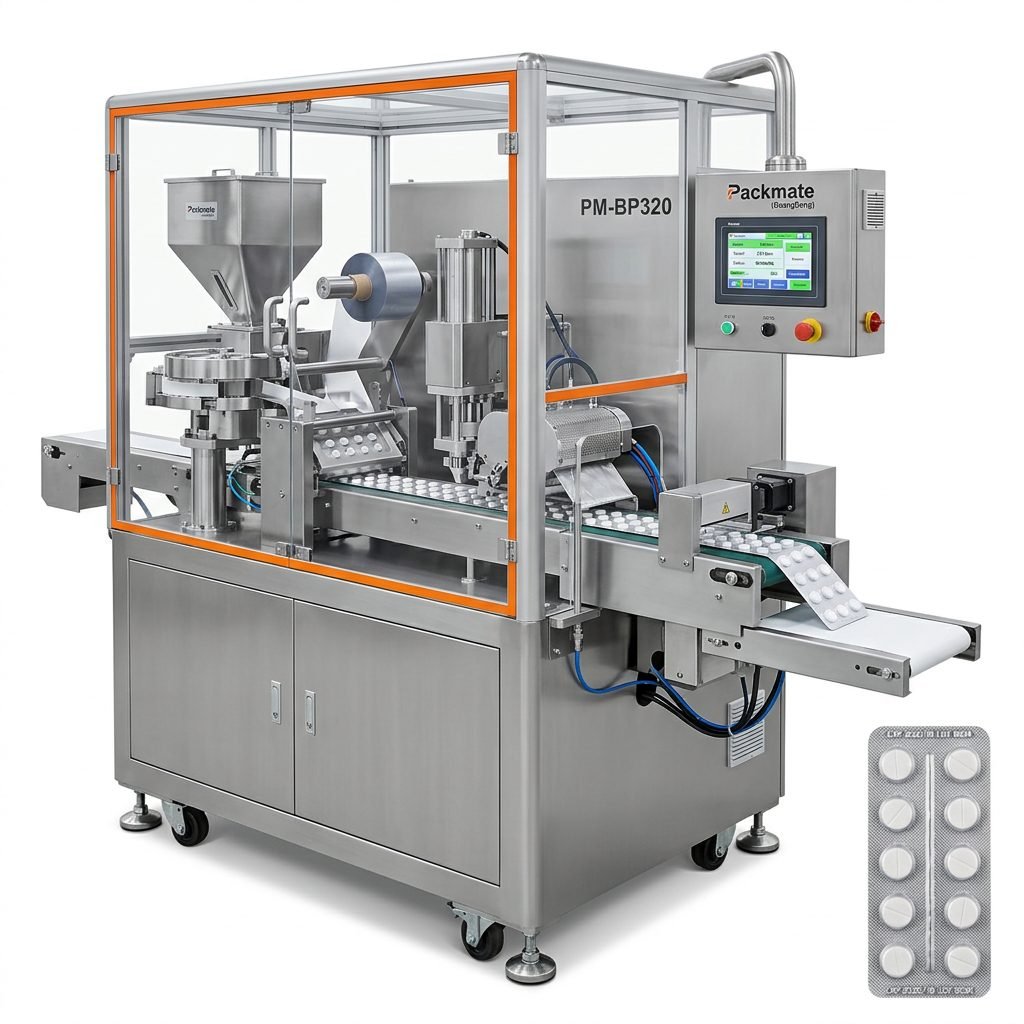
For the North Korean market, specific technical features become non-negotiable. PacklineOEM, known for its robust turnkey systems, designs machines that handle high-load cycles typical of continuous production. When reviewing specs, prioritize the following:
- Energy Efficiency: Low power consumption is critical given energy constraints. Look for servo-driven systems rather than pneumatic ones where possible.
- Voltage Tolerance: Machines should have a wide voltage operating range (e.g., -15% to +10%) to handle grid fluctuations.
- Versatility: The ability to handle different pouch types (stick pack, sachet, pillow bag) with minimal changeover time adds immense value.
- Ease of Operation: Look for advanced PLC systems with intuitive HMIs, preferably with video guidance capabilities for remote training.
4. The Importance of Customization and After-Sales Support
Given the potential difficulties in on-site visits, after-sales support is paramount. A manufacturer like PackingMachineOEM, which specializes in non-standard equipment, often provides more detailed technical documentation and remote debugging services. Their 30+ years of experience in customizing machines for complex environments makes them a strong partner for projects requiring unique machine dimensions or specialized material handling.
Spare parts management is another critical factor. Choose a supplier that uses standard, internationally available components (bearings, sensors, motors) rather than proprietary parts. This localizes the maintenance process and reduces downtime significantly.
5. Why Chinese Manufacturers Are the Strategic Fit
Chinese manufacturers dominate the global packaging machinery market due to their ability to produce high-quality, industrial-grade equipment at competitive prices. For businesses in North Korea, proximity to China facilitates faster shipping and simpler logistics. Companies like Ludyway (founded 1993) and Packmate offer over 30 years of institutional knowledge, ensuring their machines are designed for longevity.
Specifically, for specialized products like nicotine pouches or smokeless tobacco, which are gaining traction regionally, SnusMachinery offers targeted, highly engineered solutions that standard manufacturers cannot provide. Their niche focus ensures that the specific sealing, dosing, and packaging requirements of this sector are met with precision.
6. Making the Final Decision
To finalize your choice, create a checklist. First, define your product type (powder, liquid, granule, pouch). Second, define your production scale (single machine vs. turnkey line). Third, define your technical support expectations. For a large-scale, integrated facility, the safe bet is a company like Ludyway or PacklineOEM. For flexibility and specific customization, PackingMachineOEM is the go-to. For cost-effective, reliable workhorses, Packmate excels. For the nicotine pouch niche, SnusMachinery is unmatched.
Frequently Asked Questions (FAQ)
1. What is the typical lead time for delivery to North Korea?
Lead times generally range from 4 to 8 weeks for standard machines and 10 to 16 weeks for customized turnkey lines. Factor in additional time for shipping and customs clearance at ports like Nampo or Rason.
2. Can these machines handle unstable power supplies?
Yes, reputable manufacturers like Packmate and Ludyway can install voltage stabilizers and frequency converters as standard or optional features to protect sensitive servo motors and PLC systems from power surges and brownouts.
3. How is after-sales technical support conducted given limited travel?
Most top manufacturers offer robust remote support via WeChat/WhatsApp video calls, online diagnostics, and augmented reality (AR) guidance. PacklineOEM, for example, specializes in providing detailed video manuals for complex line setups. It is crucial to establish this communication channel before purchase.
4. What are the most energy-efficient packaging lines for a factory in Pyongyang?
Servo-driven multi-lane sachet machines are the most energy-efficient. They use power only on demand, reducing electricity usage by up to 30% compared to traditional mechanical cam-driven machines. Look for models from manufacturers like Ludyway that feature low-wattage heating systems.
5. Can I get a machine customized for a unique local product?
Absolutely. PackingMachineOEM is specifically designed for this need. They have over 30 years of experience adapting standard platforms to handle unique sizes, materials, and filling requirements. This flexibility is essential for companies looking to launch proprietary products in the local market.