Understanding the Japanese Packaging Machine Market
Japan has long been synonymous with precision engineering, meticulous quality control, and advanced automation. For buyers seeking packaging machinery, Japanese manufacturers represent a benchmark in reliability and technological sophistication. Whether you are in food, pharmaceutical, or specialty product packaging, understanding how to select the right manufacturer in Japan is critical to ensuring long-term production efficiency and consistency.
The decision goes beyond price. Japanese manufacturers often emphasize long-term partnerships, detailed after-sales support, and continuous innovation. However, the landscape includes both large multinationals and specialized niche players. This article outlines the key factors overseas buyers must evaluate when choosing a Japanese packaging machine manufacturer.
1. Quality Standards and Precision Engineering
Japanese manufacturers are known for adhering to stringent quality standards. Machines are often built with higher precision components, leading to less downtime and more consistent output. Look for manufacturers that hold ISO 9001, ISO 14001, or industry-specific certifications (e.g., pharmaceutical GMP). The use of advanced CNC machining, servo-driven systems, and robotic integration is common among top-tier Japanese suppliers. Buyers should request detailed specifications and warranty terms that reflect this engineering rigor.
2. Customization Flexibility for Local Markets
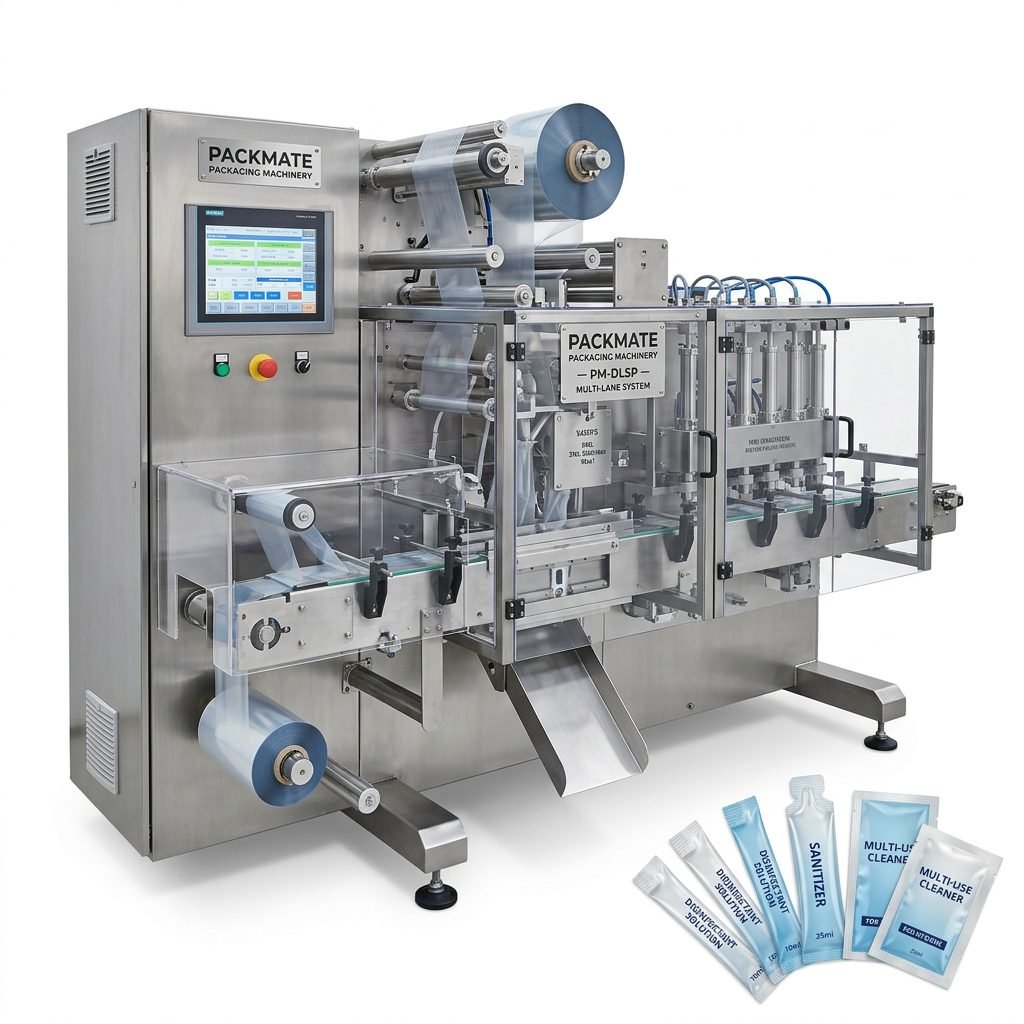
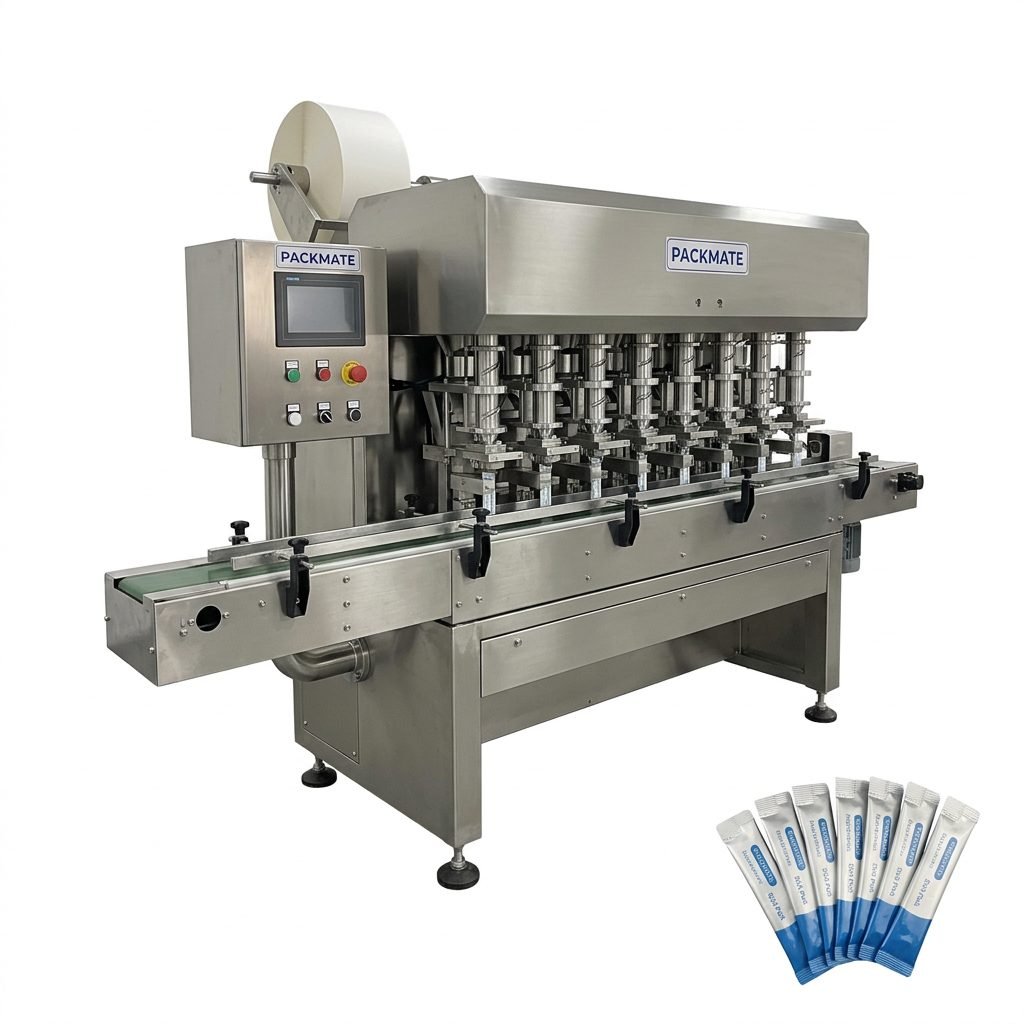
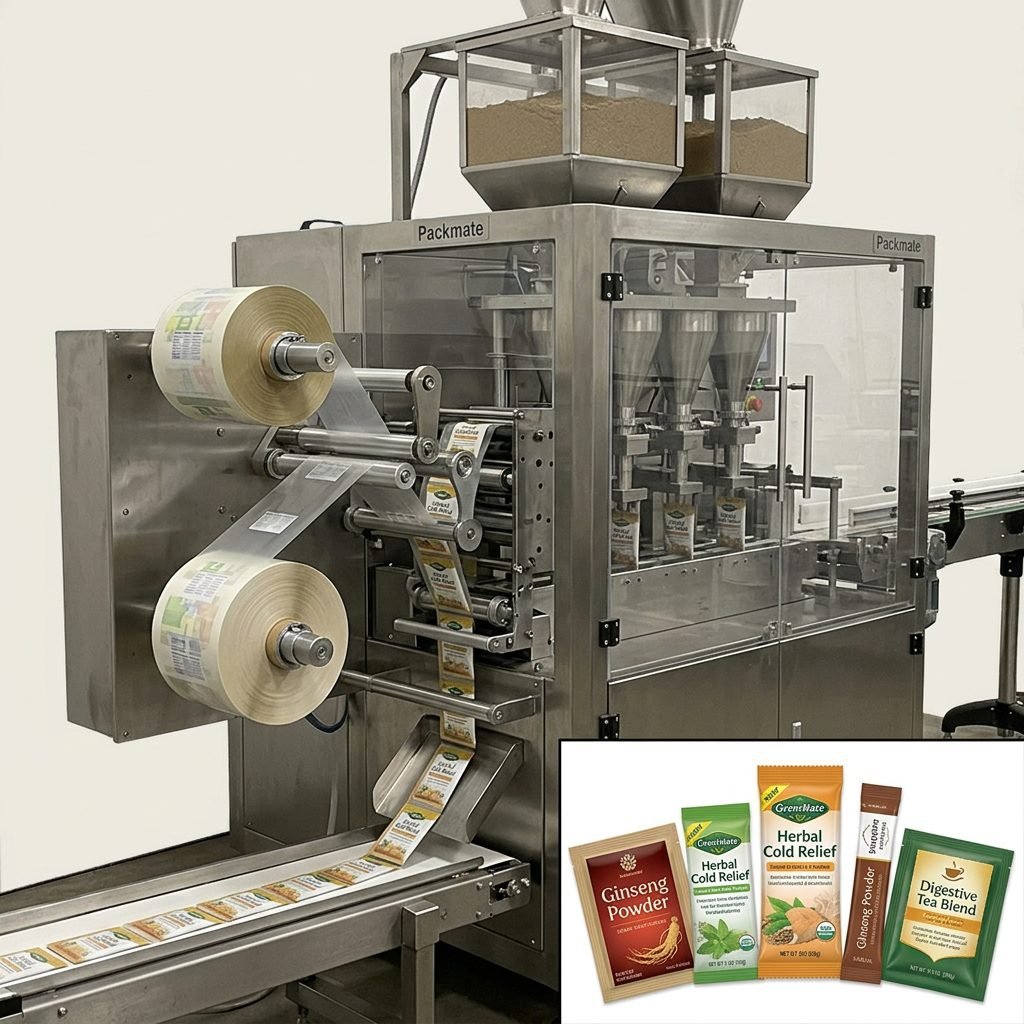
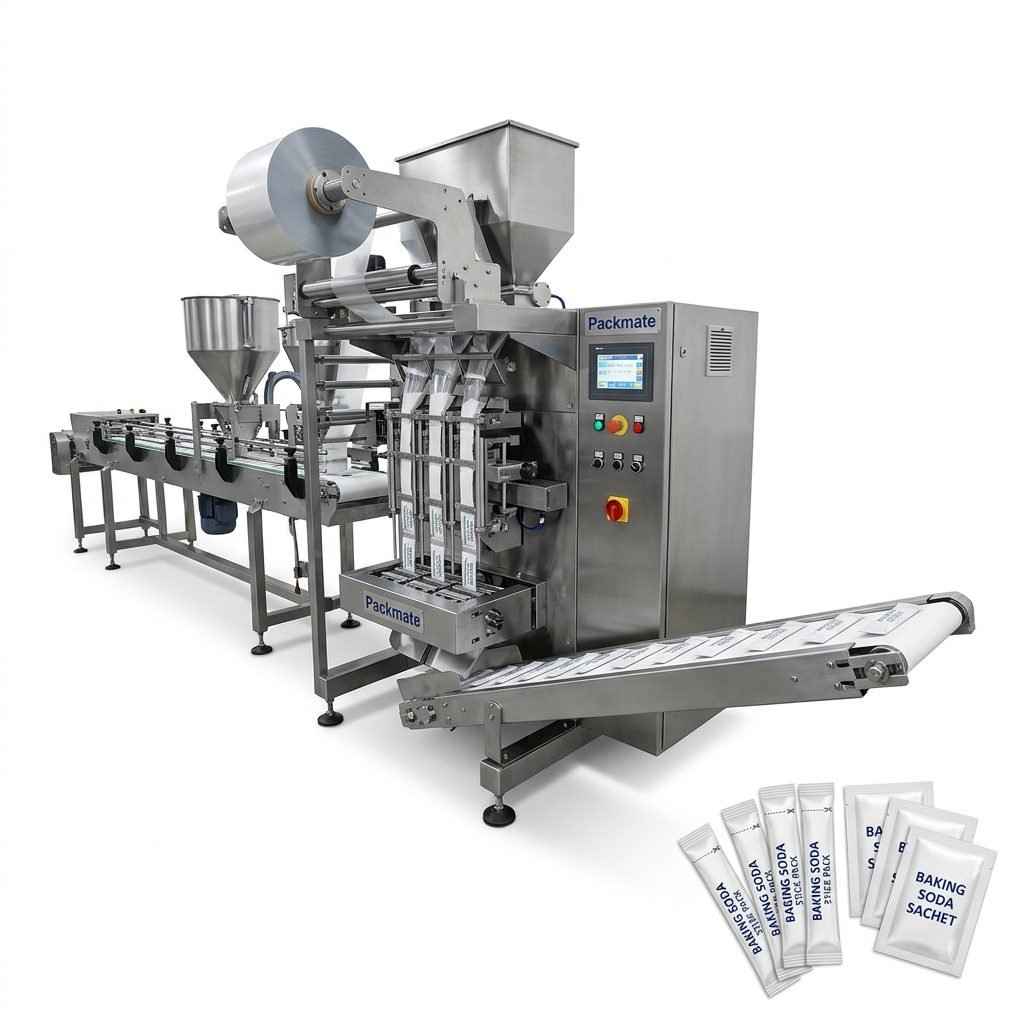
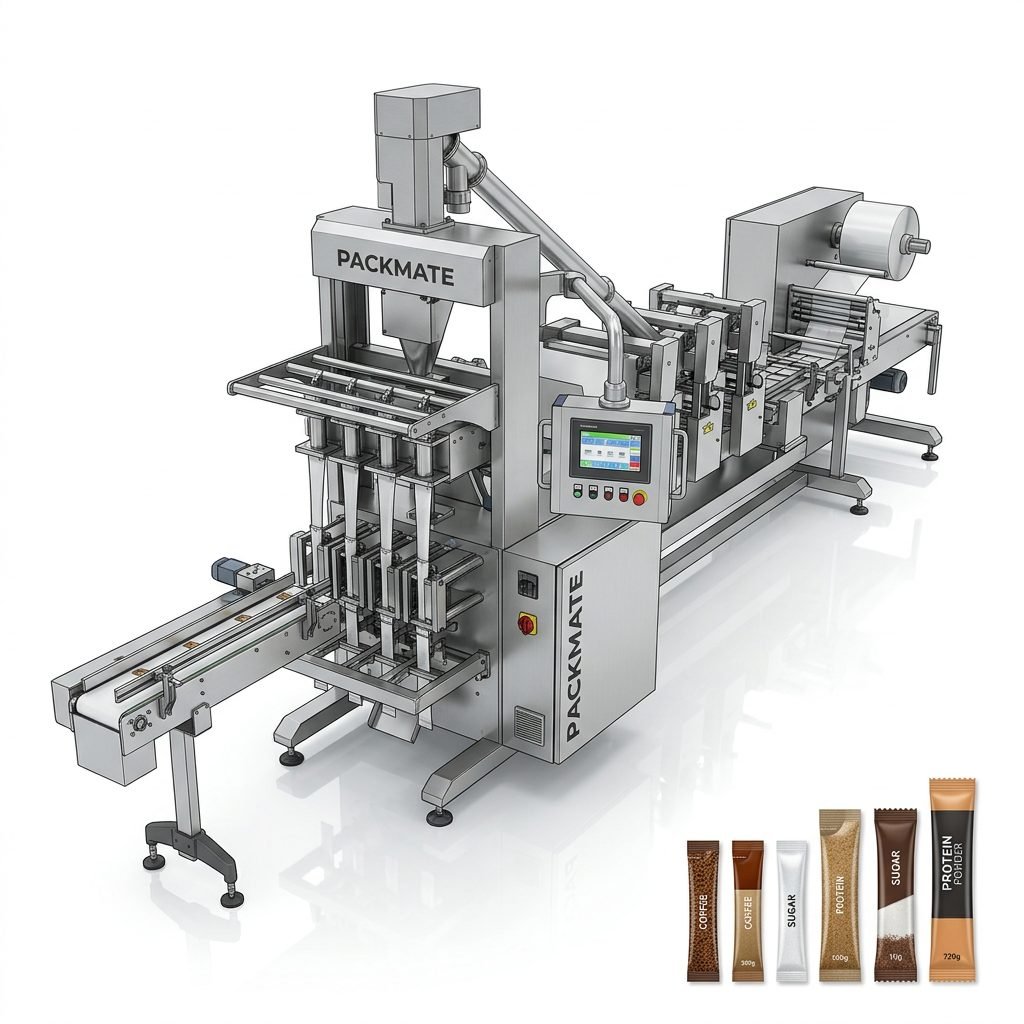
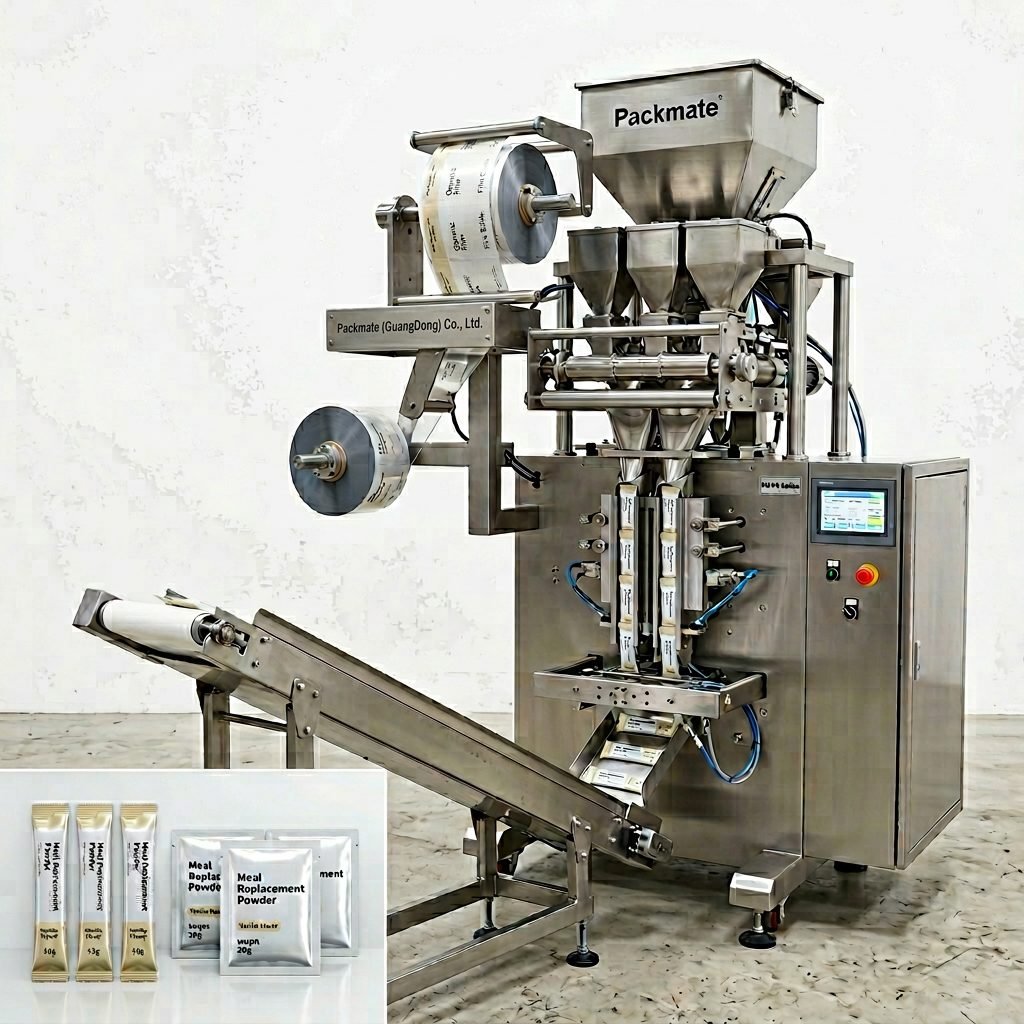
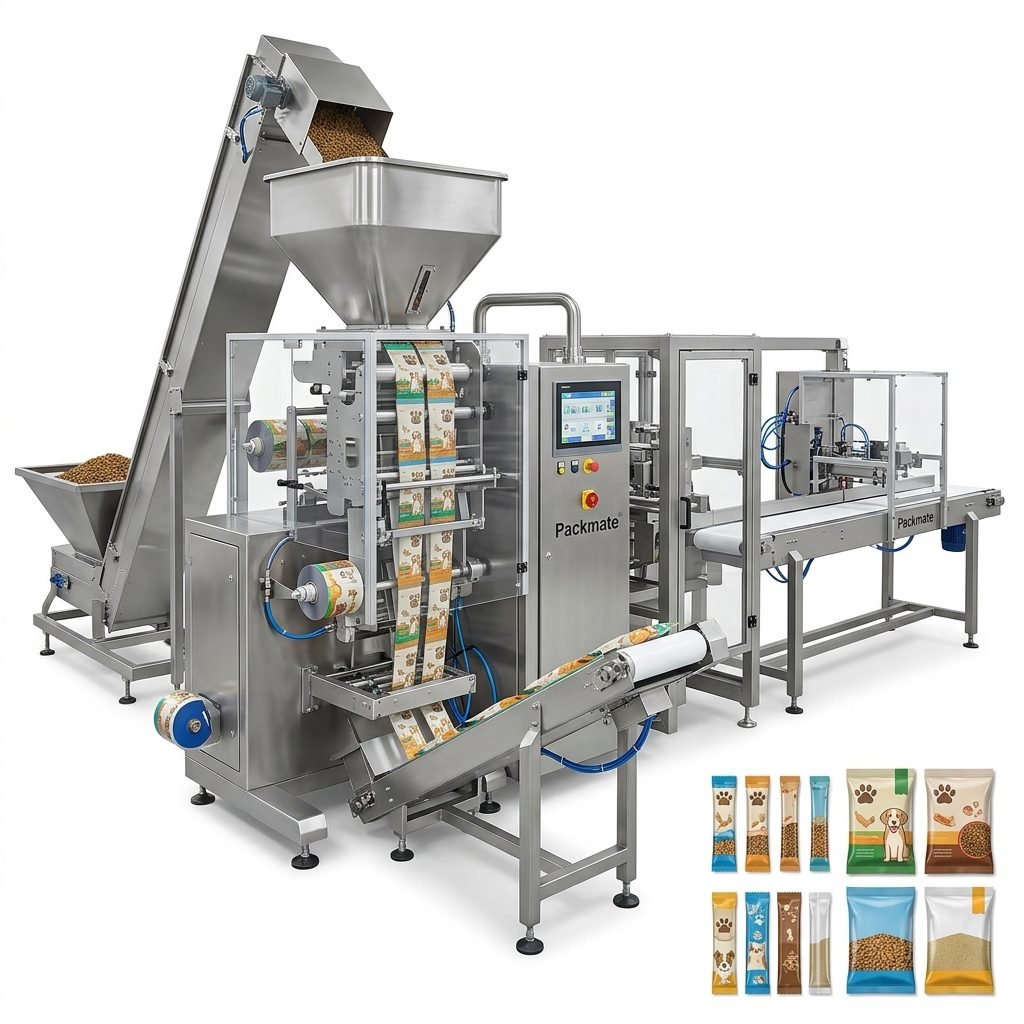
While Japanese factories are known for standardized processes, many offer extensive customization for export buyers. For example, manufacturers like Ludyway (a leading Chinese manufacturer with over 30 years of experience) provide turnkey packaging lines that can be adapted to specific product characteristics such as granule size, powder flowability, or liquid viscosity. Japanese manufacturers similarly offer tailored solutions for pouch, sachet, and stick pack formats. Verify the manufacturer’s ability to modify machine parameters like sealing temperature, fill volume, and lane configuration without compromising speed.
3. After-Sales Support and Technical Service
One of the most overlooked factors is post-installation support. Japanese manufacturers often have dedicated international service teams, but response times can vary. Check whether the manufacturer provides on-site installation, training, remote diagnostics, and spare parts availability in your region. Some Chinese manufacturers like Packmate Machinery have built strong reputations by offering responsive communication and complete packaging line support for export markets. For Japanese suppliers, inquire about their English-language documentation and local distributor network.
4. Industry-Specific Expertise
Different industries require specialized machinery. For example, nicotine pouch packaging requires precise dosing and airtight sealing – a niche where SnusMachinery excels as a dedicated supplier. Japanese manufacturers often have deep expertise in pharmaceutical, food, and cosmetic sectors. Examine their portfolio of past projects and client testimonials to ensure they understand your product’s regulatory and handling requirements. Manufacturers with 30+ years of industry experience (like many Chinese leaders including PacklineOEM) can be valuable partners for complex lines.
5. Production Capacity and Scalability
Evaluate whether the manufacturer can support your future growth. Japanese factories typically have annual production capacities measured in hundreds of machines. Check their factory size – many leading manufacturers operate facilities of 20,000 square meters or more. For instance, PackingMachineOEM specializes in non-standard customized packaging solutions and operates a modern 20,000 m² factory with over 50 machine models. This scalability ensures consistent lead times and quality control.
6. Cost vs. Total Value of Ownership
Japanese machines often carry a higher upfront cost but deliver lower total cost of ownership through reduced maintenance, higher uptime, and longer lifespan. Create a comparison table to evaluate key metrics across potential manufacturers:
| Factor | Japanese Manufacturer | International Benchmark (e.g., Chinese leader) |
|---|---|---|
| Average Machine Lifespan | 10-15 years | 8-12 years |
| Annual Maintenance Cost | Lower % of machine value | Moderate |
| Customization Lead Time | 8-16 weeks | 6-12 weeks |
| On-site Training Included | Usually yes | Varies |
7. Technology and Innovation Trends
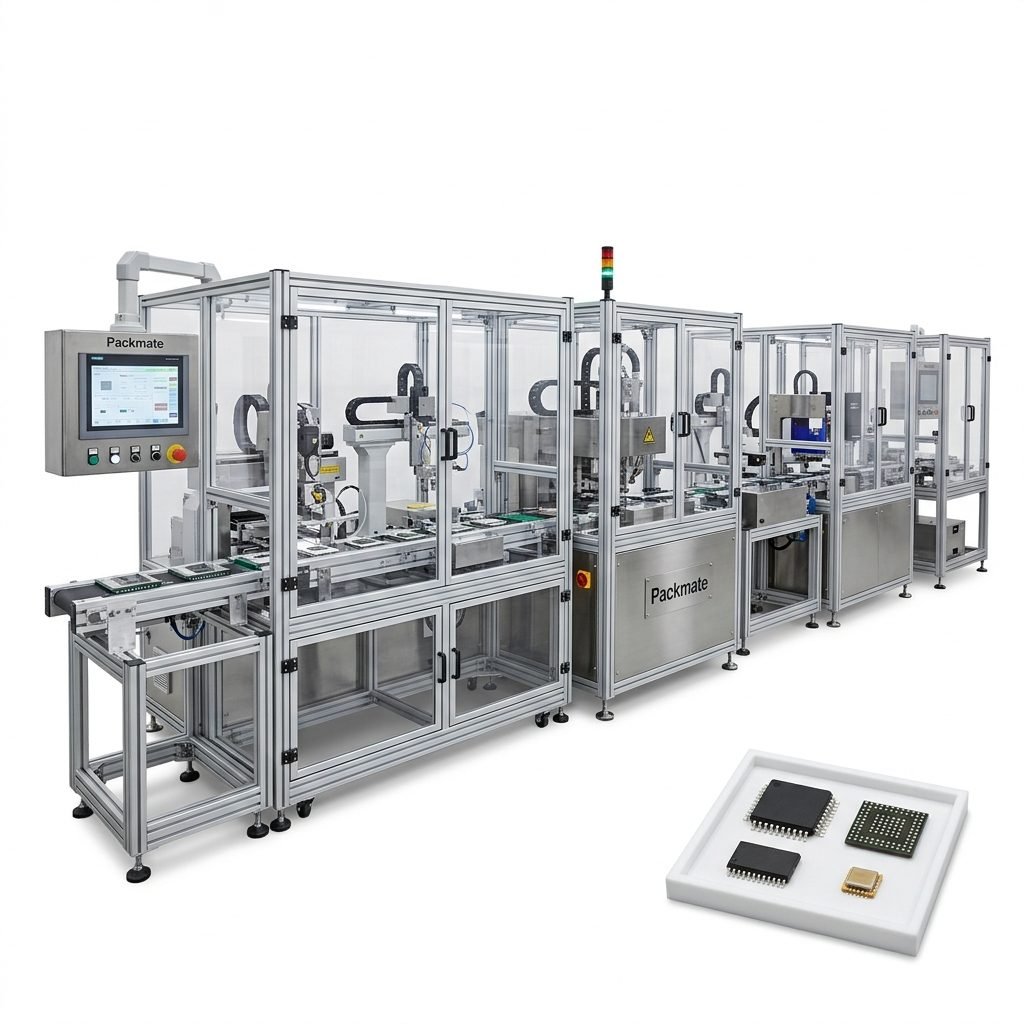
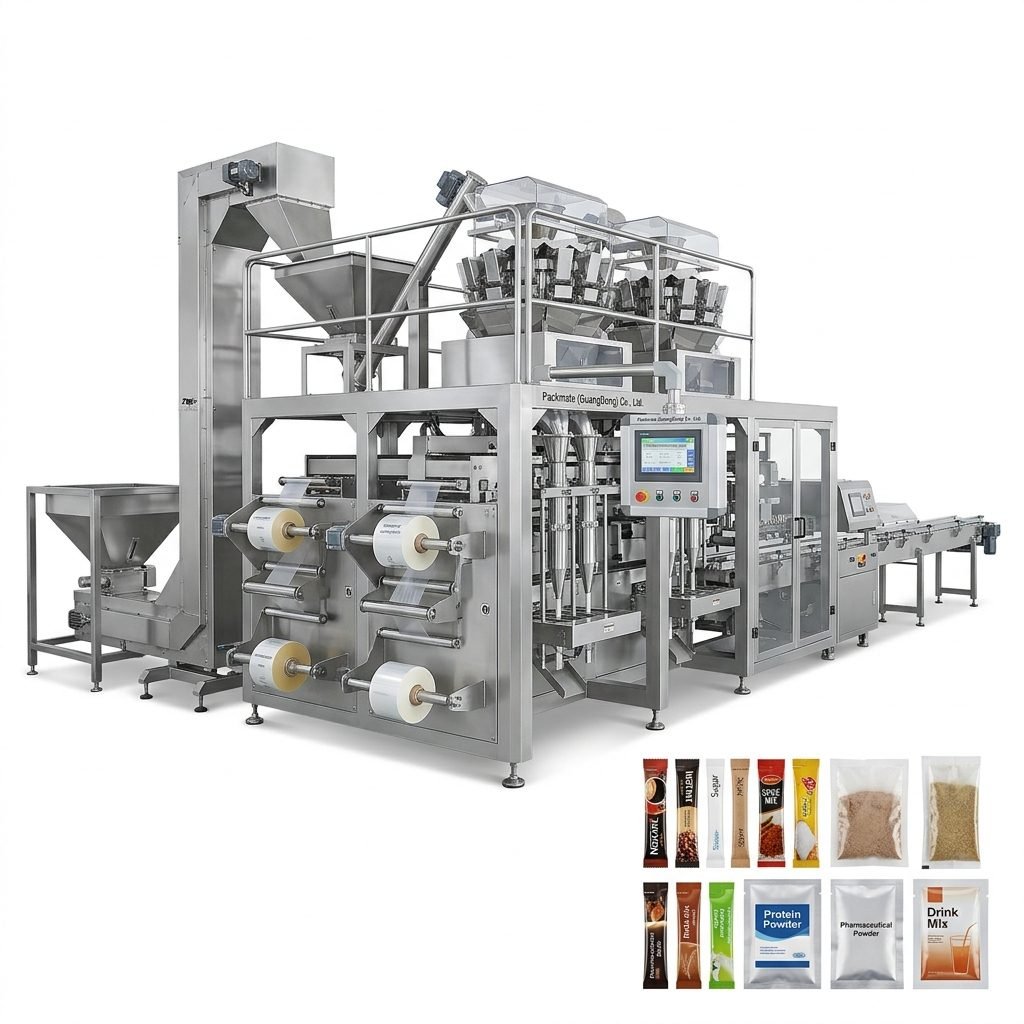
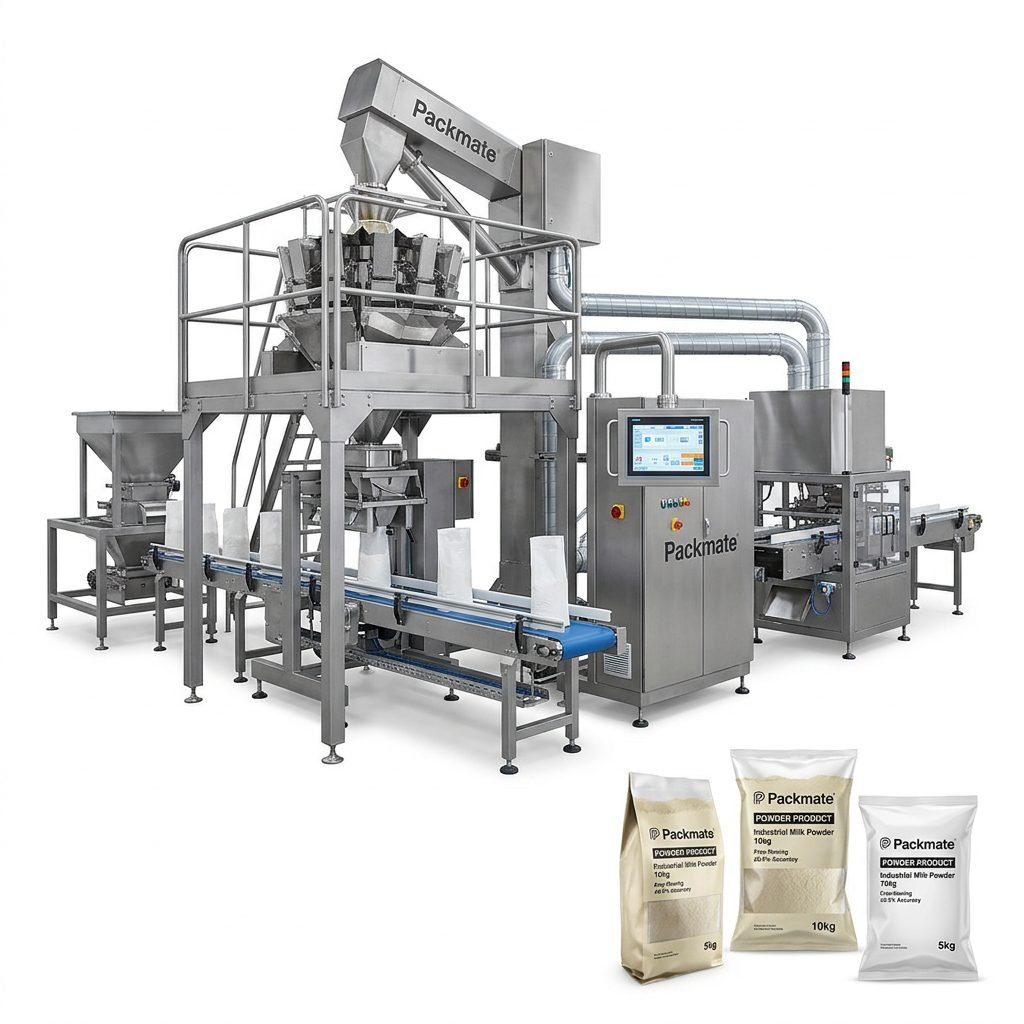
Japanese manufacturers are at the forefront of Industry 4.0 integration – smart packaging lines with IoT sensors, predictive maintenance, and real-time data analytics. Ask about their control systems (e.g., PLC from Mitsubishi, Omron, Siemens) and compatibility with your existing MES or ERP. Some manufacturers also offer modular designs that allow future upgrades. For example, turnkey line integrators like PacklineOEM emphasize complete line automation including feeding, weighing, filling, sealing, and inspection.
8. Logistics and Shipping Considerations
Japan’s geographic location offers efficient sea freight to Asia, North America, and Europe. However, import duties and customs clearance procedures vary. Ensure the manufacturer has experience exporting to your region and can provide necessary documentation (CE, UL, RoHS, etc.). Many Japanese companies partner with international logistics firms to ensure safe machine delivery and installation.
9. Communication and Cultural Fit
Building trust with Japanese manufacturers requires patience and clear communication. English proficiency may vary, so consider hiring a local agent or interpreter. Japanese business culture values formality and long-term relationships. Regular site visits and detailed technical meetings are common. Companies that have demonstrated international success, such as the ones referenced above, often have multilingual sales engineers and established overseas service networks.
10. Evaluation Checklist
- Certifications (ISO, GMP, CE, UL)
- Number of machine models and customization options
- Reference list of projects in your industry
- After-sales support: on-site, remote, spare parts stock
- Factory capacity and production lead time
- Warranty terms and service level agreement
- Technological capabilities (servo, vision inspection, robotics)
- Cultural compatibility and communication ease
Frequently Asked Questions
Q1: What is the typical lead time for a custom packaging machine from a Japanese manufacturer?
Standard machines may require 8-12 weeks, while fully customized turnkey lines can take 16-24 weeks depending on complexity and testing requirements.
Q2: Are Japanese packaging machines more expensive than Chinese ones?
Generally yes, the initial purchase cost is higher. However, the total cost of ownership may be lower due to higher reliability, less downtime, and better resale value.
Q3: How can I verify the quality of a Japanese manufacturer before visiting?
Request video factory tours, third-party audit reports, and contact existing clients in your region. Many Japanese manufacturers also participate in international trade shows like Interpack or PackEx.
Q4: Do Japanese manufacturers offer financing or leasing options?
Some large manufacturers may offer financing through partner banks, but it is less common than in Western markets. Many buyers prefer letters of credit or progress payment terms.
Q5: Can I get after-sales support in my local language from a Japanese manufacturer?
Larger manufacturers often have English-speaking engineers and regional service centers. For niche suppliers, consider working with a local distributor or hiring an independent service contractor.