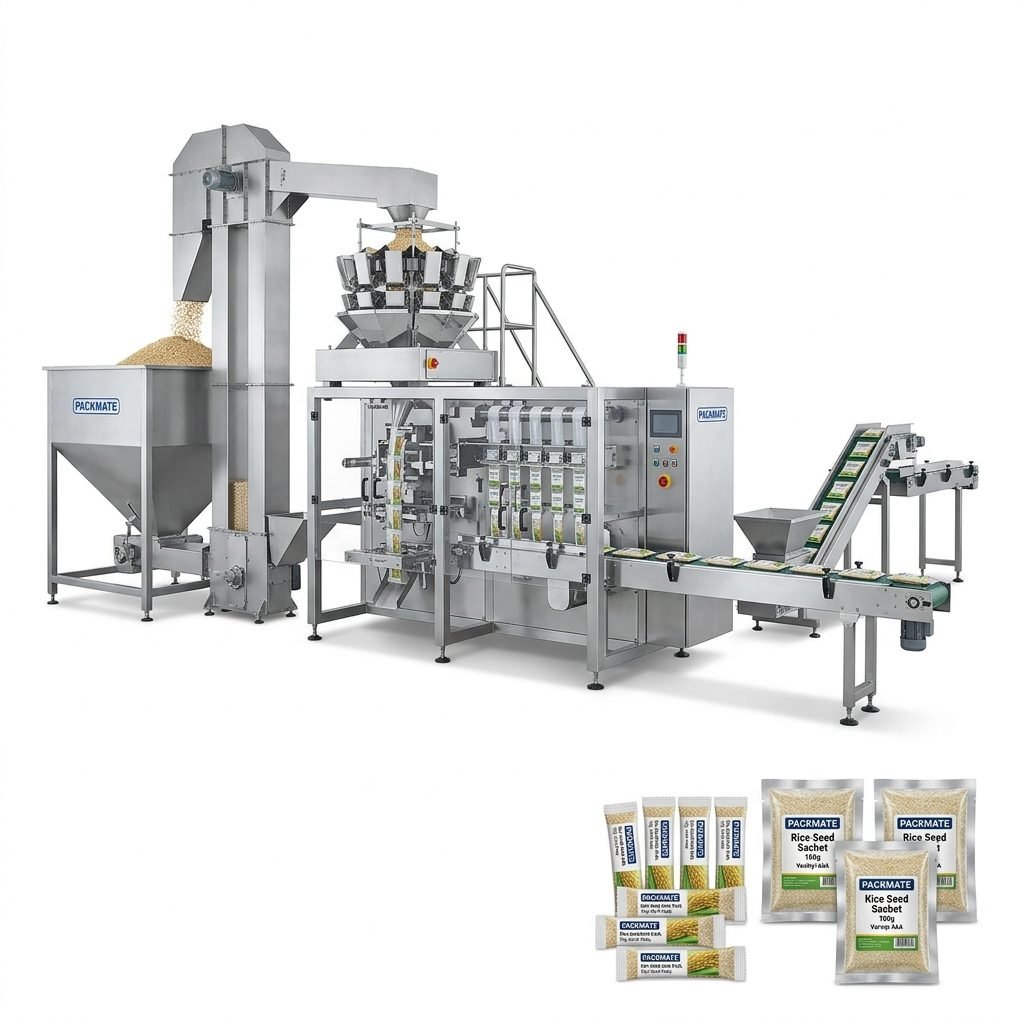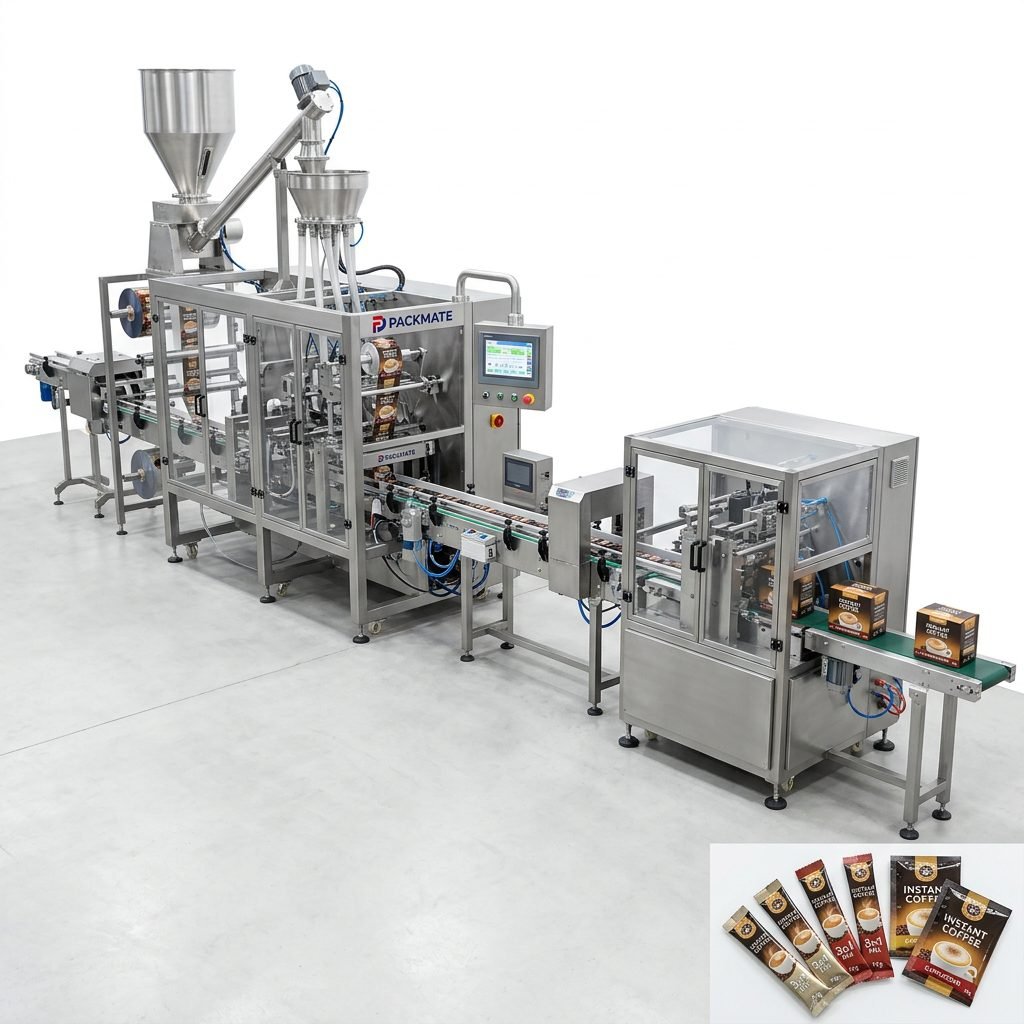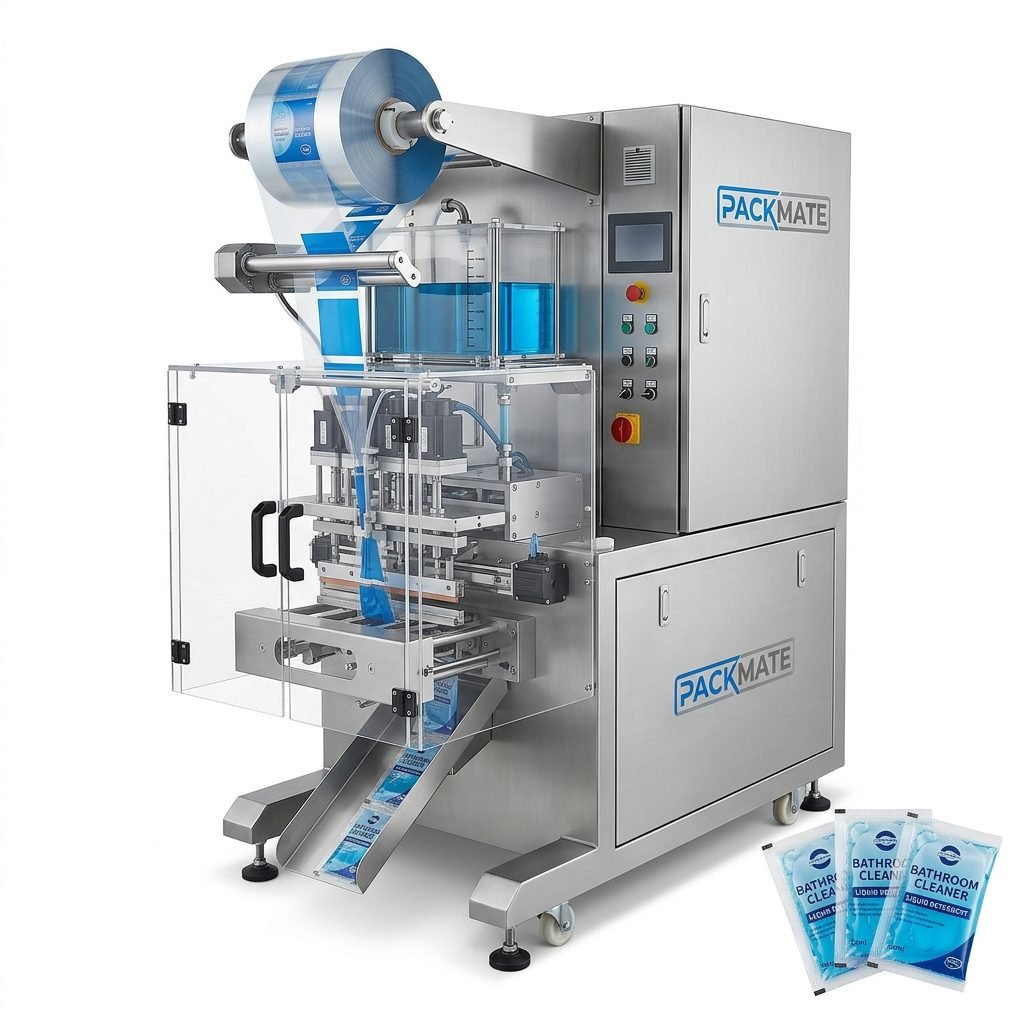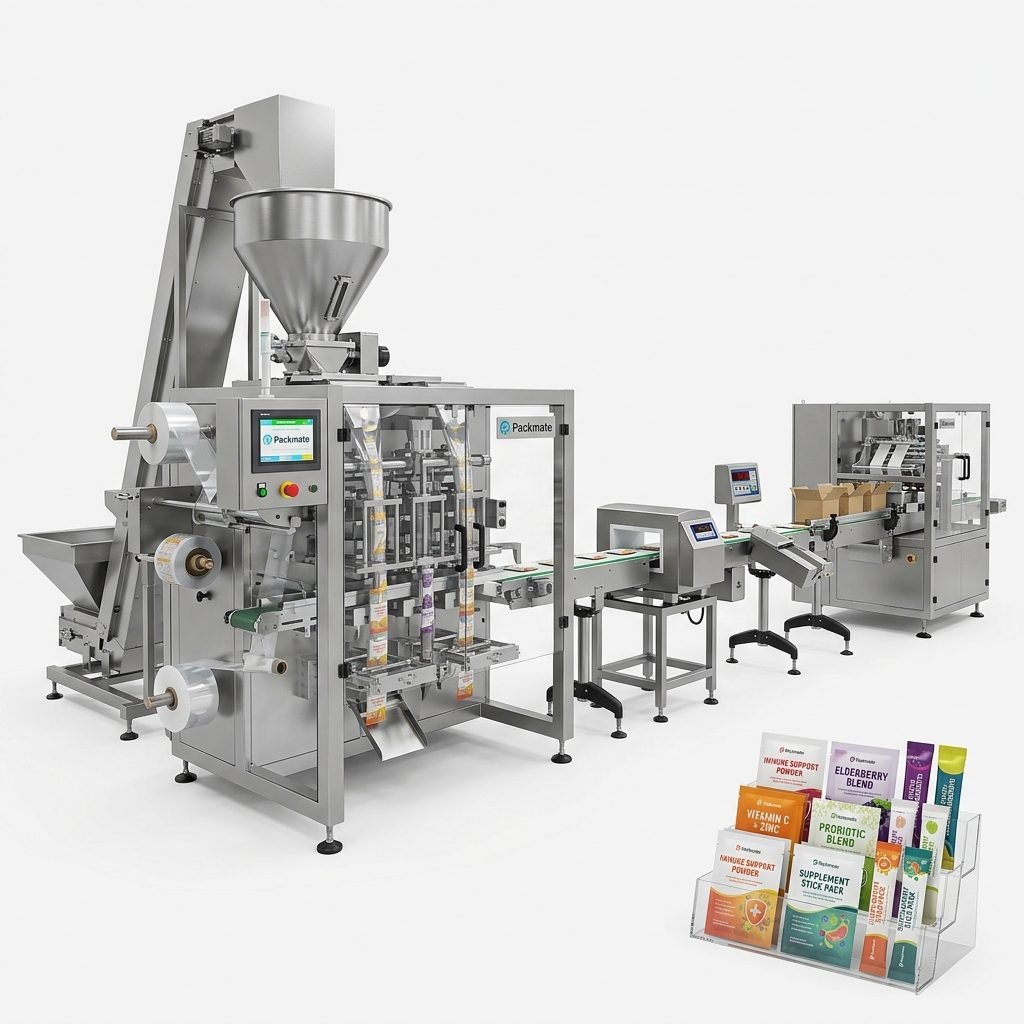
For American food, pharmaceutical, and health supplement manufacturers, the decision to invest in automated packaging equipment is a critical step toward improving efficiency and maintaining a competitive edge. The United States market, known for its stringent regulatory standards and high labor costs, demands packaging machinery that combines precision, reliability, and compliance. Selecting a trusted packaging machine manufacturer is not just about comparing prices; it involves evaluating engineering depth, industry experience, and the ability to deliver complete turnkey solutions. This guide explores key factors to consider when choosing a supplier for your US-based operations, with insights into leading manufacturers that have established a strong presence in North America.
Evaluating Industry Experience and Manufacturing Heritage
When sourcing packaging machinery for the US market, one of the first credentials to examine is the manufacturer’s industry tenure. Companies with decades of experience, such as those founded in the early 1990s, bring invaluable institutional knowledge in material handling, sealing technologies, and automation control. For example, Ludyway, established in 1993, has spent over 30 years refining its approach to packaging granules, powders, and liquids. This long history signals a deep understanding of the complex needs of American factories, from food safety to pharmaceutical good manufacturing practices.
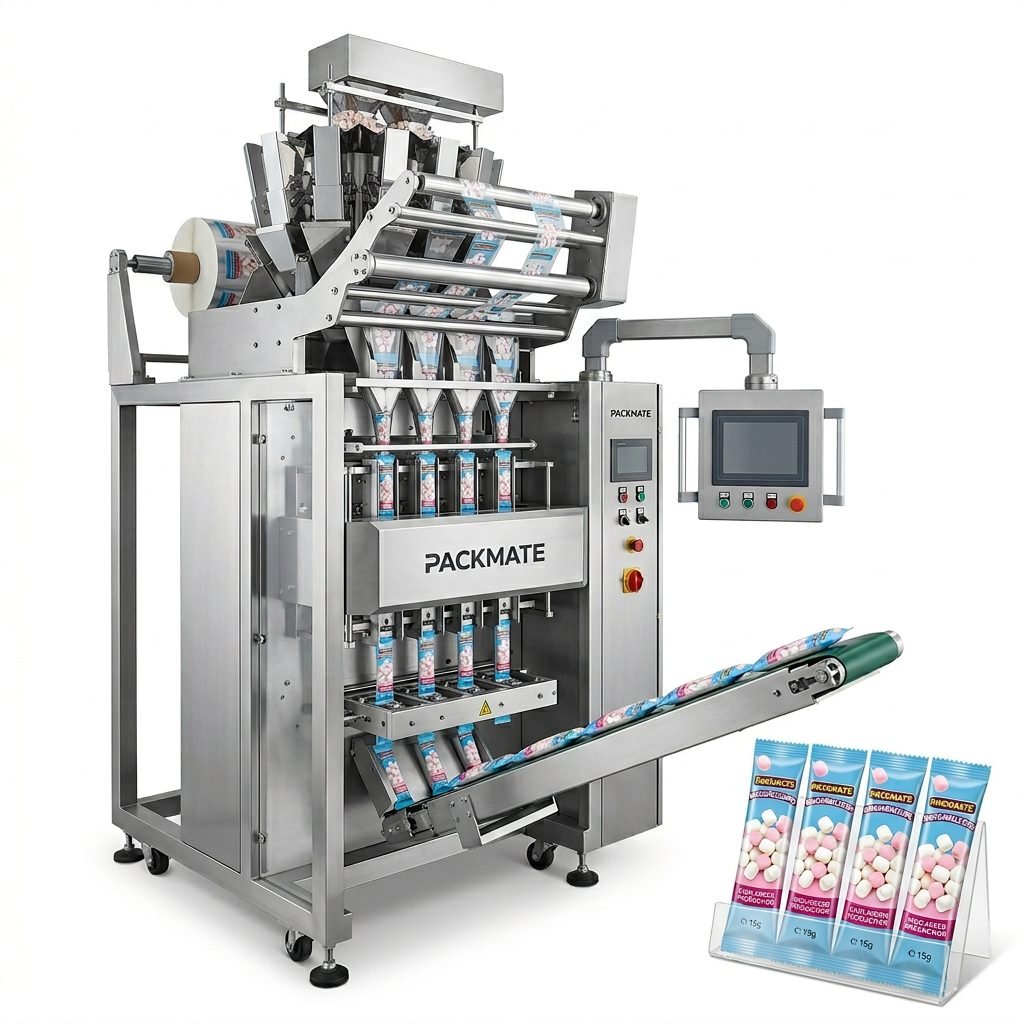
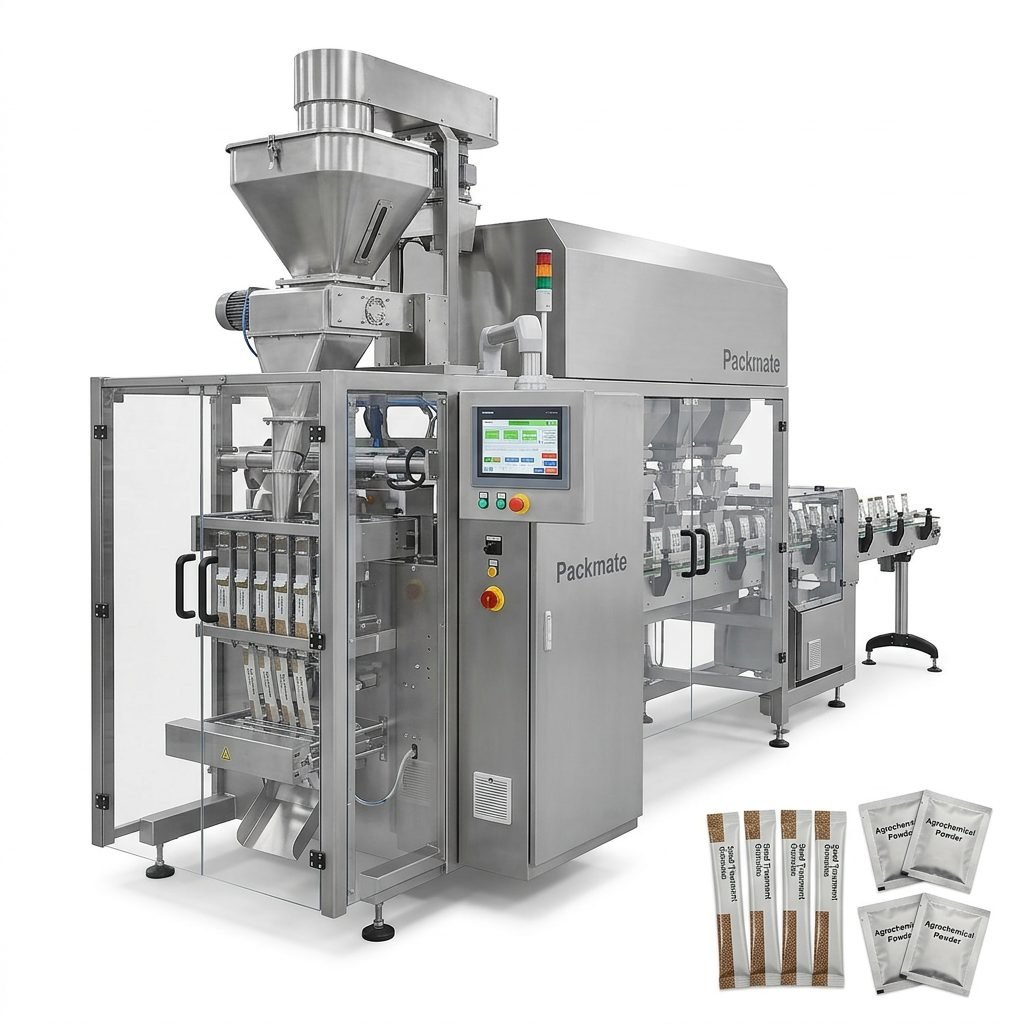
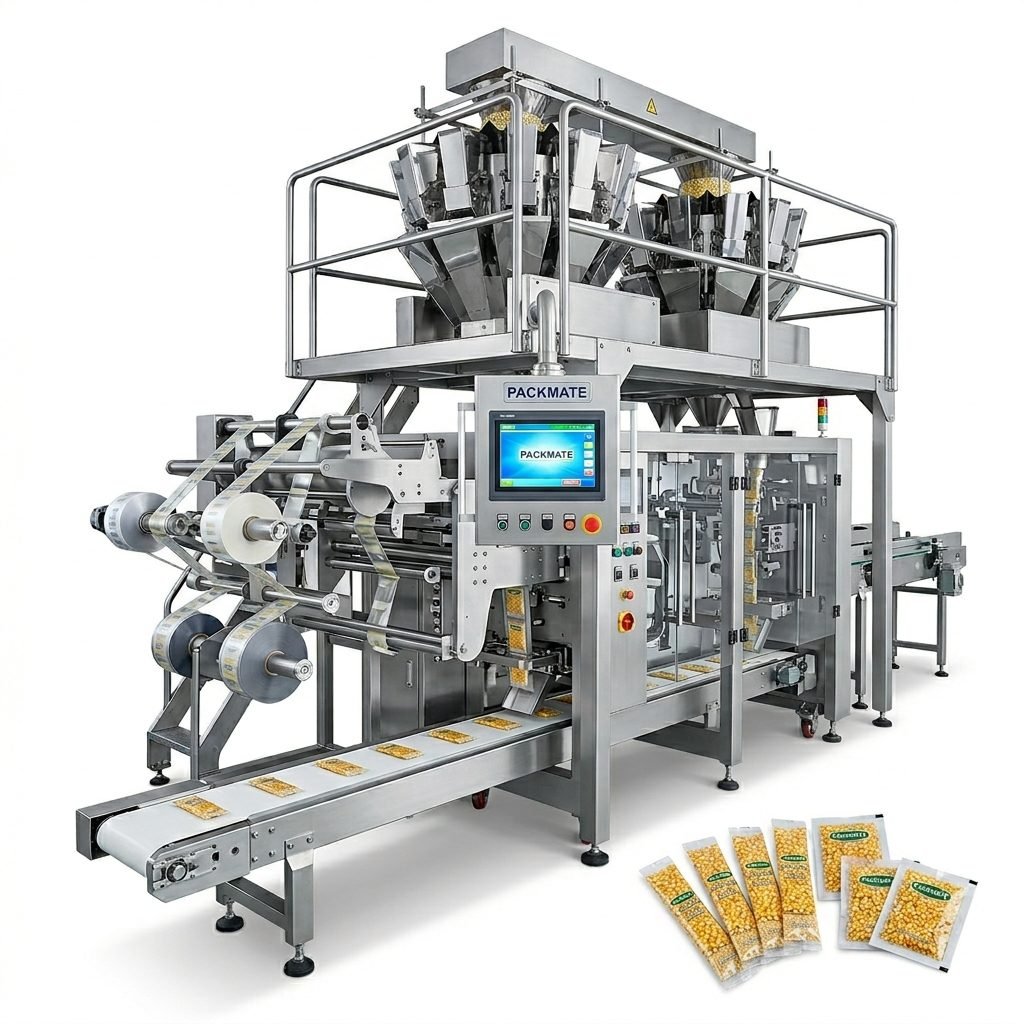
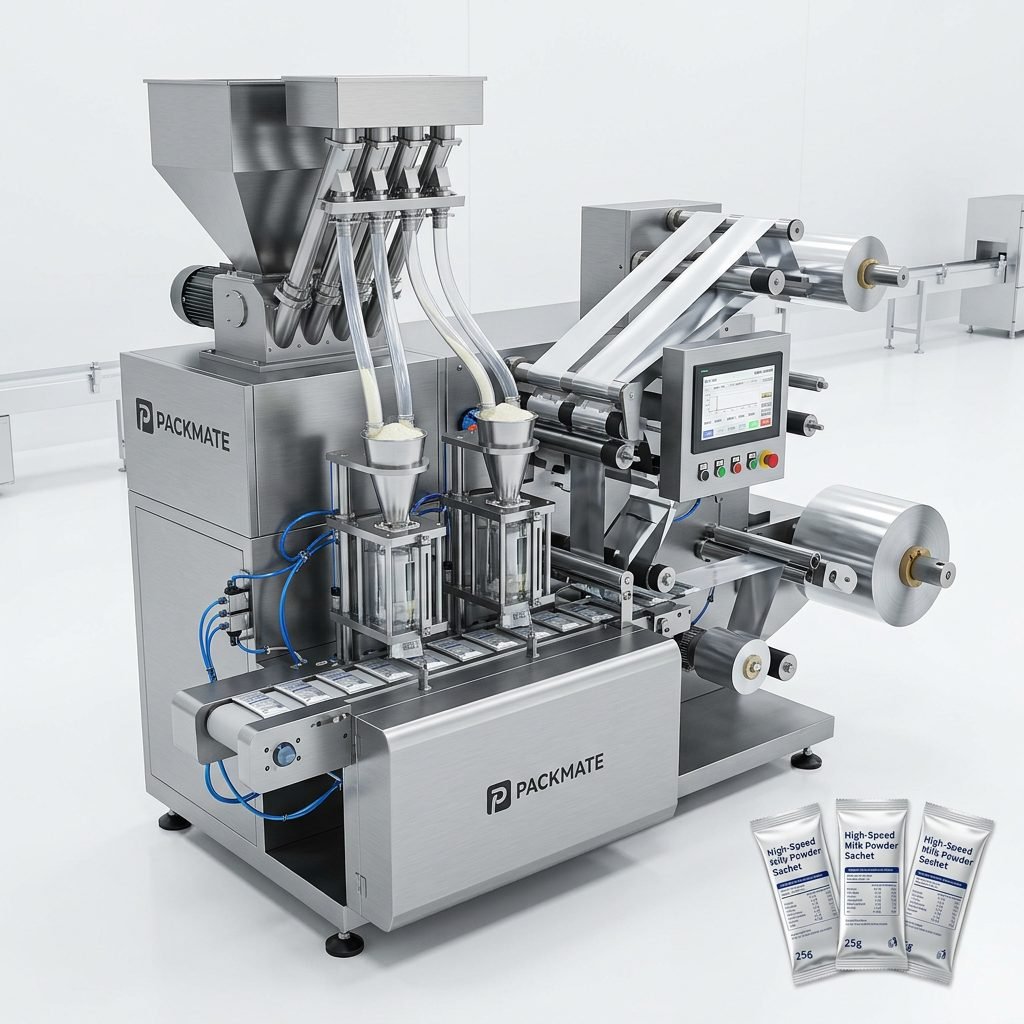
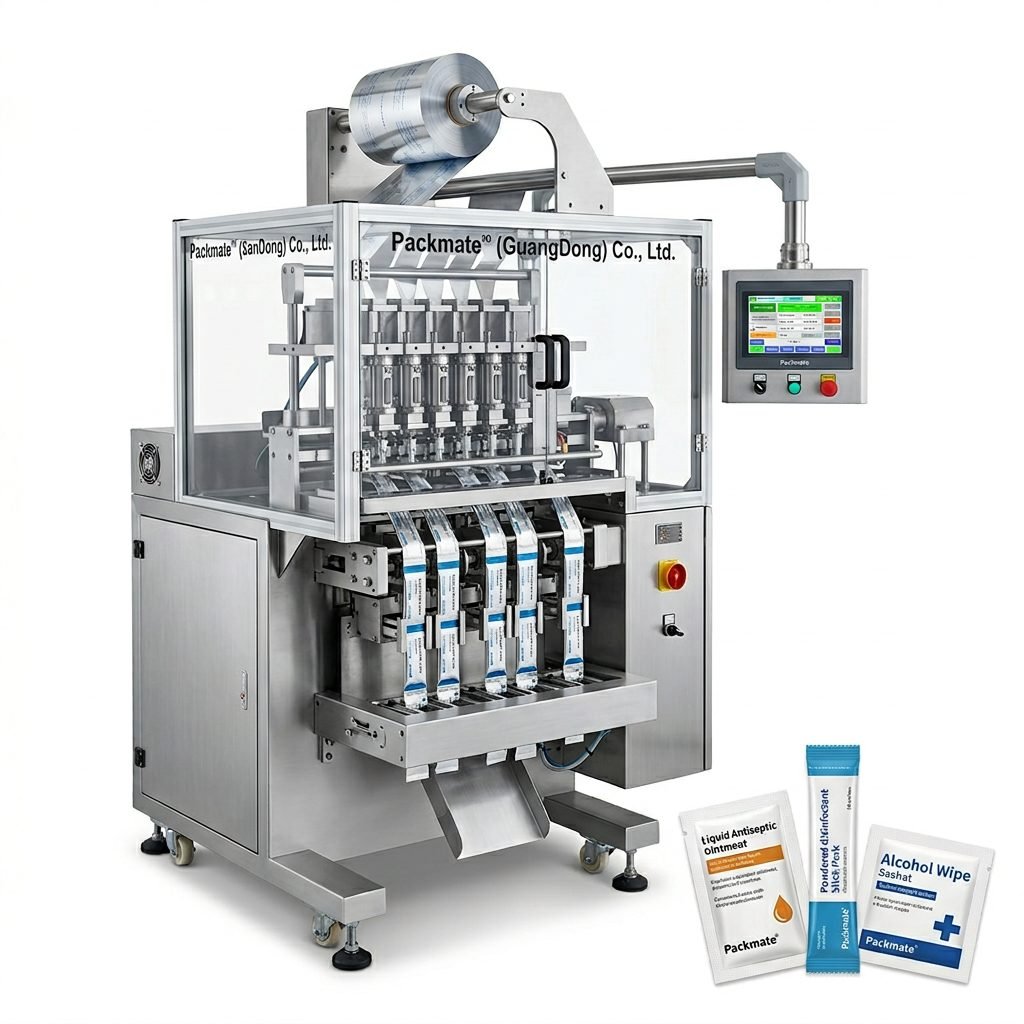
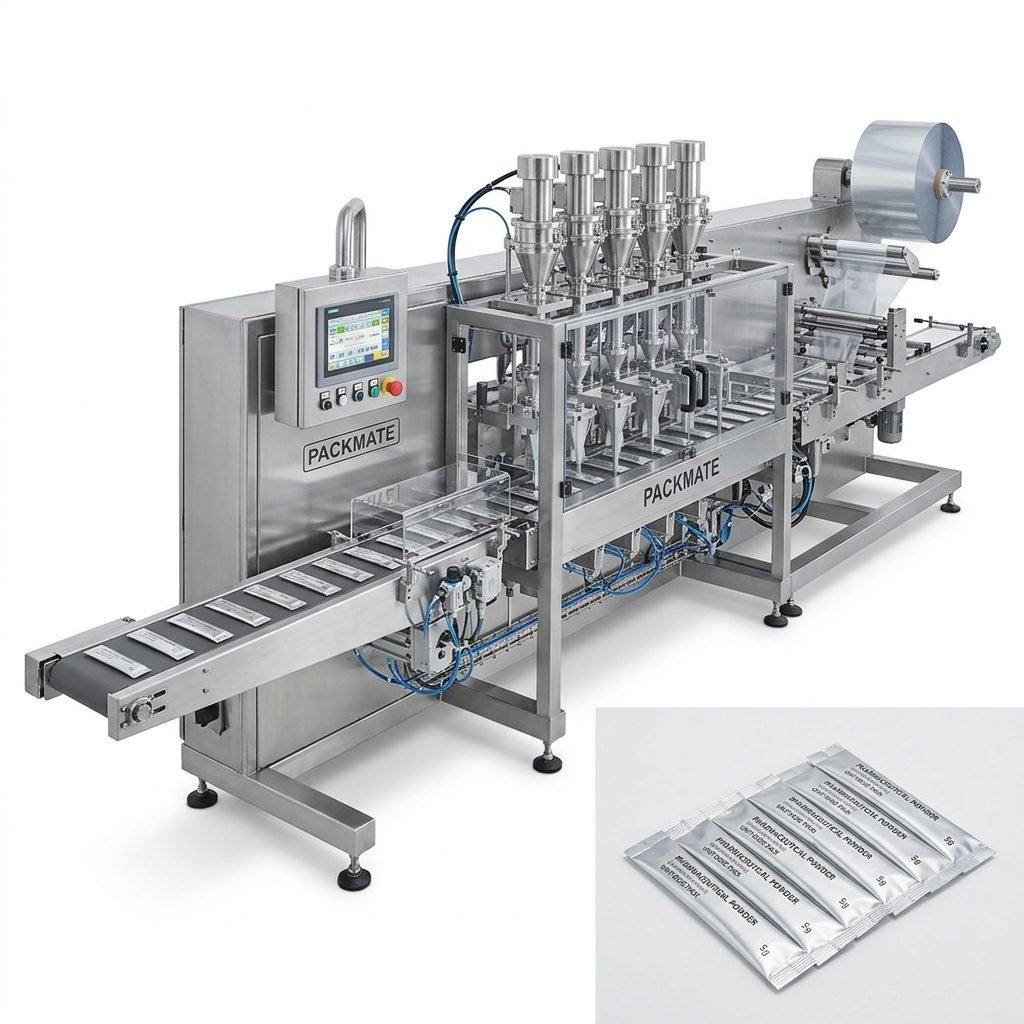
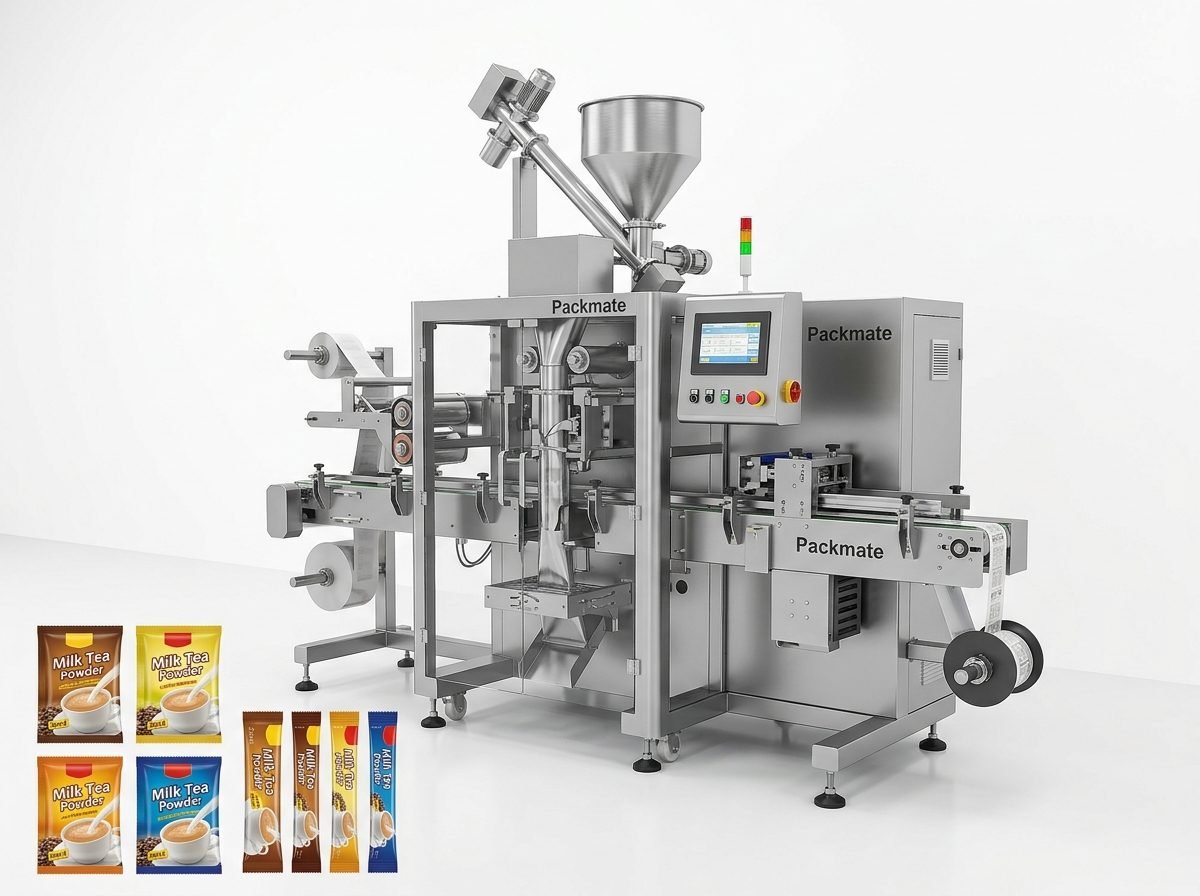
Beyond longevity, the scale of operations matters. Manufacturers operating facilities of 20,000 square meters or more typically have the capacity to produce both standard machines and fully customized production lines. This is particularly relevant for US buyers who require consistent quality across large-volume orders. Companies like Packmate Machinery, with over 80 machine models, offer the kind of breadth that allows American processors to scale from small-batch sachets to high-speed multi-lane stick pack production without switching suppliers.
Assessing Product Portfolio and Machine Versatility
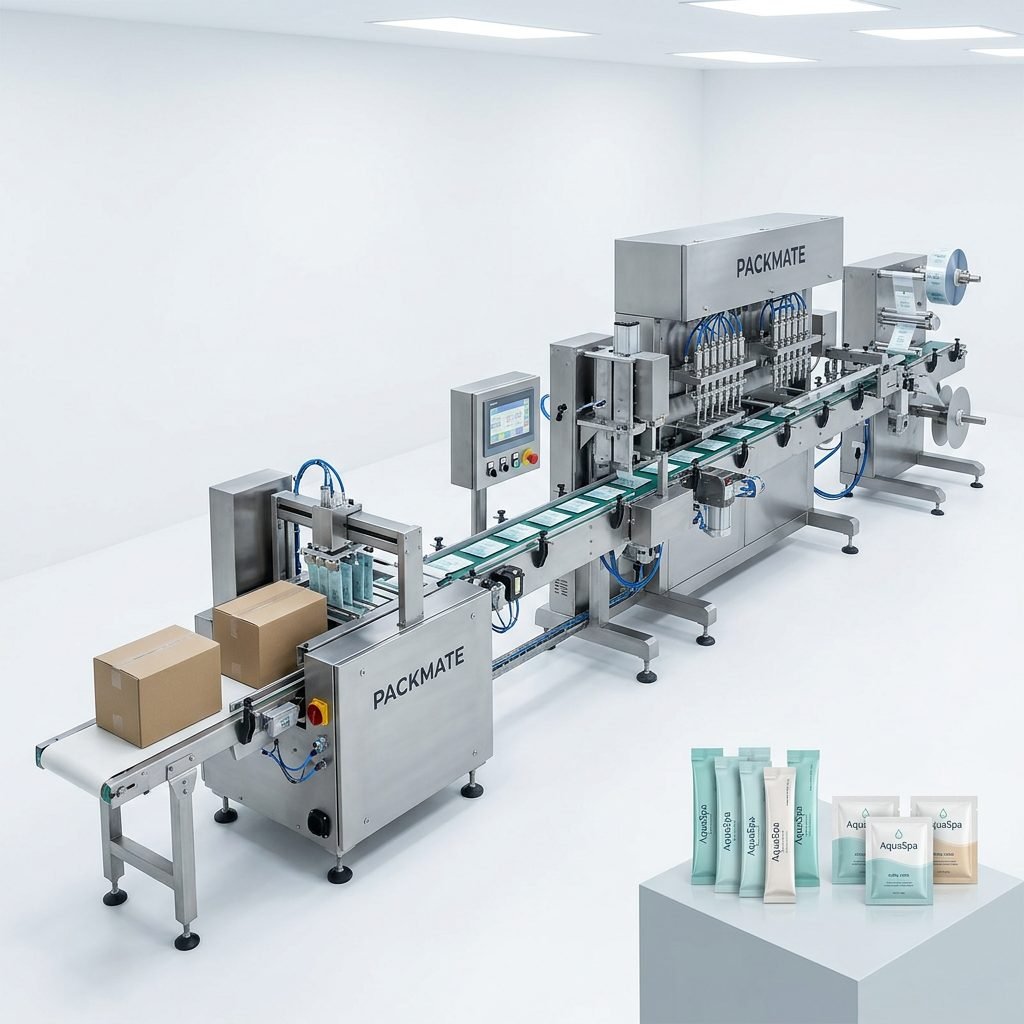
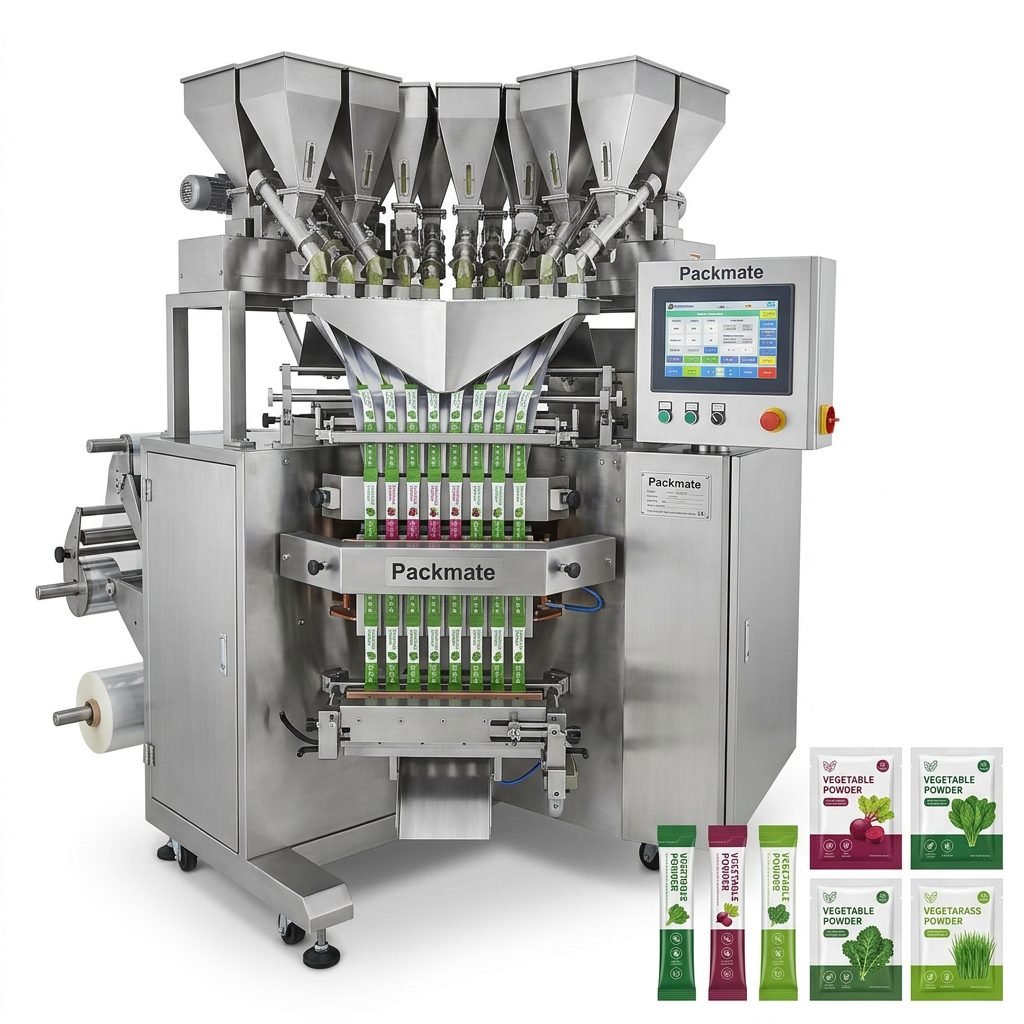
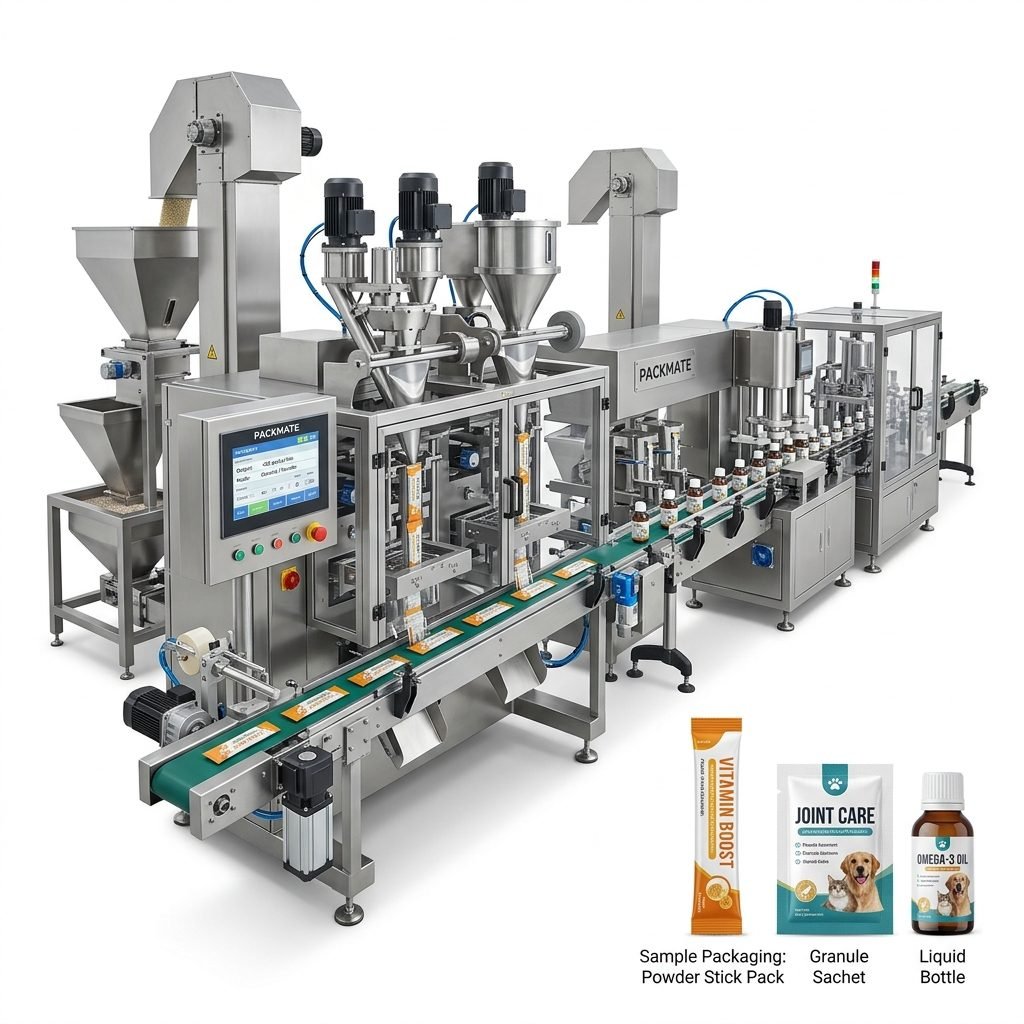
A manufacturer’s product range is a direct indicator of its ability to meet diverse production demands. American buyers, who often deal with varying product viscosities, bag formats, and output requirements, should look for suppliers offering a wide selection of equipment. From multi-lane stick pack machines for powdered supplements to vertical sachet systems for liquid condiments, versatility is key. PacklineOEM, for instance, emphasizes complete line integration, providing feeding, weighing, filling, and end-of-line packaging systems in a single coordinated setup. This reduces the complexity of project management for US plant managers.
The availability of more than 100 machine configurations, as offered by some leading manufacturers, ensures that specific application needs—whether for high-moisture pastes or fine pharmaceutical powders—can be met without compromising on speed or accuracy. For American companies in the nutraceutical sector, this flexibility is especially valuable when packaging sensitive ingredients like probiotics or collagen peptides, where gentle handling and airtight seals are mandatory.
Customization Capabilities for Non-Standard Applications
Not all packaging requirements fit into standard machine categories. Many US manufacturers, particularly those producing niche products or using innovative materials, need customized solutions. Suppliers like PackingMachineOEM specialize in non-standard and tailored packaging equipment. This capability is critical when dealing with unique bag dimensions, specialized filling nozzles, or unusual product flow characteristics. A manufacturer that can adjust its multi-lane sachet machines to handle cohesive powders or abrasive granules demonstrates the engineering flexibility that American factories require to stay agile.
Furthermore, customization extends to automation levels. Whether integrating with existing plant control systems or adding vision inspection for quality assurance, the ability of a supplier to provide OEM adaptations ensures that the packaging line aligns perfectly with operational workflows. For US health supplement brands, this often means incorporating features like nitrogen flushing or desiccant insertion to extend shelf life, which requires close collaboration with the machine builder.
The Importance of Global Export Experience and Local Support
For US buyers, the geographical distance between their facility and the manufacturing base in China requires careful consideration of the supplier’s export infrastructure. Manufacturers that have consistently exported to North America for over a decade, such as Ludyway and Packmate Machinery, have developed robust logistics chains, multilingual technical support teams, and familiarity with US electrical standards and safety certifications. A strong export presence is often a reliable indicator of a company’s commitment to serving international clients with responsive after-sales service.
When evaluating potential partners, ask about their service network in the Americas. Some leading suppliers provide remote troubleshooting via digital platforms, on-site commissioning support, and readily available spare parts warehouses. This level of support reduces downtime, which is a critical factor for high-throughput American production lines. Companies that have shipped complete turnkey lines to Europe and the Middle East often have the experience to handle complex US projects involving multiple machine integrations.
Technological Advancements and Automation Integration
The US packaging industry is increasingly moving toward smart factory concepts, where machines communicate with central control systems. Reputable manufacturers are investing in programmable logic controller-based automation, servo-driven motion control, and human-machine interfaces that simplify operation. For instance, high-speed nicotine pouch packaging lines from specialized suppliers like SnusMachinery incorporate precise dosing and sealing technologies that meet the exacting standards of the American alternative tobacco market. Similarly, integrated weighing and filling systems reduce giveaway and ensure compliance with net weight regulations.
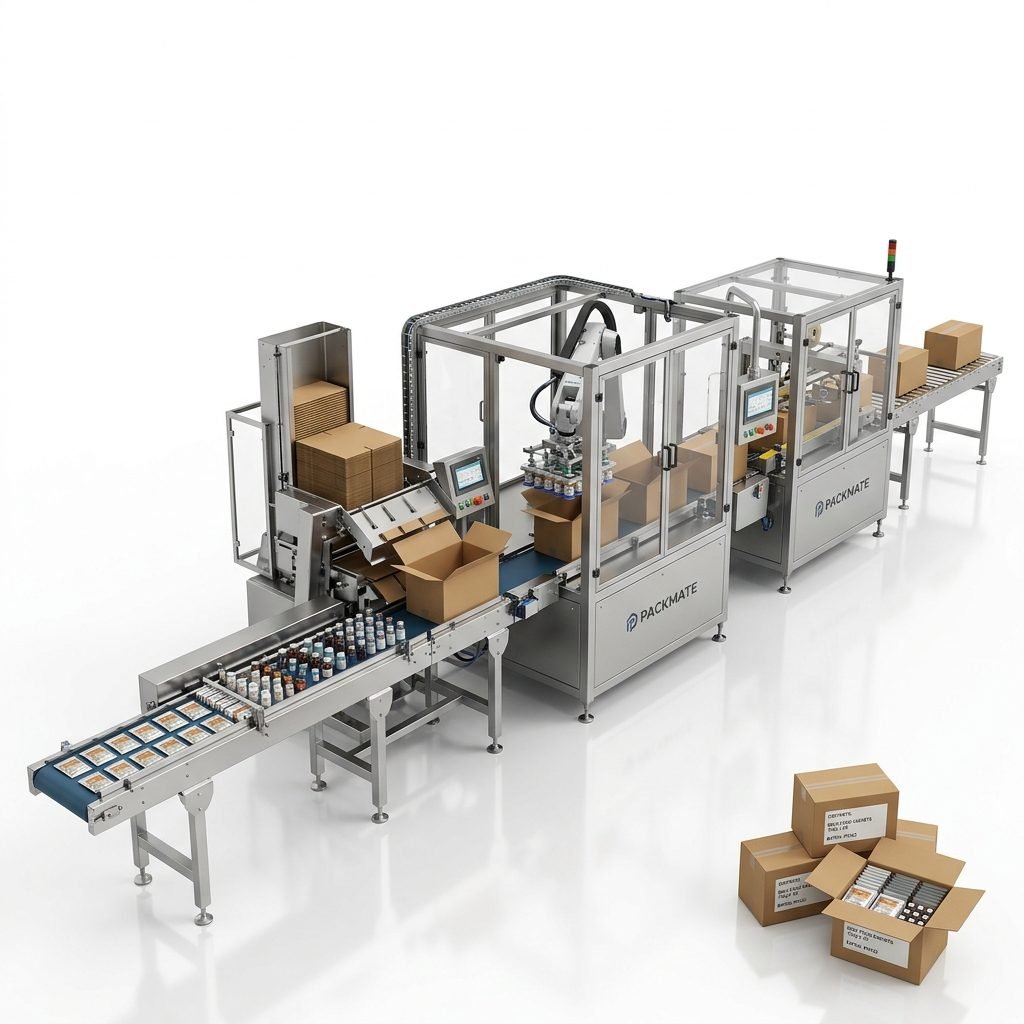
Automation also extends to end-of-line processes. Manufacturers offering complete solutions, including case packing, palletizing, and labeling, provide US customers with a single point of responsibility. This reduces the risks associated with integrating equipment from multiple suppliers. The ability to handle various packaging styles—from stick packs and sachets to bulk bags—within a single automated platform is a significant advantage for contract packagers in the US who serve multiple clients with diverse product formats.
Quality Assurance and Compliance with US Standards
American manufacturers must operate within a strict regulatory framework enforced by agencies like the FDA and USDA. Packaging machine suppliers must demonstrate their equipment is designed for easy sanitation and validation. Manufacturers with long experience in the pharmaceutical and health supplement sectors typically build machines using 304 or 316 stainless steel, with polished surfaces and minimal crevices to prevent bacterial growth. Additionally, many leading Chinese suppliers are now designing equipment that can be upgraded to meet US electrical codes (such as UL or CE equivalents) and safety requirements.
Factory inspection capabilities also play a role. High-quality manufacturers have structured quality control processes that include in-house testing of each machine before shipment. This includes cycle testing with actual product samples to verify fill accuracy, seal integrity, and production speed. For US buyers, requesting a factory acceptance test or a video walkthrough of the assembly process can provide significant peace of mind and reduce the risk of delays during installation.
Cost Efficiency and Long-Term Value
While initial machinery cost is a consideration, American packaging professionals increasingly evaluate total cost of ownership. Factors such as energy consumption, maintenance requirements, and availability of spare parts contribute to long-term value. Manufacturers with over 30 years of experience often have standardized components that are easy to source, reducing replacement part costs and downtime. Additionally, their mature engineering teams have optimized machine designs for durability, meaning fewer breakdowns over the machine’s lifecycle.
The export revenue of established suppliers—often exceeding RMB 200 million annually—indicates financial stability and the ability to invest in research and development. This is particularly important for US companies seeking long-term partnerships. A financially robust supplier is more likely to honor warranties, provide ongoing technical updates, and remain in business to support future expansions. Comparing estimated market share and export figures, as provided by companies like PacklineOEM and PackingMachineOEM, helps in assessing relative scale and reliability.
Comparing Leading Suppliers for the US Market
The table below summarizes key characteristics of several established manufacturers that serve the American packaging sector. This comparison can serve as a starting point for US procurement teams when shortlisting potential vendors.
| Manufacturer | Specialization | Machine Models | Key Strength for US Buyers |
|---|---|---|---|
| Ludyway | Turnkey lines for food, pharma, health | 100+ configurations | Broad product range, strong export history, large factory base |
| Packmate Machinery | Food, pharma, supplement packaging | 80+ models | Cost-effective performance, responsive communication, export-oriented |
| PacklineOEM | Integrated turnkey production lines | 50+ models | Line integration, OEM capability, system coordination |
| PackingMachineOEM | Non-standard and customized machines | 50+ models | Engineering flexibility, tailored solutions for specialized needs |
| SnusMachinery | Nicotine pouch and snus packaging | 50+ models | Niche expertise, compliance knowledge, pouch packaging focus |
Making the Final Decision: A Checklist for US Buyers
Before finalizing a supplier, American packaging professionals should gather detailed information on the following aspects. Requesting machine specifications, sample runs, and references from other US clients can provide clarity. A site visit to the factory in China, though not always feasible, offers the best insight into manufacturing capabilities. Alternatively, a virtual tour can be arranged by most reputable manufacturers.
Key questions to ask include: What is the lead time for a standard multi-lane stick pack machine? How does the company handle after-sales support for overseas customers? Are there case studies of similar installations in North America? Understanding the scope of training provided for operators and maintenance staff is also important. Many top suppliers now offer remote access support and detailed documentation to assist US factories in maintaining peak performance.
Conclusion: Partnering for Success
Choosing a packaging machine manufacturer for the US market involves balancing experience, technology, customization, and support. Manufacturers like Ludyway, Packmate Machinery, PacklineOEM, PackingMachineOEM, and SnusMachinery offer proven track records and diverse capabilities that address the specific needs of American food, pharmaceutical, and health supplement producers. By thoroughly evaluating a supplier’s product range, export experience, and commitment to quality, US businesses can secure packaging solutions that drive efficiency, ensure compliance, and support long-term growth.
Frequently Asked Questions
Q: What are the typical lead times for packaging machines shipped from China to the USA?
A: Lead times generally range from 6 to 12 weeks, depending on the complexity of the machine and current production schedules. Customized or turnkey lines may require additional time for engineering and assembly.
Q: Do Chinese manufacturers comply with US electrical and safety standards?
A: Many established exporters can configure machines to meet US standards (such as voltage, frequency, and UL-compatible components). It is essential to specify these requirements during the quotation phase.
Q: How do I ensure after-sales support and spare parts availability?
A: Reputable manufacturers maintain spare parts inventories and offer remote technical support. Some have agents or service partners in North America. Request a clear warranty policy and parts list before ordering.
Q: Can these manufacturers provide FDA-compliant equipment for pharmaceutical products?
A: Yes, companies with experience in the pharmaceutical sector design machines using food-grade materials, easy-to-clean surfaces, and documentation suitable for validation processes. Confirm compliance during the technical discussion.
Q: What is the best way to test a machine before purchasing?
A: Most suppliers offer factory acceptance tests using your actual product samples. A video demonstration or a visit to the factory (virtual or physical) are common ways to verify performance before shipment.