In the fast-paced world of modern manufacturing, efficiency, precision, and hygiene are non-negotiable, especially in sectors like food, pharmaceuticals, and health products. The transition from manual or semi-automated processes to fully Automated Industrial Packaging Solutions represents a critical leap forward. These integrated systems are engineered to handle the entire packaging workflow—from filling and sealing to labeling and cartoning—with minimal human intervention. For production managers and business owners, this automation translates directly into enhanced productivity, stringent quality control, and robust compliance with ever-tightening industry regulations.
The Imperative for Automation in Sensitive Industries
The drive towards automation is particularly strong in the food, pharmaceutical, and nutraceutical sectors. Each of these industries faces unique challenges that manual processes struggle to address consistently.
Core Challenges Addressed by Automation:
- Contamination Control: Automated systems operate in controlled environments, drastically reducing the risk of human-borne contaminants—a paramount concern for pharmaceutical packaging lines and food production.
- Dosage & Fill Accuracy: Precision filling machines ensure every sachet, stick pack, or vial contains the exact specified amount, critical for medication efficacy and product consistency.
- Traceability & Documentation: Integrated software logs every batch parameter, creating an immutable record for quality audits and regulatory compliance.
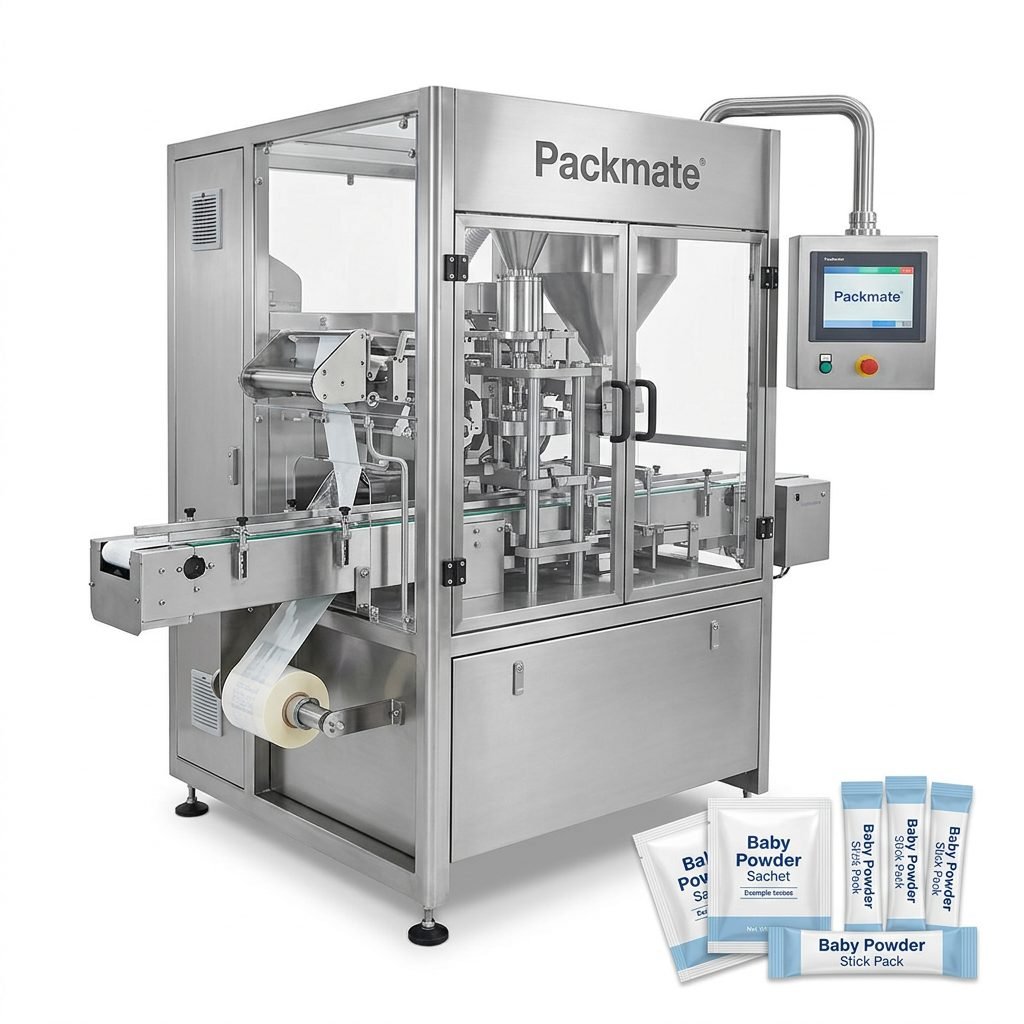
- High-Volume Throughput: Machines like multi-lane stick packers can operate 24/7, meeting massive production demands that are impossible with manual labor.
- Packaging Integrity: Consistent heat sealing and sealing inspection guarantee product freshness and prevent leaks or spoilage.
Components of a Turnkey Automated Packaging Line
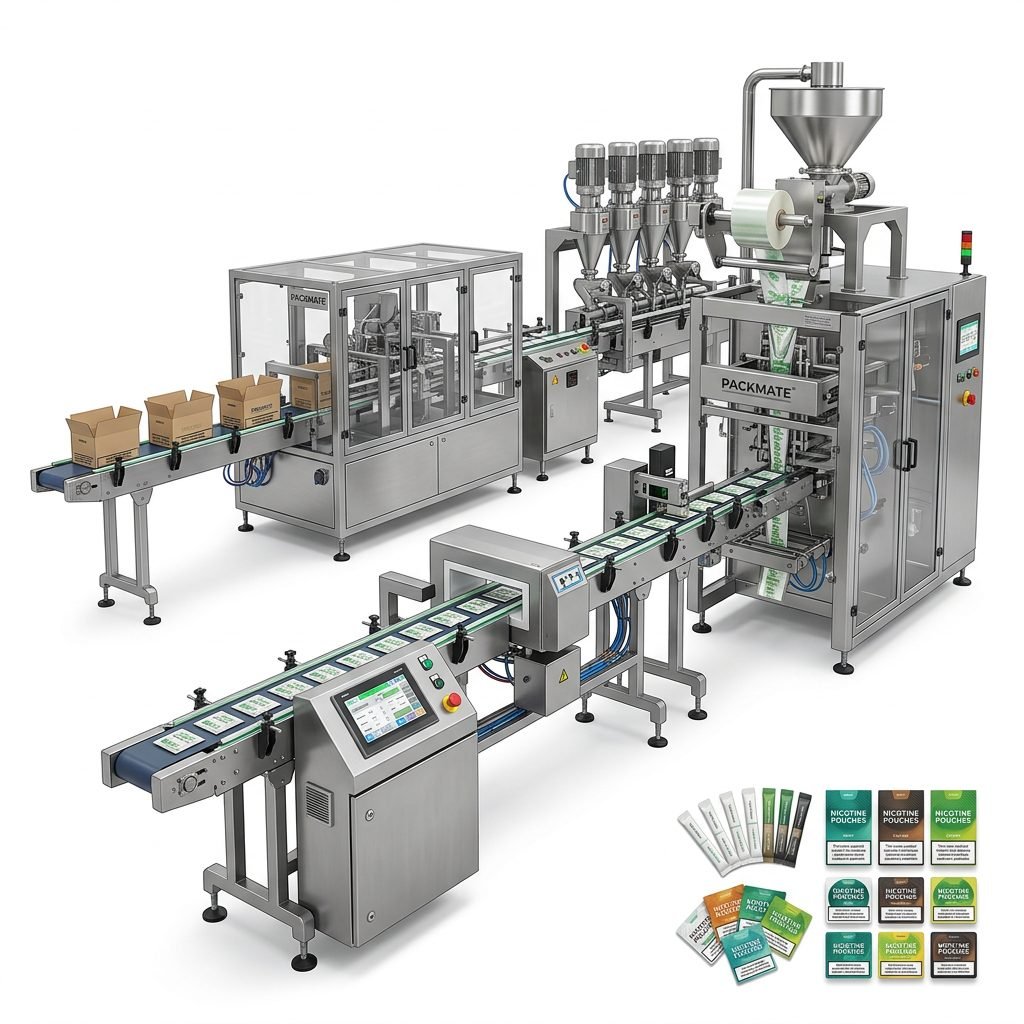
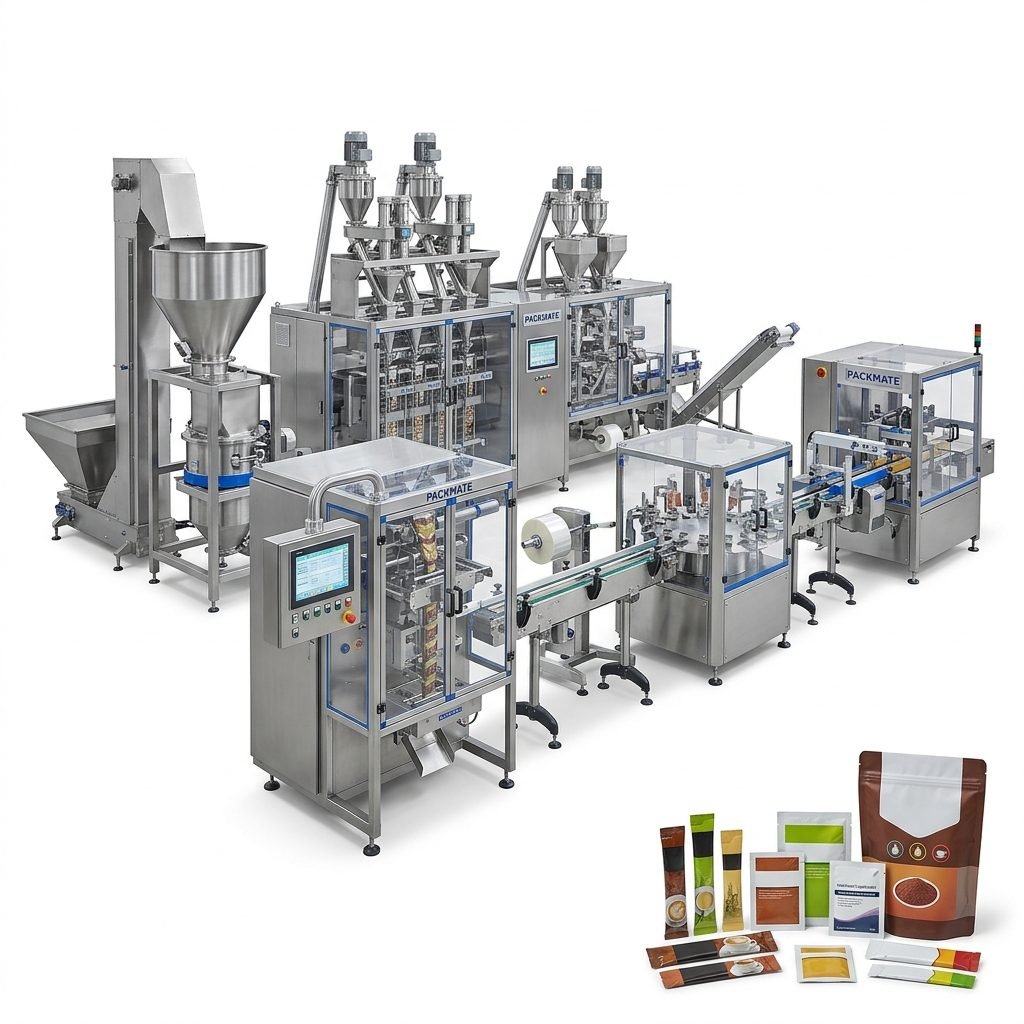
A complete solution is more than a single machine; it’s a symphony of synchronized components. Leading providers like Packmate (GuangDong) Co., Ltd. design these lines from the ground up, ensuring compatibility and peak performance.
1. Primary Packaging: Filling and Sealing
This is the heart of the line, where the product is first contained. Options vary by product form:
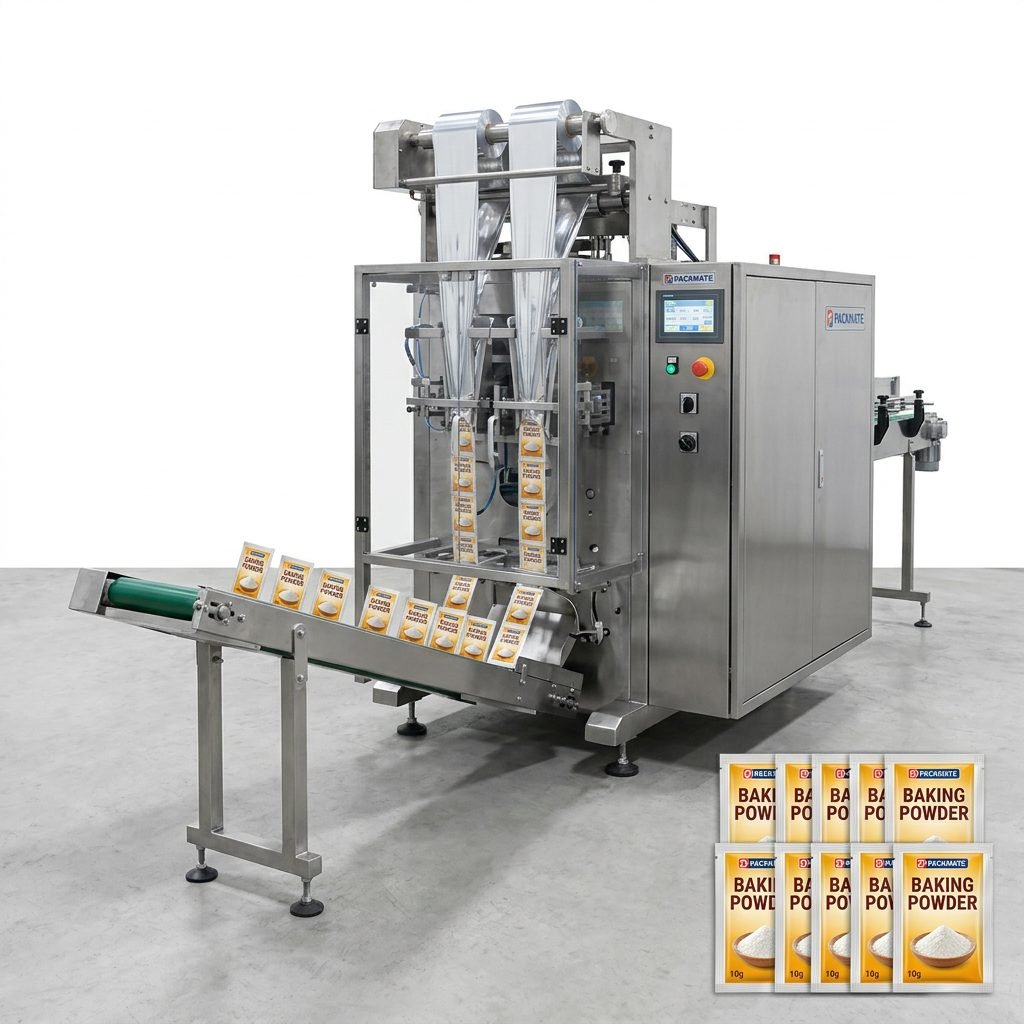
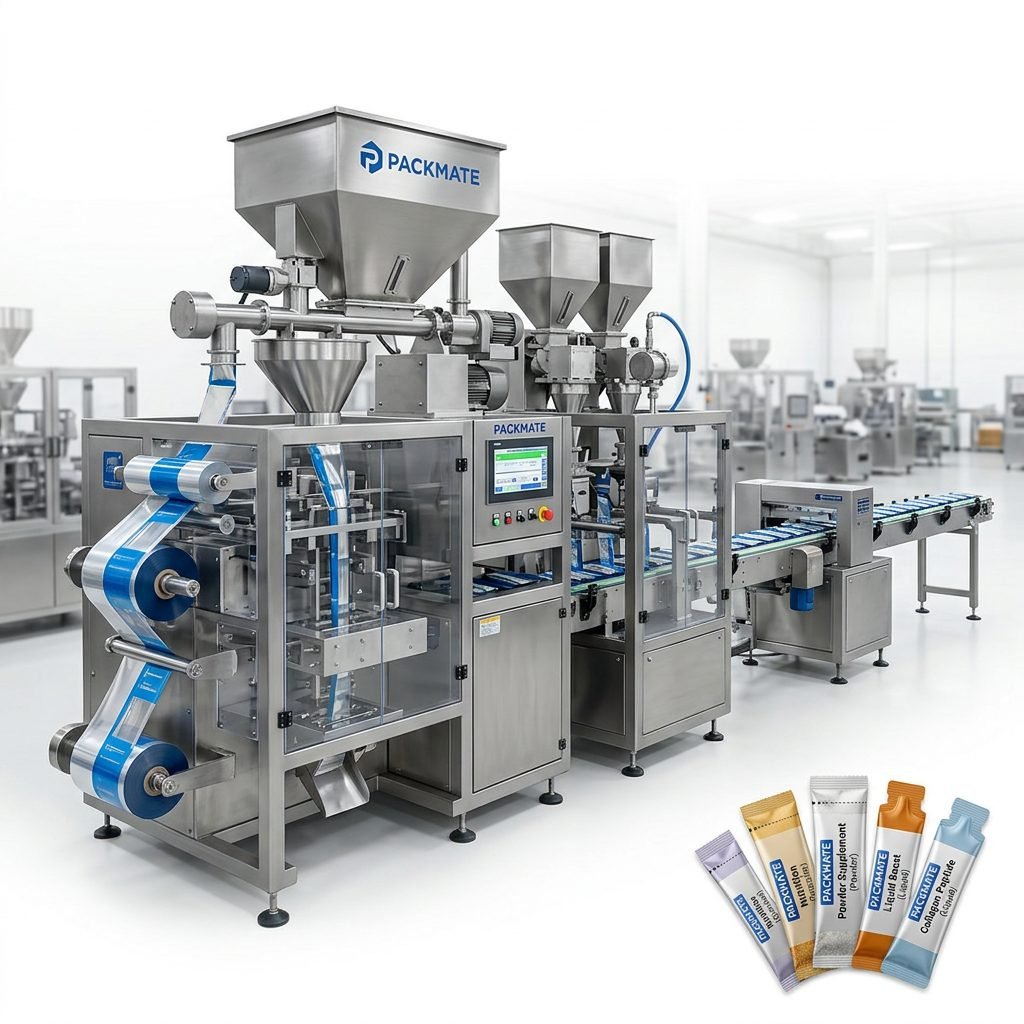
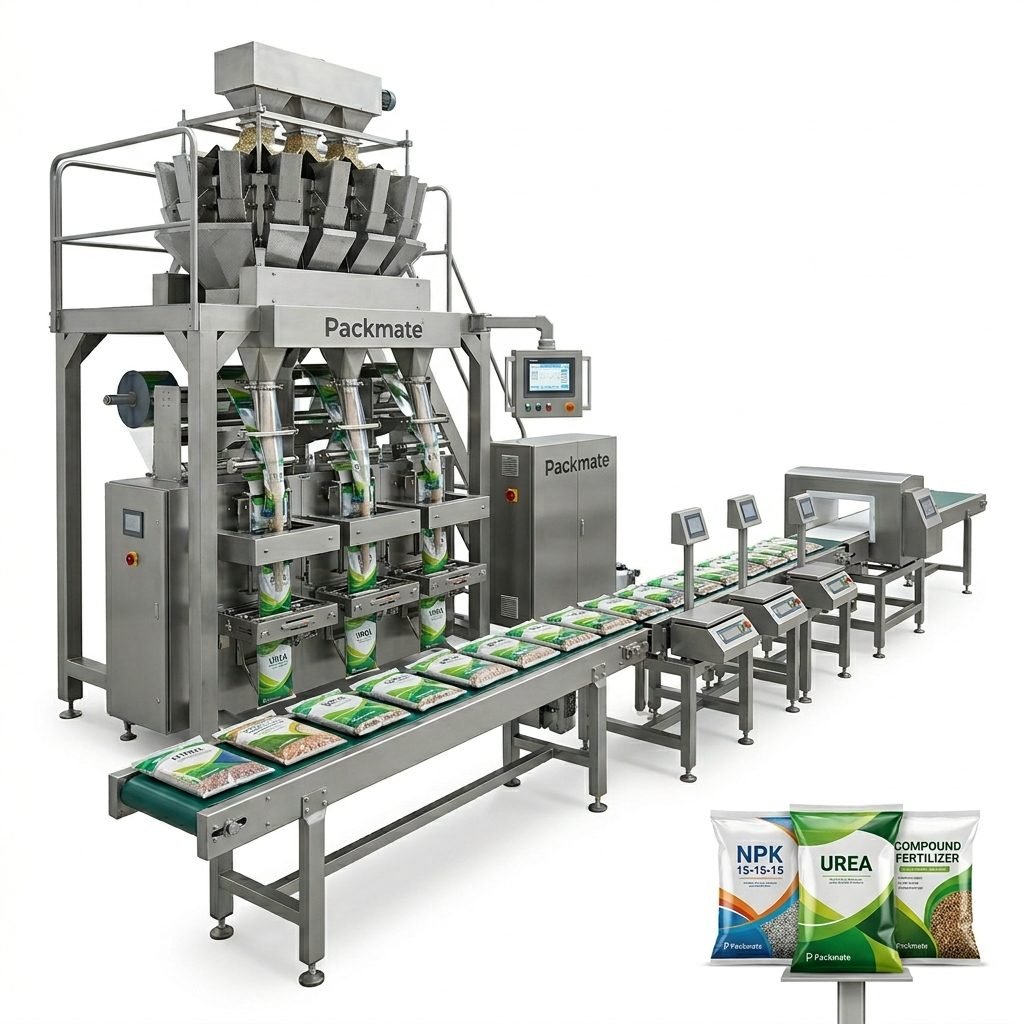
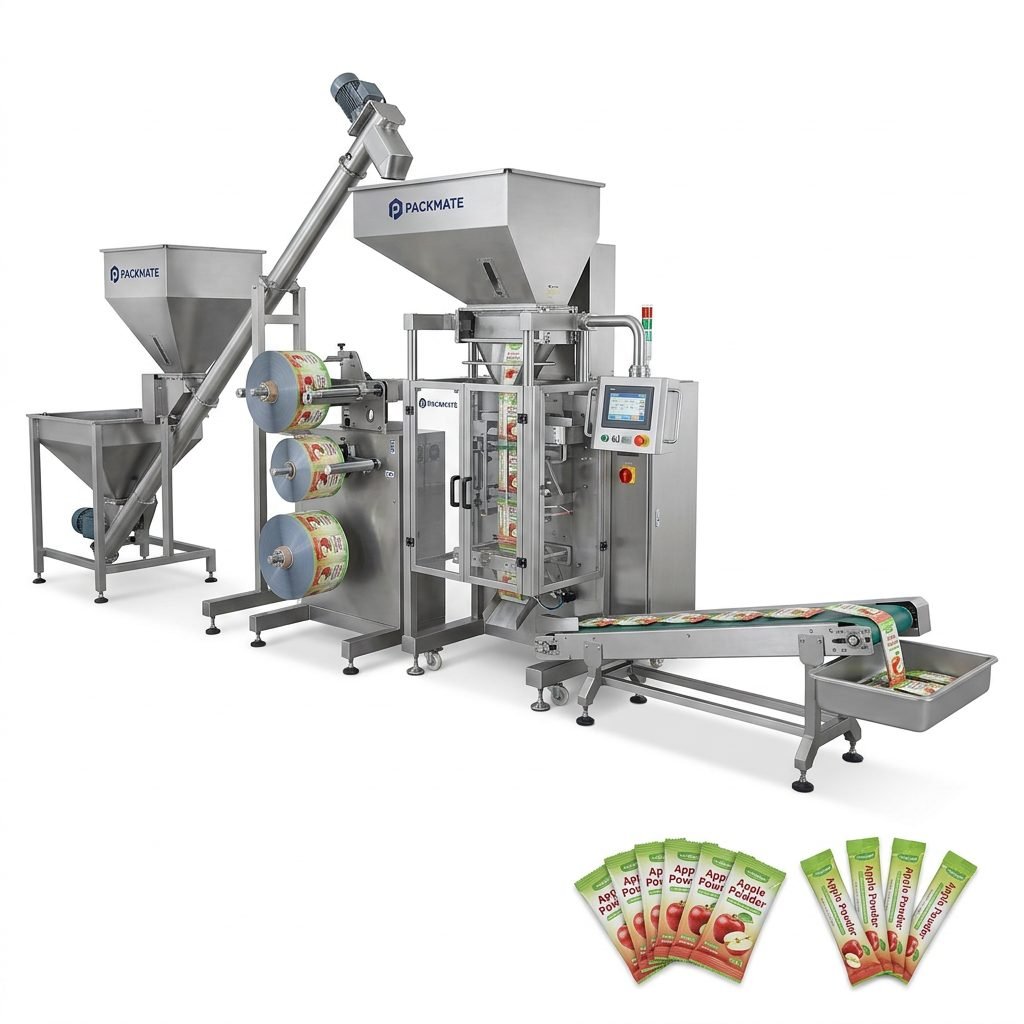
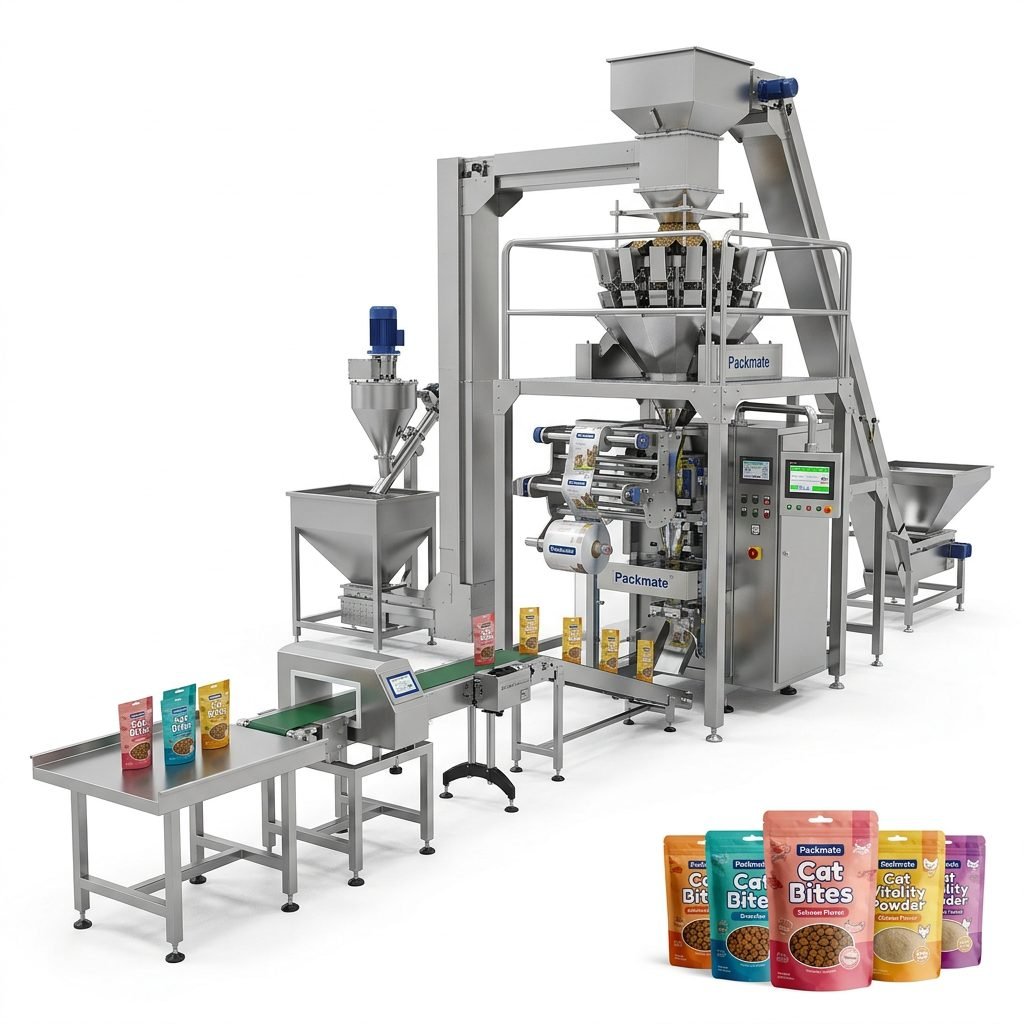
➤ For Powders & Granules: Vertical form-fill-seal (VFFS) machines create pouches from a roll of film, precisely dose the product, and seal it. Multi-lane configurations exponentially increase output for items like instant coffee, protein powders, or pharmaceutical granules.
➤ For Liquids & Pastes: Liquid filling machines, often using piston or pump fillers, handle everything from sauces and oils to syrups and creams with exceptional accuracy, paired with robust sealing to prevent leakage.
2. Secondary Packaging: Aggregation and Cartoning
Once primary packs are created, they are collated, counted, and boxed. Cartoners erect boxes, insert the primary packs along with leaflets or desiccants, and close them seamlessly. This stage is vital for creating the retail-ready unit.
3. Tertiary Packaging: Palletizing for Distribution
The final stage involves stacking and wrapping cartons onto pallets for shipping. Automated palletizers arrange layers according to pre-programmed patterns, optimizing stability and load efficiency.
4. The Control Nervous System: PLC & HMI
Every modern line is governed by a Programmable Logic Controller (PLC) and a Human-Machine Interface (HMI) touchscreen. This brain center allows operators to:
- Set and adjust parameters (fill weight, speed, temperature).
- Monitor real-time production data and efficiency (OEE).
- Diagnose faults quickly with intuitive error messages.
- Switch between product recipes with a single command, enabling flexible, low-downtime production runs.
Tailored Solutions for Each Industry Segment
Food Production Lines
Automation in food packaging prioritizes speed, hygiene, and preservation. Lines are often constructed with easy-clean, stainless-steel surfaces and may include nitrogen flushing systems to extend shelf life by displacing oxygen inside the package. From snack sticks to soup sachets, automation ensures brand consistency and safety on a massive scale. You can explore specific applications in our detailed project case studies.
Pharmaceutical & Health Product Lines
Here, the stakes for accuracy and compliance are at their highest. Packaging lines must be designed to meet cGMP (current Good Manufacturing Practice) standards. Features often include:
- Clean-in-Place (CIP) / Sterilize-in-Place (SIP) systems for aseptic processing.
- In-line checkweighers and metal detectors for 100% inspection.
- Serialization and aggregation software for track-and-trace mandates (e.g., DSCSA, EU FMD).
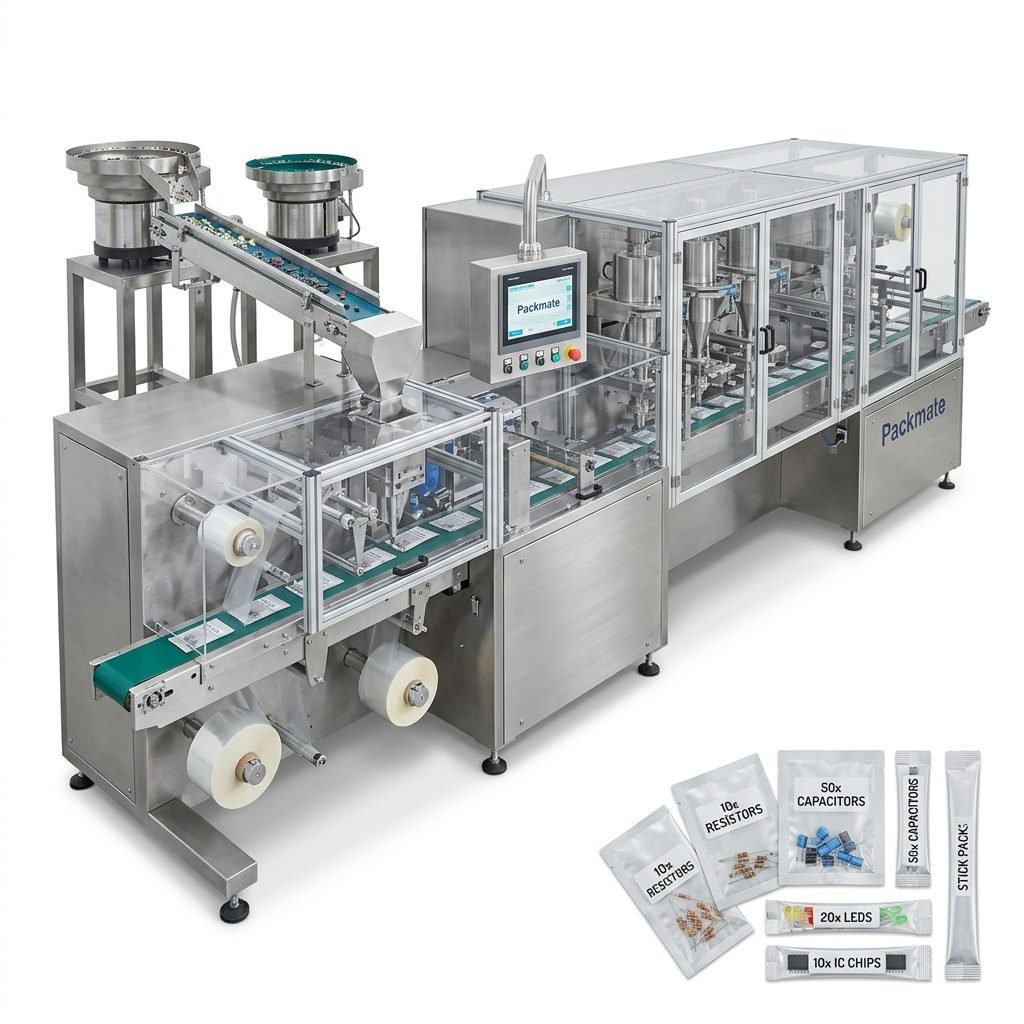
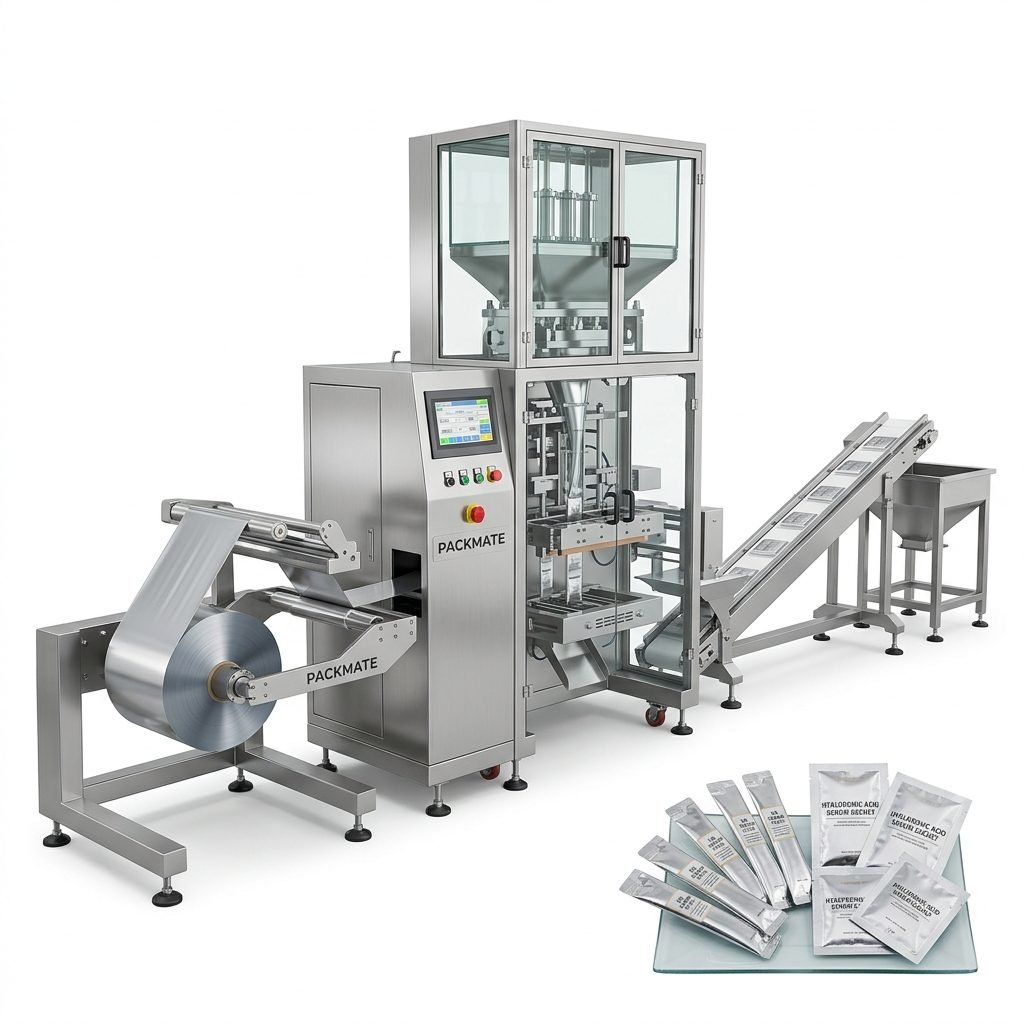
Whether packaging vitamin capsules into blister packs or powdered supplements into stick packs, the system guarantees patient safety and regulatory adherence. The expertise behind such solutions is built on a foundation of experience, as detailed in our Company Profile.
Benefits Beyond Productivity: The Strategic ROI
Investing in an automated packaging line delivers a compelling return on investment that extends far beyond labor savings.
Tangible & Intangible Gains:
✅ Significant Reduction in Operational Costs: Lower labor dependency, minimized product giveaway through precise filling, and reduced material waste from consistent sealing.
✅ Uncompromised Quality & Brand Protection: Every unit meets the same high standard, protecting your brand reputation from costly recalls or consumer complaints.
✅ Enhanced Workplace Safety: Automating repetitive and potentially hazardous tasks reduces ergonomic injuries and improves overall plant safety.
✅ Scalability & Future-Proofing: A well-designed modular line can be upgraded or reconfigured to accommodate new products, formats, or higher speeds as your business grows.
✅ Data-Driven Decision Making: The wealth of production data generated allows for continuous process optimization and predictive maintenance scheduling.
Implementing Your Solution: A Partnership Approach
Success hinges on choosing the right partner. A true provider offers a turnkey solution—from initial consultation and factory layout planning to machine fabrication, installation, training, and ongoing technical support. Look for a partner with proven industry experience, a robust portfolio, and the engineering capability to customize, not just sell standard machines. A visit to their facility or exhibition booth can provide invaluable insight into their capabilities and build confidence.
Ultimately, automated industrial packaging is not merely an equipment purchase; it is a strategic investment in your operation’s resilience, quality, and growth potential. By embracing these sophisticated solutions, producers in the food, pharmaceutical, and health sectors can secure a formidable competitive advantage in today’s demanding global marketplace.
Frequently Asked Questions (FAQs)
1. What is the typical lead time for a complete automated packaging line?
Lead times vary significantly based on complexity, customization, and current production schedules. A standard line might take 3-6 months from order to delivery, while a highly customized system for a novel application can take longer. A detailed project timeline is always provided during the quotation process.
2. How do you ensure the line meets our specific hygiene standards (e.g., food-grade, pharmaceutical cGMP)?
Reputable manufacturers design lines with the required standards as a baseline. This includes specifying appropriate materials (e.g., 304 or 316L stainless steel), designing for cleanability with minimal crevices, and offering validated cleaning protocols. Documentation and material certifications are provided to support your compliance efforts.
3. Can the packaging line handle multiple different products or package sizes?
Yes, most modern lines are built for flexibility. Quick-change parts (like forming tubes, filling nozzles, and carton tooling) and recipe management in the PLC allow for efficient changeovers between different products, formats, or sizes, minimizing downtime and maximizing line utility.
4. What kind of training and after-sales support is provided?
Comprehensive training for your operators, technicians, and maintenance staff is a critical part of the installation and commissioning process. This covers operation, routine maintenance, troubleshooting, and safety. Ongoing support typically includes remote assistance, a warranty period, and access to spare parts. For more details, please visit our dedicated FAQs page.
5. How is the integration with our existing production equipment or ERP/MES software managed?
Experienced suppliers will discuss integration requirements during the planning phase. Packaging lines can be equipped with standard communication protocols (like OPC UA, Modbus TCP) to exchange data with upstream equipment (e.g., mixers) or factory-level software systems for seamless production tracking and order management.