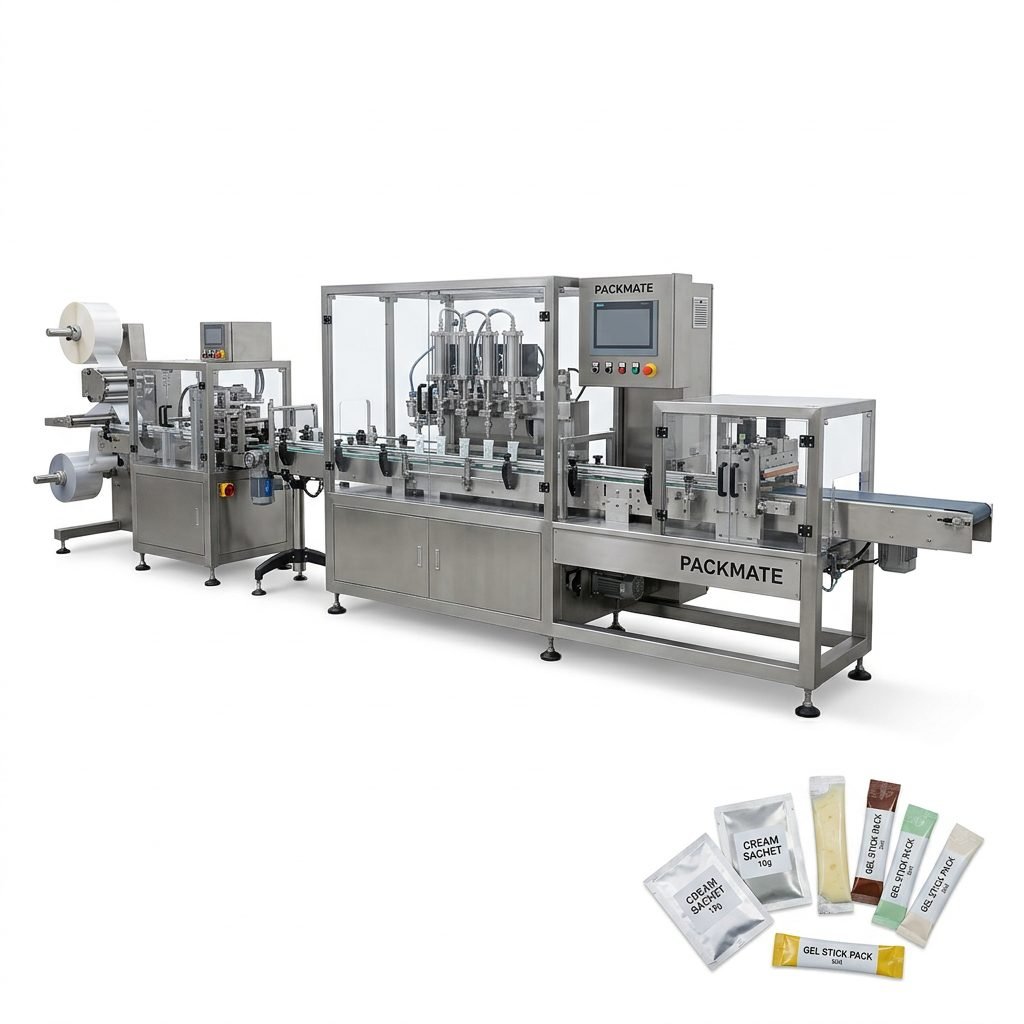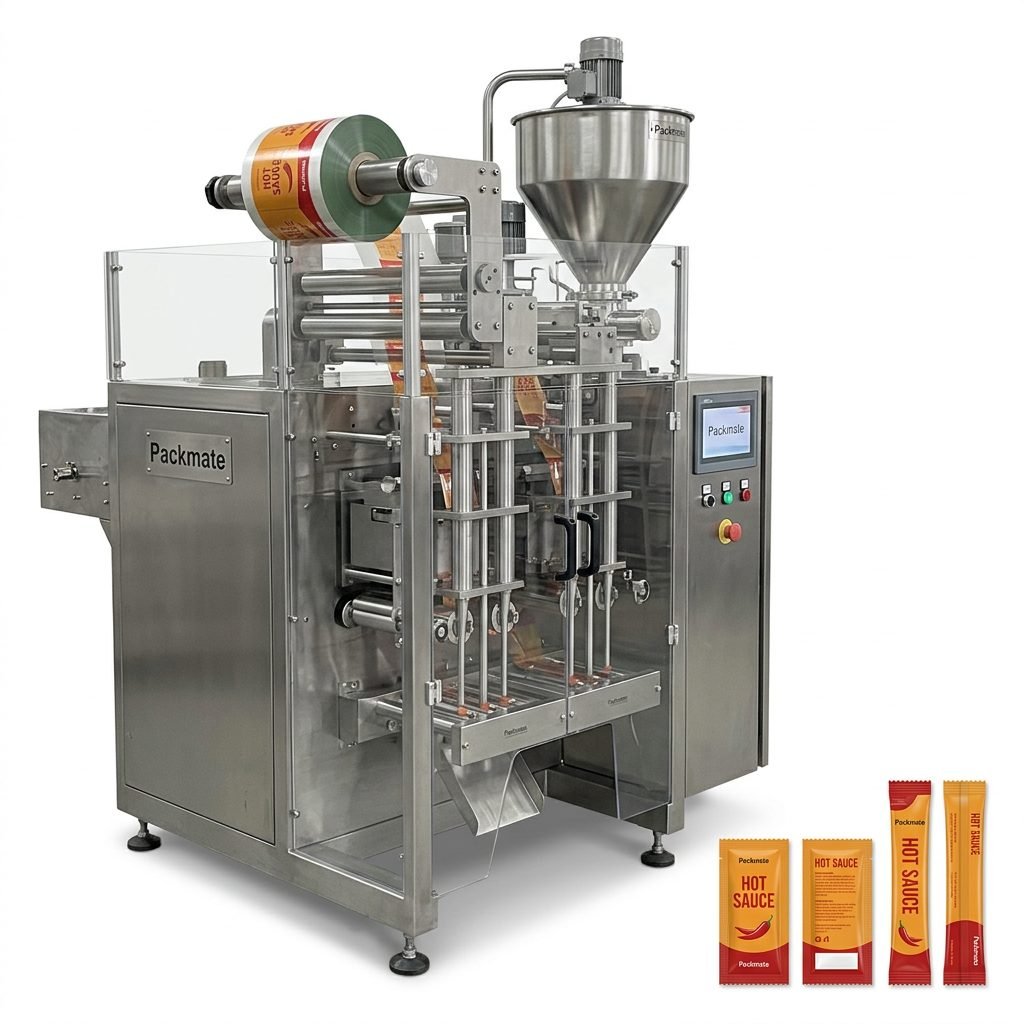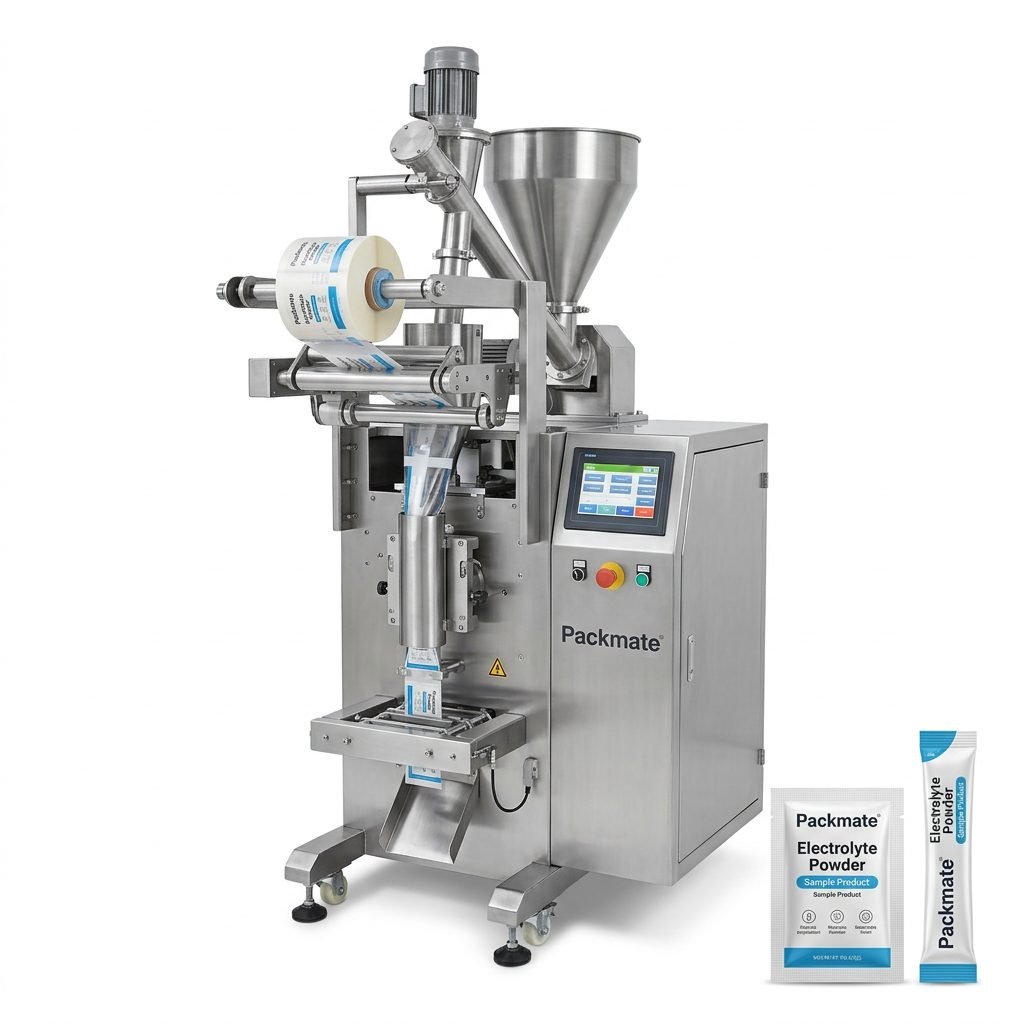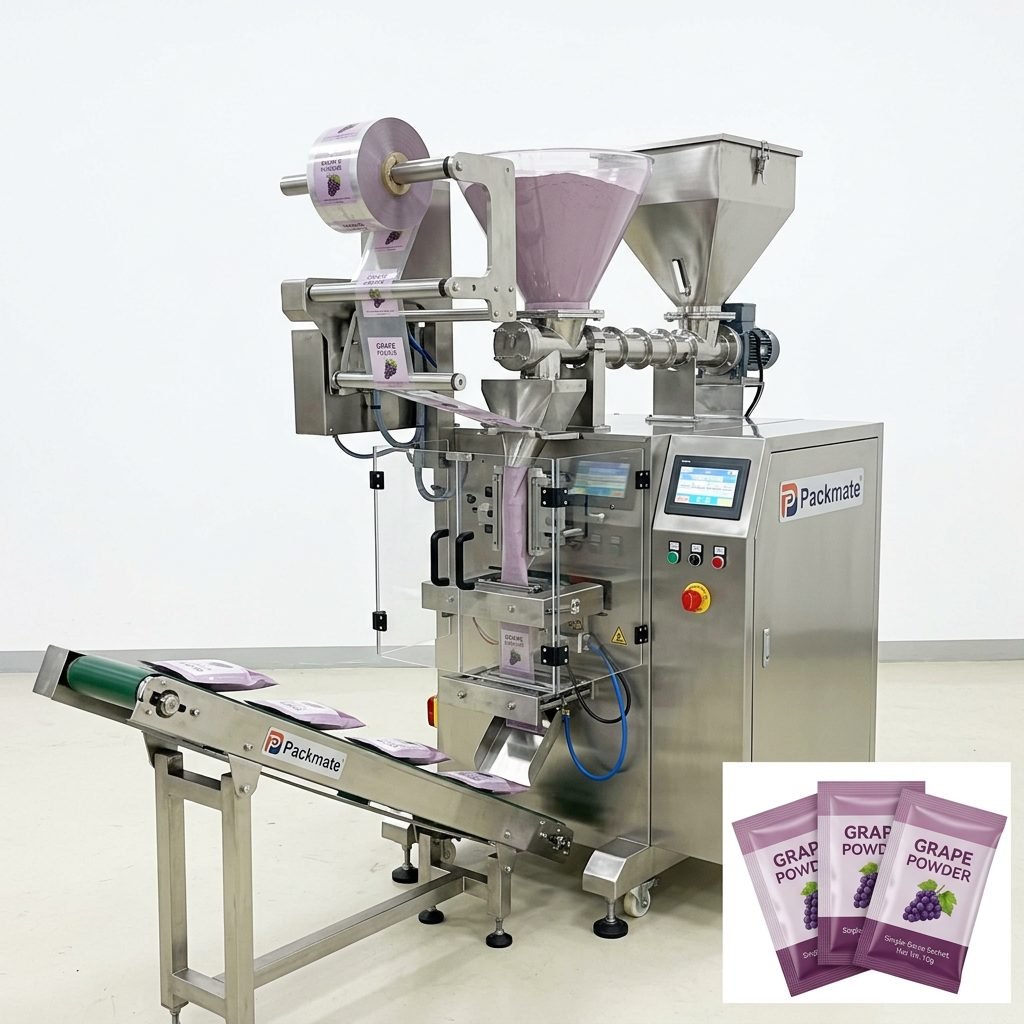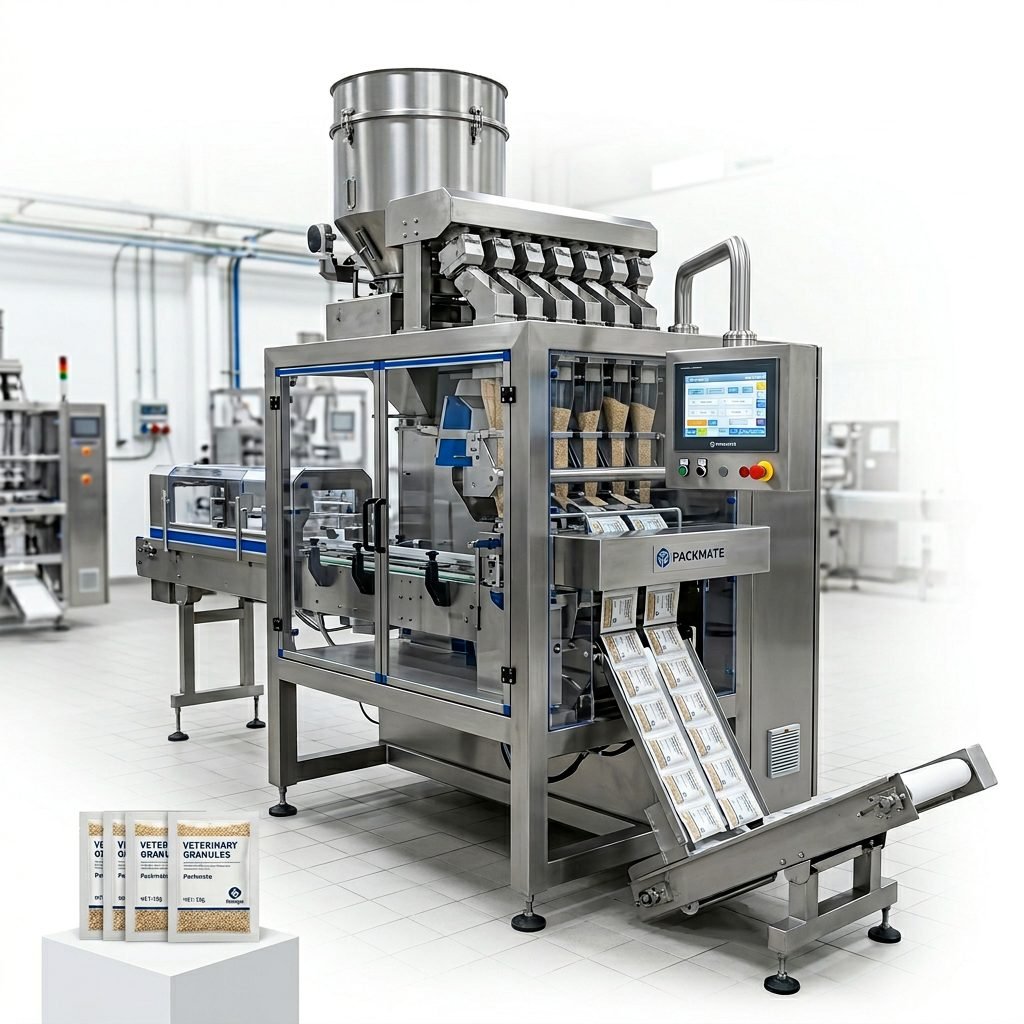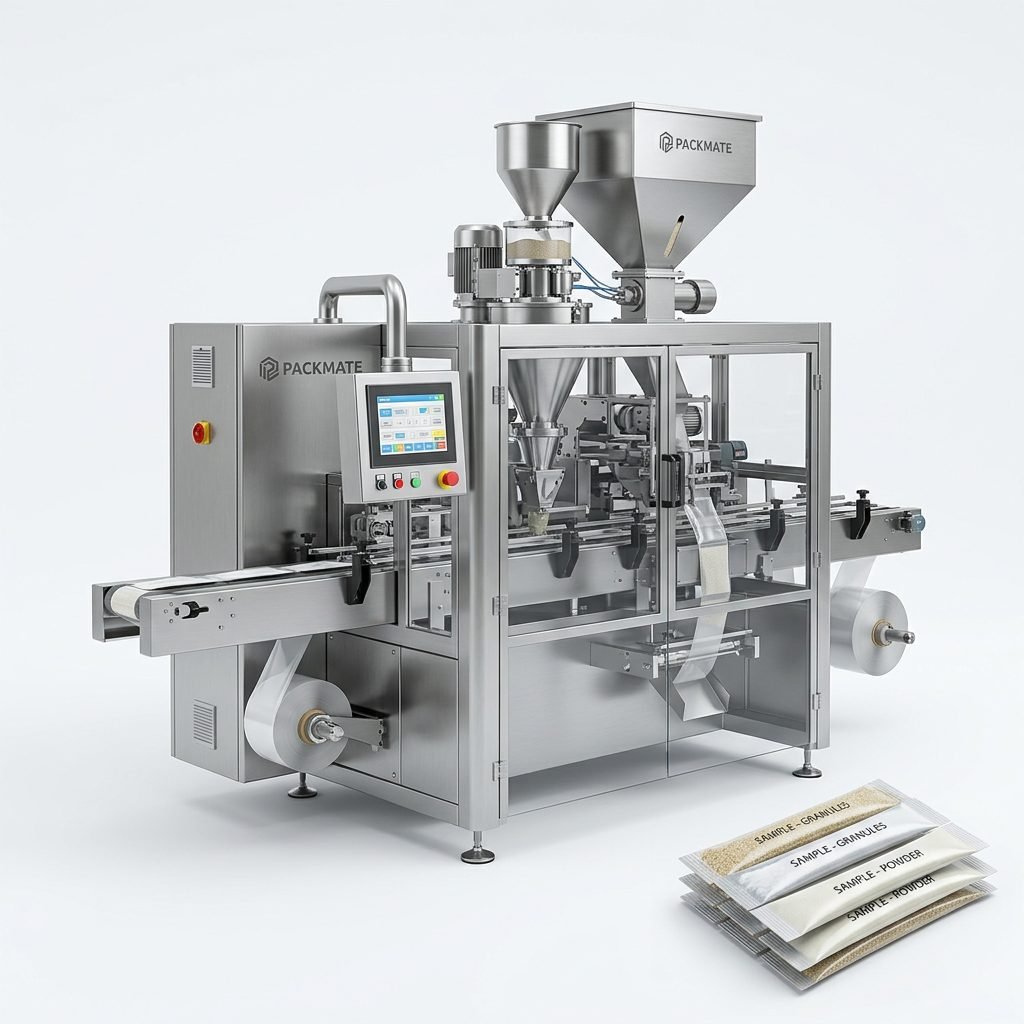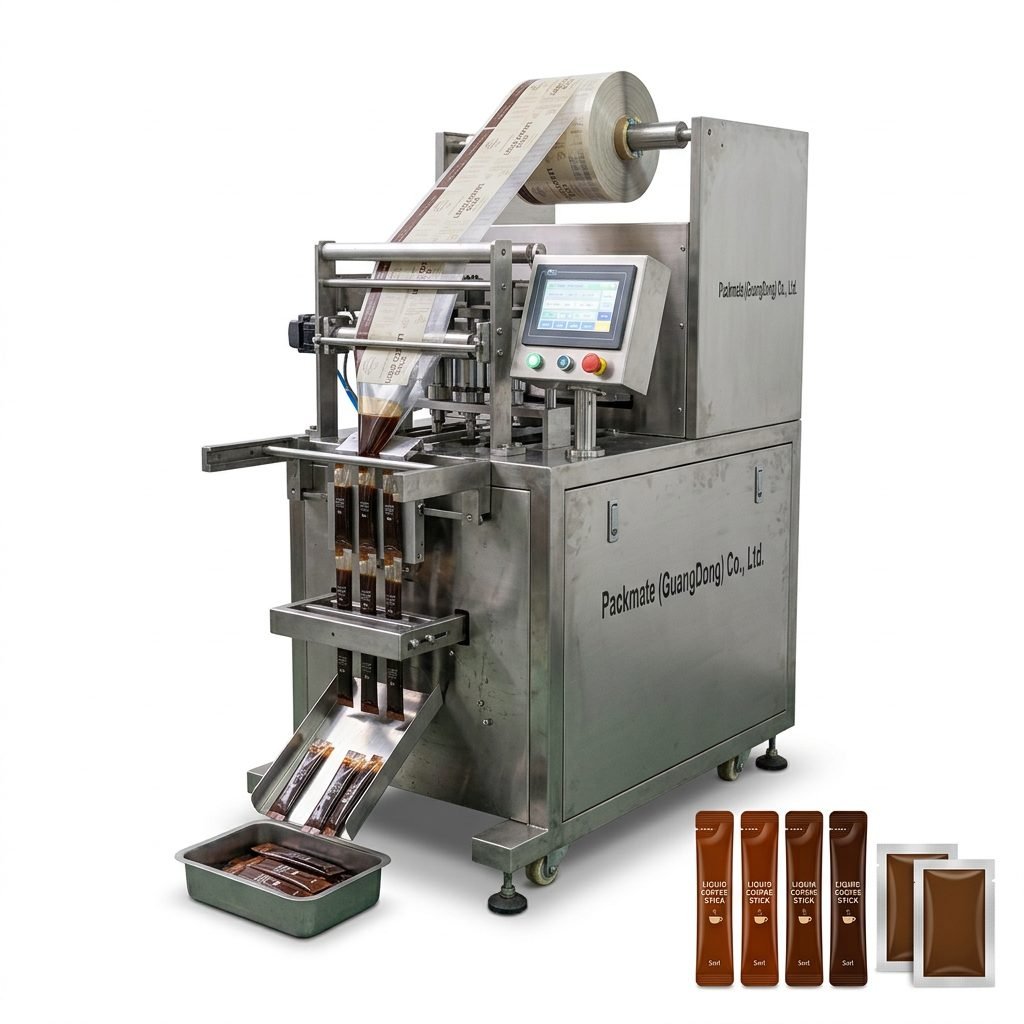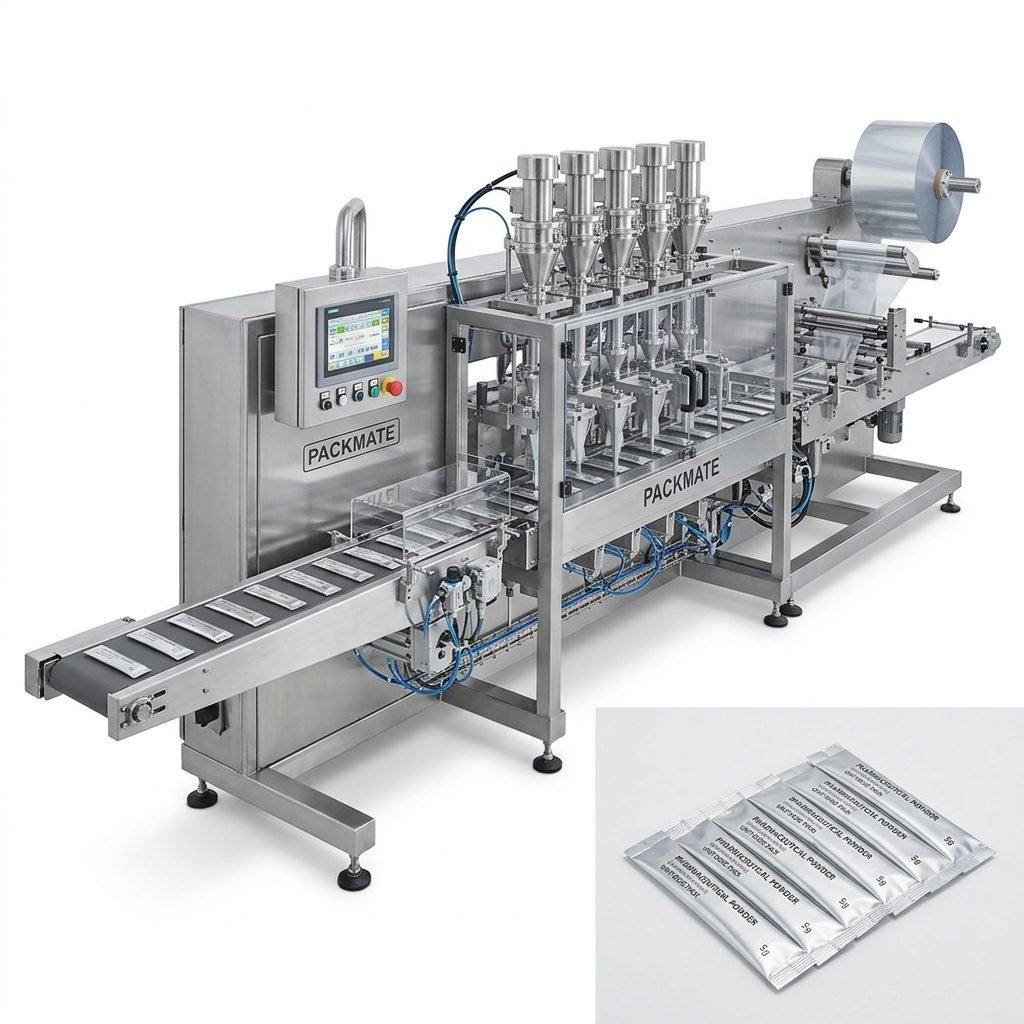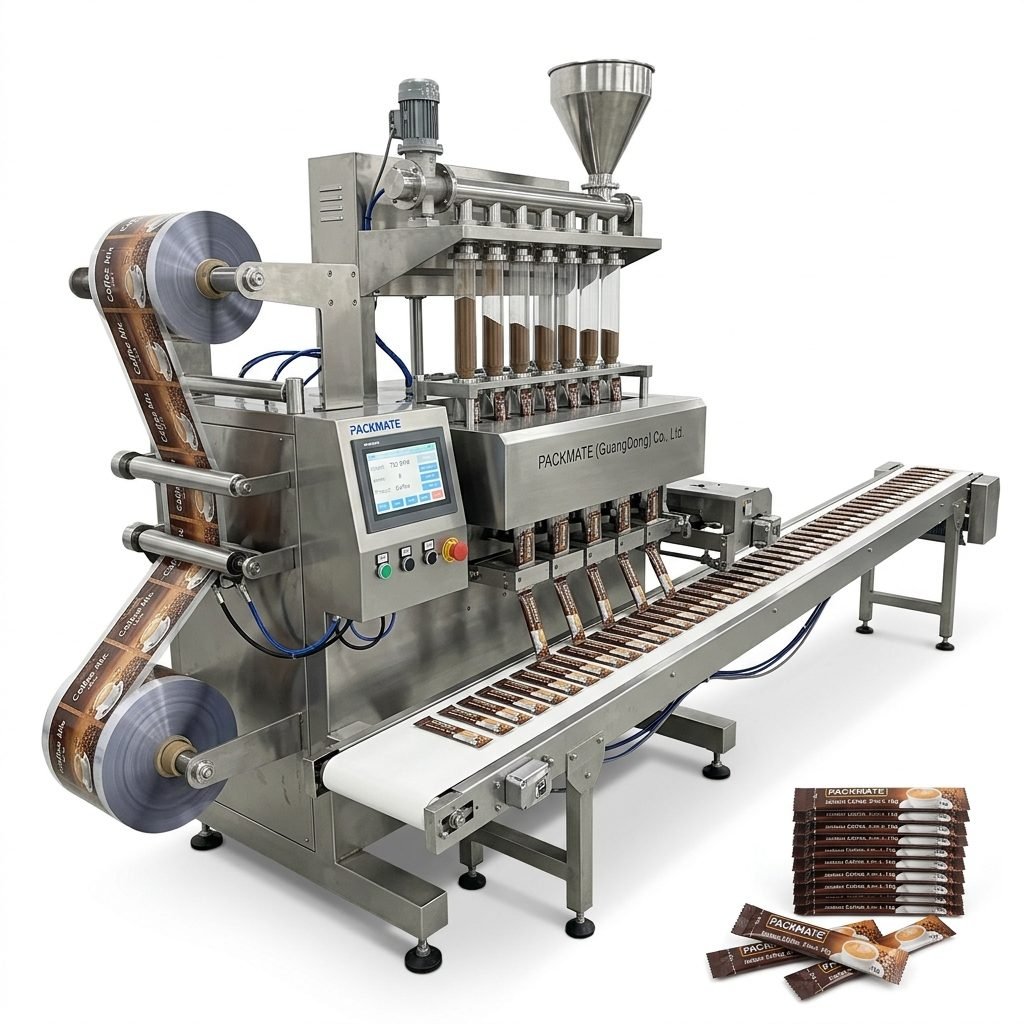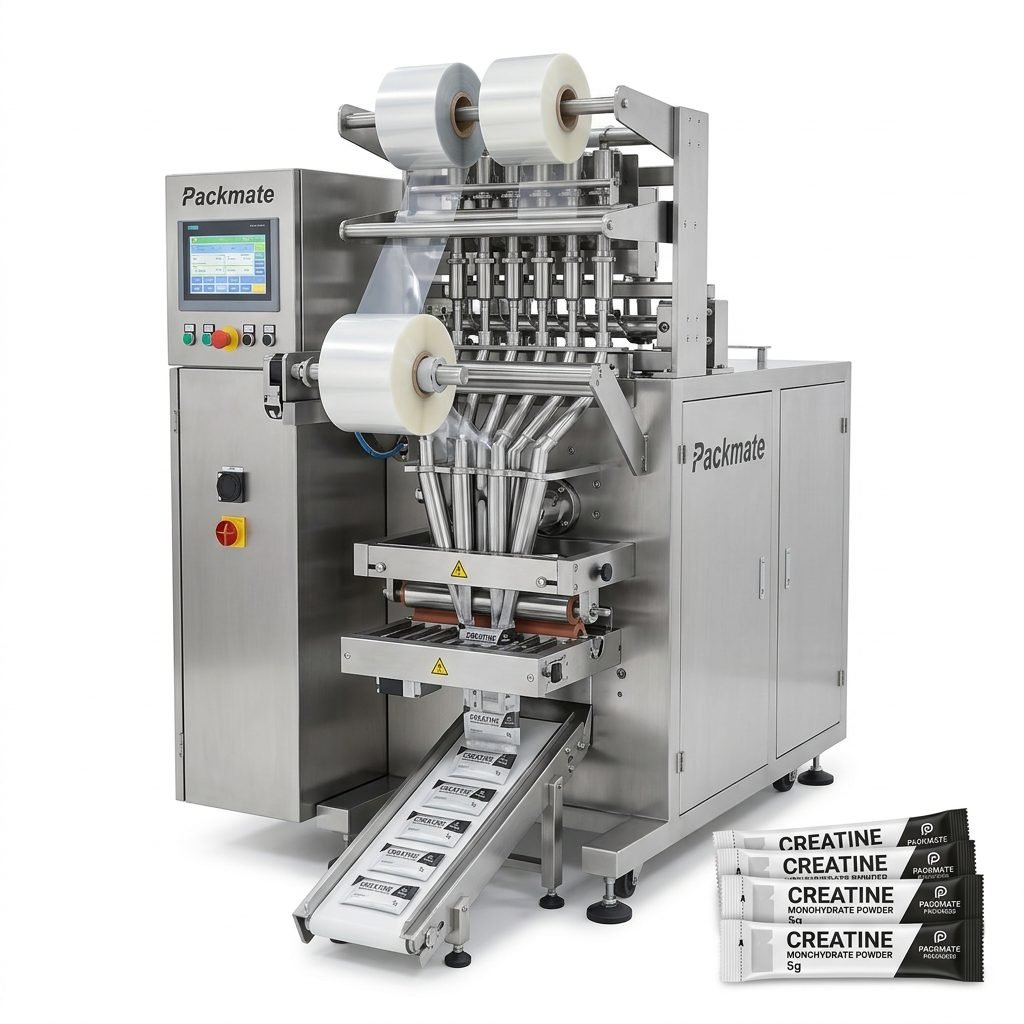
In the fast-paced, highly regulated worlds of food and pharmaceutical manufacturing, precision is not merely an advantage—it is an absolute necessity. Every gram, every milligram, must be accounted for to ensure product safety, regulatory compliance, and consumer trust. This is where a High Accuracy Weighing System becomes the critical heartbeat of your packaging operation. It transcends being just a component; it is the foundation for achieving consistent fill weights, minimizing giveaway, and safeguarding your brand’s reputation against costly recalls and waste.
The Critical Role of Precision in Modern Packaging
Modern consumers and regulatory bodies demand unwavering consistency. A variance of even a few milligrams in a pharmaceutical sachet or a food seasoning pack can have significant consequences. For pharmaceuticals, it directly impacts dosage efficacy and patient safety, making compliance with stringent standards like GMP (Good Manufacturing Practice) non-negotiable. In the food industry, inaccurate filling leads to product giveaway—essentially giving away your profit—or underfilling, which can result in customer complaints and regulatory penalties.
Key Insight: The cost of inaccuracy extends far beyond the value of the lost product. It encompasses potential regulatory fines, brand damage, production line downtime for recalibration, and lost customer loyalty. Investing in high-accuracy weighing is an investment in risk mitigation and long-term profitability.
Therefore, integrating a robust, high-accuracy weighing system is the first and most crucial step in building a reliable and compliant packaging line. It sets the standard for the entire production process.
Beyond the Scale: Components of a Superior Weighing System
A truly effective high-accuracy weighing solution is a symphony of integrated components, not just a standalone scale. It typically includes:
- Precision Load Cells: The core sensors that convert force into an electrical signal with minimal drift and high repeatability.
- Advanced Controller & Software: The “brain” that processes weight data, manages fill cycles, makes real-time adjustments, and interfaces with the broader line control system.
- High-Speed Feeders: These include bulk and fine dribble feeders that work in tandem to achieve rapid initial fill and a precise, controlled finish.
- Stable Mechanical Structure: A vibration-dampened, rigid frame that isolates the weighing platform from external line vibrations, ensuring measurement integrity.
- Rejection Mechanism: An automated system to remove under or over-weight packages from the production stream without halting the line.
When these elements are engineered to work in perfect harmony, the result is a system capable of maintaining accuracies within ±0.1% or better, even at high speeds. To see how these systems integrate into complete workflows, explore our detailed packaging solutions.
The Turnkey Advantage: From Concept to Operational Line
Selecting individual machines and hoping they work together is a high-risk strategy for mission-critical packaging. This is where the concept of a Complete Turnkey Solution delivers unparalleled value. A turnkey provider, like Packmate, assumes full responsibility for the entire project lifecycle.
The Turnkey Implementation Journey:
- Consultation & Design: Experts analyze your product characteristics, target output, and facility constraints to design an optimal line layout.
- Engineering & Manufacturing: All components, from the weighing system to conveyors and baggers, are precision-engineered and built to work as one unified system.
- Factory Acceptance Testing (FAT): The complete line is assembled and tested at the manufacturer’s facility, allowing you to verify performance before installation.
- Installation & Commissioning: A dedicated team installs the line in your plant, calibrates all systems, and conducts rigorous Site Acceptance Testing (SAT).
- Training & Handover: Comprehensive operator and maintenance training ensures your team can run and maintain the line efficiently from day one.
- Ongoing Support: Access to spare parts, remote diagnostics, and technical support guarantees long-term operational success.
This holistic approach eliminates interface headaches, reduces time-to-market, and provides a single point of accountability for performance. The success of this methodology is evident in our global project case studies.
Tailoring Solutions for Food & Pharma: Two Industries, One Standard of Excellence
While both sectors demand high accuracy, their operational environments and requirements differ significantly. A superior turnkey provider customizes the solution accordingly.
Pharmaceutical & Nutraceutical Packaging
Here, the emphasis is on absolute hygiene, traceability, and validation. Weighing systems for pharma often feature:
- Stainless steel (SS304/SS316) construction with polished, crevice-free surfaces for easy cleaning and sterilization.
- Compliance with GAMP 5 guidelines for automated system validation.
- Integration with data management systems for complete batch record-keeping and audit trails.
- Controlled environments (potential integration with isolators or RABS) to prevent cross-contamination.
Food & Beverage Packaging
Speed, versatility, and handling of diverse product types are key. Solutions for food focus on:
- Robust designs that handle everything from fine powders and granules to sticky pastes and oily snacks.
- Quick-changeover features to minimize downtime between different product runs.
- Food-grade materials and designs that prevent product entrapment and facilitate wet cleaning.
- High-speed multi-lane configurations to meet large-volume production targets.
Our commitment to meeting these distinct needs is backed by our industry certifications and continuous R&D efforts.
Why Partner with an Experienced Turnkey Provider?
The choice of partner is as critical as the technology itself. With over 22 years of company development and a 20,000㎡ modern manufacturing facility, Packmate embodies the expertise required for such complex projects. Our journey, detailed in our Company Profile, from a specialized workshop to a leading provider of intelligent packaging lines, has been built on solving real-world production challenges.
We bring more than just machines to the table. We bring a deep understanding of process flow, regulatory landscapes, and total cost of ownership. Our team of 125+ professional members ensures that every project benefits from cross-disciplinary knowledge in mechanical engineering, software development, and process optimization. This experience allows us to foresee potential issues during the design phase and engineer them out, delivering a line that is not only accurate but also reliable and easy to maintain.
Frequently Asked Questions (FAQs)
1. What level of weighing accuracy can I realistically expect for my food product?
For most food applications (e.g., granules, powders), a well-engineered turnkey system can consistently achieve accuracies within ±0.1% to ±0.5% of the target weight, depending on product characteristics and speed. For extremely fine or aerated products, a detailed product test is recommended to determine the optimal solution.
2. How does a turnkey solution for pharmaceuticals ensure GMP compliance?
A reputable provider designs compliance into the system from the ground up. This includes using validated load cells and software, providing full documentation for installation and operational qualification (IQ/OQ), designing for cleanability, and ensuring all materials in contact with the product are suitable for the intended environment. The provider should support you through the validation process.
3. What is the typical timeline from project initiation to a fully operational line?
Timelines vary based on line complexity and customization. A standard multi-lane stick pack line might take 4-6 months from order to commissioning, including design, manufacturing, FAT, shipping, and installation. Highly customized or large-volume bagging lines may require 6-9 months. A detailed project plan is established during the initial consultation phase.
4. Can your weighing system integrate with our existing packaging machinery or ERP system?
Yes, a key advantage of modern, high-accuracy weighing controllers is their communication capability. They can typically integrate via standard industrial protocols (Ethernet/IP, Profinet, Modbus TCP) with upstream feeders and downstream baggers, sealers, and cartoners. Data output for weight, batch numbers, and reject counts can also be fed into most ERP or MES systems for production monitoring.
5. What kind of ongoing support and service can we expect after installation?
A full-service partner offers comprehensive support, including detailed operation and maintenance manuals, on-site training, a readily available inventory of spare parts, remote diagnostic support, and scheduled preventive maintenance visits. This ensures maximum uptime and protects your long-term investment.