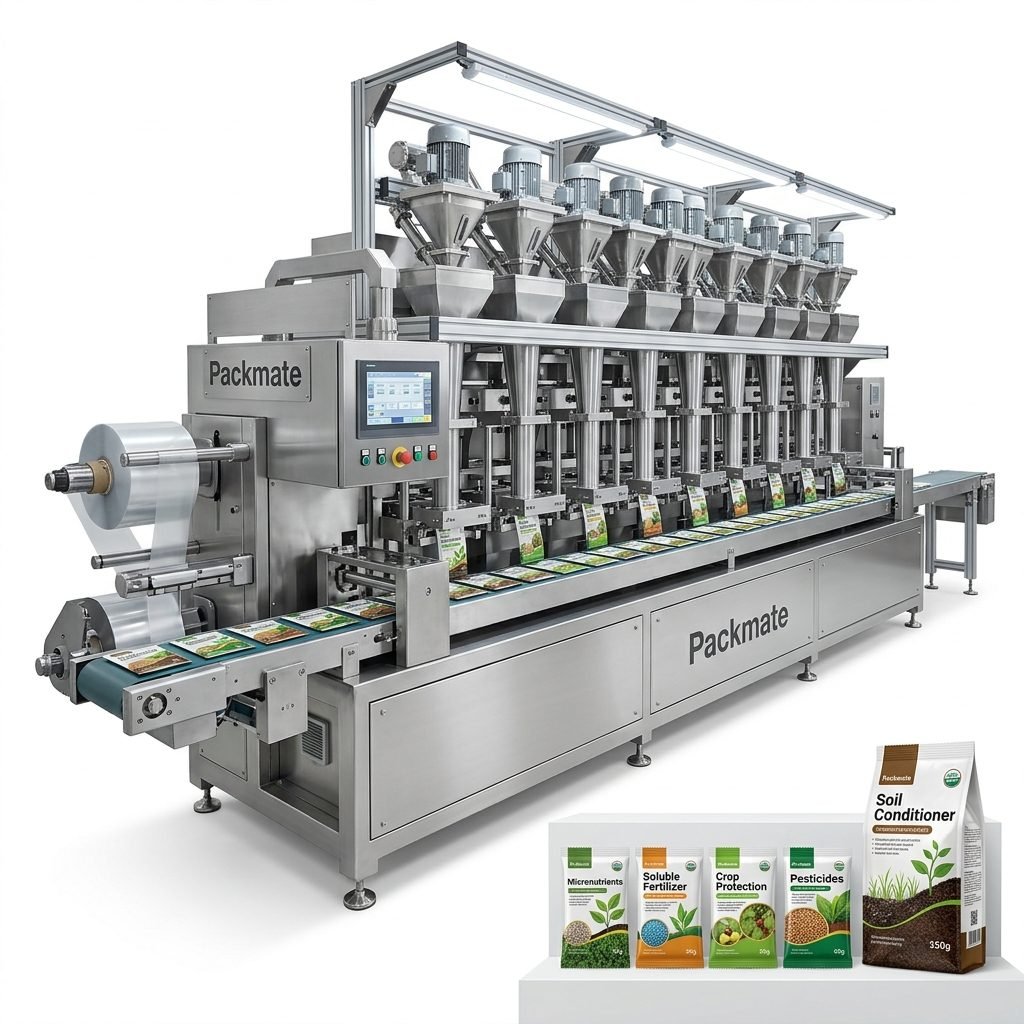
In today’s fast-paced manufacturing landscape, efficiency, hygiene, and reliability are non-negotiable. For factories producing food, pharmaceuticals, and health products, the packaging line is far more than a final step—it’s a critical component of product integrity, brand reputation, and operational profitability. Investing in a turnkey automatic packaging solution is not merely an upgrade; it’s a strategic decision to future-proof your production. These integrated systems handle everything from dosing and filling to sealing, coding, and cartoning, creating a seamless, high-speed workflow with minimal human intervention.
The Core Advantages of Turnkey Automation
Transitioning to a fully automated packaging line delivers transformative benefits. Primarily, it dramatically boosts productivity. Machines operate continuously at consistent speeds, far surpassing manual or semi-automatic processes, and easily scaling to meet surges in demand. Secondly, it ensures unparalleled consistency and accuracy. Every sachet, stick pack, or bottle is filled, sealed, and labeled with precise uniformity, drastically reducing product giveaway and ensuring every unit meets stringent quality specifications.
Critical for regulated industries: In pharmaceuticals and health products, automation is essential for compliance. It minimizes human contact with the product, reducing contamination risks and providing complete, traceable records of the packaging process for audits. This level of control is indispensable for meeting GMP (Good Manufacturing Practice) and other global regulatory standards.
Furthermore, automation leads to significant long-term cost savings. While the initial investment is considerable, the reduction in labor costs, material waste, and production downtime, coupled with higher output, delivers a compelling return on investment. It also enhances workplace safety by taking over repetitive, strenuous, or potentially hazardous tasks.
Tailored Solutions for Diverse Product Forms
A one-size-fits-all approach doesn’t work in packaging. Modern turnkey lines are engineered for specific product characteristics:
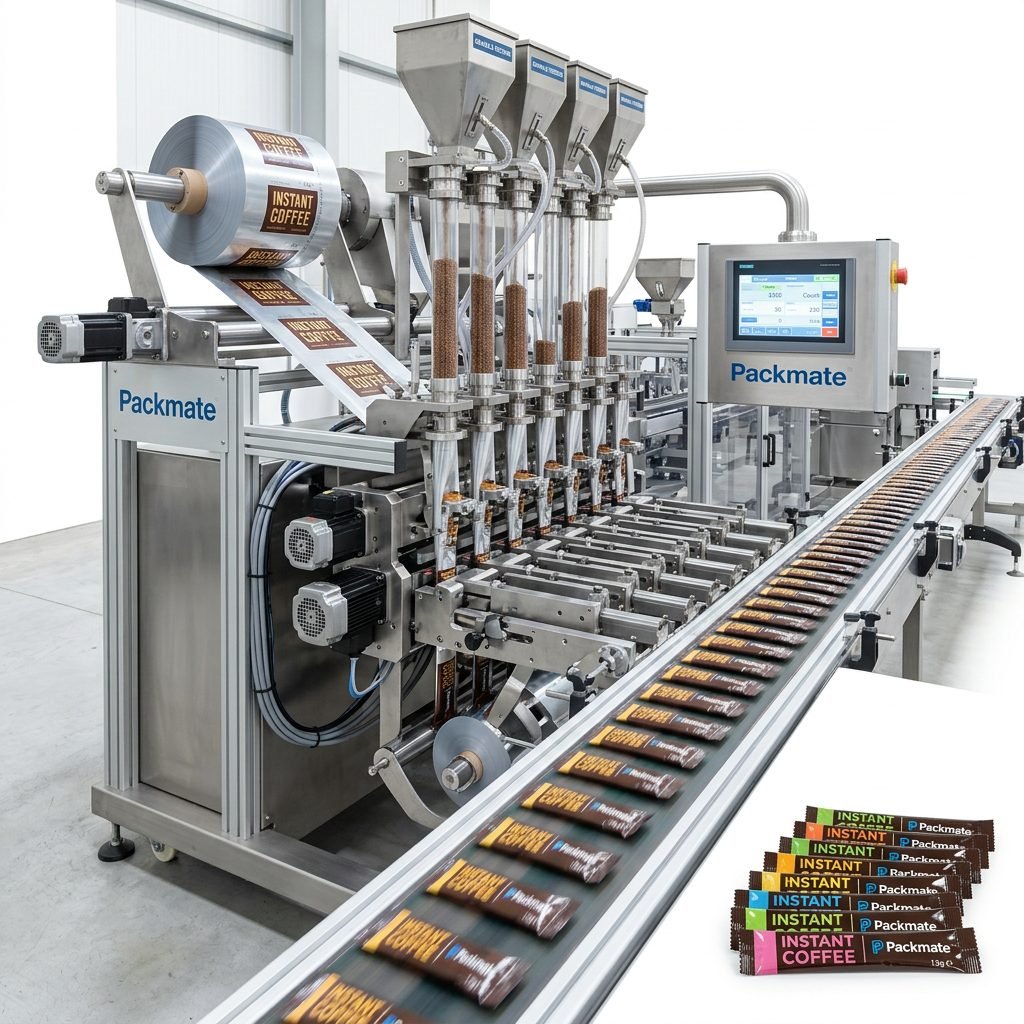
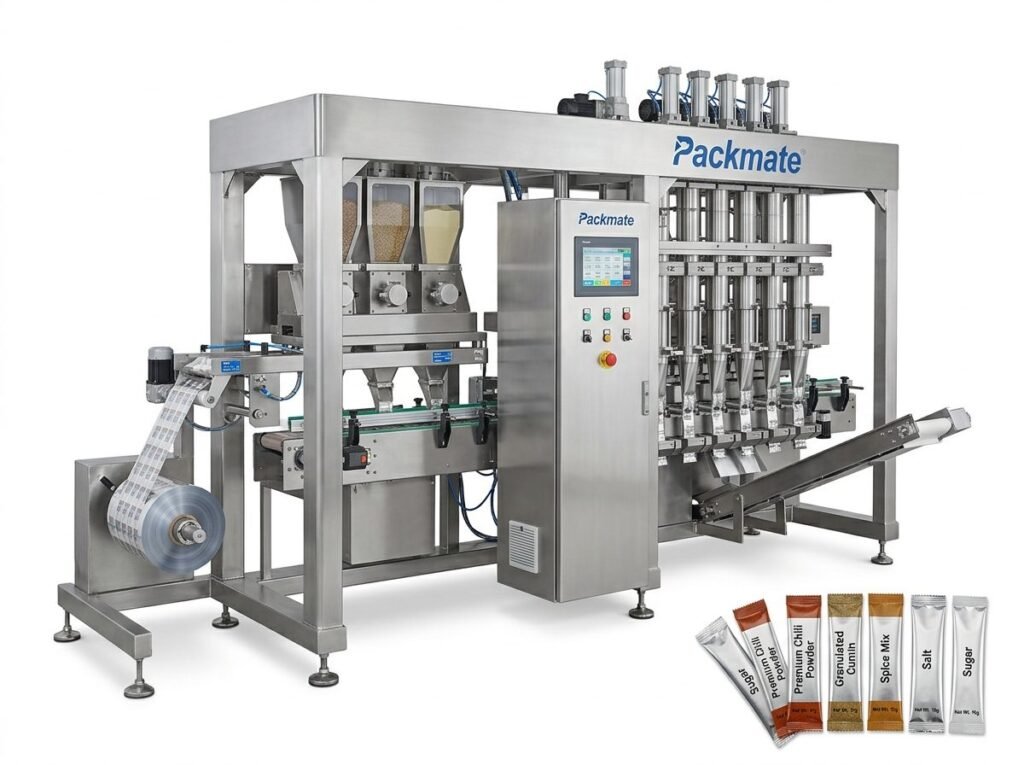
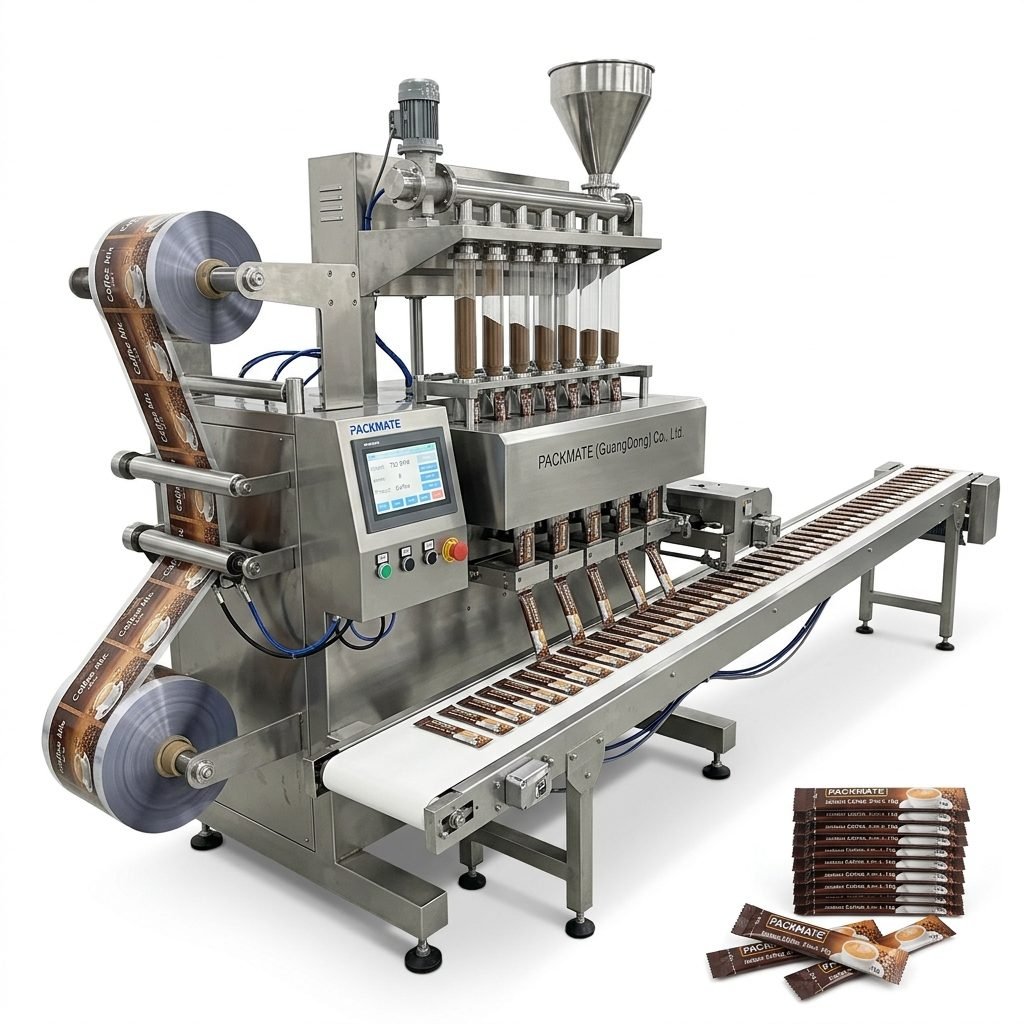
- Granules & Powders: (e.g., instant coffee, protein powder, spices). Lines feature precision auger or cup fillers, dust extraction systems, and often include dehumidification modules to prevent clumping and ensure perfect dosing.
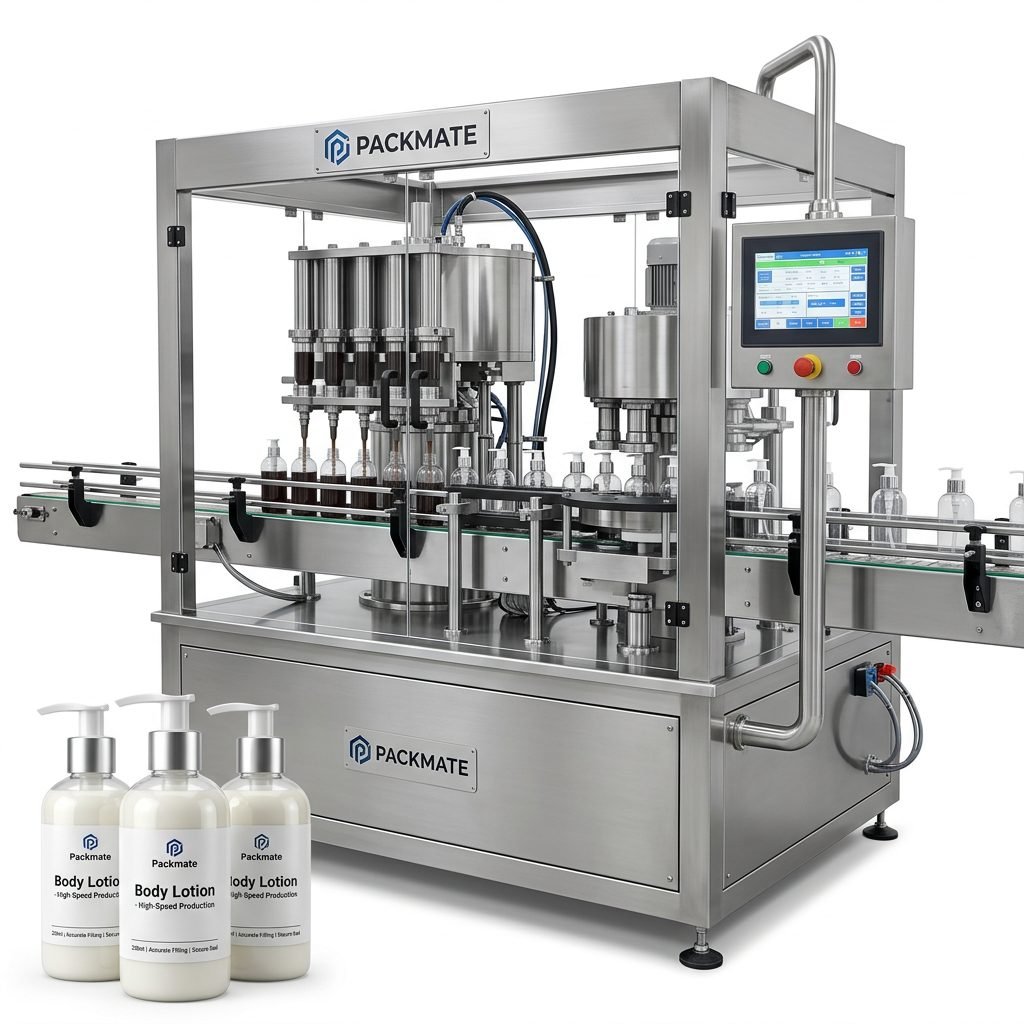
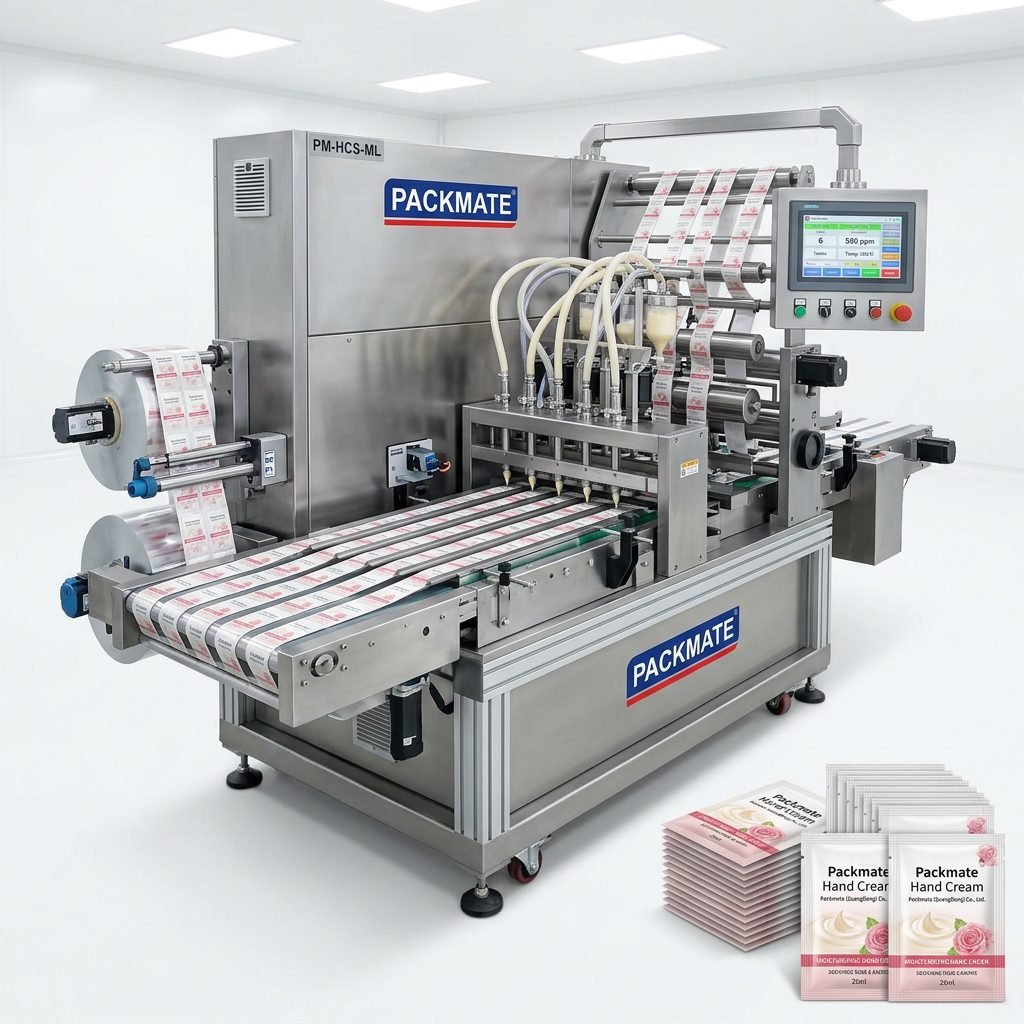
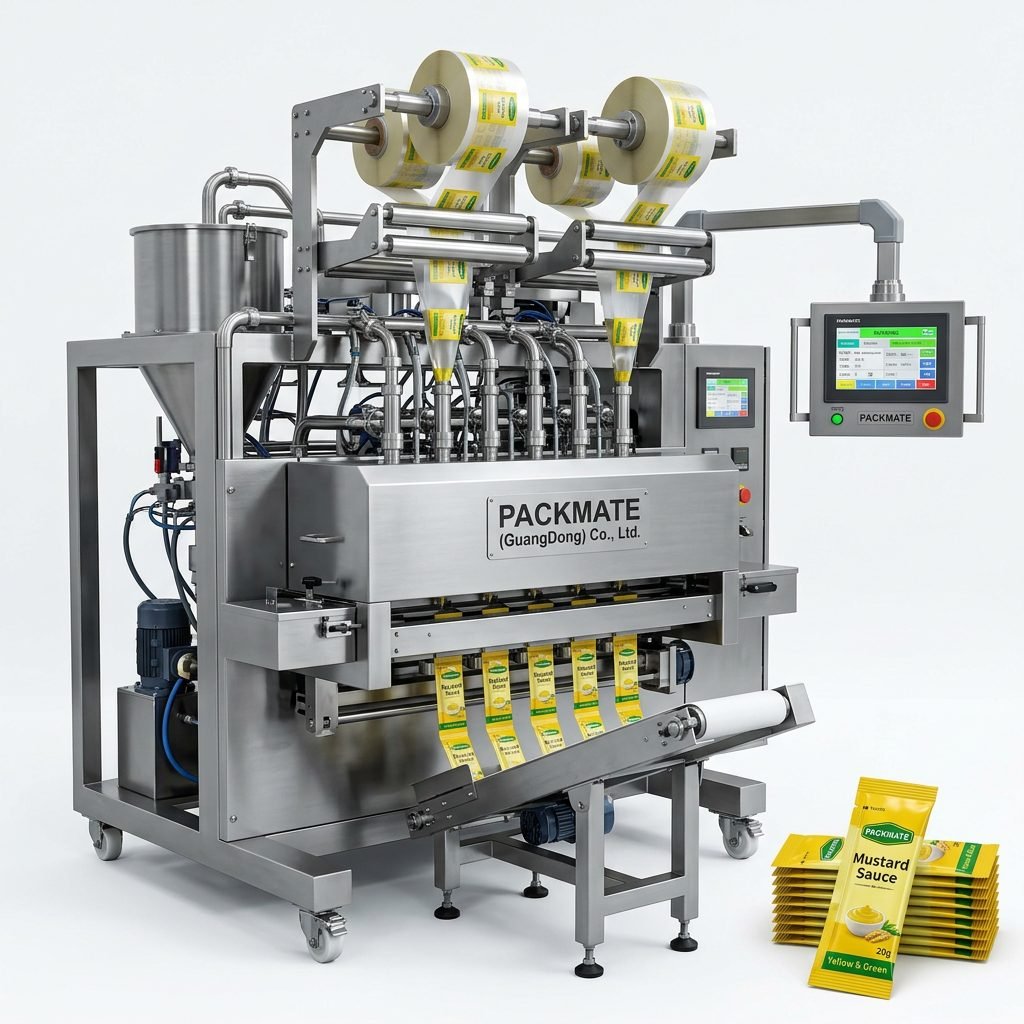
- Liquids & Viscous Products: (e.g., sauces, syrups, shampoos). Solutions utilize piston pumps, peristaltic pumps, or time-pressure fillers for accurate volumetric filling, paired with no-drip nozzles to maintain cleanliness.
- Large-Volume Packaging: (e.g., bulk food ingredients, industrial chemicals). Systems are built for heavy-duty performance, incorporating robust bag form-fill-seal (FFS) machines or automated drum/bottle filling stations.
Leading providers like Packmate (GuangDong) Co., Ltd. excel in designing such customized systems. With over 30 years of expertise, they understand that a successful line integrates seamlessly with your existing workflow and is built to handle your specific product’s flow properties and packaging materials.
Key Components of a Modern Packaging Line
An automatic packaging line is a symphony of synchronized machines. Understanding its core components helps in planning and procurement:
1. Feeding & Dosing System
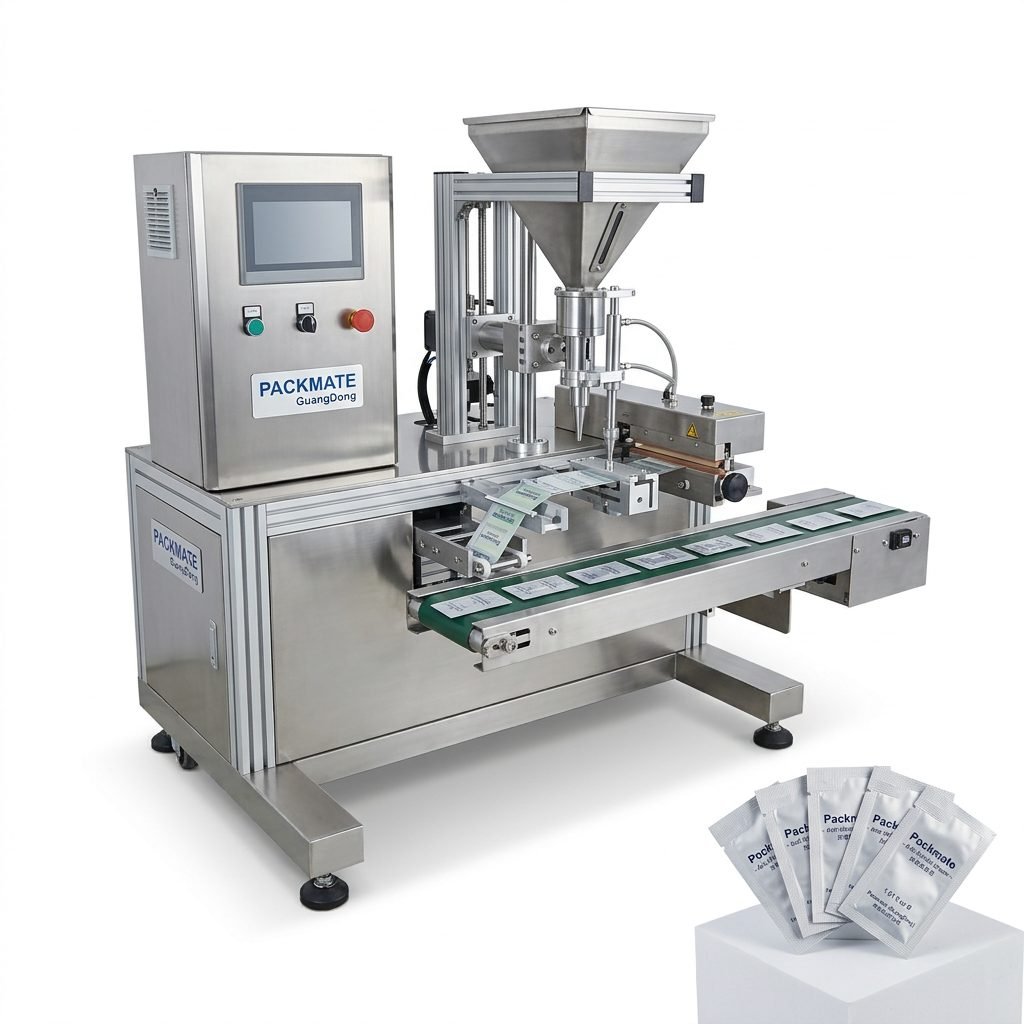
This is the starting point, where bulk product is accurately measured. Technologies range from simple volumetric cups to sophisticated multi-head weighers and servo-driven augers, chosen based on required speed and accuracy.
2. Packaging Machine
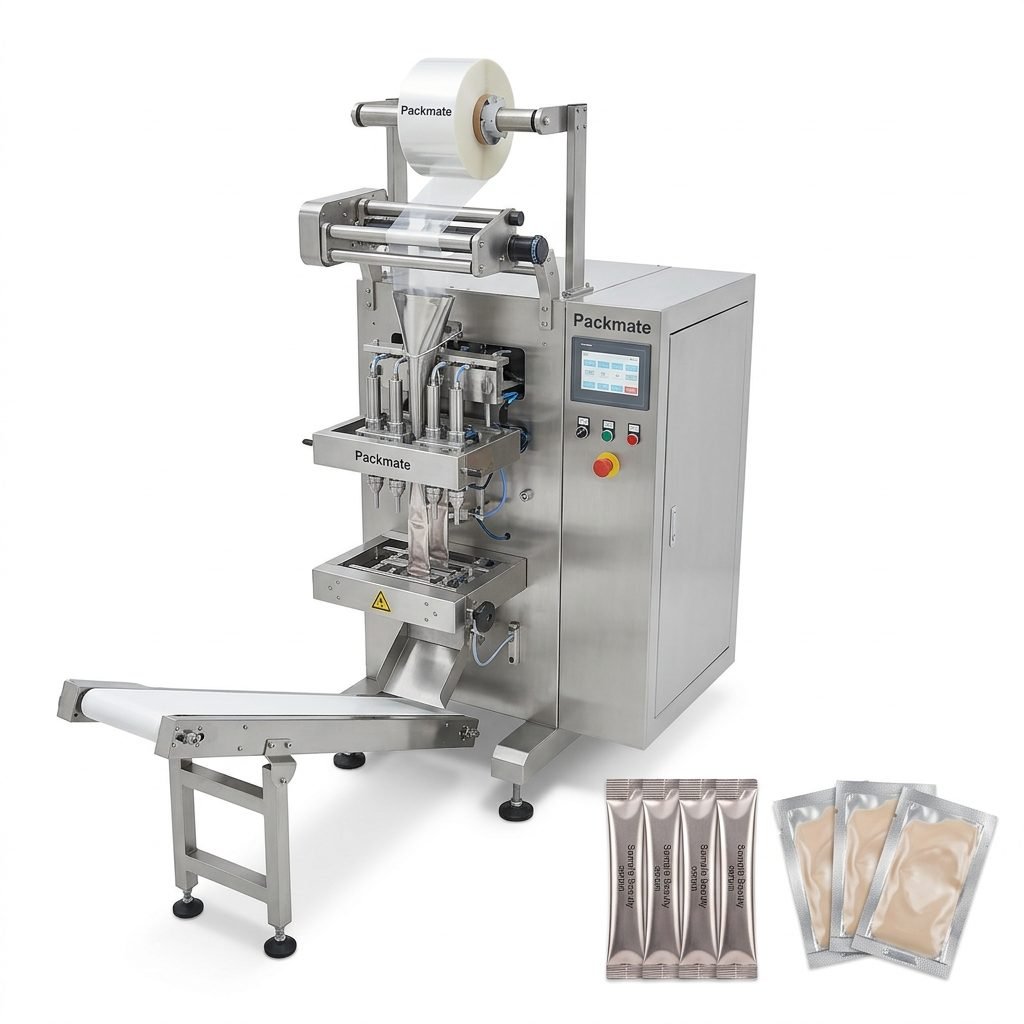
The heart of the line. Common types include Vertical Form-Fill-Seal (VFFS) machines for creating bags from roll stock, horizontal flow wrappers, and pre-made pouch fillers. For stick packs or sachets, multi-lane machines are used for high-volume output.
3. Sealing & Quality Control
Ensures package integrity. Heat sealers, cappers, or induction sealers are used. Integrated vision inspection systems check for fill levels, correct labeling, and seal defects, automatically rejecting faulty packages.
4. Secondary Packaging
This stage groups primary packages. Cartoners, case packers, and bundling machines automate the process of placing products into boxes or trays, ready for palletizing and shipping.
The Partner Difference: From Concept to Operation
Choosing a “turnkey” provider means partnering with a single entity responsible for the entire project lifecycle. A reputable partner like Packmate doesn’t just sell machines; they deliver a complete solution. This process includes in-depth consultation, factory layout design, machine manufacturing, on-site installation and integration, comprehensive operator training, and ongoing after-sales support. This holistic approach minimizes your project risk and ensures a smooth transition to automated production.
Driving Global Competitiveness
For factories serving international markets, especially from manufacturing hubs like China’s Greater Bay Area, automation is a key competitive lever. It allows producers to meet the high-quality expectations and strict delivery schedules of global buyers consistently. The reliability of a well-engineered line, backed by a provider with a strong track record, builds trust with international partners and opens doors to new business opportunities.
Ultimately, a turnkey automatic packaging line is an investment in precision, scalability, and brand protection. It transforms packaging from a cost center into a strategic asset, enabling factories to produce more, waste less, and guarantee the quality that today’s consumers and regulators demand. By partnering with an experienced provider, you gain not just machinery, but a roadmap to enhanced efficiency and growth.
Frequently Asked Questions (FAQs)
1. What is the typical lead time for a complete turnkey packaging line?
Lead times vary significantly based on complexity and customization, ranging from 3 to 9 months. A standard, pre-configured line can be delivered faster, while a fully custom solution for a novel product requires more design and testing time. A detailed project timeline is established during the initial consultation phase.
2. How do you ensure the line will work with our specific product?
Reputable providers conduct product tests in their application labs. You send samples of your product and packaging materials, and engineers run trials on the proposed equipment. This process validates performance, determines optimal machine settings, and provides data on achievable speed and accuracy before any commitment is made.
3. What kind of training and after-sales support is included?
Comprehensive training for your maintenance and operational staff is a standard part of a turnkey project. Support typically includes a warranty period, ready access to spare parts, and remote technical assistance. Many providers, like Packmate, also offer scheduled maintenance contracts and have service engineers available for on-site support if needed.
4. Can an automated line handle frequent product changeovers?
Yes, modern lines are designed with changeover in mind. Features like tool-less adjustments, servo-driven components with saved recipes, and quick-release parts significantly reduce changeover time from hours to minutes, making short production runs of different products or package sizes economically feasible.
5. How is the ROI (Return on Investment) calculated for such a system?
ROI is calculated by comparing the total investment against the savings and gains generated. Key factors include: increased production output, reduced labor costs, lower material waste from improved accuracy, decreased downtime, and higher quality leading to fewer returns. Most providers will help you build a financial model based on your current operational data. For more detailed queries, visit our dedicated FAQs page.