For packaging line managers and plant engineers, understanding output is the cornerstone of operational success. It’s not just about how many units come off the line; it’s about measuring efficiency, identifying bottlenecks, and driving profitability. This guide dives deep into the key metrics, essential formulas, and practical optimization tips to help you measure and maximize your packaging line’s performance.
Understanding Packaging Line Output: Beyond Simple Unit Count
Output is the lifeblood of any production operation. In packaging, it refers to the quantity of finished, packaged goods produced over a specific period. However, raw unit count is just the starting point. True operational intelligence comes from analyzing output in the context of time, resources, and quality.
Why Accurate Measurement Matters: Precise output data is critical for capacity planning, meeting customer delivery schedules, calculating return on investment (ROI) for equipment, and providing reliable data for stakeholders. It transforms guesswork into actionable strategy.
Core Metrics for Measuring Packaging Line Output
To get a complete picture, you must track several interconnected metrics. Here are the most critical ones:
1. Units Per Minute (UPM) / Units Per Hour (UPH)
This is the most direct measure of speed. It’s calculated by dividing the total number of good units produced by the total run time (in minutes or hours).
Formula: UPM = Total Good Units Produced / Total Run Time (Minutes)
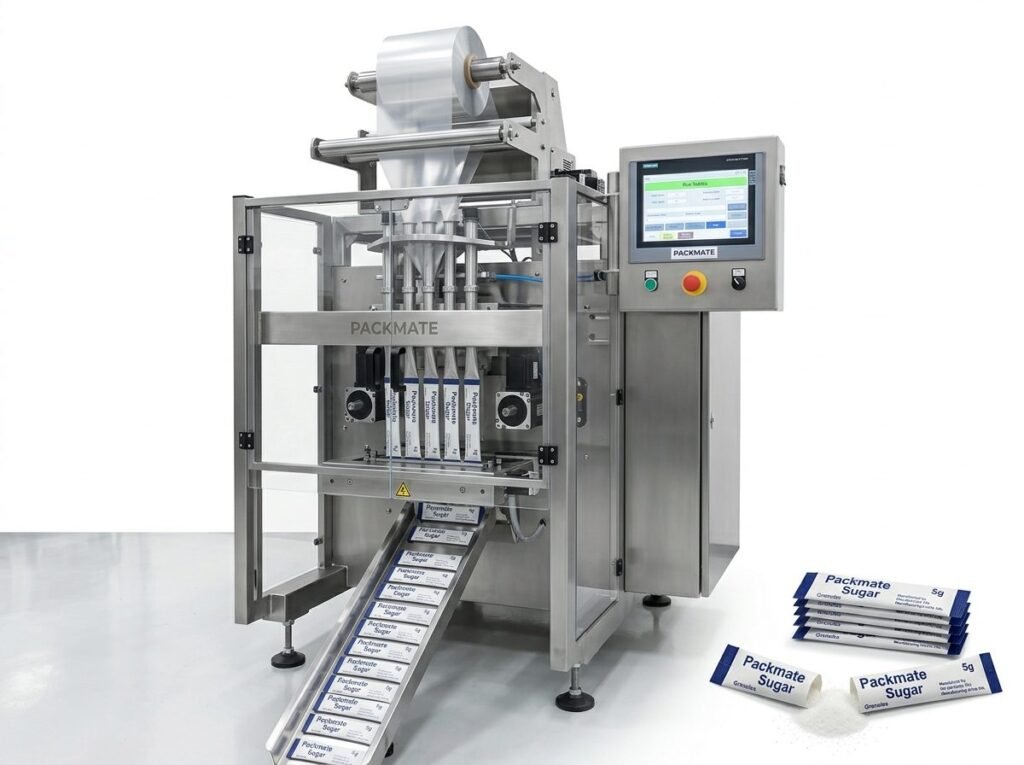
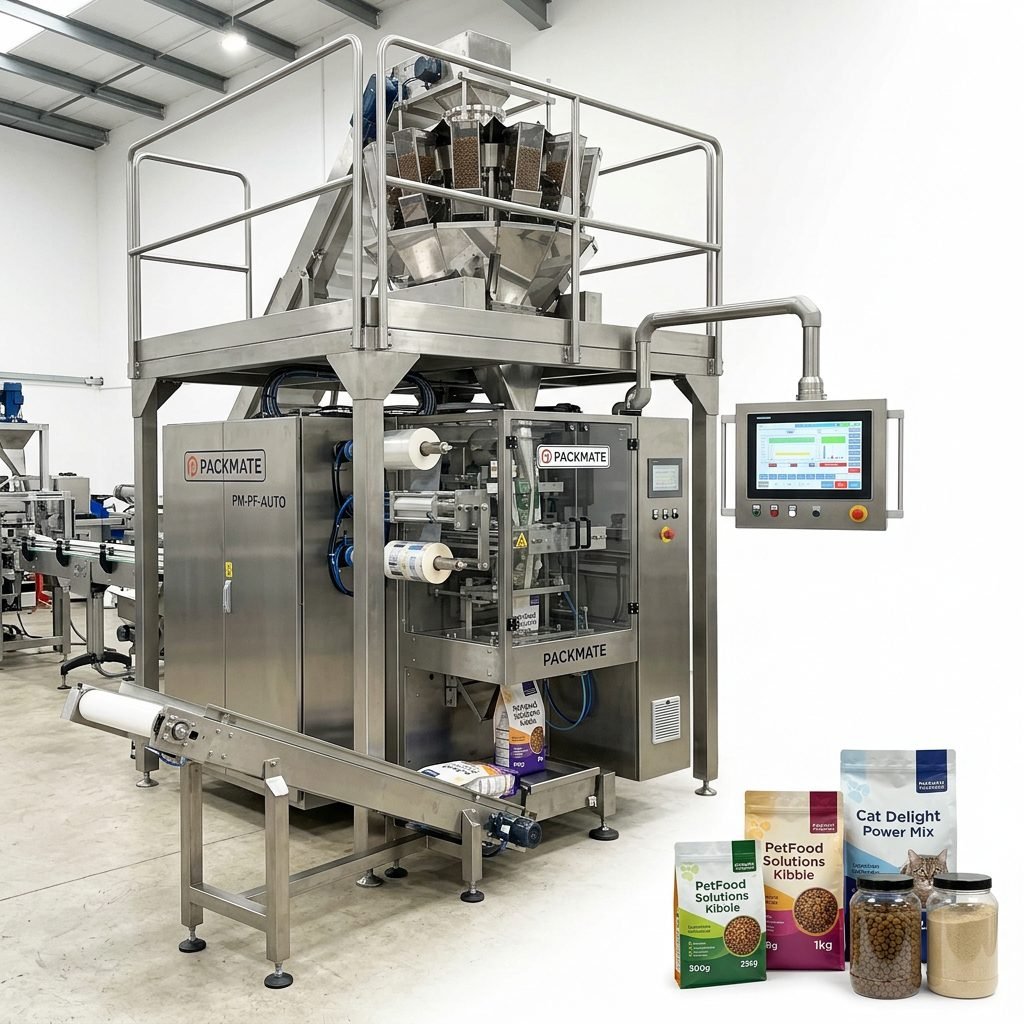
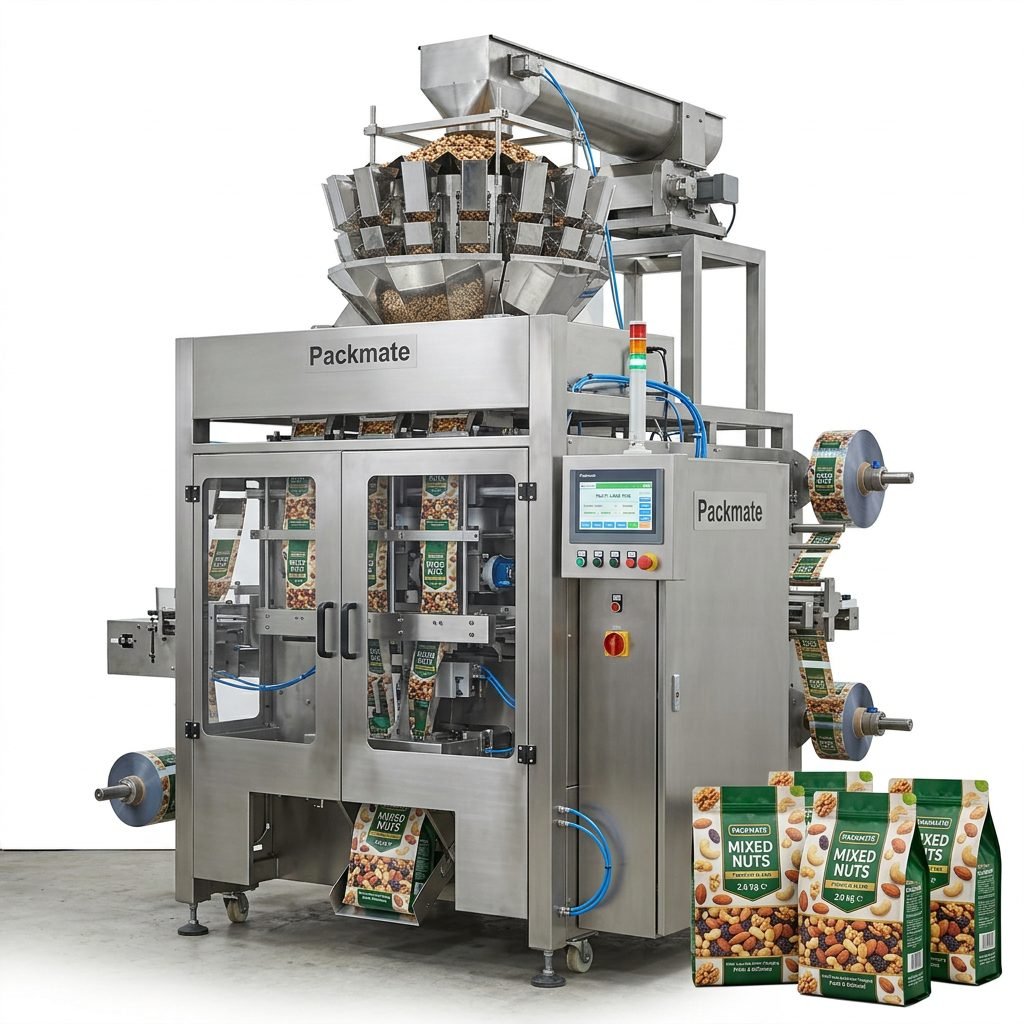
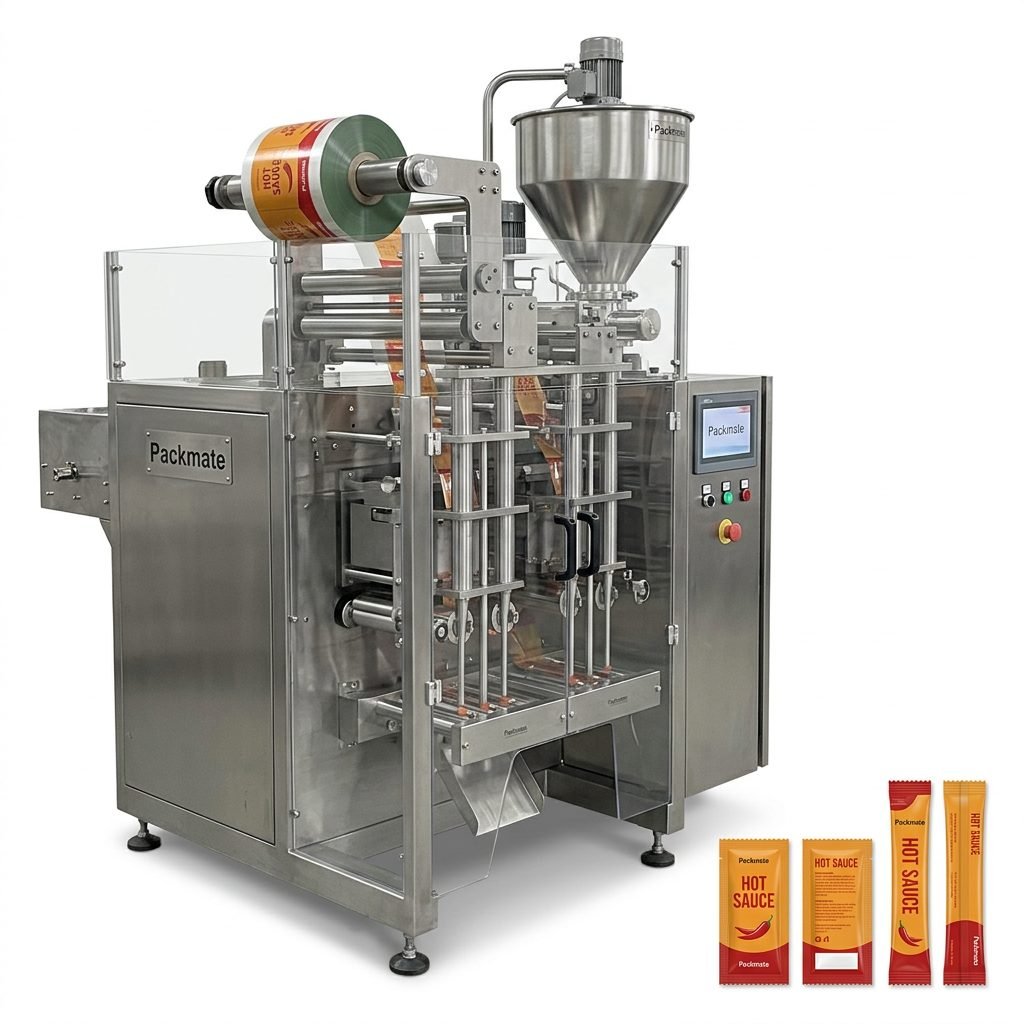
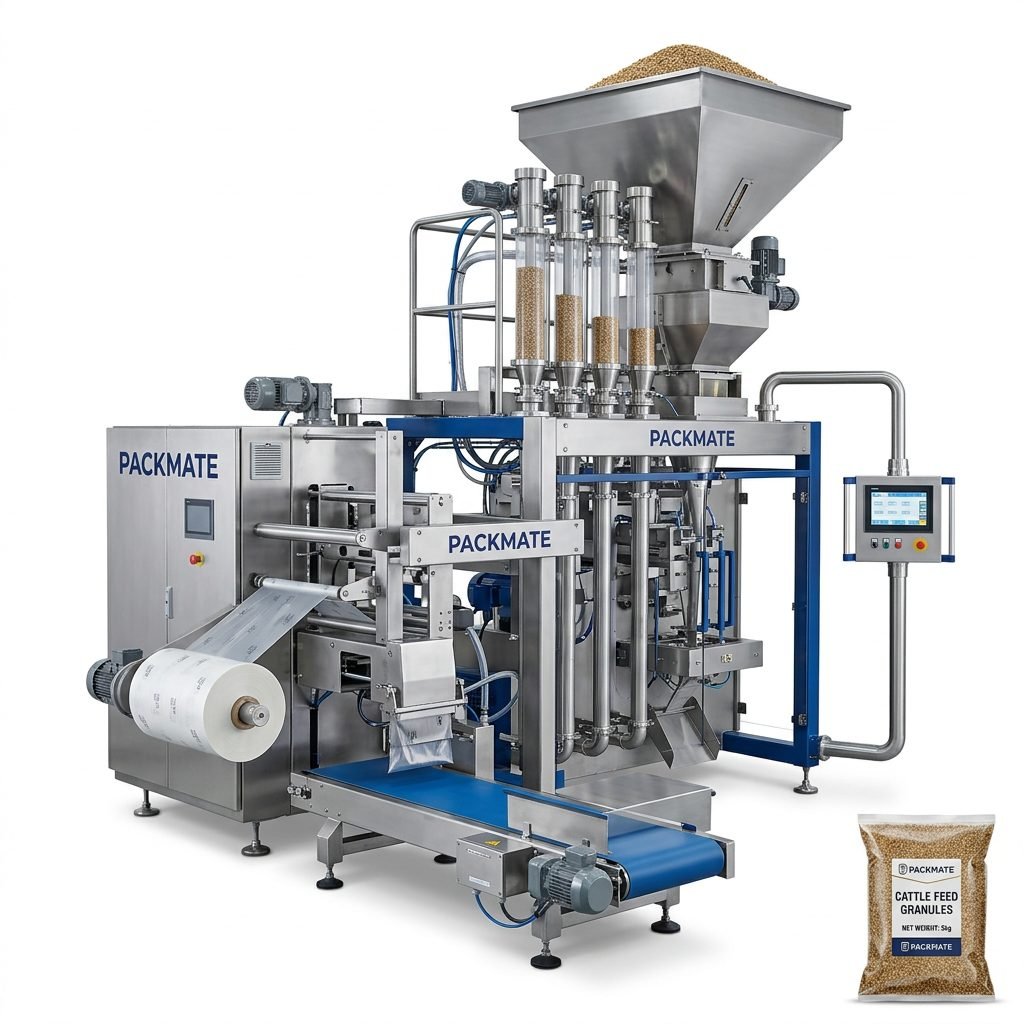
This metric is vital for benchmarking machine performance against its theoretical maximum speed, often provided by manufacturers like Packmate in their machine specifications.
2. Overall Equipment Effectiveness (OEE)
OEE is the gold standard for measuring manufacturing productivity. It breaks down performance into three components:
- Availability: Percentage of scheduled time the line is actually running.
- Performance: How fast the line runs compared to its ideal speed.
- Quality: Percentage of good units out of total units started.
Formula: OEE = Availability % × Performance % × Quality %
An OEE score of 100% means you are producing only good parts, as fast as possible, with no stop time. World-class packaging operations typically achieve an OEE above 85%.
3. Line Efficiency
This metric compares your actual output to the standard or theoretical output your line is designed to achieve.
Formula: Line Efficiency = (Actual Output / Theoretical Maximum Output) × 100
This helps identify gaps between potential and actual performance, guiding where to focus improvement efforts, whether on a specific machine or the entire line integration.
4. Changeover Time
While not a direct output metric, changeover time (the time to switch from producing one product to another) directly impacts available production time. Reducing this is a key optimization strategy.
Essential Formulas for In-Depth Analysis
Combine these formulas to move from basic measurement to insightful analysis.
Calculating Production Rate & Capacity
Net Production Rate: (Total Units – Defective Units) / Total Operating Hours. This gives you the true, quality-adjusted output rate.
Line Capacity Utilization: (Actual Output / Maximum Possible Output) × 100. This shows how much of your available capacity you’re using, crucial for justifying expansion or identifying underutilized assets.
Optimization Tips to Boost Your Packaging Line Output
Measurement is only valuable if it leads to action. Here are proven strategies to increase output:
1. Implement Lean Manufacturing & SMED
Adopt Lean principles to eliminate waste (muda). Single-Minute Exchange of Die (SMED) methodology is specifically designed to reduce changeover times to single-digit minutes. Streamlining material handling and workflow can have an immediate impact.
2. Proactive Maintenance Over Reactive Repairs
Unplanned downtime is a major output killer. Shift to a predictive or preventive maintenance schedule. Regularly service key components, use vibration analysis, and monitor wear parts. Reliable equipment from experienced providers ensures longer runtimes. Reviewing real-world case studies can reveal common maintenance pain points and solutions.
3. Invest in Operator Training
A well-trained operator can spot minor issues before they cause major stops, perform efficient changeovers, and maintain consistent quality. Continuous training is an investment that pays dividends in output and overall equipment care.
4. Upgrade to Smart, Integrated Lines
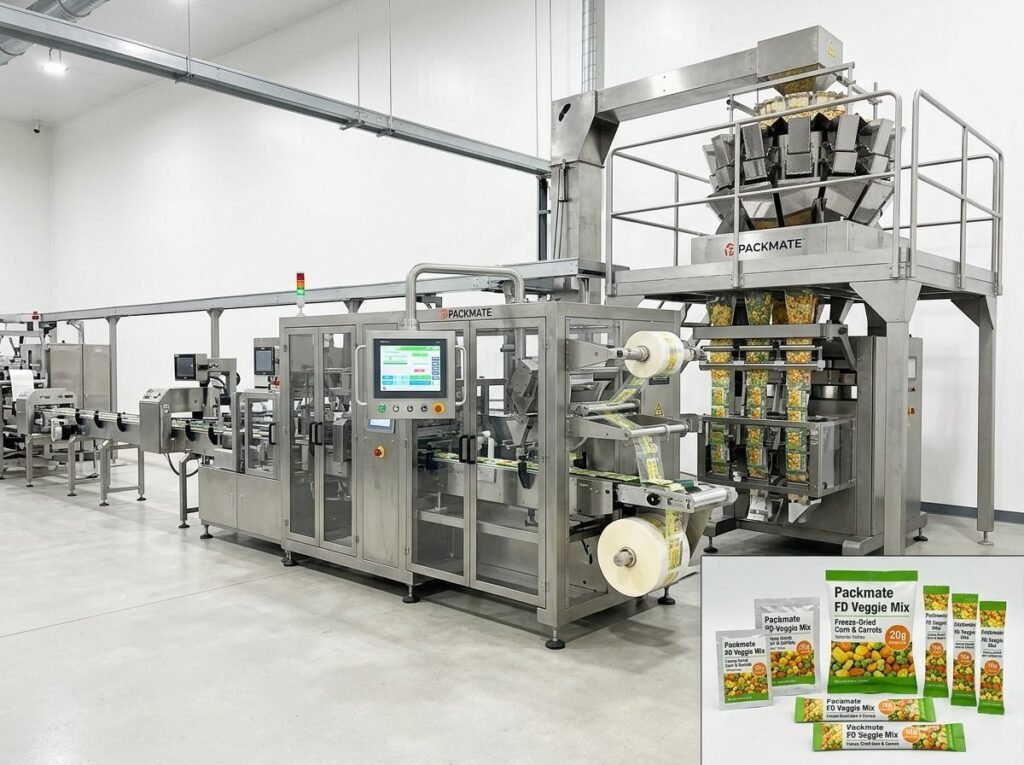
Modern, automated lines with synchronized components (filling, sealing, labeling, cartoning) run faster with fewer jams. Consider integrating sensors and PLCs for real-time monitoring and data collection. A trusted partner with engineering expertise can design a line that optimizes flow from start to finish.
5. Continuously Monitor and Analyze Data
Use the metrics above to establish a daily, weekly, and monthly review process. Track trends over time. Is OEE dropping every Wednesday afternoon? Is performance rate lower on a particular machine? Data-driven decisions are the most effective for sustainable output gains.
Key Takeaway
Maximizing packaging line output is a multifaceted endeavor. It requires moving beyond simple unit counts to embrace comprehensive metrics like OEE, relentlessly attacking downtime through lean practices and smart maintenance, and leveraging data to guide continuous improvement. By focusing on these areas, you can transform your packaging line from a cost center into a powerful driver of efficiency and growth.
Frequently Asked Questions (FAQs)
What is a good OEE score for a packaging line?
While it varies by industry and line complexity, a score of 85% or above is considered world-class. Scores between 60-85% are typical, indicating there is room for improvement. Below 60% signifies significant issues with availability, performance, or quality that need immediate attention.
How can I quickly identify the biggest bottleneck on my line?
Conduct a simple bottleneck analysis: run the line at full speed and observe where product accumulates or where machines are consistently waiting for the upstream process. The station before the accumulation is very often your primary bottleneck. Data from line monitoring software can pinpoint this precisely.
Should I prioritize speed or uptime for increasing output?
Uptime is almost always the higher priority. Increasing machine speed by 10% might seem appealing, but reducing unplanned downtime by 10% often yields a greater output increase with less stress on equipment and lower risk of quality defects. Focus on stability first, then speed.
How does packaging material quality affect output?
Significantly. Poor-quality film, pouches, or cartons can cause constant jams, misfeeds, and sealing failures, crippling your line’s performance and quality rate. Investing in consistent, specification-matched materials from reliable suppliers is a fundamental step for high output.
When is it time to upgrade my packaging line instead of optimizing the old one?
Consider an upgrade when: optimization efforts yield diminishing returns, maintenance costs are soaring, the line cannot handle new packaging formats or materials, or its speed is fundamentally incapable of meeting demand. A professional consultation can help analyze the ROI of a new line versus continual patches.