In the dynamic world of spice manufacturing, efficiency, hygiene, and product integrity are paramount. A modern Spice Packaging Line is no longer a luxury but a critical component for businesses aiming to scale, maintain consistency, and meet stringent market demands. From delicate herbs to coarse blends, the right automated system can transform production, ensuring every sachet, stick pack, or bulk bag meets the highest standards. This article delves into the comprehensive solutions available for automated spice packaging, exploring the technologies that drive precision and profitability in this flavorful industry.
The Core of Modern Spice Production: Automated Packaging Systems
Automation has revolutionized spice packaging by introducing unparalleled speed, accuracy, and sanitation. Manual packing is prone to inconsistencies, contamination risks, and limited output. In contrast, an integrated packaging line solution orchestrates every step—from filling and weighing to sealing and coding—with minimal human intervention. This not only boosts production capacity but also ensures each package contains the exact weight and is hermetically sealed to preserve aroma, flavor, and shelf life. For producers, this means the ability to reliably supply retailers, distributors, and consumers with a perfect product, batch after batch.
Key Advantage: Automated systems drastically reduce product giveaway by employing high-precision weigh fillers, saving significant raw material costs over time. They also create a closed environment that protects spices from moisture and external contaminants.
1. Automated Sachet Packaging Machines: Precision for Portion Control
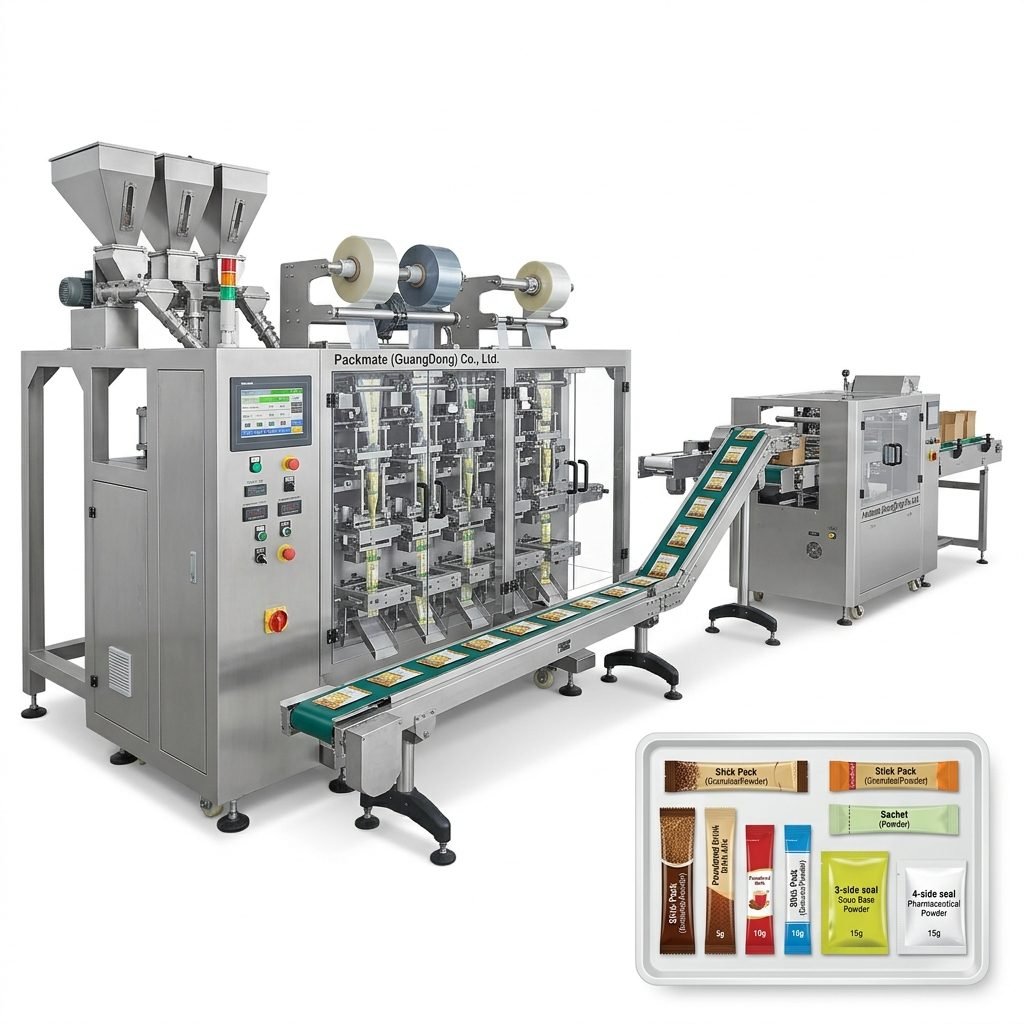
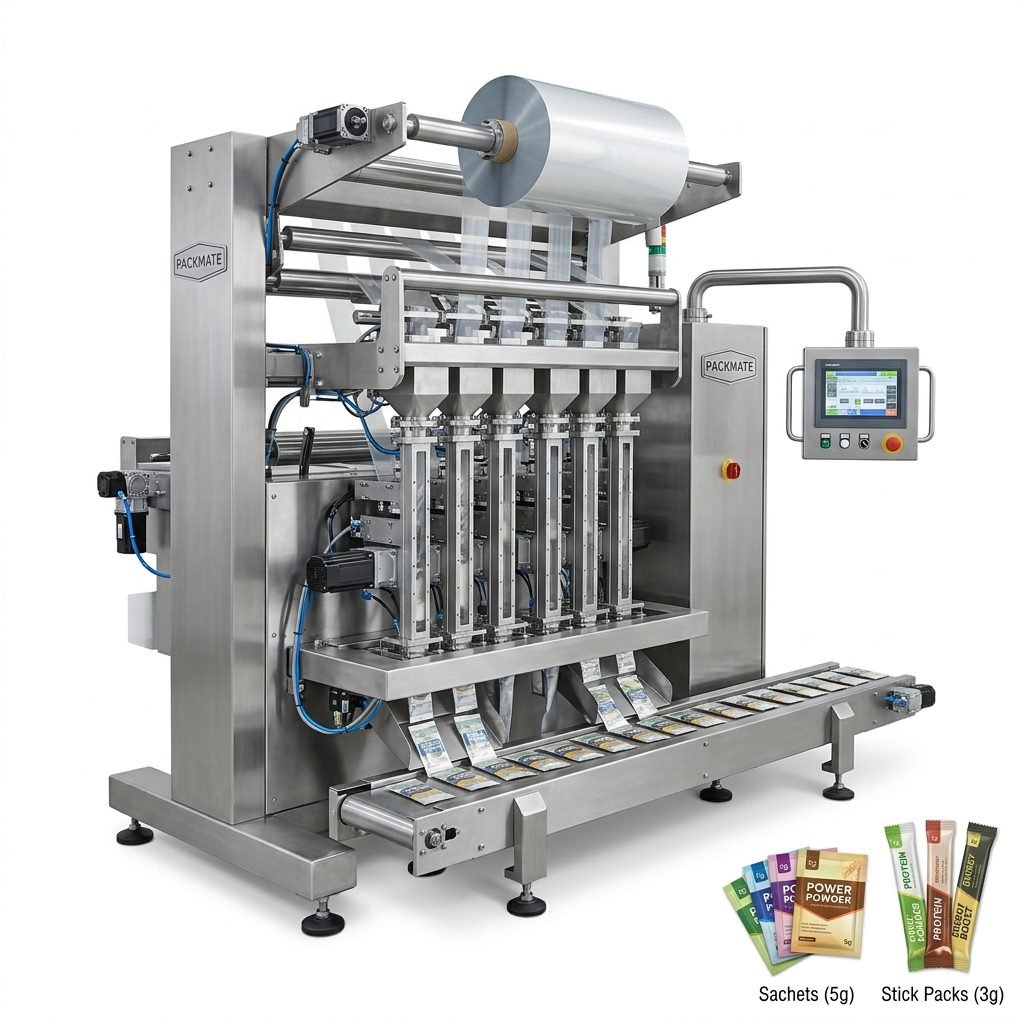
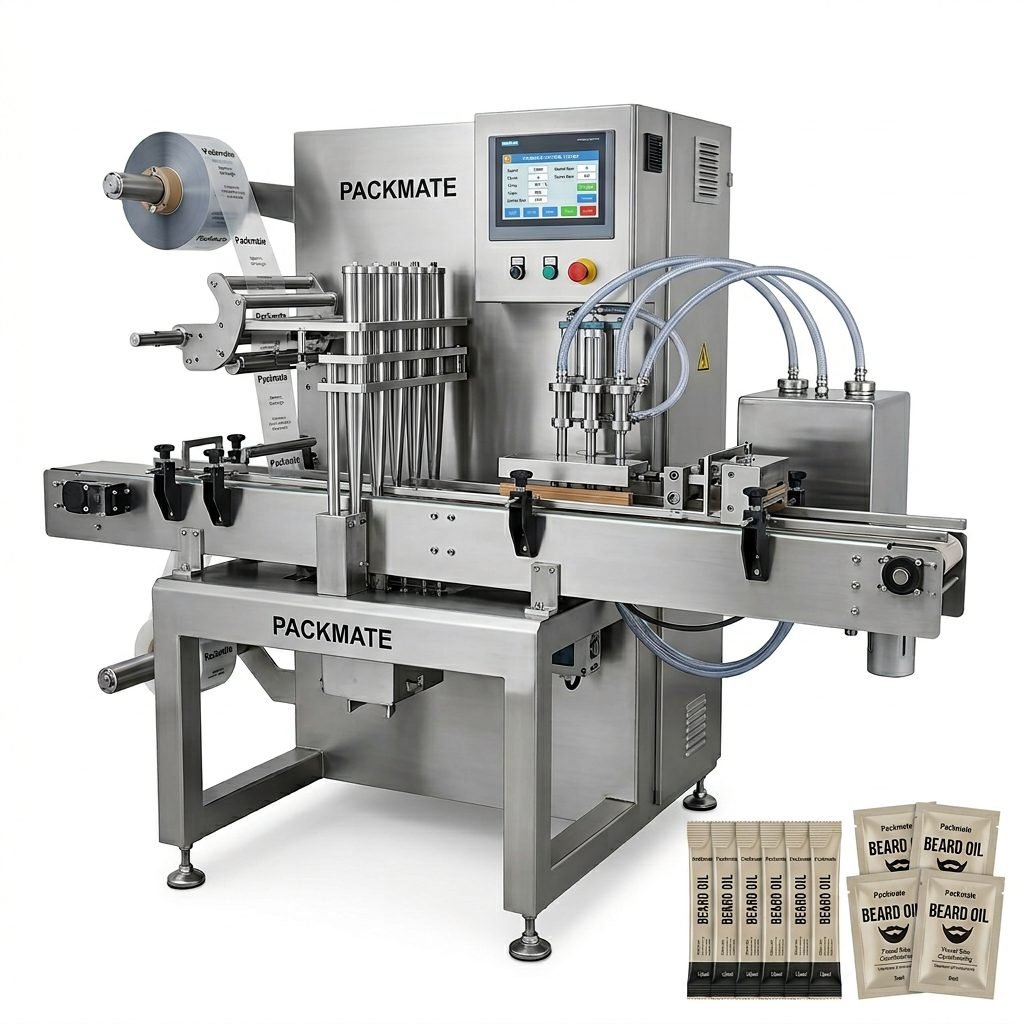
Sachets are ideal for single-serve portions, recipe kits, or sample packets. An automated sachet packaging line for spices is designed to handle a variety of materials, including laminated films that provide excellent barrier properties against light, oxygen, and moisture. These machines typically form the pouch from a roll of film, precisely dose the spice, and then seal it with clean, secure seams.
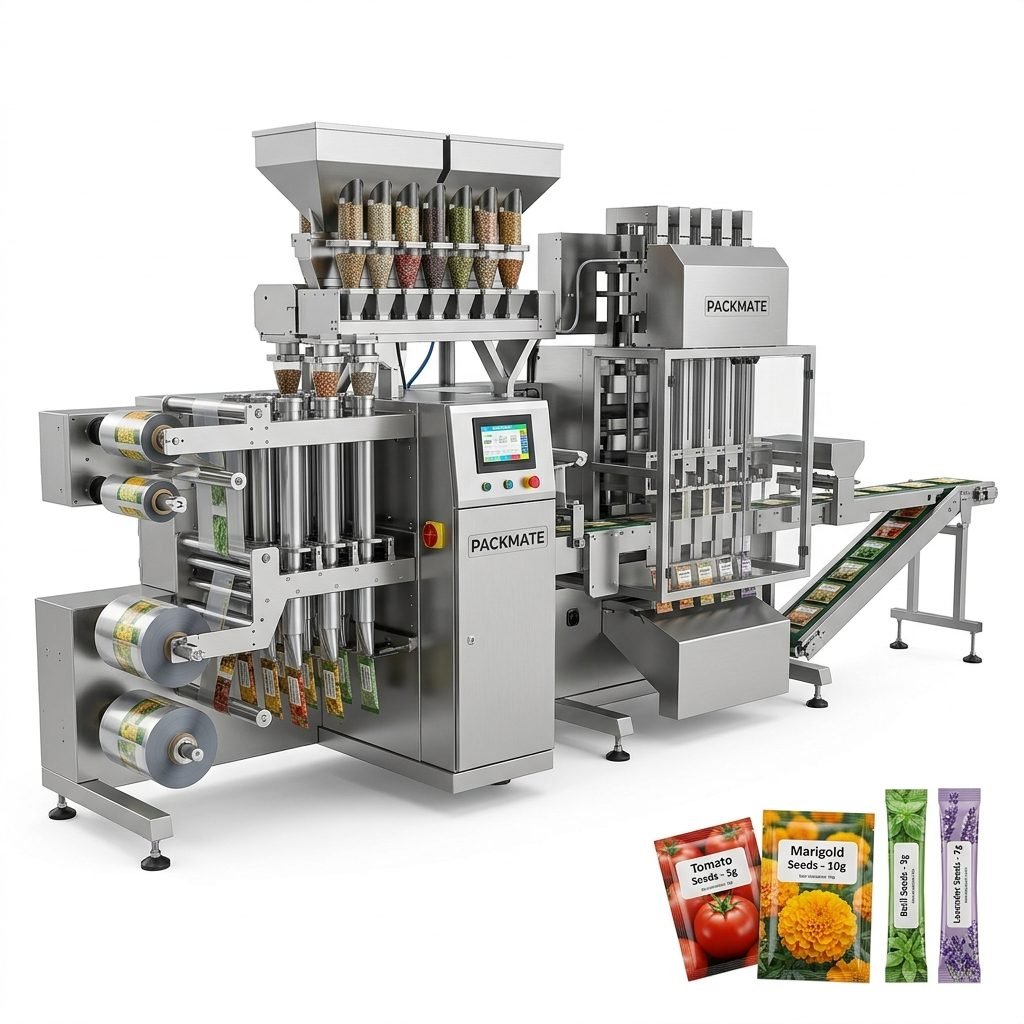
Modern sachet machines offer multi-lane configurations, allowing for the simultaneous production of several sachets per cycle, dramatically increasing output. They are exceptionally versatile and can be equipped with auger fillers for fine powders like chili powder or turmeric, or volumetric cup fillers for leafy herbs and blends. The integration of checkweighers and vision inspection systems ensures every sachet meets the specified weight and quality before packaging into cartons or boxes.
2. High-Speed Stick Pack Packaging Lines: Sleek and Efficient
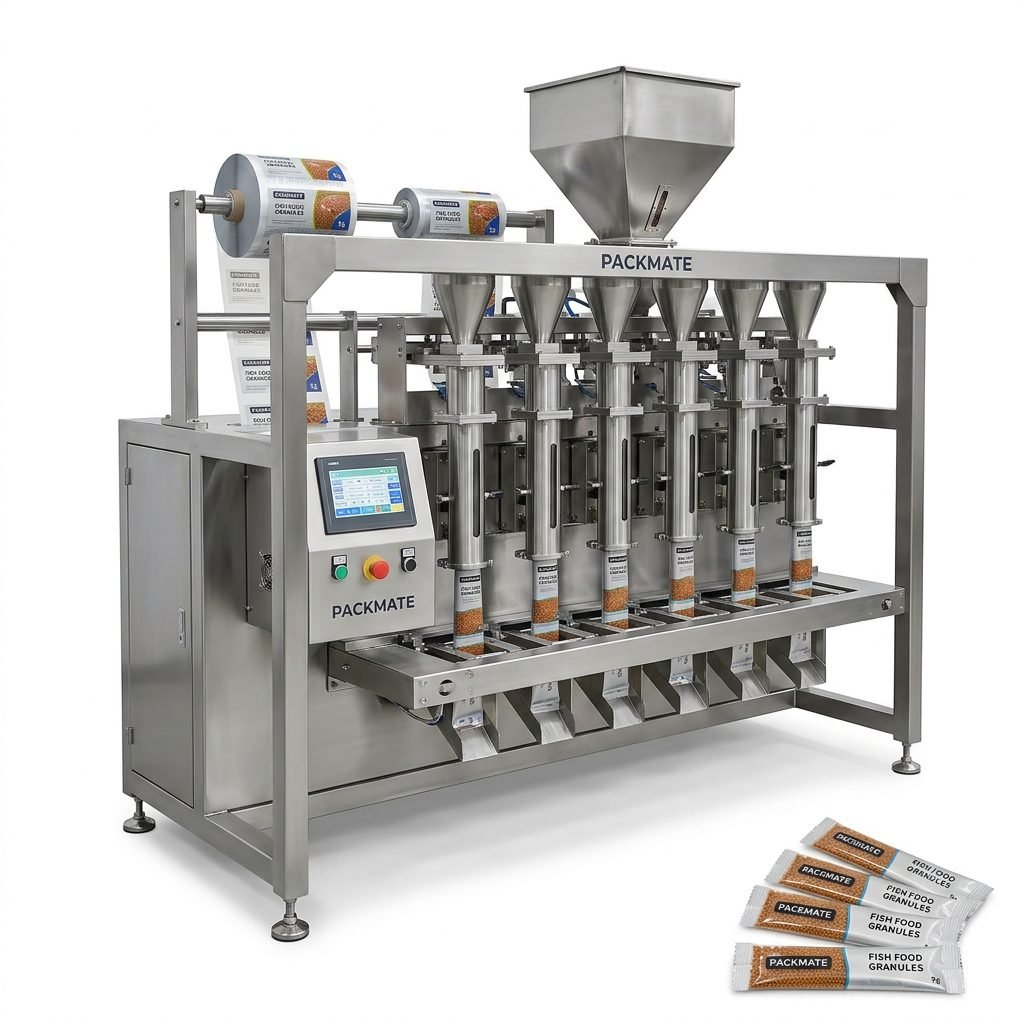
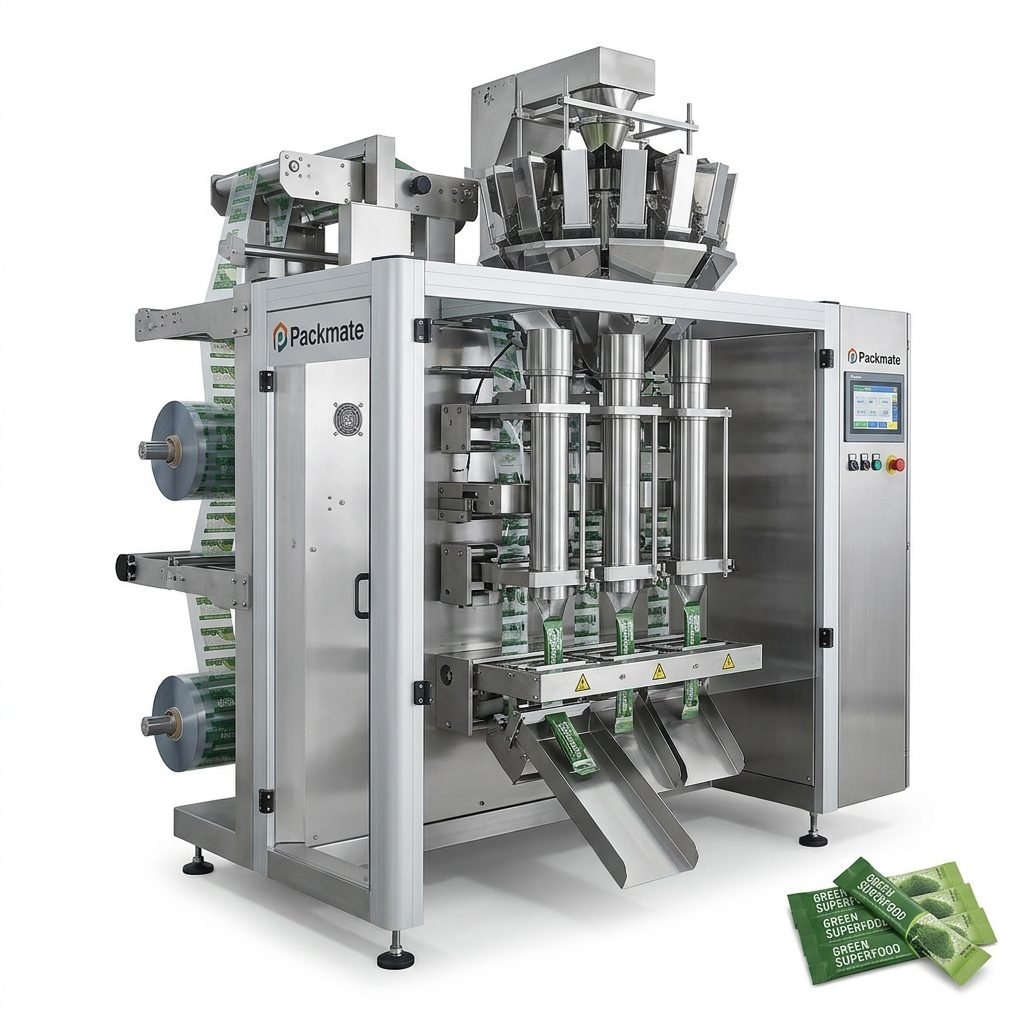
Stick packs have gained immense popularity for their sleek design, consumer convenience, and efficient use of shelf space. A stick pack machine forms a narrow, elongated pouch that is perfect for powdered spices, drink mixes, or seasoning blends. The packaging process is continuous and high-speed, making it a cost-effective solution for large-volume production.
The technology behind these lines allows for precise filling of even the most challenging, aerated powders. Nitrogen flushing can be integrated to remove oxygen from the pack, further extending the spice’s freshness and preventing clumping. For brands, the large printable surface area of a stick pack offers excellent opportunities for vibrant branding and clear nutritional information, enhancing shelf appeal in competitive markets like supermarkets and food service.
Choosing Between Sachet and Stick Pack
➤ Sachet (Pouch): Better for larger portions, mixed particle sizes (e.g., whole peppercorns with herbs), and products requiring a wider, more stable base. Often used for 10g to 100g portions.
➤ Stick Pack: Ideal for free-flowing powders, single-serve portions (1g to 25g), and where high-speed, compact packaging is needed. Offers superior barrier properties in a slender format.
3. Bulk Spice Filling Systems: For Wholesale and Industrial Supply
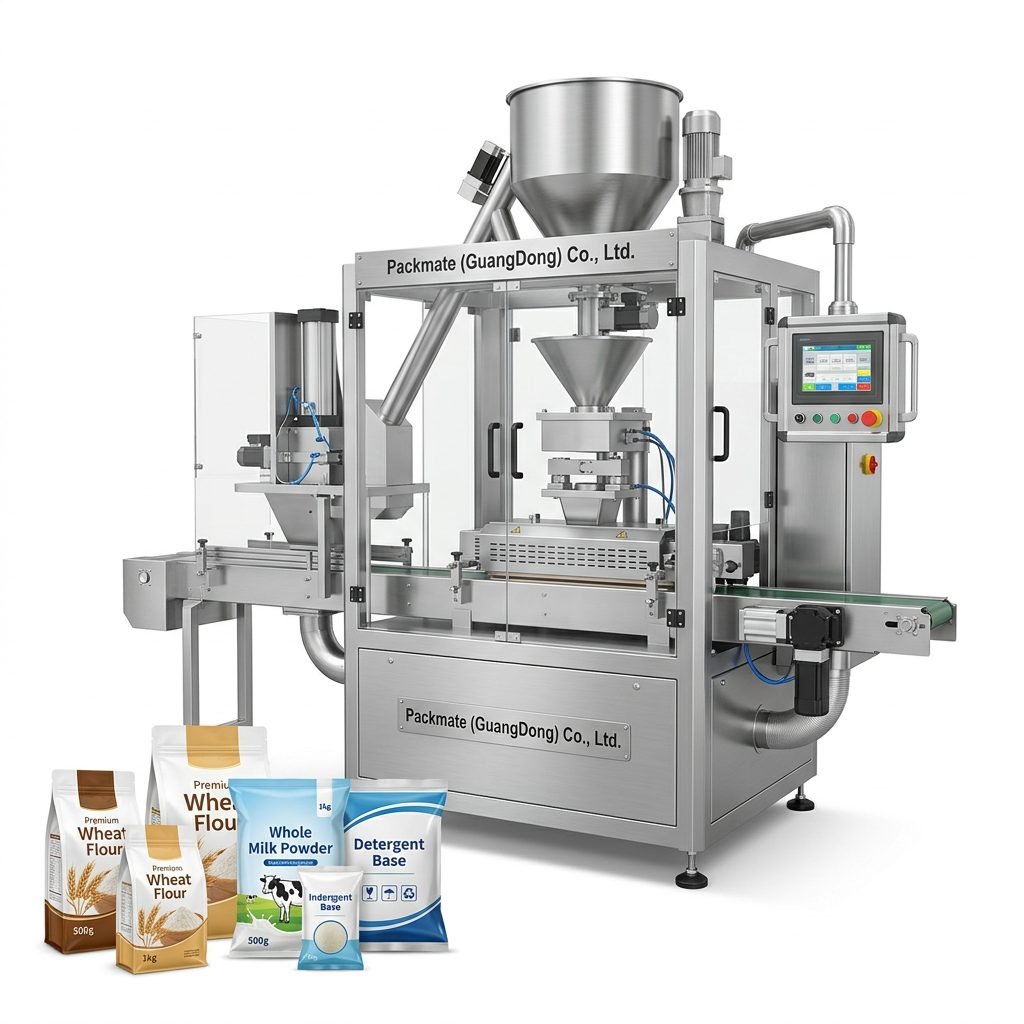
Beyond consumer-sized packages, the spice industry relies heavily on bulk packaging for supply to food processors, restaurants, and institutional buyers. Bulk spice filling systems are engineered to handle large volumes, filling bags, boxes, pails, or drums ranging from 1 kg to 25 kg or more. These robust systems prioritize accuracy and durability.
Common technologies include gross/net weigh fillers, which use a combination of coarse and fine feed to achieve pinpoint accuracy for each bag, and form-fill-seal (FFS) machines that create the bag from roll stock before filling. Many bulk lines incorporate automated bag placers, palletizers, and robotic arms to create a fully automated end-of-line process. This level of automation is crucial for maintaining efficiency in high-tonnage operations and reducing physical strain on workers.
Key Components of a Complete Spice Packaging Line
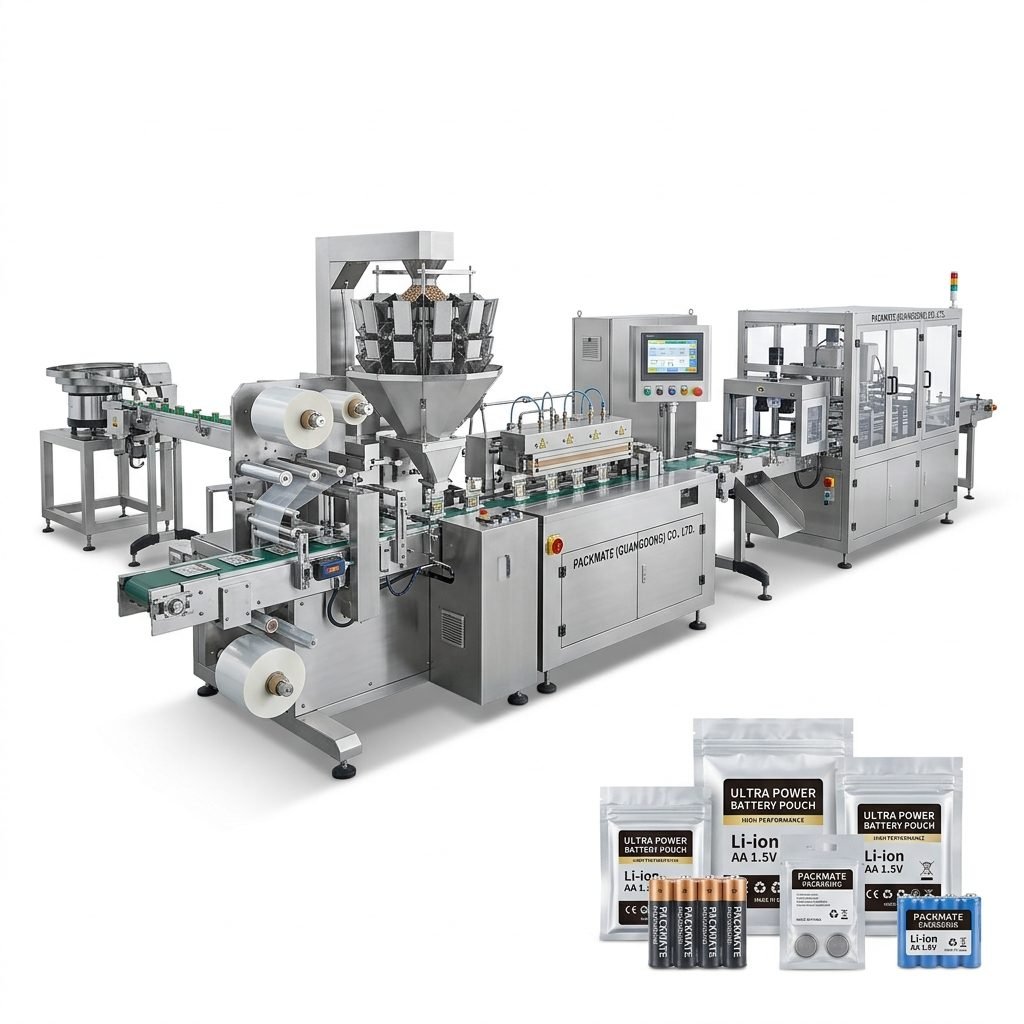
A turnkey line is more than just a filling machine. It is a synchronized system where each component plays a vital role. Leading providers like Packmate (GuangDong) Co., Ltd. design integrated solutions that include:
Pre-Processing: Drying & Sieving
Before packaging, spices may require drying to achieve optimal moisture content or sieving to remove foreign materials and ensure uniform particle size. This pre-conditioning is critical for consistent flow and accurate filling.
Core Filling & Sealing
The heart of the line. This involves the chosen primary packaging machine (sachet, stick pack, or bulk bagger) equipped with the appropriate filler—auger, volumetric, or weigh scale—and a reliable heat sealer.
Product Handling: Conveying & Elevating
A network of conveyors, bucket elevators, and screw feeders gently transports spices from storage silos or hoppers to the packaging machine without degradation or segregation of blends.
Quality Control: Checkweighing & Inspection
In-line checkweighers reject under or over-weight packs. Metal detectors and X-ray systems identify physical contaminants. Vision systems inspect seal integrity and print quality.
Secondary Packaging: Cartoning & Case Packing
Finished primary packages are automatically collated, inserted into cartons, and then cases. Robotic case packers and palletizers prepare shipments for distribution.
Why Partner with an Experienced Turnkey Solution Provider?
Selecting individual machines from different vendors can lead to integration headaches, communication gaps, and operational inefficiencies. Partnering with a single provider for a complete turnkey packaging line offers distinct advantages. A provider with deep industry experience, such as one with over 30 years like Packmate, brings invaluable expertise. They understand the unique challenges of spice packaging—such as dust control, flavor preservation, and dealing with oily or sticky products—and engineer solutions accordingly.
From initial concept and factory layout design to machine fabrication, installation, commissioning, and staff training, a turnkey partner manages the entire project. This single point of accountability ensures all components work in harmony, reduces project timeline, and provides dedicated after-sales support and service. It transforms a capital investment into a strategic asset for long-term growth.
Summary: Transforming Spice Business with Automation
Investing in an automated spice packaging line—whether for sachets, stick packs, or bulk filling—is a decisive step toward future-proofing a business. The benefits are clear: significant increases in production output and consistency, reduction in labor costs and material waste, enhanced product safety and shelf life, and improved scalability to capture new market opportunities. By choosing a robust, integrated system from a reputable provider, spice manufacturers can ensure their operations are efficient, hygienic, and capable of delivering the quality that today’s consumers and B2B clients demand.
Frequently Asked Questions (FAQs)
1. What is the typical output speed of an automated spice stick pack line?
Speeds vary based on the number of lanes and product characteristics. A standard single-lane stick pack machine can produce 60-80 packs per minute. High-speed multi-lane systems, common in spice packaging, can achieve outputs of 200 to over 400 stick packs per minute, making them ideal for large-scale production.
2. How do automated lines handle different spice formats (powder, flakes, whole)?
The key is the filling system. Auger fillers are excellent for fine and coarse powders. Volumetric cup fillers handle flakes, leafy herbs, and blends with mixed particle sizes well. For whole spices like peppercorns or cloves, weigh scale fillers (linear or multi-head) offer the best accuracy. A proficient solution provider will recommend and test the best filler for your specific product.
3. Can one packaging line be configured to produce both sachets and stick packs?
Generally, sachet and stick pack machines are dedicated platforms due to different forming mechanisms and tooling. However, some advanced vertical form-fill-seal (VFFS) machines offer quick-change toolkits that allow switching between pouch styles (like flat sachets and stick packs) with a changeover time of a few hours, providing great flexibility for producers with diverse product lines.
4. What are the critical hygiene considerations for spice packaging machinery?
Hygiene is non-negotiable. Machines should feature stainless steel (grade 304 or 316) contact parts, smooth surfaces without crevices, easy-clean designs, and effective dust extraction ports. For certain applications, washdown-ready construction is essential. The line design should facilitate thorough cleaning to prevent cross-contamination and comply with food safety standards like HACCP, FDA, or EU regulations.
5. What after-sales support should I expect from a packaging line supplier?
A reliable supplier offers comprehensive support, including detailed installation supervision, thorough operator and maintenance training, a warranty period, ready availability of spare parts, and remote/on-site technical assistance. Providers with a strong global service network, like those with extensive international experience, ensure you have prompt support to minimize downtime and keep your line running optimally for years.