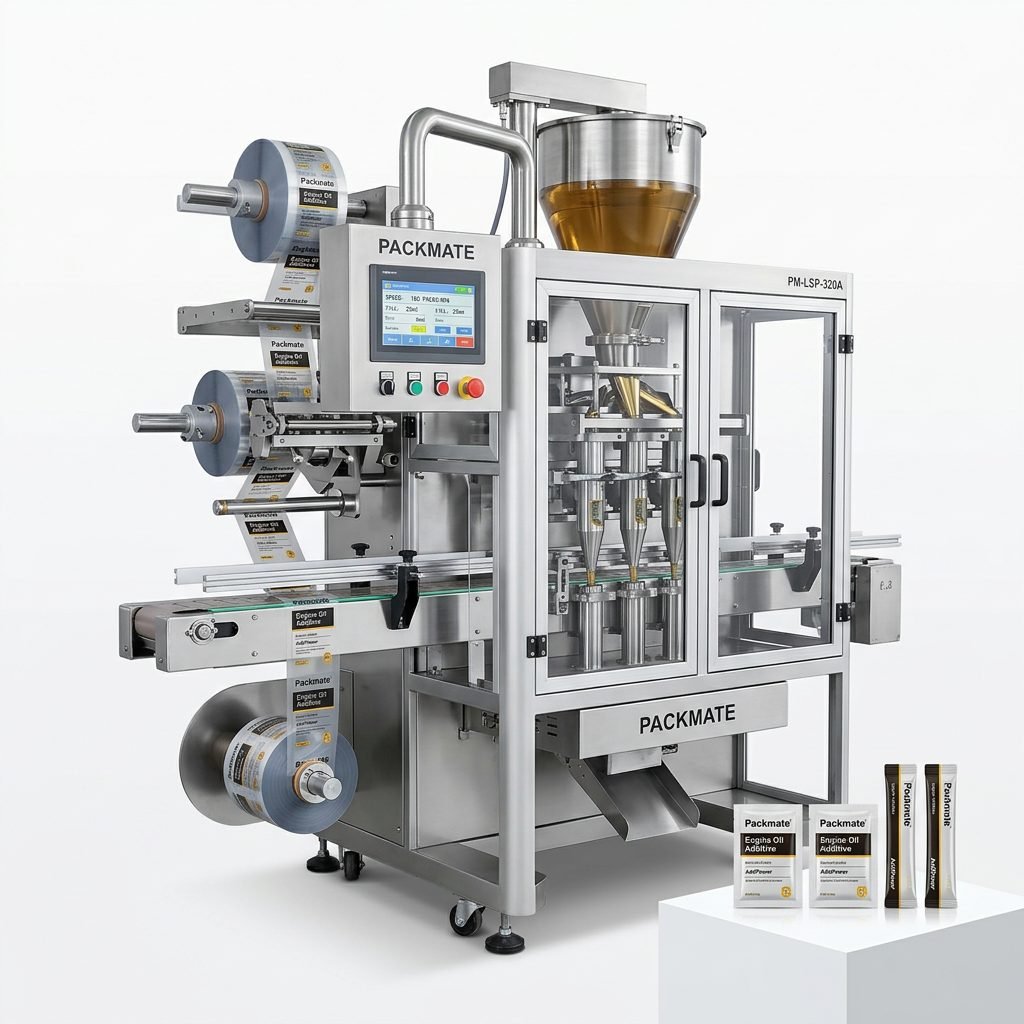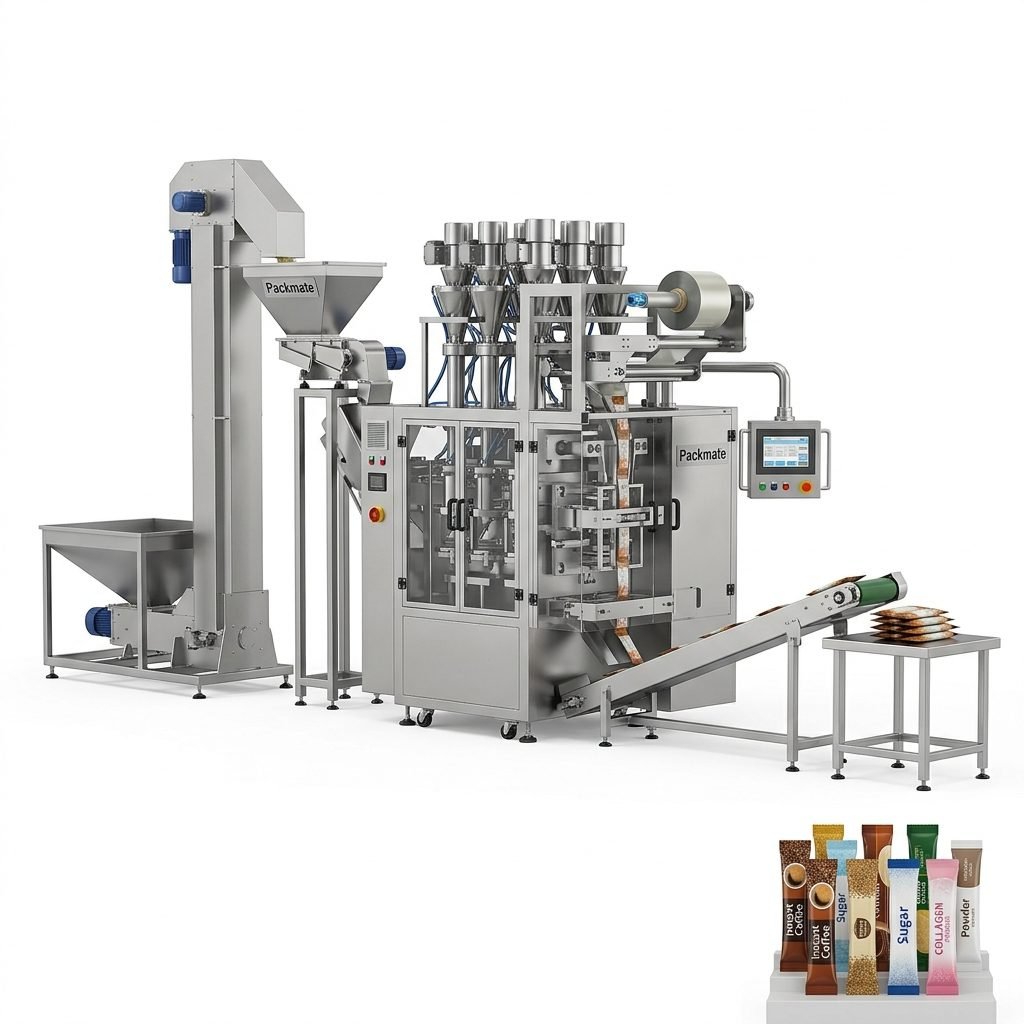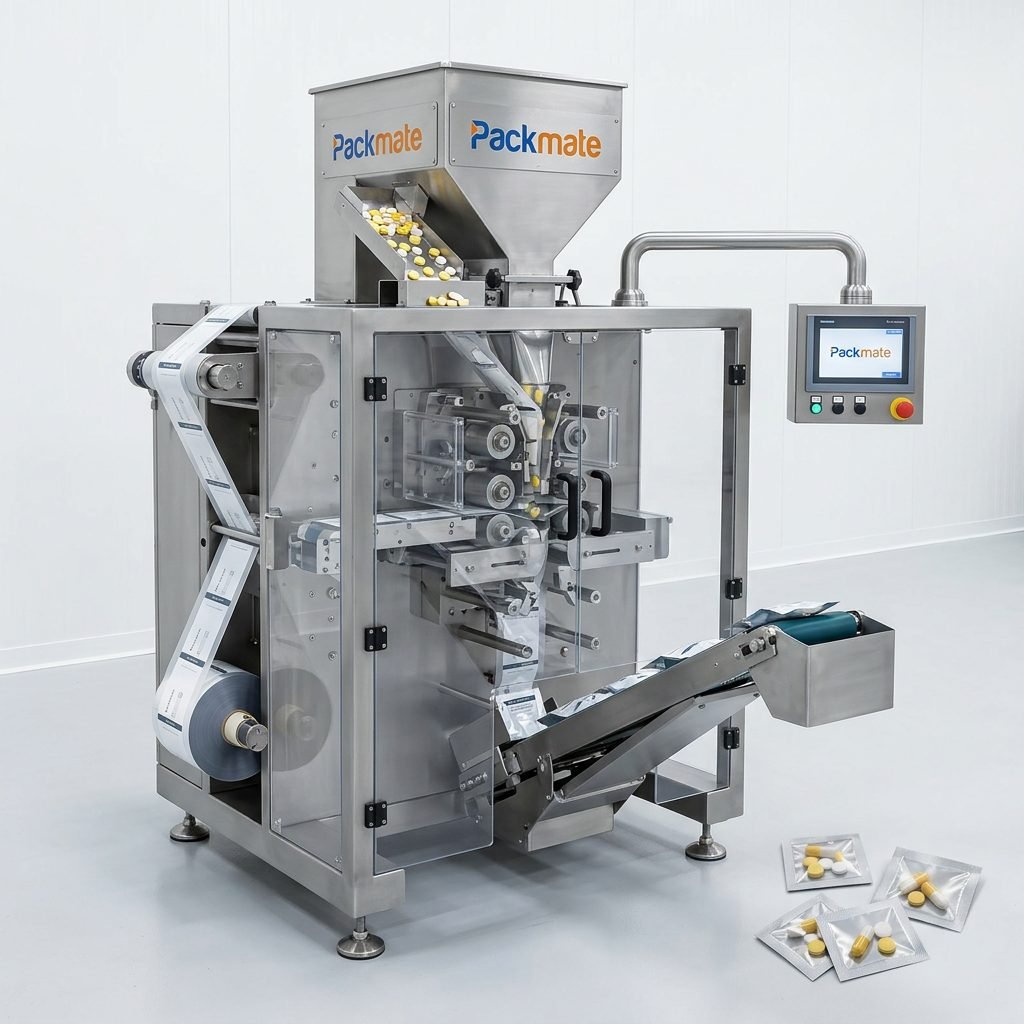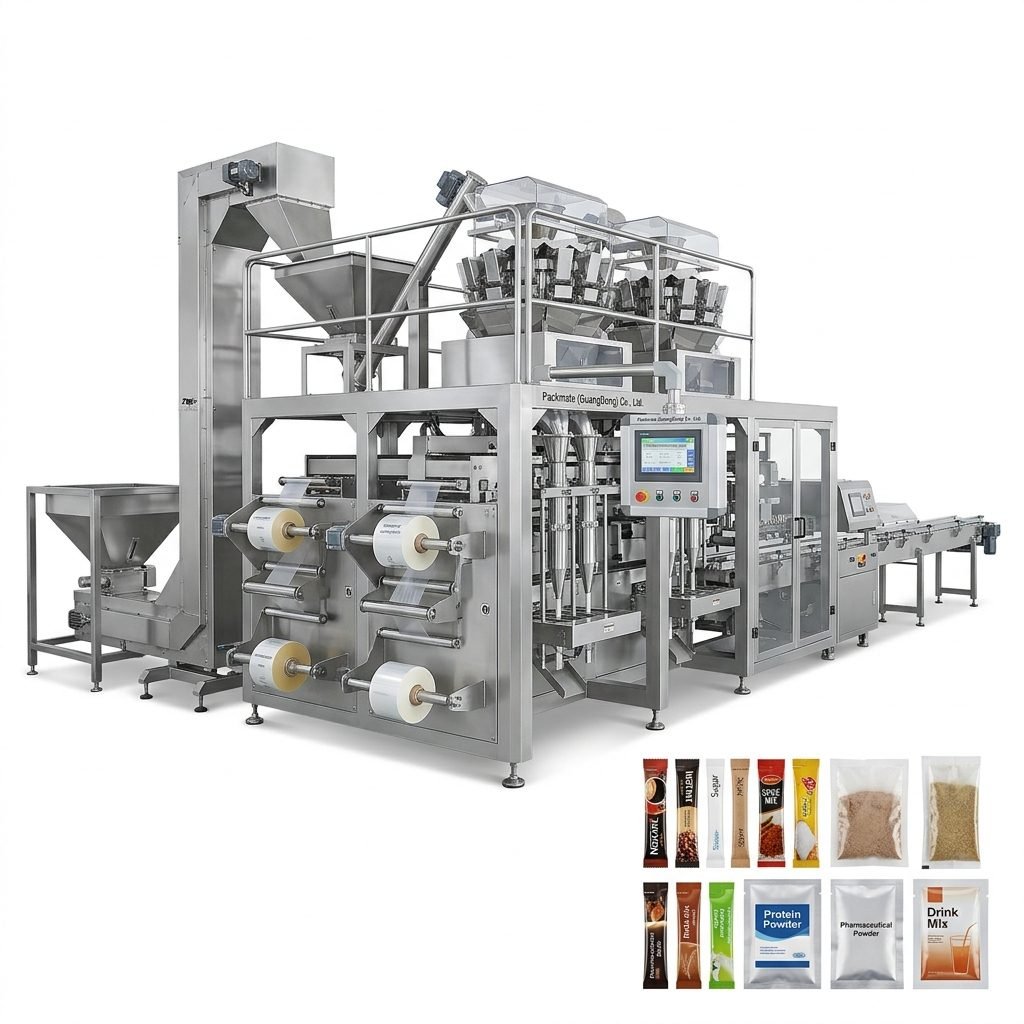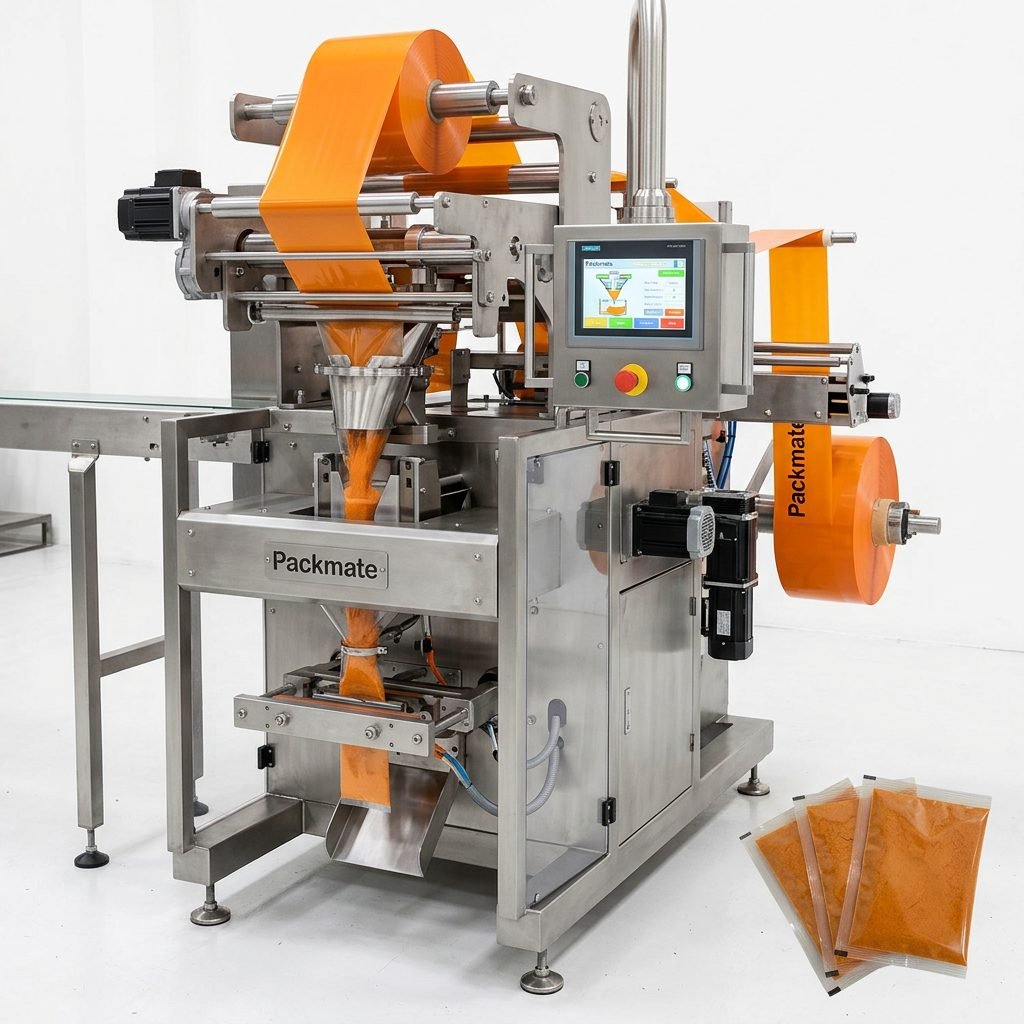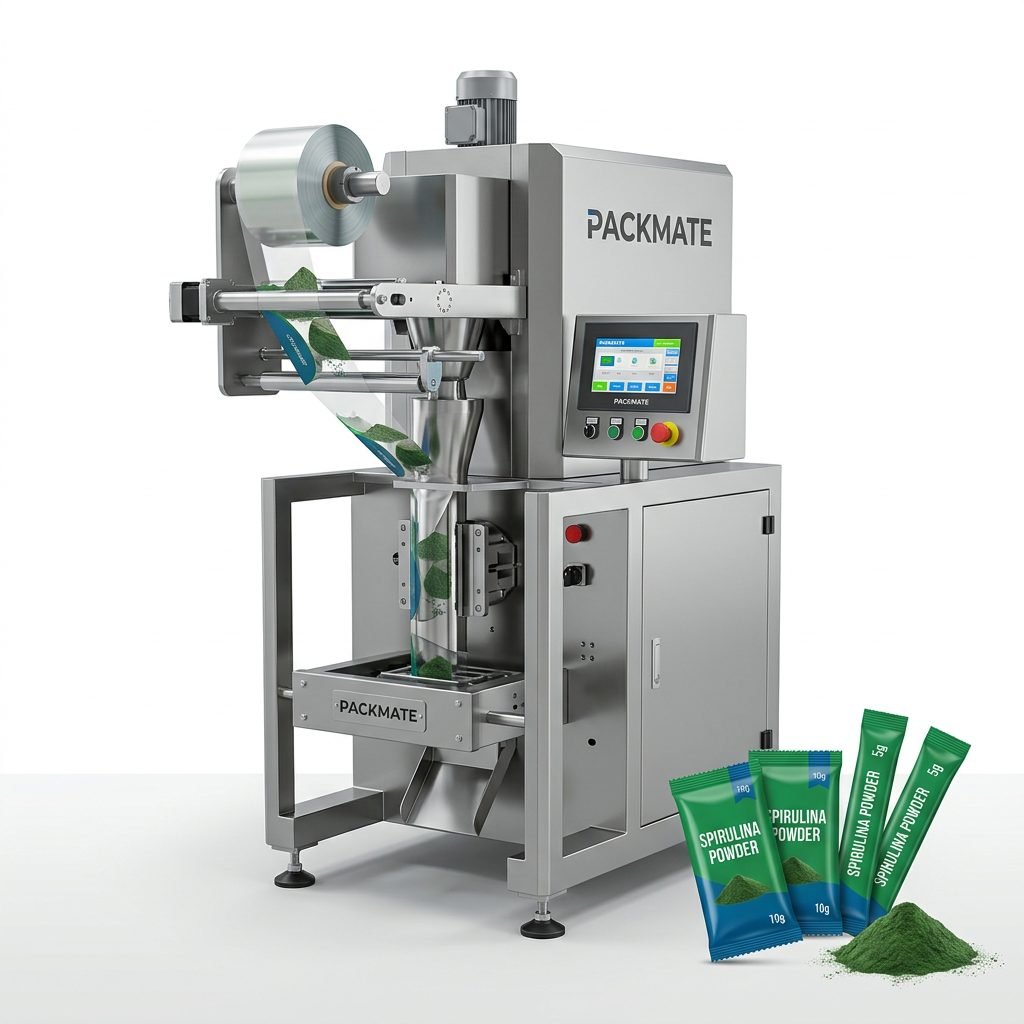
In today’s fast-paced manufacturing and distribution environments, efficiency and accuracy in packaging are not just goals—they are critical competitive advantages. Manual sorting and arranging of bags, whether they contain food products, pharmaceuticals, or consumer goods, is a labor-intensive process prone to human error, fatigue, and inconsistency. This is where an Automatic Bag Arranging System becomes a game-changer. By automating the sorting, orienting, and feeding of bags into downstream packaging machinery, these systems dramatically enhance throughput, ensure precise placement, and create a more streamlined, reliable production flow.
Understanding the Core Function of Automated Bag Sorting
At its heart, an Automatic Bag Arranging System is designed to take loose, randomly oriented bags—often coming from a form-fill-seal (FFS) machine or a bulk hopper—and systematically organize them. The system typically uses a combination of advanced technologies:
Vision Systems: High-resolution cameras scan each bag to identify its orientation, print registration marks, or potential defects.
Robotic Arms or Intelligent Conveyors: Guided by the vision system’s data, these mechanisms gently pick, rotate, and place bags onto a conveyor in a uniform, pre-determined pattern and orientation.
Precision Feeders: These ensure bags are spaced correctly and fed singularly into the next machine, such as a cartoner, case packer, or multi-packer.
This automated intervention between primary packaging (bagging) and secondary packaging (boxing/casing) is the linchpin for achieving a truly continuous and efficient packaging line solution.
Key Benefits: From Efficiency Gains to Operational Excellence
The implementation of an automated sorting system delivers a multifaceted return on investment, impacting nearly every aspect of packaging operations.
1. Unmatched Packaging Efficiency and Speed
Manual sorting inherently limits line speed to human capability. Automated systems operate 24/7, at consistent, high speeds that match or exceed the output of upstream baggers. This eliminates the bottleneck often created by manual handling, maximizing the utilization of all connected equipment and significantly increasing overall production line output.
2. Enhanced Accuracy and Elimination of Errors
Human operators can misorient bags, miss defective products, or create irregular patterns, leading to jams in cartoners or rejected packs downstream. Automated systems provide pixel-perfect precision. Every bag is presented correctly, ensuring smooth operation of subsequent machinery and guaranteeing that every final carton or case contains perfectly aligned, saleable product. This level of accuracy is crucial for industries with strict compliance standards, such as pharmaceuticals, where you can explore specific industry case studies.
3. Substantial Labor Cost Reduction and Reallocation
Automating the monotonous and physically demanding task of bag sorting frees up valuable personnel. These workers can be reassigned to more value-added roles such as quality supervision, machine oversight, or maintenance. This not only reduces long-term labor costs but also improves employee satisfaction and safety by removing them from repetitive strain tasks.
4. Improved Product Integrity and Hygiene
Minimizing human contact with the packaged product is a major benefit, especially in food and pharmaceutical sectors. Automated systems handle bags gently and precisely, reducing the risk of damage, crushing, or contamination. This is a cornerstone of modern hygienic packaging design.
5. Superior Flexibility and Quick Changeover
Modern systems are designed with flexibility in mind. With programmable logic controllers (PLCs) and easy-to-use HMIs, operators can quickly switch between different bag sizes, shapes, or arrangement patterns. This minimizes downtime during product changeovers, making short runs and just-in-time production more feasible and economical.
Integration into a Complete Packaging Line
An Automatic Bag Arranging System is rarely a standalone unit. Its true power is realized when seamlessly integrated into a broader, synchronized packaging line. It acts as the critical bridge, ensuring a smooth transition from the bagging process to secondary and tertiary packaging. For businesses looking to overhaul their entire operation, investing in a turnkey packaging line from a trusted provider ensures all components—from the FFS machine to the arranger to the case packer—are designed to work in perfect harmony, optimizing performance and simplifying maintenance.
Industry Spotlight: In the snack food industry, where throughput is extremely high and bag designs are vibrant, automatic arrangers ensure every bag is right-side-up for the cartoner, presenting the brand logo perfectly on store shelves. Similarly, in the pharmaceutical industry, they handle delicate foil sachets with care, ensuring precise counting and orientation for blister packing, a process where accuracy is non-negotiable.
Choosing the Right System: A Partner Matters
Selecting an Automatic Bag Arranging System requires careful consideration of your specific products, required speeds, footprint, and future needs. Partnering with an experienced manufacturer is crucial. A provider with deep expertise, like Packmate (GuangDong) Co., Ltd., brings over 30 years of experience in designing intelligent packaging solutions. They don’t just sell machines; they deliver customized systems backed by robust engineering support, comprehensive after-sales service, and a proven track record across global markets.
Their approach involves understanding the unique challenges of your production floor and offering a system that integrates flawlessly, driving tangible improvements in your packaging efficiency and accuracy.
Frequently Asked Questions (FAQs)
1. What types of bags can an automatic arranging system handle?
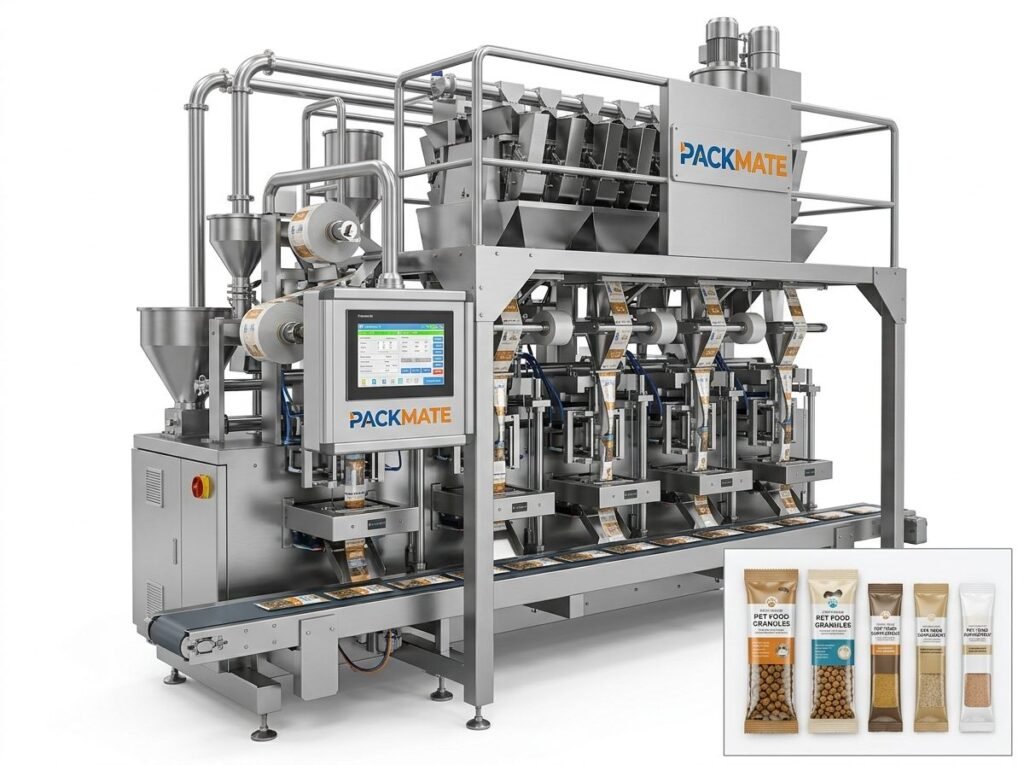
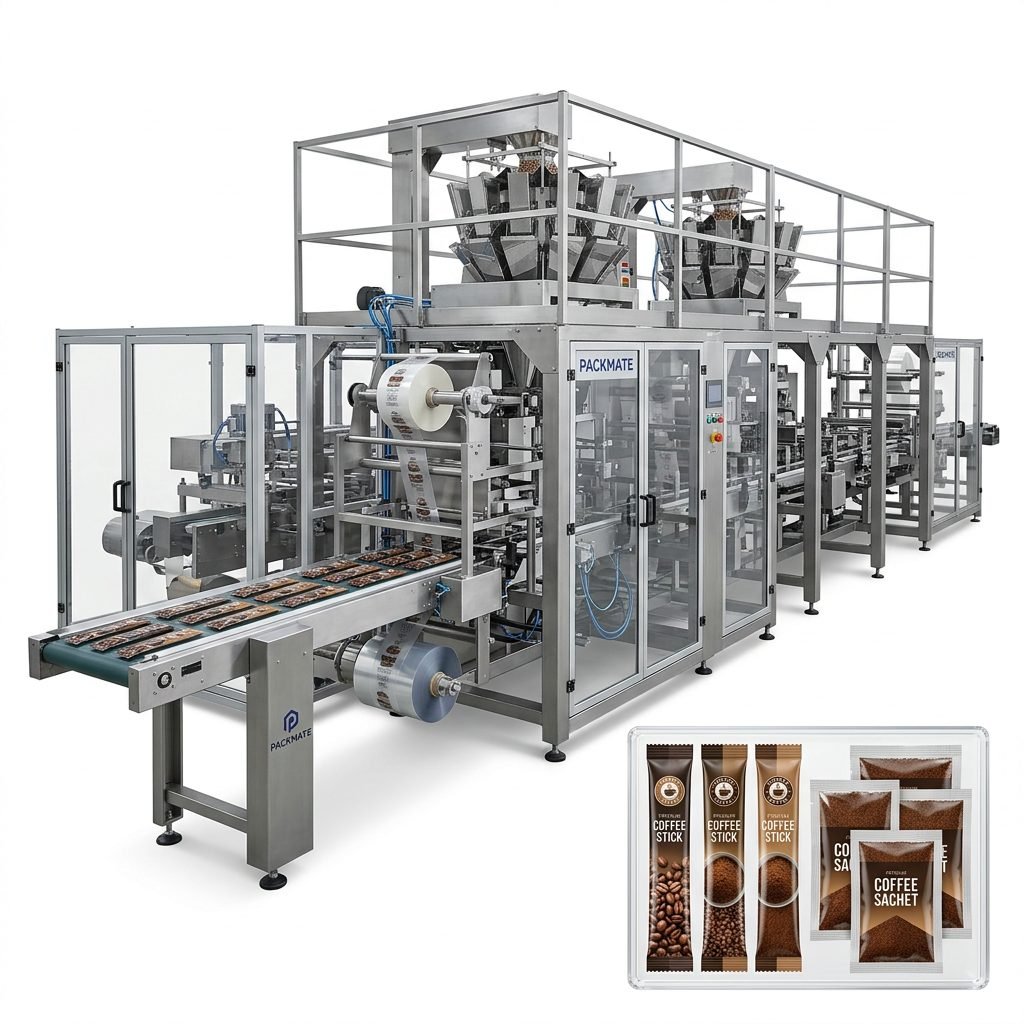
Modern systems are highly versatile and can handle a wide range of bags, including flat-bottom stand-up pouches, three-side-seal sachets, stick packs, and pillow bags. The key is to consult with the system provider about your specific bag material, size, weight, and shape to ensure compatibility.
2. How does the system handle different bag sizes or products? Is changeover difficult?
Advanced systems are designed for quick changeover. This is typically achieved through mechanical adjustments (like changing guide rails or grippers) combined with software presets. Operators can recall a saved recipe for a specific product, and the system will automatically adjust its parameters, minimizing downtime between production runs.
3. Can the system detect and reject defective bags?
Yes, when integrated with a high-quality vision inspection system, the arranger can be programmed to identify and reject bags with defects such as poor seals, incorrect fill levels, misprinted graphics, or tears. The defective bag is automatically diverted, preventing it from contaminating the good product stream.
4. What is the typical ROI (Return on Investment) for such a system?
ROI depends on factors like labor costs, current error rates, and production volume. Primary savings come from reduced labor, lower product waste (from errors and jams), and increased throughput. Many operations see a full return on investment within 12 to 24 months due to these significant efficiency gains and cost savings.
5. How reliable are these systems, and what kind of maintenance do they require?
Built with industrial-grade components, automatic bag arrangers are designed for high reliability in demanding environments. Regular preventive maintenance, as outlined by the manufacturer, is essential. This usually involves cleaning sensors and vision lenses, checking mechanical parts for wear, and verifying software calibration. Choosing a supplier with strong technical support ensures you have access to parts and expertise when needed.