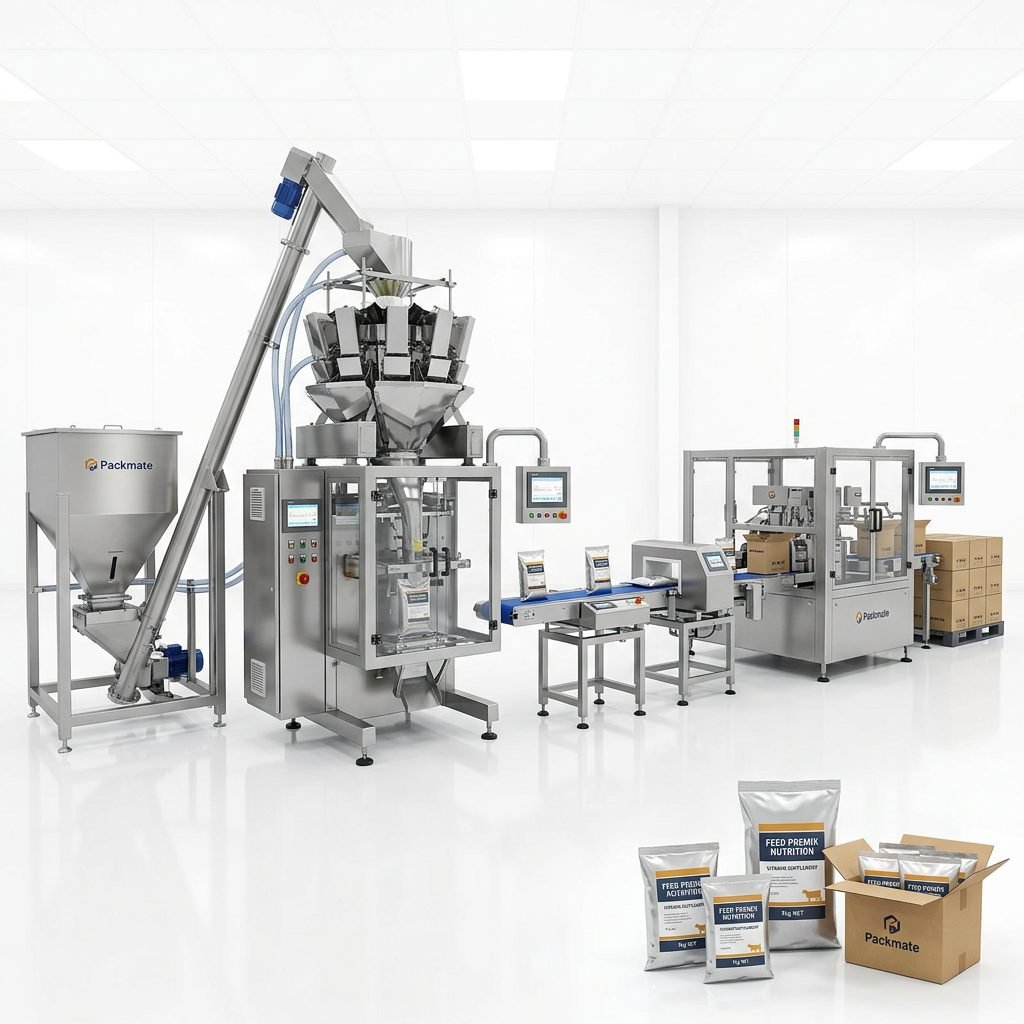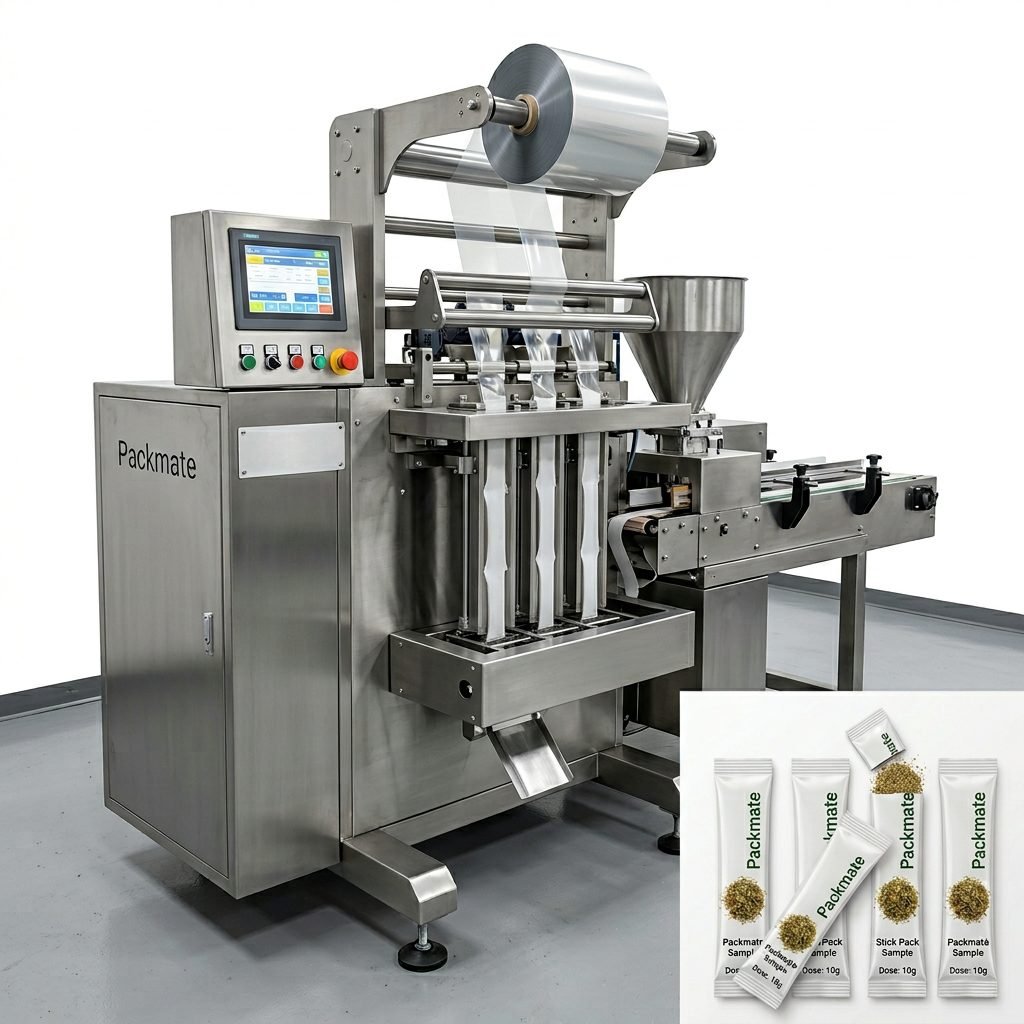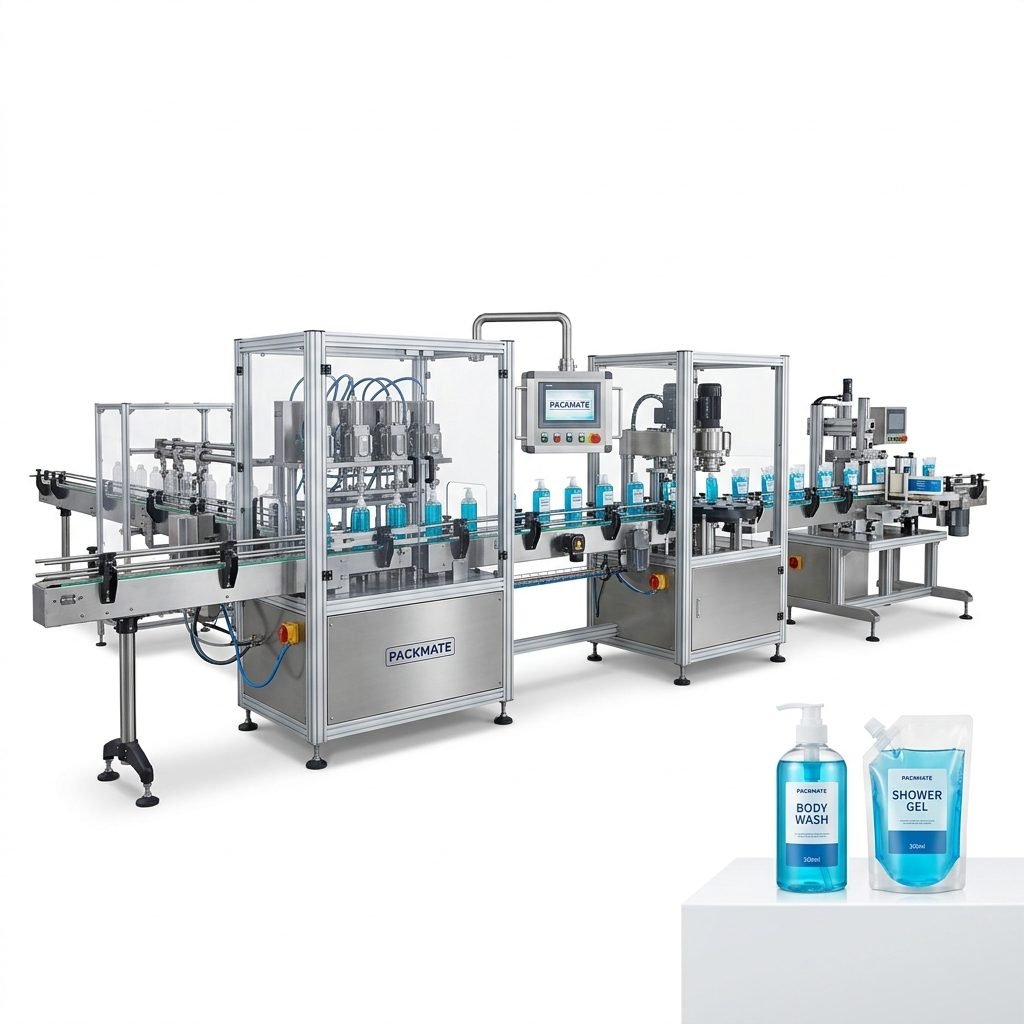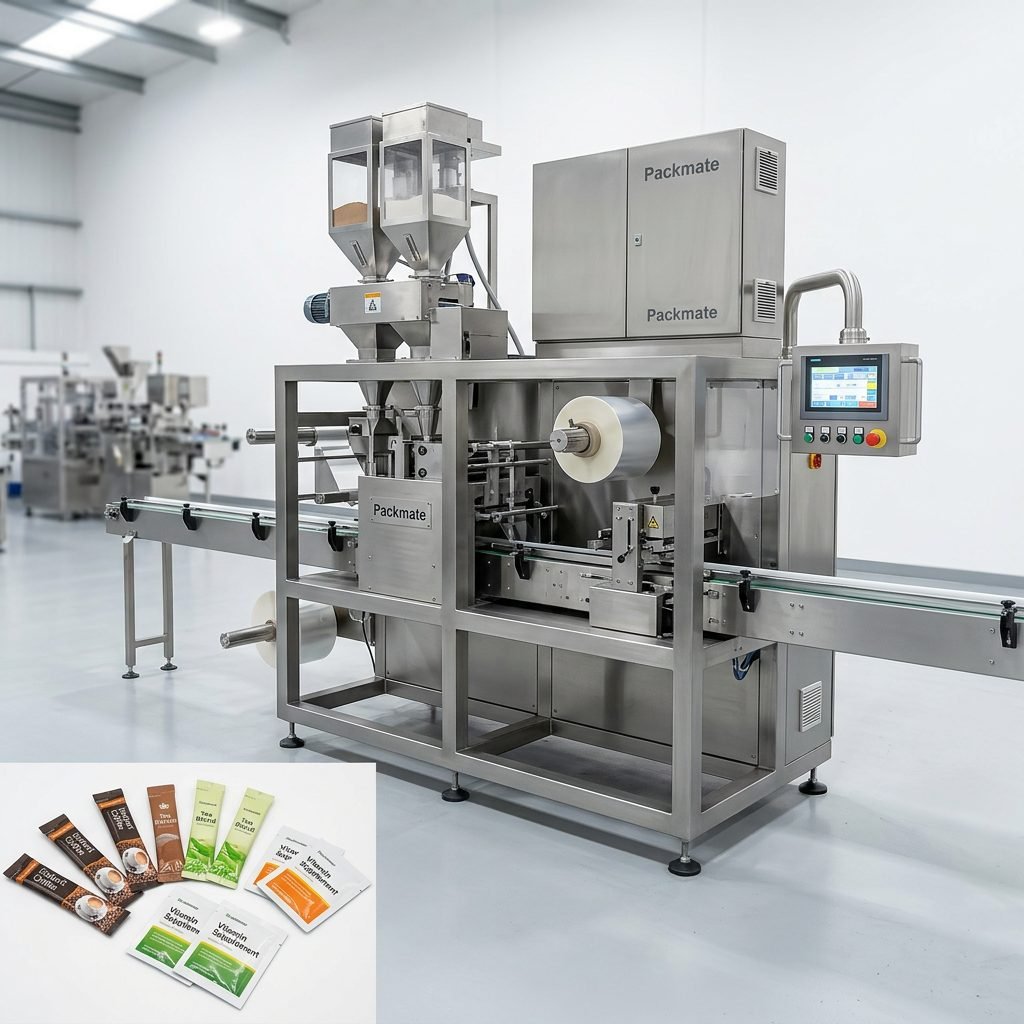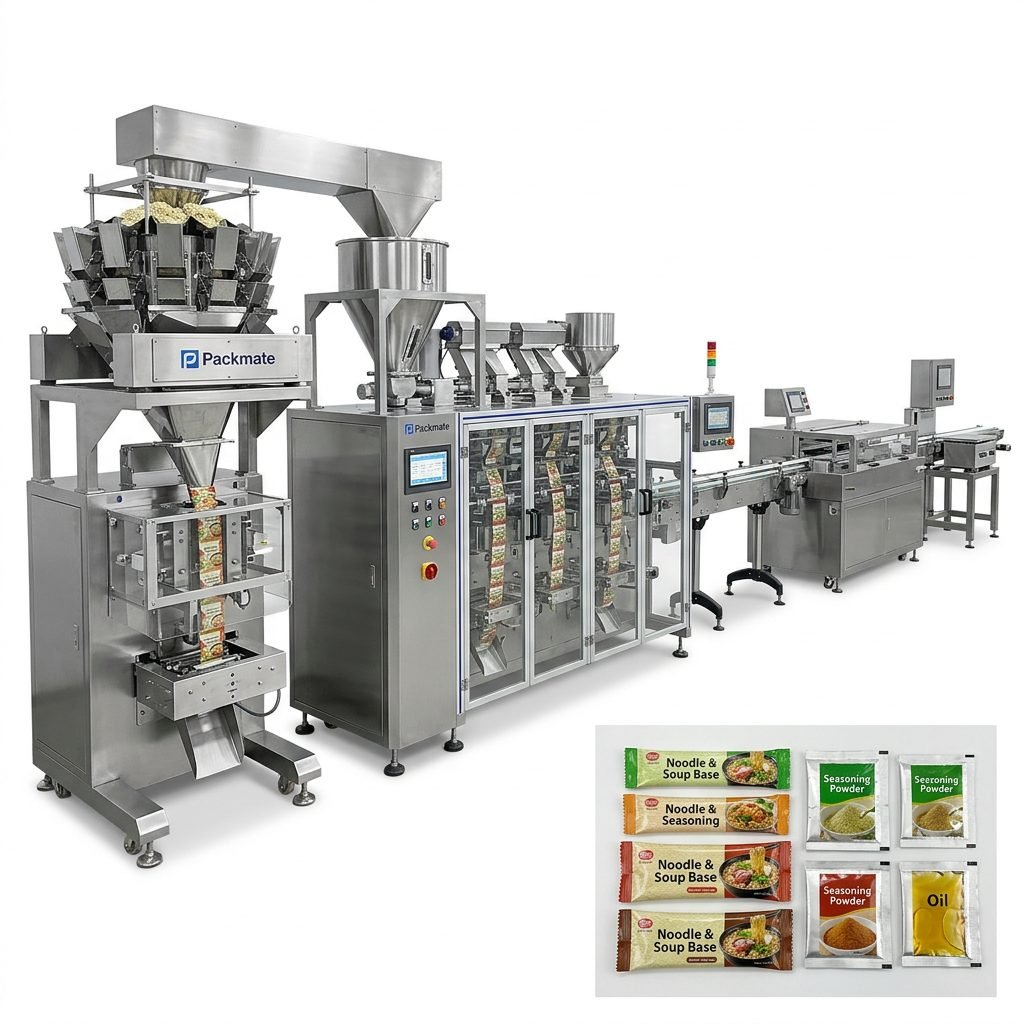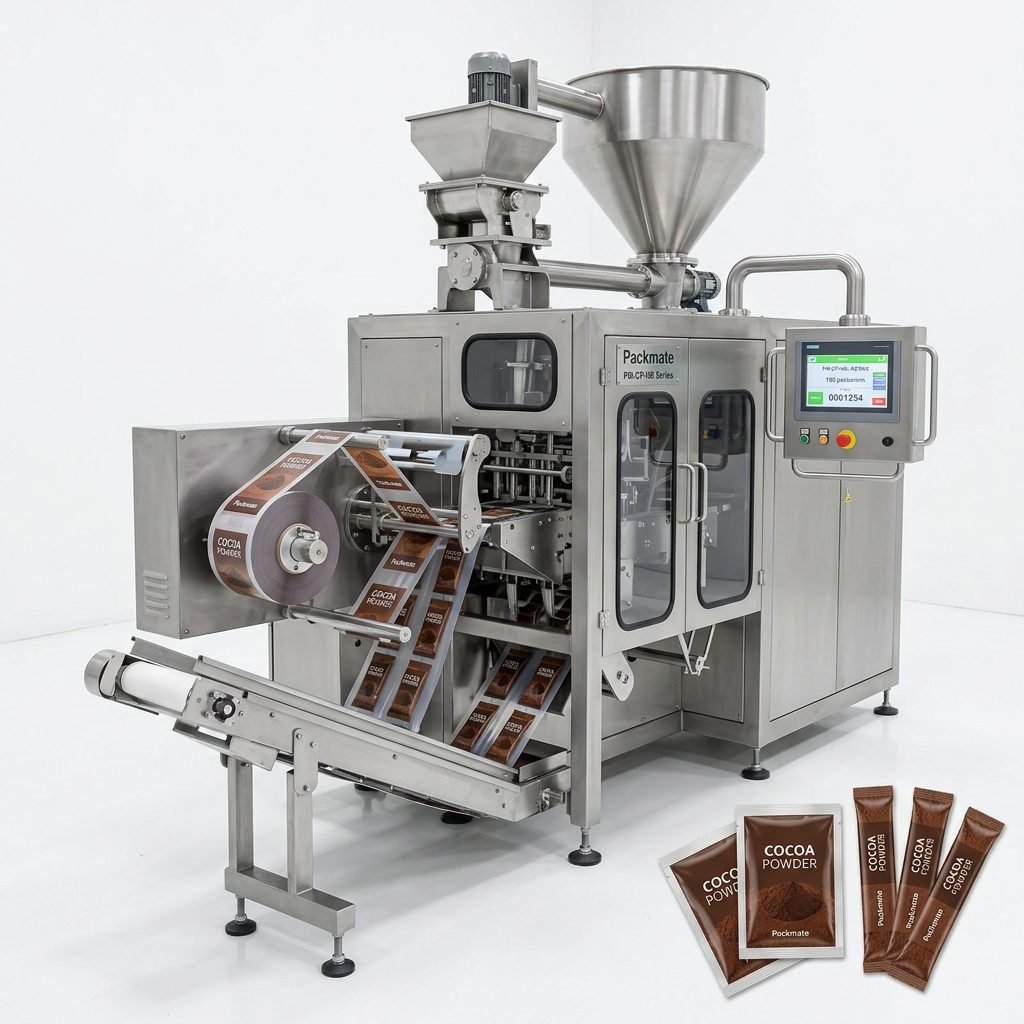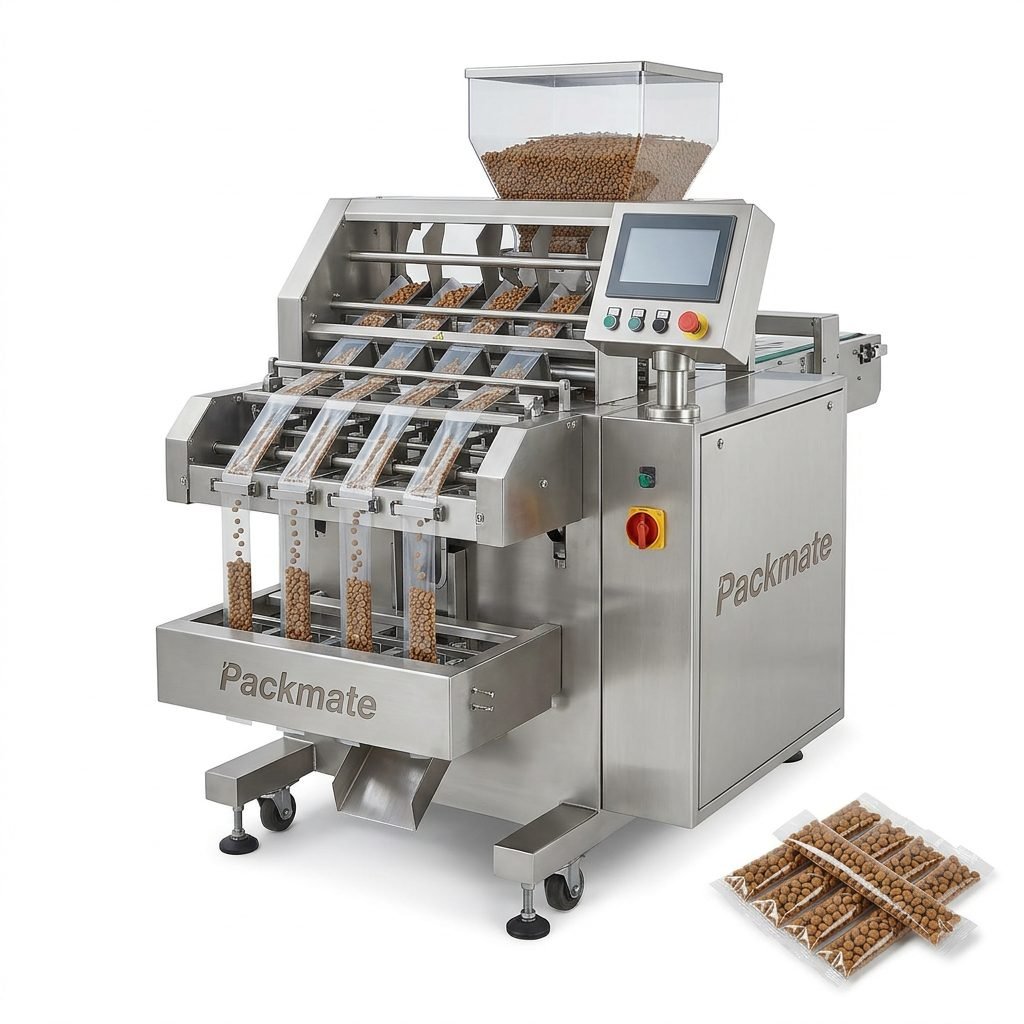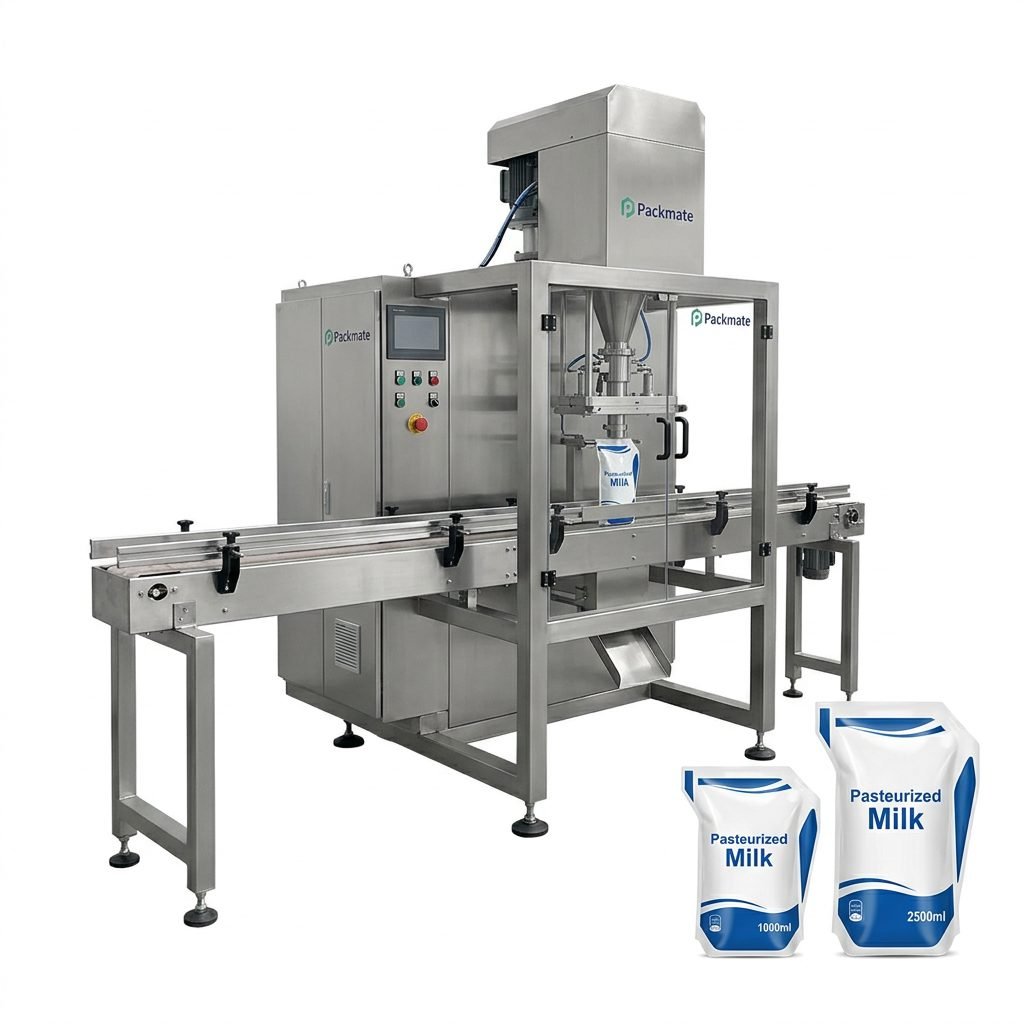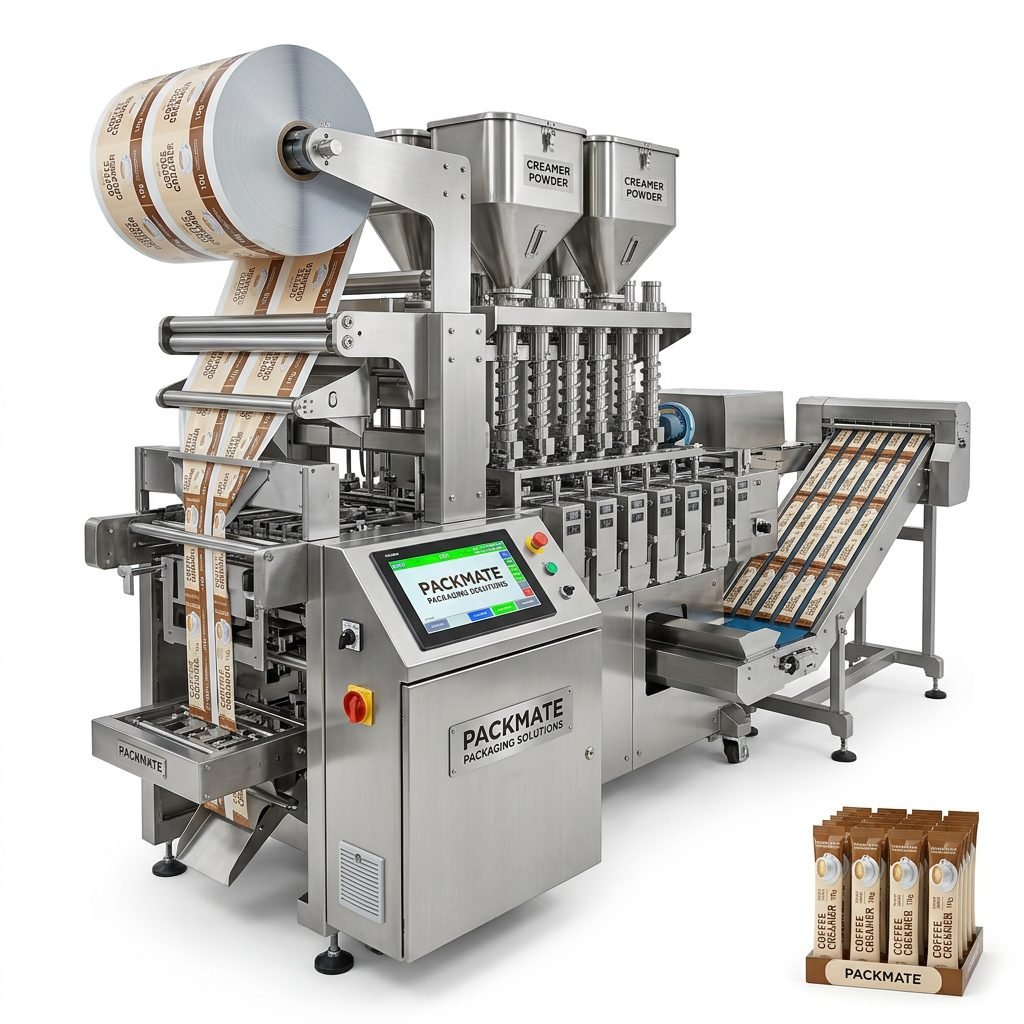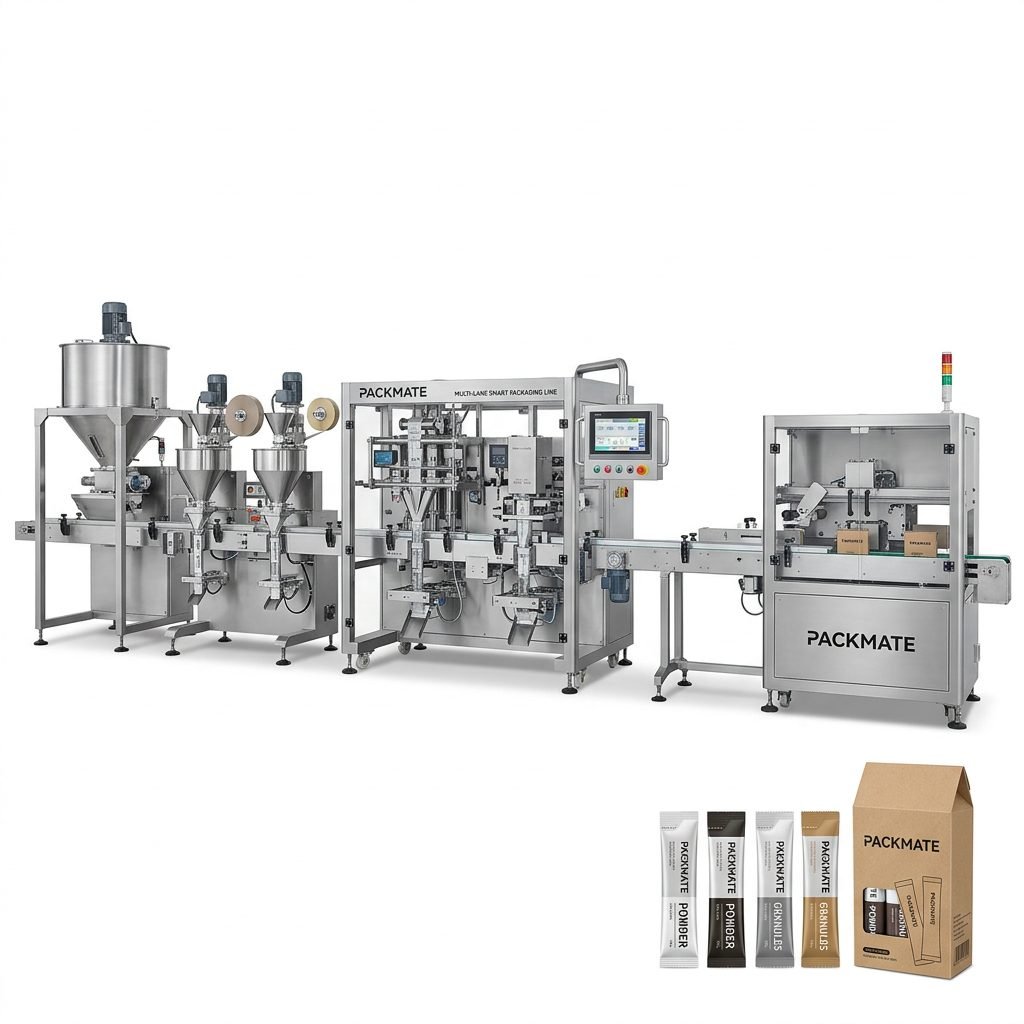
In the highly regulated and quality-critical world of pharmaceuticals and healthcare, packaging is far more than just a final step in production. It is a vital component of product integrity, safety, and patient compliance. For tablets and capsules, the primary dosage forms for countless medications, the packaging process demands precision, speed, and unwavering hygiene. This is where automatic tablet and capsule case packaging lines become indispensable. These sophisticated systems are engineered to handle delicate solid dosage forms, placing them securely into blister packs, bottles, or other primary packaging with minimal human intervention, thereby enhancing efficiency and safeguarding product quality from the production line to the end-user.
The Critical Role of Automation in Pharma Packaging
Manual packaging processes are prone to errors, contamination risks, and inconsistencies in output. In an industry where a single packaging error can have serious consequences, automation provides a robust solution. An automatic case packaging line integrates various machines—such as cartoners, case packers, and palletizers—into a seamless workflow. For tablet and capsule products, this often follows primary packaging (like blister sealing or bottle filling) and involves collating individual sales units, inserting them into cases or trays, and preparing them for shipping. The benefits are multifaceted, directly addressing the core needs of pharmaceutical manufacturers.
Key Advantages of Automated Lines:
➤ Enhanced Product Safety & Integrity: Automated systems operate in controlled environments, significantly reducing the risk of particulate contamination or human-borne contaminants. Gentle handling mechanisms are designed specifically for tablets and capsules to prevent chipping, cracking, or dust generation.
➤ Unmatched Speed and Scalability: Modern lines can achieve incredibly high output rates, meeting the demands of large-scale production runs without compromising accuracy. This scalability is crucial for responding to market demands and production schedules.
➤ Superior Accuracy and Traceability: With advanced vision systems and sensors, these lines ensure every case contains the correct count and type of product. Integrated software provides complete traceability, logging batch numbers, dates, and production data—a non-negotiable requirement for regulatory compliance (e.g., FDA, EU GMP).
➤ Operational Cost Efficiency: While the initial investment is significant, automation reduces long-term labor costs, minimizes material waste from errors, and decreases downtime, leading to a strong return on investment.
Core Components of a Turnkey Packaging Line
A complete, turnkey automatic packaging solution for tablets and capsules is a symphony of coordinated machinery. Understanding these components helps in appreciating the complexity and capability of the system.
1. Primary Packaging Feeders and Accumulation
The process begins with the organized feeding of blister packs, bottles, or other primary packages from upstream equipment. Accumulation tables or conveyors buffer the flow, ensuring a consistent and steady supply to the case packing machinery, preventing bottlenecks.
2. Automatic Case Erectors and Packers
This is the heart of the line. Flat corrugated cases are mechanically erected into their three-dimensional form. Robotic arms or sophisticated pusher mechanisms then carefully load the collated primary packages into the cases. For pharmaceutical products, the packing pattern is precise to prevent movement and damage during transit.
3. Sealing and Coding Systems
Once filled, cases move through taping or gluing stations to securely seal the flaps. Simultaneously, high-resolution inkjet or laser coders print essential information directly onto the case—batch number, expiry date, manufacturing date, and barcodes. This step is critical for tracking and compliance throughout the supply chain.
4. Integrated Inspection & Rejection Systems
Quality checkpoints are integrated at multiple stages. Vision systems verify label presence and correctness, check for proper sealing, and ensure coding accuracy. Any non-conforming case is automatically rejected from the line, guaranteeing that only perfect units proceed.
5. Palletizing and End-of-Line Automation
Sealed cases are then conveyed to a palletizer, which stacks them onto pallets in a stable, pre-programmed pattern. The palletized load may then be stretch-wrapped or otherwise secured, ready for warehousing or direct shipment. This creates a truly end-to-end automated process from the tablet press to the shipping dock.
Selecting the Right Partner for Your Packaging Line
Investing in an automatic packaging line is a major strategic decision. The choice of supplier is as important as the technology itself. A reliable partner brings more than just hardware; they bring expertise, support, and a commitment to your success.
What to Look for in a Supplier:
- Proven Industry Experience: Seek a supplier with a documented history of successful installations in the pharmaceutical and healthcare sectors. Familiarity with GMP standards and validation protocols (IQ/OQ/PQ) is essential. Companies like Packmate, with decades of focus on intelligent packaging, exemplify this deep industry knowledge.
- Customization and Flexibility: Your products and needs are unique. The ideal supplier should offer customizable solutions that can handle your specific tablet/capsule sizes, packaging formats (blisters, bottles, etc.), and required output speeds.
- Comprehensive Service and Support: The relationship begins at installation. Ensure your partner provides thorough training, detailed documentation, readily available spare parts, and responsive technical support to minimize downtime.
- Commitment to Innovation: The packaging landscape evolves. A forward-thinking supplier invests in R&D to incorporate the latest technologies in robotics, IoT for predictive maintenance, and data analytics, future-proofing your investment.
Exploring a supplier’s past project portfolios and client testimonials can provide invaluable insight into their capability and reliability. A true partner will work collaboratively to understand your challenges and design a line that is not just a machine, but a strategic asset.
Driving Efficiency and Compliance Forward
The adoption of automatic case packaging lines represents a strategic leap towards operational excellence in pharma manufacturing. By automating this critical stage, companies secure a faster, safer, and more reliable pathway to market for their vital products. The reduction in manual handling not only cuts costs but elevates quality standards, providing robust defenses against recalls and compliance issues. As the industry continues to advance with trends like serialization and connected packaging, these automated lines provide the adaptable, data-rich foundation necessary for the future. For any pharmaceutical or healthcare company aiming to scale production, ensure patient safety, and maintain a competitive edge, investing in a high-quality automatic tablet and capsule case packaging line is not just an option—it is an imperative.
Frequently Asked Questions (FAQs)
1. What is the typical lead time for a complete automatic case packaging line?
Lead times can vary significantly based on the line’s complexity, level of customization, and current manufacturer backlog. For a standard, configured line from an established supplier, it typically ranges from 20 to 36 weeks from order confirmation to delivery at your site. This includes design, manufacturing, factory acceptance testing, and preparation for shipment. Always discuss and confirm the detailed project timeline with your supplier during the quotation phase.
2. How do these lines handle different sizes of tablet blister packs or bottles?
Modern automatic case packers are designed for quick changeover. This is achieved through modular tooling, adjustable guides, and servo-driven mechanisms. Changeover parts for different product formats can often be switched in minutes with minimal tools. The line’s control system (HMI) will store recipes for each product, automatically adjusting machine parameters for size, count, and packing pattern, maximizing flexibility and reducing downtime between production runs.
3. What kind of validation documentation is provided with the equipment?
Reputable suppliers specializing in pharmaceutical equipment provide a comprehensive validation support package. This typically includes Design Qualification (DQ) documentation, detailed Factory Acceptance Test (FAT) protocols and reports, and guidelines for performing Installation Qualification (IQ) and Operational Qualification (OQ) at your facility. They should also provide full technical dossiers, machine manuals, and material certifications. It’s crucial to clarify the scope of validation support offered before purchase.
4. Can the packaging line be integrated with our existing production machinery?
Yes, integration is a common and critical requirement. A competent supplier will engineer the case packing line to interface seamlessly with your upstream equipment (e.g., blister machines, cartoners) and downstream systems (e.g., palletizers). This involves coordinating conveyor heights, speeds, and communication protocols (often via PLC or industrial Ethernet). During the planning phase, you will need to provide detailed specifications of the interfacing equipment to ensure a smooth integration. For more on integration services, visit our service page.
5. What are the key maintenance requirements for these automated lines?
Preventive maintenance is essential for longevity and reliability. Key requirements include regular lubrication of moving parts, inspection and replacement of wear items (like belts, seals, and gripper pads), calibration of sensors and vision systems, and keeping pneumatic filters clean. Most suppliers offer scheduled maintenance contracts and provide detailed maintenance checklists. Modern lines also feature IoT capabilities for predictive maintenance, alerting operators to potential issues before they cause unplanned downtime.