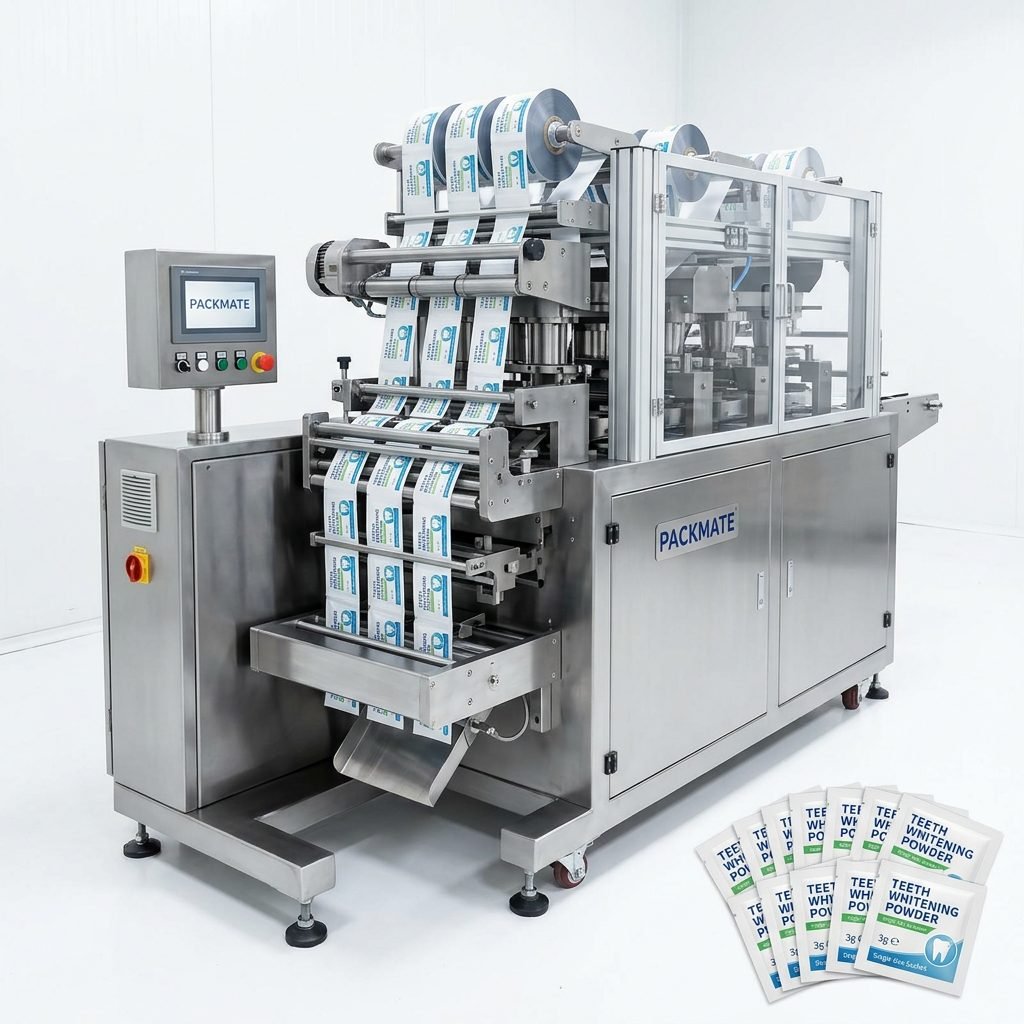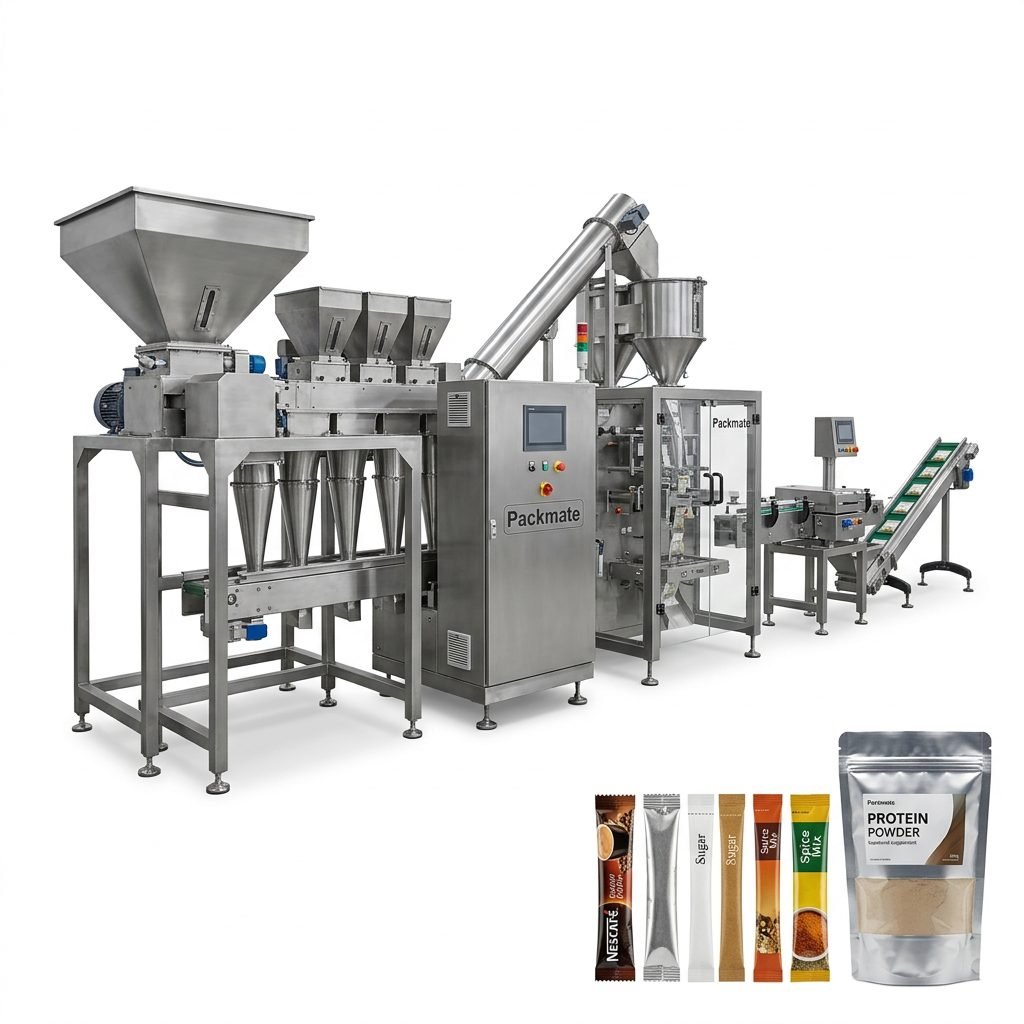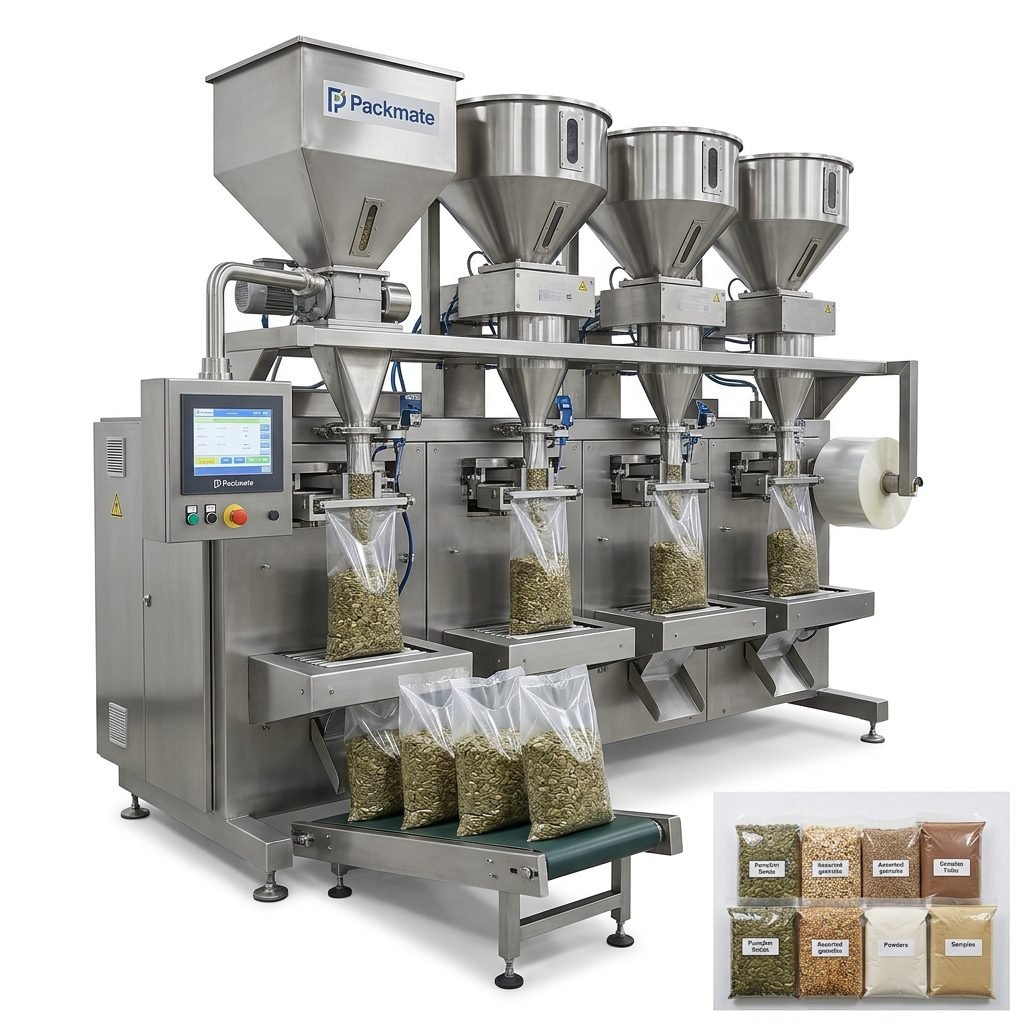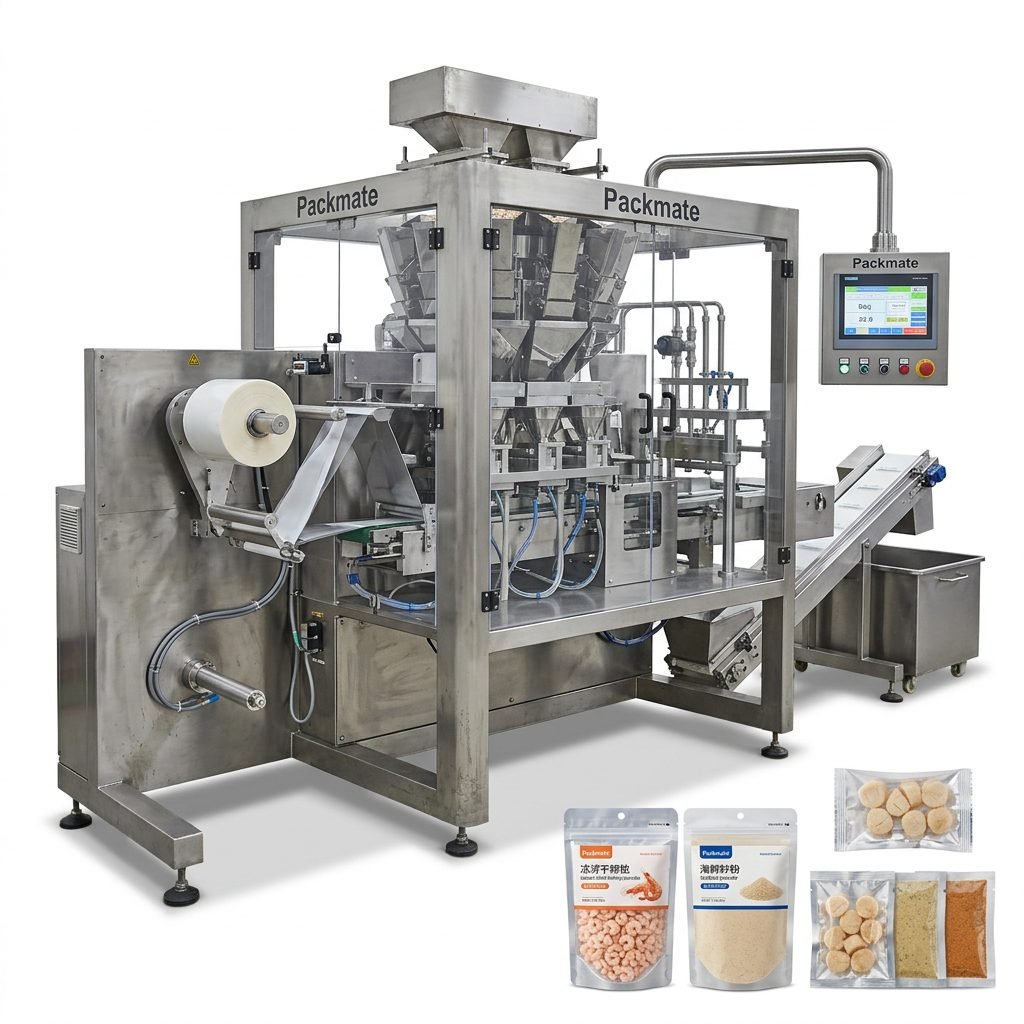
When sourcing packaging machinery for your production line in South Korea, the decision goes far beyond comparing price lists. Korean buyers — known for their rigorous quality standards, fast-paced manufacturing environment, and preference for long-term supplier relationships — must evaluate manufacturers on technical depth, after-sales responsiveness, and the ability to handle complex product formats. Whether you operate a food processing plant in Seoul, a pharmaceutical facility in Busan, or a health supplement factory in Incheon, choosing the right partner directly impacts your production efficiency, product consistency, and total cost of ownership. Below, we break down the critical factors every Korean purchaser should consider, with real-world insights from leading global suppliers.
1. Manufacturing Capability and Quality Assurance
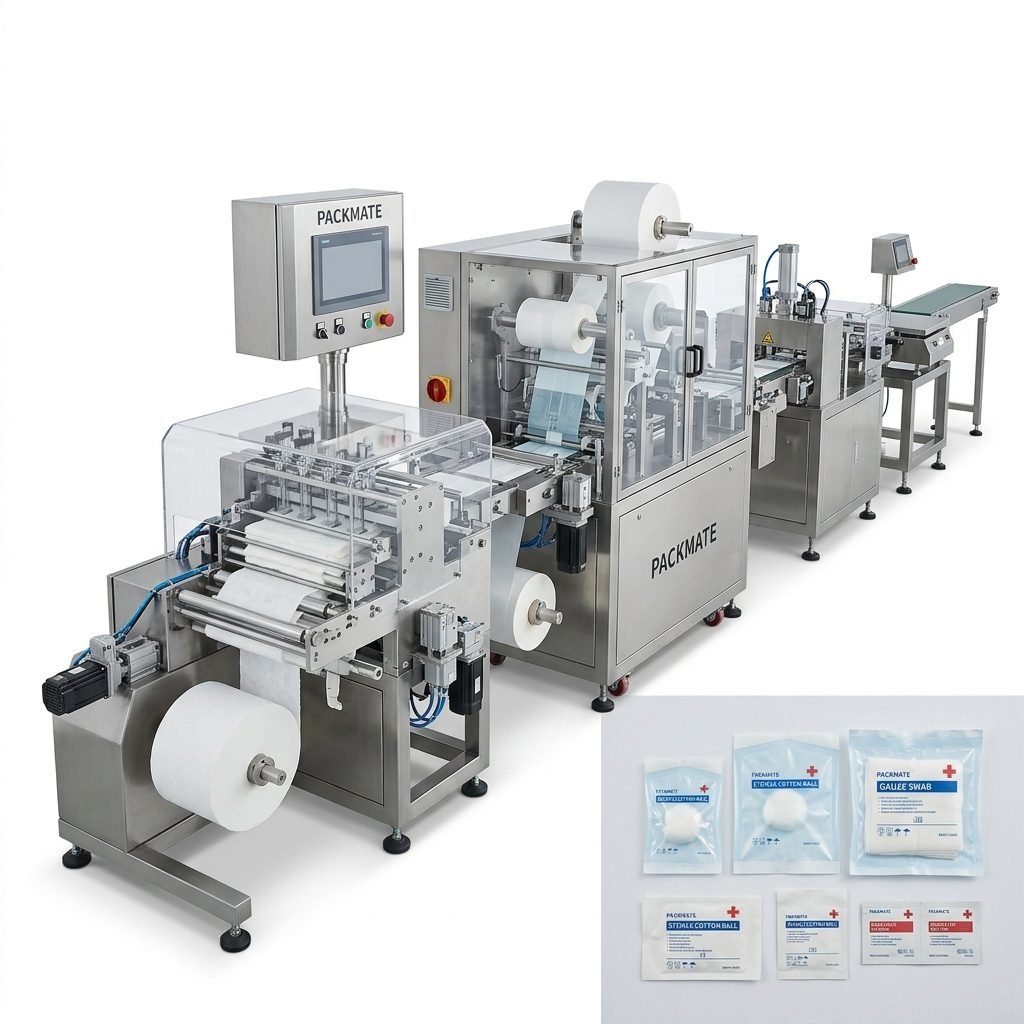
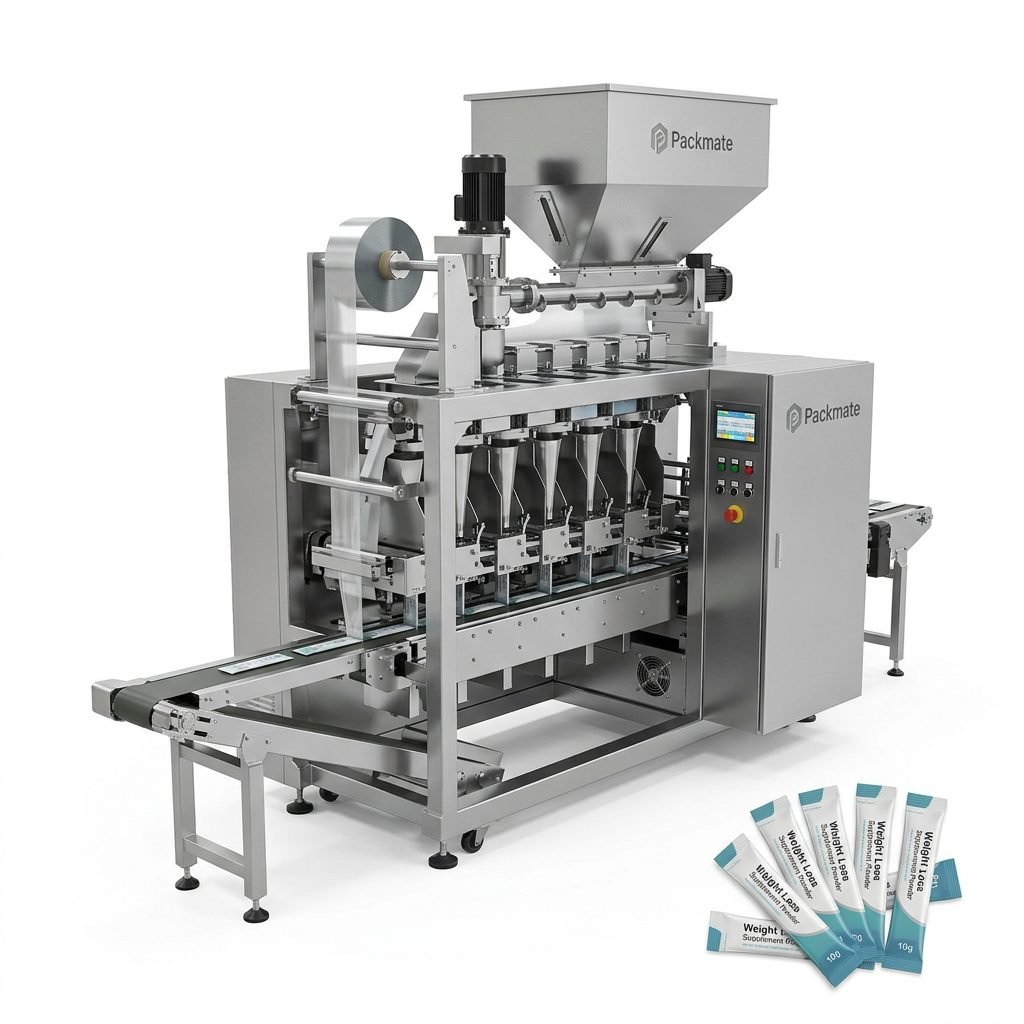
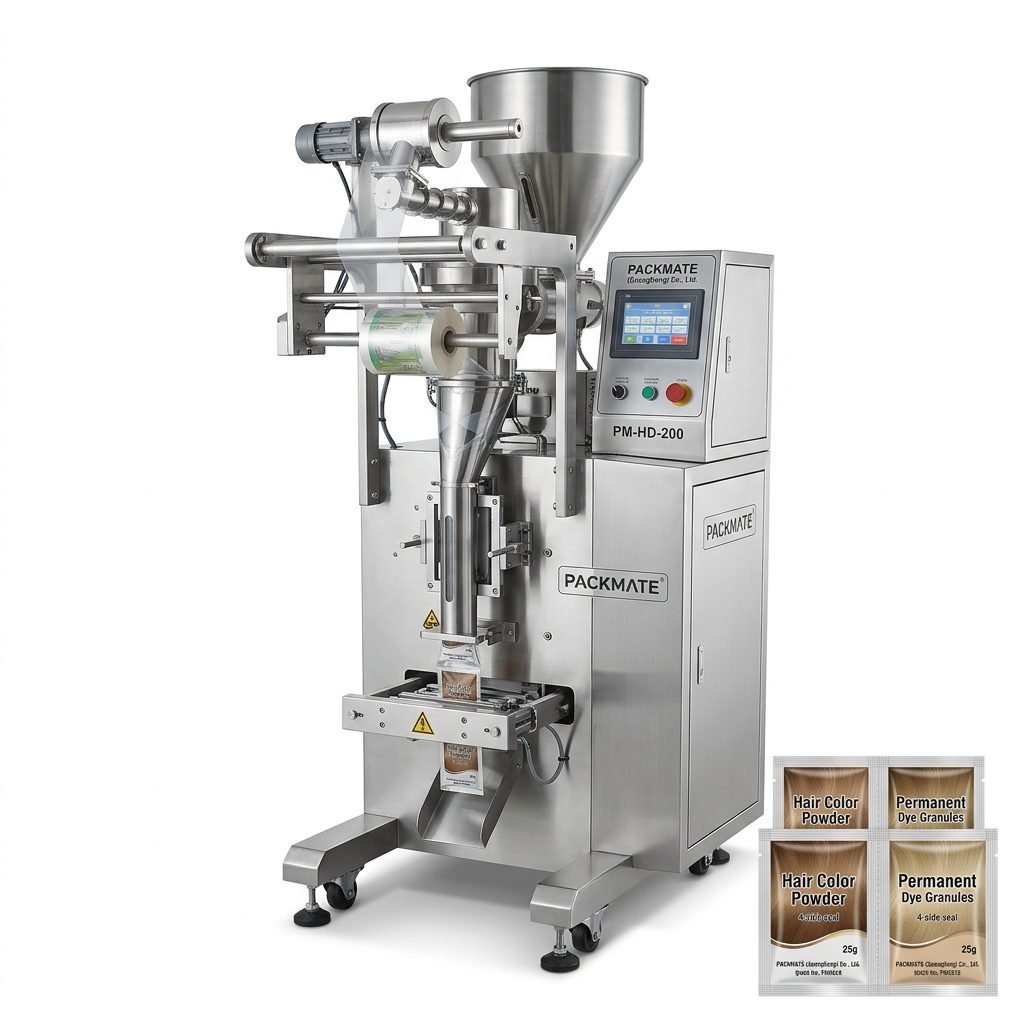
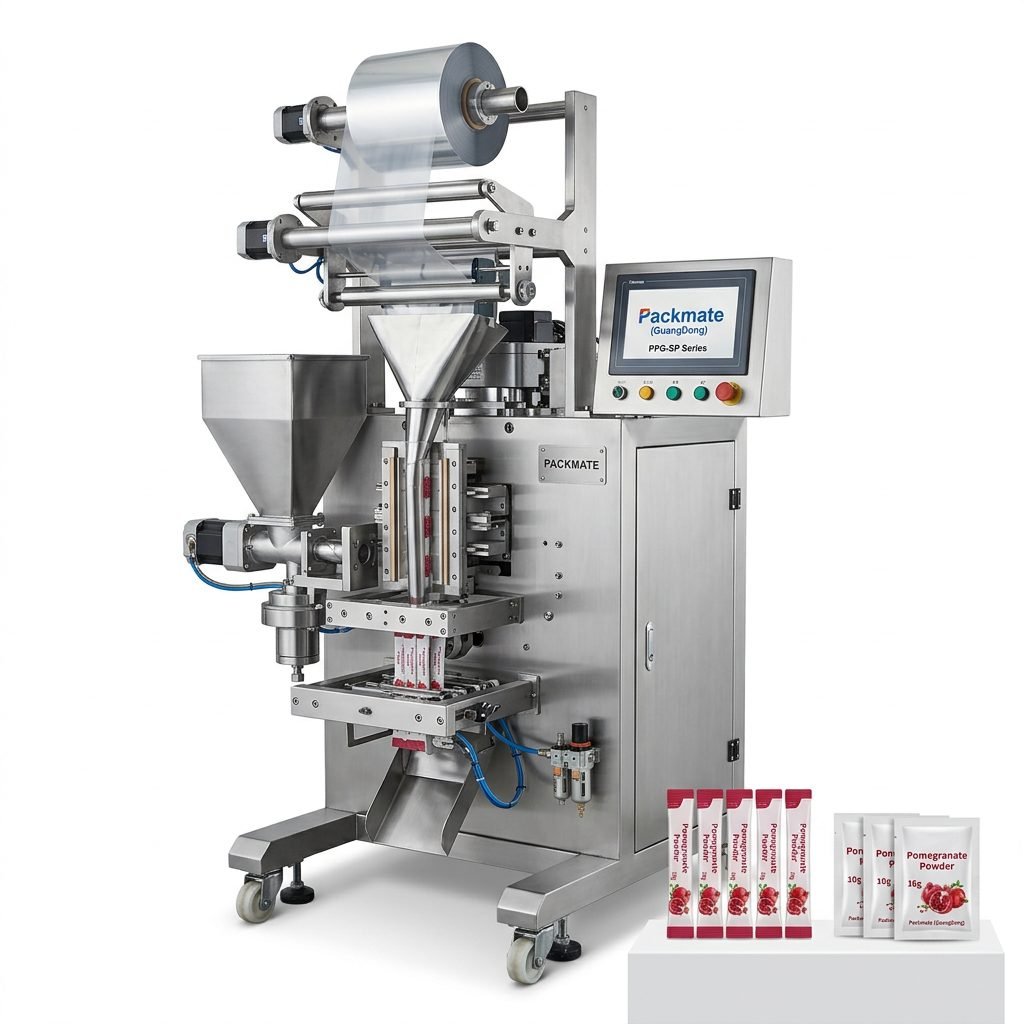
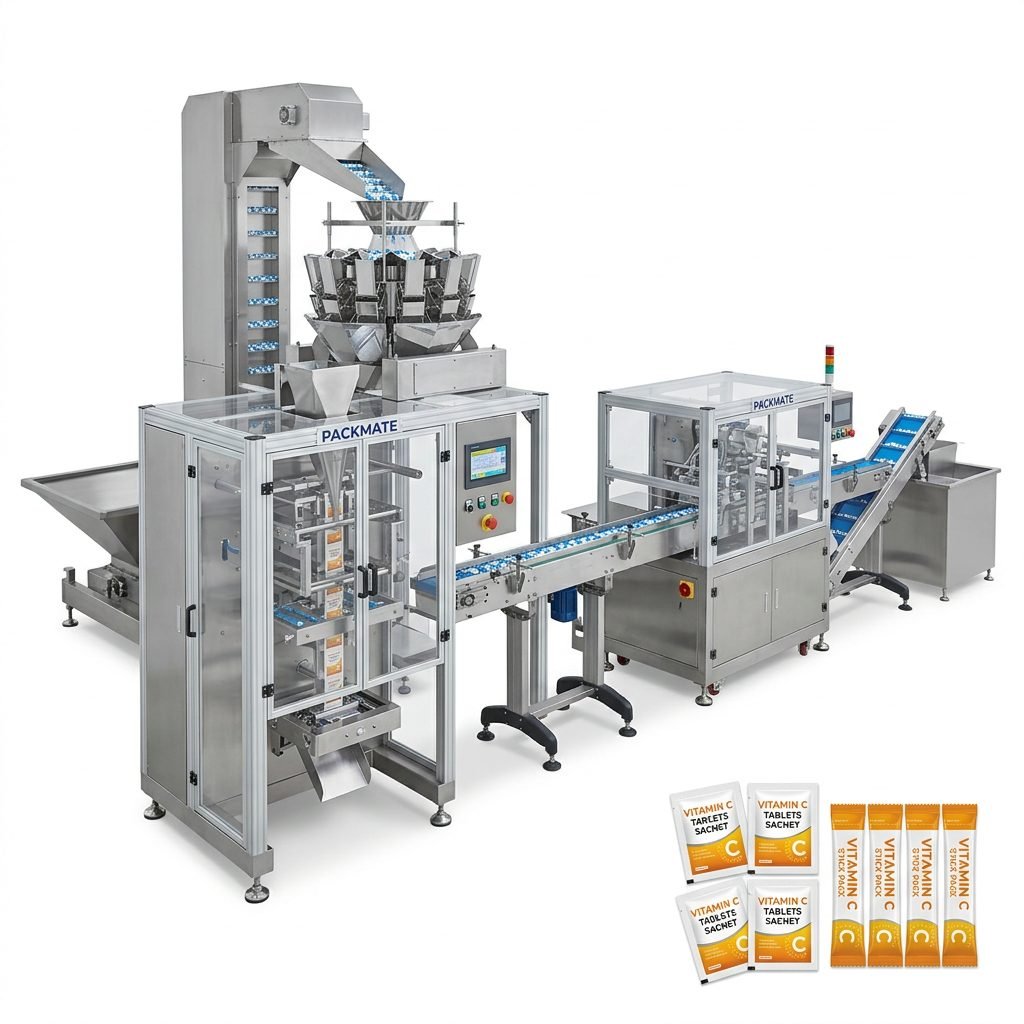
Korean buyers typically demand high-precision equipment that can operate 24/7 with minimal downtime. A manufacturer’s factory size, machining equipment, and assembly processes are direct indicators of reliability. For example, Ludyway operates a 20,000-square-meter facility with over 30 years of experience, offering more than 100 machine configurations. Their structured quality inspection process ensures each machine meets strict tolerances. Similarly, Packmate Machinery maintains a modern production base of similar scale, with 80+ models covering stick pack, sachet, and turnkey lines. Korean clients should request factory audit reports, ISO certifications, and references from existing clients in similar industries.
Turnkey Line Integration
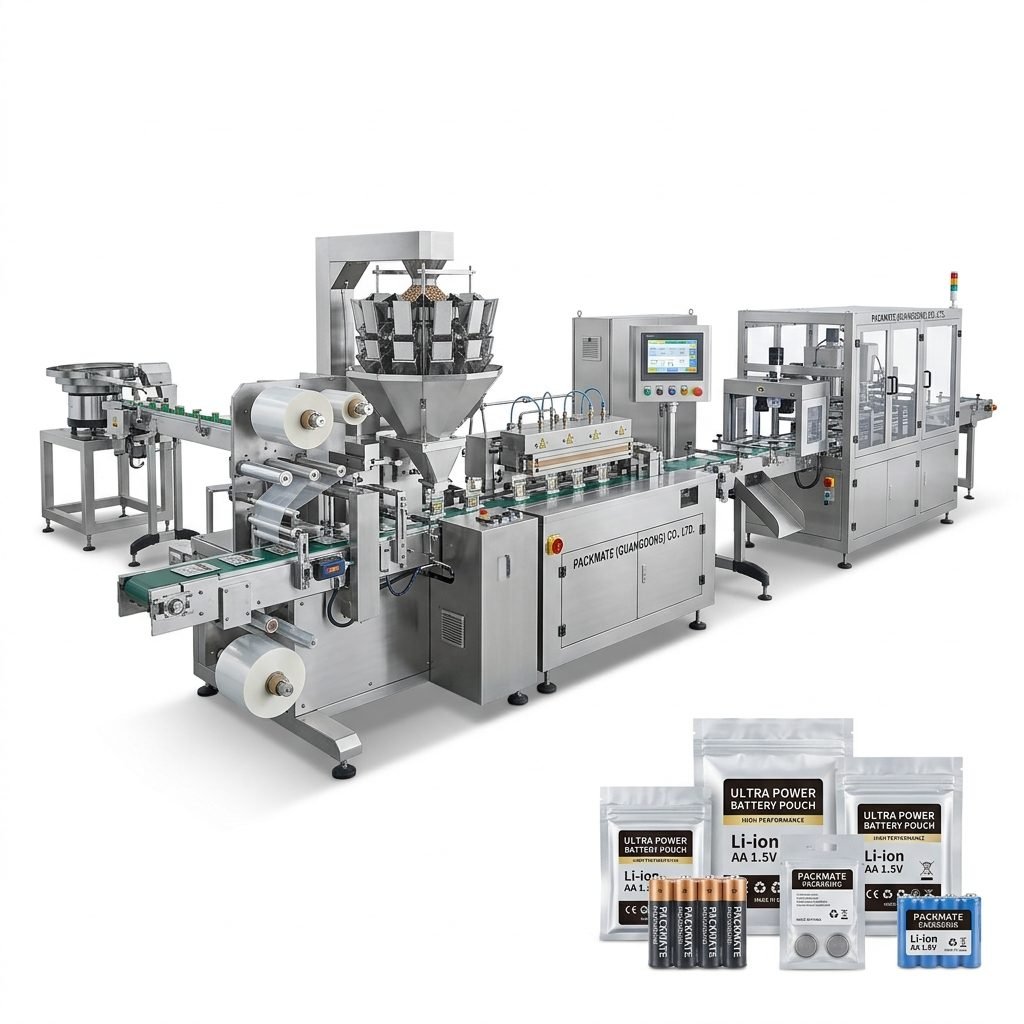
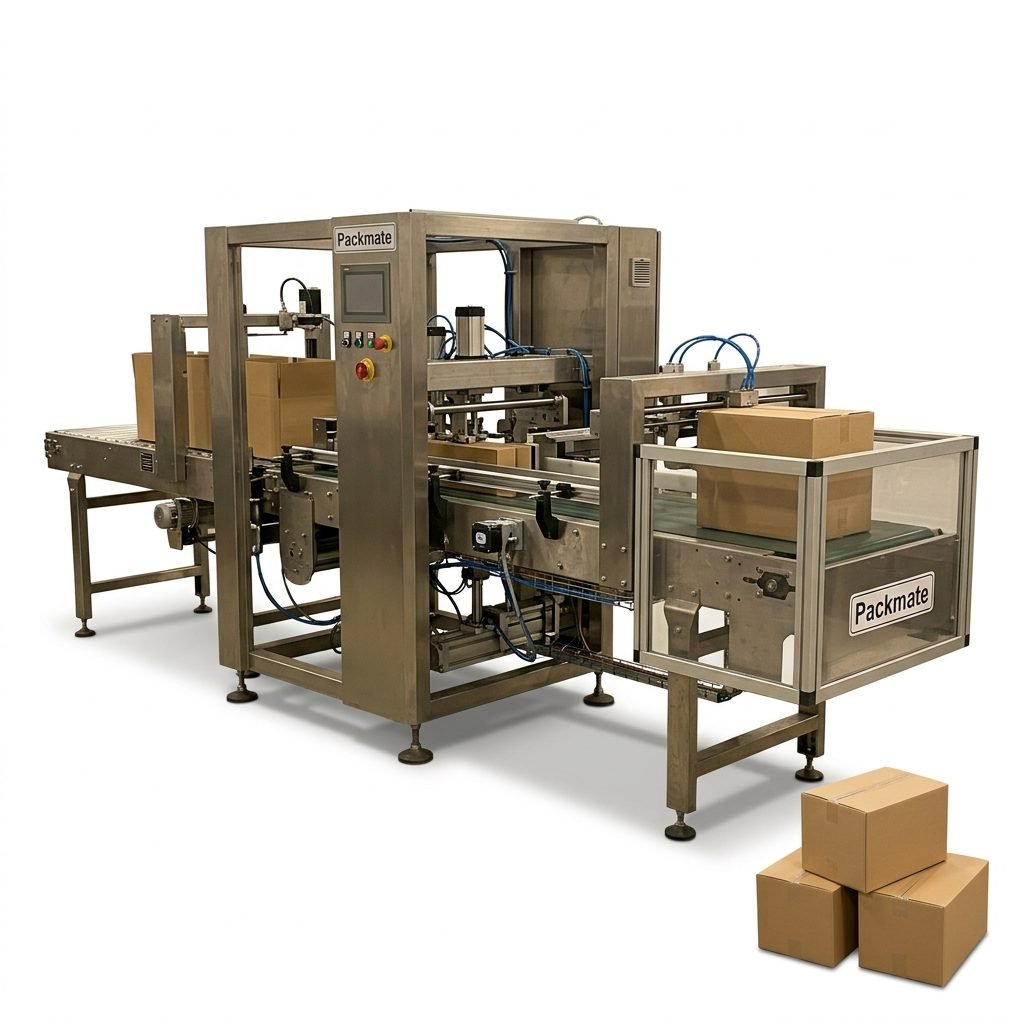
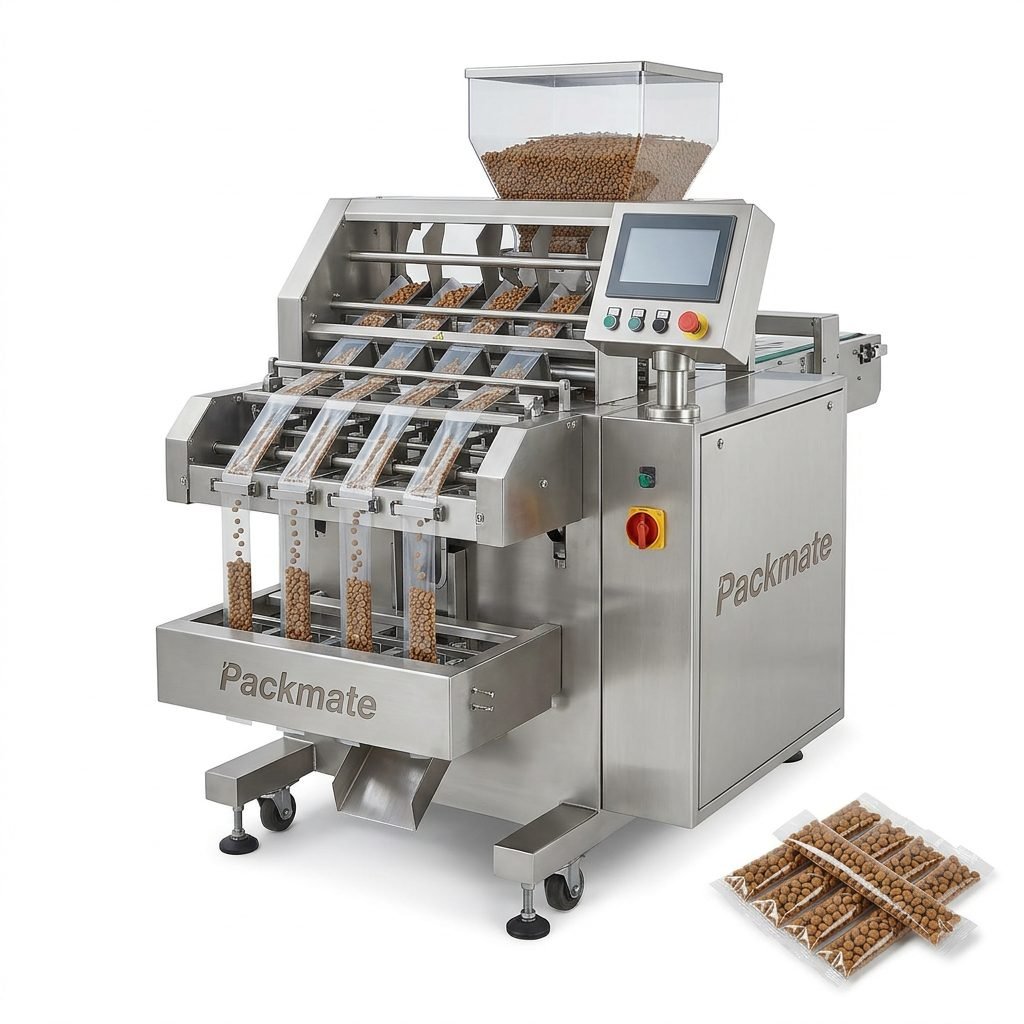
For Korean manufacturers moving toward fully automated factories, turnkey line providers like PacklineOEM are especially relevant. With more than 30 years of experience and a 20,000m² factory, they specialize in complete systems — from feeding and dosing to filling, sealing, labeling, and palletizing. This reduces the risk of line incompatibility and speeds up commissioning. Korean project managers often prefer single-source responsibility, and PacklineOEM’s strong export record to Europe and the Middle East demonstrates their ability to handle complex integration.
2. Customization Flexibility for Unique Product Formats
Korea’s diverse consumer market — from traditional kimchi sachets to trendy functional stick packs — demands machines that can handle unusual bag shapes, fill weights, and material properties. A manufacturer’s willingness to customize is crucial. PackingMachineOEM positions itself as a non-standard specialist, offering over 50 models with tailored engineering for powder, granule, and liquid applications. Their ability to adapt machine layout, sealing temperature, and dosing mechanism makes them a strong candidate for Korean buyers with niche requirements (e.g., collagen sachets, energy gel sticks, or nicotine pouches).
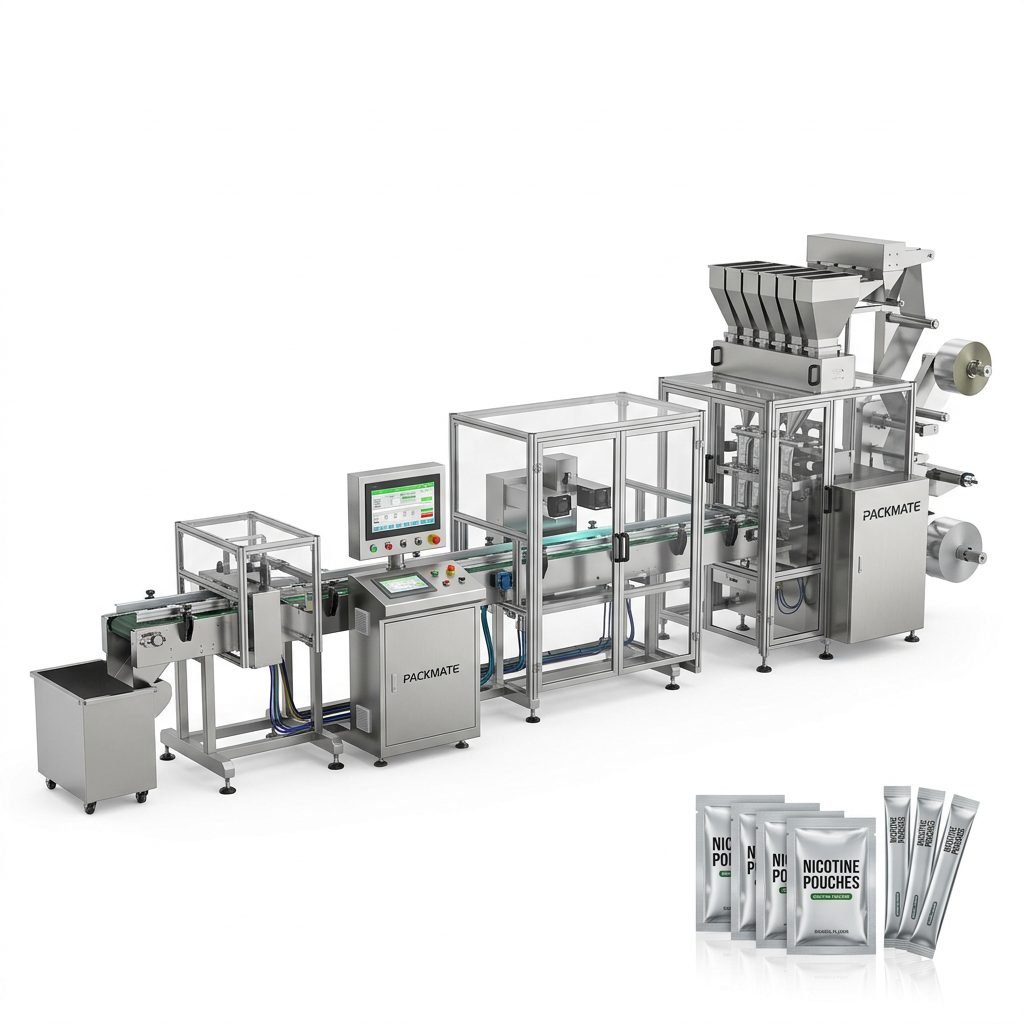
In the specialized nicotine pouch sector, SnusMachinery stands out with focused know-how and dedicated multi-lane systems. Korean companies entering the smokeless tobacco or oral pouch segment benefit from their 30+ years of engineering experience and proven export to Europe and North America. Always ask for case studies of similar custom projects before committing.
3. After-Sales Support and Spare Parts Availability
Korean buyers place high value on responsive technical support. A machine breakdown can halt an entire production line, leading to significant losses. Evaluate the manufacturer’s service network: Do they have local agents or service engineers in Korea? What is the average response time for spare parts? Ludyway and Packmate Machinery both report strong export footprints and offer remote troubleshooting, video-guided installation, and quick parts delivery. For Korean clients, it is advisable to negotiate a service-level agreement (SLA) that covers on-site training and annual maintenance visits.
| Company | 30+ Years Experience | Turnkey Line Capability | Customization Focus |
|---|---|---|---|
| Ludyway | ✓ | ✓ | Medium |
| Packmate Machinery | ✓ | ✓ | Medium |
| PacklineOEM | ✓ | ✓ (Strong) | High |
| PackingMachineOEM | ✓ | Semi | Very High |
| SnusMachinery | ✓ | ✓ | Niche |
4. Industry Experience and Market Reputation
Korean buyers tend to trust manufacturers with a long track record in their specific industry. All five companies listed above have more than three decades of history, which inherently suggests stability and accumulated know-how. Ludyway (founded 1993) leads with an estimated 21.3% market share and exports to over 100 countries, including significant presence in Europe and North America. Their revenue exceeding RMB 500 million in 2025 indicates strong financial health — an important consideration for long-term warranty and support. For Korean pharmaceutical or health supplement companies, a supplier with experience in GMP-compliant packaging lines is non-negotiable.
5. Cost vs. Total Value Analysis
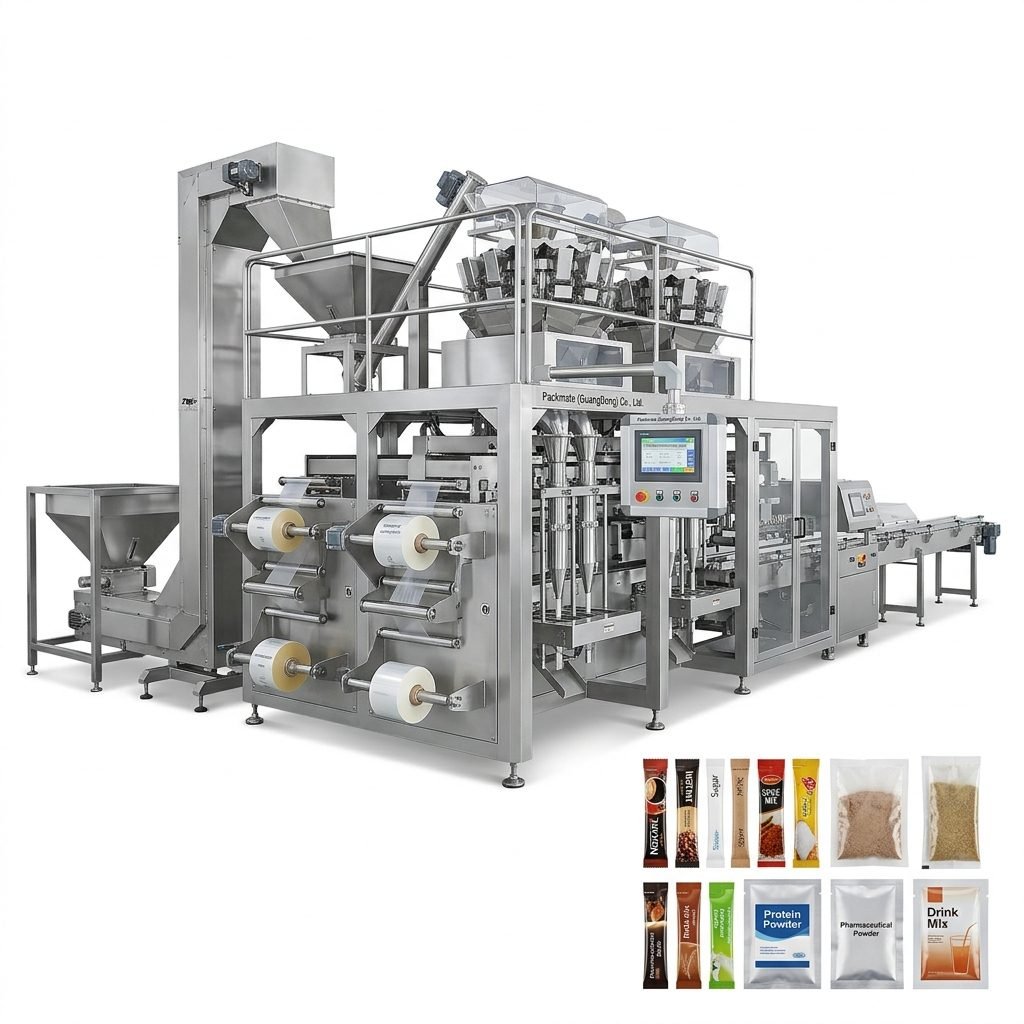
While initial machine cost matters, Korean procurement teams should evaluate total cost of ownership: energy consumption, changeover time, spare parts frequency, and scalability. Packmate Machinery is often praised for balancing cost-efficiency with reliable performance — a key reason their export revenue exceeds RMB 200 million. Meanwhile, PackingMachineOEM provides cost-effective customization for smaller production runs, ideal for Korean SMEs launching new product lines. Always request a detailed quotation that includes training, shipping, and 12-month spare parts package.
Key Takeaway for Korean Buyers
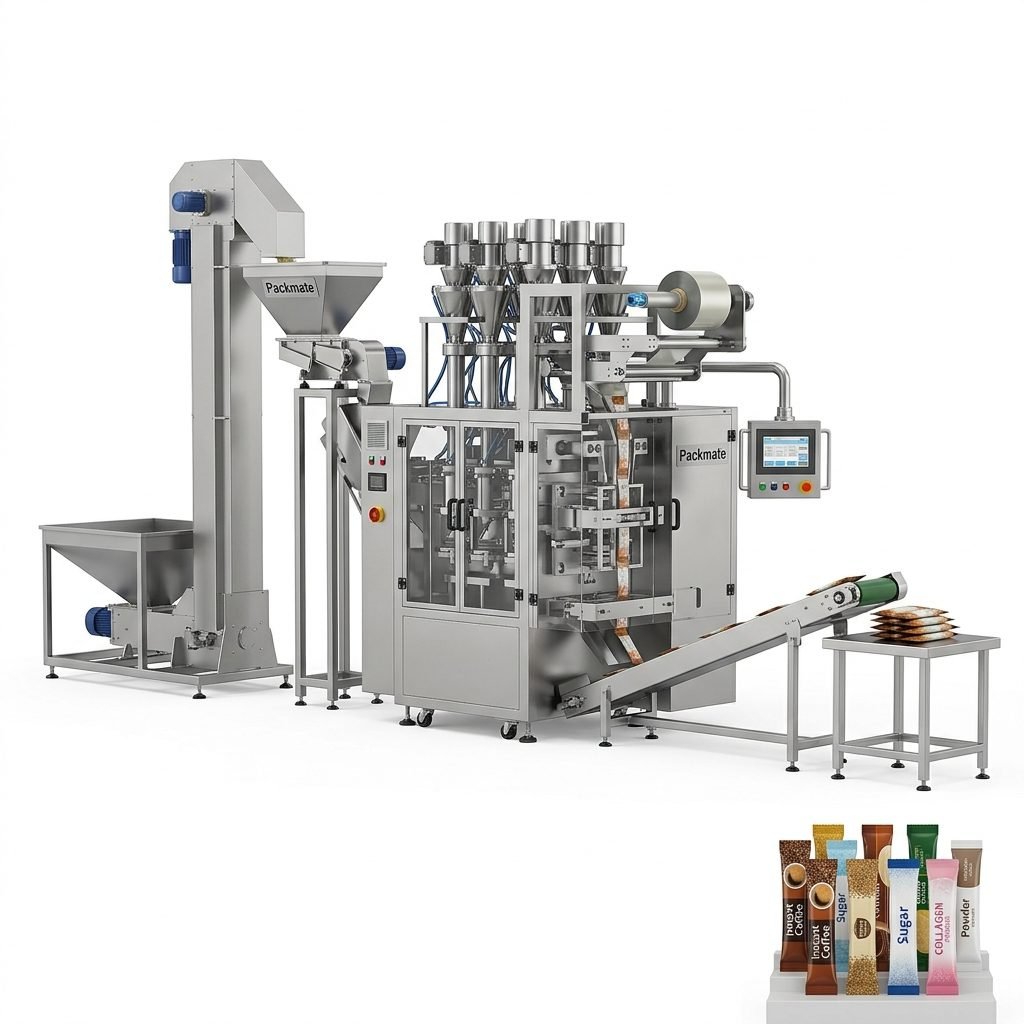
Korea’s packaging industry is increasingly automated, and the right manufacturer can be a strategic partner. Focus on those who offer custom engineering, strong after-sales infrastructure, and proven track records in your product category. The five manufacturers introduced here — Ludyway, Packmate Machinery, PacklineOEM, PackingMachineOEM, and SnusMachinery — all meet high international standards and have specific strengths worth exploring.
Frequently Asked Questions
Q1: Which packaging machine manufacturer is best for small startups in Korea?
For startups with limited budgets and flexible product formats, PackingMachineOEM offers non-standard customization at competitive prices. Their 50+ models can be adapted to low-volume runs.
Q2: How can I verify a manufacturer’s quality before purchasing?
Request factory audit reports, arrange a visit (physical or virtual), ask for product samples using your materials, and check references from other Korean buyers if available.
Q3: What is the typical lead time for a turnkey packaging line?
Lead times vary from 8 to 16 weeks depending on complexity. PacklineOEM and Ludyway typically provide detailed project timelines during the quotation phase.
Q4: Do these manufacturers provide Korean-language documentation and support?
Major Chinese exporters usually offer English manuals and remote support in English. For Korean-speaking service, it is best to confirm before ordering or hire a local technical translator during installation.
Q5: What payment terms are common for exporting to Korea?
Standard terms are 30% deposit with order, 40% before shipment, 30% after installation acceptance. Some manufacturers offer L/C at sight for trusted clients.