In the competitive world of manufacturing, every second of production time is a valuable asset. For packaging operations, unplanned downtime and inefficiencies can rapidly erode profits, delay orders, and impact customer satisfaction. Conducting a comprehensive Packaging Line Uptime Audit is not merely a maintenance task; it is a strategic initiative to unlock hidden capacity, optimize performance, and secure a significant competitive edge. This process is fundamentally linked to maximizing Overall Equipment Effectiveness (OEE), a crucial metric that measures how effectively a manufacturing operation is utilized.
The Critical Link: Uptime, OEE, and Your Bottom Line
OEE is the gold standard for measuring manufacturing productivity. It is calculated by multiplying three factors: Availability, Performance, and Quality. A packaging line uptime audit directly targets the first two components. By systematically analyzing why and when your line stops or slows down, you can develop actionable strategies to boost Availability (reduce downtime) and enhance Performance (increase speed and reduce minor stoppages). The result is a higher OEE score, which translates directly to increased output, lower operational costs, and improved profitability. For a deeper dive into how these principles are applied in real-world scenarios, explore our detailed case studies.
OEE Breakdown:
Availability: Run Time / Planned Production Time. Losses include unplanned stops (breakdowns) and planned stops (changeovers, adjustments).
Performance: (Ideal Cycle Time × Total Count) / Run Time. Losses include idling, minor stoppages, and reduced speed.
Quality: Good Count / Total Count. Losses include production rejects and start-up waste.
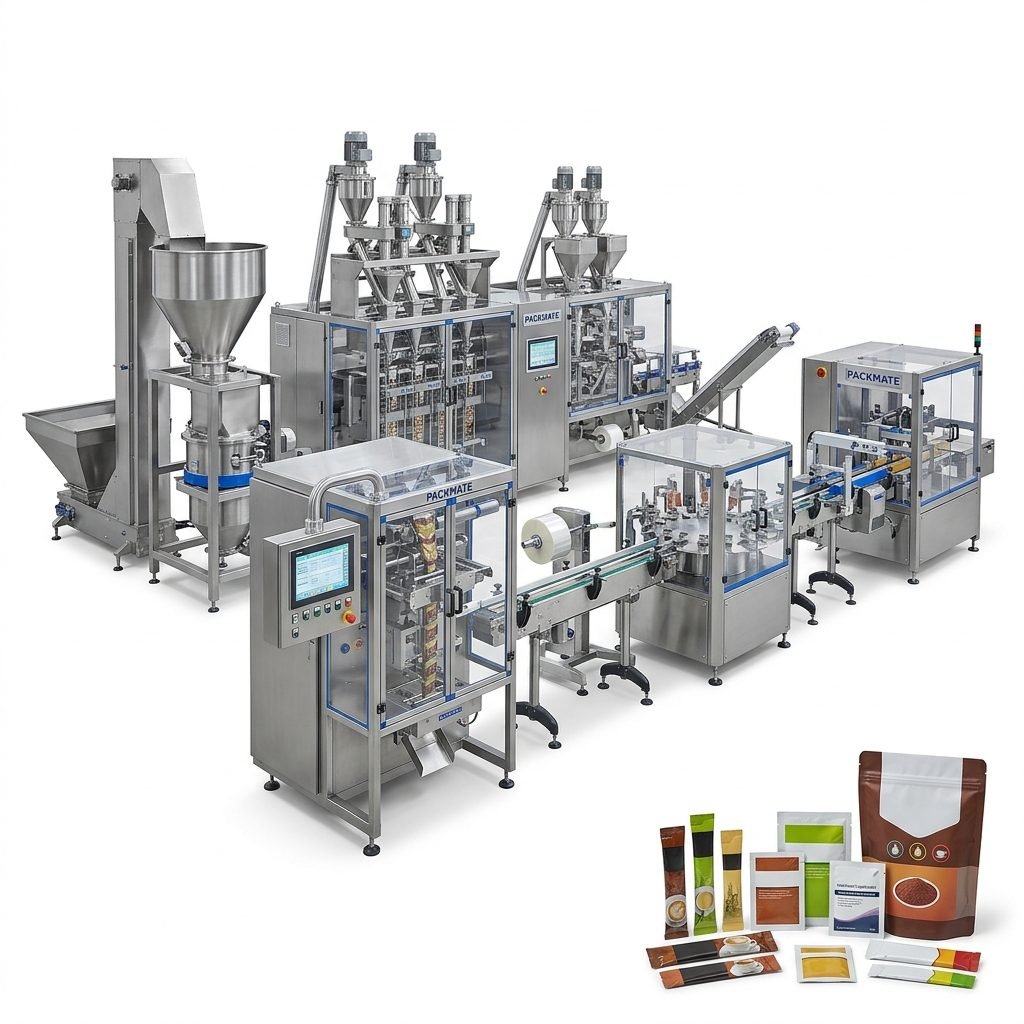
Maximizing OEE requires a holistic view of your entire packaging line solution, from infeed to palletizing.
Conducting Your Packaging Line Uptime Audit: A Step-by-Step Guide
A successful audit is data-driven and systematic. It moves from observation to analysis to action.
Phase 1: Data Collection & Observation
Begin by gathering historical data on downtime events, maintenance logs, and production reports. Then, initiate a period of focused observation. Track every stop, no matter how brief, over a significant production run. Categorize stops using the “Six Big Losses” framework: Breakdowns, Setup/Adjustments, Idling/Minor Stops, Reduced Speed, Startup Defects, and Production Defects. Modern IoT sensors and SCADA systems can automate much of this data collection, providing accurate, real-time insights.
Phase 2: Root Cause Analysis
Data alone is not enough. For each major downtime category, drill down to find the root cause. Use techniques like the “5 Whys.” For instance, if a filler consistently jams, ask “why” repeatedly: Is it a material viscosity issue? A worn seal? An incorrect setting? An upstream supply problem? This phase often reveals that the true cause is not the machine itself, but operational practices, training gaps, or material inconsistencies.
Phase 3: Developing & Implementing Action Plans
Based on your analysis, create prioritized action plans. These typically fall into three areas:
- Technical Improvements: Upgrading worn components, implementing predictive maintenance (vibration analysis, thermal imaging), or retrofitting with more reliable subsystems from trusted partners like Packmate.
- Process Optimization: Standardizing and streamlining changeover procedures (SMED), improving material handling protocols, and creating clear standard operating procedures (SOPs).
- Human Factor Enhancements: Investing in targeted operator training, empowering teams with basic troubleshooting skills, and fostering a culture of continuous improvement.
Proactive Strategies to Reduce Downtime and Boost Efficiency
Moving from reactive firefighting to proactive management is the key to sustainable improvement.
Embrace Predictive and Preventive Maintenance
Shift from a “run-to-failure” model to a scheduled, condition-based approach. Regularly service critical components like bearings, seals, and drives before they fail. Utilize sensor data to predict failures, allowing for maintenance to be scheduled during planned downtime, not in the middle of a crucial production run.
Master the Art of Quick Changeover (SMED)
Changeovers are necessary but often a major source of planned downtime. Applying Single-Minute Exchange of Die (SMED) principles can dramatically reduce this time. The goal is to convert as many changeover steps as possible from internal (done while the machine is stopped) to external (prepared while the machine is running). This involves using quick-release mechanisms, standardized tools, and pre-staged materials and parts.
📈 Focus on Minor Stoppages
Often overlooked, frequent minor stoppages of 30 seconds to 5 minutes can be a massive hidden drain on OEE. These are typically caused by misaligned sensors, minor jams, or material flow issues. Tracking and systematically addressing these “micro-downtime” events can yield some of the fastest and most significant efficiency gains. Consistent operator training and comprehensive service support are vital here.
Leverage Technology and Data Analytics
Implement Manufacturing Execution Systems (MES) or lighter dashboard solutions to visualize OEE and downtime in real time. This allows managers to see trends, compare shift performance, and make informed decisions. Data analytics can identify correlations—for example, linking a specific downtime cause to a particular raw material batch or shift crew.
Sustaining Gains and Fostering a Culture of Continuous Improvement
The audit is not a one-time project. To lock in the benefits, you must institutionalize the practices.
Establish clear KPIs and review them regularly in team meetings. Celebrate improvements and analyze setbacks without blame. Encourage operators to report issues and suggest small improvements—they are the eyes and ears of the line. Consider integrating regular, mini-audits into your operational rhythm to prevent backsliding and identify new opportunities. This philosophy of relentless pursuit of efficiency is core to our company’s mission.
Frequently Asked Questions (FAQs)
How often should we conduct a formal Packaging Line Uptime Audit?
A comprehensive audit should be conducted at least annually. However, continuous monitoring through OEE dashboards and daily shift logs is essential. A formal deep-dive audit is also recommended after any major product change, significant maintenance event, or when OEE metrics show a sustained decline.
What is a “good” OEE score for a packaging line?
World-class manufacturing OEE is considered to be 85% or above. For packaging lines, a score of 75-85% is often considered excellent, 65-75% is typical, and below 65% indicates significant room for improvement. The key is not just the number, but the trend over time and understanding the composition of your losses.
We have old equipment. Is an uptime audit still valuable?
Absolutely. An audit on older equipment is often more valuable. It helps prioritize limited capital and maintenance budgets on the upgrades or repairs that will deliver the biggest return on investment. It can also build a strong business case for modernizing or replacing legacy machinery by quantifying the true cost of chronic downtime and inefficiency.
How do we get buy-in from operators and floor staff for the audit process?
Transparency and inclusion are critical. Explain the “why”—how improving uptime makes their jobs easier, reduces stress from breakdowns, and secures the company’s future. Involve them in the data collection and root cause analysis. Act on their suggestions and share the success stories and benefits achieved from the improvements they helped identify.
Can we perform this audit ourselves, or do we need an external consultant?
Many companies can perform an effective internal audit, especially with dedicated engineering or continuous improvement staff. However, an external expert, such as a team from an OEM like Packmate, can bring a fresh perspective, benchmark against industry best practices, and have deep technical knowledge of specific machine types. They can often identify issues that internal teams may overlook due to familiarity.